Add GIZMOCHINA as Preferred Source on Google
When shopping for a new smartphone, one of the first things you’re likely to consider is the camera. After all, with today’s smartphones, we can capture stunning photos and videos that we can share with the world. But when it comes to camera megapixels, it’s important to remember that more isn’t always better. In fact, there are a number of reasons why you shouldn’t buy a smartphone based on camera megapixels alone.
1. Megapixels don’t tell the whole story
Megapixels refer to the resolution of the photos a camera can take, with one megapixel equaling one million pixels. While it’s true that more pixels can result in sharper images, the difference becomes less noticeable after a certain point. For example, a 12MP camera and a 48MP camera might not produce drastically different images in day-to-day use, especially on a smartphone screen or even a standard computer monitor. The higher resolution mostly benefits large-format prints or extreme zooming in, which most users rarely need.
2. Sensor size matters more than megapixels
The most critical component of a smartphone camera is the image sensor. This tiny chip captures light and converts it into an image. A larger sensor allows more light to enter, resulting in better low-light performance, improved dynamic range, and richer color accuracy.
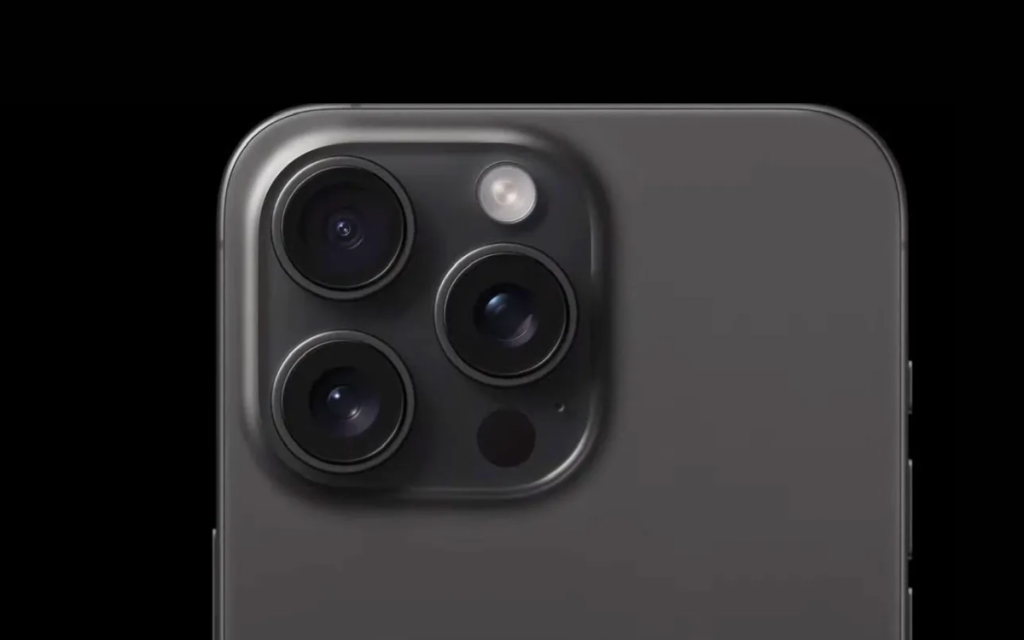
For example, the Apple iPhone and Google Pixel series, both known for their exceptional camera performance, utilize sensors that emphasize quality rather than the number of megapixels. Despite having lower megapixel counts than some competitors, iPhones and Pixels consistently deliver superior real-world photography, thanks to their advanced sensor technology.
3. Lens quality and aperture
Another crucial factor in determining a smartphone camera’s performance is the lens quality and aperture size. The lens focuses light onto the sensor, and a higher-quality lens can minimize distortions and aberrations. Meanwhile, the aperture (often denoted by f/ numbers like f/1.8, f/2.2) controls how much light reaches the sensor.
A lower f-number means a larger aperture, allowing more light to hit the sensor, which is especially beneficial in low-light situations. Even a 108MP camera with a small sensor and narrow aperture might struggle in low-light conditions, resulting in noisy and grainy images.
4. Image processing
What happens after a photo is taken is equally important. Modern smartphones rely heavily on image processing algorithms to enhance photos. These algorithms handle everything from noise reduction to HDR processing, color correction, and even computational photography techniques like night mode or portrait mode.
For instance, Apple’s iPhones are renowned for their image processing capabilities, delivering consistently high-quality photos even with lower megapixel counts. This shows that a camera’s software can be just as critical as its hardware.
5. Conclusion
While megapixels are an essential aspect of a smartphone camera, they are far from the most critical factor in determining image quality. A well-balanced smartphone camera setup, with a good sensor, quality lenses, and strong image processing software, will consistently deliver better photos than a camera that relies solely on high megapixel counts.
When choosing your next smartphone, consider the entire camera system and how it performs in real-world scenarios rather than getting swayed by megapixel numbers alone. By doing so, you’ll likely end up with a device that offers a more versatile, reliable, and enjoyable photography experience.