Add GIZMOCHINA as Preferred Source on Google
As an Amazon Associate, Gizmochina earns from qualifying purchases. Links on this page may earn us a commission at no extra cost to you.
Motorola has once again refreshed its popular Edge series with the launch of two new smartphones: the Motorola Edge 50 and the Motorola Edge 50 Neo. While both devices share some similarities, such as robust MIL-810H certification and IP68 dust and water resistance, they cater to different user preferences in terms of display size, processing power, and camera capabilities. Here’s a detailed comparison of how the Edge 50 Neo differs from the regular Edge 50.
1. Display
The Motorola Edge 50 features a larger 6.67-inch curved pOLED display with a 1.5K resolution and up to 1600 nits peak brightness. It supports a 120Hz refresh rate and a 360Hz touch sampling rate, providing a highly responsive and smooth display experience. The curved design enhances the phone’s aesthetic appeal, making it feel more premium. The display is also protected by Corning Gorilla Glass 5, ensuring better durability against accidental drops and scratches.
In contrast, the Motorola Edge 50 Neo offers a slightly smaller 6.4-inch flat pOLED display with the same 1.5K resolution, but it’s an LTPO panel capable of adjusting its refresh rate dynamically up to 120Hz, which can help in conserving battery life.
What truly stands out about the Edge 50 Neo’s display is its impressive 3000 nits peak brightness, making it more suited for users who want excellent outdoor visibility, especially under direct sunlight. However, the Neo is protected by Corning Gorilla Glass 3, which is not as durable as the Glass 5 used in the Edge 50.
2. Performance
Performance-wise, the Edge 50 is powered by Qualcomm’s Snapdragon 7 Gen 1 Accelerated Edition SoC, which is built on a 4nm process. It offers up to 2.5GHz of CPU speed and is paired with an Adreno 644 GPU, making it a more capable option for moderate to heavy tasks, including gaming and multitasking. The phone also comes equipped with a vapor chamber cooling system to ensure optimal thermal management during extended usage.
On the other hand, the Edge 50 Neo is powered by the MediaTek Dimensity 7300 SoC, also a 4nm chipset. While the performance is still solid and on par with the 7 Gen 1 for day-to-day tasks and casual gaming, it lacks the same high-end gaming optimization and raw power of the Snapdragon 7 Gen 1 found in the Edge 50. However, for casual users or those who prioritize efficiency and light use, the Dimensity 7300 provides a good balance between performance and battery life.
3. Software
In terms of software, both phones ship with Android 14 out of the box. However, the Motorola Edge 50 Neo stands out by offering 5 OS upgrades and 5 years of security updates, a significant leap over Motorola’s usual update policy. This makes the Edge 50 Neo an attractive option for users looking for long-term software support, ensuring the phone remains updated for years to come.
The Edge 50, in comparison, offers 2 years of Android updates and 3 years of security updates. While adequate for most users, those prioritizing extended software support might prefer the Neo.
4. Camera
The camera setup in both devices is quite similar. The primary rear camera on both phones is a 50MP sensor with the Sony LYT-700C sensor. This camera supports Optical Image Stabilization (OIS), which is great for reducing shake in photos and videos. Both phones also feature a 13MP ultra-wide camera with macro capabilities, as well as a 10MP telephoto lens offering up to 30x digital zoom.
On the front, both phones feature a 32MP selfie camera. Both phones support 4K video recording, making it more appealing for those who use the front camera for vlogging or high-resolution video calls.
5. Battery and Charging
The Motorola Edge 50 packs a 5000mAh battery with 68W wired fast charging and support for 15W wireless charging. This larger battery, combined with its Snapdragon chipset, makes it more suitable for power users who need extended battery life throughout the day.
The Edge 50 Neo, on the other hand, comes with a 4310mAh battery, which is smaller but still offers 68W wired fast charging and 15W wireless charging. This should be more than adequate for users who prefer a lighter, more compact device but still want fast charging capabilities.
6. Design and Build
While both phones share the same MIL-810H certification for durability and IP68 ratings for water and dust resistance, the Motorola Edge 50 Neo is slightly more compact and lightweight. The Edge 50 Neo weighs 171g and has dimensions of 154.1 x 71.2 x 8.1 mm, making it easier to handle for users who prefer smaller phones. The Edge 50, in contrast, weighs 180g and is slightly bulkier at 160.8 x 72.4 x 7.79 mm.
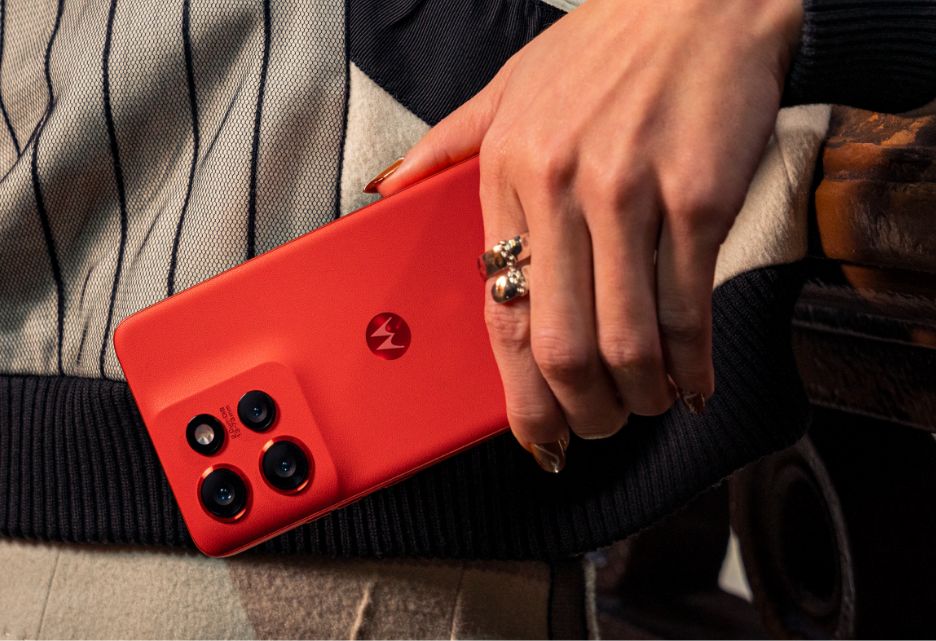
The Edge 50 Neo comes in Nautical Blue, Latte, Grisaille, and Poinciana colors with a vegan leather finish, while the Edge 50 offers Jungle Green and Pantone Peach Fuzz with a similar vegan leather finish, along with a Koala Grey vegan suede variant. The aesthetic choices offer plenty of variety for both phones.
7. Pricing
When it comes to pricing, the Motorola Edge 50 is priced at Rs. 27,999 for the single 8GB + 256GB variant. On the other hand, the Motorola Edge 50 Neo is more budget-friendly, priced at Rs. 23,999 for the same 8GB + 256GB configuration.
| Preview | Product | |
|---|---|---|

|
Motorola Edge 50 5G (8GB RAM + 256GB Storage) | 50MP + 13MP + 10MP | 32MP Front Camera | 5000 mAh… | Check Price on Amazon |
Please Note: When you buy something using the links in our articles, we may earn a small commission at no cost to you.
8. Conclusion
Ultimately, the choice between the Motorola Edge 50 and the Motorola Edge 50 Neo depends on user priorities. The Edge 50 offers more power, better thermal management, and a larger display, making it ideal for gamers or heavy users.
In contrast, the Edge 50 Neo provides better software support, a brighter display, and a more compact design, catering to those who prefer longevity and portability. Both phones offer a solid overall experience, but they serve slightly different market segments.