
Add GIZMOCHINA as Preferred Source on Google
Ever been annoyed by the increasingly bulky camera bumps on modern smartphones? Just take a look at the vivo X200 Pro or the Oppo Find X8 Pro for reference. While these flagship devices offer incredible clarity and long-range zoom, achieving these features necessitates hardware that protrudes awkwardly from the phone’s sleek design. This not only affects aesthetics but sometimes also introduces usability issues, like an unstable wobble when the device is placed on a flat surface.
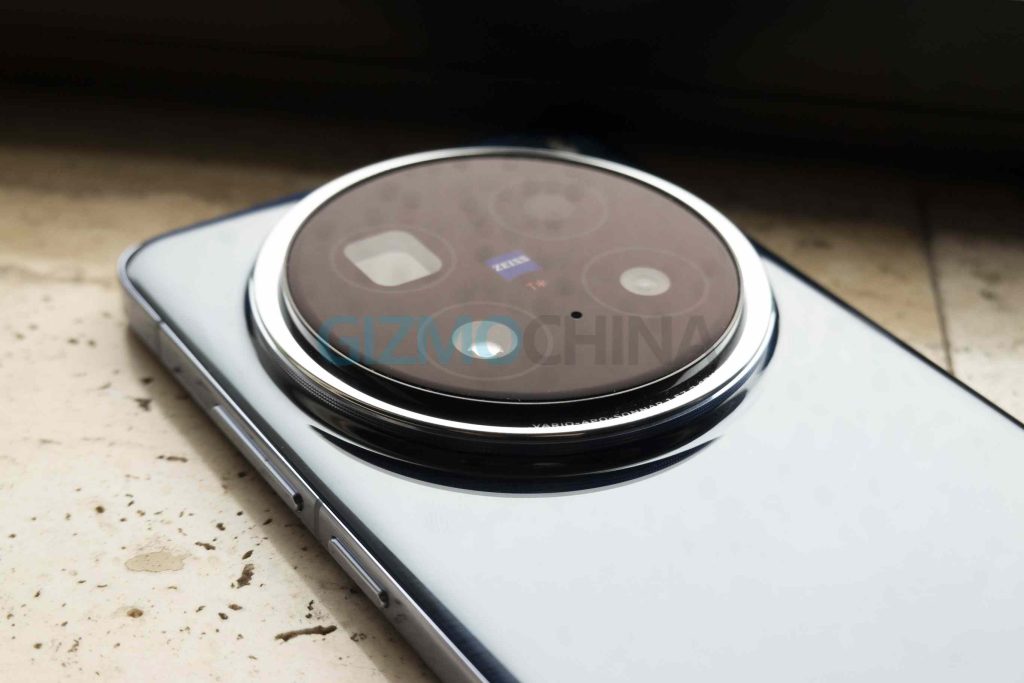
Fortunately, Samsung has unveiled a game-changing solution: the ISOCELL ALoP (All Lenses on Prism) technology, which promises to combine high-quality photography with a slimmer, more ergonomic camera design.
Samsung’s ALoP Solution
Samsung’s ALoP technology reimagines the telephoto camera structure by placing the lenses horizontally within the smartphone body. Instead of stacking the lens vertically between the prism and image sensor, ALoP arranges the lenses flat in the same plane as the phone. This innovation allows for a larger effective pupil diameter (EPD), enabling a brighter lens aperture without increasing the camera bump’s height.
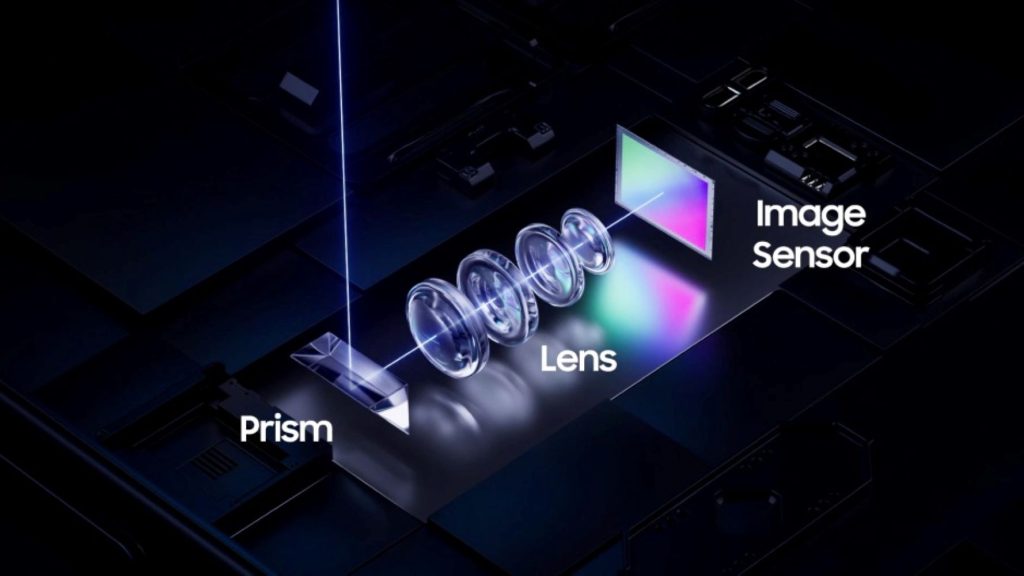
By employing a 40°-tilted prism and a 10°-angled sensor assembly, ALoP reduces the overall height and length of the telephoto camera module by 22% compared to traditional designs. The result is a slimmer, less obtrusive camera bump that maintains the sleek profile consumers expect from premium smartphones.
Similar to Apple, Samsung is reportedly planning a ‘Slim’ model as part of its S25 lineup, anticipated for a separate release in 2025. It’s possible that Samsung could debut this new camera technology with the Slim model, refining it further for the S26 series.
Key Benefits of Samsung ALoP
ALoP’s novel lens arrangement supports an f/2.58 aperture at an 80mm focal length, offering brighter and low-noise images, even in low-light conditions. Unlike conventional telephoto optics, ALoP positions a large aperture lens in front of the prism, enhancing night photography performance.
The ALoP design not only minimizes the camera module’s footprint but also introduces a circular lens appearance, replacing the less attractive rectangular prism shape of folded optics. This improvement makes the camera bump less noticeable and more in harmony with the phone’s design.
A flatter, smaller camera bump means smartphones lie more stably on flat surfaces, improving ergonomics. Users no longer have to deal with the wobble issues caused by overly thick camera modules.
(Source)



Comments