
Add GIZMOCHINA as Preferred Source on Google
Samsung’s Exynos 2600 chipset, once rumored to be a major leap in mobile processing, may never see the light of day. A recent report suggests that Samsung is considering canceling its production altogether due to challenges with its 2nm fabrication process. This development raises questions about the future of Samsung’s in-house chip production and its competitiveness in the semiconductor space.
Exynos 2600 was expected to utilize Samsung Foundry’s advanced 2nm process. However, the production yield rate—a key metric for determining how many usable chips are created from a single wafer—has reportedly been alarmingly low. Recent figures suggest yields of only 10–20%, which are not viable for mass production.
This issue isn’t new for Samsung Foundry. Its 3nm process node, used for the Exynos 2500, faced similar hurdles, with yields falling below 20%. This has led to speculation that Samsung might outsource the production of its flagship Exynos chips to TSMC, a leader in advanced chip manufacturing.
Production restructuring?
Adding to the complexity, Samsung has reportedly shut down several manufacturing facilities operating on older 4nm, 5nm, and 7nm technologies. The company’s semiconductor division is also known to be grappling with a smaller workforce, which is further constrained by South Korea’s 52-hour workweek regulation. A restructuring of Samsung’s application processor (AP) development team is reportedly underway, but it could take years to materialize fully.
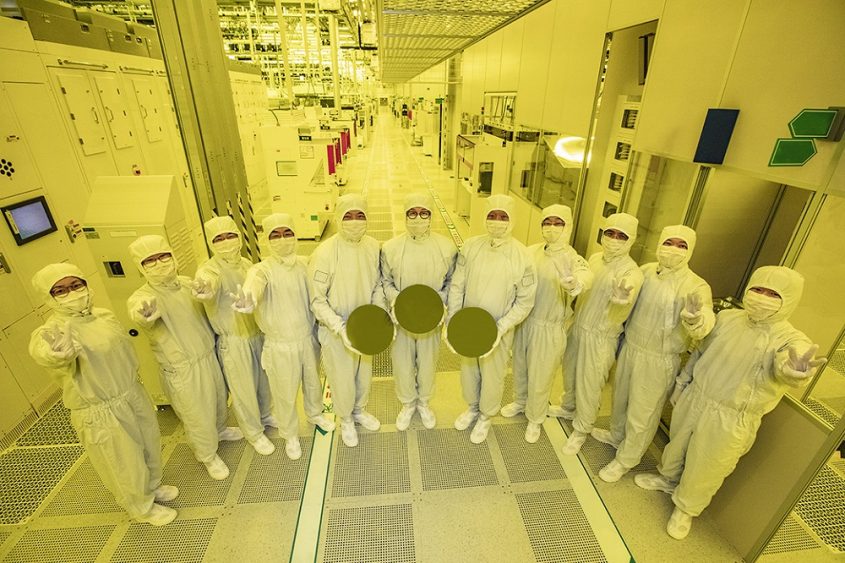
While outsourcing production to TSMC might address yield issues, it could also lead to increased production costs. Historically, Samsung has relied on in-house manufacturing to control costs and maintain competitive pricing for its devices. Outsourcing could result in even higher retail prices.
A challenging road ahead for Exynos
Despite the setbacks, Samsung Foundry is reportedly pushing to improve its 2nm process to compete with TSMC. However, there’s little information on current progress, leaving the future of Exynos uncertain.
For users, Samsung’s rumored shift to Snapdragon 8 Elite or MediaTek Dimensity 9400 for the Galaxy S25 series might promise better performance and efficiency. However, the possible discontinuation of Exynos 2600 highlights the challenges Samsung faces in balancing innovation and cost efficiency.




Comments