Add GIZMOCHINA as Preferred Source on Google
The iPhone has undeniably revolutionized the smartphone industry, setting benchmarks for design, performance, and user experience. However, in recent years, a growing sentiment among tech enthusiasts and casual users alike suggests that iPhones have become, well, boring. While the devices continue to deliver exceptional quality, this feeling stems from several key factors worth exploring.
1. Lack of Innovation in Design
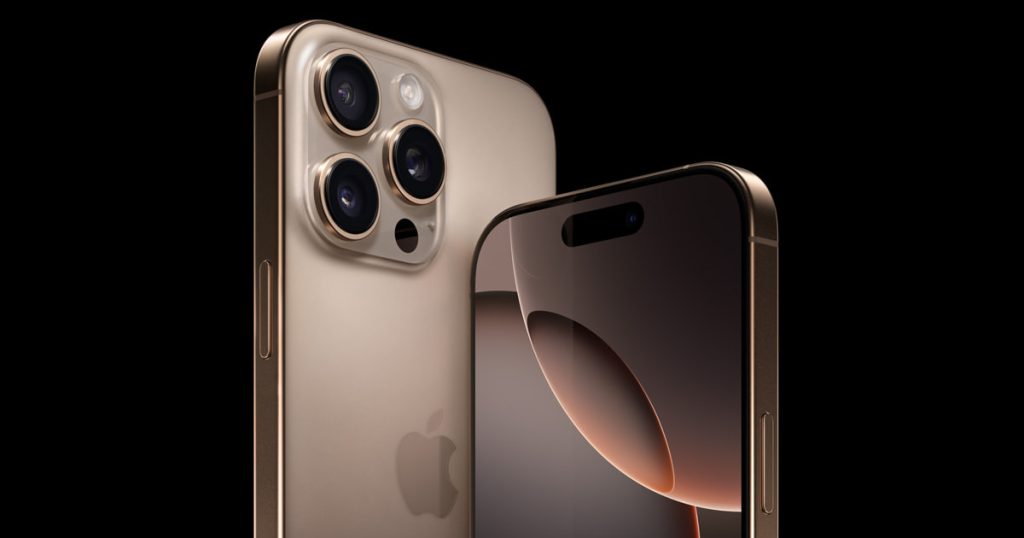
When the iPhone X debuted in 2017, it was a groundbreaking moment. The edge-to-edge display and the removal of the home button signaled a bold design overhaul. Since then, however, Apple’s design language has largely stagnated.
Each new model feels like a refined version of its predecessor rather than a bold leap forward. The flat edges, rounded corners, and camera bump are now so predictable that users can often distinguish models only by their size or slight tweaks in color options.
In contrast, competitors like Samsung and Xiaomi have embraced foldable displays, under-display cameras, and unique materials, providing a sense of excitement and novelty that Apple seems to lack.
2. Incremental Upgrades
Each new iPhone generation introduces improvements, but these changes often feel iterative rather than revolutionary. For example, the annual upgrade cycle typically brings a slightly faster processor, marginally better cameras, or a small boost in battery performance. While these enhancements ensure the iPhone remains competitive, they rarely offer a “wow” factor, especially for users who already own a recent model.
Take the iPhone’s camera system as an example. While Apple consistently refines its sensors and computational photography capabilities, the upgrades are often subtle. Many users struggle to notice a significant difference between photos taken on the latest iPhone and its predecessor unless they are avid photographers. Similarly, the improvements in battery life often amount to an extra hour or two, which may not feel groundbreaking for users who already enjoy decent battery performance on older devices.
In contrast, Android manufacturers have been more aggressive in pushing technological boundaries. Features like 200MP cameras, ultrasonic fingerprint sensor, ultra-fast charging that powers a phone from 0% to 100% in under 20 minutes, or cutting-edge cooling systems designed to maintain peak performance during gaming sessions, showcase a level of innovation that feels truly exciting. These advancements not only grab headlines but also give users a tangible reason to upgrade.
3. Closed Ecosystem
Apple’s tightly controlled ecosystem, while praised for its seamless integration, can also feel restrictive. Features like AirDrop, iMessage, and Handoff are incredibly convenient but are exclusive to Apple devices, creating an insular experience. Users looking for deeper customization or cross-platform functionality may find the walled garden stifling.
Android, in comparison, offers diverse hardware, open software, and countless ways to personalize devices. For tech enthusiasts who thrive on tinkering and choice, the rigidity of iOS can feel uninspiring.
4. Price Tag Without the Thrill
Apple’s premium pricing strategy is another factor that adds to the perception of boredom. The high cost of iPhones isn’t always matched by the level of innovation users expect. While the devices are reliable and durable, the lack of standout features or transformative changes often leaves consumers questioning the value proposition.
5. Overpriced Accessories
Apple has a reputation for pricing its accessories at a premium, often making them feel overpriced compared to third-party alternatives. Products like AirPods, MagSafe chargers, and even basic items like charging bricks and cables come with hefty price tags that can strain a user’s budget. For instance, AirPods are undoubtedly well-designed with seamless integration into the Apple ecosystem, but many users feel their cost far exceeds their value, especially when compared to similarly performing alternatives from other brands.
Additionally, Apple’s decision to remove essential items like chargers from iPhone boxes, citing environmental concerns, has been widely criticized as a move to push users toward purchasing accessories separately.
This pricing strategy not only reinforces the perception of exclusivity but also adds to the frustration of users who feel locked into the Apple ecosystem, where cheaper third-party accessories often don’t perform as well due to software restrictions. This approach leaves many feeling that Apple prioritizes profits over user convenience.
6. Limited Risk-Taking
Apple’s risk-averse approach to adopting new technologies is a defining characteristic of the brand. While many smartphone manufacturers race to implement novel features, often releasing them in a rough or unpolished state, Apple chooses to wait. The company’s philosophy is centered around refining these innovations to meet its high standards, ensuring that any feature it introduces is seamless, reliable, and integrated into the broader ecosystem. This strategy has its merits but also contributes to the perception that iPhones lag behind in excitement.
Take, for example, foldable displays. Brands like Samsung, Huawei, and Oppo have already introduced foldable phones that have become a focal point of their product lineups. These devices offer unique functionality, combining the portability of a phone with the expansive screen real estate of a tablet. Yet, Apple has remained absent from this space. Rumors of an Apple foldable device have circulated for years, but there’s no concrete evidence that such a product is on the horizon. This reluctance to enter the foldable market reflects Apple’s careful approach but also leaves enthusiasts yearning for something bold and innovative.
Similarly, reverse wireless charging, a feature that allows users to charge accessories like earbuds or even other phones by placing them on the back of their device, is another technology Apple has yet to adopt. Competitors such as Samsung and Huawei have implemented this feature in their flagship devices, adding a layer of convenience for users. Despite hints in iPhone prototypes and patents, Apple has not rolled out this functionality in its commercial devices, leaving a gap in features compared to rival brands.
Apple’s cautious strategy extends beyond hardware. Features like high-refresh-rate displays, always-on displays, and advanced telephoto cameras were all implemented by competitors long before Apple introduced them. While Apple eventually integrated these technologies into the iPhone lineup, such as with the ProMotion display and Dynamic Island, it often does so years after the competition has normalized them.
While this wait-and-watch approach ensures Apple avoids the pitfalls of rushed implementation, it undeniably sacrifices the excitement of being first. Enthusiasts who crave cutting-edge, experimental features often turn to other brands for a taste of what’s possible in the smartphone space.
Apple’s reluctance to take risks means its devices are less likely to surprise users, sticking instead to a formula of gradual, incremental improvement. This strategy may secure its reputation for quality and reliability, but it also perpetuates the notion that iPhones are, in many ways, predictable and, for some, boring.
7. Is Boring Always Bad?
While iPhones may lack the excitement and flair of their competitors, their “boring” nature is not inherently negative. For many users, this consistency translates to reliability, durability, and a user experience they can trust. However, for those seeking cutting-edge designs or experimental features, the iPhone often fails to deliver the thrill they crave.
In the end, whether iPhones are boring depends on what you value in a smartphone. For some, their predictability is a strength; for others, it’s a missed opportunity for innovation. As Apple continues its cautious approach to innovation, the debate over whether iPhones are boring will likely persist, fueled by the ever-evolving smartphone market.