For years, Xiaomi’s Redmi line stood as the go-to option for budget-conscious consumers seeking the best possible specifications without breaking the bank.
The Redmi Note series, in particular, was hailed as a disruptor in the mid-range smartphone market, offering features that undercut competitors at the same price point. Fast forward to today, and that narrative is starting to shift. While Redmi smartphones remain popular, there’s a growing sentiment that their value proposition has diminished.
In contrast, Poco—a sub-brand of Xiaomi—appears to be quietly but steadily inheriting the mantle once held by Redmi. Poco phones now occupy the sweet spot where aggressive pricing meets high-end specifications, a position that Redmi used to dominate.
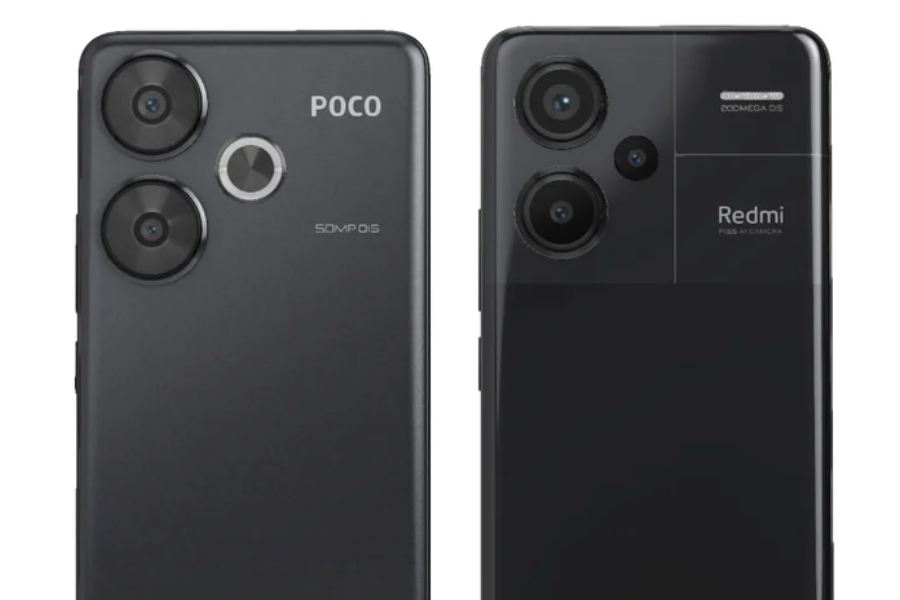
Ironically, Poco’s devices are often near replicas of their Redmi counterparts, differing primarily in branding and subtle design changes. Yet, the pricing disparity between the two lines leaves Poco looking like the better deal more often than not.
Redmi earned its reputation by redefining what consumers could expect from budget and mid-range phones. From the Redmi Note 5 Pro to the Redmi Note 10 series, each launch generated significant buzz, thanks to their high performance-to-price ratio.
A Redmi Note phone would typically boast capable processors, large batteries, and capable cameras—all for a fraction of the price competitors charged.
However, over the last couple of years, Redmi devices have gradually crept up in price. The once-affordable Redmi Note series now commands a price that puts it in competition with brands like Samsung.
And with increased competition and marginal improvements year-over-year, Redmi smartphones have lost some of their allure. What was once an easy recommendation for budget buyers is now seen by many as just another generic mid-ranger.
2. Enter Poco
Poco entered the market in 2018 with the launch of the Poco F1, a device that immediately garnered attention for packing a flagship Snapdragon processor into a body that cost less than many premium mid-range phones.
Poco’s strategy was simple: take Xiaomi’s supply chain, leverage its manufacturing, and strip away any unnecessary frills to deliver pure performance at a cutthroat price.
In the years since Poco has continued to embrace that ethos. The brand consistently undercuts Redmi on price while offering nearly identical specifications. For instance, the Poco X6, launched earlier this year, shares most of its hardware with the Redmi Note 13 Pro but arrives at a noticeably lower price point.
3. Similar Specs, Lower Prices
One of the key reasons behind Poco’s better value proposition lies in its pricing strategy. Despite often being rebranded Redmi devices, Poco phones are marketed at slightly more aggressive prices. A typical example is the Poco M6 Pro 5G, which mirrors the Redmi Note 14 5Gin design and specifications but comes in at a lower starting price.
From a hardware perspective, there’s little to differentiate the two brands. Both Poco and Redmi phones often feature the same MediaTek processors, AMOLED displays, and large-capacity batteries. The camera systems, too, are strikingly similar. But you can get the M6 Pro for Rs 12,999 in India while the Redmi Note 14 costs Rs 18,999.
4. Branding and Target Audience
Part of the reason Poco can afford to undercut Redmi may lie in its branding approach. Where Redmi aims to strike a balance between mass-market appeal and competitive pricing, Poco targets tech-savvy buyers who prioritize performance over aesthetics. Poco doesn’t shy away from cost-cutting measures, such as opting for slightly less premium finishes.
These design choices resonate with buyers looking for maximum performance without concern for luxury materials. By focusing on what matters most to this segment—speed, battery life, and display quality—Poco manages to stay competitive while keeping prices in check.
In contrast, Redmi appears to be pushing into more premium territory, especially with its latest Redmi Note 14 Pro series. This shift has made room for Poco to position itself as the new budget king. Where Redmi once cornered the sub-₹20,000 market in India or the sub-$300 category globally, Poco now steps in to fill that gap.
5. The Bottom Line
Poco’s value proposition lies in its ability to deliver nearly identical specifications to Redmi at a lower price point. While Redmi devices still offer solid performance and build quality, the gradual increase in pricing has lessened their appeal to budget-conscious consumers. Poco, with its aggressive pricing and no-frills approach, now stands as the better value-for-money option in Xiaomi’s portfolio.
As long as this pricing strategy continues, Poco is likely to keep winning over buyers who once flocked to Redmi for their smartphone needs. And while Redmi may be shifting toward premium aspirations, Poco seems content to stick with the formula that originally made Redmi a household name.
We use cookies on our website to give you the most relevant experience by remembering your preferences and repeat visits. By clicking “Accept”, you consent to the use of ALL the cookies.
This website uses cookies to improve your experience while you navigate through the website. Out of these, the cookies that are categorized as necessary are stored on your browser as they are essential for the working of basic functionalities of the website. We also use third-party cookies that help us analyze and understand how you use this website. These cookies will be stored in your browser only with your consent. You also have the option to opt-out of these cookies. But opting out of some of these cookies may affect your browsing experience.
Necessary cookies are absolutely essential for the website to function properly. This category only includes cookies that ensures basic functionalities and security features of the website. These cookies do not store any personal information.
Any cookies that may not be particularly necessary for the website to function and is used specifically to collect user personal data via analytics, ads, other embedded contents are termed as non-necessary cookies. It is mandatory to procure user consent prior to running these cookies on your website.