Add GIZMOCHINA as Preferred Source on Google
We see a feature gain momentum in the smartphone space almost every year. In 2023, mid-range phones embraced the return of telephoto cameras, and 2024 saw AI dominate the conversation. Manufacturers started cramming AI features—whether useful or not—into phones across every price bracket, branding them as the next big thing.
In 2024, there is another feature quietly made its way into budget phones. While it hasn’t reached trend-worthy status yet, I believe it could become a big deal in the next couple of years, if not by 2025. Enter the IP69 rating.
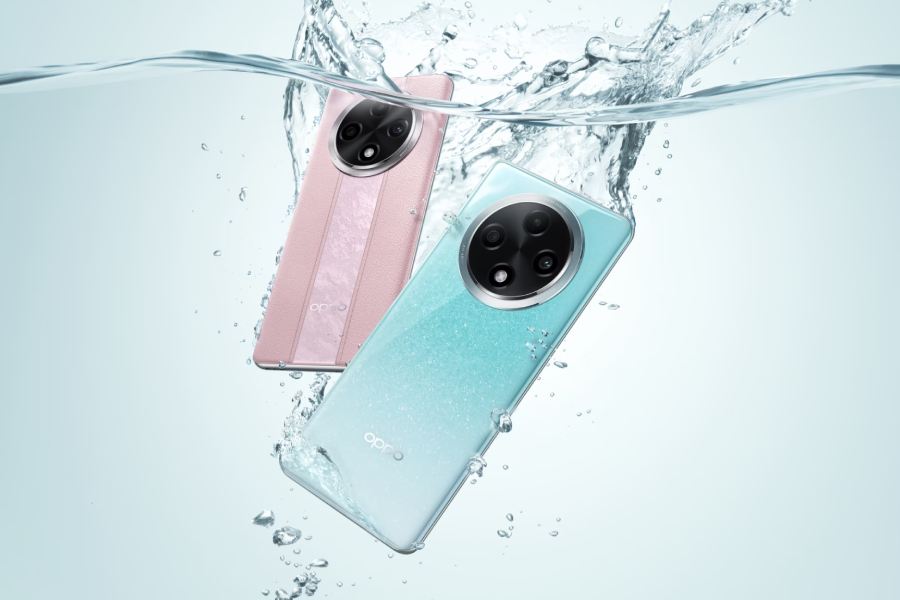
IP69 is an industrial-grade certification for water and dust resistance that is above the now-common IP68. On paper, it sounds like a no-brainer—after all, who wouldn’t want their phone to be tougher? But does it really make sense for budget phones?
1. What Does IP69 Mean?
Before getting into the meat of the matter, let’s first understand what IP69 certification means. As you might know, “IP” stands for “Ingress Protection,” a standardized measure of how well a device withstands intrusion from solids and liquids.
And in IP69, the first digit, “6,” indicates that the device is completely dust-tight. The second digit, “9,” indicates the device’s ability to withstand close-range high-pressure, high-temperature water jets (ranging from 80 to 100 bar) and steam cleaning.
To achieve an IP69 rating, devices must undergo additional and more intensive testing compared to IP68. The high-pressure water jet test involves subjecting the device to powerful water jets from multiple angles and distances.
The device’s enclosure should prevent water ingress and safeguard the internal components. Additionally, the steam cleaning test involved in IP69 simulates intense cleaning conditions to ensure the device remains impervious to high-temperature steam.
2. Differences between IP68 and IP69
Now, you might be thinking that if a device has an IP69 rating, it automatically inherits the features of IP68. But that’s not entirely true.
While both ratings share the “6” suffix, which means the device’s enclosure is dust-tight, the “8” in IP68 and the “9” in IP69 represent different types of water protection.
IP68 devices are capable of withstanding immersion beyond 1 meter in water for a specified time (usually 30 minutes to 1 hour). This makes them ideal for underwater applications. On the other hand, IP69 devices are designed to endure high-pressure water jets and steam cleaning, but they may not be suitable for prolonged submersion.
This difference explains why some devices, like the Oppo A3 Pro (China), carry both IP68 and IP69 ratings.
The gist is that IP68-rated devices are commonly found in outdoor lighting and various industrial applications. IP69, with its robust protection against high-pressure cleaning, is better for environments that require frequent and intense cleaning, such as food processing, medical equipment, and certain industrial settings.
3. Budget Phones and Practicality
Now let’s get to the point.
Budget smartphones, by definition, focus on affordability. Their buyers typically prioritize core performance, camera quality, and battery life. Adding an IP69 rating introduces extra engineering and manufacturing costs, potentially driving up the price. For a feature that might not align with the average user’s needs, this inclusion could come across as unnecessary.
That said, not all budget phone users fit the same mold. Some may specifically need durability over other features. For example, someone working outdoors in dusty or wet conditions may find the IP69 certification an invaluable addition. Here, it could provide a competitive edge for brands targeting a niche audience.
4. Trade-Offs to Consider
Adding an IP69 rating doesn’t come without compromises. Manufacturers need to invest in specialized seals, coatings, and materials to meet these standards.
For a budget device, this often means cutting corners elsewhere. You might see reductions in camera quality, display resolution, or processor performance. While IP69 enhances durability, it risks diminishing the overall value of the device for the majority of buyers.
It’s worth asking whether this feature is a marketing gimmick or a well-thought-out addition. Brands might leverage the IP69 rating to make their devices appear more robust on paper, even if most users don’t encounter situations requiring such extreme protection.
For comparison, many flagship smartphones settle for IP68, which covers submersion in water up to 1.5 meters for 30 minutes. That’s more than sufficient for everyday scenarios like accidental spills or brief dunks in water. The jump to IP69 feels excessive unless the device is explicitly designed for rugged use, such as industrial work or outdoor activities.
From a branding perspective, however, it’s a clever move. In a competitive budget market, where performance and design often blur together, offering an IP69 rating is a way to stand out. It provides a tangible selling point, even if its real-world utility is limited.
5. Real-World Use Cases
Let’s consider some practical examples. A farmer using a phone in a dusty field or a delivery worker navigating through heavy rain might benefit from the added protection. However, these use cases are far from universal. The average user rarely exposes their phone to high-pressure water or extreme environmental conditions.
Moreover, many budget phone buyers already use protective cases to shield their devices. These cases often offer adequate dust and water resistance, albeit not to the IP69 standard. The question then becomes: would a built-in IP69 rating significantly change their experience?
6. Industry Trends and Impact
Interestingly, the push for higher IP ratings on budget phones aligns with broader industry trends. As the high-end market saturates, brands are looking for ways to differentiate their offerings in lower price brackets.
Features once exclusive to flagship models, such as AMOLED screens and fast charging, are now commonplace in mid-range and budget phones. The IP69 rating could be the next feature to follow this trickle-down path.
Another consideration is the environmental impact of making devices more robust. While an IP69 rating might extend a phone’s lifespan by protecting it from damage, it also adds complexity to recycling. Components designed to resist water and dust are harder to dismantle, potentially increasing e-waste.
For budget-conscious buyers who often upgrade phones every two to three years, this could be a hidden drawback. If sustainability is a priority, brands might be better off investing in modular designs or longer software support.
7. Is It Worth It?
Ultimately, whether an IP69 rating makes sense on budget phones depends on the target audience. For most users, it’s a feature they may never need, and its inclusion could result in unnecessary trade-offs. However, the feature could be a genuine differentiator for niche markets that demand rugged durability.
As with many features, the key lies in execution. If manufacturers can integrate IP69 ratings without compromising other essential aspects, it could set a new standard for durability in the budget segment. Else, it’s not something you really need in a smartphone.
Don’t miss a thing! Join our Telegram community for instant updates and grab our free daily newsletter for the best tech stories!