Add GIZMOCHINA as Preferred Source on Google
Apple’s iPhone SE series has always been a go-to option for those wanting a taste of the iOS experience without the hefty price tag. As rumors are now swirling about the fourth-generation iPhone SE, there’s growing curiosity about whether it’s worth waiting for this upcoming release. Let’s break down what we know so far and whether the wait makes sense.
1. A Brief History of the iPhone SE
Apple launched its first iPhone SE back in 2016. The company cleverly repurposed the design of the iPhone 5/5S for the first budget iPhone while packing in the iPhone 6S’s hardware. Launched at just $329, it quickly gained popularity as a budget-friendly iPhone.
The second-generation SE arrived in 2020 with an iPhone 8-like design and a more powerful A13 Bionic chip from the iPhone 11 series. Apple bumped the price to $399 for the upgrades.
Two years later, the third-gen SE launched with the same design but an upgraded A15 Bionic chip from the iPhone 13. Its starting price was $429. This pattern of incremental updates suggests that Apple is preparing something new for the SE line, and it could be the biggest upgrade yet.
2. Design Overhaul
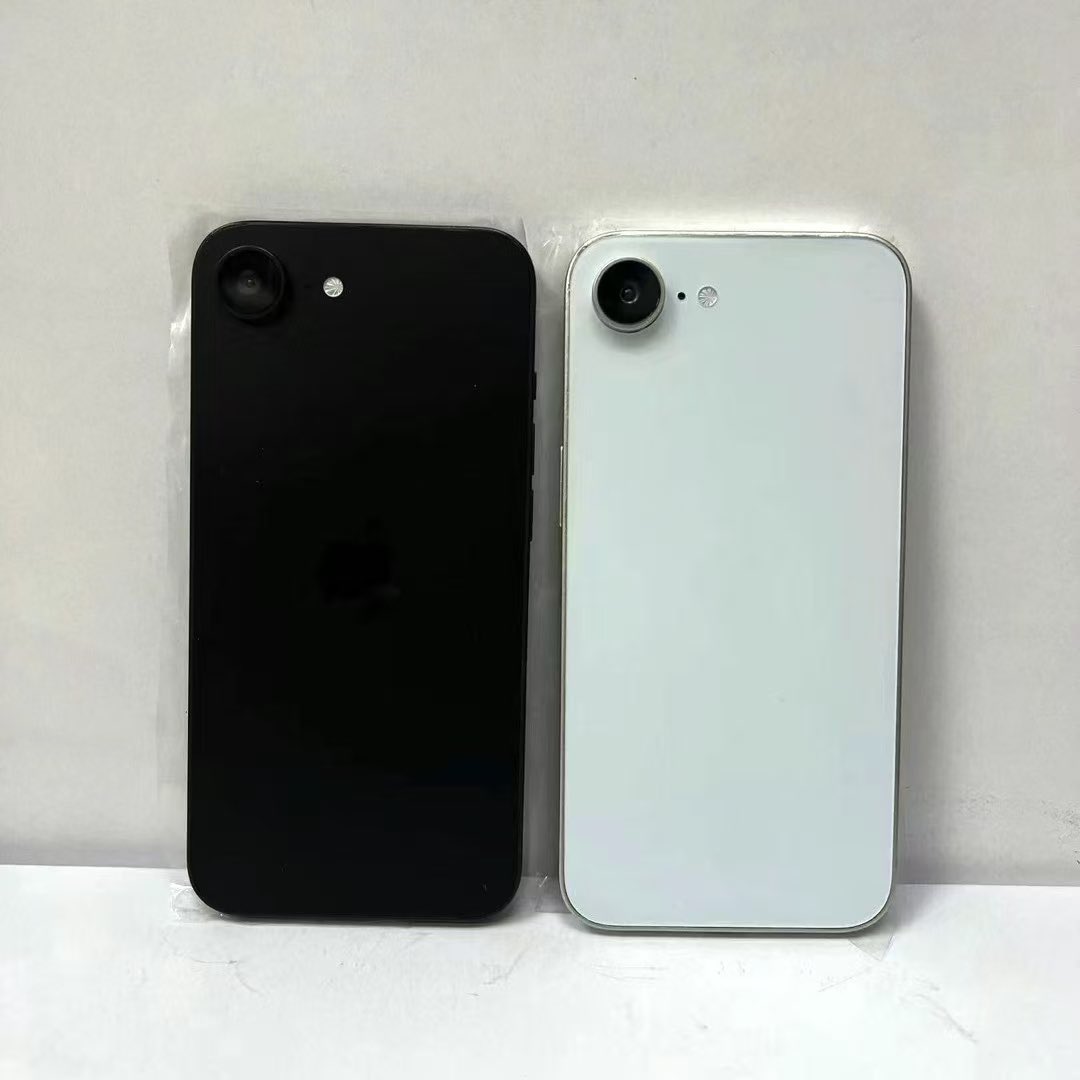
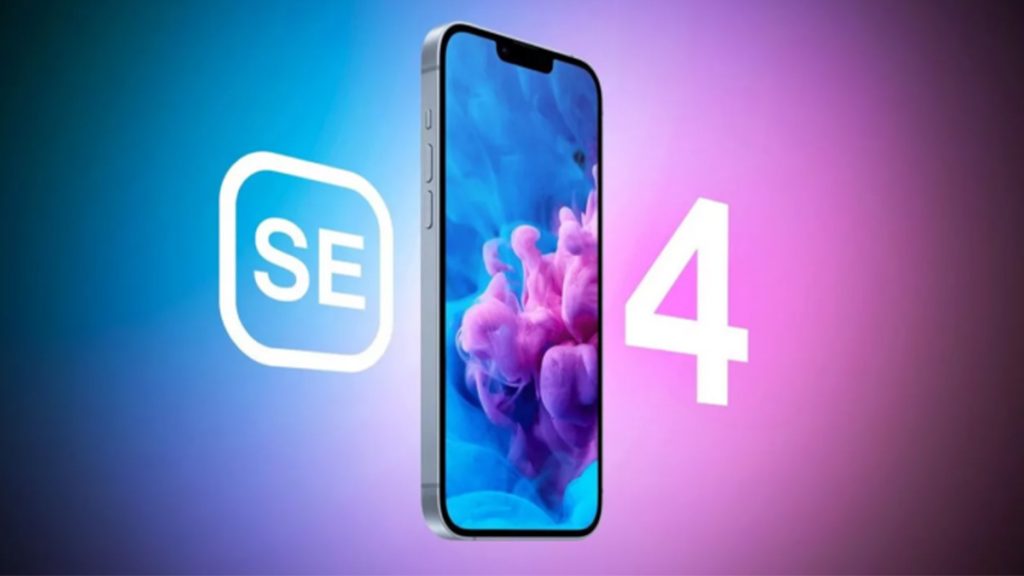
If leaks are to be believed, Apple is set to ditch the outdated 4.7-inch design with thick bezels and a physical Home button for the SE 4. Instead, it might adopt a design similar to the iPhone 14, featuring flat edges and a 6.1-inch display with a notch for the front camera. The change will bring the SE line in line with Apple’s more modern design language.
Another notable design shift could be the inclusion of an Action Button that will replace the traditional mute switch. However, the SE 4 might still retain a single rear camera module instead of the dual-camera setup seen on higher-end models.
3. Display
One of the biggest drawbacks of SE has always been its outdated LCD screen, which lacks the deep blacks and vibrant colors of OLED panels. That’s likely to change with the iPhone SE 4.
According to the reports, the SE 4 will feature a 6.1-inch OLED display from BOE. The expected resolution is 2532 × 1170 pixels with a peak brightness of 1200 nits. However, don’t expect ProMotion—Apple will likely keep the refresh rate at 60Hz to cut costs. Still, the shift from LCD to OLED is a big step forward.
4. Performance
Every iPhone SE model has packed a flagship-level chip, and the SE 4 looks to continue that trend. According to reports, it will be powered by Apple’s A18 chip—the same one found in the iPhone 16 series—bringing top-tier performance and years of software support. That’s something no similarly priced Android phone can match.
But the real kicker could be Apple Intelligence. AI is a major focus for new iPhones, and the SE 4 may support some of these features. If that’s the case, it will likely need 8GB of RAM—double the 4GB found in the SE 3. That wouldn’t just mean better multitasking; it could make the SE 4 an entry-level gateway into Apple’s AI ecosystem.
5. Battery Life and Charging
The iPhone SE lineup has never been known for stellar battery life, with the SE 3 housing a tiny 2,018 mAh cell. With a larger body, the SE 4 could fit a significantly bigger battery, closer to the 3,279 mAh found in the iPhone 14.
Charging speeds should also improve. While the SE 3 was limited to 20W wired and 7.5W wireless charging, the SE 4 might support slightly faster wired charging and MagSafe wireless charging. However, don’t expect anything groundbreaking here.
6. Connectivity and Apple’s Own Modem
One of the more uncertain aspects of the iPhone SE 4 is its modem. Apple has reportedly been working on its own 5G modem, codenamed “Centauri,” which may debut in the SE 4. While this could mean better optimization for Apple’s ecosystem, first-generation hardware can be unpredictable.
If Apple’s modem struggles with LTE, Wi-Fi, or Bluetooth performance, it could be a major drawback. That said, Apple will likely test it extensively before launch, and software updates can fix minor issues.
USB-C is almost certain though, given the EU’s mandate requiring a standardized charging port. This would align the SE 4 with the rest of Apple’s lineup.
7. Camera Improvements
The SE 4 is rumored to feature a single 48-megapixel rear camera, a significant upgrade from the 12-megapixel sensor in the SE 3. This would dramatically improve image quality, particularly in low-light conditions. The front camera will likely remain at 12 megapixels.
While the lack of a dual-camera setup might disappoint some users, the advanced sensor should still deliver impressive results.
8. Pricing
The iPhone SE 3 was launched at $429, but with all these upgrades, a price hike seems inevitable. A previous report suggests it could start at $499, which will be an understandable jump for all these upgrades.
And if Apple can keep the SE 4 under $500, it would be a strong contender in the mid-range market. But if the price creeps closer to $600, it might struggle against older iPhones or Android alternatives.
9. Is It Worth Waiting?
With all the upgrades Apple is expected to pack into the next iPhone SE, it’s absolutely worth the wait. You will be getting iPhone 16-level performance, a modern design with an OLED display, a USB-C port, Apple Intelligence, and a reliable set of cameras—all for well under $500. If the reports hold true, the SE 4 could be one of the best budget iPhones yet.
For more daily updates, please visit our News Section.
Stay ahead in tech! Join our Telegram community and sign up for our daily newsletter of top stories! 💡