
Add GIZMOCHINA as Preferred Source on Google
The mobile phone market has dramatically transformed. The once clear distinction between flagship devices with cutting-edge technology and budget phones with basic functionality has blurred. Flagship prices continue to climb, while budget phones have made impressive strides in performance and features. Why are flagships so expensive, and how have budget options become so good?
1. Premium features come with expensive pricing
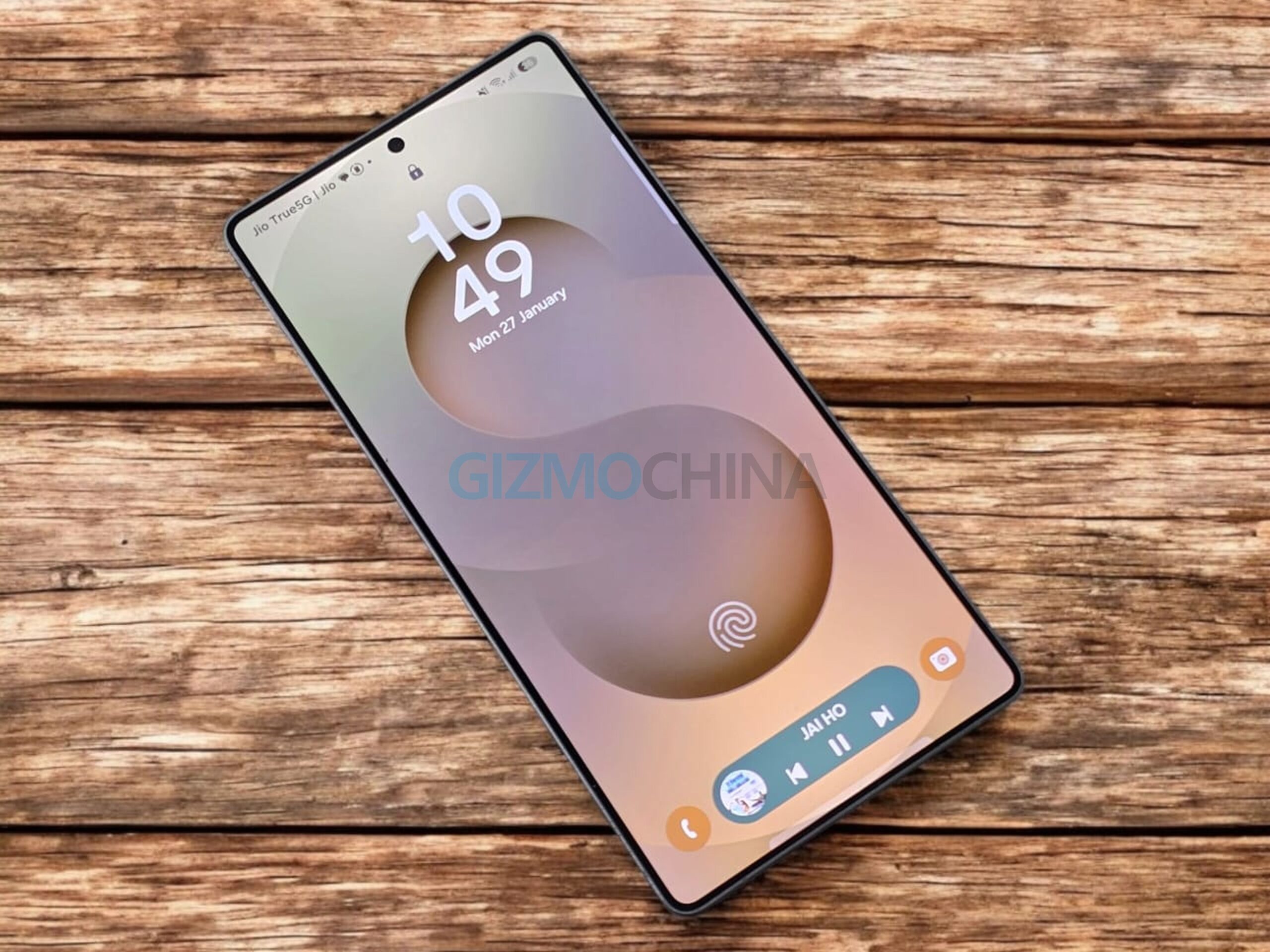
Several factors contribute to rising flagship costs. The relentless pursuit of innovation is key. Manufacturers constantly push boundaries, incorporating technologies like foldable screens, under-display cameras, and faster processors. These advancements require substantial R&D investment, driving up prices. Premium components, such as high-resolution displays, advanced camera systems, and faster memory, also add to the expense. Flagships use the latest, driving up material costs.
Marketing and branding also play a significant role. Flagships are positioned as premium, aspirational products. Companies invest heavily in marketing to create exclusivity and desirability, influencing perceived value and justifying higher prices. The prestige of owning the latest model allows manufacturers to command a premium.
Software complexity adds to the cost. Flagships often include advanced features like AI-powered camera enhancements, sophisticated UIs, and enhanced security. Developing and maintaining this complex software requires substantial investment, factored into the phone’s price.
Finally, global economic factors, like currency fluctuations and supply chain disruptions, can influence flagship prices. These factors are often outside manufacturers’ control but impact the final cost.
2. Midrange phones offer better value
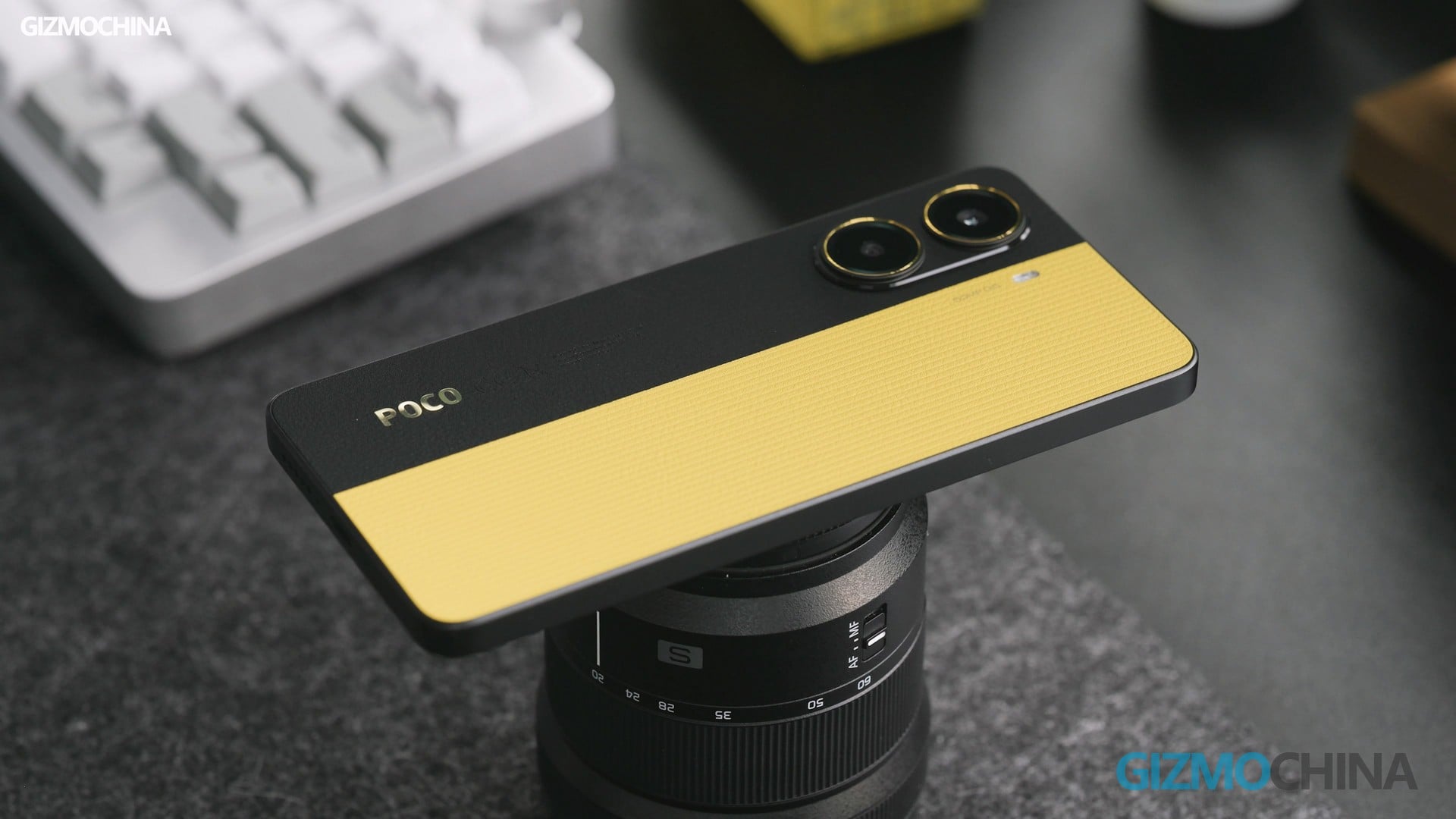
While flagships, such as the iPhone 16 series, Samsung Galaxy S-series, Oppo Find X-series, Vivo X-series have become more expensive over the years, midrange phones priced under Rs 15,000 to Rs 30,000, such as the Poco X7 series, Nothing Phone 2a series, iQOO Z9s series, Samsung Galaxy F55, and so on, have improved dramatically. Even a sub-Rs 9,000 priced Poco C75 sports a flagship-like rear design.
Decreasing component costs are a major factor. As technologies mature, manufacturing costs for components like processors, memory, and displays decrease, allowing manufacturers to incorporate better components into budget phones without significant cost increases.

Intense competition also plays a crucial role. The budget phone market is highly competitive, forcing manufacturers to offer better features and performance at lower prices. Consumers benefit from this competition, gaining access to capable devices at affordable prices.
3. Better SoCs, software, and flagship-like features on mid-range phones
System-on-a-chip (SoC) technology has further improved mid-range phones. SoCs integrate multiple components, like the processor, GPU, and memory controller, onto a single chip. This reduces manufacturing costs and complexity, allowing manufacturers to offer powerful, efficient devices at lower prices. SoCs designed for mid-range and budget devices have become increasingly powerful, narrowing the performance gap with flagships.
Open-source software like Android is another factor. Android provides a free and customizable OS, reducing software development costs for budget phone manufacturers. The mature Android ecosystem also means budget phone users have access to a vast library of apps and services.
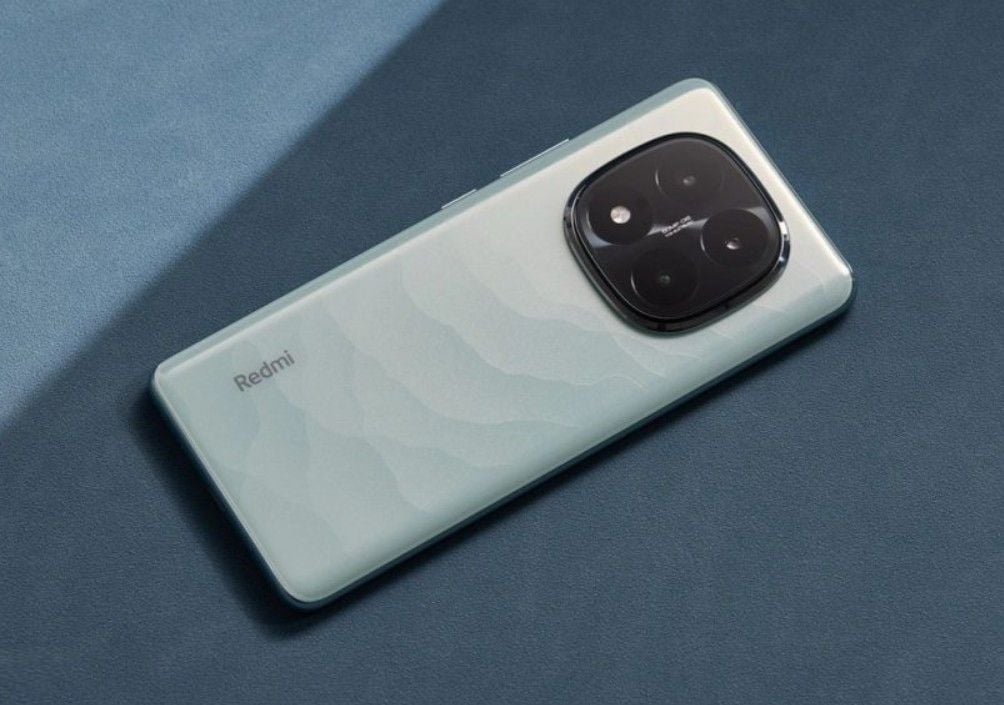
To attract the attention of the masses, brands have adopted the strategy of offering flagship-like features at an affordable price. For instance, telephoto or periscope cameras, which were once limited to premium phones, are now available in budget-friendly models. A good example is last year’s Realme 13 Pro+, which is currently selling for Rs 26,999. Apart from this, there are a couple of other options, such as the Redmi Note 14 Pro+, Realme 14 Pro+, and Motorola Edge 50 Pro between Rs 25,000 to Rs 40,000 price range.
4. Diminishing returns

The diminishing returns of flagship features also play a role. While flagships boast cutting-edge features, their practical benefits aren’t always significant for the average user. For example, the difference between a 120Hz and 90Hz display may not be noticeable to most. Similarly, marginal camera improvements beyond a certain point may not justify the added cost. Budget phones, with slightly older but still capable technology, can offer a similar user experience at a much lower price.
5. Final thoughts

In conclusion, rising flagship prices result from innovation, premium components, marketing, software complexity, and global economics. Simultaneously, budget phones have improved due to decreasing component costs, competition, SoC technology, open-source software, and the diminishing returns of some flagship features.
Consumers now have a wide range of capable, affordable smartphones, making the decision between flagship and budget more nuanced. The shifting dynamics have created a landscape where budget phones offer exceptional value, while flagships cater to a niche willing to pay a premium for the latest technology.
For more daily updates, please visit our News Section.
Stay ahead in tech! Join our Telegram community and sign up for our daily newsletter of top stories!




Comments