
Add GIZMOCHINA as Preferred Source on Google
For years, small phones have had a dedicated fanbase—those who crave a compact, one-handed device that doesn’t stretch their pockets or fingers. But in 2025, small phones no longer make sense. Not because people don’t want them, but because the trade-offs are simply too big. From battery life and thermal management to app optimization and network efficiency, small phones are fighting a losing battle against modern technology.
1. Battery Life: The Biggest Compromise
The biggest reason small phones struggle today is battery life. Smartphone batteries rely on physical size, and a smaller chassis inherently means less room for a high-capacity cell. Even with advancements in battery chemistry and efficiency gains from 3nm chipsets, compact phones still can’t match the endurance of their larger counterparts.
Take the iPhone 13 Mini, for example. Even with Apple’s tight hardware-software integration, it still couldn’t compete with the battery life of its larger siblings. The simple truth is that users expect their phones to last all day, and with power-hungry apps, 5G connectivity, and high-refresh-rate displays, small phones just can’t deliver the same level of reliability.
2. Thermal Constraints and Performance Bottlenecks
Size also affects performance. In 2025, flagship chips are faster than ever, but they generate heat. Larger devices have more surface area and better internal layouts for heat dissipation, allowing sustained peak performance. Small phones, however, struggle with thermal constraints. Processors throttle quickly in compact enclosures, leading to performance dips during gaming, video rendering, or even heavy multitasking.
Cooling systems like vapor chambers and graphite heat spreaders have become standard in premium smartphones, but they require space. Small phones either lack these systems or implement smaller versions that aren’t as effective, making them prone to overheating under sustained loads. As a result, while a small phone might pack the same processor as its larger counterpart on paper, real-world performance is often compromised.
3. The 5G and Connectivity Challenge
The shift to 5G has also made small phones less practical. Modern smartphones house multiple antennas for improved signal reception, faster speeds, and lower latency. Larger phones can accommodate these antennas more efficiently, ensuring stable connectivity in congested areas. Small phones, on the other hand, often sacrifice antenna placement, leading to weaker reception, slower speeds, and increased battery drain as the device works harder to maintain a connection.
Additionally, new wireless technologies like Wi-Fi 7 and mmWave 5G demand optimal placement of internal components, something that’s much harder to achieve in a compact frame. This means small phones may struggle to match the connectivity experience of larger flagships, making them less appealing for users who rely on fast and stable networks.
4. Software and App Design Have Moved On
Apps have evolved alongside hardware, and today’s mobile experiences are designed with larger screens in mind. Social media apps, productivity tools, and even streaming services assume a certain display real estate, with UI elements spaced accordingly. Small phones often force cramped layouts, smaller touch targets, and reduced usability.
Developers prioritize mainstream devices, and in 2025, that means optimizing for 6-inch-and-larger screens. While some apps offer scaling options, the overall experience on a compact phone feels less refined, whether it’s text getting cut off, UI elements feeling too tight, or split-screen multitasking becoming impractical. The result? Small phones feel like an afterthought in a world designed for bigger screens.
5. Consumer Trends Have Shifted
There’s also a simple reality: most people don’t want small phones anymore. While the demand for compact devices exists, it’s a niche market, not a mainstream one. Manufacturers prioritize mass appeal, and sales numbers consistently show that people prefer larger screens. The rise of foldable phones also complicates the case for small devices—if users want a compact form factor, they can get a foldable that expands into a larger screen when needed.
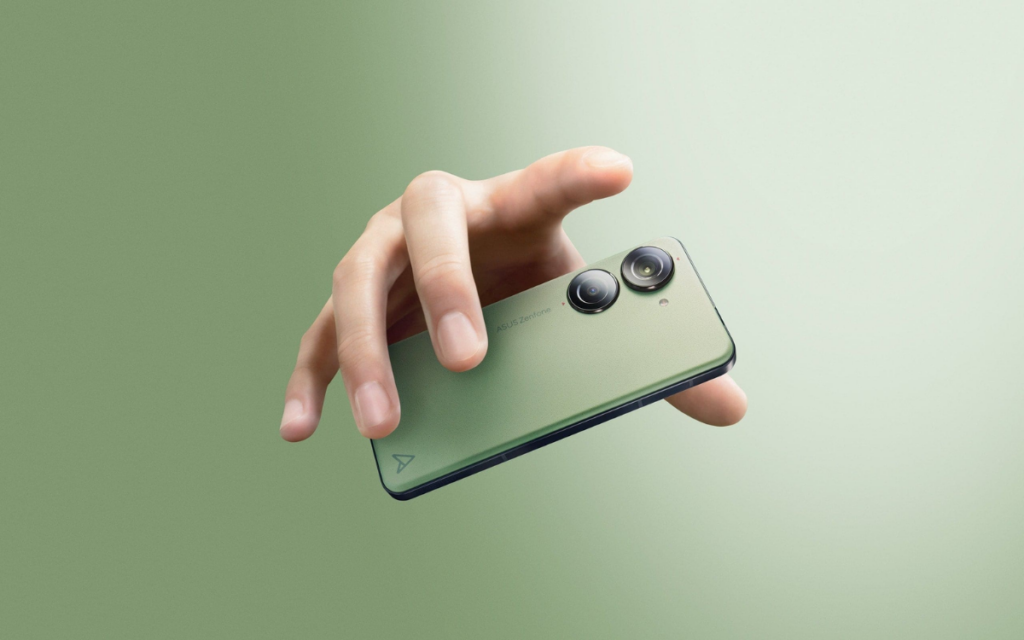
Even Apple, which once championed small phones with the iPhone SE and Mini series, has moved on. Asus, another brand known for making compact flagships, is also phasing out small phones, with the Zenfone 10 being the last true compact phone in its lineup. The iPhone 13 mini was the last of its kind, and even iPhone’s upcoming SE series, currently the iPhone SE 4, is expected to launch today and it is getting a big 6.1-inch screen compared to the 4.7-inch screen of the SE 3. Other brands have also abandoned the compact flagship space, favoring devices that offer better battery life, performance, and user experience.
Small Phones Are Evolving, Not Disappearing
Small phones had their time, but in 2025, they are evolving rather than disappearing. Battery life, performance, connectivity, and app optimization still favor larger devices, but brands are adjusting to the demand for more compact options.
The definition of a small phone is shifting—what was once a large device at 6 inches is now considered compact. As more brands move toward launching a compact phone alongside their bigger counterparts, the standard size has grown from the 5-inch segment to the 6-inch segment. A few years ago, 6-inch phones were considered large, but today, they are the new small phones.
Also, if you’re unsure about which laptop to buy, you might find our article on 8 reasons to consider a Snapdragon laptop helpful.
Stay ahead in tech! Join our Telegram community and sign up for our daily newsletter of top stories! 💡


Comments