Add GIZMOCHINA as Preferred Source on Google
Motorola has been in the mobile game for decades, and while it might not be the first brand that comes to mind when you think of smartphones today, we can’t deny its influence in the early days of mobile tech.
From bringing Android to the mainstream to setting the standard for budget phones, Motorola has done it all at some point. Here’s a look at some of the most influential Motorola phones of all time.
1. Motorola Droid (2009)
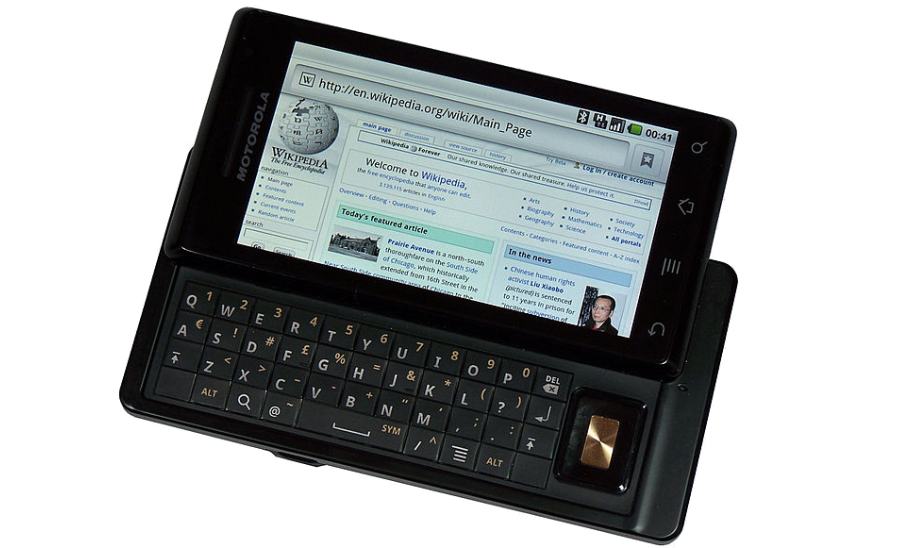
Before Android became the dominant smartphone platform, Motorola helped put Google’s operating system on the map with the Motorola Droid. Launched in 2009, the Droid was the first Android phone to get serious carrier backing in the U.S., thanks to a high-profile partnership with Verizon.
The phone featured a slide-out QWERTY keyboard—something that was still in demand at the time—alongside a 3.7-inch display, a 5MP camera, and a relatively sleek design for its era. But more importantly, the Droid was the first phone to introduce Android 2.0 which brought significant improvements like turn-by-turn Google Maps navigation.
While it may not seem like much today, the Droid’s marketing campaign, headlined by the aggressive “Droid Does” tagline positioned it as the anti-iPhone and helped Android gain mainstream attention. Without the success of the Motorola Droid, Android’s rise might have taken much longer.
2. Moto X (2014)
After its acquisition by Google in 2012, Motorola was trying to make its mark in the flagship space. The result was the Moto X which launched in 2013 with high hopes, but it didn’t quite perform as the company expected it to. Its successor, the second-gen Moto X, however, got things right with better specs, refined software, and a level of customization that was rare in smartphones.
It had a 5.2-inch AMOLED display, a Snapdragon 801 processor, and a 13MP camera—all respectable for a 2014 device—but what set it apart was its focus on user experience and customization.
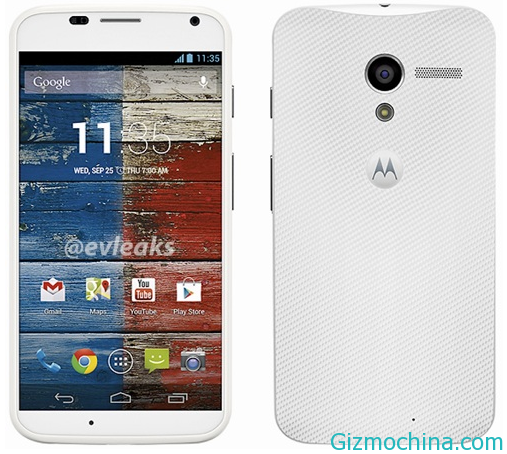
The Moto X (2014) was one of the first phones to embrace always-on voice commands. And it as expected allowed users to activate Google Now (later Google Assistant) without touching the device. It also introduced Moto Display, which showed notifications in a minimal, power-efficient way. And not to forget, Motorola offered a one-of-a-kind customization feature with Moto X called the Moto Maker.
For those unaware, Moto Maker was a service that allowed customers to personalize their devices with custom back materials, colors, and even engravings. The best part is that it was all free, and included with every purchase of Moto X.
3. Moto G (2014)
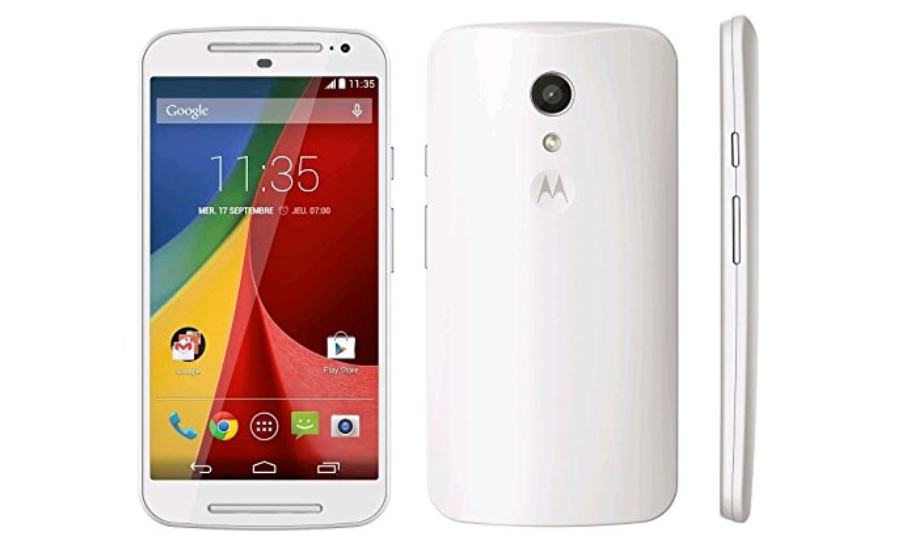
Motorola introduced the Moto G line in 2013 to fill a void in the budget smartphone market that was long dominated by compromises—cheap materials, sluggish performance, and outdated software.
The original Moto G flipped that script by offering fast, responsive Android software in a solidly built handset with all-day battery life. This all made Moto G the most successful smartphone in Motorola’s history at the time.
The second-gen Moto G refined that formula with a slightly larger 5-inch 720p display, stereo front-facing speakers, and a quad-core Snapdragon 400 for solid everyday performance. But what truly set it apart was Motorola’s near-stock Android experience—free from the bloated skins and unnecessary features that weighed down other budget phones.
More importantly, the Moto G proved that companies could build quality devices without sacrificing usability. It redefined what a budget phone could be and forced competitor to step up their game.
4. Moto E (2014)
The Moto E took what the Moto G did for budget phones and pushed it even further down the price scale. Before this, “cheap” smartphones were usually slow, clunky, and barely functional. Motorola flipped that expectation on its head.
It wasn’t flashy, but the Moto E delivered a smooth experience at just $129. It offered a respectable 4.3-inch display, Gorilla Glass protection, and even a water-resistant coating in an entry-level phone at the time. And like its pricier sibling, it ran a near-stock version of Android, ensuring a clean and responsive user experience.
More than just a budget phone, the Moto E helped bring first-time smartphone users into the fold. In emerging markets, the device helped millions of people transition from feature phones to smartphones without frustration.
Today, low-cost smartphones from brands like Xiaomi and Realme offer impressive value, but Motorola was one of the first to prove that cheap didn’t have to mean bad.
5. Motorola Razr 40 Ultra
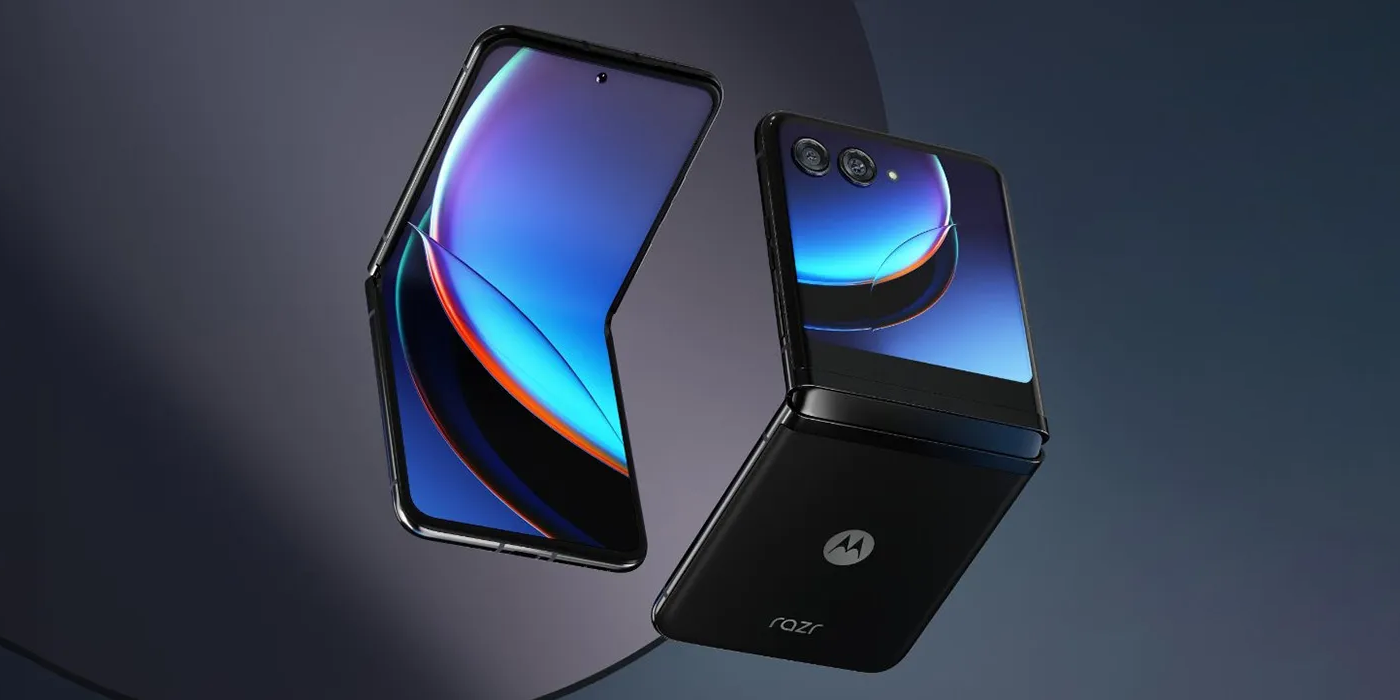
The Razr has long been Motorola’s iconic phone line, and when it finally had the opportunity to revive it in the modern smartphone era while preserving the nostalgic flip style, Motorola surely didn’t hesitate. And just like that the Razr line was alive again featuring the company’s new clamshell foldable phones.
The first model aka the Motorola Razr 5G was announced in 2020, but we feel the Razr 40 Ultra is the first truly good flip phone from Motorola since its entry into foldable space.
Most flip-style foldable before this had small, limited cover screens that were only good for notifications. The Razr 40 Ultra changed that with a sizeable, fully functional outer display. It wasn’t just for checking the time—it could run full apps, take selfies properly, and even be used as a mini smartphone without opening the device.
This made the Razr 40 Ultra one of the first foldables that felt practical rather than nostalgic. Samsung followed suit with a bigger cover screen on the Galaxy Z Flip 5, but Motorola led the charge in making cover displays actually useful.
Aside from this, the Razr 40 Ultra also had a capable Snapdragon 8+ Gen 1 chip, a 165Hz LTPO main display, and a 12MP dual rear camera setup, all powered by a 3800mAh cell.
For more daily updates, please visit our News Section.
Stay ahead in tech! Join our Telegram community and sign up for our daily newsletter of top stories!