
Add GIZMOCHINA as Preferred Source on Google
The Samsung Galaxy S25 Ultra, despite topping DxOMark’s display rankings, has secured the 24th position in the platform’s camera test with a score of 146. The Galaxy flagship falls short of leading competitors like the Huawei Pura 70 Ultra (163 points) and the Google Pixel 9 Pro XL and Honor Magic 6 Pro (158 points each) in numerous aspects.
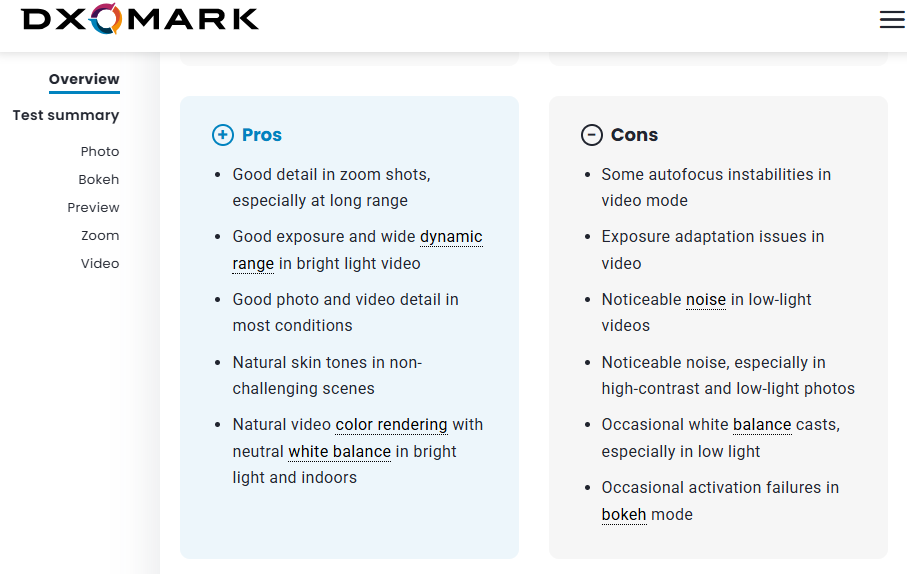
Strengths and weaknesses of the Galaxy S25 Ultra’s camera
DxOMark praised the Galaxy S25 Ultra for its strong zoom capabilities, where it retains reasonably good detail. The device also excels in exposure and dynamic range management in bright light conditions, which ensures well-balanced photos and videos. Skin tones appear natural in simpler scenes, and video color rendering remains authentic, with a neutral white balance in both indoor and outdoor settings.

However, several aspects of the camera managed to disappoint DxOMark. This device reportedly struggled with autofocus instabilities and exposure adaptation in video mode, leading to inconsistent performance. Noise is another downside of this phone, which becomes noticeable in low-light situations, both for photos and videos.
High-contrast scenes in low-light only make the situation worse—shots sometimes exhibit white balance casts. Additionally, the bokeh mode fails to activate sometimes, which makes the camera system less reliable than many of its competitors. Check out all the pros and cons in the image below.
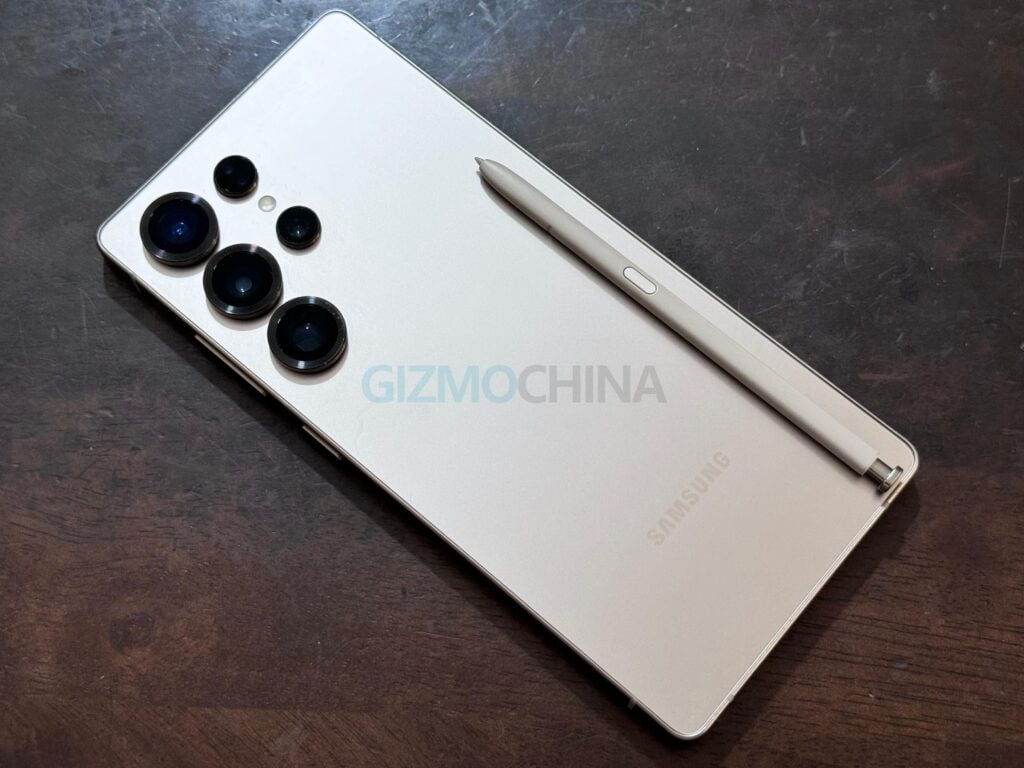
The brand only upgraded the ultrawide this year, while most of the smartphone makers from Chima aimed to fit the latest and best imaging hardware in their flagships. On the other side, Samsung is still using the age-old 10MP, 1/3.52″ sensor for the 3x telephoto. The relatively new 5x telephoto and the main sensor are also quite small as compared to the ones inside the flagships from China, which kinda explains the noise problem.
Samsung introduced its ALOP lens tech last year, which reportedly makes it easier to fit larger sensors inside the phone without increasing the protrusion of the camera module. It remains to be seen how soon Samsung’s smartphone decision adopts the tech for their Galaxy flagships. We hope it happens soon, as it will not only benefit the Galaxy flgships but will also increase the competition for all brands in the space.
Don’t miss a thing! Join our Telegram community for instant updates and grab our free daily newsletter for the best tech stories!
For more daily updates, please visit our News Section.
(Source)




Comments