Add GIZMOCHINA as Preferred Source on Google
As an Amazon Associate, Gizmochina earns from qualifying purchases. Links on this page may earn us a commission at no extra cost to you.
Xiaomi 15 Ultra and OnePlus 13 represent the pinnacle of Android innovation in 2025, each pushing boundaries in performance, design, and camera technology. With both brands aiming to dominate the ultra-premium segment, choosing between them isn’t just about specs, it’s about which device delivers better real-world value. This comparison breaks down the key differences to help you decide which flagship truly stands out.
1. Design and Display
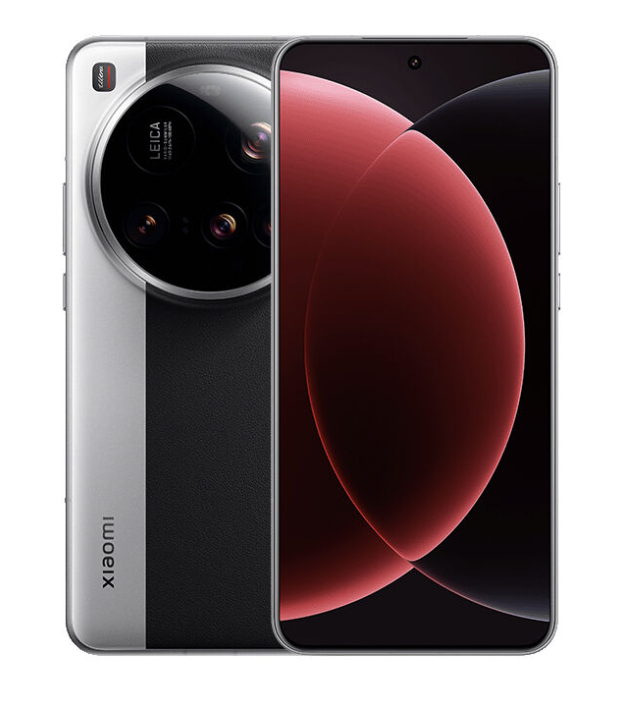
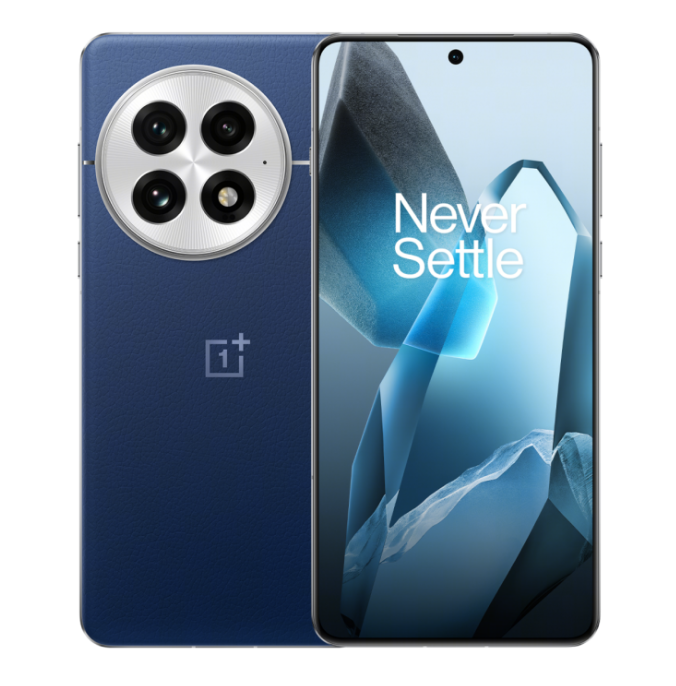
Both the Xiaomi 15 Ultra and OnePlus 13 embrace premium materials, offering glass and eco-leather back options along with aluminum frames. The OnePlus 13 has a slightly slimmer build, making it easier to handle, while the Xiaomi 15 Ultra has a bolder, more substantial presence. In terms of water and dust resistance, the OnePlus 13 goes a step further with IP69 certification compared to Xiaomi’s IP68, making it more resilient in extreme environments.
When it comes to the display, both phones offer top-tier AMOLED panels with LTPO technology, 120Hz refresh rates, and support for Dolby Vision and HDR formats. However, the OnePlus 13 edges out with a slightly larger 6.82-inch screen and a record-breaking 4500 nits peak brightness, making it one of the brightest displays on any smartphone today. Xiaomi, on the other hand, delivers incredible sharpness with its 522 ppi pixel density and rich 68B color rendering.
The OnePlus 13 wins in this round due to its superior display brightness and more rugged build with IP69, making it better suited for outdoor use and harsh conditions.
| Preview | Product | |
|---|---|---|

|
OnePlus 13| Smarter with OnePlus AI (12GB RAM, 256GB Storage Midnight Ocean) | Check Price on Amazon |
Please Note: When you buy something using the links in our articles, we may earn a small commission at no cost to you.
2. Specifications
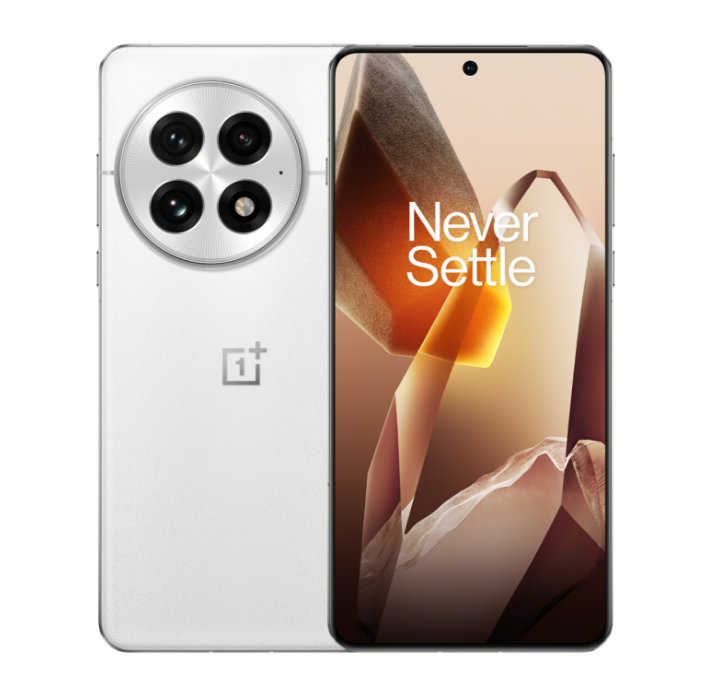
Under the hood, both phones are powered by the cutting-edge Snapdragon 8 Gen 3 Elite chipset with identical CPU and GPU configurations, ensuring unmatched performance. They both run Android 15 and promise four major Android upgrades, with Xiaomi using HyperOS and OnePlus offering either OxygenOS or ColorOS depending on the region. While the Xiaomi 15 Ultra uses faster UFS 4.1 storage, OnePlus 13 isn’t far behind with UFS 4.0.
Battery life sees a practical tie, as both pack 6000 mAh batteries (global Xiaomi has a 5410 mAh unit). However, OnePlus has a speed advantage, offering 100W wired charging that can fully charge the device in just 36 minutes, whereas Xiaomi tops out at 90W. Conversely, Xiaomi boasts a more powerful 80W wireless charging system compared to OnePlus’s 50W.
OnePlus 13 slightly edges ahead in real-world usability thanks to quicker wired charging and lighter build, but Xiaomi’s superior wireless charging may appeal to users who prefer going cordless.
3. Camera
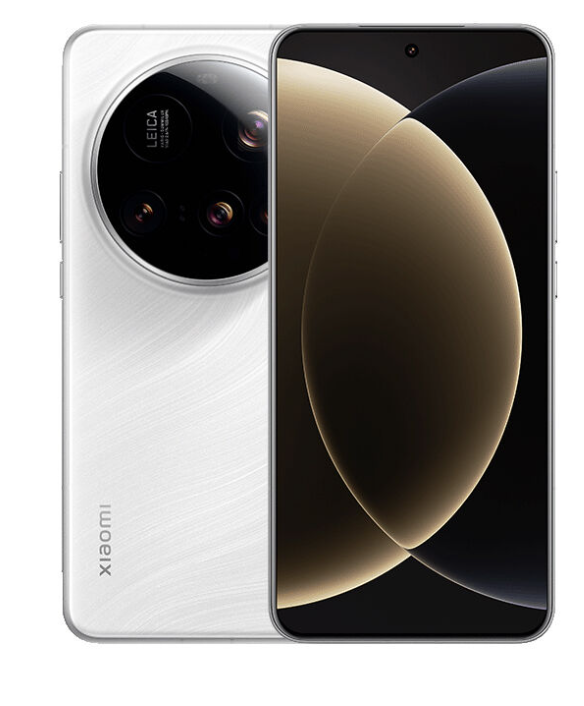
Xiaomi 15 Ultra sets itself apart with a formidable quad-camera setup, headlined by a massive 1.0″-type 50MP main sensor and a unique combination of two telephoto lenses, including a 200MP periscope lens offering up to 4.3x optical zoom. It also has Leica lenses, TOF 3D depth sensor, and professional video features like Dolby Vision recording at 4K/60fps, and a filter ring holder for DSLR-style shooting.
The OnePlus 13 counters with a triple 50MP camera setup, including a periscope telephoto and ultra-wide lens, along with Hasselblad color tuning. While it performs excellently and supports 8K video, the lack of a depth sensor and lower zoom range makes it less versatile than Xiaomi in creative shooting situations.
Xiaomi 15 Ultra clearly wins the camera category, offering unmatched hardware versatility and advanced features that appeal to both photography enthusiasts and videographers.
4. Pricing
Pricing is where these two devices diverge significantly. The Xiaomi 15 Ultra is priced around $1,485, while the OnePlus 13 comes in at a much more wallet-friendly $929 in the U.S. market. This $550+ difference is substantial, especially considering that both phones offer top-tier performance, similar build quality, and comparable displays.
Xiaomi justifies its price with a superior camera system, enhanced audio experience, and higher-end wireless charging. However, OnePlus gives users the same flagship chip, excellent build, and a premium display at a considerably lower cost, making it a more value-oriented choice.
Unless you’re a photography power user, the OnePlus 13 is the smarter pick for most buyers. It offers almost 90% of what Xiaomi provides at a significantly lower price.
5. Conclusion
Both phones push boundaries, but they bring unique innovations to the table. Xiaomi 15 Ultra introduces a professional-grade camera with Leica optics, a modular filter mount, and two-way satellite communication—a feature rarely seen in mainstream phones. It also includes advanced audio enhancements like Qualcomm XPAN for audiophiles.
The OnePlus 13, on the other hand, debuts “Circle to Search” with Google, has an IP69 rating for hardcore durability, and boasts the brightest screen ever on a phone at 4500 nits. It also includes a 24GB RAM variant, making it one of the most powerful multitasking phones on the market.
Xiaomi offers more unique hardware innovation, especially for camera lovers and outdoor communication needs. However, OnePlus impresses with meaningful quality-of-life features and ruggedness at a lower cost, making it better suited for the daily user.
Read More:
- OnePlus 13 Introduces Night Mode Integration for Instagram Camera
- Xiaomi 15 Ultra vs iPhone 16 Pro Max: Power, Performance & Price Compared
- Xiaomi 15 Ultra vs 15 Pro: Is the extra cost worth it?