Add GIZMOCHINA as Preferred Source on Google
As Xiaomi celebrates its 15-year anniversary, Founder and CEO Lei Jun took to social media to mark the occasion, reflecting on the company’s journey from a startup with a custom Android skin to a global tech powerhouse. In that time, Xiaomi hasn’t just launched products — it’s redefined entire categories. It turned budget smartphones into serious contenders, made smart home gadgets mainstream, and even entered the electric vehicle race.
So let’s take a look back. Over a decade and a half, Xiaomi has pushed boundaries with innovation and aggressive pricing — a mix that’s changed markets forever. In a product lineup that spans everything from wearables to vacuum robots and now electric sedans, a few standout devices have left an undeniable mark. These are the best Xiaomi products of all time — the ones that weren’t just good for the price but genuinely changed the game.
1. Mi 1 (2011)
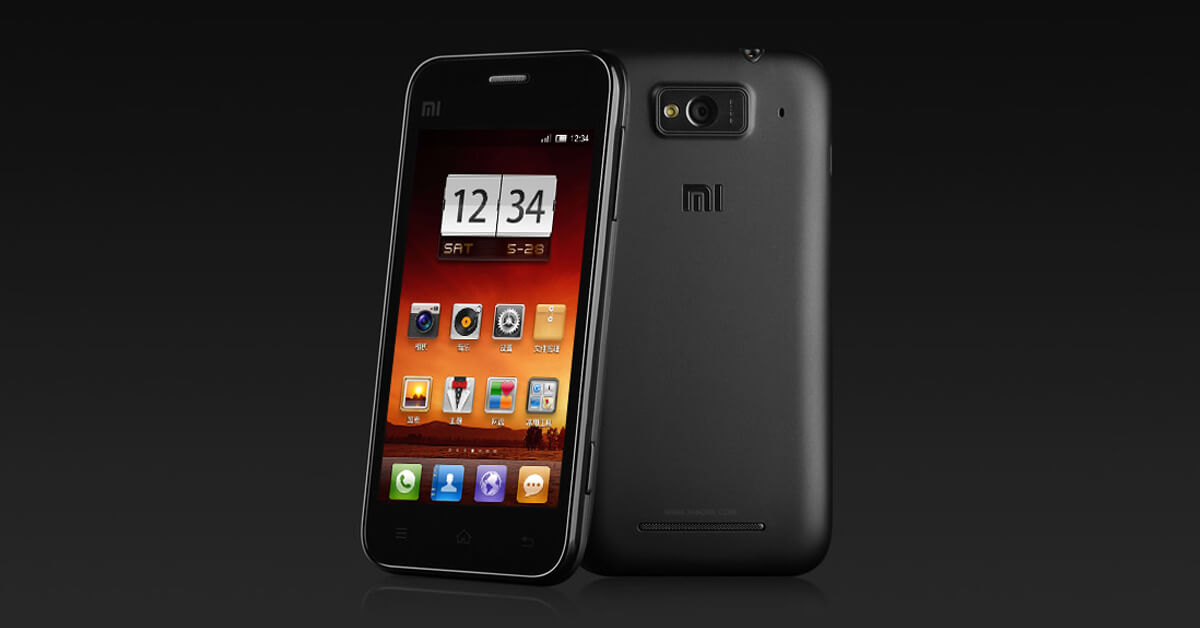
Xiaomi’s first-ever phone didn’t just sell — it sparked a movement. The Mi 1 offered a Qualcomm dual-core 1.5GHz processor, 1GB of RAM, and an HD display at a time when those specs were reserved for phones twice the price. More importantly, it introduced MIUI — Xiaomi’s Android-based software that brought customization and polish to budget users.
It was a classic move: flagship specs, affordable price, and online-only sales. Within 34 hours, the Mi 1 racked up over 300,000 pre-orders. It wasn’t just a phone — it was a declaration that premium didn’t have to mean expensive.
2. Mi 3 (2013)
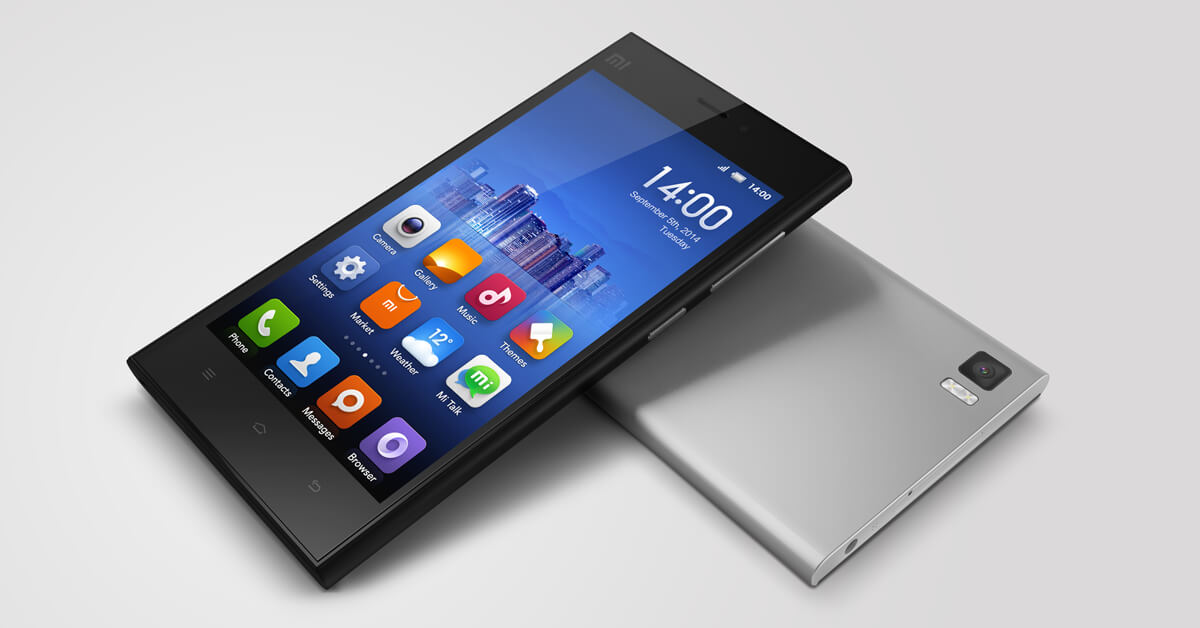
If the Mi 1 was Xiaomi’s announcement, the Mi 3 was its arrival. Packing a Snapdragon 800 chipset (or NVIDIA Tegra 4 for certain variants), a crisp 1080p IPS display, and a refined MIUI interface, the Mi 3 delivered true flagship power — but without the flagship price.
This was also the device that brought Xiaomi into the global spotlight. In India, it sold out in seconds during flash sales and helped cultivate a passionate community of fans. I was one of them.
The Mi 3 (our full review) proved that Xiaomi wasn’t just a budget disruptor — it could build a premium phone with the polish and power to rival Samsung and HTC. For many users, the Mi 3 was their first glimpse of just how far Xiaomi could go.
3. Mi Mix (2016)
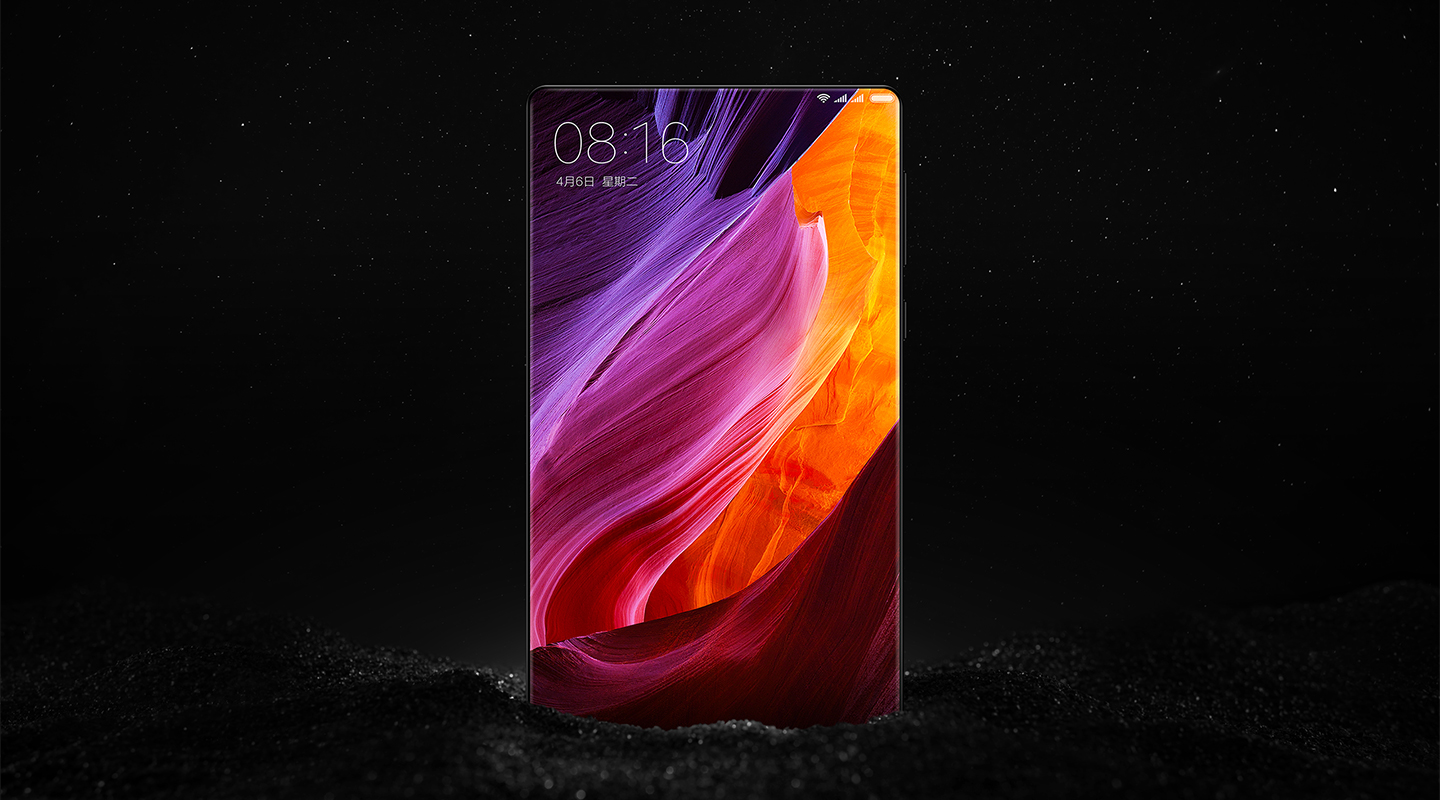
Before bezels were a design crime, Xiaomi launched the Mi Mix — a stunning concept phone that went into mass production. Designed in collaboration with Philippe Starck, the Mix sported a near bezel-less display and a full ceramic body that made every other phone look dated.
It wasn’t just hype. The Mix pushed the industry toward higher screen-to-body ratios and proved that design-led innovation could come from anywhere — not just Cupertino or Seoul. It was futuristic, risky, and ahead of its time.
4. Redmi Note 4 (2017)
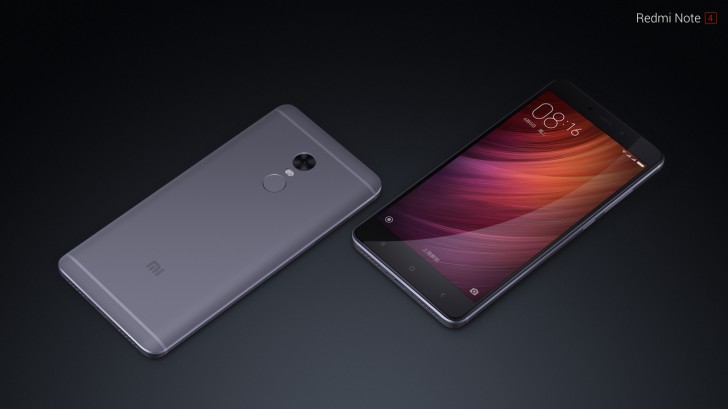
The Redmi Note 4 might be Xiaomi’s most important mass-market phone. It brought together a 5.5-inch display, Snapdragon 625, a massive 4100 mAh battery, and a sleek metal unibody — all for a price that bordered on unbelievable.
It became the best-selling phone in India in 2017 and helped cement Xiaomi’s dominance in emerging markets. The Note 4 wasn’t flashy, but it made large batteries and solid performance accessible to millions, redefining the mid-range playbook.
5. Pocophone F1 (2018)
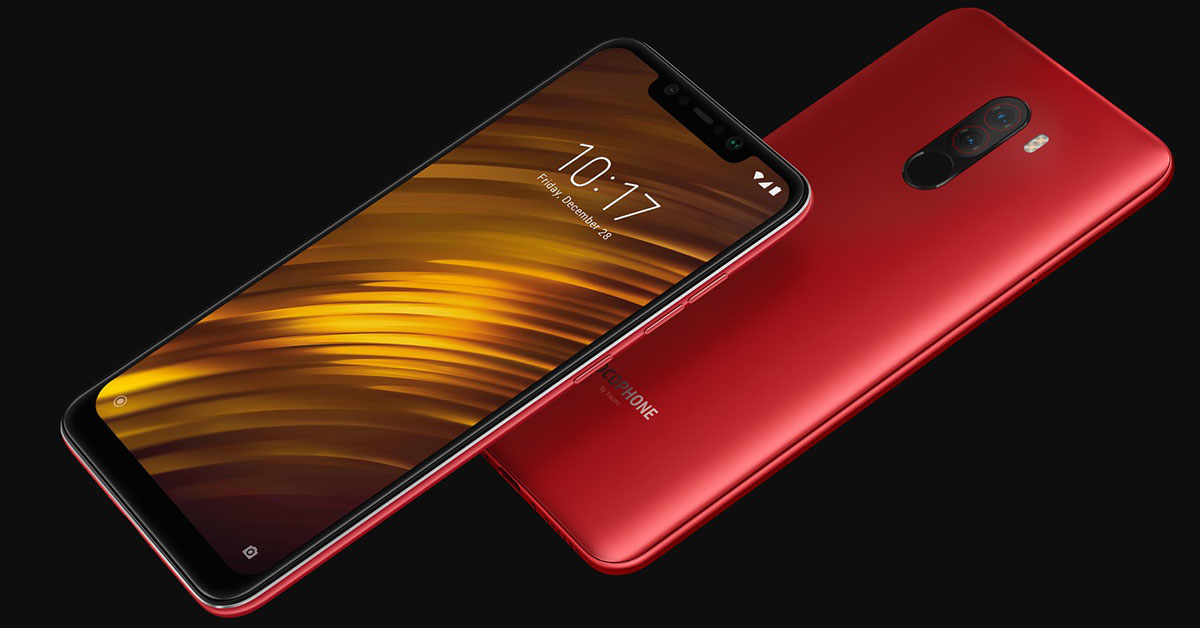
The Pocophone F1 wasn’t just a surprise — it was a shockwave. Under the new Poco sub-brand, Xiaomi dropped a Snapdragon 845-powered phone with 6GB RAM, a 4000 mAh battery, and dual cameras — all for around $300.
It was a return to Xiaomi’s core values: performance-first, value-driven, and internet-savvy. The F1 earned the “flagship killer” crown from media and users alike and sold over 700,000 units in just a few months. It’s still remembered as one of the most important Android phones of the decade
6. Mi Band (2014–Present)
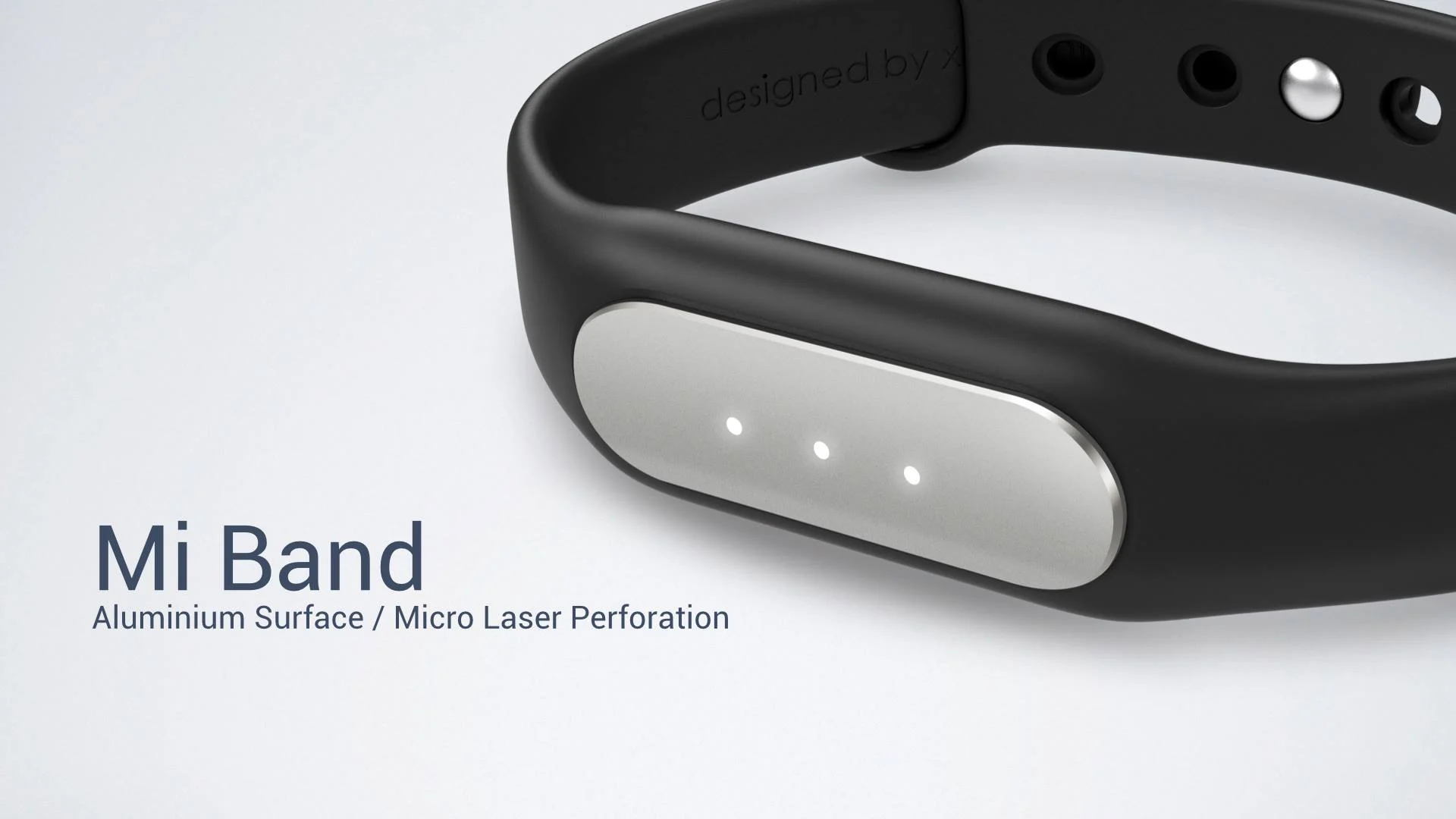
Before wearables became fashionable, the Mi Band made fitness tracking accessible. The first model cost less than $20, tracked steps and sleep, and boasted battery life measured in weeks. It didn’t have a screen — just an LED — but it didn’t need one.
Over the years, the Mi Band series added screens, heart-rate monitors, waterproofing, and more, while still undercutting competitors by a mile. By 2021, Xiaomi had shipped over 120 million Mi Bands.
7. Mi Robot Vacuum (2016)
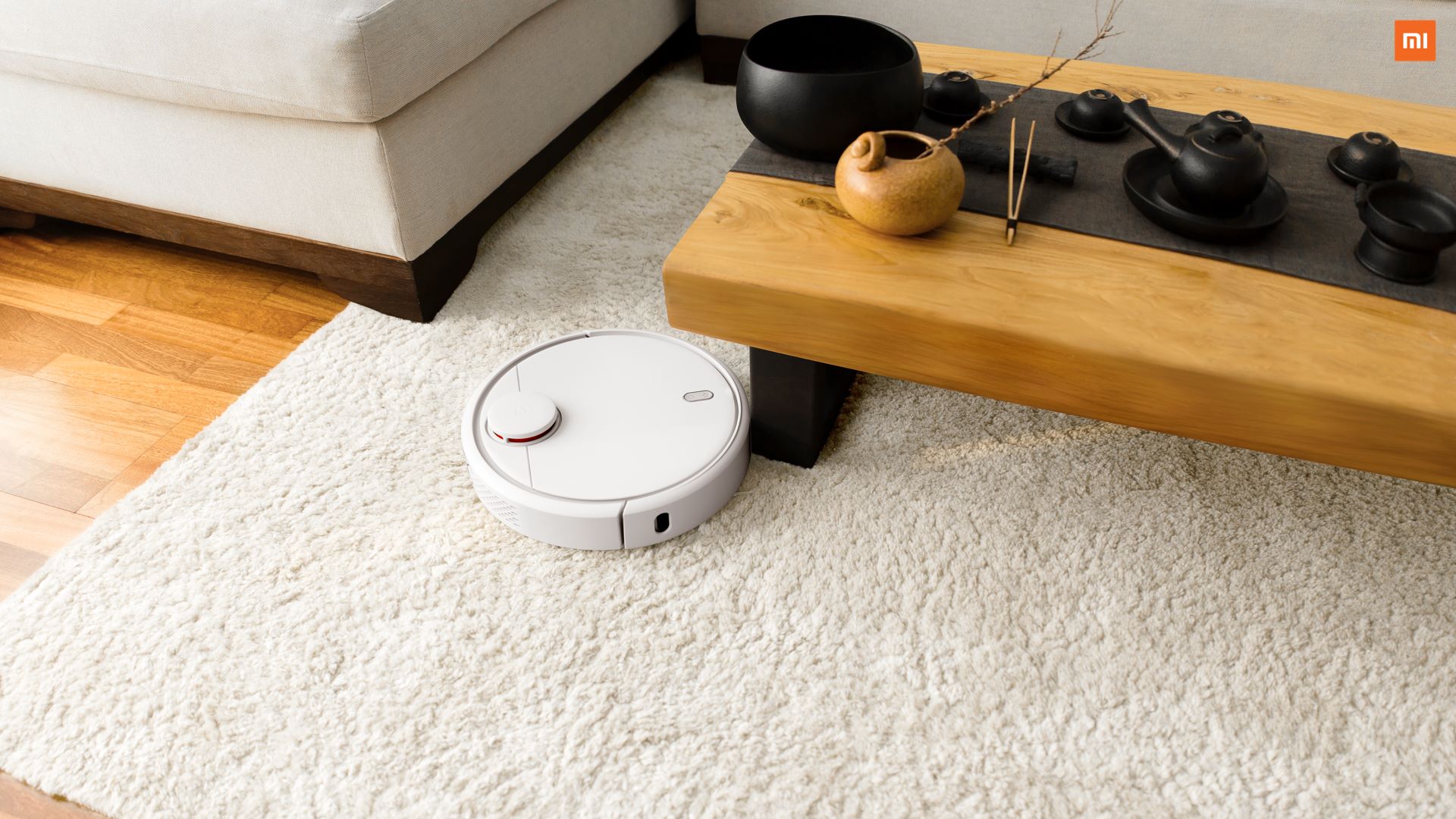
Robot vacuums were once luxury gadgets — then Xiaomi dropped the Mi Robot Vacuum. Co-developed with Roborock, it brought laser navigation, SLAM mapping, and remote control via app to the sub-$300 category.
It wasn’t just affordable — it was good. With a 5200 mAh battery and smart mapping, it outperformed some of the pricier Roombas. For many users, it was their first real step into home automation — a gateway to the wider Xiaomi ecosystem.
8. Mi Air Purifier (2014)
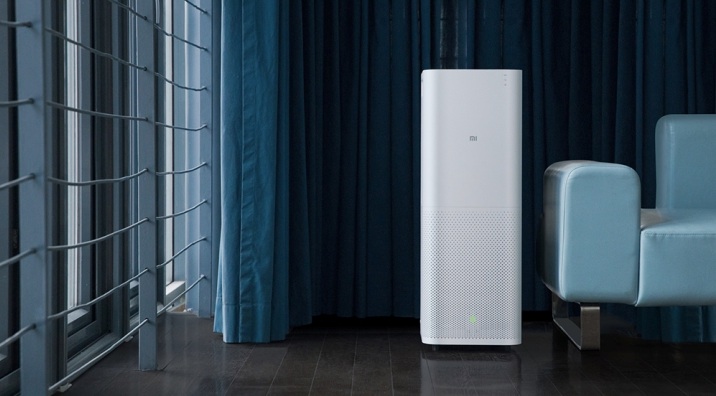
Launched during China’s smog crisis, the Mi Air Purifier wasn’t just a health gadget — it was a public service. With a minimalist design, smartphone connectivity, and a three-layer HEPA filtration system, it brought reliable air purification into homes that previously couldn’t afford it.
Xiaomi’s strategy was simple: take an expensive product category and make it mainstream. It worked. The Mi Air Purifier sold out quickly and helped solidify Xiaomi’s role beyond just smartphones.
9. Mi LED Smart Bulb (2017)

Through its Yeelight brand, Xiaomi introduced RGB smart bulbs that cost a fraction of what Philips Hue was asking — and didn’t need a hub. With support for Alexa, Google Assistant, and Apple HomeKit, it slotted perfectly into any smart home setup.
It made something as simple as color-changing light exciting again — and accessible. For under $20, you could control ambiance with your voice or phone. That’s ecosystem lock-in done right.
10. Mi Electric Scooter (M365, 2016)

The M365 is more than a scooter — it’s the face of the micromobility boom. With a top speed of 25 km/h, 30 km of range, and a folding design, it quickly became the hardware of choice for companies like Bird and Spin.
Built with real-world use in mind (disc brakes, regenerative braking, a solid app), the M365 offered commuters a sleek, portable ride that was both fun and practical. Xiaomi didn’t just enter the e-mobility market — it helped define it.
11. Mi TV (2013–Present)
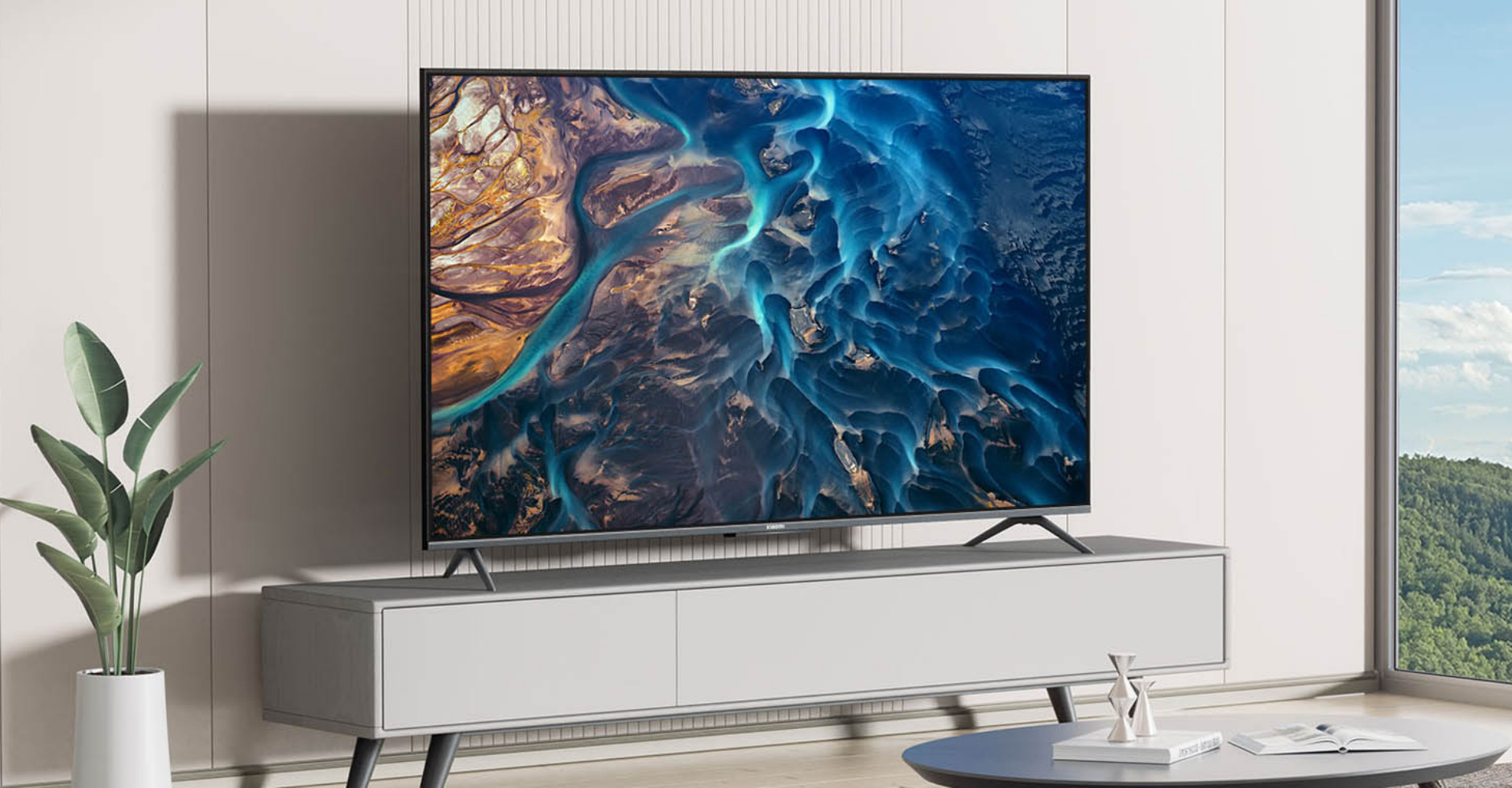
The original Mi TV in 2013 stunned the market: a 47-inch 1080p panel, smart interface, and a price of just $490. Since then, Xiaomi has continued to innovate — whether with the ultra-thin Mi TV 4 or today’s QLED and Mini LED offerings.
In markets like India and China, Mi TVs have been among the top sellers for years. The strategy? Killer hardware, useful software, and prices that make traditional TV brands sweat. It also pushed Xiaomi deeper into the living room — a key part of its “smart home” vision.
12. Mi Wi-Fi Router (2013)
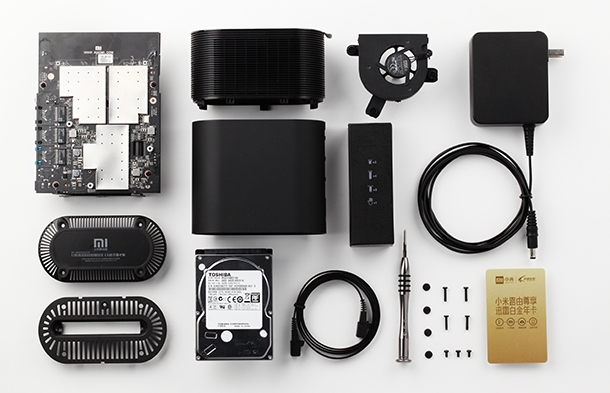
The first Mi Router was a hacker’s dream. Shipped as a DIY kit — complete with screwdriver and gloves — it packed a dual-core processor, 256MB RAM, and a built-in 1TB hard drive.
It wasn’t just a router. It was a media server, a cloud storage box, and a home network hub rolled into one. It was the beginning of Xiaomi’s push into connected living — years before that became a buzzword.
13. Xiaomi SU7 (2024)
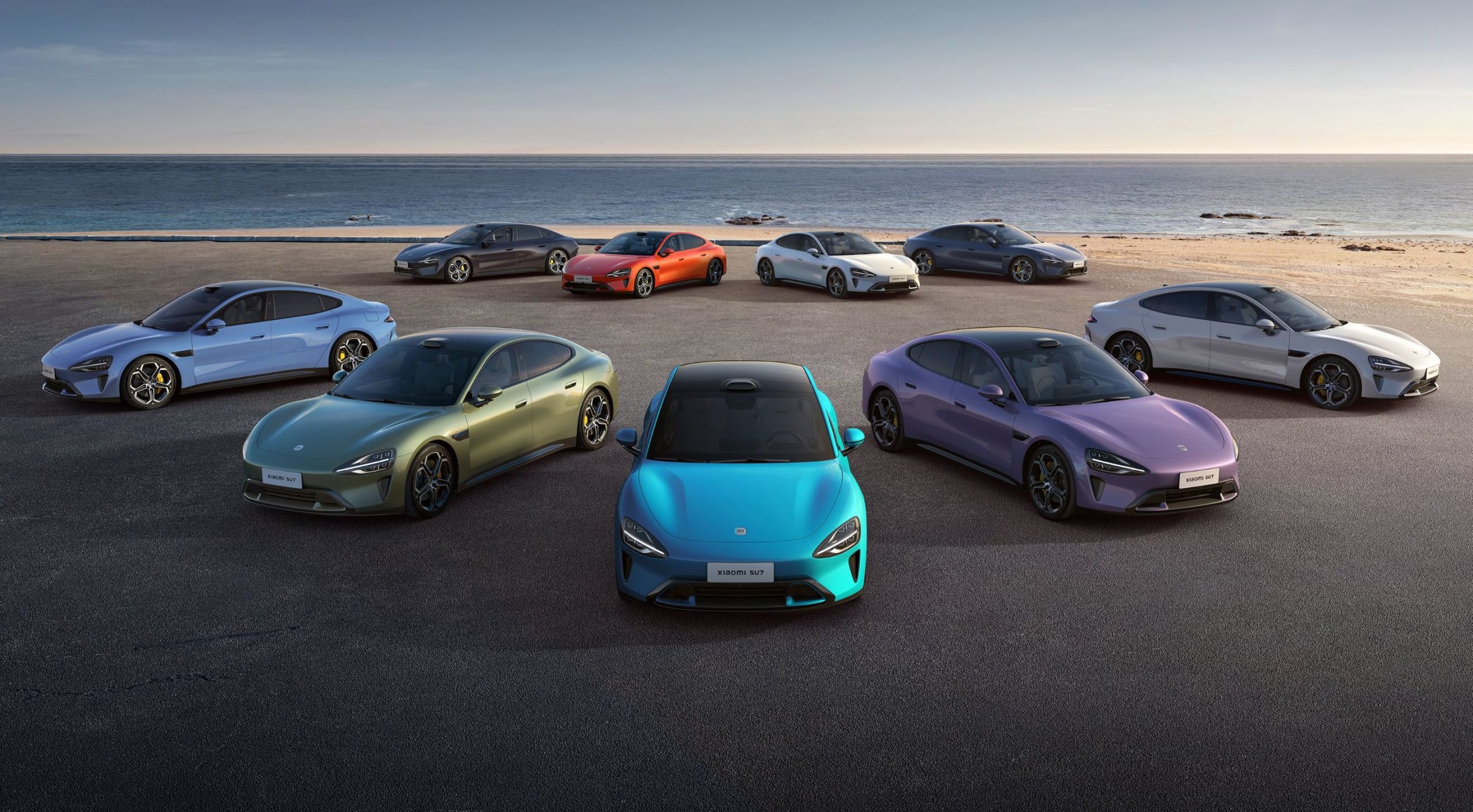
The SU7 is Xiaomi’s most ambitious product ever — a fully electric sedan aimed squarely at Tesla and Porsche. With up to 800 km of range, a 2.78s 0–100 km/h time, and a cockpit powered by Xiaomi’s own HyperOS, it’s a marvel of hardware and software integration.
It’s also deeply embedded in Xiaomi’s ecosystem. Think phone-level OTA updates, HyperOS syncing with your Xiaomi gear, and an EV that knows your preferences better than you do. Within 24 hours of launch, the SU7 pulled in over 88,000 orders in China — a staggering start for a debut car.
Is it a Tesla killer? Time will tell. But one thing’s for sure: Xiaomi isn’t just playing in the gadget space anymore. It wants to own the future of mobility.
14. The Legacy of Disruption
Across categories, Xiaomi’s approach has stayed surprisingly consistent: challenge the incumbents with real innovation and ruthless pricing. These products didn’t just fill niches — they created them. They brought flagship experiences to people who couldn’t (or wouldn’t) pay flagship prices.
From the Mi 1 to the SU7, Xiaomi has shown that being the underdog can be a superpower — as long as you know how to fight smart.
For more daily updates, please visit our News Section.
Stay ahead in tech! Join our Telegram community and sign up for our daily newsletter of top stories! 💡