Add GIZMOCHINA as Preferred Source on Google
The mid-range smartphone market is heating up, and the Motorola Edge 60 Fusion and Nothing Phone 3a are two of the most talked-about contenders in 2024. With each offering a mix of premium features at competitive prices, this comparison matters for anyone trying to find real value without sacrificing quality. Whether you’re into cutting-edge design, battery life, or everyday performance, choosing between these two could define your smartphone experience for the next few years.
1. Design and Display
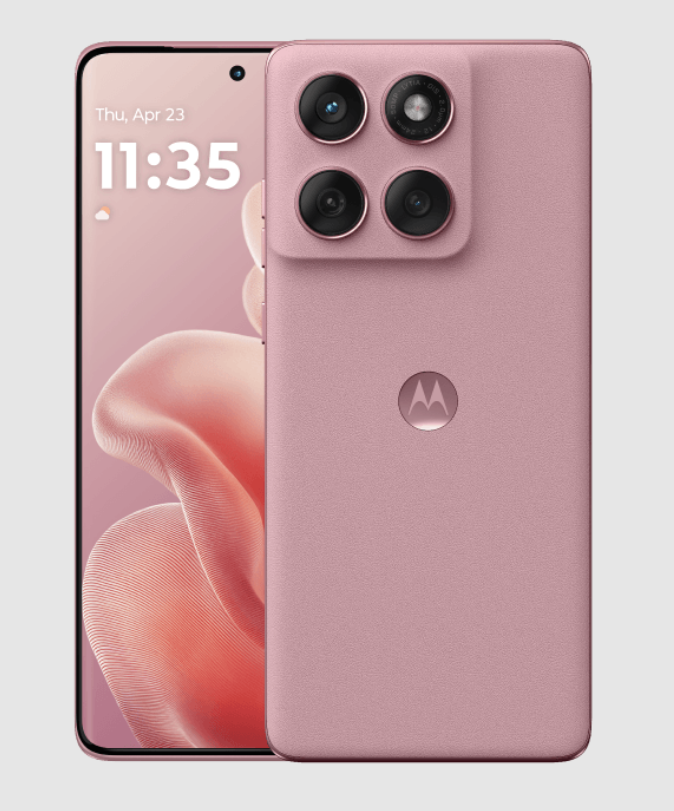
The Motorola Edge 60 Fusion delivers a premium and lightweight feel with its Gorilla Glass 7i front and eco-leather silicone polymer back. It’s IP68/IP69 rated, making it more resistant to dust, immersion, and even high-pressure water jets, something the Nothing Phone 3a can’t quite match with its IP64 splash resistance. In contrast, the Nothing 3a embraces a more expressive design language with its transparent back and three LED light strips. It’s heavier and slightly bulkier, but stands out visually, especially for users who want something eye-catching and unique.
In terms of display, Motorola edges ahead with a brighter and sharper 6.67″ LTPO P-OLED panel with a higher peak brightness of 4500 nits and a resolution of 1220p. The Nothing Phone 3a, while slightly larger at 6.77″, settles for a 1080p AMOLED screen that peaks at 3000 nits and lacks LTPO tech, which means less efficient refresh rate switching.
While the Nothing 3a wins in visual flair, the Edge 60 Fusion offers a more refined and durable design with a technically superior display. For those who value screen quality and build durability, Motorola takes the lead here.

Please Note: When you buy something using the links in our articles, we may earn a small commission at no cost to you.
2. Specifications
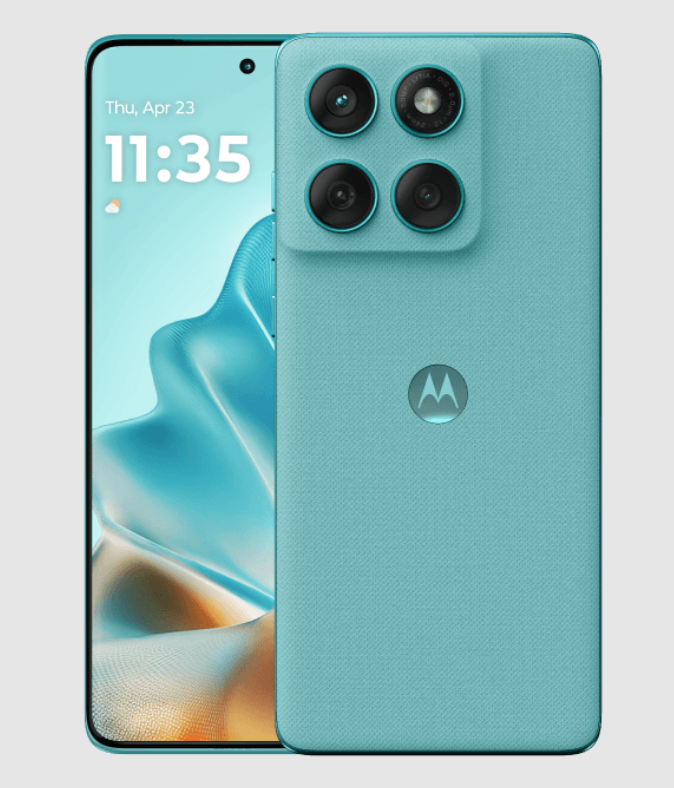
Under the hood, the Motorola Edge 60 Fusion features MediaTek’s Dimensity 7300 or 7400 depending on region, which offers solid performance for everyday tasks and some mid-tier gaming. The Nothing Phone 3a is powered by the newer Snapdragon 7s Gen 3, giving it an edge in graphical tasks and efficiency, especially with its newer architecture and Adreno 710 GPU. RAM and storage options are similar, though Motorola offers up to 512GB, while Nothing maxes out at 256GB.
Battery-wise, the Edge 60 Fusion has a larger capacity (5200mAh/5500mAh depending on the market) and charges faster at 68W. The Nothing Phone 3a comes with a 5000mAh battery and supports 50W charging, which is still fast but slightly behind Motorola in both size and speed.
Nothing Phone 3a offers newer silicon with better GPU performance, but Motorola wins in raw battery size, charging speed, and higher storage ceiling. For users who prioritize battery longevity and quicker top-ups, the Edge 60 Fusion has the upper hand.
3. Camera
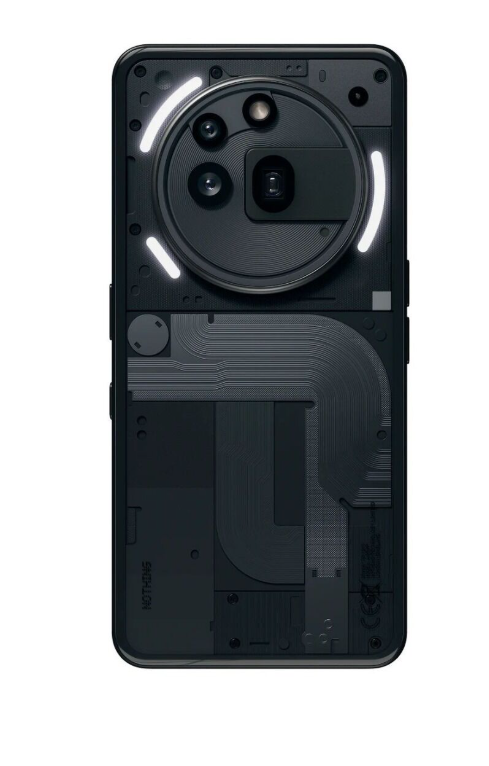
Camera hardware is where the Nothing Phone 3a flexes its muscles. It comes with a triple camera setup, 50MP main, 50MP 2x telephoto, and an 8MP ultrawide. The addition of a dedicated telephoto lens with optical zoom is rare in this segment and offers more creative flexibility. Motorola counters with a dual camera setup: a 50MP main with OIS and a 13MP ultrawide. While solid, it lacks the telephoto versatility.
Both phones offer 4K video recording, gyro-EIS, and strong selfie cameras with 32MP sensors. However, Motorola’s selfie shooter also supports 4K video, giving it an edge for content creators or video calls in higher resolution.
Nothing Phone 3a wins the camera game with more versatility and a dedicated telephoto lens. If photography is your priority, especially zoom shots, the 3a delivers more value. But for video-focused users, Motorola’s 4K selfie cam is a quiet strength.
4. Pricing
This is where the Motorola Edge 60 Fusion truly shines. At $350, it offers a flagship-level display, strong battery, and decent cameras, all at an extremely competitive price point. In contrast, the Nothing Phone 3a comes in at nearly $600, almost a $250 difference. While it does bring a more advanced chipset and camera array, the jump in price may not justify the improvements for many users, especially if budget is a concern.
Unless you specifically need the 3a’s telephoto camera or prefer the aesthetic of the Nothing ecosystem, the Edge 60 Fusion offers better value for money. It hits the sweet spot between performance and price, making it the smarter pick for most users.
5. Conclusion
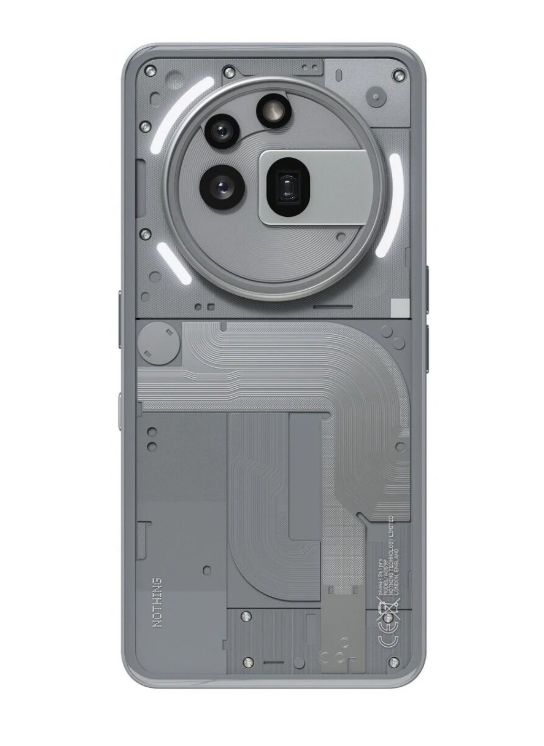
One of the standout features of the Motorola Edge 60 Fusion is its IP69 rating, extremely rare at this price, and guarantees protection even against high-pressure water. It also supports “Ready For” (Smart Connect), allowing users to connect to external monitors for a desktop-like experience. The Nothing Phone 3a’s unique highlights are its glyph interface with 26 addressable light zones and its Snapdragon 7s Gen 3 chip, which brings improved AI features and better thermals.
Motorola supports microSD cards, which the Nothing 3a omits, and its under-display fingerprint reader is paired with one of the brightest screens in its class. Nothing, however, leans into ecosystem features with “Circle to Search” and tight Android 15 + Nothing OS 3.1 integration.
The Edge 60 Fusion is better suited for practical users who value ruggedness, expandable storage, and a productivity edge. Meanwhile, the 3a caters to tech enthusiasts and those wanting to stand out visually. Your choice depends on whether function or flair matters more.
Read More:
- Comparing the Oppo Find N5 and Honor Magic V3: Design, Performance, and Features
- Nothing Phone (3a) Pro vs. Samsung Galaxy A36: Which One is Worth Your Money?
- Comparing Samsung Galaxy Z Fold 6 vs. Oppo Find N5: Who makes the best foldable of 2025