Add GIZMOCHINA as Preferred Source on Google
At its latest product launch event, Meizu unveiled the next major evolution of its operating system: Flyme AIOS 2. Debuting on the newly announced Meizu Note 16 and Note 16 Pro, the update is far more than a cosmetic refresh. It’s an ambitious, AI-forward overhaul built around what Meizu calls “conscious computing,” fusing personalized system behavior with deep integration across phones, cars, and smart homes.

1. Rethinking System Performance: OneMind, Reimagined
Flyme AIOS 2 introduces a redesigned OneMind engine, now divided into four specialized sub-engines. Each one contributes uniquely to enhancing the overall user experience:
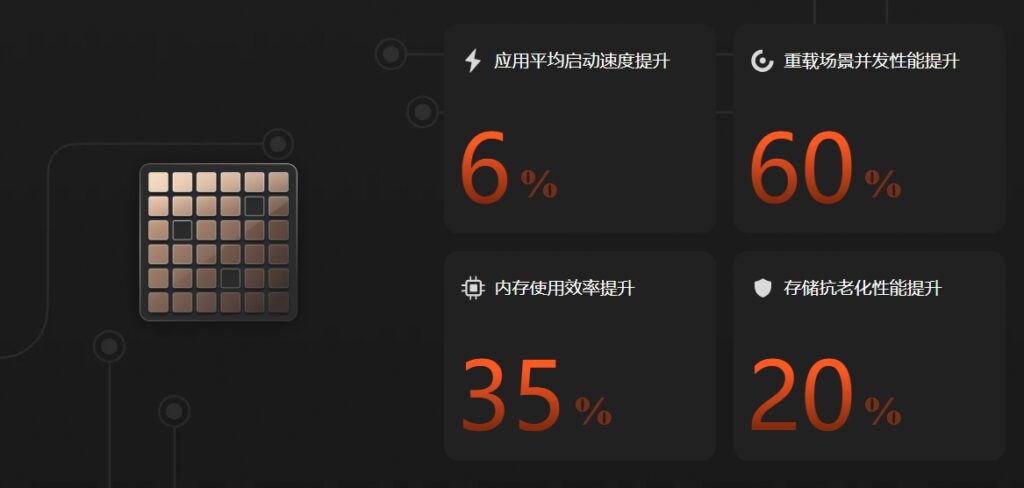
Instant Flow Engine boosts responsiveness with faster app launches and better multitasking. Meizu claims a 6% improvement in app start time, 60% better performance under load, and a 20% increase in memory efficiency.
Streamlined Visual Effects Engine introduces finer frame rate control and GPU prioritization, producing a smoother and more coherent UI flow, especially noticeable in animations and transitions.
CrystalCore Power Efficiency Engine is designed to handle modern use cases like short video consumption and idle standby more intelligently, offering up to 1.6 hours of extra playback and 4.4°C lower heat during extended use.
Smart Self-Healing Engine adds a layer of proactive maintenance, scanning for and repairing performance bottlenecks, memory drain, or power consumption anomalies. It even surfaces suggestions to avoid potential slowdowns.
2. AI That Feels Alive
The real story here is Aicy, Meizu’s virtual assistant that’s gone through a complete transformation. Now running on Alibaba’s Qwen Omni large language model, Aicy is no longer just a glorified search tool. It’s now an emotionally intelligent, low-latency AI assistant with customizable voices, regional dialect support, and even emotional nuance. Whether it’s reminding you of your dad’s shoe size or comforting you after a long day, Aicy can now act as both scheduler and companion.
The assistant also integrates DeepSeek, a reasoning engine that decides when to engage advanced logic or fetch real-time web data. Think ChatGPT-like conversations, but tuned for system-level queries and personalized memory. And yes, it remembers what you ate last month in some city or where you bought your living room sofa. Context is the point.
3. AI Gallery and Notes Get Smarter
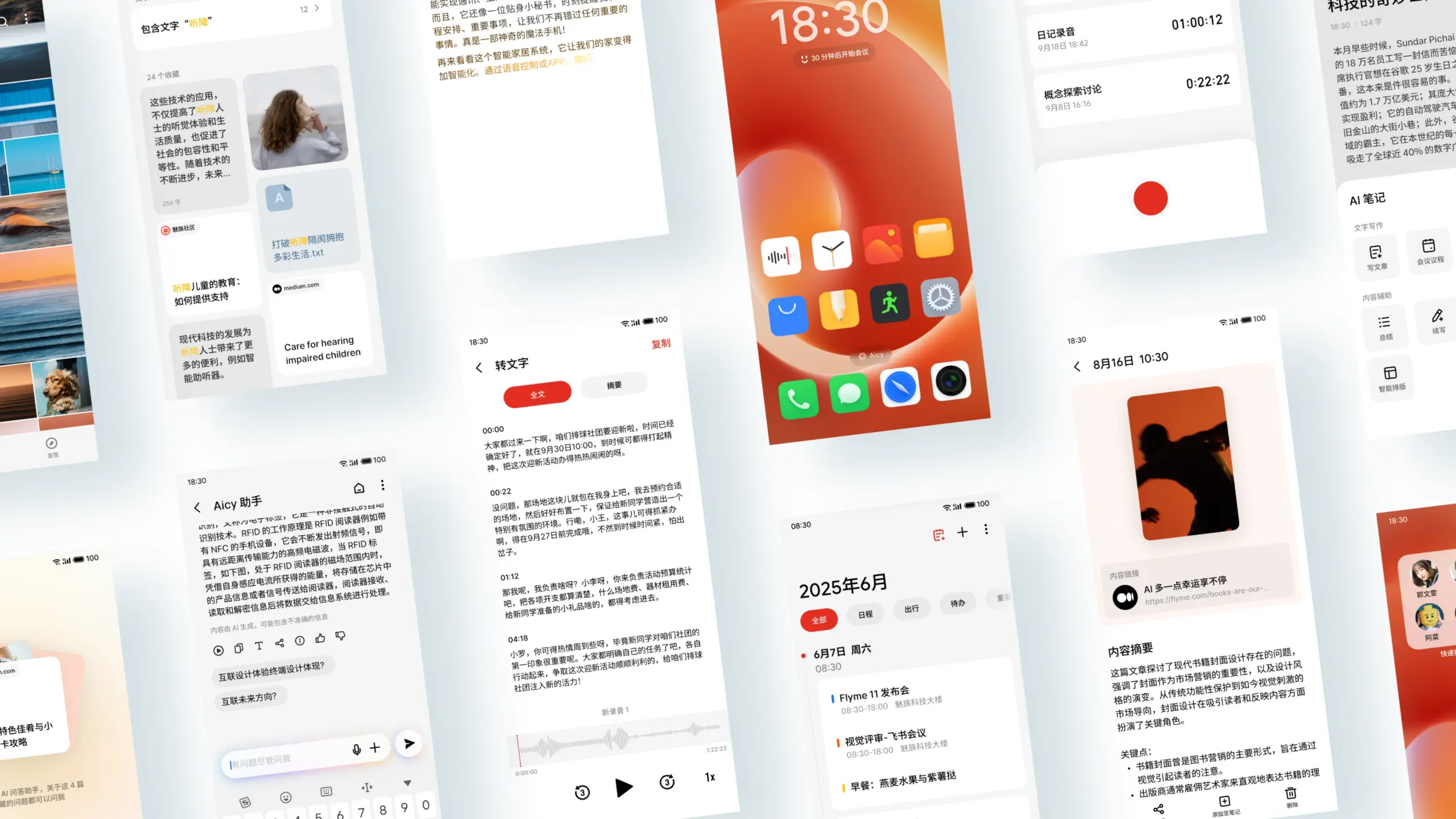
Flyme AIOS 2 also revamps its AI Gallery, adding creative tools like AI Magic Draw, which lets users modify images with text prompts, and restoration tools that remove glare, blur, or moiré artifacts. Live Photos can now be shared across platforms like Xiaohongshu with a new freeform collage tool that mixes images, videos, and GIFs.
Meanwhile, the AI Notes app now supports three-finger screenshot saving, drag-and-drop collection, and natural language Q&A. You can search through 10,000 notes like a knowledge base and let the system auto-summarize content for easier reference.
4. Dedicated AI Button and Smarter Automations
Newer Meizu devices will support a physical AI key. With a single press, users can access Aicy for voice input or trigger customizable shortcuts. It’s a nod to tactile convenience at a time when AI often feels buried behind gestures and menus.
Flyme AIOS 2 also introduces Task Robot, an automation engine that doesn’t just follow commands but understands intent and context. For example, it can pull addresses directly from your screen and suggest navigation or ride-hailing options without switching apps. The system refines plans mid-task and adapts to changing scenarios, a step beyond traditional routines.
5. DreamSmart and the Connected Ecosystem

With DreamSmart, Meizu is pushing harder into IoT. The update supports seamless cross-device collaboration under the “person car home” ecosystem. Flyme Auto connects your smartphone to compatible vehicles and home appliances. Partnerships with brands like Midea bring integration with nearly 100 million smart devices. You can control your AC from your car or check your smart oven status mid-commute without touching your phone.
6. Final Thoughts
Flyme AIOS 2 feels like Meizu’s answer to the AI era that Apple, Google, Xiaomi, and others are also scrambling toward, but with its own personality. It’s polished, deeply integrated, and emotionally aware. It doesn’t just respond to your commands. It anticipates them, remembers them, and sometimes even empathizes with you.
The update rolls out first with the Meizu Note 16 series and will expand to older models starting in June 2025, with more OTA features arriving through Q3. Whether the promise of “AI with a soul” holds up in the real world remains to be seen, but there’s no denying Meizu’s ambition.
For more daily updates, please visit our News Section.
Stay ahead in tech! Join our Telegram community and sign up for our daily newsletter of top stories! 💡