Add GIZMOCHINA as Preferred Source on Google
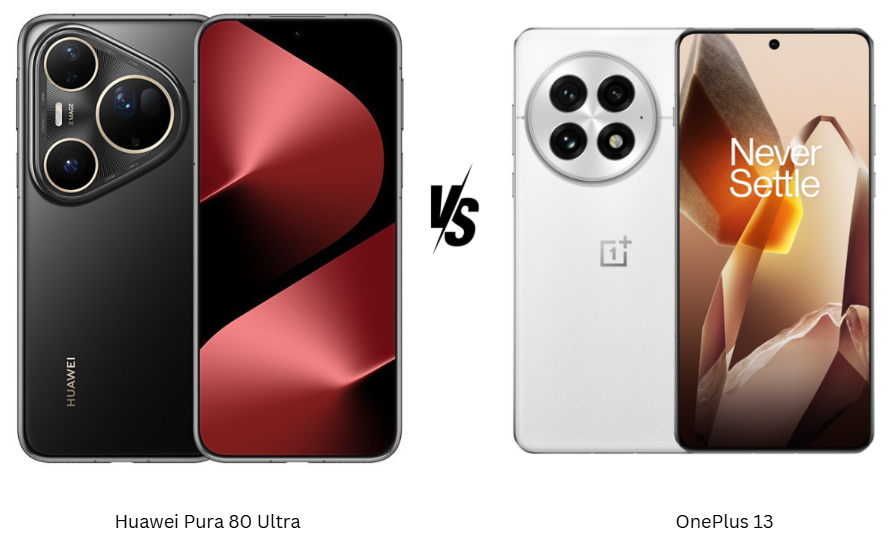
Huawei Pura 80 Ultra and OnePlus 13 represent two of the most advanced flagship smartphones of 2025, each pushing boundaries in design, performance, and camera technology. With Huawei focusing on powerful zoom capabilities and satellite connectivity, and OnePlus prioritizing raw performance and display innovation, this comparison highlights a critical choice for premium users. Whether you value imaging versatility or all-around power at a lower price, this matchup helps decide which flagship truly delivers better value and everyday excellence.
1. Design and Display

Build and Feel:
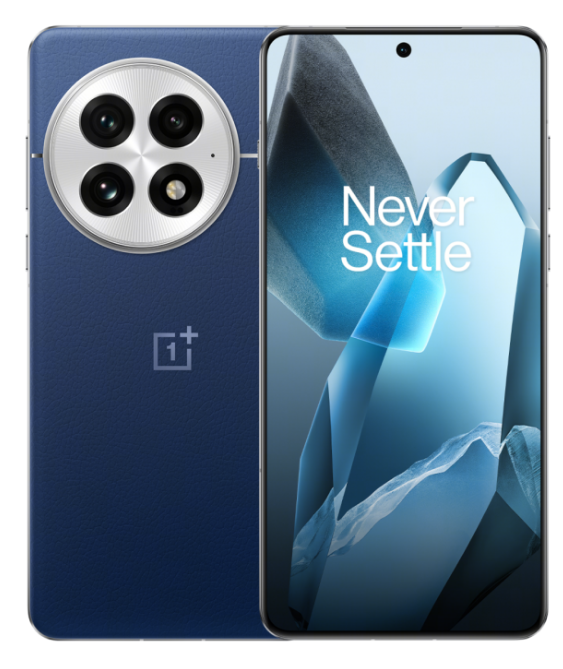
Both phones offer a premium build with glass fronts and aluminum frames, along with IP68/IP69 protection. However, the Pura 80 Ultra emphasizes its solid craftsmanship with Kunlun Glass 2 and a more symmetrical design, while the OnePlus 13 enhances user comfort through its eco-leather variant and lighter form factor. The OnePlus’s under-display ultrasonic fingerprint sensor also provides a more modern unlocking experience compared to the Pura’s side-mounted sensor. Overall, OnePlus 13 feels more ergonomic and innovative in its build approach.
Display Quality:
The OnePlus 13 features an LTPO 4.1 AMOLED panel with superior brightness levels, reaching up to 4500 nits peak, Dolby Vision, HDR10+, and 2160Hz PWM dimming, ideal for both visibility and eye comfort. The Pura 80 Ultra also offers a vibrant LTPO OLED panel with 1440Hz PWM and 3000 nits peak brightness. While both displays are sharp and color-rich, OnePlus edges ahead with its higher peak brightness and advanced display tech, making it more versatile under direct sunlight and in HDR content consumption.
Verdict:
The OnePlus 13 has a slight edge in both ergonomics and display tech. Its ultra-bright, high-frequency AMOLED panel and sleeker feel give it an advantage for daily use and multimedia consumption.
| Preview | Product | |
|---|---|---|

|
OnePlus 13| Smarter with OnePlus AI (12GB RAM, 256GB Storage Midnight Ocean) | Check Price on Amazon |
Please Note: When you buy something using the links in our articles, we may earn a small commission at no cost to you.
2. Specifications
Performance:
Powered by the Snapdragon 8 Elite (3nm), the OnePlus 13 offers one of the most powerful Android experiences available, with high-frequency Oryon V2 cores and Adreno 830 GPU. The Huawei Pura 80 Ultra, on the other hand, runs on the 7nm Kirin 9020, which while capable, lags in raw CPU and GPU power. The OnePlus also supports UFS 4.0 storage across more variants, ensuring faster read/write speeds. For gaming, multitasking, and longevity, the OnePlus 13 delivers a significantly stronger performance package.
Battery and Charging:
The Pura 80 Ultra sports a 5700 mAh battery with 100W wired and 80W wireless charging, while the OnePlus 13 boasts a slightly larger 6000 mAh cell with equally fast 100W wired charging and 50W wireless charging. While both have reverse wireless and wired capabilities, OnePlus charges marginally faster (50% in 13 minutes) and offers a better battery capacity overall.
Verdict:
OnePlus 13 takes the lead in this segment due to its flagship-grade Snapdragon chip, larger battery, and optimized fast charging support. It’s more future-proof for power users.
3. Camera

Main and Secondary Lenses:
Huawei Pura 80 Ultra boasts a quad-camera system with dual periscope lenses, one at 3.7x and another at 9.4x optical zoom, both stabilized with sensor-shift OIS. It also features a massive 1-inch-type primary sensor and a high-res ultrawide lens. The OnePlus 13, though impressive with its 50MP triple setup and Hasselblad tuning, offers just a single periscope lens (3x zoom) and a smaller primary sensor. For zoom flexibility and sensor quality, Huawei pulls ahead, especially for professional-grade photography.
Selfie Camera:
Huawei’s 13MP ultrawide selfie shooter delivers good detail and field of view with 4K support, but the OnePlus 13’s 32MP front camera provides better resolution and more advanced 4K/60fps recording. It also captures finer textures and skin tones with better color calibration, making it more appealing for creators and video calls.
Verdict:
Huawei takes the lead in rear camera versatility and zoom range, but OnePlus wins on selfie camera quality and front-facing video performance. Huawei is better for photography enthusiasts, while OnePlus suits vloggers and content creators.
4. Pricing
Huawei Pura 80 Ultra is priced around $1500, whereas the OnePlus 13 starts at $1000 for its 12GB RAM variant and goes up depending on storage. Despite Huawei offering an advanced camera system and unique features like satellite messaging (China-only), it comes at a significantly higher cost.
The OnePlus 13 delivers top-tier performance, battery, and display tech for a considerably lower price, making it the more practical flagship for most users. In terms of value, OnePlus offers a more compelling package.
Disclaimer:
Prices are approximate and may vary based on country, region, and applicable taxes.
5. Conclusion
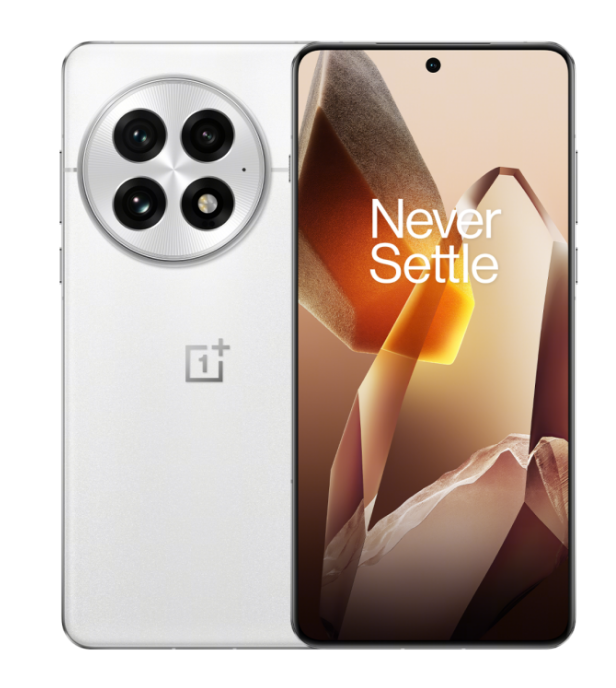
Huawei Pura 80 Ultra offers standout photography capabilities with its dual periscope setup and 1-inch main sensor, plus BDS satellite messaging in China. Its ultra-premium construction and 80W wireless charging further add to its appeal. Meanwhile, the OnePlus 13 shines in raw performance, ultra-bright display, and better software support with 4 Android upgrades. It also has features like “Circle to Search” and advanced audio enhancements.
Verdict:
Choose the Huawei Pura 80 Ultra if photography flexibility and luxury build are priorities. Go for the OnePlus 13 if top-end performance, better pricing, and a more complete daily driver matter more. For most users, the OnePlus 13 is the smarter flagship choice.
Read More:
- Huawei Pura 80 Pro vs OnePlus 13s: Big Features or Bigger Value?
- Huawei Pura 80 Ultra vs Pro+: Does the Ultra Justify the Higher Price?
- Oppo Find X8s+ vs Vivo X200s: Who Has the Best Premium Value in 2025?