Add GIZMOCHINA as Preferred Source on Google
The small-size Android tablet market has been getting some fresh attention lately, largely due to niche gaming slates like the Lenovo Savior Y700 4th Gen and the Red Magic Gaming Tablet 3 Pro. But now, Redmi, best known for budget and midrange phones, is trying something different.
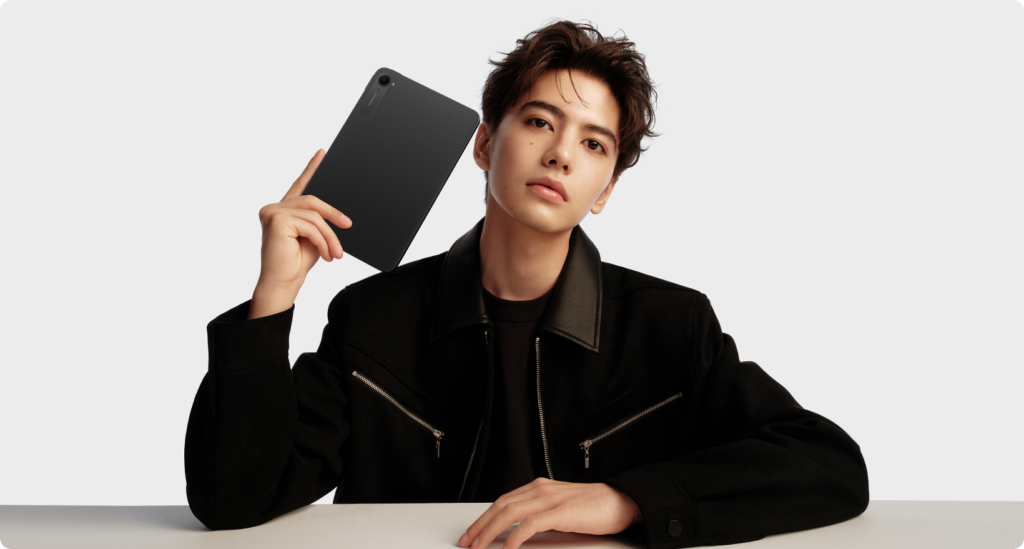
It’s new Redmi K Pad enters the scene as the brand’s first proper flagship tablet. And while that phrase may sound a bit overplayed, this device does introduce a few notable choices that set it apart from the rest of the mid-size tablet pack.
So, what exactly makes the K Pad stand out in an already crowded space? Here are five key aspects that make it worth talking about, if not exactly exciting.
1. It’s the only small tablet with dual USB-C ports that make sense
Redmi is calling the K Pad its most ambitious tablet to date, and the dual USB-C ports are probably the best example of that effort. While other brands might reserve a second port for data or expansion, the K Pad treats both ports as fully functional USB 3.2 Gen1 connectors. That means 10Gbps data speeds, and more importantly, real flexibility when using it in gaming or productivity setups.

In landscape orientation, you can charge without your cable getting in the way of your grip. In portrait mode, you can now plug in your accessories like external SSDs, DACs, cooling clips, or controllers, without blocking airflow or your hands.
It also allows for more complex scenarios like charging while outputting display via DP, or simultaneous use of wired headphones and external gamepads. This kind of modular convenience isn’t new to laptops or larger tablets, but it’s rare in the sub-9-inch Android space.
2. It tries to be comfortable to hold and easy to carry
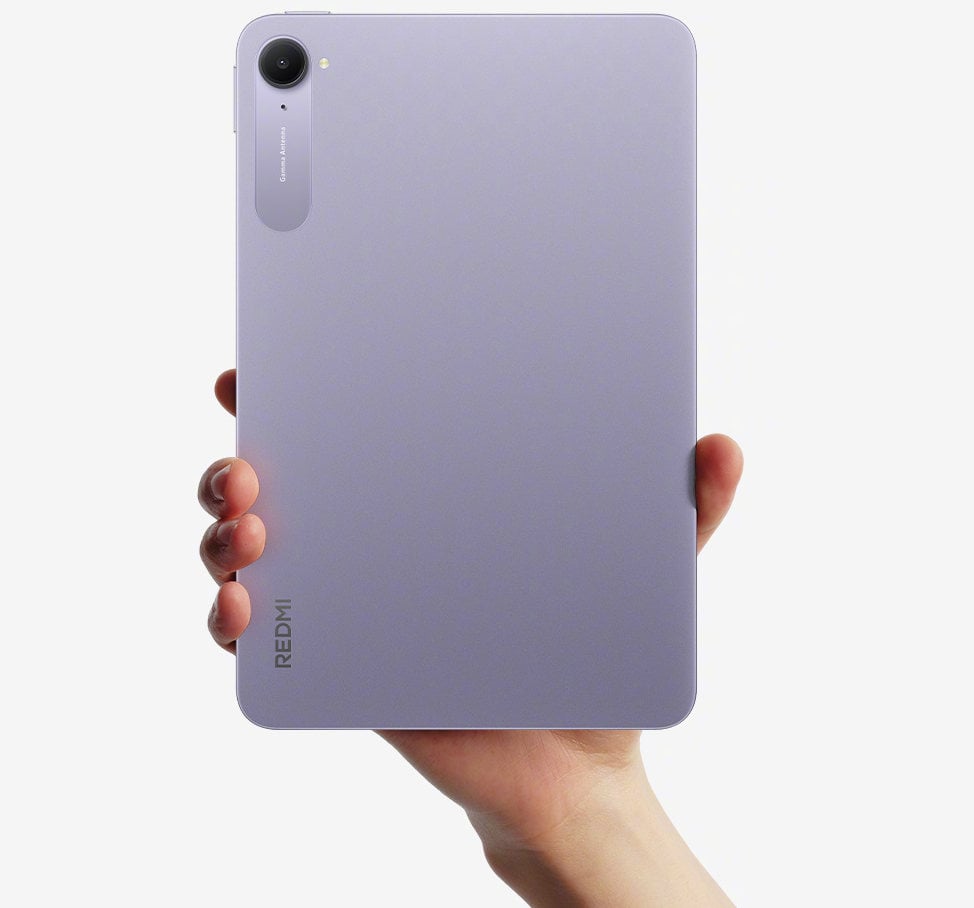
It’s not easy to find a tablet that manages to combine a small screen size with a genuinely portable build. The K Pad keeps things minimal and surprisingly light. It measures 6.46mm thick and weighs only 326 grams. That’s in line with some older iPad Mini models and lighter than most Android tablets this size, especially ones targeting gamers.
It also helps that Redmi has gone with a symmetrical four-narrow-edge bezel layout and an R-corner design, which not only makes the tablet feel balanced but also makes it less of a pain to hold for extended periods. According to Xiaomi, it fits in small handbags and men’s trouser pockets.
3. The display is surprisingly sharp and certified to be easier on the eyes
Specs-wise, the K Pad’s display is almost flagship-level. It’s 8.8-inch 3K LCD panel delivers a 3008×1880 resolution with a 165Hz refresh rate. The screen has a 16:10 aspect ratio, which makes it versatile for everything from media consumption, productivity and gaming.
What makes it more notable, though, is the certification stack: it has passed multiple TUV Rheinland standards (low blue light, flicker-free, rhythm-friendly) and received the “Visual Health Friendliness S++” rating from China’s Quality Certification Center.
Even if this isn’t a device you’ll use for long working hours, having a screen that doesn’t fatigue your eyes as quickly is more than just a nice-to-have.
4. Cooling is overkill, and that’s a good thing
Inside, the Redmi K Pad runs on the Dimensity 9400+, a flagship MediaTek chip that prioritizes GPU-driven performance. While it’s not the only tablet with a strong SoC in this class, the way Redmi handles thermals is what makes the difference.
The company has implemented a central SoC stacking architecture, aligning the chip with the device’s thermal center to dissipate heat evenly. That’s paired with a 12,050mm² aluminum alloy vapor chamber, and what Redmi calls Rage Engine 4.0, a system-level graphics rendering optimization that helps with frame stability.
Redmi also claims the system can hit native 3K resolution in open-world games. So the thermal architecture does allow for longer sustained gameplay without the kind of throttling typical in other thin tablets.
This setup is further supported by a three-antenna Wi-Fi architecture, which adds an extra 5G channel for more stable connectivity in landscape mode. It’s all over-engineered in ways that mobile gamers might appreciate, especially those looking for alternatives to pricier gaming tablets.
5. It’s trying (hard) to bridge the gap between entertainment and productivity
You could argue that all tablets try to do this, but Redmi is throwing in a few extra tricks. On the productivity side, the K Pad supports PC-level apps like CAJ, CAD, and WPS, and has baked in a range of tools like workbench mode, remote desktop access, and a meeting toolbox. It also supports super documents — Xiaomi’s catch-all term for multi-format editing and annotation — and can essentially mimic a light desktop OS under the right conditions.
Surprisingly, it also plays relatively well with Apple’s ecosystem. The K Pad supports file transfer, photo sync, and extended display functionality when used with a Mac, which is a rare show of interoperability from a Chinese Android tablet.
While not seamless in the way Apple’s own Continuity system works, it does give you an option to better interact with the Apple ecosystem.
For more daily updates, please visit our News Section.
Stay ahead in tech! Join our Telegram community and sign up for our daily newsletter of top stories! 💡