
Add GIZMOCHINA on Google:
Samsung is gearing up for its big Galaxy Unpacked event on July 9, 2025, and one detail already has fans talking — the chipset. The company is switching to Exynos chips for two of the three upcoming foldables, including models heading to the US.
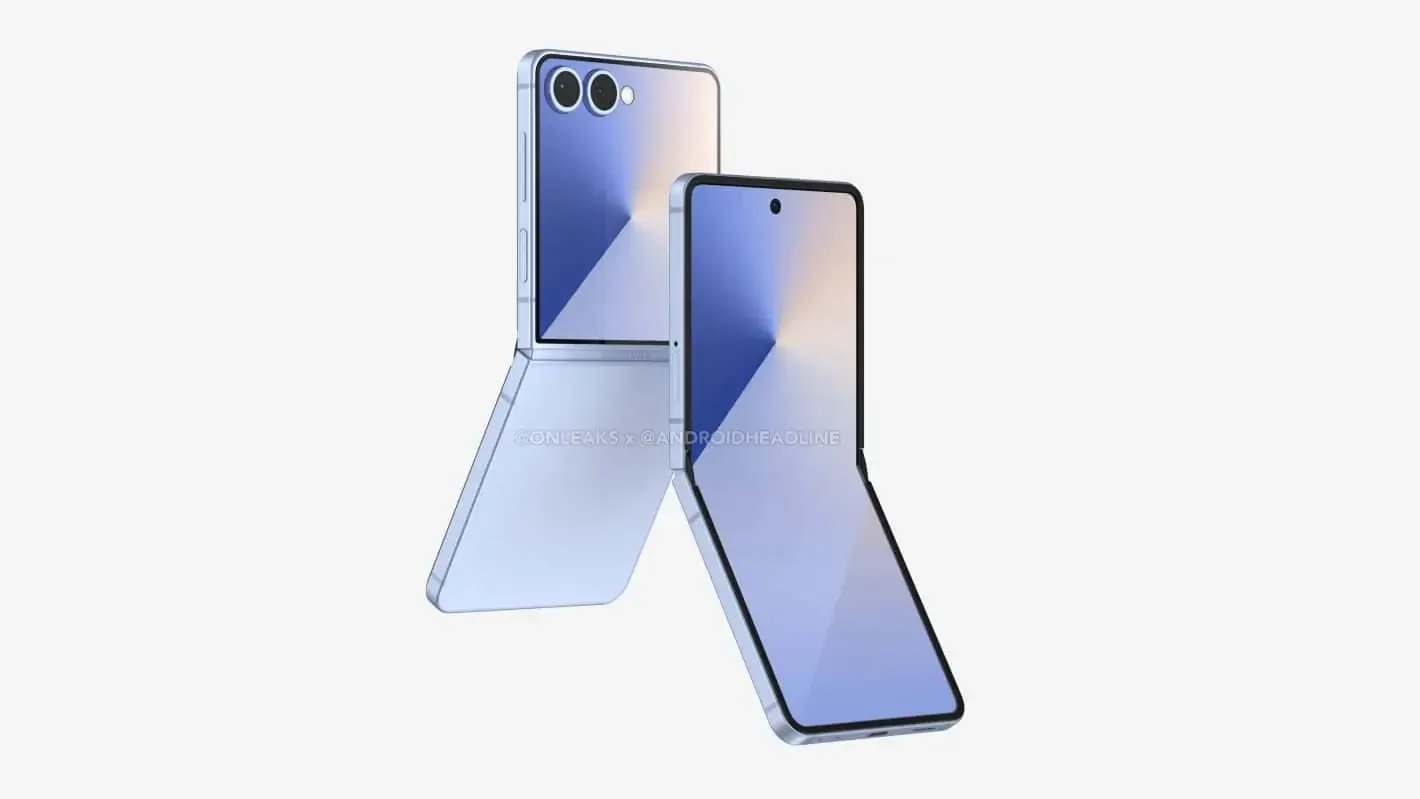

According to a new leak (via Sammobile), both the Galaxy Z Flip7 and the more affordable Z Flip7 FE will be powered by Samsung’s in-house Exynos processors — even in the US. This marks a big shift in Samsung’s chip strategy — the Flip7 and Flip7 FE are not only the first foldables to use Exynos, but also among the very few Galaxy flagships in the US to feature Samsung’s own chips.
The flagship Flip7 is expected to run on the new 3nm Exynos 2500 chip, while the FE version could feature the Exynos 2400, the same chip rumored for the Galaxy S24 FE.
Meanwhile, the Galaxy Z Fold7 — Samsung’s most premium foldable — is confirmed to continue using the Snapdragon (Snapdragon 8 Elite), keeping its top-tier performance intact.
While SamMobile suggests that the Exynos 2500 might be a better fit for the Flip7 than the Snapdragon 8 Elite—given thermal concerns on the slim Galaxy S25 Edge—this theory runs into a snag: the Z Fold7 is actually thinner than the Flip7. That makes the speculation less convincing. It’s more likely that Samsung’s decision to use Exynos in the Flip7 is a cost-saving move, especially since the Flip doesn’t demand the same peak performance as the larger Fold. As for the Flip7 FE, the Exynos 2400 is still a highly capable chip and could help Samsung keep the price competitive.
Benchmark results for the Exynos 2500 suggest notable performance gains over the previous generation, but real-world thermal performance is still unknown. The Flip7 is also tipped to come with bigger screens — a 4-inch outer display and a 6.85-inch foldable panel — offering more space for apps and multitasking.
Samsung has already opened pre-reservations on its website, with up to $1,150 in trade-in savings and a $50 credit for early sign-ups.
If true, the use of Exynos in US-bound models could be a bold cost-saving strategy, especially with Samsung confident in the chips’ performance. Whether this gamble pays off — and how US customers react — will become clear as the phones hit the shelves.
Tech enthusiast? Get the latest news first! Follow our Telegram channel and subscribe to our free newsletter for your daily tech fix!
For more daily updates, please visit our News Section.




Comments