Smartphones age fast. Every year, we get a wave of new handhelds with updated hardware, more AI-focused features, and refined designs that make them the best phones their companies have ever made. It’s the usual cycle of innovation and iteration.
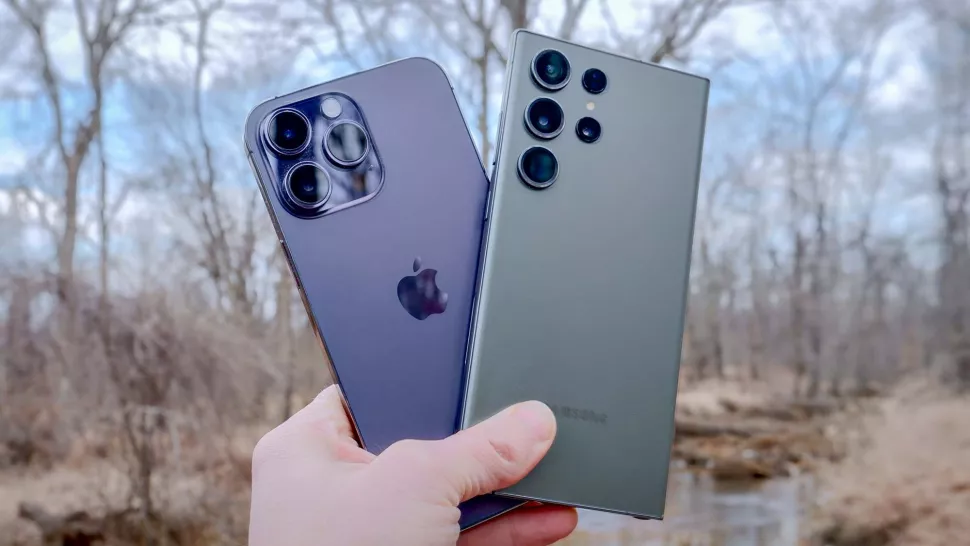
Sure, the latest iPhone 16 Pro Max or Galaxy S25 Ultra might come with some shiny new tricks. However, the latest and greatest also come at a cost.
Image credit: Future, tomsguide
Amid the hype, it’s easy to overlook the fact that last year’s flagship or even one from two years ago can deliver a strikingly similar experience. Because the generational leaps aren’t always as dramatic as they sound on stage, and they’re often a much better deal than the new flagship.
So if you’re someone who doesn’t need to flex the latest iPhone 16 Pro Max or Galaxy S25 Ultra in your hand, you can actually save hundreds of dollars and still get 90% of the flagship experience by going just one generation back.
Here’s why older flagships are still excellent value for your money.
When companies design flagship phones, they throw in the best materials, sharpest screens, and most advanced tech available at the time. These are the phones that get the polished builds, the best OLED panels, the most powerful cameras, and top-tier processors. And all that hardware takes time to age.
Take the Galaxy S23 Ultra, for example. It has a QHD+ AMOLED display, a Snapdragon 8 Gen 2 processor, a quad-camera setup with 10x optical zoom, and a solid build with Gorilla Glass Victus+ protection. The hardware still has enough muscle to hold its own in 2025 — and likely for a few more years.
Sure, the S25 Ultra might get you a brighter display and a newer chip. But does that matter if you’re mostly scrolling Instagram, watching YouTube, and taking the occasional photo of your cat?
2. Older flagships get long software support now
One reason people used to avoid older phones is the fear of being stuck on outdated software. That’s changing.
Apple is the gold standard here. An iPhone 13 from 2021 will still get iOS updates through at least 2027. That’s six years of support. Even Android manufacturers have stepped up. Samsung now offers seven years of major updates on its flagship lines. Google does the same for Pixels. Even brands like OnePlus and Xiaomi have promised longer timelines.
That means if you buy a Galaxy S24 or Pixel 8 Pro today, you’re likely to get new Android versions and security patches for another couple of years, at least.
3. Prices keep dropping
This one is simple. Older flagship phones get cheaper with time. And we’re not talking $100 off. We’re talking half the price or more within a year or two.
The Galaxy S23 Ultra was available in India for Rs 69,999 during the Amazon Great Indian Festival Sale, down from its original price of Rs 124,999. And that is not a refurbished or lightly used model, but instead a sealed pack unit.
If you are willing to go for a refurbished or second-hand device, chances are you can get the phone for even less. And because these phones were built to last, they hold up well physically and performance-wise.
For the same amount you’d spend on a new midrange phone like the Galaxy A55 or Pixel 8a, you can get a used flagship that’s faster, more capable, and better built.
4. Midrange phones still lag behind in subtle but real ways
No surprises, midrange phones have gotten better over the years. But they still cut corners in ways that matter, especially when you compare them to former flagships.
You might get a decent main camera on something like the Pixel 9a, but you’ll miss out on the dedicated zoom lenses or faster image processing found on a Pixel 8 Pro. Midrange phones also often skip on things like wireless charging, higher refresh rates, or proper water resistance.
And then there’s the performance gap. Midrange chips are good enough for casual use, but they can stumble during gaming, heavy multitasking, or running AI features that flagship phones handle without flinching.
In other words, a flagship from 2022 will probably still feel snappier in 2025 than a brand-new budget device.
5. They look and feel better, too
Design matters, not just because it’s pretty, but because it affects how you use your phone every day.
Older flagship phones tend to have slimmer bezels, better haptics, more responsive screens, and more solid materials. They’re built to impress, and they usually hold their aesthetic appeal longer than budget phones.
An iPhone 13 Pro still looks modern. So does a Galaxy S22 Ultra. And unless you’re someone who cares about the latest curved glass trend or dynamic island cutouts, you’re not missing much visually.
6. They’re perfect for secondary or backup use
There’s also the convenience factor. Buying a two-year-old flagship is a great move if you need a second phone for travel, work, or just as a backup. Instead of going for a $300 new phone with questionable performance, you can get a more powerful device that was top-of-the-line not too long ago.
And if you break it? You’re not losing $1,300 worth of phone. That peace of mind matters.
7. You’re buying a known quantity
By the time a flagship phone is two years old, its flaws are well known. Every bug has probably been patched. Every weakness has been reviewed. You know how the battery ages, what the camera struggles with, and whether the screen tends to burn in.
Compare that to buying a brand-new phone with zero long-term user feedback. You’re the guinea pig. Older flagships have already been through the wringer, and if they’re still recommended, that says something.
8. Just a few things to watch for
This isn’t to say older flagships are perfect. There could be a few trade-offs.
If you’re buying a second-hand or refurbished model, the phone’s battery life may have degraded. You’ll also need to check whether the model is locked to a carrier or lacks support for 5G bands in your region.
But these are manageable. Battery replacements are quite easy, and for most people, 5G still doesn’t make a huge difference in daily use.
9. Save your money, skip the hype
Unless you really need the latest camera upgrade or want to be part of the first wave of AI-native phones, you’re probably better off buying a slightly older flagship. You get most of the same benefits, fewer bugs, and a lot more value for your money.
We use cookies on our website to give you the most relevant experience by remembering your preferences and repeat visits. By clicking “Accept”, you consent to the use of ALL the cookies.
This website uses cookies to improve your experience while you navigate through the website. Out of these, the cookies that are categorized as necessary are stored on your browser as they are essential for the working of basic functionalities of the website. We also use third-party cookies that help us analyze and understand how you use this website. These cookies will be stored in your browser only with your consent. You also have the option to opt-out of these cookies. But opting out of some of these cookies may affect your browsing experience.
Necessary cookies are absolutely essential for the website to function properly. This category only includes cookies that ensures basic functionalities and security features of the website. These cookies do not store any personal information.
Any cookies that may not be particularly necessary for the website to function and is used specifically to collect user personal data via analytics, ads, other embedded contents are termed as non-necessary cookies. It is mandatory to procure user consent prior to running these cookies on your website.