
Add GIZMOCHINA as Preferred Source on Google
Apple’s next big iPhone event is only days away, and with the iPhone 17 lineup on the horizon, there’s no better time to take stock of what the Apple ecosystem looks like today.
In 2025, building your own Apple setup isn’t just about buying a single device; it’s about weaving together a family of products and services that are designed to work in harmony. From iPhones and Macs to Apple Watch, AirPods, and even Vision Pro, Apple’s strategy is clear: every device should make the others better.

Start with the iPhone
The iPhone remains the entry point for most people. The current iPhone 16 series, powered by the A18 Pro chip and Apple’s 16-core Neural Engine, already delivers fast AI processing and camera capabilities that set the standard for mobile devices. Features like Visual Intelligence, where you point the camera at a sign and instantly get contextual actions, show how Apple is tying AI into everyday use.
The upcoming iPhone 17 lineup is expected to push this further with ProMotion displays across all models, Apple’s first in-house 5G modem, and rumored 8K video recording on the Pro variants. But even if you don’t jump to the newest release, last year’s iPhones will still run iOS 26 and will get years of updates. That longevity is part of the value: Apple keeps older iPhones relevant longer than most Android competitors.
Macs and iPads
Once you have an iPhone, the next logical step is a Mac or an iPad. Both devices now run on Apple’s custom silicon, giving them unmatched efficiency and long battery life. MacBooks with M4 chips offer desktop-class performance in slim designs. macOS ties seamlessly into iOS through Handoff, AirDrop, and Universal Clipboard, making switching between phone and computer frictionless.
The iPad has grown into a credible laptop alternative. The iPad Pro’s OLED display and M-series chips give it the horsepower for pro apps like Photoshop or Final Cut Pro, while features like Stage Manager and Apple Pencil support turn it into a flexible work and creative tool. The beauty here is continuity: take a photo on your iPhone, edit it on your iPad, and finish the project on your Mac; everything syncs over iCloud.
Apple Watch and AirPods
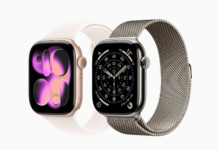
Apple Watch and AirPods aren’t just accessories; they’re extensions of the iPhone. The Apple Watch has become a health and fitness hub with features like ECG, fall detection, and even car crash alerts. The upcoming Series 11 could bring new display tech and improved sensors, but even the affordable Apple Watch SE delivers the essentials.
AirPods, especially the AirPods Pro 2, bring spatial audio, active noise cancellation, and near-instant pairing. They switch automatically between devices, so you can move from a FaceTime call on your iPhone to music on your MacBook without diving into settings. Together, these devices let you leave your phone at home, take calls on your wrist, and enjoy high-quality audio on the go, all while staying connected.
HomePod and Apple TV
In the living room, HomePod and Apple TV tie your Apple devices together. The HomePod mini or HomePod (2nd gen) acts as a HomeKit hub for smart devices, while also handling multi-room audio and Siri commands.
Apple TV 4K doubles as a streaming box, gaming console, and smart home controller. Both devices are plug-and-play with iPhone, pulling in your Apple ID and settings without hassle.
Vision Pro
Apple’s newest product, the Vision Pro headset, shows where the ecosystem is headed. It integrates directly with iCloud, syncs with your Mac as a giant virtual display, and uses AirPods Pro for low-latency audio.
It’s still expensive and niche, but for those already in Apple’s world, it feels less like a standalone gadget and more like an advanced extension of the ecosystem.
Services
Hardware alone doesn’t create an ecosystem. Apple’s services, including iCloud, Apple Music, TV+, Fitness+, and the all-in-one Apple One bundle, serve as the connective tissue. iCloud ensures your files, photos, and notes are always available.
Apple One gives families a way to share subscriptions at a lower cost. And with Apple’s push into “Apple Intelligence,” AI features like Live Translation and generative tools are being rolled into the operating system, always with an emphasis on privacy and on-device processing.
How to Build Without Breaking the Bank
The ecosystem can be expensive, but there are ways to enter gradually. Start with the iPhone, then add an Apple Watch or AirPods for daily convenience. Refurbished Macs and iPads are a smart buy, since Apple’s long software support keeps them useful for years.
Trade-in programs also soften the cost of upgrades. If you share with family, Apple One subscriptions make services like Music, TV+, and Fitness+ far more economical.
The Bottom Line
In 2025, Apple’s ecosystem is broader and more connected than ever. It stretches from your pocket to your wrist, across your living room, and even into immersive spaces with Vision Pro. The real strength lies not in any single device, but in how they all work together.
For those who value seamless integration, privacy, and longevity, Apple’s walled garden feels less like a restriction and more like a carefully designed tech lifestyle.
For more daily updates, please visit our News Section.
Stay ahead in tech! Join our Telegram community and sign up for our daily newsletter of top stories! 💡


Comments