Add GIZMOCHINA as Preferred Source on Google
MediaTek’s Dimensity 9500 chipset is set to power a new generation of flagship smartphones. Built on a 3nm process, the chip features console-grade ray tracing, improved AI capabilities, and major gains in power efficiency.
It introduces an updated NPU, a faster CPU architecture, and support for advanced display and camera features. The first phones with the Dimensity 9500 will arrive in October, with Vivo and Oppo leading the charge.
1. Vivo X300 & X300 Pro
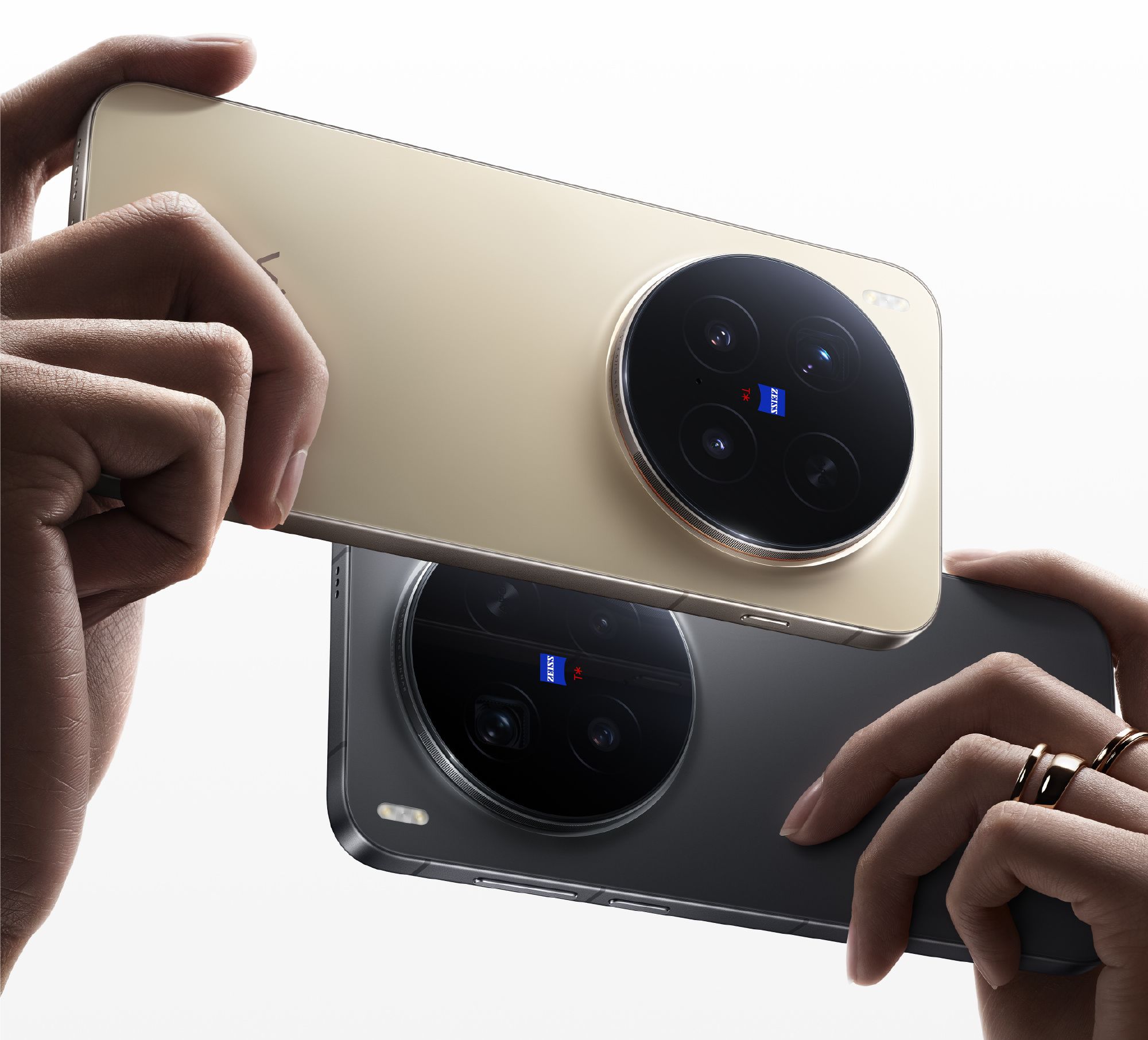
Vivo will be the first brand to launch Dimensity 9500-powered phones. The company will unveil the Vivo X300 series on October 13 in China. The lineup includes the standard X300 and the higher-end X300 Pro.
As per leaks, both devices use BOE’s Q10 Plus LTPO OLED displays with a 1.5K resolution and 120Hz refresh rate. The X300 has a 6.31-inch screen, while the X300 Pro features a 6.78-inch panel. The panels support minimum brightness as low as 1 nit for better eye protection.
Vivo has equipped both models with the Dimensity 9500 chip. This enables faster performance, hardware-based ray tracing, and AI enhancements for imaging and power management. The X300 Pro has a triple rear camera setup with a 50MP Sony LYT-828 sensor, a 200MP Samsung HPB periscope telephoto lens, and a 50MP JN5 ultra-wide camera.
The X300 has a slightly different configuration, using the same 200MP HPB sensor as its main camera, alongside a 50MP ultra-wide lens and a 50MP Sony LYT602 periscope unit. Both phones support 4K 60fps portrait video recording and Zeiss optics.
According to a recent leak, the X300 will feature a 6,040mAh battery, while the X300 Pro will use a larger 6,510mAh unit. Both support 90W wired charging and fast wireless charging. The phones will ship with Android 16 and Vivo’s OriginOS 6, which includes ecosystem support for Apple devices.
2. Oppo Find X9 & X9 Pro
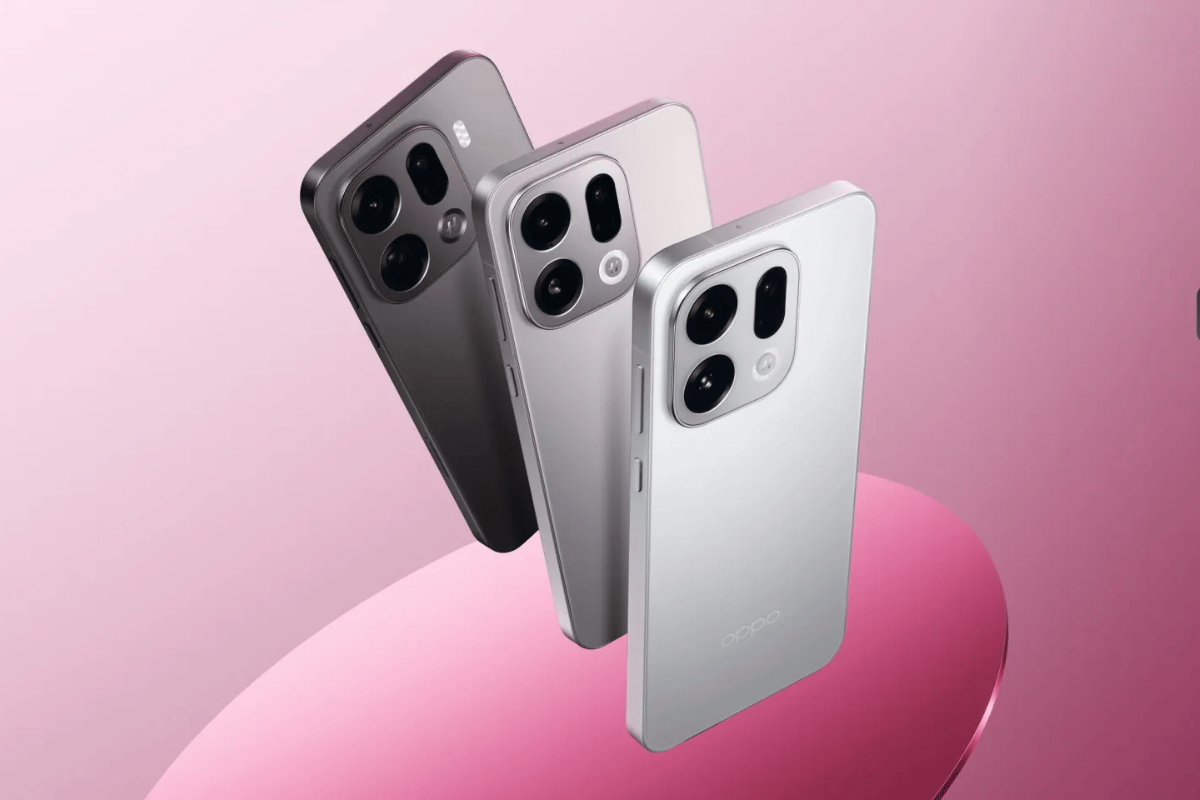
Oppo has scheduled the China launch of the Find X9 and Find X9 Pro for October 16, and a global launch event is set to follow on October 28. Both devices will use the Dimensity 9500 chip, with ColorOS 16 based on Android 16 running out of the box.
According to leaks and rumors, the Find X9 Pro features a 6.78-inch flat LTPO OLED display with 1.5K resolution and 120Hz refresh rate. The screen supports up to 3,600 nits of peak brightness and uses Tianma’s latest 1-nit bright eye-protection panel. Oppo has confirmed an ultrasonic fingerprint sensor under the display.
The Pro model uses a 50MP Sony LYT-828 main sensor, a 50MP Samsung JN5 ultra-wide, and a 200MP Samsung HP5 periscope telephoto camera. The module also includes a 2MP multispectral sensor.
Oppo has designed the camera layout with a rounded-square design and included Hasselblad branding. The phone supports an external Hasselblad teleconverter for added zoom capabilities. For selfies, a 32MP lens is present on the Find X9, while the Pro version upgrades to a 50MP front-facing unit.
The Find X9 Pro includes a 7,500mAh battery with 80W wired charging and 50W wireless charging. The Find X9 uses a slightly smaller 7,025mAh battery and retains the same charging speeds.
The Find X9 and X9 Pro have received certification in multiple markets, including Thailand, India, Singapore, and Malaysia, confirming their international rollout plans. Oppo has also revealed that ColorOS 16 will be released on October 15, just ahead of the Find X9 launch.
3. Why Dimensity 9500 Matters
The Dimensity 9500 uses an eight-core architecture with a 4.21GHz Ultra Core, three 3.5GHz Super Cores, and four 2.7GHz Performance Cores. MediaTek claims a 32 percent increase in single-core performance and a 17 percent boost in multi-core performance over its predecessor. The chip also uses 55 percent less power at peak load.
MediaTek has added support for 4-channel UFS 4.1 storage and LPDDR5X RAM at 9600Mbps, enabling faster data transfers and smoother multitasking. The new NPU 990 improves large model processing and allows 100 percent faster AI image generation at 4K resolution while consuming 33 percent less power.
The G1-Ultra GPU delivers a 33 percent jump in graphics performance and improves power efficiency by 42 percent. Features like MegaLights in Unreal Engine 5.6 and support for Nanite rendering position the chip as a serious option for mobile gaming.
The Imagiq 1190 ISP allows for 320MP image capture, Dolby Vision 4K recording at 120fps with stabilization, and adaptive display enhancements via MiraVision.
For more daily updates, please visit our News Section.
Stay ahead in tech! Join our Telegram community and sign up for our daily newsletter of top stories! 💡