
Add GIZMOCHINA on Google:
Apple’s M5 iPad Pro has been positioned as the most powerful tablet the company ever made, but how does it actually handle console-grade games? A recent deep-dive from YouTuber MrMacRight offers some insight — and the results show serious gains in performance and thermals, even if some ports still need work.
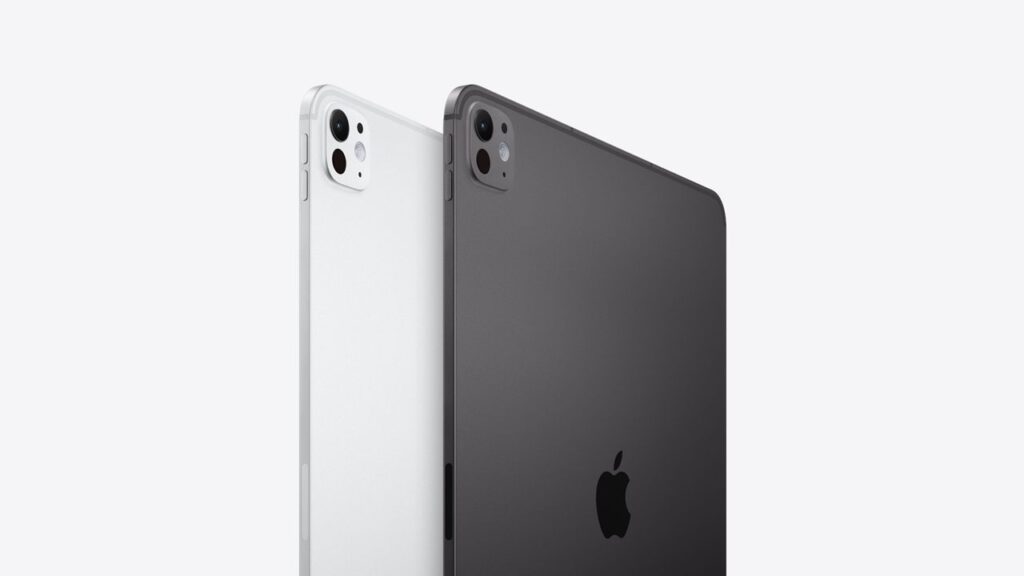
The 16GB M5 model, featuring a 10-core CPU, was tested head-to-head against the M4 and older M1 versions using demanding AAA titles like Resident Evil 4, Death Stranding, and Assassin’s Creed Mirage. All were run using their native iPad or App Store ports, keeping settings consistent for fairness.
The M5’s biggest win comes from sustained performance. In extended stress tests, it held smooth frame rates and lower temperatures far longer than the M4, thanks to better cooling and efficiency. In Resident Evil 4, frame rates often hovered between 50–60 FPS on balanced settings, while the M4 trailed in the mid-40s and the M1 struggled to hit 20.
Death Stranding impressed even more, running natively at 1080p on very high settings with a steady 30 FPS, or 60 FPS when lowered to balanced mode. The visuals looked sharp, free of upscaling blur, though minor ghosting was visible on the larger display.
The biggest disappointment came from Assassin’s Creed Mirage, which was locked to 30 FPS regardless of settings. Frequent stutters and fixed resolution scaling made the experience rough, suggesting the issue lies in poor optimization rather than hardware limits.
Overall, the M5 iPad Pro proves that Apple’s latest chip can handle serious gaming — and do it without breaking a sweat. But as this test makes clear, hardware isn’t the bottleneck anymore. Until developers fully tune their AAA ports, Apple’s powerhouse tablet will remain a step shy of being a true console replacement.
Don’t miss a thing! Join our Telegram community for instant updates and grab our free daily newsletter for the best tech stories!
For more daily updates, please visit our News Section.




Comments