Add GIZMOCHINA as Preferred Source on Google
As an Amazon Associate, Gizmochina earns from qualifying purchases. Links on this page may earn us a commission at no extra cost to you.
Foldable phones have come a long way since the first generation. They now show up with proper IP ratings, refined designs that look as modern as any slab phone, and camera systems that can finally stand next to traditional flagships without excuses.
Currently, there are two mainstream styles of foldables: the book-style, like Samsung’s Galaxy Z Fold, or the clamshell approach, like the Galaxy Z Flip.

Interestingly, even though the book-style models give you more screen real estate and bigger batteries, it’s the flip foldables that are quietly winning over more people. And there’s a simple set of reasons for that.
They’re generally more affordable, have a compact design, and the appeal of a smaller, more classic smartphone form factor that unfolds to a large screen seems better for most.
So in this article, we will look at the things only flip foldables can do, and why you might find yourself preferring them too.
1. Compact form factor without losing big screen usability
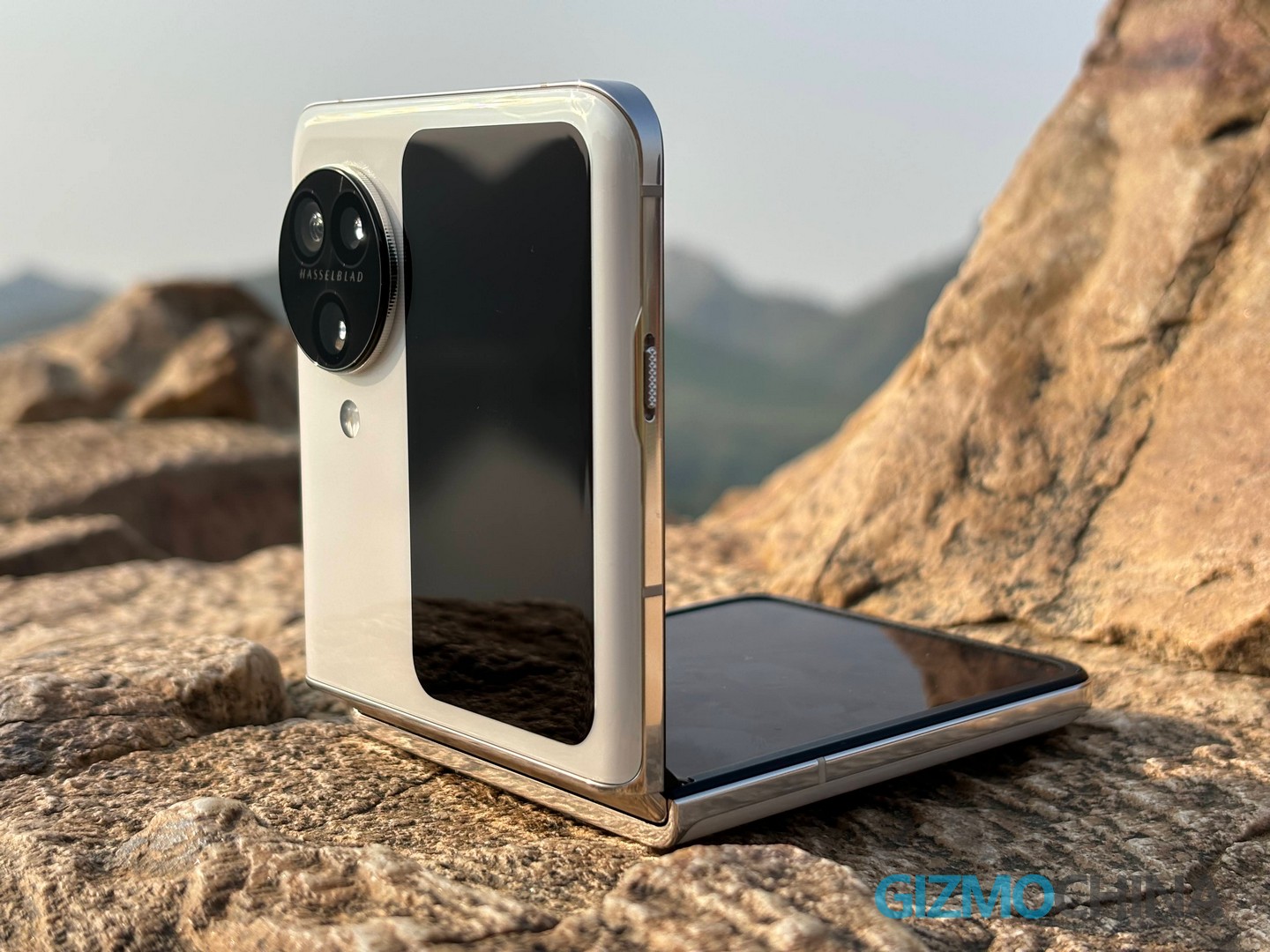
The most obvious thing flip foldables can do is shrink themselves physically.
When folded, a flip phone becomes almost half the size of a normal smartphone. You can put it in a jeans pocket, a small purse, or a jacket pocket without the usual rectangular slab sticking out.
A bar phone cannot do this. Even compact flagship phones today are larger than a folded flip.
However, when you open a flip device, you still get a normal smartphone experience with a tall display, typically ranging from 6.6 to 6.9 inches.
This is only possible because of the folding hinge mechanism and flexible display technology.
Many users, especially girls, appreciate this because of portability, and you are still getting a large display like a regular smartphone. Right now, the flip form factor is the only option where this combination works well.
2. One device, two modes of use
Flip foldables can operate in two physical modes: folded and unfolded. This creates different user habits depending on the situation.
For example, users who are practicing digital detox can choose not to use the phone in its unfolded mode. You still get the convenience of replying to messages, checking the weather, notifications, or music controls from the cover screen, so there’s no need to unfold it unless it’s something important.
Of course, it depends on your will, but this is something slab phones cannot provide.
3. Flex-mode camera use
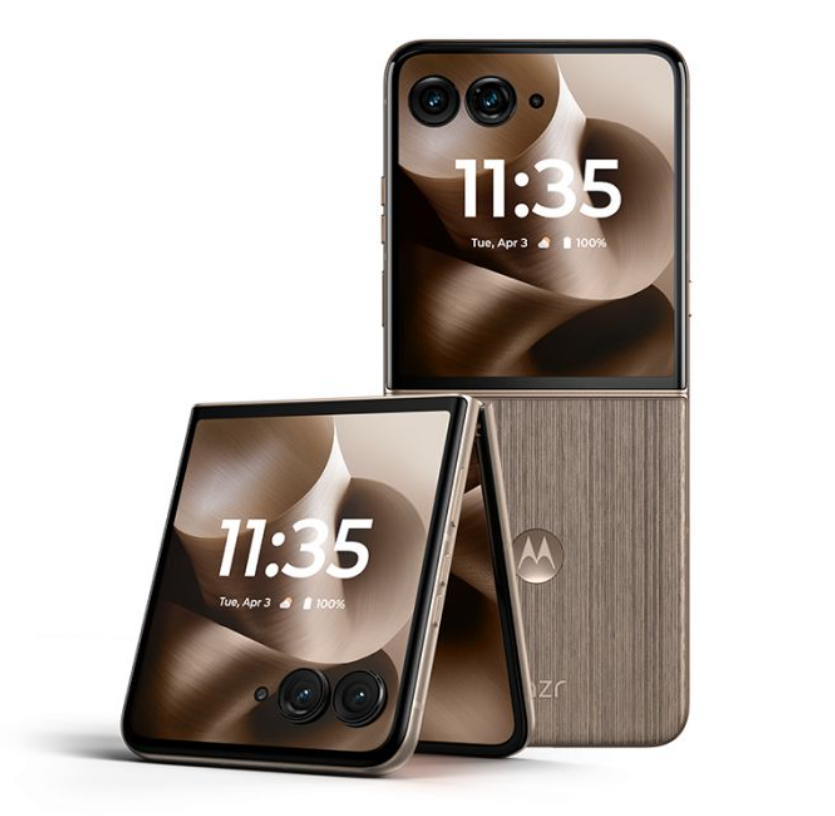
One of the strongest advantages of flip foldables is the ability to use the phone like a mini tripod. You can fold it halfway and place it on a flat surface. The phone can stand on its own.
With this, you can shoot:
- selfies,
- time-lapses,
- group photos,
- long-exposure shots,
- low-light captures,
- videos,
- vlogs,
- cooking recordings,
- unboxings,
without needing any extra accessories.
This is a real convenience. A normal smartphone cannot stand on its own without third-party support.
Brands like Samsung, Motorola, and Oppo have developed UI elements designed specifically for this semi-folded camera mode. It is practical, especially for users who travel, vlog, or need to take hands-free photos regularly.
4. Larger camera sensors facing the user during selfies
Because flip phones can fold and use the outer display as a preview screen, you can take selfies with the main rear cameras. That instantly gives you access to larger sensors, better lenses, more natural background blur, and far sharper detail.
Sure, regular flagships have solid selfie cameras these days, but being able to switch between the main and ultrawide lenses on a flip phone is an advantage they just can’t match. The versatility and the boost in overall image quality make the experience noticeably better.
5. Smaller digital footprint during social downtime
One behavior trend with flip devices is that users fold the phone shut when they want to stop using it.
This creates a physical end to a session. A normal phone remains exposed, and the screen can turn on again for every minor notification, tugging the user back.
A flip phone gives a clear physical separation. This is not a technical feature, but a behavioral one enabled by the folding form.
6. Nostalgia with modern hardware
You can’t deny the cultural impact of flip phones. They deliver the closest experience to owning the older flip feature phones, but with modern smartphone technology.
You open them to get something done, and you close them when you’re finished, a simple gesture many of us grew up with. Remember the OG Motorola Razr? Slab phones lost that satisfying motion years ago.
Flip phones, however, bring back that same emotional satisfaction.
7. A new category of personalization
The cover display is often used as a customizable identity space.
Users can set:
- clock faces,
- interactive pets,
- GIF wallpapers,
- animations,
- widgets,
- personalized content.
This creates visible personalization similar to watch faces on a smartwatch. Bar phones do not have a comparable feature on the outer surface.
8. Fashion value is functional, not just decorative\
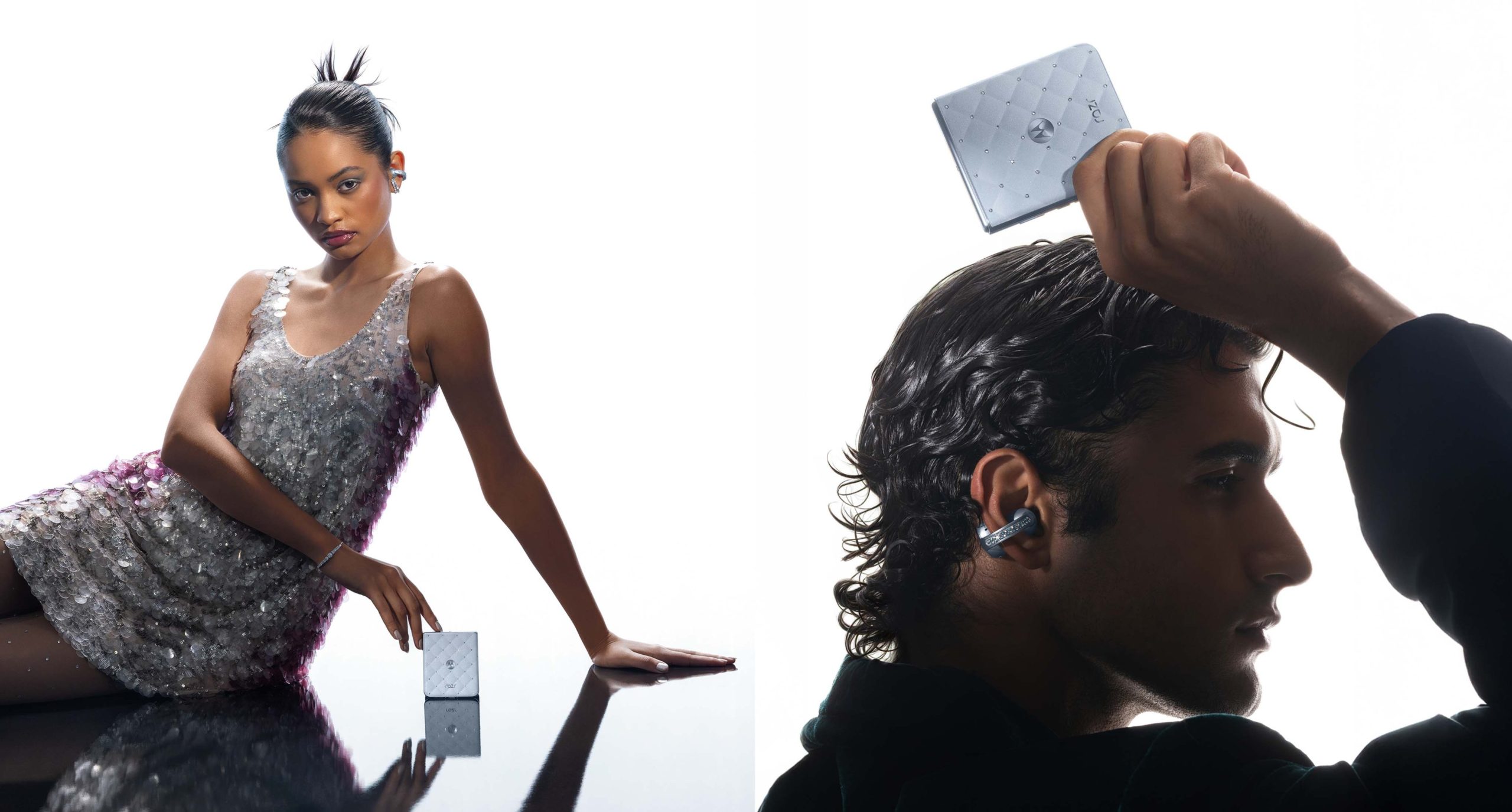
Flip phones are often regarded as fashion accessories. However, fashion value matters because it reflects comfort, portability, and ease of carrying. This utility has a social basis. It is not about hype. It is simply easier to carry a smaller object.
In fact, brands like Motorola and Samsung are collaborating with designer brands to show them as a piece of fashion gadgets.


Please Note: When you buy something using the links in our articles, we may earn a small commission at no cost to you.
Conclusion
Flip foldables are not the most powerful smartphones, and they are not designed to replace mainstream slab phones globally. But the format offers a set of unique usability advantages that regular smartphones cannot match easily.
The compact design, flex-mode camera support, cover display utility, and distinctive user behavior all create a different experience that appeals to a certain demographic. These features are the reason that makes flip phones unique.
Don’t miss a thing! Join our Telegram community for instant updates and grab our free daily newsletter for the best tech stories!
For more daily updates, please visit our News Section.