
Add GIZMOCHINA as Preferred Source on Google
As a single-board server, ZimaBoard 2 has left a deep impression on us. How deep? Just take a look at the articles our team has published before, and you’ll see. Today, however, our focus is on something we didn’t fully cover last time: the latest ZimaOS — a simple, focused, and open NAS operating system.
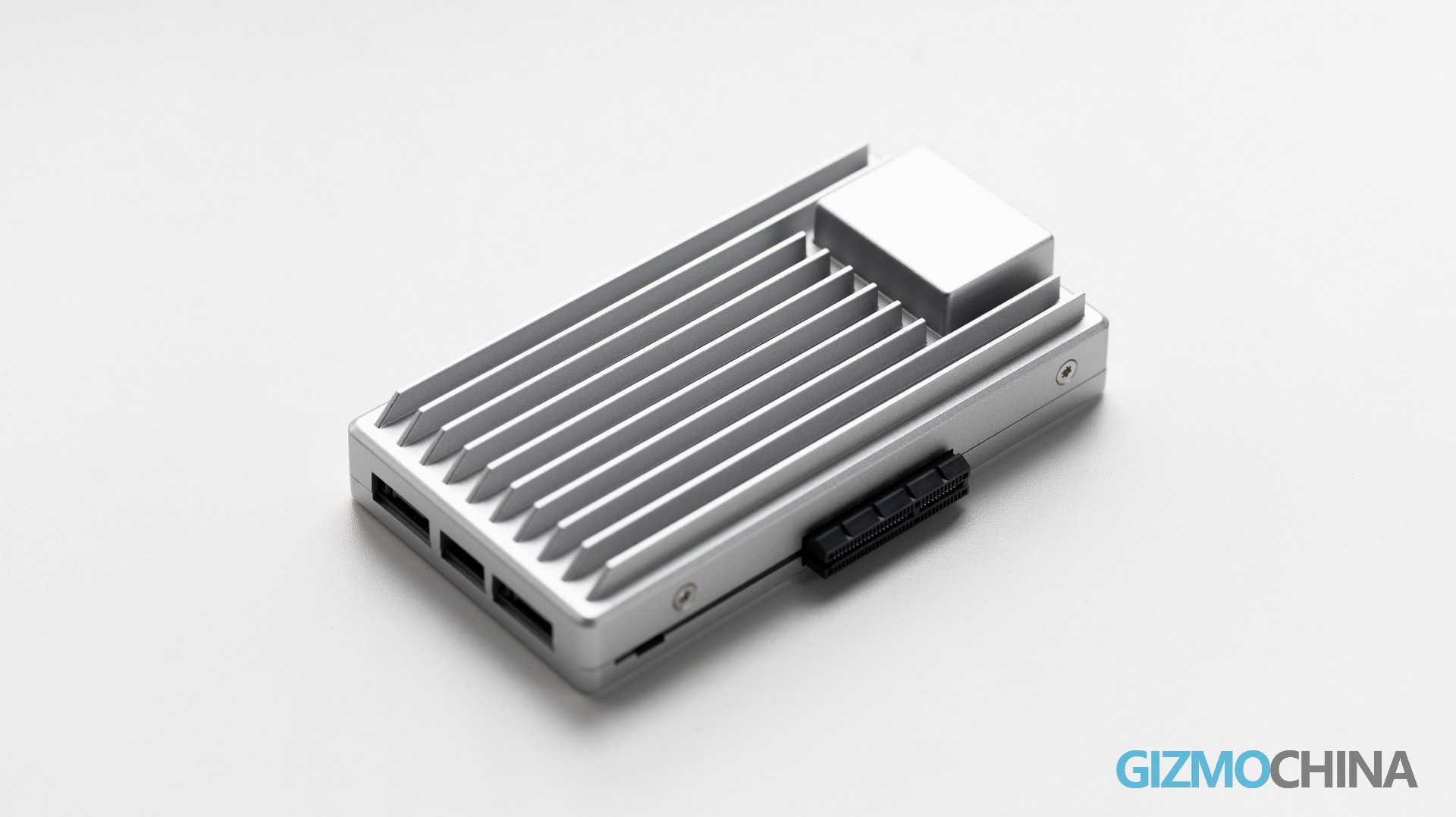
With the Zima team now iterating the system to version 1.5, it’s a good moment to look from the inside out and understand why ZimaBoard 2 has become so popular.
Hardware
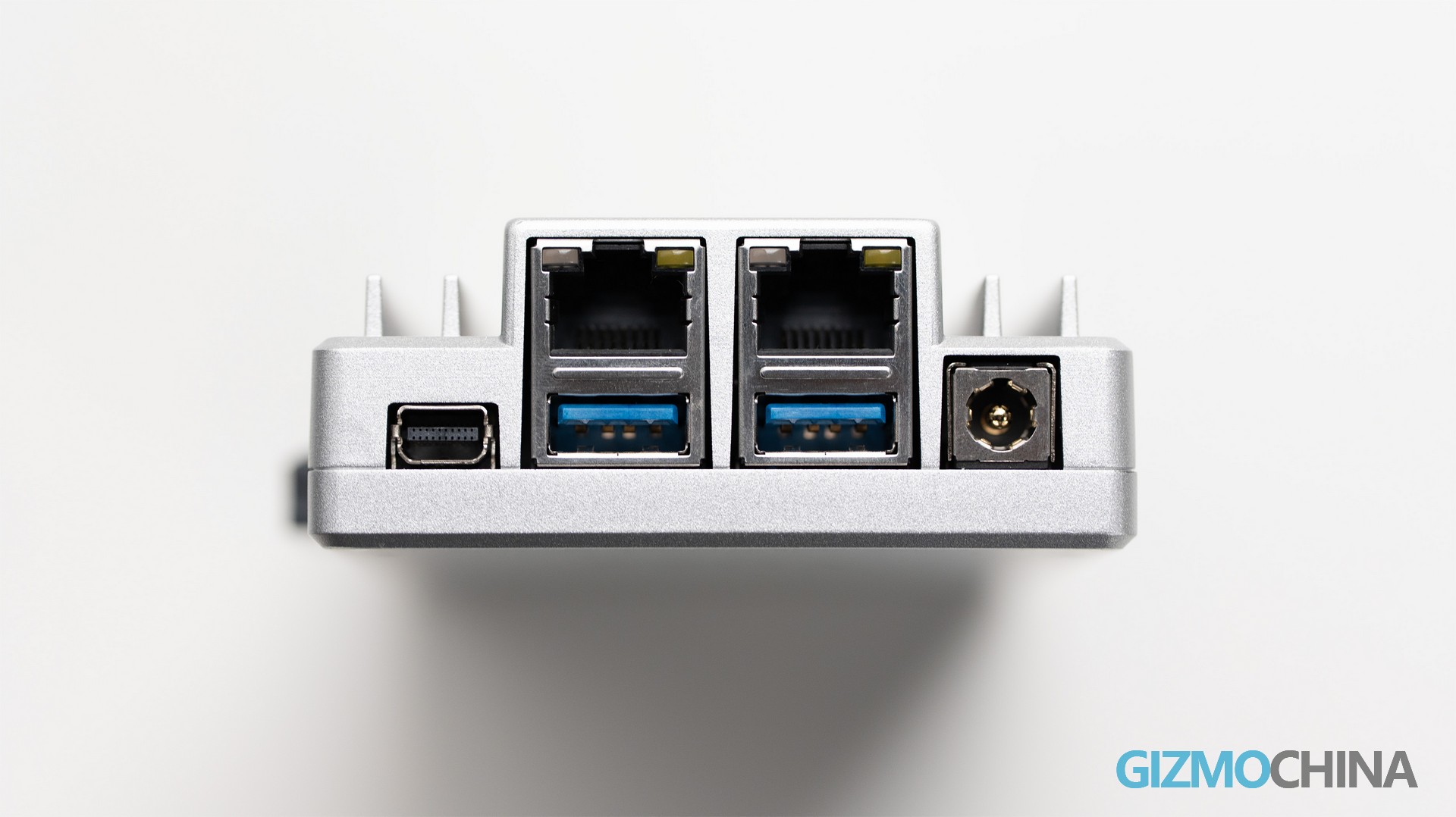
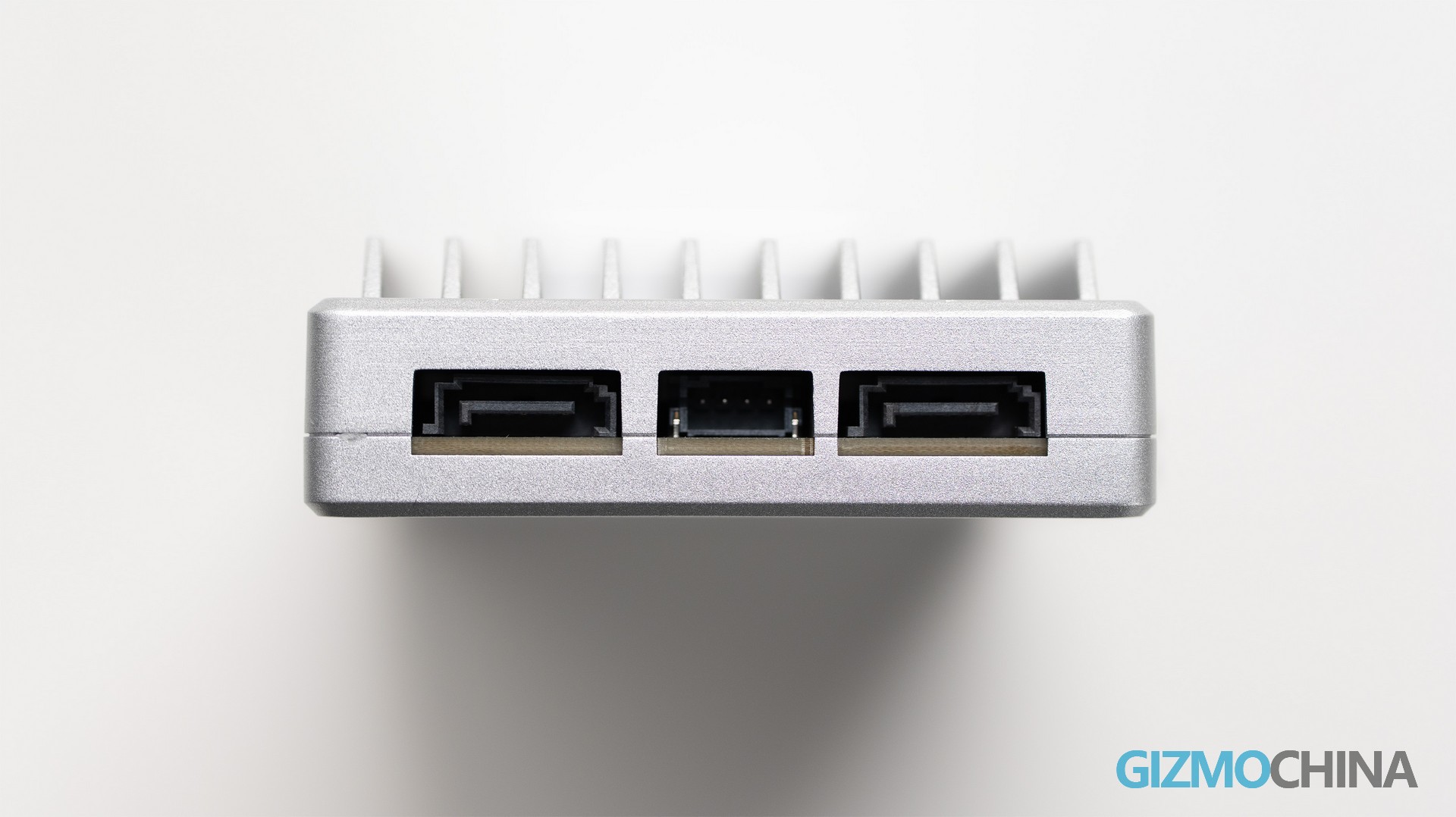
To better understand the appeal of ZimaBoard 2, let’s first briefly revisit its hardware. Most of the interfaces remain the same as the first-generation ZimaBoard: two 2.5GbE LAN ports, two SATA 3.0 ports, two USB 3.1 ports, and a Mini DisplayPort 1.2.
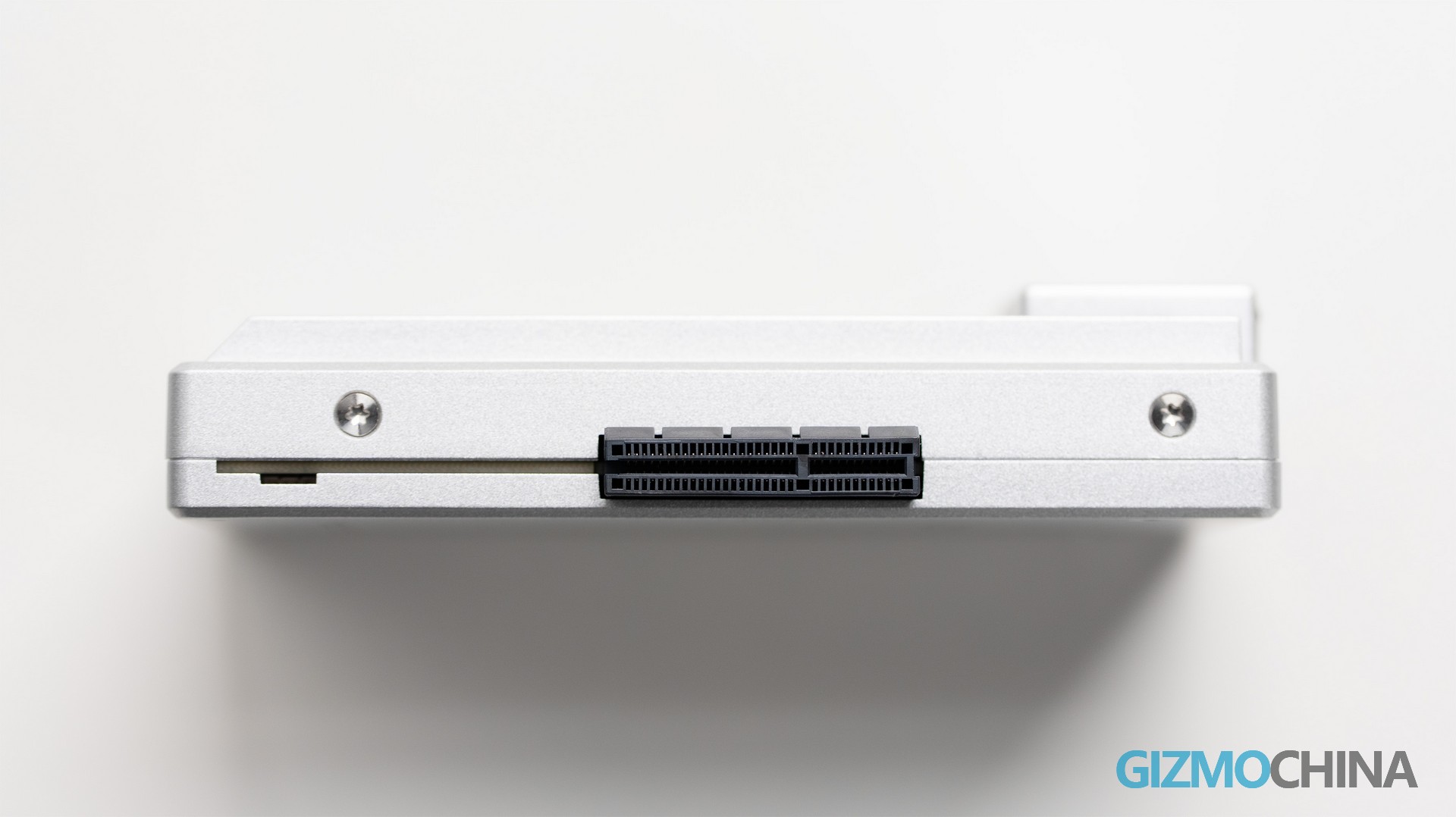
The most important upgrade is the PCIe interface, which has been upgraded from PCIe 2.0 to PCIe 3.0. With the same number of lanes, PCIe 3.0 offers nearly double the bandwidth and significantly higher transmission efficiency. This is especially important for expansion devices such as NVMe SSDs and high-speed network cards.
As a single-board server, ZimaBoard 2 is already very capable on the hardware side. But what truly elevates the overall experience is the latest ZimaOS 1.5.
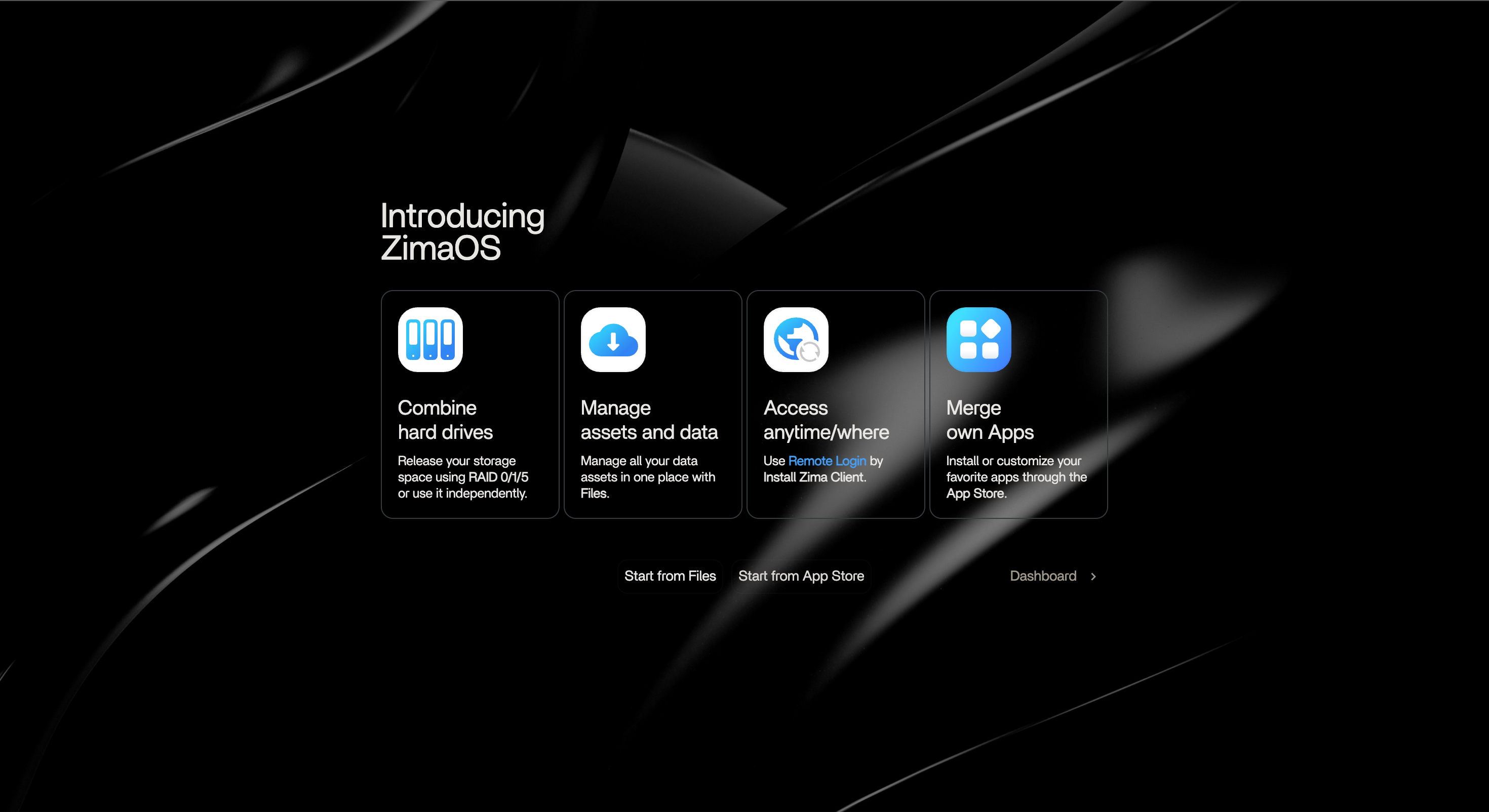
How ZimaOS Lowers the Barrier to Entry
Although Zima’s products look undeniably “geeky,” ZimaOS is designed with a clear goal: to enable every household to have its own private cloud. As a result, the learning curve is surprisingly low.
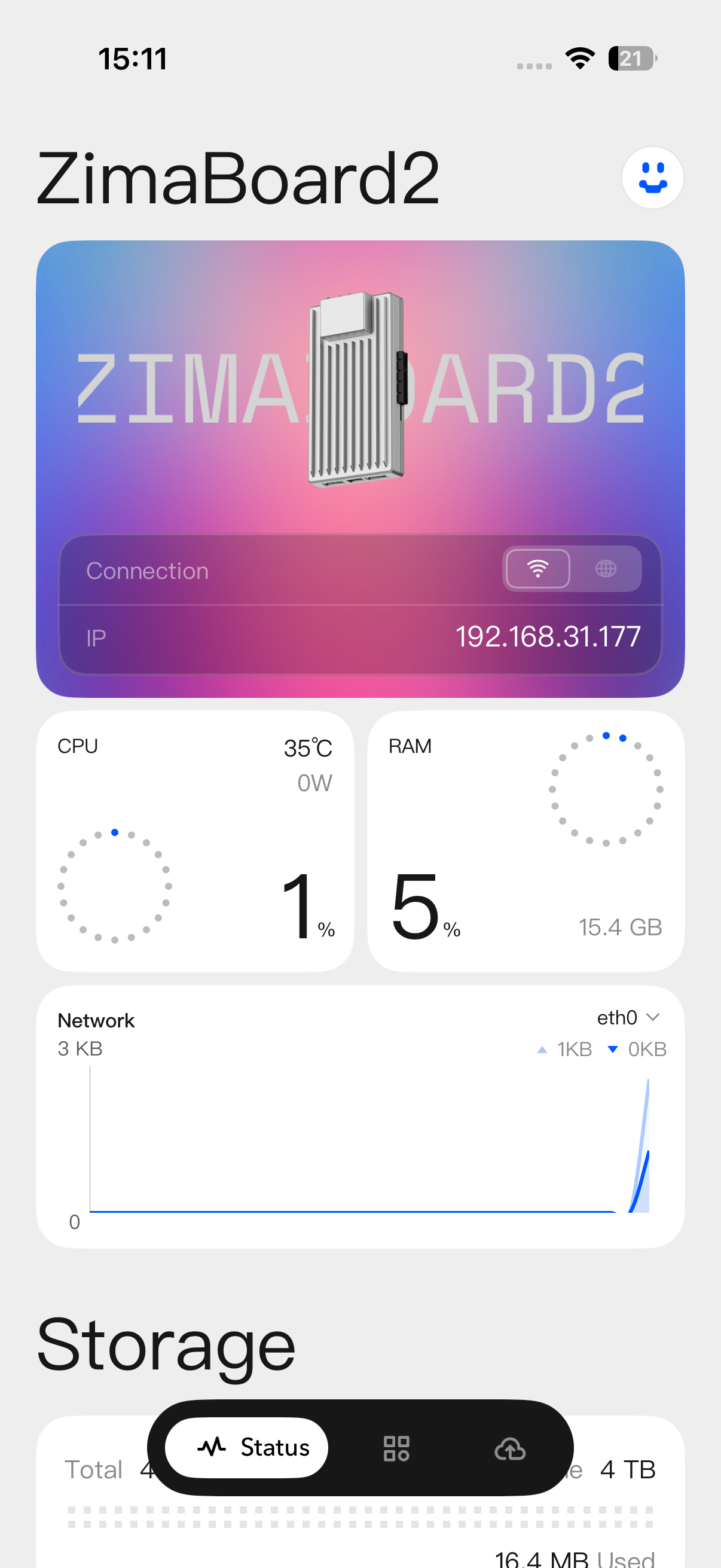
Just plug in the power, connect an Ethernet cable to your router, download the client from the official website on your laptop or phone, and follow the prompts to create an account. The entire setup process takes less than five minutes. Even for users with zero server experience, it’s almost effortless. Of course, you can also use ZimaOS without the client — as long as you know how to access the Web UI via the device’s IP address.
Account registration is completely local and does not require an email address or phone number. This ensures that your data remains truly yours and is never uploaded to any external servers.
Backup
So, what exactly can you do with ZimaOS? First and foremost, as a NAS operating system, it handles all the essentials you’d expect from mainstream NAS solutions. Data backup is a core function: photos, videos, and all kinds of documents can be safely stored on the ZimaBoard 2.
The built-in 64GB of internal storage may not be enough for everyone, but we’ll talk about storage expansion shortly.
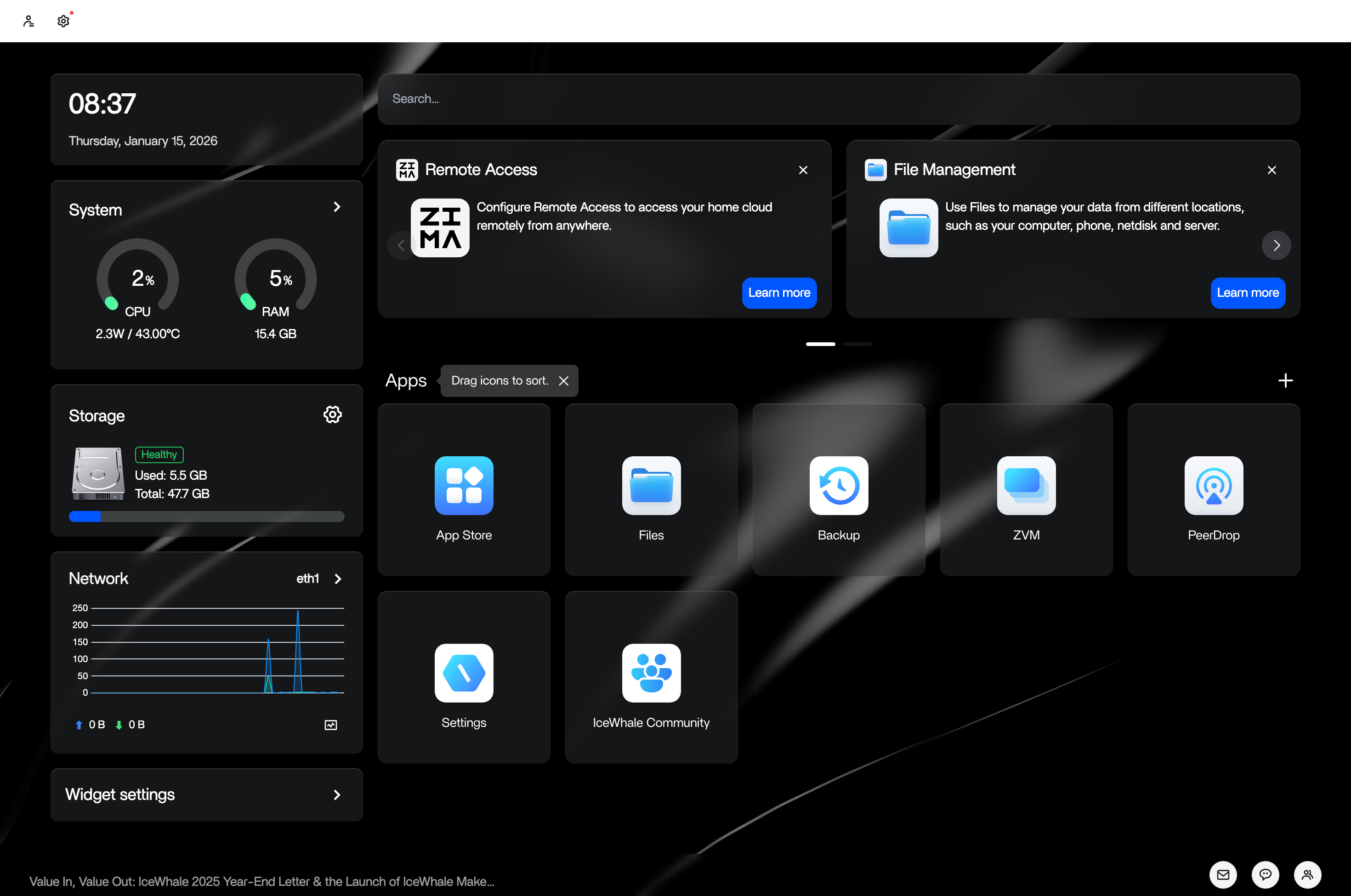
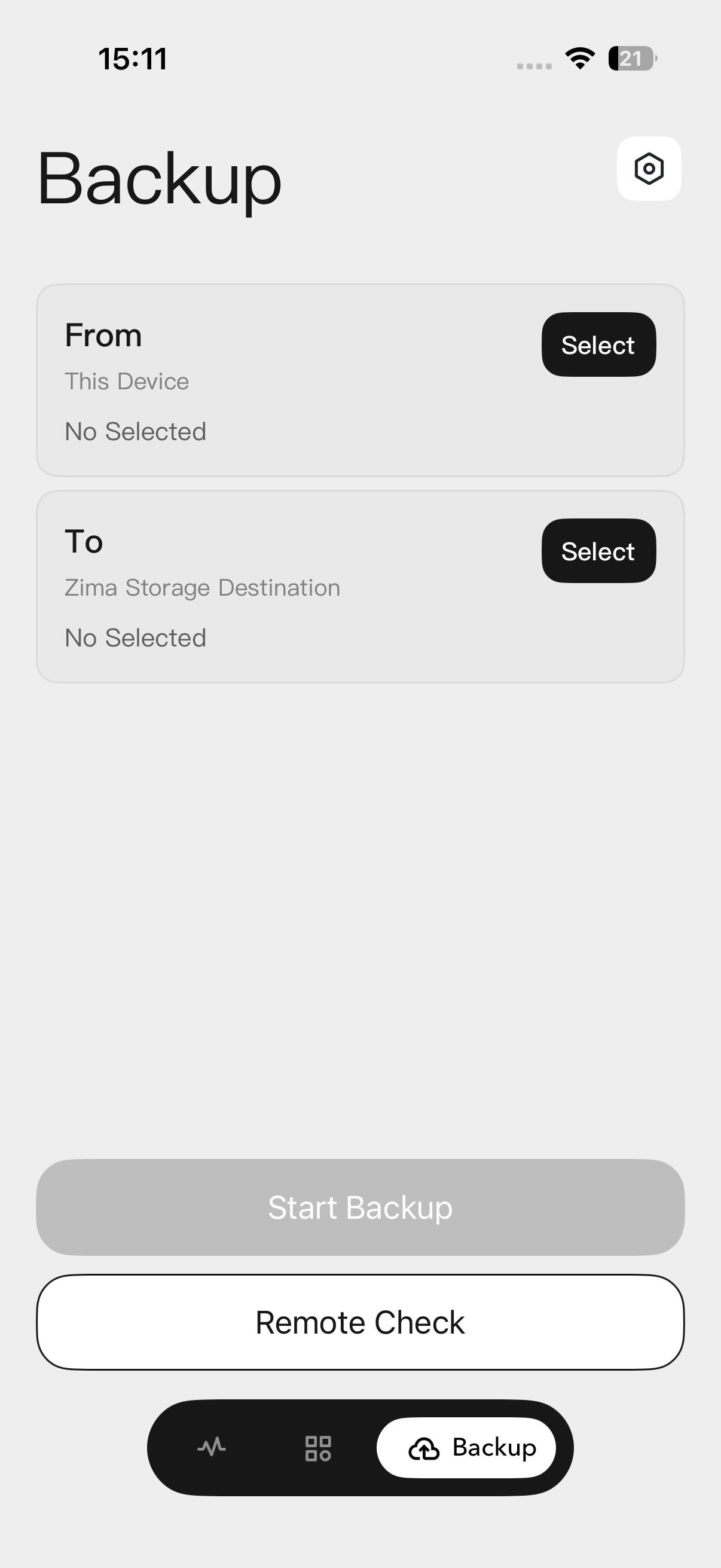
The biggest enemy of backups is inconvenience. To reduce friction, ZimaOS offers multiple ways to manage files. It supports mounting cloud drives directly, instantly mounting USB drives when plugged in, as well as local and remote access from smartphones, PCs, and Macs. For most people, the most valuable data lives on their phones. With ZimaOS, backing up an entire phone takes just about ten seconds — fast and painless.
More Freedom
Beyond basic data backup, ZimaOS’s app store offers a wide range of interesting applications. For example, you can deploy RetroArch and turn your ZimaBoard into a retro game emulator. Or you can install MineOS and run your own private Minecraft server.
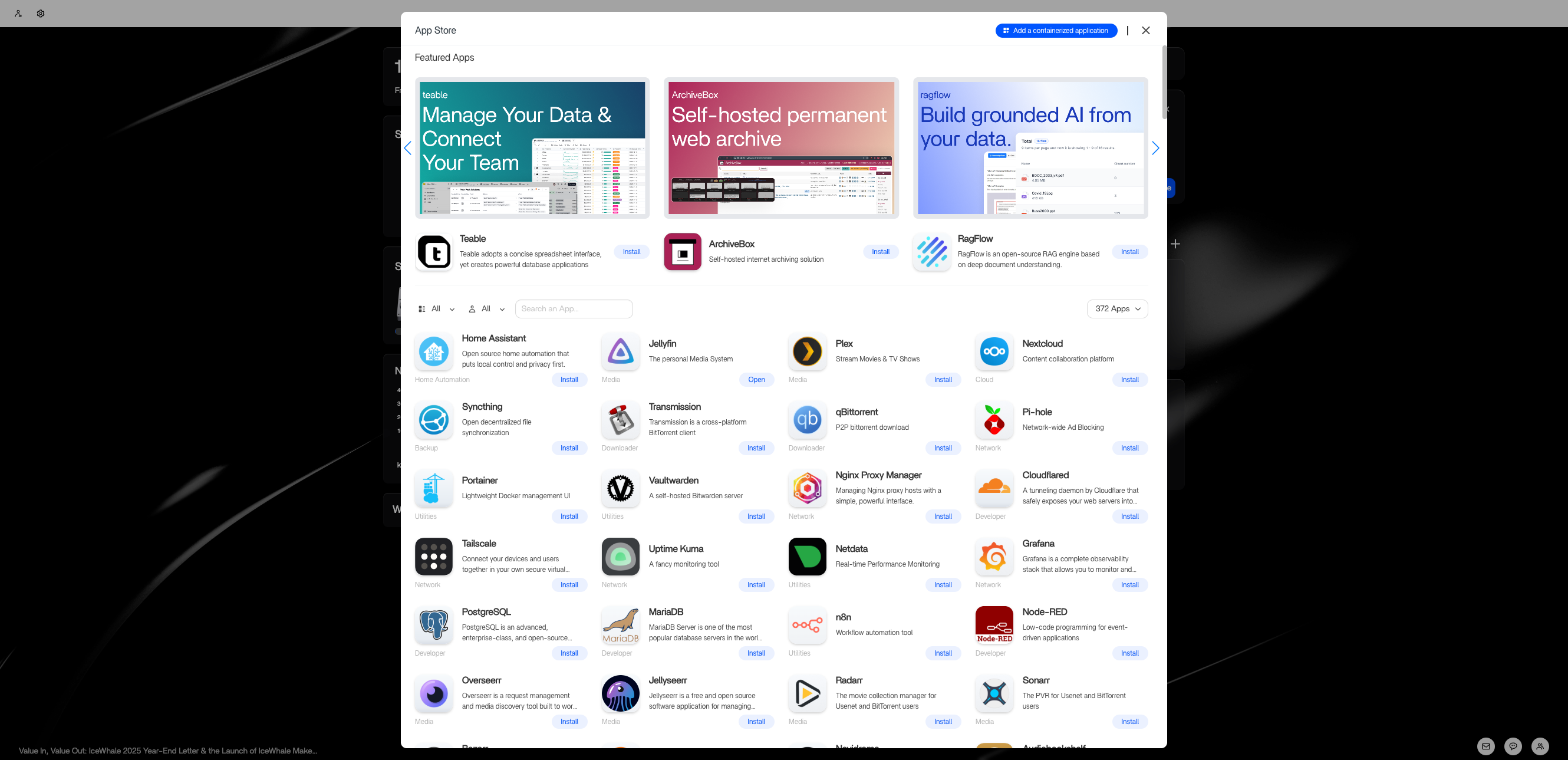
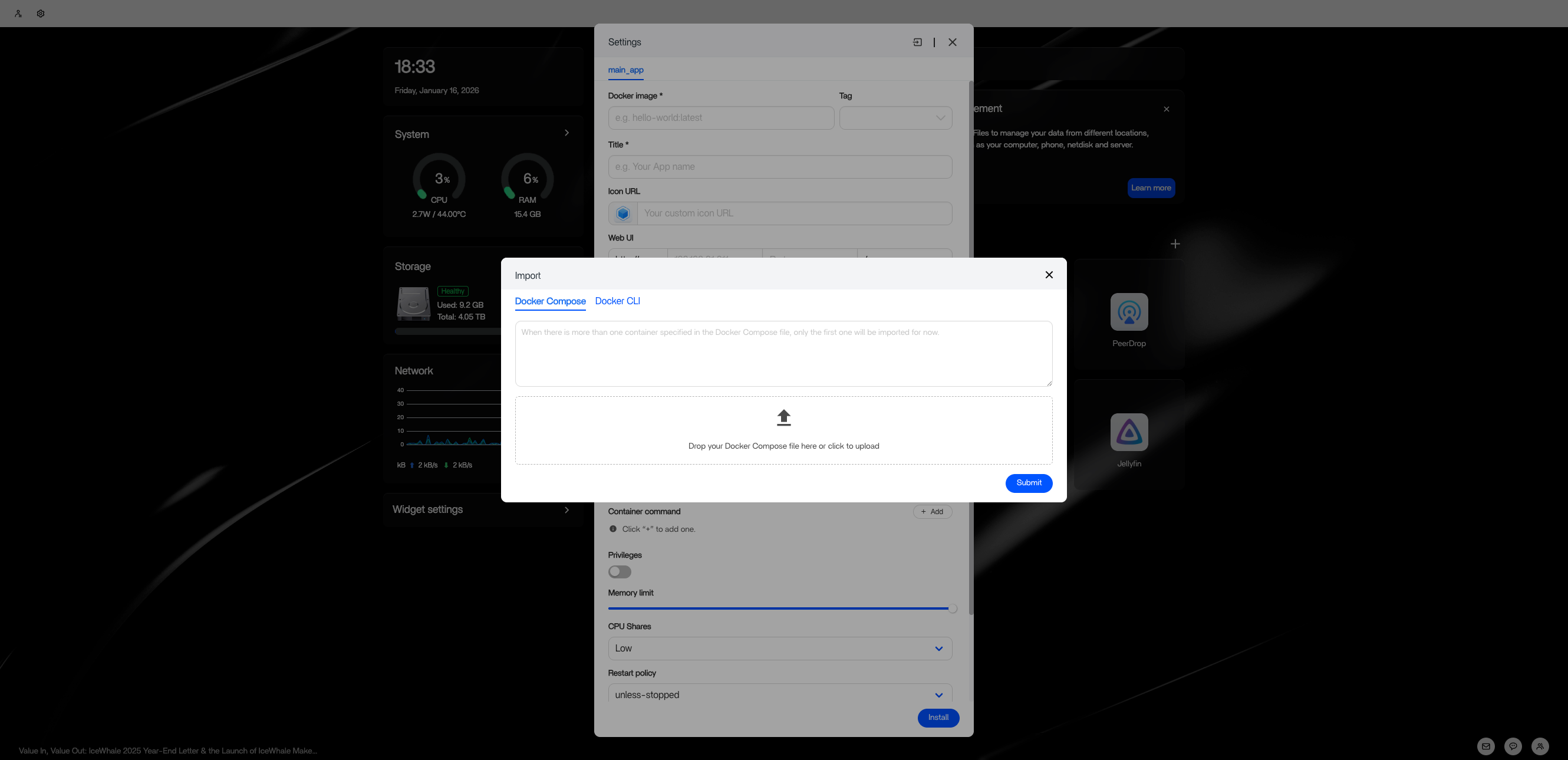
For more advanced users with higher expectations of a NAS, Docker support is essential. ZimaOS makes this easy: you can import and launch your own Docker applications via the CLI or using Docker Compose files.
A Fully-Featured NAS
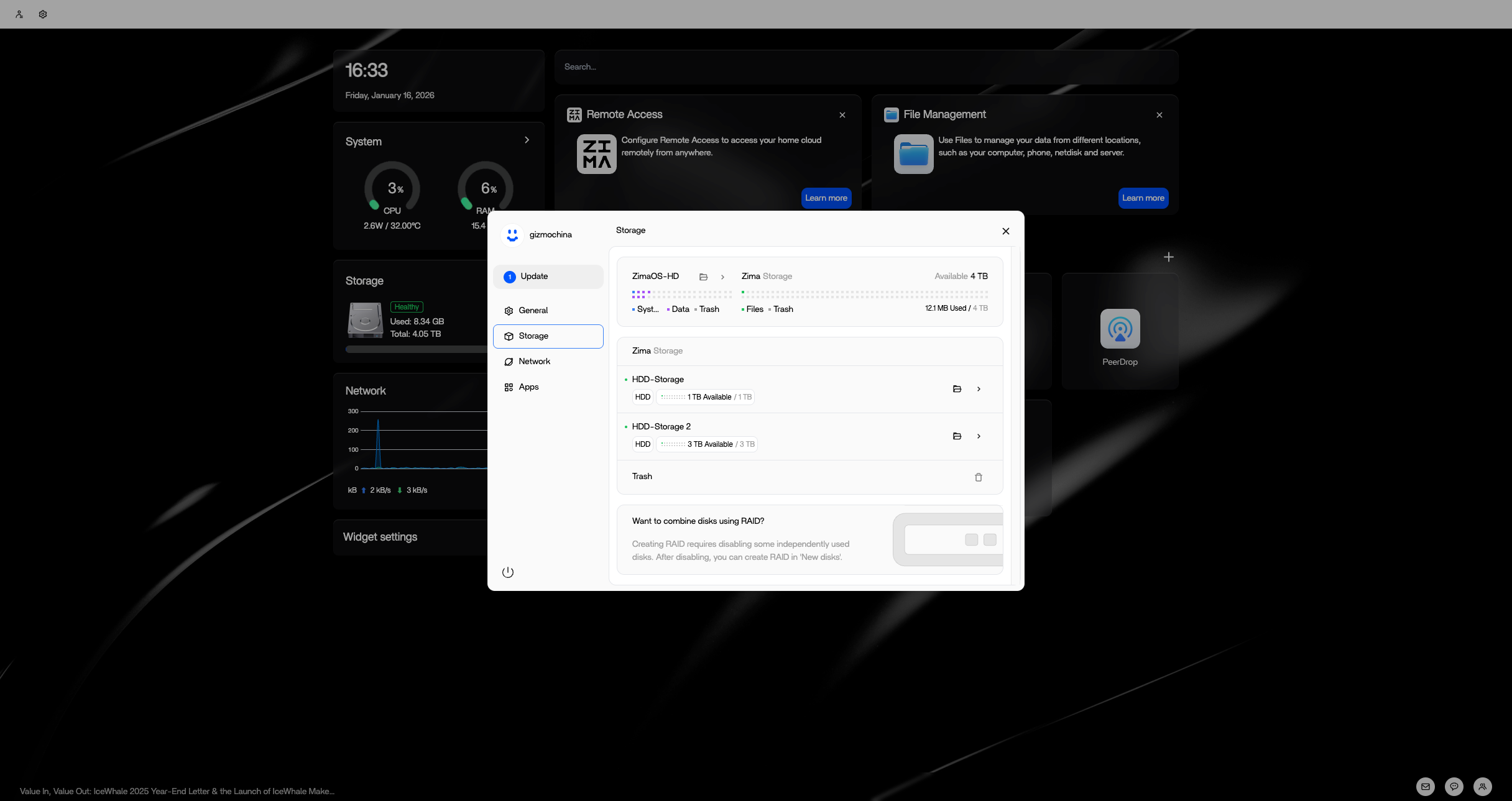
If the 64GB internal storage isn’t enough, ZimaBoard 2 can easily become a fully-fledged NAS as long as you have spare hard drives. Icewhale has even designed a dedicated 2-Bay HDD Rack Tray for ZimaBoard 2.
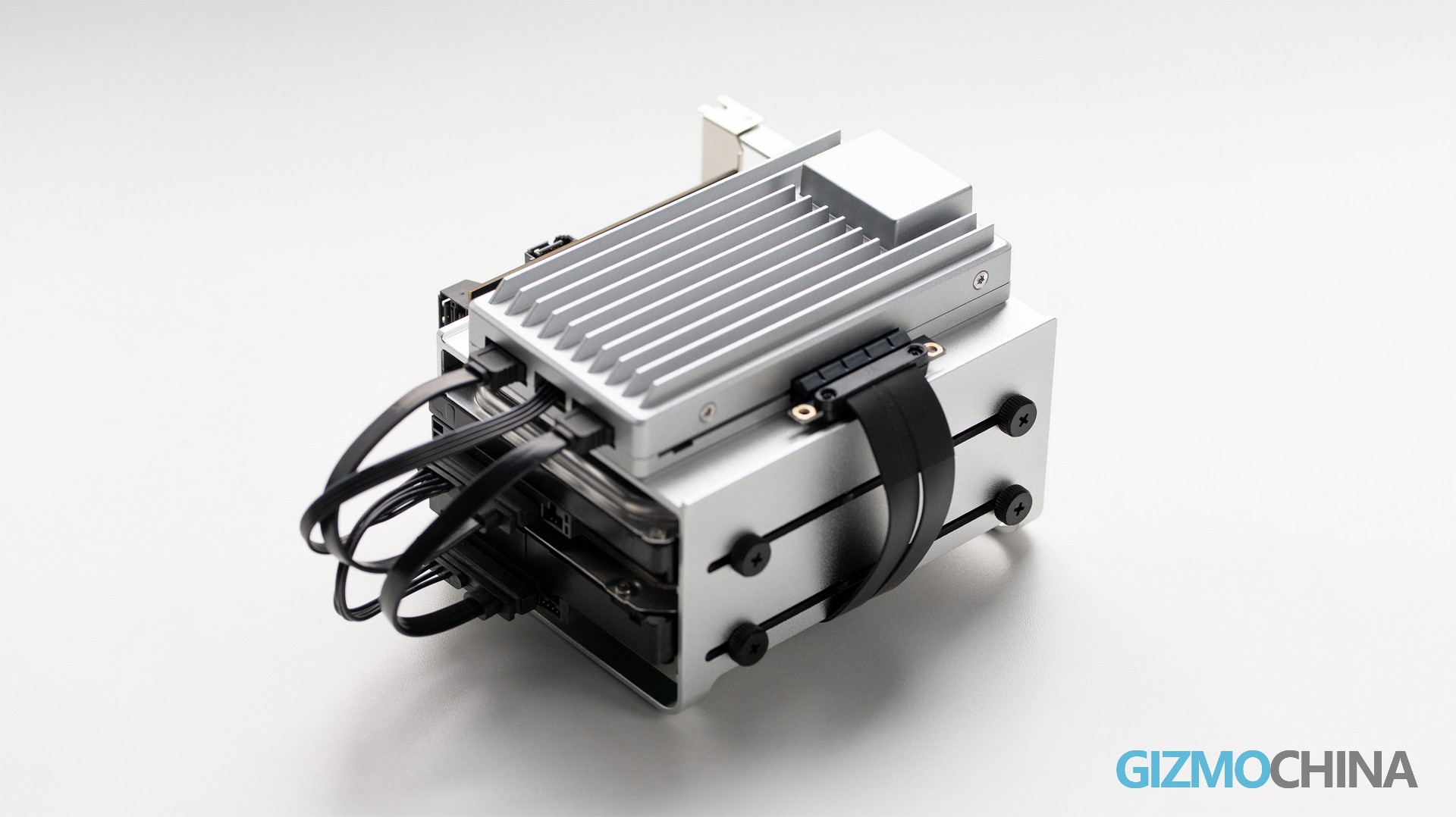
This metal rack tray not only secures the ZimaBoard 2 and helps with heat dissipation, but also allows you to install various expansion boards on the side via a PCIe extension cable. It can even double as a stylish desktop setup — and it actually looks quite good on a desk.
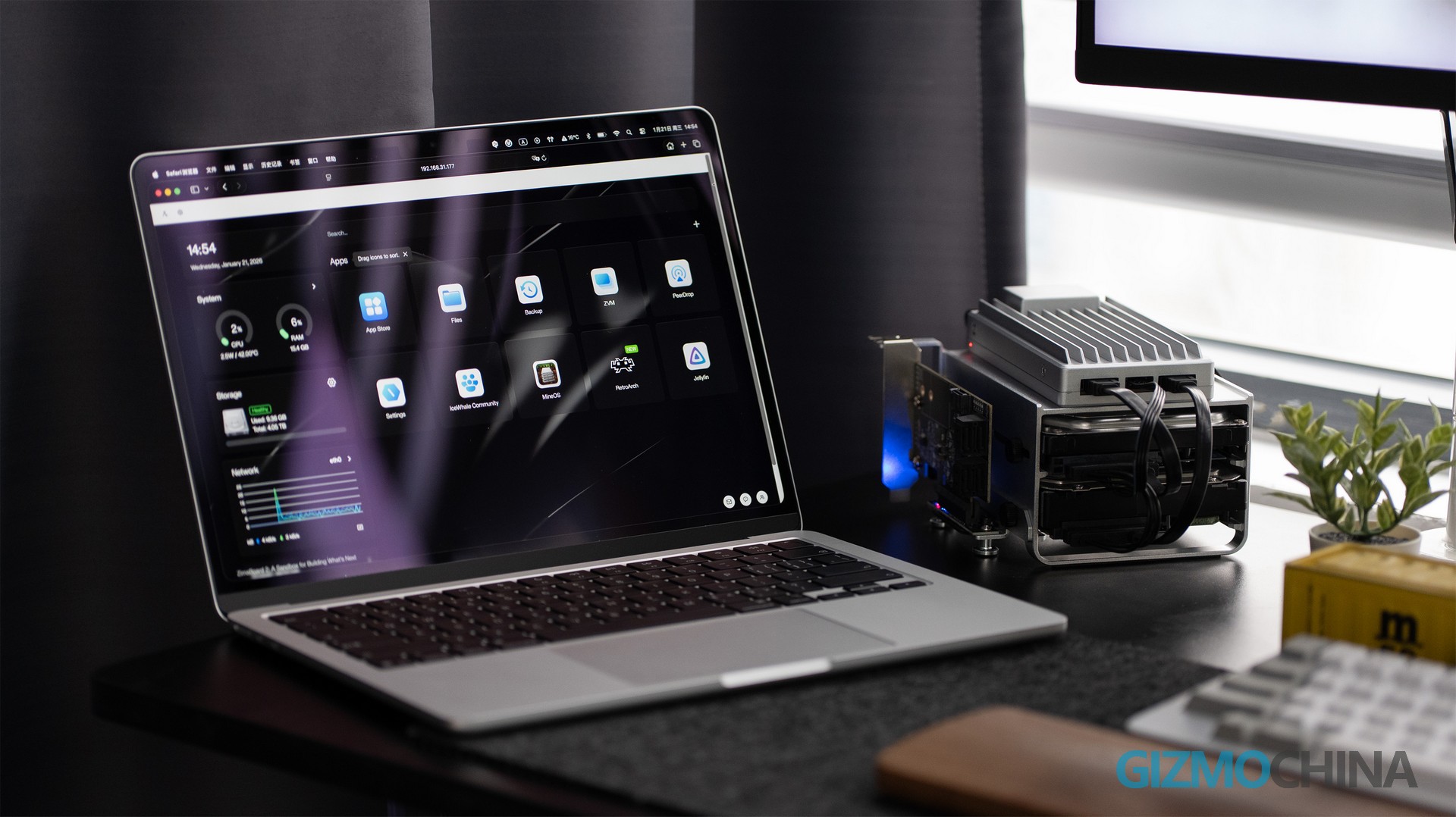
That said, the rack tray isn’t mandatory. Simply connect HDDs directly to the ZimaBoard 2 and complete a quick setup, and you’re good to go. While ZimaOS offers RAID 5 as an option, the two-drive configuration means RAID 1 is currently the practical choice.
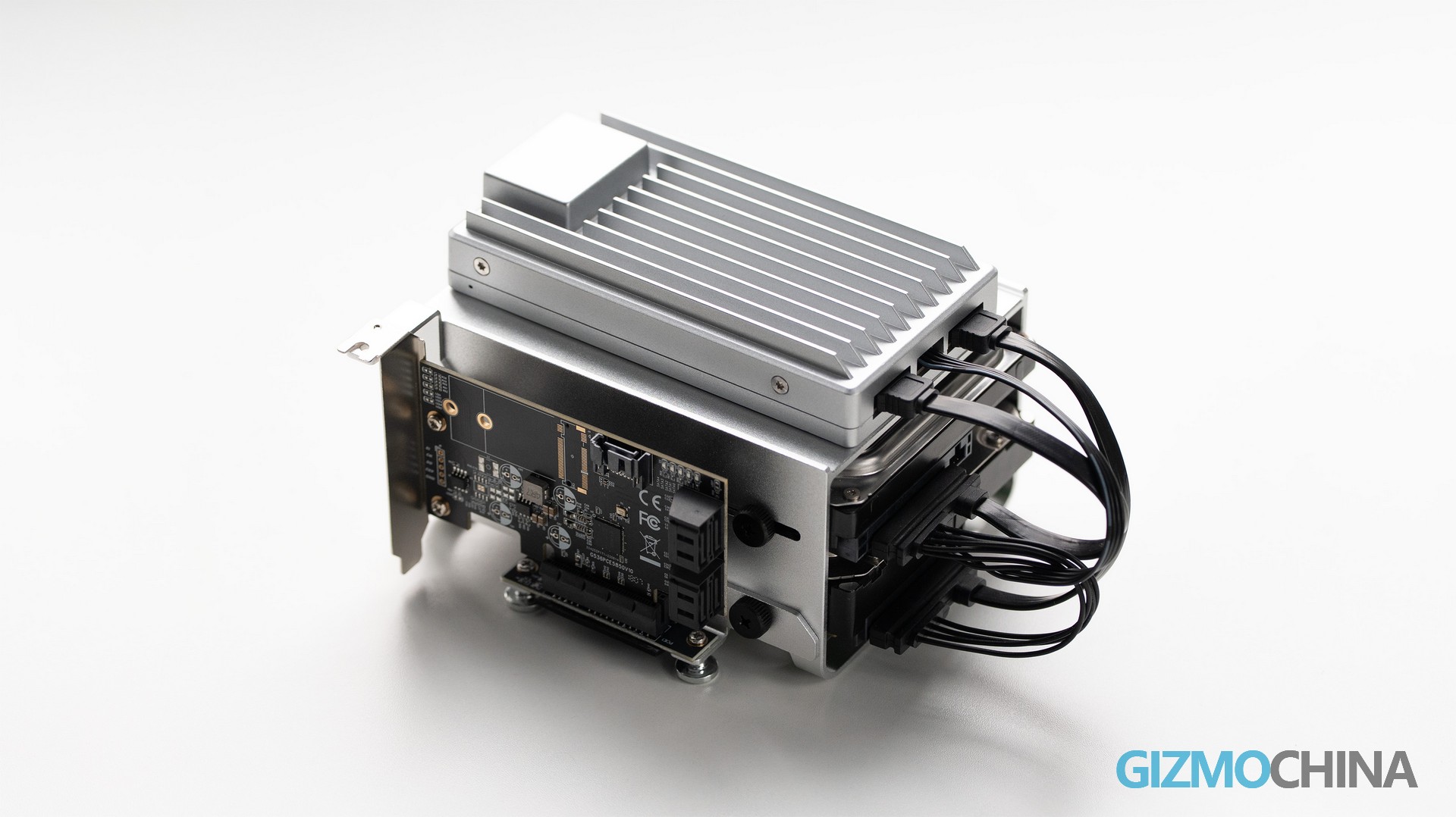
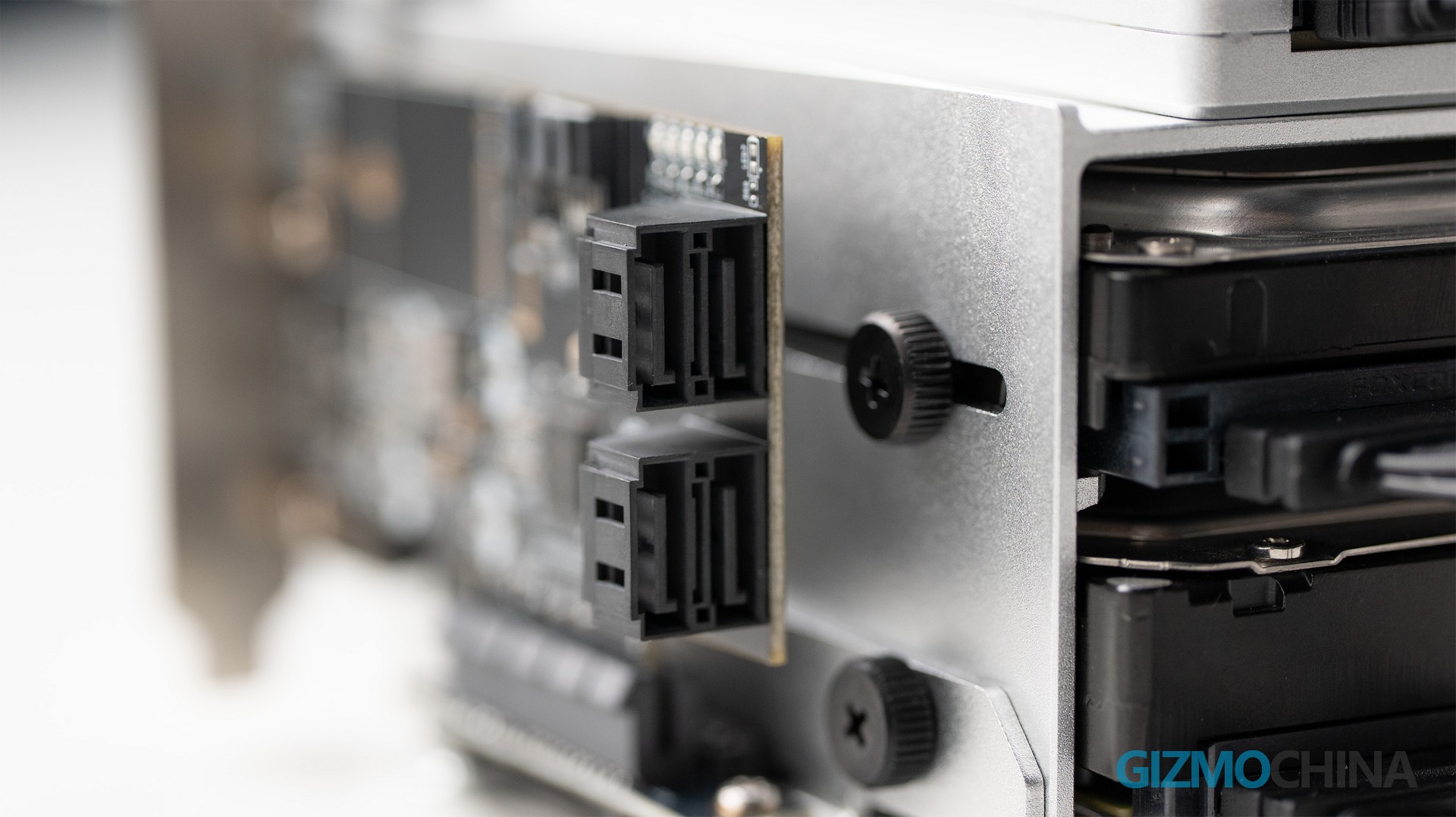
Alternatively, you can use the PCIe slot to expand to five additional SATA ports, turning a two-bay NAS into a seven-bay one. Pair that with Jellyfin, and you’ve just built your own home media library.
Summary
From a broader perspective, the popularity of ZimaBoard 2 and ZimaOS is not hard to explain. For most home users, traditional NAS solutions still come with a steep learning curve: complex initial setups, confusing network configurations, and permission management often discourage users before they even get started. On the other hand, for enthusiasts, building a Linux server from scratch offers maximum flexibility, but the ongoing maintenance, updates, and troubleshooting quickly become a long-term burden.
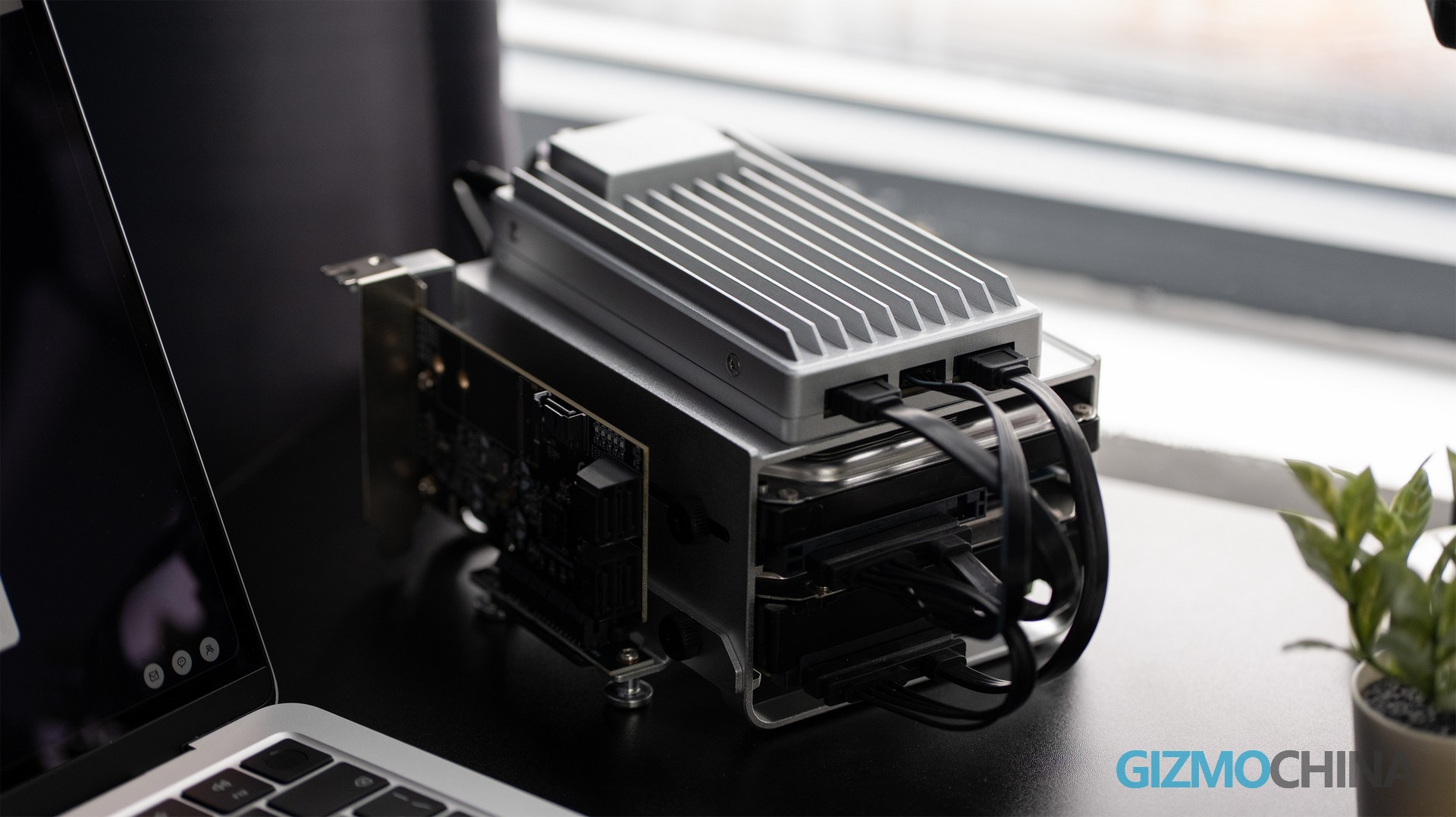
ZimaOS sits precisely in the gap between these two extremes. It is neither a “toy-level” solution with limited capabilities, nor an enterprise-grade NAS system with intimidating complexity. By staying simple while preserving extensibility and freedom, ZimaOS delivers its most compelling — and arguably rare — value proposition.
Whether you’re a complete NAS beginner or an experienced enthusiast, there’s plenty to enjoy in ZimaOS. Icewhale’s 2-Bay HDD Rack Tray even gives this NAS an attractive exterior. If you’re someone who enjoys DIY desktop PCs in ITX cases, chances are you’ll appreciate the entire ecosystem the Zima team has created.

Comments