Add GIZMOCHINA as Preferred Source on Google
Gaming laptops have come a long way from bulky, battery-draining machines that barely fit in a backpack. In 2026, the landscape is more competitive and nuanced than ever, with powerful hardware, sleek designs, and aggressive pricing tiers. But with that evolution comes an increasingly complex set of trade-offs: Do you prioritize raw performance, a lightweight build, battery life or value? So let’s unpack the current landscape of gaming laptops and breakdown things you need to consider before buying a gaming laptop in 2026.
1. Power: The Heart of Any Gaming Laptop
At the core of every gaming laptop is its performance, and in 2026, this means next-gen CPUs and GPUs that are closer than ever to desktop-class power. The leading laptops are now powered by Intel’s latest Core Ultra Series 3 or AMD’s Ryzen AI HX 400 series processors, along with Nvidia’s RTX 50 series GPUs. These chips deliver high framerates in demanding titles, handle real-time ray tracing without catastrophic slowdowns, and even support AI-driven features like upscaling, automatic tuning, and generative in-game assets.
But one of the biggest improvements in recent years is not just about performance, but also sustained thermal performance and improved battery efficiency. Advanced cooling technologies are now standard in mid to high range gaming laptops. Meanwhile, these notebooks are also based on the latest silicon that offers both performance and endurance. Pair this with larger batteries, and you get devices that are perfect for gaming and everyday use.
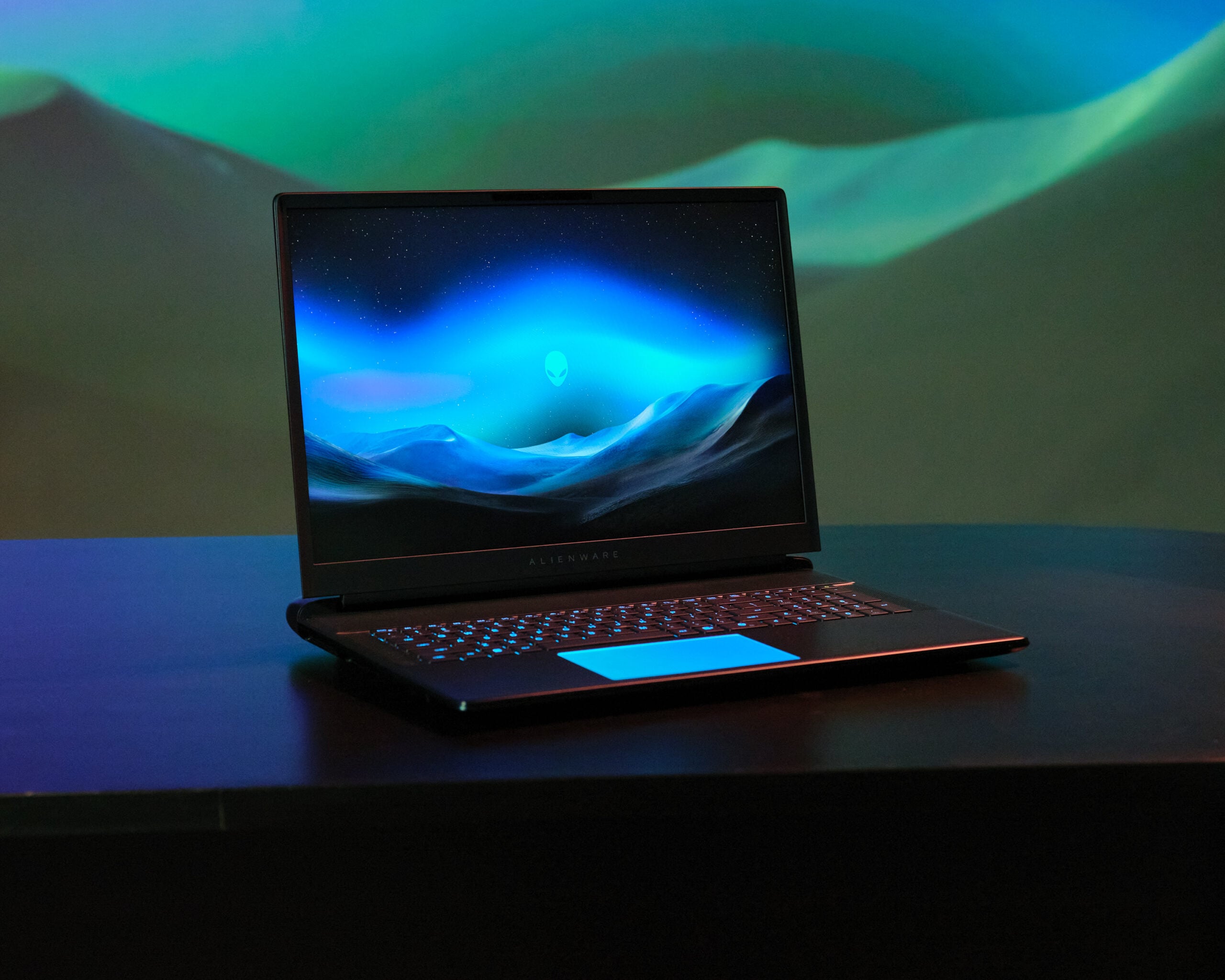
However, some of these benefits, like better cooling mechanism, bigger batteries, and more wattage, can lead to heavier builds. So if maximum framerate and future-proof models are your top goals, you can expect to pay top dollar for notebooks like Dell’s latest Alienware Area-51.
2. Portability: Slimmer & Lighter
Portability usually meant thin-and-light laptops that brought reliable performance and battery life, but sacrificed performance. But in 2026, gaming laptops aren’t the chonky rigs like in the past. Manufacturers have gotten smarter about power efficiency and internal design. We now see laptops that weigh under 2kg yet still house capable hardware, thanks to a combination of AI performance scaling, dynamic boost tech, and smaller process nodes.
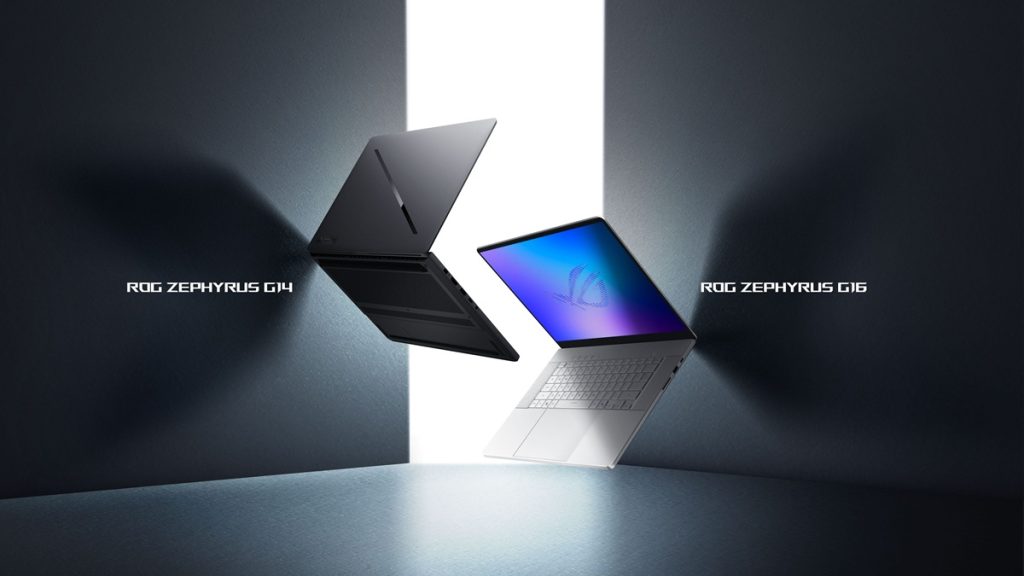
A great example of this is the 2026 ASUS Zephyrus G14 and Zephyrus G16. The G14 is a compact model that weighs just 1.5kg, despite packing up to an Nvidia RTX 5080 GPU and Intel’s Core Ultra Series 3 CPUs. So you get performance on the go, gorgeous OLED displays, and gaming aesthetics as well. In other words, it hits a great balance between performance and portability. However, these gaming notebooks can’t hit higher wattage like the thicker and heavier laptops dedicated for high end performance.
3. Price: The 3rd Important Pillar
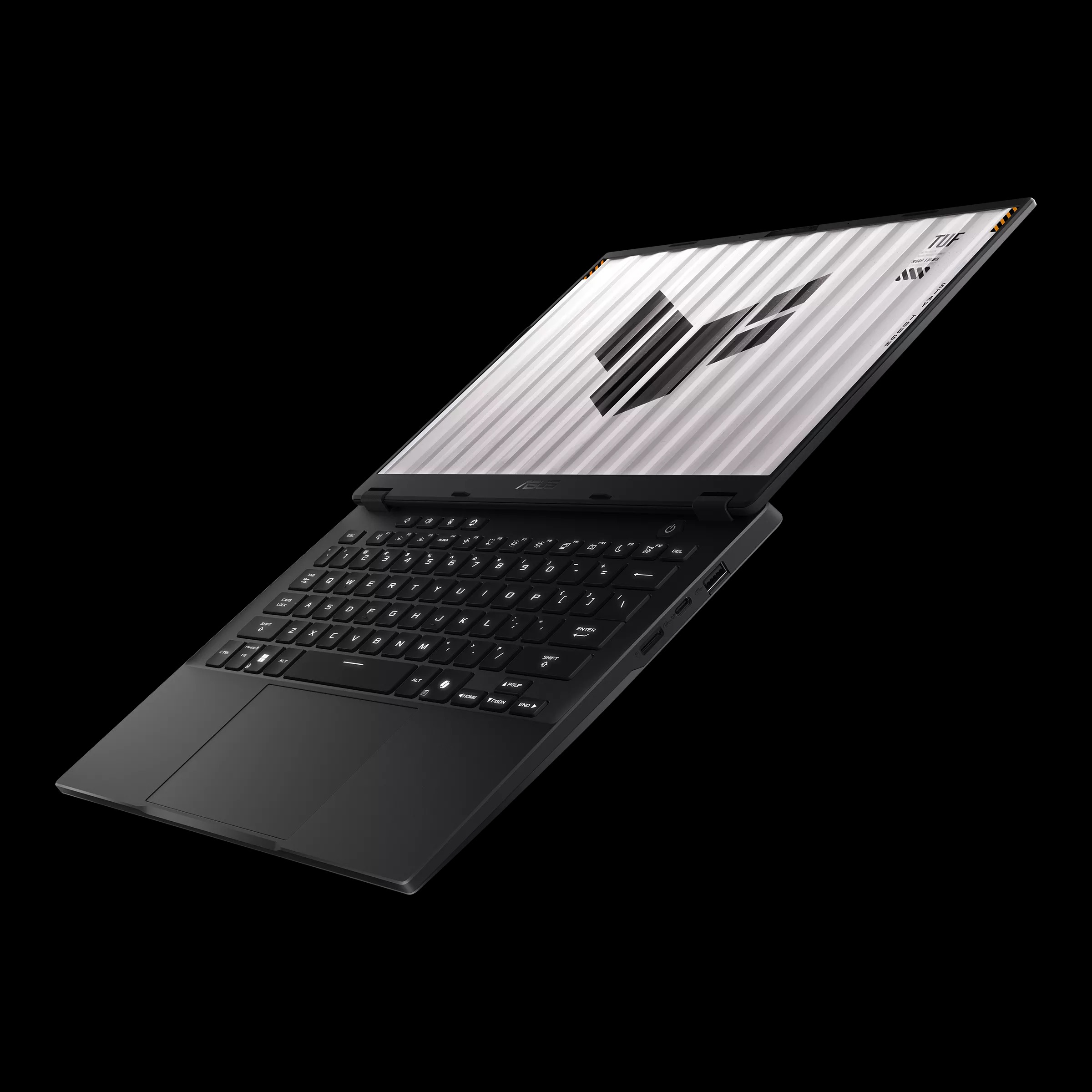
Gaming laptops have historically carried premium price tags, and with these recent improvements, pricing has gone up even higher. With the ongoing RAM and GPU shortage, some models cost an arm and a leg. So you can expect to pay around $1000 for any high end gaming laptop. But this doesn’t mean you’re all out of options. Even below this figure, you can expect to see great options from last-gen models that are still quite capable.
Furthermore, keeping an eye on bundle deals, seasonal discounts, and manufacturer promotions can significantly shift value in your favor. You can even wait for newer mid-tier gaming laptops that can likely compete with some of last year’s flagships. A gaming laptop can be your daily driver in 2026, although a true flagship power is still premium. But there are still new budget gaming laptops in the market that just debuted during CES 2026. A great example is the ASUS TUF Gaming A14.
For more daily updates, please visit our News Section.
Don’t miss a thing! Join our Telegram community for instant updates and grab our free daily newsletter for the best tech stories!