Add GIZMOCHINA as Preferred Source on Google
It’s still kind of wild to think that a regular iPhone or Samsung phone can now make direct calls via satellite. I know it’s 2026, but just a few years ago, smartphones were expected to rely entirely on cell towers and Wi-Fi networks for communication.
If you were stuck in an area with no network access, the best option I can think of is to use some primitive techniques. Like maybe making smoke signals to call for help?
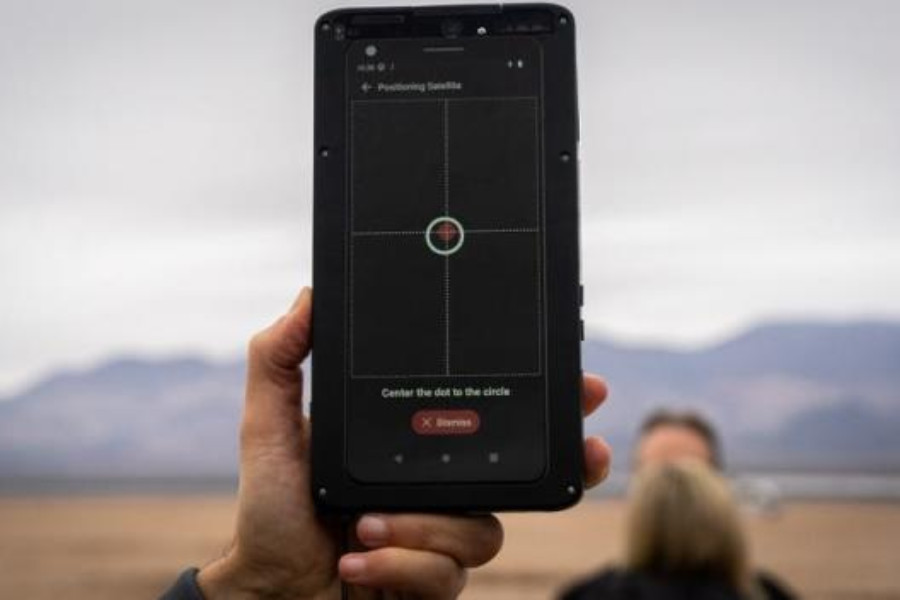
Satellite connectivity gained traction in mainstream phones because of these emergencies. And in 2026, the technology has matured enough that satellite connectivity can support two-way communication, including voice calls, all without a traditional cellular signal.
Samsung and Infinix are among those brands that are working to make satellite connectivity more than a niche feature.
1. Satellite connectivity is no longer just for emergencies
Until recently, satellite features on smartphones were extremely limited. Apple, Google, and Samsung all introduced versions of satellite emergency messaging over the past few years, but these were tightly controlled experiences.
You could send a short message, usually guided by on-screen prompts, and only in specific situations. It was useful, but clearly not meant for everyday communication.
That limitation shaped how people think about satellite features. It was framed as a safety tool and not something you’d rely on regularly. However, that narrative is changing in 2026.
2. Infinix takes an unexpected lead

One of the more interesting developments this year came from Infinix, a brand better known for value-focused smartphones.
At CES 2026, Infinix showed off its upcoming Note 60 series, which includes built-in satellite calling and messaging designed to work in the background, without special modes or complicated setup.
Infinix’s idea is fairly simple here. When you’re within the radius of cellular coverage, the phone behaves like any other smartphone. But when it isn’t, the phone can automatically switch to satellite communication.
Honestly, the idea sounds seamless enough that users shouldn’t feel much difference in functionality, though there will likely be a hit to speed and quality.
That’s because this isn’t a high-bandwidth connectivity. You won’t be streaming videos or joining long video calls over satellite anytime soon. But for basic voice calls and text messaging, it may be enough. And that’s the point.
Infinix doesn’t want satellite calling to be a niche or exclusive feature. Instead, the brand wants to make it a practical solution for places where networks are unreliable or simply don’t exist.
The approach makes sense if you take Infinix demographics into consideration. The company sells most of its phones in regions where coverage gaps are common.
3. Samsung is taking a more methodical approach
Samsung is one of the first Android brands to introduce satellite connectivity in the Galaxy S25 series. As we mentioned earlier, the feature is currently limited to text-based communication.
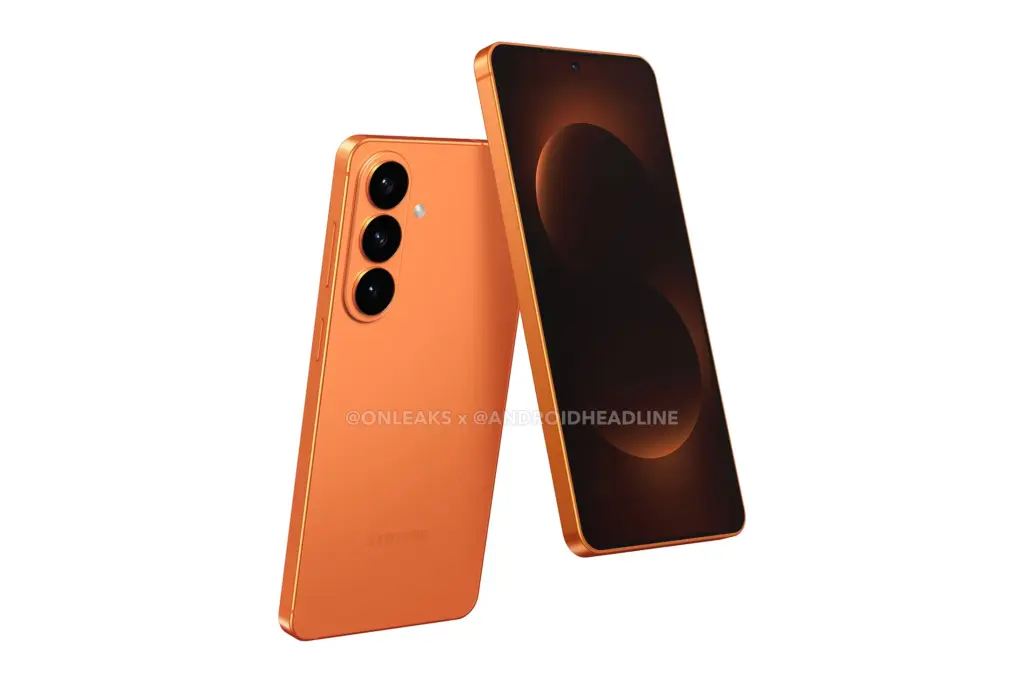
What’s important from Samsung is its preparation for the next step. The company is working on the Exynos Modem 5410, which is expected to support a wider range of satellite communication standards. And yes, this includes the technical capability for satellite voice calls, and maybe even low-quality video calls.
Whether those features actually reach users will depend on carriers, regulators, and partnerships with satellite operators. But if the rumors are true, the Galaxy S26 series will be the first device to feature this modem.
4. From “no service” to limited service everywhere
One way to think about satellite calling is not as a replacement for cellular networks, but as a safety net underneath them. Cellular connections will always be faster, cheaper, and better for most use cases. Satellites step in when that system fails.
Satellite calling doesn’t mean your phone suddenly works the same way in the middle of the ocean as it does in a city. Latency will be higher. Call quality can be inconsistent. Weather and line-of-sight can make or break a connection. These systems come with real trade-offs.
But they also reduce the number of situations where your phone is completely useless. Instead of “no service,” the future may look more like “limited service,” and that’s a meaningful difference.
5. Why this matters
It’s easy to dismiss satellite calling as something only adventurers care about. But the real impact is much broader.
For travelers, it means fewer dead zones and less dependence on local infrastructure. For rural communities, it offers another path to connectivity where building towers isn’t practical. And during natural disasters, when ground networks are damaged, satellite calling could keep communication open without requiring special equipment.
6. The limits are still real
None of this means satellite calling is fully solved. Pricing models remain unclear. Some services may be limited by region, carrier agreements, or government regulations. Battery drain is also a concern, especially for always-on satellite systems.
And for most users in cities with strong coverage, satellite calling will remain invisible most of the time. That’s actually the goal. If the feature works best when you don’t notice it, it’s doing its job.
Don’t miss a thing! Join our Telegram community for instant updates and grab our free daily newsletter for the best tech stories!
For more daily updates, please visit our News Section.