
Add GIZMOCHINA as Preferred Source on Google
Vivo has reportedly paused work on an internal AI smart glasses project that had been under preparation for several months. While the company has not issued an official statement, multiple reports suggest the project was halted after internal evaluations raised concerns around product direction and long-term viability.
Vivo’s AI smart glasses project put on hold
According to people familiar with the matter, Vivo had been exploring different design and technology approaches for AI smart glasses, including audio-focused models and versions with a simple monochrome display. The company had also worked with several ODM partners to develop early demo units. However, despite months of research and prototyping, Vivo’s leadership reportedly concluded that the product lacked a clear path to meaningful differentiation at this stage.
One of the key challenges identified was the limited room for innovation within the current supply chain. Most AI smart glasses rely on the same core components, including highly standardised chipsets and camera sensors, which makes it difficult for brands to stand out in performance, power efficiency, or imaging capabilities. Even display-based models continue to face trade-offs between brightness, field of view, battery life, heat management, and cost.
Focus shifts towards mixed reality development
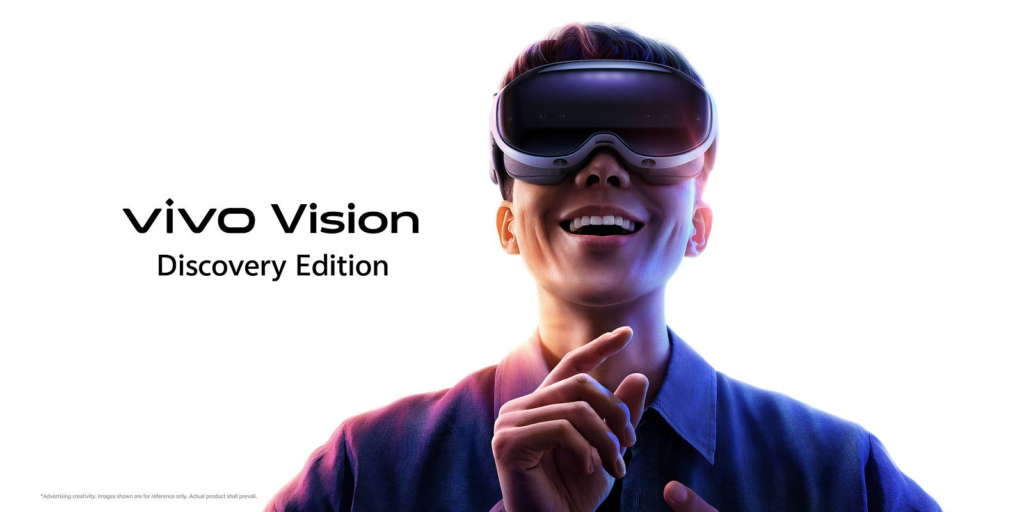
Industry observers note that Vivo’s decision does not indicate an exit from next-generation computing or wearable devices. Instead, the company is expected to consolidate resources around mixed reality products, an area where it already has tangible progress. Vivo previously introduced the Vivo Vision Discovery Edition MR headset, positioning it as an extension of smartphones and PCs rather than a standalone platform.
The broader AI smart glasses market also appears to be in a transitional phase. While interest remains high and demonstrations attract attention at global tech events, long-term user adoption continues to lag. Most current use cases revolve around translation, photography, or voice interaction, none of which yet offer a strong enough reason for everyday, all-day wear.
For now, Vivo’s cautious approach highlights a wider industry dilemma. Until clearer usage scenarios emerge and underlying technologies mature further, AI smart glasses may remain an experimental category rather than a mass-market product.
For more daily updates, please visit our News Section.
Stay ahead in tech! Join our Telegram community and sign up for our daily newsletter of top stories.


Comments