
Add GIZMOCHINA on Google:
Apple launched three new iPhones on September 9 and raised the price of the iPhone 17e, iPhone 17, and iPhone Air on the same day. The new arrivals are the iPhone 18 Pro, iPhone 18 Pro Max, and iPhone Duo, Apple’s first foldable phone. The price bumps reached the iPhone 17 series worldwide too.
With seven iPhones now available at Apple stores, including a foldable, choosing one is a little more complicated now. It is no longer simply a matter of picking the best iPhone. The bigger question is whether the features you get are worth the price Apple is asking.
A couple of things are worth keeping in mind before looking at the options. All prices below are US starting prices for the base storage variants, so the final cost will depend on the configuration you choose. Also, the standard iPhone 18 has not arrived yet.
According to reports, Apple could launch the iPhone 18, iPhone 18e, and iPhone Air 2 in spring 2027. Some early specifications and pricing leaks have already surfaced, but Apple has yet to confirm anything.
Here is how the lineup looks, from cheapest to most expensive.
Which iPhone should you buy?
1. iPhone 17e: Best for the lowest budget ($699)

The iPhone 17e is the cheapest way into Apple’s current lineup, although it is no longer quite as affordable as it was at launch. Apple introduced it in March for $599, but the price has since climbed to $699. The good news is that the base model comes with 256GB of storage.
It runs on the A19, the same chip as the standard iPhone 17. You also get a 48MP rear camera and MagSafe charging. However, Apple has made several cuts elsewhere. The 6.1-inch OLED display has a standard 60Hz refresh rate, and the front still has a notch instead of the Dynamic Island. There’s also a 12MP selfie camera, no Camera Control button, and a battery rated for up to 26 hours of video playback. The iPhone 17, by comparison, is rated for 30 hours.
These compromises were easier to accept when the phone cost $599. At $699, the iPhone 17e is much harder to recommend when the regular iPhone 17 is only $200 more. If you simply want the least expensive new iPhone, the 17e will do the job. But if you can stretch your budget, the standard model gives you considerably more for the extra money.
2. iPhone 17: Best for most people ($899)
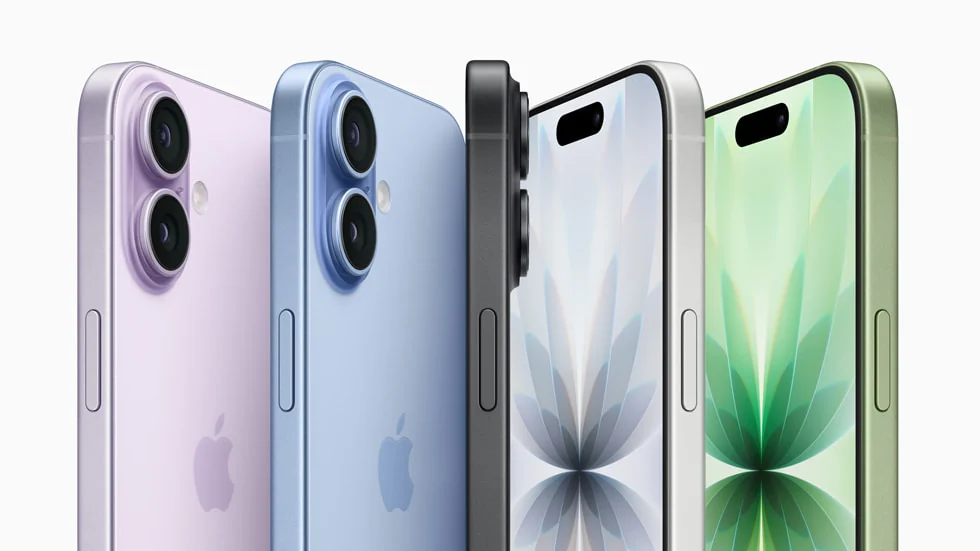
For most buyers, the iPhone 17 is the safer choice. It starts with 256GB of storage and comes with a 6.3-inch display that supports refresh rates of up to 120Hz. Inside, there’s the same A19 chip, but the camera setup is considerably better with two 48MP rear cameras and an 18MP Center Stage selfie camera. The battery also runs a little longer, with Apple quoting up to 30 hours of video playback.
The price is not quite as appealing as it used to be. Apple previously sold the iPhone 17 for $799, but it now starts at $899 following the September price increase. Even so, it remains the most balanced option in the lineup.
Apple still sells the iPhone 16 for $799 with 128GB of storage, but saving $100 means giving up half the storage and the smoother 120Hz display. Unless you have a particular reason to buy the older model, the iPhone 17 makes more sense.
3. iPhone Air: Best for a thin and lightweight phone ($1,099)

The iPhone Air is quite different from the rest of the lineup. At just 5.6mm thick and 165g, it is Apple’s thinnest and lightest option here. It also has a larger 6.5-inch display with a 120Hz refresh rate and runs on the more powerful A19 Pro chip.
The slim body, however, comes with a few compromises. The rear has just one 48MP camera, so there’s no ultra-wide option. Its battery is also smaller than the one inside the iPhone 17.
Apple originally priced the iPhone Air at $999, but it now costs $1,099. Reports also suggest sales have been disappointing, while early leaks about the iPhone Air 2 point to a second rear camera arriving in spring 2027. If you’re considering the Air mainly for its design, it might be worth seeing what Apple does with the next model.
For now, the iPhone Air makes sense if having a thin, lightweight phone matters more than camera flexibility or battery life. Otherwise, the iPhone 17 costs $200 less and gives you more camera options along with better battery endurance.
4. iPhone 18 Pro: Best for photography and video ($1,199)
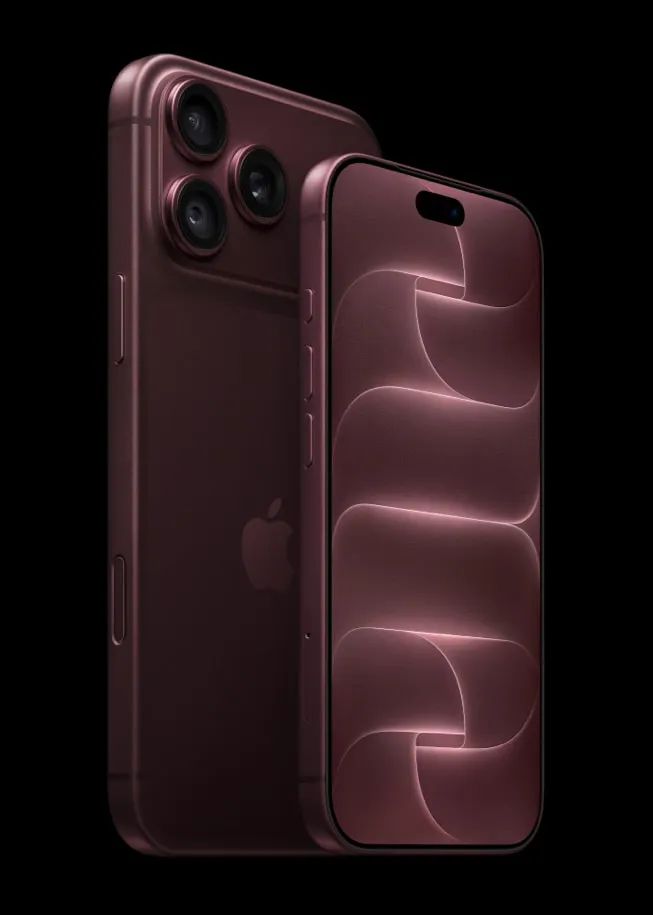
Moving into the Pro range gets you a more substantial camera upgrade. The iPhone 18 Pro is Apple’s new flagship, powered by the A20 Pro chip, which it shares with the larger Pro Max model. Both phones arrived as part of the iPhone 18 Pro and Pro Max launch.
The rear camera system includes three 48MP sensors for the main, ultra-wide, and telephoto cameras. The main camera also gets a variable aperture, allowing it to adjust how much light enters the lens depending on the shooting conditions. The Dynamic Island is smaller than before, while the front camera has been upgraded to 18MP.
Apple also claims the battery lasts up to three hours longer than the one in the iPhone 17 Pro. Buyers can choose between Black, Silver, Glacier, and Burgundy finishes, with storage configurations going up to 2TB.
The iPhone 18 Pro starts at $1,199, which is $100 more than its predecessor. If photography and video recording are high on your list, the iPhone 18 Pro is the model to consider. Its hardware should also make it a reasonable choice if you plan to keep your phone for four or five years.
5. iPhone 18 Pro Max: Best for battery life ($1,299)

The iPhone 18 Pro Max shares most of its hardware with the smaller Pro model, including the A20 Pro chip and triple 48MP rear camera system. The main reason to spend more is the larger display and longer battery life.
Apple rates the Pro Max for up to 45 hours of video playback, compared with 39 hours on the iPhone 17 Pro Max. That’s the longest battery life rating Apple has given an iPhone so far.
It starts at $1,299, another $100 increase over last year’s model. However, the larger size is something to consider before buying. The Pro Max is not the easiest phone to handle, particularly if you prefer using your phone with one hand.
If you’re deciding between the two Pro models, our iPhone 18 Pro vs iPhone 18 Pro Max comparison looks at whether the larger model justifies its extra $100.
The Pro Max makes more sense if you regularly watch videos, play games for extended periods, or simply want the longest battery life available on an iPhone. Otherwise, the regular iPhone 18 Pro should be enough.
6. iPhone Duo: Best for trying Apple’s first foldable ($1,999)
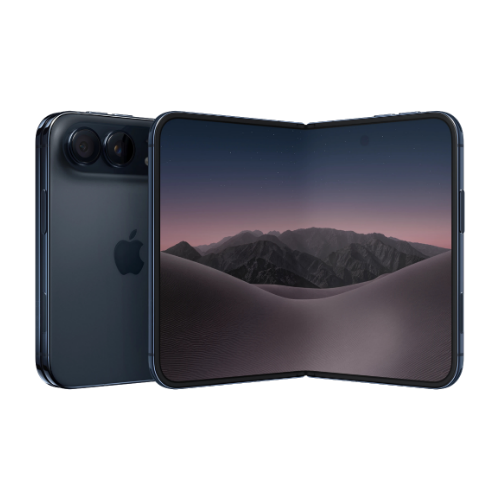
At $1,999, the iPhone Duo sits well above every other model in Apple’s lineup. It is also the company’s first foldable iPhone, which makes it a rather different purchase from the other options.
The phone has a 5.4-inch outer display that opens into a much larger 7.6-inch inner screen. It runs on the A20 Pro chip and supports Apple Pencil. There’s also an IP68 rating and a dual-camera system with two 48MP sensors for the main and ultra-wide cameras. Unlike the other iPhones, it supports dual eSIM only.
As with every foldable, its battery life depends on which screen you’re using. Apple says the Duo can run for up to 44 hours of video playback on the outer display and 31 hours on the larger inner screen.
The base model comes with 256GB of storage and costs $1,999, making it $800 more expensive than the iPhone 18 Pro. Despite the much higher price, its camera setup is actually simpler than the one on Apple’s regular Pro models.
Getting hold of one has also become difficult. Pre-orders opened on October 16, but the iPhone Duo sold out within minutes. Apple’s website now lists January 2027 delivery for new orders. CEO John Ternus has also said the supply shortage is unlikely to end anytime soon.
There have been a few other concerns since its release. Apple has acknowledged an inner display problem affecting some units, although it says only a small number have been returned. A separate report also claims the iPhone Duo is already receiving discounts in parts of China amid software and display issues.
The iPhone Duo is an expensive first-generation product, and the current supply situation doesn’t make it any easier to buy. Unless you particularly want Apple’s foldable experience, waiting for a later batch or a second-generation model seems like the sensible move.
7. Should you wait for spring 2027?
If you’re interested in the standard iPhone 18 or the cheaper iPhone 18e, waiting could be worthwhile. Current reports suggest both phones will use the A20 chip, although the upgrades beyond that are expected to be relatively minor. The iPhone 18e is also rumored to retain a 60Hz display.
Apple hasn’t confirmed the launch date or specifications, so there’s still plenty we don’t know. The iPhone Air 2 is also expected to arrive around the same time.
For anyone who needs a new phone now, though, waiting doesn’t necessarily make sense. Apple typically reduces the price of older models when new ones arrive, but rising memory costs could make that less predictable this time.
One other thing worth checking before buying is your carrier’s trade-in offer. Depending on the deal, you could save a considerable amount compared with paying Apple’s full retail price. You can also check our guide to the best iPhone models to consider in 2026 for a wider look at the available options.
FREE NEWSLETTER
Get Gizmochina Daily
Every morning: the phone and gadget news that matters, with our take. 4 minutes.