Advertisement

Oppo Find X7, Find X7 Ultra launch date, configurations, color options officially confirmed

Oppo has officially confirmed that it will unveil the Find X7 series of smartphones at 2:30 pm (local time) on Jan. 8, 2024, in China. In addition, the Find X7 and Find X7 Ultra smartphones are now listed on Oppo China’s online store for reservations. The official listings have confirmed the configurations and color options of both smartphones well ahead of the official announcement.
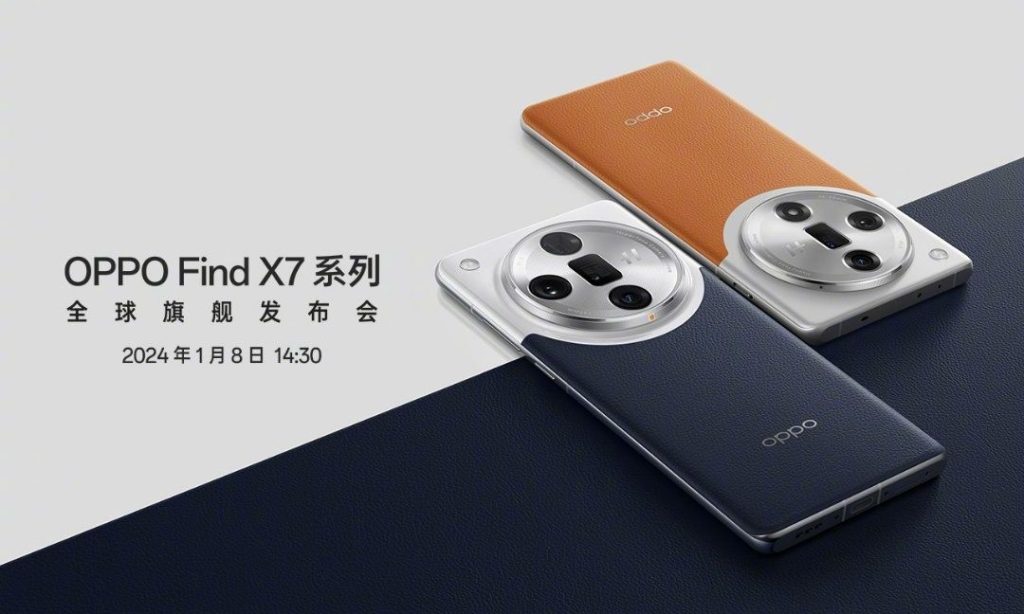
Oppo Find X7 series launch date-
Oppo Find X7 series launch date

Oppo Find X7

Reports have revealed that the Find X7 will come equipped with the Dimensity 9300 chipset. The official listing reveals that it will come in four configurations, such as 12 GB RAM + 256 GB storage, 16 GB RAM + 256 GB storage, 16 GB RAM + 512 GB storage, and 16 GB RAM + 1 TB storage.


The Find X7 will be available in four shades, such as Starry Sky Black, Sea and Sky, Desert Moon Silver, and Smokey Purple.

Oppo Find X7 Ultra

The Find X7 Ultra is expected to come equipped with the Snapdragon 8 Gen 3 SoC. It will be available in three variants, such as 12 GB RAM + 256 GB storage, 16 GB RAM + 256 GB storage, and 16 GB RAM + 512 GB storage.


When it comes to color options, the Find X7 Ultra will come in choices such as Pine Shadow Ink, Sea and Sky, and Desert Moon Silver.

The Find X7 and Find X7 Ultra have a similar design, with the front featuring a punch-hole display with curved edges and a dual-tone back panel with a massive camera module. The Find X7 has a triple-camera unit, whereas the Find X7 Ultra has a quad-camera system. The Ultra variant will be the world’s first smartphone to feature dual periscope telephoto cameras. In addition, it will also be the first-ever phone to feature the one-inch Sony LYT-900 50-megapixel camera sensor as the primary snapper.

It is said that there will be a third device called the Oppo Find X7 Ultra Satellite Communication Version, which will come with support for two-way satellite communication. The rest of its specs will be identical to the Find X7 Ultra.

RELATED:

QCY launches affordable Crossky C50i clip-on earbuds with Hi-Res audio, LDAC & 40h battery

QCY has launched the Crossky C50i open-ear wireless earbuds in China. These come with a clip-on design and are now available on JD.com for 169 yuan (~$25).

QCY Crossky C50i clip-on earbuds

QCY Crossky C50i Specifications

The C50i uses a clip-on design, a style that has become more common for people who want to listen to music or podcasts without blocking their ear canals. To keep the earbuds in place, QCY uses a flexible C-bridge mechanism built around a 0.5mm memory titanium wire.
The company says this wire has been tested for durability through 10,000 bending cycles. The earbuds are covered in a soft material to reduce pressure on the ear and feature an inner hook to prevent slipping during activities like running or cycling. They also have an IPX4 water-resistance rating, which is standard for handling sweat and light rain.


For audio, the earbuds are equipped with QCY’s SQ Ohm drivers, which use a composite diaphragm made from wool fibers and paper. The C50i includes a dedicated DSP audio module and software algorithms designed to boost low-frequency output.

QCY Crossky C50i clip-on earbuds

The earbuds support LDAC, allowing for higher-quality audio streaming up to 990 kbps, and they carry a Hi-Res Audio Wireless certification. It also supports 360-degree spatial audio mode. To address sound leakage, a common issue with open-ear models, the C50i uses a 30-degree angled sound outlet and reverse sound-wave technology to keep audio directed at the user.

On the software side, the earbuds have four microphones for call noise reduction and wind suppression. The app includes extra tools like real-time translation for about 30 languages, meeting transcription, dual-device connectivity, and a low-latency gaming mode.

Battery life is rated at eight hours of playback in standard mode, with the 500 mAh charging case bringing the total to 40 hours. If you use LDAC, that battery life drops significantly to four hours per charge and 20 hours total. The earbuds charge via USB-C, with a 10-minute charge providing about an hour and a half of standard playback.

The QCY C50i comes in Sea Salt Blue, Bright Moon White, Peach Pink, and Mist Gray. The charging case has an iridescent finish that shifts color in different lighting.

In related news, Sennheiser has recently unveiled its first clip-on earbuds with 12mm drivers, LDAC, and up to 36 hours of battery life.

For more daily updates, please visit our News Section.

Stay ahead in tech! Join our Telegram community and sign up for our daily newsletter of top stories!

(JD)

Vivo silently launches two new entry-level phones with Snapdragon 4 Gen 2, large 7,200mAh battery

Affordable smartphones keep getting better when it comes to battery life. Vivo has quietly launched two new budget-to-mid-range models, the G5i and G5z, that focus on long-lasting battery, decent performance, and some nice customization options.

Both phones share the model number V2531A, look identical on the outside, and are now listed on Vivo’s official website in China. Pricing starts at 2,199 yuan for the 6GB + 128GB version, while the higher 8GB + 256GB model goes for 2,899 yuan. They seem aimed at people who want a reliable daily driver that they can also make their own.

The two models are powered by Qualcomm’s Snapdragon 4 Gen 2 processor, along with up to 8GB of RAM and 256GB of fast UFS 3.1 storage. That should be more than enough for everyday tasks, social media, and light gaming.

The real highlight is the large 7,200mAh battery with 44W fast charging. That’s a serious amount of juice, and combined with the efficient chipset, it should easily last through heavy use. They also come with strong IP68 and IP69 dust and water resistance. The company is highlighting the longevity and durability of the devices with “6-year long-life battery” and “5-star drop and shock resistance certification” claims, a classic marketing approach for entry-level phones seen lately.

The display is a 6.75-inch LCD with HD+ resolution and a 120Hz refresh rate. The camera setup is basic: you get an 8MP front shooter and a 50MP main rear camera. Other useful extras include a side-mounted fingerprint sensor, NFC, and an infrared blaster for controlling appliances.

Vivo is clearly targeting users looking for a budget-friendly handset with basic functionality and long battery life. These two handsets are not trying to compete with flagship killers on camera quality or raw performance, but they should handle everyday tasks well thanks to the 4nm-based Snapdragon chipset and large battery.

Don’t miss a thing! Join our Telegram community for instant updates and grab our free daily newsletter for the best tech stories!

For more daily updates, please visit our News Section.

(Sources: 1, 2)

Samsung is preparing for another round of RAM price hikes in Q3 2026

PC buyers and tech companies are still feeling the squeeze on component costs, and it looks like things might get tougher. Major memory suppliers are signaling another round of price increases, driven by massive AI demand and tight supply. Samsung appears to be leading the charge with some pretty significant DRAM hikes on the way.

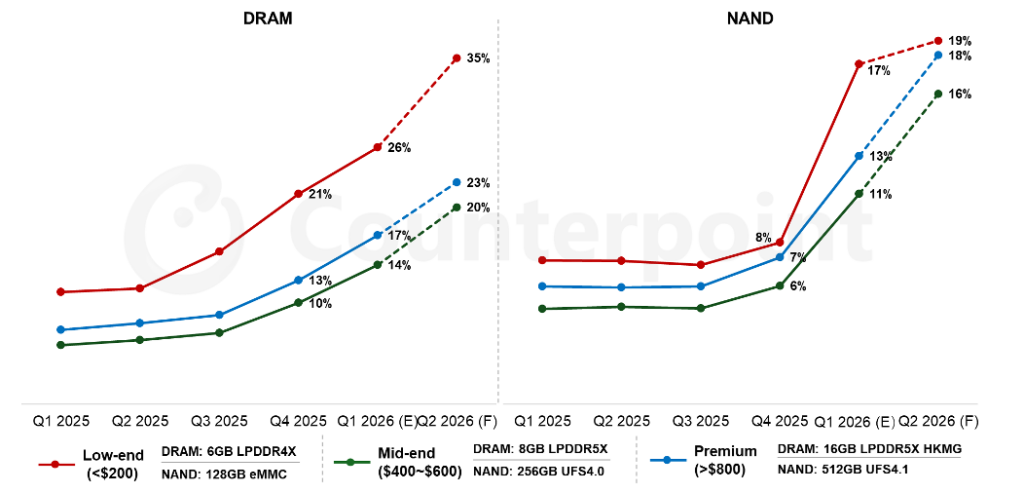
According to supply chain reports, Samsung is currently negotiating with customers for an average DRAM price increase of up to 20% in Q3 2026. That’s on top of some huge jumps earlier this year: over 90% in Q1 and another 50% in Q2. SK Hynix is also joining the broader industry move to push prices higher on standard DRAM.

The main culprit is ongoing supply shortages. Suppliers are pouring resources into high-bandwidth memory (HBM) for AI data centers, leaving less capacity for the memory used in everyday consumer gadgets. Lenovo has even called this a “new normal,” warning that prices probably won’t drop back to pre-2025 levels anytime soon, possibly not until 2030. Apple has already started passing some of these higher chip costs on to customers through price adjustments on MacBooks and iPhones. Some manufacturers are going back to older platforms, like ramping up DDR4 production, just to keep costs under control.

At the same time, Samsung’s focus on high-margin AI memory is only getting stronger. The company is reportedly in discussions with Anthropic for a custom AI chip collaboration. These collaborations suggest the current pressure on consumer memory supply isn’t going away anytime soon. That only reinforces what TrendForce and Lenovo recently predicted, that we could be living with these elevated prices for years to come.

If you’re shopping for a new gaming laptop or flagship smartphone in the second half of 2026, expect to pay more. Higher RAM costs could also lead to weaker smartphone sales, possibly dropping by double digits as devices get less affordable. While AI server demand keeps booming, everyday users are the ones likely to feel the pinch at retail.

Don’t miss a thing! Join our Telegram community for instant updates and grab our free daily newsletter for the best tech stories!

For more daily updates, please visit our News Section.

(Sources: ZDNet Korea | IPC2U)

LG xboom Stage 501 party speaker with AI Karaoke launches in the US at $499.99

LG has officially launched its xboom Stage 501 portable Bluetooth speaker in the US at $499.99. The speaker was first shown off at CES 2026 earlier this year, where LG teased it as part of a new wave of xboom portable Bluetooth speakers built for music lovers. Now it’s finally available to buy in the US market.

LG xboom Stage 501 design

LG xboom Stage 501 Specifications

The biggest highlight of the Stage 501 is its AI Karaoke Master feature. This lets users strip vocals out of almost any song in real time and tweak the pitch, so basically any track can turn into a karaoke session without needing a special karaoke version of the song or a paid subscription. All of this can also be controlled through LG’s companion app.

On the sound side, will.i.am has personally tuned the speaker, and it uses premium acoustic parts made by Peerless. The Stage 501 can push out up to 220W of power if connected to a wall output, but it drops to 160W on battery. LG says the battery itself can last up to 25 hours, and it’s replaceable too. 

The speaker also has a feature called AI Sound to adjust the output depending on what kind of content is playing, and Space Calibration Pro for tuning the sound based on the room or environment the speaker is placed in.

LG xboom Stage 501 launch price

Design-wise, the speaker comes with dual-bar LED lighting, strobe effects, and accent lighting built into the control panel. It has a PA-style look built for performances, along with a dual-handle system for easy carrying. Users can set it up upright, flat, angled, or even mount it on a pole, depending on the space and situation.

As for how to buy it, you can get it from LG’s official website if you are in the US. Plus, there are also financing options available for those who don’t want to pay the full amount upfront. In this case, monthly payments start at $166.66 for a three-month, interest-free plan. Longer plans come with added interest, pushing the total cost slightly higher over six or twelve months.

For more daily updates, please visit our News Section.

Stay ahead in tech! Join our Telegram community and sign up for our daily newsletter of top stories!

Nothing Ear (3a) poses for pictures in new color options before launch

Nothing is set to introduce the Nothing Ear (3a) on July 7 — tomorrow — alongside the Phone (4b). Spoiling the fun for the brand, German publication WinFuture has released a set of images, showing the earbuds in all colors. 

Nothing Ear (3a) color and design leak

The overall design isn’t much different from what we are used to from Nothing. The in-ear buds are packed in a transparent case with a cradle that matches the color of the earbuds themselves. Speaking of which, Nothing is introducing a new pink option for the Ear (3a), while it will also be available in yellow, white, and black. 

Nothing Ear (3a) Specifications 

As for the specs, the Ear (3a) is said to house 12mm audio drivers that will support LDAC and Hi-Res Audio Wireless. The marketing material also reveals a feature called “audio snapshots.” New for Nothing earbuds, the feature could be an easy way to take quick voice memos. 

Nothing Ear (3a) Audio Snapshot

It can be enabled by pressing the touch-sensitive area in the stem, but while on calls, it starts call recording. There is no word on whether the earbud supports active noise cancelling, but since they have an in-ear tip-style design, you can expect a decent level of noise cancellation nonetheless. 

Nothing Ear (3a) colors

According to the report, the Ear (3a) could cost around €99 in Europe. A direct conversion means you could be spending close to $115 in the US, but Nothing usually decides the US price separately. We are expecting an MSRP of $99. That’s for Nothing to decide, and since the launch is just a few hours away, you won’t have to wait that long for full official details.

For more daily updates, please visit our News Section.

Stay ahead in tech! Join our Telegram community and sign up for our daily newsletter of top stories!

(Source)

Vivo X300e vs Vivo X300 FE: Should you wait for the X300e?

Just when it seemed that Vivo was done with the Vivo X300 series as it gears up for the Vivo X500 series launch in September, recent reports have revealed the existence of a new X-series model called the Vivo X300e. The handset is expected to debut soon in China, and it is also likely to launch in global markets. In all likelihood, the X300e could make its global debut alongside the Vivo X Fold 6.

Interestingly, the Vivo X300e is tipped to feature the same Snapdragon 8 Gen 5 chipset that powers the recently announced Vivo X300 FE. With both phones expected to target the premium flagship segment, buyers may wonder whether it is worth waiting for the X300e or picking up the X300 FE. Here’s how the two compare based on everything known so far.

Vivo X300e vs Vivo X300 FE
Vivo S60 (left) and Vivo X300 FE (right)

1Vivo X300e vs Vivo X300 FE: Design and display

The biggest visible difference between the two devices is likely to be their size.

The Vivo X300e is expected to feature a 6.59-inch OLED flat display with a resolution of 2750 × 1260 pixels. While the resolution has surfaced, there is still no confirmation on whether the panel supports a 120Hz or 144Hz refresh rate.

The Vivo X300 FE, on the other hand, comes with a more compact 6.31-inch AMOLED flat display offering a 1.5K (2640 × 1216) resolution, a 120Hz refresh rate, up to 5,000 nits peak brightness, and 4320Hz PWM dimming with DC dimming support.

If you prefer compact smartphones that are easier to use with one hand, the X300 FE has the advantage. Those wanting a slightly larger screen for gaming and multimedia may find the X300e more appealing.

Back

iQOO Z11 series phone officially teased, here’s what to expect

While iQOO has launched multiple Z11-series phones in China, the Indian market has only received a single device dubbed the iQOO Z11x. Now, the brand has officially started teasing a new Z11-series phone, and the first details may have already surfaced.

Expected to launch soon

iQOO Z11 teaser
iQOO Z11 teaser

iQOO India CEO Nipun Marya has shared the above image, hinting at the arrival of a new smartphone. In all likelihood, he could be teasing the iQOO Z11.

iQOO is already offering the iQOO Z11 in markets like China and Malaysia. These variants come with different chipsets, with the Chinese variant featuring the Dimensity 8500 and the Malaysian edition powered by the Snapdragon 7s Gen 4. However, both phones feature a 6.83-inch AMOLED 1.5K display and a 9,020mAh battery.

According to tipster Paras Guglani, the Indian version, which bears the model number I2514, will be different from the global (Malaysian) variant. Speaking of the I2514, the device recently appeared on Geekbench AI, revealing that it could be powered by the Dimensity 7500 chipset. The listing also revealed 12GB of RAM and Android 16.

The other specifications of the iQOO Z11 remain under wraps. In all likelihood, it will debut later this month in India. There’s also a possibility that it could be a rebranded or tweaked version of China’s Vivo S60e (also known as the S60 Vitality Edition), which also features the Dimensity 7500.

To recall, the Vivo S60e has a 6.59-inch AMOLED display offering a 1.5K resolution and a 144Hz refresh rate. It is equipped with the Dimensity 7500 SoC and a 7,200mAh battery with 90W charging. The device also features a 50-megapixel front camera and a 50-megapixel + 8-megapixel (ultra-wide) dual-camera system.

For more daily updates, please visit our News Section.

Stay ahead in tech! Join our Telegram community and sign up for our daily newsletter of top stories!

Portronics launches CineArc 200W 5.1 home theatre with HDMI ARC

Portronics has introduced its latest audio product in the Indian market: the CineArc 5.1 Channel Home Theatre System. Priced aggressively, the new setup is aimed at consumers looking for a straightforward, budget-friendly upgrade over their standard built-in TV speakers.

Portronics CineArc 5.1 Home Theatre

Portronics CineArc 5.1 Specifications

The CineArc is a traditional 5.1 channel system that consists of four main hardware components: a central soundbar, a dedicated wired subwoofer for low-end frequencies, and two wired satellite speakers to handle rear surround audio. While this requires some cable management around your living room, it ensures a stable audio connection without wireless latency or interference.

The hardware features a standard black finish designed to blend in with most modern television and console setups. The main soundbar unit includes an integrated control panel for basic playback and volume adjustments, alongside a front-facing LED display to indicate the current input source.

For audio processing, the system includes four distinct equalizer presets: Music, Movie, News, and Night mode. Additionally, the included slim IR remote allows users to manually adjust bass and treble levels for a more customized sound profile.

For connectivity, the CineArc supports Bluetooth 5.4 for wireless streaming from smartphones, laptops, or tablets. For wired connections to smart TVs, gaming consoles, and streaming boxes, it includes HDMI ARC, Optical, AUX, and USB inputs. The inclusion of HDMI ARC is a practical addition, as it allows users to control the soundbar’s volume directly using their standard TV remote, reducing remote clutter.

Pricing and Availability

The Portronics CineArc is available now in India. While it carries an MRP of Rs. 14,999 ($157), it is currently retailing at an introductory price of Rs. 7,299 ($76).

It can be purchased directly from the Portronics website, as well as through major e-commerce platforms like Amazon India and Flipkart, and various offline retail stores.

In related news, Portronics has recently introduced a compact 10,000mAh power bank with an integrated USB-C cable, alongside a 20,000mAh 35W model featuring built-in cables and an LED display.

For more daily updates, please visit our News Section.

Stay ahead in tech! Join our Telegram community and sign up for our daily newsletter of top stories!

iQOO 16 India launch could be skipped because of this reason

The rumor mill has been actively leaking details about the iQOO 16, which is expected to break cover in October this year in China. iQOO usually follows a pattern of first announcing its phones in China and then bringing them to other markets, including India. However, a new development suggests that the iQOO 16 may not launch in India this year.

iQOO may launch only one phone in India in H2 2026

iQOO 15
iQOO 15

According to tipster Yogesh Brar, the iQOO 16 may not launch in India because rising memory prices could push its expected price beyond Rs 85,000 (~$890), making it difficult to position competitively.

He also claims that iQOO has only one budget Z-series phone planned for India this year, while all of its other products have reportedly been scrapped for the market. These claims are based on the tipster’s information, and iQOO has not officially confirmed them.

iQOO has already confirmed that it will skip launching a Neo-series phone this year. Back in May, the iQOO Z10 Lite was spotted on Geekbench, and more recently, a device believed to be the iQOO Z11 appeared on the same benchmarking platform. In all likelihood, the Z-series phone the tipster is referring to could be the Z11.

Coming back to the iQOO 16, its India launch cannot be ruled out entirely, as its model number was spotted in the IMEI database back in May. Therefore, it is advisable to wait for further reports to know the fate of this phone.

For more daily updates, please visit our News Section.

Stay ahead in tech! Join our Telegram community and sign up for our daily newsletter of top stories!

Keychron launches its first docking station with 14 ports and an aluminium chassis

Keychron, the Hong Kong-based peripheral brand best known for making keyboards and mice, has launched its very first docking station. The new device is called the Keychron Thunderbolt 5 Dock (14-in-1), and as the name suggests, it comes with 14 ports and has a shiny aluminium body. 

The dock is priced at $349.99 in the US. 

Keychron Thunderbolt 5 Dock (14-in-1) Launch Price

Keychron Thunderbolt 5 Dock (14-in-1) Specifications

Starting with the visuals, the dock has a CNC-machined aluminum alloy chassis that gives it a sturdy and premium feel. The dock has a fanless cooling system that delivers passive heat dissipation, thanks to the through-vent grille design and an internal aluminium heat spreader. 

The design is simple, minimalist, and functional, as you can use the dock either standing up (vertically) or lying flat (horizontally). 

Keychron Thunderbolt 5 Dock (14-in-1) Design

The talk for any docking station is undoubtedly about connectivity. The front of the dock includes a power button, indicator lights, one USB-C port with 10Gbps speed, and two USB-A ports also running at 10Gbps. It also has a pair of card readers that support both SD and microSD cards under the UHS-II, 4.0 standard, which delivers up to 312 MB/s speed. 

The back of the dock carries most of the connections. This includes one upstream Thunderbolt 5 port, which can deliver up to 140W of power to a connected laptop, along with three separate downstream Thunderbolt 5 ports for connecting additional devices.

Keychron Thunderbolt 5 Dock (14-in-1) Ports

There are also two more USB-A ports running at 10Gbps, two HDMI 2.1 ports for connecting monitors or TVs, and one 2.5GbE Ethernet port for wired internet connections faster than standard Gigabit Ethernet. Rounding out the features are two Kensington security lock slots, which allow the dock to be physically locked down to a desk or surface.

The Keychron Thunderbolt 5 Dock (14-in-1) is now available for purchase directly from Keychron’s official website.

For more daily updates, please visit our News Section.

Stay ahead in tech! Join our Telegram community and sign up for our daily newsletter of top stories!

(Source)

Vivo X300e clears all major certifications, launch imminent

A Vivo device bearing the model number V2612A was recently approved by China’s TENAA certification platform, revealing its key specifications. Soon after, Chinese tech bloggers claimed that the device will launch in the domestic market as the Vivo X300e. Now, in a fresh development, the handset has also received 3C certification, confirming its fast charging capabilities.

Vivo X300e 3C certified

As can be seen, the Vivo X300e, bearing the model number V2612A, has received China’s 3C certification. The listing reveals that the device may support 90W fast charging. However, there is still no confirmation on whether it will also offer wireless charging support.

With the X300e now clearing all three key Chinese certifications, namely MIIT, TENAA, and 3C, it appears that the device could debut in China as early as this month or in August. The phone is also expected to launch in global markets, as its name was spotted in the IMEI database a few weeks ago.

Vivo X300e specifications (rumored)

As per the TENAA listing, the Vivo X300e will feature a 6.59-inch OLED display with a flat design. The front is also likely to house a 50-megapixel selfie camera.

On the back, the X300e is expected to feature a triple rear camera setup, comprising a 50-megapixel primary sensor, a 50-megapixel periscope telephoto camera, and an 8-megapixel ultra-wide lens. Reports further suggest that the camera system will benefit from Zeiss optics and image tuning. Design-wise, the phone is expected to feature a square-shaped rear camera module positioned towards the upper-left corner of the back panel.

The Vivo X300e could house a 7,100mAh battery while retaining a slim profile of under 8mm and a weight of around 203 grams. Like the X300 FE, it will feature the Snapdragon 8 Gen 5 chipset.

For more daily updates, please visit our News Section.

Stay ahead in tech! Join our Telegram community and sign up for our daily newsletter of top stories!

Intel’s selective price increase hits some Core Ultra processors

Intel just confirmed selective price increases on some of its consumer and server CPUs, a move driven by rising supply chain expenses and shifting market conditions.

On July 6, Intel shared the news with media outlets, explaining that they’ve been keeping a close eye on costs and demand. Importantly, these aren’t blanket hikes: most of the increases are focused on higher-end models. On the server side, certain Xeon processors are going up by 7% to 12%, with some premium SKUs seeing jumps of hundreds or even thousands of dollars. Entry-level server chips, however, are mostly staying the same.

For regular desktop users, the impact is much smaller. A few Core Ultra 200-series “Plus” models (like the Core Ultra 7 270K Plus and Core Ultra 5 250K Plus) are getting $30–$50 bumps. These Arrow Lake-based processors were originally meant to be solid value options, but supply constraints and rising component costs forced the adjustment. Most other Arrow Lake chips and the rest of Intel’s lineup remain unchanged for now.

This comes at a time when DRAM and NAND Flash memory prices have been climbing, pushing costs across the board. There’s been a renewed push for older DDR4 platforms because they’re more affordable while newer memory standards face shortages. Intel is also reportedly ramping up production of its 10th through 14th-gen Core processors, a result of the unexpected surge in demand for affordable, DDR4-compatible hardware.

The company seems to be treading carefully after past stumbles, trying to protect profits without losing ground to AMD and other competitors. The hikes will hit enthusiasts and data center buyers hardest, but they reflect the real pressures from raw materials, manufacturing, and global supply chain issues.

It’s refreshing to see Intel being upfront about the changes. The PC market is still navigating these cost pressures, but at least we have a clearer picture of what’s going on.

Don’t miss a thing! Join our Telegram community for instant updates and grab our free daily newsletter for the best tech stories!

For more daily updates, please visit our News Section.

(Source | Image)

Insta360 X6 360-degree camera nears launch with FCC approval

Action camera fans who love shooting 360-degree footage might have something exciting on the horizon. Insta360’s upcoming X6 has just cleared a major regulatory hurdle in the US, which usually means a global launch isn’t far off.

The X6 recently earned FCC certification under the model number CINSABXA. The paperwork includes details on Wi-Fi, Bluetooth, and antennas, suggesting the process is basically wrapped up. This follows similar approvals in places like the UAE and India, which lines up with how Insta360 typically rolls out new cameras. Most people in the know are expecting an official announcement and release sometime between late August and September 2026, pretty much following the same rhythm as their previous X-series models.

Full specs are still under wraps, but the leaks look promising. The X6 is rumored to step up to a larger 1-inch or 1/1.28-inch CMOS sensor, which could let it shoot 8K 60fps 360-degree video, an upgrade from the X5. There’s talk of better 10-bit color depth and improved HDR, which should translate to richer, more vibrant footage, especially in tricky low-light or nighttime situations. That kind of jump would be huge for creators making immersive content for social media, VR, or pro projects.

Pricing is expected to land somewhere between $549 and $599 (roughly 3,725 to 4,065 RMB). That keeps it in the premium 360-camera category while still feeling competitive. Insta360 has built a strong reputation for making powerful yet user-friendly panoramic cameras, so the X6 will likely keep the things people love, like excellent stabilization, waterproofing, and a smooth app experience, while focusing on improving image quality.

The action camera world keeps growing as more people want to create engaging, immersive content across platforms. Insta360 has been leading the charge with the X-series, and the X6 feels like the natural next step.

We should start seeing more concrete details soon on things like the exact sensor size, battery life, and any new software tricks.

Don’t miss a thing! Join our Telegram community for instant updates and grab our free daily newsletter for the best tech stories!

For more daily updates, please visit our News Section.

(Source)

Xiaomi Launches Mijia Desktop Photo Printer 2 with Bluetooth and 4-Color Printing

Xiaomi has launched its new Mijia Desktop Photo Printer 2 in China on its Youpin crowdfunding platform, with the campaign set to begin on July 13. The printer itself carries a price tag of 699 yuan (~$102), while the 4-inch dual-panel photo paper costs 69.2 yuan (~$10), and the 6-inch 4-color professional photo paper is also priced at 69.2 yuan (~$ 10).

Xiaomi Mijia Photo Printer 2 Specifications launch Price

Xiaomi Mijia Desktop Printer 2 Specifications

The new model builds on the existing Mijia Photo Printer 1S from 2020, and Xiaomi has laid out a detailed comparison between the two devices. The biggest change is the printing technology itself. The Photo Printer 2 moves from 3-color dye sublimation to a 4-color dye sublimation process that adds a black K layer, which should help produce sharper text and deeper blacks in printed photos.

The new printer can further handle 4-inch double-sided photo paper priced at 0.99 yuan per piece, square adhesive photo strips at 2.48 yuan per piece, and 6-inch photo sheets available in both 3-color (1.61 yuan) and the newer 4-color dye sublimation option (2.48 yuan). By comparison, the 1S only supports square adhesive paper and 6-inch sheets, and does not offer 4-color printing at all.

Xiaomi Mijia Photo Printer 2 Specs

As for connectivity, the Photo Printer 2 switches from 2.4G Wi-Fi, used on the 1S, to Bluetooth 5.2, allowing it to connect directly to a phone without needing a Wi-Fi network. Xiaomi says multiple users can still connect and print at the same time, with 8 filters available for quick edits.

On the software side, the new printer adds a handful of features not found on the 1S, including LUT-based color mixing tools, AR dynamic photos, and a smart ID photo mode. It also supports various textured lamination finishes, while the 1S is limited to a high-gloss coating only.

Physically, the Photo Printer 2 measures 199 x 126.6 x 85.7mm, slightly larger than the 1S at 194 x 124.6 x 83.6mm.

Alongside the printer, Xiaomi is also selling matching consumables, including 4-inch double-panel photo paper (79.2 yuan), 3-inch sticky photo paper (99 yuan), 6-inch photo paper (129 yuan), and a 6-inch 4-color professional edition paper set (159 yuan).

Don’t miss a thing! Join our Telegram community for instant updates and grab our free daily newsletter for the best tech stories!

For more daily updates, please visit our News Section.

(Source)

Galaxy S27 Ultra reportedly being tested with 5,600mAh and 5,800mAh batteries

Battery life has become one of the biggest battlegrounds for smartphones. For years, Samsung has been fairly conservative with the battery in its Galaxy S Ultra models, and many fans have been hoping for a bigger jump. It looks like that change might finally be coming with the Galaxy S27 series.

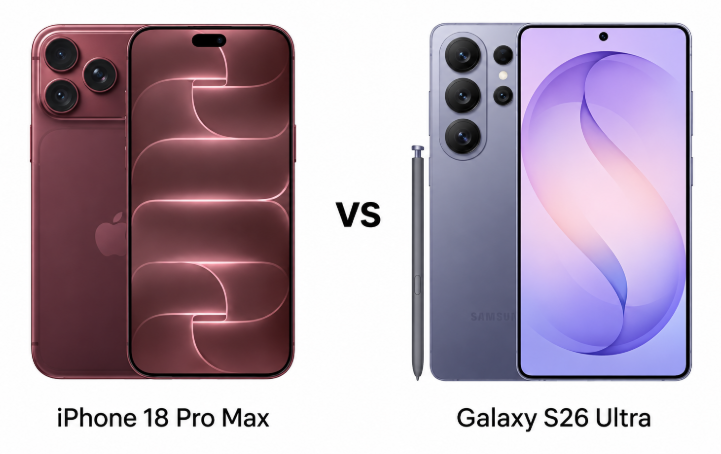
Since the S20 Ultra, Samsung has stuck with a 5,000mAh battery in the Ultra lineup. Safety and keeping the phone relatively slim were big priorities after the Note 7 days. But competitors have been pushing harder: Apple’s iPhone 17 Pro Max already beats it, and certification confirms the iPhone 18 Pro Max will go higher.

According to leaker phonefuturist, Samsung is testing larger battery options from Samsung SDI for the S27 Ultra, including 5,600mAh and 5,800mAh cells. There was also talk of a more modest 5,200mAh version. These tested batteries are using standard lithium-ion chemistry rather than newer silicon-carbon tech. This suggests Samsung is playing it safe by sticking with proven, reliable technology instead of taking bigger risks with newer materials, which could also help control costs and limit any potential price increase.

If things go well, the S27 Ultra could finally ship with well over 5,500mAh, a meaningful upgrade that power users have been waiting for.

Of course, this is all still in the rumor stage: the S27 is months away, and specs can change. But if it happens, a larger battery would pair nicely with other expected improvements like wider Privacy Display and refreshed camera island design.

For longtime Galaxy fans who’ve felt the Ultra’s battery capacity has been stuck for too long, this could be a welcome change. We’ll have to wait for more concrete details closer to launch, but this battery story is definitely one to keep an eye on.

Don’t miss a thing! Join our Telegram community for instant updates and grab our free daily newsletter for the best tech stories!

For more daily updates, please visit our News Section.

(Source)

Global Vivo X500 Pro Max bags an important certification

Vivo is reportedly working on the Vivo X500 series for multiple markets. Reports suggest that it may break cover in September in China, and it now appears that its global launch may soon follow. The reason is that the X500 Pro Max’s global edition has bagged an important certification.

Vivo X500 Pro Max gets TKDN certification

Vivo X500 Pro Max TKDN listing

It was recently reported that the Vivo X500 Pro Max’s global version was spotted with model number V2610 in the IMEI database. Now, in a new development, the device has emerged in Indonesia’s TKDN certification database. While the listing does not reveal any information about its specifications, it does hint that its global launch may soon follow its China debut.

Vivo X500 Pro Max specifications (rumored)

As per reports, the Vivo X500 Pro Max will feature a 6.85-inch OLED 2K LTPO display with support for a 144Hz refresh rate and an ultrasonic in-display fingerprint sensor. The device is expected to ship with OriginOS 7-based Android 17.

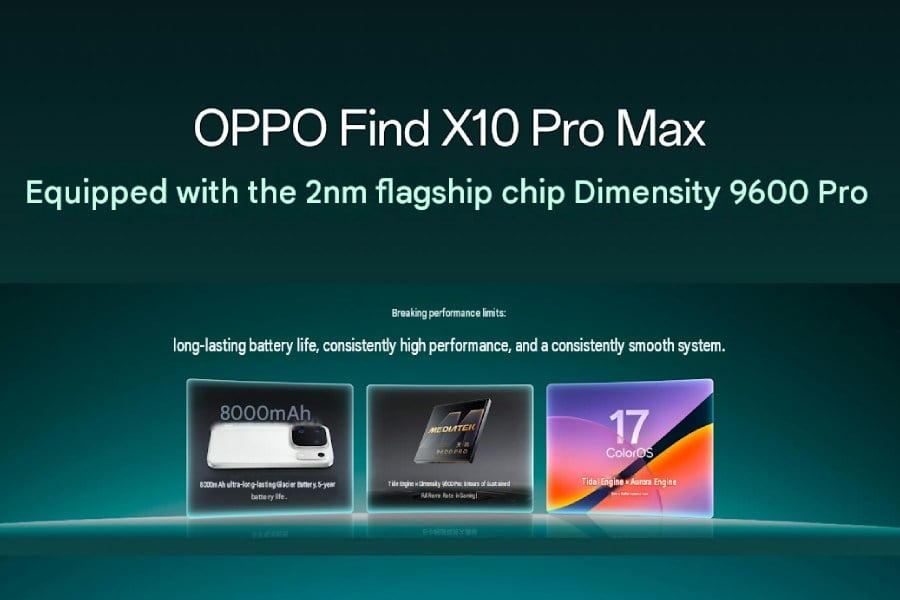
The X500 Pro Max could be powered by the upcoming 2nm Dimensity 9600 Pro chipset and a large battery of around 8,000mAh capacity with support for blazing-fast wired charging and wireless charging. At present, there is no information on the RAM and storage variants of the device.

The X500 Pro Max is expected to feature a 50-megapixel front-facing camera. On the back, it is said to feature a 50-megapixel Sony LYT-838 primary camera with a large 1/1.28-inch sensor and LOFIC technology. It could be accompanied by a new 50-megapixel Sony IMX8-series ultra-wide camera and a 200-megapixel periscope telephoto camera with a 1/1.4-inch sensor and an 85mm focal length.

For more daily updates, please visit our News Section.

Stay ahead in tech! Join our Telegram community and sign up for our daily newsletter of top stories!

(via)

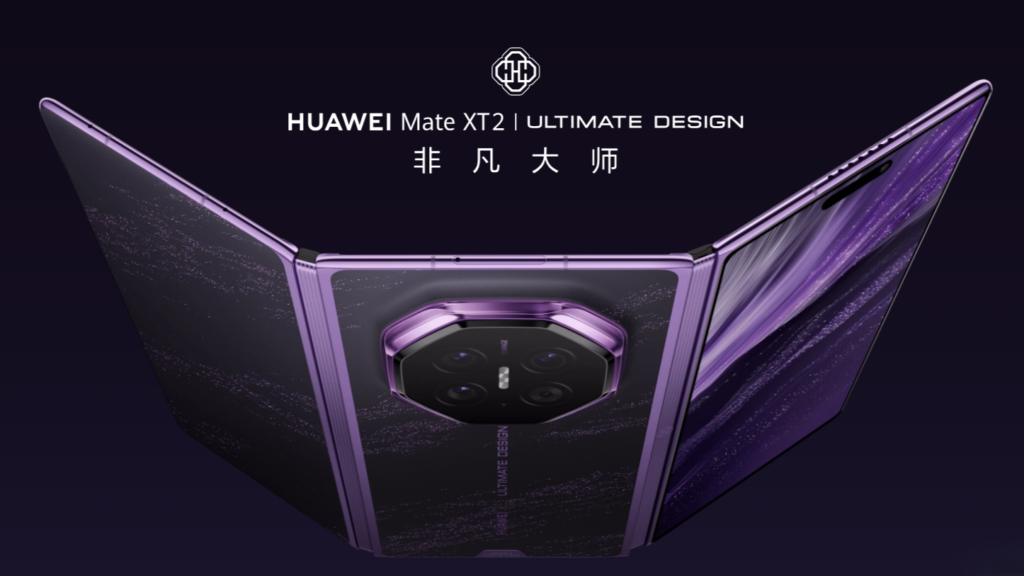
Huawei Mate XT 2, Mate X8 tipped to arrive with a major chipset upgrade

Huawei appears to be gearing up to launch its next foldable smartphones later this year. While the company has not confirmed any details yet, a new leak hints that its upcoming foldables could bring major upgrades in performance, cameras, and battery capacity.

Huawei’s next foldables tipped with Kirin 9050

According to tipster Digital Chat Station on Weibo, Huawei is planning to launch both a new tri-fold phone and a conventional book-style foldable in the second half of this year. While the tipster has not revealed the names of these devices, he could be referring to the Huawei Mate XT 2 and Mate X9 foldable phones.

Both devices are said to feature next-generation flagship Kirin chipsets. The tri-fold model is tipped to introduce further refinements to its folding design, while the book-style foldable is expected to feature an 8.15-inch inner display and a 6.5-inch cover screen.

When the tipster says these devices will use next-generation Kirin chips, it appears Huawei may skip the Kirin 9030 series altogether in favour of the upcoming Kirin 9050 lineup. The chipset is expected to arrive in standard and Pro variants, with the Mate XT 2 likely to debut with the Kirin 9050 Pro. The device is also tipped to ship with HarmonyOS 7.

Previous reports claim the new chip could adopt a dual-layer vertically stacked logic architecture, which is expected to improve both performance and power efficiency without relying on a more advanced manufacturing process.

The same source claims Huawei’s upcoming foldables could feature a large 1/1.3-inch primary camera sensor, a periscope telephoto camera, and a compact camera module. The devices are also expected to pack batteries starting with the number six, suggesting capacities above 6,000mAh. In terms of pricing, these devices are likley to cost around 10,000 Yuan (~$1,470).

As per a previous report, the Mate XTs is expected to arrive in multiple shades, such as Mystic Black, Auspicious Red, Crimson Purple, and Bright White. If the leaks prove accurate, Huawei could unveil its next-generation foldables as early as September.

For more daily updates, please visit our News Section.

Stay ahead in tech! Join our Telegram community and sign up for our daily newsletter of top stories!

Huawei announces Pura 90 series global launch for next week

Huawei has confirmed it will host a flagship launch event themed “Now is Your Moment” in Kuala Lumpur, Malaysia, on July 14. At the event, the company will introduce the Pura 90 series smartphones to international markets for the first time.

The Pura 90 lineup was originally unveiled in China earlier this year, with three models: the standard Pura 90, the Pura 90 Pro, and the Pura 90 Pro Max. Prices in China started at 4,699 yuan (~$690).

Huawei Pura 90 series global launch event

What can you expect?

The standard Pura 90 comes with a 6.84-inch 1.5K flat display and a 6,500mAh battery, packed into a slim 6.9mm frame weighing 203 grams. 

The Pura 90 Pro steps up the camera game with a 6.6-inch display, a 50MP main sensor with a variable aperture ranging from f/1.4 to f/4.0, a 12.5MP ultra-wide camera, and a 50MP periscope telephoto lens offering 4x optical zoom.

At the top, the Pura 90 Pro Max offers a larger 6.9-inch display and a more advanced camera setup with a 50MP main sensor, a 40MP ultra-wide camera, and a 200MP periscope telephoto lens supporting 4x optical zoom and up to 8x optical-quality zoom. Huawei has said this telephoto system captures far more light than rival flagships, thanks to a specially designed prism structure.

Huawei Pura 90 Pro Design and Colors
Huawei Pura 90 Pro

Both Pro models run on the new Kirin 9030S chipset, which brings notable gains in AI-based image processing, along with a 6,000mAh battery and Kunlun glass protection for better durability. Both models also carry a 4x optical zoom and up to 100x digital zoom for the top camera, along with a 13MP front-facing camera. The phones run on HarmonyOS 6.1, with a range of AI-powered photography tools built in.

While Huawei hasn’t revealed global pricing yet, more details are expected to be shared at the July 14 event in Kuala Lumpur.

For more daily updates, please visit our News Section.

Stay ahead in tech! Join our Telegram community and sign up for our daily newsletter of top stories!

Here’s the first look at the Redmi Note 17 and Note 17 Pro

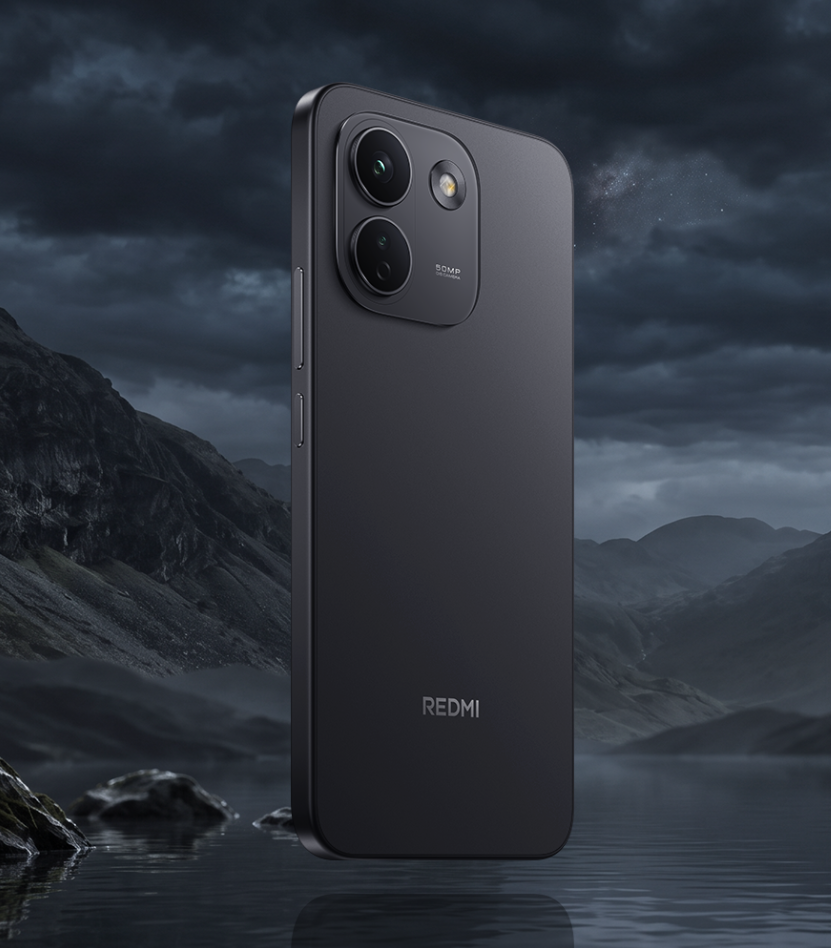
Redmi is all set to announce the Redmi Note 17 series this month. Reports suggest that the lineup may include at least four models, such as the Redmi Note 17R, Note 17, Note 17 Pro, and Note 17 Pro Max. It is speculated that the Note 17R could be a rebranded version of the Redmi 17 5G for the global market. The rumor mill has also leaked the key specifications of the three models. Now, ahead of the expected launch, a poster has emerged, giving us the first look at the Note 17 and Note 17 Pro.

Redmi Note 17 series design revealed

Redmi Note 17 series
Redmi Note 17 series first look

In the above image, the Redmi Note 17 can be seen with a single camera on the left, whereas the Note 17 Pro, with dual cameras, can be seen on the right. The new series features a new camera deco positioned at the top-left corner, compared to the centered camera module on the upper half of the Note 15 series.

For those who don’t know, the Redmi Note 16 moniker has been skipped, as the company has decided to jump from the Note 15 to the Note 17 branding. Also, the brand is yet to confirm any of the technical details of the Note 17 lineup.

Redmi Note 17, Note 17 Pro specifications (rumored)

As per recent reports, the Redmi Note 17 will come equipped with a 6.83-inch flat OLED panel with support for a 1.5K resolution. The Pro edition is likely to feature the same display.

Under the hood, the Note 17 may house the Snapdragon 6s Gen 4. While it is said to support 67W charging, there is no information about its battery capacity. On the other hand, the Note 17 Pro could be powered by the more powerful Snapdragon 6 Gen 5 chip and a massive 9,000mAh battery.

Both phones are expected to feature a 50-megapixel primary camera. The two phones may also come with other common features, such as HyperOS 3.1-based Android 16, dual speakers, and a water-resistant body.

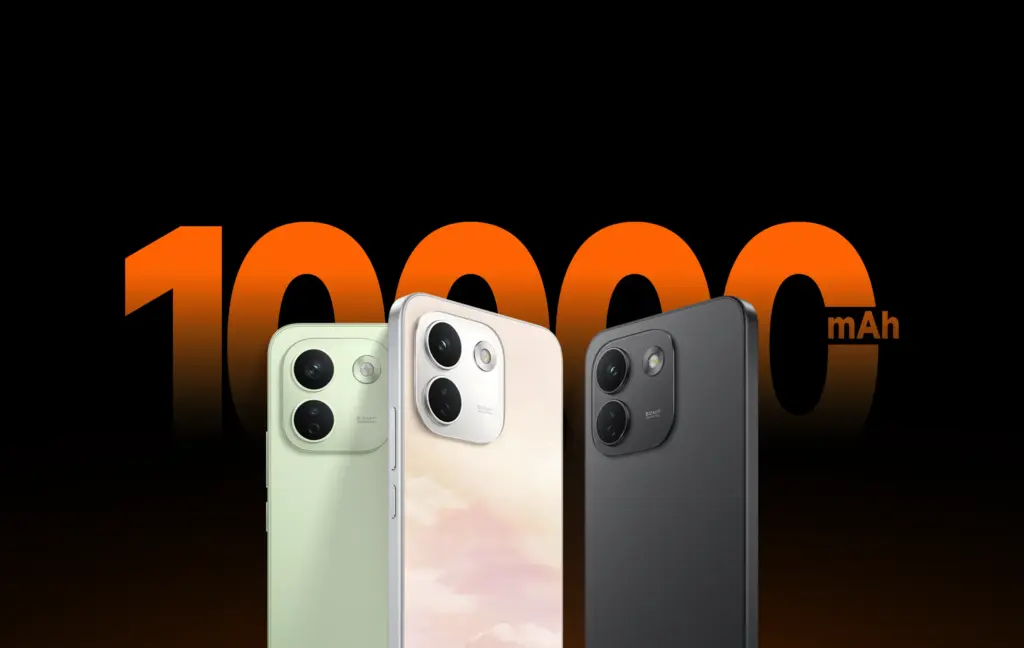
As far as the Note 17 Pro Max, there is a possibility that it may launch next month (August). It is expected to pack a 1.5K OLED flat panel, a Dimensity 7500 chip, a 10,100mAh battery, and a 200-megapixel main camera.

For more daily updates, please visit our News Section.

Stay ahead in tech! Join our Telegram community and sign up for our daily newsletter of top stories!

Upcoming iQOO Z-series Dimensity 7500 phone spotted on Geekbench

iQOO is reportedly working on a new Z-series phone called the iQOO Z11 Lite. The unannounced phone was spotted with model number I2510 and the Dimensity 6300 chip on Geekbench back in May. It now appears that yet another Z-series phone is in the works, as it has surfaced on the same benchmarking platform.

iQOO’s upcoming phone appears on Geekbench

iQOO I2514 Geekbench AI listing

As can be seen above, the upcoming iQOO phone with model number I2514 has appeared in Geekbench AI’s database. The listing reveals that it is powered by the MediaTek MT6881 chip, which comprises four performance cores clocked at 2.6GHz and four efficiency cores running at 2.0GHz. These details suggest that this device could be equipped with the Dimensity 7500.

The listing further reveals that this mysterious iQOO phone has 12GB of RAM and runs Android 16, likely with OriginOS 6 layered on top. The Geekbench AI scores of 1,174 (Single Precision), 1,757 (Half Precision), and 2,926 (Quantized) suggest that the device should deliver solid on-device AI performance for everyday tasks, with quantized AI workloads expected to run significantly faster and more efficiently than higher-precision tasks.

At present, there is no information about the device’s final marketing name. It remains to be seen whether it debuts in the market as the iQOO Z11.

For more daily updates, please visit our News Section.

Stay ahead in tech! Join our Telegram community and sign up for our daily newsletter of top stories!

(via)