
Add GIZMOCHINA as Preferred Source on Google

Vivo X300 Pro is an absolute beast. Launched in 2025, this premium smartphone features a high-quality AMOLED display, a powerful Dimensity 9500 processor, and a high-end triple camera setup. The device also packs a large battery with fast charging support and a buttery smooth software experience. However, the competition isn’t sitting still.
There are some excellent alternatives from its rivals that might offer more value at a similar price. Some of them offer higher performance, while some bring better cameras. So, here are the 5 compelling alternatives that might just steal your attention.
5 excellent alternatives to Vivo X300 Pro
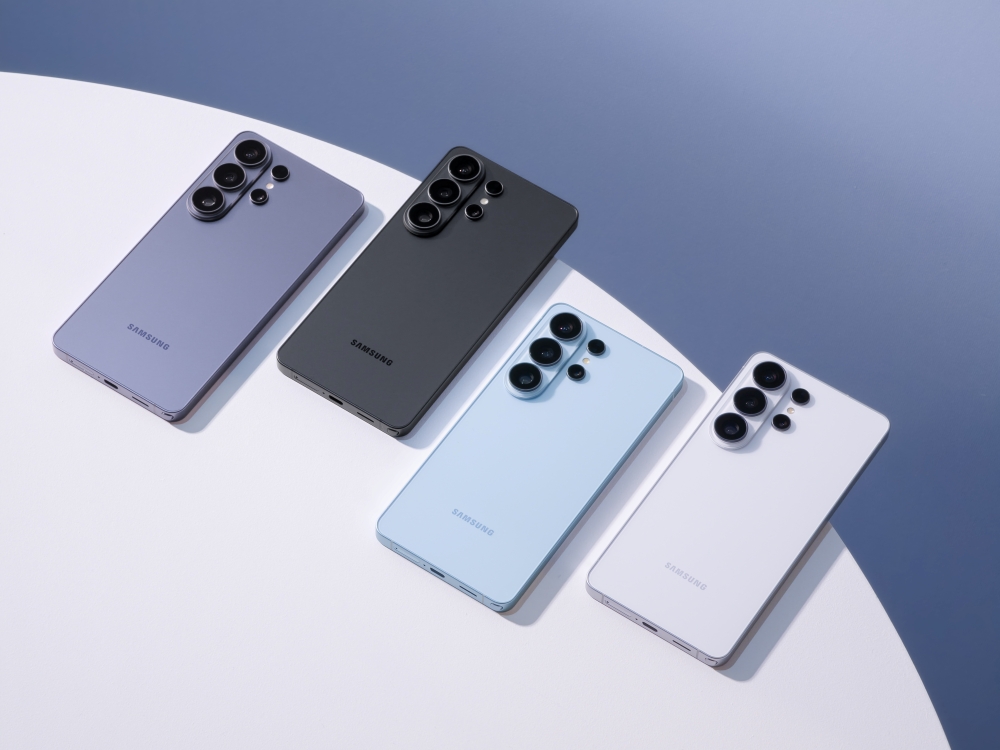
1. Samsung Galaxy S26 Ultra
The Galaxy S26 Ultra is Samsung’s most powerful and one of the best Android phones in the market. While it’s a little costlier than the Vivo X300 Pro, the pricing gap narrows with bank discounts and other offers clubbed together.
The Galaxy S26 Ultra comes with a larger 6.9-inch LTPO screen and the newly introduced Privacy Display feature, which allows users to keep their screen content visible only to them while obscuring it from others. The device is protected by Gorilla Glass Victus 2 on both sides.
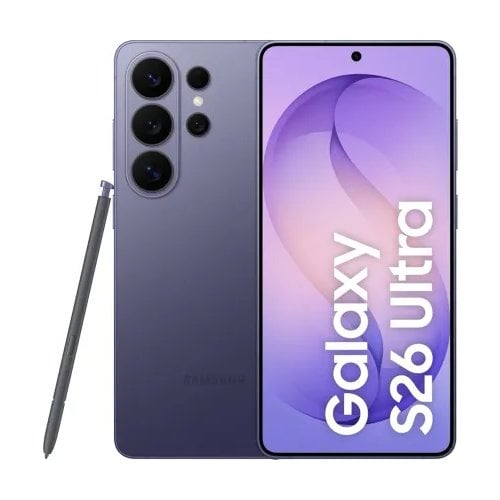
The Samsung phone is powered by the Snapdragon 8 Elite Gen 5 processor, which delivers better gaming performance and stability than the Dimensity 9500 on the Vivo X300 Pro. Furthermore, it also provides two additional major OS updates.
Around the back, the S26 Ultra has a superior quad-camera setup, led by a 200MP primary sensor. Other sensors include a 10MP telephoto lens with 3x optical zoom, a 50MP telephoto lens with 5x optical zoom, and a 50MP ultrawide unit. It has a 12MP front-facing camera.
The 5,000mAh battery and 60W wired/25W wireless charging support are weak links here compared to the Vivo X300 Pro, but the Samsung phone easily lasts a day, and a full charge takes about an hour.
Samsung Galaxy S26 Ultra specs:
| Display | 6.9″ Dynamic LTPO AMOLED 2X 1440 x 3120 pixels resolution 120Hz, HDR10+, 2600nits (peak) |
| Processor | Qualcomm Snapdragon 8 Elite Gen 5 (3 nm) |
| Software | Android 16, up to 7 major Android upgrades |
| Rear camera | 200MP (wide) 10MP (telephoto), 3x optical zoom 50MP (periscope telephoto), 5x optical zoom 50MP (ultrawide), 120˚ field of view |
| Front camera | 12MP |
| Battery | 5000mAh |
| Charging | 60W (wired) 25W (wireless) 4.5W (reverse wireless) |
| Connectivity | Wi-Fi 7, Bluetooth 6.0, USB Type-C 3.2, NFC |

2. Google Pixel 10 Pro
If software experience, cameras, and AI features matter to you more than anything else, the Pixel 10 Pro delivers big. It offers the absolute best Android experience without the bloatware common among Chinese brands. Further, the Pixel 10 Pro promises two additional major OS upgrades and gets additional features via Pixel feature drops.
The Pixel smartphone features a high-end triple camera setup on the back, which includes a 50MP primary camera, a 48MP periscope telephoto lens with 5x optical zoom, and a 48MP ultrawide unit. The 42MP selfie camera also takes excellent shots.

While the Tensor G5 doesn’t deliver flagship-grade gaming performance, it’s more optimized towards on-device AI features and personal intelligence. The Pixel 10 Pro offers a range of AI features to automatically pull contextual details when you need them, enhance zoom shots, translate voice calls in real-time, and more features that are helpful in everyday life.
The Pixel 10 Pro features a 6.3-inch LTPO OLED screen, UWB support, and a 4870mAh battery with support for 30W wired and 15W wireless charging.
Google Pixel 10 Pro specs:
| Display | 6.3″ LTPO AMOLED 1280 x 2856 pixels resolution 120Hz, HDR10+, 3300nits (peak) |
| Processor | Google Tensor G5 (3 nm) |
| Software | Android 16, up to 7 major Android upgrades |
| Rear camera | 50MP (wide) 48MP (periscope telephoto), 5x optical zoom 48MP (ultrawide), 123˚ field of view |
| Front camera | 42MP |
| Battery | 4870mAh |
| Charging | 30W (wired) 15W (wireless) Reverse wired |
| Connectivity | Wi-Fi 7, Bluetooth 6.0, USB Type-C 3.2, NFC |
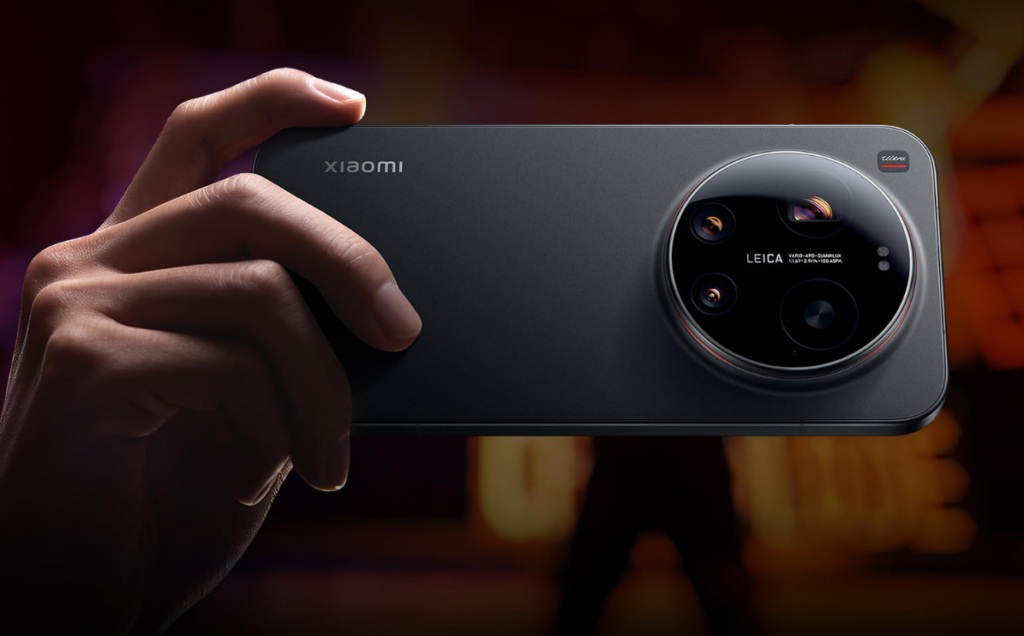
3. Xiaomi 17 Ultra
Xiaomi 17 Ultra (review) is another ultra-premium smartphone with a giant circular camera setup and excellent hardware. Compared to the Vivo X300 Pro, it has a slightly larger AMOLED screen and a more powerful Snapdragon 8 Elite Gen 5 chipset.
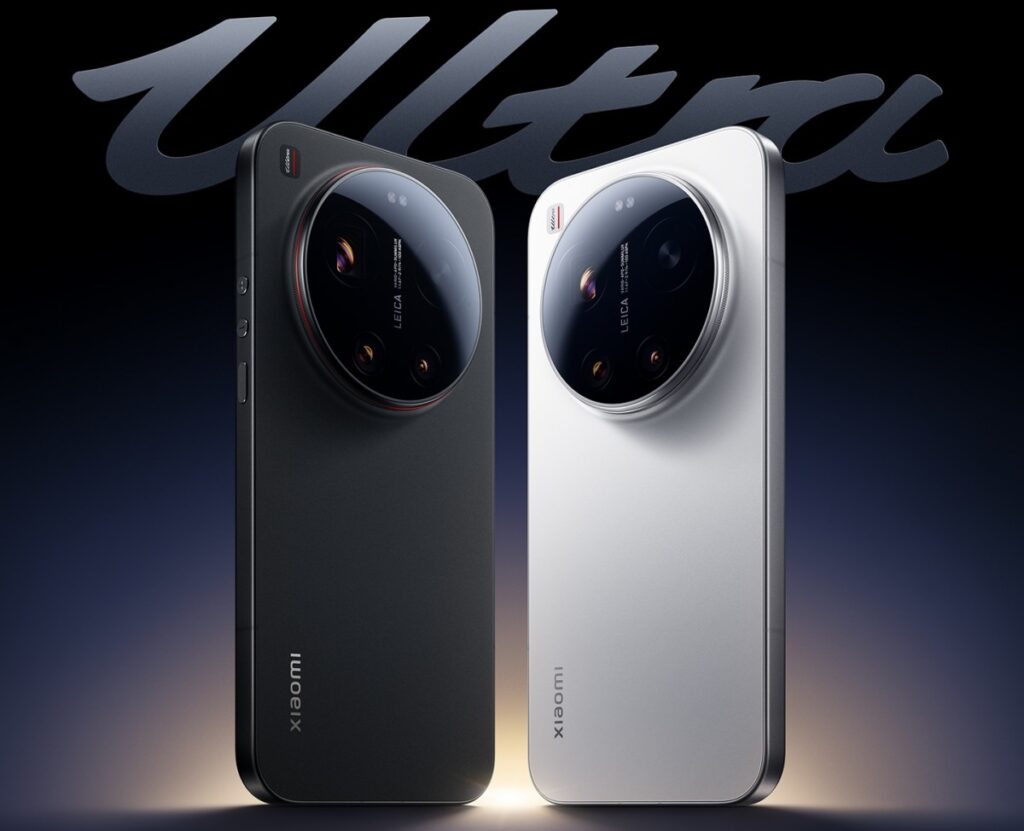
The triple rear camera setup includes a 50MP primary camera, a 200MP periscope telephoto lens with 4.3x continuous optical zoom, and a 50MP ultrawide camera. And, it has a 50MP selfie camera. The Xiaomi 17 Ultra packs a 6000mAh battery with support for 90W wired and 50W wireless charging. It also supports reverse wired and reverse wireless charging to power up your accessories.
Xiaomi 17 Ultra specs:
| Display | 6.9″ LTPO AMOLED 1200 x 2608 pixels resolution 120Hz, HDR10+, Dolby Vision, 3500nits (peak) |
| Processor | Qualcomm Snapdragon 8 Elite Gen 5 (3 nm) |
| Software | Android 16, up to 5 major Android upgrades |
| Rear camera | 50MP (wide) 200MP (periscope telephoto), 3.2-4.3x continuous optical zoom 50MP (ultrawide), 115˚ field of view |
| Front camera | 50MP |
| Battery | 6000mAh |
| Charging | 90W (wired) 50W (wireless) 22.5W (reverse wired) 10W (reverse wireless) |
| Connectivity | Wi-Fi 7, Bluetooth 6.0, USB Type-C 3.2 Gen 2, NFC |
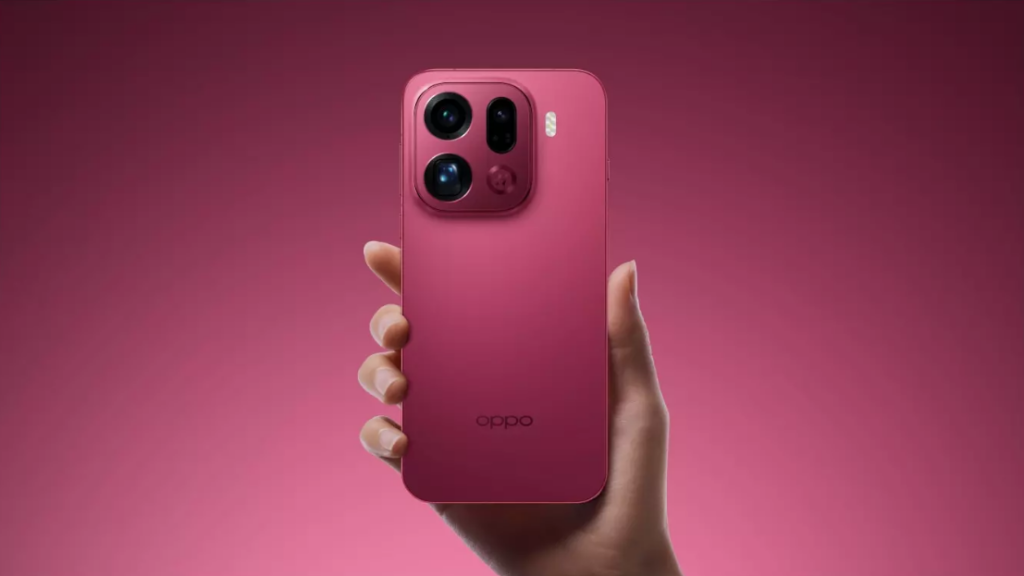
4. Oppo Find X9 Pro
The Find X9 Pro’s spec sheet closely matches the Vivo X300 Pro’s. Both have 6.78-inch LTPO AMOLED screens, Dimensity 9500 chips, and promise five major Android OS updates. The camera specs are also largely similar (50MP primary + 200MP periscope telephoto + 50MP ultrawide), except for a slightly lower optical zoom on the Find X9 Pro. The selfie camera has a 50MP resolution on both phones.
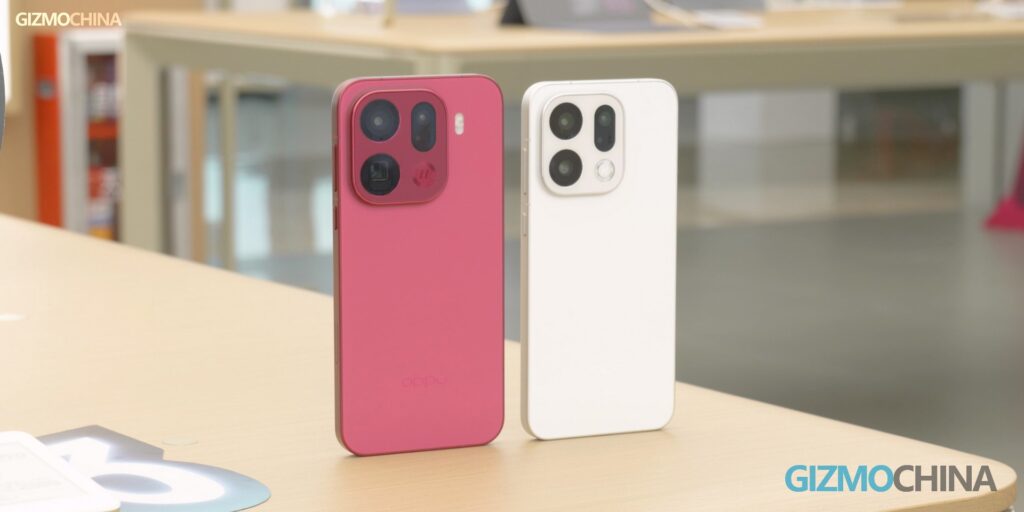
The Oppo Find X9 Pro (review) packs a larger 7500mAh battery and supports 80W wired charging, 50W wireless charging, and 10W reverse wireless charging.
Oppo Find X9 Pro specs:
| Display | 6.78″ LTPO AMOLED 1272 x 2772 pixels resolution 120Hz, HDR10+, Dolby Vision, HDR Vivid, 3600nits (peak) |
| Processor | MediaTek Dimensity 9500 (3 nm) |
| Software | Android 16, up to 5 major Android upgrades |
| Rear camera | 50MP (wide) 200MP (periscope telephoto), 3x optical zoom 50MP (ultrawide), 120˚ field of view |
| Front camera | 50MP |
| Battery | 7500mAh |
| Charging | 80W (wired) 50W (wireless) 10W (reverse wireless) |
| Connectivity | Wi-Fi 7, Bluetooth 6.0, USB Type-C 3.2, NFC |
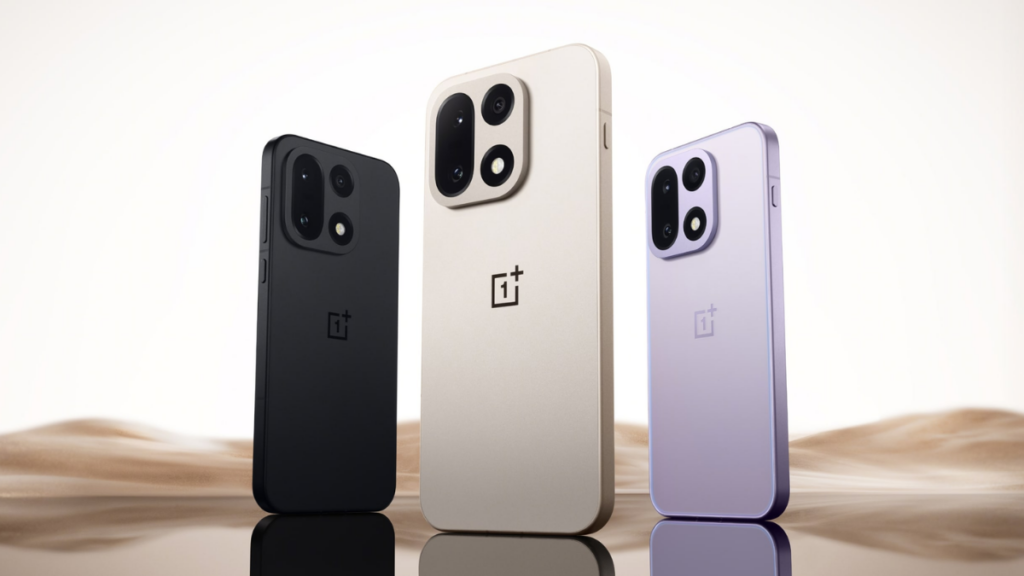
5. OnePlus 15
The OnePlus 15 is much more affordable than the Vivo X300 Pro, but still outperforms the Vivo phone in several aspects. It’s got a more powerful Snapdragon 8 Elite Gen 5 processor, and a bigger 7300mAh battery with faster 120W wired and 50W wireless charging.
While the OnePlus 15 features the same 6.78-inch LTPO AMOLED screen, it excels by offering a higher 165Hz refresh rate. Coming to the cameras, the rear setup includes a 50MP primary camera, a 50MP periscope telephoto lens with 3.5x optical zoom, and a 50MP ultrawide shooter. There’s a 32MP front-facing camera for selfies and video calls.
OnePlus 15 specs:
| Display | 6.78″ LTPO AMOLED 1272 x 2772 pixels resolution 165Hz, HDR10+, Dolby Vision, HDR Vivid, 1800nits (HBM) |
| Processor | Qualcomm Snapdragon 8 Elite Gen 5 (3 nm) |
| Software | Android 16, up to 4 major Android upgrades |
| Rear camera | 50MP (wide) 50MP (periscope telephoto), 3.5x optical zoom 50MP (ultrawide), 116˚ field of view |
| Front camera | 32MP |
| Battery | 7300mAh |
| Charging | 120W (wired) 50W (wireless) 10W (reverse wireless) 5W (reverse wired) |
| Connectivity | Wi-Fi 7, Bluetooth 6.0, USB Type-C 3.2, NFC |


Comments