Advertisement

Belkin’s Thunderbolt 5 Dock vs Asus’s 11-Port USB-C Dock: Which One Actually Fits Your Desk?

If you’ve been thinking of shopping for a docking station lately, you’ve probably noticed the category has split into two different segments. On one side, there are flagship Thunderbolt 5 docks built for people who edit video, run multiple 4K monitors, and need as much bandwidth as possible. On the other hand, there are small, low-cost USB-C hubs meant to connect a laptop to a monitor and a few accessories at minimal expense. 

The Belkin Connect Thunderbolt 5 Dock and Asus’s Adol HC112 sit on opposite ends of that split. We will compare the two models in this article.

1. What the Belkin Connect Thunderbolt 5 Dock offers

The Belkin Connect Thunderbolt 5 Dock is built for people who use their laptop as a desktop replacement. It packs 14 ports into one aluminum body and connects to your laptop through a single Thunderbolt 5 cable, which Belkin includes in the box along with an 180W power adapter. 

The Thunderbolt 5 dock offers 80Gbps of standard throughput, and can boost that to 120Gbps when it senses you’re pushing high-resolution or high-refresh displays. For video, you get one DisplayPort 2.1 port and one HDMI 2.1 port, both capable of 8K at 60Hz or 4K at 240Hz. Plug into a Thunderbolt 5 Windows laptop, and you can run three external 4K displays at 144Hz each, or mix and match up to four screens total. 

As for MacBooks, those powered by M1 through M3 chips are capped at one external display, while M1 Pro and newer chips support two.

Moreover, the dock can send up to 140W back to your laptop for top-ups, and the two downstream Thunderbolt 5 ports each supply 15W for smaller accessories. You also get 2.5Gb Ethernet, so wired networking doesn’t eat into your USB bandwidth. 

Belkin has priced the dock around $338 to $358 depending on the market. A thing to note is that it’s not backward compatible with Thunderbolt 3. It works with Thunderbolt 4, USB4, and standard USB-C laptops, but bandwidth and display capability drop as you step down the standards ladder, and Thunderbolt 3 gear is locked out entirely.

2. What you get with the Asus dock

Unlike Belkin, the Adol HC112 dock from Asus is built for a different purpose. The company designed it as a laptop bag accessory rather than a workstation anchor. It measures 116 x 48 x 15mm and weighs just 81 grams, small enough to fit into a laptop sleeve without adding noticeable bulk. The aluminum alloy shell also functions as a heat sink, and the cable is braided for added durability.

Despite the tiny footprint, Asus crammed 11 ports in here. You get HDMI and DisplayPort 1.4 for video with resolutions as high as 8K at 30Hz or 4K at 120Hz over HDMI. There’s even a 1080p mode that runs at 240Hz for anyone gaming off an external monitor. 

The data transfer speed reaches up to 10Gbps thanks to a USB 3.2 port, and the dock also includes SD and microSD card readers. You also get a 3.5mm audio jack and a dedicated USB-C PD input that passes through up to 100W to keep your laptop charged while everything else stays plugged in.

The HC112 works without drivers across Windows, macOS, Linux, Android, and iPadOS, as long as your device has a full-function USB-C port. 

The dock launched for 329 yuan, or around $48. That’s a fraction of what Belkin charges, and it puts the HC112 closer to accessory pricing than dock pricing.

3. So which one should you buy?

These two docks aren’t really competing for the same buyer. The Belkin Connect Thunderbolt 5 Dock suits someone who has a Thunderbolt 5 laptop and wants to turn it into a full workstation. It costs more, but it also handles serious creative or engineering workloads without becoming a bottleneck.

The Asus dock suits someone who just needs their laptop to reach a couple of monitors and a handful of peripherals without carrying a pile of adapters. It won’t match Thunderbolt speeds, and its charging output tops out well below what a high-power laptop needs under heavy load, but for everyday use, it covers the basics at a fraction of the price and bulk.

For more daily updates, please visit our News Section.

Stay ahead in tech! Join our Telegram community and sign up for our daily newsletter of top stories!
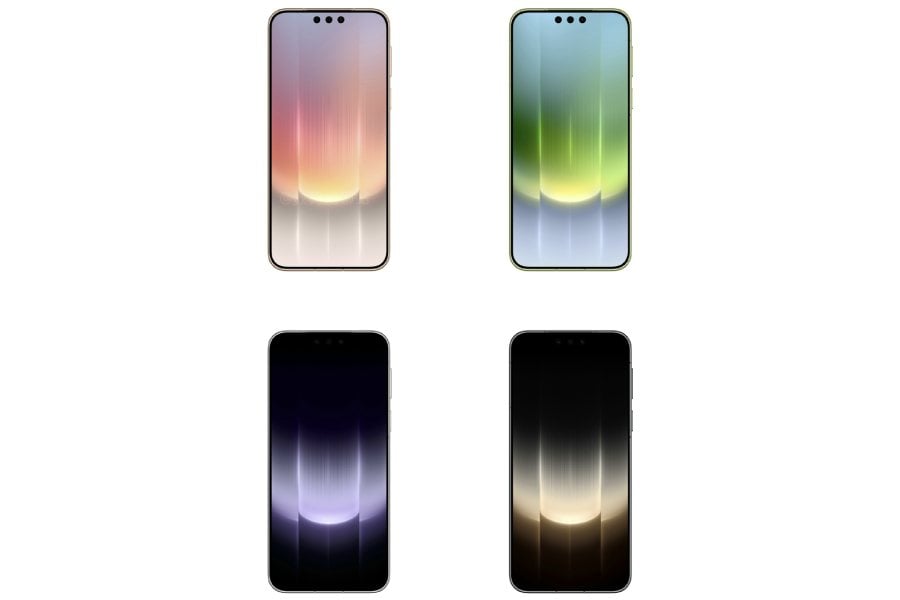
Honor 700 may feature a 1.7-inch rear display; 12,000mAh phone also in the works

Honor has just launched the futuristic Robot Phone in China and is scheduled to launch its next flagship, the Magic 9 series, on September 28 in the country. Apart from the Magic 9 lineup, the brand is said to be working on several other smartphones, and recent Weibo posts by reliable tipster Digital Chat Station give an idea of what to expect from them.

Honor phone with rear display in the making

According to DCS, Honor is reportedly evaluating a native rear-display design for a slim, camera-focused smartphone. The secondary screen is said to measure around 1.7 inches, while the flagship line is currently not expected to adopt this design.

While he has not specified the name of the device, the upcoming Honor 700 series may feature this rear display. Based on previous release patterns, the 700 lineup may break cover in November or December this year in China.

In a separate Weibo post, DCS mentioned that Honor is said to have started trial production of a new battery with a rated capacity of 11,790mAh and a rated energy of 43.86Wh. Its typical capacity is expected to be around 12,000mAh, making it another ultra-large battery being tested by the company.

The tipster has not revealed which upcoming Honor phone will use it, but there is a possibility that it may power the upcoming Honor Power 3, which may break cover by early 2027. This phone is expected to feature the next-generation 3nm Dimensity 8600 chip.

Honor’s wide foldable phone in the works

DCS also claims that Honor is exploring a wide-screen foldable, although the project has reportedly not entered formal development yet. If approved, the company is considering a larger-screen version, as the two existing wide foldable phones on the market reportedly feature displays in the 6.3- to 6.4-inch range. Previous reports have claimed that it will pack a 20-megapixel main camera, a Snapdragon 8 Elite Gen 6 chip, and a 7,000mAh battery.

Apart from these devices, Honor is said to be accelerating the launch of the Win 2 series of gaming-focused phones. It is speculated that the Win 2 models may debut as early as October in China.

For more daily updates, please visit our News Section.

Stay ahead in tech! Join our Telegram community and sign up for our daily newsletter of top stories!
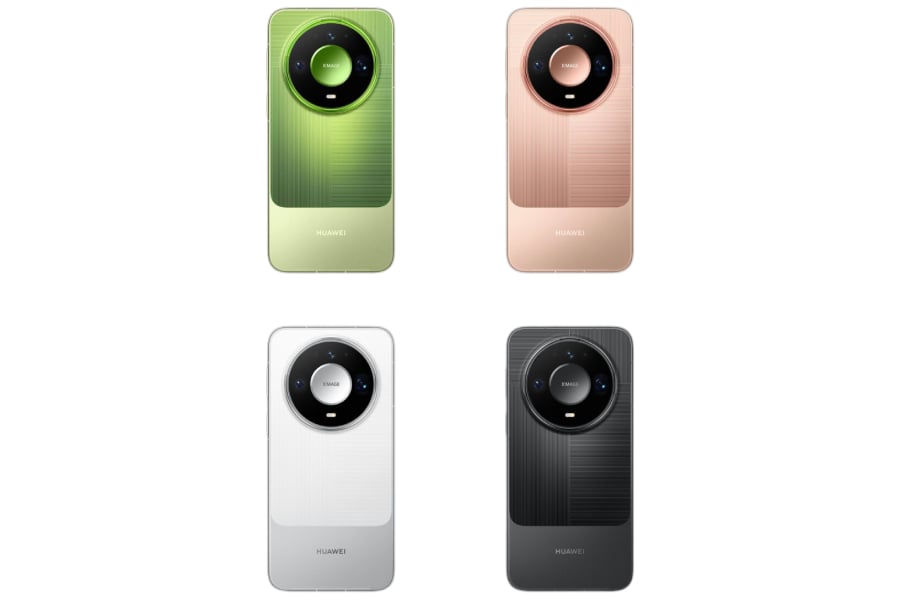
Vivo S50t Vitality Edition launches with Snapdragon 8s Gen 3, 6,500mAh battery, 50MP periscope camera

Vivo unveiled the S60 and S60 Vitality Edition in May, but the company has now unexpectedly launched a device from the previous S50 generation. The new Vivo S50t Vitality Edition joins an already expanded S50 lineup, which comprises of models, such as the Vivo S50, S50t, and S50 Pro Mini. Read on to know what the new model offers.

Vivo S50t Vitality Edition specifications and features

Vivo S50 Vitality Edition-
Vivo S50 Vitality Edition

The Vivo S50t Vitality Edition features a 6.59-inch AMOLED display with a 2750 x 1260-pixel resolution, 120Hz refresh rate and support for a 2000Hz instantaneous touch sampling rate. It is powered by the Snapdragon 8s Gen 3 chipset, paired with 12GB of and up to 512GB of storage.

For photography, the phone has a 50-megapixel front camera with autofocus. The rear setup consists of a 50-megapixel primary camera with OIS, an 8-megapixel ultra-wide camera and a 50-megapixel periscope telephoto camera with OIS. The telephoto camera supports up to 100x digital zoom.

Vivo S50t Vitality Edition

The phone packs a 6,500mAh battery with support for 90W wired charging. It does not support wireless charging, while reverse charging is available through USB Type-C. The device runs OriginOS 6 based on Android 16 and features an ultrasonic fingerprint recognition and face unlock.

It measures 157.52 x 74.33mm, while its thickness ranges from 7.49mm to 7.59mm depending on the color. The phone weighs up to 197 grams.

Vivo S50t Vitality Edition price and availability

Vivo S50t Vitality Edition

The Vivo S50t Vitality Edition is available in Space Black, Inspiration Purple, Confession White and Serene Blue. The 12GB+256GB model is priced at 3,299 Yuan (~$490), while the 12GB+512GB version costs 3,599 Yuan (~$535).

To recall, the Vivo S50t was almost identical to the Vivo S50, with the main storage difference being UFS 3.1 instead of UFS 4.1. The new S50t Vitality Edition takes things a step further with LPDDR5 RAM instead of the LPDDR5X memory used on both the S50 and S50t, while retaining the rest of the core specifications.

For more daily updates, please visit our News Section.

Stay ahead in tech! Join our Telegram community and sign up for our daily newsletter of top stories!
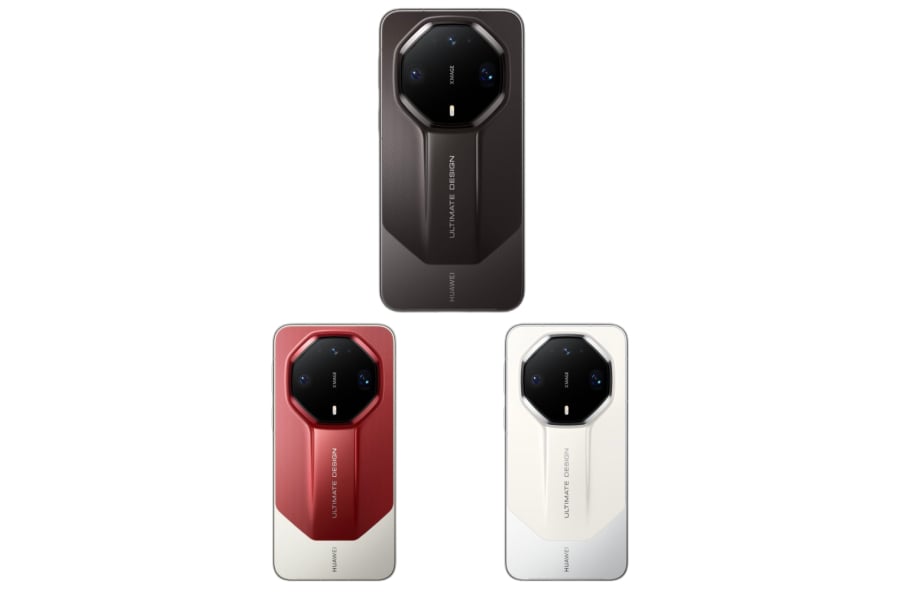
Vivo X500 Pro Max’s fast charging speed revealed via 3C certification

Last month, the Vivo X500 Pro Max’s global version bearing the model number V2610 was spotted on Indonesia’s TKDN certification platform. In a new development, its Chinese edition has also bagged an important certification, suggesting that it could be scheduled for a launch in September.

Vivo X500 Pro Max 3C certified

Vivo X500 Pro Max 3C certified

The above image reveals that a new Vivo phone with model number V2602DA has been approved by China’s 3C authority. The 3C listing reveals three things about the device, including support for the n79 band, BeiDou satellite communication, and 90W fast charging.

Vivo X500 Pro Max specifications (rurmoed)

As per other reports, the Vivo X500 Pro Max is said to house a 6.85-inch OLED 2K LTPO display with support for a 144Hz refresh rate. It will be powered by the 2nm Dimensity 9600 Pro chip and a massive 8,000mAh battery. Apart from 90W charging, it is expected to support 40W or 50W wireless charging.

On the front, it may feature a 50-megapixel selfie camera with autofocus support. Its back panel could be equipped with a 50-megapixel Sony LYT-838 primary camera with a large 1/1.28-inch sensor and LOFIC technology, a new 50-megapixel Sony IMX8-series ultra-wide camera, and a 200-megapixel periscope telephoto camera with a 1/1.4-inch sensor and an 85mm focal length.

It is expected to arrive with other features, such as OriginOS 7-based Android 16, an ultrasonic in-screen fingerprint sensor, and an IP68/69-rated body.

In related news, the 3C authority has also approved two more Vivo phones with model numbers V2606A and V2609A. These are believed to be the iQOO 16 and Vivo X500 Pro, respectively.

For more daily updates, please visit our News Section.

Stay ahead in tech! Join our Telegram community and sign up for our daily newsletter of top stories!

Honor Magic 9 series officially set to launch on September 28, 2nm chip, ARRI imaging expected

Honor has confirmed the launch date for its next flagship smartphone series, with the Honor Magic 9 lineup scheduled to arrive in September. The company has also teased major upgrades in performance, imaging and AI. Here is what to expect from the upcoming flagship series.

Honor Magic 9 series: 2nm chip and ARRI imaging           

Honor CEO Li Jian confirms Magic 9 series launch date

After the Robot Phone launch event, Honor CEO Li Jian confirmed that the Magic 9 series will officially debut on September 28 in Beijing. The company has also opened early reservations for the upcoming flagship lineup.

The Magic 9 series is expected to be among the first smartphones powered by Qualcomm’s next-generation Snapdragon 8 Elite Gen 6 flagship platform based on a 2nm manufacturing process. This could make the series one of the earliest Android flagships to enter the 2nm era, with improvements expected in performance, power efficiency and on-device AI capabilities.

According to Digital Chat Station, the Magic 9 series is tipped to feature a 200-megapixel primary camera with a 1/1.28-inch sensor, an f/1.57 aperture and 3-degree optical image stabilization. It is also expected to carry a 200-megapixel periscope telephoto camera with a 1/1.4-inch sensor and f/2.6 aperture.

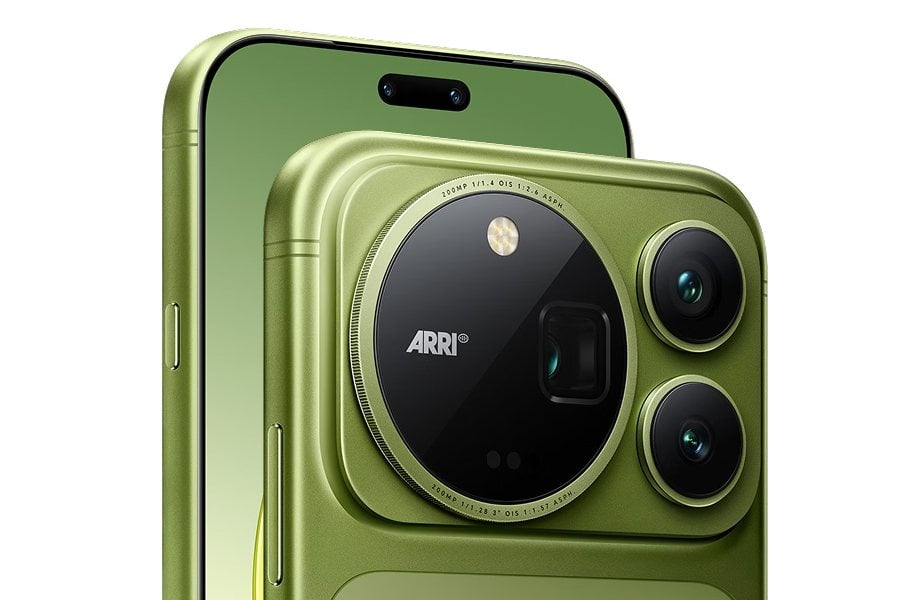
Honor has partnered with German professional imaging company ARRI for the series. The collaboration is expected to bring features such as ARRI LogC3, ARRI Look and an ARRI movie mode, with the focus extending to both photography and video recording.

Honor Magic 9 camera module
Honor Magic 9 series’ official teaser

The Magic 9 series is expected to feature a 6.8-inch 1.5K LTPO 2.5D flat display. Other reported specifications include a large battery with a capacity expected to start with an 8, alongside fast wireless charging, 3D facial recognition and 3D ultrasonic fingerprint scanning.

Finally, the lineup is expected to include at least three models, namely the Magic 9, Magic 9 Pro, and Magic 9 Pro Max.

For more daily updates, please visit our News Section.

Stay ahead in tech! Join our Telegram community and sign up for our daily newsletter of top stories!
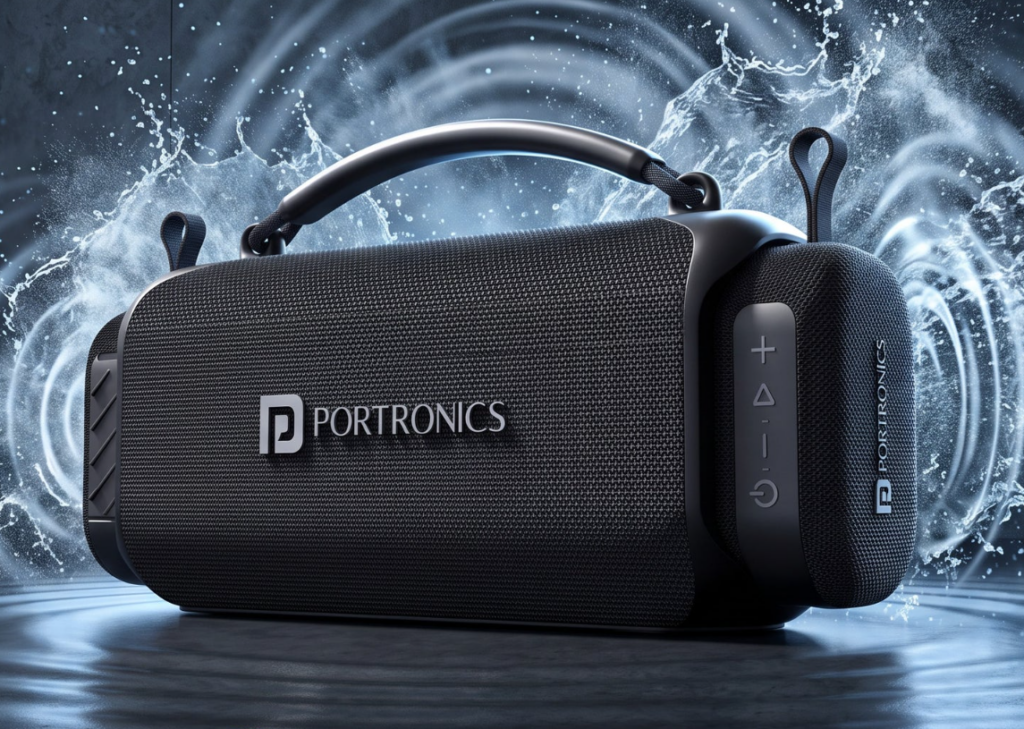
Xiaomi officially hints at wide foldable as HyperOS 4 beta rolls out to first devices

Xiaomi has started rolling out the first beta version of HyperOS 4, bringing improvements focused on system performance, usability and artificial intelligence. The update also offers an early glimpse of Xiaomi’s much-rumoured wide foldable phone, which appeared in the company’s HyperOS 4 interface showcase. Continue reading ahead to know more in detail.

Xiaomi HyperOS 4: Performance and AI upgrades

XIaomi HyperOS 4
XIaomi HyperOS 4

HyperOS 4 is built around two main areas, with Xiaomi focusing on smoother everyday operation and more useful AI features. The company has added two technologies to its Xiaomi HyperCore architecture, namely load calculation and memory preloading. These changes are designed to manage system resources more efficiently and reduce the workload associated with frequently used functions.

Xiaomi has also created a new HyperOS application runtime environment. The company says optimization has been carried out across both the core system and application layers, particularly for the desktop and some frequently used applications. The changes are aimed at improving animation performance and making everyday interactions feel more responsive.

AI is another major part of HyperOS 4. Xiaomi has introduced Super XiaoAi 2.0, which integrates the company’s Xiaomi MiMo large language model. The upgraded assistant gets improved task planning and content generation capabilities, along with optimisation for scenarios involving multiple applications and devices.

Xiaomi HyperOS 4: Beta devices and rollout

Xiaomi wide foldable hint-

The first HyperOS 4 beta recruitment has opened for the following devices:

  • Xiaomi 17 Ultra
  • Xiaomi 17 Ultra Leica Edition
  • Xiaomi 17 Pro Max
  • Xiaomi 17 Pro
  • Xiaomi 17
  • Redmi K90 Pro Max
  • Redmi K90 Pro Max Champion Edition
  • Redmi K90
  • Xiaomi Pad 8 Pro
  • Xiaomi Pad 8
Xiaomi wide foldable hint

Xiaomi has also showcased an unannounced wide foldable phone while demonstrating HyperOS 4’s interface across different screen formats. The device appears to have a wider inner display and dedicated software optimisation for its foldable design.

What do you think about Xiaomi HyperOS 4 and which of its new features interests you the most?

For more daily updates, please visit our News Section.

Stay ahead in tech! Join our Telegram community and sign up for our daily newsletter of top stories!

Portronics launches Toad Fold wireless mouse that folds down for easy travel

Indian accessories brand Portronics has released a new wireless mouse aimed at people who frequently work on the go. The Toad Fold is a rechargeable mouse that collapses into a flatter shape, making it easier to pack into a laptop sleeve or backpack without creating an awkward bulge.

Portronics Toad Fold

Portronics Toad Fold Specifications

Travel mice usually force buyers to choose between a flat design that fits easily in a bag but is uncomfortable to use for long periods, or a standard curved shape that is comfortable but bulky to carry. The Toad Fold addresses this by using a hinged design.

It’s a familiar concept, similar to what Microsoft has done with its Arc mice in the past, but Portronics is bringing the idea to a much lower price point. When in use, the Toad Fold snaps open into a standard curved profile with a matte black finish to support the palm. When you are done working, it folds down to significantly reduce its vertical height.

Portronics Toad Fold

For connectivity, the mouse supports both Bluetooth and a 2.4GHz wireless connection via a standard USB dongle. It also features multi-device pairing. This means you can connect it to a laptop, a desktop, and a tablet, and switch between them without needing to re-pair the device each time. Portronics says that it is compatible with Windows, macOS, and Android.

The optical sensor includes an adjustable DPI switch located on the mouse. You can toggle between 1200, 1600, 2400, and 3200 DPI. That range is standard for this category and is entirely adequate for general office work, web browsing, and basic photo editing, though it isn’t intended for precision tasks like competitive gaming.

The Toad Fold has a built-in battery that charges over USB-C. It also includes an auto-sleep feature that powers down the mouse after a period of inactivity to preserve battery life.

Portronics Toad Fold

Pricing and Availability

The Portronics Toad Fold is available now in India. While it carries a maximum retail price of Rs. 1,999 ($20), it is currently selling for an introductory launch price of Rs. 899 ($9). It can be purchased directly from the Portronics website, as well as through Amazon India, Flipkart, and standard offline retail stores.

In related news, Lenovo has recently launched a new budget tablet with an 8-inch IPS display, 4G, and a 5,000mAh battery, while Xgimi has launched the Z9X 4K High Brightness Edition projector with an RGB laser, 120Hz mode, and 1ms latency.

For more daily updates, please visit our News Section.

Stay ahead in tech! Join our Telegram community and sign up for our daily newsletter of top stories!

Google launches Pixel Watch 5 with Gemini AI and new health tracking features

Google has introduced the Pixel Watch 5. This year, the smartwatch is available in two sizes: the standard 41mm and a new 45mm option. The device runs on Wear OS 7 and incorporates Gemini Intelligence for on-device processing, daily tasks, and health tracking.

Google Pixel Watch 5

Google Pixel Watch 5 Specifications

The watch uses a Qualcomm Snapdragon W5 Gen 2 Accelerated processor and a Cortex-M55 co-processor. Google increased the RAM by 50%, which the company says provides a 20% performance increase over the previous generation. The display is an AMOLED LTPO panel with a 1-60Hz adaptive refresh rate.

It has a peak brightness of 3,000 nits for outdoor visibility and a minimum brightness of 1 nit for the always-on display. The casing is made from recycled aluminum, and the screen uses custom 3D Corning Gorilla Glass 5. Base storage is set at 64GB, and the device includes Gen 3 Premium haptics, NFC, and a built-in microphone and speaker.

🔌 You’ll NeedThe Pixel Watch 5 uses swappable bands, so a spare band lets you switch styles without buying a new watch. Check Pixel Watch 5 replacement band price on Amazon →
Google Pixel Watch 5

Gemini is integrated directly into Wear OS 7. You can activate the assistant by lifting your wrist using the Raise to Talk feature. Basic commands like setting timers, pulling up emails, or starting workouts are processed on the watch. This allows you to work without an internet connection and reduces response times. The watch also uses Gemini to surface contextual information, such as flight boarding passes or upcoming calendar events, directly on the watch face.

Health and fitness tracking includes several updates. Along with standard features like an ECG app for AFib detection, SpO2 monitoring, and heart rate variability, Google added a body-response feature to help identify physical signs of stress.

Google Pixel Watch 5

For location tracking, the Pixel Watch 5 includes dual-frequency GPS. It uses 3D building models and local weather data to maintain a signal in cities and wooded areas. Google plans to release software updates in September 2026 that will track blood pressure trends and monitor for signs of insulin resistance using the watch’s sensors.

Additionally, a new Breathing Emergency Detection tool, launching first in Europe, will monitor for severe drops in blood oxygen and automatically contact emergency services if the wearer becomes unresponsive.

The 41mm model has a 332mAh battery, which Google estimates will last up to 30 hours with the always-on display turned on. The 45mm model has a 465mAh battery, estimated at up to 40 hours. Both versions can charge to 50% in about 15 minutes using the included dock.

Google Pixel Watch 5

Pricing and Availability

The Pixel Watch 5 is available for pre-order today and will hit store shelves on August 20. In the US, the 41mm model starts at $399 for the Wi-Fi version and $499 for LTE, while the 45mm model is priced at $429 for Wi-Fi and $529 for LTE. In India, the 41mm model is priced at Rs. 42,990, and the 45mm model costs Rs. 45,990.

At the event, the company has also launched the Pixel 11, Pixel 11 Pro, Pixel 11 Pro XL, and Pixel 11 Pro Fold.

For more daily updates, please visit our News Section.

Stay ahead in tech! Join our Telegram community and sign up for our daily newsletter of top stories!

(Google)

iQOO Z11S teaser confirms 2K 144Hz display with 2,000-nit full-screen brightness

The iQOO Z11S is being positioned as a practical device focused on visual experience and long battery life. The full reveal is set for August 18 in China.

Latest teasers confirm the phone will come with a 2K 144Hz panel with support for 2160Hz high-frequency PWM dimming and full-brightness DC dimming. These eye-protection features are aimed at reducing fatigue during long reading, video or gaming sessions. The phone has reportedly earned SGS eye-comfort certification for low blue light and low flicker.

For gamers, the company has also added its own touch optimisations to cut motion blur and improve responsiveness. The display hits 2000 nits of peak brightness across the whole panel, which should help outdoors.

The other big talking point is the battery. The Z11S will pack a 10,000mAh battery, the largest iQOO has ever put in a phone. It’s a single-cell design developed together with CATL. Previously reported endurance numbers look strong: around 17 hours of continuous navigation, 32 hours of WeChat voice calls, 29 hours of short-video playback, and about 14.6 hours of mainstream mobile gaming.

In a simulated full-day intensive student-style use case (daytime messaging, standby and music, then evening gaming, video and calls for a total of 16 hours), the battery reportedly had 57% left. That should comfortably support multi-day use under normal loads. Charging is expected to support 44W with common protocols, though the full official confirmation is still pending the launch event.

A Geekbench listing for a related model (V2603A) suggest a MediaTek Dimensity 7500-series chipset running Android 16 with at least 12GB of RAM, which points to solid mid-range performance that should pair well with the large battery. Colour options and a dual rear-camera setup (including a 50MP main sensor in some reports) have also shown up in promotional material. The Z11S is expected to launch alongside the higher-positioned Neo 11 Ultra series in China.

Don’t miss a thing! Join our Telegram community for instant updates and grab our free daily newsletter for the best tech stories!

For more daily updates, please visit our News Section.

Sources: iQOO on Weibo (1), (2)

Google’s Pixel Tag is here, and it finally gives Android a real AirTag rival

Google used tonight’s Made by Google event to launch its first item tracker, the Pixel Tag, alongside the new Pixel 11 series. If you’ve been waiting for an official Google-made alternative to Apple’s AirTag, this is it.

The Pixel Tag comes in a single color, Fog, with a metal front and a polycarbonate back. It measures 28 x 46.1 x 5.4 mm and weighs 11.8 grams with the battery installed and 8.8 grams without it. The front carries the Google G logo, with a small speaker sitting just below it.

Google Pixel Tag Launch Specs Price

Flip it over, and you’ll find a plastic back cover that pops open to reveal the battery compartment. Google went with a user-replaceable CR2032 button battery, so you won’t need to buy a whole new tag once it runs low. One battery should last you more than a year before you have to swap it out.

🔌 You’ll NeedThe Pixel Tag uses a user-replaceable CR2032 battery, so a spare pack saves a mid-year swap scramble. Check CR2032 battery 4-pack price on Amazon →

What’s inside Pixel Tag?

Inside, the Pixel Tag packs a built-in accelerometer and supports ultra-wideband (UWB) tracking. The built-in speaker also lets you trigger an audible alert to help you zero in on the tag once you’re close. For durability, the Pixel Tag carries an IP67 rating, so it can survive a dunk in up to 1 meter of water for 30 minutes without issue.

Google Pixel Tag Connectivity

You’ll need a phone running Android 9 or later just to use the Pixel Tag. But if you want Bluetooth Channel Sounding, your phone needs Android 16 or later and Bluetooth 6.0 support. Bluetooth Channel Sounding does a similar job to UWB but trades some precision for lower power use: UWB gets you within centimeters, while Bluetooth Channel Sounding lands you within roughly 0.3 to 0.5 meters.

The Google Pixel Tag costs $29 for a single tracker or $99 for a four-pack. The company says it’s coming to markets across Asia, Europe, North America, and the Middle East. 

Google isn’t the first to chase this category. Xiaomi launched its own cross-platform tracker back in February, built to work with both Apple’s and Google’s networks.

For more daily updates, please visit our News Section.

Stay ahead in tech! Join our Telegram community and sign up for our daily newsletter of top stories!

How to Download Instagram Videos, Reels and Stories Without Any App on Android & iPhone

Instagram is one of the most popular platforms for sharing videos, Reels, Stories and photos, but downloading content from other users is not always straightforward. While Instagram provides official download options for some content uploaded by your own account, it does not offer a universal download button for every public post.

For publicly accessible content, browser-based Instagram downloaders offer an alternative without requiring users to install another app. These services generally work by processing a public Instagram URL and providing the available media file for download.

How to Download Instagram Videos and Reels Without an App

The process is similar on Android and iPhone. You only need the Instagram link, a web browser and a browser-based downloader to save Insta content.

Android and iPhone Step-by-Step Guide

Step 1: Open Instagram

Launch Instagram on your Android phone or iPhone and find the video, Reel, photo or post you want to save.

Step 2: Copy the Instagram Link

Tap the three-dot menu on the post and select Copy Link. For supported Stories, use the sharing options to copy the available link.

Step 3: Open Your Browser

Open Chrome on Android or Safari or Chrome on iPhone. You do not need to install a separate downloader app.

Step 4: Open the Instagram Downloader

Open a browser-based Instagram downloader such as SaveFromIns.

Step 5: Paste the Link

Paste the Instagram URL into the downloader’s input field.

Step 6: Tap Download

Select Download and wait for the service to process the public Instagram link.

Step 7: Choose the Quality

If multiple quality options are available, select the resolution you want. Higher-resolution files will generally take up more storage space.

Step 8: Save the File

On Android, the downloaded file will normally appear in the Downloads folder or file manager.

On iPhone, the file may initially be saved through the Files app. For compatible videos, you can use Share > Save Video to move the file to the Photos app.

How to Download Instagram Stories

Instagram Stories are designed to disappear after 24 hours, but publicly accessible Stories can generally be processed by browser-based tools while they are still available.

Open the Story you want to save and use the available sharing options to copy its link. Paste the link into the downloader and select the download option once the content has been processed.

The resulting video or image can then be saved to your device.

This method is intended for publicly accessible content. Private-account content should not be treated as publicly downloadable simply because an approved follower can view it.

How to Download Instagram Photos and Carousel Posts

The same browser-based method can be used for publicly accessible Instagram photos. Depending on the service, images are generally provided as JPG files that can be saved directly to the device.

Carousel posts can contain several photos and videos. These items may need to be downloaded individually rather than as one combined file.

The available quality depends on what Instagram makes accessible, so the downloaded file may not have the same quality as the creator’s original image or video.

How to Download Instagram Content on Windows and Mac

The process is also straightforward on a desktop computer.

Step 1: Open Instagram

Open Instagram in Chrome, Safari, Edge or another desktop browser.

Step 2: Find the Content

Open the video, Reel, photo or post you want to save.

Step 3: Copy the URL

Copy the URL directly from the browser’s address bar.

Step 4: Open the Downloader

Open the Instagram video download page in another tab.

Step 5: Paste the URL

Paste the Instagram URL into the download field.

Step 6: Download the File

Click Download and wait for the content to be processed.

Step 7: Choose the Quality

If different quality options are available, select the preferred resolution.

Step 8: Find the File

The downloaded file will normally appear in the computer’s Downloads folder.

Videos are generally provided as MP4 files, while images are commonly available as JPG files.

Instagram’s Official Download Options

Before using a third-party downloader, it is worth checking Instagram’s own download features.

Instagram provides options for downloading certain content uploaded by the account owner. Users can also save their own Stories before they expire.

Instagram also provides an account data-export feature that can provide an archive containing account information and media.

These official options are primarily designed for your own content. They do not provide a universal method for downloading content posted by other public accounts.

Content Type Support at a Glance

The table below provides a quick look at which Instagram content can be downloaded officially and which types may be accessible through a browser-based downloader.

Content TypeOfficial Instagram DownloadBrowser-Based ToolOffline UseWatermark
VideosNoYesYesNo
ReelsNoYesYesNo
StoriesOwn contentYes, public contentYesNo
PhotosOwn contentYesYesNo
IGTV / Long VideosNoYesYesNo
CarouselsNoYes, individual itemsYesNo

Availability can vary depending on the Instagram post, account privacy settings and the downloader being used.

Download Quality and File Formats

Instagram videos are generally downloaded as MP4 files, while photos are commonly provided as JPG files. These formats work with most Android, iPhone, Windows and Mac devices.

However, downloading a file does not restore the original quality uploaded by the creator. Instagram compresses media, so the available download may be lower quality than the creator’s original file.

The quality offered by a browser-based service can also depend on what Instagram makes available at the time of download.

Can You Download Private Instagram Content?

Private-account content is not publicly accessible, so browser-based downloaders generally cannot legitimately retrieve it.

Users should be especially cautious about websites claiming to bypass Instagram’s private-account restrictions. Never provide your Instagram password to an unofficial downloader.

A service that processes a public Instagram link should not need your Instagram login credentials.

Is a Browser-Based Instagram Downloader Safe?

Third-party downloaders can be convenient, but users should remember that these services are not operated by Instagram.

Avoid websites that ask for your Instagram username or password, request unnecessary personal information, require unknown applications or browser extensions, or repeatedly redirect you to unrelated websites.

Users should also watch for misleading download buttons. A safer approach is to use a service that requires only the public Instagram URL and provides a normal media file for download.

Downloading Does Not Give You Copyright Ownership

Saving a publicly accessible Instagram video, photo or Reel does not automatically give you permission to republish it.

Personal offline viewing is different from uploading the content elsewhere, using it commercially or presenting it as your own. If you plan to reuse downloaded material, respect the creator’s copyright, attribution and usage rights.


Instagram does not provide a universal download button for every video, Reel, Story or photo posted by other users. For publicly accessible content, browser-based downloaders can offer a simple alternative without requiring users to install a separate app.

The basic process is simple: copy the Instagram link, open the downloader, paste the link, select the available quality and save the file.

The method can be used on Android, iPhone, Windows and Mac, although available options may vary depending on the type of content.

For your own Instagram content, Instagram’s built-in download and data-export features remain the preferred options. When saving content from other creators, users should also respect privacy, copyright and the creator’s rights.

Chinese memory maker closes gap with Samsung on DDR5 DRAM

Chinese memory maker ChangXin Memory Technologies (CXMT) is reportedly closing the manufacturing gap with Samsung on DDR5 DRAM. A recent Chinese media report says the company has pushed yields on its 17nm-class DDR5 process past 90%. That would put it just a couple of percentage points behind Samsung’s reported 92–93% on similar-generation chips.

Yield rate is basically the percentage of good, usable chips that come out of each production run. Higher yields mean lower costs and more reliable supply, so if the number holds up, it’s a solid step forward for CXMT. Earlier reports suggested the company was struggling with lower yields on DDR5, and some people in the industry even thought it had skipped the 17nm node entirely and gone straight to 16nm. The latest claims could mean either better results on an existing process or just some difference in how the nodes are being described.

CXMT’s chips have already started showing up in a few commercial products. Acer and Asus are using the memory in select notebook models, mostly ones sold in China and other emerging markets. HP is reportedly using CXMT DRAM exclusively for units headed to the Chinese market, while Dell has apparently steered clear so far. The overall volumes and number of models are still pretty limited. Most big PC brands are still cautious about moving significant volume away from the established suppliers.

Samsung, SK hynix and Micron still dominate the global DRAM market, controlling more than 90 percent of revenue according to recent Counterpoint data. CXMT’s share is much smaller, even though its revenue has been growing quickly. Its process technology also still lags the denser nodes used by the top three, which give better bit density and power efficiency. That said, getting mature yields on a mainstream DDR5 node would make it easier for CXMT to supply the domestic market and handle some selective export volumes.

This is happening while the global memory market remains tight, largely because of heavy AI-related demand. CXMT isn’t in a position to challenge the leaders at scale yet, or on the most advanced products like high-bandwidth memory. But better manufacturing efficiency is still a meaningful move toward becoming a more consistent supplier. The real test will be whether these reported yields hold up once production ramps to higher volumes.

Don’t miss a thing! Join our Telegram community for instant updates and grab our free daily newsletter for the best tech stories!

For more daily updates, please visit our News Section.

(Source | Image)

Rogbid launches VisionW smart glasses with open-ear audio, interchangeable frames & AI support

Smart glasses usually force you to make a choice between sunglasses or clear lenses, which can be frustrating if you want to use them both at your desk and outside. Rogbid is trying to solve that with its new VisionW smart glasses. The glasses come with a modular design that lets you detach the electronic arms and snap them onto different frame styles depending on where you are.

Rogbid VisionW smart glasses

Rogbid VisionW Specifications

Instead of buying multiple pairs of audio glasses, the VisionW system comes with three interchangeable front frames. There is a metal aviator style with dark UV lenses, a standard square half-rim frame for indoor office use, and a thicker vintage-style acetate frame for heavier sun protection. The arms, which house all the actual technology and batteries, are made from TR90 plastic to keep the overall weight down.

Rogbid VisionW smart glasses

As for what the glasses actually do, they function similarly to most other audio frames on the market right now. They use open-ear speakers built into the stems to direct sound into your ears without blocking out the physical world around you. There is also a single microphone setup for taking phone calls, which you can answer by tapping the side of the frames.

Rogbid is also pushing AI integration. The glasses connect to your phone over Bluetooth and allow you to use voice commands to talk to large language models like ChatGPT, DeepSeek, and Grok. Essentially, you can ask the glasses questions, get directions, or control audio playback without needing to pull out your phone.

To power the audio and Bluetooth connection, the VisionW relies on dual 200mAh batteries split between the two arms. Rogbid claims this setup will get you about nine hours of continuous audio playback and up to 30 days of standby time. When the battery dies, the glasses recharge via a magnetic pin connector located on the bottom of the stems.

Pricing and Availability

The Rogbid VisionW is priced at $69.99 and is now available to purchase on the official Rogbid store.

In related news, Rogbid has launched the Breeze handheld fan with a metal unibody, cooling plate, and LED light, alongside the Loop Air, a screenless fitness band with ECG and GPS.

For more daily updates, please visit our News Section.

Stay ahead in tech! Join our Telegram community and sign up for our daily newsletter of top stories!

Google Pixel 11 Pro Fold keeps most of the last generation, but it’s $100 more expensive

Google has officially launched the Pixel 11 Pro Fold, its latest foldable smartphone, alongside the rest of the Pixel 11 phones. The foldable starts at $1,899 and is available in Obsidian and Olive color options.

Google has kept the overall design close to the previous generation, but the Pixel 11 Pro Fold is thinner, lighter, brighter, and more durable. It is also powered by the company’s new Tensor G6 processor.

A thinner and more durable foldable

The Pixel 11 Pro Fold is Google’s thinnest foldable phone so far. Compared with the previous generation, the new model is just under 1mm thinner and nearly 10% lighter. Despite the reduction in size and weight, Google claims the new foldable is three times more durable than the previous Pixel 10 Pro Fold.

The company has made several changes to improve the so-called durability. The hinge has been redesigned to reduce the risk of damage to the inner display when the phone takes an impact around the hinge area.

Google Pixel 11 Pro Fold Design

The outer display is protected by ceramic glass, while the rear uses a glass-fiber composite material. The phone also has an IP68 rating for dust and water resistance. When folded, the Pixel 11 Pro Fold measures 155.2mm in height, 76mm in width, and 10.1mm in thickness. Once unfolded, it is 5mm thick. The phone weighs 239 grams.

Brighter displays are a major upgrade

Both the inner and outer screens can now reach up to 3,600 nits of peak brightness. Google says this is a 20% improvement over the previous generation.

The internal display is an 8-inch OLED Super Actua Flex panel with a resolution of 2,076 x 2,152 pixels. The external screen measures 6.5 inches and has a resolution of 1,080 x 2,342 pixels. 

Google Pixel 11 Pro Fold Display

Google has also increased the thickness of the ultra-thin glass used for the inner display and added two layers of impact-resistant film. These changes are designed to provide better protection without giving up the benefits of the foldable design.

Tensor G6 brings more AI power

Like the rest of the Pixel 11 lineup, the Pixel 11 Pro Fold is powered by Google’s Tensor G6 processor. Google says the new Tensor chip has an upgraded TPU that is optimized for on-device AI models such as Gemini Nano. The company claims that the new TPU provides 50% more computing power than the Tensor G5 for these workloads.

The phone also comes with 16GB of RAM and Google’s Titan M3 security coprocessor. The Pixel 11 Pro Fold launches with Android 17 and will receive seven years of operating system updates, security patches, and Pixel Drop updates.

Camera hardware gets a small upgrade

Google has kept much of the Pixel 11 Pro Fold’s camera system similar to the previous generation, but the main camera does get an upgrade. 

The foldable now features a 48MP primary camera, along with a 10.5MP ultrawide camera and a 10.8MP telephoto camera with 5x optical zoom. Super Res Zoom can reach up to 30x. The new main camera is claimed to offer 56% better light sensitivity than the previous model.

There are also two 10MP selfie cameras, one on the outside and another on the inner display.

Google Pixel 11 Pro Fold camera

Google is also adding software-based camera features, including Magic Capture, which can automatically select moments and capture photos, while Camera Looks lets users apply customizable visual styles.

The camera strip also includes the new HiLight indicator. It glows in different colors to indicate messages and other activities. Google says the system can even work with WhatsApp notifications.

Smaller battery but faster wireless charging

The Pixel 11 Pro Fold comes with a 4,750mAh battery, which is smaller than the 5,015mAh battery found in the previous model. However, Google says the Tensor G6 is 20% more power efficient than the Tensor G5. The company claims the phone can provide more than 24 hours of use on a single charge.

Wired charging can take the phone to 50% in around 30 minutes with a compatible charger. The foldable also supports 25W Qi2.2 wireless charging through Google’s Pixelsnap system.

Price and availability

The Pixel 11 Pro Fold starts at $1,899. Storage options include 256GB, 512GB, and 1TB, with higher-capacity versions costing more.

The new foldable is $100 more expensive than the equivalent Pixel 10 Pro Fold configurations at launch. Google is trying to offset some of the increase by offering six months of Google AI Pro, which includes Google Health Premium and 5TB of Google One cloud storage.

Google Pixel 11 Pro Fold Launch Specs Price

The Pixel 11 Pro Fold is available in Obsidian and Olive. It also includes a physical SIM card slot, unlike the US versions of the standard Pixel 11, Pixel 11 Pro, and Pixel 11 Pro XL.

🔌 You’ll NeedPixel phones ship without a charger, and this Fold needs a compatible fast charger to hit 50% in 30 minutes. Check Google 30W USB-C charger price on Amazon →

For more daily updates, please visit our News Section.

Stay ahead in tech! Join our Telegram community and sign up for our daily newsletter of top stories!

Google Pixel 11, Pixel 11 Pro, and Pixel 11 Pro XL launch with Tensor G6 and 256GB base storage

Google has officially launched its new Pixel 11 lineup containing three slab phones, Pixel 11, Pixel 11 Pro, and Pixel 11 Pro XL, and one foldable. More on the foldable here

Pre-orders for the Pixel 11 series have started in the US, while sales are scheduled to begin on August 20. 

Google Pixel 11 Pro XL launch specs price

One of the biggest changes across the Pixel 11 range is the increase in base storage. All models now start at 256GB, compared with 128GB on the previous generation. Google says this allows the Pixel 11 and Pixel 11 Pro to maintain the same effective pricing as the 256GB versions of last year’s Pixel 10 and Pixel 10 Pro.

1. Tensor G6 powers the Pixel 11 lineup

Google Tensor G6

The Pixel 11 series is powered by Google’s new Tensor G6 chipset. According to Google, the new processor improves web browsing performance by 25% and app launch speeds by 15% compared with the previous-generation Tensor G5.

The chip is also designed to work with the latest Gemini Nano models, allowing Google to put more AI processing directly on the phone. Google has also added a new Titan M3 security co-processor on all Pixel 11 phones, while the new Pixel generation puts Gemini features more prominently into the software experience.

All three conventional Pixel 11 models have a thinner body than their predecessors. Google has also redesigned the camera strip to make it narrower and extend the glass design across the back of the phone. Another new addition is called HiLight. It is a small indicator built into the camera strip that lights up during calls or when Gemini wakes up.

2. Pixel 11 specifications and price

Google Pixel 11 Design and Display

The standard Pixel 11 comes in Frost Purple, Hibiscus Peach, Pistachio Green, and Obsidian Black.

The phone has a 48MP primary camera, a 10.8MP 5x optical telephoto camera, and a 13MP ultrawide camera. The telephoto camera supports up to 30x Super Res Zoom. For selfies, the phone has a 10.5MP autofocus front camera.

The Pixel 11 starts at $899 for the 12GB RAM and 256GB storage version. The 12GB/512GB model costs $1,019.

Google is also offering trade-in deals that can reduce the cost by up to $500, depending on the device being exchanged.

Google Pixel 11 specifications

  • Display: 6.3-inch FHD+ AMOLED display, 1080 × 2424 pixels, 60/120Hz refresh rate, up to 2,000 nits HDR brightness and 3,000 nits peak brightness, Corning Gorilla Glass Victus 2
  • Processor: Google Tensor G6 with Titan M3 security chip
  • RAM/storage: 12GB LPDDR5X RAM, 256GB/512GB storage
  • Cameras: 48MP main + 13MP 120° ultrawide + 10.8MP 5x telephoto + 10.5MP 95° front camera
  • Battery: 4,985mAh
  • Charging: 30W wired, 25W Qi2.2 Pixelsnap wireless
  • Software: Android 17
  • Connectivity: 5G SA/NA, 4G VoLTE, Wi-Fi 6E, Bluetooth 6 LE, UWB, NFC, USB Type-C 3.2, dual-band GNSS, Satellite SOS (US only)
  • SIM: Dual SIM (nano-SIM + eSIM)
  • Security: Ultrasonic in-display fingerprint scanner, face unlock
  • Video: Up to 4K at 60fps, 10-bit HDR recording, Cinematic Blur, Super Res Zoom up to 20x
  • Durability: IP68 dust and water resistance
  • Dimensions: 152.8 × 72 × 8.6mm
  • Weight: 197g

3. Pixel 11 Pro gets a larger camera upgrade

Google Pixel 11 Pro Design and Display

The Pixel 11 Pro sits above the standard model and comes with a more advanced camera system. It features a 50MP main camera, a 48MP ultrawide camera with macro focus, and a 48MP 5x telephoto camera. There is also a 42MP front-facing camera.

The Pro model is available with 12GB or 16GB of RAM, depending on storage configuration. The base 12GB/256GB version costs $1,099, while the 16GB/512GB model costs $1,219. The 16GB/1TB version is priced at $1,499.

The phone is offered in Sandstone Pink, Olive Green, Mystic Gray, and Obsidian Black with a matte finish.

The Pixel 11 Pro also gets a Super Actua display with up to 3,600 nits of peak brightness. Google has added a new scratch-resistant coating to the display as well.

Google Pixel 11 Pro specifications

  • Display: 6.3-inch 1.5K LTPO AMOLED display, 1280 × 2856 pixels, adaptive 1–120Hz refresh rate, up to 2,400 nits HDR brightness and 3,600 nits peak brightness, Corning Gorilla Glass Victus 2
  • Processor: Google Tensor G6 with Titan M3 security chip
  • RAM/storage: 16GB LPDDR5X RAM, 256GB/512GB/1TB storage
  • Cameras: 50MP main + 48MP 123° ultrawide with macro support + 48MP 5x telephoto + 42MP 103° autofocus front camera
  • Battery: 4,850mAh
  • Charging: 30W wired, 25W Qi2.2 Pixelsnap wireless
  • Software: Android 17
  • Connectivity: 5G SA/NA, 4G VoLTE, Wi-Fi 7, Bluetooth 6 LE, NFC, USB Type-C 3.2, dual-band GNSS
  • SIM: Dual SIM (nano-SIM + eSIM)
  • Security: Ultrasonic in-display fingerprint scanner, face unlock
  • Video: Up to 4K at 60fps and 8K at 24/30fps with Video Boost, 10-bit HDR recording, Cinematic Blur, Pro Res Zoom up to 100x
  • Durability: IP68 dust and water resistance
  • Colors: Canyon, Fog, Obsidian, Olive

4. Pixel 11 Pro XL is the most expensive traditional Pixel

Google Pixel 11 Pro XL Design and Display

The Pixel 11 Pro XL shares most of its hardware with the Pixel 11 Pro but comes in a larger form factor.

It starts at $1,299 for the 12GB/256GB version. The 16GB/512GB variant costs $1,419, while the 16GB/1TB model is priced at $1,649.

The Pro XL is available in the same color range as the Pro model and also features the Super Actua display with a peak brightness of 3,600 nits.

There is, however, a notable pricing change compared with the previous generation. Google says the 256GB Pixel 11 Pro XL costs $100 more than the equivalent Pixel 10 Pro XL at launch. The base configuration also drops from 16GB to 12GB of RAM.

Google Pixel 11 Pro XL specifications

  • Display: 6.8-inch QHD+ AMOLED display, 1344 × 2992 pixels, adaptive 1–120Hz refresh rate, up to 2,400 nits HDR brightness and 3,600 nits peak brightness, Corning Gorilla Glass Victus 2
  • Processor: Google Tensor G6 with Titan M3 security chip
  • RAM/storage: 16GB LPDDR5X RAM, 256GB/512GB/1TB storage
  • Cameras: 50MP main + 48MP 123° ultrawide with macro support + 48MP 5x telephoto + 42MP 103° autofocus front camera
  • Battery: 5,115mAh
  • Charging: 45W wired, 25W Qi2.2 Pixelsnap wireless
  • Software: Android 17
  • Connectivity: 5G SA/NA, 4G VoLTE, Wi-Fi 7, Bluetooth 6 LE, NFC, USB Type-C 3.2, dual-band GNSS
  • SIM: Dual SIM (nano-SIM + eSIM)
  • Security: Ultrasonic in-display fingerprint scanner, face unlock
  • Video: Up to 4K at 60fps and 8K at 24/30fps with Video Boost, 10-bit HDR recording, Cinematic Blur, Pro Res Zoom up to 100x
  • Durability: IP68 dust and water resistance
  • Colors: Canyon, Fog, Obsidian, Olive

5. Seven years of software support

Google is continuing its long software support policy with the Pixel 11 series. The new phones will receive seven years of operating system updates, security patches, and Pixel Drop updates.

The Pro models also come with six months of Google AI Pro at no additional cost. The package includes access to Google’s Gemini Premium plan, 5TB of cloud storage, and Google Health Premium.

The Pixel 11, Pixel 11 Pro, and Pixel 11 Pro XL sold in the US are eSIM-only. Physical SIM support remains available in Canada and other international markets.

For more daily updates, please visit our News Section.

Stay ahead in tech! Join our Telegram community and sign up for our daily newsletter of top stories!

Citizen launches stunning new Eco-Drive Peyten watch with a gold-tone finish

Citizen has expanded its recently launched Peyten watch series in the UK with a new gold-tone variant, the EM1232-59D. It is priced at £269.00 and joins the blue and purple dial variants introduced earlier this month.

Citizen Peyten EM1232-59D watch
Edited

Design Details

The EM1232-59D is built around a 30mm gold-tone stainless steel case, placing it firmly in the category of smaller, more traditional wristwatches rather than the oversized designs often seen in modern smartwatches or chronographs. The dial features a mother-of-pearl finish, standard applied hour markers, and a basic three-hand layout for standard timekeeping. There are no date windows or additional complications on the face.

Citizen has opted for a mineral crystal to protect the dial. While this is standard for watches in the sub-£300 price tier, mineral glass is more susceptible to scratches over time compared to the sapphire crystal materials usually reserved for higher-end models. The watch is paired with a matching gold-tone stainless steel bracelet that fastens using a standard fold-over clasp with push buttons.

The watch is powered by Eco-Drive technology, a proprietary solar-powered system. Instead of relying on a standard replaceable quartz battery or a mechanical mainspring, Eco-Drive uses a solar panel located beneath the dial to draw in both natural and artificial light. This light is converted into electrical energy and stored in a rechargeable cell. As long as the watch receives regular exposure to light, it will continue to run without requiring a battery replacement.

For durability, the watch carries a water resistance rating of 50 meters (5 Bar). This means the case is sealed well enough to handle exposure to water during surface swimming or showering, but it is not intended for diving or high-impact water activities.

The Peyten EM1232-59D is currently available for purchase in the UK.

In related news, Timex has recently launched two new MK1 Chronograph models with sunray dials and leather straps, while Citizen has introduced two new Eco-Drive watches with sapphire crystal and rectangular cases.

For more daily updates, please visit our News Section.

Stay ahead in tech! Join our Telegram community and sign up for our daily newsletter of top stories!

(Citizen)

Here are our hands-on impressions of the Redmi K100 Pro and K100 Pro Max

Redmi officially introduced its latest flagship smartphones, the Redmi K100 Pro and Redmi K100 Pro Max, in China yesterday. Just a day after launch, we are here with our first impressions of the two devices.

After going hands-on with both phones, it is clear that Redmi has made some interesting choices. The K100 Pro series brings massive batteries, fast charging, high-refresh-rate displays, upgraded cameras, and, on the Pro Max, a unique 2.1-channel speaker system.

The design, however, remains the same as the previous generation. They feature an aluminum alloy frame, a glass back, and IP68 and IP69 ratings for dust and water resistance. Other useful features include NFC and an IR blaster.

The standard K100 Pro also gets an interesting green color option. Its fluorescent back can absorb light and glow in the dark. You can even shine a light on the back to create custom glowing patterns.

However, there is one downgrade. The regular K100 Pro uses a USB 2.0 port. In the box, both phones come with a 100W charger, USB cable, SIM ejector tool, documentation, and a clear hard plastic case. 

Redmi K100 Pro Unboxing

K100 Pro Max Brings a Unique Speaker Setup

One of the biggest differences between the two phones is their audio system. The Redmi K100 Pro Max features a 2.1-channel speaker system co-engineered with Bose. It includes a dedicated rear subwoofer placed next to the camera module, along with upgraded acoustic outlets and stereo speakers.

The bottom speaker module also gets a new LED accent light for some visual flair. On the contrary, the regular K100 Pro does have stereo speakers, but does not include the dedicated subwoofer. 

Redmi K100 Pro and K100 Pro Max Performance

Another difference is that the K100 Pro Max is powered by the Snapdragon 8 Elite Gen 5, while the standard K100 Pro uses the Snapdragon 8 Gen 5V series processor.

The 8 Elite Gen 5V is a slightly cut-down version, with four fewer GPU compute units and 6MB less GPU cache than the standard Snapdragon 8 Elite Gen 5.

Both chips are still high-end platforms and should handle demanding apps, gaming, and other heavy workloads without major problems. 

185Hz Displays on Both Models

The display is another major highlight. Both smartphones use panels with the same overall technology, with the main difference being their physical size.

The refresh rate has been increased to 185Hz, and the panels use an RGB S-strip pixel layout with improved green emissive materials. According to Redmi, the new display technology improves clarity while also reducing power consumption. 

Redmi K100 Pro and K100 Pro Max Display

Both phones now feature a 200MP primary camera. The K100 Pro Max retains a dedicated telephoto camera and a 17mm ultra-wide camera from its predecessor.

Interestingly, the regular K100 Pro has some advantages of its own. Its telephoto camera can also be used for macro photography, with a minimum focusing distance of just 10cm. It also offers a wider ultra-wide field of view than the Pro Max.

The standard Redmi K100 Pro comes with an 8,580 mAh battery, while the K100 Pro Max packs a battery larger than 9,000mAh. Despite the huge batteries, both support 100W wired charging and 50W wireless charging.

For more daily updates, please visit our News Section.

Stay ahead in tech! Join our Telegram community and sign up for our daily newsletter of top stories!

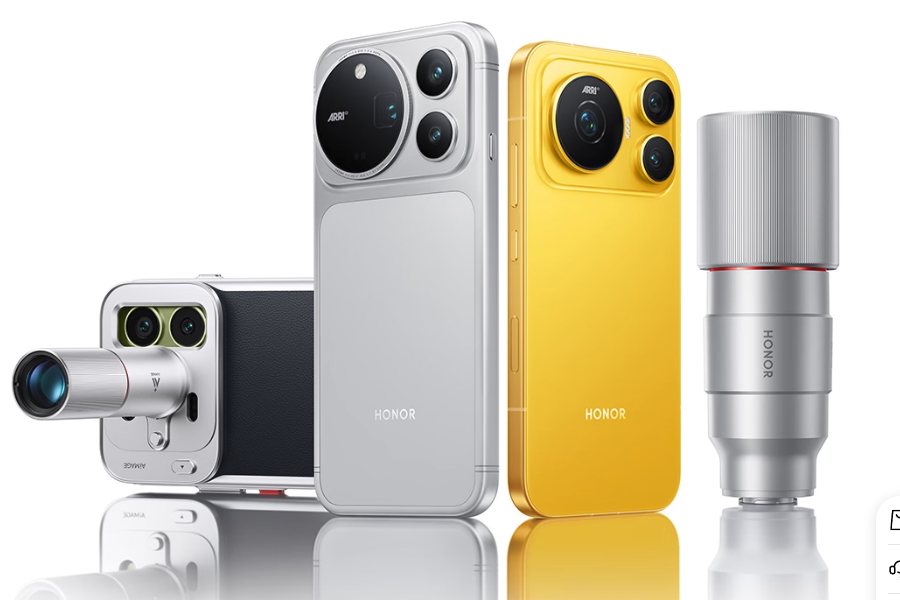
Here’s first look at Honor Magic 9, September launch officially confirmed

Honor has unveiled the much anticipated and futuristic Robot Phone, which comes with a robotic gimbal camera, in China. At the same event, the brand also offered the first official glimpse of the upcoming Honor Magic 9 series, revealing its new camera design and ARRI imaging collaboration ahead of its September launch.

Honor Magic 9 series design revealed with ARRI imaging collaboration

Honor Magic 9 blind pre-orders are now live in China

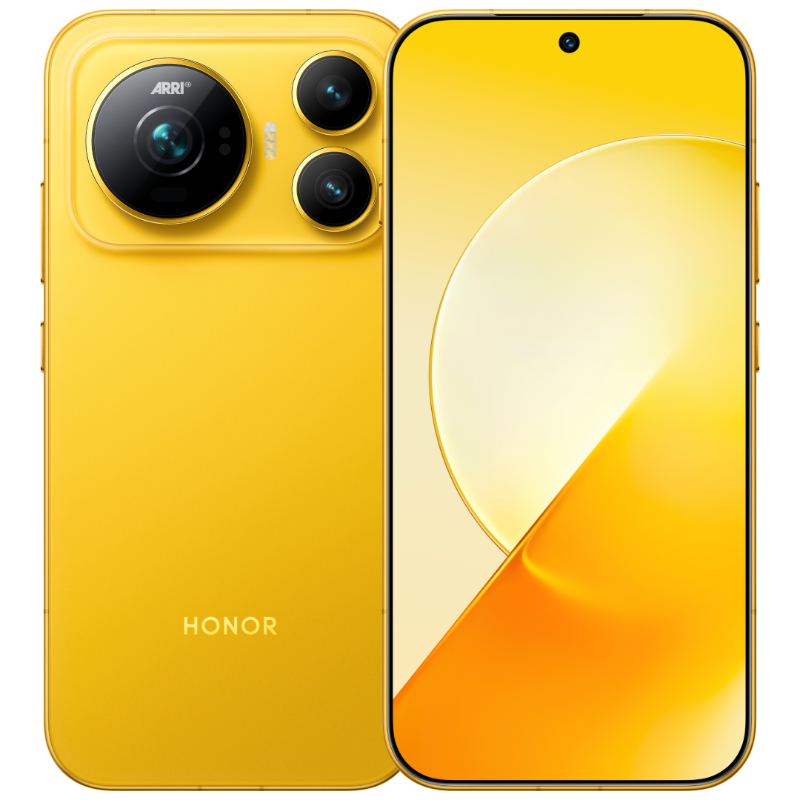
The Honor Magic 9 series is officially set to arrive in September, and the company has already started receiving its blinders through the Honor Shop (online store) in China. The first official glimpse reveals a large circular rear camera module placed towards the upper-left corner, marking a departure from the previous generation’s centred circular camera design.

The visible design shows a premium metal frame, a refined antenna layout, and an ARRI branding mark placed around the camera module. The camera island appears inspired by professional cinema equipment, with a large circular layout housing multiple sensors. Honor is expected to bring ARRI’s color science and imaging technologies to the Magic 9 series, including ARRI LogC3, ARRI Look, and an ARRI cinema mode.

Honor Magic 9 camera module
Honor Magic 9 design teased

Honor previously announced a global imaging partnership with ARRI, a German cinema technology company known for its professional cameras and film-making solutions. The Magic 9 series is expected to be among the upcoming consumer devices that benefit from this collaboration.

The lineup is expected to include three models: the standard Magic 9, Magic 9 Pro, and Magic 9 Pro Max. The series is tipped to be among the first smartphones powered by the Snapdragon 8 Elite Gen 6 Pro flagship platform. Other expected upgrades include enhanced AI features and improved imaging capabilities.

Reports suggest the series may include dual 200-megapixel cameras and Honor’s in-house imaging chip. The phones are also expected to introduce a new software experience focused on more advanced AI interactions.

For more daily updates, please visit our News Section.

Stay ahead in tech! Join our Telegram community and sign up for our daily newsletter of top stories!

The Best 100W+ GaN Chargers You Can Buy in 2026

If you carry a laptop, a smartphone, and a few accessories like wireless earbuds or a tablet on a daily basis, you already know how inconvenient it can be to manage all their separate power adapters. Over the last few years, Gallium Nitride (GaN) technology has become the standard for consumer electronics, allowing manufacturers to build chargers that handle high wattages without taking up too much space in a bag.

Now that we are in 2026, the current generation of chargers easily surpasses the 100W mark, which is generally enough to power a large laptop while simultaneously charging a phone. Many of these newer models also include helpful additions like digital displays and better heat management. Here is a look at some of the most capable 100W+ GaN chargers currently on the market, categorized by what they do best.

1. Anker Prime Charger

Anker-Prime-Charger

The Prime series is designed for users who want high power output in a small package. The 160W Prime Charger is compact enough to easily fit into a travel bag, with a footprint roughly the size of a wireless earbuds case. It features three USB-C ports with a total combined output of 160W. If you are only plugging in one device, a single port can deliver up to 140W, which is enough to charge a 16-inch MacBook Pro at its maximum speed.

To manage heat, it uses Anker’s active thermal management system that continuously monitors the temperature to prevent the charger from getting too hot during extended use. It also includes a smart display that shows real-time power distribution for each port. You can use the screen to switch between different power allocation modes, or you can manage these settings via Bluetooth using the Anker app.

Price: $149.99

2. Anker Charger

Anker-Charger

If you need to charge four devices at once and still have legacy cables, Anker’s 140W 4-Port model is a practical alternative. It has a stacked design with covered pins to help it stay securely plugged into loose wall outlets. This model provides three USB-C ports and one USB-A port. It supports the PD 3.1 standard, allowing for a 140W maximum output from a single USB-C port, or it can evenly split the power to 70W per port if you plug in two laptops.

Built with GaN technology, it includes an AI-driven temperature control system that automatically reduces power output if the charger reaches its thermal limit under a full load. It also features a touchscreen display that provides instant updates on the power output, the status of each port, and the internal temperature.

Price: $89.99

3. Baseus EnerFill FH11 GaN Fast Charger

Baseus-EnerFill-FH11-GaN-Fast-Charger

The Baseus EnerFill FH11 is a straightforward, functional charger. It skips the built-in screens and Bluetooth connectivity in favor of a simple design that gets the job done. It comes with three USB-C ports and one USB-A port, supporting PD 3.1 to output 140W from a single port or 70W each to two laptops simultaneously.

The internal GaN tech allows for a high energy conversion rate, and it monitors its own temperature frequently to keep the exterior relatively cool. Its main appeal is its physical design, which includes foldable prongs and a footprint that is notably smaller than standard 140W adapters. Because it lacks the smart screens of its competitors, it comes in at a more affordable price point.

Price: $59.99

4. Baseus PicoGo AH11 Fast Charger

Baseus-PicoGo-AH11-Fast-Charger

For those who like the Baseus port layout but want the visual feedback of a screen, the PicoGo AH11 is the upgraded option. It shares the same layout of three USB-C ports and one USB-A port, and supports 140W full-speed charging. Baseus put a lot of focus on cooling for this model, using an active cooling structure and graphene thermal materials to maintain a safe operating heat.

The built-in smart display shows the current power flow, temperature, and an estimate of the remaining charging time. You can turn the screen off with a button press if you find the light distracting. It also uses dynamic power distribution to allocate wattage without interrupting the charge when you connect a new device.

Price: $79.99

5. Ugreen Nexode Pro 100W Charger

Ugreen-Nexode-Pro-100W-Charger

Not everyone needs 140W of power. If you use a 13-inch or 14-inch laptop, a 100W charger is usually more than enough. The Ugreen Nexode Pro 100W is a well-built option with a metal exterior that looks nice on a desk. It offers three USB-C ports and one USB-A port, with a maximum output of 100W from a single port.

It includes standard protections against overheating, overvoltage, and short circuits to ensure a steady power delivery. It also features a rotatable touch screen that displays the total wattage, single-port power, and internal temperature. Ugreen programmed interactive emoticons into the display as well.

Price: $64.99

6. Ugreen Nexode Pro 160W Charger

Ugreen-Nexode-Pro-160W-Charger

This charger comes with a built-in retractable cable, offering a convenient take on the increasingly common integrated-cable design. It delivers up to 160W of total output across the retractable USB-C cable, two standard USB-C ports, and one USB-A port. The built-in cable or a single port can provide up to 140W of power.

It uses a thermal guard system that utilizes graphene for heat dissipation, housed in a flame-retardant shell. The retractable cable is rated for over 10,000 stretches. It also has a rotatable touch screen and connects to a phone app via Wi-Fi or Bluetooth for remote management and firmware upgrades.

Price: $149.99

7. Cuktech USB-C Charger 140W

Cuktech-USB-C-Charger-140W

Cuktech is a reliable brand that often provides good value. Their 140W 4-in-1 charger is a compact device that conveniently includes a high-capacity cable in the box. It features three USB-C ports and one USB-A port, supporting the PD 3.1 protocol for a maximum 140W output.

It is quite small, weighing 335 grams, and relies on an internal system for real-time temperature monitoring and dynamic power distribution. It doesn’t have a screen, but it smartly adjusts its output based on the charging status of connected devices. It comes with a 1.5-meter 240W USB-C cable, saving you from having to buy a separate cord.

Price: $49.99

8. Cuktech N0.10 100W GaN Charger

Cuktech-N0.10-100W-GaN-Charger

The Cuktech N0.10 is a solid baseline option if you want a modern GaN charger without any extra frills. It is designed for everyday carry and standard charging needs, featuring two USB-C ports and one USB-A port. The maximum output is 100W, which is suitable for charging a standard laptop alongside a phone and a tablet.

It uses GaN technology to maintain a stable power output over long periods, and the internal layout is designed to minimize heat generation. It automatically detects the connected device to provide the correct charging protocol. Like the 140W version, it includes a high-wattage cable in the box.

Price: $37.99

In related news, check out our latest roundup of the best power banks with built-in cables in 2026.

For more daily updates, please visit our News Section.

Stay ahead in tech! Join our Telegram community and sign up for our daily newsletter of top stories!
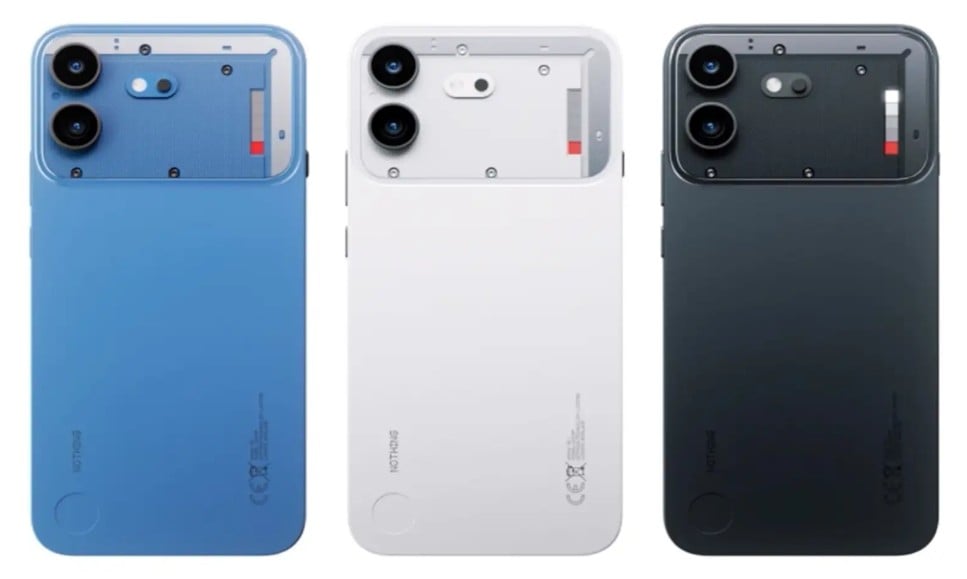
Chinese brands see double-digit shipment declines in India’s smartphone market in 2Q26

India’s smartphone market is shipping fewer phones, but the money side of things is still growing. That’s the main takeaway from IDC’s latest numbers for the first half of 2026. Chinese brands that have long ruled the volume charts are taking the biggest hits, while Samsung and Apple are holding steady or even gaining ground.

Total shipments dropped 7.9% year-on-year in H1 to 64.2 million units, the lowest first-half figure in five years. Q2 was even softer, down 11.1% to 33.2 million units. Despite the lower volumes, market value actually rose 3.6%. Higher average selling prices are the reason, as brands pass on the increased costs of memory, storage and displays. Online discounts have also become harder to find, which has taken some of the shine off the big flash sales that used to drive a lot of volume.

Chinese brands have felt it the most. Vivo stayed on top but still saw shipments fall 13.9% in Q2, dropping its share to 18.4% from 19%. Xiaomi was down 10%, Oppo 8.5%, Realme 14.2% and Poco 12.3%. iQOO took a particularly rough hit with a 61% decline. These brands have traditionally relied on aggressive online promotions and strong budget-to-midrange line-ups, a formula that’s looking less effective as prices climb and buyers get pickier.

Samsung and Apple went the other way. Samsung’s shipments ticked up 0.4%, lifting its share to 16.4% from 14.5%. Apple grew 0.7% and moved to 8.5% share from 7.5%. On the value side Apple did even better, leading the market with a 27% revenue share after a 22.2% year-on-year jump. The iPhone 17 was the single best-selling model in both Q1 and Q2, even with supply constraints on several iPhone generations.

Looking ahead, IDC expects the second half of 2026 to stay tough. Shipments could fall more than 15% year-on-year, putting full-year volumes somewhere around 128-130 million units. The Indian market is starting to look a bit more like mature ones: longer replacement cycles, less automatic brand loyalty, and people still ready to spend, but only when they feel they’re getting clear value.

Brands that depend on pushing huge unit numbers are under pressure, while those with stronger pricing power and more premium offerings are better placed to handle the slowdown.

Don’t miss a thing! Join our Telegram community for instant updates and grab our free daily newsletter for the best tech stories!
For more daily updates, please visit our News Section.

(Source)