Advertisement

Honor to launch new phones under five major smartphone lineups before 2026 ends

Honor has had a busy smartphone year so far. From flagships and 10,000mAh battery phones to a foldable and, recently, even a gimbal camera phone, the company has done it all. And if a new rumor is to be believed, the streak won’t stop for the rest of 2026.

A new leak from tipster Digital Chat Station claims the Honor is preparing several new smartphone launches between September and the end of 2026. The lineup is expected to include flagship phones, gaming-focused devices, and more affordable models.

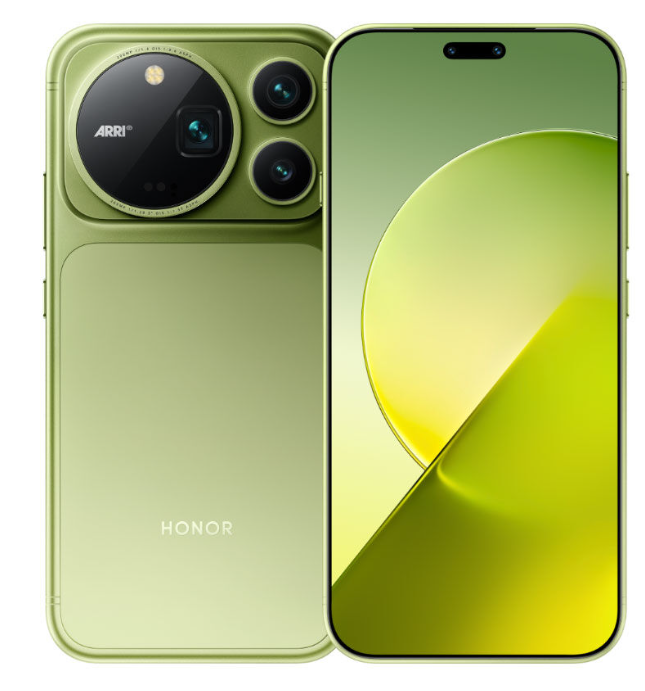
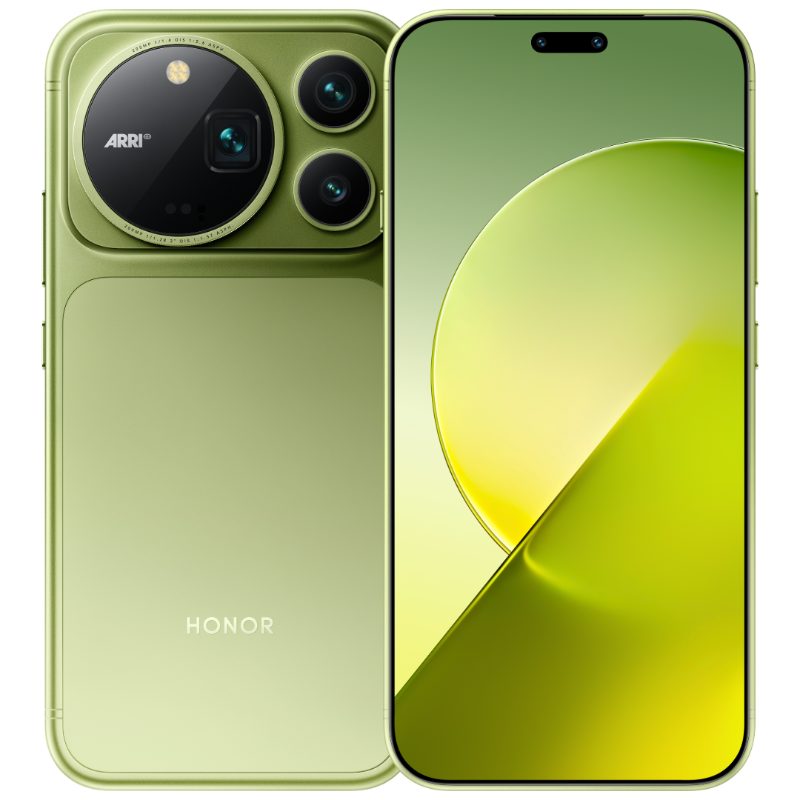
The first major launch is the Honor Magic 9 series, which has been confirmed for September. According to previous reports, the series could use a 2nm Snapdragon processor and feature camera technology developed with ARRI. 

Honor Magic 9 camera module

Honor could then turn its attention to gaming with the Honor Win 2 series. It is reportedly planned for October, and the leak mentions a Snapdragon SM8975 (8 Elite Gen 6) chipset under the hood.

Previous reports also claim the phones could come with a 10,000mAh+ battery, a built-in cooling fan, and a 6.89-inch OLED panel offering a 2K+ resolution and a 185Hz refresh rate. 

Honor 700 series, Power 3 and X series also launching before 2027

Honor may also expand its mid-range lineup before the end of the year. Digital Chat Station mentions the Honor 700 series, along with new phones under the X and Power 3 series.

Honor smartphone launch plan for rest of 2026

The company has already been pushing battery capacity in its affordable phones. For example, the recently launched Honor X7e comes with a large 7,500mAh battery at a budget price. The leak claims these mid-rangers will keep chasing bigger batteries, with some models reportedly setting new capacity records for their price bracket.

Put it all together, Honor could launch four or five major smartphone series in just around four months. This would make the second half of 2026 a busy period for the company.

However, it is important to note that Honor has not officially confirmed this release schedule. So treat the details as a leak until the company says otherwise.

For more daily updates, please visit our News Section.

Stay ahead in tech! Join our Telegram community and sign up for our daily newsletter of top stories!

Another Galaxy S25+ caught fire while charging; Samsung denies compensation blaming customer negligence

A routine late-night charge turned scary for a family in Qingdao, China, when their Samsung Galaxy S25+ suddenly popped, started smoking, and caught fire. What should have been a normal bedtime plug-in left the owners shaken and looking for answers, only for Samsung to later blame physical damage and refuse any compensation.

The phone, bought about two years earlier and mainly used by the owner’s wife, was plugged in on the night of July 31 before she went to sleep. A loud “pop” and the smell of smoke woke her up. She managed to put the fire out, and thankfully no one was hurt.

The next morning the owner reported it to Samsung. Because the phone was in China, the company first said a local service center would handle it. After some back-and-forth and frustration over the weekend delay, the damaged phone was eventually brought to South Korea through an acquaintance and dropped off at Samsung’s Nowon Service Center on August 5.

On August 12 they called him in and delivered their conclusion: the phone had been dropped at some point, creating a hole in the battery. That damage, they said, caused the fire once it was put on charge. The company labelled it customer negligence and said there would be no compensation.

The owner isn’t buying it. He argues that the broken back glass looks more like it was blown out by the battery fire itself rather than a prior drop, and he’s asked for the detailed analysis report and the specific regulations that justify denying compensation. Samsung refused to hand over either, saying the report is the company’s asset and warning him against spreading “false or exaggerated information.”

While incidents like this are supposed to be rare, several other reports involving Galaxy S25-series phones have surfaced over the past year. These include a Galaxy S25+ in October 2025, another Galaxy S25+ in January 2026, and a Galaxy S25 FE in May 2026.

Separately, an incident reported this month in India involved a 26-year-old who suffered serious burns to his hands and lower body after a Samsung phone caught fire in his pocket. The exact model wasn’t confirmed, though images suggest it may have been a Galaxy S26-series device based on the pill-shaped camera design.

It remains unclear whether all of these incidents resulted from user negligence or whether there are underlying quality issues with the models that still need to be addressed.

Don’t miss a thing! Join our Telegram community for instant updates and grab our free daily newsletter for the best tech stories!

For more daily updates, please visit our News Section.

(Source: Samsung Community)

Breaking: Upcoming 2nm Snapdragon 8 Elite Gen 6 Pro scores 4.83M+ on AnTuTu

The Snapdragon 8 Elite Gen 6 Pro has appeared in what could be an early AnTuTu benchmark, offering a glimpse at the performance Qualcomm’s next flagship platform may deliver. The result puts the upcoming 2nm chip firmly in the spotlight ahead of its expected arrival in next-generation Android flagships.

Snapdragon 8 Elite Gen 6 Pro’s AnTuTu score revealed

Snapdragon 8 Elite Gen 6 Pro AnTuTu listing

An AnTuTu V11.1.4 screenshot shared by tipster Digital Chat Station shows a device running Qualcomm’s SM8975 chip achieving 4,835,412 points. The score includes 1,368,930 points for the CPU and 1,854,826 points for the GPU. The GPU is identified as the Adreno 850.

Earlier leaks have associated the SM8975 with the Snapdragon 8 Elite Gen 6 Pro, while the standard Snapdragon 8 Elite Gen 6 is reportedly linked to the SM8950.

For comparison, the latest Snapdragon 8 Elite Gen 5-powered flagships have crossed the 4.5-million mark on AnTuTu, putting this result roughly 6% higher. However, AnTuTu itself reportedly noted that the result cannot currently be retrieved through its backend, raising questions about its authenticity. The benchmark should therefore be treated as an early indication rather than a confirmed performance figure.

The Snapdragon 8 Elite Gen 6 series is expected to power several upcoming flagship phones. Honor has confirmed that the Honor Magic 9 series will debut in China on September 28. While the standard Magic 9 is reportedly set to use last year’s Snapdragon 8 Elite Gen 5, the Pro models are expected to feature the newer Snapdragon 8 Elite Gen 6.

Snapdragon 8 Elite Gen 6 Pro (AI-generated image)

However, the Honor Magic 9 series may not be the first lineup to debut with the Snapdragon 8 Elite Gen 6. The Xiaomi 18 series is reportedly expected to introduce the chipset ahead of Honor. The same platform is also tipped to power upcoming flagships such as the iQOO 16 and OnePlus 16, which are expected to launch in China by late September or early October.

If the 4.84-million score proves genuine, the Snapdragon 8 Elite Gen 6 Pro could establish a new performance benchmark for upcoming 2nm Android flagships.

What do you think of this reported performance? Share your thoughts below.

For more daily updates, please visit our News Section.

Stay ahead in tech! Join our Telegram community and sign up for our daily newsletter of top stories!
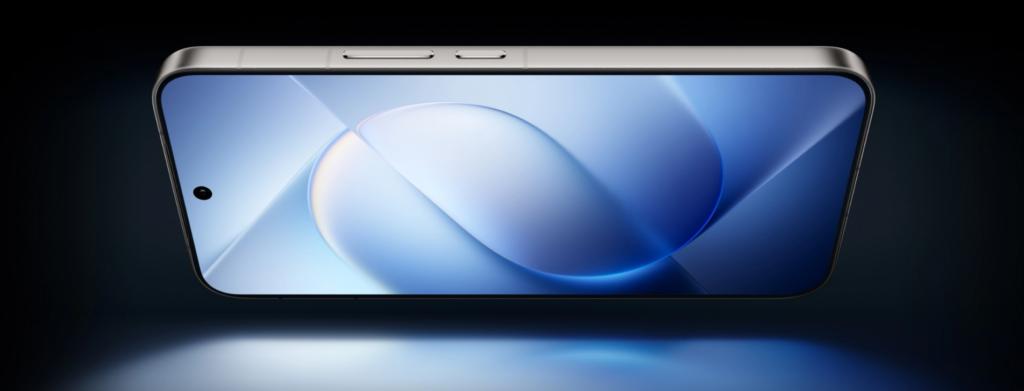
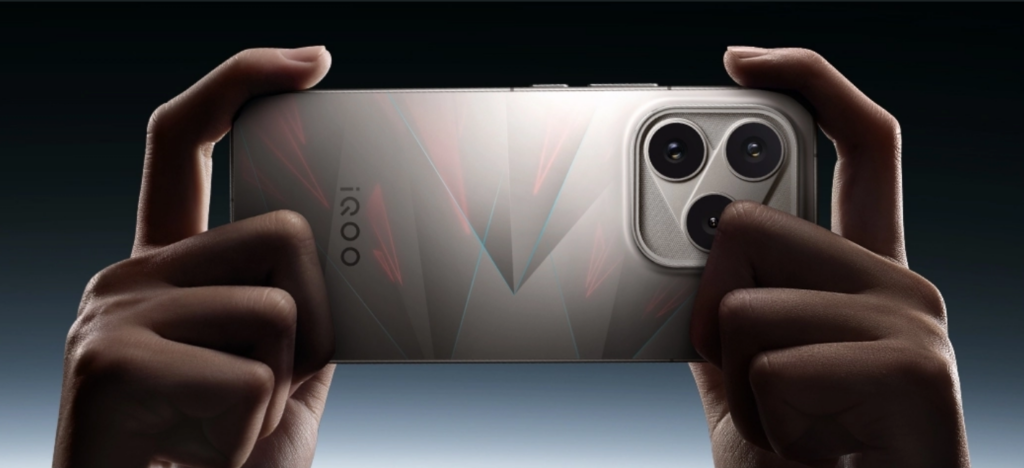
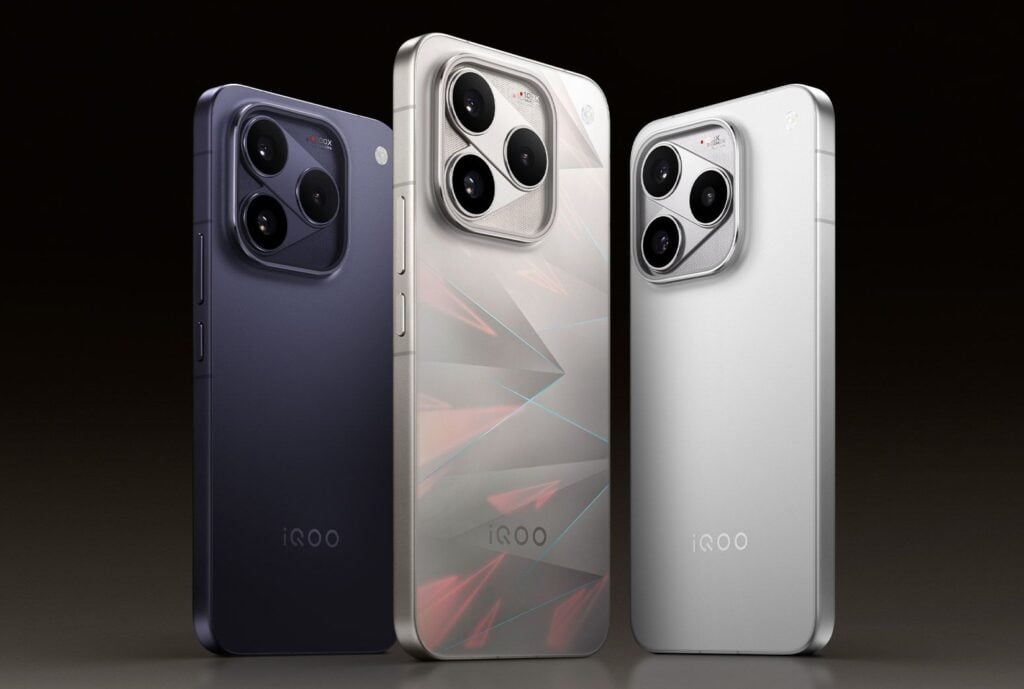
iQOO 16 to bring 2K 165Hz screen, Snapdragon 8 Elite Gen 6 Pro, new rear design

It was reported yesterday that the iQOO 16 has bagged 3C certification in China, indicating that it may launch by the end of September or by early October in China. As per a new leak by tipster Digital Chat Station, the iQOO 16 will be a substantial upgrade over its predecessor, with a new display and redesigned rear camera module reportedly among the changes. Here’s a look at the details shared by the tipster.

iQOO 16 tipped to get a 165Hz 2K Samsung display, new design

According to DCS, the iQOO 16 could feature a 6.85-inch Samsung-made flat display with a 2K resolution and a 165Hz refresh rate. The panel size and resolution are similar to those on the iQOO 15, which has a 6.85-inch 3168 × 1440 display with a 144Hz refresh rate. The higher refresh rate could therefore be one of the key display upgrades on the upcoming model. That could make gaming and scrolling feel noticeably smoother.

The phone is also tipped to use the upcoming Snapdragon 8 Elite Gen 6 Pro platform, carrying the SM8975 model number.  The tipster added that the engineering units retain a similar screen corner shape and frame design, while the rear camera decoration is changing significantly. The camera module is said to move to a small square positioned in the upper-left corner, forming part of a new overall design identity for the phone.

The tipster has previously claimed that the iQOO 16 will be equipped with a massive 8,500mAh battery with 100W charging and wireless charging support, 1115-series symmetrical dual speakers, a 0916-series X-axis linear motor, a dedicated display chip, and 3D ultrasonic fingerprint recognition.

Other reported features include IP68 and IP69 ratings, USB 3.2 connectivity, an AR coating, and an OV50Q main camera sensor. It is speculated that a Vivo phone with model number V2606A, which was recently spotted at Chinese certification platforms, could be the iQOO 16.

For more daily updates, please visit our News Section.

Stay ahead in tech! Join our Telegram community and sign up for our daily newsletter of top stories!
Citizen launches new Promaster Dive with a stunning white dial & 200m water resistance

Citizen has released a new version (BN0265-00A) of its Promaster Dive watch in the United States. The watch, which was previously only available with blue and black dials, now comes in a white dial variant. It is currently listed for sale on the company’s US website for $450.

Citizen Promaster Dive BN0265-00A watch

Design Details

The watch features a silver-tone stainless steel case measuring 40.6mm across. In the context of dive watches, which often measure 42mm or larger, this is a mid-sized option that fits a wider range of wrist sizes for daily use.

It features a black unidirectional rotating bezel, which is a standard mechanical tool for tracking elapsed time underwater. The dial itself is matte white with applied hour markers, a standard date window at 3 o’clock, and subtle orange accents on the hands and dial.

Over the dial, Citizen uses a sapphire crystal. Sapphire is a common material for watches in this price category because it resists scratches better than standard mineral glass. It also has an anti-reflective coating to make the time easier to read under bright lights or direct sun. For the strap, this specific model comes with an olive-green polyurethane rubber band with a standard buckle, rather than a metal bracelet.

Inside, the watch runs on Citizen’s Eco-Drive movement, specifically the E168 caliber. This is a solar-powered quartz movement. It works by absorbing natural and artificial light through the dial to charge the watch’s internal cell. Because it constantly recharges from ambient light, you do not need to open the case to replace the battery every few years.

Citizen Promaster Dive BN0265-00A watch

As the name suggests, it is built for diving. It has an ISO certification for dive watches and is water-resistant up to 200 meters, or 20 bar. This means it is safe to wear for swimming, snorkeling, and recreational scuba diving.

In related news, Citizen has recently launched two new Eco-Drive watches featuring sapphire crystal and rectangular cases, while Timex has introduced five new Q Timex Marbella models with retro-inspired designs and textured dials.

For more daily updates, please visit our News Section.

Stay ahead in tech! Join our Telegram community and sign up for our daily newsletter of top stories!
(Citizen US)

Tecno Pova 8 Pro launches with Dimensity 7400 and starship design

A month after launching Pova 8, Tecno introduced its bigger sibling today. The Tecno Pova 8 Pro is official with a Dimensity chip, AMOLED display, and a 6500mAh battery, 

Under the hood, you’re getting the Dimensity 7400 Ultimate chip, paired with up to 12GB of RAM and 512GB of storage. Tecno has also thrown in a dedicated P1 graphics chip just for gaming; it pushes some titles up to 144fps; RPGs top out at 90fps, and FPS and MOBA games can hit 144fps too.

On the software side, you get HiOS 16 running on top of Android 16. Tecno is promising two major OS upgrades and three years of security patches. The company’s AI assistant Ella comes preloaded as well. 

As for the display, you’re looking at a 6.78-inch AMOLED panel with a 144Hz refresh rate, 4500 nits of brightness, and Corning Gorilla Glass 7i protection.

Tecno Pova 8 Pro has what it calls starship design

Around back, Tecno calls the design language “starship,” with a triangular camera module. It also has a Mini LED dot-matrix display, so you can customize what shows up there. For photos, you get a 50MP main camera using the LYTIA 700C sensor with optical image stabilization, an 8MP ultra-wide, and a 13MP front camera.

Tecno Pova 8 Pro Design(1)

Keeping lights on is a 6500mAh cell with 45W charging, plus bypass charging and 10W reverse wired charging support. Tecno rounds things out with an in-display fingerprint reader, a 5000 square millimeter vapor chamber for cooling, infrared remote control, NFC, 4D game vibration, Dolby Atmos-tuned stereo speakers, and Hi-Res Audio support over both wired and wireless connections. The phone also carries IP66, IP68, IP69, and IP69K ratings.

🔌 You’ll NeedThe 6500mAh battery supports 45W charging, so a compatible fast charger avoids a slow top-up. Check 45W USB-C fast charger price on Amazon →

You can pick the Pova 8 Pro from Arc White, Graphite Black, or Tundra Green color across 8GB+256GB, 12GB+256GB, and 12GB+512GB configurations.

Tecno Pova 8 Pro Lamborghini Edition

Tecno is also rolling out a limited Tonino Lamborghini edition, though it’s worth noting this collaboration carries no direct commercial ties to the carmaker itself. It comes in an exclusive black colorway with the same storage options as the standard model, and the design is the only real difference between the two.

For more daily updates, please visit our News Section.

Stay ahead in tech! Join our Telegram community and sign up for our daily newsletter of top stories!
(Via)

Belkin launches Formula 1 and Disney co-branded 45W powerbank with built-in LED light

Accessory maker Belkin has collaborated with Formula 1 and Disney to launch a power bank in China. The co-branded model is based on the company’s latest Night Light Power Bank and has a bold black, yellow, and red color combination inspired by Formula 1.

The special edition is priced at 439 yuan (~ $65). The standard model costs 329 yuan (~$50), by comparison.

Belkin F1 and Dinsey 45W charger

Belkin F1 and Disney co-branded 45W charger Specifications

The power bank has a 10,000mAh battery that delivers 45W output via both the built-in USB-C cable and a separate USB-C port. But when you plug in two devices at once, the power bank splits the wattage between them automatically. It supports PD and PPS charging protocols, so you’re covered whether you’re topping up a phone, tablet, or lightweight laptop.

Belkin 45W charger specs

The battery bank keeps its footprint compact at 118 x 60 x 32mm and weighs 257g. It has a digital display on the front that shows the remaining battery percentage. There’s also a foldable, touch-sensitive LED light built into the casing. You can adjust its brightness and use it as a night light or a fill light for selfies and video calls, and it switches on automatically thanks to a motion sensor. 

🔌 You’ll NeedIt charges at 45W over PD/PPS, but no wall charger is included to actually hit that speed. Check 45W USB-C PD wall charger price on Amazon →

Coming to safety, the power bank has passed 3C certification, making it compliant for air travel, and Belkin backs it with overheating, overcharging, and overvoltage protection. 

Belkin F1 and Disney co-branded 45W charger launch

The F1 x Disney edition is currently limited to the Chinese market. If you’re after the racing-inspired look and don’t mind paying extra for the collaboration, it packs the same reliable charging specs as the standard release underneath the new paint job.

For more daily updates, please visit our News Section.

Stay ahead in tech! Join our Telegram community and sign up for our daily newsletter of top stories!
(Via)

Machenike launches F1 gaming controller with dual 8KHz polling and hot-swappable switches

Machenike has launched the F1 Gaming Controller Black Edition in China, focusing on ultra-low latency and extensive hardware customization for PC and console gaming. It is priced at 599 yuan ($88) and is available through JD.com. The controller was previously launched in a White color option.

Machenike F1 Gaming Controller

Machenike F1 Gaming Controller Specs

The controller features an 8,000Hz polling rate over both wired and 2.4GHz wireless connections, with claimed wired button and joystick latency of 0.377ms and 0.825ms, respectively. It also supports adjustable polling rates from 125Hz up to 8,000Hz to balance performance and battery life.

On the hardware side, the controller features tool-free hot-swappable switches for the D-pad and ABXY buttons. It comes with optical micro-switches rated for up to 100 million presses and supports standard three-pin switches from Omron, Kailh, and Huano.

🔌 You’ll NeedThe D-pad and ABXY use hot-swappable three-pin switches, so a Kailh or Omron switch set lets you retune the feel. Check Kailh mechanical switches price on Amazon →

The joysticks use customized JS13Pro+ TMR modules. Using the company’s MixDriver PC software, you can adjust the stick resolution between 8-bit and 12-bit, alter the dead zones, and change the response curves. The triggers are also physically adjustable, featuring optical switches that can be set to three different actuation forces: 70gf, 90gf, and 110gf.

Machenike F1 Gaming Controller

To accommodate players who use alternative grip styles, such as the claw grip, the F1 includes six programmable macro buttons. There are two standard zinc alloy paddles on the back, two extra shoulder buttons, and two removable macro buttons on the front face of the controller.

Inside, the gamepad uses dual voice-coil motors, which is the same type of haptic hardware found in the PlayStation 5’s DualSense. Machenike includes three distinct vibration profiles: an Xbox-style rumble, a hybrid mode, and an HD rumble mode that specifically lists support for the Nintendo Switch 2.

The F1 connects via a braided USB cable, 2.4GHz wireless, or Bluetooth, making it compatible with PCs, Android devices, smart TVs, and the Switch ecosystem. All custom button maps, lighting settings, and joystick tweaks can be saved directly to the controller’s onboard memory, so you do not need to keep the configuration software running in the background while you play.

In related news, Lenovo has introduced a new budget tablet with an 8-inch IPS display, 4G support, and a 5,000mAh battery, while Xgimi has unveiled the Z9X 4K High Brightness Edition projector with RGB laser technology, 120Hz mode, and 1ms latency.

For more daily updates, please visit our News Section.

Stay ahead in tech! Join our Telegram community and sign up for our daily newsletter of top stories!
(JD)

iQOO Neo 11 Ultra to debut with custom Dimensity 9500M chipset

In the lead-up to launch, iQOO today confirmed that its upcoming Neo 11 Ultra smartphone will be the first phone in the industry to use the new MediaTek Dimensity 9500M processor. The company developed the chipset together with MediaTek.

The iQOO Neo 11 Ultra is scheduled to launch in China on August 18. The smartphone is already available for pre-order in China, alongside the iQOO Z11S.

iQOO Neo 11 Ultra gets custom Dimensity 9500M chip

The newly announced Dimensity 9500M is built using a 3nm manufacturing process and uses an all-big-core CPU design. iQOO says the processor has been specially tuned for the Neo 11 Ultra and includes its next-generation Monster Super Core Engine.

Unlike a software feature that can be added later, iQOO says the Monster Super Core Engine is integrated at the chip level. The company claims this approach will help the phone deliver stronger performance while maintaining better energy efficiency.

iQOO Neo 11 Ultra with MediaTek Dimensity 9500M

The new processor is expected to be one of the main highlights of the Neo 11 Ultra, but the processor is not the only area where iQOO is focusing on upgrades. The Neo 11 Ultra will feature a new 2K display designed with eye comfort in mind.

According to the company, the screen produces less than 5% harmful blue light. It also supports the new Circular Polarized Light 2.0 technology that makes the display look more natural while reducing strain during use.

iQOO has also revealed some details about the phone’s design. The Neo 11 Ultra will have a metal frame with a matte finish and measure 9.13mm in thickness. The rear panel will feature what the company calls a 3D flowing light effect.

For more daily updates, please visit our News Section.

Stay ahead in tech! Join our Telegram community and sign up for our daily newsletter of top stories!
Poco F9 Ultra, F9 Pro full specifications, official renders leaked before launch

Recent reports have suggested that the Poco F9 Pro and F9 Ultra may launch earlier than their previous-generation counterparts. A new leak from WinFuture.de has revealed the full specifications and official renders of both phones ahead of their launch. As expected, they will arrive as tweaked versions of the Redmi K100 Pro and K100 Pro Max, which recently debuted in China.

Poco F9 Ultra, F9 Pro specifications and features

The Poco F9 Pro will reportedly feature a 6.59-inch Plastic OLED display with QHD resolution and up to a 185Hz refresh rate, while the F9 Ultra will get a larger 6.85-inch panel with a 2608 x 1200-pixel resolution. Both displays are said to have been developed with TCL CSOT, with Xiaomi contributing to the panel design and materials.

Both phones are expected to use the Snapdragon 8 Elite Gen 5 chipset, paired with up to 16GB of RAM and 512GB of storage. The F9 Pro is tipped to pack a 6,330mAh battery, while the F9 Ultra could house an 8,050mAh cell. Both models are expected to support 100W wired charging and USB Power Delivery.

For photography, the F9 Pro may feature a 50-megapixel primary camera with OIS, an 8-megapixel ultra-wide camera and a 50-megapixel 3x telephoto camera with OIS. The F9 Ultra could get a 50-megapixel ultra-wide camera and a 50-megapixel 5x telephoto camera, alongside the same primary sensor. Both phones are expected to have 32-megapixel selfie cameras and support 8K video recording at 30fps.

The phones are also tipped to feature Bose-tuned rear speakers, IP69 certification, and metal frames. The F9 Ultra could additionally feature an LED notification ring around the rear camera module. The F9 Pro and F9 Ultra are expected to weigh 206 grams and 235 grams, respectively.

To sum up, the F9 duo are notably getting smaller batteries than their Redmi K100 Pro and Redmi K100 Pro Max counterparts, which pack 8,850mAh and 9,070mAh batteries, respectively. The rest of the specifications of the F9 Ultra and F9 Pro are identical to those of the Redmi K100 duo.

Poco F9 Ultra, F9 Pro price and color options

The Poco F9 Pro is expected to start at 799 euros (~$920) for the 12GB+256GB version, while the F9 Ultra could start at 999 euros (~$1,150) for the 16GB+512GB configuration. Both models are expected to be offered in black, white, green and red color options in Europe. The report has no information about the F9 series’ launch timeframe. Likely, both phones may break cover later this month or in September globally.

For more daily updates, please visit our News Section.

Stay ahead in tech! Join our Telegram community and sign up for our daily newsletter of top stories!
(source)

Xiaomi HyperOS 4 Beta drops miclaw support for current testers

Xiaomi started rolling out HyperOS 4 Beta to first set of devices today. Along with it came some rather bad news: the company also told miclaw beta testers that the AI agent will not work once they move to HyperOS 4.

The company sent an official notice today inviting current miclaw closed beta testers to try the HyperOS 4 Beta, which just opened for registration. But it also confirmed that the miclaw AI agent is not supported on the new software.

Xiaomi removes miclaw support in HyperOS 4

Here is how the process works. Once you register for the HyperOS 4 Beta through the miclaw testing program, Xiaomi pushes the update to your device automatically. You can check whether it has arrived by going to Settings, then My Device, then System Version Number. Installing the update removes you from the miclaw beta at the same time, so you cannot run both. If you want to keep using miclaw, Xiaomi says you need to stay on HyperOS 3.

Xiaomi HyperOS 4 removes miclaw support

This means testers who signed up specifically for miclaw have to choose one or the other for now. miclaw is built to go beyond a standard chatbot. Once you permit it, it reads your intent and carries out multi-step tasks across your phone’s apps and system tools. Losing that when you move to the new HyperOS 4 update is worth knowing before you upgrade.

Xiaomi has left the option open to change your mind. You can exit the HyperOS 4 Beta at any time by going to Xiaomi Community, then Official, then Internal Testing Center, then My Internal Testing, and selecting the exit option there. If you decide to join the beta again later, you can reapply from the same Internal Testing Center section whenever you want.

Xiaomi has not said when miclaw support might come to HyperOS 4. Both programs are still in early testing, so it is not unusual for one to lag behind the other, but for now, testers cannot use both features on the same phone.

For more daily updates, please visit our News Section.

Stay ahead in tech! Join our Telegram community and sign up for our daily newsletter of top stories!
DJI’s Osmo 360 II brings native 8K/60fps video to a 1-inch panoramic sensor

DJI is back with a new 360-degree camera, and the Osmo 360 II is going big on resolution. The company’s latest panoramic camera comes with a 1-inch sensor, 14.5 stops of dynamic range, and the ability to record native 8K video at 60 frames per second. It also packs 105GB of built-in storage, AI-powered subject tracking, and a new low-light shooting mode.

DJI Osmo 360 II Launch

The Osmo 360 II starts at 3,299 yuan (around $490) in China. The base package includes the camera, a 2,150mAh cold-resistant battery, two lens protection covers, a carrying bag, and other accessories. DJI is also offering a 3,999-yuan Shooting Kit (around $580), which adds two extra batteries, a multifunctional battery case, an adjustable quick-release adapter, and DJI’s 1.2-meter invisible selfie stick.

The camera itself is light at 183 grams. DJI says the lens uses a second-generation optical super-hard coating to improve scratch and wear resistance. The company has also made the lens interchangeable, so an accidental knock doesn’t necessarily mean replacing the entire camera.

DJI Osmo 360 II Kit

The panoramic camera has 105GB built-in storage for recordings. And as for the battery life, DJI says the included cold-resistant battery can record 8K/30fps footage continuously for up to 100 minutes. It can charge to 80% in about 22 minutes, while a dual-directional magnetic battery extension can add up to another 180 minutes of runtime.

A sensor built for 360-degree video

The headline feature of the Osmo 360 II is the new square high-dynamic-range sensor. DJI says it’s been specifically designed for panoramic cameras and makes better use of the sensor area than a conventional 1-inch sensor. According to the company, sensor utilization has been improved by 25% while maintaining the wide field of view needed for 360-degree footage.

The sensor uses 2.4-micron fused large pixels and works with the camera’s image-processing hardware to capture native 8K/60fps panoramic video. 

DJI Osmo 360 II Design

The Osmo 360 II also gets 14.5 stops of dynamic range, which DJI says is twice the brightness tolerance of the previous generation. The front and rear cameras can also handle exposure independently.

Low-light performance gets its own upgrade through an f/1.9 aperture and DJI’s AI Super Night Scene 2.0 noise-reduction system. The camera isn’t limited to standard 8K video, either. It can capture 120-megapixel high-dynamic-range panoramic photos, 16K panoramic time-lapses, and 8K/120fps time-freeze footage. The device can record 10-bit video as well as in D-Log M.

Built for motorcycles, skis, and diving

DJI is pitching the Osmo 360 II as more than a travel camera. The company has designed it around hands-free shooting, which makes sense for a 360-degree camera that is often used to capture action from unusual angles.

DJI Osmo 360 II Accessories

Motorcyclists can mount the camera to their bikes using dedicated accessories and start recording with gestures or voice commands. For skiing, the camera can record 8K panoramic slow-motion footage and up to 64x super slow motion. DJI says users can trigger recording by twisting the selfie stick or using gestures, and the controls remain usable while wearing gloves.

The camera is also waterproof to 10 meters without a case. Add DJI’s invisible waterproof case and that depth rating increases to 50 meters, opening the door to underwater 360-degree footage without putting a bulky case into the shot.

🔌 You’ll NeedIt’s waterproof to 10m alone, but DJI’s invisible case pushes that to 50m for real underwater shooting. Check DJI Osmo 360 invisible waterproof case price on Amazon →

AI keeps subjects in the frame

One of the more interesting software additions is AI-powered subject tracking. The Osmo 360 II can identify a subject and keep it centered as the camera rotates or changes orientation.

The camera also supports AI one-click image creation, along with NFC one-touch connection for faster setup. For creators who care about audio, the Osmo 360 II can connect directly to compatible DJI microphone transmitters, including the DJI Mic 3 and DJI Mic Mini 2, through OsmoAudio. 

DJI Osmo 360 II shooting

The Osmo 360 II uses a two-way magnetic quick-release system with a 1/4-inch threaded mount. That lets it work with DJI’s Osmo accessories as well as more traditional camera mounts.

Its battery is also compatible with the Osmo Action series, so if you own DJI action cameras, you can share accessories and batteries.

For more daily updates, please visit our News Section.

Stay ahead in tech! Join our Telegram community and sign up for our daily newsletter of top stories!
Xiaomi launches new multi-head massage gun with 25kg thrust, 4mm massage depth & 31-day battery

Xiaomi has launched the Mijia Multi-Head Massage Gun 3 in China, with pre-sales starting at an introductory price of 369 yuan ($54). It uses wider, multi-node massage heads instead of the typical single-point design to cover a larger area at once.

Xiaomi Mijia Multi-Head Massage Gun 3

Mijia Multi-Head Massage Gun 3 Specifications

The massage gun comes with three interchangeable attachments built for different parts of the body, such as the back, legs, waist, and hips. The largest of the three is the leg massage head, which has an 18,300mm² contact area for general tapping.

Xiaomi Mijia Multi-Head Massage Gun 3

There is also a spherical head with four contact points covering 6,300mm² for moderate kneading, and a pressure-point head with six raised nodes over a 2,700mm² area for deeper pressure. To make it easier to use around the back, the attachments are designed with a physical gap in the middle to avoid making direct contact with the spine.

Inside, the device runs on a dual-axis brushless motor that delivers up to 25kg of maximum thrust and a massage depth of 4mm. It features fixed and variable frequency modes with three intensity levels, offering speeds from 800 to 2,000 RPM. It also includes a memory function that restores the last-used mode and intensity setting.

For handling, the massage gun features a dual-sided grip to help users reach different angles. The shape also allows for hands-free positioning; users can lean the device against a surface like a bed or sofa to keep it pressed against their body without having to hold it continuously.

The unit is powered by a 2,450mAh battery. According to Xiaomi’s testing, it can run for about 310 minutes on the lowest fixed-frequency setting with a 3kg load. For someone operating the device for 10 minutes a day, this works out to roughly 31 days of battery life between charges.

In related news, Xiaomi has launched a new portable ice maker with 6-8 minute ice-making and UV cleaning, along with the Mijia Wireless Floor Scrubber 5 Pro Foam Edition with active foam cleaning.

For more daily updates, please visit our News Section.

Stay ahead in tech! Join our Telegram community and sign up for our daily newsletter of top stories!
(JD)

iQOO Z11 Hands-On: Testing Its AI Features, Curved AMOLED Display and 7,050mAh Battery

I have been spending some time with the upcoming iQOO Z11 ahead of its India launch, and the phone makes a strong first impression with its combination of a large curved display, a massive battery, and a new focus on AI features. iQOO is positioning the Z11 in the under-Rs 40,000 segment, with the phone set to launch in India on August 20.

iQOO claims that the Z11 is designed with students in mind, especially because its AI features can help with studying, taking notes, summarizing information, writing assignments, and handling everyday academic tasks. After trying some of these features, I can see why the company is emphasizing practical AI use cases rather than treating AI as just another specification.

5Aurora Green has a subtle color-changing effect

iQOO Z11
iQOO Z11

I have been using the Aurora Green version, and it is arguably the more interesting of the two colors. The phone is also available in Celestial Blue, which can attract fingerprint marks

The green rear panel has a liquid-crystal-inspired finish. As you move the phone under light, a pale blue sheen appears across the surface, giving the back a subtle color-changing effect. The horizontal camera module houses a 50-megapixel main camera, and thankfully, it is accompanied by an ultra-wide-angle lens. Here are some shots captured using the Z11.

The iQOO Z11 launches in India on August 20 and will be positioned in the under-Rs 40,000 segment. This is only my initial hands-on experience, with the full review to follow after more extensive testing.

For more daily updates, please visit our News Section.

Stay ahead in tech! Join our Telegram community and sign up for our daily newsletter of top stories!
Next

Amazfit Balance Ultra vs Garmin fēnix 8: Display, Battery, GPS & Health Compared

Amazfit Balance Ultra and Garmin fēnix 8 are premium multisport smartwatches built for fitness enthusiasts, outdoor adventurers, and endurance athletes. Both feature titanium construction, sapphire crystal protection, AMOLED displays, dual-band GPS, advanced health tracking, and long battery life. However, they target different users. The Balance Ultra focuses on delivering flagship hardware and smart features at a more accessible price, while the fēnix 8 is designed for users who need professional-grade navigation, training tools, and Garmin’s mature sports ecosystem.

Major Features:

CategoryAmazfit Balance UltraGarmin fēnix 8Winner
Build QualityGrade 5 titanium bezel, frame, buttons & back, sapphire glass, 10 ATMTitanium bezel, sapphire crystal, 10 ATM, 40m dive rating, military testedGarmin – Better durability and dive certification
Weight57g (without strap)92gAmazfit – Much lighter and more comfortable
Display1.5-inch AMOLED, 480×480, up to 3,000 nits1.4-inch AMOLED, 454×454, Always-On DisplayAmazfit – Larger and significantly brighter display
Battery LifeUp to 30 days, 97-hour GPS (power saving)Up to 29 days, 145-hour Max Battery GPS, 31-day Expedition ModeGarmin – Better GPS endurance and expedition battery modes
GPS & NavigationDual-band GNSS, offline maps, route import, turn-by-turn navigationMulti-band GNSS, TopoActive Maps, ClimbPro, SatIQ, TracBack, NextForkGarmin – Industry-leading navigation features
Health TrackingHeart rate, SpO₂, HRV, sleep, stress, temperature, BioTracker 6.0, Zepp CoachHeart rate, SpO₂, HRV, Body Battery, Health Snapshot, Sleep Coach, Skin TemperatureGarmin – More comprehensive health insights
Training Features180+ sports modes, HYROX, Zepp Coach, Running Power, Lactate ThresholdTraining Readiness, Training Status, Endurance Score, Hill Score, PacePro, VO₂ Max, Garmin CoachGarmin – Advanced performance and recovery analytics
External Sensor SupportHeart rate belts, cycling power, cadence & speed sensorsExtensive ANT+ and Bluetooth sensor ecosystemGarmin – Wider compatibility and support
Outdoor FeaturesOffline maps, weather tools, dual-color LED flashlightExpedition Mode, Dive Mode, Storm Alerts, Ski Maps, Golf Maps, LED FlashlightGarmin – More complete outdoor toolkit
Storage64GB32GBAmazfit – Double the internal storage
Smart FeaturesBluetooth calling, voice assistant, music storage, Wi-FiBluetooth calling, Garmin Pay, Connect IQ, Garmin Messenger, Wi-FiGarmin – Richer smartwatch ecosystem
Companion AppZepp AppGarmin ConnectGarmin – Best-in-class fitness platform
Water Resistance10 ATM10 ATM + EN13319 40m dive ratingGarmin – Better for diving
Price & ValuePremium features at a lower pricePremium pricing with professional sports featuresAmazfit – Better overall value

1. Design and Build

Both watches are built with premium materials and are designed for rugged outdoor use. The Amazfit Balance Ultra uses a Grade 5 titanium bezel, frame, buttons, and back cover with a fiber-reinforced polymer case, while the Garmin fēnix 8 combines a titanium bezel with a fiber-reinforced polymer body and titanium rear cover. Both include sapphire crystal protection, 10 ATM water resistance, and military-grade durability testing.

The biggest difference is weight. The Balance Ultra weighs just 57g without the strap, making it much more comfortable for daily wear, while the fēnix 8 weighs 92g and feels more rugged. Garmin also adds leakproof buttons and 40-meter dive certification.

Winner: Garmin fēnix 8 – Better suited for extreme outdoor use and diving.

2. Display

Both watches feature premium AMOLED displays with excellent color reproduction and touchscreen support. Garmin offers a 1.4-inch AMOLED display with a 454 × 454 resolution, while Amazfit uses a slightly larger 1.5-inch AMOLED panel with a 480 × 480 resolution and an impressive peak brightness of up to 3,000 nits.

Both displays remain highly visible outdoors, but Amazfit’s brighter panel offers better readability in direct sunlight.

Winner: Amazfit Balance Ultra – Larger, brighter display with excellent outdoor visibility.

3. Battery Life

Battery life is excellent on both devices. Amazfit rates the Balance Ultra for up to 30 days of typical use, up to 97 hours in GPS power-saving mode, and 50 hours with high-accuracy GPS.

The Garmin fēnix 8 offers up to 29 days in smartwatch mode, 84 hours in GPS mode, 145 hours in Max Battery GPS mode, and 31 days in Expedition GPS mode. Its specialized battery profiles make it a better choice for long-distance adventures.

Winner: Garmin fēnix 8 – Better battery management for endurance activities and expeditions.

4. Health Tracking

Both watches include continuous heart rate monitoring, blood oxygen tracking, sleep analysis, stress monitoring, HRV measurements, temperature tracking, and recovery insights.

The Balance Ultra uses Amazfit’s BioTracker 6.0 sensor with AI-powered Zepp Coach and Readiness analysis. Garmin expands on these features with Body Battery, Health Snapshot, Sleep Coach, HRV Status, Skin Temperature tracking, Jet Lag Adviser, and more advanced recovery metrics.

Garmin’s health ecosystem offers deeper long-term analysis, particularly for athletes.

Winner: Garmin fēnix 8 – More advanced health and recovery analytics.

5. GPS and Navigation

Both watches support dual-band GNSS, multiple satellite systems, offline maps, turn-by-turn navigation, route import, and barometric altitude tracking.

Garmin goes further with TopoActive maps, ski maps, golf maps, ClimbPro, SatIQ technology, NextFork guidance, TracBack routing, and dynamic round-trip routing. These features make navigation more reliable during hiking, trail running, mountaineering, and other outdoor activities.

Winner: Garmin fēnix 8 – The best navigation system for serious outdoor adventures.

6. Sports and Training Features

The Balance Ultra supports over 180 sports modes, automatic workout recognition, HYROX training, running power, lactate threshold estimation, virtual pacing, Zepp Coach AI, and support for external sensors such as heart-rate straps and cycling power meters.

Garmin includes an even more comprehensive training platform with Training Readiness, Training Status, Training Load Focus, Endurance Score, Hill Score, PacePro, Real-Time Stamina, VO2 Max, Race Predictor, Recovery Time, Garmin Coach, and advanced running dynamics.

While Amazfit offers excellent fitness tracking, Garmin remains the benchmark for serious endurance athletes.

Winner: Garmin fēnix 8 – Industry-leading training metrics and performance analysis.

7. Smart Features

Both smartwatches include Bluetooth calling, built-in speakers and microphones, smart notifications, Wi-Fi, music storage, and voice features.

The Balance Ultra offers 64GB of internal storage, giving users more room for offline music and maps. Garmin counters with Garmin Pay, Garmin Messenger, Connect IQ app support, Garmin Share, and one of the most mature smartwatch ecosystems for athletes.

Winner: Tie – Amazfit provides more storage, while Garmin offers a richer software ecosystem.

8. Outdoor Features

The Balance Ultra includes a compass, barometric altimeter, offline maps, weather tools, and a dual-color LED flashlight.

Garmin adds expedition mode, altitude acclimation, storm alerts, dive support, fishing forecasts, hunt/fish calendars, and advanced outdoor navigation tools that appeal to hikers, mountaineers, and divers.

Winner: Garmin fēnix 8 – More complete outdoor and adventure feature set.

9. Which One Should You Buy?

Choose the Amazfit Balance Ultra if you want a lightweight titanium smartwatch with a brilliant AMOLED display, long battery life, offline maps, AI-powered coaching, and premium features at a more affordable price. It delivers exceptional value for everyday fitness users and outdoor enthusiasts.

Choose the Garmin fēnix 8 if you regularly participate in endurance sports, hiking, mountaineering, triathlons, diving, or other demanding outdoor activities. Its navigation, training tools, recovery metrics, and Garmin Connect ecosystem remain among the best in the smartwatch industry.

Final Verdict

Amazfit Balance Ultra is an outstanding premium smartwatch that delivers flagship hardware, a brighter display, excellent battery life, and strong health tracking, while offering excellent value.

The Garmin fēnix 8 remains the more capable multisport watch. Its superior navigation, advanced training metrics, comprehensive health insights, dive features, and highly refined Garmin Connect platform make it the better choice for athletes and outdoor professionals who need the most complete smartwatch experience.


FAQs

1. Which smartwatch has more accurate GPS tracking?
Garmin fēnix 8 offers more advanced navigation with superior mapping and outdoor GPS features.

2. Is Amazfit Balance Ultra good for fitness tracking?
Yes. It provides excellent health tracking, AI coaching, and over 180 sports modes for most users.

3. Which smartwatch lasts longer on a single charge?
Garmin fēnix 8 delivers better endurance during GPS-intensive activities, while Amazfit excels in everyday smartwatch battery life.

4. Which smartwatch offers better value for money?
Amazfit Balance Ultra delivers premium features at a lower price, making it the better value option.

5. Who should buy the Garmin fēnix 8?
It’s ideal for endurance athletes, hikers, divers, and users needing advanced navigation and training analytics.

Read More:

JBL Pulse 6 vs JBL Pulse 5: Is the New One Really Better?

The JBL Pulse lineup has always occupied a very specific niche in the Bluetooth speaker market. It’s essentially a portable lava lamp that plays your music. For a few years, the JBL Pulse 5 has been a reliable recommendation for anyone who wants a speaker that doubles as a visual centerpiece. Now, JBL has released the Pulse 6.

At first glance, the two speakers look quite similar, and you might assume JBL just tweaked the LEDs. However, looking at the spec sheet shows that the Pulse 6 brings a few practical updates to both sound and connectivity. If you’re trying to decide between the two, here is how they actually compare in everyday use.

JBL Pulse 6

1. Design

The Pulse 5 has a transparent outer shell that displays a 360-degree light show, and it uses a basic, rugged fabric strap for carrying. The Pulse 6 changes this approach.

Instead of a fabric strap, the Pulse 6 has an integrated handle. What’s interesting is that the handle itself is illuminated, allowing the light show to extend across the entire top of the device. It makes the speaker look a bit more like a modern lantern.

JBL also added some features for when you aren’t actively listening to music. The Pulse 6 includes a Sunset Mode in the JBL One app, which slowly dims the lights into a warm orange fade to help you wind down.

There is also a built-in sensor that lets you double-tap the speaker to turn on a soft nightlight. It’s a small addition, but it makes the speaker useful even when the music is off.

2. Sound Quality

On paper, both speakers have the same power output: a 30W RMS woofer and a 10W RMS tweeter. However, the acoustic design has been updated.

The Pulse 5 has a frequency response of 58 Hz to 20 kHz. The Pulse 6 lowers that bass floor to 42 Hz. In a portable speaker, that 16 Hz difference is noticeable. It means the Pulse 6 can produce deeper low-end frequencies, making bass-heavy tracks sound a bit fuller.

To manage that extra bass, the Pulse 6 uses a feature JBL calls AI Sound Boost. While the name sounds like marketing jargon, it essentially functions as a dynamic equalizer. It analyzes the audio in real-time to adjust the output, which helps prevent the bass from distorting when you turn the volume up to higher levels.

3. Connectivity

The connectivity update is probably the most practical difference between the two models. The Pulse 5 uses Bluetooth 5.3 and relies on JBL’s PartyBoost feature to link with other speakers. It works well, but it only connects with other PartyBoost-compatible JBL devices.

The Pulse 6 moves to Bluetooth 6.0 and adopts Auracast. Auracast is becoming the new industry standard for broadcasting audio to multiple devices. Instead of being locked into PartyBoost, the Pulse 6 can sync with any Auracast-enabled speaker, including newer JBL models like the PartyBox line. It’s a more flexible system that will likely age better as you buy new audio gear.

4. Final Thoughts

Both speakers offer the same 12 hours of battery life, and both are highly durable. The Pulse 6 gets a minor bump to an IP68 rating (dust and waterproof) compared to the Pulse 5’s IP67 rating, though both will easily survive a trip to the beach or pool.

If you already own a Pulse 5, it’s still a very capable speaker, and there isn’t a pressing need to upgrade. However, if you are buying one today, the Pulse 6 is the more logical choice.

The improved bass response, the shift to the more universal Auracast standard, and the subtle quality-of-life additions like the nightlight feature make it a more well-rounded device for daily use.

Although it isn’t widely available yet, the JBL Pulse 6 is expected to launch in more global markets soon, following its debut in China and its listing on the JBL Cambodia website.

For more daily updates, please visit our News Section.

Stay ahead in tech! Join our Telegram community and sign up for our daily newsletter of top stories!
Honor Robot Phone With Dual 200MP Cameras and 7060mAh Battery Now Available at Giztop

Honor Robot Phone is a new premium smartphone that combines flagship performance, advanced cameras, and a large battery. It comes with a 6.31-inch LTPO AMOLED display supporting a 1-120Hz adaptive refresh rate. The phone runs MagicOS 10 and supports full-screen gestures, offering a fast and modern software experience for everyday use.

Display and Performance

The Honor Robot Phone features a 6.31-inch display with up to 6800 nits peak HDR brightness, making the screen easier to view in bright outdoor conditions. It also supports 4320Hz high-frequency PWM dimming and Honor Oasis Eye Comfort technology with AI defocus and hardware-level low blue light features. The phone is powered by the 3nm Snapdragon 8 Elite Gen 5 processor with an octa-core CPU reaching up to 4.6GHz. It comes with 12GB or 16GB of LPDDR5X RAM.

Storage and Cameras

The phone offers 512GB or 1TB of storage, providing plenty of space for apps, games, photos, videos, and other files. Its camera system is one of its major highlights. The rear setup includes a 200MP Agile Gimbal main camera with 3-axis mechanical stabilization, a 1/1.28-inch sensor, f/1.6 aperture, and OIS. A 200MP periscope telephoto camera adds a 1/1.4-inch sensor, 2.7x optical zoom, OIS, and up to 200x digital zoom. A 50MP ultra-wide camera offers a 122-degree field of view and 2.5cm macro photography. A 50MP front camera handles selfies and video calls.

Battery and Connectivity

The Honor Robot Phone packs a 7060mAh battery with support for 120W wired fast charging and 50W wireless charging. It also features an in-display fingerprint scanner for convenient unlocking. For connectivity, the phone supports 5G and Wi-Fi 7, offering faster wireless performance and improved network capabilities.

Price and Availability

Honor Robot Phone is now available with global shipping through Giztop, with prices starting at $1,999. With its Snapdragon 8 Elite Gen 5 processor, dual 200MP camera system, 1-120Hz display, 7060mAh battery, and 120W charging, it arrives as a premium flagship smartphone aimed at users who want high-end performance and advanced photography features.


Read More:

Redmi K100 Pro Max With 185Hz OLED Display and 9070mAh Battery Now Available at Giztop

Redmi K100 Pro Max is a high-end smartphone designed for users who want strong performance, a high-refresh-rate display, advanced cameras, and a large battery. It features a 6.9-inch 1.5K+ OLED display with an impressive 185Hz refresh rate and up to 4500 nits peak brightness. The phone runs on Xiaomi HyperOS and supports English and Chinese languages.

Performance and Storage

The smartphone is powered by the Qualcomm Snapdragon 8 Elite Gen 5 processor, paired with up to 16GB of LPDDR5X Ultra RAM. It is available with 256GB, 512GB, or 1TB of UFS 4.1 storage, giving users plenty of space for apps, games, photos, videos, and other files. Xiaomi also includes its D2 dedicated display chip to support the phone’s advanced display features.

Display and Cameras

The Redmi K100 Pro Max has a 6.9-inch AMOLED display with a 185Hz refresh rate, P3 color gamut, and full-range DC dimming. Its camera system includes a 200MP main camera with OIS, a 50MP periscope telephoto camera with 5x optical zoom, and a 50MP ultra-wide camera with a 102-degree field of view. The phone can record video at up to 8K resolution at 30fps, while slow-motion recording is supported at several frame rates. A 32MP front camera handles selfies and video calls.

Battery and Charging

A large 9070mAh battery powers the Redmi K100 Pro Max. It supports 100W wired fast charging and 50W wireless charging. The phone also supports 22.5W reverse wired charging, allowing it to charge compatible accessories and other devices.

Price and Availability

Redmi K100 Pro Max is now available with global shipping options through Giztop. Pricing starts at $799, depending on the selected configuration. With its Snapdragon 8 Elite Gen 5 processor, 185Hz OLED display, 200MP camera system, and 9070mAh battery, the phone is positioned as a premium option for users looking for powerful hardware and long battery life.


Read More:

Xiaomi launches HyperOS 4 beta program, check eligible devices and rollout schedule

Xiaomi HyperOS 4 beta

Xiaomi has officially announced its HyperOS 4 beta plans, including the list of eligible devices and the rollout schedule. The beta program is split into three batches, with the rollout to the first batch scheduled to begin on August 14.

HyperOS 4 beta eligible devices and rollout schedule

Note that this beta rollout schedule only applies to Xiaomi users in China. Hopefully, the brand will soon announce its beta plans for global users.

Starting August 14

Smartphones

  • Xiaomi 17 Ultra
  • Xiaomi 17 Ultra Leica Edition
  • Xiaomi 17 Pro Max
  • Xiaomi 17 Pro
  • Xiaomi 17
  • Redmi K90 Pro Max
  • Redmi K90 Pro Max Champion Edition
  • Redmi K90

Tablets

  • Xiaomi Pad 8 Pro
  • Xiaomi Pad 8

Starting August 27

Smartphones

  • Xiaomi 17 Max
  • Xiaomi 17T Pro
  • Xiaomi 17T
  • Xiaomi 15 Ultra
  • Xiaomi 15 Ultra Dual Satellite Edition
  • Xiaomi 15S Pro
  • Xiaomi 15 Pro
  • Xiaomi 15
  • Redmi K90 Max
  • Redmi K90 Supreme Edition

Tablets

  • Redmi K Pad 2

Starting September 17

Smartphones

  • Redmi K100 Pro Max
  • Redmi K100 Pro
  • Redmi K80 Pro
  • Redmi K80 Supreme Edition
  • Redmi K80
  • Xiaomi Mix Flip 2

Tablets

  • Xiaomi Pad 7 Ultra
  • Xiaomi Pad 7S Pro 12.5

Eligible users can apply for the HyperOS 4 beta program via the beta testing center inside the Xiaomi Community app. We have a step-by-step guide on the same that you can follow here.

We’ll keep you updated when Xiaomi launches the HyperOS 4 beta program globally. You can visit our Xiaomi section regularly or simply join our Telegram channel to receive instant alerts.

Belkin’s Thunderbolt 5 Dock vs Asus’s 11-Port USB-C Dock: Which One Actually Fits Your Desk?

If you’ve been thinking of shopping for a docking station lately, you’ve probably noticed the category has split into two different segments. On one side, there are flagship Thunderbolt 5 docks built for people who edit video, run multiple 4K monitors, and need as much bandwidth as possible. On the other hand, there are small, low-cost USB-C hubs meant to connect a laptop to a monitor and a few accessories at minimal expense. 

The Belkin Connect Thunderbolt 5 Dock and Asus’s Adol HC112 sit on opposite ends of that split. We will compare the two models in this article.

1. What the Belkin Connect Thunderbolt 5 Dock offers

The Belkin Connect Thunderbolt 5 Dock is built for people who use their laptop as a desktop replacement. It packs 14 ports into one aluminum body and connects to your laptop through a single Thunderbolt 5 cable, which Belkin includes in the box along with an 180W power adapter. 

The Thunderbolt 5 dock offers 80Gbps of standard throughput, and can boost that to 120Gbps when it senses you’re pushing high-resolution or high-refresh displays. For video, you get one DisplayPort 2.1 port and one HDMI 2.1 port, both capable of 8K at 60Hz or 4K at 240Hz. Plug into a Thunderbolt 5 Windows laptop, and you can run three external 4K displays at 144Hz each, or mix and match up to four screens total. 

As for MacBooks, those powered by M1 through M3 chips are capped at one external display, while M1 Pro and newer chips support two.

Moreover, the dock can send up to 140W back to your laptop for top-ups, and the two downstream Thunderbolt 5 ports each supply 15W for smaller accessories. You also get 2.5Gb Ethernet, so wired networking doesn’t eat into your USB bandwidth. 

Belkin has priced the dock around $338 to $358 depending on the market. A thing to note is that it’s not backward compatible with Thunderbolt 3. It works with Thunderbolt 4, USB4, and standard USB-C laptops, but bandwidth and display capability drop as you step down the standards ladder, and Thunderbolt 3 gear is locked out entirely.

2. What you get with the Asus dock

Unlike Belkin, the Adol HC112 dock from Asus is built for a different purpose. The company designed it as a laptop bag accessory rather than a workstation anchor. It measures 116 x 48 x 15mm and weighs just 81 grams, small enough to fit into a laptop sleeve without adding noticeable bulk. The aluminum alloy shell also functions as a heat sink, and the cable is braided for added durability.

Despite the tiny footprint, Asus crammed 11 ports in here. You get HDMI and DisplayPort 1.4 for video with resolutions as high as 8K at 30Hz or 4K at 120Hz over HDMI. There’s even a 1080p mode that runs at 240Hz for anyone gaming off an external monitor. 

The data transfer speed reaches up to 10Gbps thanks to a USB 3.2 port, and the dock also includes SD and microSD card readers. You also get a 3.5mm audio jack and a dedicated USB-C PD input that passes through up to 100W to keep your laptop charged while everything else stays plugged in.

The HC112 works without drivers across Windows, macOS, Linux, Android, and iPadOS, as long as your device has a full-function USB-C port. 

The dock launched for 329 yuan, or around $48. That’s a fraction of what Belkin charges, and it puts the HC112 closer to accessory pricing than dock pricing.

3. So which one should you buy?

These two docks aren’t really competing for the same buyer. The Belkin Connect Thunderbolt 5 Dock suits someone who has a Thunderbolt 5 laptop and wants to turn it into a full workstation. It costs more, but it also handles serious creative or engineering workloads without becoming a bottleneck.

The Asus dock suits someone who just needs their laptop to reach a couple of monitors and a handful of peripherals without carrying a pile of adapters. It won’t match Thunderbolt speeds, and its charging output tops out well below what a high-power laptop needs under heavy load, but for everyday use, it covers the basics at a fraction of the price and bulk.

For more daily updates, please visit our News Section.

Stay ahead in tech! Join our Telegram community and sign up for our daily newsletter of top stories!