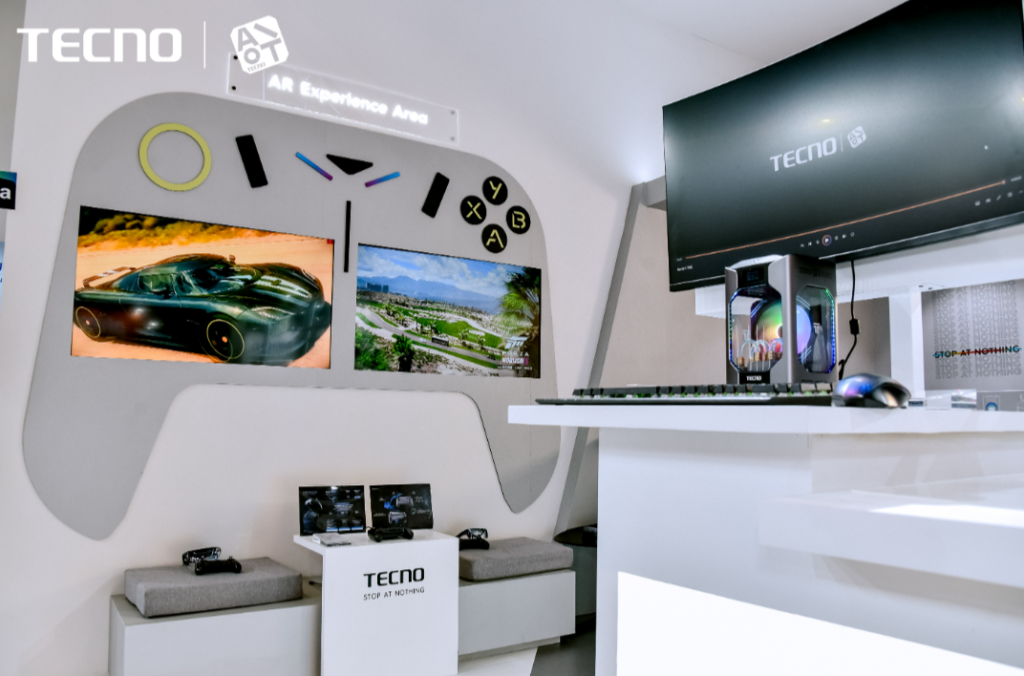
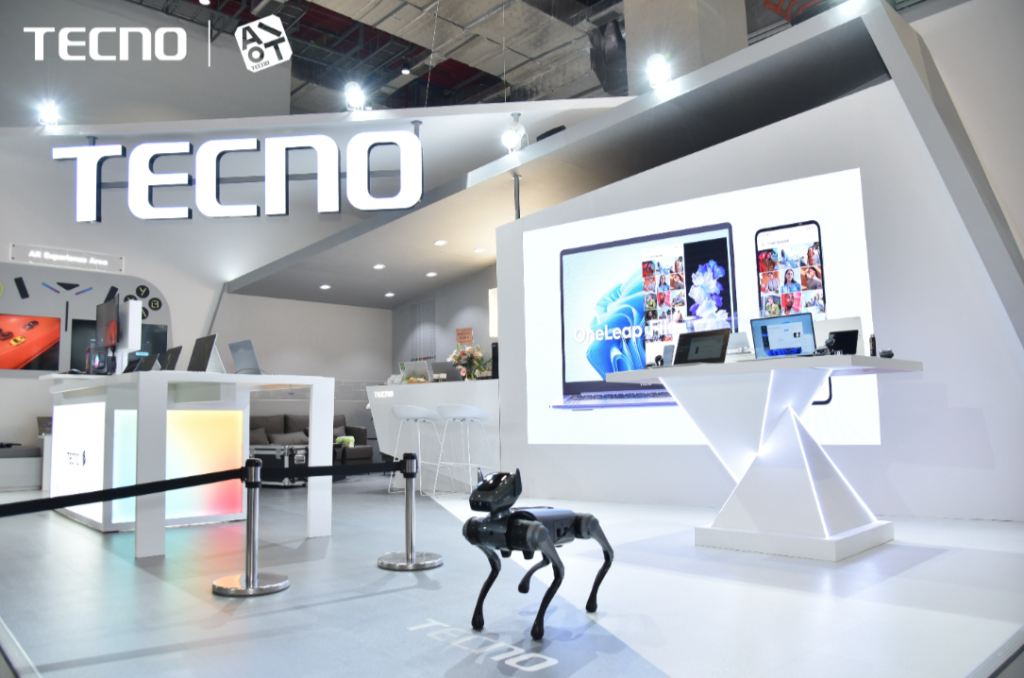
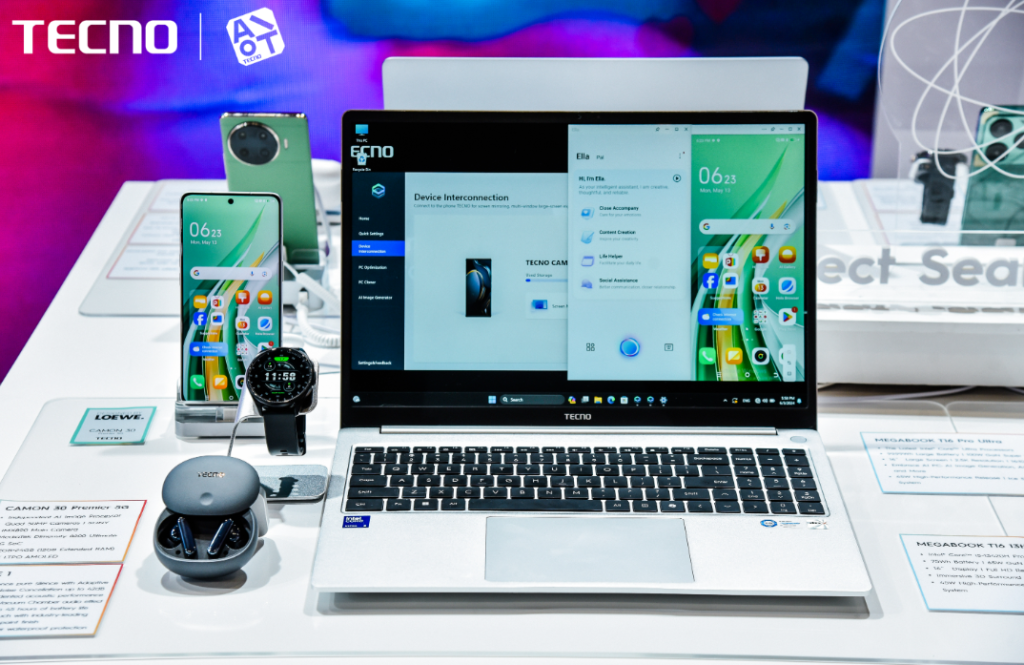
TECNO has made a splash at COMPUTEX 2024, showcasing an impressive array of AI-enhanced products under the theme “Smart of Creation.” The highlight of TECNO’s presentation includes cutting-edge devices like the Dynamic 1 robotic dog, PocketGo, Mini PCs, MEGABOOK Series, and the AI-powered CAMON 30 Premier 5G.
TECNO AI and AR Innovations
One standout product is the TECNO PocketGo, an AR PC handheld that recently won the Red Dot 2024 Product Design Award. This device combines AR glasses with a handheld PC, revolutionizing mobile gaming. Featuring the AMD® Ryzen™ 7 8840HS processor and advanced head tracking, it provides a 6D immersive gaming experience. The PocketGo integrates seamlessly with Windows and connects with TECNO smartphones and mini PCs.
Dynamic 1 Robotic Dog
TECNO’s Dynamic 1 robotic dog is another highlight. This bio-inspired quadruped, resembling a German Shepherd, features AI interaction capabilities. With an Intel® RealSense™ D430 depth camera and multiple sensors, it excels in obstacle detection and navigation. Dynamic 1 can climb stairs, jump, and respond to voice commands, showcasing TECNO’s innovation in robotics.
CAMON 30 Premier 5G
The CAMON 30 Premier 5G redefines video calling and imaging with AI features like AIGC Portrait, AI Erase, and Universal Tone. The new CAMON 30 Premier LOEWE Edition, debuting at the exhibition, offers an eco-friendly design with a coffee grounds back cover and green color accents.
Mini PCs and MEGABOOK Series
TECNO introduces the world’s smallest water-cooled gaming MINI PC G1, featuring an Intel® Core™ Ultra processor, 32GB DDR5 RAM, and 1TB SSD for top-tier performance. The MEGA MINI M1, a pocket-sized desktop weighing only 445g, delivers up to 45W performance in a compact design.
The MEGABOOK T16 Pro 2024 Ultra, TECNO’s first AI PC, boasts an Intel® Core™ Ultra 7 Processor, a 99Wh battery, up to 32GB LPDDR5 RAM, and 1TB storage. It offers AI capabilities like Al Image Generation and Al Copilot.
Mega Interconnect, Smart Manager
TECNO’s PC Manager software enhances collaboration between TECNO laptops and smartphones, streamlining workflows and optimizing device performance. The OneLeap feature enables seamless data sharing, multi-screen collaboration, and file management, ensuring data security and efficiency.
TECNO’s diverse range of innovative products at COMPUTEX 2024 demonstrates its commitment to leading the future of technology with AI and AR advancements.
Tecno is reportedly working on its second-generation flip foldable phone. The Tecno Phantom V2 Flip has been spotted on the Federal Communication Commission (FCC) website. It will arrive as the successor to the first-generation V Flip that debuted last year. The certification listing reveals key details of the upcoming offering including its design schematics. Read on to learn everything below.
Tecno Phantom V2 Flip bags FCC
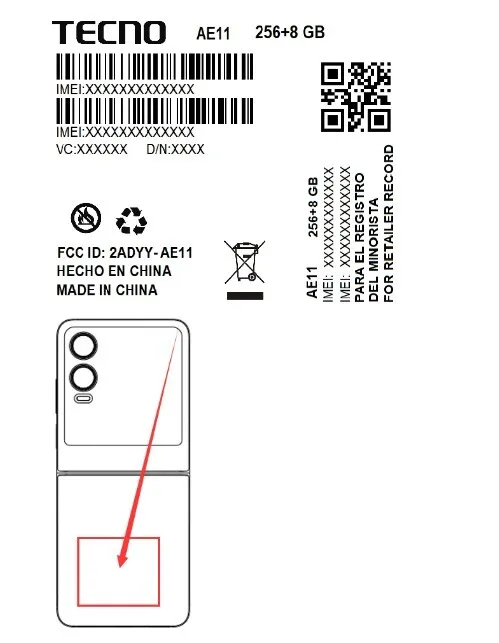
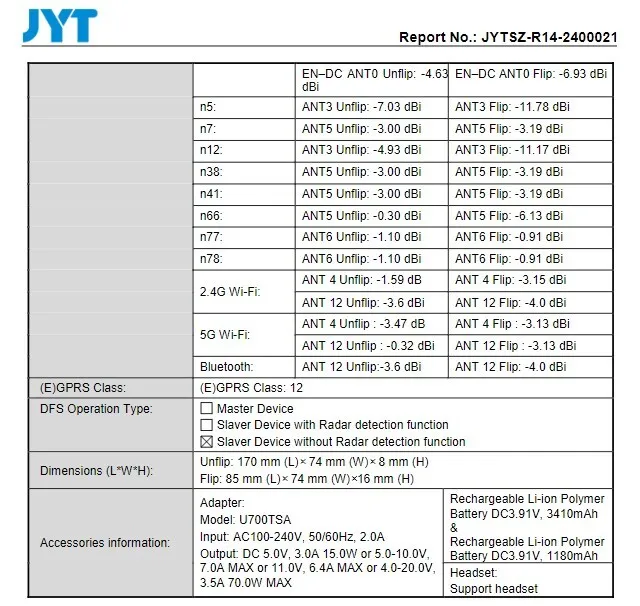
The Tecno Phantom V2 Flip is listed with model number AE11 on the FCC certification website. The design schematic reveals that the upcoming offering will feature a new design. It will have a large secondary screen on the back panel. It appears square in shape with two vertically stacked camera sensors and an LED flash unit. To recall, the Phantom V Flip has a secondary display housed inside the circular camera module ring. The power and volume rocker buttons are located on the right side of the device.
The FCC listing also mentions that the Tecno Phantom V2 Flip will be powered by dual-cell batteries with capacities of 3,410mAh and 1,180mAh. This means that the phone will have a 4,590mAh cell onboard. It is 15 percent bigger than its predecessor. The clamshell foldable phone is said to support 70W fast charging. It is listed with 8GB RAM and 256GB storage.
Dimension-wise, the Tecno Phantom V2 Flip is said to measure 170×74×8 mm when unfolded and 85×74×16 mm when folded.
Apart from FCC, the Tecno Phantom V2 Flip had previously surfaced on the Geekbench benchmarking platform. It is expected to be powered by a Dimensity 8020 processor coupled with 8GB RAM. The phone scores 814 and 2,866 points in the single-core and multi-core test results.
TECNO, the leading technology and smartphone brand, is partnering with the Asian Communication Research Centre (ACRC) at Nanyang Technological University (NTU) Singapore to study skin tone and smartphone portrait imaging preferences among Southeast Asian consumers.
The collaboration aims to enhance TECNO’s Universal Tone technology by incorporating scientific research. Surveys in Indonesia and the Philippines will help establish cultural benchmarks and define how skin tones are represented in Southeast Asian imagery.
The research will be led by Professor Jack Qiu from NTU’s Wee Kim Wee School of Communication and Information, with contributions from Professor May O. Lwin, Associate Professor Elison Lim, and Associate Professor Lewis Lim from NTU’s Nanyang Business School. Professor Qiu emphasized the importance of understanding the diverse aesthetic preferences in Southeast Asia.
TECNO says it is committed to addressing the needs of consumers in different regions, ensuring its smartphone portrait technology reflects true diversity. This collaboration with NTU follows a successful partnership with the University of Leeds, where TECNO developed its Universal Tone technology for inclusive multi-skin tone imaging.
The technology, now featured in the TECNO CAMON 30 Series, authentically represents diverse skin tones and cultural aesthetics. TECNO’s General Manager, Jack Guo, highlighted the importance of adapting technology to meet the aesthetic needs of different cultures, viewing this collaboration as a step toward diverse and inclusive beauty standards in the global tech industry.
The evolution of Universal Tone technology in Southeast Asia demonstrates TECNO’s commitment to embracing cultural uniqueness and advancing global technology.
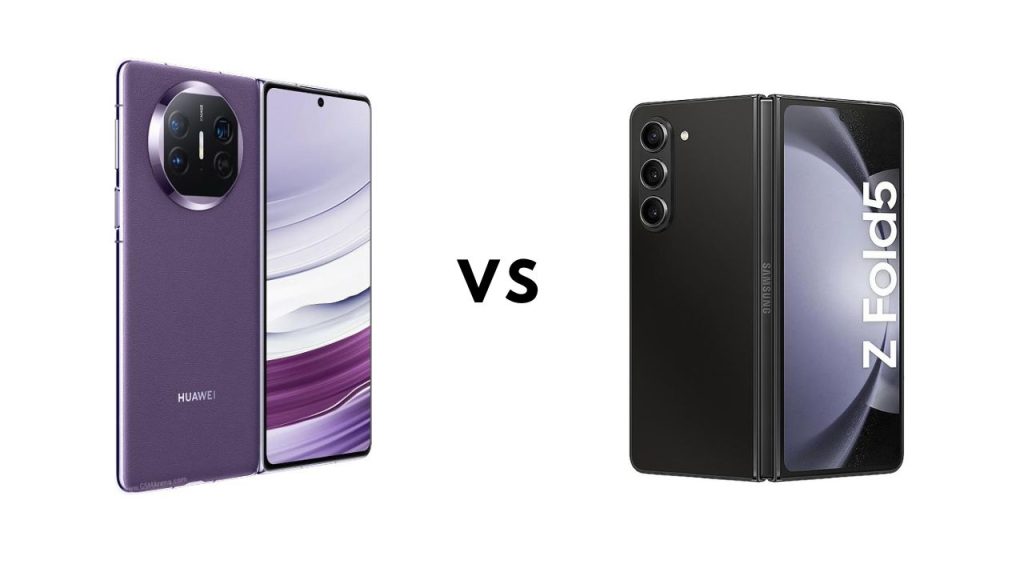
The Galaxy Z Fold 5 launched last year as a premium foldable smartphone. While Samsung was known for dominating the segment in the past, Chinese brands have managed to catch up. So now, here are a couple of reasons why the Huawei Mate X5 foldable model is better than Samsung’s flagship Galaxy Z Fold 5.
1. Huawei Mate X5 vs Samsung Galaxy Z Fold 5: Thinner & Lighter
Flip phones are usually more compact and easier to carry, but the notebook folding flagship device have been infamous for their bulk and heft. Samsung’s Galaxy Z Fold 5 is one such example, measuring a chunky 13.4mm (6.1mm when unfolded) in thickness and weighing 253 grams.
On the other hand, the Huawei Mate X5 comes in at just 11.1mm thick (5.3mm when unfolded) and weighs around 243 grams. While this might not seem like much, the difference can be felt when holding the two devices. Regardless, both models are quite heavy when compared to regular smartphones. So any trim on the side is appreciated.
2. Higher resolution display
It is hard to get into a full-on display comparison between the two models since they both offer a top-notch panel. However, an area where the Mate X5 edges ahead is the resolution. On its primary 7.85-inch panel, it offers 2224 x 2496 resolution which means you get a 426ppi density.
Meanwhile, the Galaxy Z Fold 5 has a slightly smaller 7.6-inch screen but with a lower 1812 x 2176 resolution and 373ppi density. Since it is such a large display (on a phone at least), the higher PPI does help in offering a better viewing experience.
3. Bigger Battery & Faster Charging
Under the hood, the Samsung Galaxy Z Fold 5 is powered by a 4,400mAh battery pack that supports 25W wired fast charging, 15W wireless fast charging, and 4.5W reverse wireless charging. This is decent as battery and charging specs go but it isn’t exactly a great deal considering the price you pay for the Z Fold 5.
Outshining Samsung’s flagship, the Mate X5 offers a more respectable 5,060mAh battery pack. You also get 66W wired, 50W wireless, and 7.5W wireless fast charging. So in a situation where you need to charge your device on the go, the Huawei flagship is a lot more convenient.
4. Camera Setup
Huawei and Samsung have offered a capable camera system on their respective foldable phones. Both feature a triple camera setup at the back with a 50-megapixel primary sensor. The Galaxy Z Fold 5 pairs the main camera with a 10-megapixel telephoto shooter and a 13-megapixel ultra wide angle lens. For selfies and video calls, the cover panel has a 10-megapixel camera and the main display has a 4-megapixel under-display shooter.
This setup is mirrored on the Mate X5, but the telephoto shooter has a higher resolution 12-megapixel sensor as well as a 13-megapixel ultra wide angle lens. It even offers a higher 5x optical zoom from the telephoto shooter compared to the 3x optical zoom on the Z Fold 5. You also get an 8-megapixel camera on both the primary and secondary screen.
5. Glass or Leather: Huawei offers both
Having more options is always better and Huawei let’s you choose between what your device is built with. You can either opt for a glass rear panel or go for the eco leather back. Both options are premium and are surrounded by an aluminum frame. Samsung comes with this metallic frame as well, but doesn’t offer the vegan leather option. So there is only a glass variant. For protection, the duo comes with the IPX8 rating for water resistance.
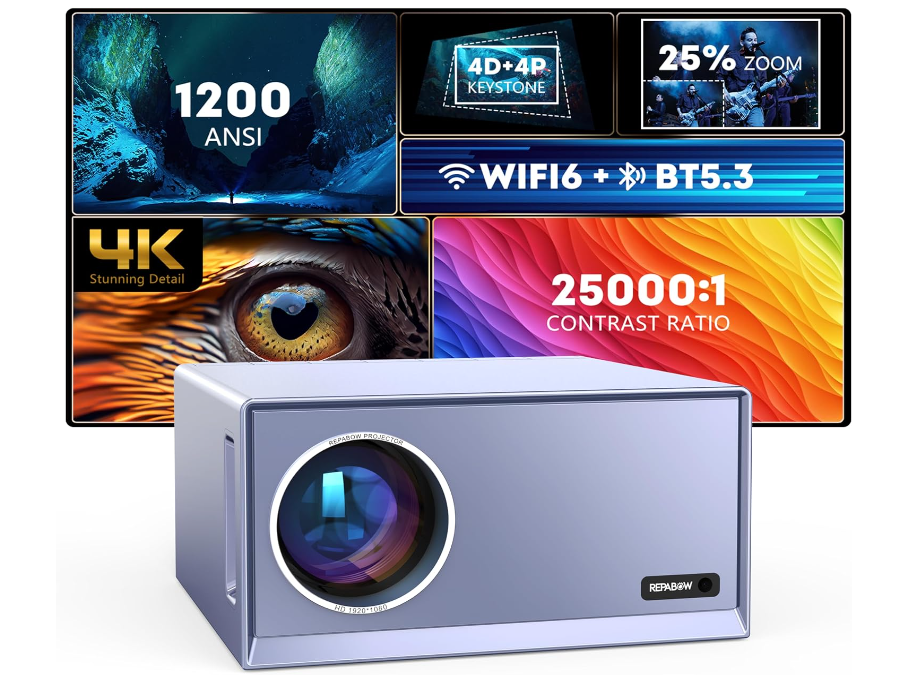
The REPABOW ML450 4K Projector is a cutting-edge device designed to elevate your home entertainment experience with its array of advanced features. This projector boasts a sealed optical engine, native 1080P resolution, support for 4K content, WiFi 6, and Bluetooth 5.3 connectivity, making it a versatile and reliable choice for both indoor and outdoor movie nights.
Exclusive Deal: Save $300
Take advantage of a massive $300 savings on the REPABOW ML450 4K Projector! Originally priced at $399.99, it’s now available for only $99.99. Use the discount code 4JKYZ426 at checkout to claim this incredible 75% discount. This limited-time offer is valid from June 2, 2024, at 11:39:03 PM until June 10, 2024, at 11:39:13 PM. Don’t miss out on upgrading your home entertainment system with this feature-packed projector at an unbeatable price!
One of the standout features of the REPABOW ML450 is its IPX5 dust-proof sealed optical engine. This innovative design ensures the projector maintains excellent reliability of its optical paths, providing distortion-free images and accurate color reproduction. Traditional projectors often suffer from issues like low brightness, yellowing, and black spots due to dust accumulation. However, the sealed engine effectively blocks dust, ensuring stable operation of the internal components, which not only enhances the projection quality but also extends the projector’s lifespan.
The projector’s visual capabilities are equally impressive. It offers a native resolution of 1920x1080p and supports 4K video, utilizing the latest light-gathering technology to cover 99% of the sRGB color gamut. With HDR10 decoding, the colors are more vibrant and realistic, significantly improving resolution and brightness by over 70% compared to other 1080P projectors. This high resolution and color accuracy ensure that every detail in the video is captured, delivering breathtaking clarity and vividness.
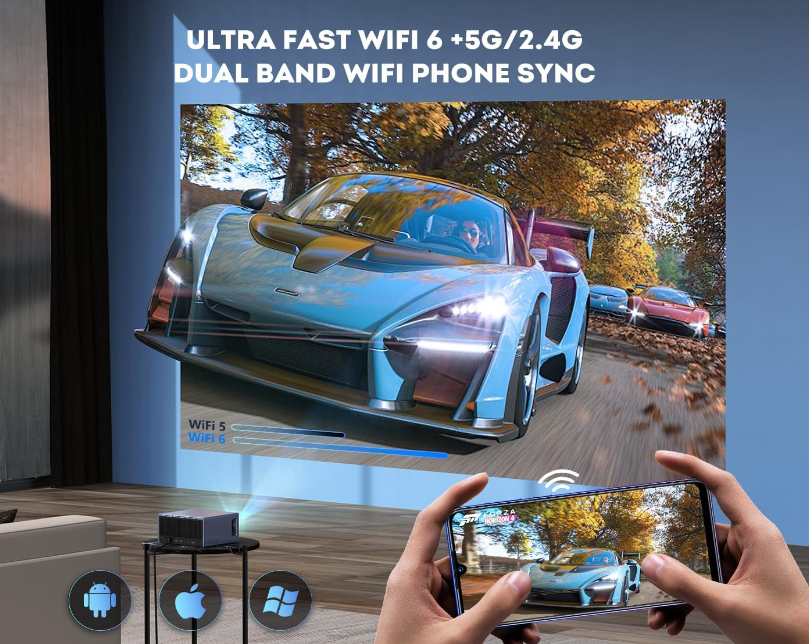
Connectivity is a breeze with the REPABOW ML450, thanks to its built-in WiFi 6 and bidirectional Bluetooth 5.3. The high-processing chip MTK9269 ensures faster wireless speeds, a wider range, and smoother transmission. The Bluetooth 5.3 capability allows the projector to connect to speakers or act as a Bluetooth speaker itself, providing flexibility in how you use the device. The 20W high-power Hi-Fi stereo surround speakers with Dolby Audio deliver cinema-quality sound, enhancing your viewing experience with immersive audio.
Convenience is at the forefront of the ML450’s design, featuring 4D/4P keystone correction for easy image adjustment. This allows you to adjust both vertical and horizontal angles up to ±50° and supports a 360° flip function for front, rear, and ceiling projection. The 100%-25% zoom function enables you to shrink the image size without moving the projector, adding to the ease of setup. Additionally, the projector can play Excel, Word, and PDF files directly from a USB stick, eliminating the need for a wired connection to a laptop or PC.
The projector’s wide compatibility includes HDMI, USB, AV, and 3.5mm audio output ports, making it easy to connect to a variety of devices such as Fire TV Stick, Chromecast, Roku, DVD players, laptops, USB drives, speakers, iPhones, Android devices, iPads, and gaming consoles like the PS5. This extensive compatibility ensures you can use the projector with virtually any device you own.
To top it off, REPABOW offers a 3-year free replacement warranty and a 1-year no-reason money-back guarantee, providing peace of mind with your purchase. Their quick after-sales support ensures that issues are promptly addressed, making the REPABOW ML450 4K Projector a reliable and feature-rich choice for your home theater setup.
REPABOW ML450 4K Projector combines advanced technology with user-friendly features, making it an excellent investment for those seeking high-quality, versatile, and durable projection solutions.
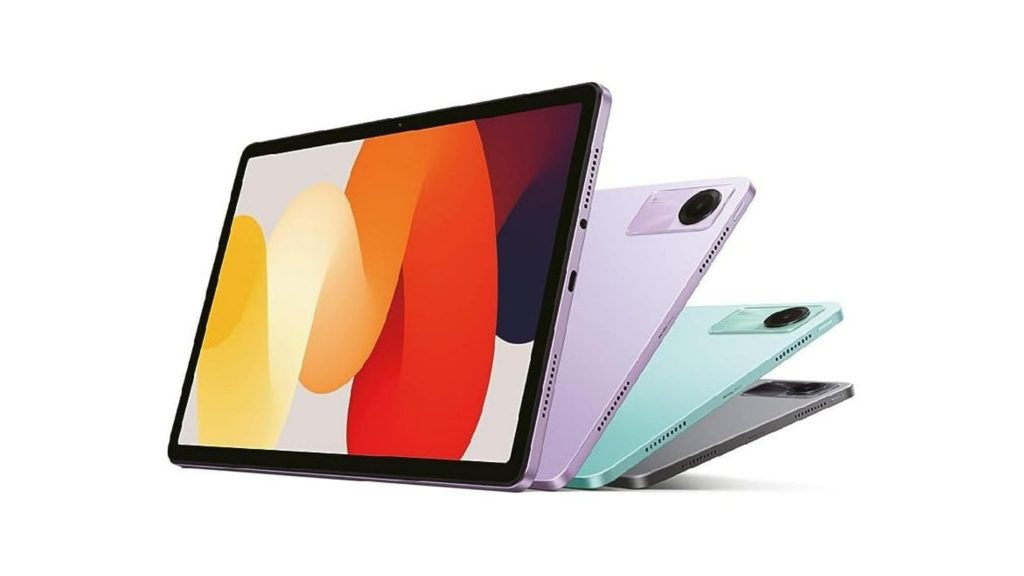
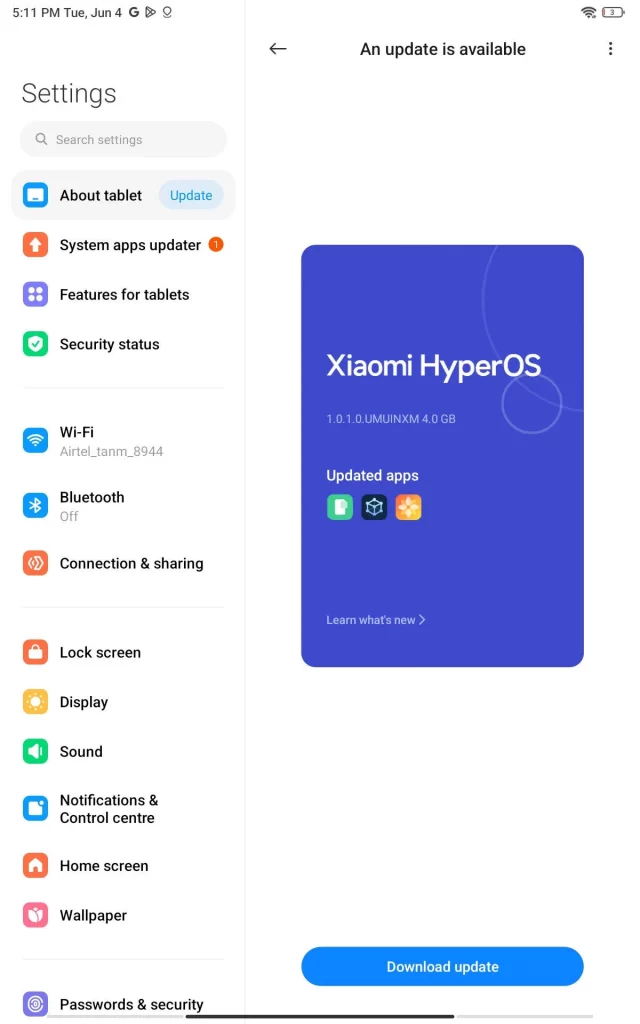
The Redmi Pad SE has started receiving the HyperOS update in India. It was launched back in August last year with the MIUI Pad 14 based on Android 13.
The HyperOS update reportedly makes the device more intelligent, offers system-level optimization, and improves privacy and security,
New features and improvements:
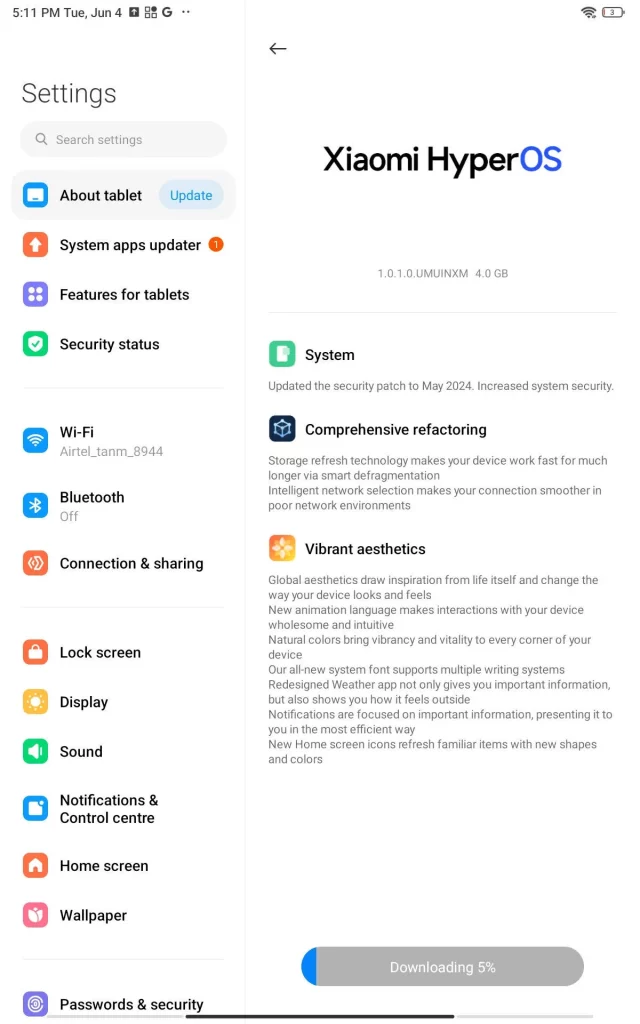
The firmware version of the update is 1.0.1.0.UMUINXM, which is around 4GB is size. The package includes the May 2024 Android security patch.
The update also includes a “storage refresh technology” that helps the tablet retain its fluency over time with the help of “smart defragmentation”.
I found out that defragmentation, also known as defragging or defrag, is the process of rearranging data on the storage, which improves storage efficiency and access. It’s an important process that helps keep the device running optimally.
The HyperOS update also brings intelligent network selection to the Redmi Pad SE to offer improved connectivity in poor network environments.
In addition to that, the HyperOS update also offers improved animations, and vibrant colors for a better look and user experience.
The weather app is also redesigned to offer you important information and to show you how it feels outside.
There are some changes in the notification. The update focuses on the importance of a notification and presents them in a more efficient way.
Users can head to Settings > About Tablet > Update to check if it’s already available for them. Often companies roll out updates in batches, so you may not see the update on your device immediately.
Specifications of the device:
For those who are not using the device, it packs an 11″ LCD panel that supports 400 nits brightness and offers a refresh rate of 90Hz. The panel also packs the TUV Rheinland Blue Light and Flicker Free certification.
The Redmi Pad SE is powered by the Snapdragon 680 processor and an 8000 mAh battery. This is paired with up to 8GB LPDDR4X RAM, 128GB eMMC 5.1 storage, an 8MP camera on the rear, and a 5MP camera on the front.
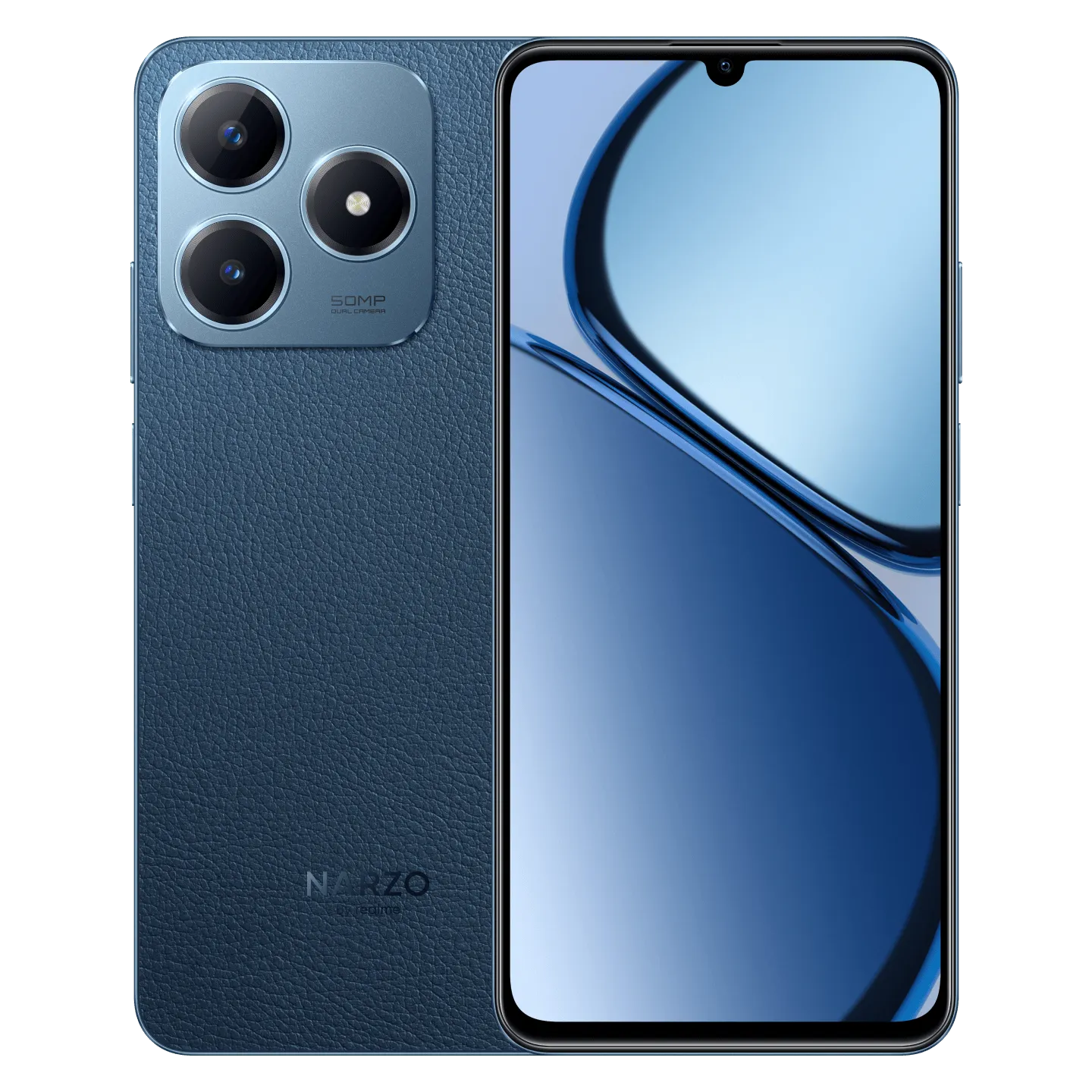
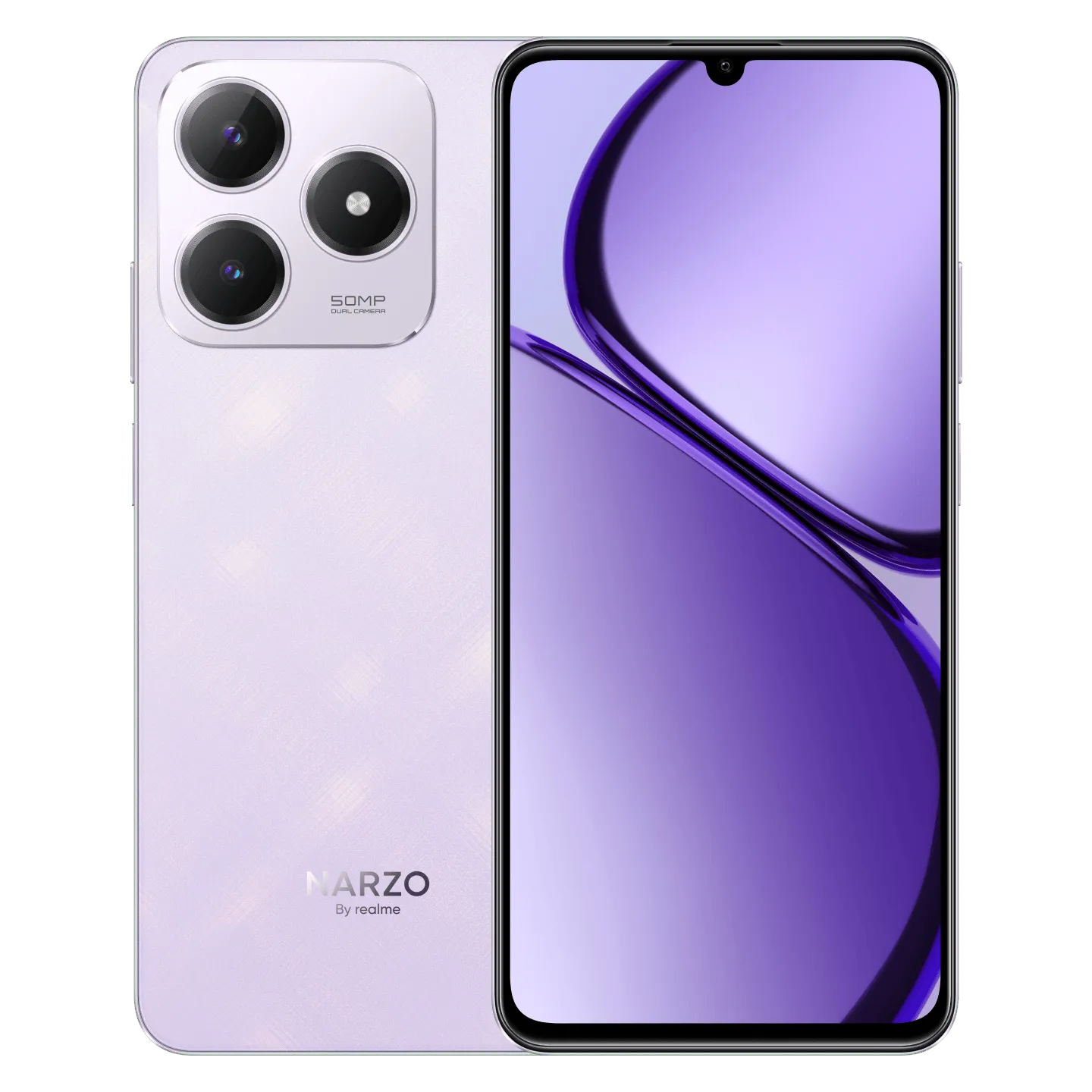
Realme has just added a new model to its Narzo series of devices in India called the Realme Narzo N63. The device is essentially a rebrand of the Realme C63, which debuted in Indonesia a few days back. Despite being a budget range device, the Narzo N63 has a lot going for it like a slim 7.74mm design with a vegan leather back, as well as Rainwater Smart touch technology and a decent fast charging rate.
Realme Narzo N63 specs:
The Narzo N63 has a 6.74-inch HD+ IPS LCD screen with a resolution of 1600 x 720 pixels. It features a 90Hz refresh rate and 180Hz touch sampling rate, providing smooth visuals. The screen reaches up to 450 nits peak brightness.
Powered by a UNISOC T612 Octa-Core processor and Mali-G57 GPU, the phone includes 4GB of LPDDR4X RAM and offers 64GB or 128GB of storage, expandable up to 2TB with a microSD card. The device has a 5000mAh battery that supports 45W SuperVOOC fast charging. It has an Android 14-based operating system.
For optics, the rear camera setup includes a 50MP main sensor with f/1.8 aperture and a depth sensor, along with an LED flash. The front camera is 8MP with an f/2.0 aperture.
The phone is 167.26 x 76.67 x 7.74mm in size and weighs 189g for the Twilight Purple variant and 191g for the Leather Blue variant Additional features include a side-mounted fingerprint sensor, 3.5mm audio jack, and bottom-ported speaker. Connectivity options include dual 4G VoLTE, Wi-Fi 802.11 ac, Bluetooth 5.0, GPS + GLONASS, and USB Type-C.
Pricing & availability
The Narzo N63 will go on sale starting June 10 on Amazon and Realme.com. The device is available in two configurations: 4GB+64GB, with an effective launch price of Rs. 7999 and 4GB+128GB, with an effective launch price of Rs. 8499. After the launch offer window closes, these models will cost Rs. 8499 and Rs. 8999, respectively.
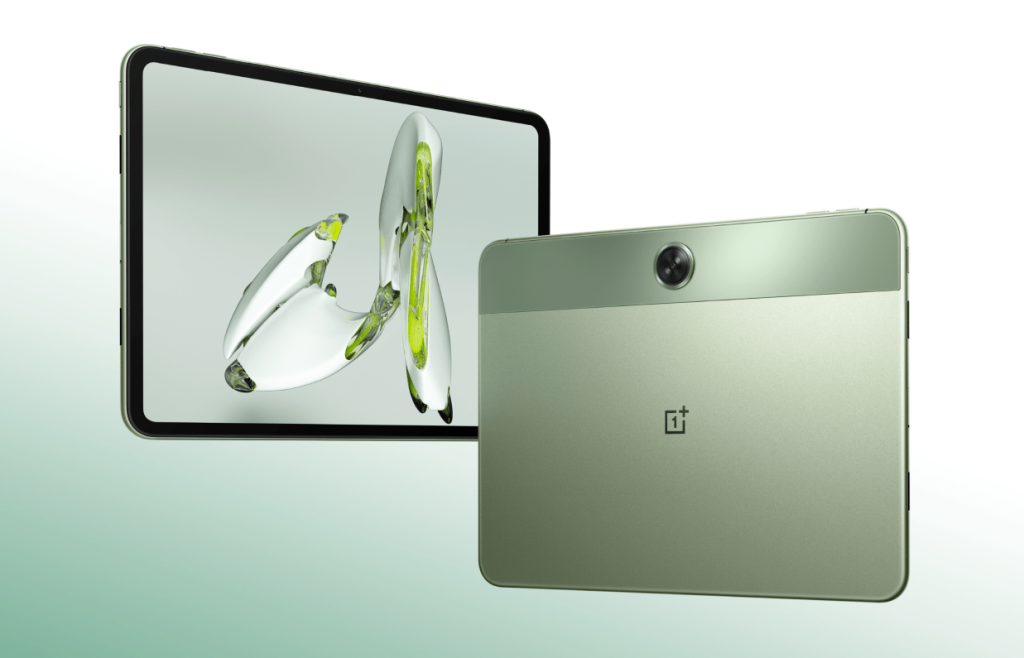
Weibo tipster Digital Chat Station previously reported that OnePlus has postponed the launch of the OnePlus Pad2. Now according to a recent leak from another tipster on the Chinese microblogging site, the OnePlus Pad 2 could be launched as soon as this month.
He adds that the OnePlus Pad 2 will come with four storage and memory configurations: 8GB+128G, 8GB+256G, 12GB+256GB, and 16GB+512GB. The device reportedly weighs around 585g and will be available in two colors – Space Grey and a Khaki Green.
The device has already passed 3C certification and has appeared on Geekbench with a single and multi-core score of 2103 and 6297. Based on the core cluster and clock speed revealed by the Geekbench listing, the chipset appears to be the Snapdragon 8 Gen 3. The 3C certification listing reveals that the tablet will support 67W fast charging. The Snapdragon 8 Gen 3 could be paired with 16GB RAM and 512GB storage.
Based on previous rumors, the device is expected to equip a 12.1″ LCD display with a 7:5 aspect ratio and a resolution of 3000 x 2120. It means a pixel density of 304 PPI. The panel reaches a peak brightness of 900 nits. The OnePlus Pad 2 could also come with support for Dolby Vision and Dolby Atmos.
There will be two cameras in total – a 13MP one on the back and an 8MP one in the front for video calling and 2D face unlocking. There will be a 9510mAh battery inside.
The OnePlus Pad 2 is also expected to support the next-generation OnePlus Stylo pen. It could offer a USB Type-C 3.2 Gen 1 port as an upgrade from the USB Type-C 2.0 port of its predecessor.
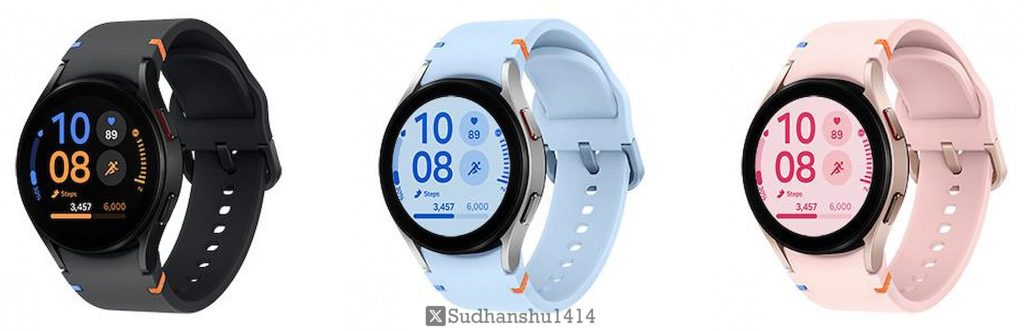
The rumor mill has been churning, and recent leaks suggest Samsung is gearing up to launch a new smartwatch: the Galaxy Watch FE. The “FE” or “Fan Edition” devices” are typically a more affordable version of a flagship product. In this case, it suggests the Galaxy Watch FE will be a close cousin to the 2021 Galaxy Watch 4.
But will there be any key differences between these two devices? Based on the details we have collected from the rumor so far, here’s how the two smartwatches might compare against each other.
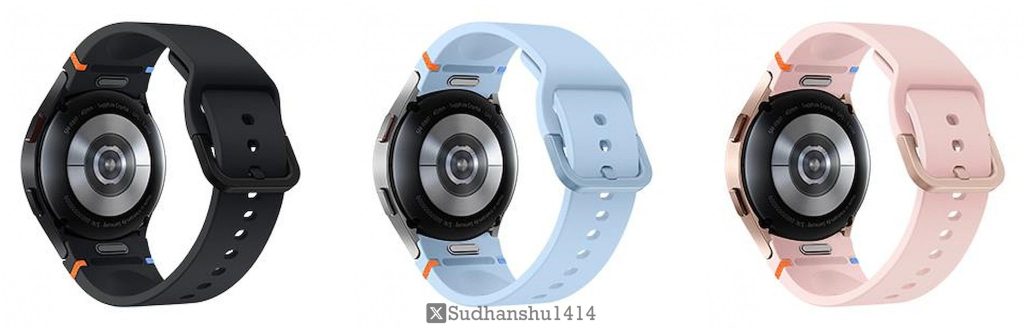
The leaked renders show that the Galaxy Watch FE will borrow heavily from the Galaxy Watch 4’s design. We’re looking at a circular watch face with an aluminum body, housing a 1.2-inch Super AMOLED display. Watch FE being similar to Watch 4 isn’t necessarily a bad thing – the latter has received praise for its sleek and comfortable design.
Under the hood, things seem equally familiar. Reports point to the Galaxy Watch FE utilizing the same Exynos W920 chipset and 1.5GB of RAM as the Watch 4. The W920 is still a capable processor for smooth performance for everyday tasks and fitness tracking. It will have 16GB of storage.
Likewise, the Watch FE will retain features like 50m water resistance and IP68 and MIL-STD-810H certifications from the 2021 Watch 4.
2. Differences
The primary difference between the Watch 4 and the Watch FE in terms of hardware specifications will be the battery. The Galaxy Watch 4 offers a moderate battery life, lasting around 40 hours on a single charge with its 361mAh cell.
In contrast, the Galaxy Watch FE is said to come with a smaller 247mAh battery that will offer up to 30 hours of battery life. It will still support magnetic charging as the Watch 4.
The Galaxy Watch 4 was a landmark device, being among the first to adopt the then-new Wear OS 3 platform co-developed by Samsung and Google in 2021. It now runs on Wear OS 4, with Samsung reportedly testing Wear OS 5 for the Watch 4.
The Watch FE, on the other hand, is expected to come with Wear OS 5 out of the box, and it may receive major platform updates for a longer period than the Watch 4. So software could be another deciding factor for those choosing between the Galaxy Watch FE and the Watch 4.
Now, the biggest differentiator between the Galaxy Watch FE and Galaxy Watch 4 could be the price tag. The “FE” moniker typically denotes a more affordable version of existing flagships. If this holds, the Watch FE could be a more budget-friendly option for those seeking core smartwatch functionalities.
3. Availability and Targeting Different Audiences
The Galaxy Watch 4 was launched in late 2021, and it’s possible that Samsung might phase it out or limit its availability with the arrival of the FE. Samsung will likely position the FE as the more readily available option in the market.
Samsung’s “FE” strategy in smartphones has targeted value-conscious consumers seeking flagship features at a lower price point. The Galaxy Watch FE might follow suit, appealing to those who prioritize core functionalities of a smartwatch like fitness tracking, app support and more without needing to spend much.
4. Conclusion
Based on leaks, the Galaxy Watch FE appears to be a close relative of the Galaxy Watch 4. The core design, hardware, and likely software are expected to be very similar. The key difference, as we mentioned earlier, could be the price, making the FE a more affordable entry point into the Galaxy Watch ecosystem.
We’ll get the full picture with the official launch of the Galaxy Watch FE. Until then, expectations are for a familiar user experience at a more accessible price.
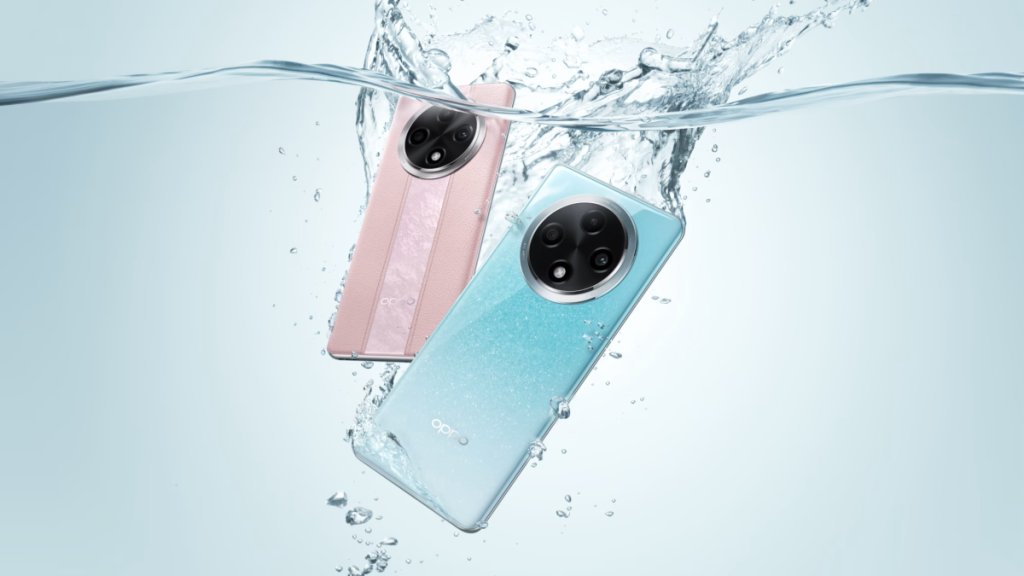
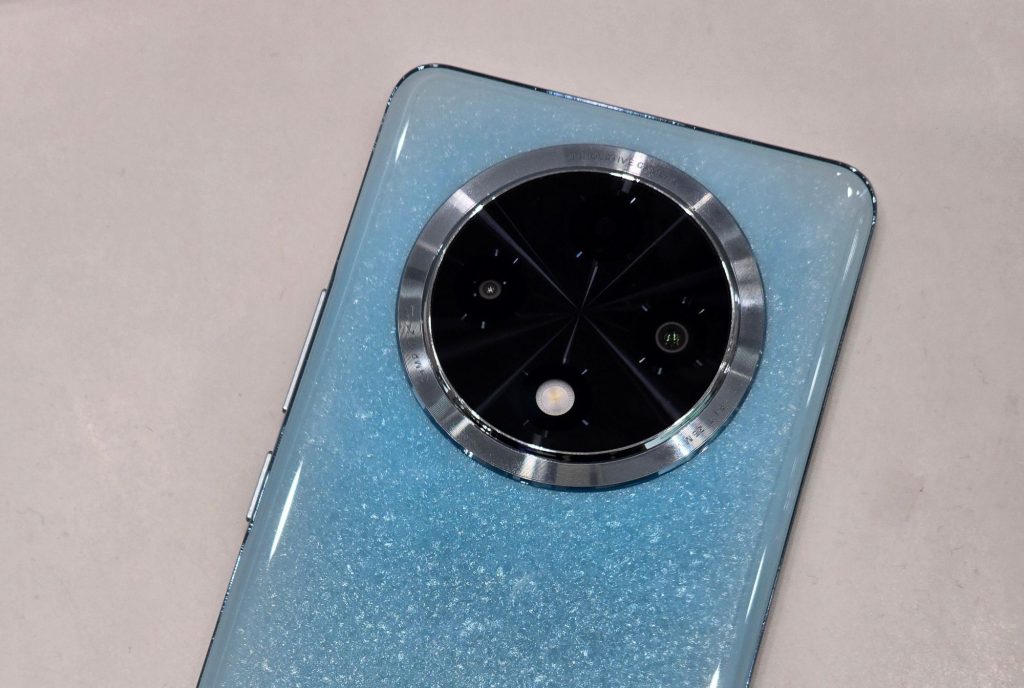
Oppo launched the A3 Pro mid-range smartphone in the Chinese market in April this year. Now a phone has surfaced in India’s BIS certification platform with model number CPH2667. We know this is the Oppo A3 Pro thanks to the Google Play Console listing.
Oppo A3 Pro 5G
A global launch could be imminent
Oppo A3 Pro with model number CPH2639 has already appeared on UAE’s Telecommunications and Digital Government Regulatory Authority (TDRA). It has also surfaced on Indonesia’s SDPPI certification platform. It hints at an imminent global launch of the device.
The recently spotted BIS listing does not reveal any specifications of the device. However, the phone is available in China and the global variant should be largely similar.
The Chinese variant of the Oppo A3 Pro equips a 6.7″ curved AMOLED display with FHD+ resolution. The panel reaches 500 nits in manual peak brightness, 800 nits in HBM, and 950 nits in local peak brightness. There is an in-display optical fingerprint scanner.
On the back you get a 64MP main camera paired with a 2MP depth sensor. There is an 8MP one in the front for selfies.
Oppo A3 Pro live shot 2
A3 Pro packs a MediaTek Dimensity 7050 chipset inside, which is paired with 8/12GB RAM and 256/512GB UFS 3.1 storage in the home country. The storage and memory combinations in the global variant could be different from the Chinese one.
The Dimensity 7050 equips 2 x Cortex-A78 cores clocked at 2.6 GHz and 6 x power-efficient Cortex-A55 cores clocked at 2.0 GHz. The phone scores around 900 and 2300 in single and multi-core tests in the Geekbench CPU test. For graphics, the chipset equips the Mali G68 GPU.
You get a 5000mAh battery that supports 67W SuperVOOC charging. A notable aspect of this phone is the IP69 dust and water resistance rating as only a few flagships, such as the vivo X100 Ultra, offer the same protection (at least on paper).
The pricing of the phone outside of China isn’t confirmed yet. We will share it as soon as it becomes available. To give you an idea, the 8GB+128GB, 12GB+256GB, and 12GB+512GB versions of the phone are priced at 1,999 Yuan (~$275), 2,199 Yuan (~$300), and 2,499 Yuan (~$345) in the Chinese market.
Corning Incorporated has just launched Gorilla Glass 7i, a new product specifically designed for mid-range and affordable smartphones. This new upgrade will provide better protection against drops and scratches compared to older Gorilla Glass versions used in many mid-range devices currently on the market.
The 7i can survive a drop of up to 1 meter onto a rough surface
Corning cites the prevalence of older Gorilla Glass versions (like Gorilla Glass 5 launched in 2016) in mid-range phones as a reason for introducing 7i. They acknowledge the need for a more modern solution that caters to budget-conscious phone makers while still fitting the trend of high-quality displays in mid-range devices.
According to Corning’s press release, the new glass offers significant improvements in durability. Their lab tests indicate that 7i can survive drops of up to 1 meter onto a rough surface (like asphalt) whereas competing aluminosilicate glasses typically fail at much lower drop heights (around 0.5 meters or less).
Beyond drop protection, Gorilla Glass 7i boasts twice the scratch resistance compared to some other lithium aluminosilicate cover glasses on the market. This seems like a promising new solution for manufacturers of mid-range smartphones, offering improved protection without breaking the bank.
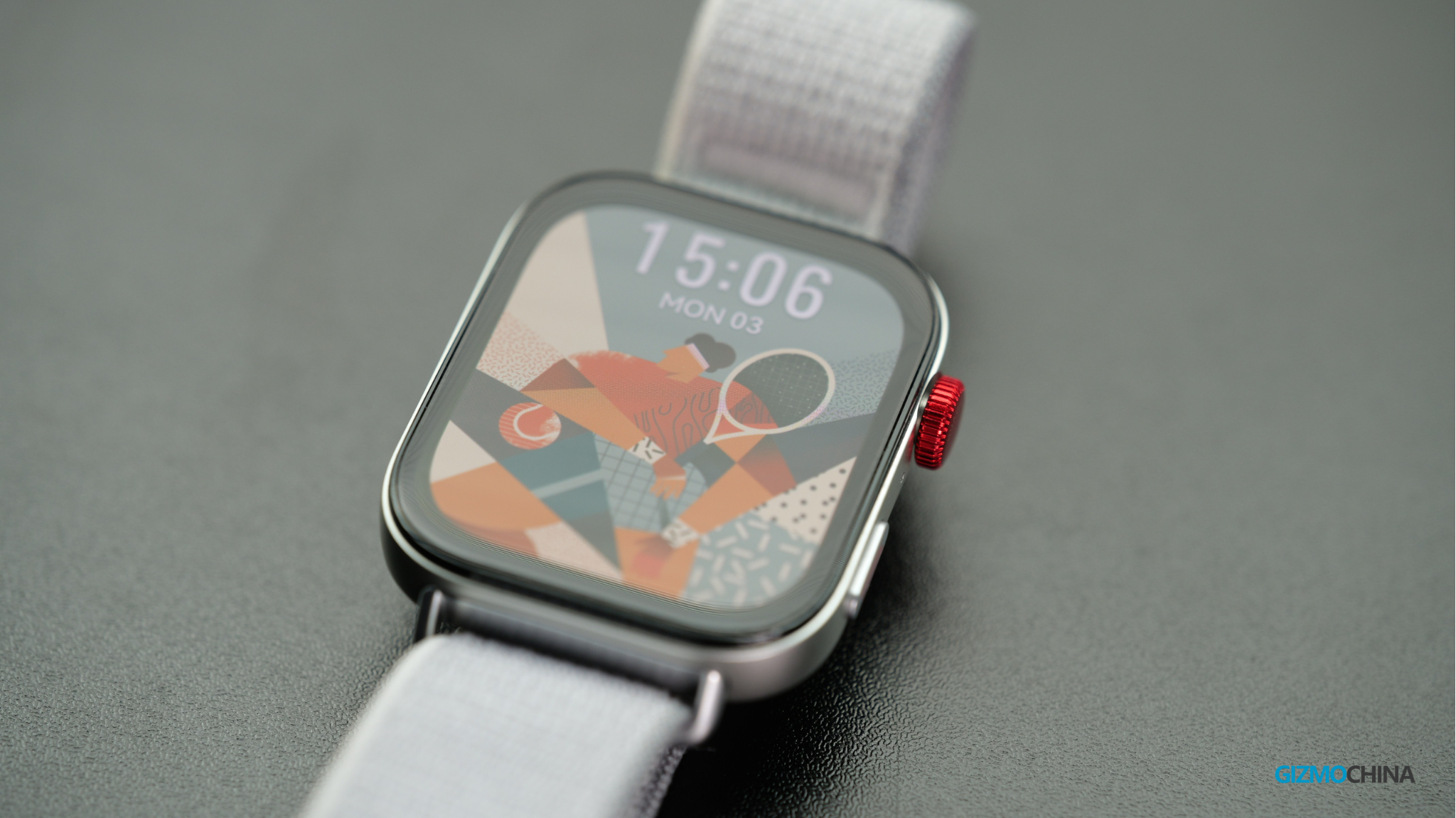
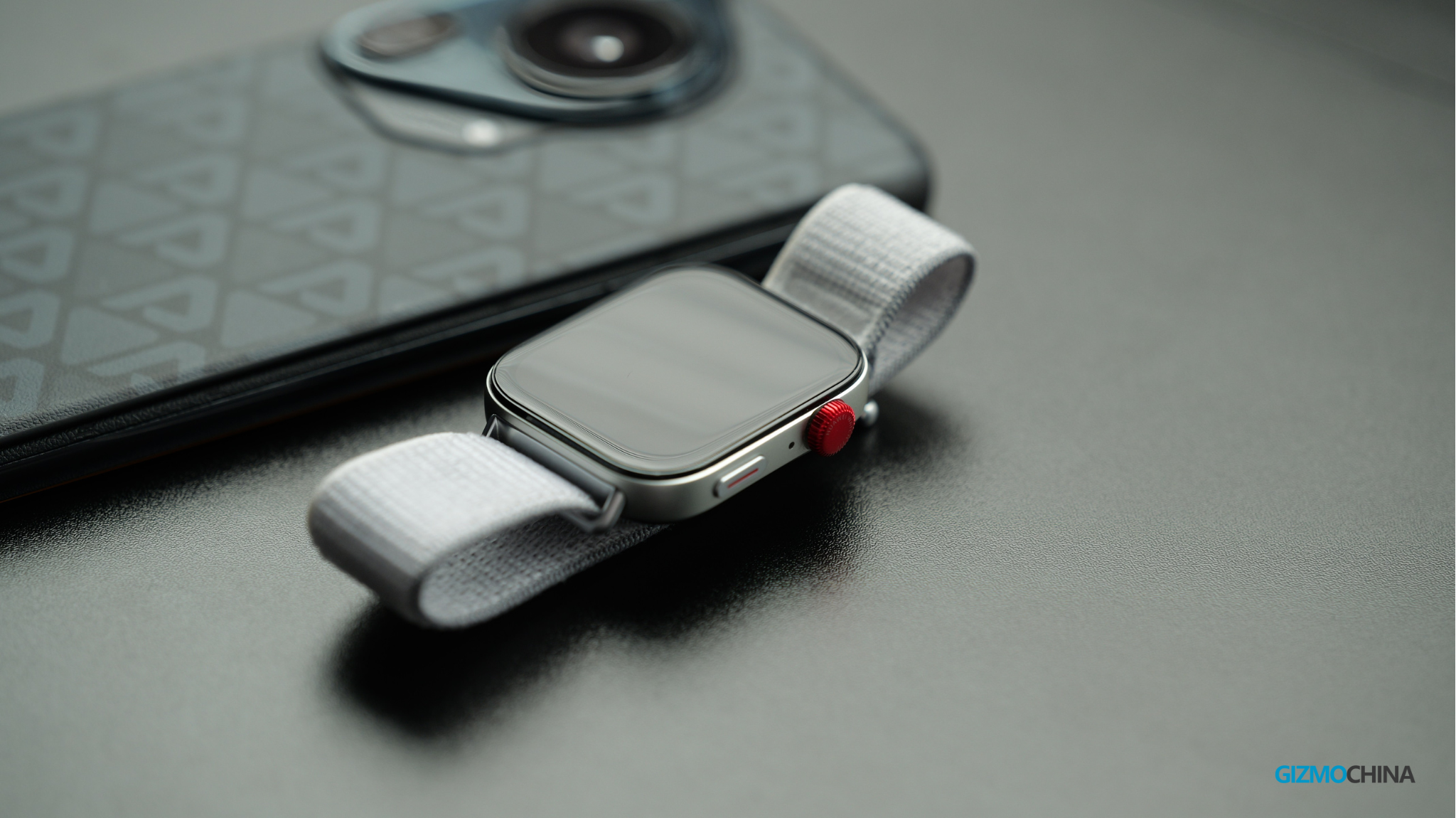
Here we have the HUAWEI WATCH FIT 3 for a review, this one is pretty interesting, because again it tried to redefine the boundary between smartwatch and smart band, and this time I would say it’s much like a proper lite smartwatch, more than an enlarged smart band. In this review, you will know the reasons.
Design & Build
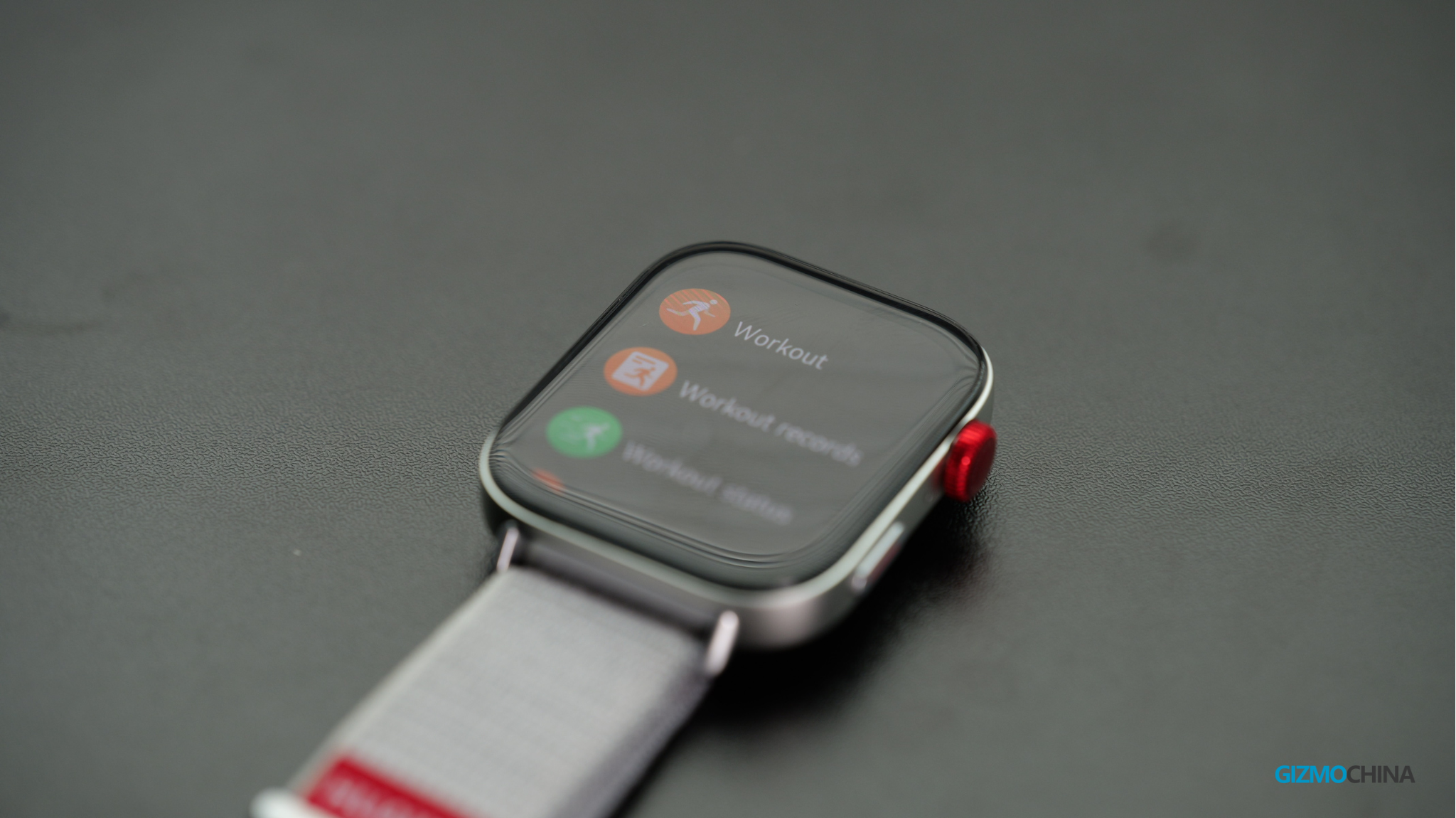
Right out of the box, you will notice that it is a thin, squared-off smartwatch. If you have followed up on the last generation, HUAWEI FIT 2, you will know that they are a lot different from each other. The FIT 2 seemed to more target female users with a fine-designed smaller display, while the FIT 3 is more like a sport essential for everyone outside of those smartband products. Combined with a stretchy Nylon strap, the FIT 3 is amazingly lightweight and breathable for sportswear. If you remove the strap, the watch body weighs just 26g. What’s really promising is that even though it’s as light as a smartband, it’s still versatile as a smartwatch.
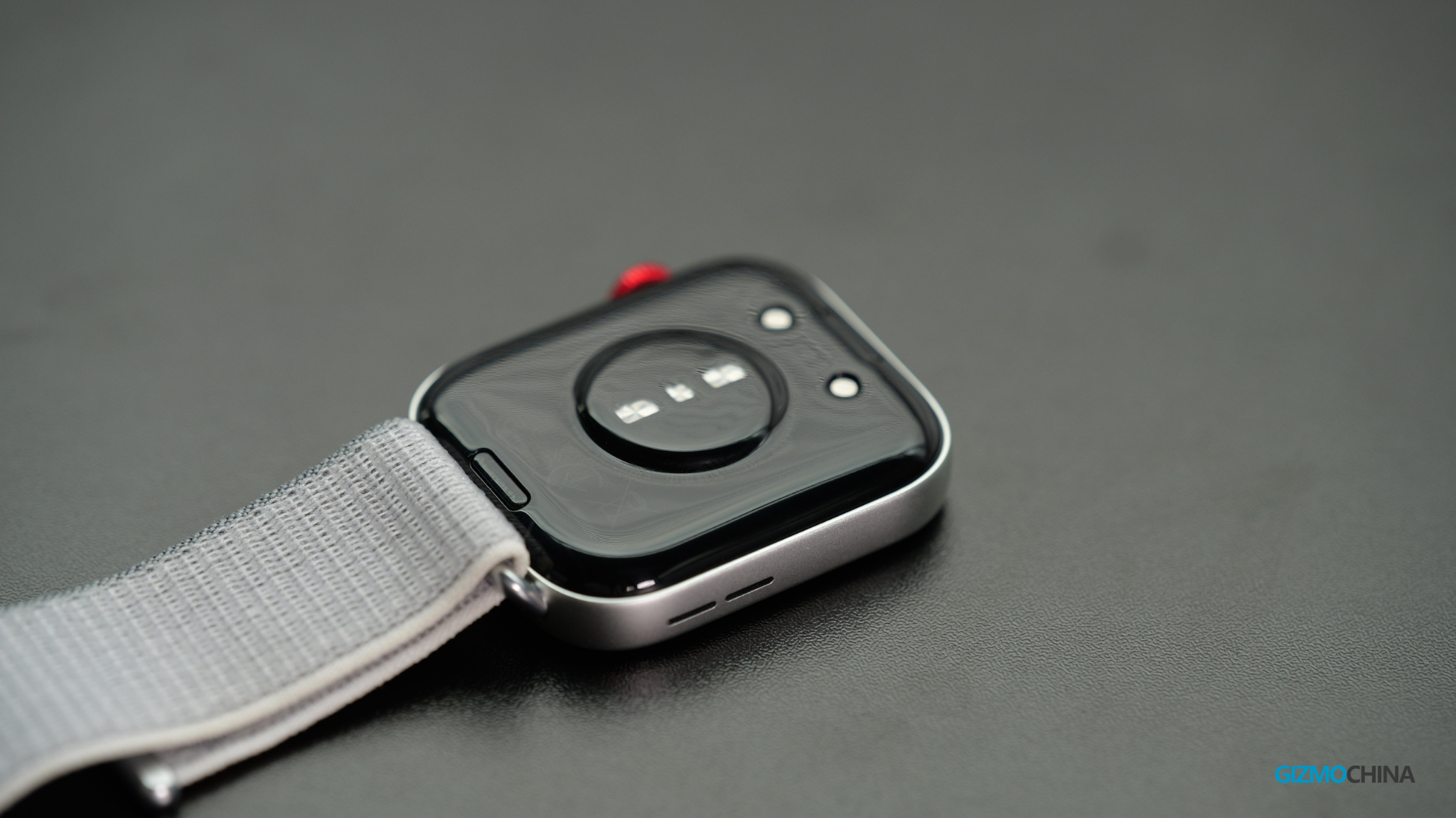
So this smartwatch has a 1.82″ AMOLED screen on top, covered by a panel that does not have perfect bezels – the top and bottom are slightly wider than the other two sides. The flip side of the watch is a complete plate with no cutout around the sensor area, although the magnetic charging pins have taken a little place on one side. I like this build more than others, because the dirt can be wiped out easily and will not leave anything on it.
The maximum brightness is impressive, especially when having workouts outdoors in the daytime, which is still visible in the sun’s glare.
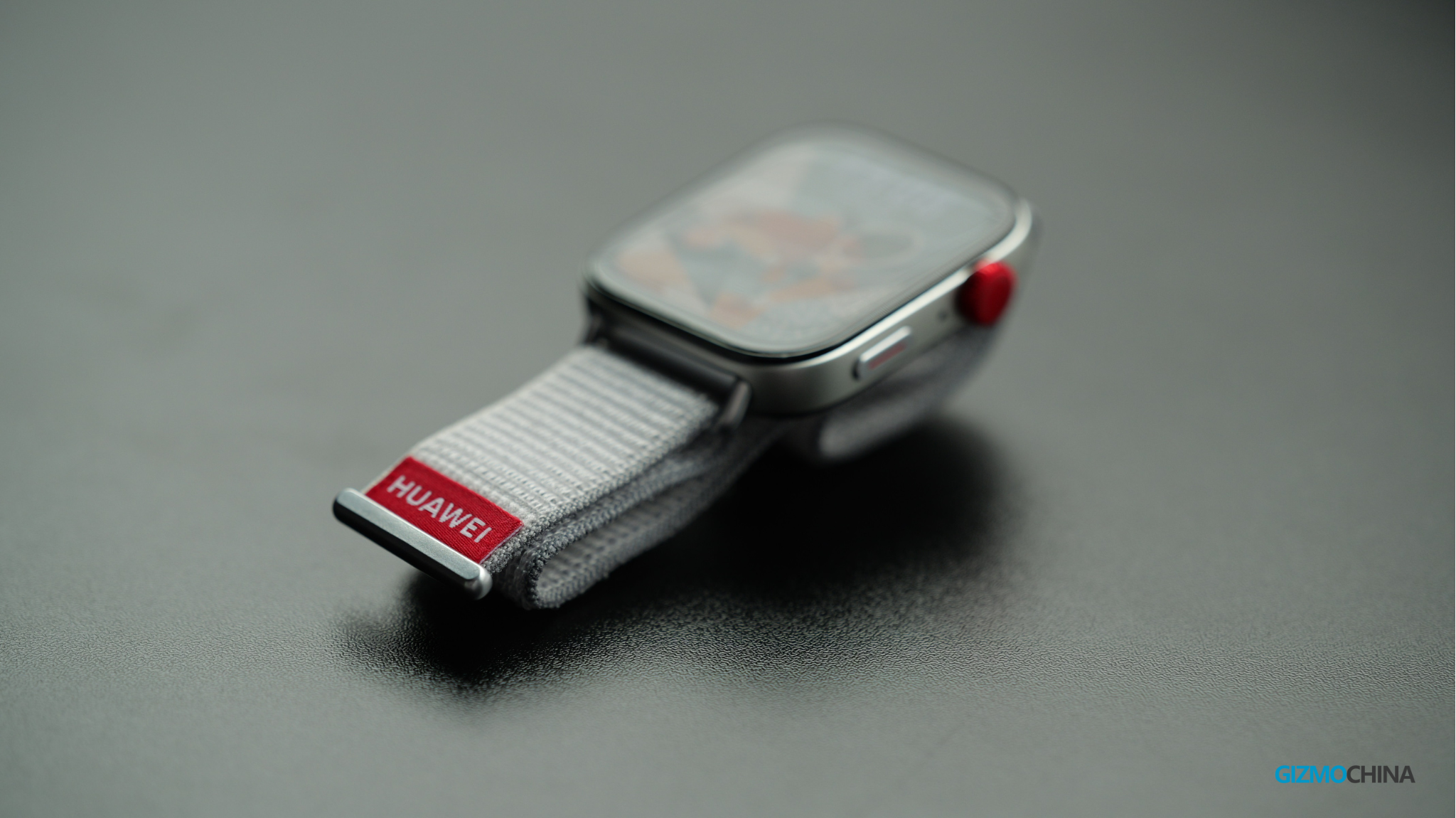
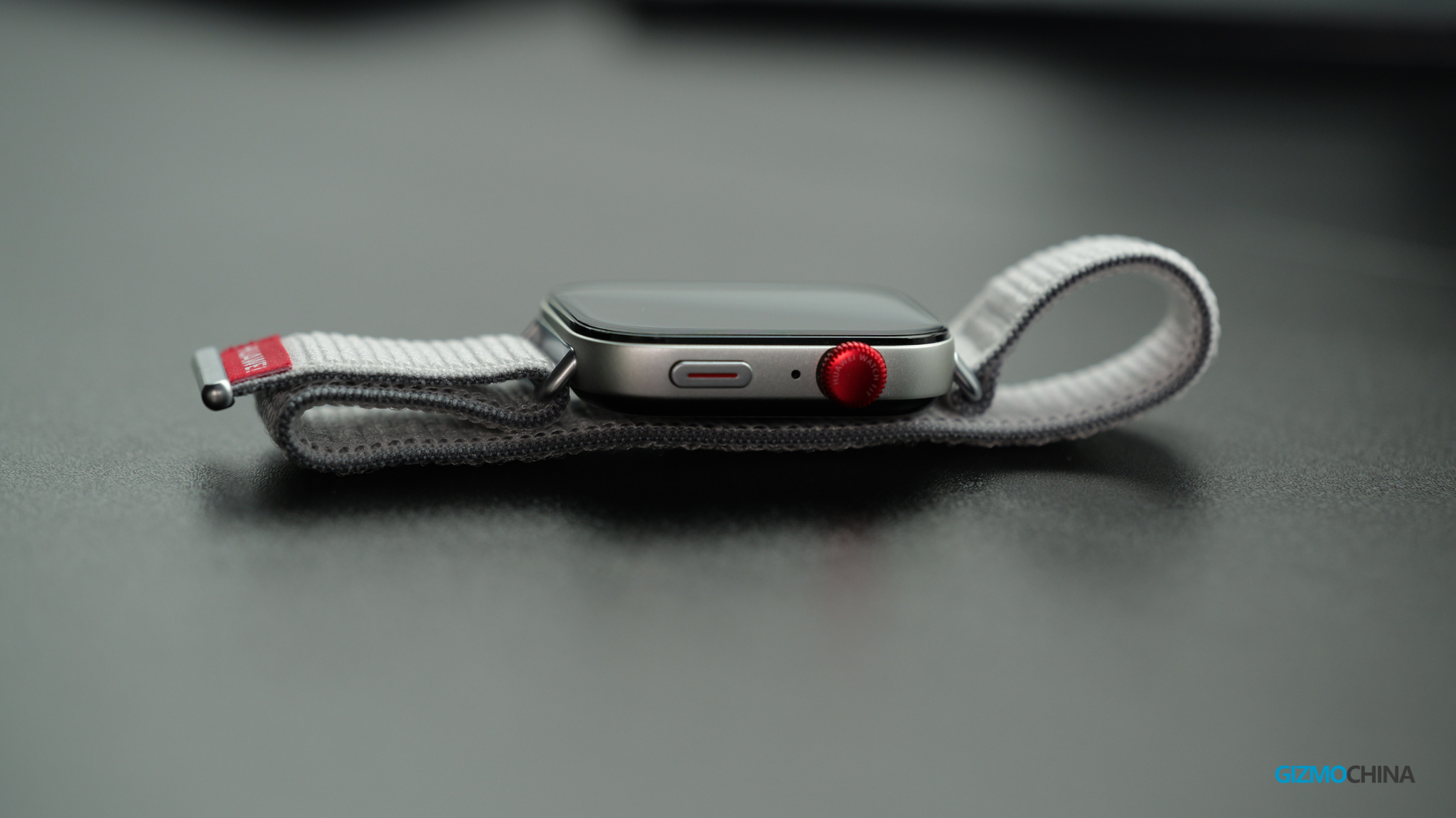
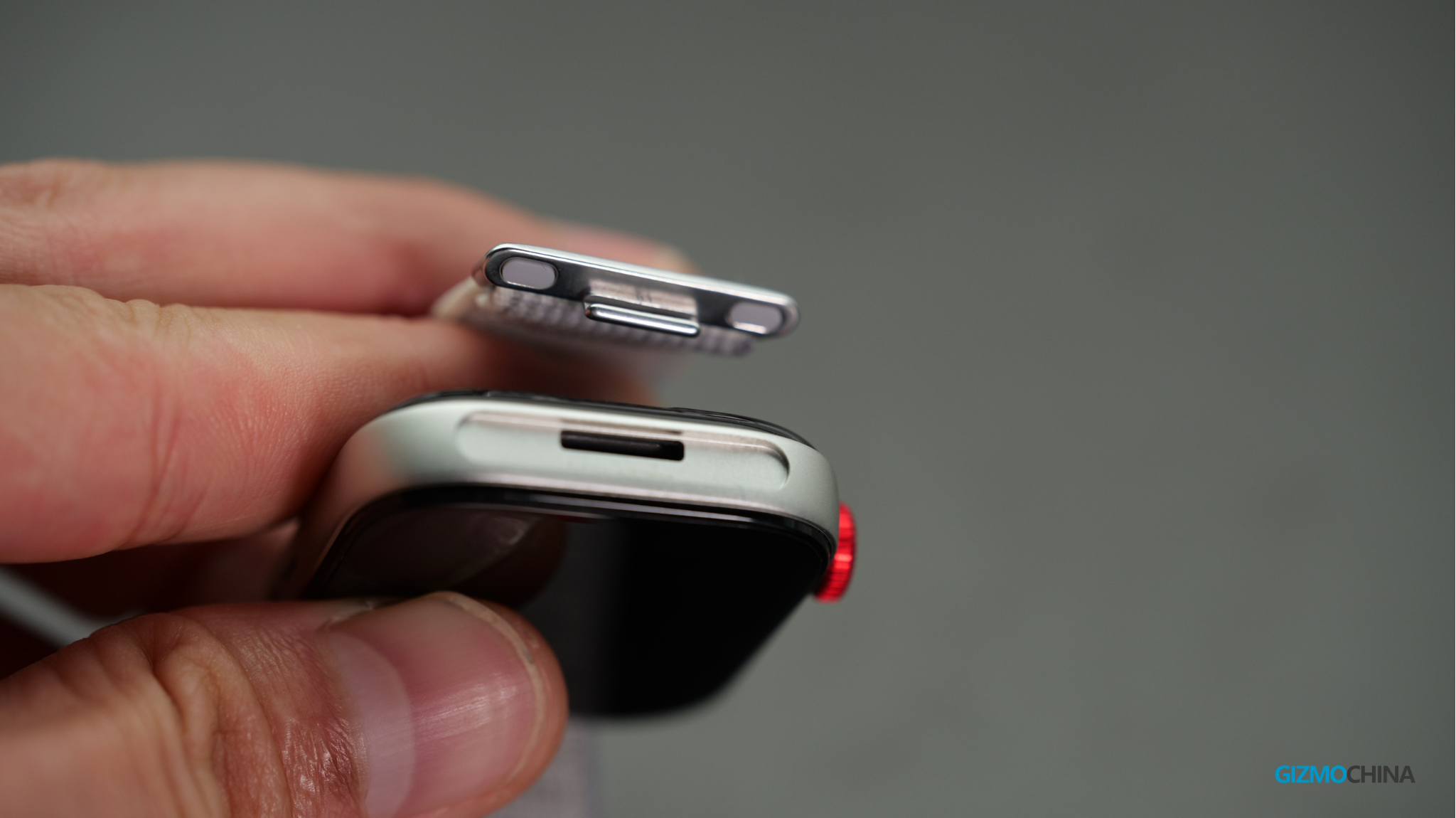
In between the top and bottom panels, is the aluminum alloy body sandwiched in between to house all the buttons and watch band. On the right, there is a crown that can rotate up and down, and another button to toggle through many functions. The crown is in a typical HUAWEI red hue, it looks and feels really good, and the dampening is very well-calibrated. On the left side, there is the speaker cutout, the sound it produces is very big, loud enough to hear all the instructions and broadcast clearly. The band that comes with the watch is also top quality, the lock mechanism is like the Apple Watch, once the band is bonded with the watch, it is very secure, not wobbling at all. The buttons on the flip side will let the hooks go. One thing to note is that the lock is simpler, so I think there wouldn’t be a common problem that third-party band manufacturers have, which is the compatibility issue.
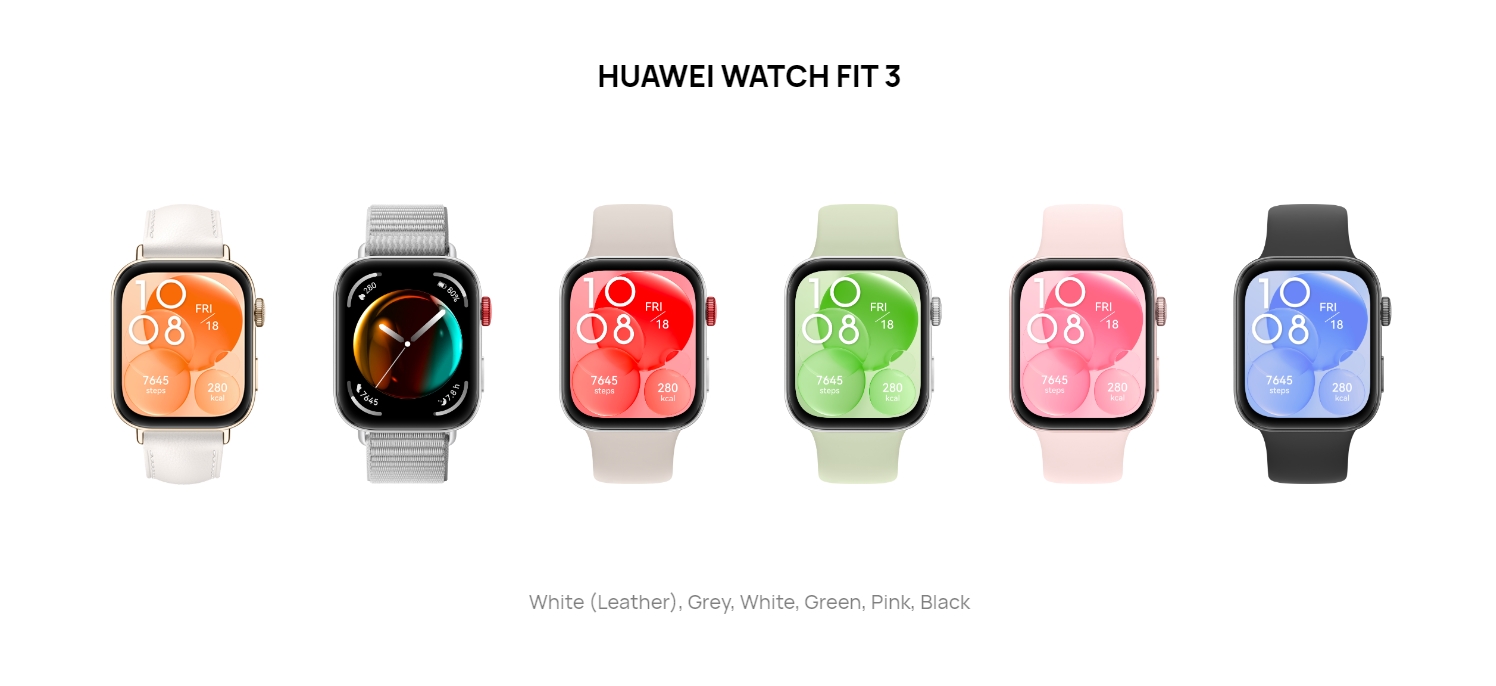
This time, there are six bands/straps to choose from HUAWEI, four Fluoroelastomer Strap, one White Leather Strap, and one Grey Nylon Strap. It’s clear that this smartwatch is meant more for sports, but once paired with other straps, it can also be a fashionable item. Overall, the watch has a nice design, the square design makes a really good-looking watch, and it is very lightweight.
Function & Features
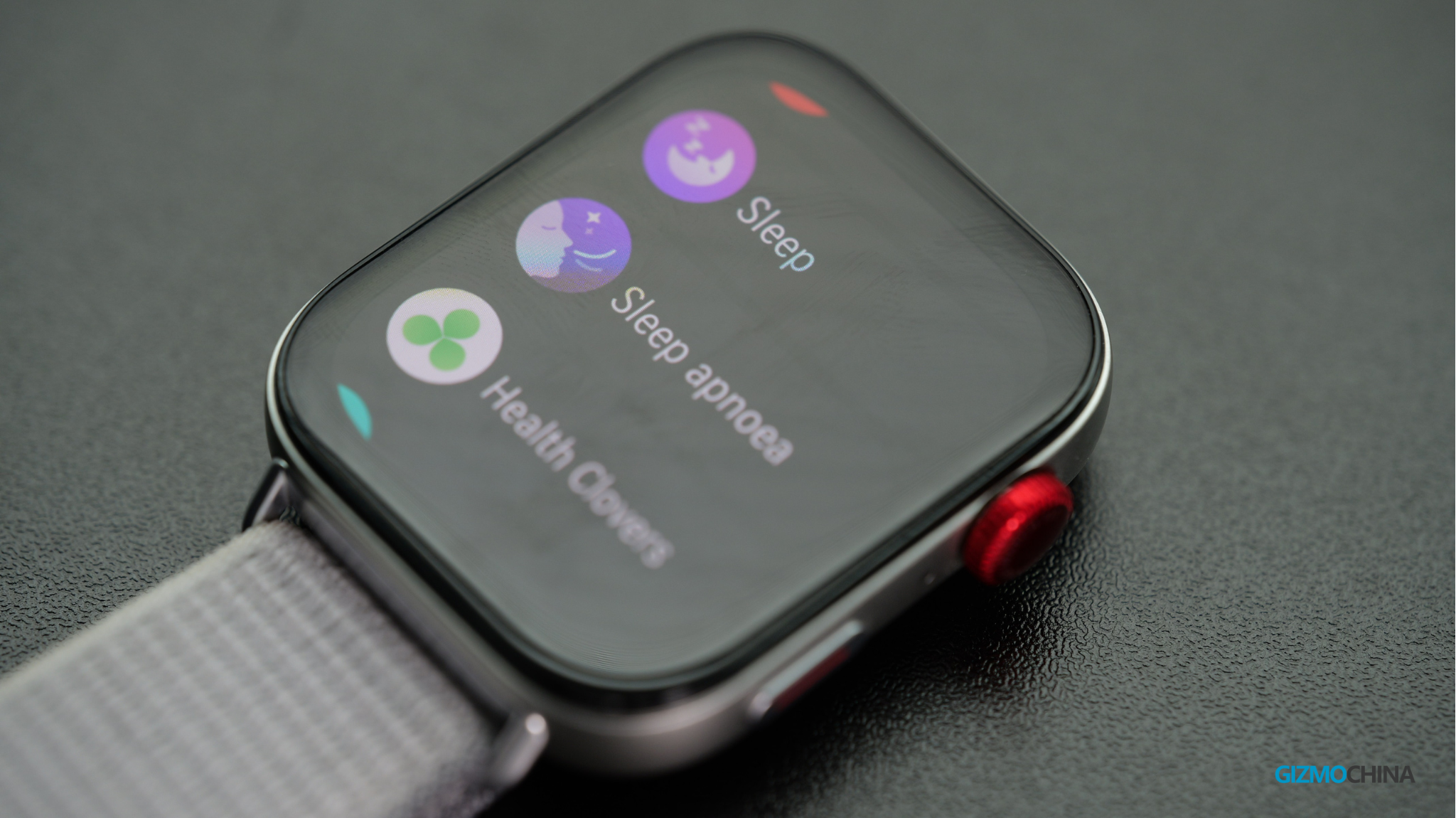
As a smartwatch, it has a whole package of smart features. But as a new model, it must have some unique ones to make you pay for it, so let’s focus on those you would be more interested in. Basically they are 100+ Workout Modes, Stay Fit, and Sleep apnoea.
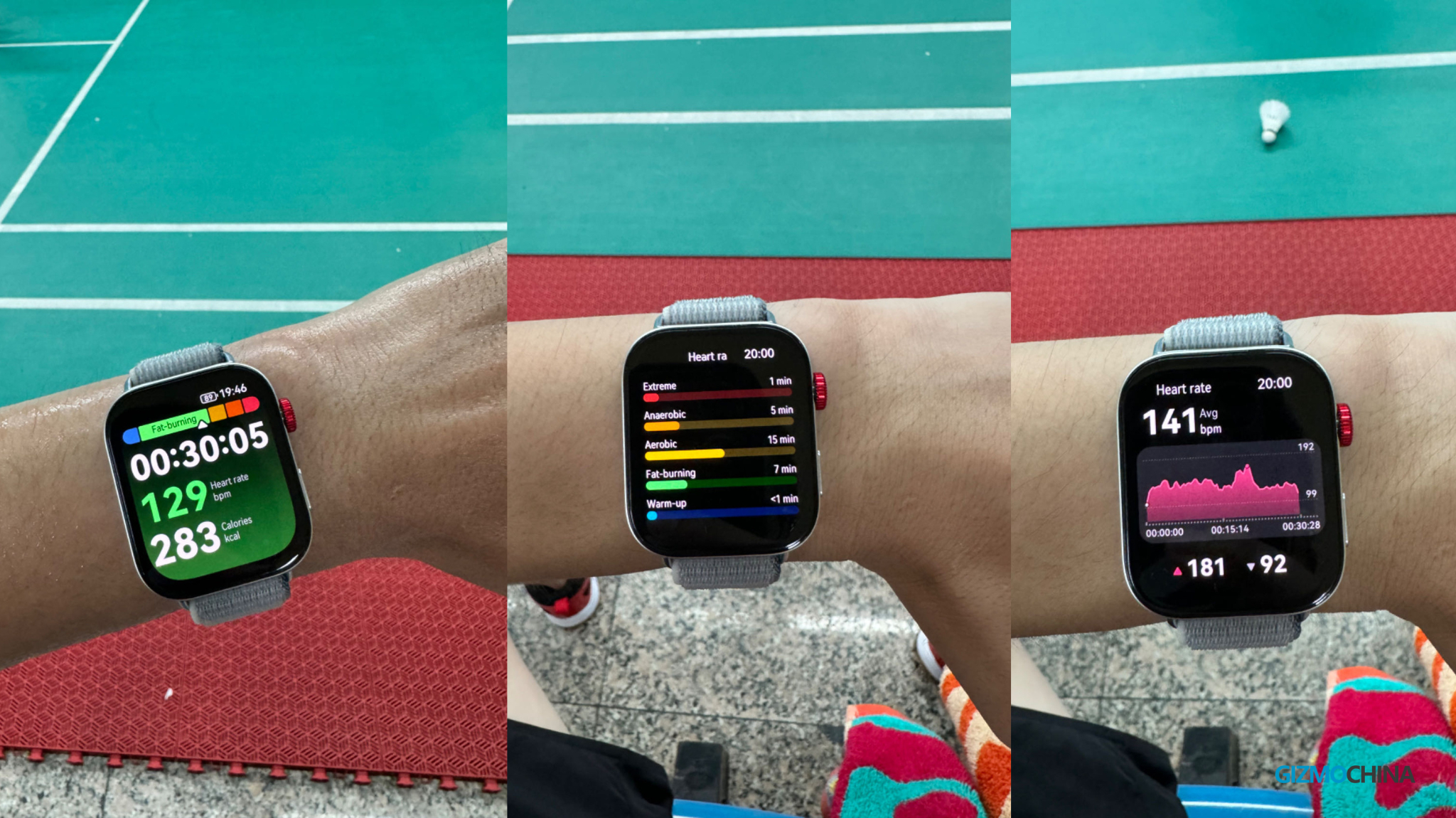
During the time of wearing the watch, the watch can detect the workout mode pretty quickly. Take badminton for example, once the workout starts, the watch will start recording every move, and show the essential data on the main screen. And a single swipe up and down, left and right will take me to some other info, it is very convenient. Once the workout has been going for 10 minutes, 20 minutes or so, the speaker will read the data out loud, to make sure you don’t lose focus on those things, and the volume is surprisingly big, quite a useful feature I haven’t experienced on other watches. After the workout, you can have a very clear idea about the calories, heart rate and time, etc. So overall, this watch has the complete package of all the sports tracking.
In addition, the built-in GPS is a great bonus for such a lightweight sports watch. Positioning accuracy is also amazingly reliable on the FIT 3, not at all inferior to other high-end sports watches. You can wear it to independently have the distance calibration and movement tracking.
When you want to keep fit, one essential thing is to keep track of your diet. There is a feature to help you track everything you eat, and the approximate calories you intake from that dish. This feature works really well, because wherever you are from, you can find the local dishes you eat. For example, I can find some egg dishes in the search bar, and some really local way of making the dishes will come out. The only thing you need to do is to figure out how much you eat in that dish, which is a habit you need to develop, but if it is about losing weight, this is a must. To help you form a habit of doing so, the watch will notify you at a certain time of the day, to remind you to do that.
Lastly, the Sleep apnoea detection. Me personally I snore a bit, and I am always worried about having sleep apnoea, because it not only affects your sleep quality, and your facial appearance, but also it affects your partner. So for years, I have been trying to find the solution to that, fortunately, there is one more step forward for me here. So basically, it will detect such activity during sleep. I am lucky enough not to have experienced that until now, but if you are slightly overweight, or getting older, there is a higher chance you would have encountered that, so keeping an eye on that will be very important.
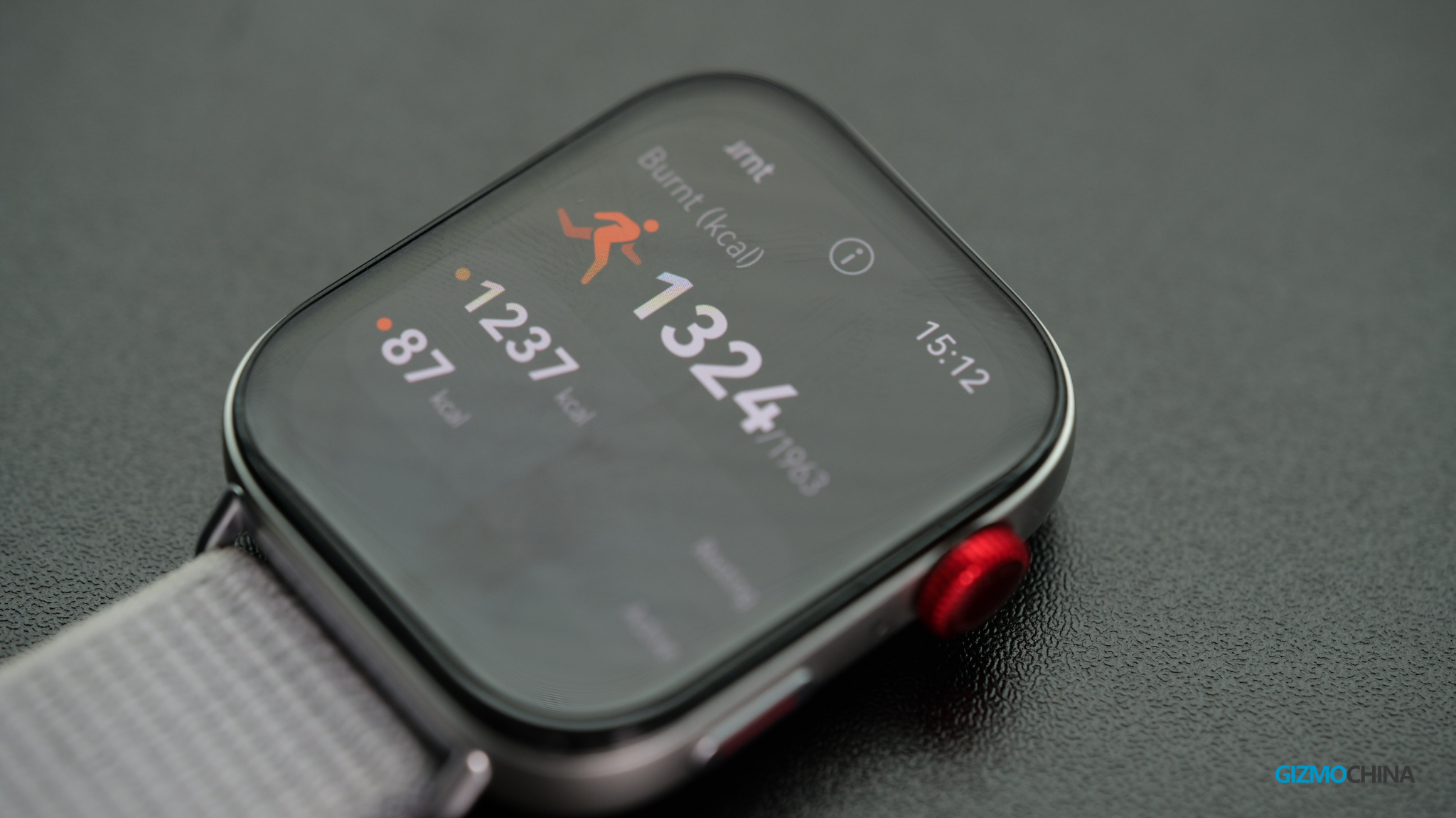
For some other features, like the Activity Records, and 10 Days of battery life, these are all as good as its officially advertised. Following the guides and tutorials in the HUAWEI Health app, it’s becoming a great lifestyle companion as I was able to make full use of those features.
Verdict
So after a week of use, this watch has helped me a lot. The first thing that stands out is the awesome battery use, even with all the health monitoring features up and running, it still lasted more than a week. The three features mentioned in this review really helped with my day-to-day use a lot, a very good experience. So if you are in the market for a slim and light, good-looking, and full-featured smartwatch, this one is perfect for you. Now the FIT 3 is available in various regions. For more purchase information, you can check out the new HUAWEI Watch on their official store.
On June 13, Honor will host a launch event in China to introduce the Honor Magic V Flip, its first foldable display phone with a flip-style design. Today, the brand confirmed that it will also announce a limited-edition Honor Magic V Flip variant, designed by international fashion icon Jimmy Choo. The teaser image of the limited-edition variant showcases a dreamy crystal-like color scheme.
Honor Magic V Flip limited-edition incoming
Limited edition Honor Magic V Flip designed by Jimmy Choo incoming
The limited-edition Honor Magic V Flip, showcased on Honor Mall, will have 16 GB of RAM and 1 T of storage. Different from the standard Magic V Flip, this special variant features a distinctive design tailored for female users.
As previously confirmed by the brand, the standard model will be available in three options: 12GB+256GB, 12GB+512GB, and 12GB+1TB. As expected for a limited edition phone, the price is anticipated to exceed that of the regular version.
For those who may not be familiar, Jimmy Choo is a prominent British luxury brand celebrated for its exceptional footwear and accessories. Its primary focus lies in women’s shoes, featuring a diverse range from sophisticated pumps to chic sandals, all meticulously crafted with unparalleled attention to detail and impeccable craftsmanship. Beyond footwear, the brand also offers an array of products including handbags, small leather goods, sunglasses, and fragrances, solidifying its status as an icon of elegance and style.
Honor Magic V Flip specifications (rumored)
The rumor mill is yet to leek concrete details about the Magic V Flip. So far, the device is tipped to pack a 4,800mAh battery with 66W fast charging support. it will have a 50-megapixel main camera with OIS, a 1.5K resolution display, and a massive cover screen.. It will be available in shades, such as Iris Black, Champagne Pink, and Camellia White.
In today’s news roundup, we’ve got the inside scoop on the upcoming Realme GT 7 and OnePlus Ace 3 Pro, rumored to launch in July with cutting-edge Snapdragon 8 Gen 3 chipsets. Learn about Apple’s ambitious plans for a foldable iPhone, the first “electronic skin” ever created by Chinese scientists, and Huawei’s most recent legal dispute over trademark infringement. Plus, catch up on Apple’s push to bring Apple TV+ to China and more top stories you can’t miss!
There have been reports that as many as four Chinese smartphone brands, such as OnePlus, iQOO, Realme, and Redmi, are gearing up to launch affordable flagship phones in China. While the Redmi K70 Ultra is tipped to feature the Dimensity 9300+ chipset, the OnePlus Ace 3 Pro, iQOO Neo 9S Pro+, and the Realme GT 7 are all expected to feature the Snapdragon 8 Gen 3 chipset. A tipster has shared a few details about the OnePlus and Realme flagship phones and their expected price range.
Scientists at Tsinghua University in China have achieved a breakthrough in artificial skin technology, developing the world’s first “electronic skin” with a bionic three-dimensional architecture. This innovation aims to mimic the remarkable capabilities of human skin in perceiving touch.
Apple is finally dipping its toes into the foldable phone market, and they’re bringing in the big guns to help. Korean media outlet TheElec reports that Apple has tapped Samsung Display and LG Display to develop foldable screen panels for its upcoming devices.
Tech giant Huawei is taking a strong stance against trademark infringement, filing a lawsuit against two individuals, Gao and Li, in Beijing’s Haidian District People’s Court. The lawsuit accuses them of illegally using the “Huawei” trademark and engaging in unfair competition, potentially misleading consumers.
Apple is reportedly in negotiations with China Mobile, the world’s largest mobile network operator by subscriber base, to launch its Apple TV+ video streaming service in China.
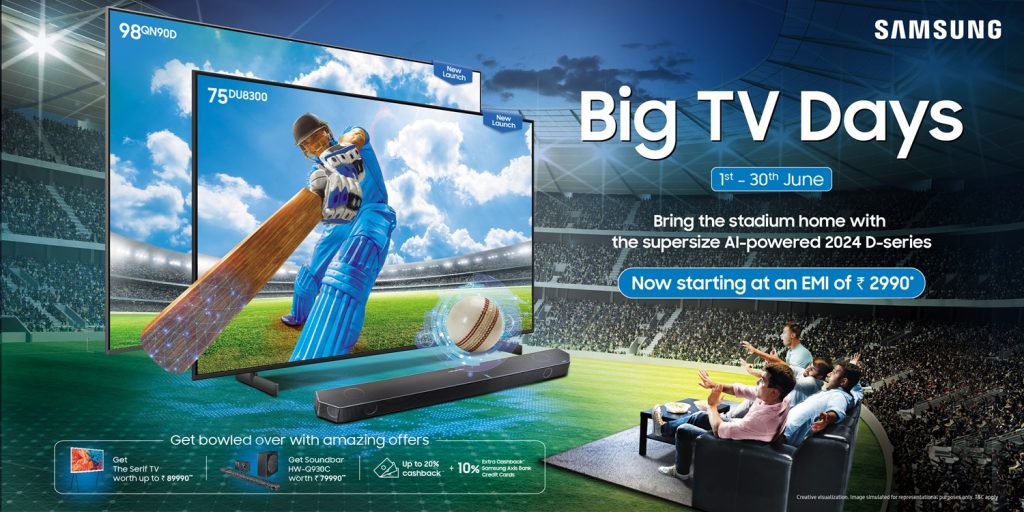
Samsung India has announced exciting deals on its premium TVs, including Neo QLED, OLED, and Crystal 4K UHD models. These “Big TV Days” offers coincide with the T20 Cricket World Cup, aiming to enhance viewers’ home entertainment experiences by bringing the stadium atmosphere directly into living rooms.
Samsung Big TV Days deals for T20 cricket World Cup
2024 Samsung Big TV deals
Customers purchasing Samsung TVs during this promotional period can receive a free Serif TV worth Rs 89,990 or a soundbar worth Rs 79,990, depending on the model they choose. Additionally, buyers can benefit from easy EMI options starting at Rs 2,990 and cashbacks up to 20%.
The offers are available from June 1 to June 30, 2024, through Samsung.com, major retail stores, and various online platforms. The deals apply to select models in 98-inch, 85-inch, 83-inch, 77-inch, and 75-inch sizes across the Neo QLED, OLED, and Crystal 4K UHD ranges.
Samsung’s latest TV models integrate advanced AI technology to deliver exceptional viewing experiences. The Neo QLED 8K series, powered by the NQ8 AI Gen 2 Processor, uses 256 AI neural networks to enhance both picture and sound quality, ensuring lifelike visuals and immersive audio. Features like Motion Xcelerator Turbo Pro provide smooth visuals for high-speed gaming and sports.
The Neo QLED 4K lineup, featuring the NQ4 AI Gen 2 processor and Quantum Matrix Technology, offers stunning 4K resolution and excellent contrast. It boasts the world’s first Pantone Validated display for accurate colors and Dolby Atmos for rich sound.
Samsung’s OLED TVs, the world’s first glare-free models, utilize the NQ4 AI Gen2 Processor for deep blacks and clear images under any lighting. These TVs are designed for gaming, with features like Motion Xcelerator 144Hz for smooth motion.
The UHD TVs bring colors to life with Dynamic Crystal Colour technology, offering vibrant and detailed visuals. Motion Xcelerator ensures fast-moving action remains clear, enhancing the viewing experience for games, movies, and shows.
OUKITEL, the pioneering rugged device manufacturer, is currently providing substantial discounts on its flagship rugged duo, the 5G WP33 Pro rugged phone, and the RT8 rugged tablet. These top-of-the-line products, introduced just a few months ago, are now even more affordable with time-limited discounts, making cutting-edge technology accessible to more users.
Exclusive Discounts:
OUKITEL is currently offering an 8% discount on both the WP33 Pro and the RT8, making these high-end devices more budget-friendly. The WP33 Pro, originally priced at $329.99, is now available for just $303.59 after applying the discount code ‘gizmochina’. Similarly, the RT8, initially priced at $299.99, can be purchased for only $275.99. For European customers, the WP33 Pro, initially priced at €313.99, is now available for €288.87, and the RT8, initially priced at €284.99, is available for €262.19 after the discount.
WP33 Pro Rugged Phone: Powerhouse with Unparalleled Features
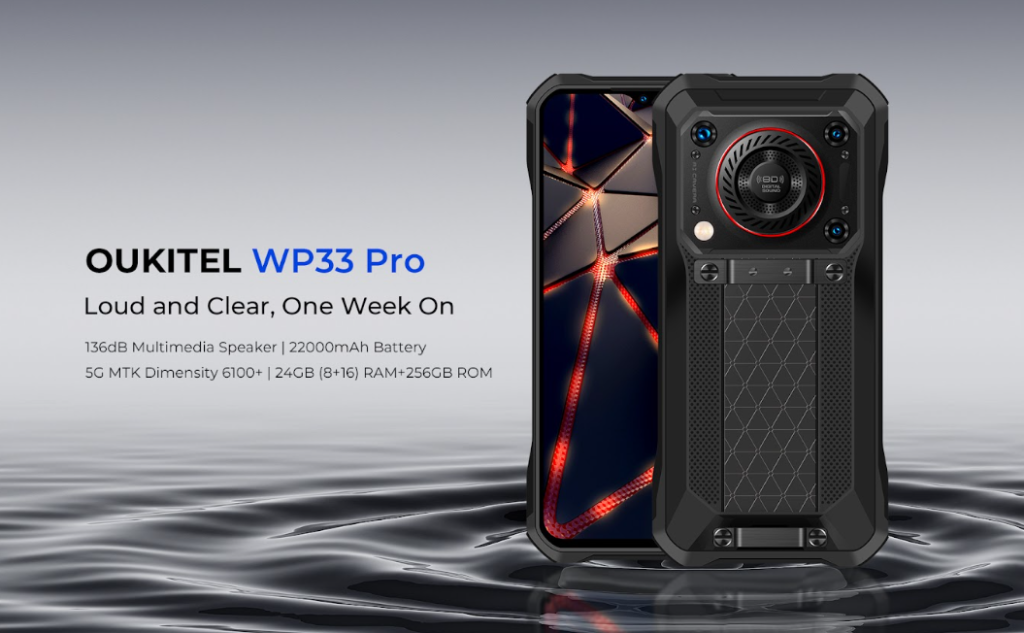
The WP33 Pro is a standout rugged phone powered by a 5G MediaTek Dimensity processor, built on TSMC’s 6nm process. This ensures lightning-fast connectivity and enhanced power efficiency, translating to longer battery life. One of its most remarkable features is the 136dB professional multimedia speaker, the loudest ever in a smartphone, ideal for outdoor gatherings where high-quality sound is essential. Additionally, the WP33 Pro is equipped with a massive 22000mAh battery, providing up to 7 days of intensive use and an incredible 3 months of standby time.
The device features a 6.6-inch FHD+ display that offers vibrant visuals, making it perfect for media consumption. Photography enthusiasts will appreciate the 64-megapixel Sony main camera, a 20-megapixel night vision camera, and a 32-megapixel front camera for stunning selfies. The WP33 Pro comes with 8GB of base RAM, expandable up to a generous 24GB, and 256GB of internal storage, providing ample space for applications, files, and media.
RT8 Rugged Tablet: Immersive Display and Robust Performance
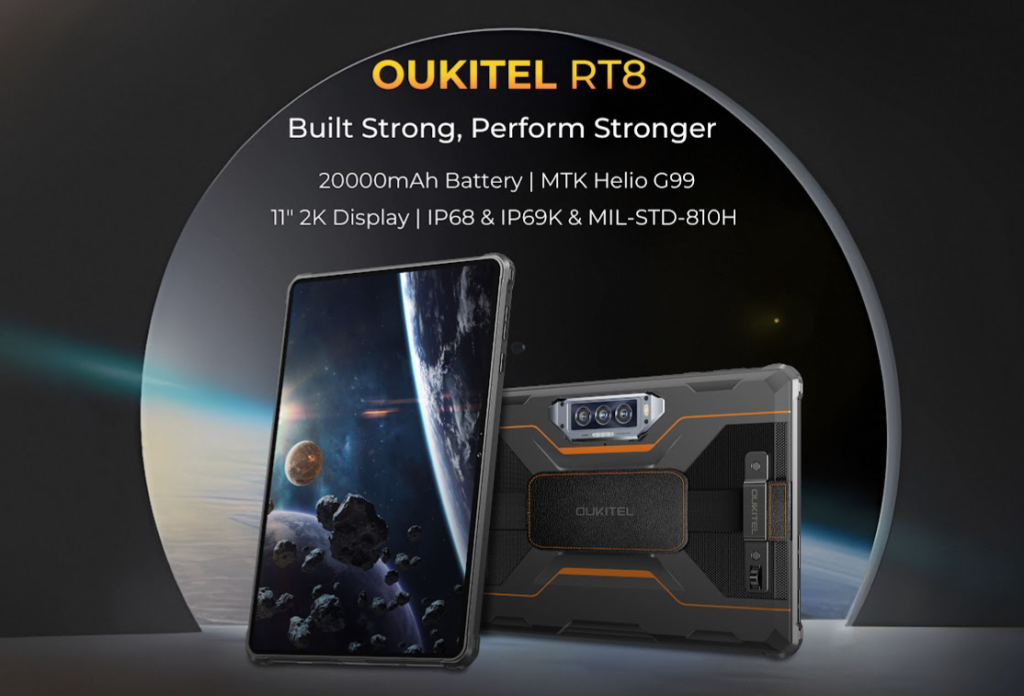
The RT8 rugged tablet is another flagship product from OUKITEL, touted as the largest rugged tablet to date. It features an impressive 11-inch display with 2K resolution and 500 nits of brightness, ensuring a visually stunning experience. The tablet is powered by a MediaTek Helio G99 chipset, delivering smooth and efficient performance. It comes with up to 12GB of RAM (6GB basic RAM) and 256GB of internal storage, ensuring plenty of space for all your needs.
The RT8 is equipped with a 48-megapixel Sony rear camera and a 20-megapixel night vision camera, making it a versatile device for various photography needs. It also boasts a powerful 20000mAh battery, offering long hours of usage without the constant worry of running out of power, and up to 90 days of standby time.
OUKITEL WP33 Pro and RT8 offer exceptional features and robust performance, tailored for users who need durability without compromising on advanced technology. With these limited-time discounts, now is the perfect time to invest in these rugged devices
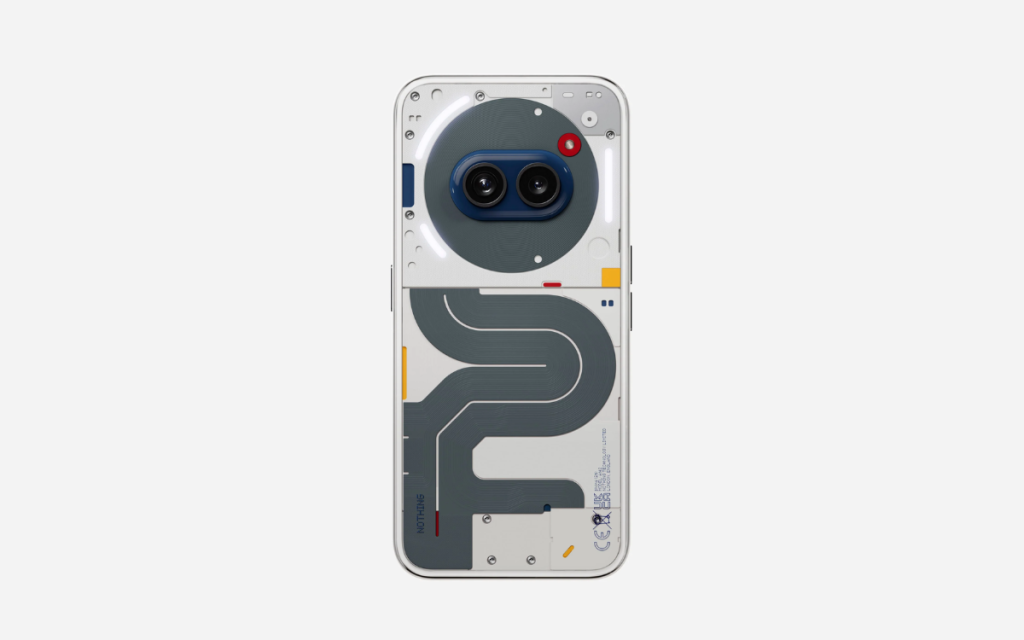
The Nothing Phone (2a), launched in March 2024, has quickly gained attention for its unique design and transparent back. But beyond the transparent shell, Nothing offered a surprising amount of variety in terms of colors and editions. Let’s delve into all the Nothing Phone (2a) colors and editions available so far.
The initial launch of the Phone (2a) offered two classic and safe color options – Black and White. These colors complemented the phone’s transparent design, allowing a subtle glimpse of the phone’s internal components. Both Black and White editions came in three configurations: 8GB RAM + 128GB storage, 8GB RAM + 256GB storage, and the top-of-the-line 12GB RAM + 256GB storage.
2. The Phone (2a)Blue Edition
In April 2024, Nothing introduced a new India-exclusive color variant – the Phone (2a) Blue Edition. This edition retained the same design and specifications as the Black and White models, with the only difference being the color of the back panel. The Blue Edition offered a refreshing change and catered to users who preferred a more vibrant option. Similar to the Black and White models, the Blue Edition came in all three storage configurations.
3. The Phone (2a) Special Edition
Nothing took a bold step in May 2024 with the launch of the Phone (2a) Special Edition. This edition marked a significant departure from the previous monochrome options. As the name suggests, the Special Edition celebrates primary colors – red, yellow, and blue. These colors, previously used individually in other Nothing products, were creatively integrated into the Phone (2a) Special Edition.
However, the Special Edition doesn’t compromise on transparency. The core design philosophy remains intact, with the primary colors creating vibrant highlights throughout the transparent back. This unique color combination makes the Special Edition a true collector’s item and a conversation starter. The Special Edition is currently only available in the 12GB RAM + 256GB storage configuration.
4. Availability and Pricing
Pricing for the Nothing Phone (2a) varies depending on the storage capacity and doesn’t change across the color options (except the Special Edition). The base model with 8GB RAM and 128GB storage starts at Rs. 23,999, while the 8GB RAM with 256GB storage bumps it up to Rs. 25,999.
The top-end option with 12GB RAM and 256GB storage sits at Rs. 27,999. The Special Edition, however, comes solely in the 12GB RAM + 256GB configuration and carries the same price tag of Rs. 27,999 (€379/£349).
Availability is spread across online and physical stores. In India, Flipkart serves as the primary online retailer, while the Special Edition has limited online availability through Nothing’s website for select regions. For a physical purchase experience, the Special Edition will be available in limited quantities at Nothing’s London store. The Blue variant is exclusive to India only.
5. Conclusion
The Nothing Phone (2a) surprised many with its approach to colors. While it started with classic and safe options, it gradually introduced the Blue Edition and the vibrant Special Edition. This range of colors caters to diverse user preferences, offering a choice between a subtle and a statement-making look. With more color options potentially on the horizon, Nothing is keeping things interesting in the smartphone design space.
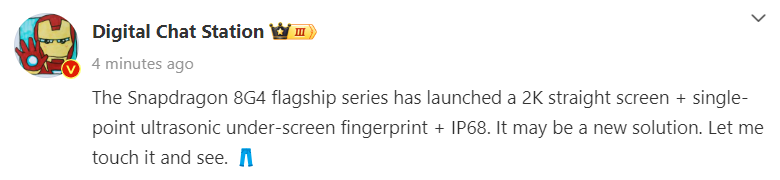
The rumor mill has been gradually leaking details about the iQOO 13 series of smartphones. Ideally, the lineup should include two phones, such as the iQOO 13 and 13 Pro, both powered by the next-generation Snapdragon 8 Gen 4 chipset. However, a Weibo post released by tipster Digital Chat Station last week reportedly doubted the existence of the Pro variant. In today’s Weibo post, DCS again hinted that the Pro variant may not be released.
iQOO 13 specifications (rumored)
As can be seen above, DCS has mentioned the key specifications of an upcoming iQOO flagship phone powered by the Snapdragon 8 Gen 4 chipset. In all likelihood, the tipster seems to be talking about the standard IQOO 13.
Previous leaks have claimed that the iQOO 13’s screen will support a 1.5K resolution whereas the 13 Pro’s display will offer a 2K resolution. However, the new leak suggests that the iQOO 13 will have an IP68-rated chassis. In addition, it will have a flat OLED panel that produces a 2K resolution. The screen will also be integrated with an ultrasonic fingerprint scanner.
When asked whether he was talking about the iQOO 13 and 13 Pro, he responded by saying if the above specs are implemented, then the Pro model would definitely be gone, meaning it will be axed. To recall, previous Pro models, such as the iQOO 12 Pro, 11 Pro, 10 Pro, and so on, haven’t launched outside of China. Finally, it seems that the 13 Pro might not even be released in China.
As far as other specifications are concerned, previous reports have revealed that the iQOO 13 may offer up to 16 GB of RAM and up to1 TB of storage. It may house a 6,000mAh battery with 120W fast charging support. There is a possibility that the iQOO 13 may launch in November of this year.
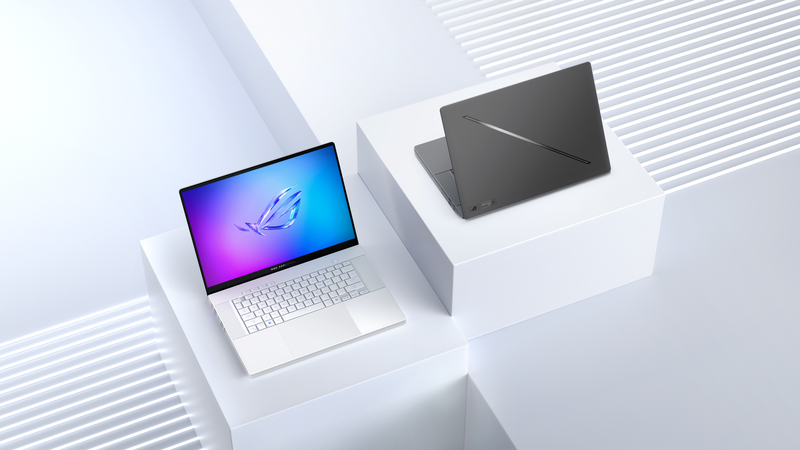
At Computex 2024, ASUS Republic of Gamers (ROG) has introduced the Zephyrus G16 (2024) GA605, a slim yet powerful gaming laptop. It has a CNC-milled aluminum chassis that houses a stunning 16:10 ROG Nebula OLED display with a 2.5K resolution, a 240Hz refresh rate, and G-SYNC compatibility for ultra-smooth visuals.
Powering the G16 is an AMD Ryzen 9 HX 370 processor with 24 threads, alongside an AMD Ryzen AI XDNA 2 NPU for a combined 81 TOPS of AI performance. This translates to faster photo and video editing, coding, and enhanced multitasking, even with AI-powered Windows Copilot tools.
The laptop comes with up to 32GB of LPDDR5X-7500 memory and supports the latest SD Express 7.0 standard making it ideal for creatives as well.
For graphics, the laptop has an NVIDIA GeForce RTX 4070 Laptop GPU that delivers exceptional performance with 321 TOPS of AI power and support for DLSS 3. The ROG Intelligent Cooling system is also in place with liquid metal and a tri-fan design to keep the thermals in check.
It’s also the first ROG laptop with WiFi 7 for ultrafast wireless connectivity. Additional features include Dolby Atmos audio, Hi-Res certification, Two-way AI noise cancellation, and a long-lasting 90Wh battery. Pricing and availability details are yet to be revealed by ASUS.
In related news, Asus has also unveiled the TUF Gaming A16 and A14 laptops as well as the ROG Prism Delta 2 gaming headsets at Computex. The laptops feature the new AMD Ryzen AI processors, paired with an RTX 4070 GPU, while the headset offers a long battery life of up to 110 hours, along with low-latency over 2.4GHz connectivity.
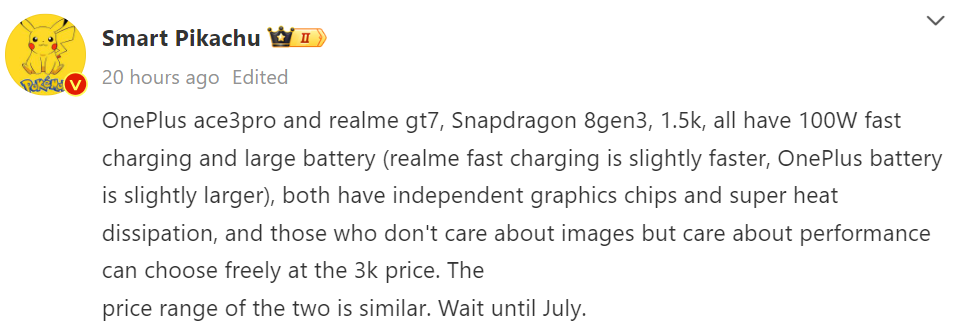
There have been reports that as many as four Chinese smartphone brands, such as OnePlus, iQOO, Realme, and Redmi are gearing up to launch affordable flagship phones in China. While the Redmi K70 Ultra is tipped to feature the Dimensity 9300+ chipset, the OnePlus Ace 3 Pro, iQOO Neo 9S Pro+, and the Realme GT 7 are all expected to feature the Snapdragon 8 Gen 3 chipset. Tipster Smart Pikachu has shared a few details about the OnePlus and Realme flagship phones and their expected price range.
Realme GT 7 moniker emerge
On June 20, Realme will launch the Snapdragon 8 Gen 3-powered Realme GT 6 for the global market. Speaking of the Chinese market, Realme unveiled the Realme GT 5 Pro in December 2023. This year, the brand has launched the Realme GT Neo 6 SE and GT Neo 6 phones in China. Early rumors suggested that the Realme GT 6 could be the name of the upcoming Realme flagship phone.
However, Smart Pikachu’s leaked information suggests that the brand may have decided to forego the Realme GT 6 branding and instead call it the Realme GT 7. Readers should note that the GT 7 moniker is not official yet. The brand has already confirmed that it will launch the Snapdragon 8 Gen 4-powered Realme GT 7 Pro by the end of this year, suggesting that the GT 7 could be the next phone.
OnePlus Ace 3 Pro, Realme GT 7 price: What to expect
The tipster revealed that the OnePlus Ace 3 Pro and Realme GT 7 have many similarities, making them ideal for users who prioritize performance. Both phones feature the Snapdragon 8 Gen 3 processor and 1.5K resolution screens (with one being curved and the other flat). They both support 100W fast charging, with Realme’s charging being slightly faster and OnePlus having a slightly larger battery.
Additionally, both models include a dedicated graphics chip and extensive cooling systems. For those who are not focused on camera performance and are looking at a price range of around 3000 Yuan (~$420), these two phones offer good options. Hence, it appears that the Ace 3 Pro and G7 could be priced between 3,000 Yuan (~$420) and 4,000 Yuan (~$560). Both phones are expected to break cover in July.
We use cookies on our website to give you the most relevant experience by remembering your preferences and repeat visits. By clicking “Accept”, you consent to the use of ALL the cookies.
This website uses cookies to improve your experience while you navigate through the website. Out of these, the cookies that are categorized as necessary are stored on your browser as they are essential for the working of basic functionalities of the website. We also use third-party cookies that help us analyze and understand how you use this website. These cookies will be stored in your browser only with your consent. You also have the option to opt-out of these cookies. But opting out of some of these cookies may affect your browsing experience.
Necessary cookies are absolutely essential for the website to function properly. This category only includes cookies that ensures basic functionalities and security features of the website. These cookies do not store any personal information.
Any cookies that may not be particularly necessary for the website to function and is used specifically to collect user personal data via analytics, ads, other embedded contents are termed as non-necessary cookies. It is mandatory to procure user consent prior to running these cookies on your website.