The global smartwatch market keeps growing steadily. Shipments are up modestly, and people are willing to pay a bit more for newer models packed with better health tracking, AI features, and connectivity options.
According to Counterpoint Research, global smartwatch shipments grew 4% year-on-year in the first quarter of 2026. At the same time, the average selling price jumped 6%, thanks to more advanced sensors, AI capabilities, 5G RedCap, satellite connectivity, and a general shift toward premium devices.
Apple continues to lead the pack worldwide with a 23% market share. The company also saw the fastest growth among the top brands, with shipments rising 21% compared to last year. Analyst Anshika Jain pointed out that the Apple Watch SE 3 has been a big hit, pulling in new users with its more affordable price and upgraded health features like better sleep tracking, mood monitoring, and arrhythmia detection.
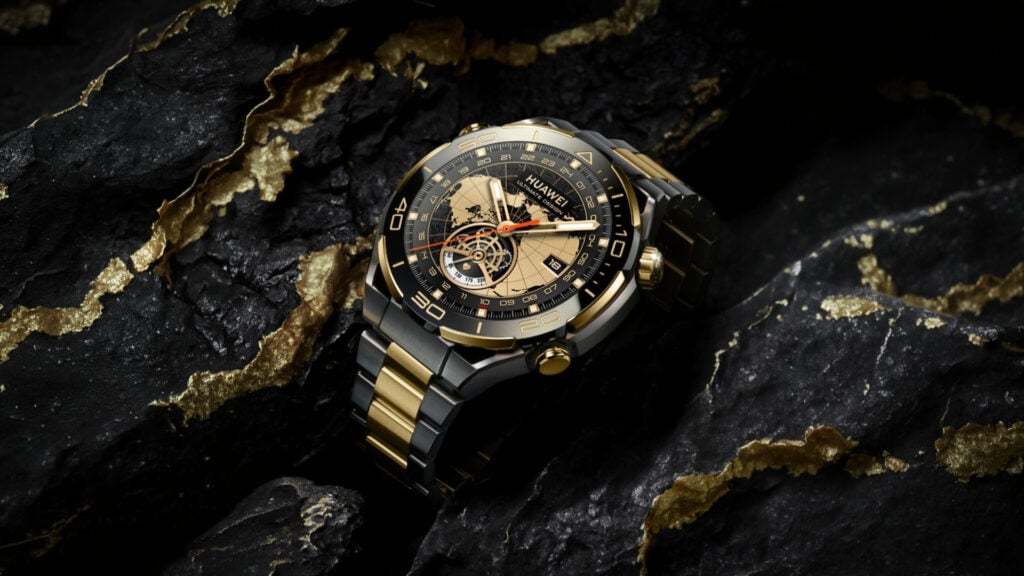
China is turning into one of the strongest growth markets, with smartwatch shipments jumping 15% year-on-year. Huawei dominates there with roughly 40% market share, followed by Imoo and Xiaomi. Huawei’s success comes from offering watches across many price ranges, tight integration with its HarmonyOS ecosystem, and a strong focus on health features like sleep tracking, emotional wellbeing, and arrhythmia detection. Government subsidies on electronics have also helped boost upgrades and wider adoption.
Thanks to its strong performance in China, Huawei holds a solid 17% global market share, putting it in second place overall.
As AI and smarter sensors become standard, smartwatches are clearly moving toward more intelligent, health-focused devices. The market still has good momentum, especially in key regions, but companies will have to navigate supply issues and pricing challenges as competition heats up.
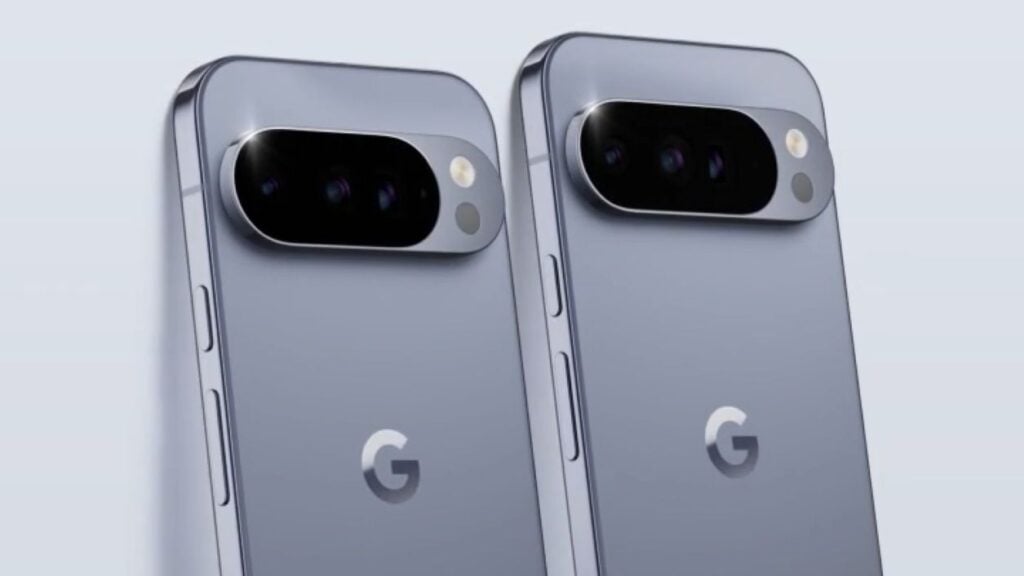
Google’s latest Pixel flagships are running into a frustrating software bug that’s breaking one of the most basic things you do on a phone: replying to emails.
According to reports from Android Authority and plenty of complaints on Reddit, Pixel 10 Pro XL and Pixel 10 Pro Fold owners are hitting this weird issue in the Gmail app. When you tap to reply to an email, the AI-powered “Help me write” feature (powered by Gemini) jumps in and completely blocks the on-screen keyboard (Gboard) from appearing. Instead, you’re stuck looking at the AI suggestion box with almost no easy way to type normally.
On the Pixel 10 Pro XL, there’s a clunky workaround: you can tap the keyboard hide button in the bottom-left corner and then keep tapping the reply field until the keyboard finally shows up. But it’s worse on the Pixel 10 Pro Fold. The cursor disappears in the reply field, taps do nothing, and you’re basically forced to use the AI tool.
The bug seems linked to recent updates and Google’s strong push to promote the AI writing assistant in Gmail. Normally, “Help me write” is something you can choose to use, but on these affected Pixels it overrides regular typing. Interestingly, Android Authority couldn’t reproduce the problem on other Android phones like the vivo X300 FE or OnePlus 15, and the iOS version of Gmail works fine.
This popped up not long after Google’s June 2026 Pixel Drop, which brought Android 17 and deeper AI features to the Pixel 10 series. While tools like Gemini are meant to make life easier, this glitch shows how tricky it can be to blend smart AI features with the simple, reliable stuff we all expect.
A lot of users are venting on forums and looking for fixes. Some have found temporary relief by turning off certain Gemini options in the Gmail settings. Google hasn’t commented officially yet, but with so many reports coming in, a software patch is probably on the way.
Samsung is apparently making solid progress on its next in-house flagship chipset. According to reports, the company is getting serious about using more Exynos processors in its premium Galaxy S phones. This is a step in their ongoing effort to rely less on outside chipmakers while improving performance and efficiency.
In a recent briefing, Samsung executive Park Yong-in (President and Head of the System LSI Business) confirmed that development of the Exynos 2700 is “proceeding without setbacks.” He made it clear they want to use it in their top-tier smartphones. While he didn’t name specific models, most people expect it to power the Galaxy S27 series, which should arrive in early 2027.
This is one of the strongest official hints we’ve gotten about the Exynos 2700 so far. It’s expected to go up against Qualcomm’s Snapdragon 8 Elite Gen 6 (or whatever the next high-end chip is), and Samsung will probably stick with its usual dual-chip strategy: using Exynos in some regions and Snapdragon in others.
On the technical side, there are some promising improvements. Unlike the previous generation, the Exynos 2700 is expected to use a side-by-side (SBS) layout where the processor and DRAM sit together on the same substrate. A special Heat Path Block (basically a better heat sink) will cover both, which should bring better thermal management, up to 30-40% higher memory bandwidth, improved efficiency, and more consistent performance when the phone is working hard.
Samsung has had some past struggles with Exynos chips in flagships, things like manufacturing yields and overheating, which is why they weren’t used everywhere. The new chip, built on an enhanced 2nm process, is aiming to finally close the gap with Qualcomm, especially in single-core speed, while potentially doing even better in multi-core and sustained tasks.
Challenges like high manufacturing costs and Qualcomm’s strong ecosystem still exist. As the Galaxy S27 lineup comes together, how well the Exynos 2700 performs will be a major factor in Samsung’s ability to deliver great flagships that are also profitable.
Motorola Edge 70 Pro and Google Pixel 10a target buyers looking for a premium smartphone experience without stepping into flagship pricing. While Motorola focuses on high-end hardware, fast charging, and versatile cameras, Google leans heavily on software optimization, long-term support, and computational photography. Choosing between them comes down to whether hardware advantages or software refinement matters more in daily use.
Major Features:
Category
Motorola Edge 70 Pro
Google Pixel 10a
Winner
Design
Eco-leather back, IP68/IP69, MIL-STD-810H
Aluminum frame, IP68
Motorola – More premium and durable build
Display
6.78-inch AMOLED, 144Hz, 5200 nits
6.3-inch P-OLED, 120Hz, 3000 nits
Motorola – Smoother and brighter display
Resolution
1272 × 2772, 450 ppi
1080 × 2424, 422 ppi
Motorola – Sharper panel
Processor
Dimensity 8500 Extreme
Tensor G4
Motorola – Stronger raw performance
RAM & Storage
Up to 12GB RAM, UFS 4.1
8GB RAM, UFS 3.1
Motorola – Faster storage and more memory
Software Support
3 Android upgrades
7 Android upgrades
Pixel – Much longer software support
Main Camera
50MP OIS
48MP OIS
Pixel – Superior image processing
Ultrawide Camera
50MP
13MP
Motorola – Higher-resolution ultrawide
Telephoto Camera
50MP periscope, 3.5x zoom
None
Motorola – Dedicated optical zoom
Selfie Camera
50MP AF
13MP
Motorola – Higher detail and autofocus
Video Recording
Up to 4K 120fps
Up to 4K 60fps
Motorola – More advanced video options
Battery
6500mAh
5100mAh
Motorola – Larger battery
Charging
90W wired, 15W wireless
30W wired, 10W wireless
Motorola – Much faster charging
Connectivity
Wi-Fi 7, Bluetooth 5.4
Wi-Fi 6E, Bluetooth 6.0
Motorola – Wi-Fi 7 support
Extra Features
Reverse wireless charging, Smart Connect
Satellite SOS, Pixel AI features
Tie – Different strengths
Price
Around $400 / ₹39,000
Around $500 / ₹50,000
Motorola – Better value
Disclaimer: Specs are based on available data. Actual performance may vary. Verify details from official sources before buying.
The Motorola Edge 70 Pro delivers a more premium appearance with its eco-leather rear panel, slim profile, and IP68/IP69 protection. It also carries MIL-STD-810H certification, adding an extra layer of durability for users who spend time outdoors. The design feels modern and stylish while remaining practical for everyday handling.
The Google Pixel 10a takes a more straightforward approach with an aluminum frame and plastic back. Its build quality remains solid, and the IP68 rating ensures reliable protection against water and dust. The compact form factor makes it easier to use with one hand, which many users may prefer for daily convenience.
Display Quality
Motorola clearly prioritizes display specifications. Its 6.78-inch AMOLED panel supports a 144Hz refresh rate, HDR content, and an extremely bright 5200-nit peak brightness. The higher resolution and smoother refresh rate create a more immersive experience for gaming and media consumption.
Google’s 6.3-inch P-OLED display offers excellent color accuracy and HDR support with a 120Hz refresh rate. While not as impressive on paper, Google’s display tuning is known for delivering a natural and consistent viewing experience.
Verdict
The Pixel 10a wins for compact usability, but the Edge 70 Pro offers the more impressive overall package thanks to its premium finish, stronger durability credentials, larger screen, higher resolution, and significantly superior display specifications.
Buyers who want to see how these two stack up against other options should browse our list of budget-friendly phone picks.
2. Specifications Including Battery
Performance
The Motorola Edge 70 Pro is powered by the MediaTek Dimensity 8500 Extreme paired with UFS 4.1 storage and up to 12GB RAM. The combination delivers excellent responsiveness, faster app loading, and stronger multitasking capabilities. Users who frequently game or run demanding applications will appreciate the additional performance headroom.
Google’s Tensor G4 focuses more on AI-driven experiences than raw speed. Every day performance remains smooth, and Google’s software optimization keeps the interface fluid. However, UFS 3.1 storage and lower memory options place it behind Motorola in pure hardware capability.
Battery and Charging
Battery life is a major strength for Motorola. The 6500mAh battery is among the largest in the segment and is paired with ultra-fast 90W wired charging, along with wireless and reverse wireless charging support.
The Pixel 10a’s 5100mAh battery remains respectable and should comfortably last a full day. However, its 30W charging feels considerably slower compared to Motorola’s solution.
Verdict
The Edge 70 Pro takes a clear lead in specifications. Faster storage, more memory options, stronger performance potential, a larger battery, and dramatically faster charging make it a more capable hardware-focused smartphone.
3. Camera
Main and Secondary Lenses
Motorola equips the Edge 70 Pro with an unusually versatile triple-camera setup consisting of 50MP wide, 50MP ultrawide, and 50MP periscope telephoto cameras with 3.5x optical zoom. The inclusion of a dedicated telephoto lens significantly expands shooting flexibility, especially for portraits and distant subjects. Video recording is also impressive with support for 4K at up to 120fps.
The Pixel 10a relies on a dual-camera system featuring a 48MP main camera and a 13MP ultrawide sensor. While the hardware appears less ambitious, Google’s image processing remains one of the strongest in the industry. Features such as Best Take, Ultra HDR, and Pixel Shift help produce consistently excellent photos.
Selfie Camera
Motorola’s 50MP autofocus selfie camera offers higher resolution and greater versatility. It is particularly useful for detailed selfies and video calls.
Google’s 13MP ultrawide selfie camera provides a wider field of view, making group selfies easier, though image detail is lower.
Verdict
The Edge 70 Pro wins on hardware versatility and zoom capability, while the Pixel 10a remains highly competitive through software processing. Users seeking maximum camera flexibility will likely find Motorola more appealing.
4. Pricing
The Motorola Edge 70 Pro is priced around $400 (₹39,000), while the Google Pixel 10a is priced around $500 (₹50,000). This creates a noticeable price gap of roughly $100 or ₹11,000 between the two devices.
At its price point, Motorola delivers flagship-style features such as a 144Hz display, periscope telephoto camera, 6500mAh battery, 90W charging, UFS 4.1 storage, and wireless charging. The specification sheet feels unusually generous for the segment and competes with devices that often cost considerably more.
Google’s higher price is largely justified by its software strengths. Buyers receive seven years of Android upgrades, exclusive Pixel AI features, strong camera processing, and a clean Android experience. These advantages may hold long-term value for users who keep phones for many years.
Verdict
From a pure value-for-money perspective, the Edge 70 Pro delivers more hardware for less money. The Pixel 10a justifies its premium through software longevity rather than specifications.
Disclaimer: Prices are approximate and may vary based on country, region, launch timing, and applicable taxes. Always check whether the listed price is for a China unit or a global/international variant when purchasing.
5. Conclusion
The Motorola Edge 70 Pro stands out with its 144Hz AMOLED display, 6500mAh battery, 90W charging, UFS 4.1 storage, and rare periscope telephoto camera. It is clearly designed for buyers who prioritize powerful hardware and feature-rich specifications.
The Google Pixel 10a differentiates itself through seven years of Android updates, Tensor-powered AI capabilities, advanced computational photography, Satellite SOS support, and Google’s highly optimized software experience. These strengths make it particularly attractive for users who value long-term reliability and software support.
Verdict
Motorola Edge 70 Pro is the stronger overall choice for most buyers. It offers a superior display, faster performance, better charging, a larger battery, and a more versatile camera system while costing less.
Google Pixel 10a remains an excellent option for users who prioritize software updates, AI features, and Google’s camera processing, but the Edge 70 Pro provides the more compelling overall value in this comparison.
Disclaimer: This comparison is based on the specifications provided and is intended for general informational purposes. Actual performance, camera results, battery life, and overall experience may vary depending on real-world usage, software updates, and individual preferences.
Choosing between the Samsung Galaxy A27 and Redmi 15 is not as simple as comparing specifications. Both devices target budget-conscious buyers, but they focus on different priorities. Samsung aims to deliver a more premium experience with long-term software support, while Redmi focuses on battery life and affordability. The comparison becomes important for users looking for the best balance of performance, cameras, display quality, and overall value in the sub-$300 smartphone segment.
Major Features:
Category
Samsung Galaxy A27
Redmi 15
Winner
Display
Super AMOLED, 120Hz
IPS LCD, 144Hz
Samsung – Better colors and contrast
Protection
Gorilla Glass Victus+
Gorilla Glass 3
Samsung – Stronger glass protection
Build
Glass back
Plastic back
Samsung – More premium design
Performance
Snapdragon 6 Gen 3
Snapdragon 6s Gen 3
Samsung – Faster chipset
Graphics
Adreno 710
Adreno 619
Samsung – Better gaming performance
Software Support
6 major Android upgrades
1 major upgrade
Samsung – Longer updates
Main Camera
50MP with OIS
50MP
Samsung – OIS improves photos
Secondary Cameras
Ultrawide + Macro
Auxiliary lens
Samsung – More versatile setup
Video Recording
4K@30fps
1080p@30fps
Samsung – Higher video quality
Selfie Camera
12MP AF
8MP
Samsung – Sharper selfies
Battery
5000mAh
7000mAh
Redmi – Much larger battery
Charging
25W
33W
Redmi – Faster charging
Reverse Charging
No
18W
Redmi – Extra convenience
Audio
Standard
Hi-Res Audio
Redmi – Better audio support
Extra Features
Samsung DeX
IR Blaster
Samsung – More useful feature
Price
Around ₹22,000
Around ₹15,000
Redmi – Better affordability
Disclaimer: Specs are based on available data. Actual performance may vary. Verify details from official sources before buying.
The Samsung Galaxy A27 feels noticeably more premium thanks to its Gorilla Glass Victus+ protection on both the front and back. The overall construction gives it a more refined look, and the inclusion of eSIM support adds extra flexibility for modern users. Samsung also brings DeX support, which is uncommon in this price segment and adds productivity value.
The Redmi 15 uses a plastic back and frame with Gorilla Glass 3 on the front. While the IP64 rating matches Samsung’s splash resistance, the overall build feels more focused on practicality than premium appeal. The device is designed for users who prioritize durability and battery capacity over aesthetics.
Display Quality
Samsung’s 6.7-inch Super AMOLED panel delivers deeper blacks, richer colors, and better contrast. The 120Hz refresh rate keeps animations smooth while maintaining excellent image quality. The display feels more vibrant for streaming, gaming, and everyday use.
Redmi counters with a larger 6.9-inch IPS LCD and a faster 144Hz refresh rate. The higher refresh rate helps scrolling feel exceptionally fluid, but the LCD panel cannot match AMOLED’s color depth and contrast.
Verdict
The Galaxy A27 wins this section. Redmi offers a bigger and smoother display on paper, but Samsung’s AMOLED panel, stronger materials, and premium features create a more polished daily experience.
2. Specifications Including Battery
Performance
The Galaxy A27 is powered by the Snapdragon 6 Gen 3 built on a more efficient 4nm process. Combined with the Adreno 710 GPU, it delivers stronger overall performance for multitasking, gaming, and long-term use. Samsung also promises up to six major Android upgrades, making the device a safer long-term investment.
The Redmi 15 uses the Snapdragon 6s Gen 3, which is capable for everyday tasks but sits a tier below Samsung’s chipset. Basic gaming, social media, and video streaming run smoothly, but demanding workloads reveal the performance gap.
Battery and Charging
Battery life is where Redmi makes a strong statement. The massive 7000mAh battery easily outlasts most competitors and can comfortably stretch into a second day for many users. Its 33W charging is also slightly faster, and the addition of 18W reverse charging increases versatility.
Samsung’s 5000mAh battery remains dependable and sufficient for a full day of usage, though it cannot compete with Redmi’s endurance.
Verdict
The Galaxy A27 delivers better performance and software longevity, while Redmi dominates battery life. For power users and long-term ownership, Samsung feels more balanced, but heavy travelers may prefer Redmi’s enormous battery.
3. Camera
Main and Secondary Lenses
Samsung takes a clear lead in camera hardware. The 50MP primary camera includes optical image stabilization (OIS), helping produce sharper photos and steadier videos, especially in low light. The addition of an ultrawide camera provides more flexibility for landscapes and group shots, while 4K video recording enhances content creation capabilities.
The Redmi 15 also features a 50MP primary camera, but it lacks OIS and is paired only with an auxiliary sensor. Daylight photos should remain respectable, but the overall camera system is less versatile. Video recording is limited to 1080p, which places it behind Samsung.
Selfie Camera
Samsung continues its advantage with a 12MP autofocus selfie camera. Autofocus helps maintain sharper facial details and improves consistency across different shooting conditions.
The Redmi 15 uses an 8MP front camera that is suitable for video calls and casual social media uploads, but lacks the detail and flexibility offered by Samsung.
Verdict
The Galaxy A27 is a stronger camera phone. Better stabilization, an ultrawide lens, 4K recording, and a higher-quality selfie camera make it a more complete photography package.
4. Pricing
The Redmi 15 is priced around $150 (₹15,000), while the Samsung Galaxy A27 is priced around $260 (₹22,000). The price difference is significant, placing Samsung roughly ₹7,000 higher than Redmi.
At its price point, Redmi delivers impressive value. Buyers receive a large 144Hz display, a huge 7000mAh battery, 33W charging, and a modern Snapdragon chipset. For users focused on essential smartphone functions and battery endurance, the value proposition is difficult to ignore.
Samsung’s higher price brings meaningful upgrades rather than cosmetic improvements. The AMOLED display, stronger chipset, superior cameras, OIS, DeX support, and six years of major software updates all contribute to a more premium ownership experience. These are advantages that continue to matter long after purchase.
Verdict
Redmi offers stronger value for budget-focused buyers, while Samsung justifies its higher price through better hardware quality, cameras, performance, and software support.
Disclaimer: Prices are approximate and may vary based on country, region, launch timing, and applicable taxes. Always check whether the listed price is for a China unit or a global/international variant when purchasing.
5. Conclusion
The Samsung Galaxy A27 stands out with its Super AMOLED display, Gorilla Glass Victus+ protection, OIS-equipped camera system, Samsung DeX support, and exceptional software update commitment. These features make it feel closer to a mid-range smartphone than an entry-level device.
The Redmi 15 focuses on practicality. Its standout features include a huge 7000mAh battery, 33W charging, 18W reverse charging, 144Hz refresh rate, and a significantly lower purchase price. It is designed for users who prioritize endurance and affordability above everything else.
Verdict
Samsung Galaxy A27 is the better overall smartphone. It delivers a superior display, stronger performance, better cameras, longer software support, and a more premium experience. Buyers planning to keep their phone for several years will likely find the extra cost worthwhile.
Redmi 15 remains an excellent choice for value seekers. Those who want maximum battery life and the lowest possible price without sacrificing modern features will find it difficult to beat. However, for the most complete package, the Galaxy A27 comes out ahead.
Disclaimer: This comparison is based on the specifications provided and is intended for general informational purposes. Actual performance, camera results, battery life, and overall experience may vary depending on real-world usage, software updates, and individual preferences.
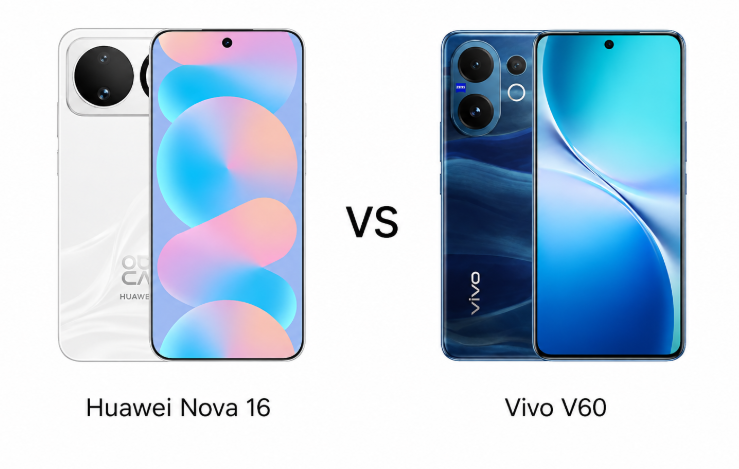
Huawei Nova 16 and Vivo V60 target buyers looking for premium features without stepping into flagship pricing. Both smartphones bring large batteries, capable cameras, high-refresh-rate displays, and modern designs, but they take different approaches when it comes to performance, photography, and overall value. This comparison breaks down their key differences to help determine which device deserves a spot in your pocket.
Major Features:
Category
Huawei Nova 16
Vivo V60
Winner
Build Quality
Glass front, aluminum back
Glass front, plastic/glass back
Huawei – More premium materials
Durability
IP65
IP68/IP69
Vivo – Better water and dust resistance
Display Quality
OLED, 1280 x 2800, 120Hz
AMOLED, 1080 x 2392, 120Hz
Huawei – Sharper display
Display Brightness
HDR Vivid
Up to 5000 nits peak
Vivo – Much brighter outdoors
Processor
Kirin 9010S
Snapdragon 7 Gen 4
Vivo – Newer chipset
Software
HarmonyOS 6.1
Android 15, 4 upgrades
Vivo – Better long-term support
RAM & Storage
Up to 12GB/512GB
Up to 16GB/512GB
Vivo – More memory options
Main Camera
50MP Wide
50MP Wide, Zeiss optics
Vivo – Better image tuning
Telephoto Camera
50MP, 3.7x zoom
50MP, 3x zoom
Huawei – Longer optical zoom
Ultrawide Camera
No
8MP Ultrawide
Vivo – More shooting flexibility
Selfie Camera
50MP Ultrawide
50MP AF Selfie
Vivo – Autofocus advantage
Video Recording
4K Front & Rear
4K Front & Rear
Tie – Similar capabilities
Battery Capacity
7000mAh
6500mAh
Huawei – Larger battery
Charging Speed
100W
90W
Huawei – Faster charging
Extra Battery Features
Reverse charging
Reverse + Bypass charging
Vivo – More useful features
Connectivity
Wi-Fi 7, Bluetooth 6.0
Wi-Fi 6, Bluetooth 5.4
Huawei – Newer standards
Fingerprint Scanner
Side-mounted
Under-display
Vivo – More premium solution
Price
Around $450 / ₹42,000
Around $425 / ₹37,000
Vivo – Lower price
Value for Money
Premium battery-focused package
Balanced feature set
Vivo – Better overall value
Disclaimer: Specs are based on available data. Actual performance may vary. Verify details from official sources before buying.
The Huawei Nova 16 and Vivo V60 take different approaches to design. Huawei uses a more premium construction with an aluminum back paired with a glass front, giving the device a sturdier and more refined feel in daily use. It also carries an IP65 rating, which provides protection against dust and water splashes. The Vivo V60 counters with a much stronger IP68/IP69 rating, making it better suited for users who prioritize durability and water resistance. Its under-display fingerprint scanner also delivers a more modern experience than Huawei’s side-mounted solution.
Display Quality
Huawei equips the Nova 16 with a high-resolution OLED panel that delivers sharper visuals and excellent clarity. The HDR Vivid support and 2160Hz PWM dimming make it particularly appealing for multimedia consumption and long viewing sessions. Vivo’s AMOLED display is brighter, reaching significantly higher peak brightness levels while also supporting HDR10+. Outdoor visibility is excellent, and colors appear vibrant and punchy.
Verdict
Huawei offers a more premium-looking design and sharper screen, while Vivo delivers superior durability and brightness. Users focused on display clarity may prefer the Nova 16, whereas those wanting better outdoor usability and stronger protection will find the V60 more appealing.
2. Specifications Including Battery
Performance
The Huawei Nova 16 is powered by the Kirin 9010S chipset paired with 12GB of RAM across all variants. Every day, performance feels smooth, and HarmonyOS remains highly optimized for multitasking. However, the Vivo V60 gains an advantage with the newer Snapdragon 7 Gen 4 platform built on a 4nm process. Combined with Android 15 and a promise of four major Android upgrades, it offers stronger long-term software support and broader app compatibility.
Battery and Charging
Battery life is a major strength for both phones. Huawei packs a massive 7000mAh battery that comfortably handles heavy usage and can easily stretch into a second day. The 100W charging system is among the fastest in the segment. Vivo’s 6500mAh silicon-carbon battery is slightly smaller but still excellent, while its 90W charging remains impressively quick. Features such as bypass charging and reverse charging add extra versatility for gamers and power users.
Verdict
Huawei wins on battery capacity and charging speed, making it ideal for endurance-focused buyers. Vivo takes the lead in processing efficiency, software longevity, and overall platform flexibility.
3. Camera
Main and Secondary Lenses
The Huawei Nova 16 focuses on a dual-camera setup featuring a 50MP main sensor and a 50MP periscope telephoto camera with 3.7x optical zoom. Image quality should be strong, particularly for portraits and zoom photography. Vivo adopts a more versatile approach with a 50MP main camera, a 50MP periscope telephoto lens, and an additional 8MP ultrawide camera. The inclusion of Zeiss optics enhances color tuning and image processing, providing a more polished photography experience.
Selfie Camera
Both devices feature impressive 50MP front cameras capable of 4K video recording. Huawei uses an ultrawide selfie camera that is particularly useful for group photos and travel shots. Vivo’s autofocus-equipped selfie camera offers more reliable sharpness and consistency, especially when recording video or taking close-up portraits.
Verdict
Huawei delivers excellent zoom performance and a capable selfie system, but Vivo’s extra ultrawide camera and Zeiss-tuned imaging create a more complete camera package. For users who enjoy experimenting with different shooting styles, the V60 feels more versatile overall.
4. Pricing
The Huawei Nova 16 is priced around $450 (₹42,000), while the Vivo V60 is priced around $425 (₹37,000). Despite being slightly cheaper, the Vivo offers a newer Snapdragon chipset, stronger water resistance, an additional ultrawide camera, longer software support, and multiple memory configurations. These advantages make its pricing highly competitive within the upper mid-range segment.
Huawei justifies its higher price through premium materials, a larger battery, faster charging, and a sharper display. Buyers who place greater value on battery endurance and display resolution may find the premium worthwhile. However, the overall feature balance leans slightly toward Vivo.
Verdict
Both phones offer solid value, but the Vivo V60 extracts more features from a lower price point. Huawei remains attractive for battery-focused users, while Vivo provides a stronger all-around value proposition.
Disclaimer: Prices are approximate and may vary based on country, region, launch timing, and applicable taxes. Always check whether the listed price is for a China unit or a global/international variant when purchasing.
5. Conclusion
The Huawei Nova 16 stands out with its premium aluminum-backed design, high-resolution OLED display, massive 7000mAh battery, and 100W charging system. It is clearly aimed at users who prioritize endurance, display sharpness, and premium hardware. The periscope zoom camera also adds appeal for portrait and telephoto photography enthusiasts.
The Vivo V60 differentiates itself with Snapdragon 7 Gen 4 performance, Zeiss-enhanced cameras, an ultrawide lens, superior IP68/IP69 protection, a brighter AMOLED display, and four guaranteed Android upgrades. These strengths create a more balanced smartphone that caters to a wider audience.
Verdict
Huawei Nova 16 is the better choice for users who want maximum battery life, faster charging, and a sharper display. The Vivo V60 is the stronger overall smartphone thanks to its more versatile camera system, newer chipset, better durability, longer software support, and lower price. For most buyers seeking the best combination of features and value, the Vivo V60 is the more compelling option.
Disclaimer: This comparison is based on the specifications provided and is intended for general informational purposes. Actual performance, camera results, battery life, and overall experience may vary depending on real-world usage, software updates, and individual preferences.
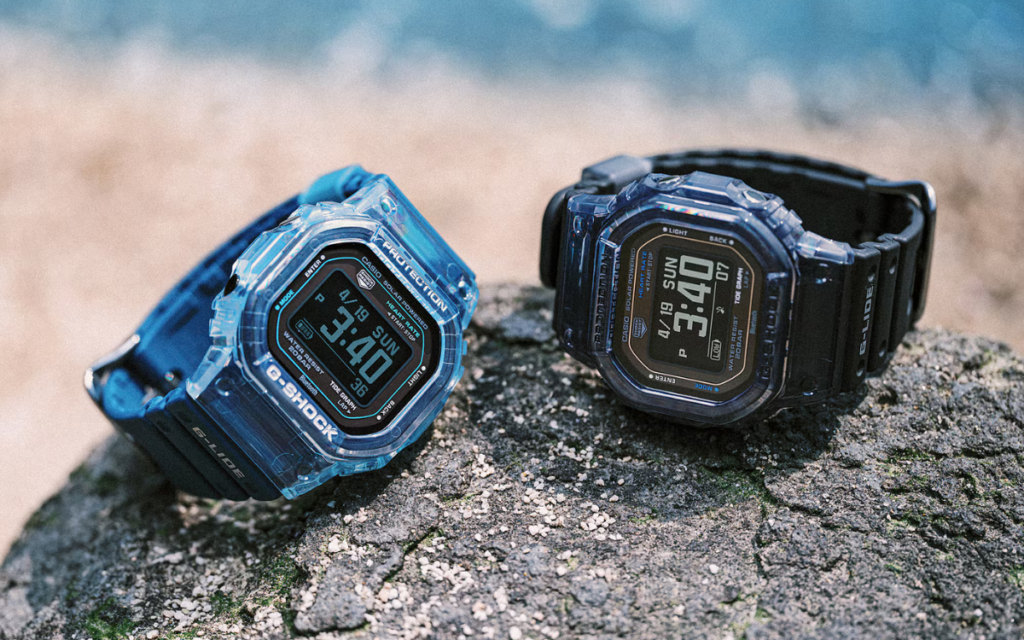
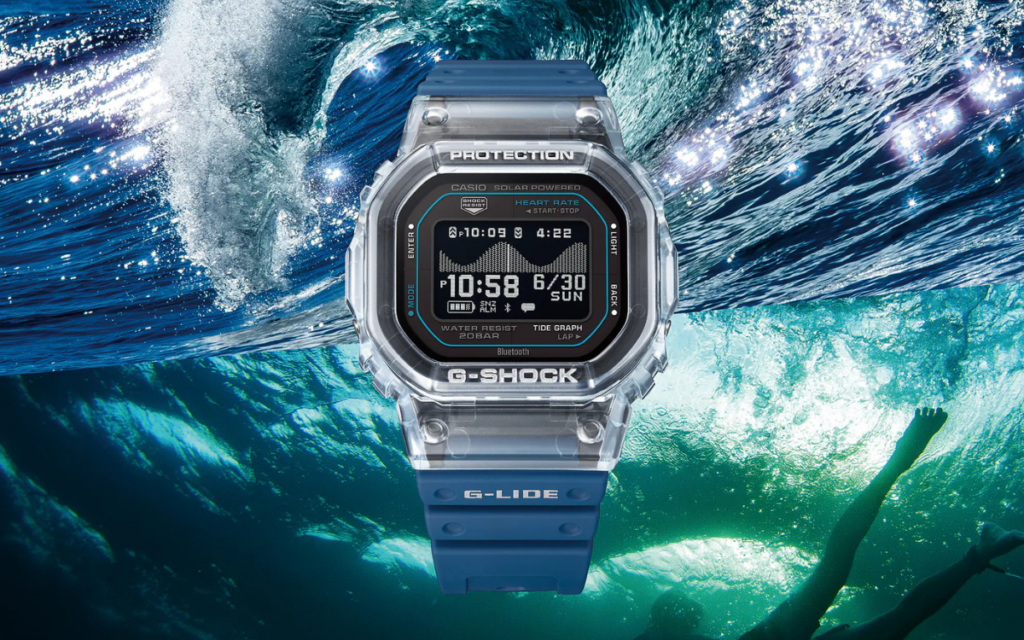
Casio has released its latest fitness-oriented digital watches, the G-Shock G-Lide GBX-H5600 series, in the US market. Following an initial launch in Japan earlier this spring, the new models are now available for $330. The GBX-H5600 integrates modern health tracking hardware, including an optical heart rate monitor, into the familiar square G-Shock profile, specifically targeting surfers and outdoor users.
Design Details
The lineup debuts with two models: the black GBX-H5600-1 and the blue GBX-H5600-2. Both feature a translucent bezel and a solid band made from bio-based resin. Casio has managed to reduce the weight of these watches to 47 grams, making them roughly 12 grams lighter than the older DW-H5600 models. This weight reduction is primarily due to a new case back constructed from carbon fiber-reinforced resin.
For the display, Casio is using a high-resolution Memory-in-Pixel (MIP) LCD. MIP panels are standard for outdoor sports watches because they remain highly legible in direct sunlight, which is a necessary practical feature for a device intended for the beach.
Internally, the GBX-H5600 functions as a standard fitness tracker. It includes an optical sensor for heart rate monitoring and blood oxygen level estimates, along with a three-axis accelerometer to track steps, distance, and pace. The software supports multi-sport tracking, sleep analysis, and cardio load measurements.
Because this watch is part of the surf-focused G-Lide series, it also includes tide graphs, moon phase data, and sunrise/sunset times. The watch can be connected to the smartphone app via Bluetooth to load location-specific tide patterns from a database of about 3,300 global surf spots directly to the device.
As a connected watch, it handles basic smart functions. It mirrors smartphone notifications for calls, emails, and social media, and includes a phone finder feature alongside automatic time adjustment.
Power management relies on a hybrid system of USB and solar-assisted charging. If you leave the heart rate monitor running continuously during activities, the battery lasts a maximum of 35 hours. If you turn off the heart rate tracking and use it as a standard digital watch, a single charge lasts about a month. The power-saving mode extends that standby time to roughly 11 months.
HONOR has offered a glimpse into the future of smartphone filmmaking by unveiling the first professional cinematic video captured using its upcoming HONOR Robot Phone. The showcase took place at the 28th Shanghai International Film Festival (SIFF), where HONOR is serving as the official mobile photography and videography partner. The project highlights the company’s ambition to bring professional filmmaking tools and workflows to smartphone users.
First Cinematic Video Debuts at SIFF
As part of a special collaboration with ELLEMEN, HONOR used the Robot Phone to create cinematic video portraits of SIFF jury members. The footage demonstrates how the device can deliver a film-like visual experience with rich tones, smooth color transitions, and a strong sense of atmosphere. The project serves as a showcase of how smartphone cameras are evolving beyond traditional mobile photography into powerful storytelling tools.
Built-In Gimbal Delivers Cinema-Like Camera Movement
One of the Robot Phone’s standout features is its integrated physical gimbal stabilization system. Unlike conventional smartphones that often rely on electronic stabilization and image cropping, the Robot Phone uses mechanical stabilization to produce smooth handheld tracking shots while preserving full image quality. This allows users to achieve professional camera movements without sacrificing detail or field of view.
Industry’s Smallest Titanium Alloy Gimbal
HONOR says the Robot Phone is equipped with the industry’s smallest titanium alloy gimbal. Designed for precision and stability, the system is powered by high-performance motors that allow dynamic movement beyond the limits of traditional smartphone camera modules. The result is smoother footage, greater flexibility, and improved stability during shooting.
AI Helps Simplify Professional Video Creation
The Robot Phone combines its hardware innovations with advanced AI-powered imaging features. Intelligent subject tracking keeps moving subjects in focus while maintaining stable footage. HONOR says these AI capabilities are designed to simplify the filmmaking process, making it easier for creators to produce professional-looking videos without complex equipment setups.
Bringing ARRI Technology to Smartphones
The Robot Phone is also the first HONOR device to benefit from the company’s strategic partnership with ARRI, a leading name in professional cinema cameras. The smartphone incorporates ARRI’s LogC expertise at the RAW level, giving creators greater flexibility during editing and color grading. It also supports professional workflows through compatibility with ARRI’s LUT ecosystem in DaVinci Resolve, helping users achieve authentic cinematic color styles.
HONOR’s Vision for Mobile Filmmaking
With the Robot Phone, HONOR aims to blur the line between smartphones and professional filmmaking equipment. By combining AI-powered imaging, advanced stabilization technology, and ARRI-inspired cinema tools, the company hopes to make high-quality visual storytelling more accessible. The SIFF debut provides an early look at how HONOR plans to bring professional filmmaking standards to the next generation of content creators and mobile videographers.
HONOR has officially launched the HONOR Watch 6, a new smartwatch designed for users who want advanced fitness tracking, health monitoring, and smart features in a stylish package. Combining a lightweight premium design with AI-powered tools and long battery life, the HONOR Watch 6 aims to be a reliable companion for both workouts and everyday life.
Premium Design Built for Everyday Comfort
The HONOR Watch 6 features a Racing Dashboard Design inspired by the air intakes of high-performance sports cars. Built from recyclable aluminum alloy, the smartwatch weighs just 41g, making it comfortable for all-day wear.
Precision-crafted beveled edges create a premium 3D appearance, while the sandblasted finish delivers a titanium-like texture. The result is a smartwatch that balances durability, style, and comfort for daily use.
Advanced Sports Tracking for Active Users
HONOR has equipped the Watch 6 with support for more than 120 sports modes, providing detailed workout tracking and performance analysis.
Trail runners benefit from an AI Running Coach, climbing metrics, route deviation alerts, and distance tracking powered by the AccuTrack dual-band six-star GPS. For badminton players, the watch can measure smash speed and track consecutive rallies, while football enthusiasts gain access to heat maps, movement trajectory maps, and performance insights.
The smartwatch also features water-touch controls, ensuring accurate operation even with wet hands or during rainy conditions.
Long Battery Life and Durable Build
A large 980mAh battery allows the HONOR Watch 6 to deliver up to 35 days of battery life under HONOR laboratory testing conditions. This makes it well-suited for extended outdoor adventures and long training sessions.
The smartwatch is also built to withstand challenging environments, offering IP69 water and dust resistance along with 5ATM water resistance for swimming and shallow-water activities.
AI-Powered Health Monitoring
The HONOR Watch 6 offers continuous monitoring of heart rate, blood oxygen (SpO₂), stress levels, sleep quality, and body energy. Users can also perform a Quick Health Scan for an instant overview of major health indicators.
A Daily Health Report automatically provides a morning summary of key wellness data, helping users better understand their health status each day.
These features are powered by the HONOR IntelliSense System, an advanced sensor platform designed to improve signal collection and deliver more accurate heart-rate and blood-flow tracking.
The HONOR Watch 6 is not a medical device, and health data is intended for reference only.
Smart Features and AI Tools
The smartwatch features an ultra-bright display with up to 3,000 nits of peak brightness, ensuring excellent visibility outdoors.
Users can personalize the device with Video Watch Faces, using live photos or videos up to 10 seconds long as watch backgrounds. The watch also supports dual-phone pairing, allowing notifications from two smartphones simultaneously.
HONOR has included a built-in AI Recorder that can generate voice notes and create smart summaries, making it easier to capture important information throughout the day.
Gesture Controls and NFC Payments
The HONOR Watch 6 supports intuitive wrist-twist gestures that allow users to silence alarms, manage calls, skip music tracks, and control various functions without touching the screen.
For added convenience, NFC support enables contactless payments through Mastercard and Visa, making everyday purchases quick and easy.
Price and Availability in the UK
The HONOR Watch 6 is available in the UK from £149.99, with launch offers including a free HONOR Choice Earbuds Clip (Black) for a limited time.
Price and Availability in Germany
In Germany, the HONOR Watch 6 starts at €169.90 and comes with a free HONOR Choice Earbuds Clip (Black) or HONOR Choice Headphone Pro (Black) during the launch promotion.
HONOR Watch 6 combines premium design, comprehensive sports tracking, AI-powered health monitoring, and exceptional battery life in a single wearable. With support for over 120 sports modes, dual-band GPS, a 3,000-nit display, NFC payments, and up to 35 days of battery life, it offers a compelling package for fitness enthusiasts and everyday users looking for a feature-rich smartwatch.
Key Specs:
Specification
Details
Dimensions
46.5 × 46.5 × 10.8 mm
Display
1.46-inch AMOLED Display
Resolution
466 × 466 pixels
Pixel Density
317 PPI
Weight
Approx. 41g (Black), 50g (Brown) without strap
Colors
Shadow Black, Twilight Brown
Frame Material
Aluminum alloy / 316L stainless steel construction
Casio is releasing two new G-Shock watches in the US this month. The DW-6900AKA-4 and DW-5600AKA-4, which originally debuted in Japan in April, are now available stateside for $190 each. Both watches are part of the Aka-Chochin series, a lineup designed to look like the traditional red paper lanterns often hung outside taverns in Japan.
Design Details
From a design perspective, the updates here are cosmetic. Both models feature a red case and band made from bio-based resin, a material Casio has been using more frequently across its recent lineups as an alternative to standard plastics. To contrast the red exterior, the watches use black buttons and a black band loop, a detail meant to resemble the dark lacquered holders of the paper lanterns.
On the dial, Casio added kanji characters that translate to shock resistance. Another detail tied to the theme is the LED backlight. Instead of the standard white light, these models use a warmer, orange-tinted glow to mimic a lit lantern in the dark. The watches also include a custom engraving on the case back and ship in themed packaging.
Underneath the red resin, these are standard 5600 and 6900 series G-Shocks. The DW-5600AKA-4 uses the familiar square case design, measuring 48.9 by 42.8 by 13.4 mm and weighing 53 grams. The DW-6900AKA-4 has the classic rounded shape with the triple-graph display, measuring slightly larger at 53.2 by 50 by 18.7 mm and weighing 67 grams.
Both watches offer the standard durability associated with the brand, including basic shock resistance and 200 meters of water resistance. They use a mineral glass display and run on a CR2016 battery, which Casio says should last about five years.
The feature set is identical across both models, including a 1/100-second stopwatch, a 24-hour countdown timer, multi-function alarms, a full auto-calendar, and a flash alert function that links the backlight to the alarm buzzer.
Both the DW-6900AKA-4 and DW-5600AKA-4 are available to purchase now through Casio’s website and standard retail channels.
Apple is feeling the heat from skyrocketing costs for key components, and it looks like iPhone users might finally see some price hikes after years of the company trying to avoid them. CEO Tim Cook has basically said increases across the lineup are now pretty much unavoidable, thanks to a massive surge in memory and storage chip prices driven by the huge AI boom.
In an exclusive interview with The Wall Street Journal, Cook explained that Apple had been absorbing these rising costs for as long as possible. “We’re doing our best to mitigate the huge increases that are being passed to us, and we’ve been trying to shield our customers from the increases,” he said, but added that things have reached a breaking point.
The main issue is fierce competition for DRAM (memory) and NAND (storage) chips. Big AI players like Google, Microsoft, Meta, and Amazon are snapping up tons of high-bandwidth memory for data centers, which has caused prices for both DRAM and NAND to quadruple since last year. Suppliers like Samsung, SK Hynix, and Micron are prioritizing those lucrative AI deals, leaving less for consumer gadgets and creating shortages that could drag on into 2027.
Analysts at TechInsights figure this could tack on something like $270 to the price of a future iPhone Pro model. Cook didn’t spell out exactly which products or when the hikes might hit, but Macs and iPads could see changes sooner, and people are watching the iPhone 18 series (and the first foldable iPhone) closely this September. Apple already bumped up the starting price on the Mac Mini as a bit of an early signal.
Cook called the situation a “hundred-year flood”, unlike anything he’s seen in his decades dealing with the supply chain. He’s hoping memory pricing and supply will eventually calm down for regular consumer products, and mentioned Apple might use its strong balance sheet to lock in more capacity. Still, going up against those multi-year, high-prepayment AI contracts is tough.
Google has released Android 17 for Pixel devices, and soon other brands will begin rolling out the update. However, there’s a lot of uncertainty among users about whether their devices will receive this major upgrade. So, we have prepared a brand-by-brand list of devices that will receive the Android 17 update, including Samsung, OnePlus, Motorola, Xiaomi, and more.
Except for Google, no brand has announced the list of eligible devices for the Android 17 upgrade. So, we reviewed the current update policy for every brand to prepare the list. Since it’s based on the update policy, devices on the list are almost confirmed to receive the update.
Google Pixels Android 17 eligible devices list
Pixel phones, as always, are the first phones to receive the Android 17 update. The rollout went live on June 16 for all eligible devices, though the availability depends on your region.
Pixel 10, 10 Pro, 10 Pro XL, 10 Pro Fold, 10a
Pixel 9, 9 Pro, 9 Pro XL, 9 Pro Fold, 9a
Pixel 8, 8 Pro, 8a
Pixel 7, 7 Pro, 7a
Pixel 6, 6 Pro, 6a
Pixel Tablet
Pixel Fold
Samsung Android 17 eligible devices list
Samsung is already testing the One UI 9.0, based on Android 17, via the beta program, which is available for the Galaxy S26 phones, with more devices expected to join soon. The stable version is expected to debut with the upcoming Galaxy Z Fold 8 and Galaxy Z Flip 8 in July 2026.
Galaxy S series
Galaxy S26, S26+, S26 Ultra
Galaxy S25, S25+, S25 Ultra, S25 Edge, S25 FE
Galaxy S24, S24+, S24 Ultra, S24 FE
Galaxy S23, S23+, S23 Ultra, S23 FE
Galaxy Z series
Galaxy Z TriFold
Galaxy Z Fold Special Edition
Galaxy Z Fold 7, Z Flip 7, Z Flip 7 FE
Galaxy Z Fold 6, Z Flip 6
Galaxy Z Fold 5, Z Flip 5
Galaxy A series
Galaxy A57, A56, A55, A54
Galaxy A37, A36, A35, A34
Galaxy A27, A26, A25, A24
Galaxy A17 (4G/5G), A16 (4G/5G), A15 (4G/5G)
Galaxy A07 (4G/5G), A06 (5G)
Galaxy M series
Galaxy M56, M55, M55s, M54
Galaxy M36, M34
Galaxy M17, M17e, M16, M15
Galaxy M07, M06
Galaxy F series
Galaxy F70e
Galaxy F56, F55, F54
Galaxy F36, F34
Galaxy F17, F16, F15
Galaxy F07, F06
Galaxy Tab series
Galaxy Tab S11, Tab S11 Ultra
Galaxy Tab S10+, S10 Lite, S10 Ultra
Galaxy Tab S10 FE, S10 FE+
Galaxy Tab S9, Tab S9+, Tab S9 Ultra
Galaxy Tab S9 FE, Tab S9 FE+
Galaxy Tab S6 Lite (2024)
Galaxy Tab A11, Tab A11+
Galaxy Tab Active 5, Tab Active 5 Pro
Galaxy XCover series
Galaxy XCover 7, XCover 7 Pro
OnePlus Android 17 eligible devices list
While the Android 17 beta has remained limited to the OnePlus 15, the stable version will be released for a bunch of devices across lineups. It will come with OxygenOS 16 on top, which is expected to be released around November 2026.
OnePlus flagship phones
OnePlus Open
OnePlus 15, 15R
OnePlus 13, 13R, 13s, 13T
OnePlus 12, 12R
OnePlus 11
OnePlus Nord series
OnePlus Nord 6
OnePlus Nord 5
OnePlus Nord 4
OnePlus Nord CE 6
OnePlus Nord CE 6 Lite
OnePlus Nord CE 5
OnePlus Pad series
OnePlus Pad 4
OnePlus Pad 3
OnePlus Pad 2
OnePlus Pad Lite
OnePlus Pad Go 2
Nothing Android 17 eligible devices list
Nothing will release Android 17 for most of its smartphones. While the brand didn’t release an Android 17 beta, it’ll likely be among the first to push the stable update, which will likely come with the Nothing OS 5.0 skin at the top. The rollout is expected to begin in November 2026.
Nothing Phone (4a)
Nothing Phone (4a) Pro
Nothing Phone (3)
Nothing Phone (3a)
Nothing Phone (3a) Lite
Nothing Phone (3a) Pro
Nothing Phone (2a)
Nothing Phone (2a) Plus
Nothing CMF Phone 2 Pro
Motorola Android 17 eligible devices list
Motorola is expected to release the Android 17 update for dozens of phones across the premium Razr series, mid-range Edge lineup, and affordable Moto G series. Around a dozen of them are already part of the beta program, while the stable release is expected around October 2026.
Xiaomi has been publicly testing Android 17 beta on some premium models, such as the Xiaomi 17 and Xiaomi 17 Ultra, while the stable rollout is expected to kick off around October 2026. In China, things may happen a few weeks earlier.
While no Redmi phones were a part of the early Android 17 beta program, they usually start receiving the update alongside premium Xiaomi phones. That means we can expect the stable rollout to begin in November 2026.
Redmi Note series
Redmi Note 15 (4G/5G), Note 15 Pro (4G/5G), Note 15 Pro+, Note 15 Special
POCO phones should start receiving the Android 17 update around November 2026, alongside Xiaomi and Redmi phones.
POCO F series
POCO F8 Pro, F8 Ultra
POCO F7, F7 Pro, F7 Ultra
POCO F6, F6 Pro
POCO X series
POCO X8 Pro, X8 Pro Max
POCO X7, X7 Pro
POCO X6 Pro
POCO M series
POCO M8, M8 Pro, M8s
POCO M7 4G, M7 Plus
POCO C series
POCO C85 (4G/5G), C85x
POCO C81, C81 Pro, C81x
POCO C71
POCO Pad series
POCO Pad X1
POCO Pad M1
POCO Pad C1
Oppo Android 17 eligible devices list
While the Android 17 Developer Preview program remained limited to the Oppo Find X9 Pro, the stable release will reach a bunch of devices. The stable rollout is expected to begin in November 2026.
Oppo Find N series
Oppo Find N6
Oppo Find N5
Oppo Find N3, N3 Flip
Oppo Find N2, N2 Flip
Oppo Find X series
Oppo Find X9, X9 Pro, X9 Ultra, X9s
Oppo Find X8, X8 Pro, X8 Ultra
Oppo Find X7, X7 Ultra
Oppo Find X6, X6 Pro
Oppo Reno series
Oppo Reno 15, 15 Pro, 15 Pro Mini, 15 Pro Max, 15 F, 15 FS
Oppo Reno 14, 14 Pro, 14 F
Oppo Reno 13, 13 Pro, 13 F (4G/5G)
Oppo Reno 12, 12 Pro
Oppo Reno 11, 11 Pro
Oppo F series
Oppo F33, F33 Pro
Oppo F31, F31 Pro, F31 Pro+
Oppo F29, F29 Pro
Oppo K series
Oppo K13
Oppo K13 Turbo
Oppo K13 Turbo Pro
Oppo K13x
Oppo Pad series
Oppo Pad 5
Oppo Pad 3
Oppo Pad SE
Vivo Android 17 eligible devices list
Like most of its Chinese rivals, Vivo may also begin rolling out Android 17 in November 2026. The update should come with OriginOS 7 skin at the top.
Vivo X series
Vivo X300, X300 Pro, X300 Ultra, X300 FE
Vivo X200, X200 Pro, X200 FE, X200T
Vivo X100, X100 Pro
Vivo V series
Vivo V70, V70 FE, V70 Elite
Vivo V60, V60e, V60 Lite (4G/5G)
Vivo V50, V50e, V50 Lite (4G/5G)
Vivo V40, V40 Pro
Vivo T series
Vivo T4, T4 Pro, T4 Ultra, T4 Lite
Vivo T4x, T4R
Vivo Y series
Vivo Y400 (4G/5G), Y400 Pro, Y400 Pro+
Vivo Y300 GT, Y300t, Y300i
Vivo Y51 Pro
Vivo Y31d 4G
Vivo Y21 (2026)
Vivo Y11 (2026)
Vivo Y05 4G
iQOO Android 17 eligible devices list
iQOO phones follow the same timeline as Vivo’s, and hence, they are expected to receive the Android 17 update starting in November 2026.
iQOO flagship phones
iQOO 15, 15 Ultra, 15R
iQOO 13
iQOO 12, 12 Pro
iQOO Z series
iQOO Z11x
iQOO Z10, Z10x, Z10R, Z10 Lite
iQOO Neo series
iQOO Neo 10, 10R
iQOO Neo 9 Pro
Realme Android 17 eligible devices list
Realme GT 8 Pro is the only device from the brand to receive the Android 17 beta, but the stable update is due to arrive on a wide range of devices. The update will come with Realme UI 8.0 skin and is expected to start rolling out to devices in early November 2026.
Realme GT series
Realme GT 8 Pro
Realme GT 7, 7 Pro, 7 Pro Racing, 7T
Realme GT 6, 6T
Realme GT 5 Pro
Realme number series
Realme 16, 16 Pro, 16 Pro+, 16T
Realme 15, 15 Pro, 15 Lite, 15T, 15x
Realme 14, 14 Pro, 14 Pro+, 14T
Realme P series
Realme P4, P4 Pro, P4 Lite (4G/5G), P4 Power 5G, P4R, P4x
Reame P3, P3 Pro, P3 Ultra, P3x
Realme C series
Realme C85 (4G/5G), C85 Pro, C83
Realme C75, C75x, C73, C71
Realme Narzo series
Realme Narzo Power 5G
Realme Narzo 100 Lite
Realme Narzo 90, 90X
Realme Narzo 80 Lite (4G/5G), 80 Pro, 80x
Realme Note series
Realme Note 80
Realme Note 70, 70T
Realme Pad series
Realme Pad 3
Asus Android 17 eligible devices list
Asus doesn’t have a good track record with software releases, and this year is expected to be no different. It will likely push the stable Android 17 update towards the end of the year.
Asus ROG Phone 9
Asus ROG Phone 9 Pro
Asus ROG Phone 9 FE
Asus Zenfone 12 Ultra
Honor Android 17 eligible devices list
The Android 17 update for Honor devices is expected to come with a MagicOS 11 skin on top, and it is expected to start rolling out in October 2026.
Honor Magic series
Honor Magic 8, 8 Lite, 8 Pro
Honor Magic 7, 7 Lite, 7 Pro
Honor Magic 6 Pro, 6 Ultimate
Honor Magic V6
Honor Magic V5
Honor Magic V3
Honor Magic Vs3
Honor number series
Honor 600, 600 Lite, 600 Pro
Honor 400, 400 Lite, 400 Pro, 400 Smart
Honor 300, 300 Pro, 300 Ultra
Honor 200, 200 Pro
Sony Android 17 eligible devices list
Sony isn’t part of the Android 17 partner beta testing initiative, so it hasn’t released the beta update. The company is expected to push the stable update directly sometime around October 2026.
The rollout shouldn’t take long, as only three devices are eligible for Android 17.
Sony Xperia 10 VI
Sony Xperia 1 VII
Sony Xperia 1 VI
We’ll update the list as and when brands announce the official list of eligible devices for Android 17.
Enterprise AI agents are getting really good at handling complex, multi-step work on their own, things like sorting through emails, prepping for meetings, or pulling together reports across Outlook, Teams, and Excel. But all that smart chaining of tasks comes with a catch: it burns through a ton of computing power, and the bills can add up fast. Microsoft is now stepping in to make this more practical for everyday businesses.
According to reports, Microsoft has made Copilot Cowork generally available to Microsoft 365 Copilot customers and shifted it to usage-based pricing. Instead of a straight flat fee that didn’t always match heavy usage, companies will now pay based on actual “Copilot Credits”, basically metering the real computational load for each task.
On top of the pricing shift, Microsoft is looking at ways to bring costs down even further. They’re exploring a fine-tuned, self-hosted version of DeepSeek V4 (or another open-source model) as a more affordable option alongside the current Anthropic and OpenAI models. DeepSeek V4 has been delivering strong performance at much lower prices, sometimes a fraction of what frontier models cost per token.
Importantly, any DeepSeek integration would be optional and run entirely on Azure. That means customer data stays inside Microsoft’s secure cloud environment with all the usual enterprise-grade protections, compliance, and data residency controls. It’s a smart way to address potential concerns about using a Chinese-developed model in sensitive business settings.
This whole move shows how the AI industry is maturing. Agentic AI is incredibly useful because it can keep working through long chains of tasks and maintain context, but that same power makes it expensive to run at scale. By offering model choices and metered billing, Microsoft is trying to strike a better balance so more businesses can actually adopt these tools without sticker shock.
It’ll be interesting to see in the coming weeks which lower-cost model they land on and how customers respond. Overall, this feels like a practical step toward making advanced AI agents part of normal work life instead of just a high-end experiment. Cost efficiency and flexibility could be the real keys to widespread adoption.
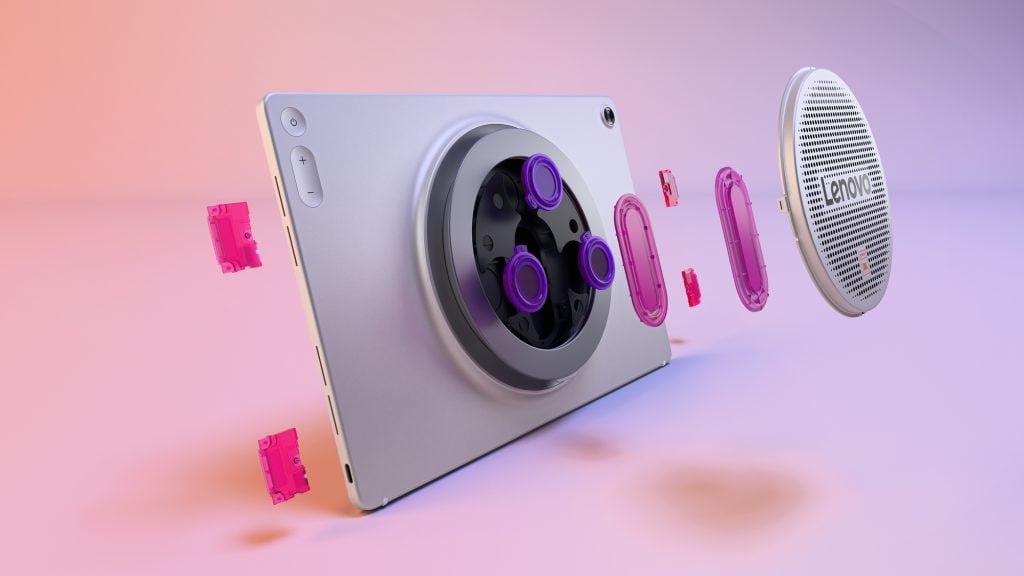
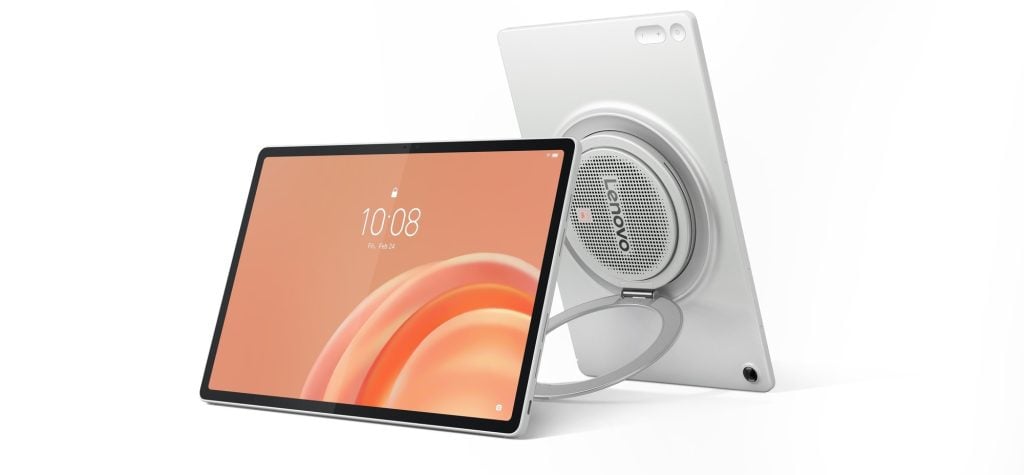
Lenovo just refreshed one of its most fun tablets with the new Tab Plus Gen 2. This updated model keeps the entertainment-first spirit of the original but makes meaningful improvements in sound, screen size, and everyday usability.
The biggest highlight is the audio setup. Lenovo bumped it up to a JBL 9-unit Pro speaker system (that’s one more than the first-gen model). It now features dedicated bass units and full Dolby Atmos support, creating what they’re calling a Cinematic Audio System. One of the coolest tricks is the Bluetooth speaker mode. Connect your phone, and the tablet turns into a surprisingly powerful portable speaker for parties or gatherings.
On the display side, Lenovo went bigger: the Gen 2 now sports a 12.1-inch LCD screen (up from 11.5 inches) with 2560 x 1600 (2.5K) resolution. It supports Dolby Vision and HDR10, hits up to 800 nits in High Brightness Mode, and runs at a 120Hz refresh rate. The built-in kickstand is super flexible too. It rotates a full 360 degrees, so you can easily switch between landscape mode for movies and portrait for video calls.
Inside, it’s powered by MediaTek’s Dimensity 7400 processor, a major upgrade over last generation‘s Helio G99. You’ll have choices of 6GB, 8GB, or 12GB of RAM and 128GB or 256GB of storage, plus a microSD slot that supports up to 2TB cards. It ships with Android 16 and promises two major OS updates (up to Android 18) plus security patches until 2030. Battery life looks solid with a 10,200mAh cell that Lenovo rates for up to 15 hours of YouTube streaming, and it supports 45W fast charging (though the charger isn’t included in the box).
At 775g and with a thickness that peaks at 22.7mm around the speakers, it’s not the thinnest tablet out there, but it feels substantial in a good way. It comes in a clean Celestial White finish and has already picked up an iF Design Award.
Pricing and availability:
Pricing starts around $400 (about £370), and it should start rolling out soon in select markets including the UK, Singapore, and Australia. Overall, the Tab Plus Gen 2 feels like a smart evolution: it keeps the fun, speaker-heavy personality that made the original popular while adding a bigger screen and better performance.
Lenovo has released a new wired gaming headset in China, the EY130. Priced at 99 yuan (roughly $14) on JD.com, it is an entry-level over-ear model that manages to include a few hardware features usually reserved for slightly more expensive peripherals, such as 50mm drivers and built-in 7.1 surround sound processing.
Lenovo EY130 Specifications
Inside the earcups, the EY130 relies on 50mm composite diaphragm drivers. These are built with a dual-magnet design and a polyurethane and fiber paper construction, covering the standard 20Hz to 20kHz frequency response range. According to Lenovo, the headset’s audio profile is specifically tuned for first-person shooters.
Additionally, the headset handles virtual 7.1 surround sound directly through an integrated acoustic chip. This is a convenient inclusion, as it means the surround sound processing happens on the hardware level, bypassing the need to install separate software or proprietary drivers on your PC to get it working.
For voice communication, the headset features an attached omnidirectional boom microphone with a sensitivity rating of -42dB ±3dB. The mic is flexible for easy positioning and includes Environmental Noise Cancellation (ENC) technology.
The physical design of the EY130 sticks to standard PC gaming conventions. It features an all-black exterior accented by dynamic RGB lighting on the earcups. Lenovo opted for a dual-layer, self-adjusting headband that stretches to fit different head sizes while distributing the headset’s weight. The ear cushions are made from a breathable fabric to reduce heat buildup during longer sessions. The entire unit measures 230 by 206 by 95 mm.
Connectivity is handled by a combined USB and 3.5mm cable. As a fully wired device, it operates as a plug-and-play peripheral for desktops, laptops, and consoles, avoiding the latency and battery management issues associated with wireless models.
In related news, Lenovo has recently introduced a budget-friendly mechanical keyboard featuring tri-mode connectivity and hot-swappable switches, alongside a compact AI Mini PC powered by a 12-core processor and equipped with its Tianxi Claw AI assistant.
For more daily updates, please visit our News Section.
Narwal has introduced three new wet and dry vacuum cleaners to the Indian market: the S20, S30, and S20 Pro. The new lineup focuses on combining hard floor vacuuming and mopping into a single device, supported by base stations that handle the washing and drying of the mop heads after use.
Narwal S20 Pro Specifications
The highest-end model in the series is the S20 Pro, which retails for Rs. 54,990. It operates with a suction power of 20,000Pa and includes a feature Narwal calls AI DirtSense. In practice, this means the vacuum uses sensors to gauge how dirty a specific section of the floor is and automatically adjusts its suction power and water output accordingly.
The S20 Pro also features an automatic detergent dispenser and a self-propelled motor to make pushing the unit across the floor less physically demanding. It runs for up to 60 minutes on a single charge. After cleaning, the base station washes the roller brush and dries it to prevent mold and odors from developing.
Narwal S30 Specifications
The mid-tier option is the S30, priced at Rs. 44,990. It shares the 20,000Pa suction motor and the dirt-sensing technology of the Pro model, but changes the physical design. The S30 is built with an 180-degree hinge, allowing the entire body of the vacuum to lie flat against the floor. This makes it possible to push the device under low furniture like sofas and beds without the cleaning head lifting off the ground.
Its base station uses hot water (176°F) to wash the roller and a built-in heat bar to dry it at 158°F. It also uses a dual-layer comb mechanism to prevent hair from tangling around the brush roll, alongside a disposable bag system to separate solid waste from the dirty water for easier disposal.
Narwal S20 Specifications
At the entry level, the S20 costs Rs. 34,990. It steps the suction power down to 18,000Pa but maintains the core wet and dry cleaning functions. It still includes a self-cleaning dock that washes and dries the mop, and it is slightly lighter than the other models at 4.13 kg (when the water tanks are empty).
All three vacuums share the same basic battery and tank capacities: a 4000mAh battery, a 790ml clean water tank, and a 670ml dirty water tank.
Availability
The S20, S30, and S20 Pro are available now on Narwal’s official website, Amazon India, and Flipkart. They are also scheduled to appear in physical retail stores, including Reliance Digital, Croma, and Vijay Sales, starting in July.
Honor has launched the Watch 6 in global markets, starting with the UK, following its initial release as Watch 6 Plus in China last month. The smartwatch focuses on battery endurance, a bright display, and specific fitness tracking modes. It is priced at £249.99 (around $330). For the first month, starting today, June 18, 2026, the device is discounted to £169.99 and includes a complimentary pair of Honor Choice Earbuds Clip.
Honor Watch 6 Specifications
The watch is available in a single 46.5mm size, but the case materials differ based on the color option. The Shadow Black version uses an aluminum alloy case, weighing 41 grams without the strap. The Twilight Brown model opts for a 316L stainless steel body and weighs 50 grams. Both variants are 10.8mm thick.
The display is a 1.46-inch AMOLED screen with a 464 x 464 resolution. Honor says a peak brightness of 3,000 nits, which is designed to help with outdoor visibility. The screen also includes wet touch control to maintain responsiveness in the rain or during workouts. For durability, the watch carries 5ATM and IP69 water and dust resistance ratings.
The watch is powered by a 980mAh battery. It can last up to 35 days in battery-saver mode, or about 17 days under typical use. For outdoor activities, the watch supports dual-band (L1+L5) GPS and is rated for up to 42 hours of continuous tracking.
Running on Honor’s MagicOS, the watch includes over 120 sports modes. Honor specifically highlights its tracking for football and badminton. The football mode records sprint speeds and creates movement heat maps in the companion app. The badminton mode logs swing counts, shot power, and forehand-to-backhand ratios.
For general health, it uses an optical sensor to track heart rate, sleep, stress, and heart rate variability (HRV). This data is combined into a Body Energy Assessment to estimate daily recovery and fatigue levels.
For daily use, the Watch 6 features a built-in microphone and speaker, allowing for voice memo recording directly from the wrist. It includes NFC for contactless payments through Fidesmo, supporting Mastercard and Visa cards. The software also supports receiving notifications from two connected phones simultaneously.
In related news, Honor has also introduced the 600 Smart 5G, featuring a massive 7,700mAh battery and a 6.87-inch 120Hz display.
For more daily updates, please visit our News Section.
Obsbot has released a new webcam for desktop and mobile setups called the Meet Flip. It is currently available at an introductory price of 599 yuan (about $88) and will carry a standard retail price of 699 yuan (around $103). The device is designed primarily for remote workers, educators, and anyone who needs a portable camera for video calls.
Obsbot Meet Flip Specifications
The hardware is built around a foldable resin body connected by a metal hinge, weighing a total of 37.7 grams. The hinge allows the camera to rotate up to 180 degrees, while the mounting clip is built to fit monitors up to 20.5mm thick. You can adjust the viewing angle between 0 and 77 degrees, and the camera can be mounted horizontally, vertically, or upside down depending on the specific desk or monitor setup.
Inside, the Meet Flip uses a 1/2-inch stacked CMOS sensor from Sony with a 48-megapixel resolution. It outputs video at up to 4K resolution at 30 frames per second, or 1080p at 60 frames per second. The lens has an f/1.8 aperture, which lets in a decent amount of light and should help with visibility in dimmer rooms. Obsbot notes that the stacked sensor design allows for faster data readout, which helps maintain image quality and responsiveness during use.
The camera provides a 72-degree field of view in 16:9 mode (79.1 degrees in 4:3) with a 25mm equivalent focal length. It relies on a phase-detection autofocus (PDAF) system that the company says can lock onto a subject in 0.3 seconds. It also supports HDR processing to balance out harsh lighting and offers up to 4x digital zoom.
Like many recent webcams, the Meet Flip includes several software-based features. It has automatic framing to keep the subject centered as they move, and it supports hand gestures to control zoom levels or toggle the framing on and off without touching the device.
The companion software offers standard video call tools like virtual backgrounds, background blur, and appearance filters. There are also a few extra utilities included, such as eye-contact correction, a built-in teleprompter, and AI-generated meeting summaries.
For audio, the device features a dual-microphone setup consisting of one directional and one omnidirectional mic. You can switch between four audio pickup modes depending on the environment, and the software applies noise reduction to filter out background sounds.
The Meet Flip connects via USB as a plug-and-play device and is compatible with Windows 10 and macOS 11 or newer.
In related news, we recently reviewed the Obsbot Tiny 3 and Tiny 3 Lite, two compact AI-powered webcams that bring flagship tracking features to a smaller form factor.
For more daily updates, please visit our News Section.
After unveiling the Honor 600 Lite, Honor 600, and Honor 600 Pro for the global market, Honor is now back with yet another 600-series phone called the Honor 600 Smart 5G. Positioned as an entry-level offering, the device focuses on battery life, durability and a large display. It also becomes one of the biggest battery-equipped smartphones in the Honor 600 lineup available outside China.
Honor 600 Smart 5G specifications and features
Honor 600 Smart 5G
The Honor 600 Smart 5G features a large 6.87-inch LCD panel that offers HD+ resolution of 1592 x 720 pixels and brightness levels of up to 1,020 nits. It is the world’s first smartphone to feature the Snapdragon 4 Gen 4 chip. The SoC is coupled with 4GB of RAM and 128GB of internal storage. Honor also offers RAM Turbo technology, which can allocate additional storage as virtual memory.
One of the major highlights of the device is its 7,700mAh battery, which is larger than the 7,000mAh batteries found on the Honor 600 and 600 Pro. The battery supports 45W fast charging and is claimed to deliver up to 28 hours of video streaming and as much as 93 hours of usage on a single charge under certain conditions.
The handset runs Android 16 with MagicOS 10.0 on top. It is equipped with a 50-megapixel rear camera and a 5-megapixel front-facing camera. Additional features include stereo speakers with a 400 percent volume boost mode, an AI button, face unlock support, and USB Type-C connectivity
Honor 600 Smart 5G Honor 600 Smart 5G
When it comes to durability, the 600 Smart 5G offers IP64-rated dust and splash resistance, and SGS-certified drop protection. Honor says the phone can withstand drops from up to 2.5 metres and can survive underwater at depths of up to 1.5 metres for 30 minutes.
Honor 600 Smart 5G price and availability
The Honor 600 Smart 5G has been announced in a single 4GB RAM + 128GB storage configuration. In France, it is priced at €219 (~$250). Buyers can choose between Silver and black color options. The smartphone is expected to go on sale in Europe later this month.
For more daily updates, please visit our News Section.
Luxury device modifier Caviar has announced its latest lineup of Apple accessories, and this time, the company is stepping away from permanent chassis replacements.
Design Details
The new Genesis collection is a series of magnetic custom modules designed for the iPhone 17 Pro Max. Instead of dismantling the phone to apply precious metals, these new accessories function as high-end, snap-on backplates that attach magnetically to the device, sitting somewhere between a traditional phone case and a full custom modification.
The flagship model of the Genesis collection is the Relict, which is priced at $4,490 and limited to a production run of just seven units. The primary selling point of the Relict is a literal fragment of a Tyrannosaurus Rex fossil embedded into a checkmark-shaped decorative element on the back panel.
Relict
The rest of the module is constructed from lightweight aviation-grade titanium and alligator leather finished in a smoky gray-to-white Himalaya colorway, accented with blue jewelry enamel.
For buyers not looking to carry prehistoric fossils in their pockets, Caviar is offering four other models in the Genesis line, each limited to 99 pieces. The entry-level option is the $1,630 Proteus, which pairs blue hand-crafted crocodile leather with standard silver aviation titanium.
ProteusOrion
Stepping up the pricing tier are the Stimulus and Vector models, both priced at $1,910. These variants utilize black PVD-coated titanium frames and black crocodile leather, differentiated primarily by their enamel accents, orange for the Stimulus and black for the Vector.
StimulusVector
Rounding out the collection is the Orion, priced at $2,060. It features a gold PVD-coated titanium frame paired with blue crocodile leather and blue enamel detailing, designed to mimic the night sky.
All modules in the Genesis collection rely on a magnetic attachment system, allowing users to swap the heavy titanium and leather plates on and off without tools. Caviar says that the accessories are shipped in the company’s signature gift boxes.
We use cookies on our website to give you the most relevant experience by remembering your preferences and repeat visits. By clicking “Accept”, you consent to the use of ALL the cookies.
This website uses cookies to improve your experience while you navigate through the website. Out of these, the cookies that are categorized as necessary are stored on your browser as they are essential for the working of basic functionalities of the website. We also use third-party cookies that help us analyze and understand how you use this website. These cookies will be stored in your browser only with your consent. You also have the option to opt-out of these cookies. But opting out of some of these cookies may affect your browsing experience.
Necessary cookies are absolutely essential for the website to function properly. This category only includes cookies that ensures basic functionalities and security features of the website. These cookies do not store any personal information.
Any cookies that may not be particularly necessary for the website to function and is used specifically to collect user personal data via analytics, ads, other embedded contents are termed as non-necessary cookies. It is mandatory to procure user consent prior to running these cookies on your website.