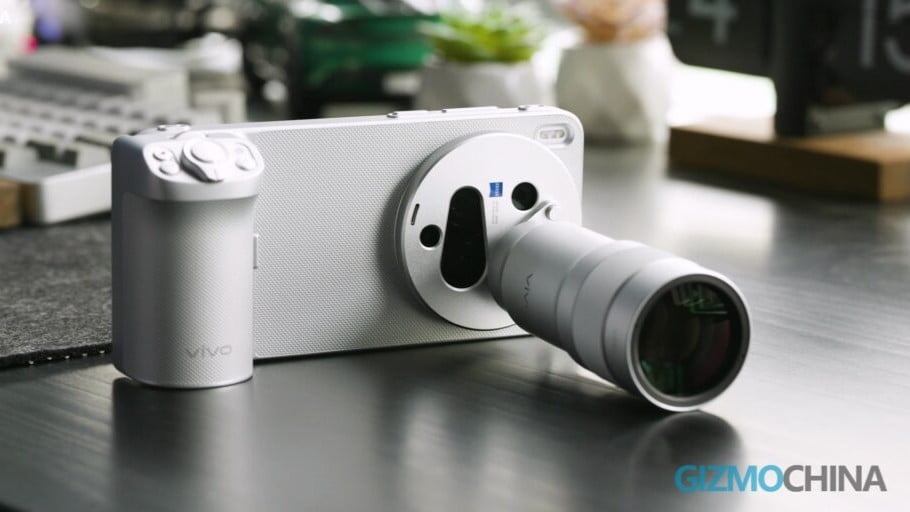
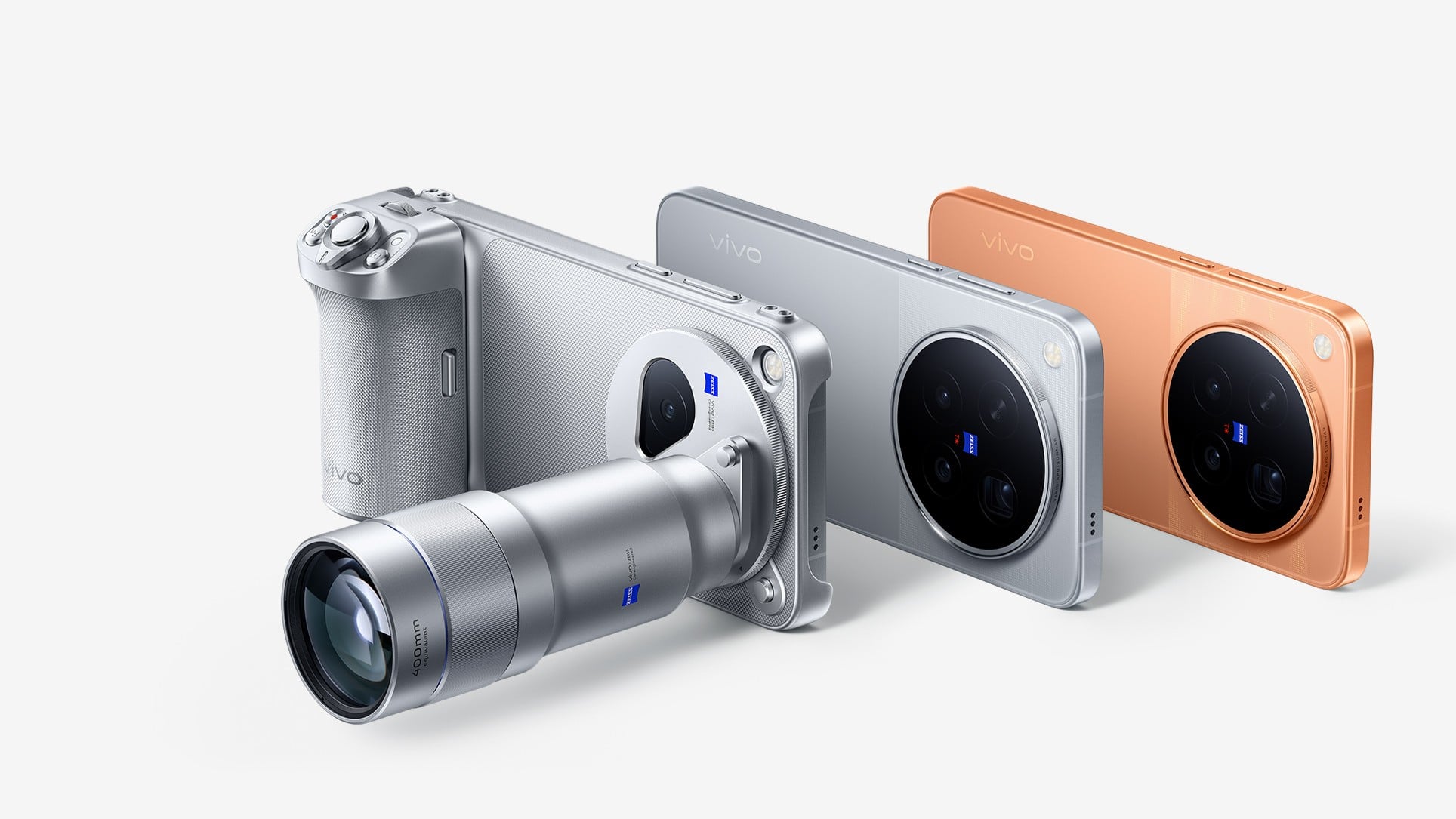
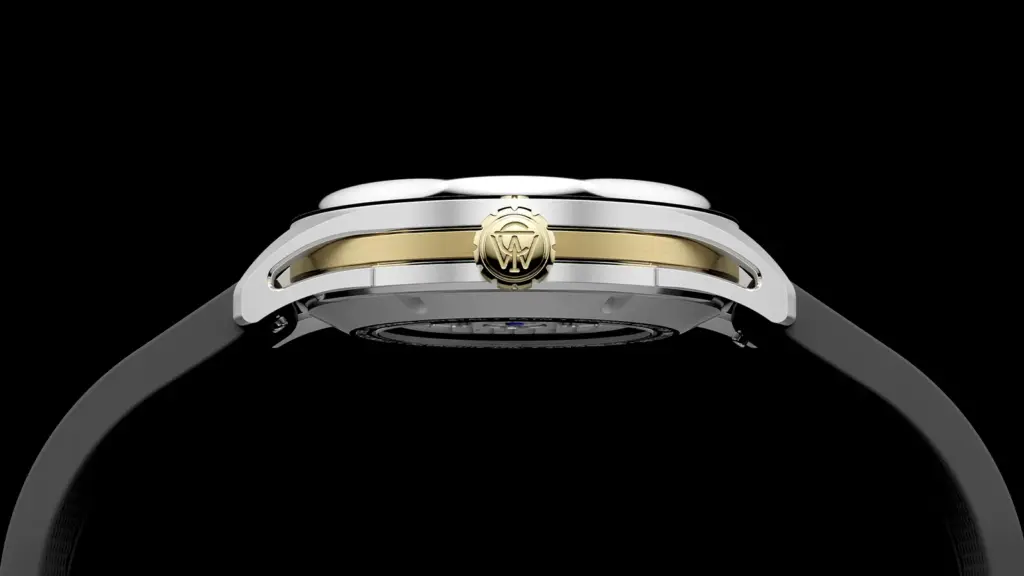
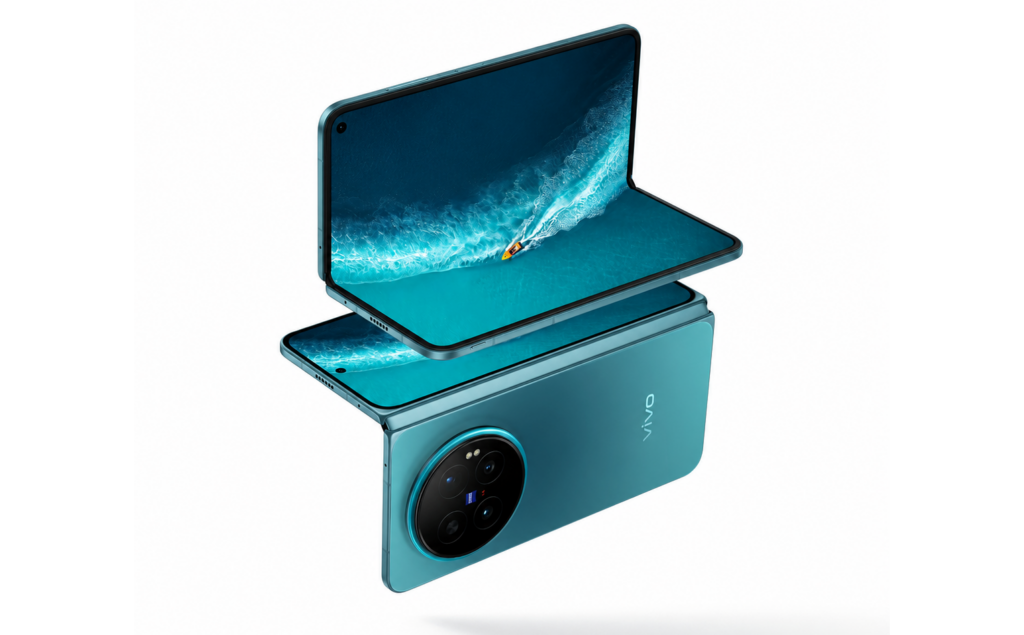
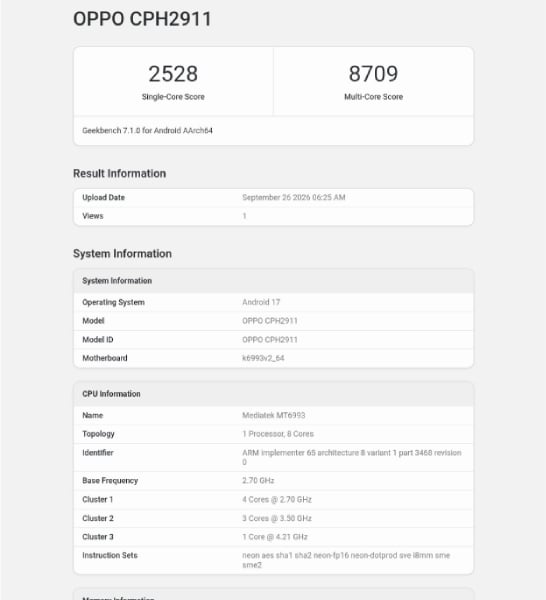
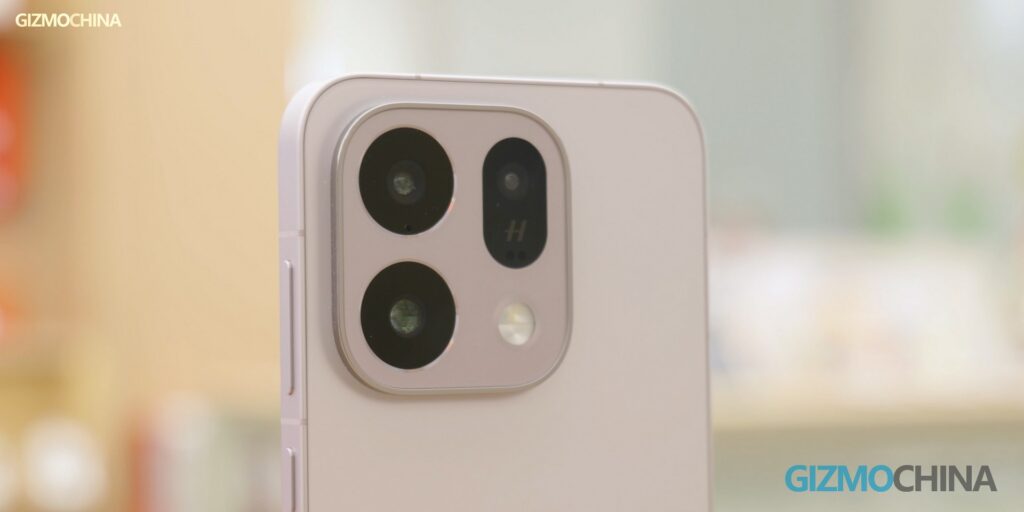
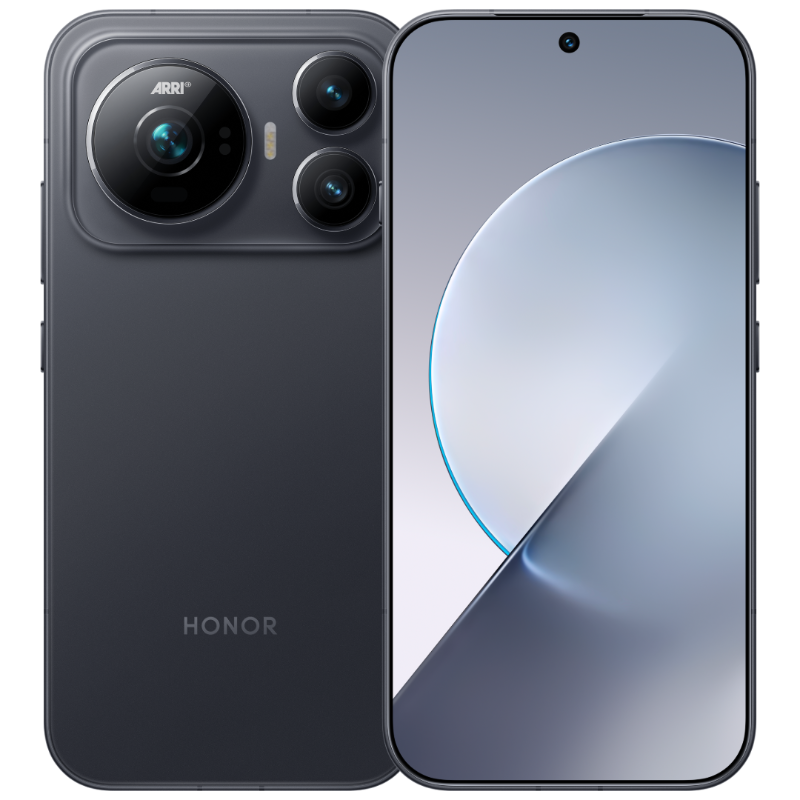
You know a brand is feeling confident when it starts building phones to show off what it can do. That’s exactly what iQOO is doing with its new concept device, the iQOO X. The company reportedly showed off the phone internally yesterday, with specs that exist only on paper for now.
The chipset alone tells you this is a look further down the road rather than anything close to shipping. The iQOO X runs on a Snapdragon 8 Elite Gen10 Pro, paired with a self-developed e-sports chip called QX.
For what it’s worth, Qualcomm is only just preparing the Snapdragon 8 Elite Gen 6 Pro for its next real flagship platform, so a Gen10 Pro chip puts this concept phone several generations into the future.
The iQOO X also packs a 15,000mAh all-solid-state battery, nicknamed the “Blue Ice Battery.” Solid-state batteries with that kind of capacity aren’t something you’ll find in any phone on shelves right now, which is part of the point of a concept device like this.
The display is a 7-inch true full-screen LTPO 6.0 panel with 2K+ resolution and a 240Hz refresh rate, backed by a half-screen ultrasonic fingerprint sensor. It also has a 4,800Hz sampling rate for near-instant input, along with AI dynamic partition refresh that allows different parts of the screen to refresh independently.
On the camera side, the setup includes a 200MP Sony main sensor, a 200MP Samsung periscope telephoto lens, and a 50MP Samsung ultra-wide sensor. iQOO also brought physical prototypes to the event for a first look at how the design and structure might actually come together.
Usually, brands don’t announce pricing for concept devices, but iQOO went ahead and shared pricing anyway. The base 12GB+512GB model comes in at ¥6,999 (around $1,038), while the 16GB+512GB version steps up to ¥7,399 (about $1,097). A 16GB+1TB model costs ¥7,799 (roughly $1,157), and the top-tier 24GB+1TB configuration tops out at ¥8,599 (close to $1,275).
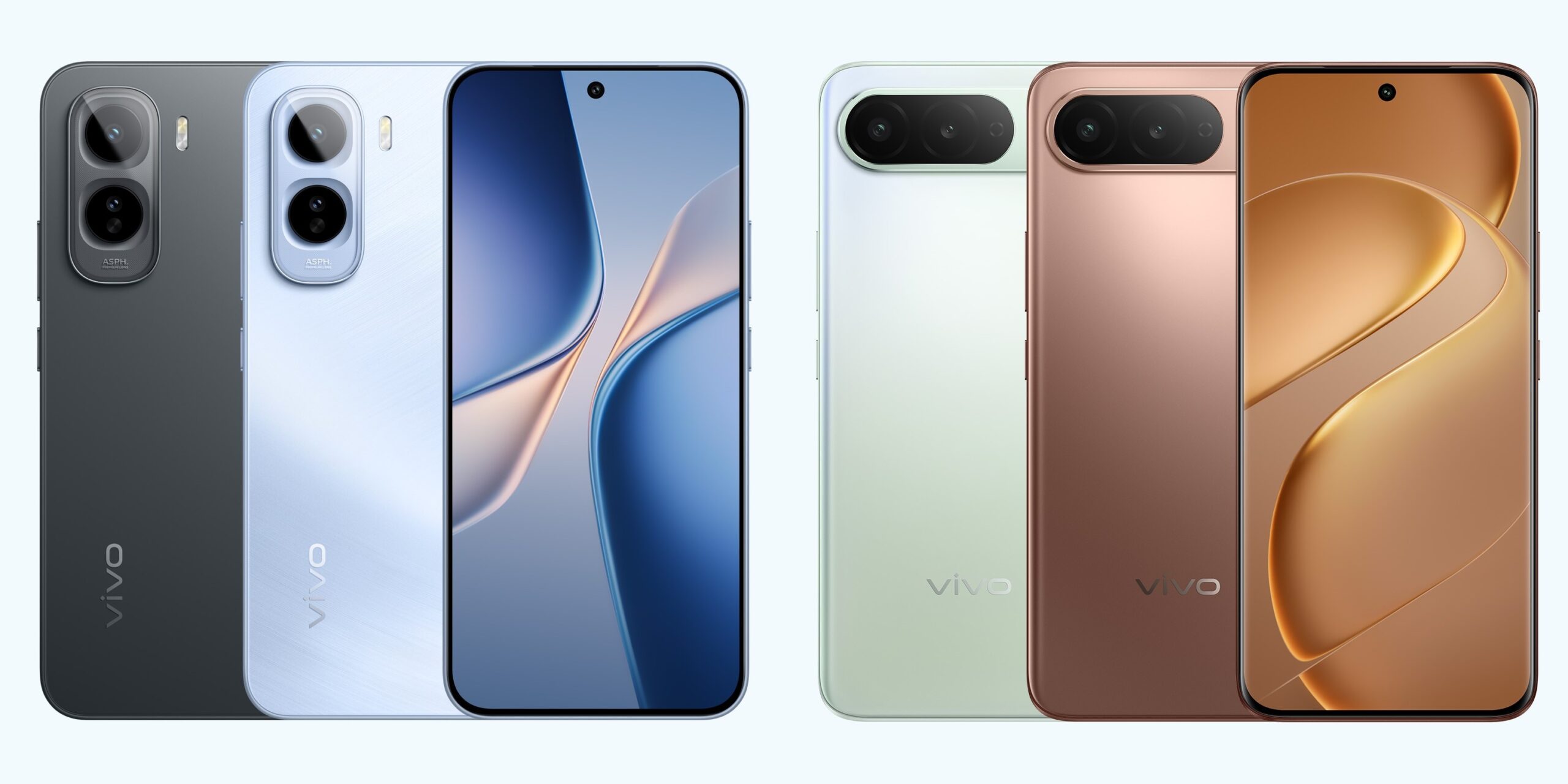
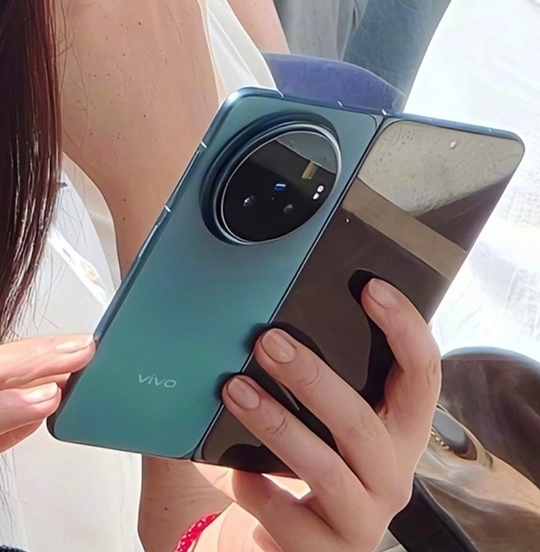
Last month, Vivo unveiled the Vivo Y500 in Pakistan. While it offers several interesting specifications, including a massive 8,100mAh BlueVolt battery, a vibrant 6.83-inch 120Hz 1.5K AMOLED display, and IP68/IP69 ratings, it is limited to 4G connectivity, runs on an entry-level processor, and has yet to receive a wider global release.
Vivo Y500
Interestingly, the broader mid-range market offers several 5G-ready phones equipped with significantly more powerful chipsets, versatile camera systems, and future-proof connectivity within a similar budget bracket.
Beyond these primary picks, the segment also features other capable contenders worth considering, such as the OnePlus Nord CE 6, Realme 16, and the Vivo T5 Pro,which deliver strong 5G performance and well-balanced everyday features in this price bracket.
Which of these smartphones stands out as the best alternative to the Vivo Y500, or is there another device you think deserves a spot on this list? Share your thoughts with us in the comments below.
Apple’s regular iPhone 17 is still holding its own in a crowded camera field. Fresh independent testing has put the dual-camera base model in some surprisingly good company on one of the industry’s most closely watched rankings. It shows clear progress over last year’s model, while also highlighting a few of the usual trade-offs that come with the more accessible design.
DxOMark has tested the iPhone 17’s dual-camera setup and given it an overall score of 157 points. That puts it in 20th place on the global leaderboard, tied with the iPhone 16 Pro, the Oppo Find X7 Ultra, and the Samsung Galaxy S26 Ultra. The score is a 10-point jump over the iPhone 16, driven mainly by the ultra-wide camera moving from a 12 MP sensor to a higher-resolution 48 MP unit. The main 48 MP f/1.6 camera, with its 1/1.56-inch sensor, is carried over from the previous generation.
iPhone 17Galaxy S26 (yellow cast)
Video is one of the biggest strengths. The iPhone 17 performs well across a wide range of lighting conditions, with solid autofocus and effective stabilization. DxOMark highlights natural colors, quick focusing, and well-controlled noise. The noise reduction is a bit more aggressive than on the iPhone 17 Pro, which helps compensate for the smaller sensor but can cost a little fine detail in still photos.
The lack of a dedicated telephoto lens is where it loses the most points. Zoom is handled entirely through digital cropping, so the overall zoom score sits lower than multi-camera flagships. Portrait mode also draws some criticism: faces can look a bit less detailed, and the limited depth-of-field control in group shots sometimes leaves background people looking soft.
With the iPhone 18 not expected until spring 2027, the iPhone 17 remains a solid choice for anyone who wants strong camera performance without jumping to the higher price tiers. The fact that it can match or get close to the “Ultra” models on DxOMark shows how much software tweaks and selective hardware upgrades can still close the gap.
🔌 You’ll NeedWith no telephoto lens, the 48MP camera bump sits flush on the back — a case protects the housing from scuffs. Check iPhone 17 case price on Amazon →
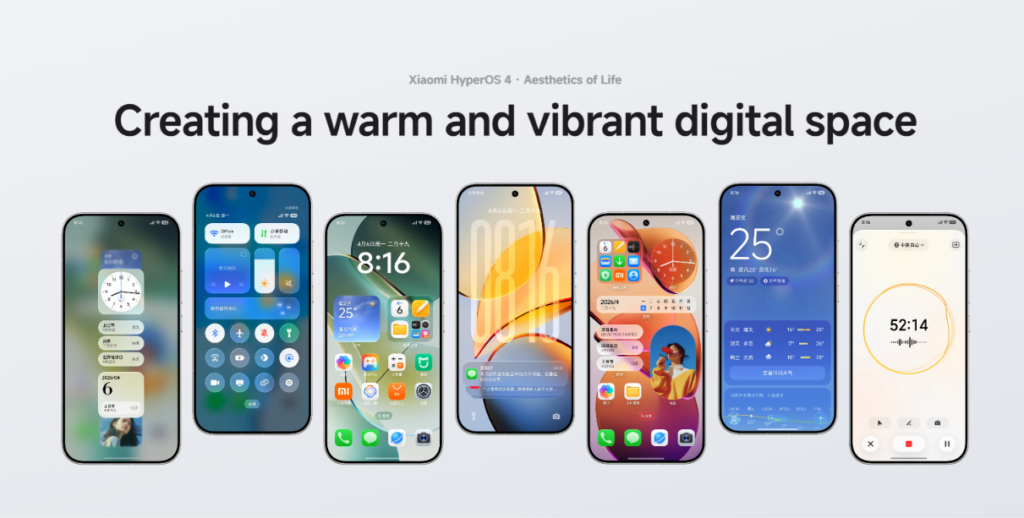
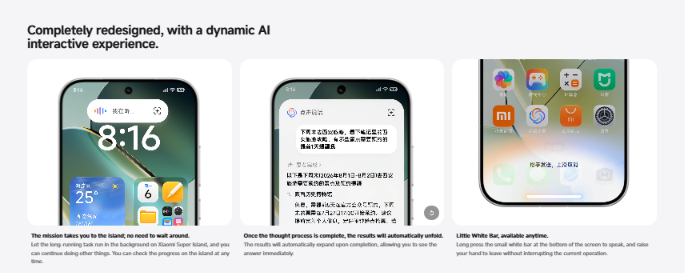
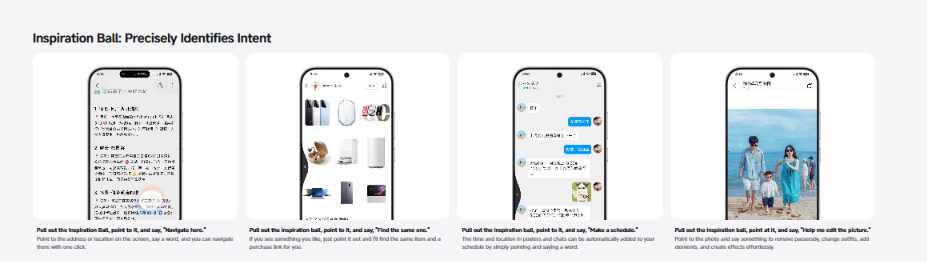
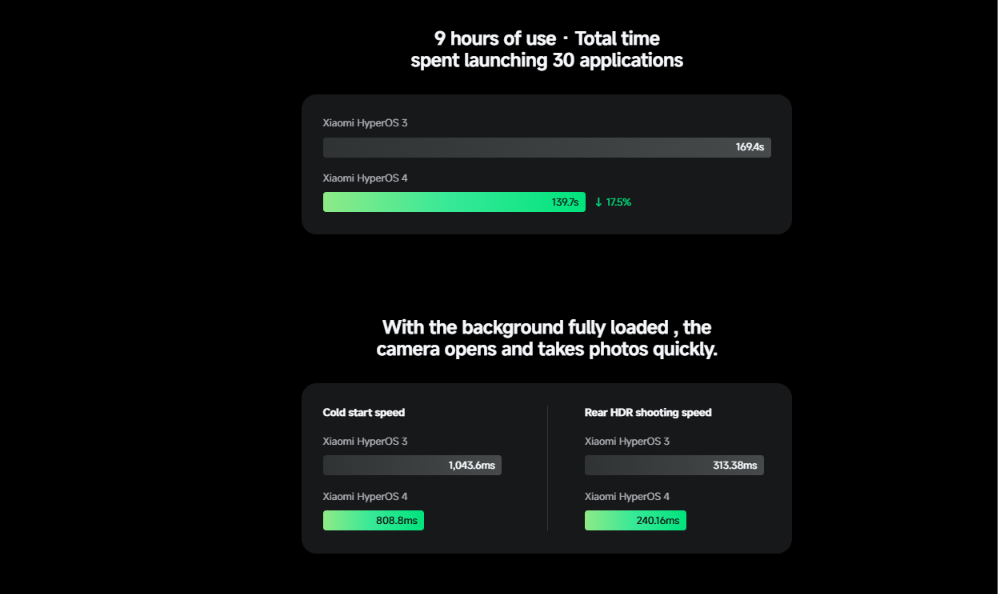
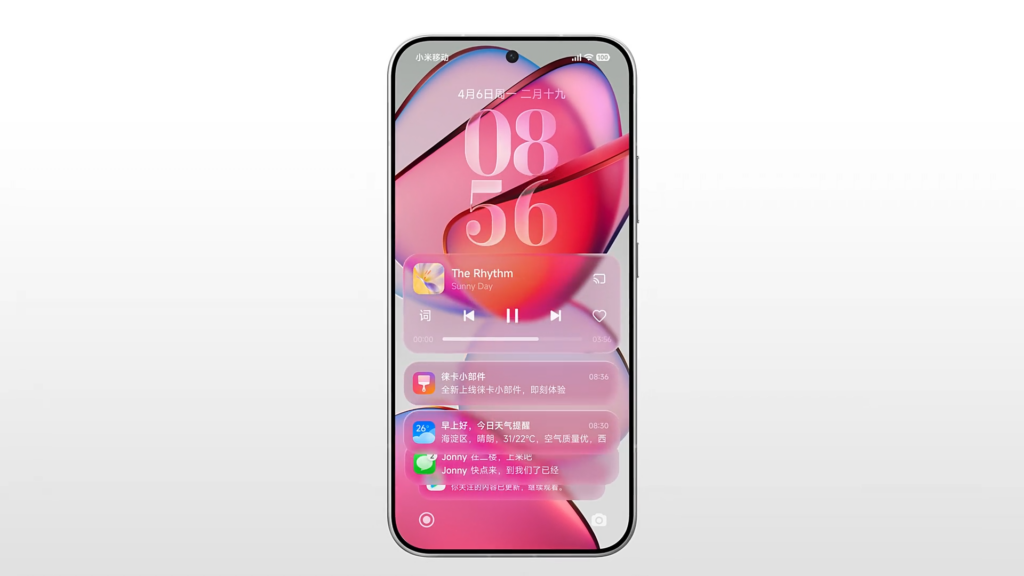
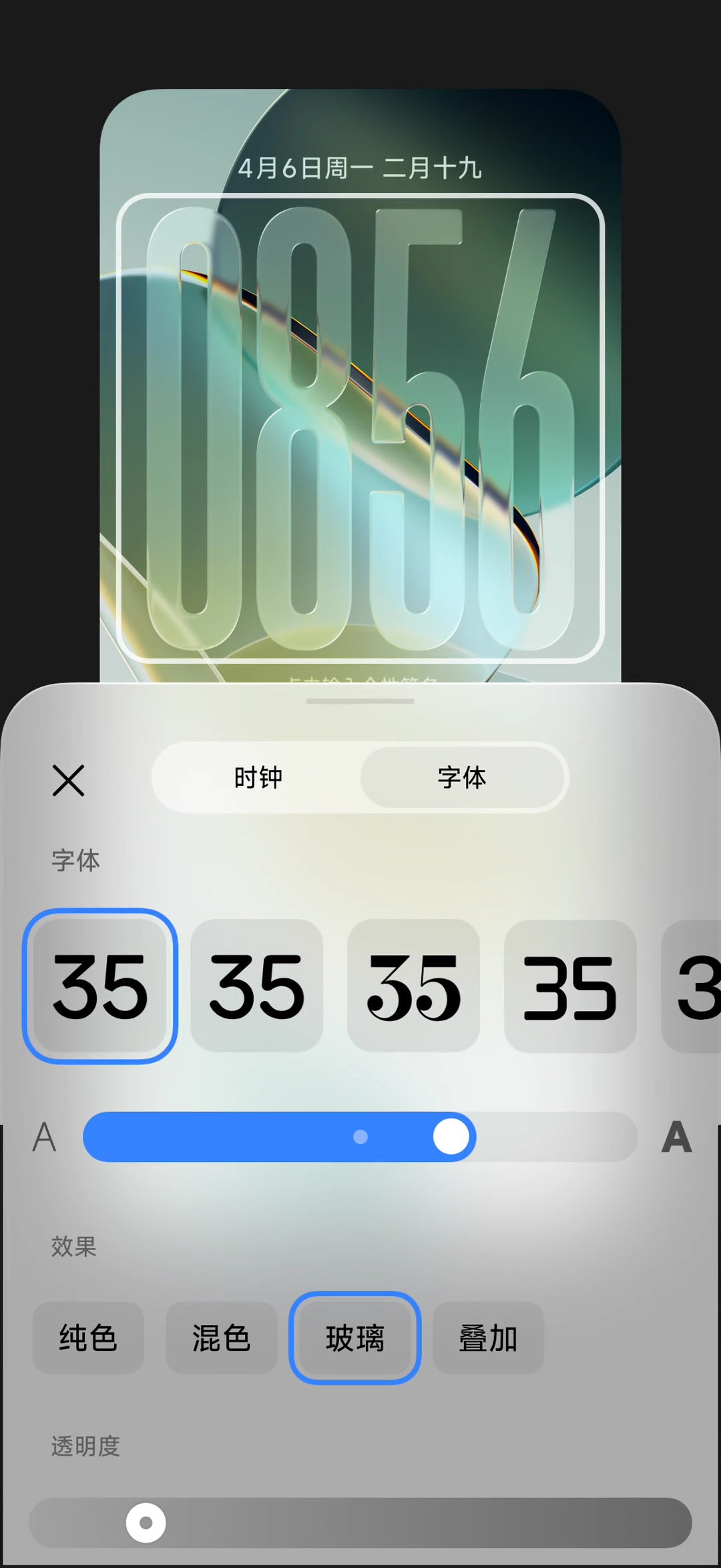
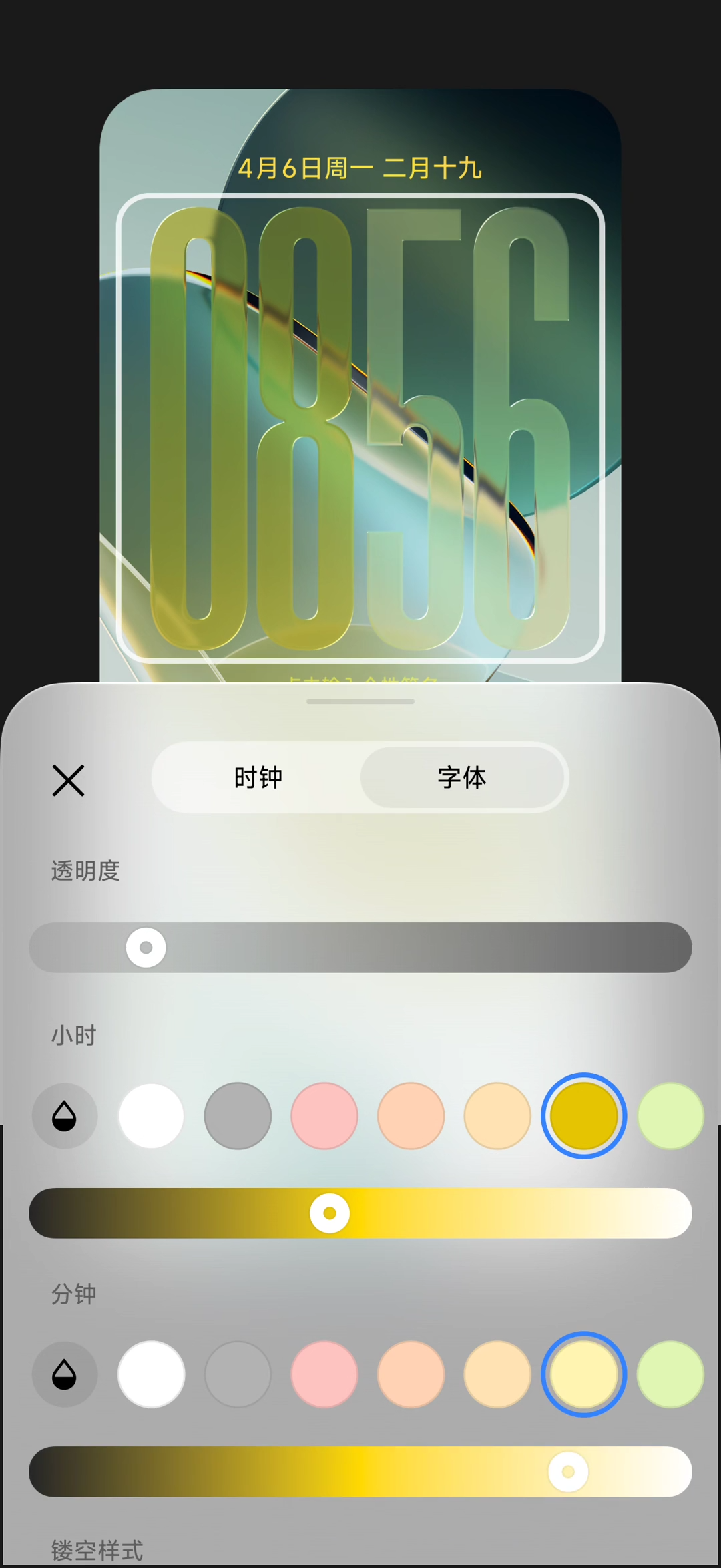
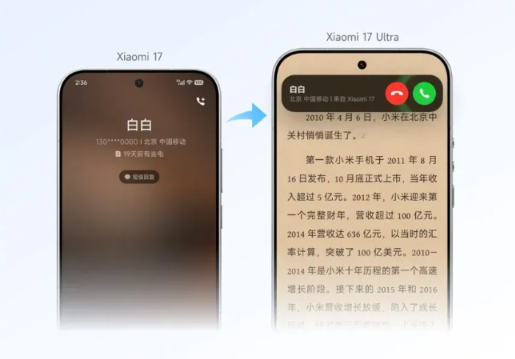
Xiaomi has begun rolling out the HyperOS 4 beta update to the first batch of eligible devices, which primarily includes recent high-end smartphones and tablets. The latest software introduces tons of changes and new features, so it is worth checking out if yours is in for a treat.
Xiaomi begins HyperOS 4 beta rollout for the first batch
The HyperOS 4 beta program is currently limited to China, and so the update is only rolling out in that region. The global rollout should follow soon.
Xiaomi 17 Ultra
Xiaomi 17 Ultra Leica Edition
Xiaomi 17 Pro Max
Xiaomi 17 Pro
Xiaomi 17
Redmi K90 Pro Max
Redmi K90 Pro Max Champion Edition
Redmi K90
Xiaomi has already laid out plans for the HyperOS 4 beta rollout for the second batch (starting from August 27) and the third batch (starting from September 17), allowing more users to get an early taste of the software. You can check the complete rollout schedule here.
To receive the beta update, you must submit your beta application via the Xiaomi Community app. If your application gets selected, the beta update should arrive within a few days.
Xiaomi hasn’t announced its beta plans for the global audience. However, if past rollouts are any indication, the HyperOS 4 beta should be released globally in the next 2-3 weeks. We’ll let you know when that happens.
After months of leaks and speculation, Honor has finally made its robotic smartphone official. Unveiled today at a global launch event in Guangzhou, China, the Honor Robot Phone is very much a real, mass-produced device — and pre‑orders are already open in China.
Many had written it off as a concept that would never see the light of day, but Honor proved the doubters wrong. The phone’s standout feature is a fully integrated 4‑DoF (four degrees of freedom) titanium mechanical gimbal built directly into the chassis — a first for any mainstream smartphone.
Hands on Experience:Gimbal Hardware – Tiny but Mighty
The gimbal motor weighs just 2.6 grams — 65% smaller than traditional gimbals, yet Honor claims it delivers 200% stronger performance. Over 100 precision components are packed into the mechanism, with most of them on display at the launch venue. The camera can physically rotate, tilt, and track subjects at speeds up to 360° per second, drawing obvious comparisons to a scaled‑down, foldable DJI OSMO Pocket 3.
To protect the delicate gimbal, Honor has added a transparent sliding cover on the surface. Interestingly, the cover can be slid over to the standard camera side, opening the door for third‑party filter attachments — an NV filter, for example. The gimbal only operates when the phone is unfolded, and the Camera app will notify the user if something isn’t right. Despite being made of titanium, durability remains a question mark — one drop could still lead to costly repairs.
During our brief hands‑on time, the mechanism felt smooth and responsive. Thanks to the phone’s powerful chipset, subject tracking is exceptionally fast and accurate. Image stabilization clearly surpasses what traditional smartphones can achieve — a side‑by‑side comparison with a regular phone makes the difference instantly obvious.
We exported a demo clip shot on‑site using the robot phone, and the dynamic range and stability straight out of the camera are genuinely impressive.
Embodied AI and Extensibility
Honor also showcased the phone’s “embodied” AI capabilities, positioning the device as the “brain” and “eyes” for various physical add‑ons. Through the YOYO assistant, users can issue voice commands or use a joystick to make the phone walk or dance. While these accessory kits aren’t yet in mass production, Honor has committed to open‑sourcing them, allowing enthusiasts to 3D‑print their own attachments.
ARRI Partnership and Color Science
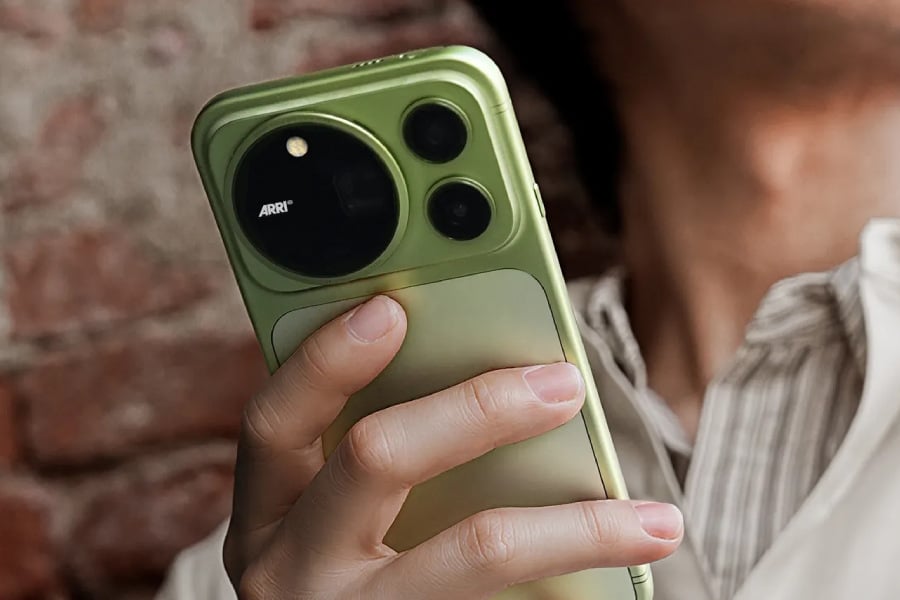
A major highlight of the event was Honor’s partnership with ARRI, the legendary cinema camera company. Together, they’ve brought ARRI’s renowned color science to the robot phone, including 10‑bit ARRI LogC3 recording with 14 stops of dynamic range and 11 built‑in ARRI Looks. This isn’t just a gimmick — Honor is positioning the device as a serious tool for content creators. The partnership will extend to the upcoming Magic 9 series, promising cinema‑level imaging upgrades across the lineup.
Footage shot on HONOR Robot Phone in editing software
YOYO Pro: AI That Executes 100+ Steps
Hardware is only half the story. The real intelligence comes from YOYO Pro mode, powered by Alibaba’s Qianwen large language model. Honor has made YOYO’s service on the robot phone free for life. What’s truly impressive is YOYO’s ability to execute over 100 steps of complex tasks with a single sentence — cross‑app, cross‑ecosystem, no problem. The catch? This functionality is currently limited to the Chinese version, and Honor has confirmed that there will be no global version for the first‑generation robot phone.
Honor has positioned the Robot Phone firmly in premium territory. The device comes in two configurations: 12GB RAM + 512GB storage priced at CNY 9,999 (approximately $1,480 / £1,100 / AU$2,100), and a higher-end 16GB RAM + 1TB storage variant at CNY 12,999 (around $1,930). It’s worth noting that early market estimates had suggested prices could exceed CNY 15,000, given the cost of the self-developed 4D gimbal mechanism. In the end, the actual pricing came in notably lower than those projections.
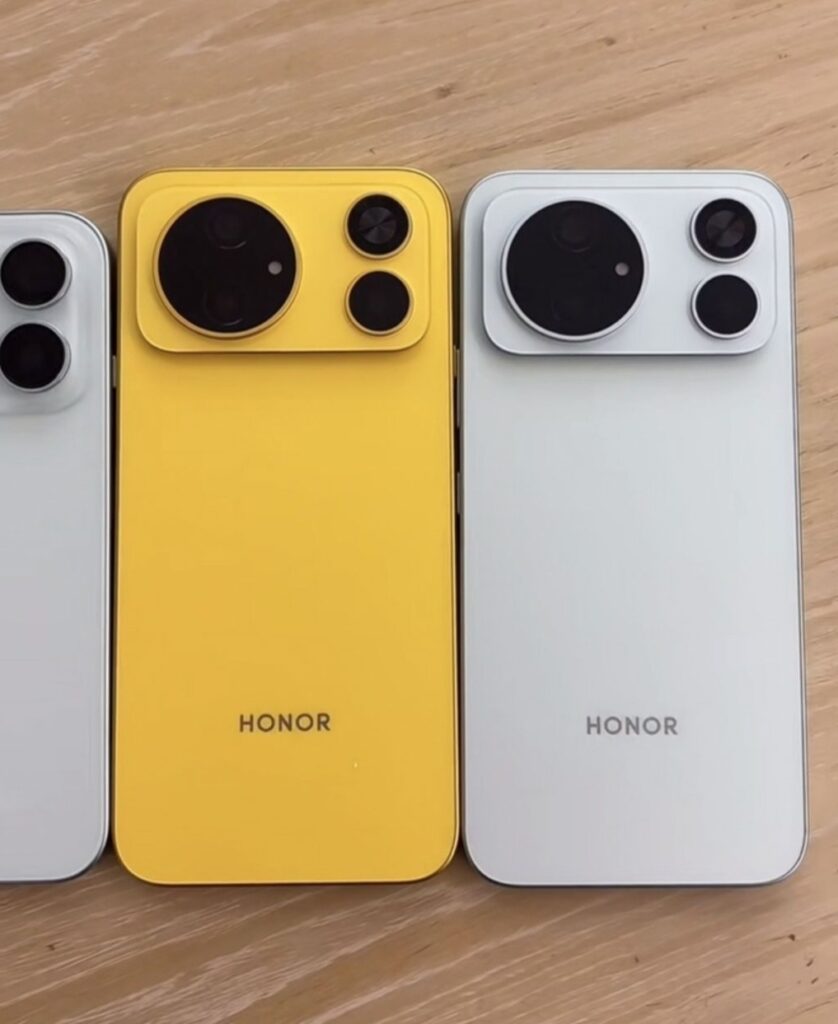
Pre-orders opened on August 12 at 8:30 PM, with the first sales officially kicking off on August 18 at 10:08 AM across Honor’s official store and retail outlets. The phone comes in two color options: Star Track Silver and Moon Shadow Gray.
The bad news? As we mentioned earlier, Honor has confirmed there will be no global version for the first-generation Robot Phone. For now, this one is strictly a China-exclusive. International readers interested in getting their hands on one early can check availability through GeekWills.
Final Thoughts
The Honor Robot Phone is far from perfect, but we have to respect the ambition. Turning a wild concept into a shipping product is no small feat. This is a first‑gen device in a brand‑new category, and from our early hands-on experience, it’s genuinely impressive.
Gizmochina Review’ll be bringing you a full review once a unit arrives at the studio.
It looks like Samsung is getting ready to enter a new product category. Fresh code discoveries suggest Samsung is working on a pair of over-ear headphones under the Galaxy brand, something that could eventually go up against the likes of Apple’s AirPods Max and Sony’s WH-1000XM series.
According to findings from SamMobile, icons tucked away in the Samsung Galaxy Wearable app clearly show over-ear headphones listed under the internal codename “Galaxy H1.” The graphics appear in white, gray, and black, with the ear cushions shown in gray or green.
The overall shape has a wide headband that reminds you of the AirPods Max, while the slightly thicker ear cups lean more toward the look of Sony’s WH-1000XM6. The final name will almost certainly be different from H1, and the current expectation is a spring 2027 launch, though nothing is locked in yet.
Specific hardware details are still scarce at this stage. It’s reasonable to expect Bluetooth 6.0, active noise cancellation, ambient sound modes, AI assistant support, and Auto Switch for moving between devices.
One potentially interesting feature is Samsung’s own Seamless Ultra-High Quality (SSC UHQ) codec, which in theory can push 24-bit/96 kHz audio at bitrates up to about 2.3 Mbit/s when paired with compatible Galaxy phones. In real-world use it usually gets compressed more to keep the connection stable. Longer battery life than the typical Galaxy Buds is also expected.
The company did release the “Level On” back in 2015, which was officially positioned as an on-ear model because the pads sat on the ears rather than around them. In practice, a lot of retailers and users still treated or described them as over-ear headphones because of the design. So whether the upcoming Galaxy headphones get called a true first or simply a modern follow-up to that earlier Level series will ultimately depend on how Samsung decides to position them.
If you bought the Redmi Note 12 when it launched, you have probably been using it for quite some time now. And after three years, some things are bound to feel old.
The phone may feel slower than newer mid-range models, the camera is not as good at night, and software support is either close to ending or has already ended. That does not mean the Redmi Note 12 was a bad phone. It simply means smartphones have come a long way since then.
If you are finally ready to upgrade, there are plenty of good options today. The right choice depends on what you want from your next phone.
Worth keeping in mind before you start comparing specs is that phone pricing today isn’t what it was when the Redmi Note 12 launched. Memory chip prices have risen sharply through 2025 and into 2026, and RAM and storage make up a big chunk of what a phone costs to build.
This has pushed starting prices up across almost every brand, including the ones on this list — the Galaxy A57 costs $50 more than the A56 did a year ago, and even budget-focused lines like Redmi and Poco have seen their entry-level configurations get pricier or drop in storage to hold the line on price. So if your upgrade budget is based on what a similar phone cost back in 2023, expect to stretch it a bit further this time around.
1. If you want a simple upgrade: Redmi Note 15 series
Redmi Note 15 5G
The easiest upgrade is to stay with the Redmi Note series. The Redmi Note 15 series improves on the Note 12 in almost every important area. You get a better AMOLED display, a larger battery and better protection against water and dust.
The standard Redmi Note 15 is a good option if you want something familiar. It comes with a 120Hz AMOLED display, an OIS-equipped main camera and a battery that can comfortably last a full day.
If you want more, there is the Redmi Note 15 Pro and Pro+. Both offer IP68/IP69K protection, a 200-megapixel main camera and a curved 1.5K display. The display can also reach up to 3,200 nits of peak brightness, making it easier to see outdoors.
The Pro+ is the most powerful option in the series and supports 100W charging. If you liked the Redmi Note 12 and simply want a newer version of the same experience, the Note 15 series is the most straightforward choice.
2. If gaming and performance are your priority: Poco X7 Pro
Poco X7 Pro
The Redmi Note 12 was never designed to be a serious gaming phone. So, if performance is one of the main reasons you want to upgrade, the Poco X7 Pro is worth considering.
It uses the Dimensity 8400 Ultra chipset, which delivers much more performance than the chip inside the Redmi Note 12. It also comes with a large 6,000mAh battery, so you get good battery life even when using the phone heavily.
The Poco X7 Pro also has a 120Hz 1.5K OLED display and supports 90W fast charging. Some versions also come with a vegan leather back, which gives the phone a more premium feel.
The cameras are not its biggest strength. The rear camera setup is good enough for everyday photos, but it cannot compete with phones that focus more on photography.
If you spend a lot of time gaming or simply want a phone that feels fast and responsive, however, the Poco X7 Pro is one of the better choices.
3. If you want a phone that will last for years: Google Pixel 10a
If your biggest problem with the Redmi Note 12 is software support, the Google Pixel 10a is worth a look. Google promises seven years of software and security updates for the Pixel 10a. You can keep using the phone for years without worrying about it becoming outdated too quickly.
The Pixel also offers a clean version of Android with very little unnecessary software. The phone has a 6.3-inch Actua display with a peak brightness of up to 3,000 nits. It also uses Gorilla Glass 7i for better protection.
For cameras, you get a 48-megapixel main sensor and a 13-megapixel ultrawide. On paper, the hardware may not look as impressive as the 200-megapixel cameras on some Redmi phones, but Google’s image processing does a lot of good work. And the result is a camera that can take good photos in different lighting conditions.
The Pixel 10a may not be the fastest phone here, but it offers a smooth and consistent experience. If you want a phone that you can keep for a long time, it is one of the better options.
4. If you want something different: Nothing Phone (4a)
Nothing Phone (4a)
Most smartphones in this price range look very similar. The Nothing Phone (4a) is different. Its transparent design and Glyph lighting system give it a look that stands out. The latest Glyph system uses 63 individually addressable mini-LEDs that can flash patterns or even specific icons to let you know when someone is calling.
The design is not the only reason to consider it. Nothing OS is also one of the cleaner versions of Android, with a simple interface and little unnecessary software.
As an upgrade from the Redmi Note 12, you also get a sharper AMOLED display, a triple-camera setup with useful zoom capabilities, and a more capable Snapdragon chipset. The Nothing Phone (3a) is already good, but the 4a brings improvements to the display and performance. However, if you want something cheaper, the new Nothing Phone (4b) is worth checking out.
5. If you can spend more for a premium experience: Samsung Galaxy A57
If your budget allows you to spend a little more, the Samsung Galaxy A57 is another option to consider. It offers a more premium build with a metal frame and IP68 water and dust resistance. You also get Samsung’s One UI software and a long-term software update promise.
The phone has a large 6.7-inch AMOLED display with a 120Hz refresh rate. Its 50-megapixel main camera also comes with OIS for better photos in both daylight and low-light conditions.
The Galaxy A57 is not the fastest phone here. Its battery and charging speeds are also less impressive than what you get from the Poco X7 Pro or Redmi Note 15 Pro+. But if you care more about build quality, software support, and an overall polished experience than gaming performance, the Galaxy A57 is a safer choice.
6. Which phone should you buy?
There is no single best upgrade for every Redmi Note 12 owner. It depends on what you want from your next phone. If you want something familiar, the Redmi Note 15 series is the easiest choice. It gives you a newer and more capable version of the phone you already know.
For gaming and performance, the Poco X7 Pro is the better pick. If your main concern is software updates and long-term use, the Google Pixel 10a makes more sense.
If you want a phone that looks different from everything else, go for the Nothing Phone (4a). And if you are willing to spend more for better build quality and long-term software support, the Samsung Galaxy A57 is worth considering.
After three years with the Redmi Note 12, any of these phones should feel like a meaningful upgrade. You will get faster performance, better displays, improved cameras and, most importantly, a phone that should feel much more capable for the next few years.
For more daily updates, please visit our News Section.
Samsung is preparing to release the One UI 9 Watch update to older Galaxy smartwatches. The stable version debuted in July on the recently launched Galaxy Watch 9 and Galaxy Watch Ultra 2, and will start rolling out to existing models once the beta program concludes. But a few Galaxy watches won’t make the cut.
Samsung typically offers four major OS upgrades to its Galaxy smartwatches, except for the new Galaxy Watch 9 and Galaxy Watch Ultra 2, which promise an additional OS upgrade. That means the Galaxy Watch 4 and Galaxy Watch 4 Classic have already reached the end of OS update support with One UI 8 Watch.
Of course, the special editions of Galaxy Watch 4 and Galaxy Watch 4 Classic are also ineligible for OS upgrades going forward.
Based on the update policy, here’s a list of Galaxy smartwatches that won’t be upgraded to One UI 9 Watch:
Galaxy Watch 4
Galaxy Watch 4 Classic
Galaxy Watch 4 Golf Edition
Galaxy Watch 4 Classic Thom Browne Edition
The Galaxy Watch 4 and Galaxy Watch 4 Classic were released in 2021 with One UI Watch 3 (Wear OS 3) out of the box. Over the next four years, the device received four major OS upgrades that Samsung had promised at launch. Hence, they aren’t eligible for One UI 9 Watch and future OS updates.
Those Galaxy Watch models were offered five years of security updates, which ended in August 2026. The devices should still work just fine even though they won’t receive any software updates. However, it’s the right time to plan for an upgrade. The best options are the Galaxy Watch 9 and the Galaxy Watch Ultra 2, offering five major OS upgrades and five years of security patches.
We’ll keep our eyes open for new information and update you on the same in our Samsung section and on our Telegram channel. Stay tuned with us for more updates.
Physical keyboards are having a moment again. After years of every phone looking like the same glass slab, a small group of companies decided to bring back the clicky, tactile typing experience that BlackBerry once made famous.
There are also more choices than before. Unihertz has continued developing its Titan series, while new companies such as Clicks and Minimal are bringing their own ideas to the keyboard-phone market.
If you are looking for a phone that puts typing and productivity ahead of gaming, photography, or social media, here are some of the best QWERTY and productivity-focused options to consider in 2026.
The Clicks Communicator is the device that got everyone talking at CES 2026. It comes from Clicks Technology, a UK-based startup which also offers clip-on keyboard cases for the iPhone, if you do not want to replace your existing handheld.
Anyhoo, the Communicator is their first full standalone Android phone instead of an accessory. Here, you get a compact 4.03-inch AMOLED screen with a 1080 x 1200 resolution, above a backlit physical keyboard with sculpted keys and a fingerprint sensor tucked into the spacebar.
The phone runs on a 4nm MediaTek chip, packs a 50MP main camera with OIS and a 24MP selfie camera, and charges through USB-C or Qi2 wireless charging. You still get a 3.5mm headphone jack, Wi-Fi 6, NFC, and microSD storage that expands up to 2TB, which is a lot for a phone this size.
What makes the Communicator different from a typical Android phone is the software. Instead of a normal home screen full of apps, it pulls WhatsApp, Telegram, Slack, and Gmail into one combined feed, so you can check every message thread without opening five different apps. There’s also a “Signal Light” around one of the side buttons that changes color depending on who’s messaging you, and a programmable key you can set up for voice dictation.
Clicks pitches the Communicator as a second phone for people who want to separate work messaging from the rest of their digital life, though the company itself has admitted plenty of people could use it as a primary phone too. It retails at $399 for early reservations before it jumps to $499. Shipping has slipped a few times this year, with Clicks now targeting production and delivery to reservation holders in the fourth quarter of 2026, so treat this one as a phone worth reserving rather than one you can walk into a store and buy today.
2. Unihertz Titan 2 Elite
If you want something you can actually order and hold this year, the Unihertz Titan 2 Elite could be the pick for you. Unihertz has been making keyboard phones since 2019, and the Titan 2 Elite is its most refined effort so far. The company calls it the world’s smallest 5G phone with a physical keyboard, and at 117.8 x 75 x 10.4mm, it genuinely fits in one hand in a way the earlier, chunkier Titan phones didn’t.
You get a 4.03-inch AMOLED display running at 120Hz, a real physical QWERTY keyboard with a trackpad built in, and a side-mounted fingerprint sensor. Unihertz sells it in two configurations: a standard version with a MediaTek Dimensity 7400 chip, and a Pro version with the more powerful Dimensity 8400 for people who run heavier multitasking workloads. Both pack a 4,050mAh battery with 33W fast charging, dual 50MP rear cameras, and Android 16 out of the box.
Unihertz redesigned the keyboard itself for this model too. Independent testing measured the actuation force at roughly 58 grams, down from about 67 grams on the original Titan 2, which should mean less finger fatigue if you’re typing long emails or documents throughout the day.
You can pre-order the device starting at $489.90 for the Titan 2 Elite and $579.99 for the Pro model.
Before the Elite arrived, Unihertz launched the Titan 2, and it’s still worth considering if you want a bigger screen and don’t mind a heavier phone. It has a 4.5-inch square display running at 1440 x 1440 with a 120Hz refresh rate, plus a second 2-inch screen on the back that shows notifications or works as a selfie preview. The physical keyboard sits below the main display and supports swipe gestures.
Inside, you get a MediaTek Dimensity 7300 chip, 12GB of RAM, and up to 512GB of storage, along with a 5,000mAh battery. The Titan 2 also throws in an infrared port for controlling home electronics and IP65 water and dust resistance, both useful if you’re using this as your everyday driver rather than a niche second device. You can find it now for around $499.
The Minimal Phone 2 is the newest entrant in the QWERTY keyboard phone segment. The original Minimal Phone used an E Ink display to reduce distractions. The second-generation model, however, replaces E Ink with a 3.92-inch 90Hz AMOLED display while keeping the physical QWERTY keyboard.
The change is important because the original E Ink screen came with obvious limitations. The new AMOLED display should make everyday smartphone tasks much easier while still keeping the physical keyboard at the center of the experience.
The keyboard itself has been improved with backlighting, remappable shortcuts, and metal dome switches. The phone also uses a MediaTek Dimensity 8300 processor and offers up to 512GB of storage. It has NFC, a mute switch, and a 3.5mm headphone jack.
Most importantly, the Minimal Phone 2 is still designed around the idea of using technology more intentionally. The phone is currently being offered through a crowdfunding campaign, so buyers should keep the risks of crowdfunded hardware in mind.
5. Which one should you actually buy?
If you want a phone you can order today and use as your daily driver, the Unihertz Titan 2 Elite makes the most sense. If a bigger screen and longer battery life matter more to you than pocketability, the original Titan 2 is the safer, already-shipping choice.
The Clicks Communicator is the more interesting long-term bet, especially if you like the idea of a dedicated messaging device that keeps your notifications organized instead of overwhelming you. Just know you’re pre-ordering a phone that’s still finishing carrier certification, not one you can pick up this week.
The Minimal Phone 2 is the more interesting choice for people who want productivity and digital minimalism together. Its AMOLED display also makes it more practical than the original Minimal Phone.
For more daily updates, please visit our News Section.
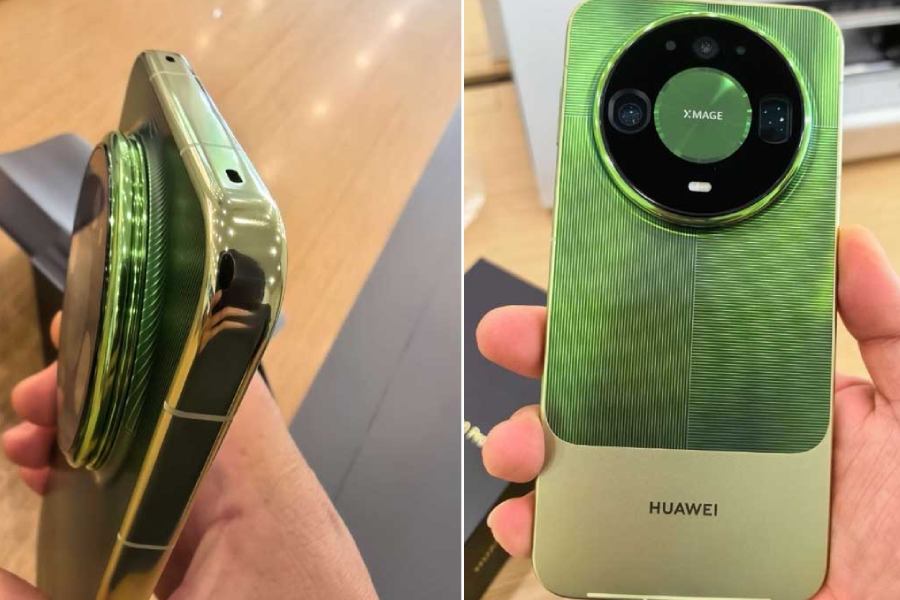
Motorola has officially launched the Moto G Max in India, adding a new option to its smartphone lineup. The device combines a high-refresh-rate display, a large battery and a Snapdragon chipset, while also focusing on durability and everyday usability.
Moto G Max specifications and features
The Moto G Max features a 6.72-inch FHD+ display with a 120Hz refresh rate and up to 1,050 nits of brightness in High Brightness Mode. It also supports Water Touch 2.0 for improved touch responsiveness when the screen is wet. The display is protected by Corning Gorilla Glass Ceramic.
Under the hood, the phone runs on the Snapdragon 6s Gen 4 chipset, paired with LPDDR5X RAM, UFS 3.1 storage, and up to 24GB of additional virtual memory. The phone runs Hello UX-based Android 16 and is promised two OS upgrades along with three years of security updates.
The Moto G Max has a 50-megapixel Sony LYTIA 600 main camera and an 8-megapixel ultrawide camera on the rear. A 32-megapixel selfie camera handles selfies and video calls. The phone also features stereo speakers with Dolby Atmos and retains a 3.5mm headphone jack.
A 7,000mAh silicon-carbon battery powers the device and supports 30W charging. The Moto G Max also carries an IP64 rating and MIL-STD-810H certification, giving it added protection against dust, water and demanding environmental conditions.
Motorola has launched the Moto G Max in two configurations, with the 6GB+128GB variant priced at Rs 27,999 and the 8GB+128GB variant priced at Rs 29,999. The phone will be available through Flipkart, with sales starting on August 20. With bank offers, users can take advantage up to Rs 1,000 discount. It comes in Pantone-curated color options, including Stargazer, Alaskan Blue and Malaga.
For more daily updates, please visit our News Section.
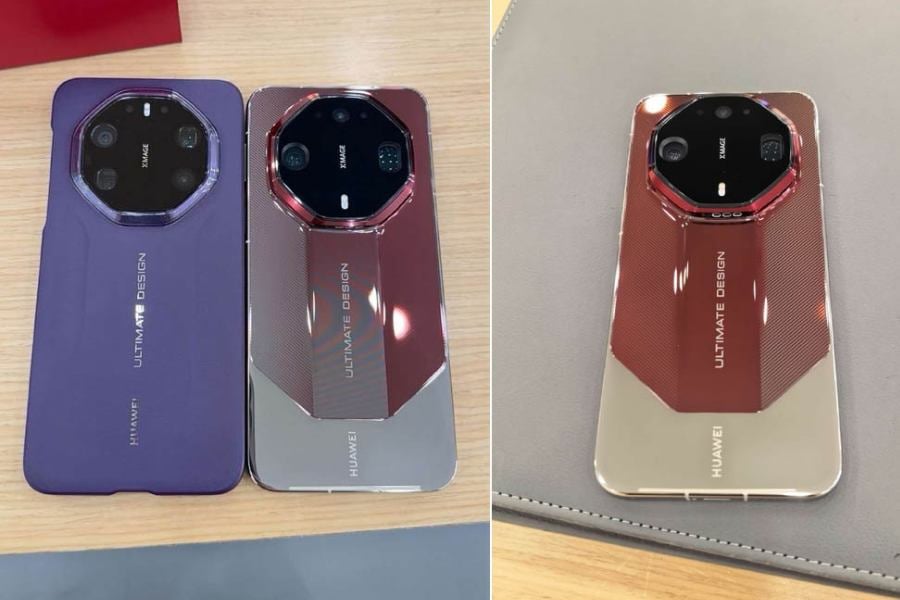
Xiaomi has launched the new Mijia Smart Range Hood 3 (European Style) in China. Now available for pre-order through Xiaomi Youpin, the kitchen chimney is priced at 1,499 yuan (~ $220).
The new range hood comes with a high-speed fan that can reach up to 2,200 rpm and can move up to 25 cubic meters of air per minute, which Xiaomi says is 9% higher than the previous generation. The hood also supports a maximum static pressure of 1,080Pa.
The high static pressure can be useful in high-rise buildings, where shared exhaust pipes can create more resistance. This can sometimes cause smoke to flow back into the kitchen. Xiaomi has added a cruise boost algorithm that can detect the resistance in the building’s shared exhaust pipe. It then adjusts the air volume and pressure automatically to maintain better airflow.
The smoke inlet on the new model sits 131mm lower than the inlet on a typical European-style range hood. This puts it closer to the cooking area, allowing it to capture smoke before it spreads around the kitchen.
The Mijia Smart Range Hood 3 also supports hands-free controls. Users can wave their hand near the hood to turn it on or off or change the fan speed. The hood can also connect to the Xiaomi Home app through Xiaomi’s HyperOS Connect platform.
Another useful feature is stove-hood linkage. When the connected stove is turned on, the range hood can automatically start. Once the stove is turned off, the hood continues running for a short time to remove remaining smoke and fumes before shutting down.
Xiaomi has also added a dry cleaning mode to the range hood. In this mode, the impeller spins at high speed to help remove built-up oil and grease.
Teasing an upcoming custom skin software skin a few days back, Nothing has now opened applications for its latest Community Review Program. While the official post on the Nothing Community doesn’t explicitly mention the software version, the timing and eligibility criteria strongly point towards this being the Nothing OS 5.0 early access beta program.
Around the same time last year, the brand had launched the Nothing OS 4.0 early access beta program in a similar fashion. Hence, decoding the latest announcement doesn’t take long. You must have a Nothing Phone 3 to be eligible for the latest Community Review Program.
The applications are already live, and will close on 17th August 2026 at 15:30 IST. Tap the link below and fill in the required details to submit your application. If your application is chosen, the brand will contact you via email to sign an NDA and provide your IMEI number.
Nothing Phone 3 – Community Review Program (Apply here)
Nothing recommends taking a complete backup of all your important data on the phone, as the beta software may interfere with your data and require a factory reset.
The official announcement highlights some points that are pretty common among beta testing programs, but there are two points that are uncommon here. Nothing doesn’t want testers to share details of this new software, and so you must agree to the embargo dates and deadlines set by the brand. Further, the brand says testers must maintain “high standards of information security with the product before it is publicly released.”
Still, you can share your first impression on the Nothing Community and your social channels, but the full review can only be posted after the official launch. Nothing also allows users to post interesting and creative content about the product and its features.
Nothing hasn’t announced a release date for Nothing OS 5.0. However, if past releases are anything to go by, the open beta release to a wider audience could begin next month, while the stable rollout is expected to begin in November.
We’ll keep an eye on the latest developments around Nothing OS 5.0 and post them in the Nothing section. You can visit the page regularly to get the latest updates. Or, join our Telegram channel for instant alerts.
Ugreen has a new desktop charger for users who need to charge several devices at the same time. The Nexode Pro 300W Desktop Charger comes with eight ports, has a dedicated DC output, and can deliver up to 300W of total power.
The charger has six USB-C ports, one USB-A port, and one DC port. The DC port can provide up to 240W power for all of your high-power devices such as gaming laptops. Meanwhile, three USB-C ports, named C1, C2, and C3, can each deliver up to 140W.
Ugreen claims the charger can charge two MacBook Pro laptops to 50% in around 28 minutes. It also supports several fast-charging standards, including PD 3.1, QC, SCP, AFC, PPS, BC1.2, Apple’s 5V/2.4A standard, and UFCS.
One of the main features of the Nexode Pro 300W is its 3.02-inch display. The screen shows information such as power output, voltage, current, and temperature in real time.
Users can also tap the top of the charger to switch between five charging modes directly from the display. For more control, you can install the Ugreen Smart Connect App that allows changing charging settings remotely, turning the charger on or off, changing the display wallpaper, and adjusting screen brightness and sleep time.
The app also supports over-the-air firmware updates if the company wants to add new features or make improvements over the existing.
GaN technology and compact design
Inside, the charger uses GaN technology along with Ugreen ‘s Thermal Guard system. The company claims the system can reach up to 93% energy efficiency while helping manage heat during charging.
Furthermore, the charger uses V-0 flame-retardant material for its outer body and has TÜV Rheinland certification. Despite offering up to 300W of power, it measures 133 x 90 x 42mm.
Ugreen has already released several high-power desktop chargers. Its 200W Nexode charger launched in Europe earlier this year, while the 160W Nexode Pro offered similar GaN technology in a smaller design.
Honor has had a busy smartphone year so far. From flagships and 10,000mAh battery phones to a foldable and, recently, even a gimbal camera phone, the company has done it all. And if a new rumor is to be believed, the streak won’t stop for the rest of 2026.
A new leak from tipster Digital Chat Station claims the Honor is preparing several new smartphone launches between September and the end of 2026. The lineup is expected to include flagship phones, gaming-focused devices, and more affordable models.
The first major launch is the Honor Magic 9 series, which has been confirmed for September. According to previous reports, the series could use a 2nm Snapdragon processor and feature camera technology developed with ARRI.
Honor Magic 9 camera module
Honor could then turn its attention to gaming with the Honor Win 2 series. It is reportedly planned for October, and the leak mentions a Snapdragon SM8975 (8 Elite Gen 6) chipset under the hood.
Previous reports also claim the phones could come with a 10,000mAh+ battery, a built-in cooling fan, and a 6.89-inch OLED panel offering a 2K+ resolution and a 185Hz refresh rate.
Honor 700 series, Power 3 and X series also launching before 2027
Honor may also expand its mid-range lineup before the end of the year. Digital Chat Station mentions the Honor 700 series, along with new phones under the X and Power 3 series.
The company has already been pushing battery capacity in its affordable phones. For example, the recently launched Honor X7e comes with a large 7,500mAh battery at a budget price. The leak claims these mid-rangers will keep chasing bigger batteries, with some models reportedly setting new capacity records for their price bracket.
Put it all together, Honor could launch four or five major smartphone series in just around four months. This would make the second half of 2026 a busy period for the company.
However, it is important to note that Honor has not officially confirmed this release schedule. So treat the details as a leak until the company says otherwise.
For more daily updates, please visit our News Section.
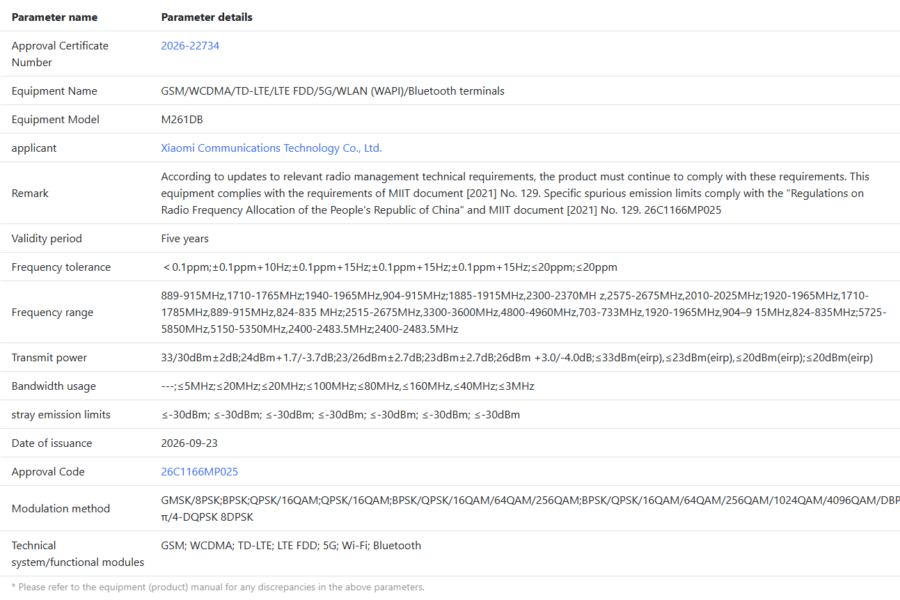
A routine late-night charge turned scary for a family in Qingdao, China, when their Samsung Galaxy S25+ suddenly popped, started smoking, and caught fire. What should have been a normal bedtime plug-in left the owners shaken and looking for answers, only for Samsung to later blame physical damage and refuse any compensation.
The phone, bought about two years earlier and mainly used by the owner’s wife, was plugged in on the night of July 31 before she went to sleep. A loud “pop” and the smell of smoke woke her up. She managed to put the fire out, and thankfully no one was hurt.
The next morning the owner reported it to Samsung. Because the phone was in China, the company first said a local service center would handle it. After some back-and-forth and frustration over the weekend delay, the damaged phone was eventually brought to South Korea through an acquaintance and dropped off at Samsung’s Nowon Service Center on August 5.
On August 12 they called him in and delivered their conclusion: the phone had been dropped at some point, creating a hole in the battery. That damage, they said, caused the fire once it was put on charge. The company labelled it customer negligence and said there would be no compensation.
The owner isn’t buying it. He argues that the broken back glass looks more like it was blown out by the battery fire itself rather than a prior drop, and he’s asked for the detailed analysis report and the specific regulations that justify denying compensation. Samsung refused to hand over either, saying the report is the company’s asset and warning him against spreading “false or exaggerated information.”
Separately, an incident reported this month in India involved a 26-year-old who suffered serious burns to his hands and lower body after a Samsung phone caught fire in his pocket. The exact model wasn’t confirmed, though images suggest it may have been a Galaxy S26-series device based on the pill-shaped camera design.
It remains unclear whether all of these incidents resulted from user negligence or whether there are underlying quality issues with the models that still need to be addressed.
The Snapdragon 8 Elite Gen 6 Pro has appeared in what could be an early AnTuTu benchmark, offering a glimpse at the performance Qualcomm’s next flagship platform may deliver. The result puts the upcoming 2nm chip firmly in the spotlight ahead of its expected arrival in next-generation Android flagships.
Snapdragon 8 Elite Gen 6 Pro’s AnTuTu score revealed
Snapdragon 8 Elite Gen 6 Pro AnTuTu listing
An AnTuTu V11.1.4 screenshot shared by tipster Digital Chat Station shows a device running Qualcomm’s SM8975 chip achieving 4,835,412 points. The score includes 1,368,930 points for the CPU and 1,854,826 points for the GPU. The GPU is identified as the Adreno 850.
Earlier leaks have associated the SM8975 with the Snapdragon 8 Elite Gen 6 Pro, while the standard Snapdragon 8 Elite Gen 6 is reportedly linked to the SM8950.
For comparison, the latest Snapdragon 8 Elite Gen 5-powered flagships have crossed the 4.5-million mark on AnTuTu, putting this result roughly 6% higher. However, AnTuTu itself reportedly noted that the result cannot currently be retrieved through its backend, raising questions about its authenticity. The benchmark should therefore be treated as an early indication rather than a confirmed performance figure.
The Snapdragon 8 Elite Gen 6 series is expected to power several upcoming flagship phones. Honor has confirmed that the Honor Magic 9 series will debut in China on September 28. While the standard Magic 9 is reportedly set to use last year’s Snapdragon 8 Elite Gen 5, the Pro models are expected to feature the newer Snapdragon 8 Elite Gen 6.
Snapdragon 8 Elite Gen 6 Pro (AI-generated image)
However, the Honor Magic 9 series may not be the first lineup to debut with the Snapdragon 8 Elite Gen 6. The Xiaomi 18 series is reportedly expected to introduce the chipset ahead of Honor. The same platform is also tipped to power upcoming flagships such as the iQOO 16 and OnePlus 16, which are expected to launch in China by late September or early October.
If the 4.84-million score proves genuine, the Snapdragon 8 Elite Gen 6 Pro could establish a new performance benchmark for upcoming 2nm Android flagships.
What do you think of this reported performance? Share your thoughts below.
For more daily updates, please visit our News Section.
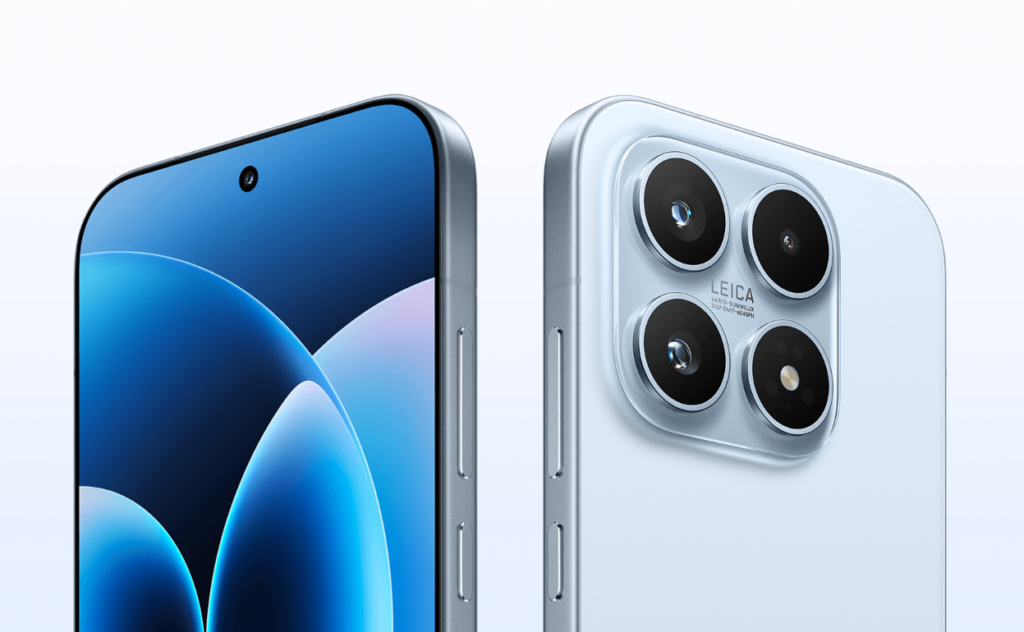
It was reported yesterday that the iQOO 16 has bagged 3C certification in China, indicating that it may launch by the end of September or by early October in China. As per a new leak by tipster Digital Chat Station, the iQOO 16 will be a substantial upgrade over its predecessor, with a new display and redesigned rear camera module reportedly among the changes. Here’s a look at the details shared by the tipster.
iQOO 16 tipped to get a 165Hz 2K Samsung display, new design
According to DCS, the iQOO 16 could feature a 6.85-inch Samsung-made flat display with a 2K resolution and a 165Hz refresh rate. The panel size and resolution are similar to those on the iQOO 15, which has a 6.85-inch 3168 × 1440 display with a 144Hz refresh rate. The higher refresh rate could therefore be one of the key display upgrades on the upcoming model. That could make gaming and scrolling feel noticeably smoother.
The phone is also tipped to use the upcoming Snapdragon 8 Elite Gen 6 Pro platform, carrying the SM8975 model number. The tipster added that the engineering units retain a similar screen corner shape and frame design, while the rear camera decoration is changing significantly. The camera module is said to move to a small square positioned in the upper-left corner, forming part of a new overall design identity for the phone.
The tipster has previously claimed that the iQOO 16 will be equipped with a massive 8,500mAh battery with 100W charging and wireless charging support, 1115-series symmetrical dual speakers, a 0916-series X-axis linear motor, a dedicated display chip, and 3D ultrasonic fingerprint recognition.
Other reported features include IP68 and IP69 ratings, USB 3.2 connectivity, an AR coating, and an OV50Q main camera sensor. It is speculated that a Vivo phone with model number V2606A, which was recently spotted at Chinese certification platforms, could be the iQOO 16.
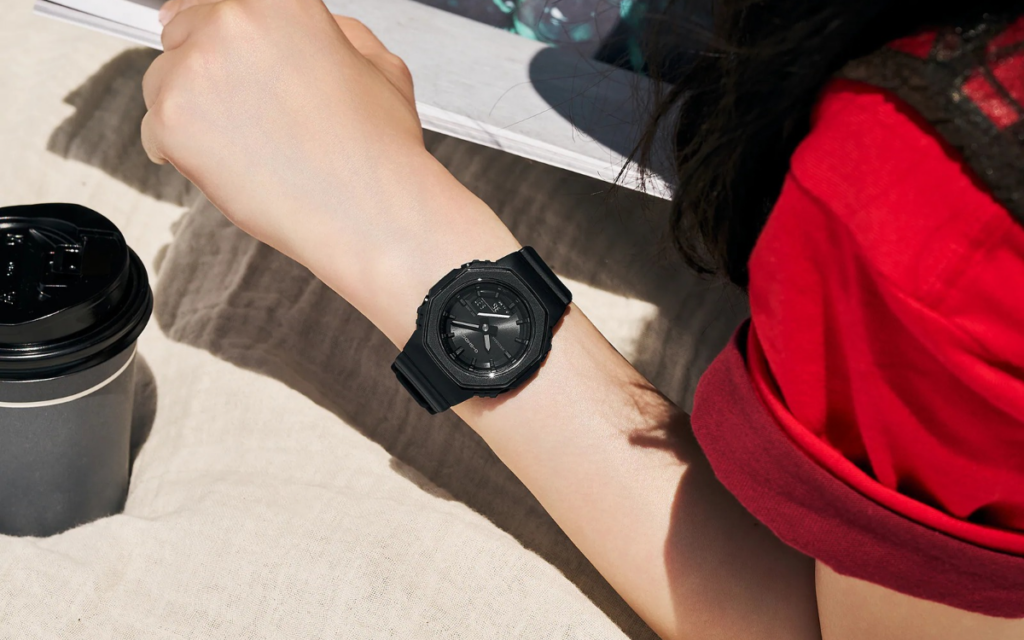
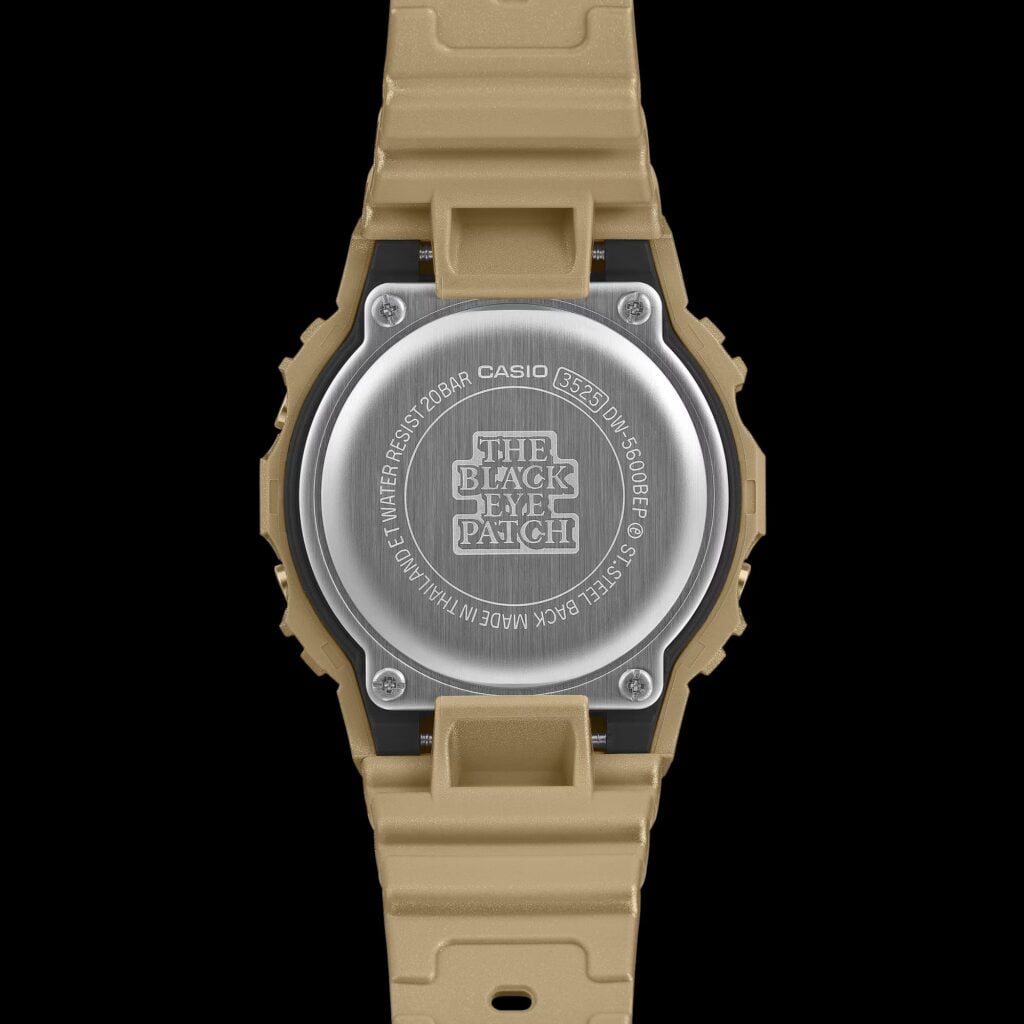
Citizen has released a new version (BN0265-00A) of its Promaster Dive watch in the United States. The watch, which was previously only available with blue and black dials, now comes in a white dial variant. It is currently listed for sale on the company’s US website for $450.
The watch features a silver-tone stainless steel case measuring 40.6mm across. In the context of dive watches, which often measure 42mm or larger, this is a mid-sized option that fits a wider range of wrist sizes for daily use.
It features a black unidirectional rotating bezel, which is a standard mechanical tool for tracking elapsed time underwater. The dial itself is matte white with applied hour markers, a standard date window at 3 o’clock, and subtle orange accents on the hands and dial.
Over the dial, Citizen uses a sapphire crystal. Sapphire is a common material for watches in this price category because it resists scratches better than standard mineral glass. It also has an anti-reflective coating to make the time easier to read under bright lights or direct sun. For the strap, this specific model comes with an olive-green polyurethane rubber band with a standard buckle, rather than a metal bracelet.
Inside, the watch runs on Citizen’s Eco-Drive movement, specifically the E168 caliber. This is a solar-powered quartz movement. It works by absorbing natural and artificial light through the dial to charge the watch’s internal cell. Because it constantly recharges from ambient light, you do not need to open the case to replace the battery every few years.
As the name suggests, it is built for diving. It has an ISO certification for dive watches and is water-resistant up to 200 meters, or 20 bar. This means it is safe to wear for swimming, snorkeling, and recreational scuba diving.
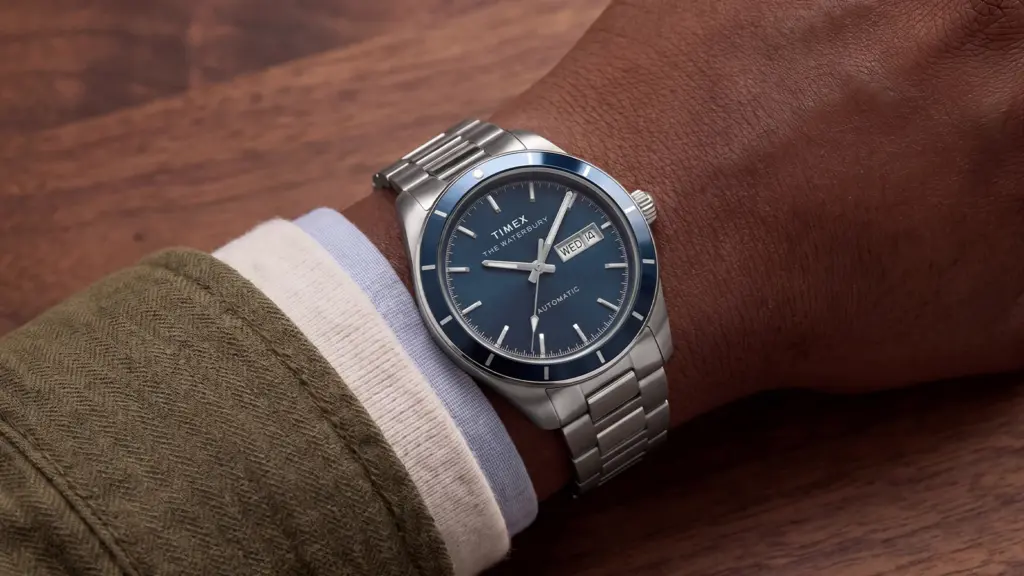
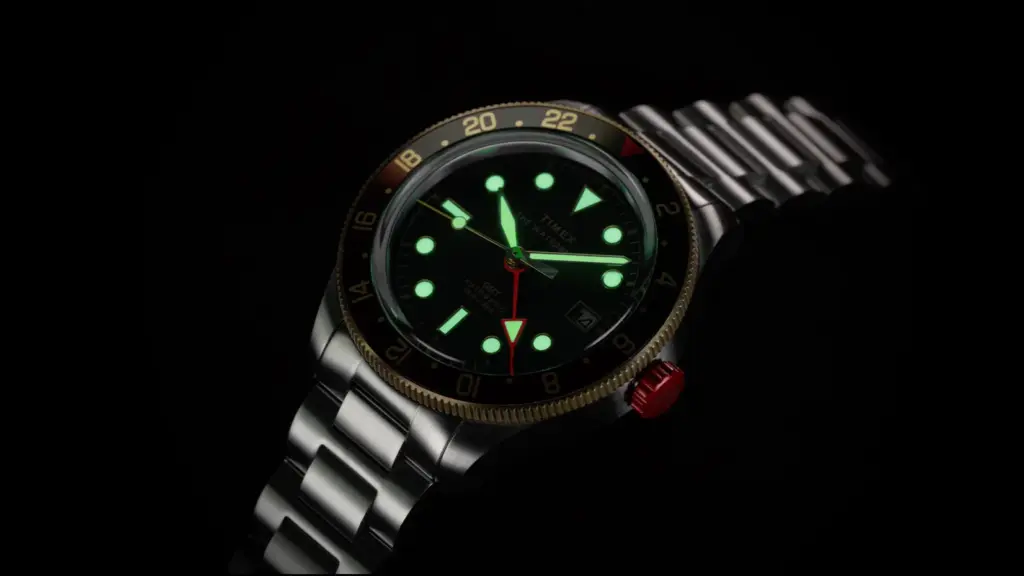
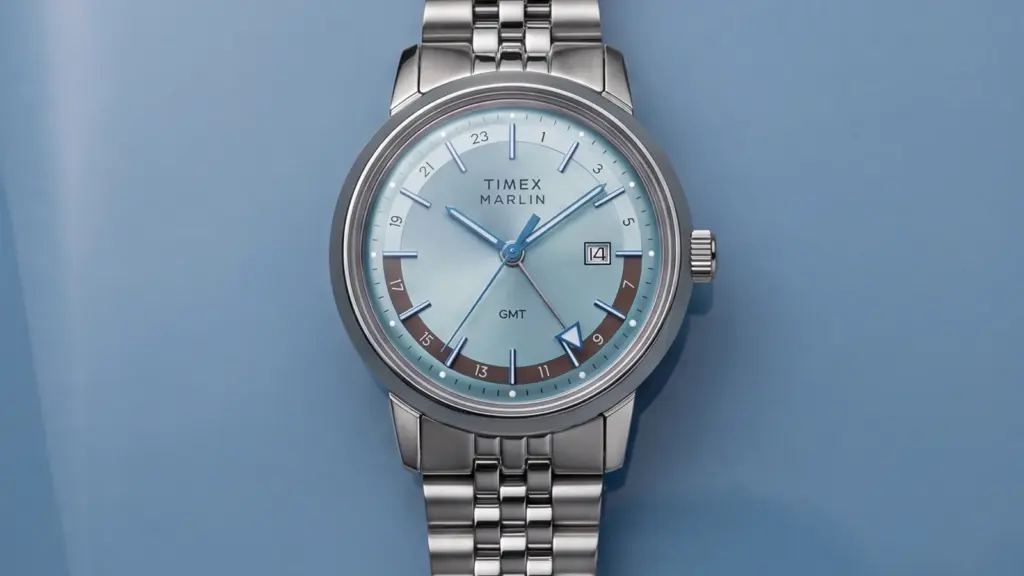
In related news, Citizen has recently launched two new Eco-Drive watches featuring sapphire crystal and rectangular cases, while Timex has introduced five new Q Timex Marbella models with retro-inspired designs and textured dials.
For more daily updates, please visit our News Section.
A month after launching Pova 8, Tecno introduced its bigger sibling today. The Tecno Pova 8 Pro is official with a Dimensity chip, AMOLED display, and a 6500mAh battery,
Under the hood, you’re getting the Dimensity 7400 Ultimate chip, paired with up to 12GB of RAM and 512GB of storage. Tecno has also thrown in a dedicated P1 graphics chip just for gaming; it pushes some titles up to 144fps; RPGs top out at 90fps, and FPS and MOBA games can hit 144fps too.
On the software side, you get HiOS 16 running on top of Android 16. Tecno is promising two major OS upgrades and three years of security patches. The company’s AI assistant Ella comes preloaded as well.
As for the display, you’re looking at a 6.78-inch AMOLED panel with a 144Hz refresh rate, 4500 nits of brightness, and Corning Gorilla Glass 7i protection.
Tecno Pova 8 Pro has what it calls starship design
Around back, Tecno calls the design language “starship,” with a triangular camera module. It also has a Mini LED dot-matrix display, so you can customize what shows up there. For photos, you get a 50MP main camera using the LYTIA 700C sensor with optical image stabilization, an 8MP ultra-wide, and a 13MP front camera.
Keeping lights on is a 6500mAh cell with 45W charging, plus bypass charging and 10W reverse wired charging support. Tecno rounds things out with an in-display fingerprint reader, a 5000 square millimeter vapor chamber for cooling, infrared remote control, NFC, 4D game vibration, Dolby Atmos-tuned stereo speakers, and Hi-Res Audio support over both wired and wireless connections. The phone also carries IP66, IP68, IP69, and IP69K ratings.
Tecno is also rolling out a limited Tonino Lamborghini edition, though it’s worth noting this collaboration carries no direct commercial ties to the carmaker itself. It comes in an exclusive black colorway with the same storage options as the standard model, and the design is the only real difference between the two.
For more daily updates, please visit our News Section.

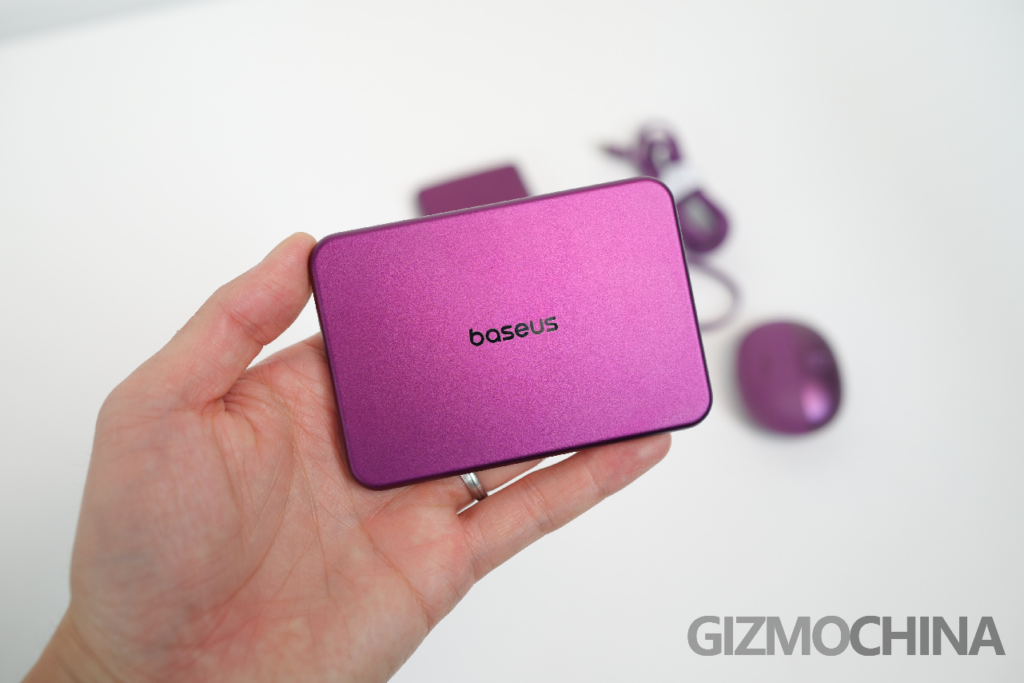
Accessory maker Belkin has collaborated with Formula 1 and Disney to launch a power bank in China. The co-branded model is based on the company’s latest Night Light Power Bank and has a bold black, yellow, and red color combination inspired by Formula 1.
Belkin F1 and Disney co-branded 45W charger Specifications
The power bank has a 10,000mAh battery that delivers 45W output via both the built-in USB-C cable and a separate USB-C port. But when you plug in two devices at once, the power bank splits the wattage between them automatically. It supports PD and PPS charging protocols, so you’re covered whether you’re topping up a phone, tablet, or lightweight laptop.
The battery bank keeps its footprint compact at 118 x 60 x 32mm and weighs 257g. It has a digital display on the front that shows the remaining battery percentage. There’s also a foldable, touch-sensitive LED light built into the casing. You can adjust its brightness and use it as a night light or a fill light for selfies and video calls, and it switches on automatically thanks to a motion sensor.
Coming to safety, the power bank has passed 3C certification, making it compliant for air travel, and Belkin backs it with overheating, overcharging, and overvoltage protection.

The F1 x Disney edition is currently limited to the Chinese market. If you’re after the racing-inspired look and don’t mind paying extra for the collaboration, it packs the same reliable charging specs as the standard release underneath the new paint job.
We use cookies on our website to give you the most relevant experience by remembering your preferences and repeat visits. By clicking “Accept”, you consent to the use of ALL the cookies.
This website uses cookies to improve your experience while you navigate through the website. Out of these, the cookies that are categorized as necessary are stored on your browser as they are essential for the working of basic functionalities of the website. We also use third-party cookies that help us analyze and understand how you use this website. These cookies will be stored in your browser only with your consent. You also have the option to opt-out of these cookies. But opting out of some of these cookies may affect your browsing experience.
Necessary cookies are absolutely essential for the website to function properly. This category only includes cookies that ensures basic functionalities and security features of the website. These cookies do not store any personal information.
Any cookies that may not be particularly necessary for the website to function and is used specifically to collect user personal data via analytics, ads, other embedded contents are termed as non-necessary cookies. It is mandatory to procure user consent prior to running these cookies on your website.