Oppo is known for releasing a couple of F-series phones in a year in India, took a different approach last year by introducing only the Snapdragon 695-powered Oppo F23. According to a recent leak from tipster Abhishek Yadav, the upcoming Oppo F25 is set to make its debut in India as soon as next month (February). However, the company’s broader plans for launching additional F-series phones in the country this year remain uncertain. Here’s a look at what to expect from the F25.
According to Yadav, the Oppo F25 will be a rebranded version of the Reno 11F 5G. A recent report revealed that the Reno 11F 5G is currently open for pre-orders in Indonesia and is slated for an official unveiling on Feb. 24. The specifications of the Reno 11F 5G have already emerged, and it appears that the Oppo F25 will share identical internals. Here is a look at the specifications of the Reno 11F 5G.
Oppo Reno 11F 5G specifications (rumored)
The Oppo Reno 11F 5G will arrive with a 6.7-inch AMOLED panel that offers an FHD+ resolution, a 120Hz refresh rate, a 2160Hz PWM dimming, and an in-screen fingerprint sensor. The device will feature the Dimensity 7050 chipset, 8 GB of RAM, 256 GB of storage, and a 5,000mAh battery with 67W fast charging.
The Reno 11F 5G will arrive with a 32-megapixel front-facing camera. Its rear shell will have a 64-megapixel OmniVision OV64B primary camera, an 8-megapixel IMX55 ultra-wide camera, and a 2-megapixel macro snapper.
The Reno 11F 5G will run on ColorOS 14-based Adnroid 14. It will have an IP65-rated chassis and come in shades such as pink, green, and blue. At present, there is no information about the price of the device.
Recently, Xbox fans experienced a roller coaster of emotions due to a mix-up with the highly anticipated game, Final Fantasy 14 Online. Early on a Tuesday morning, an official post on Xbox Wire briefly announced the availability of an open beta for the game on Xbox Series X/S. However, the excitement was short-lived as the post was removed within an hour, leaving fans puzzled and a bit disappointed.
Xbox posted an apology on Twitter/X shortly after
Xbox acknowledged the mistake via a Twitter/X post from the Xbox Wire team. They admitted to prematurely sharing the news and assured fans that a correct release date for the open beta would be announced in due course. This incident highlights how easily misinformation can spread in the digital age and the importance of accurate communication from big brands.
The initial post had shared some exciting details about the beta version, like its support for 4K resolution on Xbox Series X, and the ability for players to transfer their progress to the full game once released. This news was particularly notable since Final Fantasy 14, first launched in 2013, has been a long-standing favorite on other platforms like PS3, Windows, PS4, MacOS, and PS5, but had never been available on Xbox consoles.
The game, developed by Square Enix, has seen considerable growth and popularity, with four expansions released since its initial launch and a fifth one, Dawntrail, in development, slated for a Summer 2024 release. The game’s storytelling and expansion, particularly the Endwalker expansion, has been critically acclaimed, further fueling the anticipation for its Xbox debut.
This mix-up, though minor, stirred quite a buzz among the gaming community. It serves as a reminder of the eagerness and passion of the gaming community, always on the lookout for the next big thing, and how a small slip can set the community abuzz with excitement.
The electric mountain bike (e-MTB) scene is witnessing a remarkable new entrant: the Finna Wind Peak. Finna, a relatively unknown name outside of Europe, is stepping up its game with this model, which not only marks its debut in the electric bicycle segment but also its first venture into mountain biking.
The bike is priced at $8,300 USD, which might be a little too much for some
At first glance, the Wind Peak appears to be a familiar high-end e-MTB, featuring a carbon fiber frame, advanced suspension, and a 12-speed drivetrain. However, it’s the unique blend of components that sets it apart. It sports a full-suspension frame, primarily made of carbon fiber, with a rear suspension setup that promises robust performance. The inclusion of Formula’s enduro geometry and long travel suspension, with a 170 mm front fork and 185 mm of wheel travel at the back, is designed to handle rugged terrains with ease.
The heart of the Wind Peak is its motor, the Polini EP3+ MX, a divergence from the usual suspects in e-MTB motors. Known for high-performance parts for gas-powered scooters, Polini brings its expertise to e-bikes, delivering a motor that competes with the best, offering 600 watts of peak power and 90 Nm of torque. Complementing this is a 630-watt-hour battery, promising up to 130 kilometers of range on a single charge in Eco Mode – a significant feature for long rides.
The drivetrain, another critical aspect of any e-MTB, gets the royal treatment with Sram’s GX Eagle, a 12-speed setup that is as reliable as it is efficient. Stopping power is equally impressive, featuring Formula Cura four-piston calipers and large discs. The bike’s 29-inch wheels, outfitted with knobby tires, ensure a stable and gripping ride across various terrains.
Despite its impressive features, the Wind Peak doesn’t come cheap, priced at around $8,300 USD. This places it among the higher tier e-MTBs like those from Giant and Trek, but it stands out with its unique combination of components and performance. For those seeking a top-tier e-MTB experience, the Finna Wind Peak is certainly a contender worth considering, especially for those who value a blend of performance, style, and innovation.
The recent decision by the U.S. Supreme Court to not review the ongoing legal battle between Epic Games and Apple marks a significant turning point in the tech industry. At the heart of the dispute was Epic Games’ introduction of a direct payment system in Fortnite, bypassing Apple’s App Store fees. This move led to Apple banning Fortnite, prompting Epic to file a lawsuit alleging that Apple’s policies violated antitrust laws. While Apple and Google both counter-sued, the focus has remained on the broader implications of Apple’s control over its App Store.
Epic games is going to suffer because of the new Supreme Court decision
The legal journey saw Epic Games facing mixed outcomes. In 2021, a U.S. District Court Judge ruled that Apple was not a monopoly, a decision largely upheld by the Ninth Circuit Court of Appeals. However, Epic did gain some ground in its battle against Google, with a jury ruling in December that Google held an illegal monopoly in the app store domain.
The Supreme Court’s recent refusal to hear the case essentially upholds the lower court’s decision, a blow to Epic’s efforts to open iOS to competing stores and payment systems. This outcome is a reminder of the uphill battle smaller companies face when challenging the entrenched practices of tech giants like Apple.
Despite this setback for Epic, the case has shed light on Apple’s restrictive policies. The courts noted Apple’s anti-competitive behavior in preventing developers from informing users about alternative payment methods. This scrutiny has broader implications, as seen in the European Union‘s Digital Markets Act, which may force Apple to allow alternative app stores on its devices from March 2023.
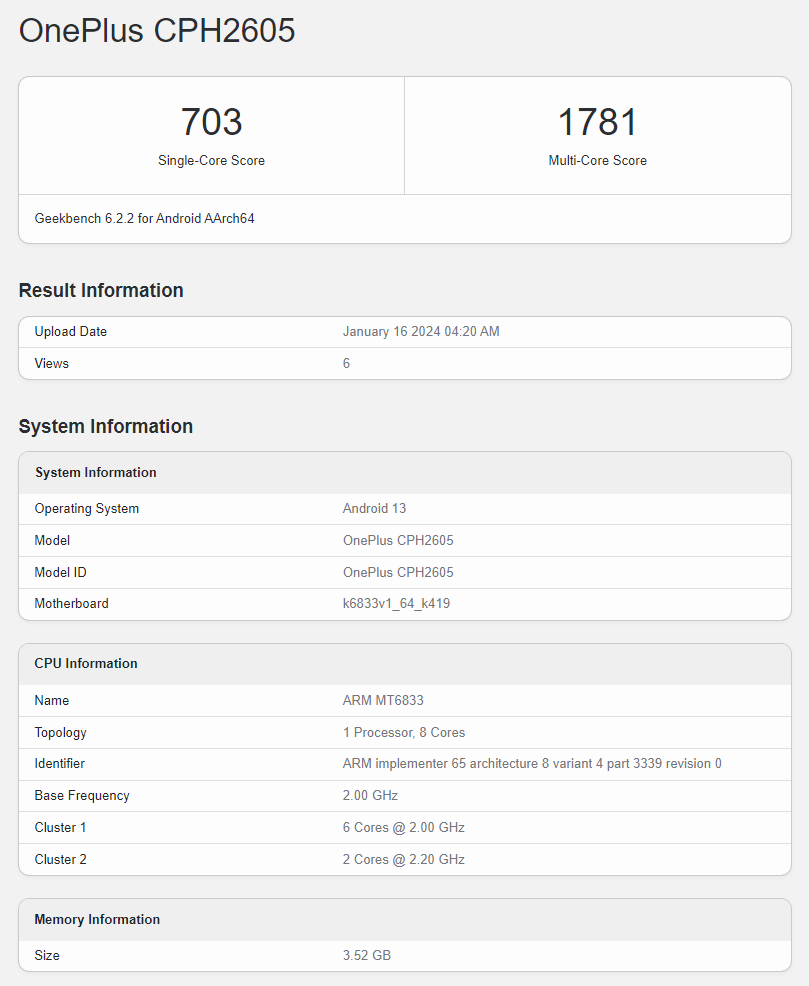
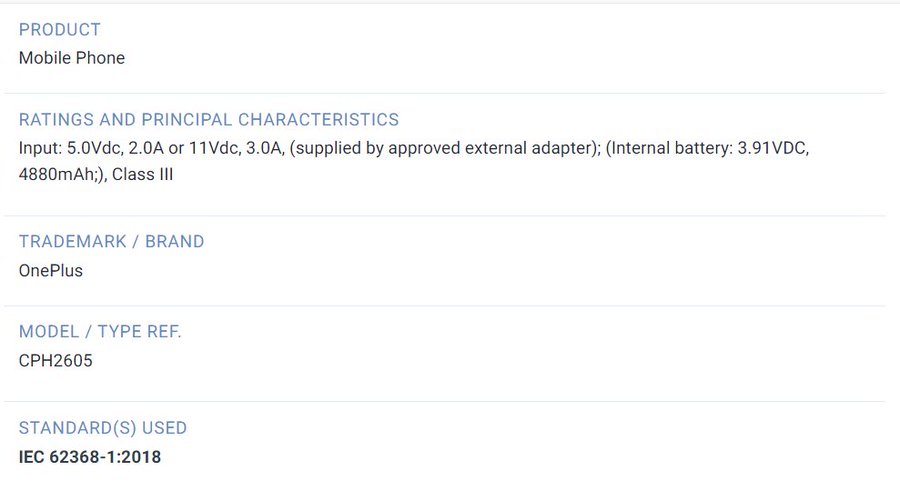
In August 2022, OnePlus unveiled the OnePlus Nord N20 SE 5G, featuring the Helio G35 chipset. The brand did not launch a Nord SE-branded phone in 2023, but it appears that the new model may break cover in the coming days. The reason behind it is that the OnePlus Nord 30 SE 5G, which was spotted at the UAE’s TDRA certification a couple of months ago, has now surfaced on Geekbench. The Geekbench listing, which reveals the chipset, RAM, and Android version of the device, suggests that the company could be internally testing it before its official announcement. In addition, it has also received TUV certification in the recent past.
OnePlus Nord N30 SE spotted at Geekbench, TUV
OnePlus Nord 30 SE 5G Geekbench listingOnePlus Nord 30 SE 5G TUV listing
To recall, the OnePlus Nord N30 SE 5G appeared with model number CPH2605 in the database of TDRA certification in October 2023. The same device has now surfaced on Geekbench with what appears to be the MediaTek Dimensity 6020 chipset. To recall, the predecessor model was a 4G device, but its successor will offer 5G connectivity.
The inclusion of the D6020 chip is a good hint that it will be one of OnePlus’ most affordable 5G phones. The One Nord N30 SE 5G Geekbench listing further reveals that it has 4 GB of RAM and Android 13. It scored 703 in the single-core and 1781 in the multi-core tests of Geekbench.
The OnePlus Nord N30 SE 5G also appeared in the database of the TUV certification platform a couple of months ago. The listing revealed that it has a 4,880mAh rated battery, suggesting that its typical size could be 5,000mAh. In addition, the certification also reveals that it will support 33W fast charging. Unfortunately, there is no information available about the other specifications of the device.
Oppo A79 5G
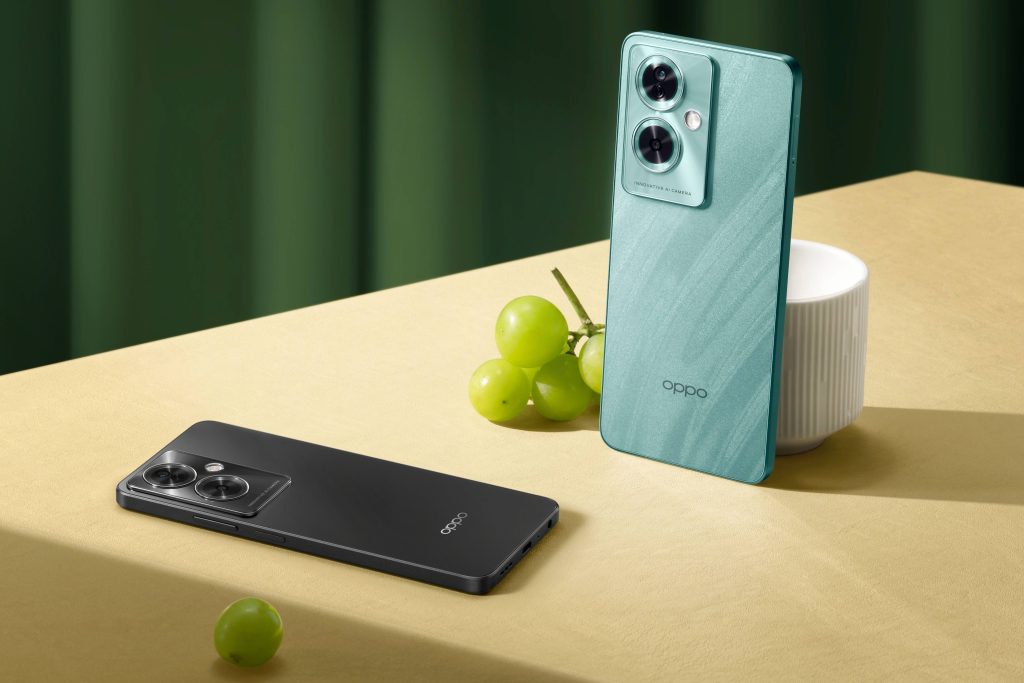
To recall, the OnePlus Nord N20 SE was a rebranded version of the Oppo A77. There is a possibility that the Nord 30 SE 5G could be a rebranded version of the Oppo A79 5G, which was announced in October 2023.
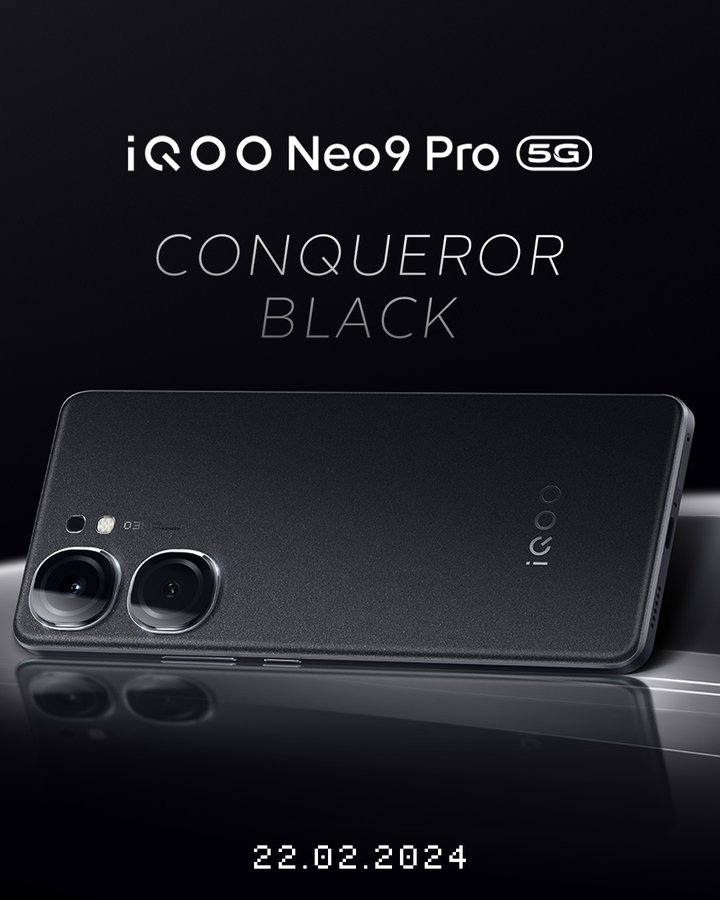
iQOO is all set to unveil the iQOO Neo 9 Pro on Feb. 22 in India. The early teasers of the phone have already confirmed that it will come in a red-white dual-tone finish. Now, the brand has released a new poster to officially confirm the black variant of the device.
iQOO Neo 9 Pro Conguorer Black
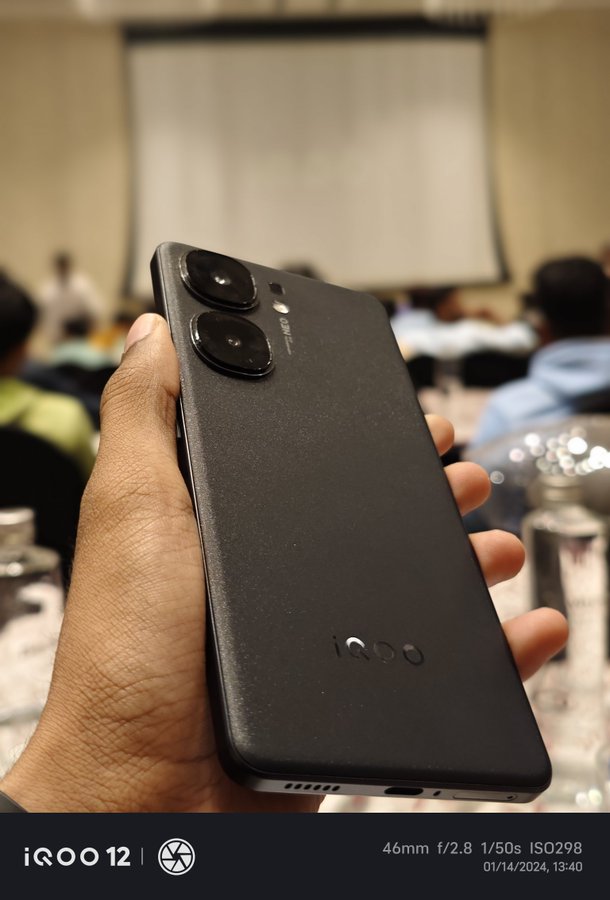
The above poster confirms that the upcoming iQOO Neo 9 Pro will also be available in the Conqueror Black edition. The black variant features a textured matte finish on its plastic back panel, while the red-white version boasts a leather finish. It remains uncertain if additional color options will be offered for the Neo 9 Pro. Shown below is a real-life image of the black variant of the device.
According to reports, the iQOO Neo 9 Pro will sport a flat AMOLED display that measures 6.78 inches. The screen will produce a 1.5K resolution and support up to a 144Hz refresh rate. It will also be integrated with a fingerprint sensor.
The Snapdragon 8 Gen 2 chip will be present under the hood of the Neo 9 Pro. It is the same chip that powers the OnePlus 12R, which is set to go official on Jan. 23. While the Neo 9 Pro will debut around a month later, it will rival the 12R. The iQOO phone is expected to ship with up to 12 GB of LPDDR5x RAM and up to 256 GB of UFS 4.0 storage.
On the front, the iQOO Neo 9 Pro will have a 16-megapixel camera. The rear camera setup of the device will comprise a 50-megapixel Sony IMX920 primary camera with OIS support and an 8-megapixel ultra-wide lens. The device will run on the Android 14 OS with a layer of FunTouch OS 14 on top. It will also offer other features, such as a 5,160mAh battery with 120W fast charging, dual speakers, and an IR blaster.
The iQOO Neo 7 Pro was launched with a price of Rs 37,999 (~$456) in India. The Neo 9 Pro may likely arrive with a sub-Rs 40,000 (~$480) starting price.
Samsung continues to expand its product family. While the company works on models like the upcoming Galaxy S24 series set to be unveiled tomorrow, it also ensures not to forget its existing products in the market. In line with this, the Korean tech giant recently released the January security patch update for Galaxy S21, S22, and S23 in Europe. Now, Samsung has rolled out the Android 14 update for the Galaxy Tab A7 Lite. Here are the details…
Samsung Rolls Out Android 14 for Tab A7 Lite
Samsung has released the Android 14 update for the Galaxy Tab A7 Lite. Currently available only in South Korea, the update comes with firmware version T225NKOU6DWL9 and has a download size of over 1.5GB. The company is expected to roll out this update to users in other regions shortly.
It is quite important that Samsung has provided an update for the Galaxy Tab A7 Lite. It’s worth noting that this is a budget-friendly tablet. While smartphone and tablet manufacturers are making efforts to improve their update records, entry-level devices are often easily overlooked.
Moreover, the fact that the Galaxy Tab A7 Lite was introduced at the beginning of 2021 and is receiving an Android 14 update three years later is not very common. This situation indicates that Samsung’s OS update performance, improving each year, might even surpass Apple. Of course, it’s still early to say this, but seeing positive steps in that direction is encouraging.
Creative has released the Zen Air ProTWS earbuds in the Chinese market. These earbuds are now available on JD.com at an introductory price of 499 yuan ($70).
Creative Zen Air Pro Specifications
The earbuds feature custom-tuned 10mm dynamic drivers, emphasizing mid-to-high frequencies for high-quality audio. They support various audio codecs like LC3+ (ULL), LC3, AAC, and SBC, combined with Bluetooth 5.3 LE audio, ensuring high-quality and uninterrupted audio streaming.
The earbuds also feature hybrid active noise cancellation for an immersive audio experience by effectively reducing ambient noise. They also offer an ambient mode for users who want to stay aware of their surroundings while listening to music.
For clear communication, the Zen Air Pro earbuds are fitted with six microphones. This setup includes four microphones dedicated to active noise cancellation and two for capturing the user’s voice. They also use Deep Neural Network (DNN) noise reduction technology to enhance voice clarity and reduce background noise.
The earbuds are exceptionally lightweight at 5.3 grams per earbud and have IPX5 certification, making them sweat and splash-resistant for active users. They offer customizable touch controls through the Creative app, allowing users to manage noise cancellation, ambient mode, and equalizer settings for a personalized audio experience.
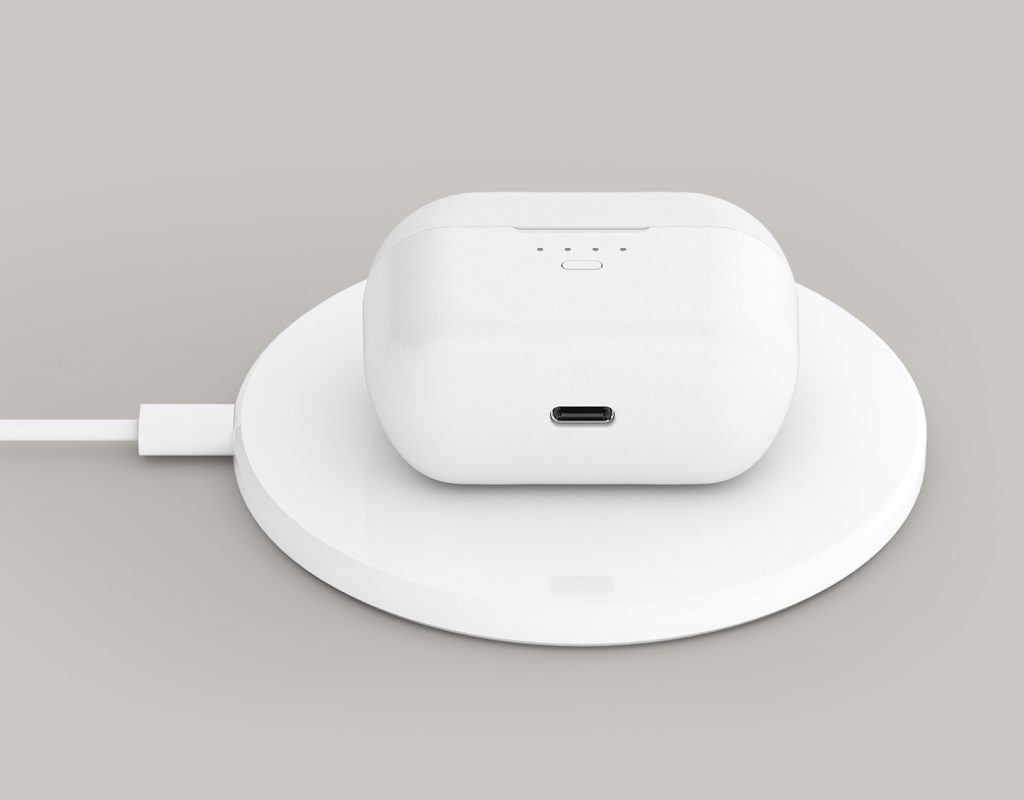
Coming to the battery life, the earbuds provide up to 9 hours of playback on one charge and extend to 33 hours with the charging case. The case supports Qi wireless charging for added convenience, and they also offer quick charging, giving an hour of playback with just a 5-minute charge.
Zen Air Pro is also compatible with a wide range of devices, including iPhones, iPads, Android devices, Windows 10 and 11 computers, and Apple computers. They also support voice assistants like Siri and Google Assistant.
Earlier today, Creative also launched an over-ear wireless headset called Zen Hybrid 2, priced at 399 Yuan ($56).
IKEA is fast expanding its scope beyond furniture making with a raft of new products unveiled. The foremost furniture maker has entered the smart home monitoring turf with three new safety sensors. The new products are named VALLHORN, PARASOLL, and BADRING and are offered as affordable home monitoring gadgets. All three new IKEA smart home monitoring sensors use the Zigbee software for its companion app communication and connectivity protocol. The sensors are designed to work within the fast-expanding IKEA Home smart ecosystem. Each product connects to the DIRIGERA Hub for a seamless experience
IKEA has previously released its first set of smart home equipment including light bulbs, speakers, and air purifiers. The new home monitoring gadgets are easy to install and underpins the IKEA philosophy. The IKEA PARASOLL is a discreet sensor mountable on windows and doors and helps to monitor whenever an entry point is opened or closed. The slim sensor fits well and offers updates via app notifications. The PARASOLL has a direct comparison with some smart home monitoring sensors from SimpliSafe and SmartThings.
The IKEA VALHORN is a wireless motion sensor that can be used both indoors and outdoors. It is equipped with lights to illuminate the environment when movement is detected. The user can also adjust the light colors and intensity. The IKEA BADRING is designed to monitor water leakage around any area it is placed. It notifies the user via app notification or alarm when a leak is detected.
Pricing & Availability
IKEA has not provided the pricing details for the new smart home monitoring sensors. The PARASOLL and VALHORN are expected to be available at IKEA stores within this month while the BADRING will be available by April 2024. IKEA expects a decent reception for the three new smart home monitoring sensors when they debut.
Researchers at the prestigious Harvard University may have achieved a breakthrough in their research on solid-state battery technology. The research findings have been published in the latest edition of Nature Materials and point to how a solid-state battery can be developed to fully recharge within 10 minutes.
The lithium metal battery researchers are at Harvard’s John A. Paulson School of Engineering and Applied Sciences (SEAS). The lead writer in the Nature Materials published article is Xin Li, an Associate Professor of Materials Science at SEAS. The newly developed battery has an estimated charging cycle of 6,000 times, more than any other pouch battery cell.
According to the researchers, Lithium metal anode batteries are considered the top-draw choice of batteries because they have ten times the capacity of commercial graphite anodes and could drastically increase the driving distance of EVs. The researchers say that their research findings mark an important step toward more practical solid-state batteries with great ramifications for industrial and commercial applications.
Electric Vehicles may be getting faster charging batteries shortly
The formation of dendrites on the surface of the anode is a major challenge in the development of solid-state batteries. These can build up on the lithium surface and grow like roots into the electrolyte. Their growth helps to damage the barrier that separates the anode and cathode, resulting in short-circuiting or possibly fires. The research team designed a multilayer battery that sandwiched different materials of varying stabilities between the anode and cathode. This 2021 design prevented the penetration of lithium dendrites although it didn’t stop their growth altogether.
The breakthrough by the Harvard research team is that they successfully prevented dendrites from forming by using micron-sized silicon particles in the anode to constrict the reaction to a shallow surface without penetrating any further. The lithium metal gets wrapped around the silicon particle, like a hard chocolate shell around a hazelnut core, according to lead author Li. Because plating and stripping can occur rapidly on an even surface, the developed battery can recharge fully in about 10 minutes.
The developed battery cell retained 80% of its capacity after 6,000 cycles which was far better than that of any pouch cell battery in the market. The tech has been licensed to Adden Energy by the Harvard Office of Technology Development. Adden Energy is an offshoot of research efforts at Harvard and was co-founded by Xin Li and three others – all Harvard alumni. The tech is being scaled up to build smartphone batteries that are much bigger than the pouch cell battery. There are still challenges in the evolution of the ultimate solid-state battery before it becomes a commercial product. Mass production of such tech offers its dynamic challenges.
URBAN has recently unveiled the Zippy, a new smartwatch that combines practical technology with a fashionable design. This device features a round dial and a dual-color silicone strap, giving it a sporty appearance that appeals to the younger crowd.
Equipped with a 1.3-inch always-on AMOLED screen, the Zippy offers customizable watch faces for personalization. Notably, the smartwatch includes Bluetooth calling capabilities with an in-built microphone, dial pad, and contact-saving options.
In terms of health and fitness features, the Zippy provides monitoring tools for heart rate, blood oxygen levels (SpO2), and blood pressure. With over 120 sports modes, it caters to a wide range of physical activities.
The smartwatch prioritizes entertainment and practicality, featuring built-in games and AI Voice Assistant support. Additional features include a calorie meter, sedentary alerts, drink water reminders, and standard smartwatch notifications.
The Zippy is designed to be durable, offering resistance to water and dust. Its battery life is a key attraction, lasting up to 7 days on a single charge, reducing the need for frequent charging.
Pricing & availability
Available at an introductory price of Rs. 2,399, the URBAN Zippy smartwatch can now be purchased in pink, blue, and white colors. The smartwatch is available on the brand’s website and leading e-commerce platforms.
Poco has kicked off the new year with a bang, introducing the high-performance Poco X6 5G and Poco X6 Pro 5G in India. While I haven’t experienced the distinctive yellow color variant of a Poco phone before, I was fortunate to receive the Poco Yellow version of the X6 Pro this time. I have used the Poco X5 Pro and the Poco X3 Pro (owned it) in the past, and now here I am reviewing the Poco X6 Pro.
The Poco X6 Pro indeed excels in performance, positioning itself on par with flagship-level smartphones, particularly when you explore its impressive specs sheet. In practicality, too, the X6 Pro stands out as an almost flawless device. For those who don’t know, the X6 Pro is a tweaked version of the Redmi K70e, which is exclusively available in the Chinese market.
The Poco X6 Pro 5G is the first smartphone to come equipped with the Dimensity 8300-Ultra chipset in the global market. In addition, it is also the first phone to ship with the HyperOS onboard in the global market. To top it off, the gaming-friendly phone comes with an OLED panel with slim bezels around. Now, let’s take a closer look at the review to analyse its key features and overall performance.
Poco X6 Pro 5G review: What’s in the box?
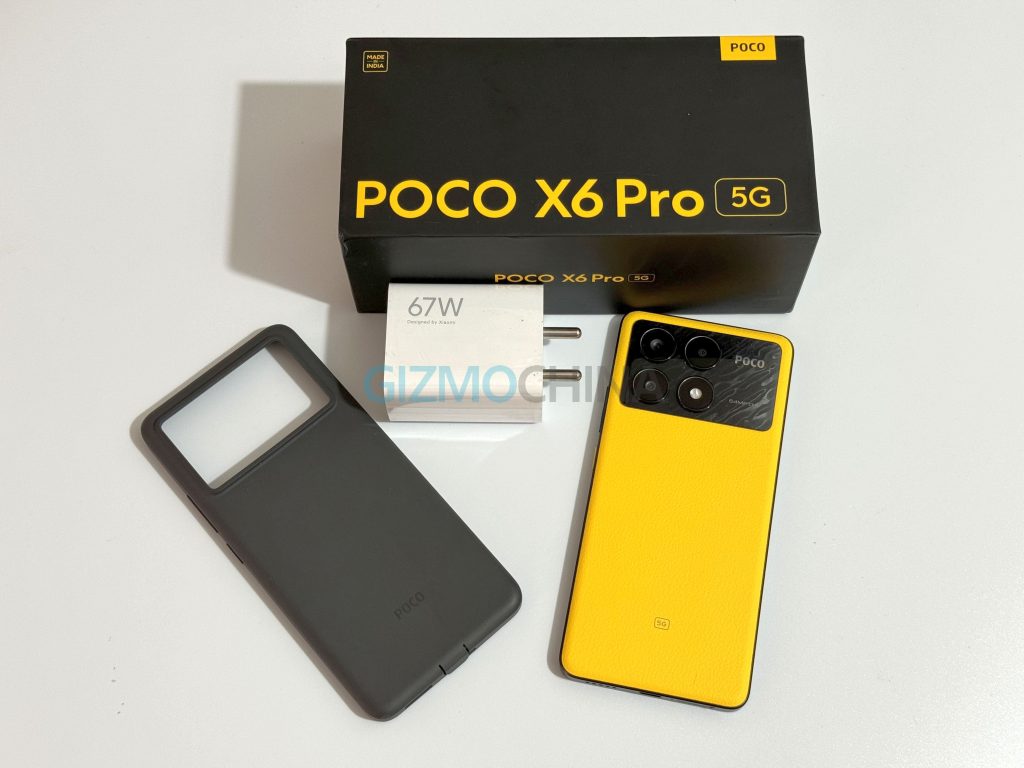
Here is a list of items that are included in the retail package of the Poco X6 Pro 5G:
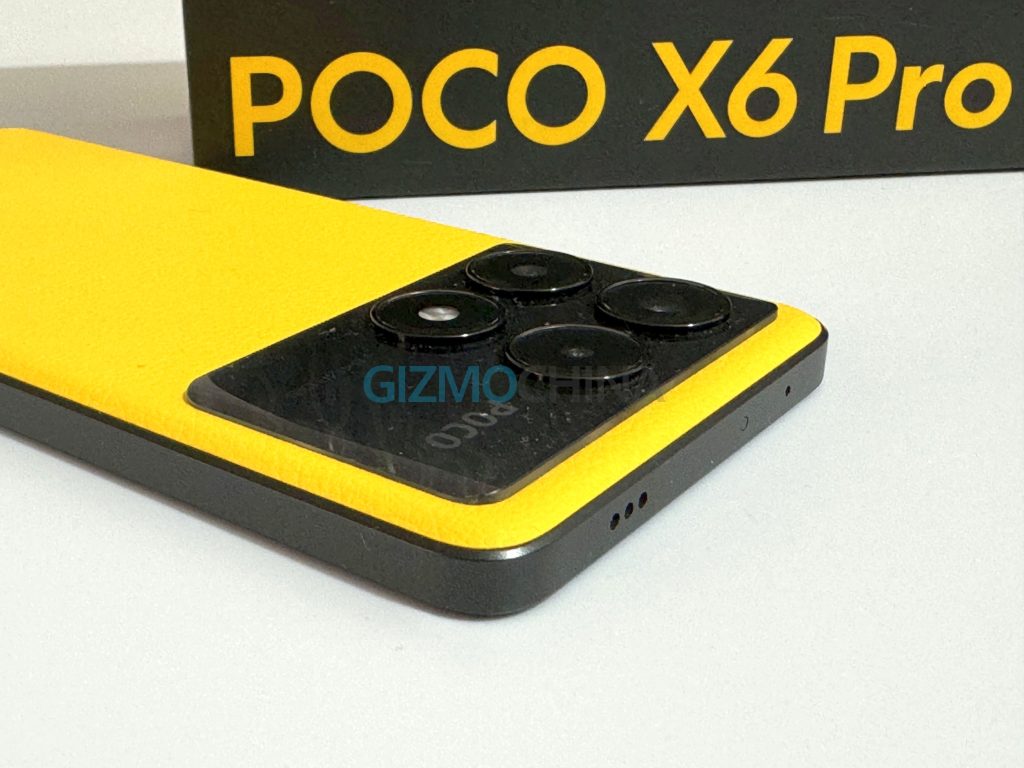
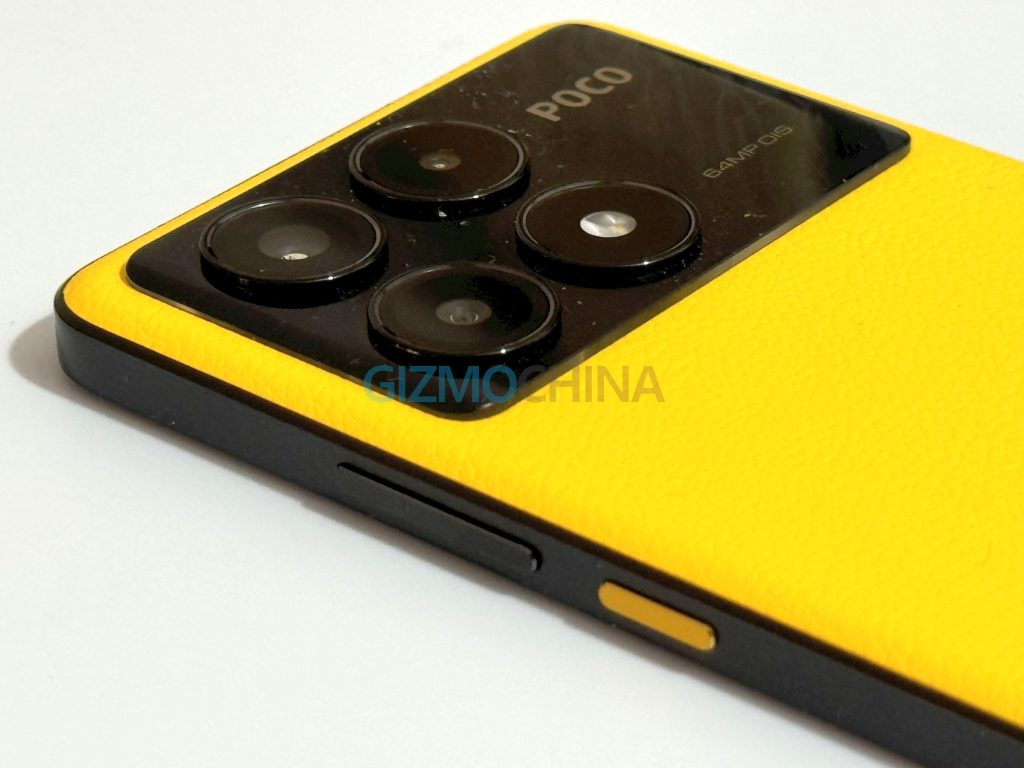
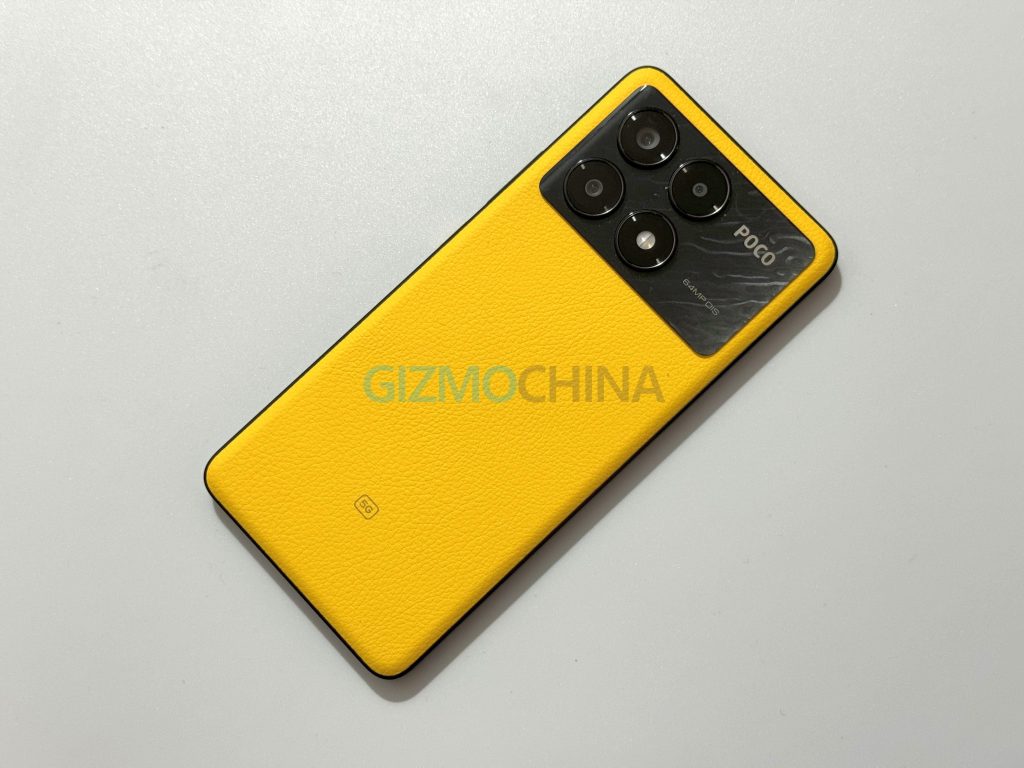
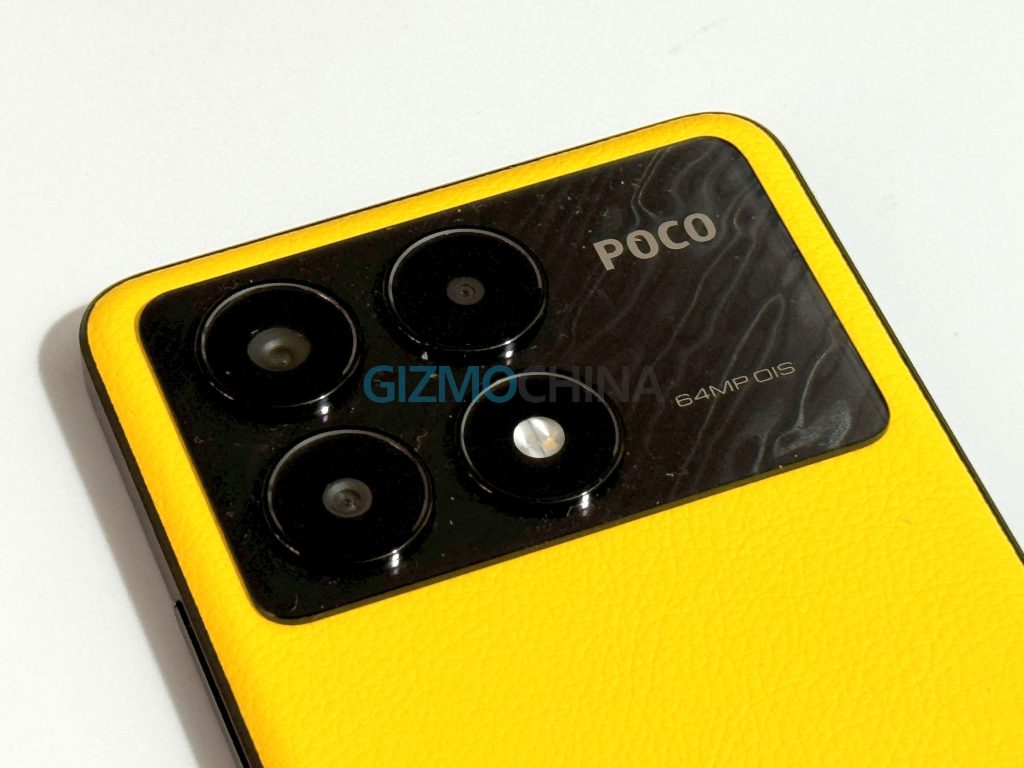
The Poco X6 Pro 5G review unit that I have has a striking dual-tone finish. The back panel features smooth yet textured yellow vegan leather, contrasting with the sleek black camera island. Despite the textured finish, the rear shell offers a secure grip. The durable plastic camera island prominently displays the “Poco” brand with a subtle patterned backdrop, alongside “64MP OIS” on the right and three cameras with an LED flash in the remaining area. Thanks to the rectangular camera module, the phone doesn’t wobble when placed flat on a surface.
Poco X6 Pro 5GPoco X6 Pro 5GPoco X6 Pro 5GPoco X6 Pro 5G
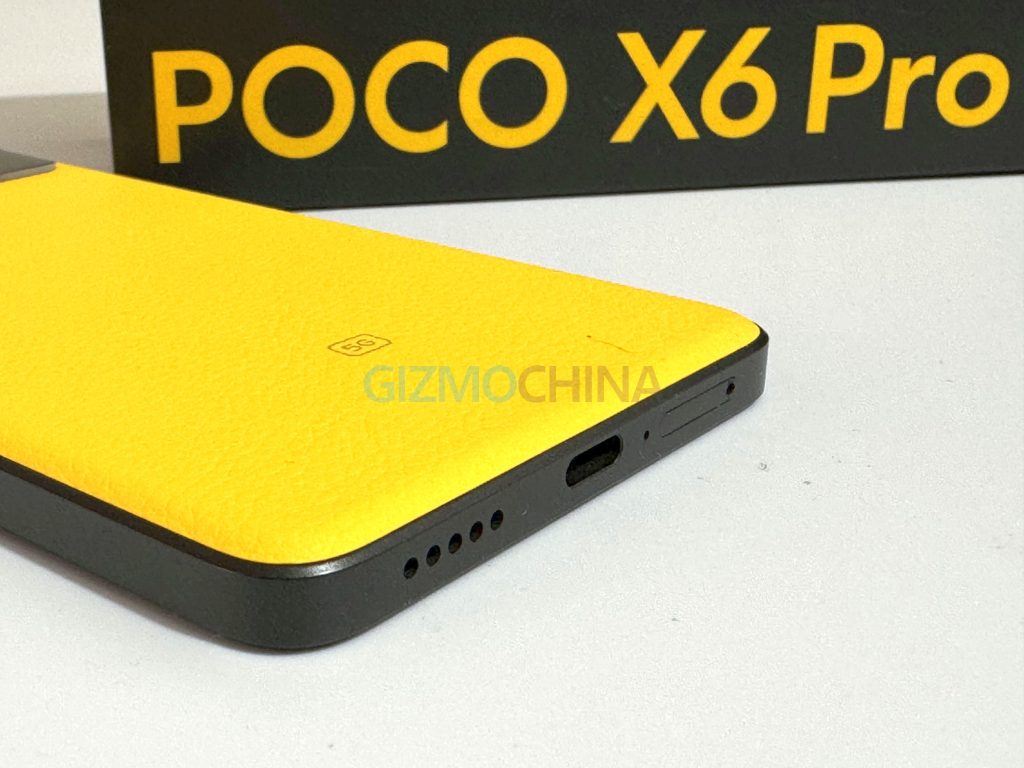
The X6 Pro’s plastic frame houses a volume rocker and a vibrant yellow power button on the right side. The left side is bare, while the top edge features a speaker, an IR blaster, and a microphone. The bottom edge houses a hybrid SIM slot, another microphone, a USB-C port, and a speaker grille. Thankfully, the X6 Pro’s IP54 dust and water resistance rating means it can survive a downpour. Measuring 8.35mm thick and weighing 190 grams, the X6 Pro feels comfortable in hand.
Poco X6 Pro 5GPoco X6 Pro 5GPoco X6 Pro 5GPoco X6 Pro 5G
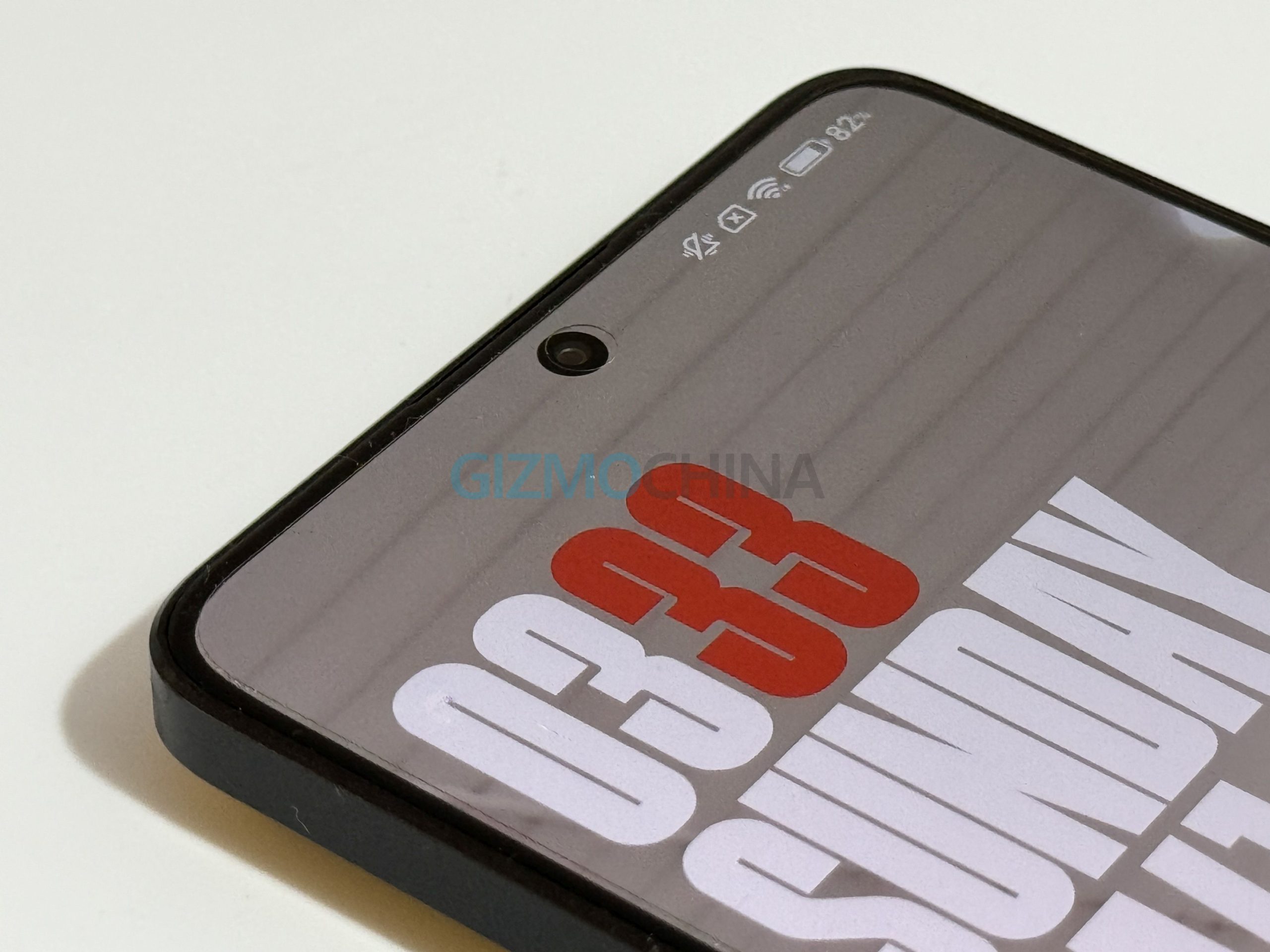
The Poco X6 Pro’s front is dominated by a stunning 6.67-inch OLED panel shielded by durable Gorilla Glass 5. Supporting Dolby Vision, HDR, and a peak brightness of 180 nits, the display delivers an exceptional viewing experience. The 1.5K resolution, 68 billion colors, and smooth 120Hz refresh rate further enhance visuals, whether you’re watching shows or playing games. The loudspeakers also impress with their clear and powerful sound. For even richer detail in shadows and highlights, users can activate Pro HDR within the Gallery app.
Performance and Software
MediaTek Dimensity 8300-Ultra
5,000mAh battery
8GB / 12GB of LPDDR5x RAM
67W charging
256GB / 512GB of UFS 4.0 storage
Android 14 OS, HyperOS
6GB of virtual RAM
5,000mm² vapor chamber cooling unit
The Poco X6 Pro 5G is designed to deliver exceptional performance for a non-flagship phone, and it lives up to its promise thanks to the inclusion of the Dimensity 8300-Ultra chipset. This chipset, MediaTek’s latest offering built on a 4nm architecture, ensures reliable performance free from lags and stutters, whether you are gaming or using the phone for everyday tasks. I can say that it is the only mid-range phone available on the market with flagship-grade LPDDR5x RAM and UFS 4.0 storage. My review unit has 12 GB of RAM and 512 GB of built-in storage. The device came preinstalled with the December 2023 security update.
Poco X6 Pro 5G
The Redmi K70e features a 5,500mAh battery with 90W fast charging support. The Poco X6 Pro, on the other hand, has a 5,000mAh battery with 67W fast charging. These are the only major differences between the two phones. The 67W fast charger took around 50 minutes for the phone to go from 0 to 100 percent. As far as battery life is concerned, it can easily last for 1.5 days with typical use.
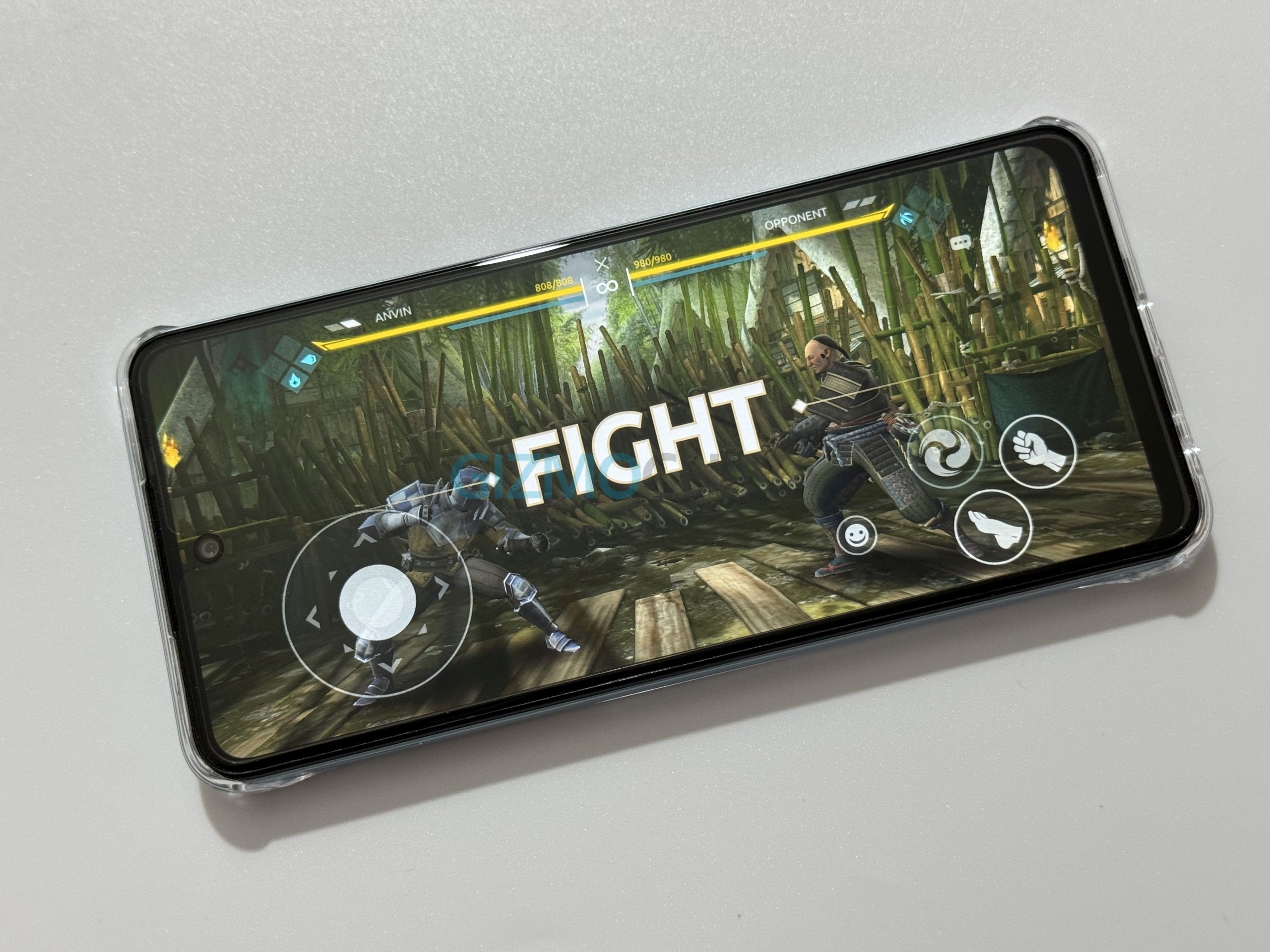
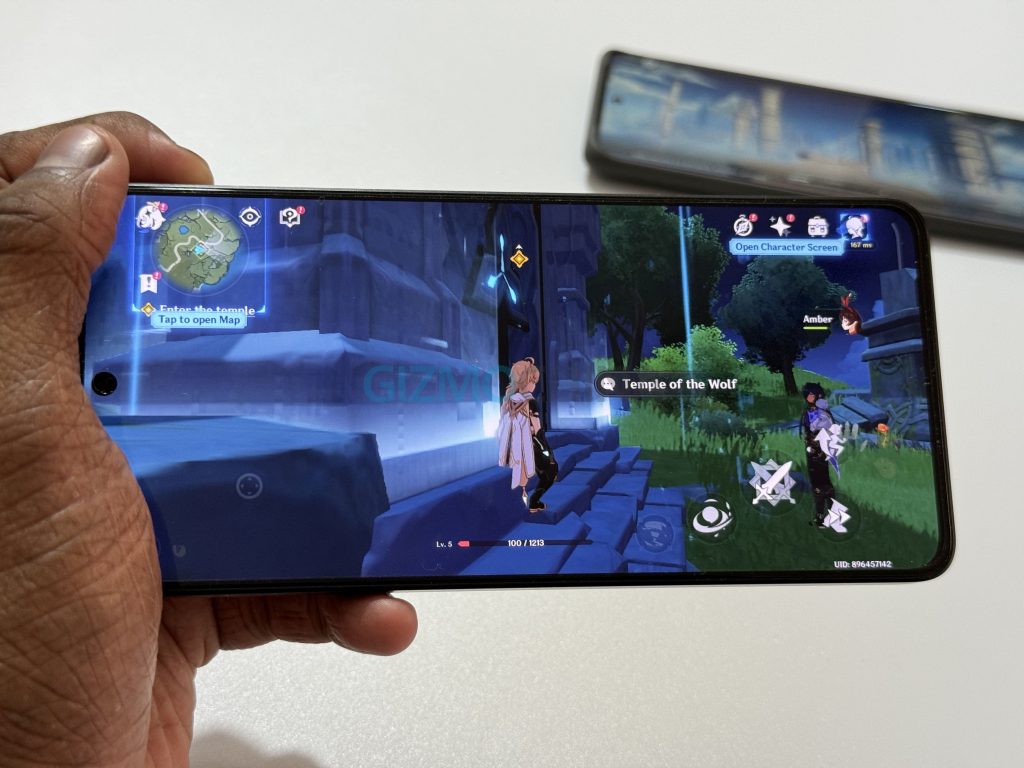
I enjoyed extended gaming sessions (around an hour each) on the Poco X6 Pro, playing demanding titles like Call of Duty: Shadow Fight 4, Mortal Kombat, Genshin Impact, and Asphalt 9, all at the highest graphics settings. The device warmed slightly but remained comfortably within acceptable limits (under 45 degrees Celsius), though room for improvement in heat dissipation remains, despite the company’s touted flagship-level 5,000mm² unit. The x-axis linear motor and dual stereo speakers further accentuate the gaming experience.
Poco X6 Pro impresses in the software department as it ships with the latest Android 14, which is layered with all-new HyperOS instead of MIUI. Apart from the user experience, Poco promises decent software support, including three years of Android OS upgrades and four years of security updates.
HyperOS – Control CenreHyperOS – LockscreenHyperOS – AI features in Gallery app
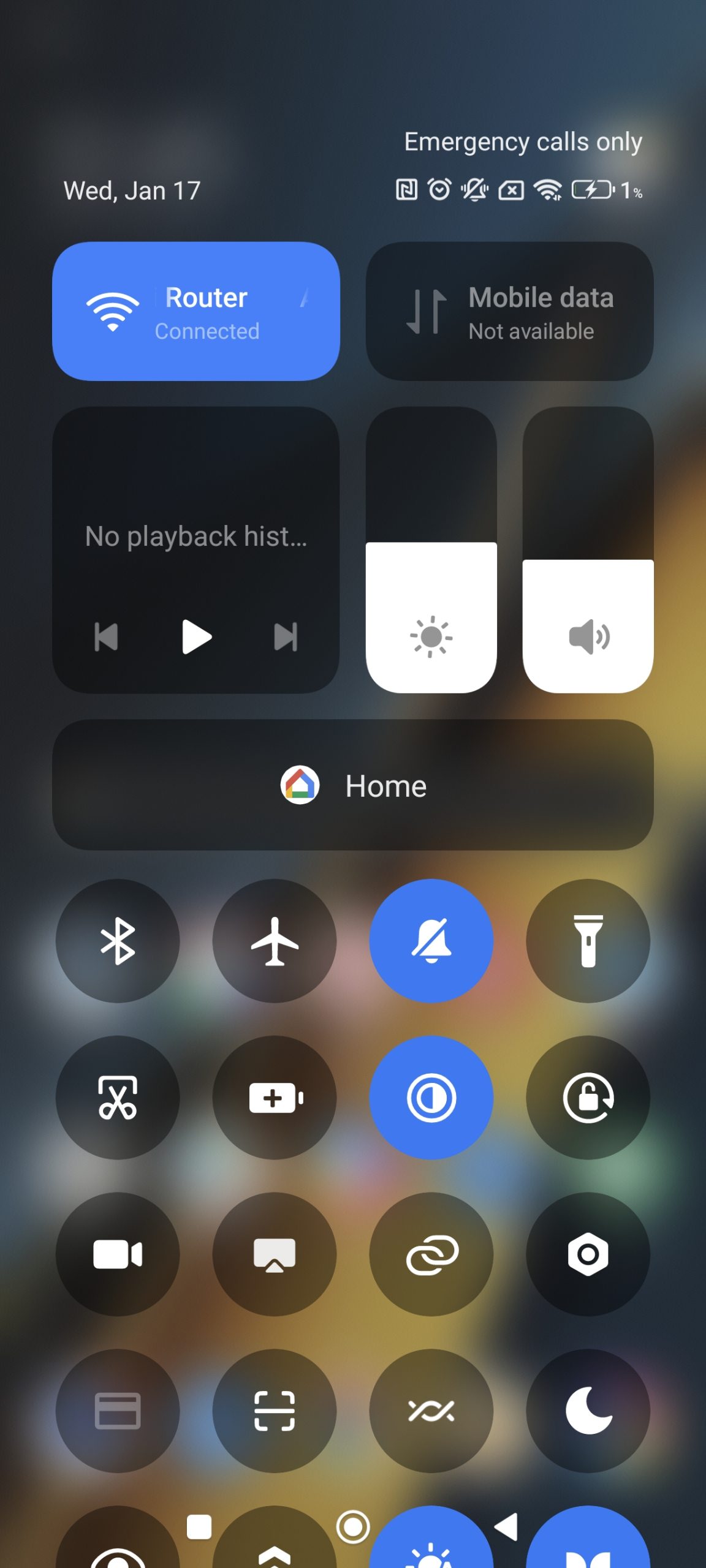
The HyperOS experience might feel familiar to MIUI users while introducing innovative elements. Most notably, HyperOS sports a redesigned Control Center for intuitive access to settings. The lockscreen also receives welcome upgrades, showcasing diverse designs with unique clock styles and matching Always on Display options. Other noteworthy features include an enhanced multi-window interface, the all-new MiSans font, new fingerprint scanning animations, hidden apps, AI object detection, and more. However, the bloatware presence can’t be ignored. While most pre-installed apps can be uninstalled, a cleaner app drawer out of the box would’ve been ideal.
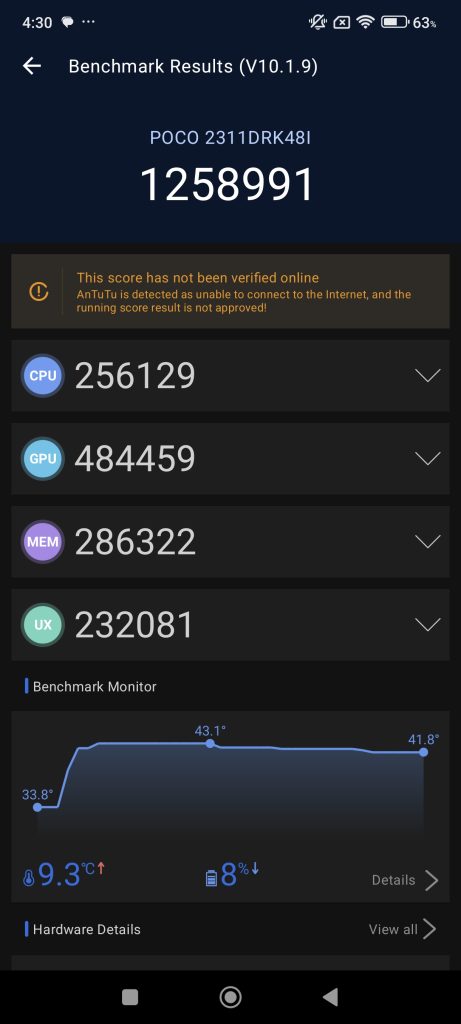
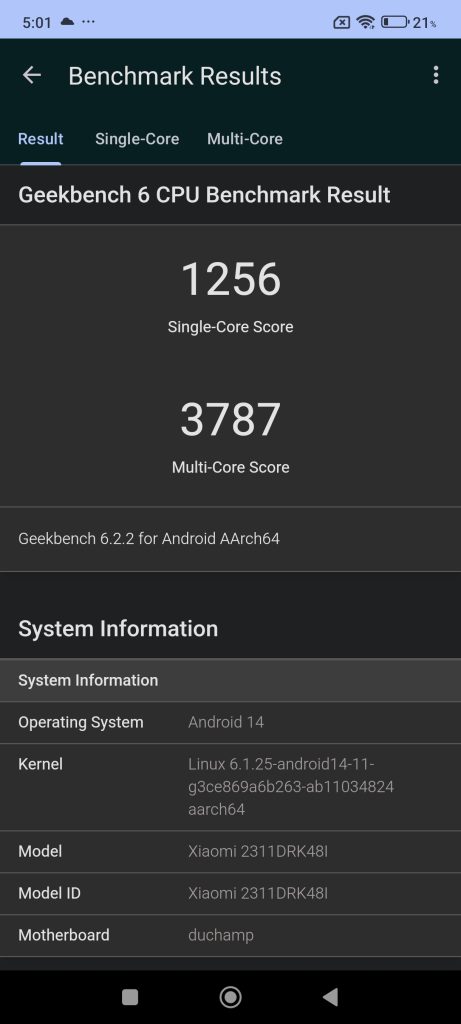
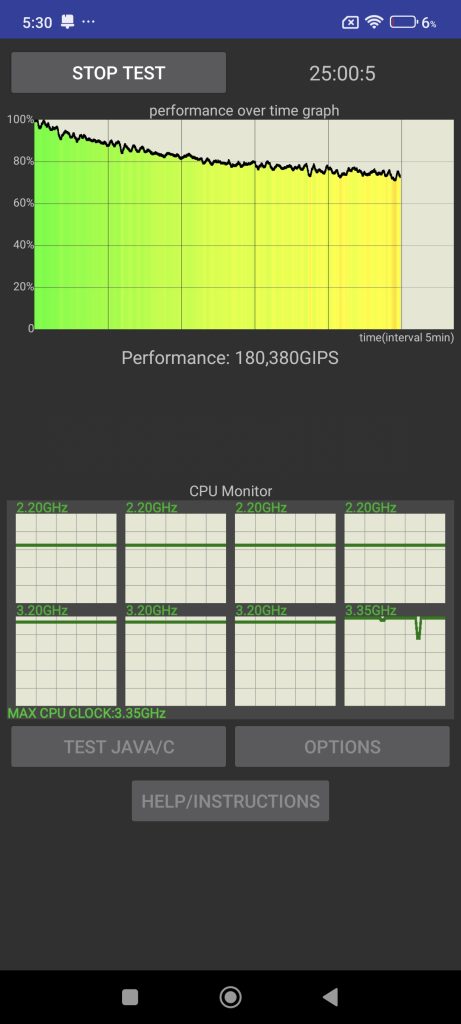
Poco X6 Pro: AnTuTuPoco X6 Pro: GeekbenchPoco X6 Pro: CPU Throttle
Shown above is how the Poco X6 Pro 5G performed in the AnTuTu, Geekbench, and CPU Throttle benchmark tests:
Given the Poco X6 Pro 5G’s primary focus on performance, photography might not be its primary strength. Nevertheless, the device has a respectable primary camera equipped with an OIS-enabled 64-megapixel OV64B lens, a camera sensor found on some flagship phones as well. Accompanying this is an 8-megapixel ultra-wide lens and a 2-megapixel macro camera. For selfies, the phone is equipped with a 16-megapixel front camera. While the primary camera performs well in capturing quality shots, it’s worth noting that the performance of the other cameras may not be as outstanding. The camera app offers photography modes such as Pro, Documents, Video, Photo, Portrait, Night, 64MP mode, Panorama, Short Film, Slow Motion (up to 1080p / 960fps), Time-lapse, AI Watermark, Long Exposure, and more.
Ultra-wide1x2x1x2xmacromacro
In well-lit conditions, the Poco X6 Pro stands out by delivering impressive results with vibrant color reproduction and a dynamic range that is deemed acceptable. The main camera’s 2x in-sensor zoom feature produces decent outcomes with preserved details. The device does well in subject detection and blur effects when using the Portrait mode, albeit lacking a zoom selector. In low-light situations, the camera performs adequately, although with a slight reduction in details. The night mode, while effective in reducing light glare, doesn’t bring about significant improvements in overall image quality.
NIght modeNight modeNight mode2x zoomUltra-wide
The 8-megapixel ultra-wide camera occasionally deviates in color reproduction compared to the main camera, but the dynamic range remains satisfactory. In low-light conditions, it manages to deliver acceptable results. To access the macro mode, users are required to tap the small arrow in the camera app or swipe down in the viewfinder to reveal various options, including flash, aspect ratio, HDR, gridlines, AI camera, voice shutter, motion tracking focus, assist cam, teleprompter, video resolution, frame rate, Steady Video (OIS), and macro mode. The 16-megapixel front camera performs in well-lit conditions, and it offers filters and HDR support. However, I did not like the fact that it automatically beautified the selfie shots.
For video recording, the Poco X6 Pro 5G provides OIS support when shooting at 30fps in 1080p resolution. Additional video options include 720p (30fps), 1080p (30fps/60fps), and 4K (24fps/30fps) modes, with EIS support stepping in when OIS is not available. The ultra-wide camera can capture 1080p videos at 30fps. While videos recorded using the main camera are acceptable, it’s important to note that the performance tends to be less impressive in low-light conditions.
Regarding other features of the Poco X6 Pro 5G, the x-axis linear motor stands out for its strength, accuracy, and responsiveness, notably enhancing the gaming experience and overall system usage. The IR blaster and in-screen fingerprint sensor perform reliably and as expected, further contributing to the device’s overall functionality.
Verdict
The Poco X6 Pro 5G delivers top-tier performance in a non-flagship package, thanks to its powerful Dimensity 8300-Ultra chipset, LPDDR5x RAM, UFS 4.0 storage, a smooth 120Hz OLED display with an impressive screen-to-body ratio, and an appealing design. Its snappy performance, coupled with in-game vibrations and immersive audio, make it a gamer’s paradise. The primary camera shines, and the new HyperOS overlay on Android 14 adds fresh customization options along with extended software support, which is the icing on the cake. While some bloatware lingers and the auxiliary cameras could be better, these are minor gripes. For sheer performance at a wallet-friendly price, the Poco X6 Pro 5G is a compelling choice.
Variants, Price and Availability
In India, the Poco X6 Pro 5G is available for:
8 GB RAM + 256 GB storage: Rs 26,999 (~$325)
12 GB RAM + 512 GB storage: Rs 28,999 (~$350)
Colors: Poco Yellow, Racing Grey, Spectre Black
Offers: Rs 2,000 off on HDFC / ICICI / SBI bank credit card, debit card transactions
Dasung has released a cheaper version of its Paperlike HD E Ink monitor with a 13.3-inch display. The new monitor is a seemingly downgraded version of the original model and lacks touchscreen functionality and front light. The price tag of the new Dasung monitor makes it the cheapest in the Paperlike HD E Ink lineup.
The signature offering in the Dasung Paperlike HD E Ink series is the Paperlike HD FT which comes with a touchscreen and front light. The Paperlike HD F omits a touchscreen interface but features a front-lit display. The new model, of course, lacks a touchscreen interface but this further accentuates the display itself, as it is more apparent than previously. The absence of a backlight for the display also means that the user will have to rely on external light sources to illuminate the workspace at night.
Apart from the display and backlight, the other specs of the Paperlike HD E Ink monitor are retained from its previous iteration. The 13.3-inch E Ink display has a resolution of 2200 x 1650 pixels and utilizes Dasung’s Turbo high-speed refresh technology. The new monitor also sports Mini-HDMI and USB Type-C interfaces for connection to external devices. The model weighs about 580 grams and is lighter than the top model which weighs about 640g.
Pricing & Availability
The Dasung Paperlike HD E Ink monitor is priced at $683 and can be purchased from the Good e-Reader Store. The two other models (Paperlike HD FT and Paperlike HD F) are currently priced at $798.99 and $748.99 respectively. The new monitor can also be ordered directly from Dasung and is priced at 3,999 yuan ($558).
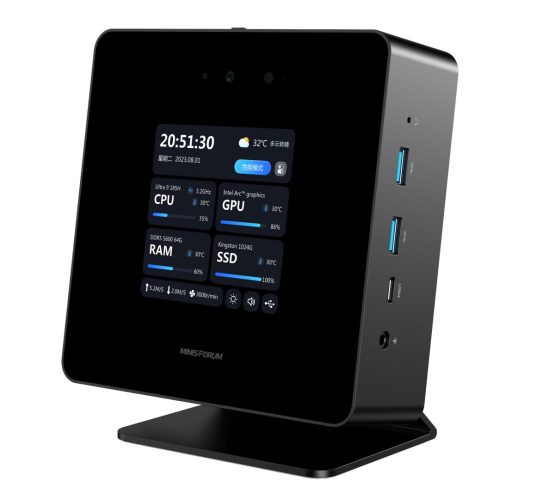
The MINISFORUM UH185 Ultra mini PC was part of the lineup of products showcased at CES 2024 last week in Las Vegas, USA. It is MINISFORUM’s first mini PC that is equipped with an Intel Meteor Lake processor.
Features
The new MINISFORUM compact mini PC has a touchscreen interface and also features a built-in camera and microphone. There are lots of ports on the UH185 Ultra to accommodate much functionality. The MINISFORUM UH185 Ultra comes with the Intel Core Ultra 185H Meteor Lake chip with Intel Arc integrated graphics. It comes with two SODIMM memory slots that support up to 96GB of DDR5-5600. It also has two M.2 slots for PCIe Gen 4 x 4 solid-state storage.
The optics of the MINISFORUM UH185 Ultra mini PC include a picture of the box-shaped compact computer. It shows a small, square computer in a black housing and has a stand for positioning it vertically. The mini PC has a display at the top cover that can display time, date, temperature, and several other system parameters for the CPU and GPU. The display also shows storage, memory, and network transfer speeds. At the top of the screen of the mini PC is a 1080p camera that comes with a physical shutter. The shutter allows the user to cover the camera when it is not in use.
Pricing & Availability
The ports available on the MINISFORUM UH185 Ultra mini PC include USB4, 2.5GbE Ethernet, USB-A (x2), and an audio jack. The USB4 port could likely be Thunderbolt, although this has not been confirmed. There is no pricing information yet for the MINISFORUM U185H Ultra mini PC but these details will be released later, although the launch date remains unknown.
Xbox Game Pass, the popular gaming subscription service from Microsoft, is gearing up to offer an exciting range of games through the end of January and into early February 2024. This lineup is a diverse mix, promising something for every type of gamer. Starting January 16, players can dive into “Those Who Remain,” a psychological horror game that has garnered mixed reviews, including a 6/10 from IGN. It offers a blend of jump scares and a slightly rough-around-the-edges experience.
F1 2023 will be added to the game pass catalog soon enough
For those who fancy a mix of humor and heists, “Turnip Boy Robs a Bank” becomes available on January 18. This day-one title brings a quirky twist to the gaming world, appealing to fans of lighthearted, fun gameplay. Racing enthusiasts will be thrilled with the addition of “F1 23” to the Game Pass. Launching on January 18, this Codemasters’ title scored an impressive 8/10 from IGN. It’s touted for its comprehensive content and a new loot-based upgrade system, though the latter might not appeal to all.
“Pokémon with guns” – that’s “Palworld,” launching on January 19. This blend of cute creatures and action gameplay offers a unique experience to Game Pass subscribers.
For those who enjoy action-packed gaming, “Go Mecha Ball,” a twin-stick shooter, rolls out on January 25. Following this, “Brotato,” a top-down roguelite shooter where players control a gun-toting potato, releases on January 30.
The beginning of February brings “Persona 3 Reload,” a highly anticipated release available from February 2. This game is expected to be a hit, especially for fans of the series.
Lastly, “Anuchard” will be accessible from February 6, adding another layer of variety to the Game Pass offerings.
However, it’s not all additions; “Hitman: World of Assassination” is set to leave the Game Pass on January 31. This removal might disappoint some, but the new arrivals are sure to keep gamers engaged.
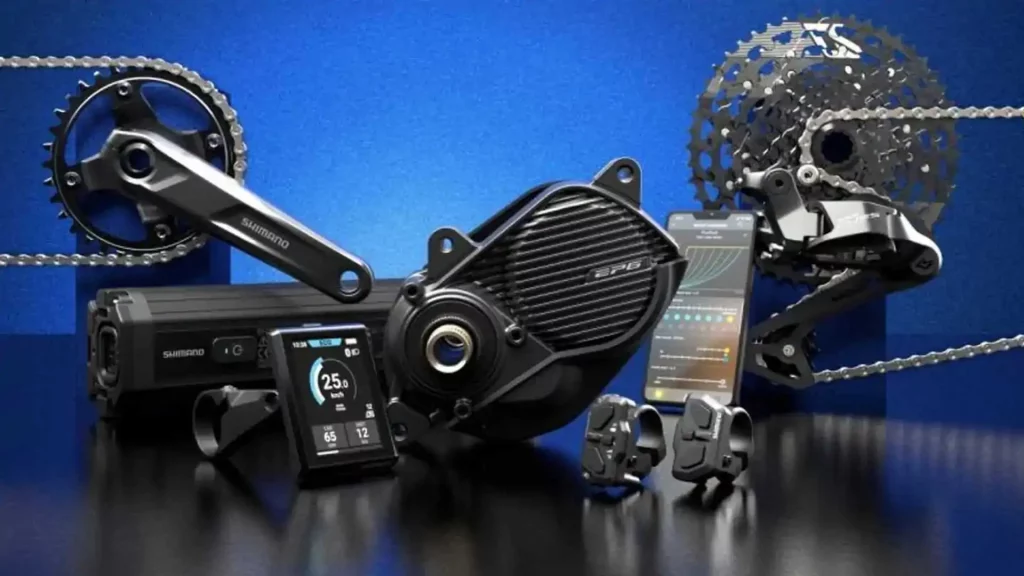
In the ever-evolving landscape of cycling, Shimano is breaking new ground. The renowned cycling component maker is reportedly developing an AI-powered system that could revolutionize how bike suspensions are adjusted. We are finally at a point where technology is increasingly becoming integral to enhancing the rider’s experience.
Machine learning powers Shimano’s new project
At the heart of Shimano’s project is machine learning. This technology aims to personalize suspension settings by learning from the rider’s preferences across different terrains and conditions. Imagine a suspension system that adapts in real time, offering the perfect balance of comfort and control whether you’re cruising on a smooth road or navigating a rocky trail. This isn’t just about adding a high-tech feature; it’s about transforming the ride itself.
Shimano’s approach is user-centric. The system includes a handlebar-mounted screen allowing riders to give immediate feedback – a thumbs up or down. This interaction is crucial, as it enables the AI to refine its understanding of what each rider needs for an optimal ride. Such a feature could be especially beneficial for beginners, who might not yet know how to manually adjust their suspension for different scenarios.
But there’s a broader question here: Do we need such advanced technology in cycling? Bikes, for many, represent simplicity and a break from our tech-saturated lives. They’re about feeling the wind on your face and the road beneath your feet, not about screens and algorithms. Yet, as we’ve seen with e-bikes and smart cycling accessories, technology can also enhance the joy of biking, making it more accessible and enjoyable for a broader range of people.
Shimano’s venture is a glimpse into a future where technology and tradition coexist on the cycling path. It’s a bold step, blending the simplicity of cycling with the sophistication of AI, to deliver an experience that’s both familiar and thrillingly new. Whether this marks a true turning point in cycling remains to be seen, but it certainly adds an exciting dimension to the journey.
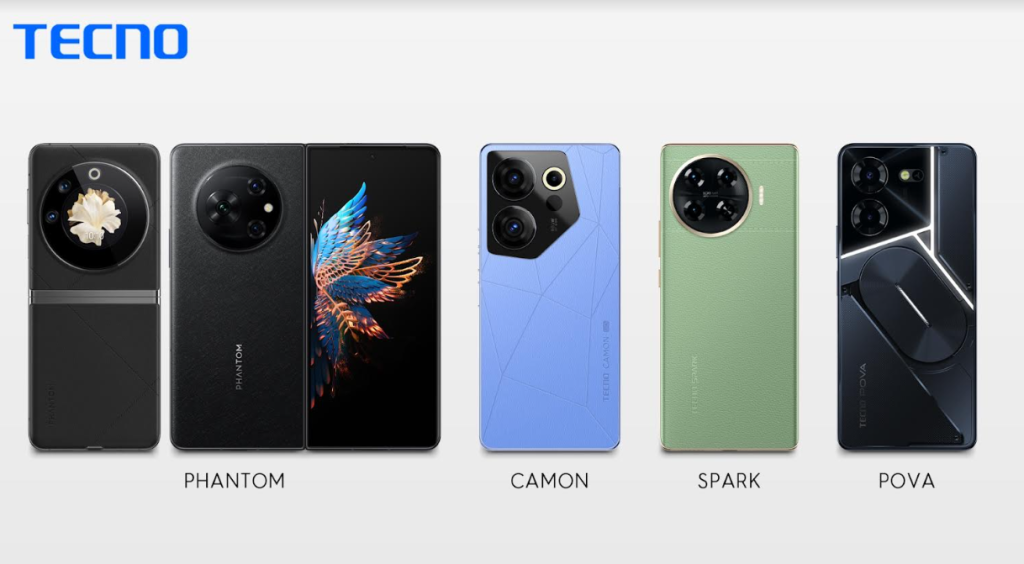
TECNO, a global smartphone brand, has secured the title of “2023-2024 Global Smartphone Brands Top 10” for the second consecutive year at CES 2024. The accolade, hosted by Asia Digital Group and European Digital Group and supported by TWICE and IDC, honors outstanding consumer electronic brands for innovation, and promoting industry development.
The success of TECNO at CES 2024 is attributed to its ‘Glocal Brand Strategy,’ combining a global vision with local innovation across diverse markets. The brand’s effectiveness in reaching and impacting these markets has been crucial for its top position.
TECNO’s achievements revolve around the theme of “Going Premium,” marked by strides in technology innovation and design excellence. The brand’s commitment to technological advancements and innovative prowess in the smartphone industry has gained recognition from industry leaders.
Zhu Dongfang, President of the Asian Digital Group, commended TECNO’s dedication to technological advancements, emphasizing the brand’s exceptional status in the consumer electronics industry.
CES Global Top Brands Ranking 2024 Spotlights AI and Technological Innovation:
The CES Global Top Brands Ranking for 2024 focuses on Artificial Intelligence (AI) and technological innovation, recognizing their pivotal roles in shaping the consumer electronics landscape.
TECNO’s strategic focus on technical innovation is evident in its leadership in various frontier and emerging technologies. The brand has set new standards with the development and adoption of multi-skin tone imaging through the launch of Universal Tone technology. Additionally, TECNO’s strides in artificial intelligence, including AI algorithms, AI voice recognition, AIoT vertical application technology architecture, and 5G, highlight its commitment to staying at the forefront of technological advancements.
Harmonizing Worldwide Perspective with Local Ingenuity: TECNO’s Fundamental Edge in Premiumization:
The brand’s core competitiveness in premiumization is highlighted by its evaluation based on industry popularity, global strategic layout, international market influence, and product innovation. TECNO’s “Go Glocal” brand strategy, championing a seamless merger of a global vision with local innovation, has resulted in a presence in over 70 countries and continuous user base growth globally.
In 2023, TECNO unveiled groundbreaking products for the premium market through the PHANTOM and CAMON product lines, contributing to its global optimization and regional expansion. The impressive 62% YoY growth in smartphone shipments across all regions in Q3 2023, coupled with a rapid 600% YoY growth in 5G smartphone shipments, underscores TECNO’s achievements in the highly competitive smartphone market.
TECNO’s sales volume increase in high-end series, particularly the CAMON and PHANTOM series, outpacing company-wide growth rates, is a testament to its success in premiumization and globalization. The brand’s commitment to aligning with local values and integrating technological innovations with stylish modern designs tailored to local needs has played a pivotal role in its continuous success on the global stage.
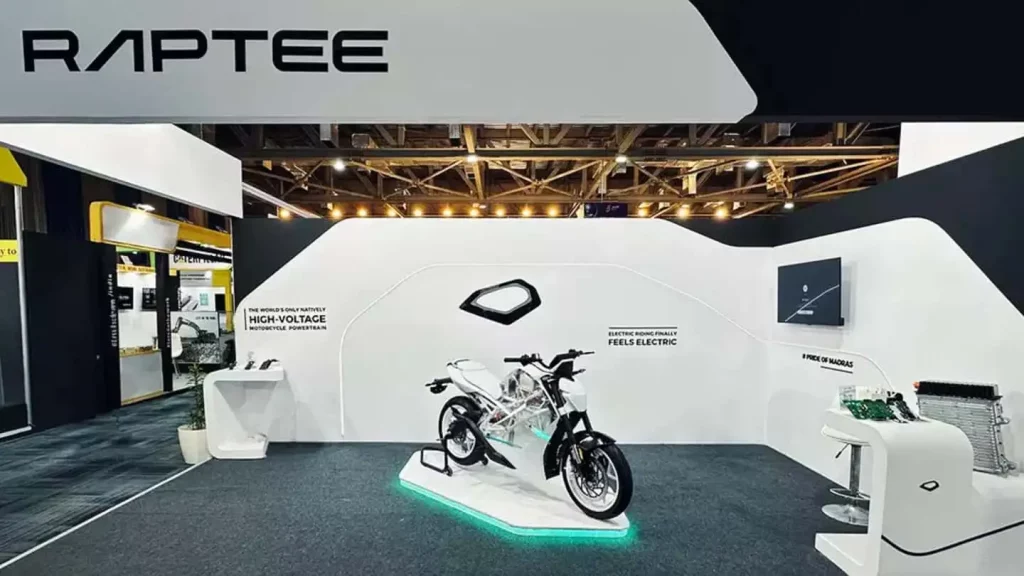
Electric mobility is reshaping India‘s two-wheeler landscape, and the latest entrant, Raptee Energy, is set to make waves with its new electric motorcycle, expected to hit the roads in April 2024. Raptee Energy, a budding Indian startup, unveiled its electric motorcycle prototype during the Global Investors Meet in Tamil Nadu. While the bike currently doesn’t have a name, let’s call it the Raptee Electric Motorcycle for now. It stands out with its transparent display feature, allowing onlookers to view its internal mechanics. This innovative approach not only showcases the bike’s design but also demystifies the technology behind EVs.
Their bike prototype can reach 135 kilometers per hour, which is impressive
Performance-wise, the Raptee Electric Motorcycle boasts impressive stats. It can reach a top speed of 135 kilometers per hour and offers a range of 150 kilometers on a single charge. Even more remarkable is its fast charging capability, reaching 80% charge in just 45 minutes. Such features are tailor-made for India’s urban landscape, characterized by dense cities and bustling streets. The motorcycle’s acceleration, going from zero to 60 kilometers per hour in just 3.5 seconds, promises an exhilarating ride for enthusiasts.
Raptee Energy’s approach seems to align the electric motorcycle’s specifications with those of 150cc to 200cc gasoline-powered bikes, popular in the Indian market. This strategic positioning could make it an attractive option for those looking to upgrade to electric without sacrificing performance.
The company is investing significantly in this venture, with plans to produce the bike in a new factory spanning four acres in Chennai. The anticipated annual production capacity is 100,000 units, signaling confidence in the growing demand for electric two-wheelers in India.
The pricing strategy seems geared towards attracting the younger generation of riders, a crucial demographic in a country with a significant youth population. If the Raptee Electric Motorcycle is priced competitively, it could very well be a game-changer in India’s electric two-wheeler market, signaling a new era of sustainable, efficient, and exciting urban mobility.
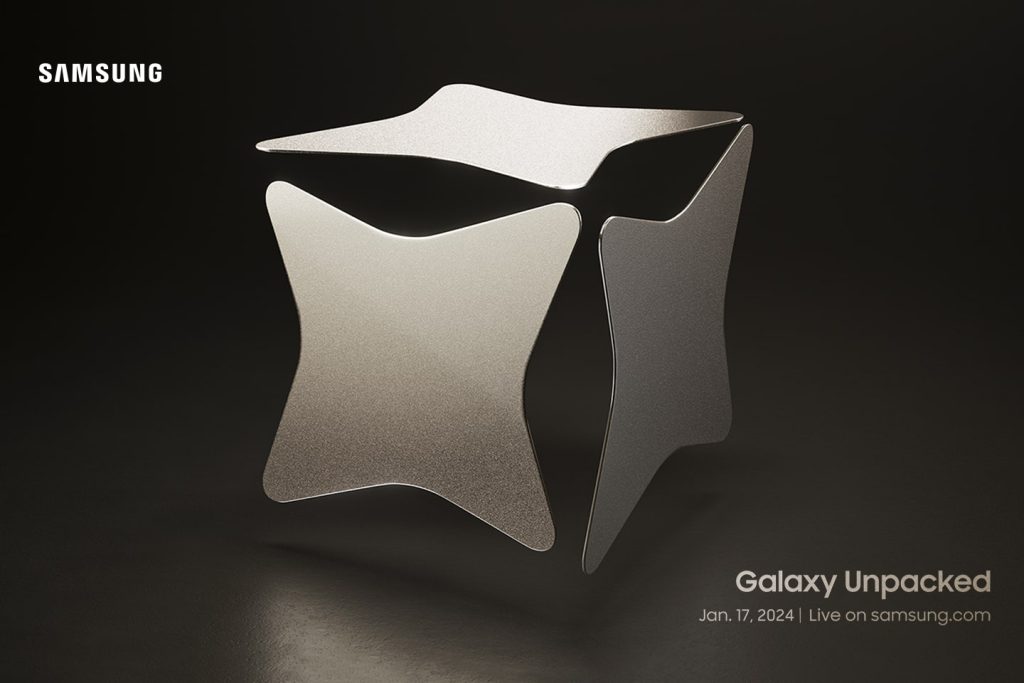
Samsung is all set to host its first Galaxy Unpacked event of 2024. The company will be unveiling its latest flagship smartphone lineup, the Galaxy S24 series, at this conference.
Just like the last few generations, the Galaxy S24 family will consist of three devices. There will be a standard model, a plus version, and a premium ultra variant.
Over the last few months, we have learned almost everything there’s to know about these phones. But if you are still interested in watching their announcement live, we have got you covered.
Here in this article, we will guide you on when and where you can watch the Galaxy Unpacked 2024 event.
The Galaxy S24 series will be presented on January 17. The flagship slab smartphones will be unveiled at a Galaxy Unpacked event in San Jose, California.
The conference will begin at 10 AM PST. In other words, the event will start at 6 PM GMT.
This means the phones will go official in the early hours of January 18 in most Asian and Oceania countries.
2. Samsung Galaxy S24 Series Launch Livestream
Samsung will be live-streaming the Galaxy Unpacked event meant for the Galaxy S24 series across multiple platforms. You can watch it on either of the below-listed destinations.
3. Samsung Galaxy S24 Series Expected Specifications
The Galaxy S24 family may look the same as its predecessor at first sight. However, there will be subtle changes in design and several spec upgrades.
Unlike the last gen, the standard and plus models will be powered by an Exynos chip in most markets. Whereas, the ultra version will house a Qualcomm chipset across all regions.
The Galaxy S24 Ultra will arrive with an updated camera system. Whereas, the Galaxy S24 and the Galaxy S24 Plus will come with better displays and a slightly larger battery.
You can go through their entire specifications in our roundup articles listed below.
Lenovo recently unveiled a bunch of laptops at CES 2024 including the Yoga Pro series powered by Intel’s Core Ultra CPUs. The brand has launched an AMD Ryzen-equipped YOGA Pro 14s 2024 laptop in the Chinese market that comes with a lightweight and slim body.
Lenovo YOGA Pro 14s 2024 specs:
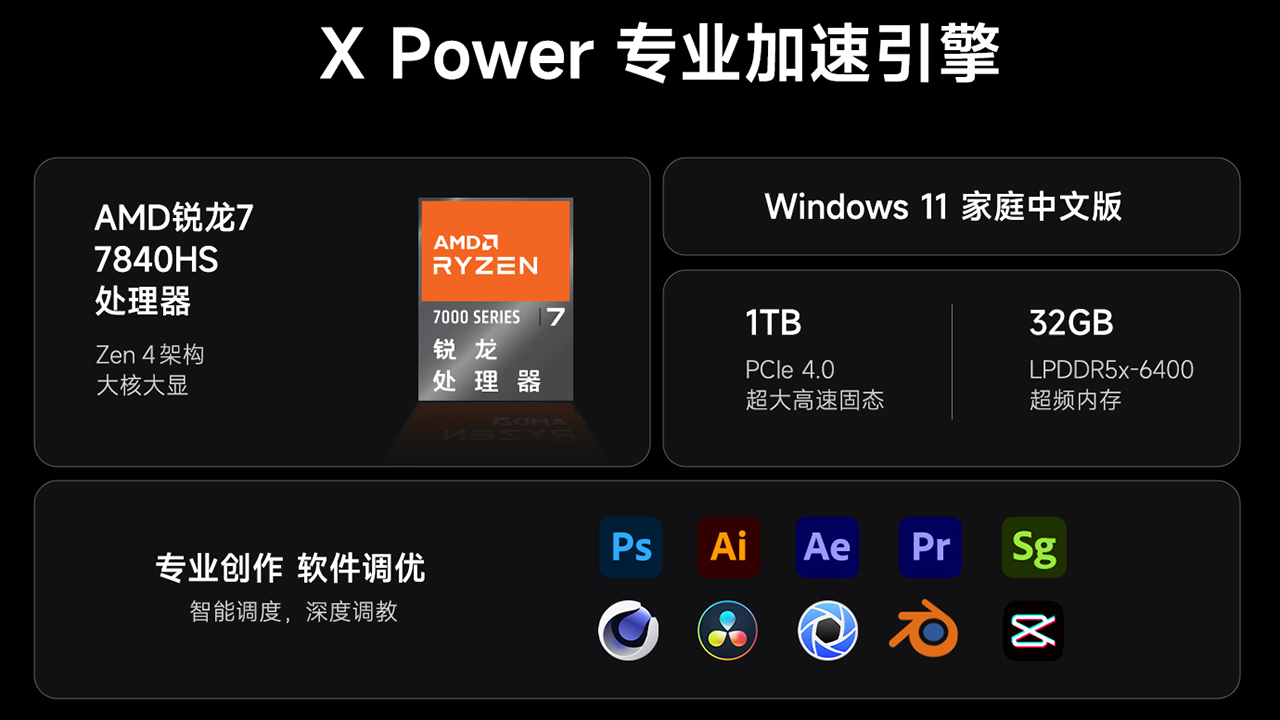
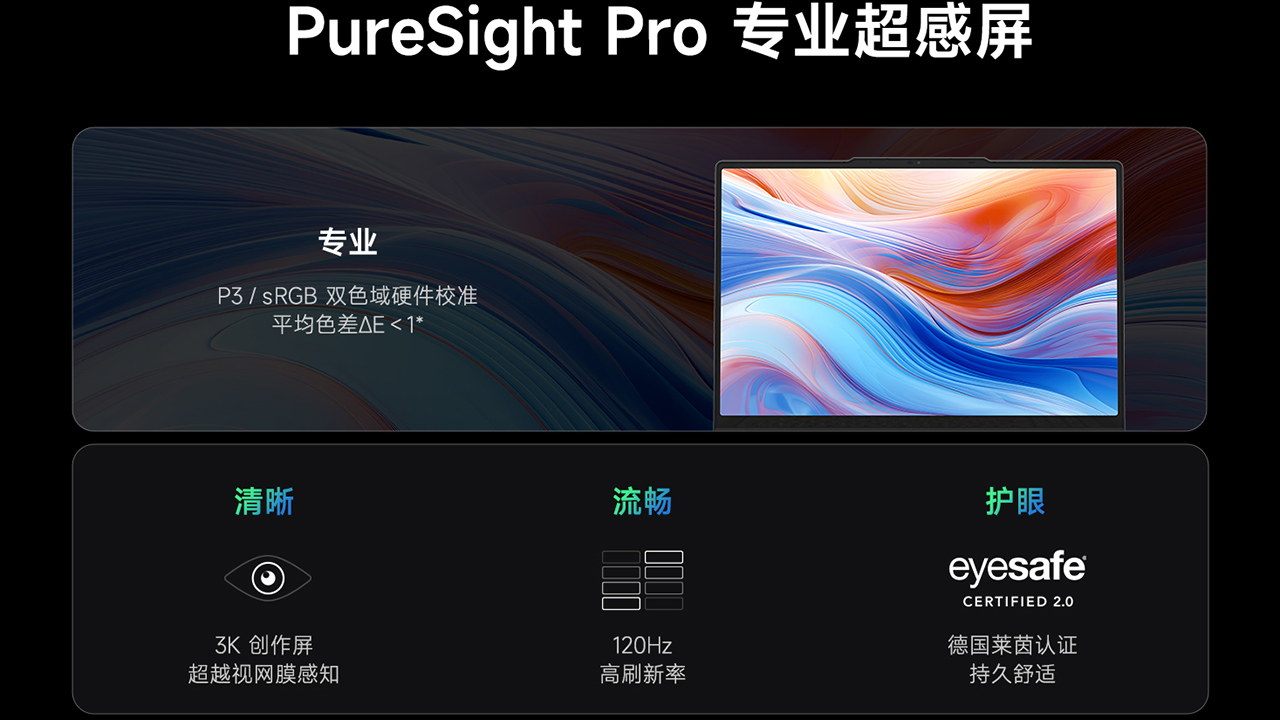
The Lenovo YOGA Pro 14s 2024 comes powered by the AMD Ryzen 7 7840HS processor, featuring 8 cores/16 threads with a peak clock speed of 5.1GHz. The laptop has a 14.5-inch 120 Hz display with a 3K panel named “PureSight Pro.” This display offers hardware-level calibration for P3 and sRGB color gamut, coupled with a 16:10 aspect ratio.
The laptop will be available with 16GB or 32GB LPDDRX5 RAM, paired with a 1 TB PCIe 4.0 SSD. In terms of features, the laptop offers Dolby Vision support, Dolby Atmos speaker setup, a performance-oriented cooling system, and an impressive battery life of up to 12 hours. The device also features a 1080p FHD IR webcam to cater to remote work needs, along with support for 100W PD fast charging.
Connectivity options are diverse, with HDMI 2.1, USB 3.2, and USB4 ports. The laptop weighs between 1.2KG to 1.5KG and measures 15mm to 17mm in thickness.
Pricing & availability
The Lenovo YOGA Pro 14s 2024 with 16GB is priced at CNY 5,699 (~801). The 32GB RAM model on the other hand has a price tag of CNY5,999 (~$843). Currently, there is no word on global pricing and availability.
We use cookies on our website to give you the most relevant experience by remembering your preferences and repeat visits. By clicking “Accept”, you consent to the use of ALL the cookies.
This website uses cookies to improve your experience while you navigate through the website. Out of these, the cookies that are categorized as necessary are stored on your browser as they are essential for the working of basic functionalities of the website. We also use third-party cookies that help us analyze and understand how you use this website. These cookies will be stored in your browser only with your consent. You also have the option to opt-out of these cookies. But opting out of some of these cookies may affect your browsing experience.
Necessary cookies are absolutely essential for the website to function properly. This category only includes cookies that ensures basic functionalities and security features of the website. These cookies do not store any personal information.
Any cookies that may not be particularly necessary for the website to function and is used specifically to collect user personal data via analytics, ads, other embedded contents are termed as non-necessary cookies. It is mandatory to procure user consent prior to running these cookies on your website.