Advertisement

Ayaneo NEXT 2 Gaming Handheld Announced with AMD Ryzen AI Max Processors, 9″ OLED Display & 116Wh Battery

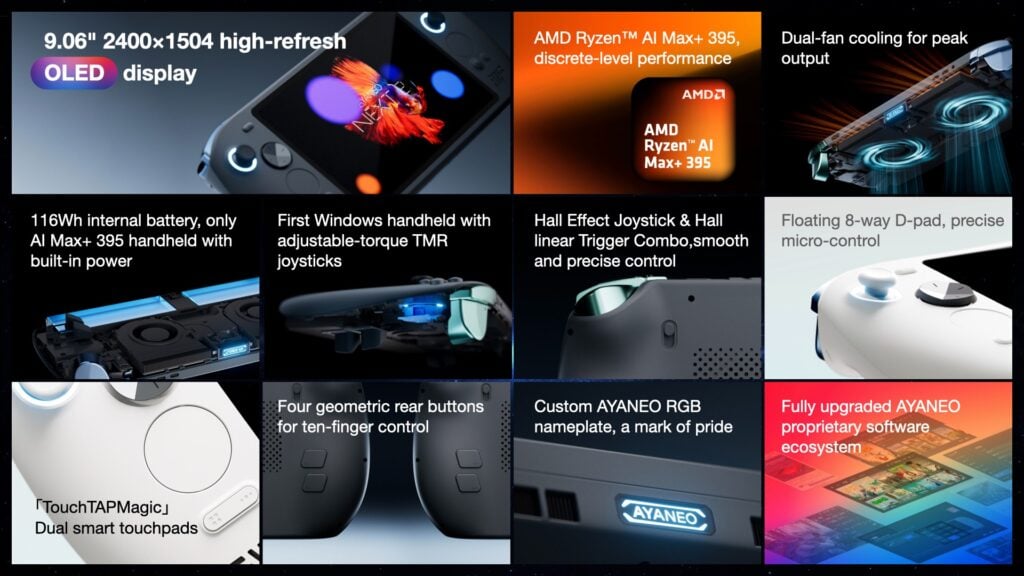
Ayaneo has revealed key specifications and features of the NEXT 2, its latest Windows handheld gaming device. Like many other handhelds on the market, this upcoming device will also be powered by an AMD Ryzen AI APU and will offer premium features like an OLED display, advanced cooling, and TMR joysticks.
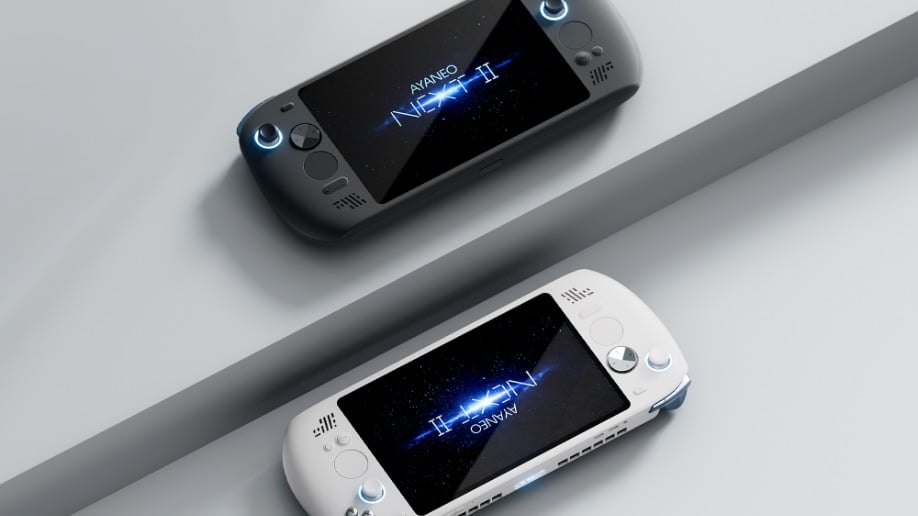
AYANEO NEXT 2

Ayaneo NEXT 2 features

The NEXT 2 offers two AMD processor options: the Ryzen AI Max 385 for the base model and the Ryzen AI Max+ 395 for premium configurations. Ayaneo claims the Max+ 395 delivers discrete graphics-level performance. RAM and storage vary by processor, with other hardware specifications remaining consistent across models.
AYANEO NEXT 2

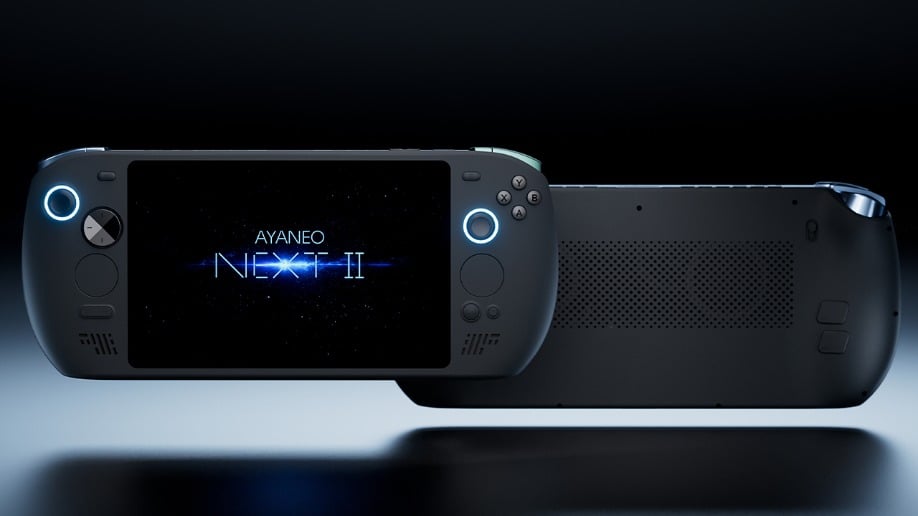
Display specifications include a 9.06-inch OLED panel with 2400 × 1504 resolution in landscape orientation. The screen features a high refresh rate for enhanced responsiveness during gameplay. Audio output comes through front-facing speakers, while navigation includes an 8-way D-pad and dual smart touchpads flanking the display.
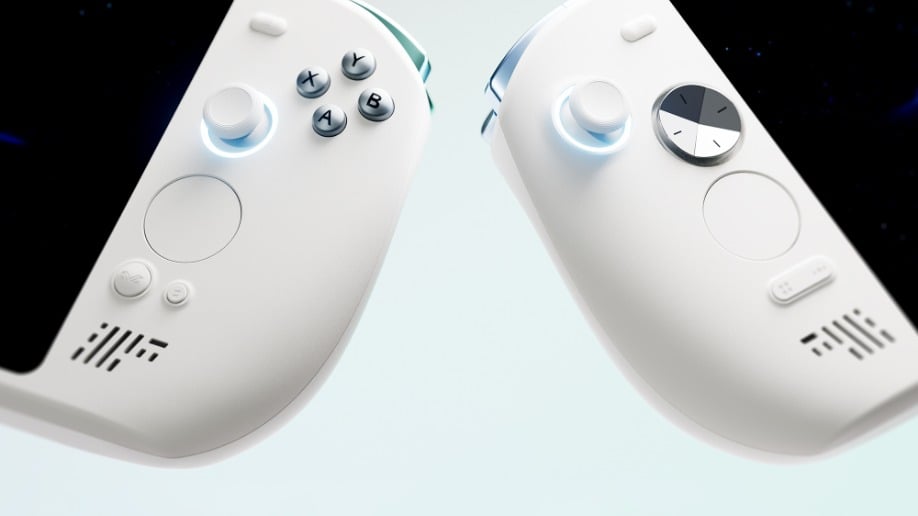
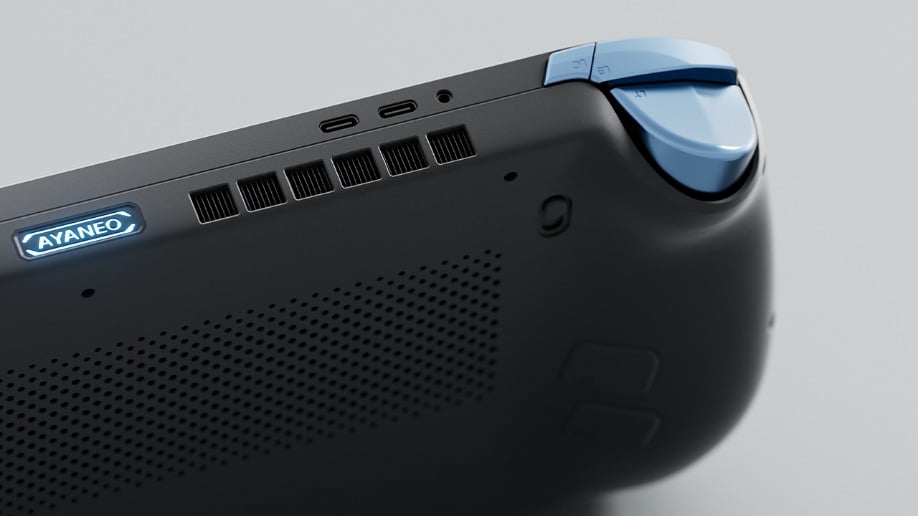
Controls represent a key differentiator. The NEXT 2 introduces TMR joysticks with adjustable torque, a feature Ayaneo claims as industry-first for Windows handhelds. Hall Effect joysticks and Hall linear triggers with dual-mode locks provide additional input precision. Four programmable rear buttons enable ten-finger control configurations. A dual-fan cooling system manages thermal performance during intensive gaming sessions.
Ayaneo NEXT 2

Pricing & availability

Pricing starts at $1,799 for early backers purchasing the 32GB/1TB Ryzen AI Max 385 model, increasing to $1,999 at retail. The Ryzen AI Max+ 395 configuration with 64GB RAM and 1TB storage costs $2,299. The flagship model featuring 128GB RAM and 2TB storage carries a $3,499 early bird price, jumping to $4,299 at retail launch. All versions ship exclusively in Polar Black.

For more daily updates, please visit our News Section.

Tech enthusiast? Get the latest news first! Follow our Telegram channel and subscribe to our free newsletter for your daily tech fix!

(Source)

Japanese car maker Toyota announces its game engine “Flourite”

In interesting news, Toyota is building its own game engine for the screens inside your car.

Toyota Connected North America, the subsidiary responsible for in-vehicle connectivity, has announced a new gaming engine called Fluorite. It’s designed specifically for automotive systems, where hardware is often less powerful than a typical smartphone or laptop.

What is Toyota’s Flourite engine?

Fluorite is written in C++ and is built to work closely with Google’s cross-platform UI framework, Flutter. That means developers can use Flutter’s Dart language and high-level APIs to build interactive experiences, including games and 3D interfaces, without needing heavy, traditional game engines.

According to Toyota, the engine is optimized to deliver strong performance even on low-end or embedded hardware. It also supports modern graphics APIs like Vulkan, which allows the system to get close to the device’s full hardware-accelerated performance. 

Fluorite also brings some developer-friendly features. It supports a hot reload system similar to Flutter, letting developers see changes within a few frames instead of waiting through long build times. The engine also supports model-based trigger areas, so artists can define touch or click interactions directly inside tools like Blender.

Why does Toyota need a game engine?

So why does a car company need its own game engine?

Toyota says the project started as an attempt to build 3D user interfaces for future vehicles. The team looked at established engines like Unity, but found them too heavy for embedded automotive systems. Licensing costs were also a concern. In the end, building a lightweight, in-house solution made more sense.

More importantly, Toyota is marketing Fluorite as a fully featured open-source engine. As a result, even if the automaker won’t work on games, it gives an opportunity to independent and enthusiast developers.

For more daily updates, please visit our News Section.

Stay ahead in tech! Join our Telegram community and sign up for our daily newsletter of top stories! 💡

(Source)
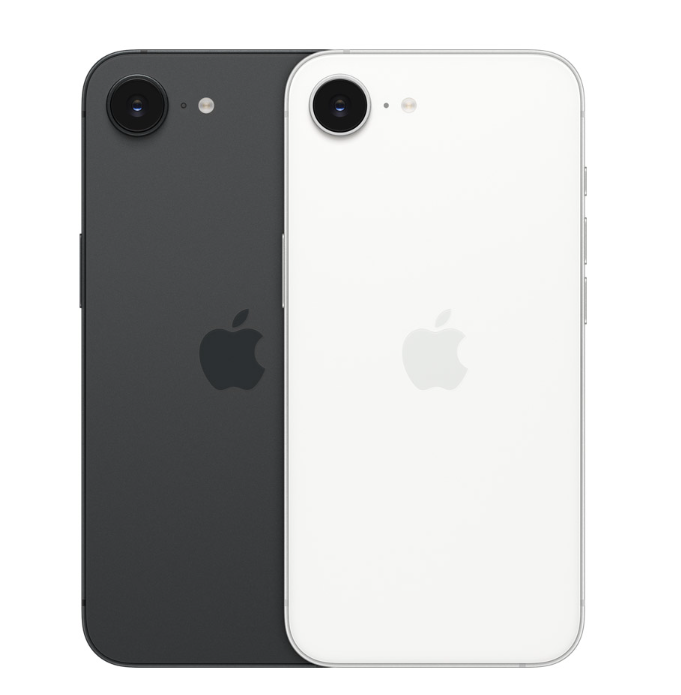
Apple is likely to reuse iPhone 16e’s mold for the upcoming 17e

Apple may not be planning much of an upgrade for the iPhone 17e, at least if the latest leaks are to be believed. According to a Weibo leaker and Bloomberg’s Mark Gurman, the next “e” model could end up being more of a quiet refresh than a meaningful redesign.

Fixed Focus Digital on Weibo claims the iPhone 17e is essentially the iPhone 16e with one major internal change: the new A19 chip. The leaker says there are no notable updates to the display, Face ID system, or overall hardware features.

In fact, they go as far as saying Apple hasn’t even changed the phone’s mold, which means the physical design and dimensions will remain the same.

That assessment lines up closely with what Mark Gurman is reporting. In his latest comments, Gurman largely confirms that the iPhone 17e will focus on internal upgrades rather than visible changes.

The changes are all internal

The phone is expected to run on the A19 chipset and will reportedly gain MagSafe support. The latter was missing from the iPhone 16e and was a common point of criticism from users.

iPhone 16e
iPhone 16e

Beyond the processor, Gurman says the iPhone 17e will also feature Apple’s latest in-house wireless technology, including the C1X cellular modem and the N1 wireless chip. These upgrades fit Apple’s ongoing strategy of reducing its reliance on third-party suppliers.

Design-wise, the iPhone 17e will still skip the Dynamic Island and stick to a notch-style layout like the 16e. Expect no dramatic visual changes, and likely the same screen size and overall look.

As for pricing, both Fixed Focus Digital and Gurman suggest there will be no increase. If true, the iPhone 17e will launch at the same $599 price point as its predecessor. Gurman also notes that the launch could happen soon, with one leak pointing to a February 19 debut.

For more daily updates, please visit our News Section.

Stay ahead in tech! Join our Telegram community and sign up for our daily newsletter of top stories! 💡

(Source)
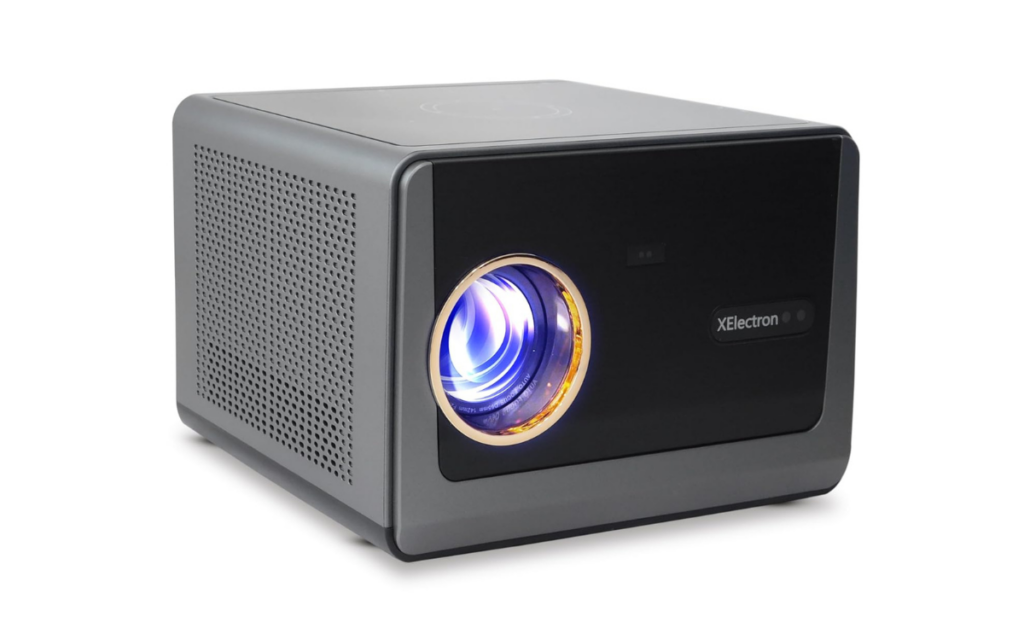
XElectron iProjector 3 Plus launched in India with Google TV and 2000 ANSI lumens brightness

XElectron has launched the iProjector 3 Plus in India. The new smart projector supports native Full HD resolution and 4K content decoding. It runs official Google TV and is priced at ₹27,990 ($308). The projector is now available through Amazon, Flipkart, and select offline retail partners, and includes a one-year manufacturer warranty.

XElectron iProjector 3 Plus

XElectron iProjector 3 Plus Specifications

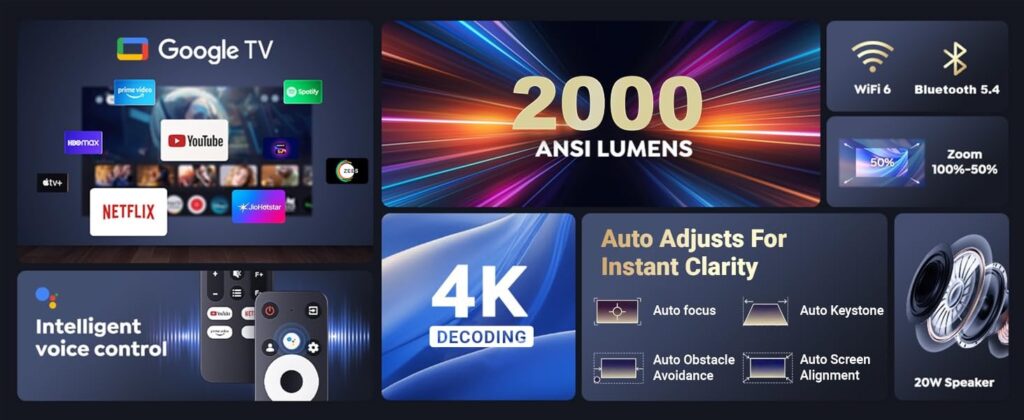
The iProjector 3 Plus features a native 1080p display with a brightness rating of 2000 ANSI lumens. It can project screen sizes from 55 inches up to 300 inches. The projector supports HDR10 content and is designed for both daytime and nighttime viewing across a variety of home lighting conditions.

It runs official Google TV out of the box. Users can access more than 10,000 certified apps including Netflix, YouTube, Prime Video, JioCinema, ZEE5, and SonyLIV. The system supports Google Assistant for voice search, along with built-in Google Cast and Google Photos.

XElectron iProjector 3 Plus

XElectron has integrated several automatic calibration features into the projector. It includes Auto Focus, Auto Keystone Correction, Auto Obstacle Avoidance, Auto Tilt Correction, and Auto Screen Fit. These features help adjust image alignment and sharpness automatically when the projector is moved or repositioned.

The iProjector 3 Plus uses a fully sealed optical engine to prevent dust from entering critical components. This design helps maintain image clarity over long periods of use. The projector includes built-in 20W speakers tuned with a passive bass radiator and supports Bluetooth 5.4, allowing it to function as a wireless speaker or connect to external audio systems.

For connectivity, the projector includes dual-band Wi-Fi 6, 2 x HDMI ports, 2 x USB ports, LAN, AV input, Audio Out, and HDMI ARC. The projector also supports wireless screen mirroring via AirPlay and Miracast.

In related news, Acer has recently launched the Vero HL1820 4K gaming projector with a 240Hz refresh rate and 4.2ms latency, while Portronics has introduced the Beem 560 budget smart projector offering up to 100 inches of Full HD projection.

For more daily updates, please visit our News Section.

Stay ahead in tech! Join our Telegram community and sign up for our daily newsletter of top stories! 💡

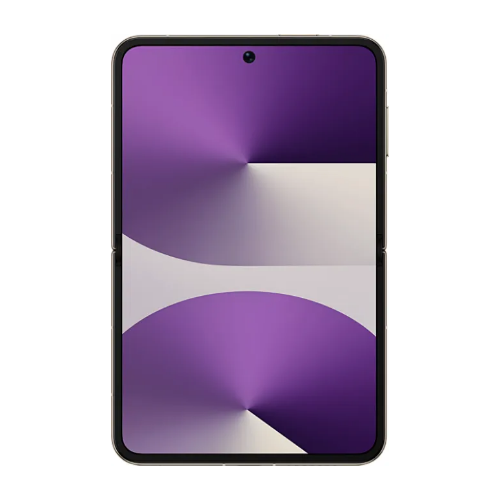
Huawei Pura X2 Leak Reveals Larger Displays, Kirin 9030 Chip, and Telephoto Camera

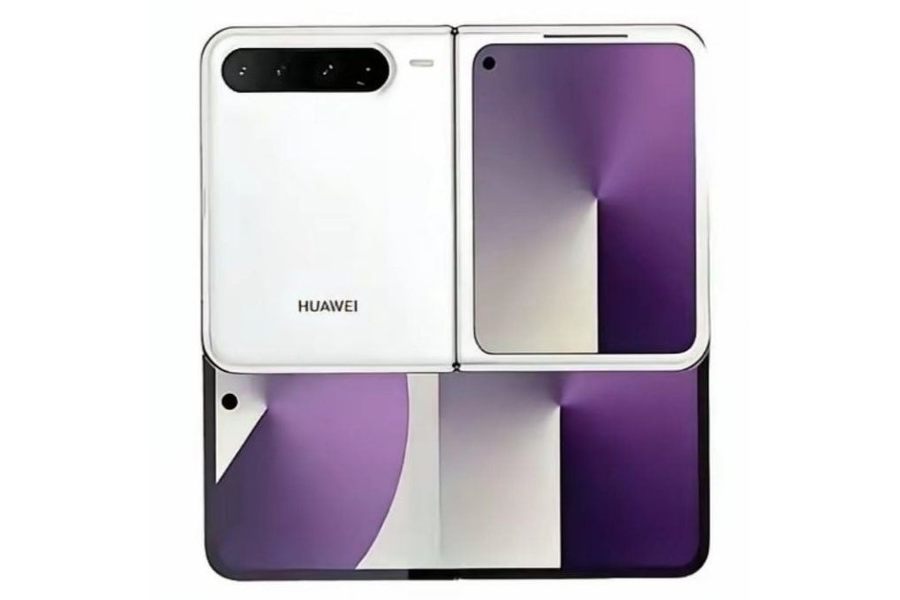
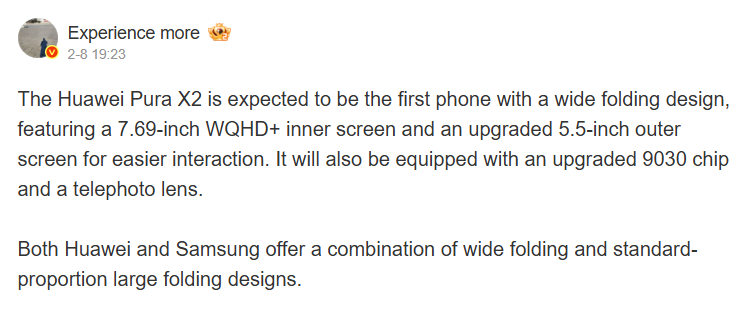
The Huawei Pura X2 is expected to launch in China soon. The phone was initially pegged for a March debut; however, recent reports have said the launch has been pushed back to April. Now, A new leak has shared more details about the upcoming foldable.

According to tipster Experience more (体验more on Weibo), the device will feature a 7.69-inch inner display with a WQHD+ resolution. The outer display is said to measure 5.5 inches. This is a clear upgrade over the original Huawei Pura X, which came with a 6.3-inch inner screen and a much smaller 3.5-inch cover display.

The leak also claims that the Pura X2 will be powered by Huawei’s Kirin 9030 chipset. In addition to the larger displays, the foldable is expected to gain a telephoto camera, which was not highlighted in earlier leaks. Previous reports have already suggested that the device will offer high-end memory and storage options, with configurations going up to 20GB of RAM and 1TB of internal storage. The Pura X2 is also said to run HarmonyOS 6.1 and launch in multiple color options, including blue, black, green, orange, purple, and white.

Huawei Pura X2

While the original Pura X was announced in March 2025, a Chinese tech blogger has claimed that the Pura X2 could be unveiled around April instead, ruling out an early Q1 launch. There is also a chance that Huawei may introduce its Pura 90 flagship series before the Pura X2.

Other leaks have suggested that the main display could feature a 16:10 aspect ratio, along with a larger outer screen. The phone is also rumored to feature a total of four cameras, including a triple rear setup with a 200-megapixel main sensor. The phone is also reported to arrive in many shades, including white, green, orange, blue, black, and purple.

For more daily updates, please visit our News Section.

Stay ahead in tech! Join our Telegram community and sign up for our daily newsletter of top stories.

(Source)
Rogbid launches Model R3 smartwatch with 4G, Android OS and 5MP camera

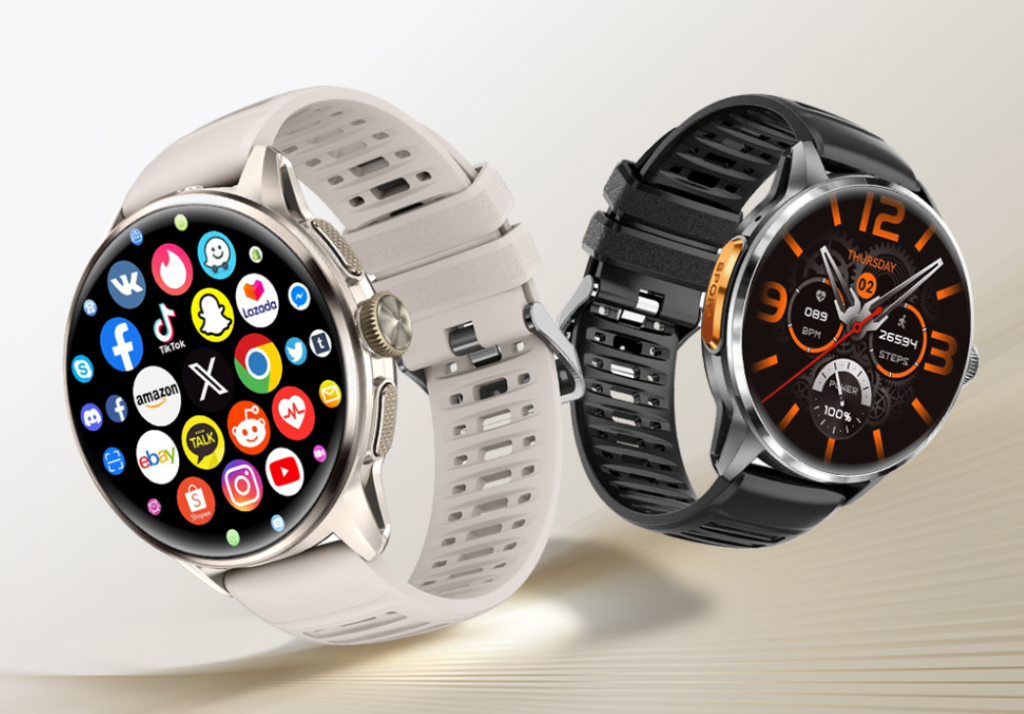
Rogbid has introduced the Model R3, its new flagship Android smartwatch with built-in 4G calling designed to deliver a smartphone-like experience on the wrist. The smartwatch is priced at $99.99 and comes in two finishes: Nova Gold and Aether Black.

Rogbid Model R3 smartwatch

Rogbid Model R3 Specifications

The Model R3 comes with full Android OS and supports independent 4G connectivity through a built-in SIM slot. It covers global frequency bands and allows users to make calls, send texts, stream content, and download apps directly to the watch.

The watch includes 3GB of RAM and 32GB of storage, giving it the capacity to run popular apps such as TikTok, Netflix, and more via its built-in app store.

The device features a 1.65-inch AMOLED display with a resolution of 480 x 480 pixels. Rogbid has used Panda Glass to enhance durability and scratch resistance.

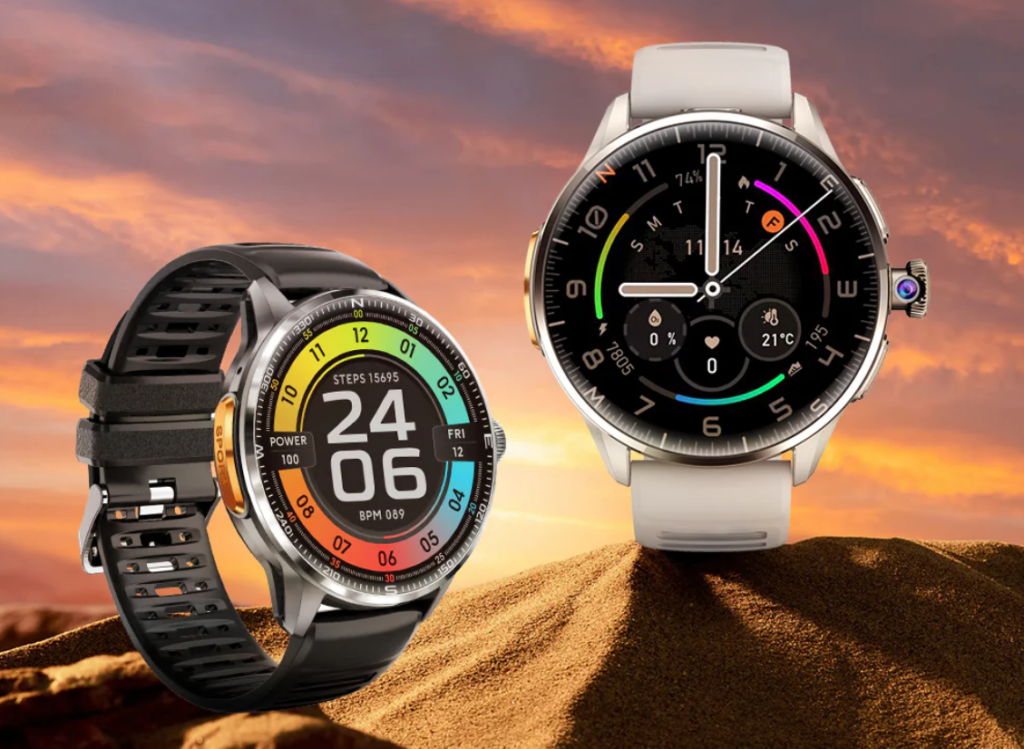
Rogbid Model R3 smartwatch

The screen is surrounded by ultra-thin bezels, keeping the overall body compact at 46mm. It also features a 5MP slide-out camera that supports 190° rotation, allowing for video calls, photography, and face unlock while staying hidden when not in use.

Rogbid has packed the Model R3 with useful features, including an infrared remote for appliance control, real-time GPS with a geomagnetic compass, and dual-mode operation that switches between Android and Bluetooth modes to save battery.

Health tracking features include 24-hour heart rate monitoring, blood oxygen level tracking, sleep analysis, hydration and medication reminders, and multi-sport workout modes.

The watch is IP67 rated for water and dust resistance and features a large 1100mAh battery. According to the company, it can last up to 10 days in Bluetooth mode and recharges fully in one hour.

In related news, a German inspection revealed that 58% of smartwatches claiming to measure blood sugar produced fake or inaccurate readings.

For more daily updates, please visit our News Section.

Stay ahead in tech! Join our Telegram community and sign up for our daily newsletter of top stories! 💡

Snapdragon X2 Elite tops Apple M5 in three out of five benchmark tests

Snapdragon X2 Elite PCs are still a few months away from reaching users’ hands. We know that Qualcomm is betting big on it, and new benchmark results for the X2 Elite suggest the company is close to closing performance gaps with Apple.

The numbers come from early testing of a pre-production Asus Zenbook shared by the YouTube channel Hardware Canucks. Asus allowed the outlet to run a set of CPU- and productivity-focused benchmarks on a machine powered by the Snapdragon X2 Elite.

Snapdragon X2 Elite Extreme Geekbench

To note, the laptop is running early firmware and drivers, and the silicon itself isn’t final. So, consider these results are just a snapshot of what the chip is capable of.

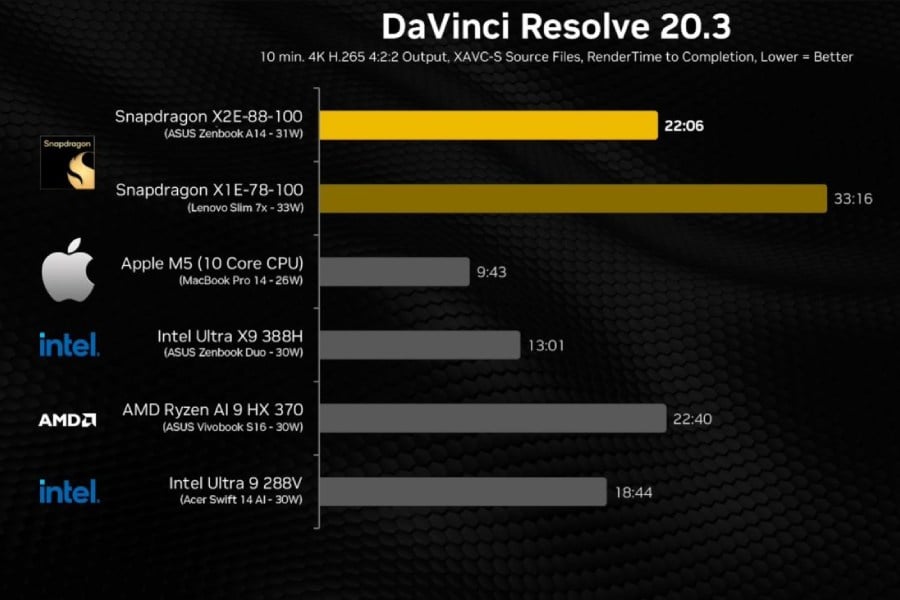
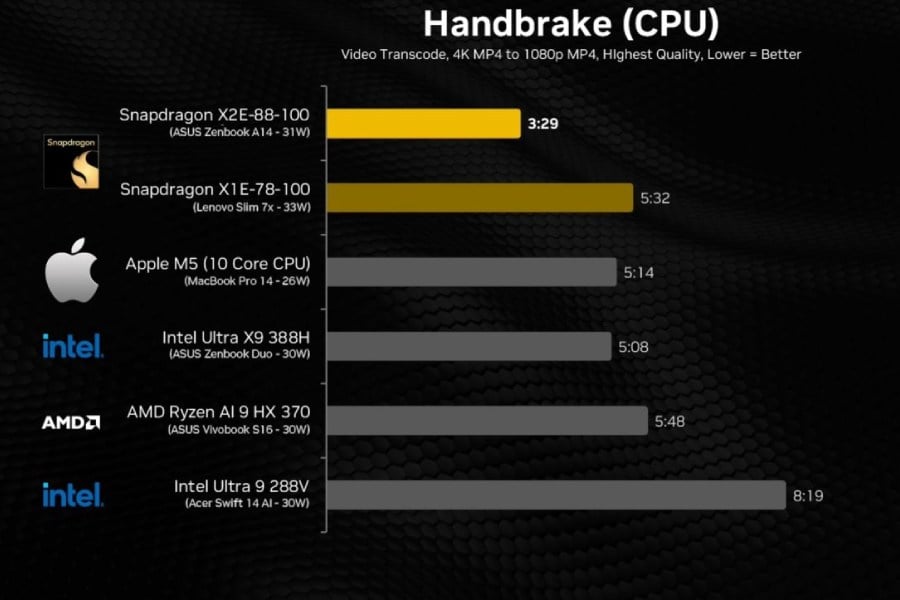
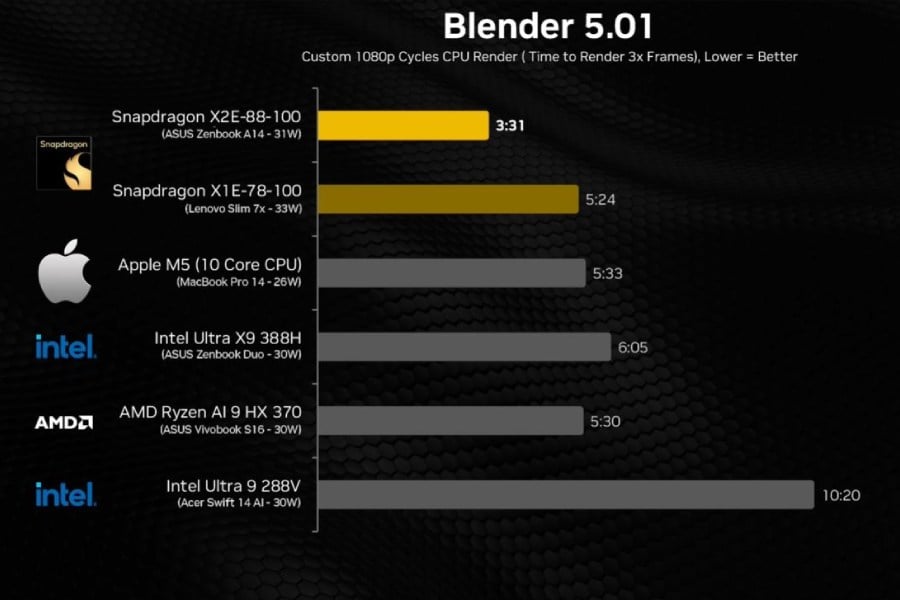
Even so, the results are interesting. Qualcomm’s newest chip was tested at 31W, which puts it just 5W higher than Apple’s M5, capped at 26W in these comparisons.

Apple is still leading in single-core performance 

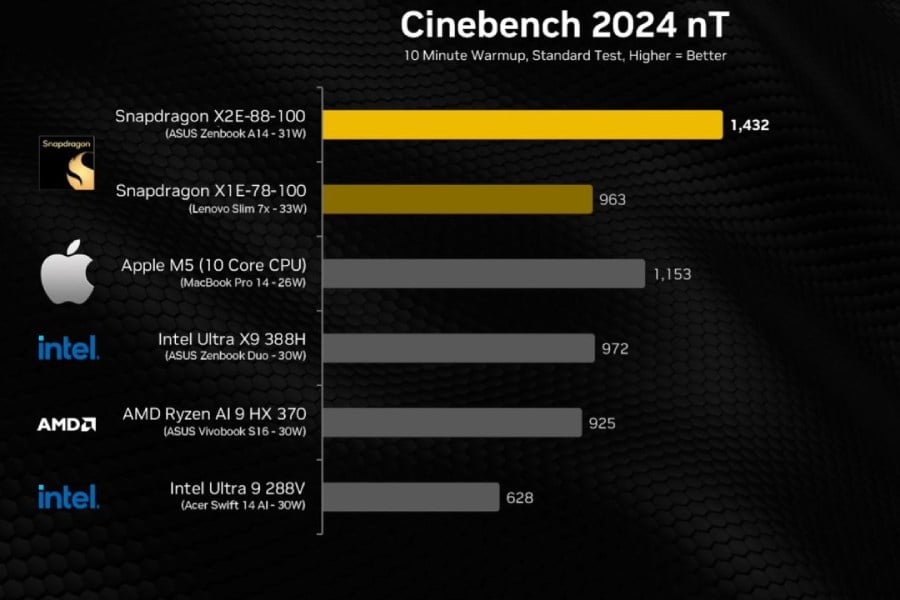
Despite that relatively small power gap, the Snapdragon X2 Elite managed to outperform the M5 in three out of five benchmarks, while also pulling well ahead of the first-generation Snapdragon X Elite.

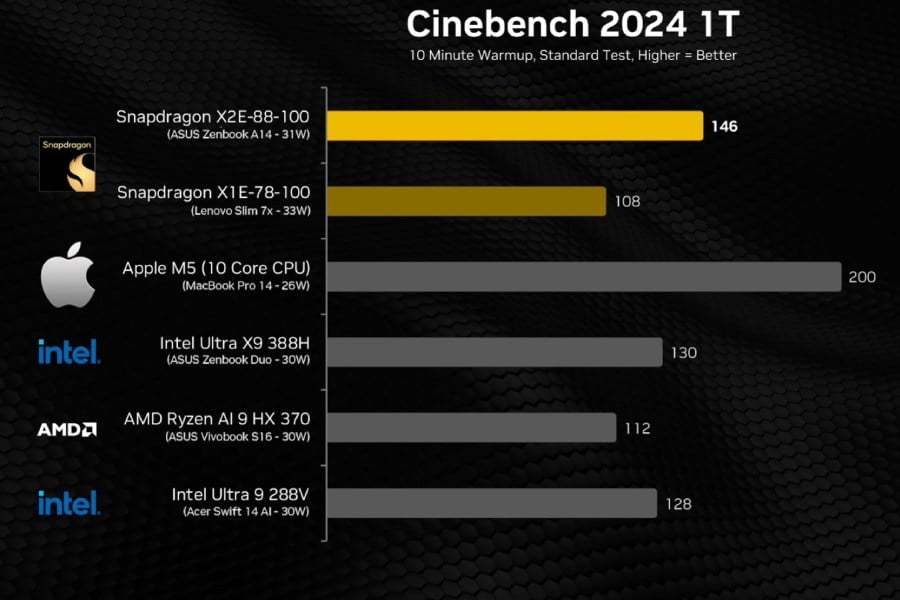
For instance, the X2 Elite performed extremely well in Blender and HandBrake, completing the tasks noticeably faster than Apple’s M5. However, Apple still leads in single-core performance.

In Cinebench 2024’s single-core test, the M5 scored 200 points, while the X2 Elite topped out at 146. Apple’s chip is roughly 37 percent faster in this specific scenario, even though Qualcomm’s new silicon shows a sizable jump over the original X Elite.

In the multi-core test, however, the Snapdragon X2 Elite posted a score of 1,432, beating the M5’s 1,153 and leaving the older Snapdragon X Elite far behind.

Beyond benchmarks, there’s a big unanswered question around battery life. The YouTuber didn’t share any runtime test results, so we’re left with the official claim of 43 percent better efficiency than its predecessor. Until commercial laptops arrive with finalized software, it’s hard to say how these performance gains will translate to everyday use.

For more daily updates, please visit our News Section.

Stay ahead in tech! Join our Telegram community and sign up for our daily newsletter of top stories.

(Source)
Galaxy S26 Ultra: Everything we know so far

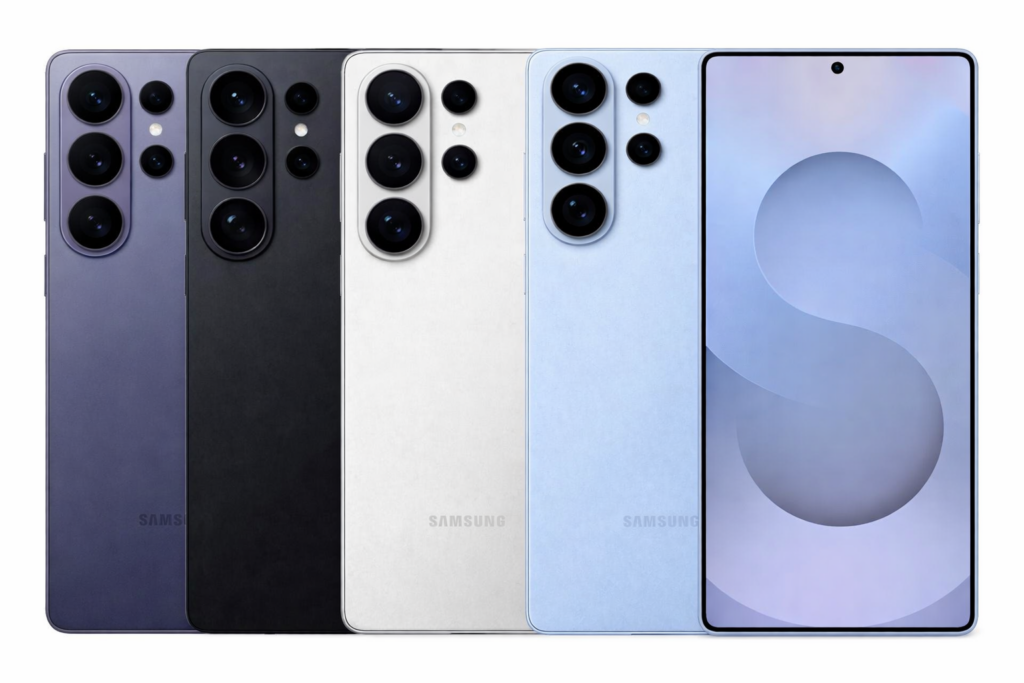
As we approach the anticipated late February Unpacked event, the leaks surrounding the Samsung Galaxy S26 Ultra have transitioned from vague rumors to concrete specifications. While Samsung is opting for refinement over a radical redesign, the internal upgrades, particularly in processing power and display technology, suggest this will be the most capable Ultra model to date.

Samsung Galaxy S26 Ultra render

Here is everything we know about the Galaxy S26 Ultra.

5Battery, Charging, and OS

Despite the thinner chassis, Samsung is expected to maintain a 5,000mAh battery. The big news for power users is the potential jump to 60W or even 65W wired fast charging, finally moving past the 45W cap that has held steady for years. Qi2 magnetic wireless charging is also a strong possibility, allowing for easier alignment with accessories.

The Galaxy S26 Ultra is expected to ship with One UI 8.5-based Android 16 preinstalled. Likely, it will be treated with up to 7 years of Android OS and security updates. In terms of color options, the S26 Ultra is expected to arrive in shades, such as black, white, blue, and purple.

Expected Launch Details:

  • Unpacked Event: February 25, 2026. (Rumored)

  • Release Date: Early to Mid-March 2026.

For more daily updates, please visit our News Section.

Stay ahead in tech! Join our Telegram community and sign up for our daily newsletter of top stories.

Next

Headphone Zone x Pula Unicrom IEM Features 10mm Driver and Stabilised Maple Wood Design

Headphone Zone and Pula have released the Unicrom, a single-driver in-ear monitor targeting users upgrading from entry-level models. The India-exclusive IEM prioritizes tuning and build quality over multi-driver configurations.

Driver and Performance

The Unicrom uses a single 10mm beryllium-plated dynamic driver. The beryllium coating improves stiffness and control, helping reduce distortion and improve clarity. The driver covers a frequency range of 20Hz to 20kHz, with a sensitivity rating of 101dB ± 3dB SPL/mW and an impedance of 32 ohms. Distortion is rated at under 0.5 percent, ensuring clean playback even at higher volumes.

Instead of using multiple drivers, the Unicrom relies on careful tuning. The sound signature is balanced, with punchy bass, clear mids, and smooth treble that stays easy on the ears. This makes it suitable for long listening sessions and daily use across different music genres.

Build and Design

The shells are made from lightweight resin and weigh 6.6 grams per side. Each unit features stabilised maple wood faceplates sealed in resin for durability. Finished in an exclusive Headphone Zone blue, every pair shows a unique natural wood grain pattern.

The 1.25m silver-plated copper cable uses 0.78mm 2-pin connectors and supports swappable terminations. Both 3.5mm single-ended and 4.4mm balanced plugs ship in the package, allowing compatibility with smartphones, DACs, and balanced sources without cable replacement.

Accessories

Accessories include six pairs of silicone eartips and a compact leatherette carry case with magnetic closure, sized to hold the IEMs, cable, spare tips, and a small dongle DAC.

Availability

The Headphone Zone x Pula Unicrom is priced at Rs. 6,999 and is available now for online purchase at headphonezone.in.

For more daily updates, please visit our News Section.

Stay ahead in tech! Join our Telegram community and sign up for our daily newsletter of top stories.

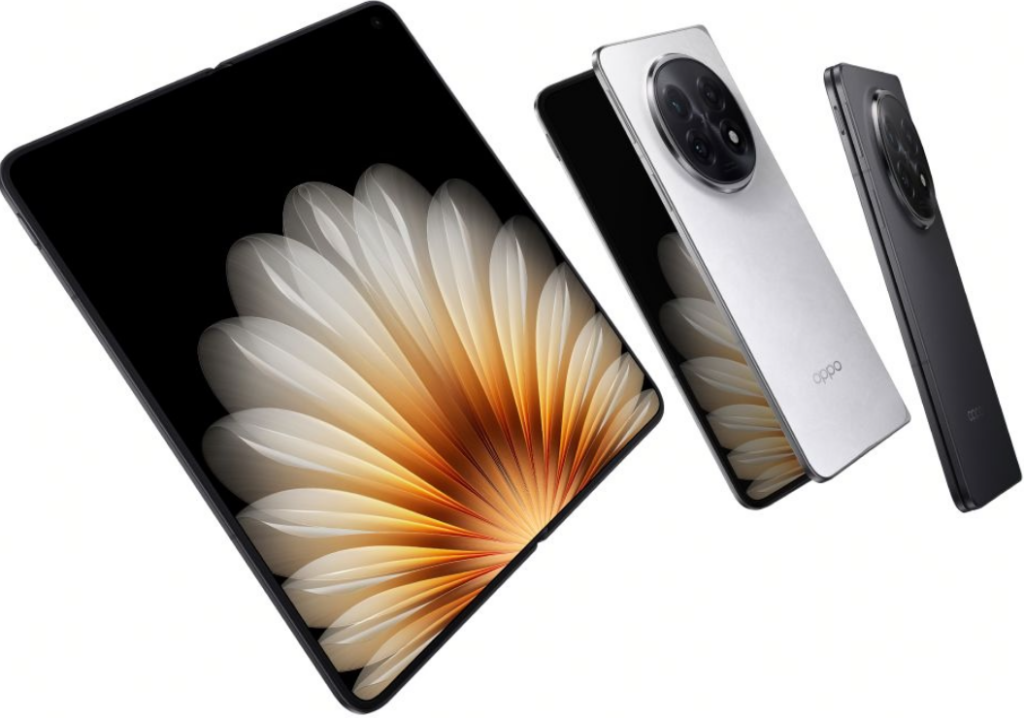
Oppo breifs Find N6 has made real progress on foldable creases

Oppo has officially started talking about the Find N6 foldable. In a recent Weibo post, Zhou Yibao, head of Oppo’s Find series, revealed that he attended an internal product event for the upcoming Oppo Find N6. 

According to Zhou, the atmosphere inside the company is very confident. After sitting through the full product introduction, he said employees felt reassured about where Oppo’s foldable strategy is heading next.

The Find N6 is expected to debut after the Lunar New Year, and Zhou made it clear that Oppo isn’t just chasing incremental upgrades this time. Instead, the company wants the Find N6 to be “more powerful, yet still lightweight and thin.” 

Oppo Find N6 could come with the shallowest crease in a foldable

During the internal showcase, Oppo also reportedly demonstrated its progress on reducing the foldable screen crease. Zhou used a blunt analogy to describe the issue, comparing the crease to the gap between two makeshift beds. 

It’s not just a visual flaw, he argued, but something that disrupts the entire sensory experience of using a foldable phone. This focus on the crease is notable because it’s one of the biggest compromises users still make when buying a foldable. 

OPPO Find N5
OPPO Find N5

According to Zhou, Oppo has poured significant resources into research and development to tackle this problem head-on. Feedback from employees who saw the device firsthand suggests the results are hard to miss.

According to leaks, the Find N6 could feature the shallowest crease in the foldable phone industry. If that turns out to be true, it would give Oppo a clear visual advantage over rivals. For a foldable, reflections and touch feel can make or break the experience.

For more daily updates, please visit our News Section.

Stay ahead in tech! Join our Telegram community and sign up for our daily newsletter of top stories.

(Source 1, 2, 3)

Why Mini PCs Are Stealing the Spotlight from Laptops in 2026

Computing in 2026 looks different from what it did just a few years ago. While laptops remain a cornerstone of portable productivity, mini PCs have established a space of their own in portable computing. These tiny, powerful desktop rigs have become a popular alternative to laptops, and data shows that mini PCs could be growing even further. But this isn’t about simply replacing laptops, and more about redefining how we think about personal and professional computing.

1. The Mini PC Boom: What’s Driving the Growth

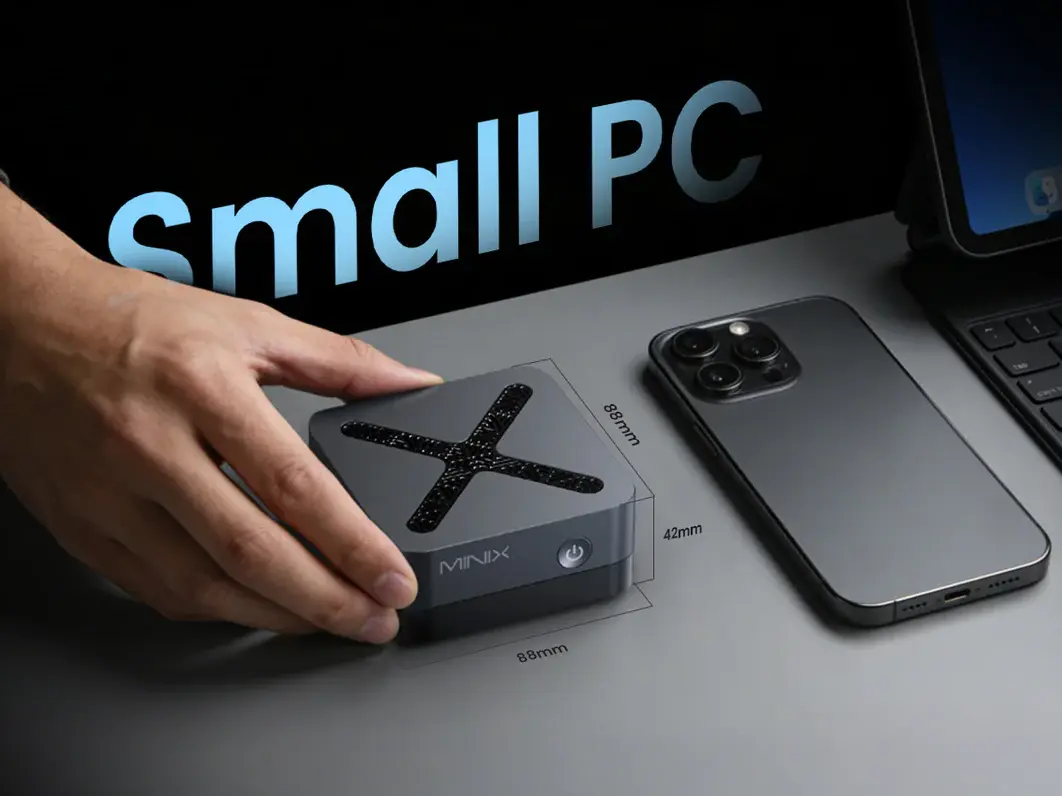
Minix Neo Z95 Mini PC

Mini PCs are thriving for several reasons, with rising market demand and changing user behavior. Businesses and individuals alike want machines that offer solid performance without the size, cost, and energy footprint of traditional desktops. According to industry analysts, the compact computing segment is growing rapidly, with remote work being a key factor. Distributed teams need reliable desktop-like performance without locking users into bulky hardware, and Mini PCs fill that role perfectly.

Another reason for the rise in mini PC adoption is the increasing emphasis on low energy devices. Mini PCs as a system are built with efficient processors and low powered designs. So you can even find mobile versions of CPUs and GPUs, or a combination of them with desktop grade hardware to balance power and performance. This draws significantly lower power compared to traditional desktops, helping businesses push for greener operations and reduced electricity costs.

2. Mini PCs vs Laptops: Differing Strengths, Not Replacement

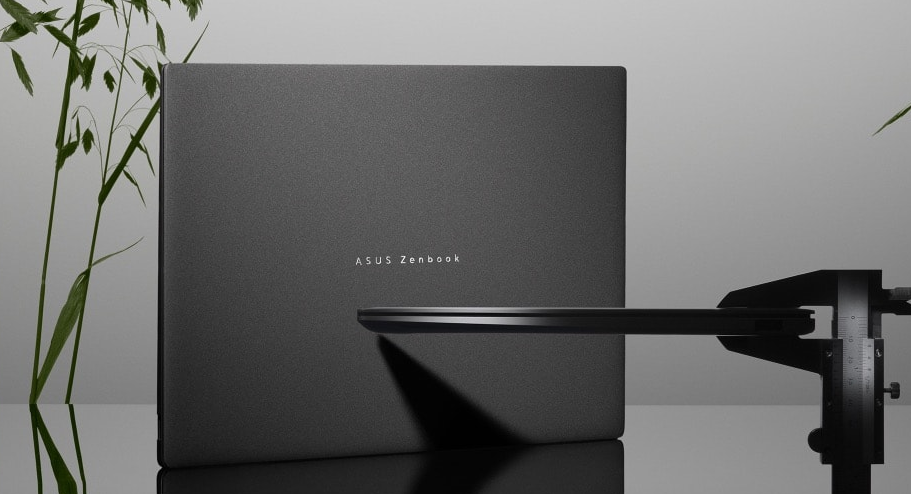
ASUS Zenbook S16
ASUS Zenbook S16

While we’ve talked about some of their strong points, it is important to clarify that mini PCs are not replacing laptops. Rather, they are redefining desktop experiences for users who don’t require portability but need a small computing machine. Laptops excel in mobility, making them ideal for students, remote workers, and others who need productivity on the move. On the other hand, mini PCs are still built to be put in a fixed position. But these still deliver desktop class performance with flexibility and energy efficiency. The tiny computers sacrifice an included display and portability for higher performance, to bridge the gap between full-fledged PCs and laptops.

3. Why Mini PCs Are Popping Off in 2026

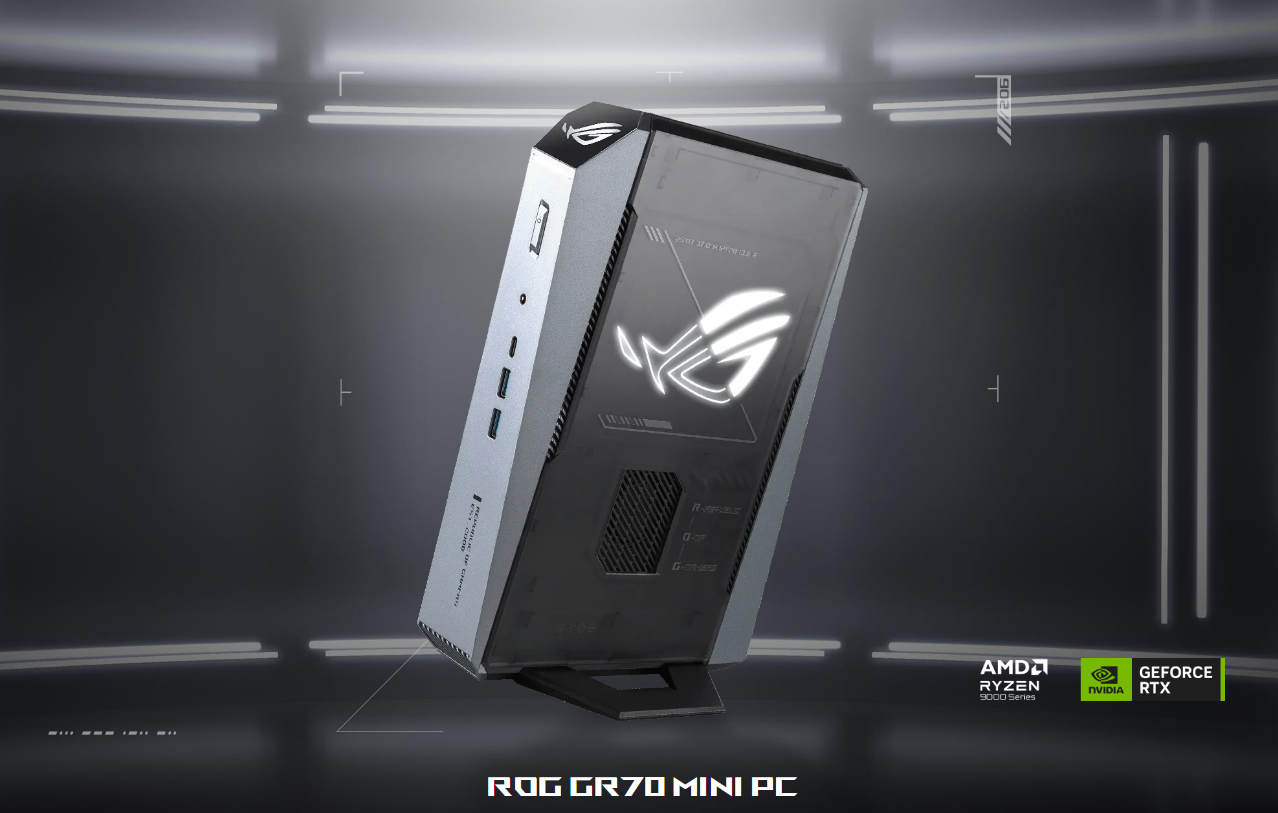
ASUS ROG GR70 Mini PC
  • Compact Form Factor: Mini PCs pack a serious punch into tiny enclosures. Unlike laptops, which must balance performance with battery life and compact internals, mini PCs can house more robust cooling solutions and higher-end components. All of this is on offer without taking up desktop space.
  • Energy Efficiency and Sustainability: With a growing emphasis on reduced energy consumption, mini PCs shine. Many models use low-power chips that achieve high performance per watt, contributing to sustainability goals in offices and homes. The reported 31% rise in low-energy device adoption showcases this shift.
  • Remote Work and Flexibility: Remote and hybrid work environments have amplified demand for flexible desktop setups. Mini PCs allow employees to have a powerful workstation at home without the bulk of a traditional tower.
  • Cost-Effective: A mini PC delivers better price-to-performance than comparably powered laptops. These also offer more raw performance per dollar when considering CPU and GPU intensive workloads.

4. The Takeaway

Mini PCs are winning in 2026 not because they’re better than laptops in every way, but because they fit a growing set of needs like performance, space efficiency, energy savings, and remote-friendly computing. Laptops will likely retain their much larger market share in portable computing and convenience, but mini PCs are cementing their place as a versatile desktop alternative. The result is a healthier, more diverse computing ecosystem that gives users more choice than ever before.

You can also click here to check out why the ASUS ROG GR70 Mini is the ultimate tiny PC for gamers.

For more daily updates, please visit our News Section.

Tech enthusiast? Get the latest news first! Follow our Telegram channel and subscribe to our free newsletter for your daily tech fix! ⚡

Thunderobot launches Mix Pro II Mini PC with Intel Core Ultra 200H CPUs, glass design & ARGB lighting

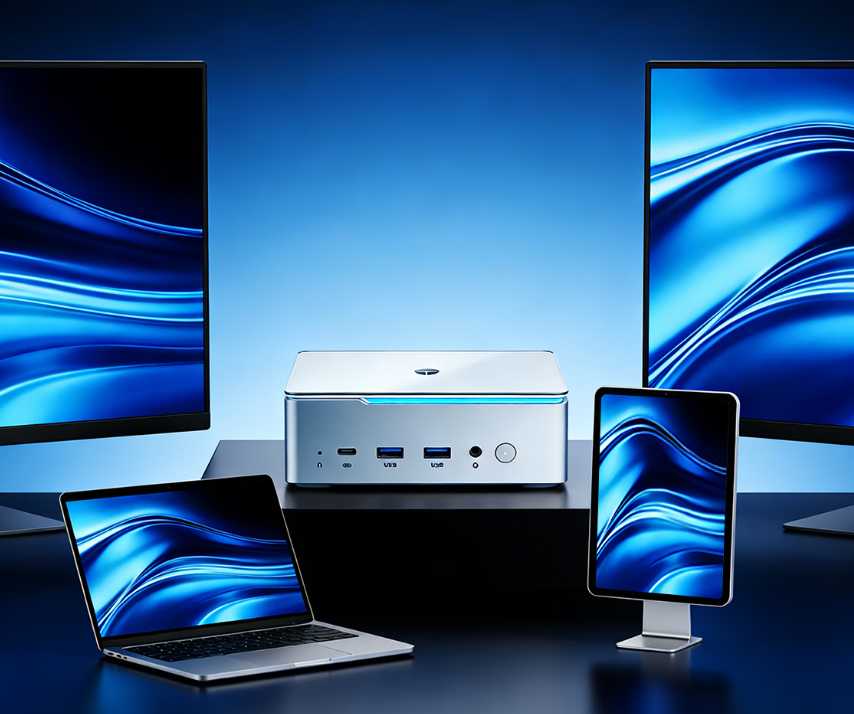
Thunderobot has launched its latest Mix Pro II mini PC in China. The compact desktop system features Intel’s latest Core Ultra 200H “Arrow Lake H” processors and targets users looking for AI-accelerated performance in a small, visually striking package.

Thunderobot Mix Pro II mini PC

Thunderobot Mix Pro II Specifications

The Mix Pro II comes in three configurations. The base model pairs the Core Ultra 5 225H with 32GB DDR5-5600 RAM and a 1TB PCIe 4.0 SSD. The mid variant upgrades to the Core Ultra 7 255H, while the top model features the Core Ultra 9 285H with 64GB RAM and 1TB storage.

The top-tier Core Ultra 9 285H processor is a 16-core, 16-thread chip with a boost frequency of 5.4GHz and 24MB L3 cache. It offers up to 99 TOPS of AI computing power. Thunderobot supports up to 65W sustained performance in Performance Mode.

All these systems come equipped with 64GB of DDR5-5600 memory (dual-channel) and support up to 128GB via two SO-DIMM slots. For storage, these include a 1TB PCIe 4.0 NVMe SSD and support up to 4TB through dual M.2 slots.

For cooling, the system features a Wind Blade cooling solution that includes a vapor chamber, a large fan, and heatsink fins, totaling 111,453 mm² in surface area.

Thunderobot Mix Pro II mini PC

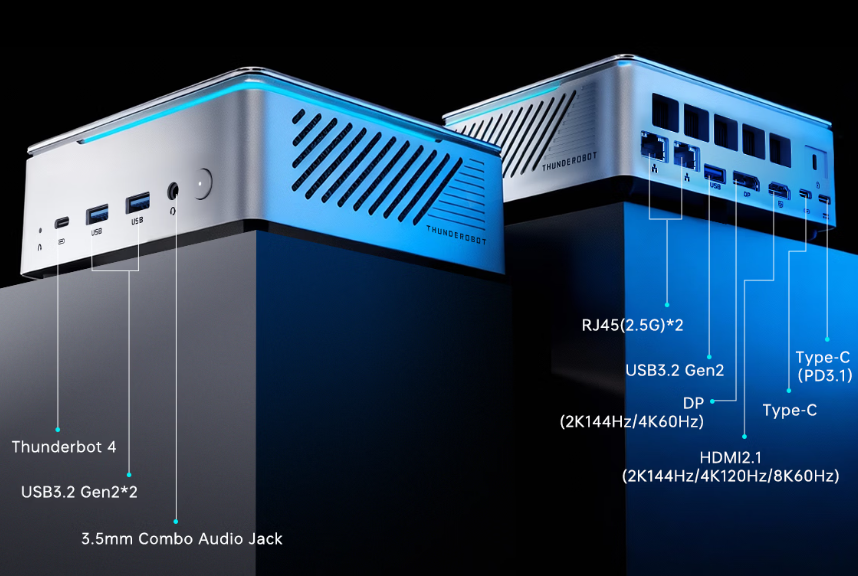
Design-wise, the mini PC uses a compact 0.9-liter chassis with a glass top and metal base. It includes an L-shaped ARGB light strip between the glass and metal body. Thunderobot provides a dedicated lighting control app with support for multiple modes, including breathing, static, meteor, and flowing colors.

In terms of connectivity, the Mix Pro II supports Wi-Fi 6E and Bluetooth 5.3 and includes dual 2.5GbE Ethernet ports. It also features a Thunderbolt 4 port, three USB 3.2 Gen 2 Type-A ports, one USB-C with DisplayPort, HDMI 2.1, and DisplayPort 1.4. The system supports output to up to four displays simultaneously.

Thunderobot Mix Pro II mini PC

The PC runs Windows 11 and includes a 140W GaN power adapter with PD 3.1 fast charging support. Dimensions are 140 x 138.8 x 51.4 mm, including the base feet.

Pricing and Availability

The Mix Pro II starts at 4,999 yuan ($700) for the Core Ultra 5 version, goes up to 6,999 yuan ($980) for the Core Ultra 7 model, and tops out at 10,499 yuan ($1,470) for the Core Ultra 9 configuration.

In related news, Beelink has recently launched the SER10 Max Mini PC powered by the Ryzen AI 9 HX 470 with 86 TOPS of AI compute, DDR5 memory, and USB4 support, while another new mini PC has debuted with an RTX 5070 GPU and up to 96GB of RAM.

For more daily updates, please visit our News Section.

Stay ahead in tech! Join our Telegram community and sign up for our daily newsletter of top stories! 💡

(JD)

Sony PS6 could feature 30GB of RAM, claims new leak

According to hardware insider Kepler_L2, the next PlayStation could ship with 30GB of GDDR7 RAM. That’s higher than earlier speculation pointing toward 24GB, and noticeably above the 16GB found in the current-generation PlayStation 5.

Why 30GB is a big deal

The leak claims Sony may use ten 3GB GDDR7 modules, delivering up to 640 GB/s of bandwidth on a 160-bit bus. For context, the PS5 tops out at 448 GB/s. On paper, that’s a serious increase in memory throughput.

What does that actually translate to? Potentially:

  • Larger, more detailed game worlds
  • Heavier ray tracing workloads
  • More consistent 4K performance
  • Better AI-based upscaling techniques
  • Extra headroom for developers over a long console cycle

It’s also worth noting that other rumors have mentioned a new AMD APU, possibly based on future Zen 6 CPU cores and next-gen RDNA graphics. While those details are still speculative, the memory configuration would fit that kind of hardware ambition.

The cost problem

Here’s where things get complicated. GDDR7 isn’t cheap right now. Demand from AI infrastructure and data centers has tightened supply, and memory pricing has been volatile. If Sony really commits to 30GB of high-speed memory, that adds up quickly.

Some community discussions argue that 20GB might be enough, especially if it helps keep the console’s launch price under control. A more aggressive memory configuration could mean pushing past the $600 mark, maybe even closer to $700 depending on market conditions at launch.

Of course, Sony also has to think long term. A console typically needs to stay relevant for six to seven years. Cutting memory early might save money upfront, but it could limit performance toward the end of the generation. That’s likely the internal balancing act happening behind the scenes.

For now, this is just a leak. Manufacturing timelines floating around suggest a possible 2027 or 2028 release, which means plenty can change between now and then. Still, if the 30GB figure turns out to be accurate, it would signal that Sony is prioritizing longevity and technical headroom, even if that comes with pricing pressure.

Don’t miss a thing! Join our Telegram community for instant updates and grab our free daily newsletter for the best tech stories!

For more daily updates, please visit our News Section.

(Source | Via)

HyperOS 3.1 vs HyperOS 3: Every Features, Changes, & Full Eligible Device List

Xiaomi’s HyperOS 3 was one of the company’s biggest software updates to date, introducing a refreshed UI, deeper AI integration, and revamped system features across phones, tablets, and beyond. Now, with HyperOS 3.1 rolling out in phases, Xiaomi is refining that experience with enhanced usability, performance improvements, and smarter integration both within its own ecosystem and with third-party devices. But what exactly has changed, and which devices will get the new version? Here’s a clear comparison between the HyperOS 3.1 and HyperOS 3 and the full list of eligible Xiaomi devices.

1. What HyperOS 3 Originally Brought

HyperOS 3.1 beta testing

The Chinese tech giant’s HyperOS 3 custom skin was based on the Android 16 OS. It introduced the Apple Dynamic Island inspired HyperIsland, which is an interactive notification, live activity interface that makes it easier to glance at music, calls, charging status, and more without leaving your current screen. The update also focused heavily on AI-powered tools, from writing tools to transcription.

All of this was wrapped in a cleaner user experience, smoother animations, and improved multitasking support. Devices with HyperOS 3 saw smoother performance, deeper cross-device connectivity, and an overall more refined Android experience compared to prior versions of MIUI and earlier HyperOS builds. The rollout has been staggered across models, with 95% of eligible devices having received this update already.

2. What’s New in HyperOS 3.1

HyperOS 3.1 update

HyperOS 3.1 isn’t a total overhaul, but it brings several meaningful refinements and quality-of-life improvements. This includes features like:

  • Super OTA – One of the biggest highlights is Super OTA, which is a next-gen update mechanism that applies system updates faster and more smoothly with minimal reboot time and fewer errors. This addresses one of Android’s longstanding update pain points, which is the long, intrusive update installs.
  • Smarter UI and Refinements – HyperOS 3.1 improves on core UI elements with smoother animations, refreshed system apps (like Gallery and Weather), expanded lock screen customisation, and more interactive elements in HyperIsland for a more polished experience.
  • Better Ecosystem & Third-Party Support – HyperOS 3.1 improves cross platform features too by adding native Apple AirPods support, enabling quick pop-up pairing and access to spatial audio on compatible earbuds. It also improves interoperability with other devices, making Xiaomi’s ecosystem more flexible.
  • Accessibility & Quick Gestures – New accessibility options have been reorganised for easier access, and select models gain quick gesture controls that make navigation and shortcuts more accessible.
  • Performance & Stability Updates – Under the hood, memory management improvements, smoother app launches, reduced frame stutters, and UI polish make day-to-day use feel more responsive compared to HyperOS 3.

3. All Devices Eligible for HyperOS 3.1

Xiaomi HyperOS Update
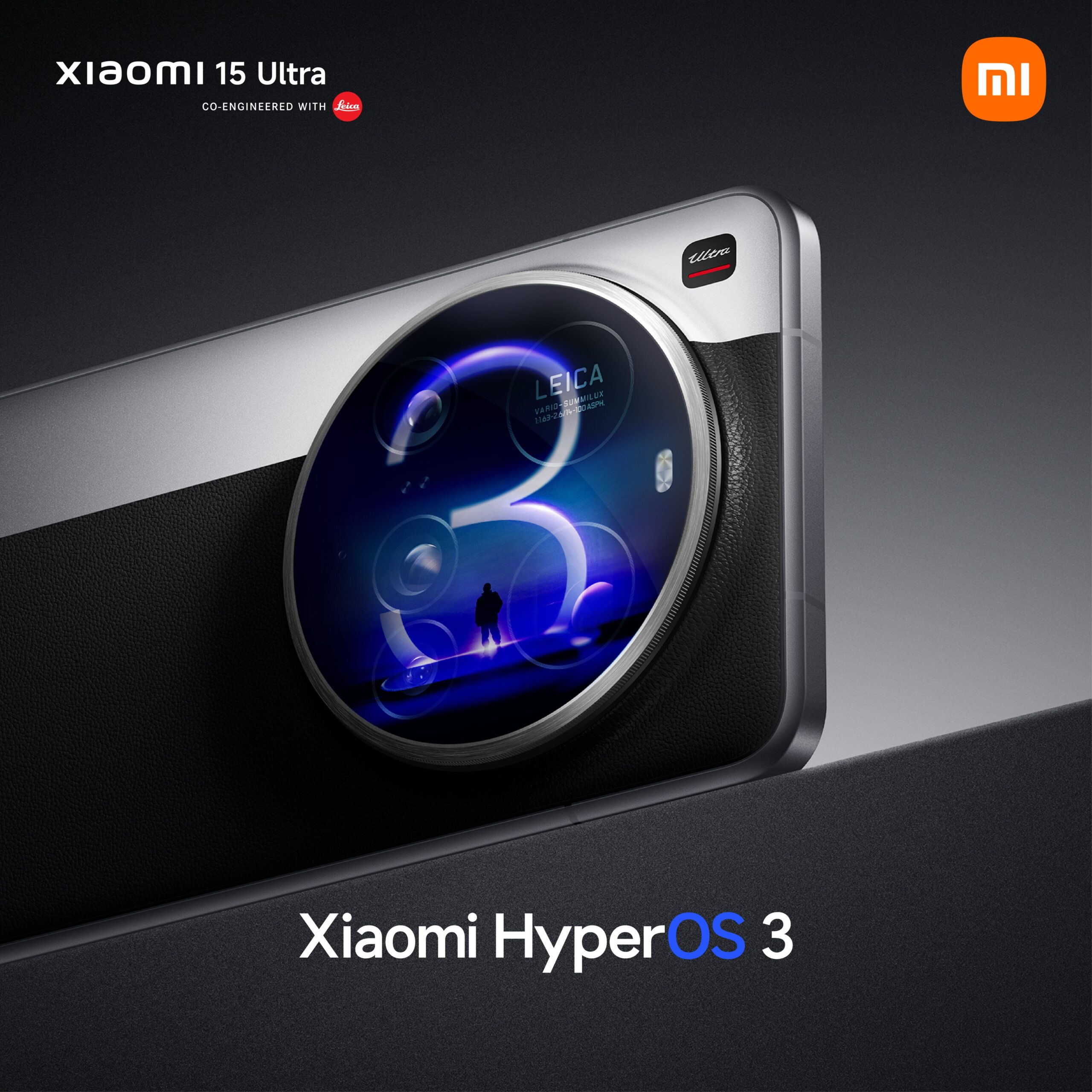
Xiaomi 15 Ultra

Here’s a list of all Xiaomi, Redmi, and POCO branded smartphones tand tablest that are set to receive the HyperOS 3.1 update.

Xiaomi

  • Xiaomi 13 / 13 Pro / 13 Ultra
  • Xiaomi 14 / 14 Pro / 14 Ultra
  • Xiaomi 15 / 15 Pro / 15S Pro / 15T / 15T Pro / 15 Ultra
  • Xiaomi 17 / 17 Pro / 17 Pro Max / 17 Ultra / 17 Ultra Leica & Leitzphone
  • Xiaomi Mix Fold 3 / Fold 4
  • Xiaomi Mix Flip / Mix Flip 2
  • Xiaomi Civi 4 Pro / Civi 5 Pro
  • Xiaomi Pad 7 / Pad 7 Pro / Pad 7 Ultra
  • Xiaomi Pad 7S Pro 12.5
  • Xiaomi Pad 6S Pro 12.4
  • Xiaomi Pad 8 / Pad 8 Pro / Pad Mini

Redmi

  • Redmi Note 14 Pro+ / Pro
  • Redmi Note 14
  • Redmi Note 14S
  • Redmi Note 15
  • Redmi Note 15 Pro / Pro+
  • Redmi Note 13R / Pro / Pro 4G
  • Redmi K90 / K90 Pro Max / K80 / K80 Ultra / K80 Pro
  • Redmi Turbo 4 / 4 Pro / 5 / 5 Max
  • Redmi K70 / K70E / K70 Pro
  • Redmi A3 / A3 Pro
  • Redmi Pad 2 / Pad 2 Pro / Pad 2 4G / Pad SE 4G
  • Redmi 13X / Redmi 15 4G

POCO

  • POCO F6 Pro
  • POCO F7
  • POCO X7 Pro
  • POCO Pad M1

Note: This list continues to evolve as the beta and stable rollout progresses. Furthermore, rollout happens in batches and may take weeks or months to reach all regions and variants.

For more daily updates, please visit our News Section.

Don’t miss a thing! Join our Telegram community for instant updates and grab our free daily newsletter for the best tech stories!

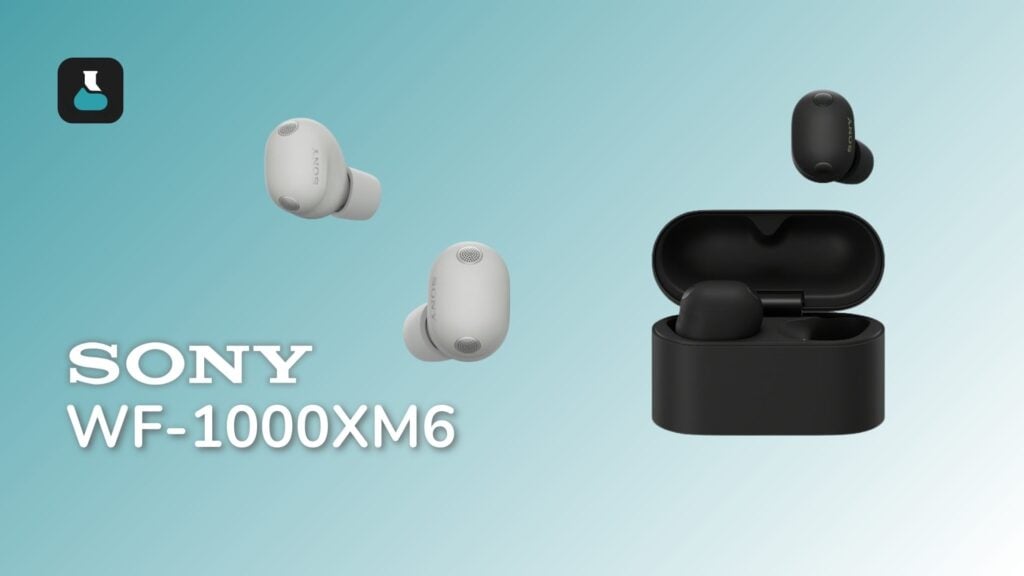
Sony WF-1000XM6 spec leak reveals key improvements days before launch

Sony’s next flagship earbuds, the WF-1000XM6, are officially launching on February 12, 2026, but thanks to a fresh leak, we already have a pretty solid idea of what’s coming.

The details come from well-known insider Billbil-kun, who has a strong track record with Sony launches. And if this leak holds up, the XM6 looks like a focused refinement rather than a dramatic overhaul, but with some meaningful upgrades where it matters.

The biggest change appears to be the new QN3e processor, which is reportedly three times faster than the chip used in the WF-1000XM5. That extra processing power should translate into smarter, more responsive active noise cancellation.

Sony is also increasing the microphone count from six to eight adaptive mics. Combined with an updated adaptive noise-canceling optimizer and three ambient sound modes, the XM6 should handle shifting environments more smoothly — whether you’re commuting, walking outdoors, or sitting in a café.

On the sound side, Sony seems to be refining the internal audio chain rather than reinventing it. The XM6 reportedly gets a new driver unit, along with an upgraded DAC and amplifier. The goal? Better clarity, improved dynamics, and more controlled bass response.

Support for Hi-Res Wireless via LDAC is expected to remain, along with DSEE Extreme for upscaling compressed tracks. Some reports also mention a 10-band EQ option in the app, giving users more control over tuning.

Featbone conductionures like 360 Reality Audio with head tracking and adaptive Ambient Sound are also expected to return, with improvements driven by the new processor.

Sony appears to be focusing on comfort as well. The earbuds are said to have a more ergonomic shape, improved airflow, and redesigned insulated ear tips for better passive isolation.

Battery life reportedly remains the same as the XM5: up to 8 hours with ANC on, plus another 16 hours from the charging case.

Sony is also improving call quality with beamforming microphones, bone conduction sensors, wind noise reduction, and AI-based voice processing. IPX4 water resistance and multi-device connectivity should carry over as well.

Don’t miss a thing! Join our Telegram community for instant updates and grab our free daily newsletter for the best tech stories!

For more daily updates, please visit our News Section.

(Source: @billbil_kun)

Redmi K90 Ultra & Redmi K Pad 2 Could Launch with 3 Speakers with Bose Tuning

Xiaomi’s next big launches might not just be about raw power and sharp displays; they could also bring a serious audio upgrade. A fresh leak has revealed that the brand’s next flagship phone and powerful compact tablet will feature a powerful audio system powered by Bose.

Bose-Tuned Speakers On the Redmi K90 Ultra & Redmi K Pad 2

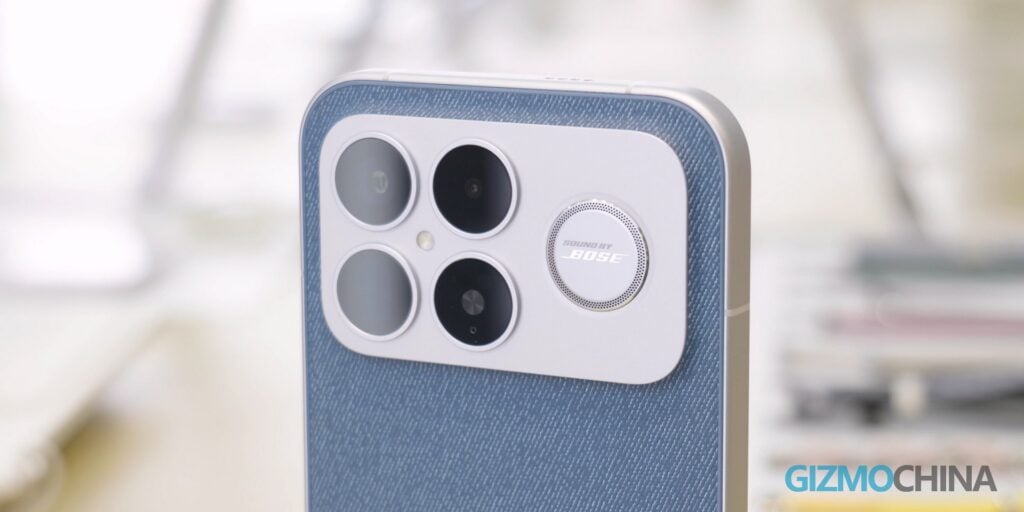
According to known tipster Smart Pikachu, both the Redmi K90 Ultra flagship phone and the Redmi K Pad 2 tablet are tipped to ship with speakers co-tuned with Bose, promising louder, richer sound compared with typical mobile audio systems. This would continue Xiaomi’s emerging partnership with audio giant Bose, following earlier devices like the Redmi K90 Pro Max that introduced Bose-tuned speakers and even a rear-mounted speaker module for more immersive sound.

Redmi K90 Pro Max
Redmi K90 Pro Max

So it’s not a surprise that the Redmi K90 Ultra is expected to be the next flagship to feature a similar three speaker system. This would offer a more immersive audio experience for gaming, movies, and music. The Chinese tech giant might debut in the global market as the Xiaomi 17T Pro, with a similar speaker configuration. Based on what we know so far, the K90 Ultra will reportedly pack a massive 8,500mAh battery pack along with a built-in cooling fan.

These specs power and cool a powerful Dimensity 9500 chip. Other notable features may include a tall 1.5K 165Hz OLED display, an ultrasonic in-display fingerprint sensor, 100W wired fast charging, and more. On the other hand, the Redmi K Pad 2 may debut globally as the Xiaomi Pad Mini 2, offering an 8.8-inch 3K display, a flagship level processor, and a larger 9,000mAh cell.

For more daily updates, please visit our News Section.

Tech enthusiast? Get the latest news first! Follow our Telegram channel and subscribe to our free newsletter for your daily tech fix! ⚡

Casio’s Latest G-Shock Baby-G Series Brings Playful Pastel Colors & See-Through Straps

Casio is back with another colorful twist on its popular rugged watches. This time, it’s mixing pastel-hued designs and a transparent strap model into its G-Shock/Baby-G lineup. The new BA-110PD-2A, BA-110PD-4A and BA-110PS-7A watches deliver lively looks while still packing the durability and everyday tech the brand is known for.

Casio G-Shock Baby-Gs go pastel & transparent

All three models in the new series sport polarized resin bezels, dials and straps that give them a glossy finish. The BA-110PD-2A comes in a cool blue tone, the BA-110PD-4A offers playful pink, and the BA-110PS-7A stands out with its pink/purple dial and a transparent band that feels modern and fresh. You also get heart shaped accents on the hour hand and at 3 o’clock for a quirky, fun touch to each watch.

Casio G-Shock Baby-G Watch with Pastel Colors and Transparent Strap

Apart from this, you also get two analog hands along with two digital displays for info at a quick glance. The duo supports world time (covering 48 cities and multiple time zones), stopwatch, timer, five daily alarms, LED backlight, and 100W water resistance for everyday ruggedness and weekend adventures. These are hybrid analog-digital watches, so you’re getting both a traditional watch look with more useful tools, and now with Baby-G’s pastel makeover.

Price & Availability

Casio has rolled out the new watches in Japan for about 16,500 Yen (around 105 US Dollars) for each model. These are also set to release later this month and are set to release globally soon. The popular watch maker recently announced two new Sheen series watches in the region, which bring a more sober yet elegant look with premium leather straps and solar power.

For more daily updates, please visit our News Section.

Don’t miss a thing! Join our Telegram community for instant updates and grab our free daily newsletter for the best tech stories!

Snapdragon 8 Elite Gen 6 Pro to feature LPDDR6 RAM, powerful GPU, primarily for ultra-premium flagships

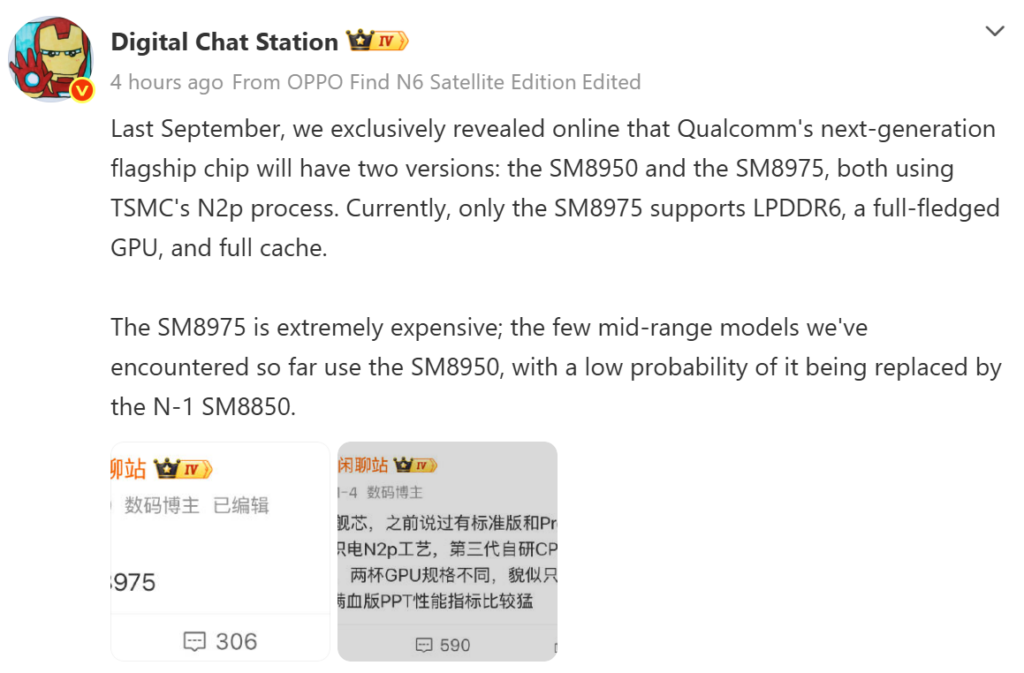
Qualcomm is said to be working on the next-generation Snapdragon 8-series chipsets. Reliable tipster Digital Chat Station has revealed that the brand is working on two variants with part numbers SM8950 and SM8975, which are tentatively dubbed Snapdragon 8 Elite Gen 6 and Elite Gen 6 Pro, respectively. In a new Weibo post, the same source has revealed a few more details about the next-generation Snapdragon 8-series chips.

Snapdragon 8 Elite Gen 6 to be support LPDDR6, carry expensive price tag

Snapdragon 8 Elite Gen 6 and Elite Gen 6 Pro in works

According to the tipster, the Snapdragon 8 Elite Gen 6 (SM8950) and Snapdragon 8 Elite Gen 6 Pro (SM8975) chips are said to be manufactured using TSMC’s advanced N2P process node, which indicates a move toward improved efficiency and higher performance capabilities compared to current-generation silicon.

Among the two, Snapdragon 8 Elite Gen 6 Pro is described as the more advanced variant, supporting LPDDR6 memory along with a fully enabled GPU configuration and a more complete cache setup. This suggests that Qualcomm could differentiate the two processors not only by performance but also by memory standards and graphics capabilities. The higher-end version is expected to carry a significantly higher cost due to the advanced hardware configuration.

A previous report suggests that the Pro variant will be designed to power Ultra-branded phones like the Xiaomi 17 Ultra, Oppo Find X10 Ultra, Vivo X500 Ultra, and so on. This chip may hit 5GHz or 6GHz of max processing speed.

Snapdragon 8 Elite Gen 6

The leak also mentions that several prototype devices currently being tested are equipped with the Snapdragon 8 Elite Gen 6 chipset as a middle-tier flagship option, while there remains a small possibility that some models may shift to an N-1 generation chip identified as SM8850, which is nothing but last year’s Snapdragon 8 Elite Gen 5. This indicates that manufacturers may adopt a flexible approach depending on pricing and positioning.

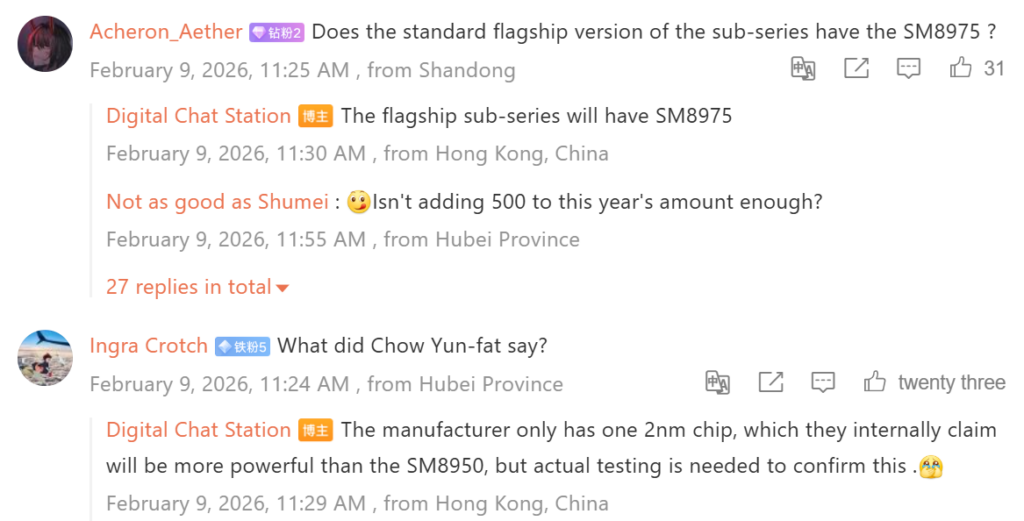
In response to queries in the comments section of his Weibo post, the tipster added that sub-brand flagship devices are likely to receive the Snapdragon 8 Elite Gen 6 Pro processor, hinting that premium offerings within subsidiary brands could adopt the highest-tier chipset. While the tipster did not specify the names of the phones, he could be talking about the likes of the Redmi K100 Pro Max, iQOO 16, Realme GT 9 Pro, and OnePlus 16.

Additionally, MediaTek is reportedly developing a single 2nm-based Dimensity 9600, internally expected to outperform Snapdragon 8 Elite Gen 6,valthough real-world testing will ultimately determine its standing.

For more daily updates, please visit our News Section.

Stay ahead in tech! Join our Telegram community and sign up for our daily newsletter of top stories.

itel A100 launches with military-grade durability, Ultralink feature

itel has officially launched the itel A100 smartphone in India, targeting budget-conscious buyers looking for durability and essential features at an affordable price. Some of its key highlights include a 90Hz display, a military-grade certification, Ultralink functionality, and a large battery designed for all-day use. With a focus on practical upgrades and accessible pricing, the new A100 aims to stand out in the sub-Rs 8,000 segment. Here is a closer look at its specifications, features, and pricing details.

itel A100 specifications and features

itel A100
itel A100

The itel A100 measures 8.49mm in thickness and features a 6.6-inch HD+ IPS display with a 90Hz refresh rate for smoother visuals. The panel uses a waterdrop-style notch design and is paired with DTS-powered audio for improved multimedia performance. The device also includes a Dynamic Bar interface that displays notifications, battery status, and alerts without interrupting ongoing tasks.

Powering the smartphone is an octa-core Unisoc T7100 processor, paired with either 3GB RAM with an additional 5GB virtual expansion or 4GB RAM with 8GB virtual expansion. Both variants include 64GB of internal storage. The handset packs a 5000mAh battery supported by a 10W charger, aiming to deliver reliable everyday usage without frequent charging interruptions.

The A100 runs on Android 15 Go Edition, offering a lightweight software experience optimized for entry-level hardware. The rear camera setup features an 8-megapixel sensor, while the front includes a 5-megapixel camera for selfies and video calls.

The A100 comes with Ultralink calling feature, which allows users to make free calls in areas with weak or no network coverage by leveraging alternative connectivity methods designed for emergency communication scenarios. However, this feature may only work on itel phones.

Additional features include face unlock, a side-mounted fingerprint scanner, an IR blaster for controlling home appliances, and a single DTS speaker for enhanced audio output. It comes with MIL-STD-810H military-grade certification, indicating improved resistance to drops, shocks, and everyday wear, aimed at enhancing durability for long-term usage.

itel A100 price and availability

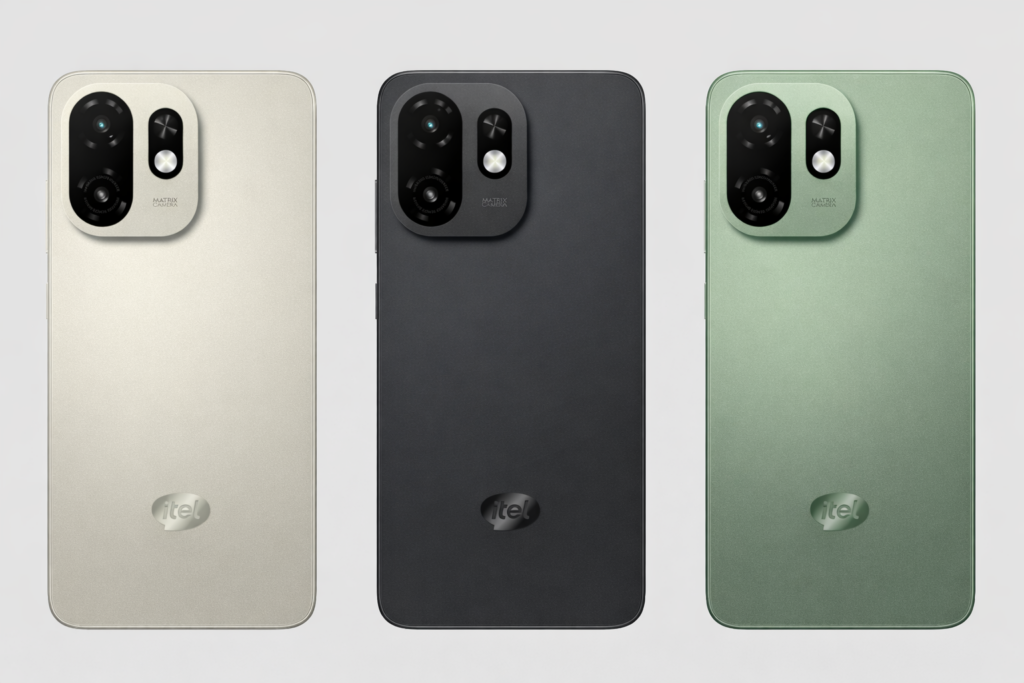
The itel A100 is priced at Rs 6,799 (~$75) for the 3GB RAM variant and Rs 7,499 (~$83) for the 4GB RAM version. Buyers can choose from Silk Green, Pure Black, and Titanium Gold color options. The device is currently available through retail stores across India and includes a free screen replacement offer within 100 days.

For more daily updates, please visit our News Section.

Stay ahead in tech! Join our Telegram community and sign up for our daily newsletter of top stories.

Lenovo Legion Y700 (2026) display specs officially revealed, config leak reveals 24GB+1TB version

In March, Lenovo will announce the Legion Y700 (2026) tablet in China. Last week, the brand rolled out its first teasers to reveal its rear design and color options. In today’s teaser, it has confirmed the display specifications of the device. At the same time, a leak courtesy of reliable tipster Digital Chat Station has revealed the configurations of the device.

Lenovo Legion Y700 (2026) display specifications

Lenovo Legion Y700 (2026) display
Lenovo Legion Y700 (2026) display specs

The Lenovo Legion Y700 (Gen 5) is officially confirmed to feature an 8.8-inch display that offers a 3K resolution of 3040 x 1904 pixels along with a 409ppi pixel density. The screen also offers 800nits of brightness, a DCI-P3 color gamut, and 12-bit color depth.

The above image also suggests that the Legion Y700 (Gen 5) could be equipped with dual USB-C ports. When held in landscape orientation, as shown in the image, it offers a USB-C port on the bottom and another one on the right.

Lenovo Legion Y700 (2026) configurations

Lenovo Legiion Y700 (Gen 5) variants leaked

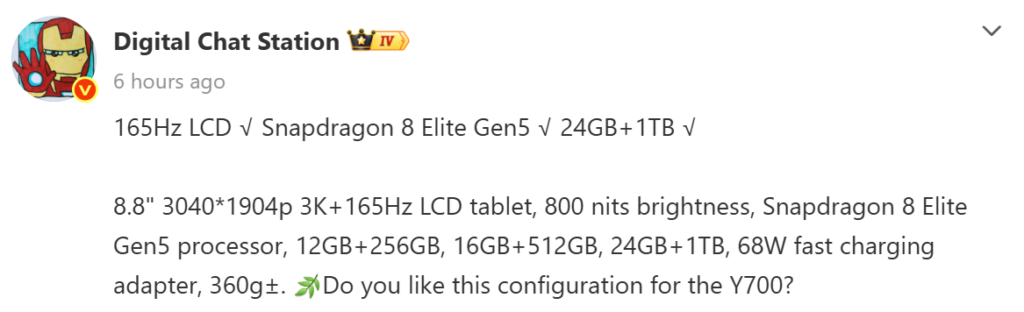
According to tipster DCS, the Legion Y700 (2026) will arrive in three variants, such as 12GB+256GB, 16GB+512GB, and 24GB+1TB. It will be equipped with the Snapdragon 8 Elite Gen 5 chipset, and a previous leak claimed that it may house a huge 9,000mAh battery. Today’s leak reveals that the tablet will offer 68W fast charging.

While Lenovo has not specified it, the fifth-generation Legion Y700 will arrive with an LCD panel like its predecessor. On the back, the device will feature a single 50-megapixel camera accompanied by an RGB ring LED flash. Buyers will be able to purchase the tablet in black and white color options.

With a March launch officially confirmed for China, the brand is expected to gradually reveal more details about the Legion Y700 in the coming days.

For more daily updates, please visit our News Section.

Stay ahead in tech! Join our Telegram community and sign up for our daily newsletter of top stories.