Popular smartphone brand POCO is rumored to be launching its X6 series soon. This comes after several devices from the series have been spotted on certification websites.
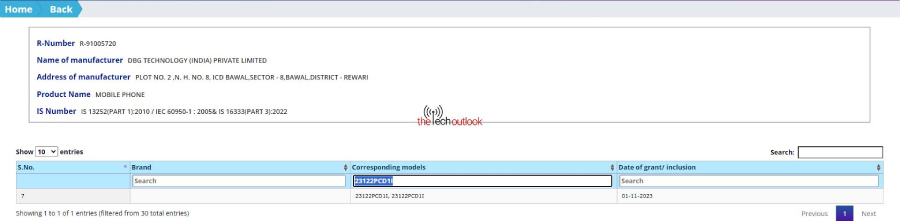
The most recent sighting is of a POCO device with model number 23122PCD1I on the BIS certification website. The moniker name has not been revealed, but it is suspected to be the POCO X6 Pro. A similar device was also spotted on the IMEI database recently.
Poco X6 Pro BIS certification
The BIS listing confirms that the POCO X6 Pro will be launching in India. Previous reports have suggested that the POCO X6 Pro will be a rebranded version of the Redmi Note 13 Pro, which was recently launched in China.
The POCO X6 5G is also expected to be launched soon, and it is rumored to be a modified version of the Redmi Note 13 5G.
The Redmi Note 13 Pro features a 6.67-inch AMOLED display with a 120Hz refresh rate, a Snapdragon 7s Gen 2 processor, and a 200MP triple-camera system. The Redmi Note 13 5G, on the other hand, features a 6.6-inch AMOLED display with a 120Hz refresh rate, a MediaTek Dimensity 6080 processor, and a 108MP dual-camera system.
POCO has not yet announced a launch date for the X6 series, but the BIS certification listing suggests that the launch is imminent.
Volkswagen Group’s software subsidiary CARIAD has announced a partnership with Chinese smartphone maker Vivo to develop innovative smart car connectivity solutions.
The two companies have established a joint lab in China called the Mobile x Mobility Fusion Joint Innovative Lab (abbreviated as M Lab) to focus on research and development in areas such as bidirectional synchronization between smartphones and smart cars, integration of user data inside the vehicle, and seamless connection of intelligent applications.
The goal of the collaboration is to create a seamless and smooth digital mobility experience for consumers. The joint lab will work on developing new software and hardware solutions that will enable smartphones and smart cars to communicate with each other more effectively.
This will allow users to control their vehicles remotely, access vehicle data and services from their smartphones, and enjoy a more personalized and convenient driving experience.
The partnership is also aimed at helping CARIAD further enhance its independent R&D capabilities in the field of smart connectivity and better integrate its innovations into the Chinese local digital ecosystem. Vivo’s in-car system has already covered 160 million smartphone users in China, giving CARIAD access to a large and growing user base.
“We firmly believe in the concept that ‘going alone may be fast, but going together can go further.’ Vivo is committed to contributing to the progress and development of the entire industry with an open and collaborative ecological mindset,” said Zhou Wei, Vivo’s vice president.
The partnership between CARIAD and Vivo is a positive development for the automotive industry. It is likely to lead to the development of new and innovative smart car connectivity solutions that will make it easier and more convenient for people to use their smartphones and smart cars together.
Elon Musk‘s AI startup, xAI, has released a new AI chatbot called Grok, to rival the growing popularity of Generative AI. Grok functions similarly to ChatGPT, answering questions posed by users based on information generated by a large language model.
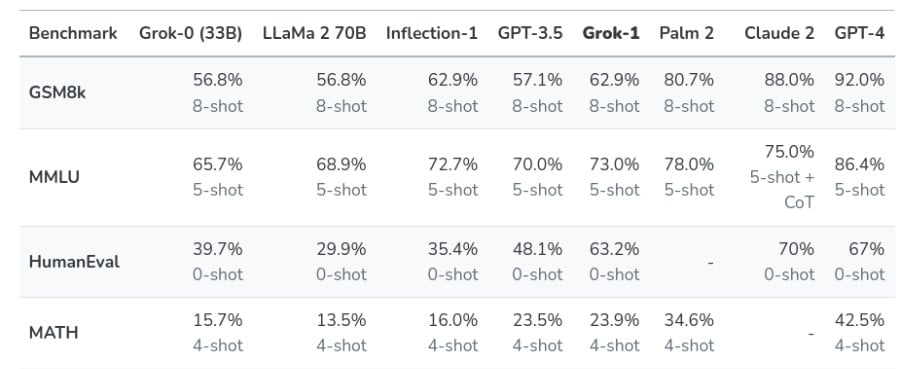
However, it supposedly outperforms ChatGPT-3.5 in several academic tests, including math and coding.
Grok’s release comes after the success of OpenAI‘s ChatGPT, a project that Musk himself helped to found. With xAI now taking the lead, Grok is poised to not only answer user queries but also to ask its questions, inspired by the whimsical spirit of “The Hitchhiker’s Guide to the Galaxy.”
xAI unveils Grok
Grok is powered by a new engine called Grok-1, which has real-time access to information via the X platform. To assess its capabilities, xAI conducted a series of evaluations using standard machine learning benchmarks designed to measure math and reasoning abilities.
Grok outperformed all other models in its compute class, including ChatGPT-3.5 and Inflection-1. It was only surpassed by models that were trained with a significantly larger amount of training data and compute resources, such as GPT-4.
In addition to these benchmarks, xAI also hand-graded Grok on the 2023 Hungarian national high school finals in mathematics. Grok passed the exam with a C (59%), while Claude-2 achieved the same grade (55%), and GPT-4 got a B with 68%.
“It will also answer spicy questions that are rejected by most other AI systems,” xAI said in a tweet. “Grok is designed to answer questions with a bit of wit and has a rebellious streak, so please don’t use it if you hate humor!”
xAI said that Grok is still a very early beta product, but it is improving rapidly by the week. The company is also working on implementing more safety measures to ensure that Grok is not used maliciously.
Grok will be available on X Premium Plus for $16 per month, but it is currently only offered to a limited number of users in the United States.
HMD Global, the company that makes Nokia smartphones, plans to release new smartphones under its brand in 2024. This news was first announced by HMD Global CEO Jean-Francois Baril in September.
Recently, more details about the upcoming HMD smartphones have been revealed. According to a report by GSMChina, two new HMD Global smartphones are currently undergoing internal testing and have been spotted on the GSMA IMEI database. The model numbers of these smartphones are N159V and TA-1585.
It is believed that the TA-1585 model is a rebranded Nokia smartphone that could be relaunched under the HMD brand. However, the technical specifications of both models are still unknown.
HMD Global has not yet announced any official details about its new smartphones. However, the company’s vice president for India and APAC, Ravi Kunwar, stated to the Economic Times that the new brand will debut in the first half of 2024, with India as the primary target market.
It is unclear whether the two smartphones currently undergoing internal testing will be the first HMD-branded smartphones to be released. However, we can expect to learn more about the new HMD smartphones in the coming months.
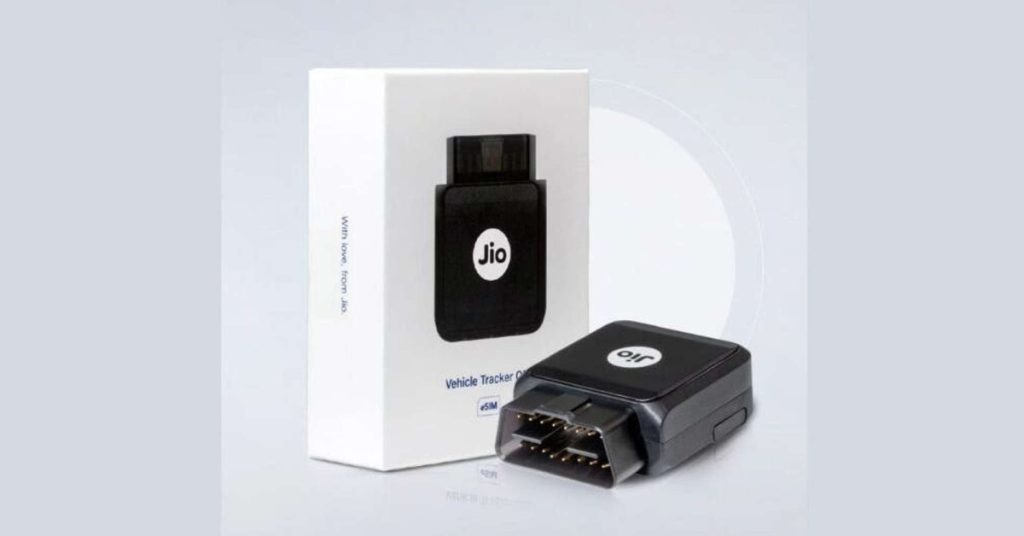
Reliance Jio has launched a new affordable car accessory called JioMotive (2023) in India. It is a Plug-n-Play OBD device that provides a range of smart features to keep your vehicle and you safe and connected.
For those unaware, An OBD (on-board diagnostics) is a device that taps into your car’s self-diagnostic capabilities to provide real-time data on its performance and potential issues. This data can be used to avoid costly repairs, improve maintenance, and ensure that your car runs smoothly.
JioMotive (2023) Features
Here is a detailed look at the features of the JioMotive (2023) device:
Real-time vehicle tracking: The JioThings app allows users to track the whereabouts of their car 24×7.
Geo and time fencing: Users can create geo-fences of any shape and size and receive instant alerts when their car enters or exits a geo-fence. They can also set time fences to receive alerts when their car is used outside of pre-defined hours.
Vehicle health monitoring: The JioMotive device monitors the car’s health and provides alerts for over 100 different diagnostic trouble codes (DTCs). This helps users to identify and address potential problems early on.
Driving behavior analysis: The JioMotive device analyzes the driver’s driving behavior and provides insights on aspects such as fuel efficiency, harsh braking, and acceleration. This can help users to improve their driving habits.
Other features: The JioMotive device also offers a number of other features, such as:
In-car Wi-Fi
Towing, tampering, and accident alerts
Speed tracking
10-second latency
JioMotive (2023) Price and Availability
The JioMotive is priced at Rs 4,999 in India and is available for purchase on Amazon, Reliance Digital, and Jio.com.
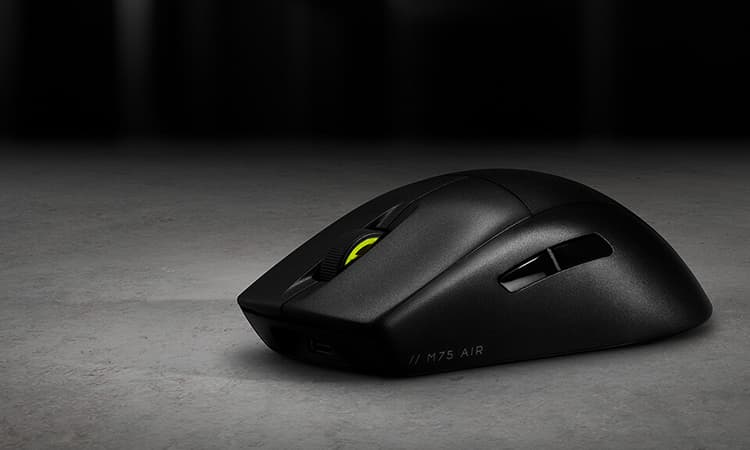
Corsair is a reputable company in the PC gaming and hardware industry, known for producing a wide range of products including memory modules, power supplies, cooling solutions, computer cases, and peripherals like keyboards and mice. They are recognized for offering a blend of performance and aesthetics with customizable RGB lighting.
The company has recently unveiled the M75 Air Wireless mouse, targeting FPS gamers seeking a blend of lightweight design and top-tier performance. Priced at $150 upon its U.S. debut, this mouse has now made its way into the Chinese market with a price tag of 1099 Yuan, featuring an enticing addition of RGB ambient lighting.
Corsair M75 Air Wireless Mouse Key Features:
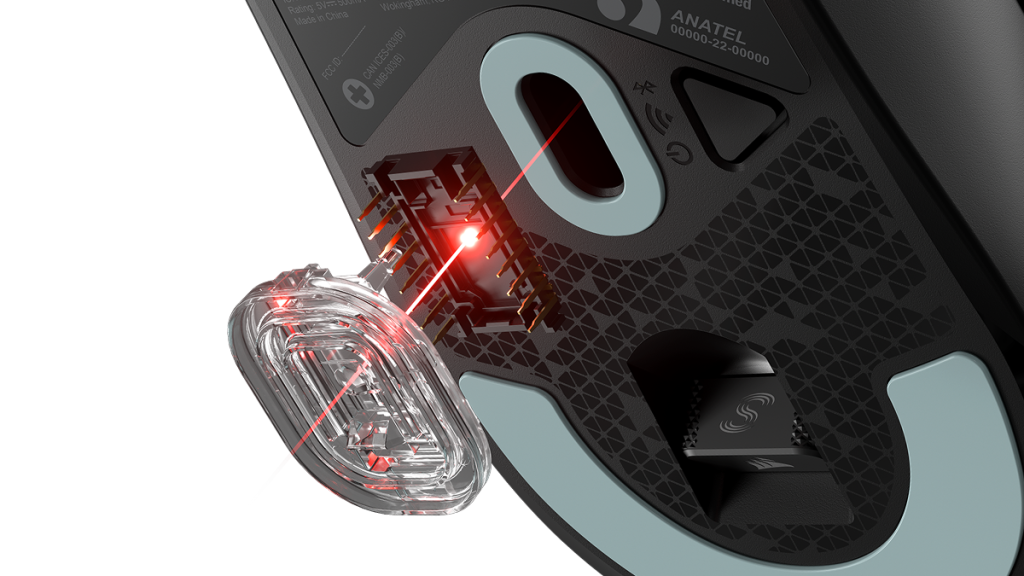
The M75 Air stands out in Corsair’s mouse lineup as their lightest gaming mouse, weighing just 60 grams. It boasts mouse feet crafted entirely from PTFE material, ensuring a frictionless glide across gaming surfaces. Powering this mouse is the high-precision Corsair MARKSMAN 26000 DPI optical sensor, capable of capturing even the slightest movements with pinpoint accuracy.
Engineered for lightning-fast response times, the M75 Air features Corsair QUICKSTRIKE buttons and optical switches for both left and right clicks, delivering instant feedback. It offers seamless connectivity options through SLIPSTREAM WIRELESS or Bluetooth, with an impressive battery life of up to 100 hours, ensuring uninterrupted gaming sessions. Additionally, it supports USB wired mode for charging while in use.
The M75 Air’s design is sleek and functional, with just five buttons for a streamlined gaming experience. Its symmetrical shape is designed for both comfort and performance, with separate buttons for precision. Two glide pads made from the same 100% PTFE material further enhance the mouse’s maneuverability.
Internally, the mouse packs a high-capacity battery. When connected via SLIPSTREAM, it can last for 34 hours with minimal latency, and in Bluetooth mode, it extends to an impressive 100 hours. The sensor can handle up to 50G of acceleration and a speed of 650 inches per second (IPS).
According to the company, the design of the M75 Air mouse is the result of a meticulous process aimed at achieving the ideal shape for competitive gaming.
Apple‘s recent performance in the Chinese smartphone market presents a mix of challenges and opportunities. Analyst Ming-Chi Kuo from TF Securities has pointed out a significant decline in iPhone shipments, particularly for the iPhone 14 Pro and iPhone 14 Pro Max models, due to supply chain issues at Foxconn. This decline resulted in a reduction of 12 million units in November 2022.
Illustration by: Soumyakanti Ray
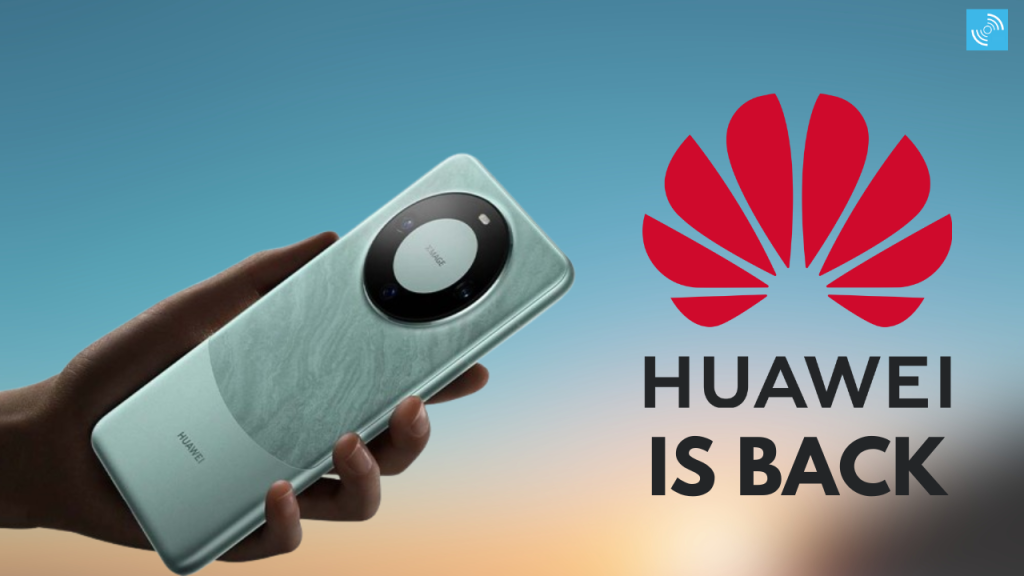
Huawei’s Rise Affects Apple’s Performance in China
Part of this downturn can also be attributed to Huawei‘s resurgence, which is driving structural changes in the Chinese market. Apple expects this trend to continue into 2024, leading to further weakening of shipments.
Despite facing challenges in the fourth quarter of 2023, with flat year-over-year revenue and a 3% drop in share prices following sales forecasts, Apple managed to narrowly exceed revenue estimates, reaching $89.50 billion. The lower-than-expected performance was due to sluggish demand for iPads and wearables, along with a slight decline in revenue in China. However, CEO Tim Cook remains optimistic, highlighting a record-setting sales quarter in September and emphasizing Apple’s commitment to the Chinese market.
This optimism is supported by price reductions for the iPhone 15 series on e-commerce platforms and Apple’s ongoing innovation efforts. Although Apple faces competition from Huawei’s Mate 60 Pro and regulatory challenges, the company’s strategy appears resilient, as evidenced by a recent increase in services revenue and Tim Cook’s visit to China.
On a global scale, Apple maintains a strong market share, leading ahead of Samsung. This strength is also reflected in India, where Apple has reported its highest-ever quarterly growth, with over 2.5 million iPhones shipped, indicating a 34% year-on-year increase.
This surge is attributed to consumers showing interest in premium smartphones, driven by financing options and attractive offers. Apple is expected to expand its market share from 4.5% to 6% in India, thanks to its focus on the market and local production initiatives.
Samsung takes a leap in mobile photography and videography with the launch of the Samsung 50MP ISOCELL GNK sensor, a promising successor to the popular 50MP ISOCELL GN1. This upgraded sensor brings significant improvements to the table.
While the GNK sensor shares similarities in size and pixel measurements with the GN1, it excels through the integration of smart technologies. Most notably, the sensor features Dual Pixel Pro autofocus, ensuring rapid focus and sharp images, even when capturing moving subjects.
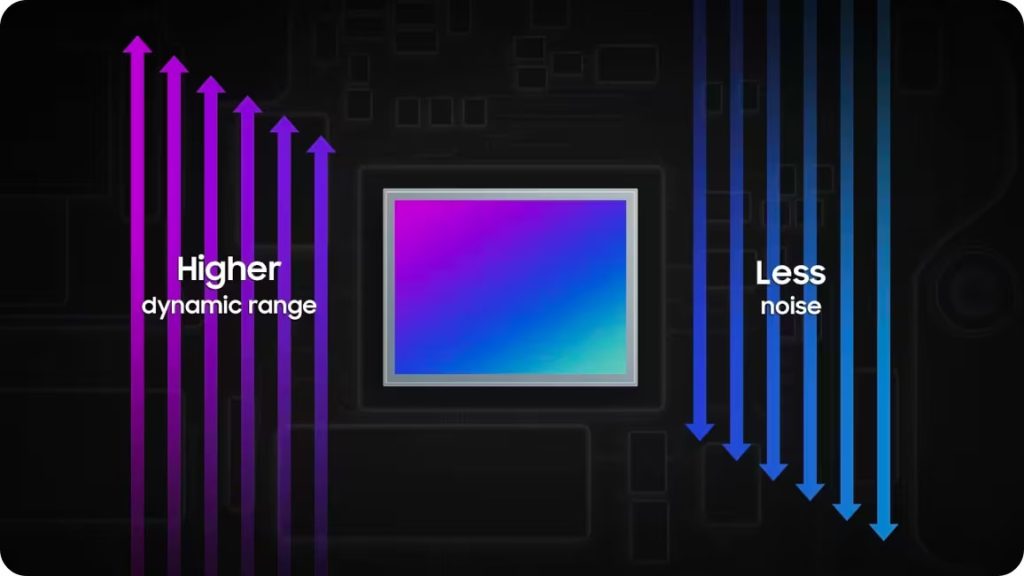
One standout feature of the Samsung 50MP ISOCELL GNK sensor is its expanded dynamic range, which can reach up to 120 dB. This feature allows for capturing a wide range of details in various lighting conditions. Additionally, in Pro mode, the GNK sensor can snap 14-bit RAW images, giving photographers more creative control and precision.
For video enthusiasts, the GNK sensor supports 8K video recording at 30fps without compromising the field of view. It also offers HDR video capabilities and the flexibility to shoot FHD footage at 240fps, catering to diverse videography needs.
Electric bikes are revolutionizing the way we travel, combining the convenience of motorized transport with the benefits of cycling. A notable trend is the rise of multi-battery systems to extend travel range. The concept is straightforward: more batteries mean more miles. For example, some new e-bikes allow riders to carry a single battery for a lightweight experience on short trips, while dual-battery setups are there for the long haul.
The bike offers a whopping 400 kilometres of range on a single charge
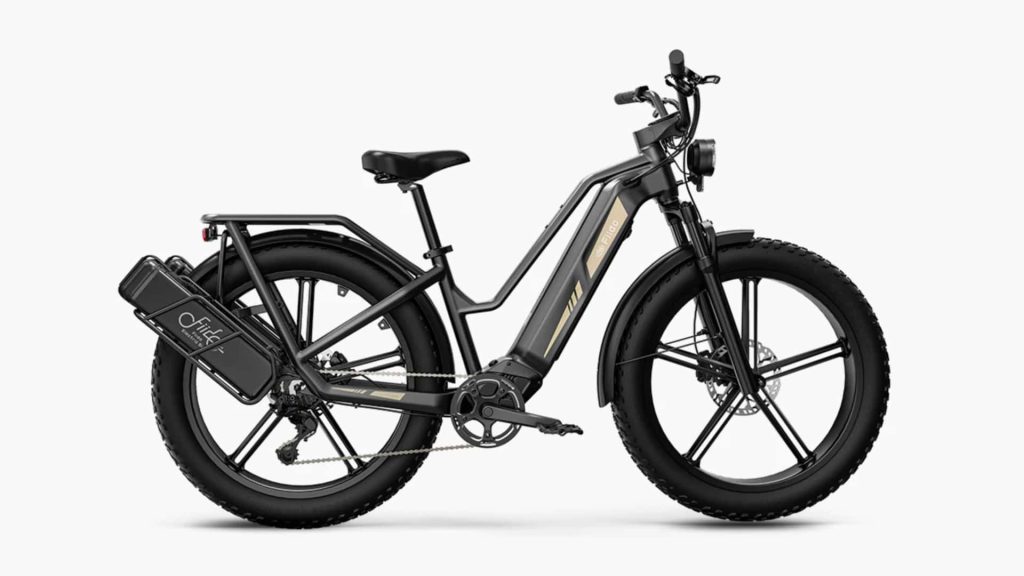
Enter the Fiido Titan, a game-changer from the Chinese brand known for quality yet affordable e-bikes. Breaking away from its usual small-sized offerings, the Titan is a robust, fat-tire bike designed for all terrains. It’s not just its size that makes a statement, but its triple battery system promising a staggering 400 kilometers of range on a full charge.
Designed to blend the lines between a daily commuter and a rugged mountain bike, the Titan boasts 4-inch wide tires, a low step-through frame suitable for a wide range of riders, and a suspension fork for added comfort. It’s not only built for comfort but for carrying heavy loads too, with a capacity of 200 kilograms and a convenient luggage rack.
Performance-wise, the Titan doesn’t lag behind. It’s equipped with a 750-watt motor, reaching speeds up to 45 km/h, and offers five levels of pedal assistance, adjustable via a handlebar display. The triple battery setup isn’t just for show; two are stored as spares, while one is integrated into the frame, ensuring you rarely run out of juice.
If the price is a concern, Fiido offers flexibility. The Titan, with its triple-battery setup, retails for $2,397 on their official site. But those looking for a lighter option can opt for a single battery model at $1,699. With such innovations, Fiido is carving out a new path in e-bike travel, where range and versatility meet affordability.
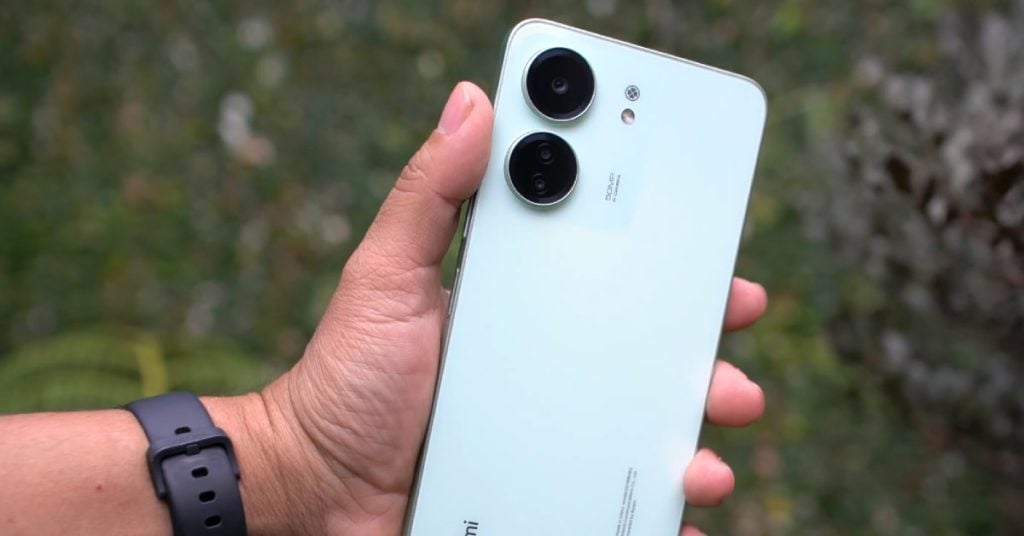
Redmi has a new smartphone pegged to launch soon in the global markets called the Redmi 13C. This smartphone was recently leaked in its entirety via a hands-on video. Now, the brand has officially released its images online, suggesting that a launch is near.
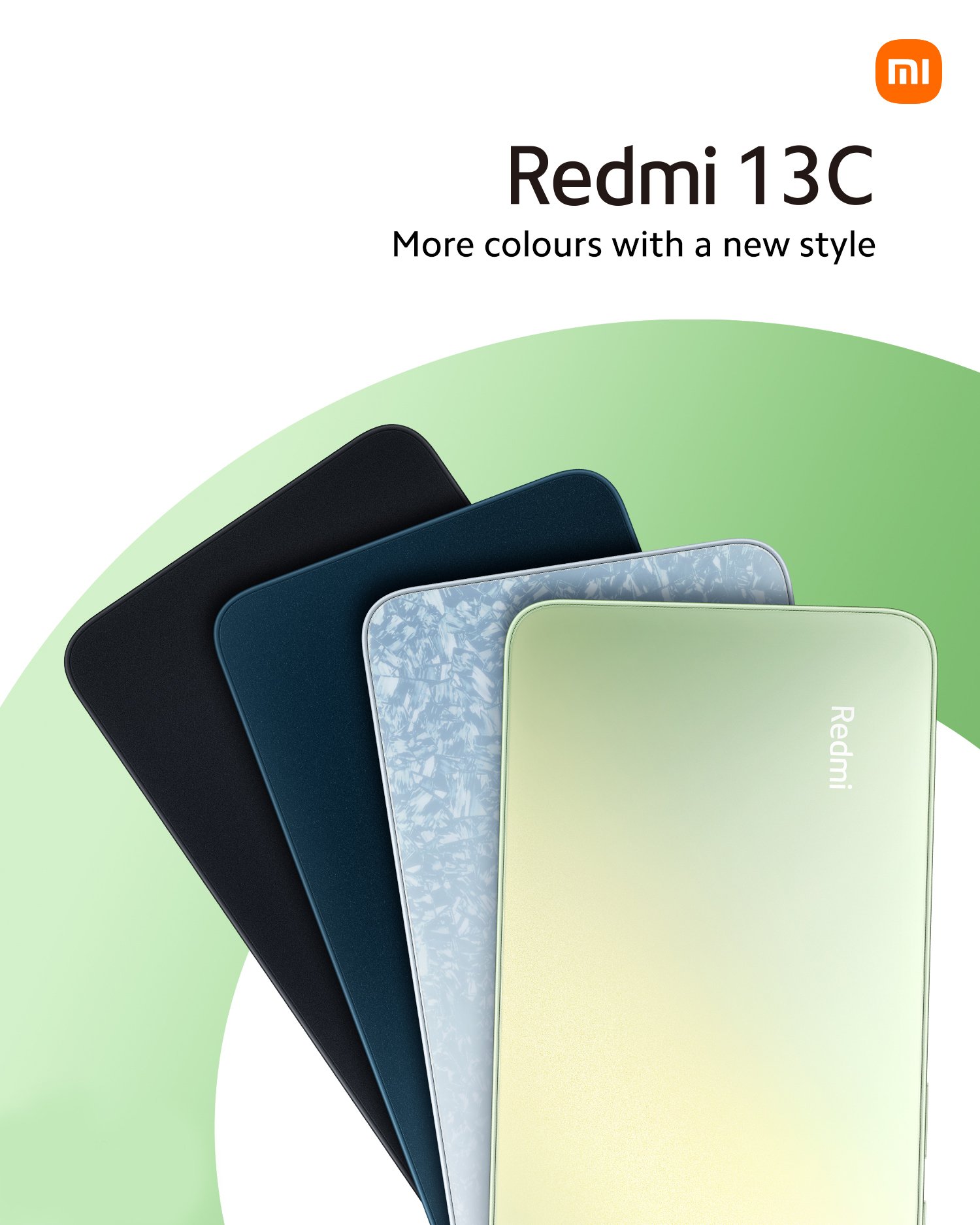
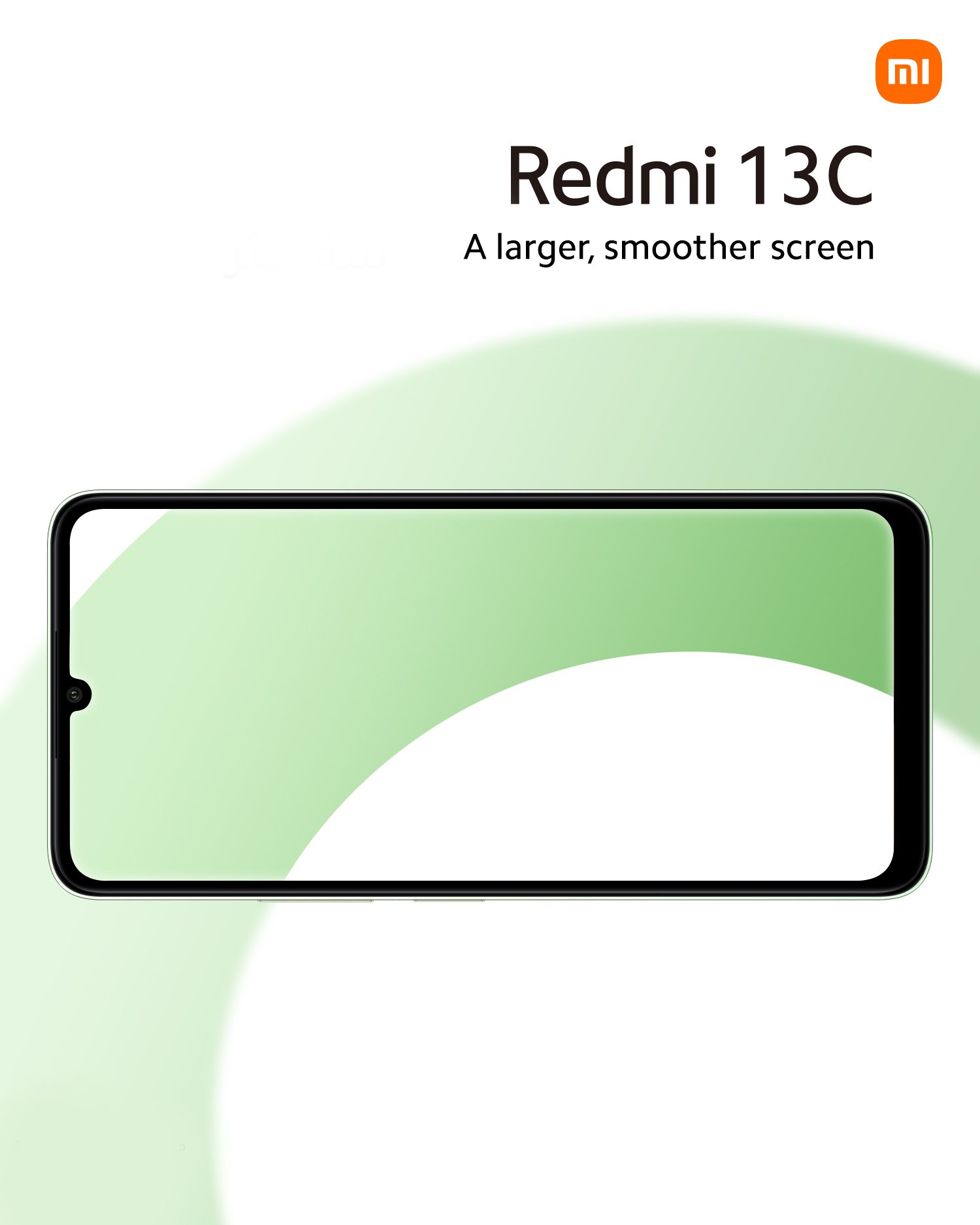
In a teaser posted on X (Twitter), Xiaomi states that ” The Redmi 13C is coming, and it’s bringing more colors, a fresh style, stronger and more stable performance, a larger and smoother screen, plus cameras that guarantee greater accuracy and a clearer view!”
It also reveals images of the back and front panels of the device. Starting with the front, we can see that the smartphone features a thick chin and a thick forehead bezel with a water-drop notch for the camera. The back panel image reveals that the smartphone will come in four colors: Black, Blue, Light Green, and a light blue shade that resembles the snowstorm white color variant of the Poco F5. Here are the other details about the Redmi 13C.
Redmi 13C specs
The recently leaked video has revealed that the Redmi 13C boasts a 6.59-inch IPS display with a Full HD+ resolution and a refresh rate of up to 90Hz. Notably, it features noticeable bezels on all sides and a teardrop notch on the front. The phone sports a plastic build on the back and is available in glossy finish variants of green, blue, and black.
Redmi 13C live image
In terms of its camera capabilities, the rear setup includes a 50MP main sensor, an 8MP ultrawide sensor, and a 2MP depth sensor, while the front camera is an 8MP unit.
Under the hood, it is powered by a Helio G85 processor, coupled with 8GB of RAM and 256GB of storage, expandable via a dedicated microSD card slot. The Redmi 13C runs on the Android 13-based MIUI operating system. For extended usage, it packs a 5,000mAh battery with support for up to 18W charging through a USB-C port.
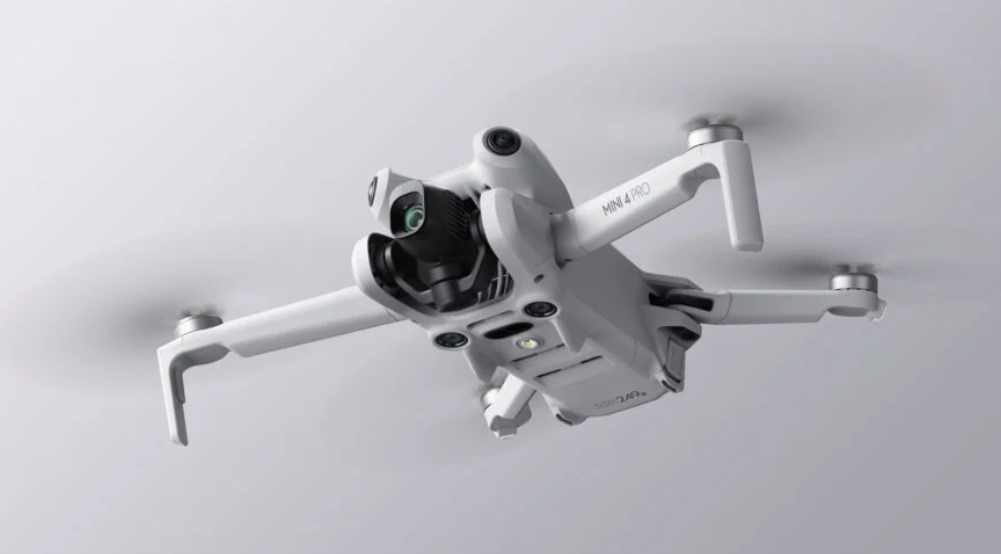
In response to swirling rumors on social media platforms claiming that DJI, the renowned drone manufacturer, has been fined a staggering $6 billion for alleged patent infringement in the United States, the company swiftly issued a statement on October 31 vehemently denying the speculation.
DJI’s Senior Director of Strategic Planning and External Communications, Christina Zhang, refuted the claims, clarifying that the accurate settlement amount, as determined by the jury in April of this year, stood at $279 million US dollars.
Zhang emphasized that the case remains under trial, and as of the present, no updated judgment information has been provided. DJI adamantly contested the jury’s decision, stating firmly that their products do not employ Textron’s technology. Textron, a military helicopter company, had accused DJI, a civilian drone manufacturer, of patent infringement.
DJI argued that the technologies in question were fundamentally distinct, with the core patent cited by Textron filed in 2011. Remarkably, DJI had already incorporated this technology into its XP3.1 model, released back in 2009.
Given these circumstances, DJI expressed its intention to explore further legal avenues, contemplating the possibility of continuing its appeal. The company maintained confidence in the legal process, believing that local laws would ultimately deliver a fair and just resolution to the ongoing dispute. As the case continues to unfold, DJI remains resolute in its position, refuting the rumors and reaffirming its commitment to defending its stance in the courtroom.
What is the DJI vs Textron case:
In 2021, Textron Inc., the U.S. aerospace company, initiated legal proceedings against Chinese drone manufacturer DJI Technology, alleging patent infringement related to drone flight control systems. The case, filed in federal court in Waco, Texas, accused DJI of willfully violating Textron’s patents with their drones’ automatic hovering capabilities.
After a week-long trial, the case culminated in a significant victory for Textron. The federal jury ruled in favor of Textron, awarding the company $279 million in damages. The jury found DJI guilty of infringing on Textron’s patents, despite DJI’s staunch denial and insistence on the dissimilarity between their technology and Textron’s military helicopter systems.
DJI responded to the verdict, expressing strong disagreement and affirming their determination to vigorously defend their legal rights. This ruling came amid broader concerns, as the U.S. Department of Defense had previously limited investments in DJI and other Chinese companies due to alleged connections with the Chinese military.
Throughout the legal proceedings, DJI maintained that their products were never intended or marketed for military use, emphasizing their civilian drone status. Despite their defense, the court ruled in favor of Textron, marking a notable legal victory for the U.S. aerospace company.
Stepping into the future of junior motocross, GasGas has unveiled the MC-E 2 Electric Dirtbike, a beginner-friendly ride for the little ones. This release marks a shift towards eco-friendly options in the youth segment of off-roading sports, a move that’s both innovative and practical.
The bike has safety features like a wrist lanyard
Perfect for children from approximately 3 to 7 years old, the MC-E 2 is a notable transition from non-motorized balance bikes to the thrilling world of motocross. What sets this model apart is its electric soul. It’s not just about quiet operation or zero emissions; it’s about a new, accessible way for kids to enjoy riding without the complexities of a traditional engine.
Economy and ease of use are at the heart of the MC-E 2 design. With over an hour of ride time on a single charge, it promises plenty of fun without frequent pit stops. Plus, its maintenance needs are minimal – no oil changes or chain adjustments here, thanks to its rear hub motor.
Speaking of performance, the bike offers a trio of power modes to match the rider’s growing confidence and skills. With a top speed of 21 mph, it ensures a safe yet exhilarating experience. The adjustable frame and high-quality WP suspension system are borrowed from GasGas’s adult models, ensuring that young riders get a taste of professional-grade equipment.
Safety is a priority with the MC-E 2. It comes with a wrist lanyard that stops the motor if the rider falls off, and a rollover sensor that automatically cuts power if the bike tips over. These features, along with robust hydraulic disc brakes, make it a trustworthy choice for parents.
The GasGas MC-E 2 is a glimpse into the future of junior motocross, blending the thrill of the sport with the benefits of electric power. It’s available through GasGas dealerships, and for those interested, a visit to GasGas’s website or a local dealer would be the best bet for the most accurate pricing and availability.
In a surprising turn of events, Apple Inc. found itself facing a 3% dip in its shares during after-hours trading as the tech giant’s sales forecast for the holiday quarter failed to meet Wall Street expectations. The disappointing forecast was attributed to weak demand for iPads and wearables, prompting concerns about the company’s overall market position.
CEO Tim Cook, however, attempted to allay fears, emphasizing the success of the new iPhone 15 models in China, where the company faced tough competition from local players like Huawei. Amidst these challenges, Apple reported a 2.5% decline in revenue from China in the fiscal fourth quarter, which transformed into growth after accounting for foreign exchange rates.
Chief Financial Officer Luca Maestri’s announcement that sales for the current quarter would resemble the previous year’s figures fell short of Wall Street’s optimistic projection of a 4.97% rise to $122.98 billion.
Despite the hurdles, Apple managed to beat Wall Street expectations in the fiscal fourth quarter, buoyed by increased iPhone sales and a $1 billion boost in services revenue. Sales figures totaled approximately $89.50 billion, slightly surpassing the estimated $89.28 billion. However, supply constraints for the high-end iPhone 15 Pro and Pro Max models proved to be a challenge for the company.
In China, sales dipped from $15.47 billion to $15.08 billion compared to the previous year’s fourth quarter. Still, Cook highlighted positive trends, stating that mainland China set a quarterly record for iPhone sales, with four out of the top five best-selling smartphones in urban China being Apple devices.
Analysts from Rosenblatt Securities and DA Davidson compared Apple’s situation to a “massive battleship,” symbolizing the slow progress and challenges faced by the company. These challenges were further compounded by the upcoming launch of Apple’s new product, Vision Pro, which is anticipated to have a sluggish start.
Despite these setbacks, Apple remains optimistic, predicting year-over-year growth in iPhone sales for the December quarter. The company continues to navigate declining revenues, striving to reinvent its product line for future growth.
Apple’s resilience is underscored by its substantial market capitalization, standing at $2.74 trillion, and its relatively high Price-to-Earnings Ratio of 28.97, indicating investors’ confidence in the company’s potential. Moreover, Apple’s management has displayed faith by aggressively repurchasing shares and maintaining dividend payments for 12 consecutive years, highlighting its financial stability and efficiency in generating earnings from its assets during challenging economic times.
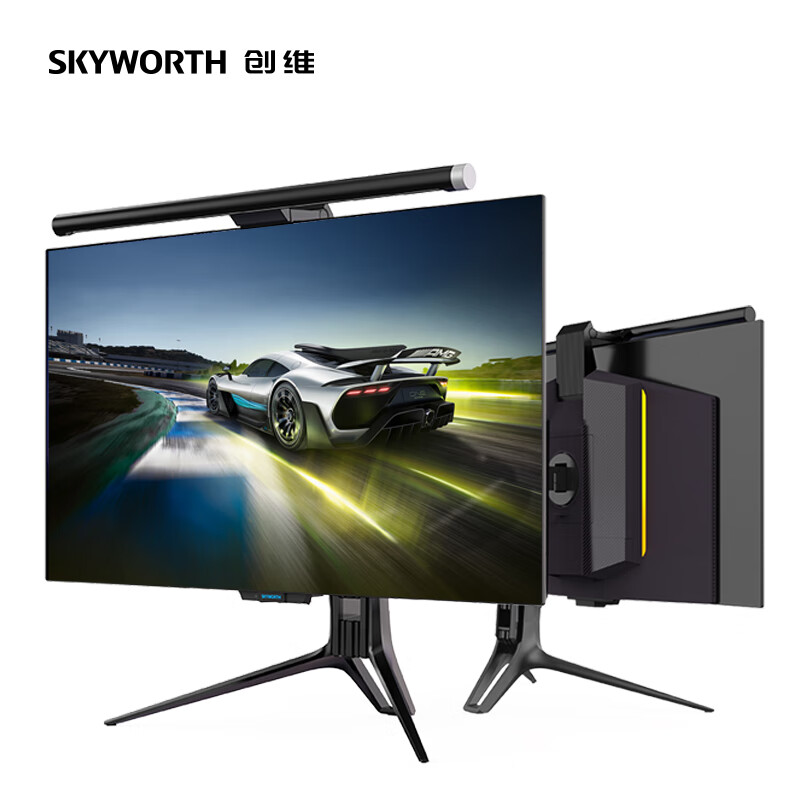
Skyworth has recently launched its latest monitor, the F27G80Q OLED, in the Chinese market, which is currently available for pre-sale. Priced at 4999 RMB (approximately $684), this monitor offers an impressive set of features.
Skyworth F27G80Q Key Features:
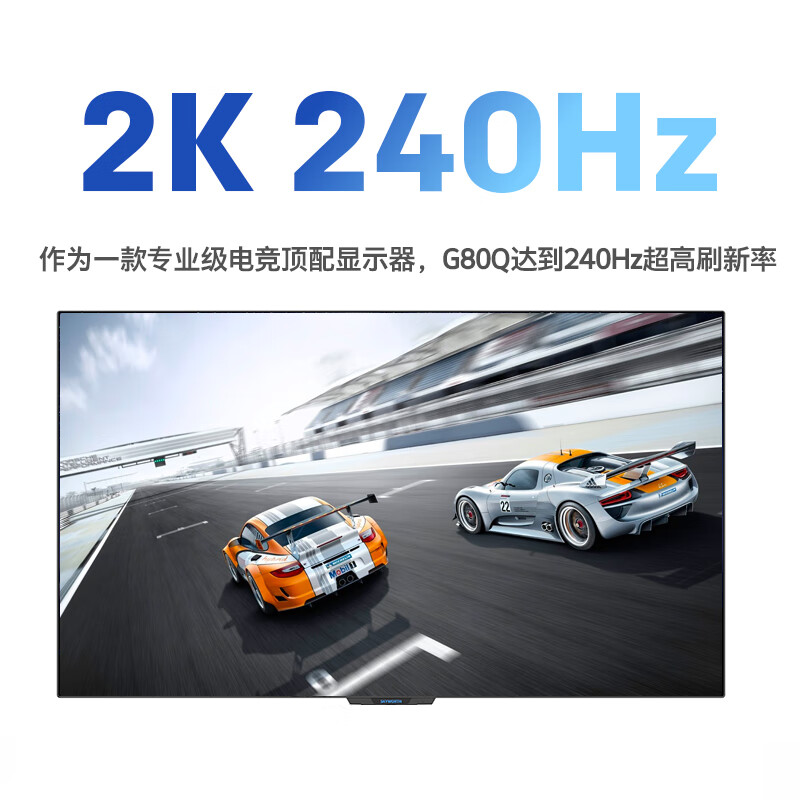
The standout feature of this monitor is its 27-inch OLED display with a 2K resolution and fast 240Hz refresh rate. It utilizes a self-illuminating OLED panel sourced from LG Display, providing a rapid 0.03ms response time, a wide 98.5% DCI-P3 color gamut, and an exceptional contrast ratio of 1.5 million:1. These specifications position it as a high-end option suitable for both gaming enthusiasts and professionals.
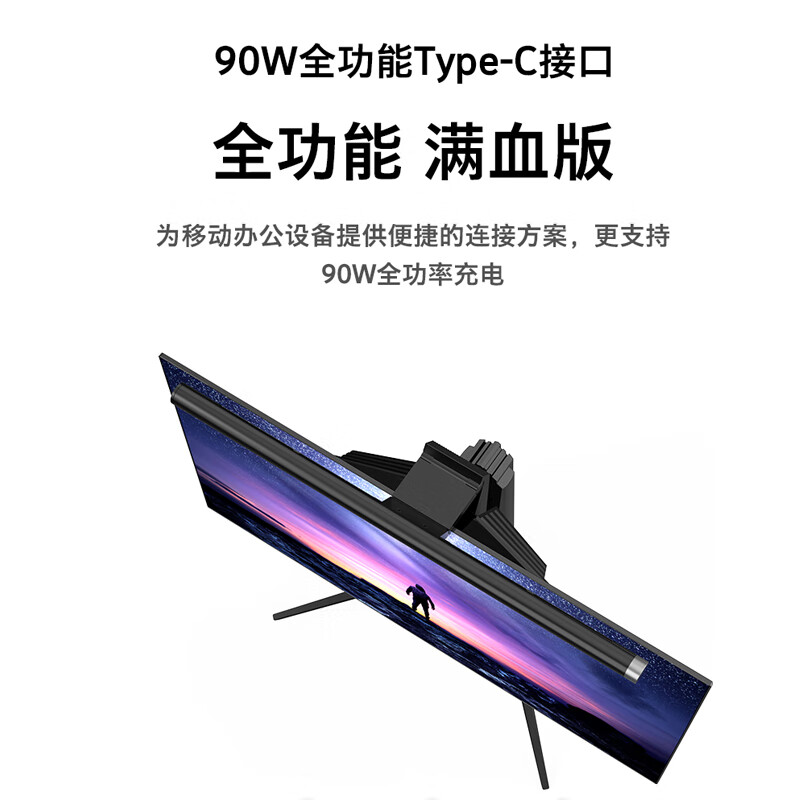
In terms of connectivity, the F27G80Q offers a comprehensive range of options, including HDMI 2.1, DP 1.4, USB 3.0, and a versatile 90W USB-C port. Notably, it places a strong emphasis on wireless functionality, supporting various protocols and devices for screen mirroring, including WiFi 5, Bluetooth, DLNA, Airplay, and Miracast. This extensive connectivity suite caters to diverse user preferences and the growing demand for wireless connections.
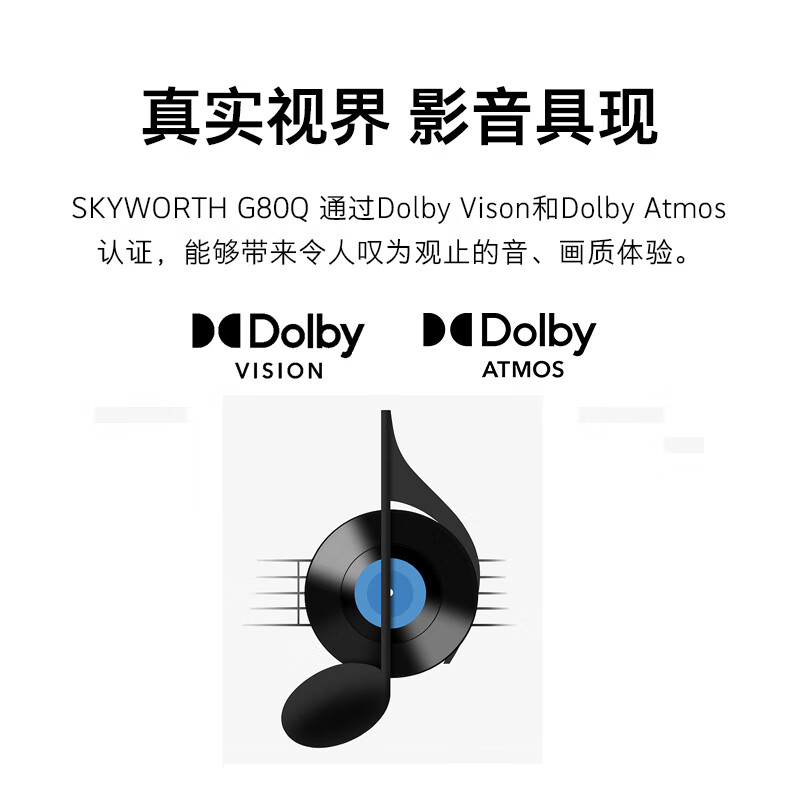
Skyworth has designed this monitor with dual systems in mind: a primary system optimized for gaming and a CoolOpen system dedicated to entertainment. Users can easily switch between these modes using a dedicated system switch button on the remote control, enhancing the overall user experience by addressing both gaming performance and multimedia entertainment needs.
The F27G80Q also prioritizes user comfort, featuring a magnetic screen-mounted ambient lighting system that reduces screen glare. This feature not only provides ideal illumination to reduce eye strain but also operates within safe parameters, emitting no harmful blue light and eliminating flicker. An integrated temperature sensor further enhances user comfort, particularly during extended gaming sessions.
Moreover, the G80Q monitor boasts a native 10-bit panel capable of displaying over 1.07 billion colors and supports HDR 400, ensuring vivid and accurate color representation.
It caters to various professional requirements, offering different color modes tailored for specialized fields such as graphic design, audio-visual editing, and gaming.
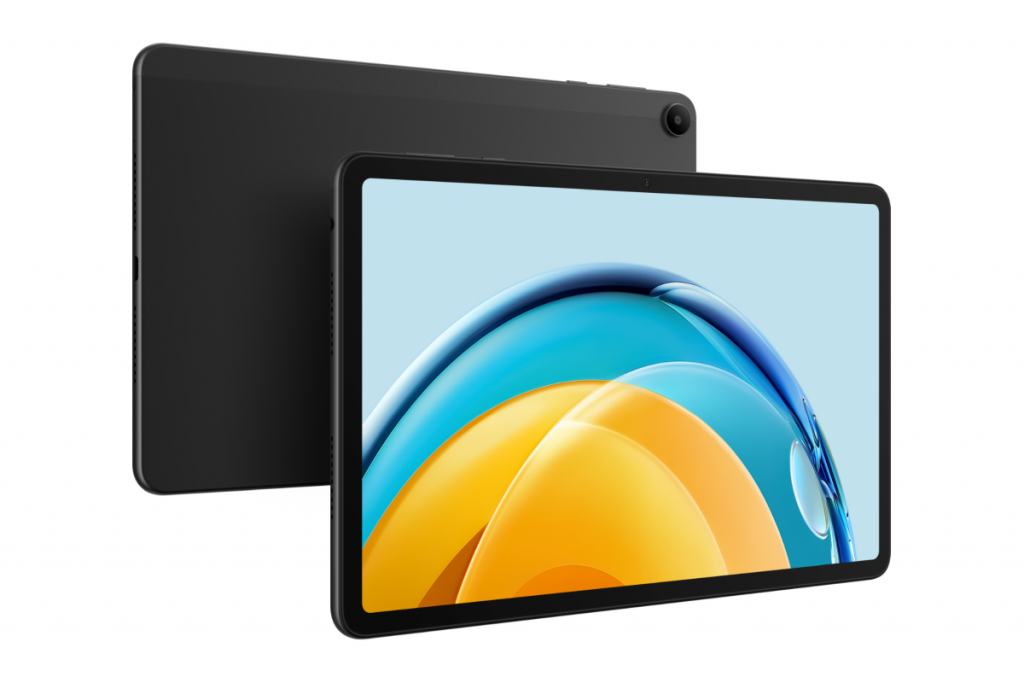
Last year, Huawei launched the MatePad SE 10.4 tablet in its domestic market along with in Europe. The tablet is yet to make its way to other Asian regions. That being said, it looks like that will happen soon as the tablet has been spotted on the IMDA certification database.
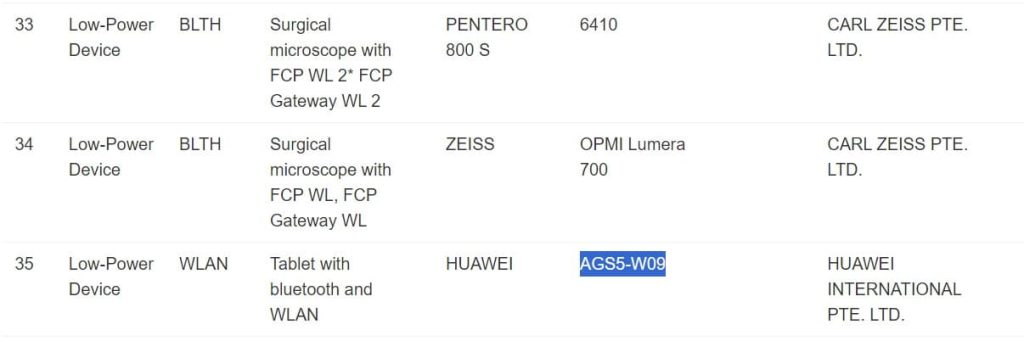
TheTechoutlook has spotted the Huawei MatePad SE 10.4 with model number AGS5-W09 on the IMDA certification database. It does not confirm any specification details, however, it does confirm that the Singapore authorities have greenlit the device to launch in the region. Let’s take a look at what we can expect on the hardware and features front.
Huawei MatePad SE 10.4 specs
The Huawei MatePad SE 10.4 sports a 10.4-inch IPS LCD display boasting a resolution of 2,000 x 1,200 pixels and an aspect ratio of 15:9. When it comes to security, the device relies on face recognition technology.
Under the hood, the Huawei MatePad SE 10.4 is equipped with the Snapdragon 680 chipset. The tablet offers two RAM options: 3 GB or 4 GB. You can choose from storage capacities of 32 GB, 64 GB, and 128 GB, with the flexibility to expand storage using a microSD card.
The tablet is equipped with a 5,100mAh battery that supports 10W charging. It features a 5-megapixel rear camera and a 2-megapixel front-facing camera.
ThunderRobot has released a new mechanical keyboard called ZERO 75 Retro Red in China, which is now available for purchase on JD.com at a price of 349 yuan ($48). Let’s delve into the specs of this keyboard.
ThundeRobot ZERO 75 Retro Red Key Features:
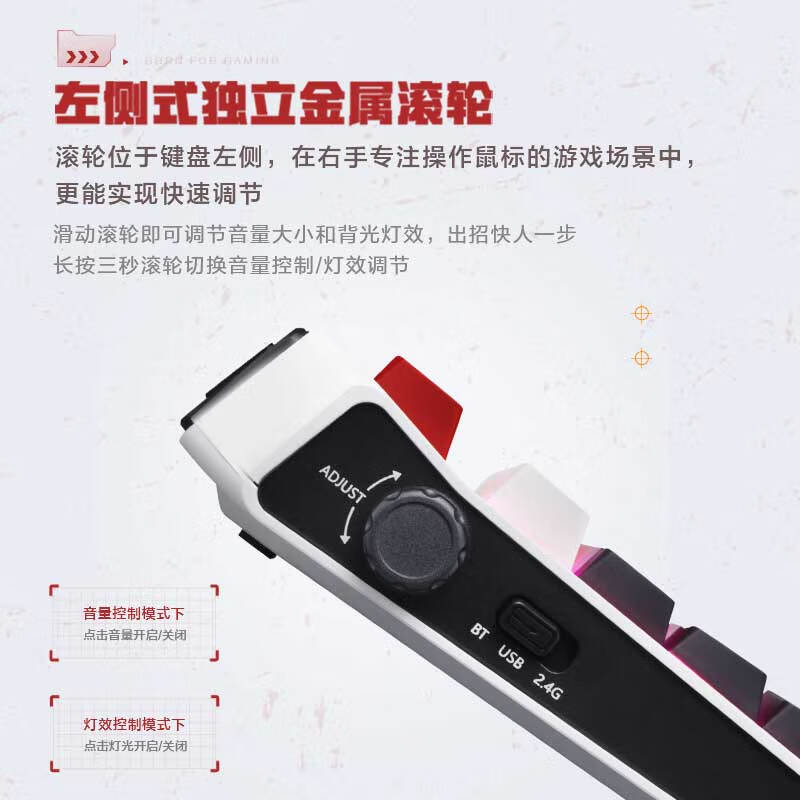
ThunderRobot ZERO 75 Retro Red boasts a compact 75% layout that conserves valuable desk space without sacrificing any keyboard functions. It supports hot-swapping, enabling users to change switches without the need for soldering. Furthermore, it offers triple-mode connectivity options, including Bluetooth, 2.4GHz wireless, and wired USB (Type-C), ensuring versatility for various setups and user preferences.
The keyboard‘s design prioritizes creating a quieter and softer typing experience. It achieves this through a Gasket structure, slotted PC positioning plate, and a comprehensive HiFi sound package, which includes an 8-fold foamed IXPE switch mat, silicone mat, PORON sandwich cotton, switch mat cotton, and an acrylic soundproofing plate—all working together to minimize cavity noise. Additionally, the ZERO 75 includes an independent metal roller on the left side for convenient volume and lighting control.
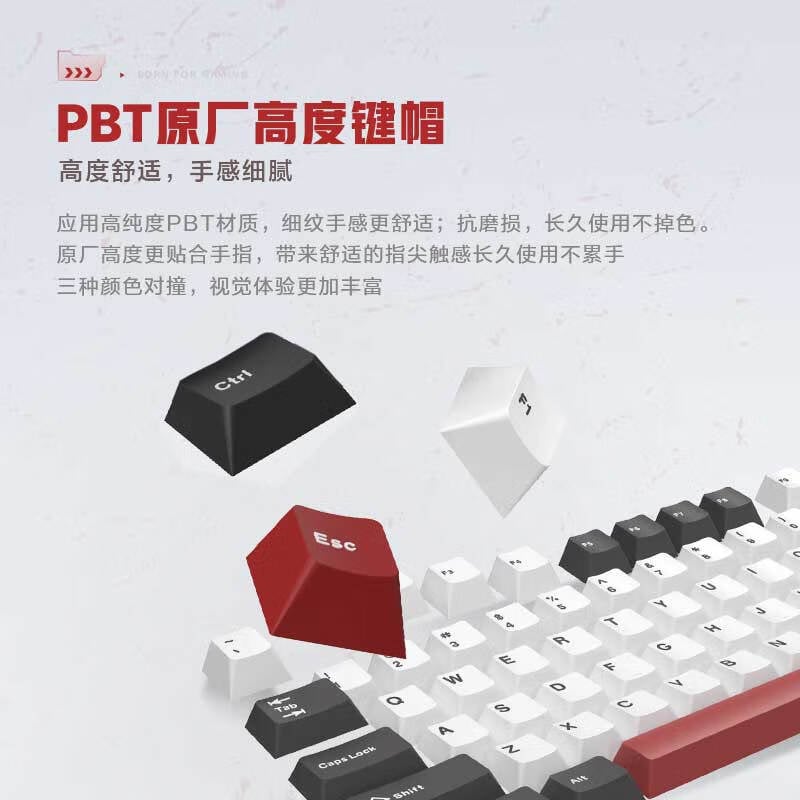
Central to the ZERO 75’s performance is the custom POM linear “Flame Switches,” engineered for over 70 million keystrokes with a 43g actuation force. These switches are complemented by high-profile PBT keycaps in a three-color scheme: Black, White, and Red, enhancing both visual appeal and providing a durable and comfortable typing surface that resists wear and fading.
For efficient power management, the keyboard features a low battery indicator and an auto power-saving mode that activates after 10 minutes of inactivity. Its built-in 4000mAh battery can last up to 43 days with the backlight off. Additionally, the keyboard can connect to up to five devices simultaneously.
The ZERO 75 also offers RGB backlighting with 16 preset effects for personalization. Users can further customize their experience using the keyboard’s exclusive driver, allowing for complex macro editing and key remapping.
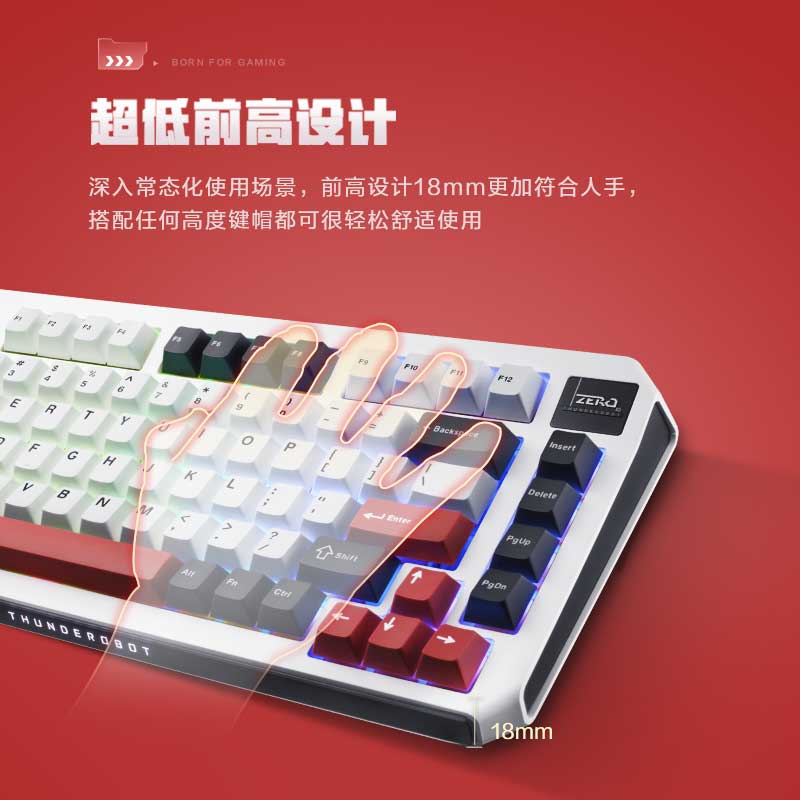
Designed with gaming in mind, the ZERO 75 doesn’t compromise on ergonomics. It features three adjustable angles for the back feet and anti-slip silicone for stability. Moreover, its ergonomic 18mm front height design ensures comfortable use. The upgraded T3 satellite axis provides smoother and more consistent key presses.
ThunderRobot has also recently introduced the ML903 Black Transparent mouse in China, priced at 249 yuan ($34).
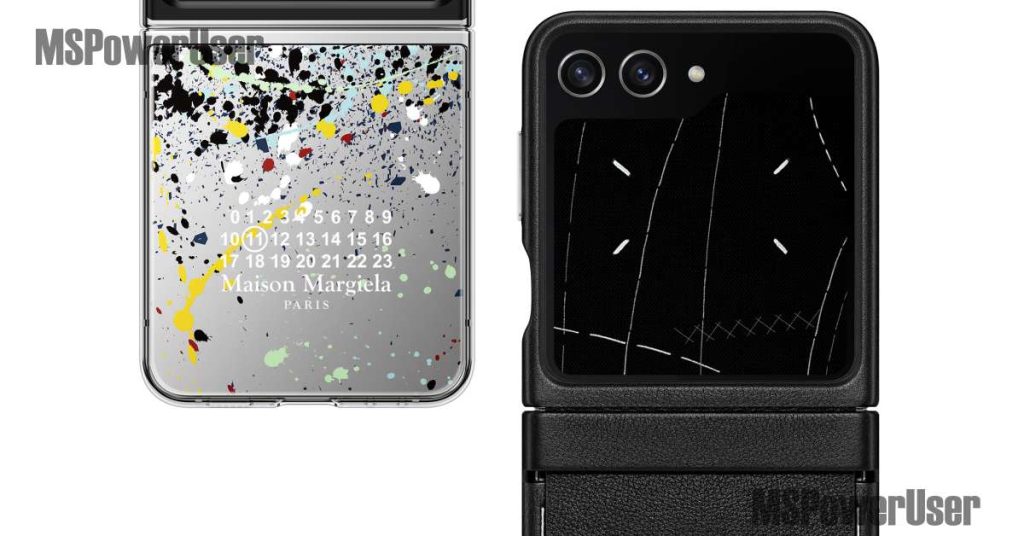
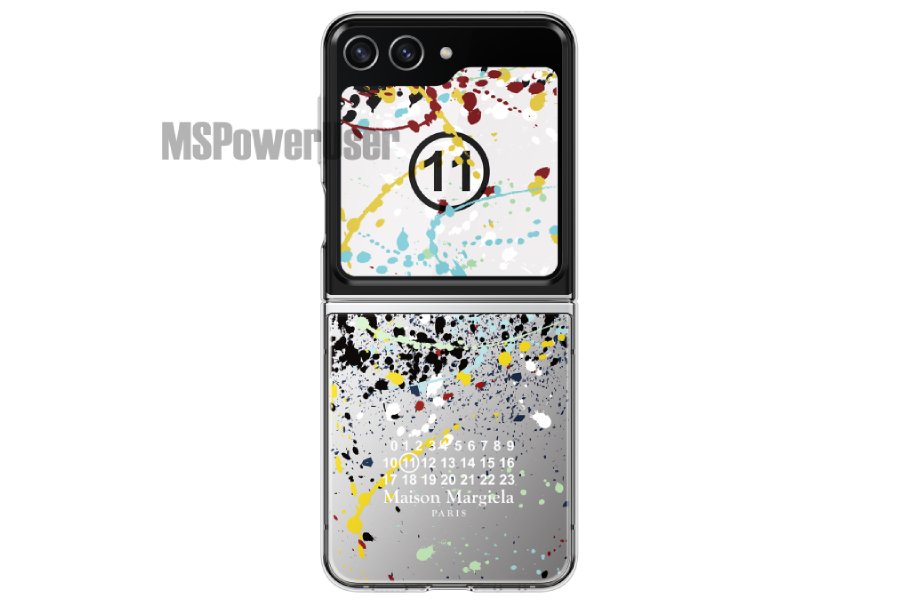
The new special edition Galaxy Z Flip 5 is expected to have the same internal specs as the regular model but with a few cosmetic changes.
Leaked images show that the phone will have a grungy aesthetic, with graffiti-inspired designs on the inside of the case and elegant, retro-looking leather on the outside.
No word yet on the pricing or availability of the Galaxy Z Flip 5 Maison Margiela edition. However, it is expected to be released in limited quantities, like its predecessor.
Last year’s special edition was only made available in Hong Kong, France, and South Korea. It remains to be seen if the Galaxy Z Flip 5 Maison Margiela edition will be released more widely.
This is far from the only special edition of the Galaxy Z Flip 5 that Samsung has launched. If retro is more your vibe, consider the Galaxy Z Flip 5 Retro Edition. It’s a throwback to Samsung’s flip phones of old.
In the world of technology, Apple‘s iconic logo stands as a symbol of innovation and consumer trust. However, in recent years, Apple, like other tech giants, has found itself entangled in a complex web of government oversight. The critical question is whether this regulatory web is impeding innovation or safeguarding public interests.
In the heart of Cupertino, California, Apple’s headquarters proudly stands, representing its remarkable journey from a humble garage startup to a global technology powerhouse. Nevertheless, the European Union (EU) casts a significant shadow over Apple’s operations. What was once a playground for innovators and disruptors has become a battleground, with the EU exerting considerable influence.
Let’s check out some of the most recent adjustments made by tech companies in response to legal mandates.
Apple Adopts USB-C
The adoption of USB-C in the iPhone 15 was Apple’s reluctant response to the EU’s call for a universal charging solution. While this move aimed to reduce electronic waste and enhance consumer convenience, it also underscores how regulatory interventions can compel even the most formidable tech giants to adapt.
This situation shows the impact of regulatory bodies on a company’s fundamental principles. Apple’s ecosystem, often referred to as its “walled garden,” represents not only a business model but also a commitment to quality, security, and user privacy. However, the EU’s push to dismantle this walled garden under the guise of protecting consumer rights poses a threat to Apple’s core values.
Foreign Apps in China now need Govt. Approval
Yet, the EU is not the only player in this regulatory landscape. China’s recent legislation poses a challenge to Apple’s App Store operations by requiring foreign apps to obtain government approval. This move could potentially lead to globally popular apps disappearing from Chinese iPhones, significantly affecting Apple’s revenue, given China’s importance in its market.
Not only this, but the EU is also considering replaceable batteries for modern smartphones. While the EU’s sustainability-driven effort to create smartphones with replaceable batteries seems commendable, its potential impact on global smartphone designs and production processes must be considered. While the goal is to reduce electronic waste, this mandate might inadvertently hinder innovative designs that prioritize sleekness and durability.
Huawei almost Vanishes after US Restrictions
The Huawei saga further highlights the complex relationship between technology and politics. The US’s restrictions on Huawei’s access to American tech and markets due to national security concerns have led Huawei to respond creatively by developing new chips without American technology. As governments grapple for tech dominance, companies are caught in the crossfire, often having to make strategic decisions that may not align with their innovative visions.
The Indian Scenario and Google’s Challenges
India has also shown its assertiveness by imposing a substantial fine on Google for alleged anti-competitive practices. While this move by the Indian antitrust body aims to ensure a level playing field, it could potentially impede the growth of Android, a significant contributor to India’s smartphone boom.
However, there are instances where government intervention becomes necessary. The infamous Cambridge Analytica scandal involving Facebook serves as a stark reminder of the importance of holding tech companies accountable for their practices and ethics. Such events provide regulatory bodies with a stronger mandate to impose regulations on tech giants.
Balancing Act: Regulation vs. Innovation
There is an undeniable need for regulatory bodies to ensure fairness, security, and consumer protection. However, striking a balance is crucial. History has shown that excessive regulation can stifle creativity, hindering progress and evolution. While governments aim to protect consumers and maintain security, their approach should not hamper the essence of technological advancement.
Tech giants are not just corporate entities; they are centers of innovation, research, and development.
However, with governments worldwide increasing their oversight, there is a risk of transforming these hubs of innovation into mere instruments of compliance. What is needed is a dialogue and a middle ground where tech companies can operate with freedom while ensuring user trust and security.
Conclusion
In an era marked by rapid technological progress, finding the right balance between oversight and innovation is more critical than ever. While governments must step in when there are cases of fraud, data breaches, or scandals, it is essential not to stifle the spirit of innovation. Tech companies have revolutionized our world, and it is in our collective interest to allow them to continue doing so. In this complicated dance between government regulation and innovation, let us hope that the rhythm favors progress and ingenuity.
If you’ve made it this far, I would highly recommend watching this video as well.
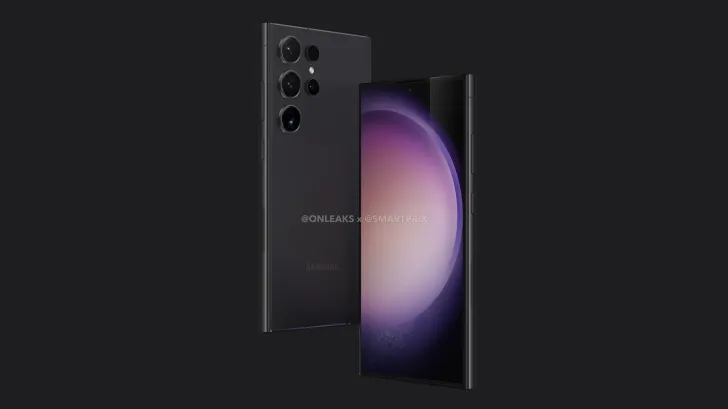
As per yesterday’s report, Samsung is expected to unveil its next-generation Galaxy S24 series on January 17 in the US which falls in line with previous rumors. Leaks have been revealing information about the upcoming flagship devices from the South Korean brand. Now, a new report out of the company’s home country confirms a key detail of one of the S24 devices.
Samsung Galaxy S24 Ultra will be the first to adopt titanium frame
South Korean publication The Elec citing unnamed sources revealed that Samsung will join the bandwagon of introducing a titanium frame on the Galaxy S24 Ultra. This was done first by Apple on this year’s iPhone 15 Pro models. Later Xiaomi also joined the Cupertino-based tech giant as it offered the Xiaomi 14 Pro in a Titanium Special Edition.
The report adds that next year’s Galaxy S24 Ultra will be the first device to sport a titanium material. Based on how well it is received, the company may eventually adopt the same on other models. The latest development refutes last month’s report that claimed the entire Galaxy S24 series will come with a titanium frame. The South Korean brand has also set a tentative goal to manufacture 15 million titanium frames initially which matches the sales number of Galaxy S23 Ultra units. This potentially indicates that the company may indeed introduce titanium on the S24 Ultra model only.
Samsung reportedly started working on titanium adoption for its smartphones around two years ago, however, the decision to commercialize this materialized recently. The current aluminum frames cost $20 to the company. Additionally, the low yield rate of titanium adoption could shoot up the price by four to five times.
Leaked renders of the Samsung Galaxy S24 Ultra have revealed a familiar design like its predecessor and reduced screen bezel on the front. The next-generation S24 series is also confirmed to be available in Snapdragon and Exynos processor variants depending on the market.
Samsung may be preparing for its next rugged tablet, as one of its hardware components has been spotted on the Safety Korea certification. The listing doesn’t confirm the name, but it’s likely to be the Galaxy Tab Active 5 or Active 5 Pro. It does reveal the first details about the tablet.
Samsung Galaxy Tab Active 5 (Pro)
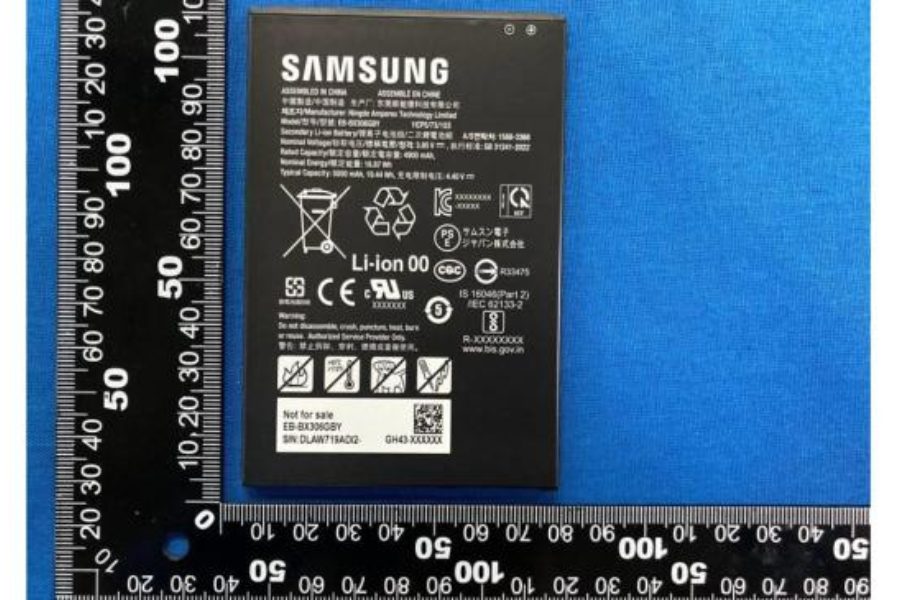
The listing shows that the new device will have a user-replaceable battery, but the image is not clear enough to make out any details, except for its model number, EB-BX306GBY.
The device will have two model numbers: SM-X300 for the Wi-Fi-only variant and SM-X306B for the 5G model. Unfortunately, no other details are available, such as the display size, processor, or camera specifications.
However, we can expect the tablet to be powered by a mid-range or high-end chipset, and to feature a durable design that can withstand harsh environments.
The folks at GalaxyClub.nl suggest that the Galaxy Tab Active 5 Pro is likely to be priced around €800, similar to its predecessor. It is expected to launch sometime in early 2024.
We use cookies on our website to give you the most relevant experience by remembering your preferences and repeat visits. By clicking “Accept”, you consent to the use of ALL the cookies.
This website uses cookies to improve your experience while you navigate through the website. Out of these, the cookies that are categorized as necessary are stored on your browser as they are essential for the working of basic functionalities of the website. We also use third-party cookies that help us analyze and understand how you use this website. These cookies will be stored in your browser only with your consent. You also have the option to opt-out of these cookies. But opting out of some of these cookies may affect your browsing experience.
Necessary cookies are absolutely essential for the website to function properly. This category only includes cookies that ensures basic functionalities and security features of the website. These cookies do not store any personal information.
Any cookies that may not be particularly necessary for the website to function and is used specifically to collect user personal data via analytics, ads, other embedded contents are termed as non-necessary cookies. It is mandatory to procure user consent prior to running these cookies on your website.