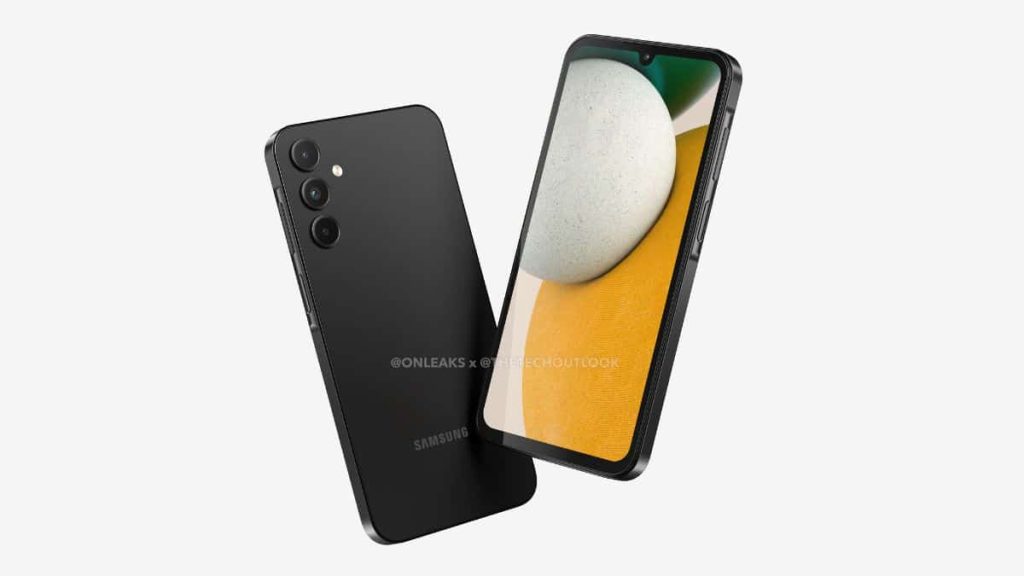
Samsung is gearing up to launch its latest Galaxy A-series. Previous reports suggest that the Galaxy A15 5G is highly likely to be revealed in the first quarter of 2024. Now, according to a recent report the 4G variant of the smartphone has been spotted on the Singapore IMDA certification.
As we can see in the image above the Galaxy A15 4G has been spotted on Singapore’s IMDA database. The device bears the model number – SM-A155F/DSN that supports NFC, Bluetooth, and Wi-Fi connectivity. Previously, the Galaxy A15 5G appeared in a Geekbench benchmark, indicating it might run on a Dimensity 6100+ chipset. Those wondering what this device has to offer can check the rumored specifications of the Galaxy A15 5G provided below.
Samsung Galaxy A15 5G specs:
The Galaxy A15 5G is expected to arrive with a 6.5-inch OLED display having an FHD+ resolution and a 90Hz refresh rate. Under the hood, the device is said to be powered by a MediaTek Dimensity 6100+ chipset. The smartphone is rumored to offer up to 128GB of internal storage that can be expanded up to 1TB.
In other specifications, Galaxy A15 5G may include a 5,000mAh battery with 25W fast charging and a side mount fingerprint. Moving to the camera specifications the device is likely to have a 50MP main camera accompanied with 10x digital zoom capability and a 13MP camera for selfies.
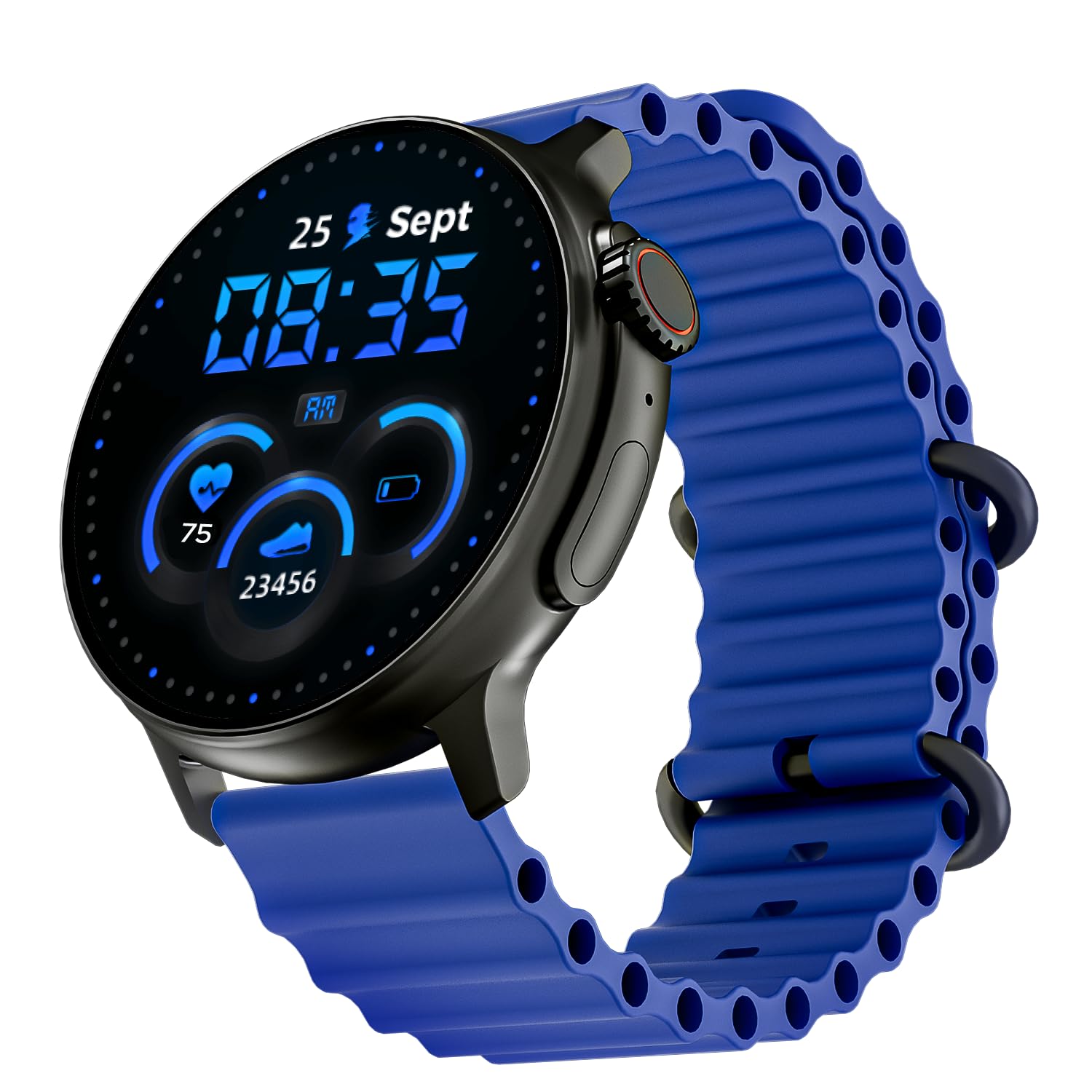
After launching the boAt Immortal Katana Blade earbuds earlier this month, the brand has now added a new smartwatch to its ever-expanding portfolio in India. It’s called the boAt Lunar Tigon and it comes with an AMOLED display and varying strap designs.
boAt Lunar Tigon smartwatch specs:
The boAt Lunar Tigon is a sleek and feature-rich smartwatch designed for both style and functionality. Its 1.45-inch always-on AMOLED screen boasts a resolution of 466 x 466 pixels and a brightness of 600 nits, providing vibrant visuals. The round dial design adds a touch of sophistication, and users can choose between ocean ridge and metallic straps for a personalized look.
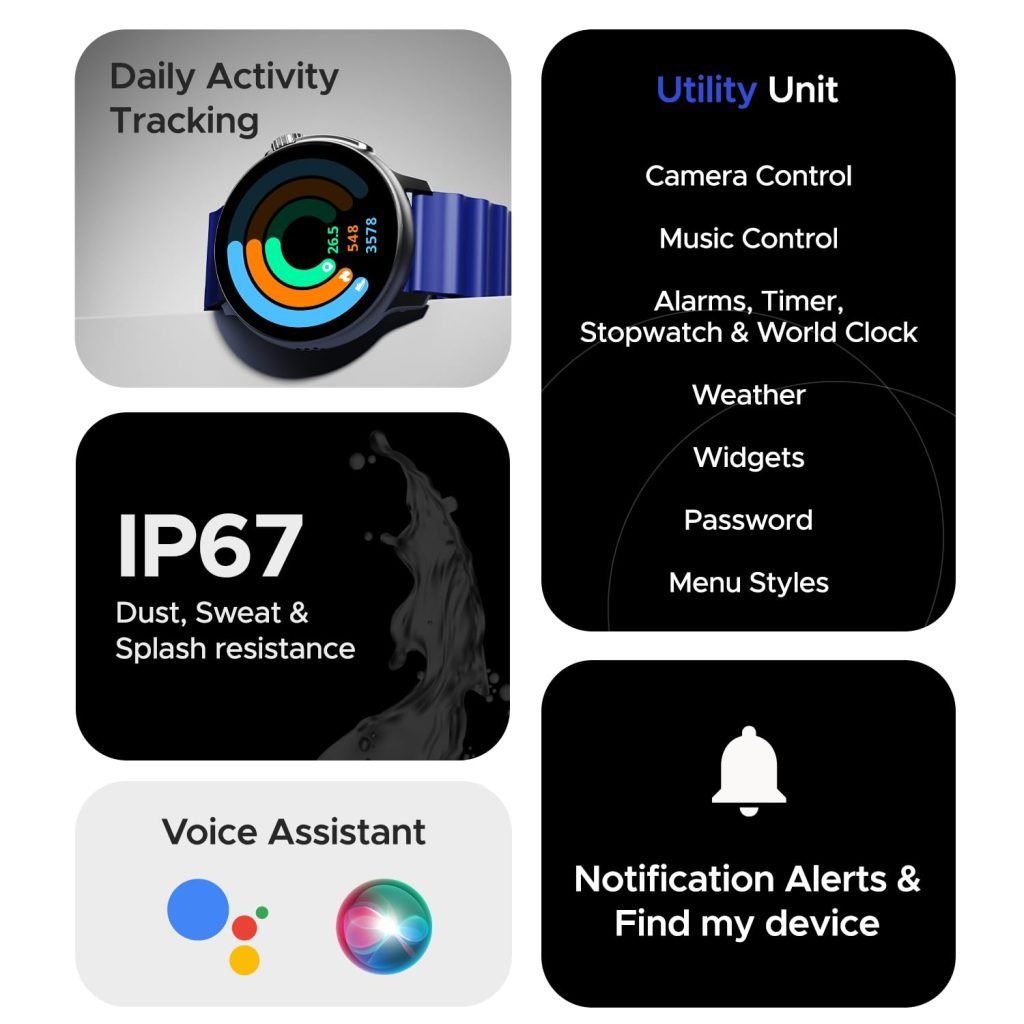
In terms of connectivity, the Lunar Tigon excels with Bluetooth calling support, an in-built microphone, and a Quick Dial Pad allowing users to save up to 10 contacts for easy access. It also supports voice assistants for hands-free control. On the health monitoring front, the smartwatch offers comprehensive features, including heart rate tracking, SpO2 monitoring, daily activity tracking, menstrual cycle tracking, and guided breathing exercises.
For sports enthusiasts, the Lunar Tigon offers over 100 sports modes catering to various activities. The smartwatch is built to withstand the elements with its dust and water resistance rating of IP67. Additional features include sedentary alerts, camera control, live cricket scores, music control, weather information, and standard utilities such as alarm, countdown, stopwatch, and Do Not Disturb (DND) mode. The smartwatch also includes a Find My Phone feature for added convenience.
With a robust battery life, the boAt Lunar Tigon can last up to 7 days on a single charge, ensuring extended usage without frequent recharging.
Price & availability
The boAt Lunar Tigon smartwatch is priced at an introductory Rs. 2,899 for the Ocean Ridge strap and Rs. 2,999 for the metallic strap variant. It is available in Active Black, Steel Black, Metal Gold, and Deep Blue colors.
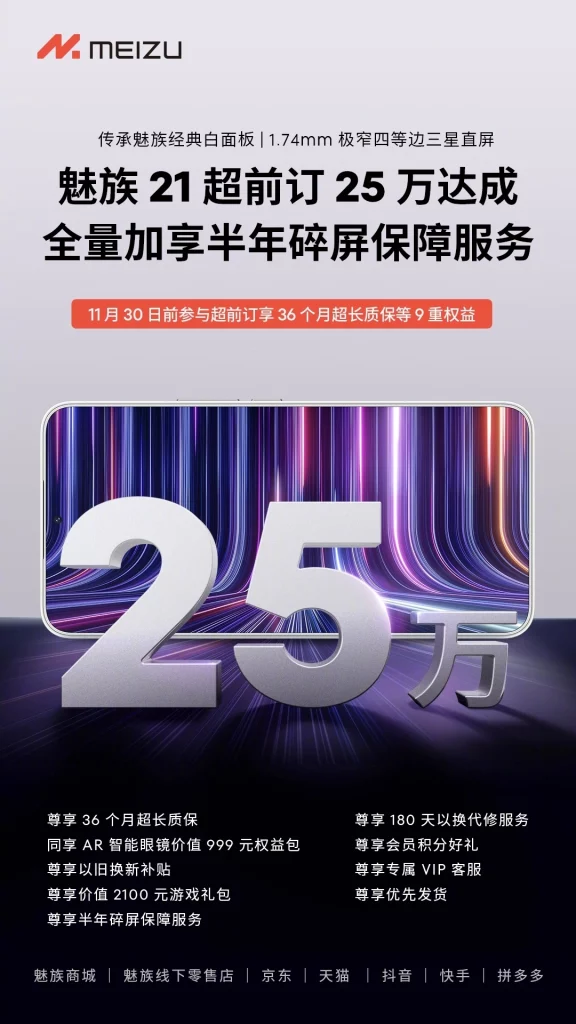
Meizu has officially revealed that their upcoming flagship, Meizu 21, has surpassed 250,000 pre-orders, nearing the record of 350,000 set by its predecessor, the Meizu 20. The launch is scheduled for November 30th, with a focus on customer satisfaction, including an expansion of over 400 offline service outlets for improved support and protection.
Meizu 21 Exclusive Pre-Order Benefits
Customers who pre-order the Meizu 21 smartphone receive numerous benefits, such as six-month screen protection, a 36-month extended warranty, access to a special 999 yuan ($140) package for AR smart glasses, trade-in subsidies, game gift packages, member points, VIP customer service, and priority delivery. These extensive perks are highly appealing to Meizu enthusiasts.
In anticipation of the event, the company has revealed some of the key specifications of the Meizu 21. Meizu 21 boasts a 6.55-inch Samsung flat OLED display with a rapid 0.075-second ultrasonic fingerprint sensor 2.0 for quick unlocking. It supports 1920Hz high-frequency dimming and is SGS-certified for low blue light and flicker-free operation, prioritizing eye comfort. Additionally, the phone features Meizu’s largest-ever mEngine Ultra motor.
Meizu 21 also stands out with its 1.74mm ultra-narrow, four-sided borderless design, and classic white panel. It achieves an impressive Antutu benchmark score of 2.23 million, establishing itself as a strong contender in the smartphone market, particularly in terms of performance and battery life.
The base model, featuring 6GB of RAM and 128GB of storage, is priced at 1199 yuan ($169). For those seeking more power and storage, the 8GB RAM versions with either 128GB or 256GB of storage are available at 1399 yuan ($197) and 1599 yuan ($225), respectively.
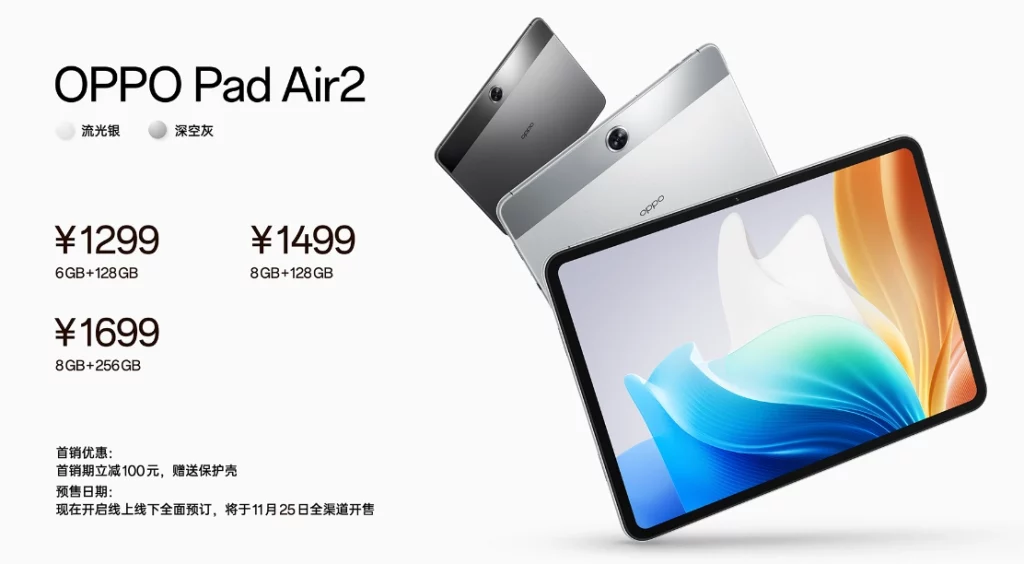
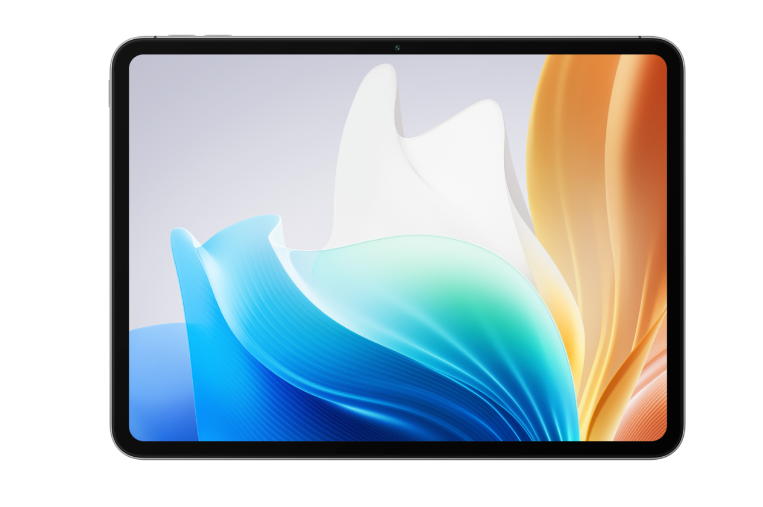
OPPO Pad Air 2 Key Specs:
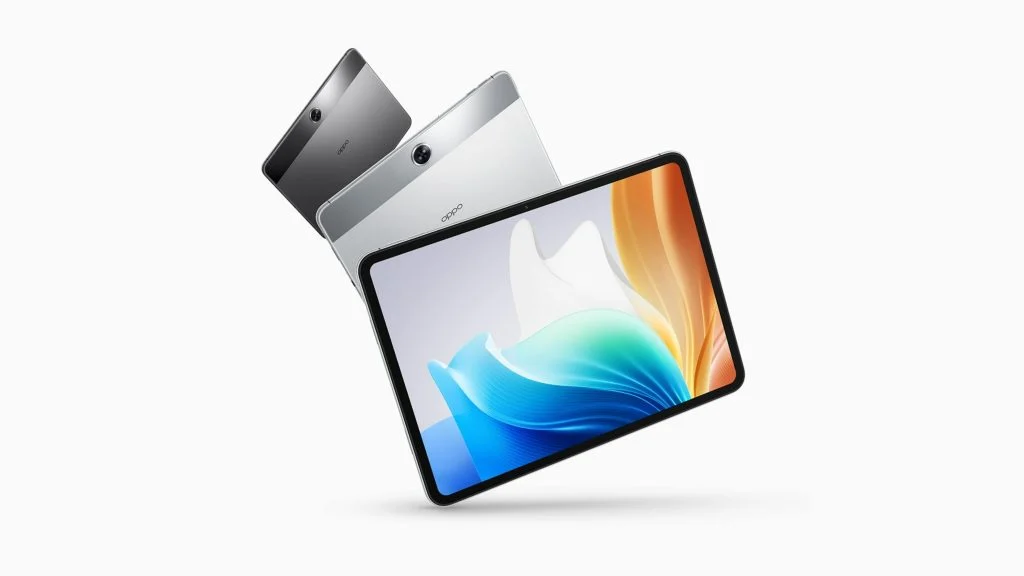
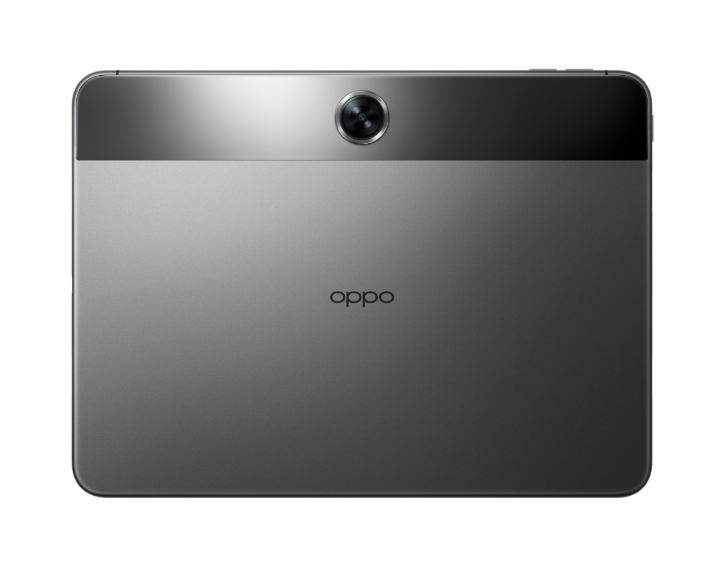
Design-wise, the OPPO Pad Air 2 offers a sleek look, available in Deep Space Gray and Glacial Silver. It boasts an 11.4-inch LCD display, providing a large, vibrant screen with a resolution of 2408×1720. This display supports a high refresh rate of 90Hz and has a touch sampling rate of 180Hz. The screen’s typical brightness of 500 nits ensures good visibility even in bright environments.
Performance-wise, the tablet is equipped with the MediaTek Helio G99 processor, which provides a maximum CPU frequency of 2.2GHz. This is paired with LPDDR4X RAM and UFS2.2 storage. The device’s substantial 8000mAh battery supports 33W fast charging, reducing downtime.
The tablet runs on ColorOS 13.1 based on Android 13. It features an 8-megapixel camera on both the front and rear, catering to basic photography and video calling needs. Despite lacking a microSD card slot and a 3.5mm headphone jack, it compensates with Dolby Atmos-supported quad stereo speakers, enhancing the audio experience.
For connectivity, the OPPO Pad Air 2 includes dual-band WiFi, Bluetooth 5.2, and a USB Type-C port. The tablet’s design is reminiscent of the Oppo Pad 2, with rounded corners and a dual-tone finish on the back panel, giving it a modern and stylish appearance.
The Pad Air 2 includes features for educational use, such as the “Learning Space Independent Password.” This function enables a separate learning environment accessible from the lock screen, which is especially useful for children. Parents can also remotely monitor and manage their child’s tablet usage.
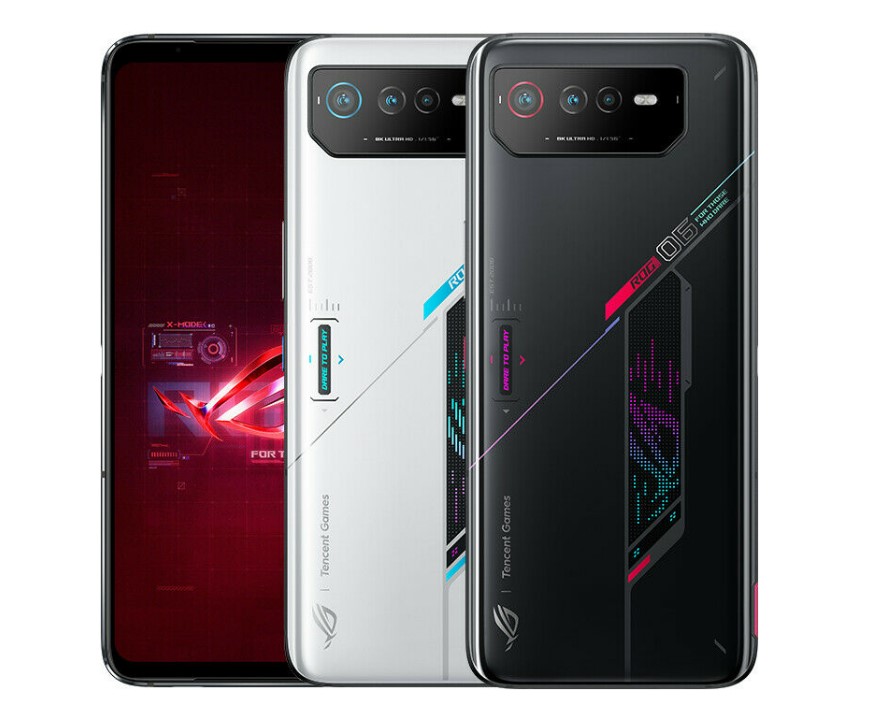
ASUS launched the ROG Phone 6 and 6 Pro in the global markets in July last year. The Taiwanese brand is reportedly working on its next iteration of its gaming smartphone. Now, ASUS has announced that the ROG Phone 6 is available at a discounted price tag in India. However, it’s unclear how long the discounted price will be valid. The ROG Phone 6 is a solid gaming smartphone with premium specifications and features.
ASUS ROG Phone 6 available at a discounted price in India
The ASUS ROG Phone 6 was launched in a sole 12GB + 256GB RAM and storage configuration at a price tag of Rs 71,999. It is now available for Rs 47,999 which means that it has received a whooping discount of Rs 24,000. The gaming smartphone can be purchased from Vijay Stores online and offline channels, ASUS e-store, Exclusive Store, and ROG stores across India. There is also 12-month no-cost EMI option at Rs 3,999 per month.
The ASUS ROG Phone 6 is offered in Black and White colors. The brand is also bundling AeroActive Cooler 6 case and a 30W HyperCharge adapter along with the smartphone.
As for the core specifications, the ASUS ROG Phone 6 boasts a 6.78-inch 165Hz AMOLED display with HDR10+ and 1,200 nits peak brightness. Despite being a gaming phone, it has a 50MP main camera paired with 13MP ultra-wide and 5MP macro lenses. The ROG Phone 6 features customizable RGB lights AirTrigger 6 ultrasonic trigger buttons, and gesture control. Under the hood, the device is powered by a Snapdragon 8+ Gen 1 processor and is backed by a 6,000mAh battery unit with support for 65W fast charging.
iQOO is gearing up to launch the iQOO 12 in India on December 12. It is already confirmed to be the first smartphone in the country to be powered by the latest flagship Qualcomm Snapdragon 8 Gen 3 processor. The brand has been dropping teasers revealing key details leading up to the launch event. The iQOO 12 already debuted alongside the Pro variant (review) in China earlier this month. The Indian variant is expected to come with the same specifications.
iQOO had previously confirmed that its upcoming offering will ship with FuntouchOS 14 based on Android 14 OS in India. No other smartphone than the Pixel 8 series runs on the latest software version in the country. Now in a new teaser, iQOO India CEO has shared big news about the iQOO 12 ahead of its launch event.
The iQOO 12 will be eligible for three years of Android OS and four years of security patches. This means that the phone will receive Android 17 version in 2026. Furthermore, the upcoming offering won’t come with any bloatware like hot apps and games. For those unaware, hot apps and games are access points where upon tapping them the user is directed to Vivo’s app store instead of Google Play Store. These can be hidden in the settings menu but there isn’t a way to remove them permanently.
As per teasers, the iQOO 12 is confirmed to feature a 144fps game frame interpolation technology, a dedicated Q1 SuperComputing chip, and a large 6K vapor chamber for heat dissipation. We should learn official details about the iQOO 12’s India pricing and availability on December 12.
Ant Group’s mobile development platform, mPaaS, has announced a partnership with Huawei to develop native applications for the HarmonyOS operating system.
mPaaS is a widely used platform that serves hundreds of medium and large enterprises and thousands of small and medium-sized businesses across various industries, including finance, government affairs, and transportation. Its dominance is particularly evident in the financial sector.
Ant Group’s Vice President, Yu Bin, expressed the company’s commitment to innovation and breakthroughs in app development, stating that the partnership with Huawei will lead to the creation of superior products.
Huawei Terminal Cloud Services President, Zhu Yonggang, echoed this sentiment, emphasizing the potential for deeper cooperation between mPaaS and HarmonyOS in the future. He envisioned enhanced capabilities for mPaaS and a collaboratively constructed ecosystem.
This partnership aligns with Huawei’s broader efforts to expand the HarmonyOS ecosystem.
Huawei has also announced plans to phase out Android app support from HarmonyOS in China with the release of HarmonyOS Next. This move signals Huawei’s confidence in HarmonyOS’s capabilities and its commitment to building a self-sufficient operating system ecosystem.
Chinese smartphone maker Honor is gearing up for an initial public offering (IPO). In preparation for this, the company has made some strategic adjustments to its board of directors, according to a report by Pandaily.
Wu Hui, a seasoned executive with extensive experience in government and business, has been appointed as Honor’s new chairman.
Wu Hui’s impressive background includes serving as Deputy Director of the Hubei Provincial Party Committee Office, Deputy Party Secretary of the Xianning Municipal Committee, and Deputy Mayor of the Municipal Government of Xianning. Since 2021, he has held the position of chairman of the Water Affairs Group.
Meanwhile, Wan Biao, a veteran of Huawei, has transitioned from his role as chairman to assume the position of vice chairman. Wan Biao brings a wealth of experience from his previous positions at Huawei, including President of Huawei’s Wireless Product Line, President of Huawei’s Russia Regional Department, and Chief Operating Officer of Huawei Consumer Business.
Despite the presence of Huawei system personnel across various departments, Honor’s CEO, Zhao Ming, has asserted the company’s autonomy in business strategy, investment, and management decisions.
Honor has demonstrated strong performance in the Chinese market, capturing the top spot in the third quarter of 2023 with 11.8 million units shipped and an 18% market share. This impressive performance highlights Honor’s potential to continue its growth trajectory.
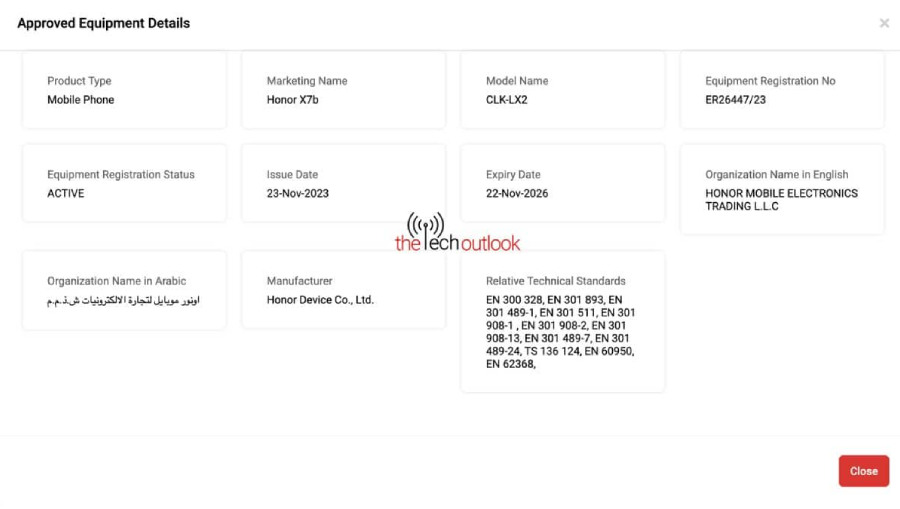
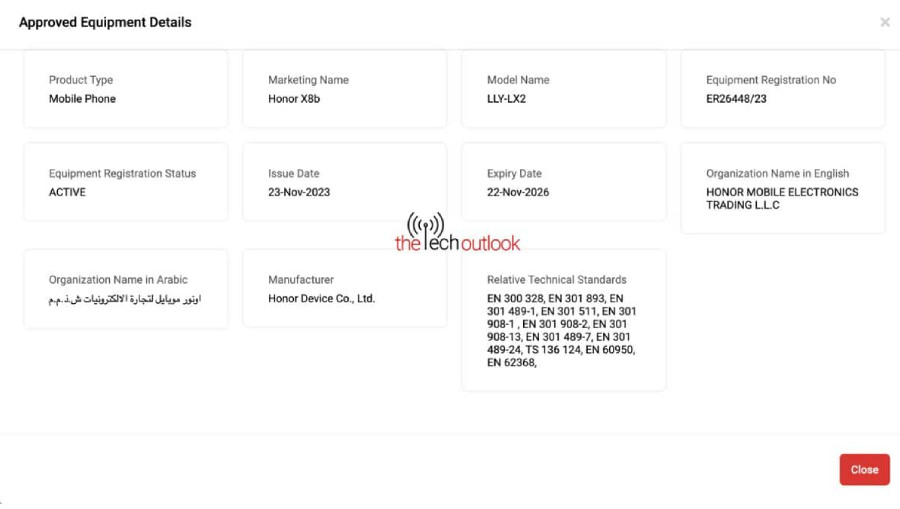
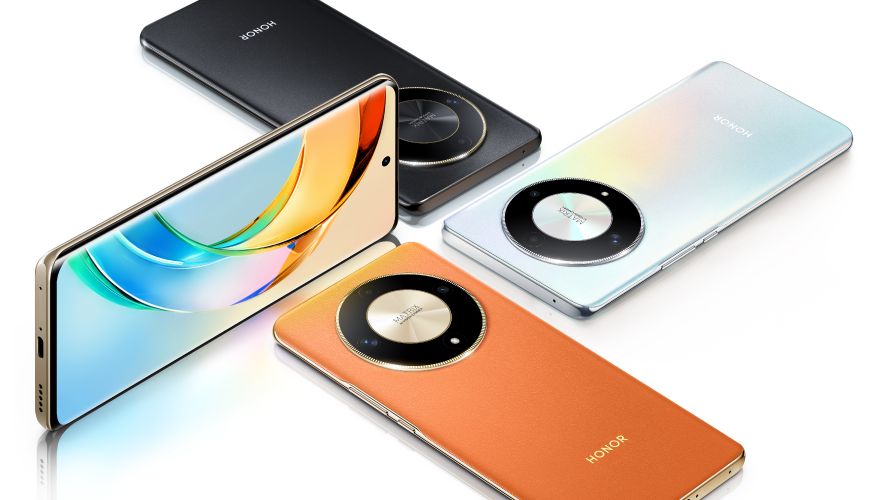
Honor is reportedly working on two new smartphones, the Honor X7b and X8b. These smartphones have been spotted on the TDRA certification website, which suggests that they could be launched soon.
The TDRA certification is a requirement for electronic devices to comply with before they can be sold or distributed in the UAE. The fact that the Honor X7b and X8b have been certified by the TDRA suggests that they could be launched in the UAE soon.
Not much is known about the Honor X7b and X8b, but they are expected to be mid-range smartphones.
In related news, the Honor X9b smartphone has been spotted on the Indian BIS certification website, indicating a potential launch in India soon. The Honor X9b boasts a 6.78-inch wide AMOLED display with a smooth 120 Hz refresh rate.
Honor X9b
Under the hood, the Honor X9b packs a Qualcomm Snapdragon 6 Gen 1 processor coupled with 12 GB of RAM and 256 GB of storage. For photography enthusiasts, the smartphone features a triple-camera setup on the rear, comprising a 108 MP primary sensor, a 5 MP ultra-wide-angle lens, and a 2 MP macro lens.
On the front, the Honor X9b sports a 16 MP selfie camera. The smartphone runs MagicOS 7.2 based on Android 13 out of the box. Keeping the lights on is a 5,800 mAh battery with support for 35W fast charging.
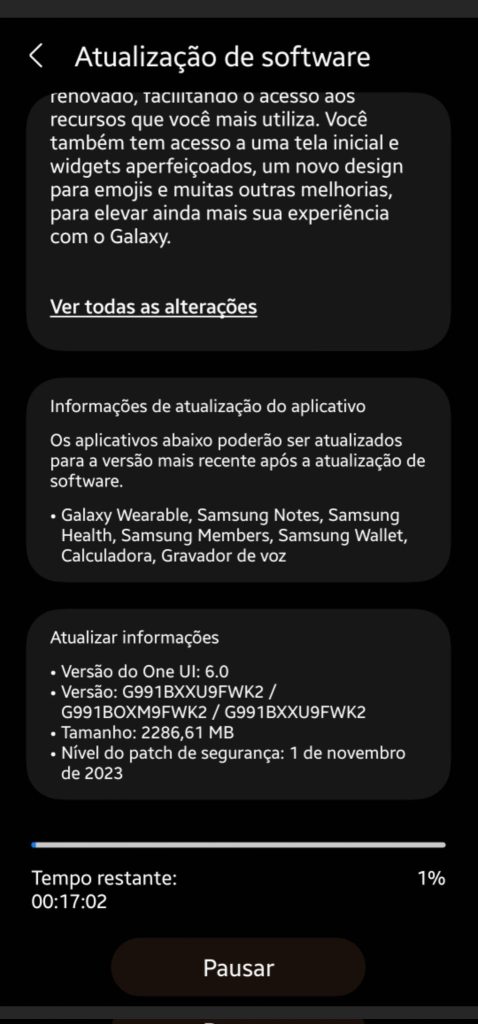
Samsung started the rollout of its stable OneUI 6.1-based Android 14 OS to eligible devices last week. So far it has reached the fifth-generation Galaxy Z foldables, Galaxy S23 FE, Galaxy A54, and Galaxy A345G. Now the South Korean brand is seeding the latest software update to the years-old Galaxy S21 series users in the European markets. The smartphones debuted in 2021 with OneUI 3.1-based Android 11 out of the box. Currently, the run on Android 13 with OneUI 5.1.
Samsung Galaxy S21 series gets treated to OneUI 6.1 update
Multiple Galaxy S21 series users are reporting that their units are getting the OneUI 6.1-based Android 14 updates in Europe starting with Switzerland first. The firmware version of the latest build is G991BXX U9FWK2 / G991BOXM9FWK2 / G991BXXU9FWK2. It weighs 2.28GB in size, hence it is recommended to download over a stable internet connection. The update also includes the November security patch.
It’s worth noting that it’s unclear which Galaxy S21 series device is getting the latest update. Notably the S21 lineup was in OneUI 6.1 beta program a few months ago. We can also expect the rollout to expand to more regions soon. Users in Europe can check the latest software version by heading to Settings > System Update > Download and Install. If there is no prompt to update, users can find out if an update is available by tapping on Check for Updates. If you still don’t see the update available, it’s because the rollout is in a phased manner and may take some time to reach all devices.
At the time of launch, Samsung had promised four years of software updates for the Galaxy S21 series. The latest OneUI 6.1-based Android 14 is the third major OS update. The smartphones are also expected to receive the last and final update to Android 15 next year.
It seems that Samsung has successfully eliminated any bugs in the OneUI 6.1-based Android as it is rapidly rolling out the update to eligible devices. You can check all the new features and improvements in the latest software version here.
The OPPO Pad Air 2 boasts an expansive 11.4-inch 2.4K LCD display, delivering stunning visuals with a 90Hz refresh rate, 2408 x 1720 pixel resolution, and 260 PPI. The display supports a 180Hz touch sampling rate and achieves a peak brightness of 400 nits.
Powering the device is the MediaTek Helio G99 Octa-core Processor, ensuring seamless performance. Paired with 6GB or 8GB LPDDR4x RAM and storage options of 128GB or 256GB (expandable up to 512GB via SD card), the Pad Air 2 caters to diverse storage needs.
Capture moments with precision using the 8MP front camera and 8MP rear camera. The front camera features a wide 77-degree field of view, while the rear camera supports Continuous Auto Focus, providing versatility for photography and video calls.
With an 8000mAh battery and 33W Fast Charging, the Pad Air 2 ensures long-lasting usage and quick replenishment. Its robust battery life makes it an ideal companion for work and entertainment on the go.
Facilitating seamless connectivity, the device features Bluetooth 5.2 for efficient wireless data transfer and supports WLAN bands covering 2.4GHz, 5.1GHz, and 5.8GHz WiFi frequencies.
Immerse yourself in an audio experience like never before with Dolby Atmos-tuned quad speakers, delivering powerful and crisp sound. The audio setup enhances multimedia consumption and elevates the overall entertainment experience.
The Pad Air 2 comes equipped with various sensors, including geomagnetic induction, light sensor, acceleration sensor, gyroscope, and hall sensor. Additionally, it supports step-counting functionality for health-conscious users.
OPPO Pad Air 2 combines a high-resolution display, powerful processing capabilities, versatile camera features, and immersive audio to create a well-rounded device for both productivity and entertainment.
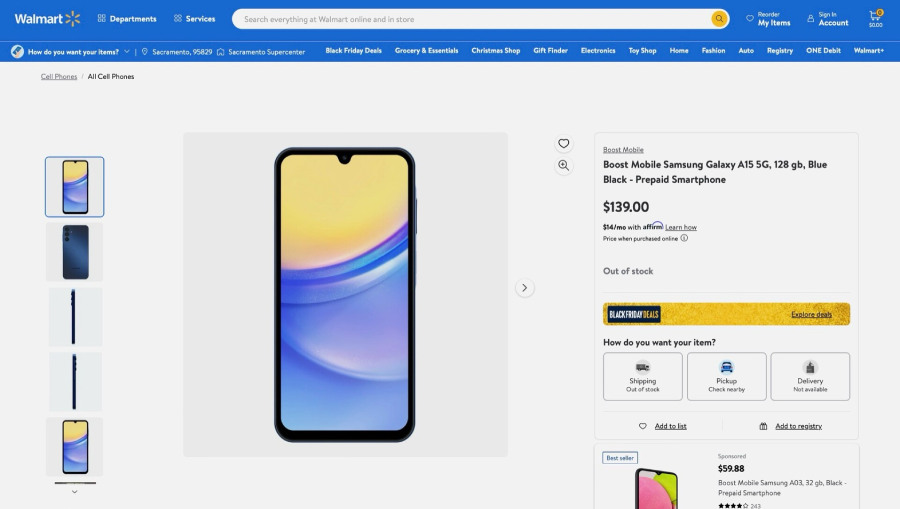
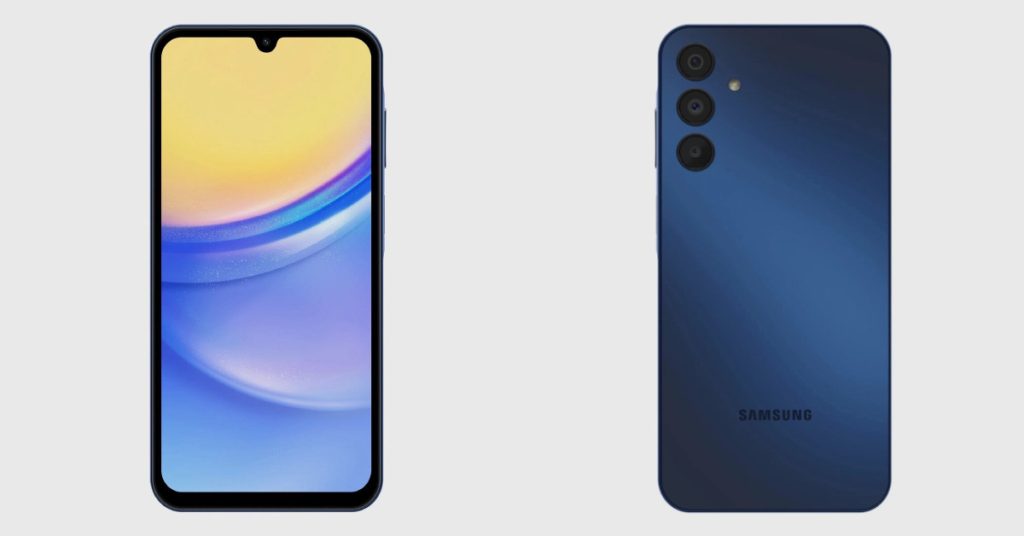
The Galaxy A15 5G’s design is similar to the Galaxy A14 5G, with a relatively wide chin and a notch. The phone comes in a dark blue color and has a flattened frame with a bulge on the right-hand side that houses the lock button and volume rocker.
Galaxy A15 5G design via Walmart listing
The listing also confirms a MediaTek chip with a boost clock speed of up to 2.2GHz. This is likely the rumored MediaTek Dimensity 6100+, which combines two Cortex A76 performance cores at 2.2 GHz with six Cortex A55 efficiency cores.
The rear camera setup includes a 50 MP main sensor, along with two other cameras whose specifications are currently unknown. As rumored, one of them is likely a 5MP ultrawide and another is a 2MP macro or depth sensor. For selfies, it will have a 13MP sensor.
Additionally, the Galaxy A15 5G will pack a 5,000mAh battery with 25W wired charging.
As for the price, the 4/128GB of Galaxy A15 5G is priced at $139 at Walmart. While Samsung hasn’t officially announced the launch date, the phone’s appearance on e-commerce listings suggests an imminent release.
Looking for a high-performance tablet without breaking the bank?
In this article, we have curated some of the best tablet deals available for under $1000 on Black Friday 2023. From the powerful Apple iPad Pro 6th Gen, with its stunning display and advanced features, to the Samsung Galaxy Tab S9 Plus, offering impressive performance and vibrant visuals, you’ll find something to suit your needs.
One standout offer is the Apple iPad Pro 6th Gen, which is currently discounted by $100. This high-performance tablet is now priced at $1899, making it a great time to invest in this powerful device.
Another fantastic deal is on the Samsung Galaxy Tab S9 Plus. With a savings of $120 on the regular price, you can get this top-tier tablet for just $999. The Galaxy Tab S9 Plus is known for its stunning display and impressive performance, making it a great choice for both work and play.
And for those looking for a more affordable option, the Apple iPad Air 5th Gen is currently available at a $100 discount, bringing the price down to just $499. This sleek and powerful tablet delivers excellent performance and a host of features at an unbeatable price.
These are just a few of the best tablet deals, with the biggest discounts available right now. Whether you’re a student, a professional, or simply someone who loves to stay connected on the go, these deals offer excellent value for your money.
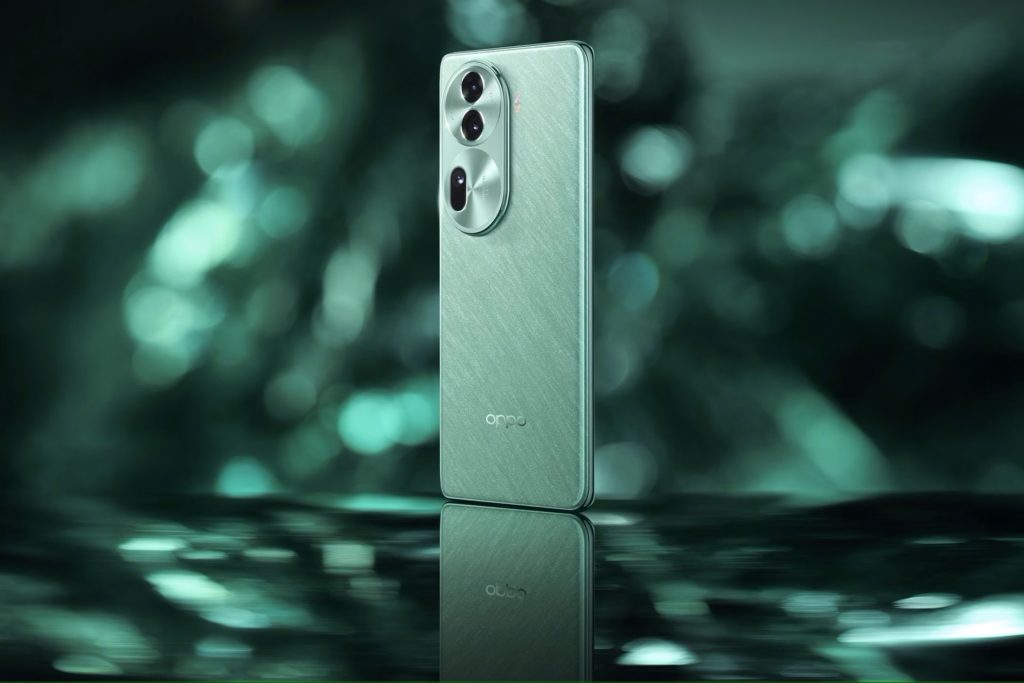
Oppo recently launched its latest smartphone series, the Reno 11, in China. The series has been well-received by buyers, with the standard model seeing a 280% year-on-year growth in pre-orders compared to its predecessor, Reno 10. The “Moonlight Gem” color scheme has also become Oppo’s “best-selling white mobile phone.”
Renowned tipster DCS also shared on Weibo that the Reno11 series is already sold out. DCS further mentioned that the Moonlight Gem model, is in high demand, and retailers are urgently requesting more stock.
The Reno 11 Pro is the top-of-the-line model and comes with a 6.74-inch OLED display with a 120Hz refresh rate, a Snapdragon 8+ Gen 1 SoC, 12GB of RAM, and up to 512GB of storage. It also has a triple-camera system on the back, featuring a 50MP main sensor, a 32MP telephoto sensor, and an 8MP ultrawide sensor. The front-facing camera is a 32MP sensor.
The standard Reno 11 comes with a 6.7-inch OLED display with a 950 nits peak brightness, a MediaTek Dimensity 8200 SoC, 12GB of RAM, and up to 512GB of storage. It also has a triple-camera system on the back, featuring a 50MP main sensor, a 32MP telephoto sensor, and an 8MP ultrawide sensor. The front-facing camera is a 32MP sensor.
Both models are powered by large batteries, with the Reno 11 Pro having a 4,700mAh battery and the Reno 11 having a 4,800mAh battery. Both support fast charging, with the Reno 11 Pro having 80W SuperVOOC charging and the Reno 11 having 67W SuperVOOC charging.
The Reno 11 series is currently available for purchase in China, with prices starting at CNY 2,499 (approximately $350) for the standard Reno 11 and CNY 3,499 (approximately $495) for the Reno 11 Pro. The series is expected to be available in other markets in the coming months.
Volkswagen is making a bold move in the Chinese market by introducing an innovative platform for cost-effective electric vehicles (EVs). This initiative marks a significant step in the company’s strategy to strengthen its presence in China, a country known for its rapidly growing EV sector.
Volkswagen is using locally sourced components to offer more affordable options
At the heart of this plan is the development of a new entry-level platform, tailored specifically for the Chinese market. Dubbed the “A Main Platform,” this project aims to reduce production costs, a crucial factor in the price-sensitive Chinese market. By increasing the use of locally sourced components, Volkswagen intends to offer more affordable EV options to consumers.
The announcement was made by Ralf Brandstaetter, China chief of Volkswagen, during the inauguration of the new EV development and procurement center, the Volkswagen Group China Technology Company (VCTC) in Hefei. This development is a part of a substantial $1.1 billion investment in VCTC, expected to generate over 2,000 jobs.
Volkswagen’s decision to focus on affordable EVs comes at a critical time. The brand has recently been outperformed in China by domestic manufacturer BYD, primarily due to the declining sales of gasoline vehicles. In response, Volkswagen has already reduced the prices of its ID.3 model in China, leading to a significant increase in sales.
The new platform, derived from the existing Modular Electric Drive Toolkit (MEB), is anticipated to be operational by 2026. This accelerated timeline is a testament to Volkswagen’s commitment to rapidly adapting to market demands.
Moreover, Volkswagen plans to launch four models based on this new platform, in collaboration with its existing joint ventures with SAIC and FAW. Additionally, the company has partnered with XPeng to develop two more all-electric models, further expanding its EV portfolio. This strategic move is not just limited to China. Globally, Volkswagen aims to introduce ten new all-electric cars by 2026, showcasing its dedication to electrification and sustainable mobility.
Tesla‘s recent expansion of its Non-Tesla Supercharger Pilot program to South Korea marks a huge step in the electric vehicle (EV) industry. This move opens about half of its Supercharger sites in the country, totalling around 80 locations, to other EVs. This development is noteworthy because South Korea’s EV market predominantly uses the CCS1 connector for DC fast charging, different from Tesla’s proprietary NACS connector used in the U.S. and Canada.
Tesla’s pilot program includes over 20 countries across NA, Europe and Asia Pacific
To accommodate this, Tesla has equipped its charging stations with built-in CCS1 adapters, known as Magic Docks. This adaptation signifies Tesla’s commitment to universal charging solutions, transcending brand exclusivity. The installation of the 1,000th charger in Incheon-Yeonsu highlights the rapid expansion of Tesla’s charging infrastructure in South Korea.
The broader implications of this move are significant. It raises questions about the future of charging standards in South Korea, particularly whether local manufacturers like the Hyundai Motor Group will continue with CCS1 or shift towards Tesla’s NACS. Additionally, it’s interesting to note Tesla’s growing role as an EV charging provider for other networks, with recent agreements to supply charging technology to BP Pulse in the U.S. and EG Group in Europe.
This expansion isn’t just limited to South Korea; Tesla’s pilot program now includes over 20 countries across North America, Europe, and the Asia Pacific. The universal adoption of Tesla’s charging technology, combined with its efforts to adapt to local standards like CCS1 in South Korea and GB/T in China, indicates a strategic move towards a more interconnected and accessible global EV charging network.
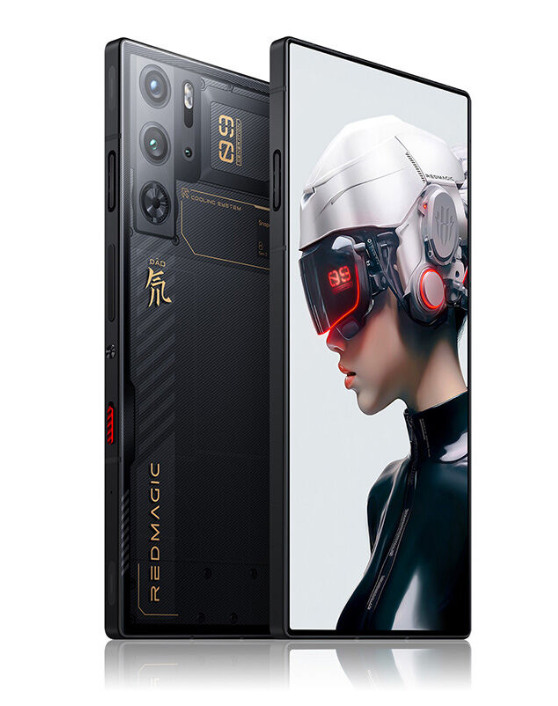
Red Magic 9 Pro is now available for pre-order at Giztop. You can get the latest phone for a starting price of $799. Please note that this is a pre-order and the actual shipping will start by November end.
The Red Magic 9 Pro comes with a 6.8-inch AMOLED Full HD+ display with a 120Hz screen refresh rate and a 960Hz touch refresh rate, that delivers an immersive visual experience.
With a 10-bit color depth, 100 percent DCI P3 color gamut, and 1440Hz PWM high-frequency dimming, every detail comes to life on the screen. The Red Magic 9 Pro’s display is not just about vibrant visuals; it also features DC dimming for eye comfort and reaches a peak brightness of 1300 nits.
Under the hood, the Qualcomm Snapdragon 8 Gen 3 octa-core processor clocked at 3.2GHz, coupled with Adreno 740 GPU, ensures seamless performance. Paired with 12GB or 16GB of LPDDR5X RAM and up to 512GB of UFS 4.0 ROM, the Red Magic 9 Pro is a multitasking marvel, handling demanding gaming sessions and apps with ease.
The device’s camera setup is equally impressive, featuring a 50MP Samsung GN5 primary sensor, an 8MP ultrawide angle camera, and a 2MP macro camera on the rear, with a 16MP front-facing camera. These cameras promise detailed and vibrant photos, catering to both gaming and photography enthusiasts.
One of the standout features is the ICE 12.0 liquid-cooling technology, a sophisticated 9-layer cooling system. Components such as the ultra-light nano-centrifugal fan, cooling canyon air duct, superconducting copper foil, thermal gel, graphene, and VC heat sink work in harmony to keep the device cool during intense gaming sessions.
Powering all these features is a massive 6500mAh battery with 80W fast charging support, ensuring minimal downtime. In just 35 minutes, the Red Magic 9 Pro can be fully charged, keeping you in the game without long interruptions.
Gaming-centric features include faster 520Hz touch shoulder keys, providing a smooth multi-finger control experience. The dual stereo speakers with Snapdragon sound, supporting 96kHz lossless audio and offering a 48ms low latency, enhance the audio experience, immersing users in a rich sound environment.
Red Magic 9 Pro is a comprehensive package, not just for gamers but for those seeking a high-performance device with cutting-edge technology. From its powerful processor and advanced cooling system to its impressive display and fast charging capabilities, the Red Magic 9 Pro stands out in the crowded smartphone market.
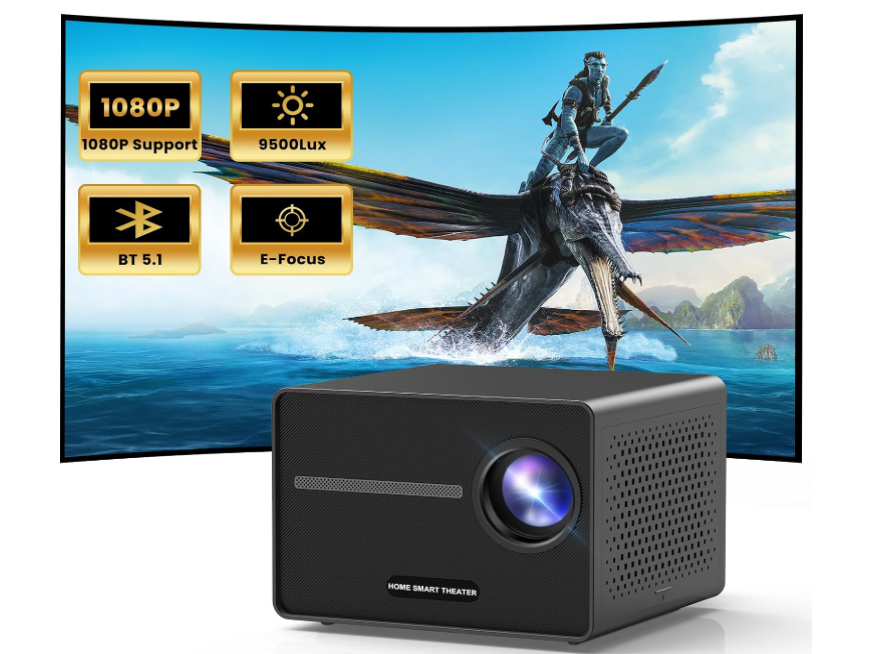
Black Friday is here, and Happrun is offering an incredible deal on the YG291 Mini Projector. Originally priced at $149.99, you can now get it for just $44. That’s a 50% discount off the Black Friday deal price of $87.99, with an additional 50% off when you clip the on-page coupon. This means you save a total of $105.99!
Experience entertainment like never before with the Happrun YG291 Mini Projector. This compact projector boasts impressive features that make it a must-have for your home entertainment setup.
Stunning Visuals: Enjoy crystal-clear visuals with 1080p support and a high dynamic contrast ratio of 8000:1, ensuring vibrant and true-to-life colors for an immersive viewing experience.
Swift Focus: The innovative electric focus allows you to get a clear picture within a mere 3 seconds, saving you time and ensuring every detail is sharp and well-defined.
Portable Design: Measuring only 8.85 x 7.08 x 5.31 inches and weighing just 2.5 lbs, the YG291 Mini Projector is incredibly portable. Take your entertainment on the go and set up a cinematic experience anywhere you like.
Versatile Connectivity: Connect the projector to your PC, TV box, TV stick, Chromebook, tablet, USB flash drive, media player, or smartphone for a seamless and versatile entertainment experience.
Adjustable Size: With a projection size ranging from 35 to 200 inches and a projection distance of 3.7ft to 23.6ft, you can customize the size of your screen according to your space and preference.
Don’t miss out on this limited-time offer! Seize the opportunity to bring home the Happrun YG291 Mini Projector at an unbeatable price of $44. Transform your entertainment setup and save big this Black Friday!
Uncover unbeatable Black Friday savings with Ugreen’s exclusive deals, offering discounts of up to 45% on a vast array of cutting-edge consumer electronics and accessories. Since its establishment in 2012, Ugreen has been a trailblazer in crafting innovative and accessible technology, catering to over 40 million users across 100 countries.
With a commitment to user satisfaction steering their research, design, and customer service, Ugreen brings you a diverse range of products designed to elevate your tech experience. From efficient charging devices to top-notch mobile and computer accessories, each item reflects Ugreen’s dedication to quality.
Don’t miss the chance to seize incredible savings during this Black Friday extravaganza, where Ugreen is offering year-round lowest prices, with discounts soaring up to 45% off. Upgrade your tech arsenal with reliable, high-quality gadgets that enhance your daily life. Mark your calendar for November 24th to 25th, and dive into a world of unparalleled deals that redefine your technology landscape.
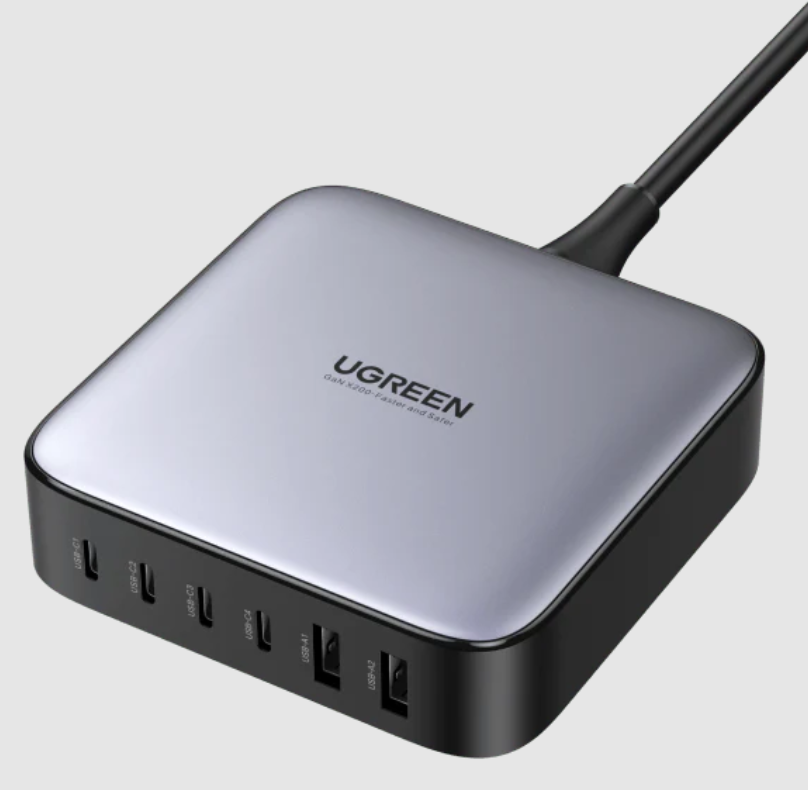
Ugreen Nexode 200W USB C GaN Charger
Ugreen Nexode 200W USB C GaN Charger – your ultimate charging solution for multiple devices. Elevate your productivity with the ability to charge up to 6 devices simultaneously, offering a powerful 200W of efficient charging. Experience lightning-fast charging times, such as a full charge for the 16-inch MacBook Pro 2021 in just 1.5 hours, thanks to the cutting-edge GaN chipset, providing a remarkable 3X speed boost compared to the original.
Not only is this desktop charger compact and sleek, but its advanced GaN and SiC chips also enhance heat dissipation, ensuring a reliable and cool charging experience. Compatible with both USB-C and USB-A devices, it caters to your diverse charging needs. Moreover, the charger boasts an impressive 95% power conversion rate, optimizing energy efficiency.
For a limited time, seize the opportunity to own this powerhouse at a discounted price of $119.99, marked down from $199.99, saving you 40%. Don’t miss out on this incredible offer to streamline your charging experience.
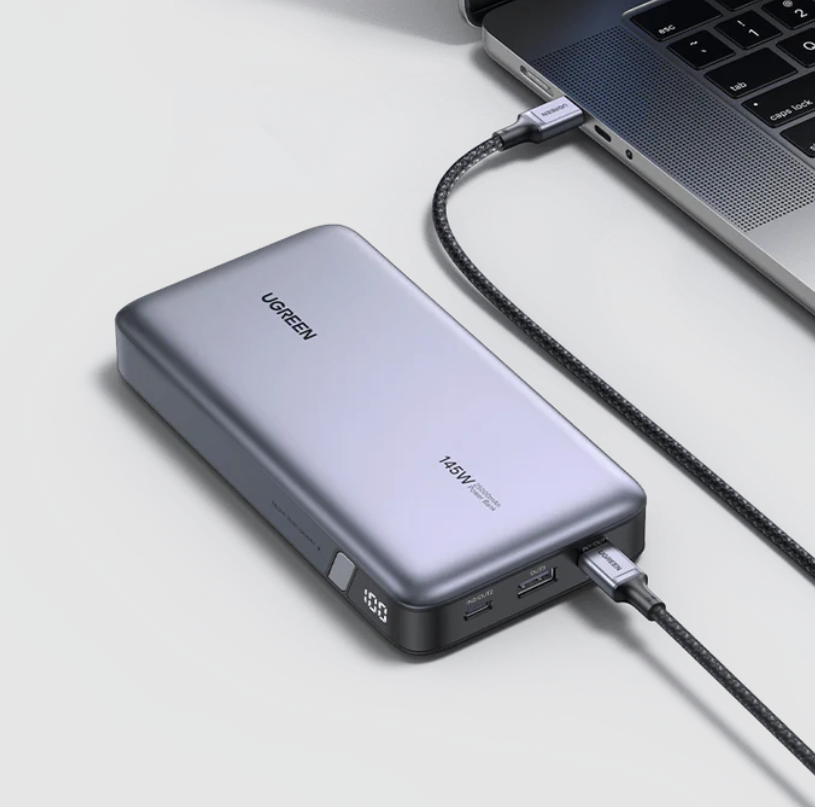
Priced at just $89.99, down from $149.99, this power bank offers a whopping 40% savings, making it a must-have accessory.
Experience lightning-fast charging with PD3.0 and QC3.0 technologies, capable of a 90-minute full charge for the 2022 13″ MacBook Air. With a colossal 25,000mAh battery capacity and 100W output, this power bank charges laptops 1.3 times and devices 5.6 times. The two-way fast charging feature lets you recharge the power bank in just 2 hours using a 65W PD charger, all while charging your devices simultaneously.
Stay informed with the smart digital display, indicating the remaining power for confident use. This power bank boasts wide compatibility, working seamlessly with MacBook, Dell XPS, iPad, iPhone, Galaxy, Switch, DJI, Steam Deck, and more. Note: For optimal performance, fully drain and recharge the power bank for the first use. Don’t miss out on this incredible offer to power up your devices efficiently on the move.
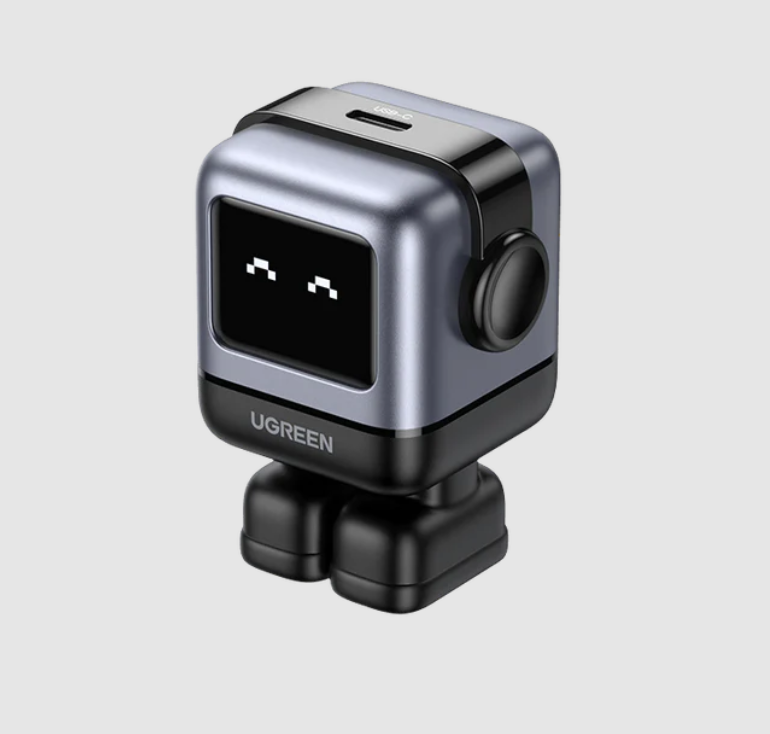
Ugreen Nexode RG 30W USB C GaN Charger – your go-to charging companion that seamlessly combines functionality with a touch of playfulness. Priced at an unbeatable $18.19, down from $25.99, this charger offers a fantastic 30% savings with the exclusive BFCM Deal. Simply use code “RG30W” at checkout.
Experience powerful 30W charging, allowing your iPhone 14 Pro Max to go from 0 to 55% in just 30 minutes. The Robot GaN Charger features an expressive LED display, reflecting different emotions to signify various charging states. Safety is a priority with built-in short circuit, overload, over-temperature, and overvoltage protection, ensuring all-around security.
Versatility is key, as this charger supports multiple fast charging protocols, making it suitable for a range of devices including earbuds, phones, tablets, and even the MacBook Air. Elevate your charging experience with this compact and feature-rich charger, and don’t miss out on the extra 7% off during the BFCM Deal.
The costs of high-budget game development are increasing day by day. The main reason for this is the shift from linear games that used to offer a story of around 10-20 hours to open-world experiences lasting up to 100 hours. However, this change hasn’t managed to offset the costs. Consequently, in the last 1-2 years, we have witnessed new games being released with a price tag of $70 instead of the usual $60. Apparently, even this wasn’t sufficient, as Ubisoft has started to include in-game ads, similar to those found in YouTube videos. Here are the details…
Ubisoft’s Shift to In-Game Ads Raises Concerns Over User Experience
Imagine you’re in the middle of playing an Assassin’s Creed game—eliminating Templars, evading villains, and chasing treasures. What could ruin the experience for you? Let me tell you, in-game ads. It seems that Ubisoft has begun testing pop-up ads in games that users have purchased by paying money.
Il semble qu'Ubisoft expérimente la publicité en jeu chez certains utilisateurs (Xbox et PS).
Vous êtes au milieu de votre jeu, accédez à la pause ou à la Map et vous avez pendant 3sec. une pub pour un autre jeu qui s'affiche. Suffisant pour désinstaller ? 😅 pic.twitter.com/m5S4rEXas5
This situation, revealed through social media posts, occurs as you navigate through menus to look at the map or perform other actions. For instance, you might want to check where you want to go on the map. Great! But first, would you like to buy Ubisoft’s new game?
Although the ad lasts for about 3 seconds, it’s enough to “ruin” the experience. It’s worth noting that there is no mention of such ads or a price adjustment when you purchase any Ubisoft game. If the company had offered a $50 ad-supported package alongside the full gaming experience, it wouldn’t have been an issue. However, this is not the case.
After the incident gained significant attention on social media, Ubisoft officials didn’t stay silent and provided an explanation. According to Ubisoft, everything that happened was just a result of a technical error. Even though it’s not within our expertise as TeknoBurada editors to delve into the game development process, this explanation doesn’t seem very satisfying. Nevertheless, it’s a relief that the company seems to have abandoned such intentions, even if they were genuine.
We use cookies on our website to give you the most relevant experience by remembering your preferences and repeat visits. By clicking “Accept”, you consent to the use of ALL the cookies.
This website uses cookies to improve your experience while you navigate through the website. Out of these, the cookies that are categorized as necessary are stored on your browser as they are essential for the working of basic functionalities of the website. We also use third-party cookies that help us analyze and understand how you use this website. These cookies will be stored in your browser only with your consent. You also have the option to opt-out of these cookies. But opting out of some of these cookies may affect your browsing experience.
Necessary cookies are absolutely essential for the website to function properly. This category only includes cookies that ensures basic functionalities and security features of the website. These cookies do not store any personal information.
Any cookies that may not be particularly necessary for the website to function and is used specifically to collect user personal data via analytics, ads, other embedded contents are termed as non-necessary cookies. It is mandatory to procure user consent prior to running these cookies on your website.