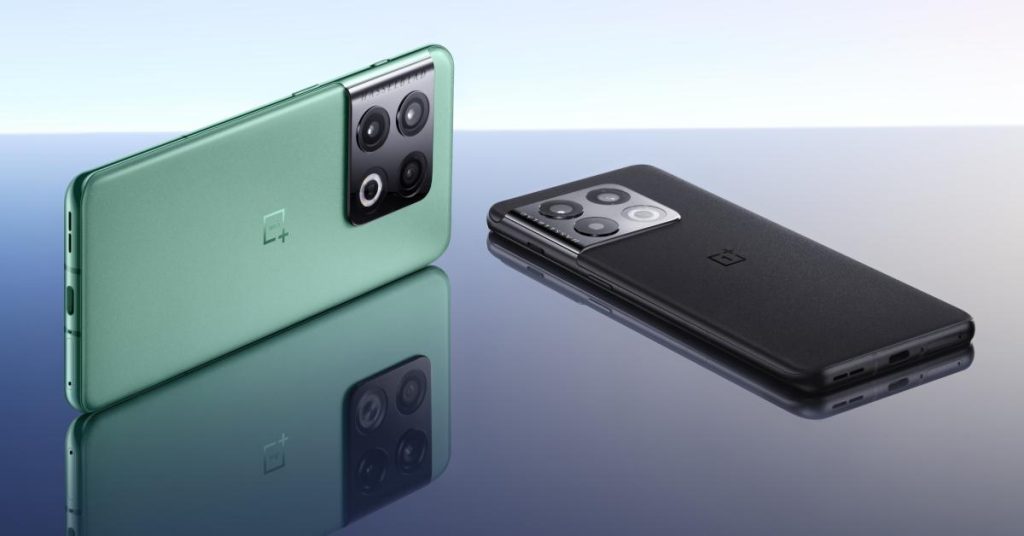
In a surprising move, OnePlus has rolled out a new stable update for the OnePlus 10 Pro, its 2022 flagship. The device originally launched with Android 12 and was guaranteed three major Android updates, a commitment that should have ended with Android 15 last year. This latest release suggests that OnePlus is extending the software lifespan of the device beyond its original promise.
OnePlus 10 Pro OxygenOS 16 features
The release centers on performance optimization through Trinity Engine. It optimizes resources during gaming, video recording, and camera use. The power saving mode now adjusts based on your battery level. Power saving mode now adjusts performance based on battery levels, while photo albums load faster with reduced power consumption.
AI integration features prominently across core apps. The Photos app adds video editing tools, including splitting, merging, speed adjustment, and background music. Notes introduces block editing mode for batch formatting and text highlighting capabilities. The redesigned Recorder app generates automatic titles, applies noise cancellation, and detects recording contexts like meetings or lectures.
Visual changes include new “Flux” home screen icons with light field styling, resizable icon grids, and customizable folder layouts. The system introduces “One Serif” font for enhanced readability and real-time weather visuals through the Luminous Rendering Engine. Lock screens now support custom text and configurable shortcuts.
System animations received significant attention. Apps display smoother transitions, including refined drag-and-drop movements, fluid text selection magnifiers, and improved scrolling mechanics. Parallel processing ensures animations begin and end at logical points during interactions.
Connectivity improvements include My Devices widgets for managing linked gadgets, enhanced Bluetooth pairing for cars, and AI LinkBoost for stable app connectivity. The Quick Settings panel adds 2×1 tiles with expanded customization options.
Privacy features now allow users to lock or hide apps directly from home screen icons. The sharing panel redesign offers faster access to contacts and customizable app links. Data migration from iOS devices sees improved speed and reliability.
For more daily updates, please visit our News Section.
iQOO is all set to launch the iQOO 15 Ultra on February 4, 2026. It is positioned as the brand’s next flagship gaming smartphone, with a strong focus on high-performance gaming and livestreaming capabilities for power users.
The brand has already kicked off its teaser campaign on Weibo. Earlier teasers highlighted some key specifications, while today’s update focuses on the display features aimed at delivering smoother gaming performance.
According to the latest teasers, the iQOO 15 Ultra will offer industry-first support for Honor of Kings at 144fps with Ultra settings enabled. It also delivers flagship-grade map visuals for smoother gameplay with improved clarity and detail. The device further claims industry-exclusive support for livestreaming seven major mainstream games at 144fps with unlimited stable frame rates, along with a dedicated iQOO Gaming Livestream Assistant.
As per previous teasers, the device includes capacitive shoulder buttons along the frame that sample inputs at 600Hz, enabling controller-like responsiveness during gaming. These triggers are customizable for different games. The phone also upgrades audio and haptics. It uses dual War Drum speakers tuned with Dolby Atmos and includes a War Hammer dual-axis vibration motor that delivers deeper and more immersive tactile feedback during gameplay.
Talking about rumored specifications, the iQOO 15 Ultra is expected to feature a 6.85-inch 2K flat LTPO display sourced from Samsung. The device may include up to 24GB of RAM, 1TB of internal storage, and an ultrasonic fingerprint scanner. Reports also suggest a 50MP triple rear camera setup with a 3x periscope telephoto lens rated at CIPA 4.5, while a 32MP front camera handles selfies.
To manage heat during intense gaming sessions, the iQOO 15 Ultra uses the brand’s new Q3 gaming chip along with an advanced Ice Dome active cooling system. Reports also mention a built-in cooling fan, a hidden air intake, and a curved airflow tunnel to improve heat dissipation. The phone is expected to pack a large 7,400mAh battery with support for 100W wired and 100W wireless charging.
For more daily updates, please visit our News Section.
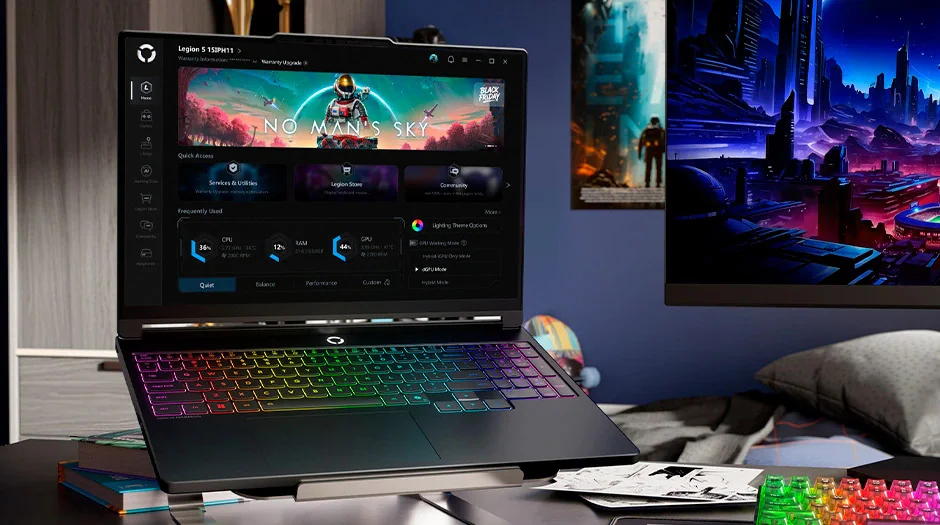
Lenovo has just announced a refresh for one of its Legion series gaming laptops. The Legion 5i Gen 11 has officially debuted in Europe, bringing the latest Intel Panther Lake-H series processors, a bright OLED display, Nvidia’s RTX 5000 series graphics card.
Lenovo Legion 5i Gen 11 Specifications
The Chinese tech giant’s latest Legion 5i Gen 11 model features a 15.3-inch OLED display with a 1600p resolution, a 165Hz refresh rate, a 16:10 aspect ratio, and a peak brightness of 1,000 nits. Under the hood, the refreshed gaming laptop is equipped with Intel’s latest Core Ultra 7 356H or Core Ultra 9 386H processors. But despite the CPU upgrade, Lenovo has seemingly downgraded the GPU from an RTX 5070 to an RTX 5060.
Lenovo Legion 5i Gen 11 gaming laptop
Though you still get support for ray tracing and DLSS 4 (including the upcoming DLSS 4.5). The Core Ultra 7 variants feature 16GB of DDR5-5600 RAM, 1TB of SSD storage, and a single zone RGB keyboard. Meanwhile, the Core Ultra 9 configuration packs 32GB of RAM, 1TB of SSD storage, 24 zone RGB keyboard, a 245W power supply, and Windows 11 Pro pre-installed. Powering these hefty specs is a large 80Wh battery pack. Other notable features include Wi-Fi 7, Bluetooth, Lenovo AI Engine+, and two months of free Xbox PC Game Pass.
The base Legion 5i Gen 11 starts at around £1,650, while the higher-end configuration with the Core Ultra 9 386H, 32GB RAM, and an enhanced RGB keyboard is listed for £2,209. In related news, Lenovo recently unveiled the Legion Pro 2K 280Hz gaming monitor, Legion Go 2 SteamOS gaming handheld, and the Yoga Slim 7i Ultra Aura Edition ultrabook.
For more daily updates, please visit our News Section.
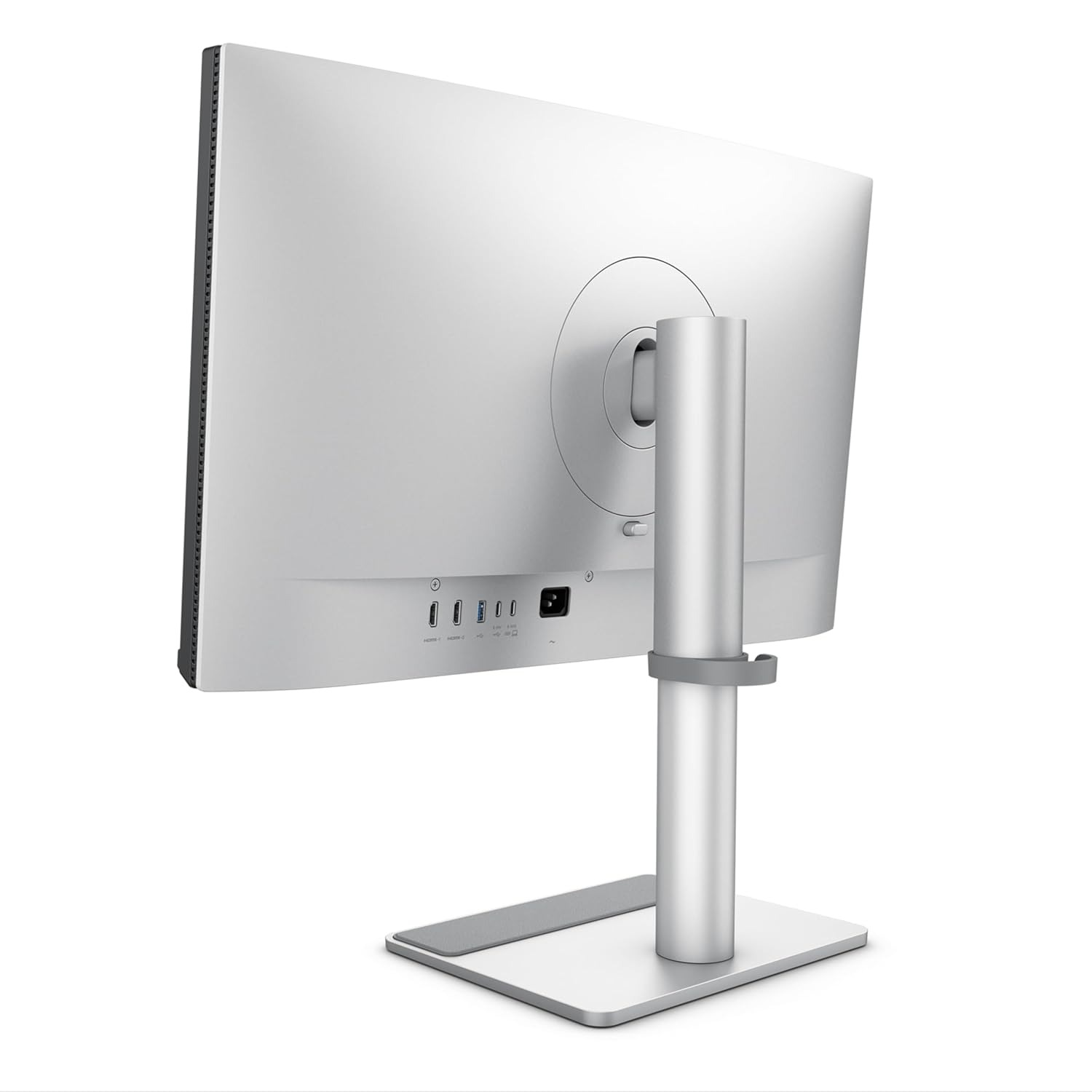
BenQ has launched two new 4K monitors in India under its MA Series, the MA270UP and MA320UP. These monitors are designed for MacBook users who want accurate colors, high brightness, and simple connectivity for daily work and entertainment.
The MA270UP comes with a 27-inch IPS display, while the MA320UP features a larger 32-inch panel. Both monitors offer a 4K UHD resolution of 3840 x 2160 with a 16:9 aspect ratio. BenQ uses IPS panels on both models to deliver stable viewing angles and consistent color output. The MA270UP supports a peak brightness of 450 nits, while the MA320UP goes higher at 600 nits, making it better suited for brighter rooms.
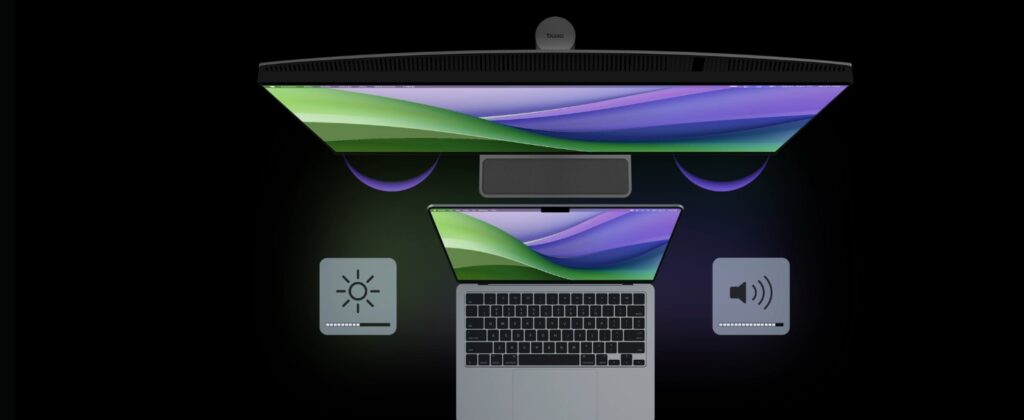
BenQ has focused heavily on macOS compatibility. Both monitors support iDevice Color Sync, M-book Mode, and ICCsync. These features allow the display to match the color profile of a connected MacBook automatically, so colors remain consistent between the laptop screen and the external monitor without manual calibration. This is useful for users working with photos, videos, and design tasks.
The MA Series supports single cable USB-C connectivity. Each monitor includes dual USB-C ports, one delivering up to 90W power for charging a MacBook and the second offering 15W power delivery for accessories. The USB-C connection also handles 4K video and data transfer. Additional connectivity options include HDMI 2.0 and DisplayPort, allowing use with other systems.
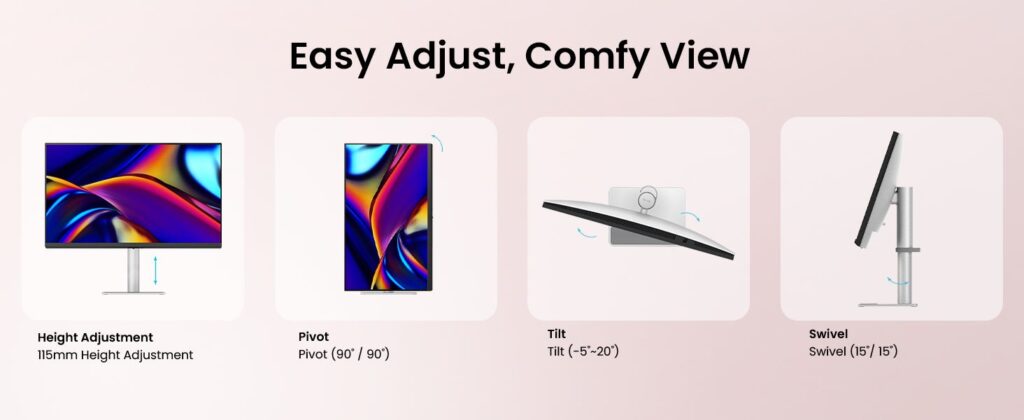
HDR support is also included. The MA270UP is certified for VESA DisplayHDR 400, while the MA320UP carries a higher VESA DisplayHDR 600 certification. Both monitors come with a fully adjustable stand that supports tilt, swivel, pivot, and height adjustment. On screen controls are provided for quick display adjustments. The MA-UP models use BenQ’s Nano Gloss Panel, while the MA-U series offers a Nano Matte Panel option for users who prefer less reflection.
Pricing & availability
In India, the BenQ MA270UP is priced at Rs. 46,998, and the MA320UP costs Rs. 56,998. Both models are available through the BenQ e Store, Amazon.in, and major electronics and IT retailers. BenQ offers a three-year warranty with both monitors.
For more daily updates, please visit our News Section.
Zebronics has just introduced a new portable power bank in India. The Zeb EnergiSafe 10R3 is a tiny new magnetic power bank that makes mobile power more convenient and versatile for users on the go. This is an affordable accessory for your gadgets with wired and wireless charging options and a large capacity.
Zebronics Zeb EnergiSafe 10R3 Specifications
The Zeb EnergiSafe 10R3 packs a large 10,000mAh battery capacity that is MagSafe compatible for magnetic wireless charging in a compact and travel friendly package. It arrives with built-in protection features (overcharge, overload, short circuit protection) and an LED screen that displays the charge percentage. It offers multiple power output options with a USB Type-C port for both input and output. You also get a USB Type-A port, and magnetic charging output up to 15W.
Zebronics Zeb EnergiSafe Magnetic Power Bank Launches in India
Its MagSafe-compatible surface means you can effortlessly snap compatible phones to the back for wireless charging without fiddling with cords, making it compatible with smartphones like the latest iPhone 17 series and the Pixel 10 lineup. Meanwhile, the wired output delivers up to 22.5W fast charging speeds. Zebronics’ EnergiSafe 10R3’s compact form factor makes it easy to slip into backpacks or carry-ons, and it even includes a flat charging cable and a handy carry handle in the box.
This isn’t limited to charging just smartphones, and users can even top up their tablets and other gadgets like headphones and TWS earbuds. The company just announced the Zeb EnergiSafe 10R3 in the Indian market for Rs 2,999. It is available for purchase from Amazon India and the brand’s official website.
For more daily updates, please visit our News Section.
The Red Magic 11 Air has just made its global debut, bringing the gaming-focused smartphone to markets outside of China. Featuring a thin, transparent body and performance-first hardware, this latest Air-series phone aims to balance flagship-level power with an ergonomic and futuristic design.
Red Magic 11 Air Specifications
The Red Magic 11 Air stands out with a transparent back panel with RGB lighting accents and a slim 7.85mm body. On the front, it sports a tall 6.85-inch OLED displaywith a 1.5K resolution, a 144Hz refresh rate, a 960Hz touch sampling rate, 100 percent DCI-P3 color gamut, 2592Hz PWM dimming, and DC Dimming. Under the hood, this device is equipped with the Snapdragon 8 Elite SoC, which is coupled with up to 16GB of LPDDR5X Ultra RAM and 512GB of UFS 4.1 storage.
Red Magic 11 Air
Keeping these beefy specs cooled is the active cooling system that includes a physical fan that spins at up to 24,000 RPM along with an upgraded ICE cooling tech that combines a large vapor chamber and graphene layers to manage heat during gameplay. The device also has the company’s new RedCore R4 gaming co-processor, which helps with frame rate stability, image rendering and 4D haptics. A massive 7,000mAh battery pack that supports 80W wired fast charging. For an improved gaming experience, the phone also features 520Hz shoulder triggers for console-like inputs.
Out of the box, the Red Magic 11 Air runs on the Android 16 OS based Red Magic OS 11 custom skin.For optics, the rear has a 50MP main camera and an 8MP ultra wide angle lens, while the front houses a 16M under-display fingerprint scanner. Other notable features include an in-display fingerprint scanner, stereo speakers, WiFi 6, Bluetooth 5.4, NFC, an IP54 rating for water and dust resistance, and dual SIM support.
The Red Magic 11 Air arrives in two color options, namely Quantum Black and Stardust White. It is available for purchase for a starting price tag of 529 US Dollars for the 12GB + 256GB version, while the 16GB + 512GB variant costs 629 US Dollars.
For more daily updates, please visit our News Section.
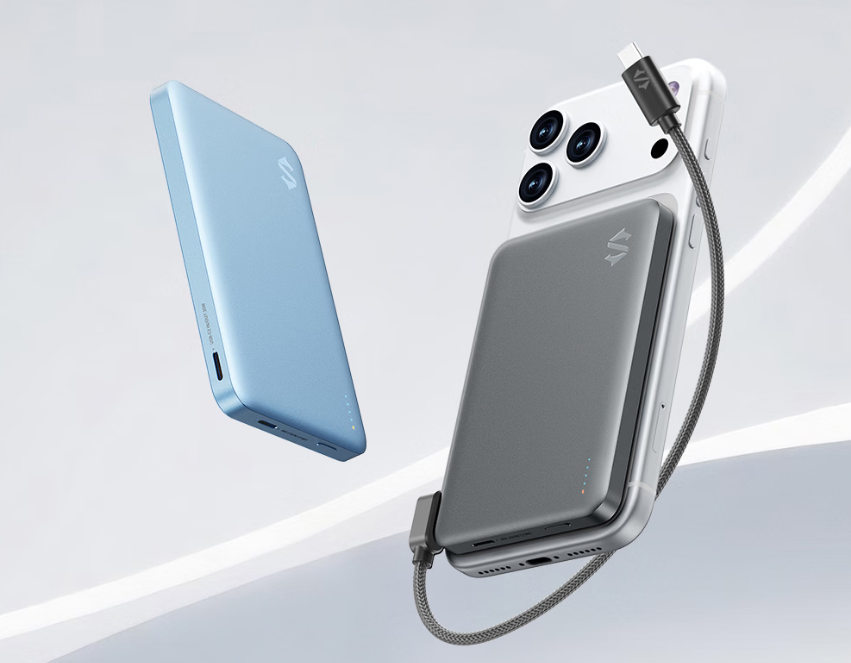
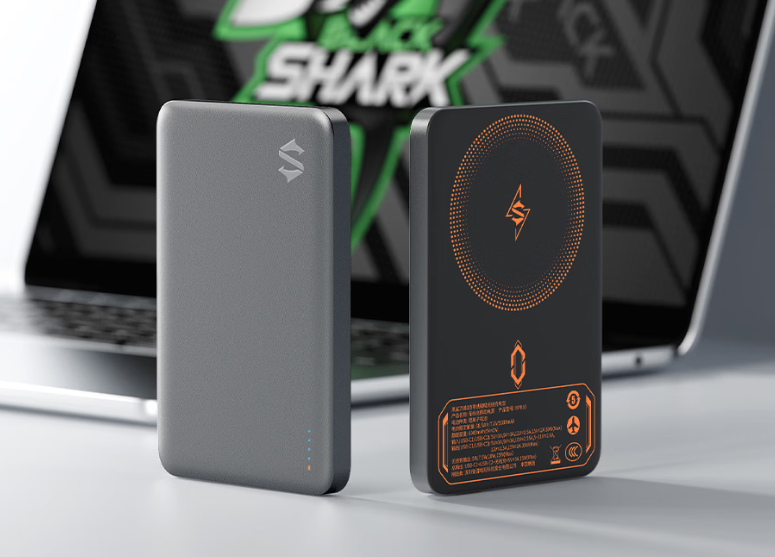
Black Shark has launched the Blade 3 magnetic power bank with a 10,000mAh battery in China. The device is listed on JD.com at a starting price of 259 yuan ($37) and supports 30W wired charging alongside 15W magnetic wireless charging, with a focus on iPhone compatibility.
Black Shark Blade 3 Specifications
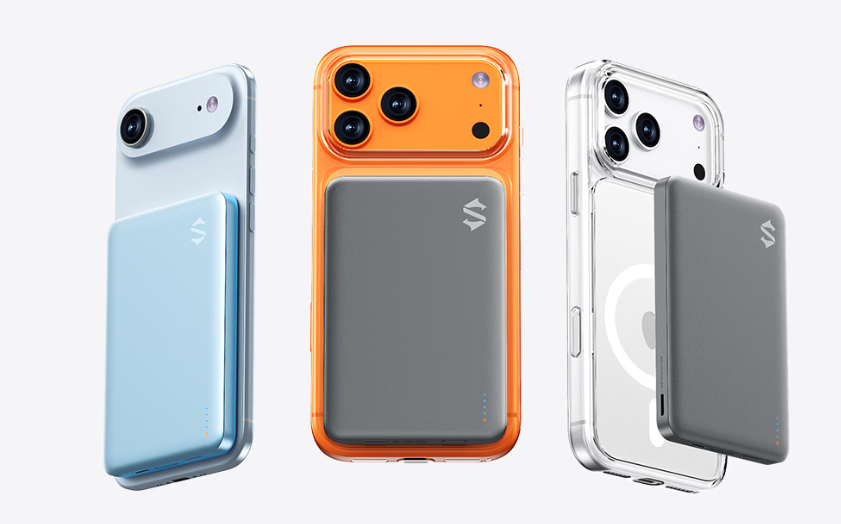
The power bank comes in two capacity options: 5,000mAh and 10,000mAh. The 10,000mAh version measures 1.38cm in thickness and weighs about 195 grams, while the smaller 5,000mAh version is slimmer at around 0.8cm and weighs 115 grams. Both versions use a flat G3 curved design to fit flush against the back of iPhones, without interfering with the camera bump.
Black Shark uses high-density lithium cobalt oxide battery cells with an explosion-resistant coating. The 10,000mAh variant uses two 5,000mAh cells and delivers a rated output of 6,000mAh at 5V/2A. The battery has passed puncture, compression, and drop resistance tests. According to the company, the power bank can survive a 4mm tungsten steel needle puncture and withstand up to 13,800kg of pressure.
The device supports 15W magnetic wireless charging and works with iPhone 12 through iPhone 17 series models. It also supports 30W fast charging over USB-C, with both USB-C1 and USB-C2 ports capable of delivering 30W input and output. Black Shark claims the power bank can charge an iPhone 17 Pro to around 70% in 30 minutes.
The Blade 3 features an Ice Armor thermal management system that uses graphene sheets, dual-layer aerogel insulation, silicone-based thermal materials, and an aluminum alloy shell. This design keeps surface temperatures at or below 37°C, while dual NTC temperature sensors and AI-based thermal control dynamically adjust power output in real time.
The magnetic module uses 17 N52-grade magnets with a maximum magnetic force of 12.8N. The device includes an LED battery indicator and supports single-tap and double-tap shortcuts for battery check and power off. It also offers dual-device charging, support for wired and wireless charging at the same time, and compatibility with smartphones, tablets, earbuds, and USB-C accessories.
The Blade 3 power bank comes in Mist Blue and Obsidian Orange. It ships with an 18cm detachable braided USB-C cable and includes nine layers of safety protection. It has received China’s 3C safety certification.
OnePlus and Google approach flagship smartphones from completely different philosophies. One chases raw power, speed, and cutting-edge hardware, while the other focuses on smart software, photography, and long-term reliability. The OnePlus 15 and Pixel 10 represent this contrast perfectly, making this comparison less about specs and more about which flagship experience actually fits modern users better.
OnePlus 15 delivers a bold, performance-driven design that feels premium and purpose-built. Its materials and finish give it a confident, flagship presence that appeals to power users. The Pixel 10 opts for a cleaner, more minimal look that prioritizes comfort and familiarity. It feels refined rather than flashy, making it easy to use daily. While both phones are well-built, the OnePlus feels more ambitious, whereas the Pixel focuses on subtle polish. One clearly targets enthusiasts, the other, everyday users.
Display Quality
OnePlus 15 offers a smoother, more immersive display with richer colors and a noticeably fluid feel, especially during gaming and scrolling. The Pixel 10 emphasizes brightness and color accuracy, performing well outdoors and during long viewing sessions. While the Pixel display is dependable and balanced, the OnePlus panel feels more exciting and visually engaging.
Verdict
For users who value visual impact and smoothness, OnePlus 15 delivers a more impressive design and display experience.
2. Specifications
Performance
OnePlus 15 is built for speed, handling demanding tasks and multitasking with ease. It feels consistently fast and responsive, especially under heavy use. The Pixel 10 focuses on optimization rather than raw power, delivering smooth everyday performance without pushing limits. It feels controlled and stable, but not as aggressive. The OnePlus clearly caters to performance-focused users.
Battery and Charging
Battery life is a major strength for the OnePlus 15, easily lasting through intensive days. Its fast and flexible charging makes quick top-ups genuinely useful. The Pixel 10 offers reliable all-day endurance but prioritizes efficiency over speed. Charging is practical but noticeably slower, favoring long-term consistency.
Verdict
For performance and battery convenience, OnePlus 15 holds a clear advantage over the Pixel 10.
3. Camera
Main and Secondary Lenses
OnePlus 15 provides a versatile camera setup that handles a wide range of scenarios with vibrant, detailed results. Its images often feel more dramatic and eye-catching. The Pixel 10 leans heavily on computational photography, producing natural-looking photos with excellent consistency, especially in tricky lighting. The OnePlus feels creative and flexible, while the Pixel feels reliable and refined.
Selfie Camera
Selfies from the OnePlus 15 are sharp and confident, while the Pixel 10 delivers more natural skin tones and balanced exposure. The Pixel’s front camera feels more dependable for everyday use.
Verdict
Pixel 10 remains the better choice for photography consistency, but OnePlus 15 offers more versatility and creative freedom.
4. Pricing
OnePlus 15 is priced at around $900, placing it firmly in the premium flagship category. The Pixel 10 costs approximately $800, making it more accessible while still offering a polished experience.
Is the Price Justified?
OnePlus 15 justifies its higher price with stronger performance, faster charging, a superior display, and a more feature-rich package. Pixel 10 focuses on long-term software support, smart features, and dependable performance at a lower cost. It offers good value, but with fewer hardware highlights.
Verdict
Pixel 10 is more affordable, but OnePlus 15 delivers more for users willing to pay extra.
Disclaimer: Prices are approximate and may vary based on country, region, and applicable taxes.
5. Conclusion
OnePlus 15 stands out with its powerful performance, ultra-fast charging, and immersive display, making it ideal for heavy users and enthusiasts. Pixel 10 shines with long software support, intelligent features, and reliable camera performance, offering a smoother long-term experience for casual users.
Final Verdict
OnePlus 15 is the best overall smartphone. It offers stronger performance, better battery life, much faster charging, and a more immersive display, making it the complete flagship experience. While the Pixel 10 excels in software longevity and camera consistency, the OnePlus 15 delivers superior all-around hardware value and feels better suited for demanding users who want the most from their phone.
Xiaomi has launched the Redmi Buds 8 Pro TWS earbuds in China. The new earbuds feature a coaxial triple-driver setup and dual DACs, aiming to deliver high-fidelity audio at an affordable price of 399 yuan ($57).
Redmi Buds 8 Pro Specifications
Each earbud houses an 11mm titanium-coated dynamic driver for bass and mids, along with two 6.7mm micro piezoelectric ceramic drivers for handling high frequencies. The system uses independent frequency crossover and dual DACs to drive high and low frequencies separately. The earbuds support the MIHC audio codec developed by Xiaomi and are compatible with LHDC-V5. They also carry Hi-Res Wireless Audio certification.
The Buds 8 Pro features Xiaomi’s Deep Space Noise Cancellation 3.0 system, which supports up to 55dB of noise reduction across an ultra-wide 5kHz range. The system samples environmental noise and ear-fit conditions 32,000 times per second to adapt in real time, while offering 20 ANC levels, intelligent scene detection, personalized noise-cancellation profiles, and single-ear operation.
The earbuds support spatial audio with dynamic head tracking using a six-axis gyroscope. Xiaomi has integrated its own spatial audio rendering engine alongside Dolby Audio support. However, Dolby’s spatial audio mode does not support head tracking.
The Buds 8 Pro offer up to 8.5 hours of playback on a single charge. With the charging case, total battery life reaches up to 35 hours. Fast charging provides 2 hours of playback with a 5-minute charge. The earbuds do not support wireless charging.
Xiaomi has added swipe gestures on the earbud stems for precise volume control with haptic feedback, while a redesigned light bar on the charging case shows battery status and charging progress through animated lighting.
Talking about smart features, the earbuds support Xiaomi HyperOS Connect, Smart Find, audio handoff between devices, dual-device connection, and notification voice broadcast, along with hearing health monitoring and in-ear karaoke functions, with some features requiring a Xiaomi phone or tablet running HyperOS 3 or later.
The Redmi Buds 8 Pro come in Mist Blue, Black, and White colors with a matte, skin-friendly finish.
In related news, Redmi has recently launched the Turbo 5 as the first smartphone powered by the Dimensity 8500 globally, alongside the Turbo 5 Max with a massive 9,000mAh battery and the Dimensity 9500s chipset.
For more daily updates, please visit our News Section.
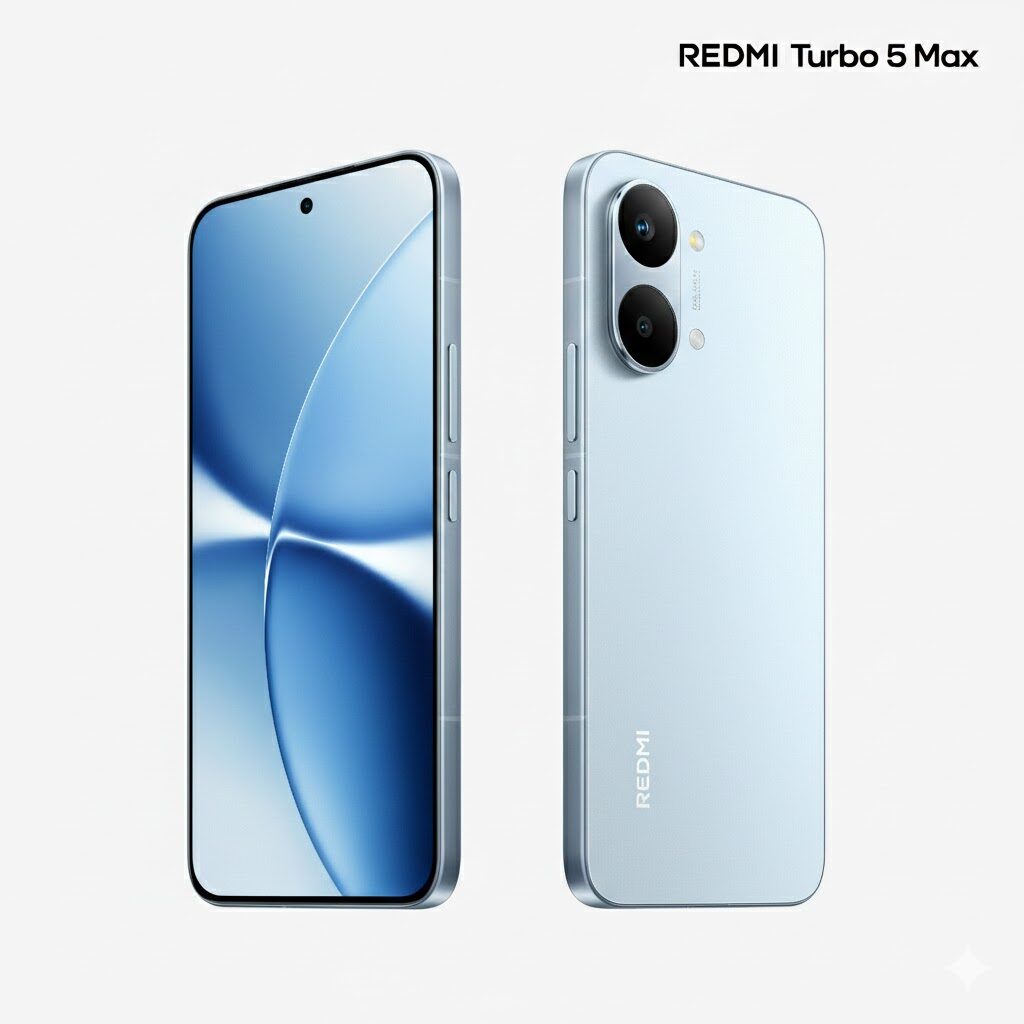
Xiaomi has officially unveiled the Redmi Turbo 5 Max as a value focused flagship model from its new Turbo 5 lineup. The Redmi Turbo Max features an absolutely gigantic battery capacity, a powerful new chip, and a sleek new design. So here are all the details.
Redmi Turbo 5 Max: Design & Display
The device sports a 6.83-inch 1.5K OLED screen with a 120Hz refresh rate and a bright panel that can reach up to 3,500 nits for excellent outdoor visibility. The display also supports 3840Hz high-frequency PWM dimming and DC dimming to reduce flicker and eye strain, plus Dolby Vision for richer HDR content.
Redmi Turbo 5 Max in Ocean Blue
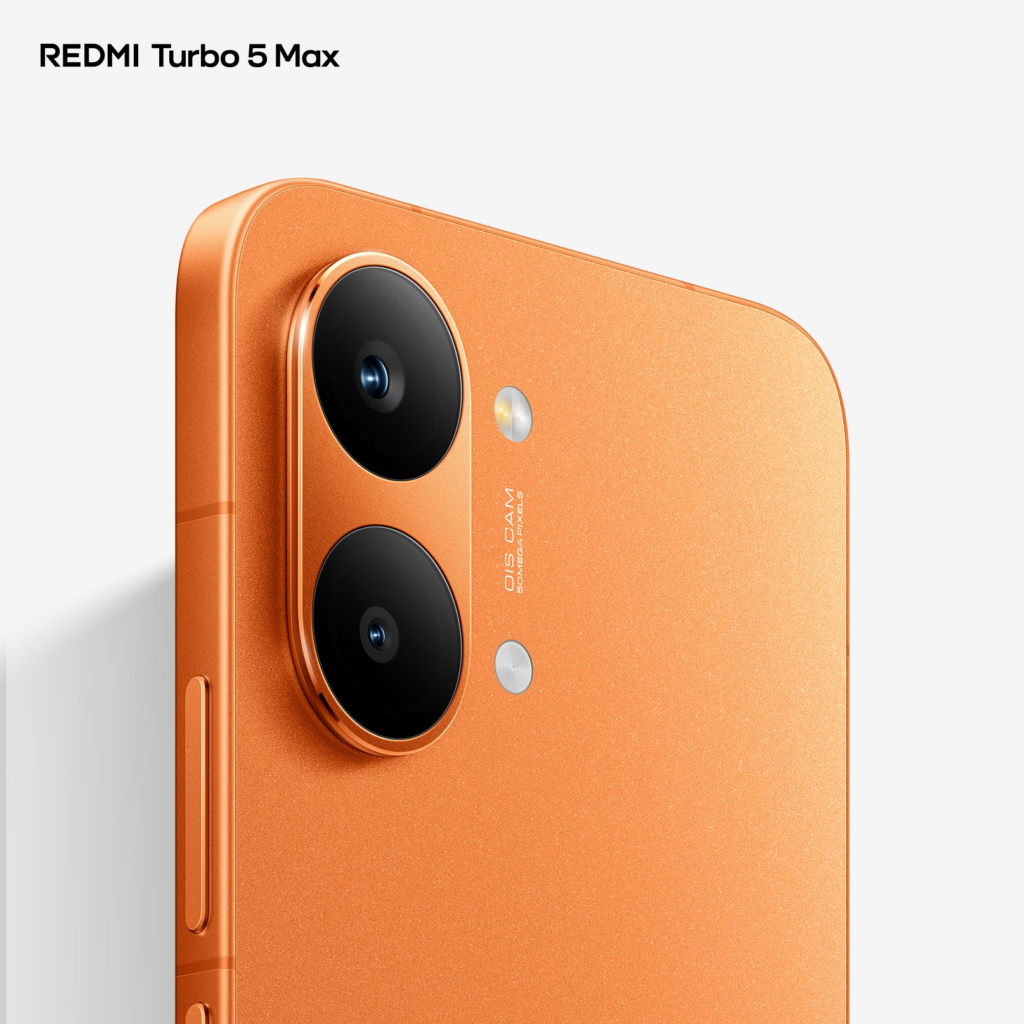
In terms of build, this model features a CNC metallic frame on the sides and a fiberglass back panel. The rear has a distinct double ring turbine light strip. The Redmi Turbo 5 Max was just announced in multiple color options, including Shadow Black, Ocean Blue, Cloud White, and the iPhone 17 Pro-inspired Sunshine Orange. You also get an IP66/68/69/69K rating for water and dust resistance.
Performance
Under the hood, the Redmi Turbo 5 Max is one of the first smartphones to be powered by the MediaTek Dimensity 9500s chipset. This is basically cutdown version of the flagship Dimensity 9500, with performance matching the older Dimensity 9400. It is coupled with up to 16GB of LPDDR5X RAM and 512GB of UFS 5.1 storage. With these specs, the budget flagship can easily handle demanding games and multitasking without breaking a sweat.
Redmi Turbo 5 Max in Sunshine Orange
Out of the box, the Turbo 5 Max runs on the Android 16 OS based HyperOS 3 custom skin. Other notable features include WiFi 6, Bluetooth 5.4, NFC, an ultrasonic in-display fingerprint scanner, stereo speakers, an infrared sensor, and dual nano SIM.
Battery & Charging
The headlining feature of the Redmi Turbo 5 Max is undoubtedly its gigantic 9,000mAh battery pack. This is one of the largest batteries ever seen in any Redmi phone. You also get 100W wired fast charging support along with 27W wired reverse charging. With such a large capacity, this phone can basically double as a power bank to charge your other gadgets. Xiaomi is claiming up to 11 hours and 10 minutes of battery life, which is likely indicating the screen n time.
Camera System
For photography, this affordable flagship packs a 50MP Light Fusion 600 main shooter, which has a 1/1.95-inch sensor size. It is paired with an 8MP ultra wide angle lens. The primary sensor includes features like optical image stabilization (OIS) and electronic image stabilization (EIS). Both cameras offer 4K60fps video recording as well.
Pricing & Availability
The Redmi Turbo 5 Max is already on sale in China with several configuration options, so here are the pricing details:
12GB + 256GB – 2499 Yuan (roughly 359 US Dollars)
16GB + 256GB – 2799 Yuan (roughly 402 US Dollars)
12GB + 512GB – 2799 Yuan
16GB + 512GB – 3099 Yuan (roughly 445 US Dollars)
Xiaomi has yet to confirm the international availability of this device, but the Turbo lineup could debut in overseas markets like India under the POCO branding.
Xiaomi held an event today to announce new Redmi products. The highlight is the new Redmi Turbo 5 Max; however, the company also announced a more affordable (yet powerful) Redmi Turbo 5. We will talk about the latter in this article.
Redmi Turbo 5 Specifications
The Turbo 5 is the first to debut MediaTek’s new Dimensity 8500 chip. Built on a 4nm process, the chip is paired with LPDDR5 memory and UFS 4.1 storage. To keep thermals under control, the phone uses the same 3D ice-sealed circulating cold pump cooling system found in Xiaomi’s flagship phones.
The phone also has a new “Rampage Engine” to better tune CPU, GPU, and even DDR frequencies for more stable performance during heavy use.
Redmi has packed in a 7,560mAh battery to keep things running, which supports 100W wired and 27W wireless charging.
On the front, you get a 6.59-inch AMOLED display equally as good as premium flagships. Xiaomi says the phone uses its Super Sunlight Screen, built with M10 luminescent material and capable of reaching a peak brightness of 3,500 nits. It also supports Xiaomi’s eye protection features that reduce eye strain during long viewing sessions.
Design-wise, the Redmi Turbo 5 has a more refined look than earlier Turbo models. It has a metal frame, glass back with a clean vertical camera module, narrow bezels, and large, rounded corners. The phone comes in Shadow Black, Light Sea Green, and Auspicious Cloud White.
Ingress protection includes IP66, IP68, IP69, and IP69K water and dust resistance. The Turbo 5 also features kilometer-level wireless connectivity, improved Apple device compatibility, and support for file transfer and notification sharing across platforms.
The Turbo 5 is not really a camera phone, thus it only features a 50MP main and an 8MP ultrawide on the back, and a 20MP lens for selfies.
Redmi Turbo 5 Price and Availability
Pricing for the Turbo 5 starts at 1,999 yuan (~ $287) for the base 12/256GB model, and goes up to 2,599 yuan (~ $375). Sales begin immediately in the mainland.
For more daily updates, please visit our News Section.
Tesla will officially stop producing the Model S and Model X by the end of Q2 2026. CEO Elon Musk confirmed the decision during the company’s Q4 2025 earnings call, saying it was time to bring both programs to an end. Launched in 2012 and 2015, these vehicles were Tesla’s first premium models and played a major role in proving that electric cars could be desirable, fast, and luxurious.
Falling Demand and Aging Platforms
Sales of the Model S and X have been declining for years. By 2025, estimated deliveries dropped to around 30,000 units globally, far below Fremont’s 100,000-unit capacity. The models also faced strong competition from newer rivals like the Lucid Air and Rivian R1S. A minor refresh in 2025, paired with a price increase, failed to revive interest, making the discontinuation feel inevitable.
Fremont Factory Gets a New Role
Tesla’s Fremont factory will no longer focus on these low-volume premium cars. Instead, the production lines will be converted for advanced manufacturing projects, most notably Tesla’s humanoid robot, Optimus. This marks a clear shift in strategy away from legacy models toward future technologies.
Optimus and Tesla’s Bigger Bet
Optimus has been in development for years and is now a top priority. Tesla plans to begin production before the end of 2026, with possible public sales in 2027. Musk believes Optimus could become Tesla’s most important product, supported by major investments in AI and xAI.
The Future of Tesla
This move shows that Elon Musk believes Tesla has already achieved its original EV goal. Electric cars are now widely accepted, and they no longer need to be strongly pushed or explained to the public. Premium models like the Model S and X no longer offer enough growth to justify Tesla’s time and money.
Musk clearly sees a bigger opportunity elsewhere. By shifting focus to Optimus, AI, and autonomy, Tesla is moving away from being just a car company. The future Tesla looks more like an AI and robotics company, using cars maybe to fund a much larger vision where intelligent machines play a central role in everyday work and life.
So finally, the clip-style earbuds are now reaching the Indian market. Realme, the popular smartphone brand, has introduced its first clip-style open-ear true wireless earbuds called the Realme Buds Clip. Let’s check out its key specs and pricing.
Pricing and Availability
The Buds Clip is priced at ₹5,999 ($65) and will be available starting February 5 at 12 PM. Buyers can avail an instant ₹500 ($5.44) discount as part of an introductory offer, bringing the effective price down to ₹5,499 ($60). The earbuds will be sold via Realme’s official website, Flipkart, Amazon.in, and offline retail stores.
Realme Buds Clip Specifications
The Buds Clip uses an 11mm dual-magnet large-amplitude speaker unit paired with a custom NextBass algorithm to enhance low-frequency performance. Realme claims output levels of up to 85dB sound pressure and a low-frequency boost of up to 100%, along with support for 3D spatial audio and directional sound technology to reduce audio leakage and improve immersion.
The earbuds also feature dual-mic AI-powered environmental noise cancellation, real-time translation for over 30 languages, and Gemini-based voice assistant integration.
On the connectivity front, the earbuds support Bluetooth 5.4 with SBC and AAC codecs, along with customizable tap controls, dual-device connection, and 45ms ultra-low latency for gaming, with gesture functions configurable via the Realme Link app. The Buds Clip also supports Swift Pair for quick Android pairing and carries an IP55 rating for dust and water resistance.
Each earbud packs a 45mAh battery, while the case contains a 530mAh unit. Realme claims 7 hours of playback on a single charge and up to 36 hours with the charging case. Charging is via USB Type-C, with full charging times of 1 hour for the earbuds and 2 hours for the case.
Each earbud weighs 5.3g and uses a memory titanium alloy C-bridge that hugs the ear for a secure and comfortable fit. Realme claims over 10,000 expansion and 3,000 torsion resistance cycles for the frame. The earbuds come in Titanium Black and Titanium Gold, with a matte finish that resists sweat and oil.
In related news, Realme has also launched the P4 Power with a 10,001mAh battery and a 144Hz display.
For more daily updates, please visit our News Section.
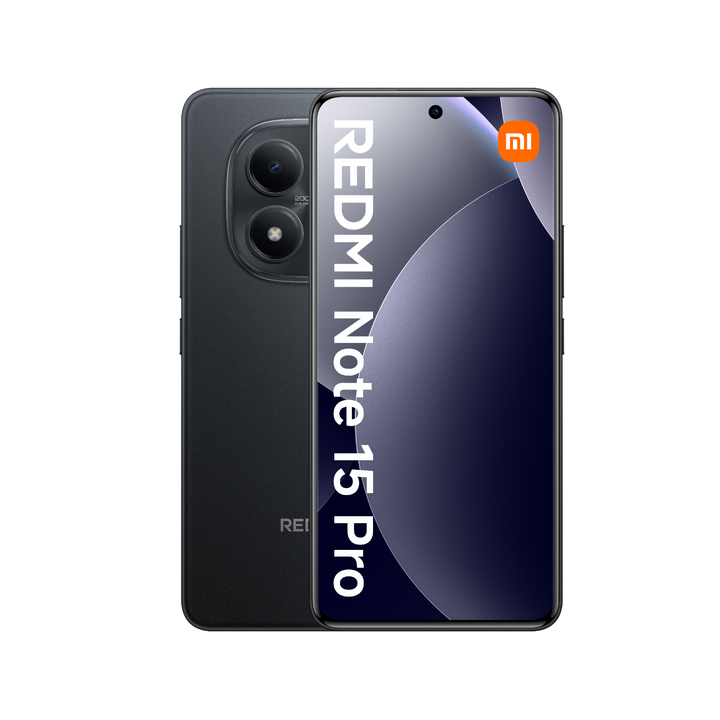
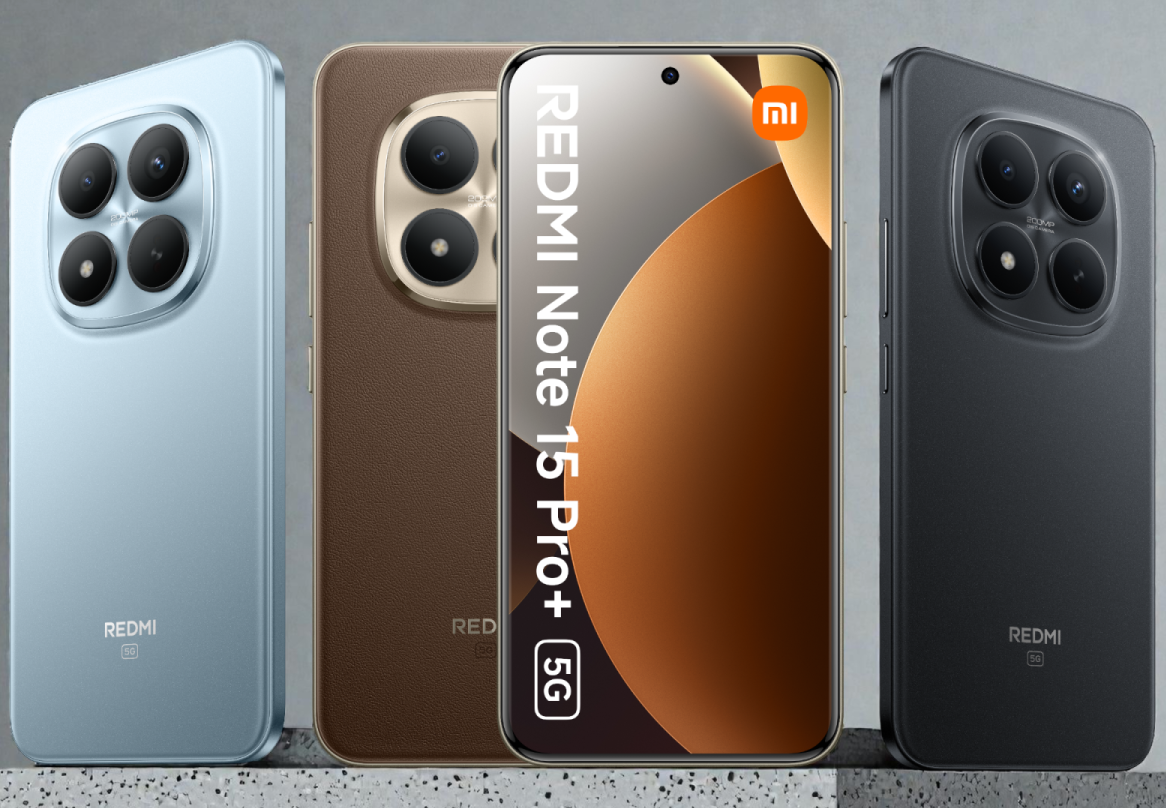
Xiaomi has just announced two new smartphones from its popular Redmi Note lineup. The Redmi Note 15 Pro and Note 15 Pro+ arrive as the latest mid range models with huge battery packs, new 200MP main cameras, and smooth OLED displays. So here are all the details.
Both phones sport a 6.83-inch 1.5K CrystalRes AMOLED panel with a 120Hz refresh rate and 2560Hz touch sampling rate, delivering vibrant colours and smooth motion that’s ideal for media consumption and gaming. The panel also offers up to 3200 nits of peak brightness along with Dolby Vision and HDR10+ support for an enhanced viewing experience. The display is protected by Corning’s Gorilla Glass Victus 2, and you even get advanced wet touch responsiveness. For more eye comfort, the devices support 3840Hz high frequency PWM dimming and DC Dimming.
The Pro+ features a slightly curved display, giving it a more premium look and feel, while the standard Pro sticks with a flat panel. Xiaomi’s Redmi Note 15 Pro and Note 15 Pro+ feature high ingress protection ratings, including IP66, IP68, IP69 and IP69K, meaning they’re well-equipped to handle dust, splashes, heavy rain or even temporary immersion. These are also SGS Premium Performance Certification for drop resistance.
2. Performance
Redmi Note 15 Pro in Carbon Black
Under the hood, the Redmi Note 15 Pro+ is powered by Qualcomm’s Snapdragon 7s Gen 4 chipset, paired with up to 12GB of LPDDR4X RAM and up to 512GB of UFS 2.2 storage. On the other hand, the Redmi Note 15 Pro is equipped with the MediaTek Dimensity 7400 Ultra that is coupled with 8GB of LPDDR4X RAM and up to 256GB of UFS 2.2 storage. Out of the box, the duo run on the Android 15 OS based HyperOS 2 custom skin. For connectivity, you get WiFi 6, Bluetooth 5.4, and NFC. Other notable features include an in-display optical fingerprint scanner, stereo speakers with Dolby Atmos tuning, and an infrared sensor.
3. Battery & Charging
Redmi Note 15 Pro in Glacier Blue
Battery endurance is a major focus with the new Note 15 Pro series. The Redmi Note 15 Pro+ packs a 6500mAh Silicon-Carbon battery with 100W wired fast charging. Meanwhile, the standard Note 15 Pro gets a slightly large 6,580mAh SiC cell, but with a slower 45W fast charging support. Buyers can even charge other gadgets thanks to 22.5W reverse wired charging support on both models. This helps in sharing power with compatible devices on the go. Xiaomi is claiming that the battery management system allows cells to retain 80 percent capacity even after 1,600 charge cycles, which is roughly about 6 years of typical use.
4. Photography
The camera capabilities were another aspect that was part of the marketing buzz since both models feature a 200MP primary camera, which is a relatively large Samsung HPE 1/1.4–inch sensor. The larger sensor with the high resolution also enables this camera to offer optical-level 2x and 4x zoom. Apart from this, there is an 8MP ultra wide angle lens on the back, while the front houses a 32MP shooter on the Note 15 Pro+ anda 20MP camera on the Note 15 Pro for selfies and video calls. The new devices are also packed AI powered imaging tools for enhanced portraits, motion shots, and editing.
5. Pricing & Availability
In India, the Redmi Note 15 Pro 5G starts at Rs 29,999 for the 8GB + 128GB model and Rs 31,999 for the 8GB + 256GB option. The Redmi Note 15 Pro+ 5G has a starting price tag of Rs 37,999, which goes up to Rs 39,999 for the 12GB + 256GB variant and Rs 43,999 for the 12GB + 512GB option. As of right now, pre-orders are already live on Amazon, the brand’s official website, and authorized retail stores. First sales will kick off in the region on 4th February 2026, with an instant bank discount offer that cuts the price by up to Rs 3,000 on select credit cards. The Note 15 Pro is available in Carbon Black, Silver Ash, and Mirage Blue, while the Note 15 Pro+ arrives in Carbon Black, Coffee Mocha, and Mirage Blue.
For more daily updates, please visit our News Section.
Nothing CEO Carl Pei confirmed in a YouTube video that the company will not launch any flagship smartphone in 2026. This means there will be no Nothing Phone (4) this year, and the company says Nothing Phone (3) will continue to serve as the brand’s flagship through 2026.
Nothing has been reserved with its flagship launches from the beginning. For example, the Phone (3) arrived after a two-year gap following the Phone (2). The company is basically replicating the same strategy with its next flagship.
That said, this does not mean there will be no new phone launches this year. Carl Pei confirmed that Nothing will introduce the Phone (4a) series, which will bring upgrades in the following areas:
materials
design
display
camera
and more
The video also talks about software, particularly Essential Space. According to Pei, users will be able to create their own widgets via it. The feature is currently in alpha testing and is expected to move to the beta stage soon. You can check out the video below for more details:
What we know about the Nothing Phone (4a) series
As mentioned by Pei, the Nothing Phone (4a) series is indeed launching, and it could happen quite soon. Both the Phone (4a) and Phone (4a) Pro have surfaced on regulatory platforms, confirming several key details.
Meanwhile, the Phone (4a) Pro made its regulatory debut on the EU’s EPREL database, confirming its battery and charging specifications. The device will feature a 5,080mAh battery paired with 50W fast charging. It has also been certified by India’s BIS under the model number A069P.
There is still limited information about the Phone (4a) series’ hardware specifications. However, rumors suggest a Q1 2026 launch, which would mean a debut before March. We will keep you updated as more details emerge.
For more daily updates, please visit our News Section.
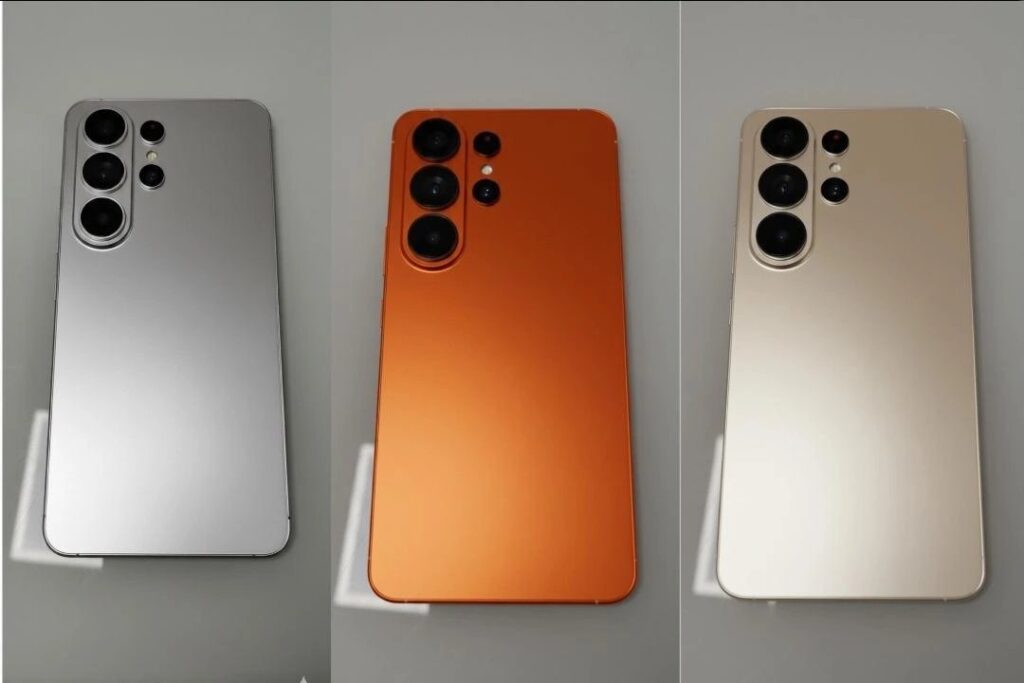
Major smartphone brands are lined up to unveil their exciting smartphones in February 2026. We’ll see many high-end phones, including the Galaxy S26 series, iQOO 15 Ultra, and the Vivo V70 series, launching next month, along with a couple of mid-range phones, such as the Pixel 10a, Motorola Edge 70 Fusion, and a few Galaxy A-series phones. Apple could also unveil the iPhone 17e in the same month.
If you’re planning an upgrade, these upcoming smartphones are worth paying attention to. Please note that some launches are already confirmed, while others have been added to the list based on strong leaks. The launch details for those devices should be announced officially in early February.
Upcoming smartphone launches in February 2026
Galaxy S26 series render
1. Samsung Galaxy S26 series
Launch date: February 25, 2026 (expected)
This is one of the most anticipated smartphone launches of 2026. While the official launch date is still under wraps, strong leaks suggest a February 25 launch at the Galaxy Unpacked event.
The company will unveil the main trio at the upcoming event: the Galaxy S26, Galaxy S26+, and Galaxy S26 Ultra. The remaining models, such as the Galaxy S25 Edge and Galaxy S25 FE, if planned, may launch later this year.
Based on past leaks, we aren’t expecting significant upgrades to the Galaxy S26 series, but refinements across display, camera hardware, and bigger batteries. The Galaxy S26 and S26+ will reportedly feature the Exynos 2600 in some markets, including India, while the S26 Ultra will only come with the Snapdragon 8 Elite Gen 5. These will be the first phones to run One UI 8.5 software, based on Android 16.
Launch date (iQOO 15 Ultra): February 4, 2026 — China
Launch date (iQOO 15R): February 24, 2026 — India
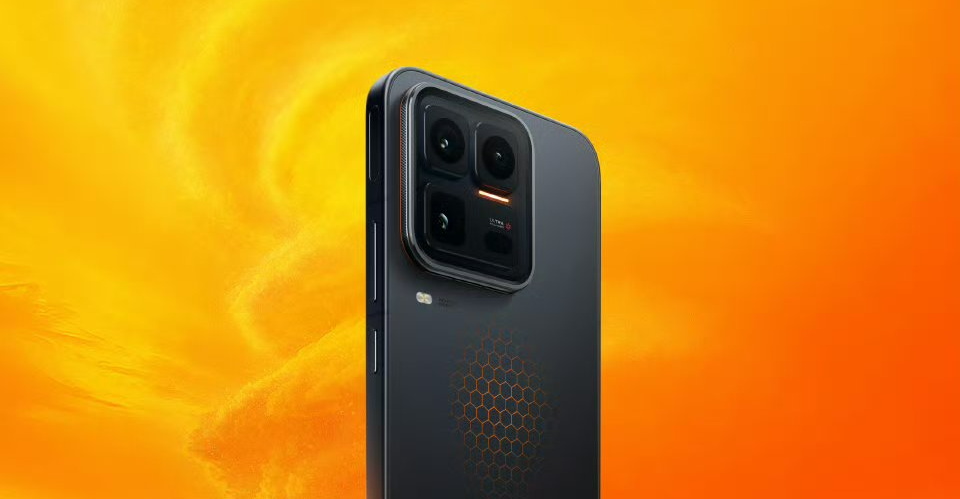
iQOO will unveil its top-tier iQOO 15 Ultra in China in the first week of February. The phone is said to feature the Snapdragon 8 Elite Gen 5 SoC, a large LTPO AMOLED screen with 2K resolution, and three 50MP sensors on the back. It could house a 7,400mAh battery capacity with 100W wireless charging support. Some leaks say the wired charging speed could be up to 200W.
The leaked spec sheet for the iQOO 15 Ultra sounds pretty powerful, so I’m excited to see how it performs in real life. After this launch, we’ll see the brand unveil the iQOO 15R in India, a premium mid-range phone powered by the Snapdragon 8 Gen 5 chipset. This phone could offer an even larger battery at 7,600 mAh with 100W fast charging support.
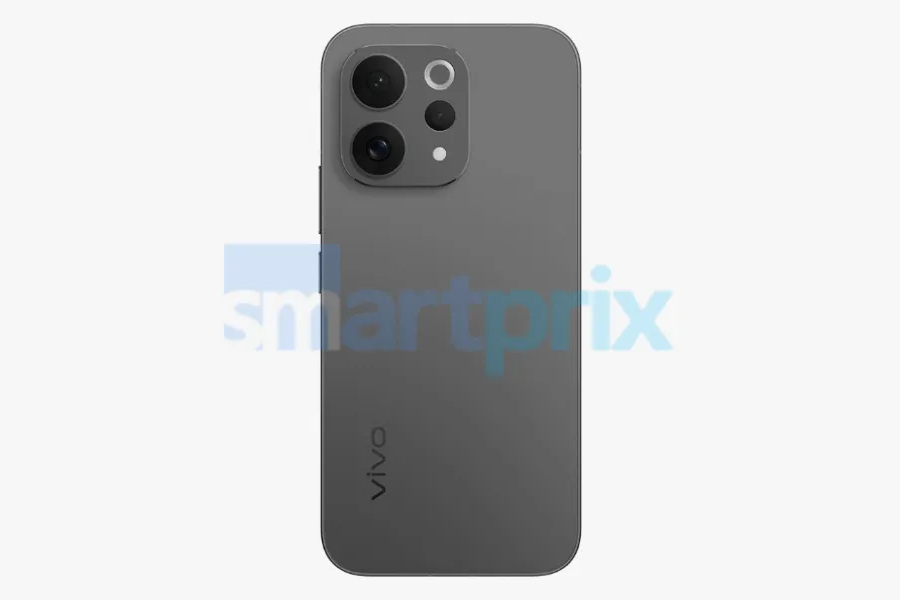
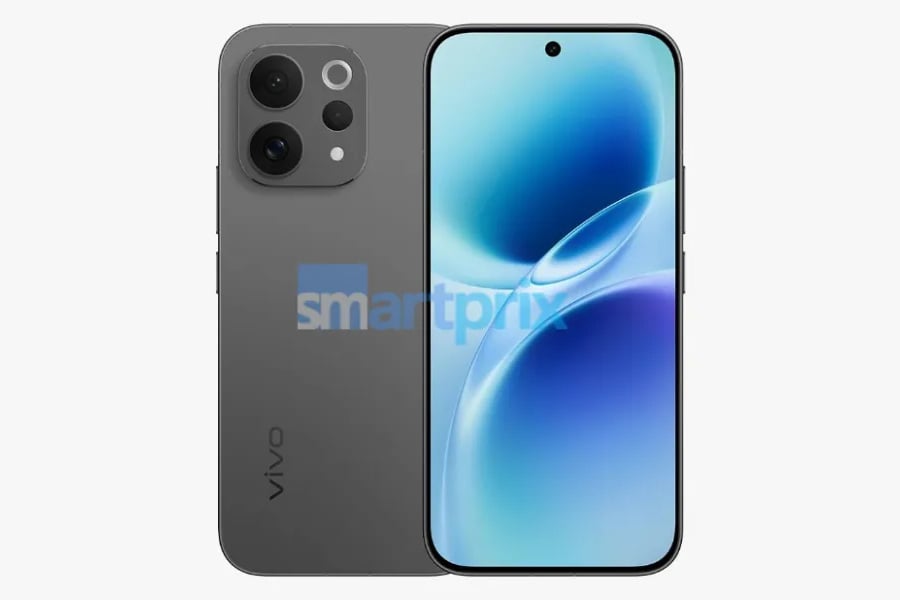
The popular Vivo V-series could gain two new members, as the brand reportedly plans to unveil the Vivo V70 and Vivo V70 Elite next month. Both of them will likely be camera-focused, offering two 50MP sensors (primary and telephoto) and an 8MP ultrawide unit.
The regular Vivo V70 is said to feature the Snapdragon 7 Gen 4, while the V70 Elite could come with the Snapdragon 8s Gen 3. Leaks say the phones will bring a 6,500mAh battery with support for 90W wired charging.
We usually have an affordable version of the latest Pixel lineup around February, and this year will be no different. The Pixel 10a could be unveiled in mid-February, with sales expected to begin in early March.
The upcoming Pixel 10a should be powered by the Tensor G4 chip, the same chip that powers other Pixel 10 models. It is said to feature a dual-camera setup on the back, led by a 48MP primary shooter, and a 5,100mAh battery with support for 23W wired charging.
The iPhone 16e arrived in February last year, and the industry is expecting Apple to follow the same launch timeline for its successor, the iPhone 17e. The smartphone could come with the Apple A19 chip, the same chip powering the iPhone 17. Other rumored specs include a 6.1-inch OLED screen and a single 48MP rear camera.
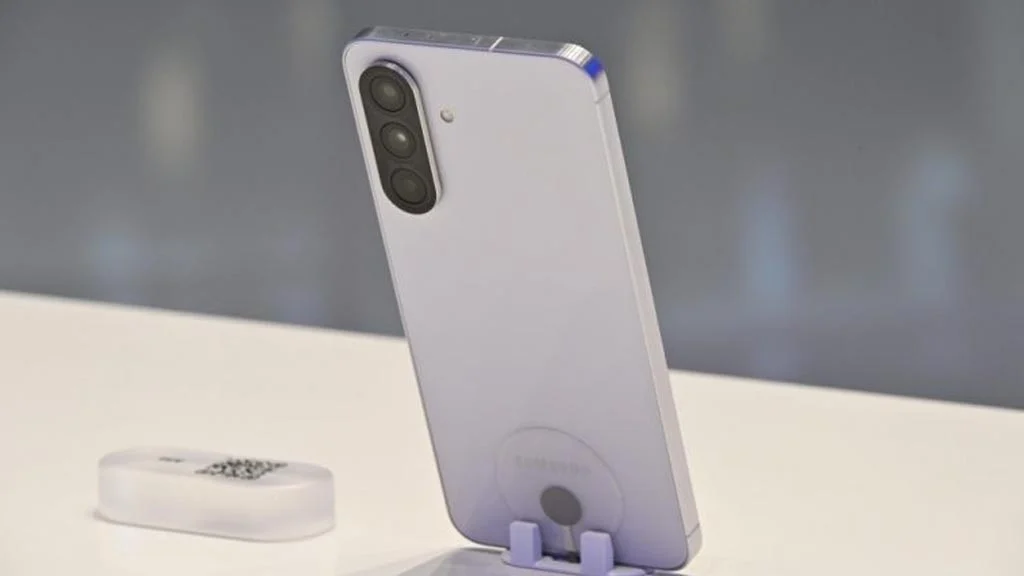
Galaxy A56
6. Samsung Galaxy A57, Galaxy A37
Launch date: February 2026 (expected)
In addition to the Galaxy S26 flagship series, the company could also unveil two mid-range phones in February: Galaxy A57 and Galaxy A37. Both phones are said to be powered by the in-house chips: Exynos 1680 on the Galaxy A57 and Exynos 1480 on the Galaxy A37.
According to recent leaks, the Galaxy A57 and Galaxy A37 will pack 5,000mAh batteries with support for 45W fast charging and a triple rear camera setup, led by a 50MP primary shooter (with OIS). The phones could come with Android 16-based One UI 8.5 skin out of the box.
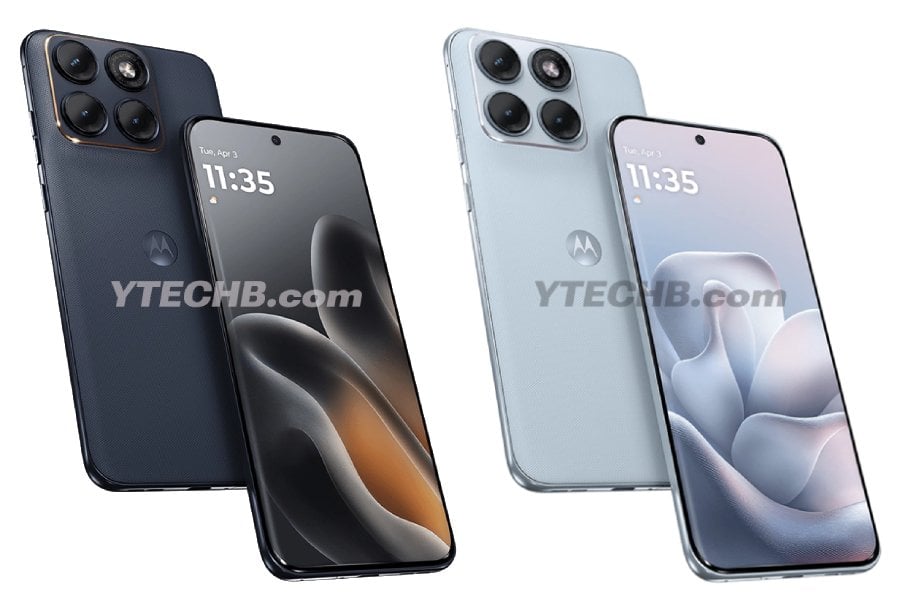
Edge 70 fusion leaked image
7. Motorola Edge 70 Fusion
Launch date: February 2026 (expected)
The Edge 70 was announced in October, and now the brand is gearing up to unveil the second model in the lineup, the Edge 70 Fusion. While the official launch date is under wraps, leaks suggest it could go official in late February.
The Motorola phone could feature a 6.78-inch AMOLED screen with a 144Hz refresh rate, a Snapdragon 7s Gen 4 SoC, and a 50MP triple rear camera setup. It is said to pack a 7,000mAh battery, the largest on a Motorola phone to date, with support for 68W fast charging.
iQOO is scheduled to announce the iQOO 15 Ultra, its ultimate flagship phone aimed at hardcore gamers, on February 4 in China. Ahead of the launch, the device has surfaced on Geekbench, revealing impressive benchmarking scores.
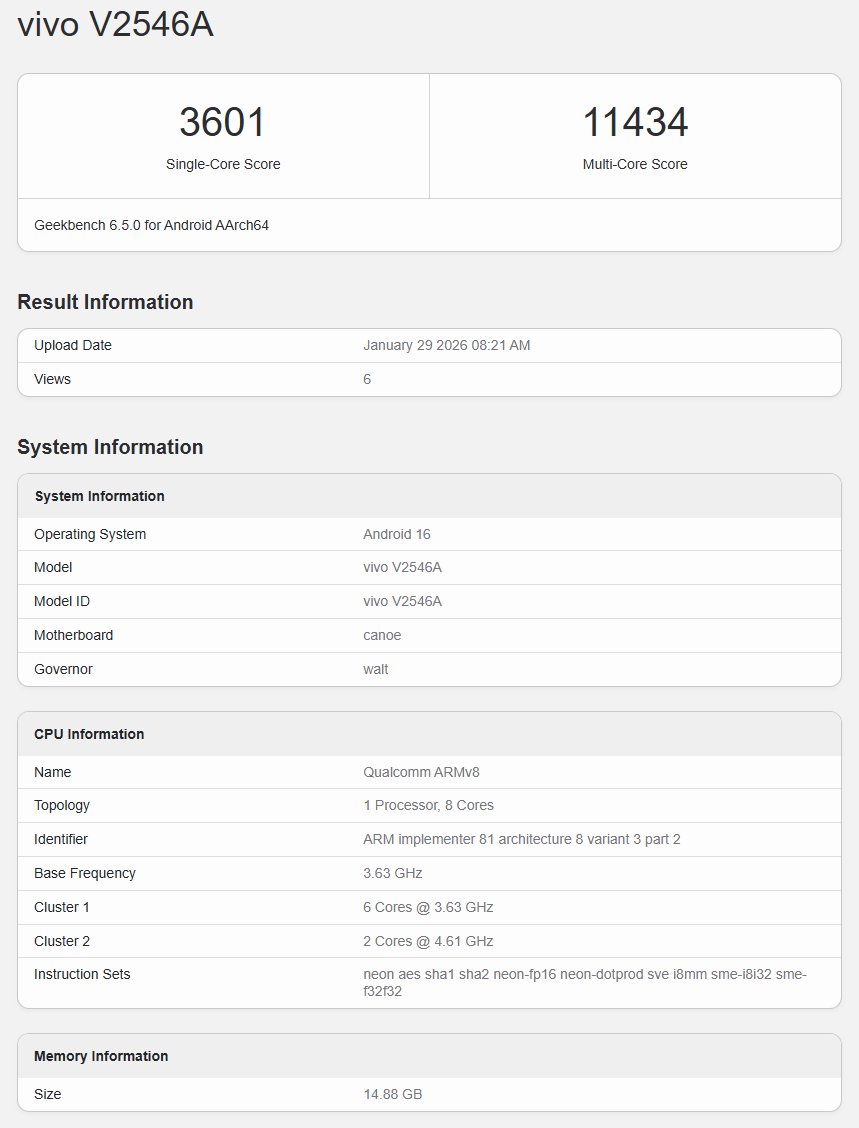
iQOO 15 Ultra Geekbench listing
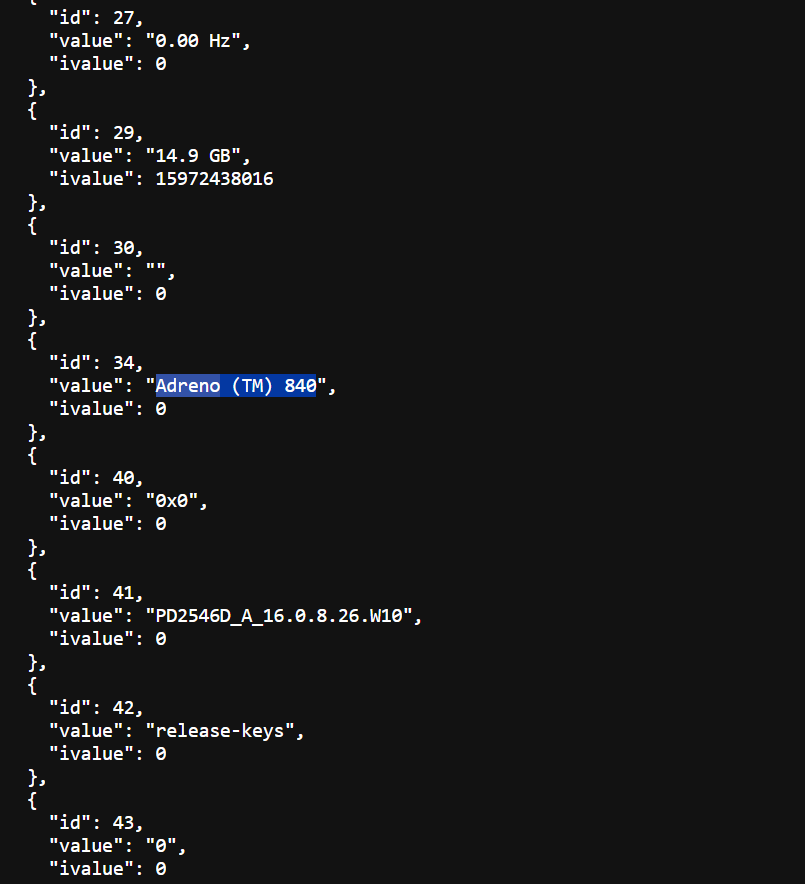
The Geekbench listing reveals the iQOO 15 Ultra carrying the model number V2546A. It has achieved a single-core score of 3,601 and a multi-core score of 11,434 on Geekbench 6.0. This multi-core result appears to be among the highest, if not the highest, recorded so far for a smartphone powered by the Snapdragon 8 Elite Gen 5 chipset.
The listing confirms that the Snapdragon chip is paired with 16GB of RAM on the tested unit. The CPU configuration shows an eight-core setup, featuring two high-performance cores clocked at up to 4.61GHz and six efficiency cores running at up to 3.63GHz. The benchmark entry also confirms that the handset runs on Android 16. Reports have revealed that the device will be available 16GB+512GB and 24GB+1TB configurations.
iQOO 15 Ultra specifications (expected)
According to reports, the iQOO 15 Ultra is expected to feature a 6.85-inch Samsung LTPO flat display with 2K resolution and a 144Hz refresh rate. It is said to include an ultrasonic in-screen fingerprint sensor and an active cooling fan to maintain performance during extended gaming sessions.
The phone is tipped to pack a Q3g gaming chip, LPDDR5x Ultra RAM, UFS 4.1 storage, and a 7,400mAh battery with 100W wired charging, wireless charging, and bypass charging support. On the camera front, it may feature a 32-megapixel front camera and a triple 50-megapixel rear setup, including a main sensor, an ultra-wide lens, and a 3x periscope telephoto camera with CIPA 4.5 stabilization.
Additional features are expected to include pressure-sensitive shoulder triggers, a built-in cooling fan, a dual-axis linear motor, symmetrical stereo speakers, and OriginOS 6 based on Android 16. The phone will launch in 2077 Flowing Orange and 2049 Ice Blue colour options.
For more daily updates, please visit our News Section.
The first global smartphone with a 10,000mAh battery is here. Realme today announced the Realme P4 Power in India, featuring a 10,000mAh battery, bold claims about its runtime, and a starting price of just Rs 28,999 (~$285). Talk about value.
A battery that’s doing most of the talking
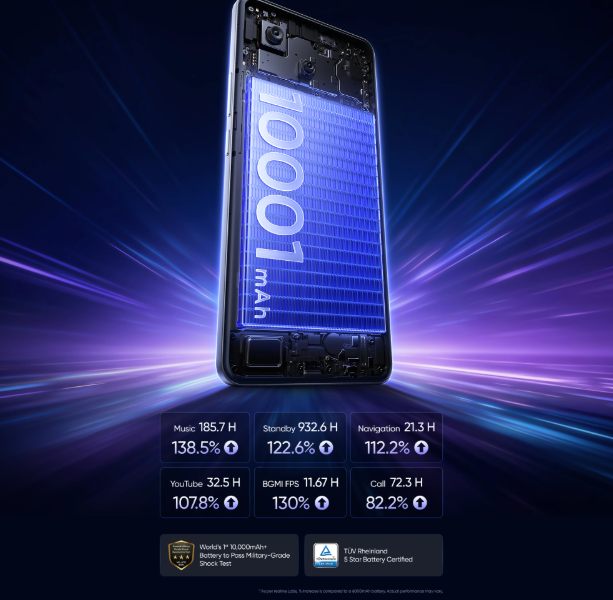
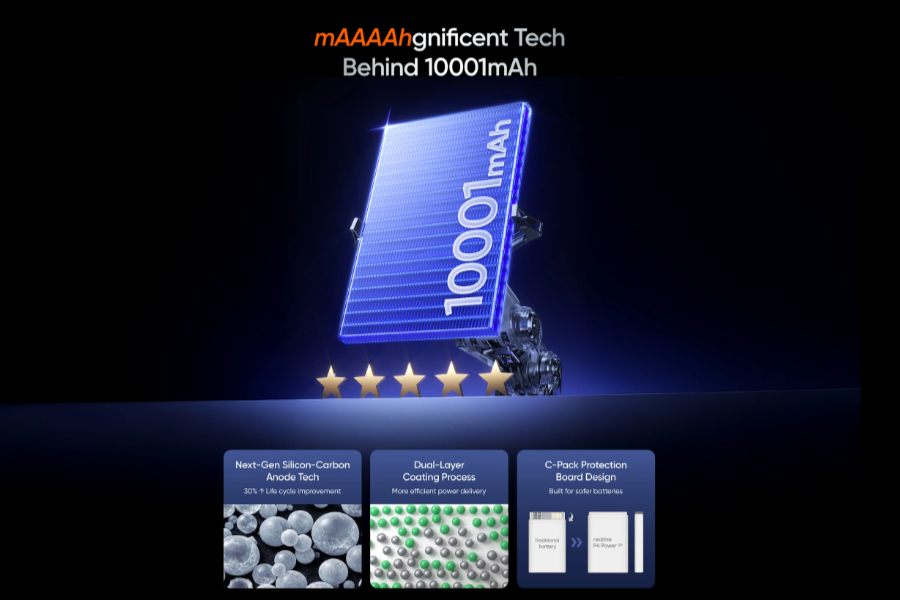
The Realme P4 Power 5G’s biggest selling point is, unsurprisingly, its battery. With a capacity of 10,001mAh, this is one of the largest batteries you’ll find in a mainstream smartphone in India right now.
Realme says it’s the world’s first 10,000mAh-plus battery to pass a military-grade shock resistance test (MIL-STD-810), which is an interesting claim for a phone that’s meant to be used daily.
Realme has also shared some bold endurance numbers. It claims up to 932 hours of standby, over 72 hours of calling, around 32 hours of YouTube playback, and more than 21 hours of navigation. Even gaming figures are impressive, with over 11 hours of BGMI gameplay on a single charge.
Charging hasn’t been ignored either. Despite the huge battery, the phone supports 80W fast charging, along with 27W reverse wired charging for powering accessories.
There’s also bypass charging, which lets users game or stream while plugged in without stressing the battery, and a “boost charging” feature that promises faster top-ups with a long press.
Realme is also confident enough to offer a four-year battery health guarantee, and is even ready to replace the unit if health drops below 80 percent. The service, however, is only applicable to first-sale units.
The rest of the phone
Beyond the battery, the Realme P4 Power 5G packs a 6.8-inch 1.5K OLED display with a 144Hz refresh rate, curved edges, and up to 6,500 nits of peak brightness. It runs on the MediaTek Dimensity 7400 Ultra, paired with LPDDR4X RAM and UFS 3.1 storage, and includes a dedicated HyperVision+ AI chip.
Camera specs include a 50MP Sony IMX882 main sensor with OIS, an 8MP ultra-wide, and a 2MP sensor, while the front has a 16MP Sony IMX480 sensor. The phone runs Android 16 with Realme UI 7.0, and Realme is promising three years of Android updates and four years of security patches.
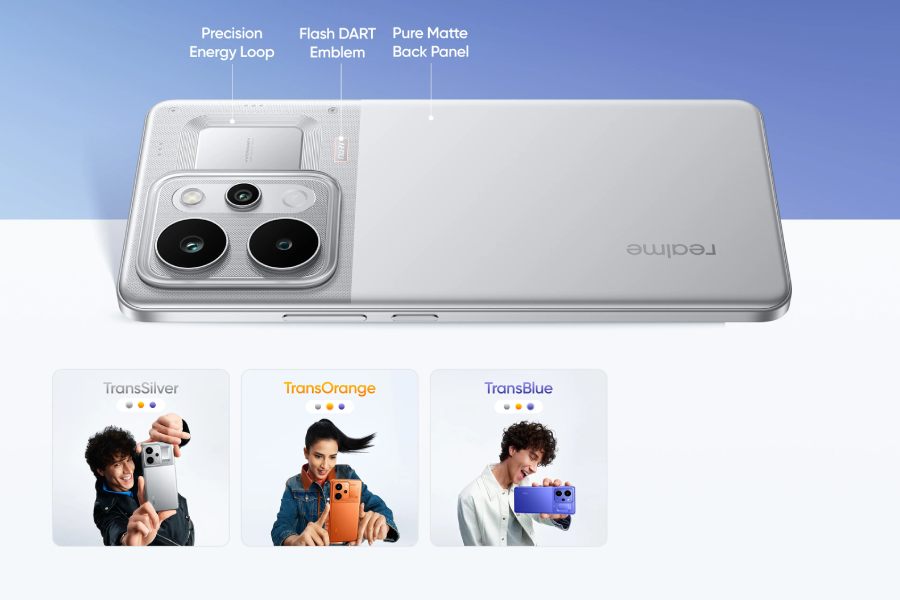
Other features include IP69, IP68, and IP66 ratings, an IR blaster, Wi-Fi 5, Bluetooth 5.4, and a relatively slim 9.1mm body weighing 219 grams. It comes in TransSilver, TransOrange, and TransBlue, all using Realme’s new TransView design language.
Realme P4 Power Price and Availability
The phone starts at Rs 25,999 for the 8GB/128GB model. Likewise, the 8GB/256GB and 12GB/256GB variants will retail at Rs 27,999 and Rs 30,999, respectively. The first sale of the Realme P4 Power begins on February 5 via the e-commerce platform Flipkart.
For more daily updates, please visit our News Section.
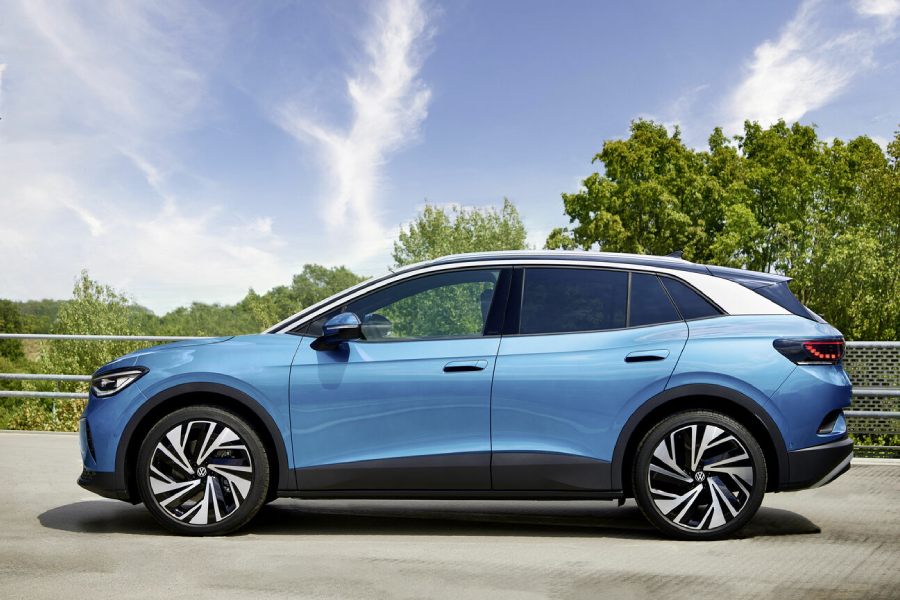
Volkswagen is recalling more than 44,000 ID.4 electric vehicles in the United States due to battery-related fire risks, according to two recall notices published by the National Highway Traffic Safety Administration (NHTSA) on Tuesday. Both recalls affect recent model-year ID.4 vehicles and involve potential issues with the high-voltage battery system.
The first recall is relatively small, covering 670 ID.4 vehicles from the 2023 and 2024 model years. According to Volkswagen’s report to the NHTSA, these vehicles may have a manufacturing defect in their battery cell modules. During a specific production period, electrodes inside the battery cells may have been misaligned, which could increase the risk of a battery fire under certain conditions.
While a permanent fix is being prepared, Volkswagen is asking affected owners to take several precautions. These include limiting battery charging to 80 percent, avoiding DC fast charging, and parking the vehicle outdoors after charging. Volkswagen says its final solution will be to replace the potentially faulty battery modules free of charge.
The second recall affects more than 40,000 Volkswagen ID.4
The second recall is much larger, affecting 43,881 ID.4 vehicles from the 2023 to 2025 model years. In this case, the issue is related to missing battery monitoring software. The vehicles were not equipped with Volkswagen’s “self-discharge detection” software, which is designed to identify unusual battery behavior.
According to the recall report, in rare situations, a high-voltage battery module could experience thermal runaway, a condition that can lead to a vehicle fire. Volkswagen notes that a clear root cause has not yet been identified for all reported incidents. As part of the recall, the company will perform battery health checks, install updated software, and replace battery modules if needed.
Both recalls involve battery modules supplied by SK Battery America, a unit of South Korean battery manufacturer SK On. Between 2024 and 2025, at least five battery overheating incidents involving the ID.4 were reported in the US. Investigations linked the failures to hardware abnormalities, including electrode displacement inside the battery.
The ID.4 is Volkswagen’s best-selling electric vehicle and a key part of its shift toward electrification. In 2025, global sales of the ID.4, including the coupe-style ID.5, reached 163,400 units, a year-over-year increase of nearly 27 percent. This recall will definitely make a dent in Volkswagen’s electric vehicle profile.
For more daily updates, please visit our News Section.
Huawei might be getting ready to revisit one of its more unusual foldable ideas.
Back in March 2025, Huawei launched the Pura X as the industry’s first foldable phone with a “wide fold” design. Instead of the tall, narrow look most foldables go for, the Pura X opened into a wider 16:10 display, making it feel closer to a small tablet.
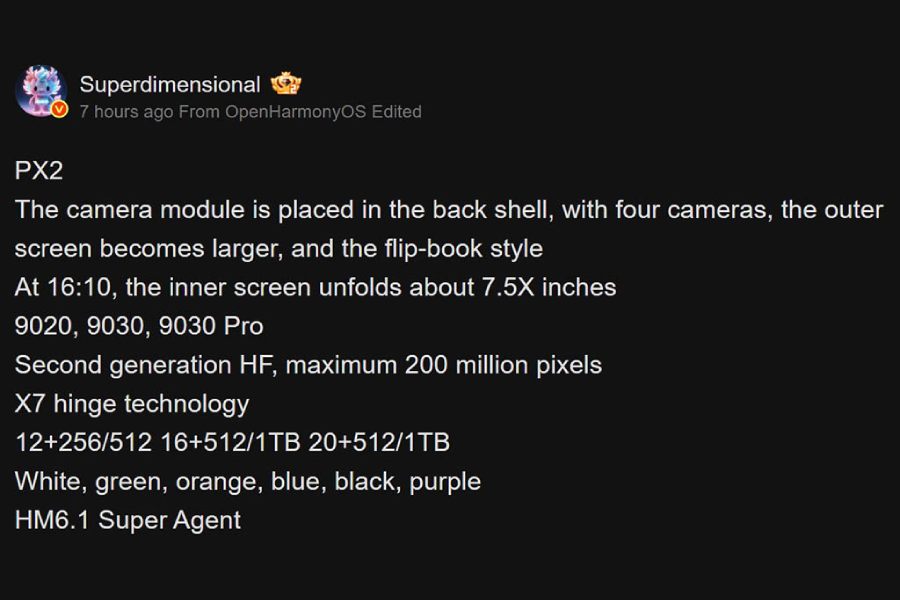
Now, according to a new leak shared by a tipster on Weibo, Huawei is preparing a follow-up called the Huawei Pura X2.
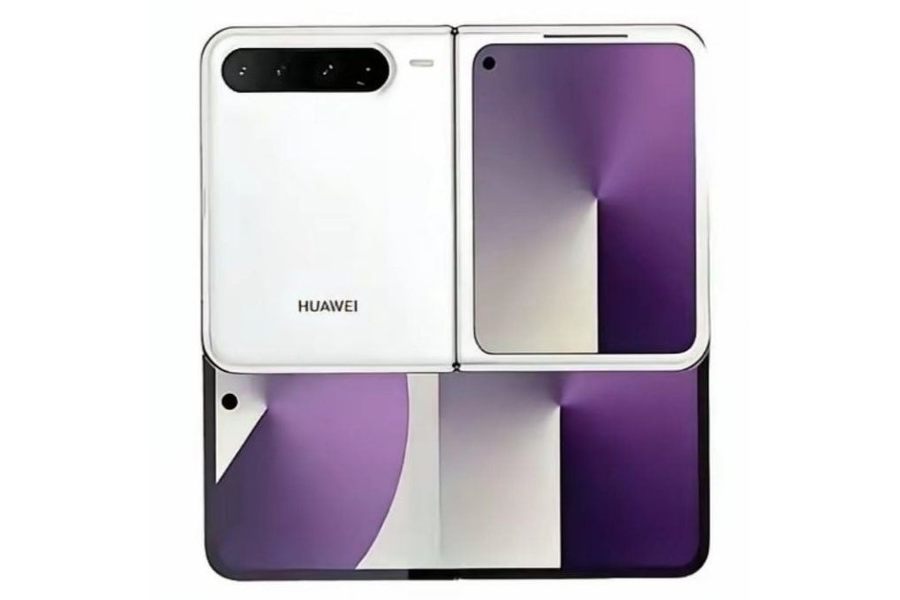
Alleged Huawei Pura X2 render
Based on the leaked details, the Pura X2 won’t dramatically change the overall shape of the original model. The body proportions are said to remain largely the same, but one noticeable upgrade could be the external display.
The outer screen is reportedly much larger than before, which could make quick interactions more practical without unfolding the phone.
Around the back, Huawei may also be reworking the camera layout. The Pura X2 is tipped to feature a horizontal rear camera module with three or possibly four cameras. The most notable upgrade could be the inclusion of a 200MP sensor on the rear camera.
Huawei Pura X2 Specifications (Expected)
Under the hood, the Pura X2 will use Huawei’s self-developed Kirin processor. The tipster presents three names, Kirin 9020, 9030, and 9030 Pro, so it could either be that the X2 will launch in three flavors or might use one of the mentioned chips.
When unfolded, the inner display will keep the original 16:10 aspect ratio, but the screen size might grow to 7.5 inches. The hinge is also said to borrow technology from the Huawei Mate X7, suggesting improvements in durability or smoothness.
Huawei reportedly plans to offer a wide range of memory and storage options for the Pura X2. It could start at 12GB of RAM and go all the way up to a massive 20GB, with storage options topping out at 1TB. The phone is expected to run HarmonyOS 6.1.
For comparison, the original Pura X features a 6.3-inch inner display, a 3.5-inch square outer screen, a triple-camera setup, a 4720mAh battery, and fast wired and wireless charging, with a starting price of 7,499 yuan (~$1,080).
For more daily updates, please visit our News Section.
We use cookies on our website to give you the most relevant experience by remembering your preferences and repeat visits. By clicking “Accept”, you consent to the use of ALL the cookies.
This website uses cookies to improve your experience while you navigate through the website. Out of these, the cookies that are categorized as necessary are stored on your browser as they are essential for the working of basic functionalities of the website. We also use third-party cookies that help us analyze and understand how you use this website. These cookies will be stored in your browser only with your consent. You also have the option to opt-out of these cookies. But opting out of some of these cookies may affect your browsing experience.
Necessary cookies are absolutely essential for the website to function properly. This category only includes cookies that ensures basic functionalities and security features of the website. These cookies do not store any personal information.
Any cookies that may not be particularly necessary for the website to function and is used specifically to collect user personal data via analytics, ads, other embedded contents are termed as non-necessary cookies. It is mandatory to procure user consent prior to running these cookies on your website.