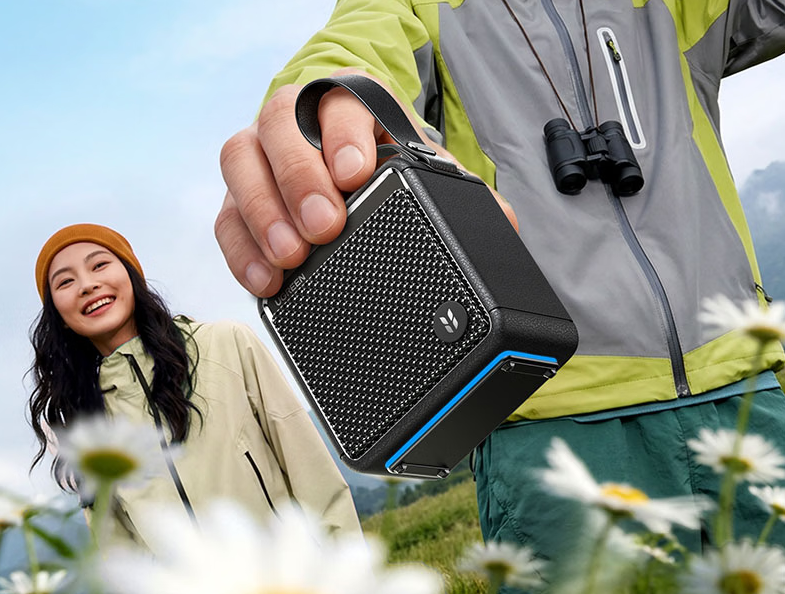
Advertisement

Xiaomi 17 Max goes on first sale as Xiaomi’s biggest battery flagship

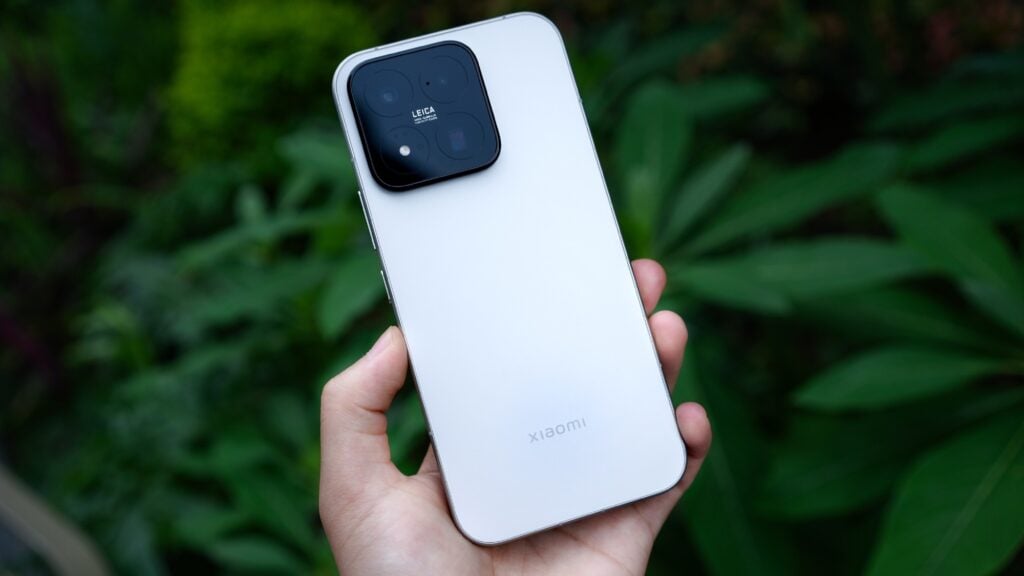
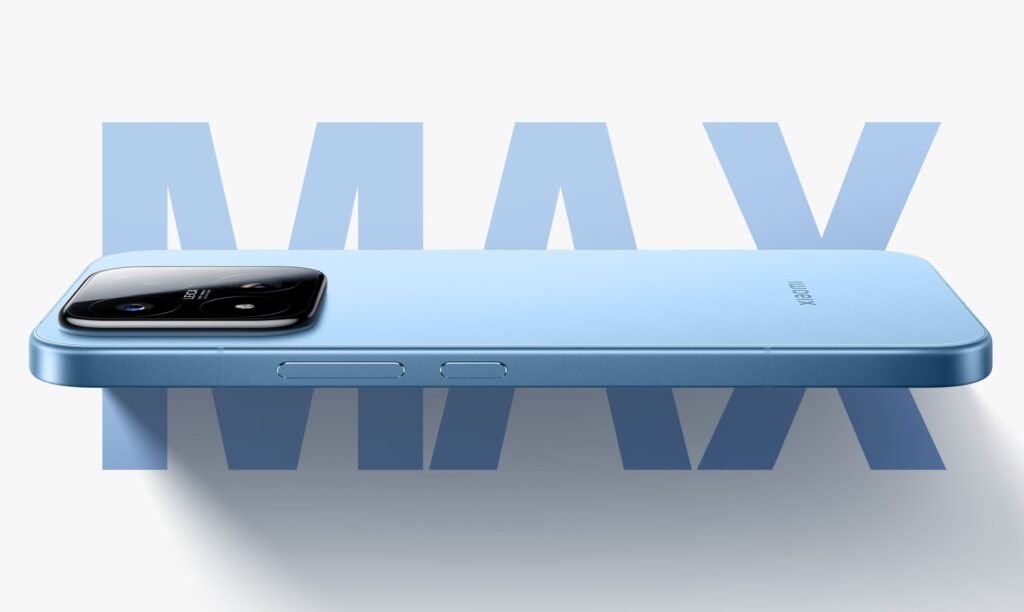
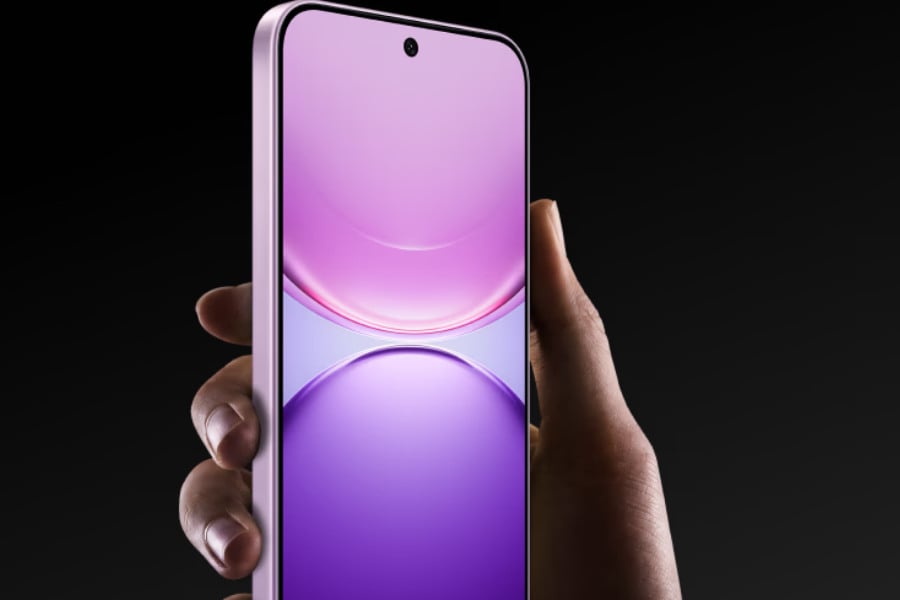
The Xiaomi 17 Max, launched last week, has officially gone on sale in China starting today. The device arrives as the flagship large-screen model in the Xiaomi 17 series and as the largest battery smartphone from Xiaomi at 8000mAh capacity. 

The Xiaomi 17 Max starts at 4,299 yuan (around $630 or Rs 60,800) for the 12GB RAM and 256GB storage version. The 16GB + 256GB model costs 4,599 yuan (around $675). 
If you want more storage, you can either opt for the 12GB + 512GB variant at 4,899 yuan (around $720), or the top-end 16GB + 512GB model for 5,299 yuan (around $780).

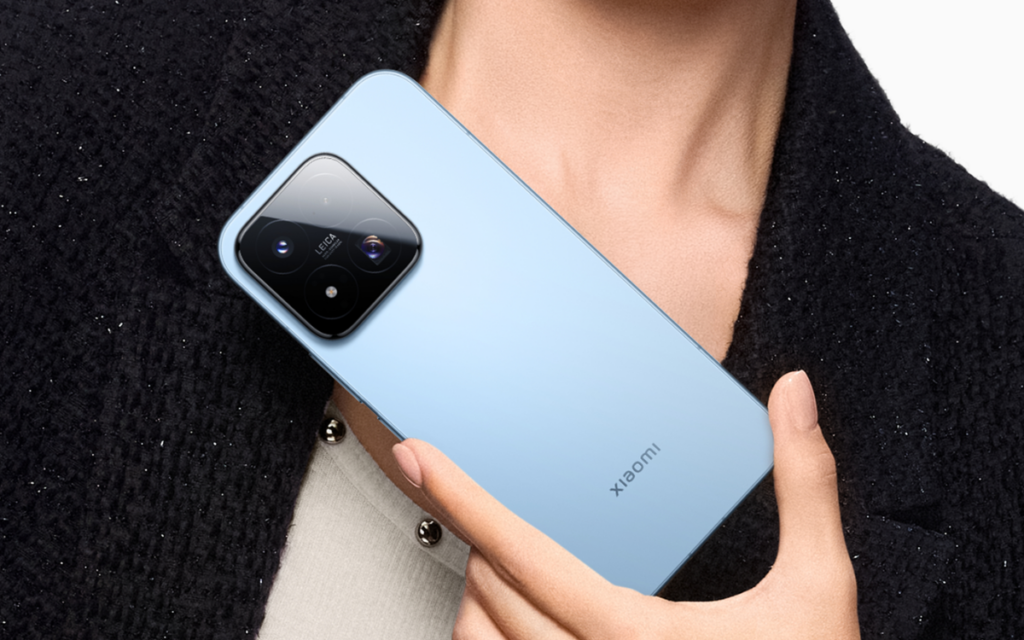
The smartphone is offered in White, Sky Blue, and Pixel Black color options. While we aren’t sure when and if Xiaomi will launch the model globally, buyers worldwide can purchase the device from Giztop.  

Xiaomi 17 Max Specifications 

The Xiaomi 17 Max is equipped with a 6.9-inch SuperPixel 120Hz screen that delivers 2K resolution while consuming less power than a 1.5K screen. 

The front also has a 32MP selfie camera, while the back gets a Leica 200-megapixel main camera along with a 50-megapixel periscope telephoto lens and a 50-megapixel Leica ultra-wide-angle lens.

Among them, the periscope telephoto lens supports 3x optical zoom, 6x optical-grade lossless zoom, and 15cm macro close-up.
Likewise, it’s 8000mAh Xiaomi Jinshajiang battery has a silicon content of up to 16% and an energy density of 894Wh/L. It also supports 100W wired fast charging and 50W wireless fast charging.

The Xiaomi 17 Max is currently the Xiaomi phone with the longest battery life, with a combined battery life of up to 20.8 hours and a video playback time of 33.3 hours in actual tests, which even exceeds the combined battery life of two iPhone 17 Pro Max phones.

For more daily updates, please visit our News Section.

Stay ahead in tech! Join our Telegram community and sign up for our daily newsletter of top stories! 💡

Vivo launches Vivo Y600 Turbo with massive 9020mAh battery, 5000 nits AMOLED display

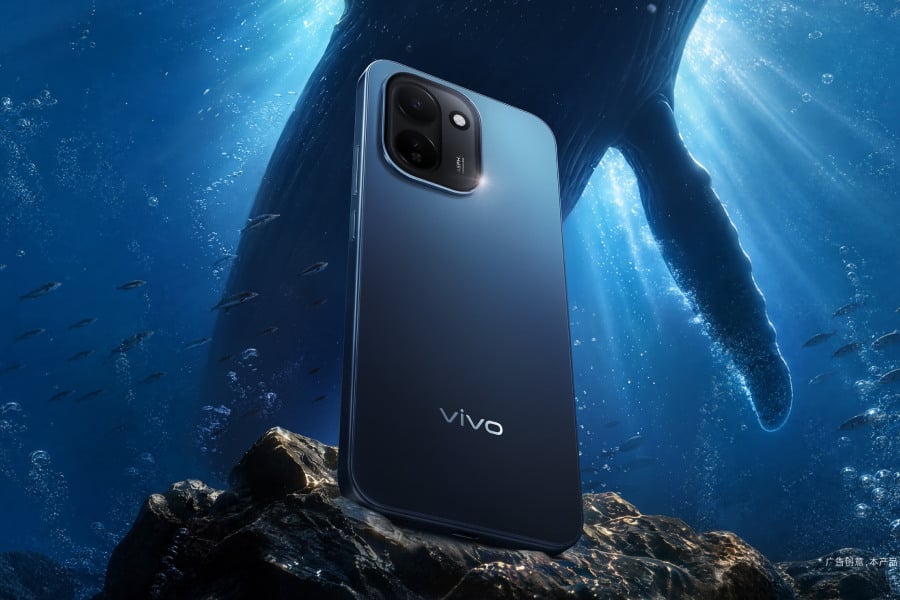
As scheduled, Vivo today officially announced the Vivo Y600 Turbo in China. It is the second biggest battery phone from Vivo — after the Vivo Y600 Pro — featuring a massive 9020mAh (typical 9000mAh) capacity. 

Vivo claims the battery can retain at least 80% health after 1200 charge cycles. It also supports 90W fast charging, along with reverse wired charging and global direct power supply.

Vivo Y600 Turbo Specs Launch Price

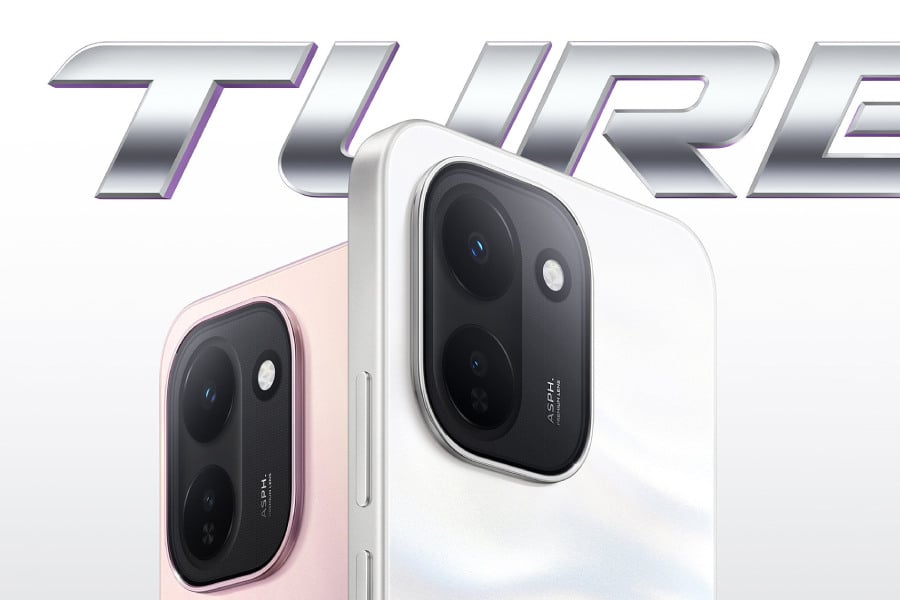
Despite featuring a big cell, the device measures just 8.29mm and weighs 215 grams. It is available in three color options: Dune Gold, Electric Blue, and Millennium Pink. 

Vivo Y600 Turbo Specifications 

The Vivo Y600 Turbo is built around a 6.83-inch AMOLED display with a 1.5K resolution (2800×1260). It supports a 120Hz refresh rate, up to 5000 nits peak brightness, and 1.07 billion colors, along with 4320Hz high-frequency PWM dimming for eye comfort. 

Under the hood, the phone runs on the Snapdragon 7s Gen 4 mobile platform, built on a 4nm process. This is paired with up to 12GB of RAM and 512GB of internal storage, using LPDDR4X RAM and UFS 3.1 storage. Graphics are handled by the Adreno 810 GPU.

For cameras, the device includes a 50MP main rear camera and a 2MP depth sensor, while the front has an 8MP selfie camera. Both front and rear cameras support EIS stabilization, and the rear camera can record up to 4K video.

The phone runs on OriginOS 6 and supports 5G connectivity, Wi-Fi 6, Bluetooth 5.2, NFC, in-display fingerprint scanning, and multiple navigation systems. Ingress protection is handled by IP68 and IP69 ratings. 

Price and Availability

Pricing starts at 2299 yuan (~ $339) for the 8GB+256GB model, 2599 yuan (~$382) for the 12GB+256GB version, and 2899 yuan (~ $426) for the 12GB+512GB variant. The early sale price drops as low as 2099 yuan (~$308) with additional national subsidies.

For more daily updates, please visit our News Section.

Stay ahead in tech! Join our Telegram community and sign up for our daily newsletter of top stories! 💡

Huawei proposes “Tau Law” as alternative to Moore’s Law, first logic-folding chip arrives this autumn

Huawei is proposing a new way to keep the semiconductor industry moving forward at a time when making smaller and smaller chips is becoming increasingly difficult. 

At the International Circuit Systems Symposium (ISCAS) 2026 hosted by the Institute of Electrical and Electronics Engineers, Huawei executive He Tingbo introduced what the company calls the “Tau (τ) Law.” It’s a new principle that Huawei says could eventually help chips reach performance levels similar to future 1.4nm processors by 2031.

Huawei Tao Law for semiconductors

For decades, the chip industry has relied on Moore’s Law, which says more transistors can be packed into chips every few years by shrinking their size. This approach has helped smartphones, laptops, and AI systems become faster and more efficient over time. 

However, the industry is now approaching physical and financial limits. Making chips smaller is becoming far more expensive, while performance gains are no longer arriving at the same pace as before.

What is Huawei’s Tau Law for semiconductors?

Huawei says its Tau Law could offer another path.

Instead of depending mainly on “geometric shrinkage,” or physically making transistors smaller, the company wants to focus on “time shrinkage.” In simple terms, Huawei is trying to reduce the amount of time signals need to travel inside a chip. The shorter the delay, the faster and more efficient the processor can become.

A major part of this strategy is something Huawei calls “logic folding.” You can compare this to folding a long road into multiple compact layers so cars can reach destinations faster without increasing travel distance. In semiconductors, folding chip logic could help reduce signal delay while also increasing transistor density.

Huawei says this system works across several layers at once, including devices, circuits, chips, and full computing systems. According to He Tingbo,  President of Huawei Semiconductor Business, the company has already designed and mass-produced 381 chips over the past six years using ideas connected to this new approach.

Kirin

The first major commercial product using logic folding will reportedly be Huawei’s next Kirin 2026 mobile chip, expected to launch later this autumn. Huawei claims the technology will significantly improve performance and energy efficiency.

The company also believes that chips developed under Tau Law could eventually achieve a transistor density equivalent to advanced 1.4nm process technology within the next five years. 

Mind you, this does not necessarily mean Huawei will physically manufacture a true 1.4nm chip using traditional methods. Instead, the company is arguing that smarter chip architecture and signal optimization could deliver similar levels of computing capability.

Huawei also used the event to emphasize cooperation, with He Tingbo saying that no single company can solve the semiconductor industry’s challenges alone. 

For more daily updates, please visit our News Section.

Stay ahead in tech! Join our Telegram community and sign up for our daily newsletter of top stories.

(Source | Via: 1, 2, 3)

Huawei announces Nova 16 series launch event, shows Nova 16 Pro in Sky Blue

Huawei is prepping to refresh its mid-range smartphone lineup with the upcoming Huawei Nova 16 series. The company has now started teasing the new phones and announced their launch date.

The Huawei Nova 16 series will launch on June 1 in China. The event is also expected to introduce more devices from Huawei’s ecosystem, including the MatePad Pro Max tablet and a new Supernova smartwatch.

Huawei Nova 16 series launch date, design

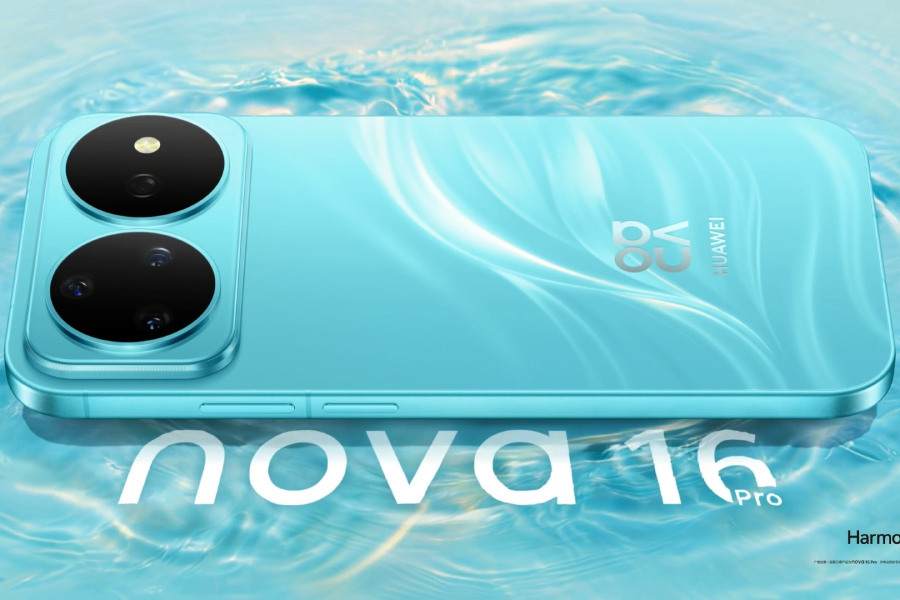
The company has also revealed the new “Sky Blue” color option for the Nova 16 Pro. The image shows the phone with a blue finish and a white ribbon-like accent running across the back panel.

The camera module is what stands out the most. It houses two circular black discs that appear to hold a triple-camera setup and an LED light.

Huawei Nova 16 series: What we know so far

According to previous reports, the Nova 16 family will include three models: the Nova 16, Nova 16 Pro, and Nova 16 Pro Max. Huawei is reportedly skipping the Ultra model this time around.

The standard Nova 16 and Nova 16 Pro are expected to arrive in black, white, blue, and a gradient finish. The top-end version, however, may skip the gradient look entirely and stick to black, white, and blue.

The Pro Max is also rumored to feature a 6.84-inch 1.5K LTPO display alongside a Kirin 9000-series chipset. Powering the device could be a 7000mAh battery.

The Nova 16 Pro Max’s camera hardware may also include a 200-megapixel main camera with a large 1/1.28-inch sensor, a periscope telephoto lens, and a multispectral sensor. The phone is likely to get wireless charging support as well.

As always with leaks, details could change before launch. So take everything with a pinch of salt.

For more daily updates, please visit our News Section.

Stay ahead in tech! Join our Telegram community and sign up for our daily newsletter of top stories.

(Source)

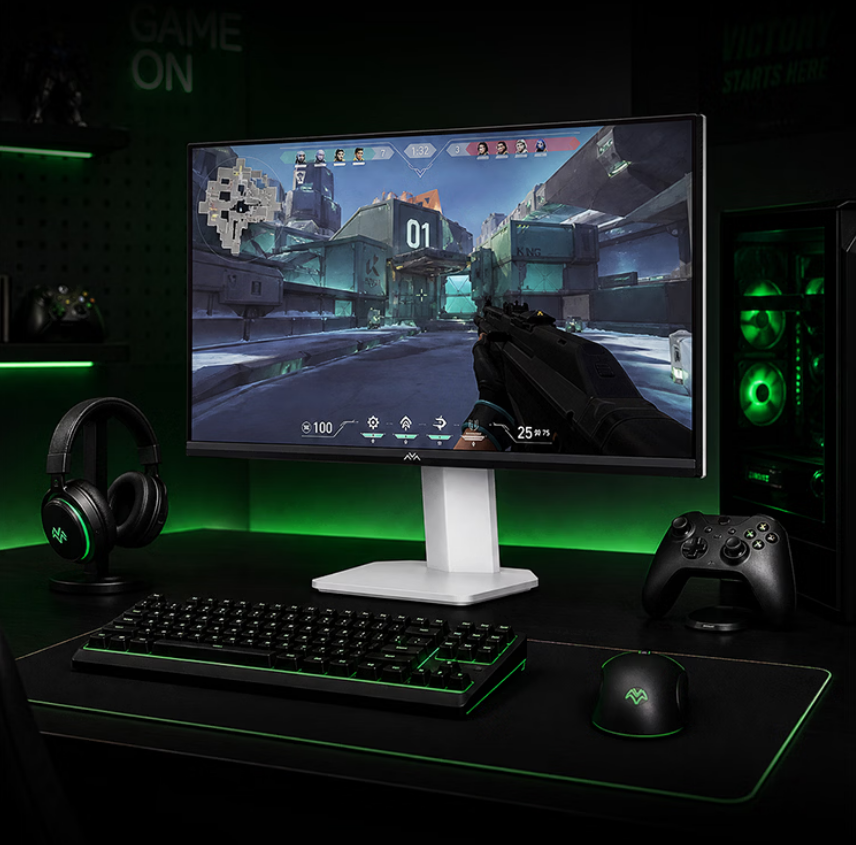
TCL’s FFALCON launches ultra-fast 300Hz 1080p gaming monitor for under $90

TCL’s FFALCON brand has launched the Thunderobot Q5AD YYDS Edition monitor in China. It’s a 24.5-inch 1080p display that hits a 300Hz refresh rate for an introductory price of 599 yuan (about $88). It is a straightforward budget monitor aimed directly at people playing competitive PC shooters.

TCL Thunderobot Q5AD YYDS Edition

Thunderobot Q5AD Monitor Specifications

While 1080p isn’t exactly a premium resolution these days, a 24.5-inch 1080p screen is still the standard setup for esports. If you are playing games like Counter-Strike 2, Valorant, or Overwatch, you are likely looking for high frame rates and low latency rather than 4K visuals.

The monitor uses a Fast IPS panel manufactured by CSOT. It runs natively at 280Hz, but you can overclock it to 300Hz if you connect it via a DisplayPort cable. Thunderobot lists a 1ms gray-to-gray response time and includes some built-in overdrive and motion blur reduction settings (MPRT-Plus) to help keep fast-moving images looking clear.

TCL Thunderobot Q5AD YYDS Edition

For a budget monitor, the color specifications are decent. It supports 10-bit color (using 8-bit + FRC) and covers 99% of the sRGB color space, along with 93% of DCI-P3. Thunderobot says the monitors are factory-calibrated to a Delta E of less than 2, so the colors should be reasonably accurate right out of the box. It also has a peak brightness of 400 nits and basic HDR400 support.

The physical design is pretty basic, but it has a few practical touches for PC gaming. The stand has a small, hexagonal base, which is meant to free up desk space for larger mousepads and wide mouse movements. It only supports basic tilt adjustments (from -5° to 15°), though, so you cannot change the height or pivot the screen. To help with eye strain during longer sessions, the display uses hardware-level low blue light filtering and DC dimming to reduce screen flicker.

TCL Thunderobot Q5AD YYDS Edition

On the software side, it supports AMD FreeSync Premium and is compatible with Nvidia G-Sync to help prevent screen tearing. There are also a few built-in gaming features, like a dark scene booster to help you see in shadows and a dynamic crosshair.

The port selection is minimal but covers the basics: one DisplayPort 1.4 (which you need to use for the 300Hz refresh rate), one HDMI 2.0 port (which is capped at 240Hz), and a standard 3.5mm headphone jack. You navigate the monitor’s settings using a standard five-way joystick on the back.

In related news, Thunderobot has also launched the 25Q5A gaming monitor featuring a 1080p 300Hz Mini LED display.

For more daily updates, please visit our News Section.

Stay ahead in tech! Join our Telegram community and sign up for our daily newsletter of top stories! 💡
(JD)

TCL launches Thunderobot 25Q5A gaming monitor with 1080p 300Hz Mini LED display

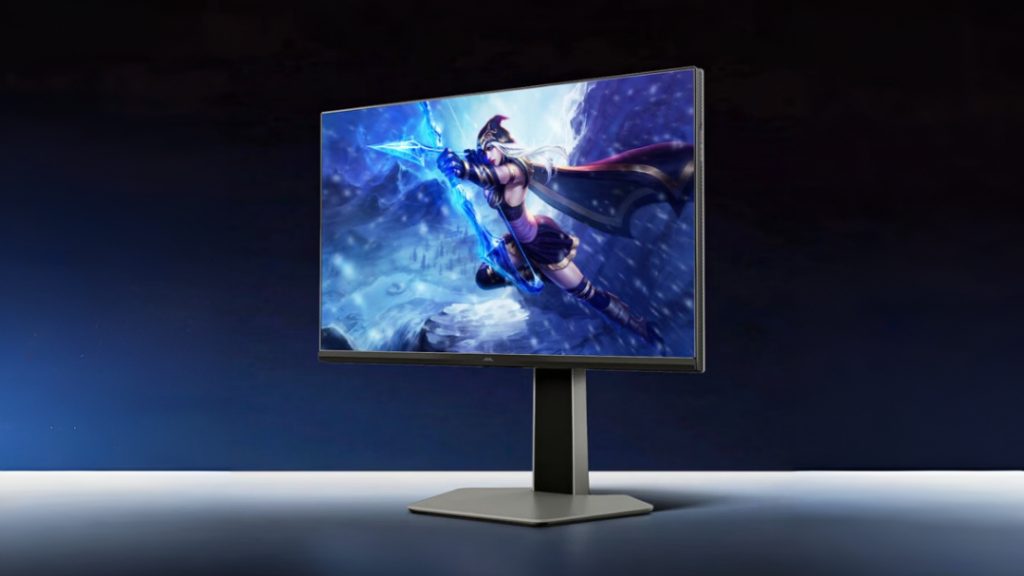
TCL‘s FFALCON has launched its latest monitor, the Thunderbird 25Q5A, in China. It is a 24.5-inch display that focuses on high-speed gaming at an affordable price. Also marketed as the 2026 FFALCON F6, the monitor is currently listed on JD.com for 839 yuan (roughly $122).

TCL Thunderbird 25Q5A

TCL Thunderbird 25Q5A Specifications

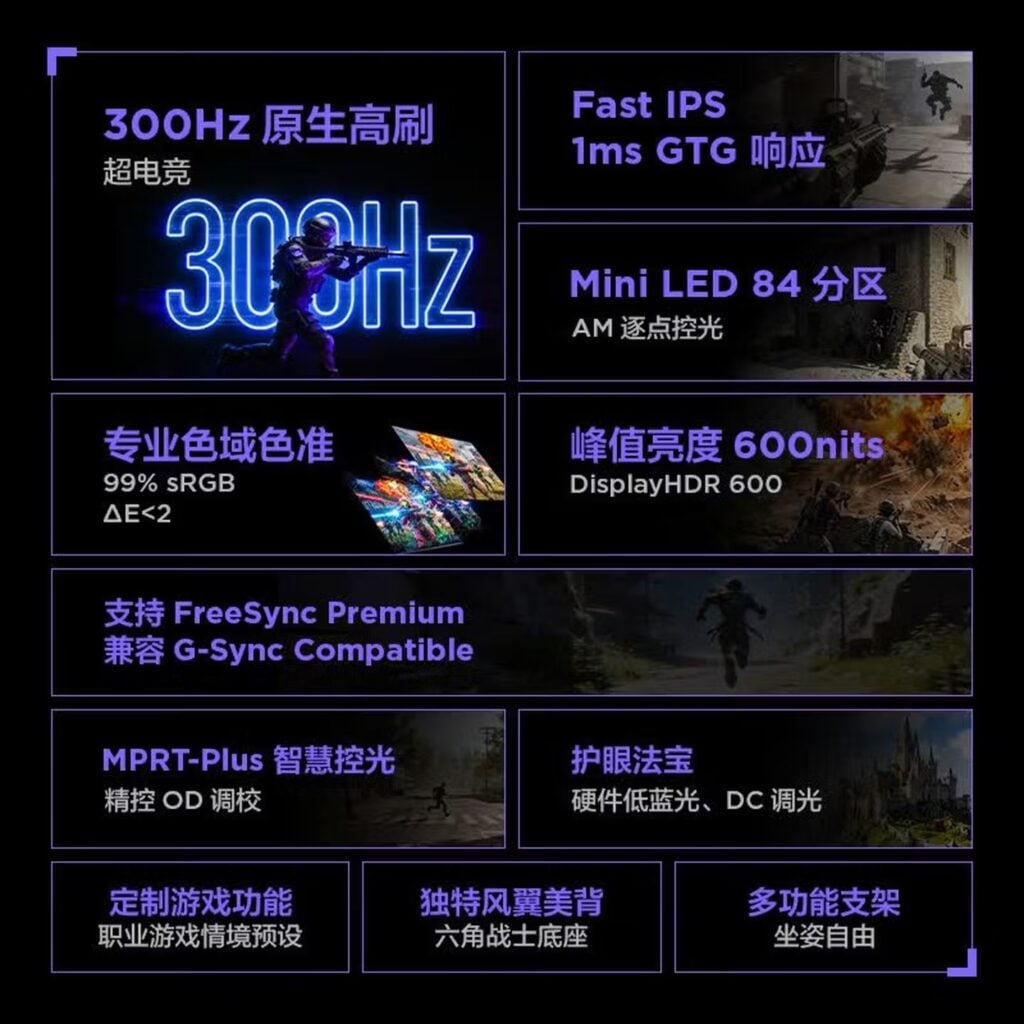
The monitor uses a CSOT-made Fast IPS panel with a 1920 x 1080 resolution, a native 300Hz refresh rate, and support for up to 303Hz in select scenarios. It also features a 1ms GtG response time to reduce motion blur and ghosting during fast-paced gameplay.

The monitor stands out from typical budget 1080p models by using a Mini LED backlight with 84 local dimming zones, offering improved contrast and more precise brightness control. It also supports VESA DisplayHDR 600 and reaches up to 600 nits of peak brightness for enhanced HDR performance.

TCL Thunderbird 25Q5A

For color accuracy, the monitor covers 99% of the sRGB color gamut and 93% of the DCI-P3 color space. Thunderobot says that the displays are factory-calibrated to achieve a Delta E value of less than 2, ensuring standard color reproduction out of the box.

On the software and processing side, the 25Q5A supports AMD FreeSync Premium and is Nvidia G-Sync Compatible to prevent screen tearing. It also includes an MPRT-Plus smart backlight control system, which uses motion interpolation and zone-based lighting to further reduce blur.

The monitor includes a fully adjustable stand, providing 125mm of height adjustment, a -5° to 15° tilt, ±20° swivel, and ±90° pivot for vertical use. It is also compatible with standard VESA wall mounts. Connectivity is basic but functional, including HDMI and DisplayPort inputs, along with a 3.5mm audio jack.

In related news, Huawei recently unveiled a new 27-inch 4K monitor with dual-mode 320Hz support and 100W USB-C charging.

For more daily updates, please visit our News Section.

Stay ahead in tech! Join our Telegram community and sign up for our daily newsletter of top stories! 💡
(JD)

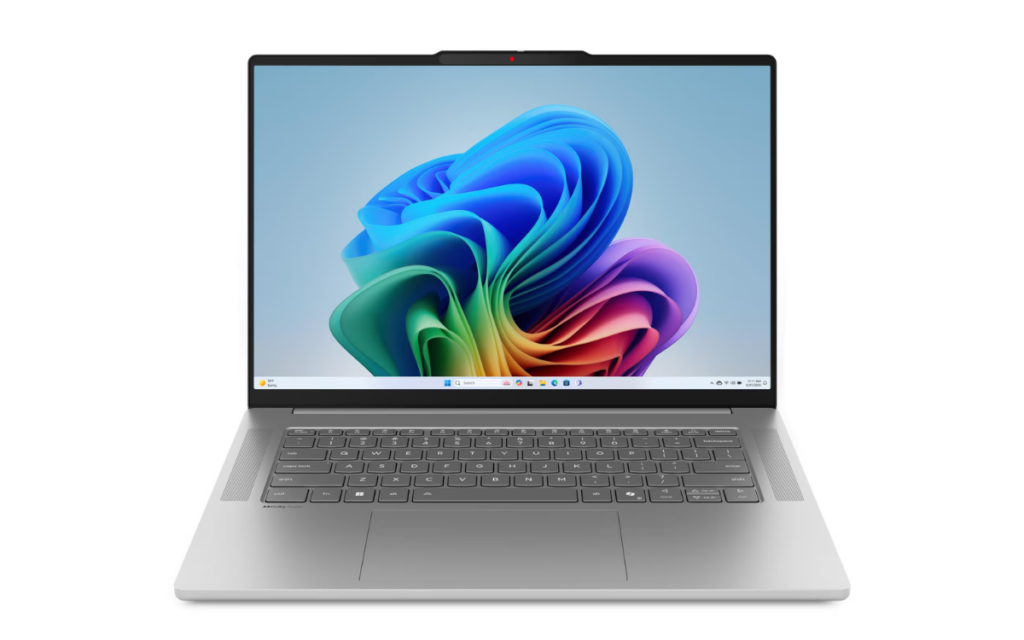
Lenovo unveils new IdeaPad Slim 5i with Intel Wildcat Lake chips & 120Hz display

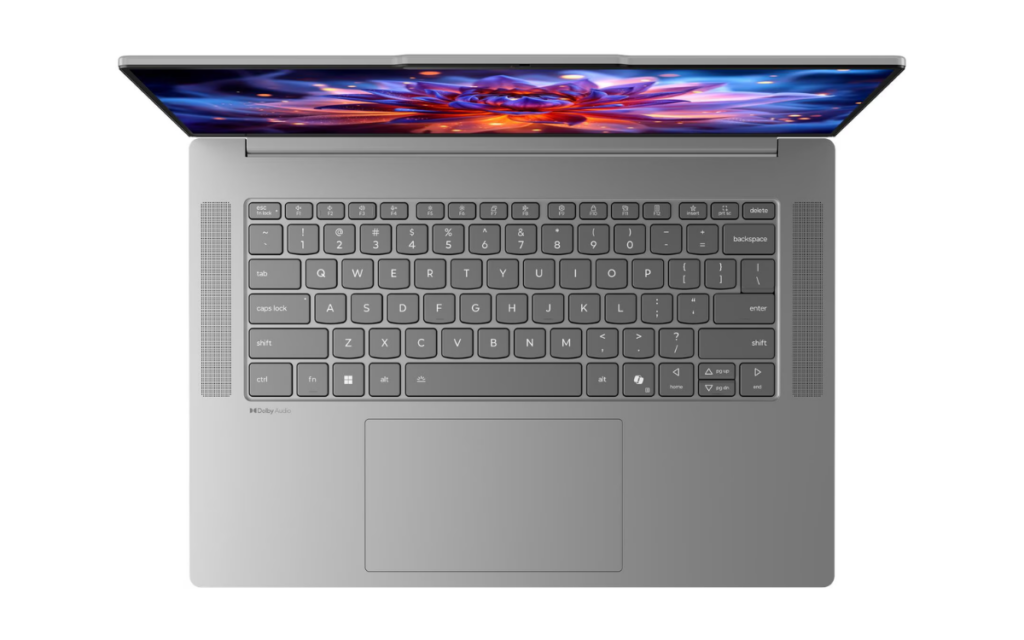
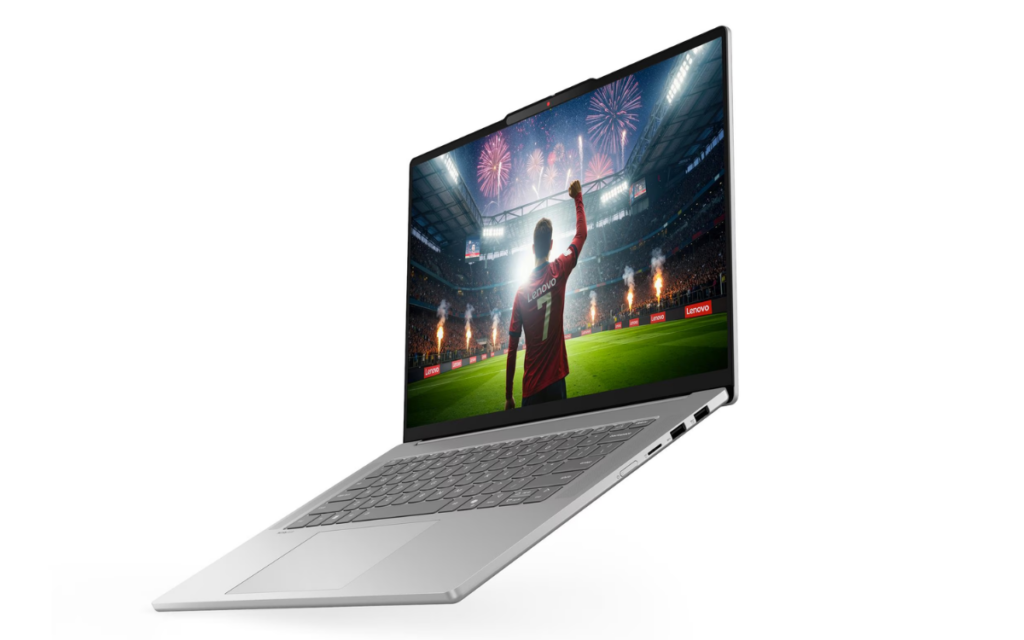
Lenovo has quietly added a new 15-inch laptop to its lineup. The IdeaPad Slim 5i (model 15IWC11) recently appeared on the company’s product specification site, giving us a full look at the hardware before any official pricing or availability details have been announced. Rather than trying to reinvent the wheel, it looks like a straightforward, practical machine built around Intel’s new Wildcat Lake processors.

Lenovo IdeaPad Slim 5i

Lenovo IdeaPad Slim 5i Specifications

The laptop comes with a 15.3-inch 120Hz IPS touchscreen display. It has a 1920×1200 resolution, which means it uses the taller 16:10 aspect ratio that gives you a bit more vertical space for reading and working. The screen tops out at 400 nits of brightness and covers the standard sRGB color gamut. The chassis is made of aluminum, comes in a simple gray finish, and weighs about 3.28 pounds, which is fairly standard for a laptop of this size.

Lenovo IdeaPad Slim 5i

Inside, you can configure the Slim 5i with either an Intel Core 5 320 or Core 7 350 processor. Both are six-core chips with two performance cores and four low-power efficiency cores. Because it’s 2026, it naturally includes a neural processing unit (NPU) capable of up to 17 TOPS.

This meets the baseline for Microsoft‘s AI PC branding, meaning it has the mandatory Copilot key on the keyboard. For memory, you can get either 16GB or 32GB of RAM, but it is soldered to the motherboard, so you won’t be able to upgrade it yourself later. Storage is handled by a standard M.2 SSD up to 1TB.

Lenovo is offering two battery sizes: 54.7Wh and 70Wh. The spec sheet claims up to 22.8 hours of local 1080p video playback on the larger battery, though real-world web browsing and work tasks will drain it much faster than that.

Lenovo IdeaPad Slim 5i

The port selection is very practical. You get two USB-C ports that handle charging and display output, two standard USB-A ports, an HDMI 2.1 port, a microSD card reader, and a headphone jack. There is also a 1080p webcam with a physical privacy shutter and an IR sensor for Windows Hello facial recognition.

In related news, Lenovo also recently updated the ThinkPad E14 and E16 with Intel Core Ultra processors, high refresh rate 2.8K/2.5K displays, and AI-powered features.

For more daily updates, please visit our News Section.

Stay ahead in tech! Join our Telegram community and sign up for our daily newsletter of top stories! 💡

(Source, Via)

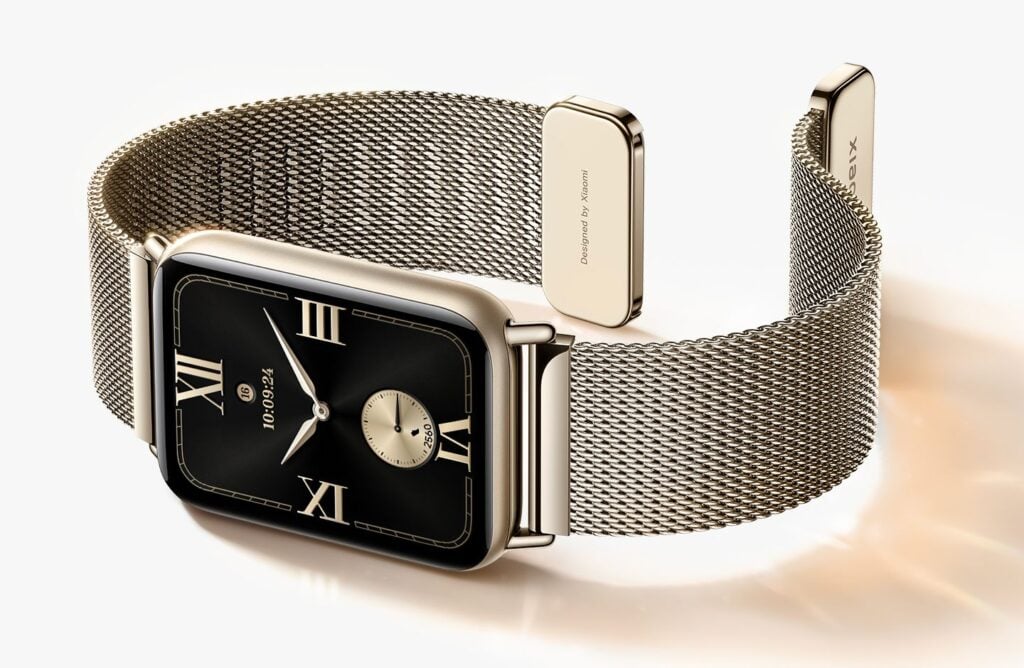
Xiaomi Smart Band 11 spotted in certification databases

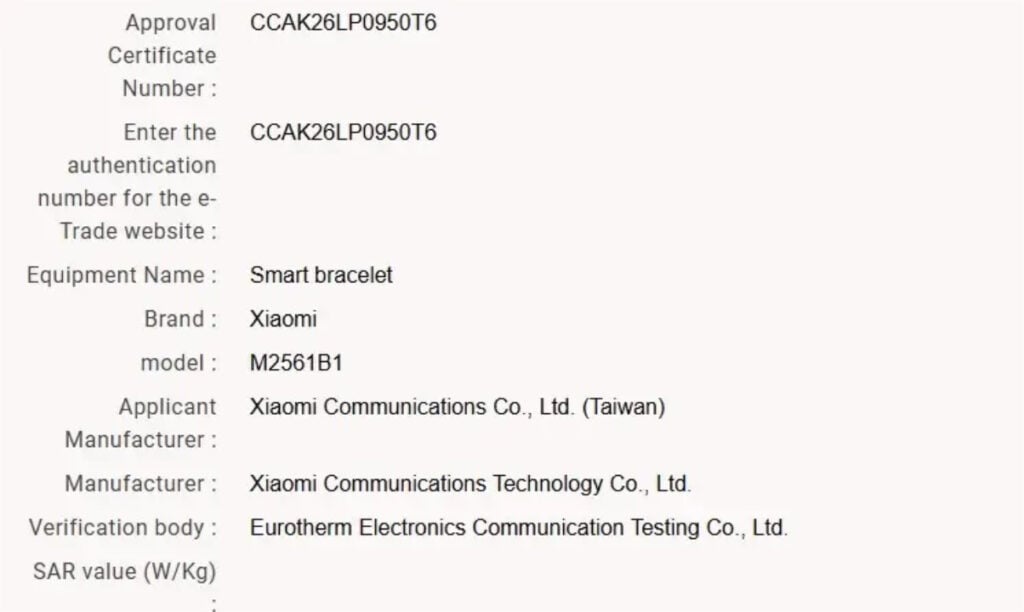
Xiaomi may already be preparing its next Smart Band model for global markets. A new wearable carrying the model number M2561B1 has now appeared in regulatory databases from Taiwan’s NCC and Singapore’s IMDA, suggesting an international launch could be getting closer.

Xiaomi Smart Band 10 Pro teaser-
Xiaomi Smart Band 10 Pro

Both certifications list the device simply as a “Smart Band,” without revealing its official marketing name. Still, the model numbering gives a fairly strong hint about where it fits in Xiaomi’s lineup.

For reference, Xiaomi previously used model numbers M2551B1 and M2553B1 for the standard and NFC versions of the recently launched Smart Band 10 Pro. Because of that, the newly spotted M2561B1 is widely expected to belong to the upcoming Smart Band 11 family.

Some early speculation points to it possibly being the Smart Band 11 Active, although the certification documents themselves do not confirm that yet.

The timing is interesting as well. Xiaomi only recently introduced the Smart Band 10 Pro in China, bringing upgrades like a 1.74-inch curved AMOLED display, updated health sensors, and improved fitness tracking features. Meanwhile, the previous Smart Band 9 Pro continues to remain one of the more popular budget fitness trackers in several global markets.

Xiaomi’s Smart Band series has built a reputation around offering useful health and fitness features without pushing prices too high. Heart rate monitoring, sleep tracking, long battery life, and dozens of workout modes have become standard across the lineup, helping the series stay competitive against more expensive wearables.

At this stage, the new certification listings do not reveal any hardware details, but they do strongly suggest Xiaomi is preparing another wearable launch outside China. If the device is indeed part of the Smart Band 11 series, users can probably expect further refinements to tracking accuracy, software features, and battery optimization.

With the certifications now surfacing internationally, it likely may not take too long before more concrete details about Xiaomi’s next Smart Band begin to appear.

Don’t miss a thing! Join our Telegram community for instant updates and grab our free daily newsletter for the best tech stories!

For more daily updates, please visit our News Section.

(Sources: 1, 2 | Via)

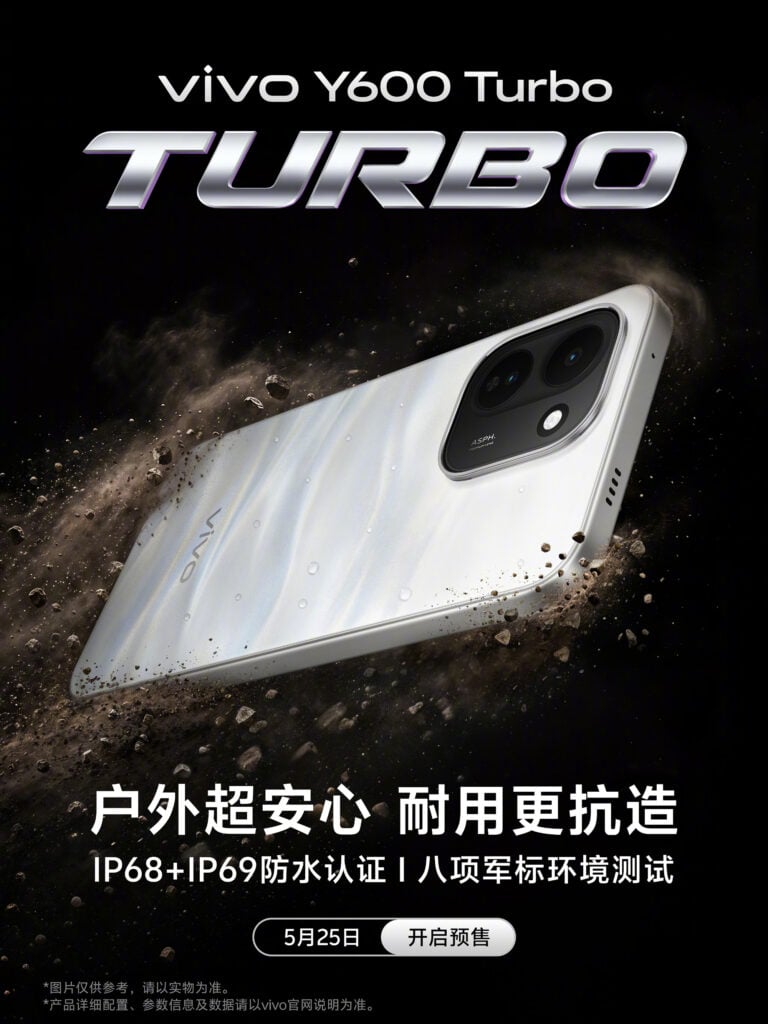
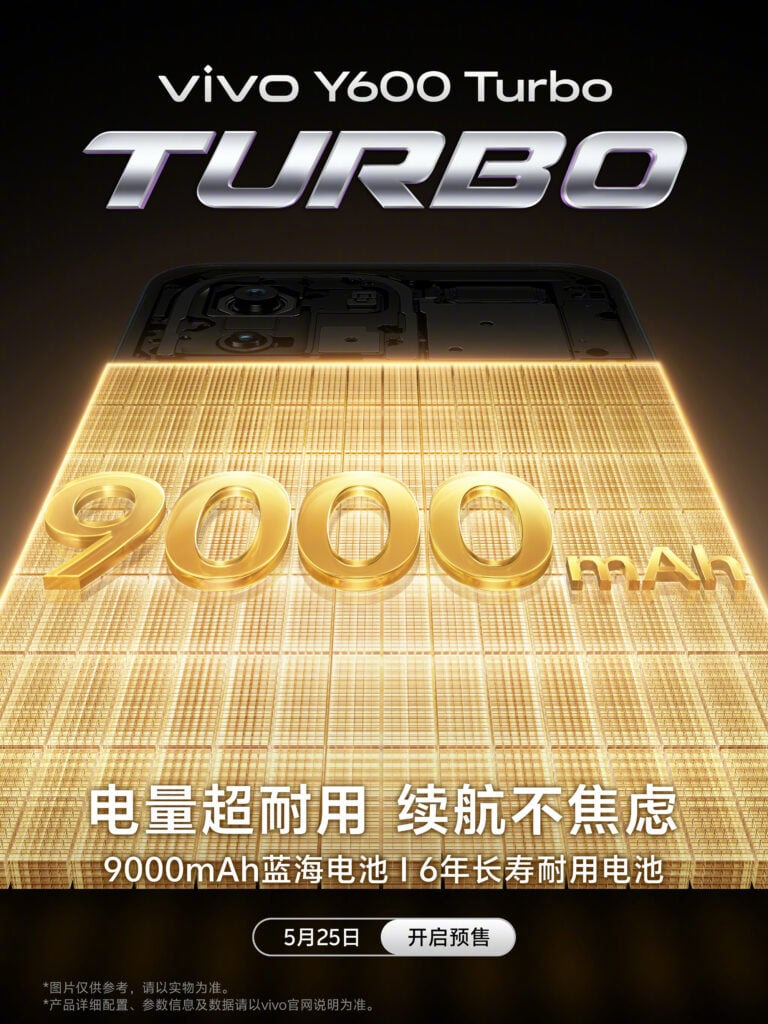
Vivo Y600 Turbo teaser confirms massive 9000mAh battery

Battery life continues to be a deal breaker for smartphone buyers, especially in the mid-range segment, and Vivo seems ready to lean heavily into that with the upcoming Y600 Turbo.

The company has started teasing the phone ahead of its May 25 launch in China, and the biggest highlight is easily its enormous 9000mAh battery. Some early listings mention an actual rated capacity of around 9020mAh, making it one of the largest batteries we’ve seen in a mainstream smartphone so far.

Vivo claims it is designed to maintain healthy capacity for up to six years of use. The company is also promising five years of sustained smoothness, with software optimizations aimed at keeping the device responsive over longer ownership periods. According to Vivo, the phone can keep as many as 30 apps running smoothly in the background without major slowdowns.

Durability also seems to be a major focus here. The Y600 Turbo has received both IP68 and IP69 ratings for water and dust resistance, alongside certifications for surviving multiple environmental and durability tests. That is still relatively uncommon in this price segment, especially for phones prioritizing battery capacity.

The device has already gone up for pre-order in China and will be available in blue, white, and pink color options. While Vivo has not revealed the full hardware package yet, the phone is expected to target users looking for reliable day-to-day performance, long battery life, and decent multitasking capabilities rather than outright flagship-level power.

Vivo’s newer battery-focused strategy has been getting more noticeable lately. Instead of only pushing bigger capacities, the company is also emphasizing long-term battery health, better low-temperature performance, and overall longevity.

For users who are tired of charging their phones every night, the Y600 Turbo could end up being one of the more interesting mid-range launches this year. Between the massive battery, stronger durability ratings, and Vivo’s software optimization claims, the phone is clearly being positioned as an endurance-focused device first and foremost.

Don’t miss a thing! Join our Telegram community for instant updates and grab our free daily newsletter for the best tech stories!

For more daily updates, please visit our News Section.

(Source: Vivo)

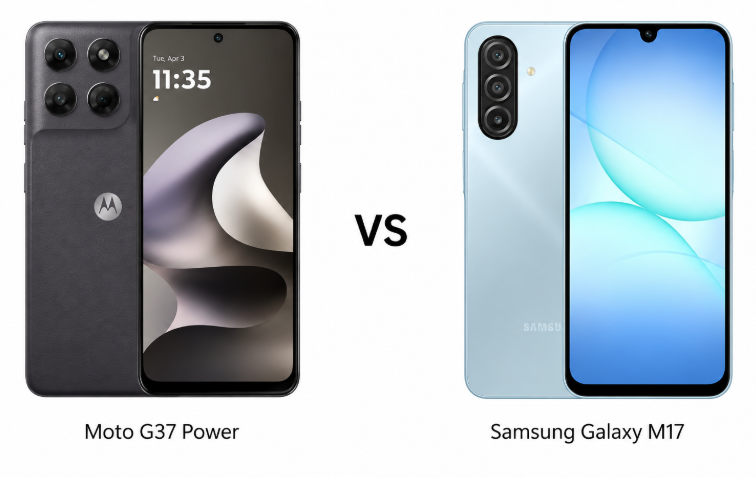
Motorola Moto G37 Power vs Samsung Galaxy M17: Which Budget Phone Is Better?

Motorola Moto G37 Power and Samsung Galaxy M17 target two very different types of budget smartphone buyers. One focuses on massive battery life and performance, while the other delivers a sharper AMOLED display, versatile cameras, and long-term software support at a lower price. This comparison breaks down which phone actually offers the better everyday experience and which one gives more value for the money in the competitive sub-₹16,000 segment. 

Major Features:

FeatureMotorola Moto G37 PowerSamsung Galaxy M17Winner
Display6.67-inch IPS LCD, 120Hz, HD+6.7-inch Super AMOLED, 90Hz, FHD+Samsung – Sharper AMOLED panel with richer colors and better contrast
Build QualityGorilla Glass 7i, eco leather back, IP64, MIL-STD-810HGorilla Glass Victus, IP54Motorola – More rugged and premium-feeling design
PerformanceDimensity 6400 (India)Exynos 1330Motorola – Faster chipset with smoother overall performance
Software SupportAndroid 16Android 15 with 6 major updatesSamsung – Much longer software support
RAM & StorageUp to 8GB RAM, 256GB storage, UFS 2.2Up to 8GB RAM, 128GB storageMotorola – Faster storage and higher max storage option
Rear Camera50MP single camera50MP + 5MP ultrawide + 2MP macro with OISSamsung – More versatile setup with OIS
Selfie Camera8MP13MPSamsung – Sharper selfies and better video calling
Video RecordingUp to 2K@30fps1080p@30fpsMotorola – Higher video recording resolution
SpeakersStereo speakersMono speakerMotorola – Better multimedia audio experience
Headphone JackYesNoMotorola – More convenient for wired audio users
Battery7000mAh5000mAhMotorola – Massive battery advantage
Charging30W wired, 6W reverse charging25W wiredMotorola – Faster charging plus reverse charging
DurabilityIP64 + MIL-STD certificationIP54Motorola – Better protection for rough usage
Price₹16,000 approx₹13,000 approxSamsung – Better overall value at a lower price
Overall ValuePower-focused experienceBalanced all-round packageSamsung – Better balance of display, cameras, software, and price
Disclaimer: Specs are based on available data. Actual performance may vary. Verify details from official sources before buying.

1. Design and Display

Build and Feel

The Motorola Moto G37 Power focuses on durability and practicality with an eco-leather finish, IP64 protection, and MIL-STD-810H certification. The textured rear panel gives it a more premium hand feel than expected in this price segment, while the stereo speakers and headphone jack add extra usability for media lovers. It feels like a phone designed for rough everyday use rather than pure style.

The Samsung Galaxy M17 takes a cleaner and more modern approach. Its slimmer body and Gorilla Glass Victus protection make it look more refined, while Samsung’s software polish complements the premium appearance. Although it lacks stereo speakers and a headphone jack, the overall design feels more compact and easier to carry daily.

Display Quality

Samsung clearly has the stronger display setup with a Super AMOLED panel, Full HD+ resolution, and deeper contrast levels. Colors appear richer, blacks look cleaner, and streaming content feels noticeably sharper. The 90Hz refresh rate is lower on paper, but the visual quality easily compensates.

Motorola counters with a 120Hz IPS LCD panel that feels smoother during scrolling and casual gaming. However, the lower resolution reduces sharpness, especially while reading text or watching videos.

Verdict

The Galaxy M17 delivers a better visual experience and a more polished design overall. The Moto G37 Power still stands out for ruggedness, stereo sound, and practical features that many budget phones continue to remove.

2. Specifications Including Battery

Performance

The Motorola Moto G37 Power gains an edge in raw performance thanks to the Dimensity 6400 chipset in the Indian model. App loading speeds, multitasking, and gaming feel slightly faster, while the 120Hz refresh rate adds smoother responsiveness during daily use. The inclusion of UFS 2.2 storage also helps the phone feel quicker in real-world usage.

Samsung’s Exynos 1330 remains reliable for normal tasks like social media, streaming, and light gaming, but it does not feel as responsive under heavier workloads. Still, Samsung compensates with One UI 7 and an impressive promise of six major Android upgrades, making the software experience more future-proof.

Battery and Charging

Battery life is where Motorola dominates. The massive 7000mAh battery can comfortably stretch into two days for many users, and 30W charging plus reverse wired charging increase its practicality. Heavy users and travelers may find this setup extremely appealing.

Samsung’s 5000mAh battery is still dependable for full-day use, but it cannot match Motorola’s endurance advantage.

Verdict

The Moto G37 Power is the stronger choice for performance-focused users and anyone prioritizing battery life. The Galaxy M17 feels more balanced long term because of Samsung’s software support, but Motorola delivers better hardware value today.

3. Camera

Main and Secondary Lenses

Samsung takes a noticeable lead in camera versatility. The Galaxy M17 includes a 50MP main sensor with OIS, an ultrawide lens, and a macro camera, giving users more flexibility for landscapes and casual photography. OIS also helps stabilize shots in low light and improves video steadiness, making the camera feel more reliable overall.

Motorola keeps things simpler with a single 50MP rear camera. Daylight shots can still look detailed with natural colors, and the ability to record 2K video is a nice advantage at this price. However, the lack of ultrawide photography limits creativity, and low-light consistency is not as strong.

Selfie Camera

Samsung again holds the advantage with its 13MP front camera. Selfies appear sharper with slightly better skin tones and improved detail retention. Video calls also benefit from the cleaner front camera processing.

Motorola’s 8MP selfie camera is acceptable for casual use, but the results feel softer in comparison.

Verdict

The Galaxy M17 offers a more complete camera system with better versatility, stabilization, and selfie quality. The Moto G37 Power remains decent for casual photography, but Samsung provides a more polished imaging experience overall.

4. Pricing

The Motorola Moto G37 Power is expected to cost around ₹16,000 ($200), while the Samsung Galaxy M17 sits closer to ₹13,000 ($150). The price gap makes the Samsung device immediately attractive for budget-focused buyers, especially considering the AMOLED display, OIS camera, and long software support.

Motorola justifies its higher pricing with a larger battery, stronger performance, stereo speakers, eco-leather finish, and additional practical features like reverse charging and a headphone jack. For users who consume a lot of media or spend long hours gaming, those upgrades can feel worthwhile.

Samsung’s pricing feels especially aggressive because it does not compromise heavily in core areas. The software support alone adds long-term value that many budget phones fail to offer.

Verdict

The Galaxy M17 delivers stronger overall value for money due to its lower price and balanced feature set. The Moto G37 Power earns its premium mainly through battery life and performance-focused hardware.

Disclaimer:
Prices are approximate and may vary based on country, region, launch timing, and applicable taxes. Always check whether the listed price is for a China unit or a global/international variant when purchasing.

5. Conclusion

The Motorola Moto G37 Power stands out as a battery-centric device aimed at heavy users. Its 7000mAh battery, stereo speakers, rugged durability, and smoother 120Hz display make it particularly appealing for gaming, streaming, and extended usage. It feels like a practical entertainment phone built to last long between charges.

The Samsung Galaxy M17 focuses more on balance and long-term ownership. The AMOLED display, versatile camera setup with OIS, slimmer design, and six years of Android upgrades create a package that feels more refined for everyday use. Samsung’s software ecosystem also adds familiarity and consistency that many users appreciate over time.

Verdict

Moto G37 Power is the better option for users who prioritize battery life, performance, and multimedia features. The Galaxy M17 is the smarter all-rounder thanks to its display quality, cameras, software support, and lower pricing. For most buyers in this segment, Samsung delivers the more complete experience, while Motorola targets power users who need maximum endurance.

Disclaimer: This comparison is based on the specifications provided and is intended for general informational purposes. Actual performance, camera results, battery life, and overall experience may vary depending on real-world usage, software updates, and individual preferences.

Read More:

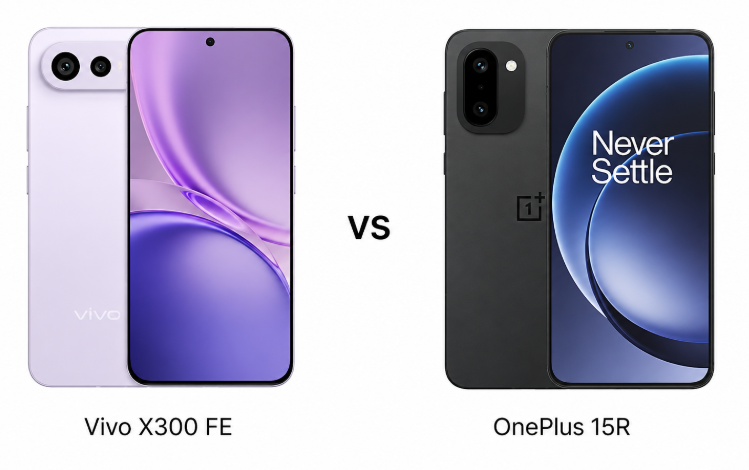
Vivo X300 FE vs OnePlus 15R: Full Comparison of Specs, Camera, Battery and Price

Vivo X300 FE and OnePlus 15R take two very different approaches to the flagship smartphone experience. Vivo focuses on delivering a compact premium device with Zeiss-powered cameras, wireless charging, and a refined LTPO display, while OnePlus pushes aggressive value with a massive battery, ultra-smooth 165Hz screen, and flagship Snapdragon performance at a much lower price. Both phones look incredibly strong on paper, but the real difference comes down to whether premium camera features or overall value matter more in daily use. 

Major Features:

FeatureVivo X300 FEOnePlus 15RWinner
DesignCompact premium glass-metal buildLarger flagship-style buildVivo – More premium and easier to handle
Display6.31-inch LTPO AMOLED, 120Hz, 5000 nits6.83-inch AMOLED, 165Hz, Dolby VisionOnePlus – Bigger and smoother for gaming/media
Display QualitySharper pixel density, LTPO techLarger immersive panelVivo – Better sharpness and flagship feel
ProtectionMohs level 4Gorilla Glass 7i, Mohs level 5OnePlus – Stronger display protection
ProcessorSnapdragon 8 Gen 5Snapdragon 8 Gen 5Tie – Same flagship chipset
RAM & StorageUp to 512GB UFS 4.1Up to 512GB UFS 4.1Tie – Identical memory setup
SoftwareAndroid 16 with OriginOS 6Android 16 with OxygenOS 16OnePlus – Cleaner and smoother UI feel
Main Camera50MP OIS50MP OISVivo – Better tuning and imaging quality
Telephoto Camera50MP periscope with 3x zoomNo telephoto lensVivo – Huge advantage for zoom photography
Ultrawide Camera8MP8MPTie – Similar hardware
Selfie Camera50MP AF32MP AFVivo – Sharper selfies and better detail
Video RecordingUp to 8K, 4K 120fpsUp to 4K 120fpsVivo – More advanced video support
Battery6500mAh7400mAhOnePlus – Longer endurance
Wired Charging90W80WVivo – Faster charging speeds
Wireless Charging40W wireless + reverse wirelessNo wireless chargingVivo – More premium charging features
AudioStereo speakersStereo speakersTie – Similar experience
ConnectivityWi-Fi 7, Bluetooth 5.4Wi-Fi 7, Bluetooth 6.0OnePlus – Newer Bluetooth standard
Water ResistanceIP68/IP69IP68/IP69KTie – Excellent durability on both
Starting PriceAround ₹80,000Around ₹55,000OnePlus – Much better value for money
Overall Camera ExperienceFlagship-level photography setupGood but simpler camera systemVivo – More versatile and premium
Overall ValuePremium flagship experiencePerformance-focused flagship killerOnePlus – Better specs-to-price ratio

1. Design and Display

Build and Feel

The Vivo X300 FE focuses on a compact flagship-style experience with its premium glass-and-aluminum construction and refined finish. The smaller form factor makes it easier to handle during long gaming or photography sessions, and the Zeiss branding gives it a more camera-centric identity. Meanwhile, the OnePlus 15R feels more aggressive and performance-focused, with a larger body and a design language that suits multimedia users better. Both phones offer IP68 and IP69-rated durability, so daily protection is equally strong.

Display Quality

Vivo uses a 6.31-inch LTPO AMOLED panel with 120Hz refresh rate, HDR10+, and an impressive 5000 nits peak brightness. The sharper pixel density and LTPO technology make animations and battery efficiency feel more flagship-grade. OnePlus counters with a larger 6.83-inch AMOLED display running at 165Hz with Dolby Vision support. Gaming and scrolling feel extremely fluid here, especially for users who prefer immersive content consumption.

Verdict

The Vivo X300 FE feels more premium and refined, while the OnePlus 15R leans toward entertainment and gaming enthusiasts. Users wanting a compact flagship display may prefer Vivo, but the larger and smoother OnePlus panel offers a stronger multimedia appeal.

2. Specifications Including Battery

Performance

Both smartphones are powered by the Snapdragon 8 Gen 5 chipset paired with UFS 4.1 storage and 12GB RAM, so raw performance remains nearly identical. Heavy gaming, multitasking, and AI-driven Android 16 features run effortlessly on both devices. However, OxygenOS 16 on the OnePlus 15R feels cleaner and slightly more optimized for long-term smoothness, while OriginOS 6 on the Vivo X300 FE offers more visual customization and feature depth. The Vivo also benefits from a more compact thermal profile, making sustained usage feel balanced.

Battery and Charging

Battery life is where the OnePlus 15R gains a major advantage. Its massive 7400mAh battery can comfortably push beyond a full day of intense use. Vivo still performs strongly with a 6500mAh cell and adds 90W wired charging plus 40W wireless charging support. Wireless charging and reverse wireless charging give the Vivo a more premium flagship feel overall.

Verdict

The OnePlus 15R is the stronger endurance-focused device thanks to its huge battery. However, the Vivo X300 FE feels more complete with faster charging versatility and wireless convenience, making it slightly more premium in daily use.

3. Camera

Main and Secondary Lenses

The Vivo X300 FE clearly prioritizes photography. Its triple-camera setup includes a 50MP primary sensor, a 50MP periscope telephoto lens with 3x optical zoom, and Zeiss-tuned imaging. Photos are expected to have stronger detail, better portrait separation, and more flagship-like zoom quality. The optional Zeiss add-on lens support further pushes its camera-focused identity. OnePlus keeps things simpler with a dual-camera setup featuring a 50MP main sensor and an 8MP ultrawide camera. Daylight shots should remain sharp and vibrant, but the lack of a telephoto lens limits versatility.

Selfie Camera

Vivo again takes the lead with its 50MP autofocus selfie camera capable of 4K recording. Skin tones and facial detail are likely to look more natural and detailed. The OnePlus 15R still delivers respectable selfies with its 32MP front camera, though it feels more tuned toward casual usage.

Verdict

The Vivo X300 FE is the obvious winner for camera enthusiasts. Its telephoto hardware, Zeiss optimization, and stronger selfie setup create a much more flagship-grade photography experience overall.

4. Pricing

The Vivo X300 FE is priced at around $950 or ₹80,000, while the OnePlus 15R sits much lower at roughly $650 or ₹55,000. That creates a significant price gap despite both phones sharing the same Snapdragon 8 Gen 5 chipset and flagship-level performance. The Vivo justifies its premium through its compact flagship positioning, advanced camera hardware, LTPO display, wireless charging, and Zeiss partnership. It feels like a more complete luxury Android device.

The OnePlus 15R, however, delivers exceptional value for performance-focused buyers. It offers nearly identical processing power, a larger 165Hz display, and a huge battery at a far lower price. For many users, the practical day-to-day difference in speed may not feel large enough to justify Vivo’s premium pricing.

Verdict

The OnePlus 15R offers better value for money overall, especially for gamers and power users. The Vivo X300 FE justifies its higher price mainly through camera quality, compact design, and flagship extras.

5. Conclusion

The Vivo X300 FE stands out with its compact flagship styling, Zeiss-enhanced camera system, LTPO AMOLED display, wireless charging support, and premium photography-focused experience. It feels designed for users who care about refined usability and high-end imaging rather than only raw specifications. The OnePlus 15R, on the other hand, focuses heavily on delivering maximum hardware value. Its massive battery, 165Hz display, and flagship Snapdragon performance make it an excellent choice for gaming, media consumption, and long daily usage.

Both devices succeed in different ways. Vivo feels more polished and flagship-like, while OnePlus feels more practical and aggressive in terms of pricing. The difference ultimately depends on whether the priority is camera sophistication or overall value.

Verdict

Vivo X300 FE is the better premium flagship experience, especially for photography lovers and users wanting a compact high-end phone. OnePlus 15R is the smarter overall value choice, offering flagship-level power and battery life at a far more accessible price.

Read More:

JBL launches Soundgear Clips in new green finish with gold accents

JBL launched its open-ear Soundgear Clips earbuds last August with a design that demands attention. The earbuds and their charging case feature a striking, see-through translucent finish. And the company offers them in striking colors, namely Copper Ghost, Black Ghost, White Ghost, Blue Ghost, and Purple Ghost.

JBL Soundgear Clips Green Launch

JBL has now added a new Emerald Green Special Edition in China, and honestly, it might be the most eye-catching version so far. It has a translucent green shell with a darker internal tint, while the green neck and gold accents make the earbuds look premium.

JBL Soundgear Clips Specifications 

The Clips’ clip-on form factor is designed to sit comfortably alongside earrings or sunglasses. 

The earbuds also continue to use JBL’s OpenSound technology with air-conduction audio. Instead of sealing inside the ear canal, the SonicArc-shaped design positions the drivers outside the ear to reduce pressure during long listening sessions. JBL says the design also helps reduce sound leakage while improving bass response through its Bass Boost algorithm.

JBL Soundgear Clips Green

For calls, the Soundgear Clips include four microphones paired with AI-powered call processing, which should help voices sound clearer in noisy environments. The earbuds are also IP54-rated for dust and water resistance.

The earbuds offer up to 32 hours of total runtime with the charging case. Users can expect up to 8 hours from the earbuds themselves, while a quick 10-minute charge provides an additional 3 hours of playback.

The new JBL Soundgear Clips Emerald Green Special Edition is now available in China for ¥999 (around $147 or €127). At the moment, JBL has not confirmed whether this color option will launch globally. However, the existing color options are available through the official site for $149 or €129.

For more daily updates, please visit our News Section.

Tech enthusiast? Get the latest news first! Follow our Telegram channel and subscribe to our free newsletter for your daily tech fix!

The Most Stylish Feature Phones You Can Buy in 2026

Over the last few years, a lot of people have started looking for ways to spend less time on their smartphones. Constant notifications and endless feeds can be tiring, which has led to a steady rise in the popularity of feature phones, often referred to as dumbphones. But choosing to disconnect doesn’t mean you have to carry around a plain, utilitarian device anymore.

In 2026, manufacturers are putting real effort into the design of these simpler phones. They are leaning into retro aesthetics, playful colors, and specific use cases. Whether you are looking for a weekend phone to help you log off, or you just prefer physical buttons and a battery that lasts for days, the current lineup of feature phones offers some genuinely interesting options. Here is a look at the most stylish and capable feature phones available in 2026.

1. HMD Barbie Phone 4G

HMD Barbie Phone

If you want a phone that stands out, the HMD Barbie Phone 4G is a fun, highly customized take on the classic flip phone. HMD leaned heavily into the theme, releasing the phone in a bright Power Pink and encouraging users to personalize it. The box includes interchangeable back covers, stickers, stick-on crystals, and a beaded lanyard with Barbie charms.

Beyond the exterior, the software is also tailored to the theme. The 2.8-inch main display features a custom Barbie user interface. It is completely free of social media apps, focusing instead on basic communication and a few built-in extras like digital balance tips, a meditation app, and a Barbie-themed version of the classic Snake game. With a 1450 mAh battery, it easily holds a charge for a few days, making it a solid choice for a weekend away from your main screens.

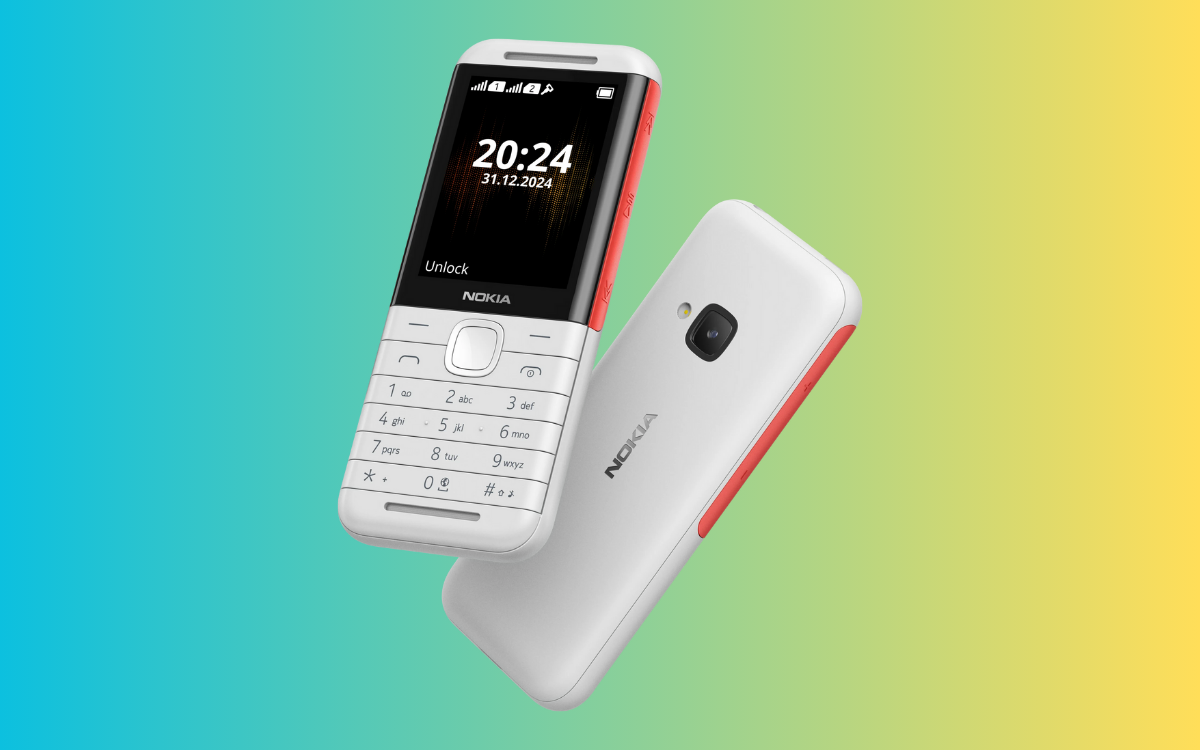
2. Nokia 5310

Nokia-5310-2024

For those who remember the era of dedicated music phones, the 2024 refresh of the Nokia 5310 is a familiar sight. HMD brought back the classic XpressMusic design, complete with physical music control buttons on the sides of the device and dual front-facing speakers that get surprisingly loud.

The 5310 is built for people who still enjoy maintaining a local music library. You can load up a MicroSD card (up to 32GB) with MP3s, plug into the 3.5mm headphone jack, or connect wireless earbuds via Bluetooth 5.0. It also includes an FM radio that works with or without wired headphones. Available in Black/Red or White/Red, it features a 2.8-inch IPS display and a battery that can last for weeks on standby. It’s a straightforward device that does exactly what it sets out to do: play music and make calls.

3. Nokia 3210 4G

Nokia-3210-4G

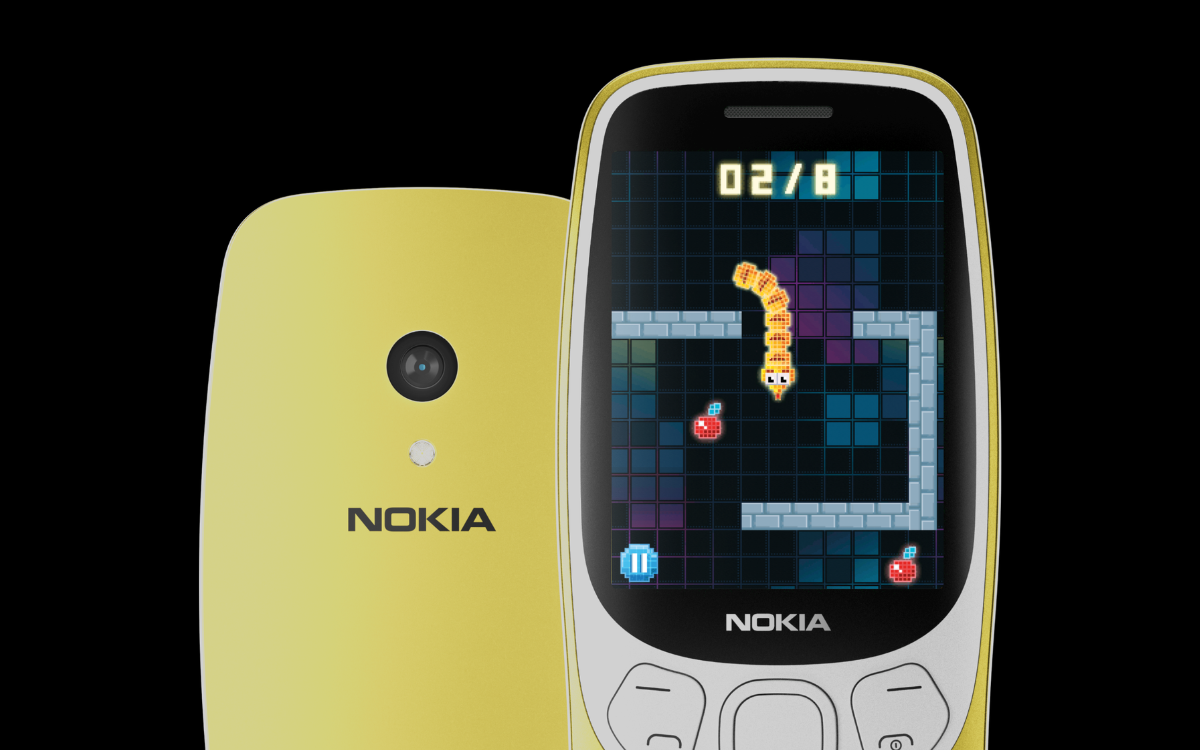
The original Nokia 3210 was a staple of the late 90s, and the modern 4G version brings back that familiar shape with updated internals. It is a good example of how to modernize a classic design without losing what made it appealing in the first place. The phone comes in a few distinct colors, including Y2K Gold, Grunge Black, and Scuba Blue.

While it is primarily designed for calls and texts, it isn’t entirely disconnected from the internet. The phone includes a Cloud Apps portal, which gives you access to basic cloud-hosted shortcuts for news, weather, and a few videos. It’s a helpful middle ground if you want to avoid social media but still want to check the forecast. It also features a 2MP rear camera for basic photos, a long-lasting battery, and, naturally, the Snake game.

4. Nokia 2660 Flip 4G

Nokia 2660 Flip

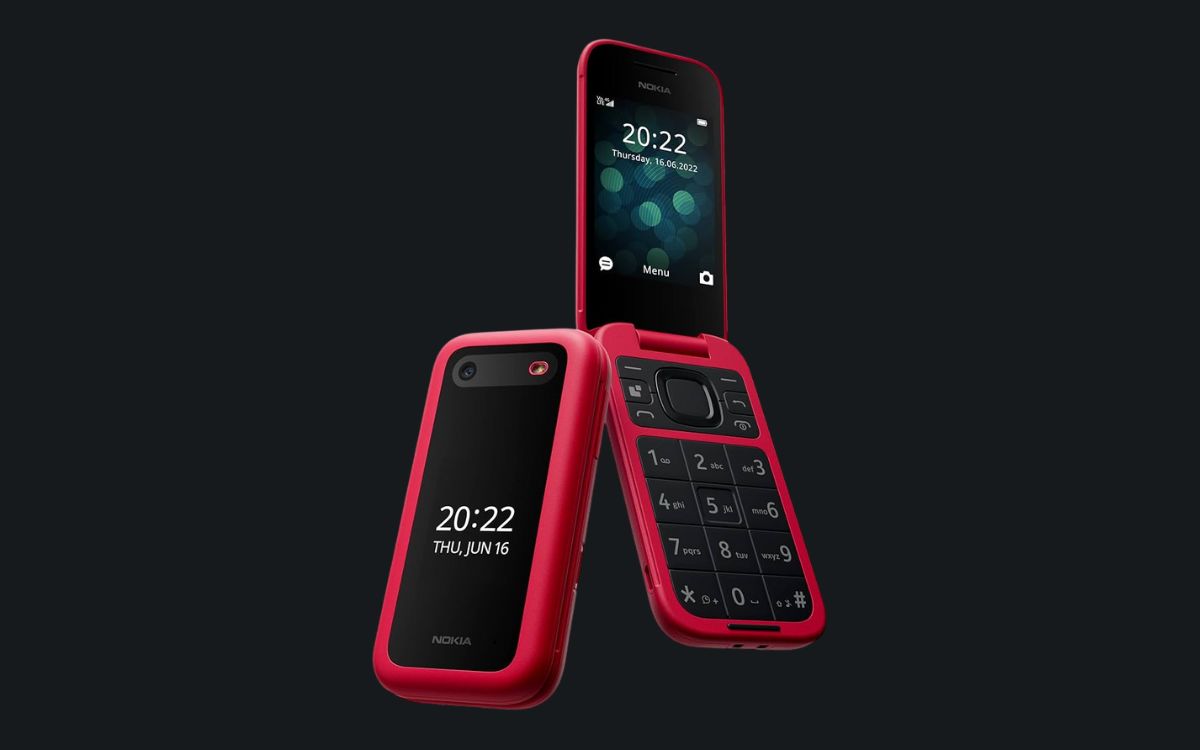
The Nokia 2660 Flip 4G is a practical, no-nonsense flip phone that focuses on ease of use. Available in standard colors like Black, Blue, and Red, it has a clean design that feels comfortable to hold and use.

The device features large, tactile buttons and a clear 2.8-inch internal display. There is also a 1.77-inch outer screen, which is handy for checking the time or seeing the caller ID without having to open the phone.

HMD included a dedicated emergency button that can quickly reach up to five contacts, which is a thoughtful addition. It also supports basic UPI scan-and-pay functionality, making it a bit more practical for everyday errands where you might need to make a quick digital payment.

5. TCL Flip 4 5G

TCL Flip 4 5G

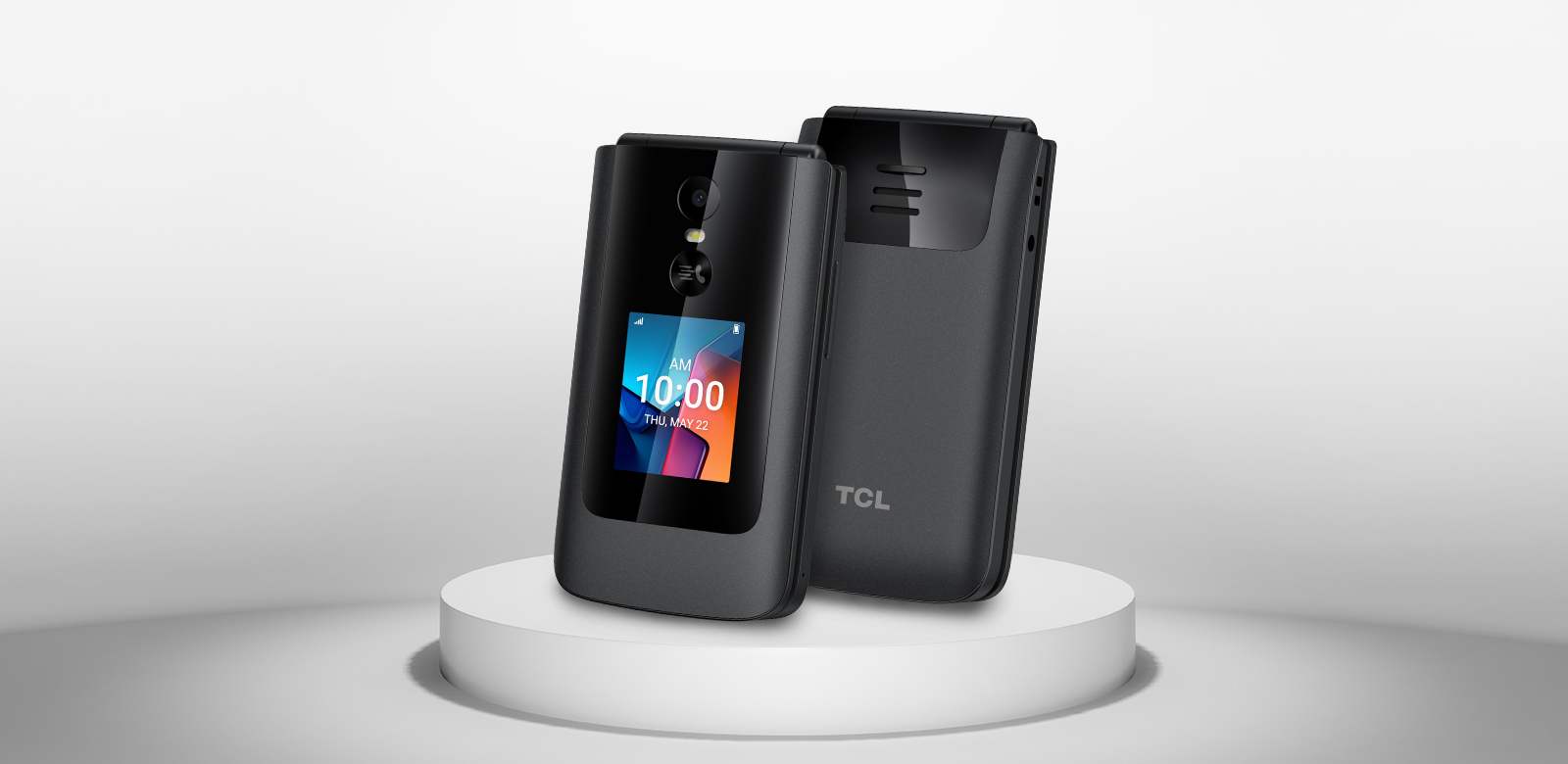
If you want the form factor of a flip phone but still need access to a few modern smartphone conveniences, the TCL Flip 4 5G is worth looking at. Unlike the Nokia phones on this list, which run on simpler operating systems, the TCL Flip 4 runs on KaiOS 4.0 and is powered by a Qualcomm Snapdragon 4s Gen 2 processor.

This setup allows the phone to run essential apps like Google Maps, YouTube, and an email client on its 3.2-inch internal LCD screen. It also supports 5G connectivity, Wi-Fi, and hotspot capabilities.

TCL included a large 3000mAh battery, which provides up to 40 hours of talk time, and a 5MP camera that can record video. It is a highly capable device for those who want to step back from a full smartphone without losing access to navigation or a reliable internet connection.

In related news, you can also check out our roundup of the best dumb phones to buy in 2026.

For more daily updates, please visit our News Section.

Stay ahead in tech! Join our Telegram community and sign up for our daily newsletter of top stories! 💡
Lenovo refreshes ThinkPad E14 and E16 with Intel Core Ultra chips, 2.8K/2.5K 120Hz displays

Lenovo has updated its affordable ThinkPad E-series lineup for 2026, bringing newer Intel Core Ultra processors, higher refresh rate displays, and a few quality-of-life upgrades to two of its most popular business laptops.

Lenovo is offering several variants across the lineup, going all the way up to Core Ultra 9 configurations paired with 32GB RAM and 1TB SSD storage.

The smaller ThinkPad E14 starts with a 14-inch 2.8K display running at 120Hz, which honestly is not something usually seen in the more affordable business laptop segment. Lenovo is also advertising 500 nits brightness, full sRGB color coverage, anti-glare coating, and low blue light certification.

The larger E16 scales things up to a 16-inch 2.5K 120Hz panel with slightly lower brightness at 400 nits.

Internally, both laptops support PCIe 4.0 SSDs and include dual M.2 slots for storage expansion. Battery capacity sits at 64Wh, with Lenovo claiming around 13 hours of usage depending on workload and configuration.

The E14 remains fairly portable as well, measuring around 15.25mm thick and weighing roughly 1.34kg. The E16 naturally comes in heavier at around 1.63kg.

Connectivity still feels very ThinkPad-like here, which is probably good news for office users tired of dongle-heavy ultrabooks. Both models include Thunderbolt 4, USB-A ports, HDMI 2.1, Ethernet, and a headphone jack. Lenovo is also keeping the classic ThinkPad keyboard and TrackPoint setup intact.

Overall, these do not look like dramatic redesigns, but they do feel like sensible upgrades. Lenovo seems to be focusing on the areas that actually matter for long-term daily use: display quality, battery life, thermals, and practical connectivity.

Pricing and availability:

The new ThinkPad E14 and E16 are now up for pre-order in China ahead of their May 27 release.

ThinkPad E16

Ultra 9 185H + 32GB + 1TB version: 8999 yuan (~1,140 Euro at the current exchange rate)

ThinkPad E14

  • Ultra 9 185H + 32GB + 1TB version: 7999 yuan (~1014 Euro)
  • Ultra 5 336H + 32GB + 1TB version: 9499 yuan
  • Ultra 7 356H + 32GB + 1TB version: 11999 yuan

Don’t miss a thing! Join our Telegram community for instant updates and grab our free daily newsletter for the best tech stories!

For more daily updates, please visit our News Section.

Motorola Edge 70 Pro+ launch date confirmed, here’s everything we know before launch

Motorola has been teasing the new Edge phone for the Indian market, and now it finally has a launch date. The company has confirmed that the Motorola Edge 70 Pro+ will launch in India on June 4, or next Thursday. 

Here’s everything we know so far about the Motoroal Edge 70 Pro+. 

Motorola Edge 70 Pro+ Specifications (Expected)

The Motorola Edge 70 Pro+ is rumored to feature a 6.8-inch 1.5K quad-curved OLED display with a 144Hz refresh rate. The screen is further said to have a 5200-nit peak brightness. 

On the camera front, the device could be equipped with a 50-megapixel (main) + 50-megapixel (ultra-wide) + 50-megapixel (3.5x periscope) triple setup on the rear. For selfies and video calls, the device will include a 50-megapixel front-facing camera.

Under the hood, the device will run on the Dimensity 8500 Extreme chip. Software-wise, it will run on Hello UX-based Android 16 and is expected to receive three major Android updates.

The Motorola Edge 70 Pro+ will pack a large 6500mAh battery paired with 90W fast charging support. The company has also confirmed wireless charging support, which will help the Pro+ model stand apart from the regular Edge 70 Pro.

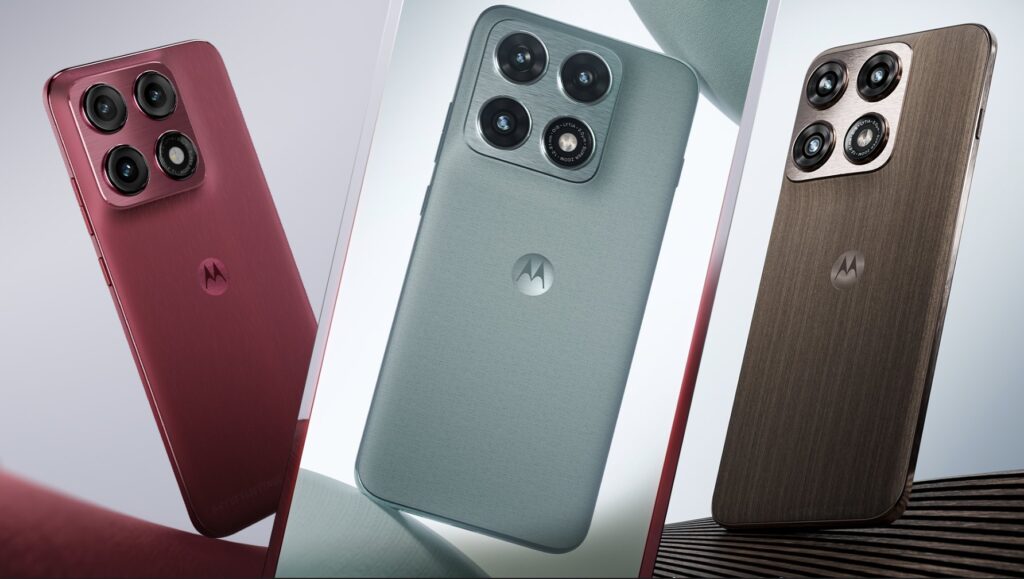
Previous teasers already revealed multiple rear panel finishes, including Satin-Luxe, Sculpted Wood, and a twill-inspired texture. The smartphone is expected to arrive in multiple colour options, including brown, red, and teal variants.

The Motorola Edge 70 Pro+ will be sold in India through Flipkart after launch. While official pricing details are still under wraps, earlier reports suggest that the smartphone could be priced under Rs 50,000 in India.

For more daily updates, please visit our News Section.

Stay ahead in tech! Join our Telegram community and sign up for our daily newsletter of top stories! 💡
iPhone 20 renders show a fully curved, nearly bezel-free design concept

The iPhone 18 is still months away, but surprise, surprise, we may already have our first look at iPhone 20.

A newly released render video claiming to show the so-called “iPhone 20” suggests the line could introduce one of the biggest design changes in iPhone history.

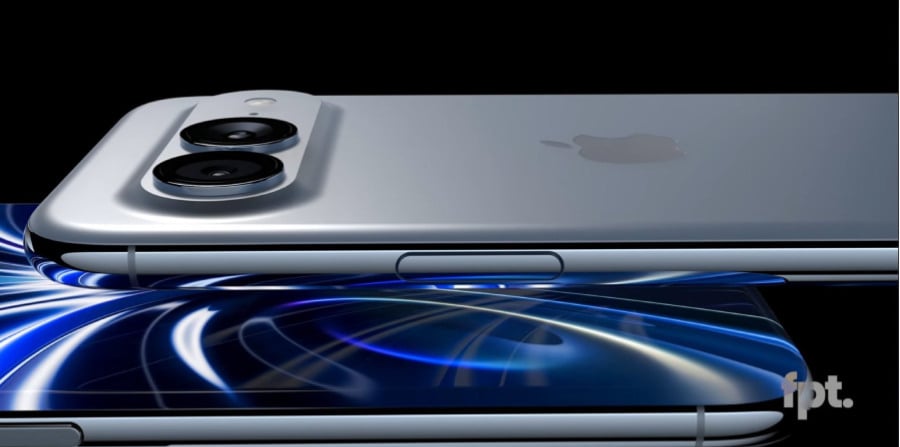
The video was published by the YouTube channel fpt., which claims the device is already in the early stages of production. While Apple has not confirmed anything, the render combines many rumors that have been circulating for months, from supply chain reports and analysts such as Mark Gurman.

iPhone 20 is almost bezel-less

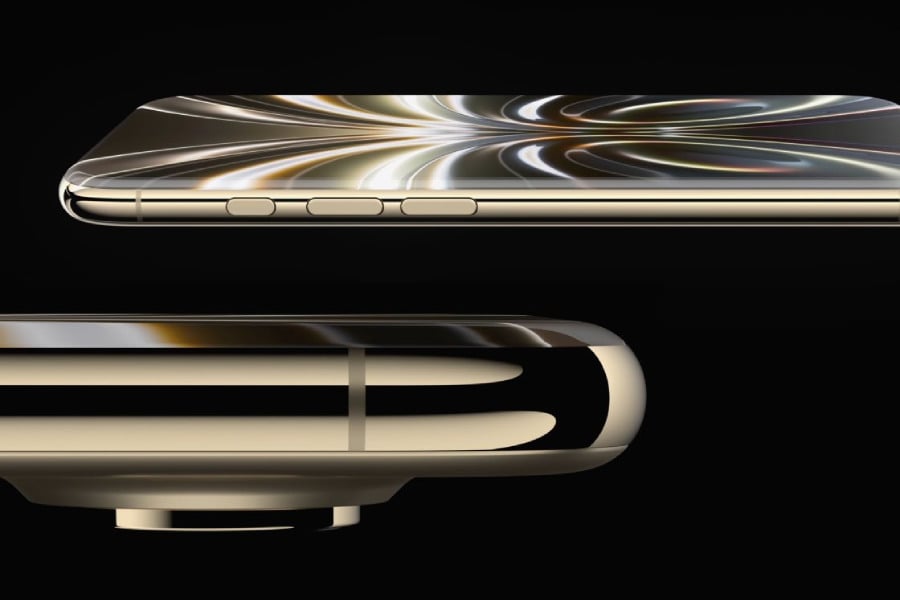
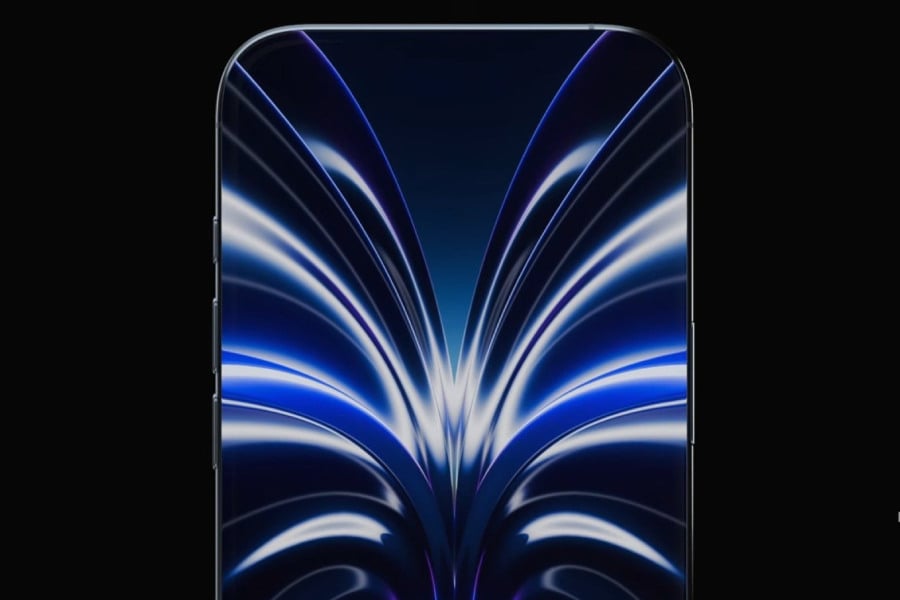
The renders in the video show iPhone 20 as an almost bezel-free device with glass flowing across all four edges. The backplate is all-glass, the front has under-display Face ID, and the sides have no physical buttons at all. 

One thing that may confuse is the name itself. If Apple is releasing the iPhone 18 this year, it’s expected that the 2027 model will be called the iPhone 19. But according to the rumors, Apple could skip directly to iPhone 20 to celebrate the 20th anniversary of the original iPhone.

Apple did something similar before. In 2017, the company celebrated the iPhone’s tenth anniversary by skipping the iPhone 9 and launching the iPhone X instead. It introduced major changes such as Face ID and a nearly edge-to-edge display, setting the direction for future iPhones.

The rumored iPhone 20 could be following the same strategy.

Three major design changes in iPhone 20

The video claims the iPhone 20 series will introduce three major design changes:

  • The first is the introduction of a quad-curved screen. Apple is reportedly working with Samsung on a custom OLED panel that curves slightly on all four sides. 
  • The second major change could be the removal of the Dynamic Island. According to the leaks, both the front camera and the Face ID system may sit completely under the display. 
  • The third change involves the removal of physical buttons. Instead of traditional power and volume keys, Apple may use solid-state touch controls with vibration feedback. 

The redesign may also come with major hardware upgrades.

iPhone 20 render -2

The phone is expected to use Apple’s new 2nm A21 chip. And the iPhone 20 could also include a 200-megapixel main sensor with improved HDR technology. Apple is also claimed to be using silicon-carbon battery technology in the iPhone 20. 

According to reports, Apple is currently working with both Samsung and LG to solve technical issues related to the quad-curved display. One major problem is brightness reduction around the curved edges of the screen.

Under-display Face ID is another challenge for the brand. Apple will need to make sure the sensor works while maintaining fast unlocking speeds and good selfie camera quality. 

For more daily updates, please visit our News Section.

Stay ahead in tech! Join our Telegram community and sign up for our daily newsletter of top stories! 💡

Xiaomi launches new power-saving split air conditioner with 3-minute fast cooling

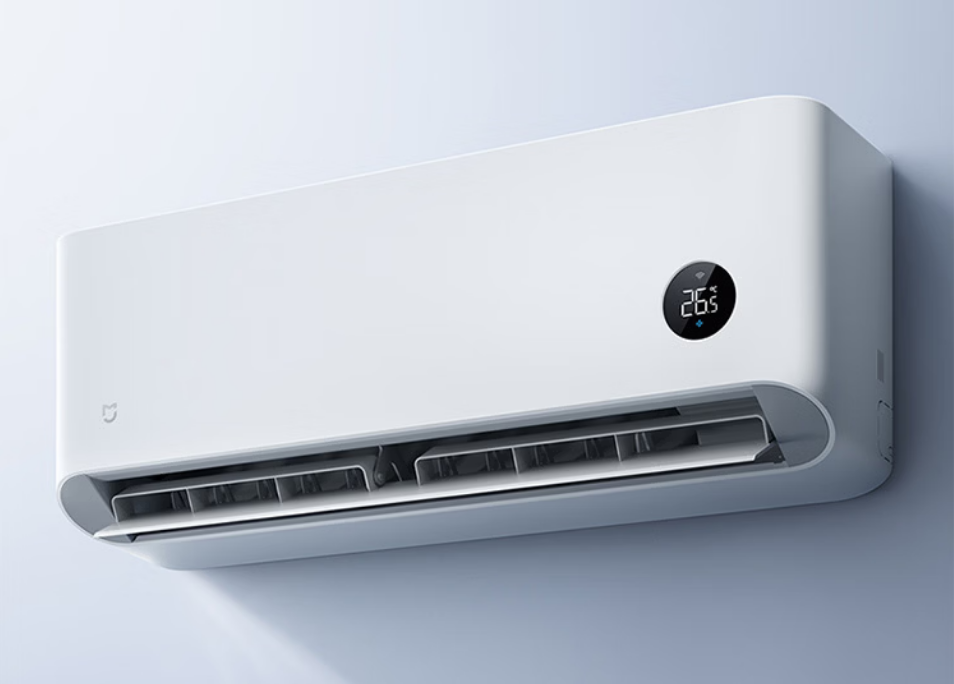
Xiaomi has launched a new air conditioner called Mijia Air Conditioner Giant Power Saver 2026 in the Chinese market. The AC is priced at 1899 yuan ($278) and is now listed on JD.com. It will go on sale on May 30.

Xiaomi Mijia Air Conditioner Giant Power Saver 2026

Mijia Giant Power Saver 2026 AC Specs

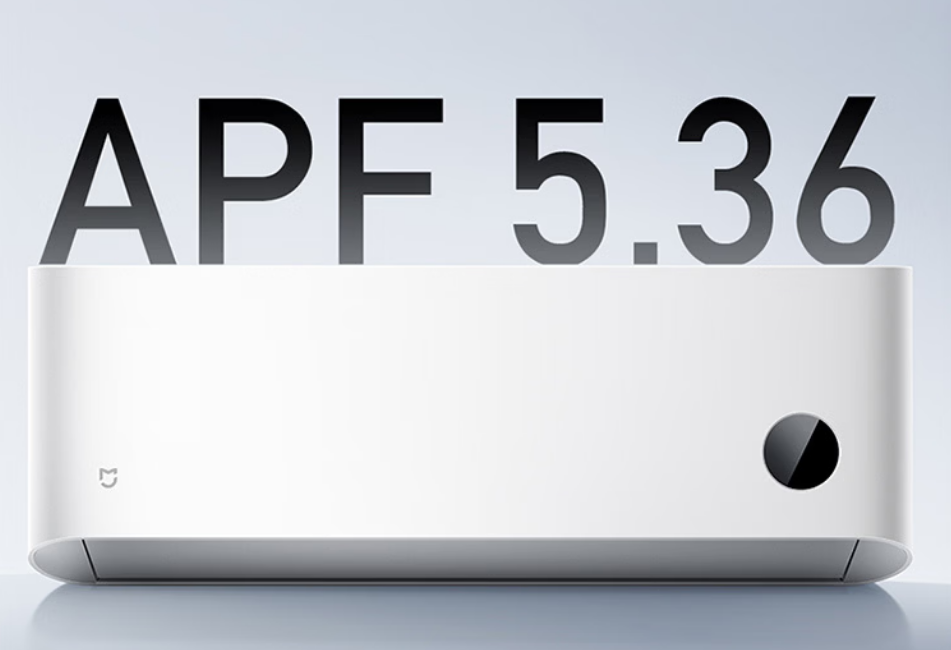
The main selling point here is energy efficiency. The 2026 model has an Annual Performance Factor (APF) of 5.36, earning it a Level 1 energy efficiency rating in China. Xiaomi estimates this translates to saving about 208 kWh of electricity a year compared to older standards, which works out to roughly 124 yuan ($18) in savings annually.

To manage this, the unit uses a 9.8cc compressor, a dual-row evaporator, and a 108mm cross-flow fan. It can push up to 760 cubic meters of air per hour, and Xiaomi says it takes about three minutes to reach a target temperature in a standard room.

The AC runs on Xiaomi’s Mijia Lingyun control engine, which uses cloud-based learning to adjust how it cools or heats based on your habits. For example, it can tweak the temperature automatically while you sleep to save power and keep the room comfortable. It connects to the Mijia app and supports Xiaomi’s HyperOS Connect for integration with other smart home devices.

Xiaomi Mijia Air Conditioner Giant Power Saver 2026

Like a lot of modern hardware, it also supports over-the-air (OTA) updates. Xiaomi says it will continue to tweak the energy-saving algorithms and add features over time. There is also a built-in diagnostic system that runs 122 different checks. If the filter needs cleaning or the refrigerant is running low, the app will send a notification before the unit actually stops working.

For maintenance, the AC has a self-cleaning function that washes and then dries the internal components at 58 degrees Celsius to prevent mold and bacteria. It is also built to handle a wide range of temperatures, operating in outdoor environments as cold as -35 degrees Celsius or as hot as 60 degrees Celsius. When running quietly at night, the indoor unit’s noise level drops to 18 decibels.

In related news, Xiaomi has recently launched a new AI-powered split air conditioner called Mijia Air Conditioner Powerful Wind Pro.

For more daily updates, please visit our News Section.

Stay ahead in tech! Join our Telegram community and sign up for our daily newsletter of top stories! 💡

(JD)

Anker’s eufy C15 robotic lawnmower brings camera-based TrueVision system, 180 mm cutting disc

Robotic lawnmowers are slowly becoming more common, but for many people, the high prices and complicated setup process still make them hard to justify. Anker’s eufy brand is now trying to make the category a bit more approachable with the new eufy C15, its cheapest robotic mower so far.

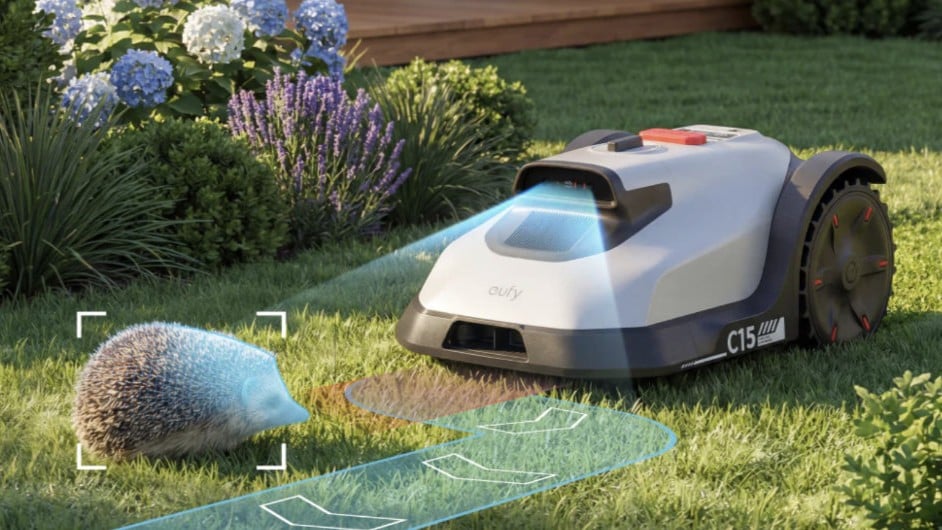
Compared to the company’s larger E15 and E18 models, the new C15 is aimed at smaller gardens up to 500 square meters. The biggest selling point is probably the setup process. Instead of using perimeter wires or RTK antennas like many competing robotic mowers, the C15 relies entirely on eufy’s camera-based TrueVision system for navigation and mapping.

There’s a front-mounted camera system that handles obstacle detection, positioning, and route planning automatically. That means the mower can avoid objects like pets, toys, garden furniture, and even smaller animals such as hedgehogs while moving around the yard. Initial mapping may still take a little time depending on the layout of the garden, but overall installation looks much simpler than traditional robotic mower setups.

The mower itself uses a 180 mm cutting disc with adjustable cutting heights between 20 mm and 60 mm. It can also manage slopes up to around 32%, which should be enough for most smaller residential gardens.

The C15 was introduced during Anker Day 2026 alongside several other eufy products, including new AI-focused earbuds, a robot vacuum with a fragrance diffuser, and an updated smart doorbell lineup.

Pricing and availability:

The mower has officially gone on sale after its recent pre-order phase. It starts at €899, and eufy is currently including the optional garage accessory for free as part of a limited launch offer. Normally, that bundle costs €999. The C15 is available through eufy’s online store, Amazon, and select retailers.

With features like app-based scheduling, automatic charging, and multi-zone support, the C15 feels like eufy’s attempt to bring premium robotic mower features into a more affordable price range. For homeowners who have been curious about robotic lawn care but didn’t want to deal with wires or expensive flagship models, this one could end up being a much easier entry point.

Don’t miss a thing! Join our Telegram community for instant updates and grab our free daily newsletter for the best tech stories!

For more daily updates, please visit our News Section.

(Source)

Xiaomi is repairing its rainstorm-affected phones, laptops, and accessories for free in China

Xiaomi is offering free repairs for devices damaged in the recent floods and heavy rainstorms affecting several parts of China. The company announced a temporary after-sales support program covering smartphones, tablets, laptops, wearables, and even some home appliances in disaster-hit regions.

The initiative runs from May 22 to June 20, 2026, and mainly covers affected areas across Jiangxi, Hunan, and Hubei provinces.

For Xiaomi and Redmi phones, tablets, smart bands, watches, earphones, and laptops, the company says users can get free inspections, cleaning, and repairs for water damage caused by the storms. Xiaomi service centers will also reportedly provide charging facilities, WiFi access, and drinking water for visitors. Eligible users can either visit supported offline centers or apply for mail-in repair services in select locations.

The support program also extends to Mijia ecosystem products and large household appliances affected by flooding or water ingress.

Some of the covered regions include parts of Ganzhou in Jiangxi Province, multiple counties across Hunan Province, and areas in Jingzhou and Enshi within Hubei Province. Xiaomi says users can apply through the Xiaomi Mall app under the after-sales section, contact the 950816 hotline, or use the company’s official WeChat service account.

Xiaomi’s program stands out because water damage is normally excluded from standard warranty coverage. Repair costs for flood-damaged electronics can often become expensive, especially for smartphones and laptops, so the move will likely come as a major relief for affected users.

The announcement also arrives at a time when weather-related disruptions are becoming more common. By temporarily waiving repair costs for water-damaged products, Xiaomi is not only helping users deal with immediate losses but also reinforcing its after-sales service image.

For users in the eligible regions, the program is available for a limited time, and Xiaomi advises customers to contact nearby service centers as early as possible due to potentially high demand.

Don’t miss a thing! Join our Telegram community for instant updates and grab our free daily newsletter for the best tech stories!

For more daily updates, please visit our News Section.

(Via)

Ugreen launches M3 Bluetooth speaker with 20W audio, water drainage tech & 20h battery life

Ugreen has released a new portable Bluetooth speaker in China called the M3. It is currently listed on the retailer JD.com for 249 yuan ($36) and is designed primarily for outdoor use. While it shares a lot of similarities with other rugged speakers on the market, it includes a specific feature to deal with getting wet: a water drainage system that uses sound to clear out the grille.

Ugreen M3 Bluetooth speaker

Ugreen M3 Speaker Specifications

If the speaker gets splashed by a pool or left out in light rain, you can open Ugreen’s companion app and turn on a dedicated drainage mode. The speaker will then generate high-frequency vibrations, up to 400 times per minute, to physically push trapped water out of the hardware. It is a practical approach to water exposure, working alongside the device’s standard IP66 rating for dust and water resistance.

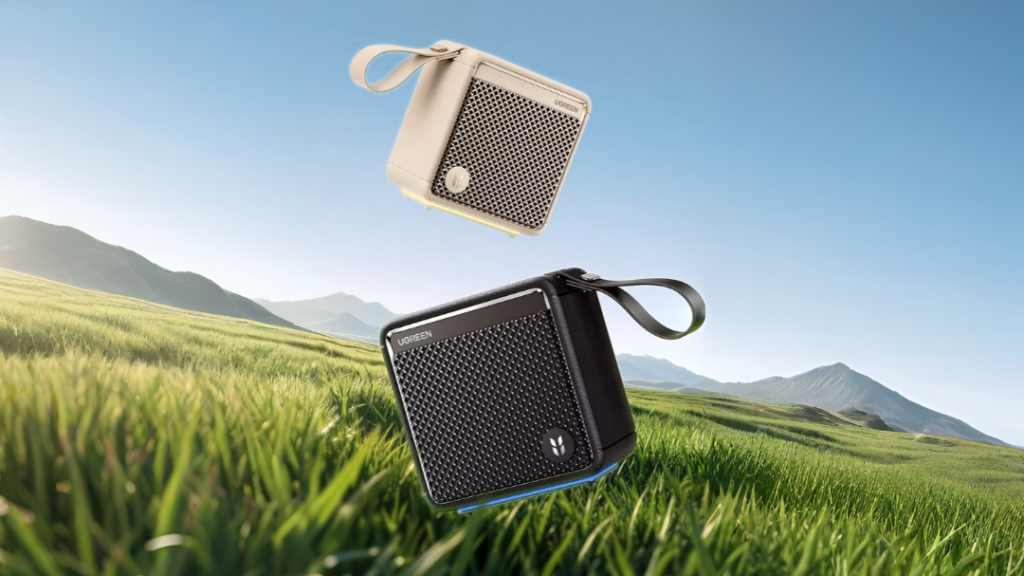
Physically, the M3 weighs 653 grams, which is light enough to throw in a backpack for camping or a beach trip. It comes in two colors, Starry Black and Champagne Gold, and includes a hidden RGB light strip at the bottom. The lights can be set to solid colors, a breathing effect, or synced to your music. There is also an SOS mode that flashes the lights and plays a warning sound in case of an emergency.

For audio, the M3 uses a 20W triple-driver setup. This includes specific drivers for high and mid-low frequencies, plus a passive radiator to handle the bass. Ugreen says it uses digital signal processing (DSP) and its own bass enhancement software to keep the low-end frequencies audible even when you have the volume turned down. The company says the speaker can reach a sound pressure level of 105dB.

On the connectivity side, the speaker supports Bluetooth 6.0 and LE Audio. It also supports Auracast, meaning you can sync the audio with over 100 compatible devices, or you can just pair two M3 speakers together for standard left-and-right stereo sound.

Ugreen M3 Bluetooth speaker

The speaker runs on a 2,500mAh battery. Ugreen estimates it will last up to 20 hours on a single charge, provided you keep the volume at a moderate level and leave the RGB lighting turned off. It charges via a standard USB-C port. It also features a built-in microphone for phone calls and voice chats.

In related news, Ugreen recently launched a 160W GaN fast charger with five ports and a smart display, alongside a new 45W 10,000mAh power bank featuring a built-in cable and integrated smart screen.

For more daily updates, please visit our News Section.

Stay ahead in tech! Join our Telegram community and sign up for our daily newsletter of top stories! 💡
(JD)