Advertisement

Vivo X200T vs Vivo X300: Picking Between the Budget Flagship or the True Flagship

Vivo brought in a new premium smartphone in the Indian market with the Vivo X200T. Positioned as a flagship killer, this model brings high end specs and features at a more approachable price point. But just a couple of weeks ago, the Vivo X300 debuted as the brand’s true flagship model alongside the X300 Pro. So we have one model aimed squarely at delivering flagship-class experience at a slightly more accessible price, and the other positioned as a true flagship with top-tier imaging and performance. Choosing between them isn’t just about price, so here’s a detailed comparison to help you decide which smartphone makes more sense.

Design & Display

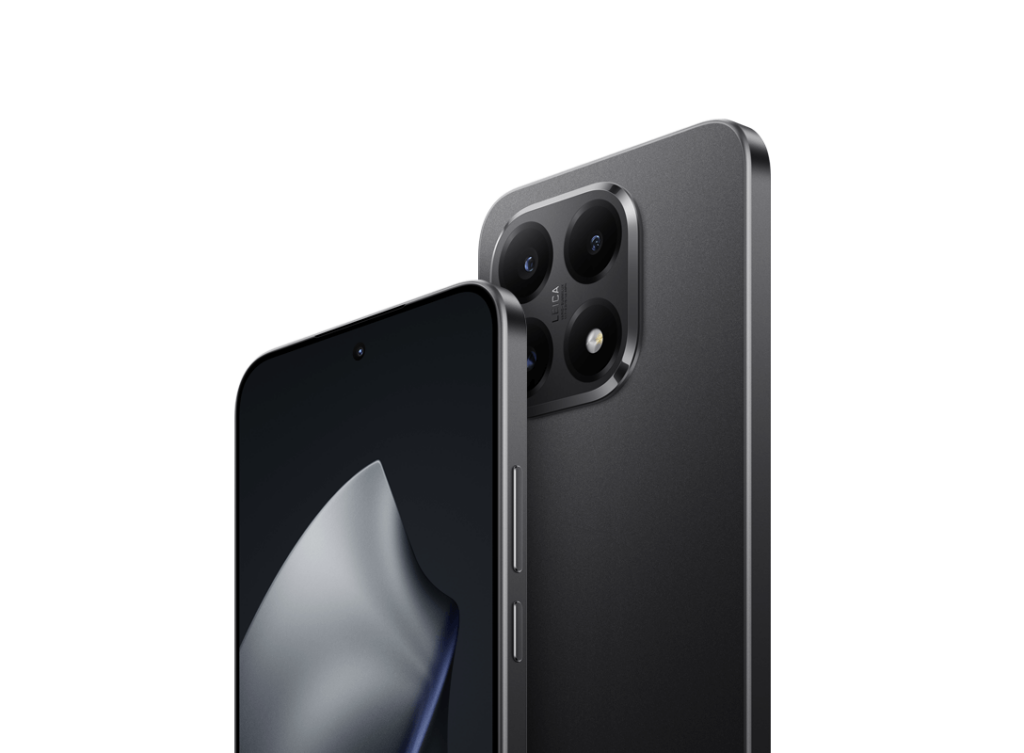
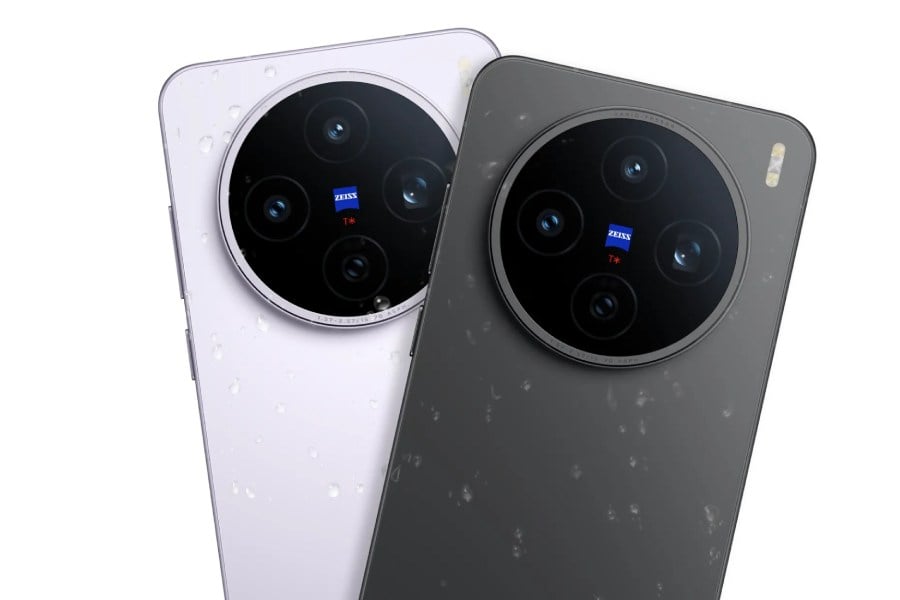
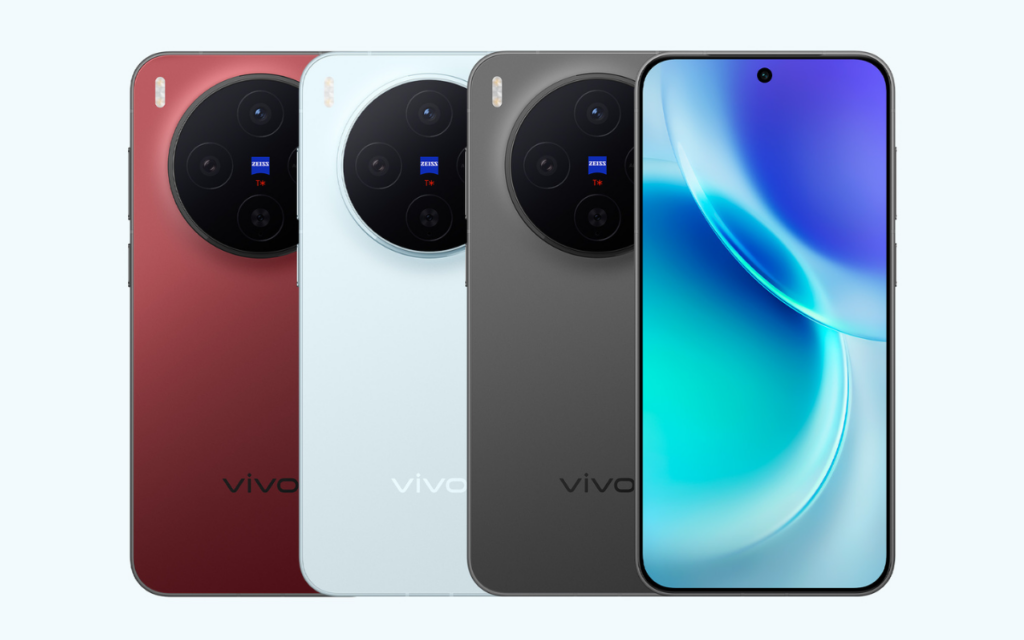
At first glance, both Vivo X200T and X300 share a similar design language, blending a premium glass back with a metallic side frame. The sides, front, and back are all flat, with the rear also featuring a big circular camera island. Other identical design elements include uniform bezels on the front and an IP68 + IP69 rating for water and dust resistance. The differences are quite subtle between the two, so you’re not seeing any compromise with the X200T, despite its cheaper price tag.
Vivo X200T Launch Specs Price
Vivo X200T

But once you turn the phones around, it becomes apparent that the Vivo X300 is a compact flagship. It sports a 6.31-inch LTPO AMOLED display with a 1.5K resolution, a 120Hz refresh rate, 2160Hz PWM dimming, Armor Glas protection, and a peak brightness of up to 4,500 nits. In comparison, the Vivo X200T is a standard sized smartphone with a 6.67-inch 1.5K 120Hz AMOLED panel with a 2160Hz high frequency PWM dimming and up to 5000 nits peak brightness.

The smaller screen size also helps the X300 be lighter (190 grams) than the X200T (205 grams). Another major advantage of the Vivo X300 is support for LTPO technology, which brings variable refresh rate for better energy efficiency.

Performance

Under the hood, the Vivo X200T is powered by MediaTek’s Dimensity 9400+, a flagship-class chipset built on a 3nm process that handles everyday tasks, multitasking, and most demanding games with ease. It offers strong performance for its price and is paired with OriginOS 6 based on Android 16, promising a smooth UI experience.
Vivo X300

In contrast, the Vivo X300 moves up a step with MediaTek’s Dimensity 9500, which delivers measurable performance gains in CPU and GPU workloads. Benchmark comparisons suggest that the Dimensity 9500 can be around 15-30 % faster in key tasks and benchmarks than the 9400+.

For most users, the X200T’s performance is more than capable and close to flagship-level, but the X300’s newer and more powerful SoC gives it a clear edge in long-term performance and graphically intense mobile games.

Camera
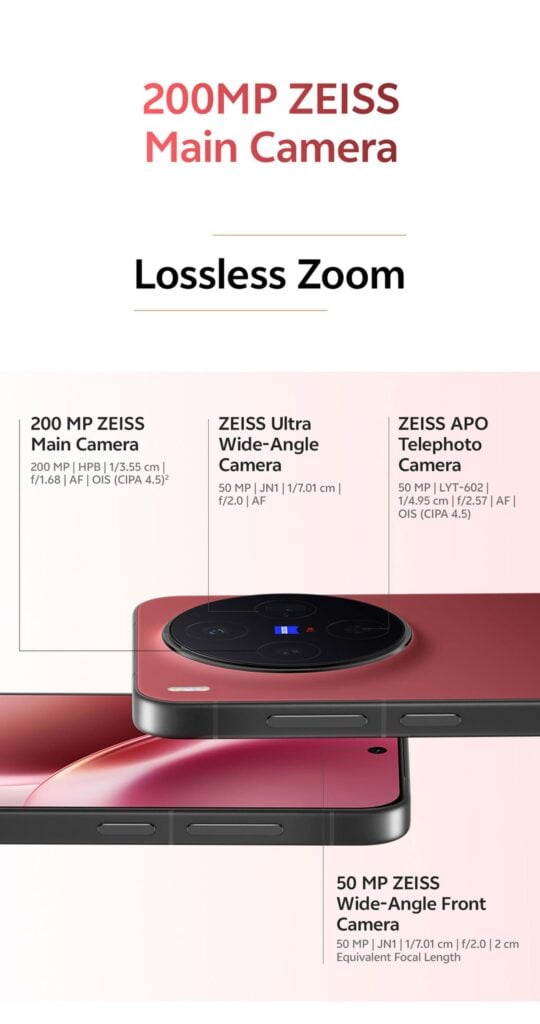
Vivo X300 Series Teaser
Vivo X300 Camera

Just like the design, the camera setup is nearly identical between the Vivo X200T and Vivo X300. The 50MP triple rear camera setup for both models features a similarly sized periscope telephoto shooter and ultra wide angle lens. But the Vivo X300 pulls ahead with a large 200MP 1/1.14-inch primary camera and a 50MP selfie shooter. Meanwhile, the Vivo X200T has a smaller 1/1.56-inch main sensor and a 32MP camera on the front. These differences could still seem minor, but Vivo employs Zeiss optics on the X200T, while the X300 gets the Zeiss T* coating, Zeiss optics, and V3+ imaging chip for improved image quality.

Battery & Charging

Battery life is another area where both phones hold their ground, though with slight differences. The X200T is equipped with a 6,200mAh battery that supports 90W wired fast charging and 40W wireless charging. This means all-day endurance and quick top-ups, making it excellent for heavy day-long use.
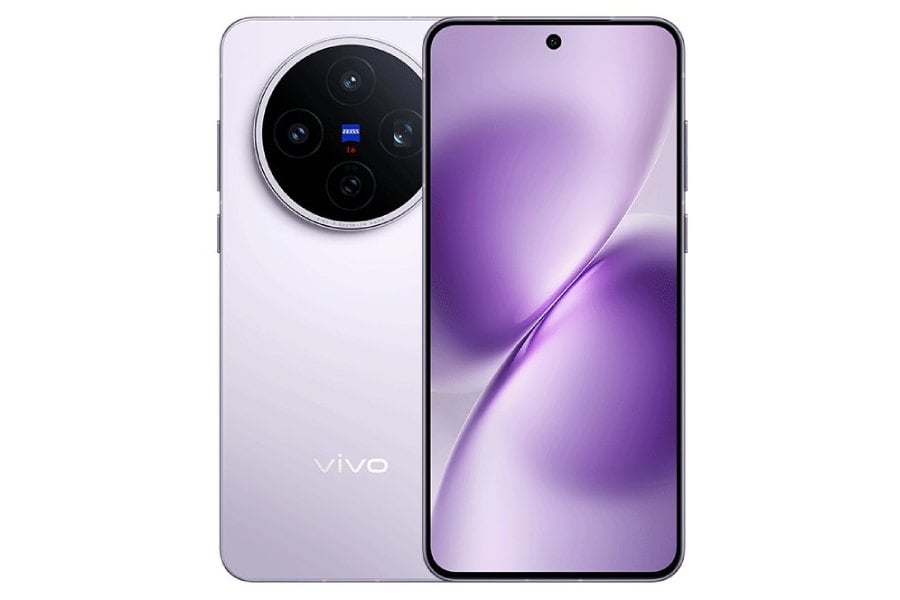
Vivo X200T Purple
Vivo X200T

On the other hand, the Vivo X300 supports the same fast charging suite and wireless charging, but its battery is marginally smaller (6,040mAh). Still, coupled with the more efficient LTPO screen and newer chipset, real-world battery life remains competitive and close to what the X200T offers.

Verdict

The Vivo X200T does exactly what it sets out to: deliver a balanced premium smartphone experience with strong performance, excellent battery life, solid cameras, and long-term software support, without the premium flagship price tag (Rs 59,999). It is a compelling choice for those who need flagship like experience and a competent photography experience.

The Vivo X300 is a true flagship in every sense, featuring more powerful hardware, an advanced imaging system with a 200MP primary shooter, and a compact yet efficient LTPO display. So if photography, peak performance, and future proofing matter the most, the Vivo X300 justifies its higher price tag (Rs 75,999).

For more daily updates, please visit our News Section.

Tech enthusiast? Get the latest news first! Follow our Telegram channel and subscribe to our free newsletter for your daily tech fix! ⚡
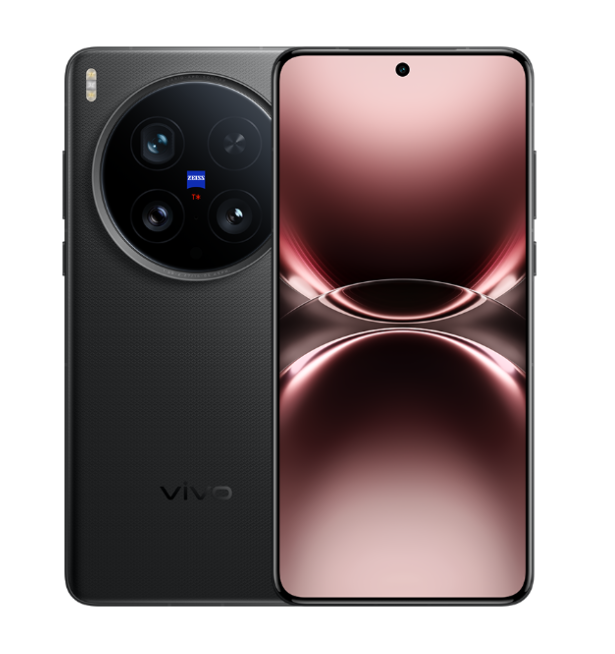
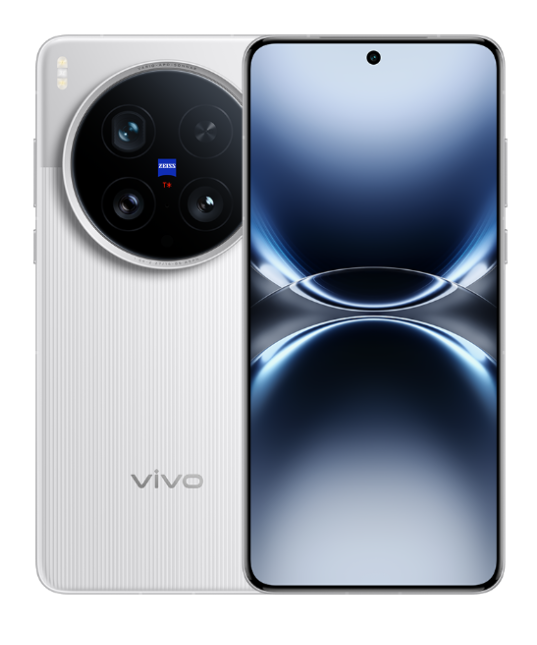
Massive Vivo X200 Ultra Discount: $350 Off at Giztop

Vivo X200 Ultra is now available on Giztop at a massively reduced price, making this one of the strongest flagship phone deals right now. With a straight $350 savings, this limited-time offer brings an ultra-premium smartphone into a much more affordable range.

What makes this deal stand out is how little compromise there is at $849. The Snapdragon 8 Elite chipset delivers elite performance for gaming, heavy multitasking, and long-term use. Everything feels fast, smooth, and future-proof, helped by Android 15 and Vivo’s refined OriginOS 5.

Camera performance is another major reason this deal is so compelling. The 200MP Zeiss APO telephoto camera headlines a powerful imaging setup designed for sharp zoom, detailed shots, and strong low-light performance. This is flagship-level photography without flagship pricing.

A large 6000mAh battery paired with 90W fast charging ensures all-day use with minimal downtime, adding real everyday value.

At $849 on Giztop, this deal is ideal for power users and camera-focused buyers who want top-tier hardware while saving $350. If value matters, this is the moment to buy.


Caviar launches Black Edition iPhone 17 Pro Max with titanium, crocodile leather and gold accents

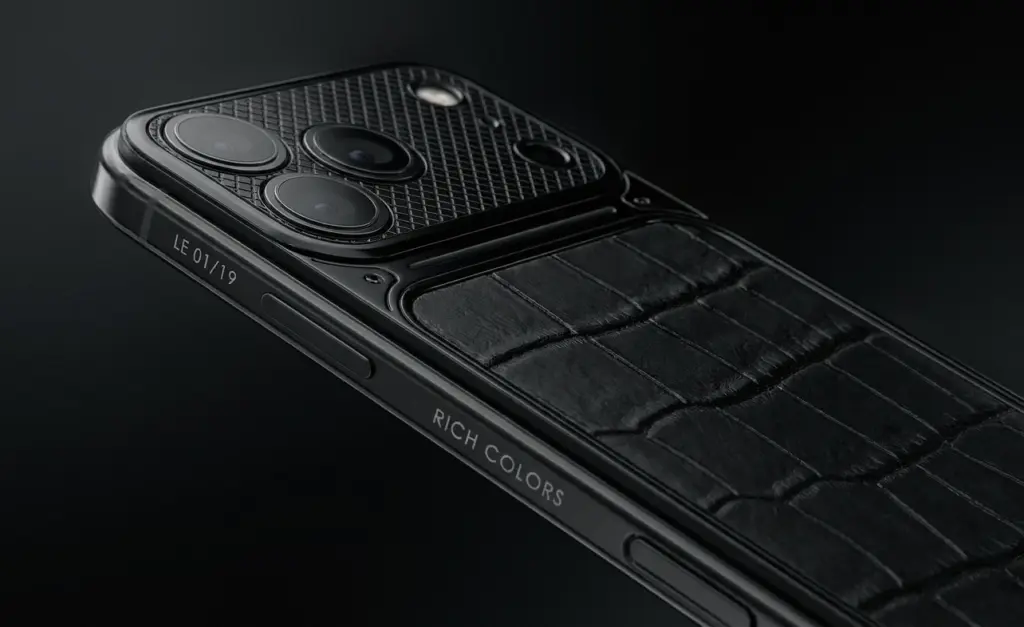
Caviar has introduced a new line of custom iPhone 17 Pro Max models under its Black Edition collection. The launch comes in response to Apple’s decision to remove the classic black color option from the iPhone 17 Pro series. While Apple focused on new shades like Cosmic Orange and Deep Blue, Caviar chose to reintroduce black with a luxury approach aimed at collectors and enthusiasts.

Caviar Black iPhone 17 Pro

Design and Model Breakdown

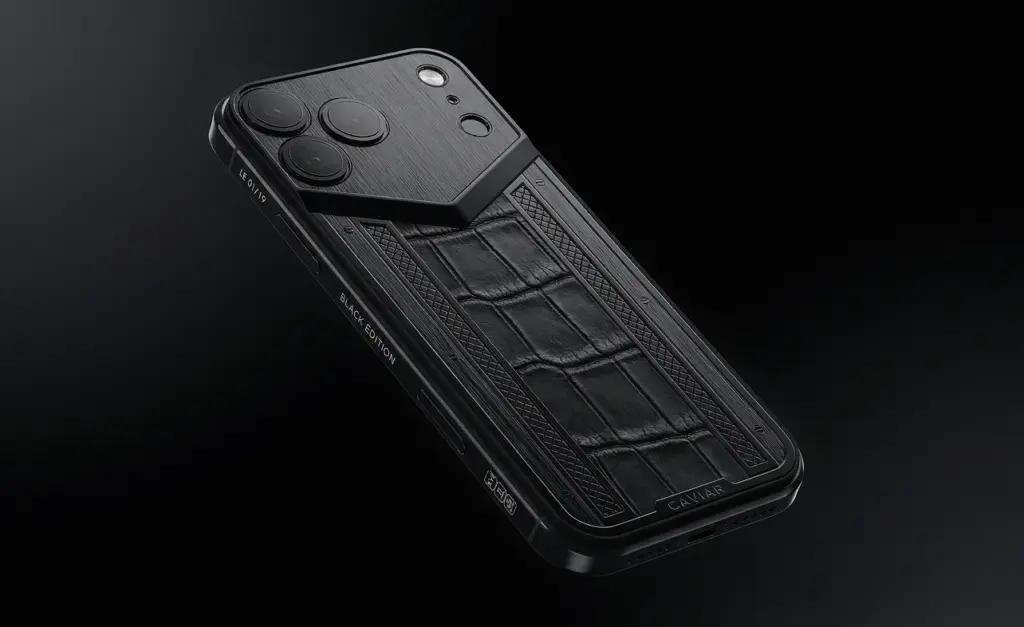
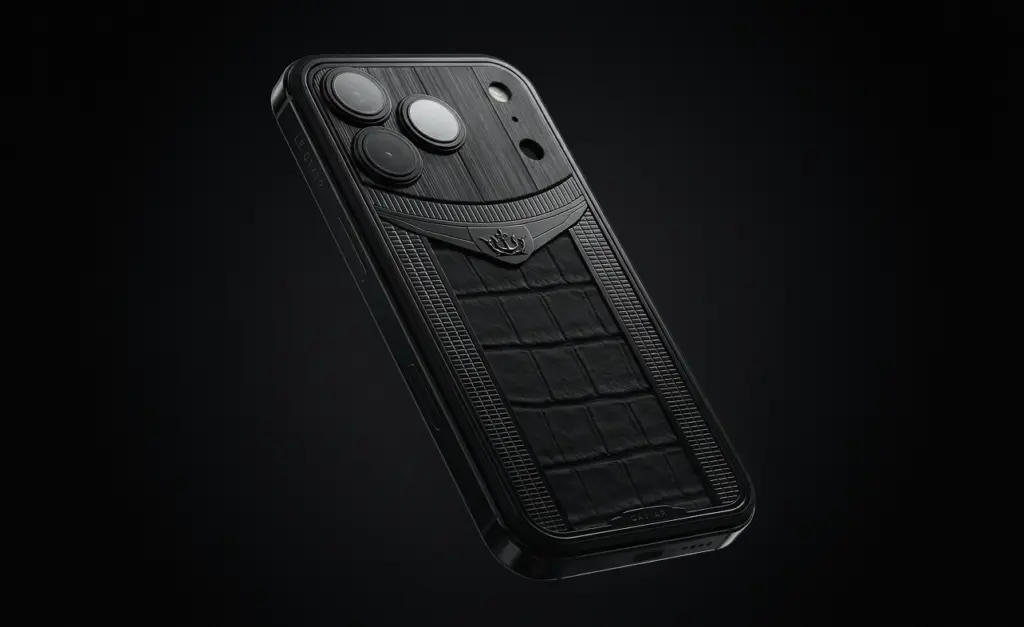
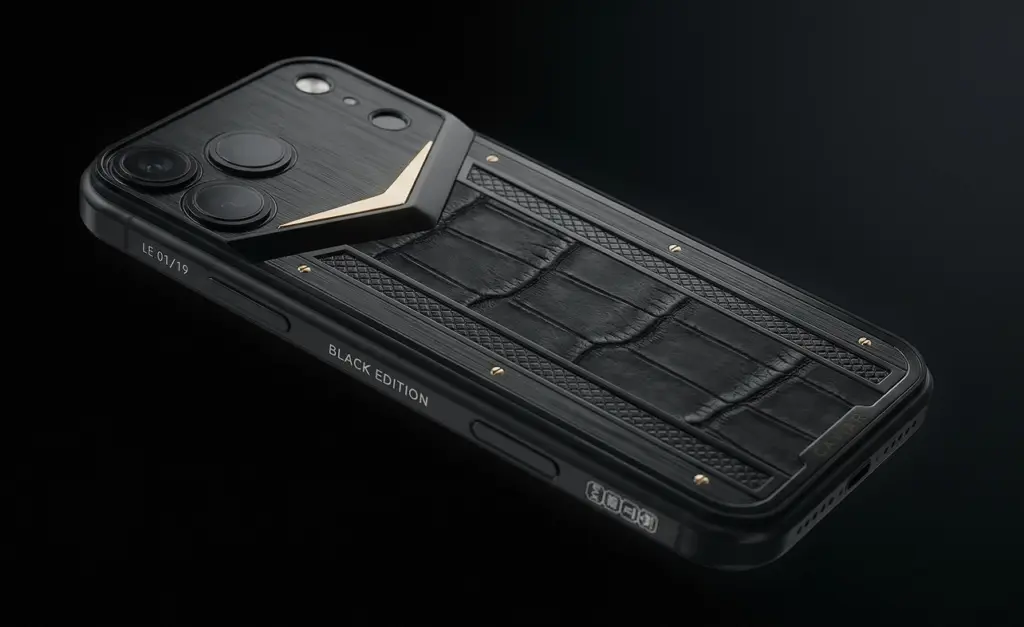
The Black Edition includes four distinct models: Black is Back, Shadow, Spark, and Obsidian Black Edition. All four feature a matte black chassis constructed from aerospace-grade titanium. Each model also includes a crocodile leather panel on the lower portion of the phone. Caviar used anodizing and PVD coating to create a deep black finish that matches Apple’s previous Black Titanium aesthetic in both appearance and durability.

The Black is Back model features a simple black titanium frame and crocodile leather finish. It focuses on a clean, understated look for those who want a modern version of the classic black iPhone design.

The Shadow edition adds a more refined touch. It uses the same titanium and leather combination but keeps everything monochrome, including the decorative screws. The result is a minimalist look with subtle texture and contrast.

The Spark variant introduces decorative accents in 24K gold. Caviar used gold-plated screws and inserts to contrast against the black frame. This model targets buyers who prefer a bold and expressive aesthetic while retaining the black base.

The Obsidian Black Edition sits at the top of the lineup. It features the same materials and coatings as the other models but uses a richer black tone throughout the body. Caviar describes it as a design that reflects strength and luxury.

Availability and Pricing

Caviar limited the production of the Black is Back, Shadow, and Spark models to just 19 units each. The Obsidian Black Edition is available in 99 units. All models are built on the iPhone 17 Pro Max and include luxury-grade packaging along with a collector’s coin and a gold-plated Caviar key.

Pricing for the Black Edition lineup starts at $9,130 for the Black is Back model, with the Spark version starting at $9,840. The Shadow and Obsidian Black Edition variants both start at $10,410. Reservations for all four models opened on January 28 via Caviar’s official website.

In related news, Caviar has recently unveiled what it claims to be the world’s first luxury humanoid robot, finished in gold.

For more daily updates, please visit our News Section.

Stay ahead in tech! Join our Telegram community and sign up for our daily newsletter of top stories! 💡

Redmi Turbo 5 Max Available on Giztop For at $399 With Worldwide Shipping

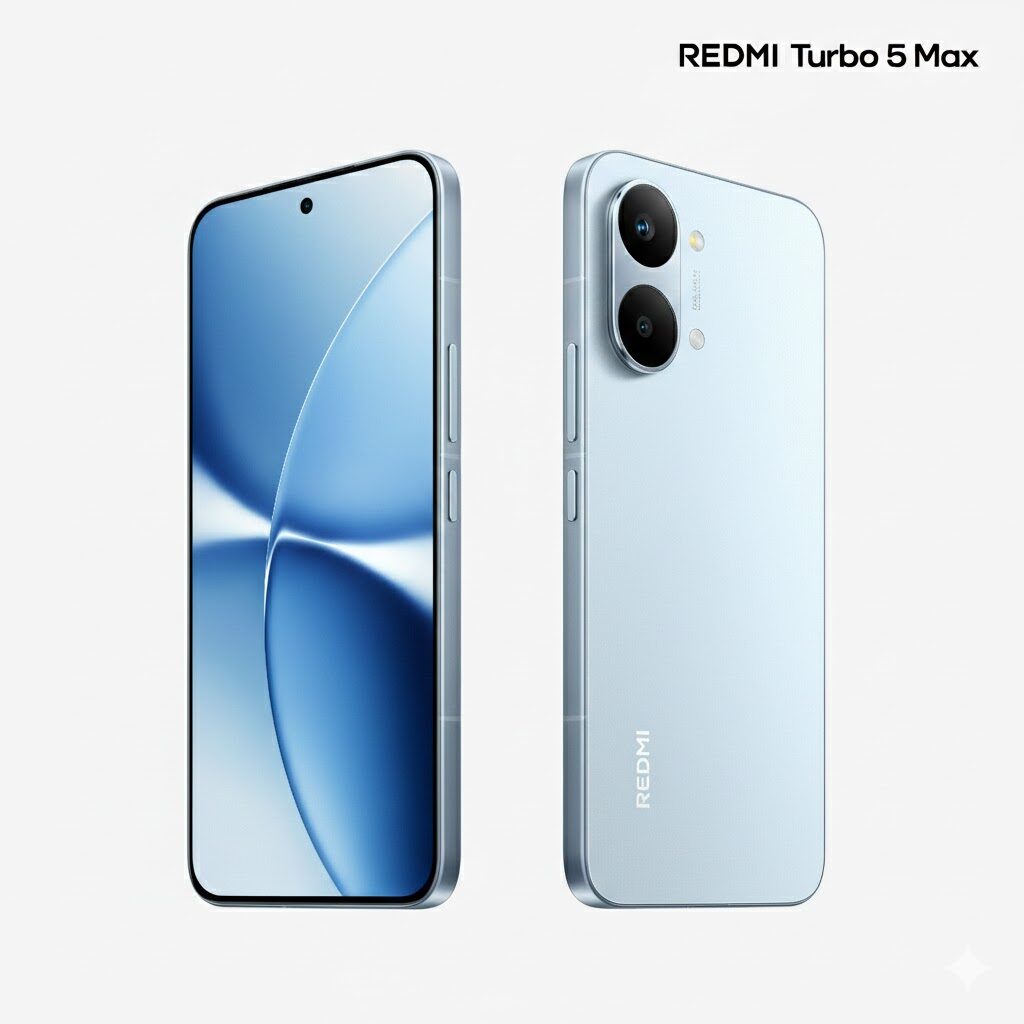
Redmi Turbo 5 Max is designed for users who want top-level performance, a massive battery, and a premium display without paying flagship prices. Starting at $399, this phone focuses on power, endurance, and smooth everyday use. With a large AMOLED screen, a cutting-edge MediaTek processor, and ultra-fast charging, it clearly targets heavy users, gamers, and content lovers. Now available on Giztop, the Redmi Turbo 5 Max can be purchased with Express and Global shipping, making it accessible to buyers worldwide with faster delivery options.

Display and Design

The Redmi Turbo 5 Max features a 6.83-inch 1.5K AMOLED display with a 120Hz refresh rate. The screen looks sharp and vibrant with a resolution of 2772 × 1280 pixels. Support for HDR10+, HDR Vivid, and Dolby Vision ensures excellent contrast and rich colors. With a peak brightness of 3500 nits, the display remains clear even under bright sunlight, making it ideal for video streaming and gaming.

Performance and Software

At its core is the 3nm MediaTek Dimensity 9500s processor, clocked up to 3.71–3.73GHz. Combined with 12GB or 16GB LPDDR5X RAM, the phone delivers fast app launches, smooth multitasking, and stable gaming performance. The device runs Xiaomi HyperOS 2, offering a clean, fast interface with full-screen gesture support for easy navigation.

Camera Experience

The phone comes with a 50MP primary camera using the Light Hunter 600 sensor. With an f/1.5 aperture, OIS, and 12.5EV dynamic range, it captures sharp photos with good detail and balanced lighting. The 8MP ultra-wide camera is useful for group shots and landscapes, while the 20MP front camera handles selfies and video calls well.

Battery and Connectivity

A huge 9000mAh battery powers the Redmi Turbo 5 Max, easily lasting more than a full day of heavy use. 100W wired fast charging quickly tops it up when needed. Connectivity options include 5G and Wi-Fi 7, ensuring fast and stable internet speeds. An in-display fingerprint scanner adds secure and convenient unlocking.


Redmi Pad 2 Pro Harry Potter Edition Now Available on Giztop For $499

Redmi Pad 2 Pro Harry Potter Edition isn’t just another Android tablet; it’s a carefully crafted collector’s piece designed for fans of the Wizarding World. Built on a solid mid-premium hardware foundation, this limited edition blends everyday performance with deep Harry Potter-themed aesthetics, making it equally appealing to collectors and users who want a standout tablet that feels truly special.

Enchanting Design & Collector-Grade Accessories

What sets this edition apart is its immersive physical design. The back of the tablet features a Hogwarts school crest engraving, instantly giving it a premium, keepsake feel. The included wand-styled stylus adds a playful but functional touch, while the spellbook-inspired protective case reinforces the magical theme. Redmi also includes a school-style carrying bag, making the unboxing experience feel like receiving a Hogwarts acceptance package. Custom packaging, themed stickers, and hidden Easter eggs elevate this from a device to a full collector’s bundle.

Display, Performance & Battery Essentials

Beyond the visuals, the tablet delivers strong everyday specs. You get a 12.1-inch 2.5K LCD with a 120Hz refresh rate, ideal for streaming, reading, and casual gaming. Powering it is the Qualcomm Snapdragon 7s Gen 4 octa-core processor, offering smooth multitasking and reliable performance. An 8MP rear camera and 8MP front camera handle video calls and basic photography, while the massive 12000mAh battery ensures long usage, supported by 33W fast charging.

Magical Software Experience with HyperOS

The Harry Potter theme continues in software. Running on Xiaomi HyperOS, this edition features a customized Magic Theme with wizarding-inspired wallpapers, custom icons, themed system sounds, and UI accents like Platform 9¾. These touches don’t affect performance but significantly enhance the emotional and visual appeal for fans.

Price & Availability

Redmi Pad 2 Pro Harry Potter Edition is now available for $499 via Giztop, with express and global shipping supported. As a themed and limited-run product, availability may be limited, making it an attractive buy for collectors and Harry Potter enthusiasts looking for something truly unique.


iQOO 15 Ultra Roundup: Performance, Design, Camera, Battery, and More

iQOO is getting ready to launch its absolute best smartphone for 2026. The iQOO 15 Ultra is scheduled to debut in China on February 4. In the weeks leading up to the announcement, the company has been open about what the device is trying to be. The iQOO 15 Ultra is a phone built for sustained performance, especially gaming.

iQOO 15 Ultra
iQOO 15 Ultra

As we’ve covered the device throughout this journey so far, it’s only natural for us to bring everything together in one article. So here’s a roundup of iQOO 15 Ultra, based on official sources, leaks, certifications, and benchmarks. 

1. Snapdragon 8 Elite Gen 5 and record benchmarks

At the heart of the iQOO 15 Ultra is Qualcomm’s Snapdragon 8 Elite Gen 5 chipset. The phone recently appeared on Geekbench, revealing some eye-catching numbers. The device scored 3,601 in the single-core test and 11,434 in the multi-core test on Geekbench 6. 

The AnTuTu scores are even more aggressive. According to iQOO Product Director Galant V, the iQOO 15 Ultra has crossed 4.51 million points on AnTuTu, currently the highest score recorded on the platform. He also noted that this is not the phone’s final performance ceiling, suggesting further optimisation is still ongoing ahead of launch.

The benchmark testing also confirms the phone has 16GB of RAM and is running Android 16.

2. Active cooling and thermal design

One of the most defining features of the iQOO 15 Ultra is its built-in active cooling fan. And this isn’t some visual flourish. iQOO has confirmed that the phone uses a combination of a large vapour chamber, liquid metal heat transfer materials, and the active fan to keep temperatures under control during extended gaming sessions.

The intake vent for the fan is discreetly placed beneath the camera module, and the company is even offering a dedicated fan protection plan that reportedly covers up to five years. 

Active cooling remains relatively rare in mainstream smartphones, but it has become a defining feature in gaming-focused devices like Nubia’s Red Magic series. iQOO branding the 15 Ultra as a performance phone means it’s logical for the brand to follow suit.

3. Shoulder buttons without moving parts

Another major focus area is control input. The iQOO 15 Ultra introduces what the company calls “Super-Sensitive Touch Shoulder Buttons.” Unlike traditional mechanical triggers, these are touch-based zones placed on both sides of the frame where fingers naturally rest in landscape orientation.

The shoulder buttons operate at a 600Hz touch sampling rate and use dual independent control chips, allowing each side to register inputs separately. iQOO says this reduces latency and improves accuracy, particularly in competitive FPS games.

Because there are no physical moving parts, the buttons avoid mechanical wear and reset delays. Tactile feedback is simulated using a linear motor. The flush design also improves resistance to sweat, water, and dust, while an anti-sweat algorithm is meant to maintain accuracy during extended play.

4. Display specs are equally good

The iQOO 15 Ultra is expected to feature a 6.85-inch Samsung LTPO flat display with 2K resolution and a 144Hz refresh rate. The use of an LTPO panel means the refresh rate can dynamically adjust based on on-screen content, helping balance smoothness and power efficiency.

For gaming, a flat panel is often preferred over curved displays, and iQOO’s decision here reflects that priority. We can also expect an ultrasonic in-display fingerprint sensor for biometrics. 

5. Cameras

Despite its gaming focus, the iQOO 15 Ultra doesn’t completely neglect cameras. The phone is expected to feature a 32-megapixel front camera and a triple 50-megapixel setup on the back. This includes a main sensor, an ultra-wide lens, and a 3x periscope telephoto camera with CIPA 4.5-rated stabilization.

6. Battery, charging, and configurations

Battery capacity is another area where the iQOO 15 Ultra goes big. Most reports point to a 7,400mAh battery paired with fast 100W wired charging and wireless charging. It also supports bypass charging, as expected of a gaming phone.

Some leaks have hinted at even faster charging speeds, possibly up to 200W, though this hasn’t been confirmed by iQOO yet.

In terms of memory and storage, the phone is expected to launch in 16GB RAM with 512GB storage and a top-tier 24GB RAM with 1TB storage configuration. 

7. Design and visual identity

iQOO 15 Ultra

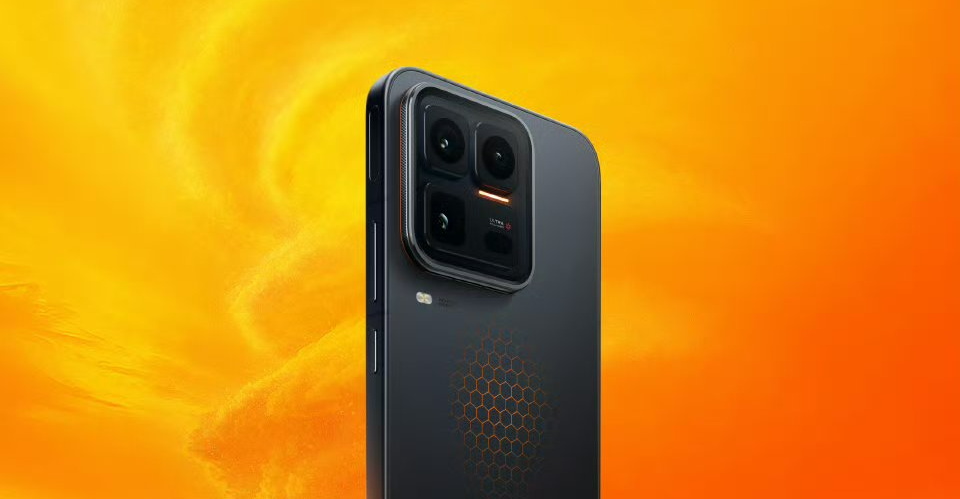
Design-wise, the iQOO 15 Ultra embraces a futuristic, cyberpunk-inspired aesthetic. It will be available in two color options: 2077 Flowing Orange and 2049 Ice Blue. The naming alone signals the phone’s sci-fi influences.

The back panel features a hexagonal honeycomb texture, while the large camera module includes a transparent finish and a horizontal light strip that acts as a breathing light. 

8. Who is the iQOO 15 Ultra for?

There’s no denying that the iQOO 15 Ultra is squarely aimed at gamers who want stable performance over long sessions, low input latency, and physical-like controls without the drawbacks of mechanical buttons. In that sense, it’s a direct competitor to gaming-centric phones like the Red Magic 11 Pro series.

For users who prioritise camera systems, slim designs, or ecosystem features, the iQOO 15 Ultra may feel excessive. But for its intended audience, excess is the point.

For more daily updates, please visit our News Section.

Stay ahead in tech! Join our Telegram community and sign up for our daily newsletter of top stories.

BMAX I10 S Pro Rugged Tablet Deal: 10.1-inch Display, 10,000mAh at $199.99

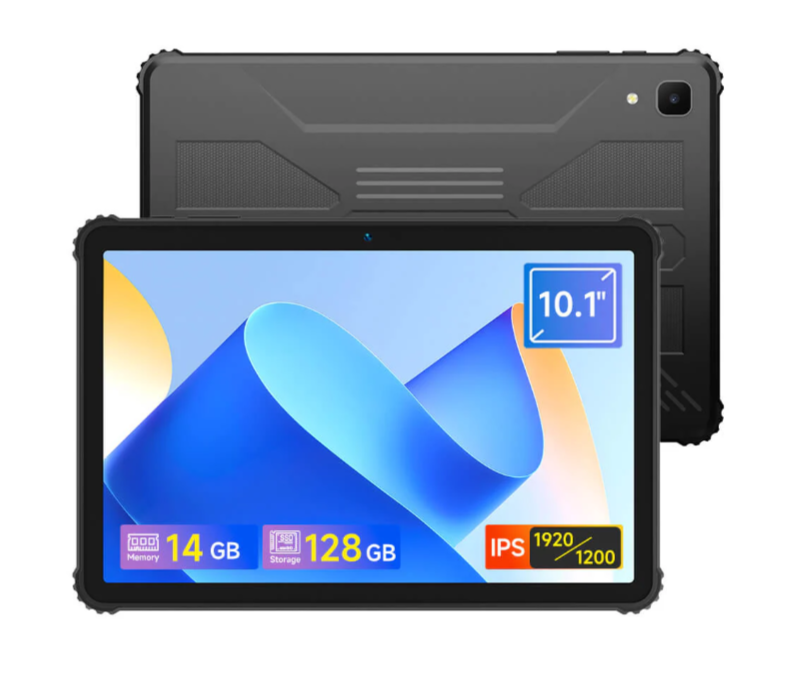
BMAX I10 S Pro (MaxPad I10 S Pro) is a rugged Android tablet designed for tough environments and everyday reliability. Built for industrial work, outdoor adventures, travel, navigation, and entertainment, this tablet focuses on durability, long battery life, and stable performance. It runs on Android 14, offering a modern, smooth, and secure user experience right out of the box.

BMAX I10 S Pro is currently available at a discounted price of $199.99, making it a strong value for a rugged Android tablet in this segment. Buyers can also register their device to receive an 18-month extended warranty, adding extra peace of mind for long-term outdoor and industrial use.

Rugged Build & Durability

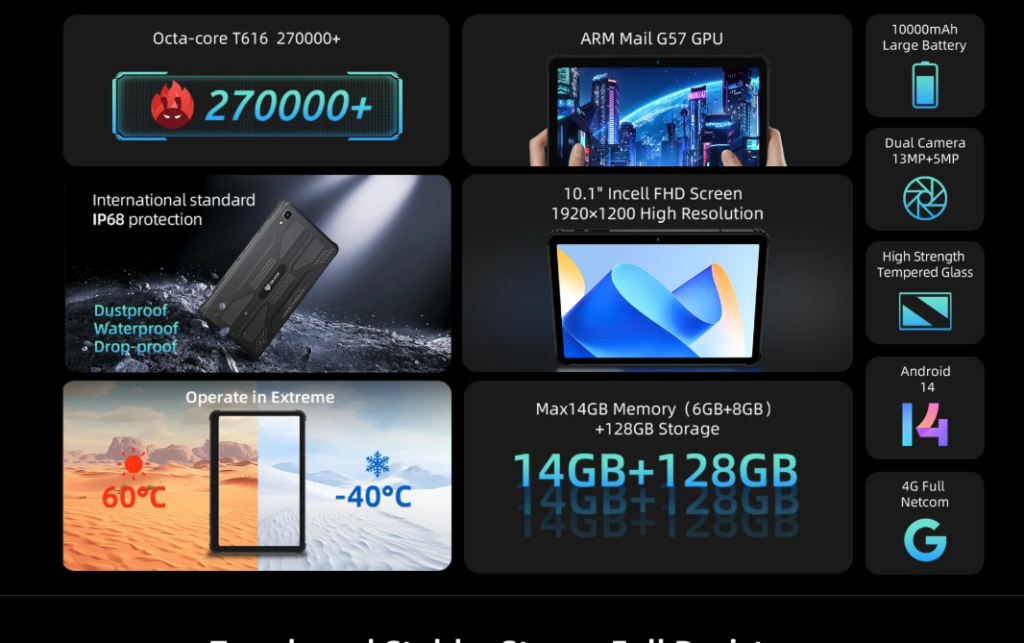
The tablet comes with IP68 certification, making it fully waterproof, dustproof, and drop-resistant. It has passed a 1.2m drop test and can survive 1.5m underwater for up to 30 minutes. The body uses high-strength engineering plastic with thickened anti-fall corners and sealed ports, ensuring protection during harsh use. It is also built to operate in extreme temperatures, from −40°C to +60°C, making it reliable in both freezing and high-heat conditions.

Display & Touch Experience

The 10.1-inch IPS LCD offers a 1920 × 1200 FHD+ resolution with in-cell full lamination. Colors look vivid, brightness is strong, and the screen remains clear outdoors. The reinforced tempered glass is scratch-resistant and explosion-proof. 10-point multi-touch ensures accurate and responsive touch control, even during field use.

Performance, Camera & Battery

Powered by the Unisoc T616 octa-core processor with a Mali-G57 GPU, the tablet handles multitasking, navigation, office work, and media smoothly. It includes 6GB RAM with 8GB virtual expansion and 128GB storage, expandable up to 1TB. The 10,000mAh battery delivers long usage, supporting extended work shifts without frequent charging. Cameras include a 13MP rear and 5MP front, suitable for video calls, scanning, and documentation.

Major Features:

  • Android 14 operating system
  • IP68 waterproof, dustproof, drop-proof design
  • 10.1-inch FHD+ IPS display with reinforced glass
  • Unisoc T616 octa-core processor
  • 14GB RAM (6GB + 8GB virtual), 128GB storage
  • 10,000mAh long-life battery
  • Global 4G LTE, dual SIM support
  • GPS, Beidou, GLONASS, Galileo navigation
  • Dual speakers with 3D surround sound
  • Built for industrial, outdoor, and travel use

Oppo Find X9s, Find X9 Ultra, and Find N6 colors and launch timeframe leaks for international market

The Oppo Find X9 series launched globally in October 2025 with the Find X9 and Find X9 Pro. Now, Oppo is apparently planning to expand the lineup further with three new models, according to Yogesh Brar on X

According to the leaker, the Oppo Find X9s and Find X9 Ultra could launch globally sometime in the second quarter of this year. Meanwhile, Oppo’s next foldable phone, the Find N6, is said to arrive earlier, possibly as soon as March, but only in selected regions outside China.

Oppo Find X9 Pro
Oppo Find X9 Pro

The leak also sheds light on the expected colour options for these devices. The Oppo Find X9s may be available in Titanium, Orange, and Blue shades. The Find X9 Ultra, on the other hand, could come in Orange, Black, and Brown finishes. As for the foldable Find N6, Oppo is reportedly planning to offer it in Orange and Titanium colours.

What can you expect?

In terms of specifications, earlier reports suggest that the Oppo Find X9s could feature a 6.3-inch flat display with 1.5K resolution. It is expected to come with a triple rear camera setup, led by a 200-megapixel primary sensor, alongside a 200-megapixel telephoto camera and a 50-megapixel ultra-wide shooter. The phone may be powered by MediaTek’s Dimensity 9500+ chipset.

The Oppo Find X9 Ultra is tipped to sit at the top of the lineup. It could sport a larger 6.82-inch flat AMOLED display with 2K resolution and a 120Hz refresh rate. 

OPPO Find N5
OPPO Find N5

Unlike the other Find X9 models, the Ultra variant may use Qualcomm’s Snapdragon 8 Elite Gen 5 chipset, built on a 3nm process. The phone is likely to sport a quad rear camera setup and a 50-megapixel front-facing camera.

As for the Oppo Find N6, it is rumoured to be the first foldable phone powered by the Snapdragon 8 Elite Gen 5 chip, along with a 200-megapixel main camera.

Since Oppo has not officially announced any of these devices, all details should be treated cautiously for now. More clarity is expected in the coming weeks as the company moves closer to launch.

For more daily updates, please visit our News Section.

Stay ahead in tech! Join our Telegram community and sign up for our daily newsletter of top stories.

(Source)

DJI Lito X1 spotted in FCC with 20km image transmission and 50-minute battery life

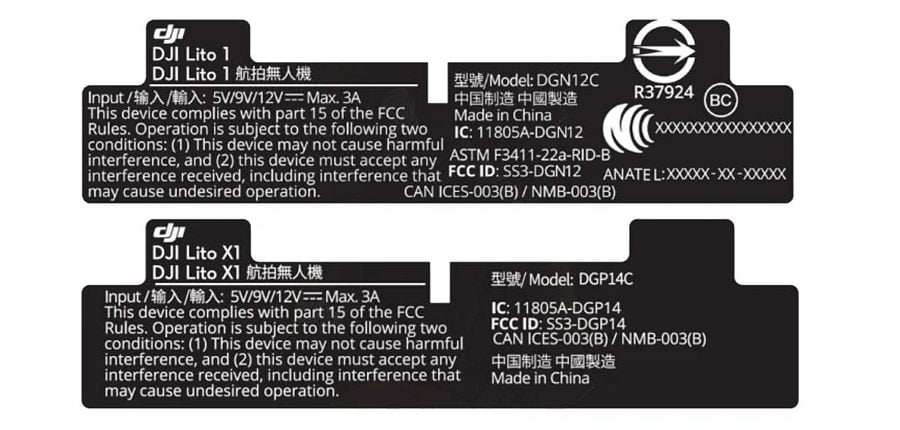
DJI could soon introduce a new line of consumer drones in the market. According to the outlet thenewcamera, certification filings with the U.S. Federal Communications Commission (FCC) suggest that DJI is working on two new drones: the DJI Lito 1 and the DJI Lito X1.

As with many DJI leaks, the details come from regulatory paperwork rather than official announcements. The documents reveal internal codenames, early hardware references, and just enough hints to sketch out where these drones might sit in DJI’s lineup.

DJI Lito 1

The DJI Lito 1 seems to be the more affordable of the two. Listed under the codename SS3-DGN12, the Lito 1 is believed to be an entry-level drone intended to replace the current Mini 4K. It could start at around $330. 

DJI Lito 1 and Lito X1 FCC filing

While the certification documents don’t go deep into camera or flight features, storage is listed at 22GB. Expect it to be for light photo and video use rather than more demanding production work.

DJI Lito X1

The Lito X1, on the other hand, looks like a serious upgrade. Codenamed SS3-DGP14, this model is expected to replace the Mini 5 Pro and focus more heavily on video creation. The starting price is rumored to be around $759.

One of the more notable details in the FCC filings is the mention of “SDR Transceiver 2” for the Lito X1. So the drone could use DJI’s next-generation O5 image transmission system. And if true, that would allow transmission distances of over 20 kilometers (about 12.4 miles). 

There’s also speculation that DJI could integrate 5G cellular connectivity through SDR technology, although this remains unconfirmed.

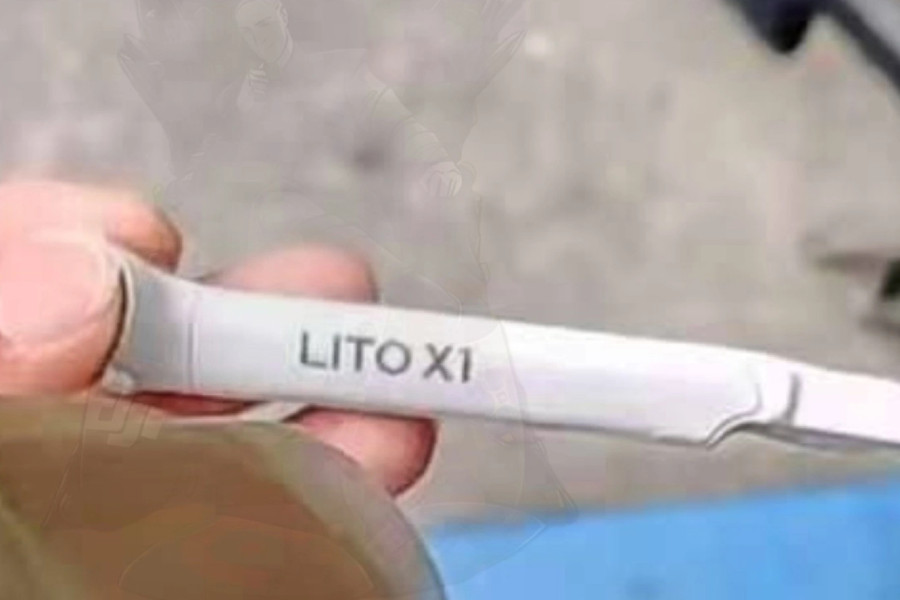
DJI Lito X1 propeller

Moreover, the Lito X1 may also get a 360-degree omnidirectional obstacle avoidance support that combines a fisheye optical lens, a LiDAR-like sensor with a 10-meter detection range, and an infrared module. The drone is also expected to support voice commands like “Hey, take off,” along with motion-based controls.

The Lito X1 is said to come in two versions: a standard model with around 30 minutes of flight time while staying under 250 grams, and a Plus version that extends flight time to roughly 50 minutes. Internal storage on the Lito X1 is reportedly increased to about 42GB.

As for timing, FCC confidentiality agreements typically last 180 days. That means DJI must publicly disclose the products by May 25, 2026, or the documents will be automatically released. 

The report suggests DJI could launch the drones between late February and early April.

For more daily updates, please visit our News Section.

Stay ahead in tech! Join our Telegram community and sign up for our daily newsletter of top stories.

(Source)

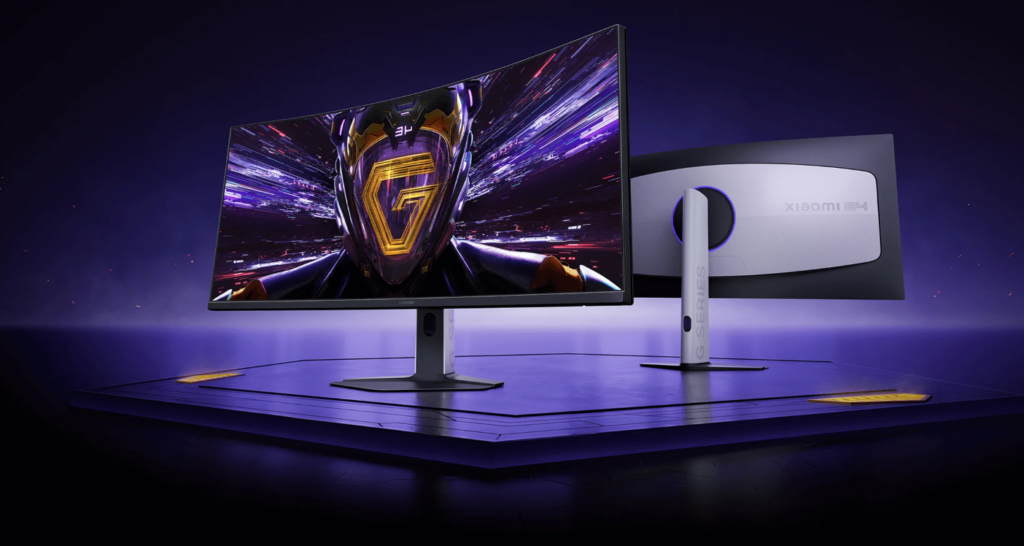
Xiaomi Launches 34-Inch G34WQi 2026 Curved Gaming Monitor Outside China

Xiaomi has quietly released the Curved Gaming Monitor G34WQi 2026 in Australia, marking the first market outside China to receive the display. The monitor was listed toward the end of 2025 and is currently only available in Australia and China. In China, it is sold under the name Redmi G34WQ 2026. Xiaomi has not shared details about availability in other regions.

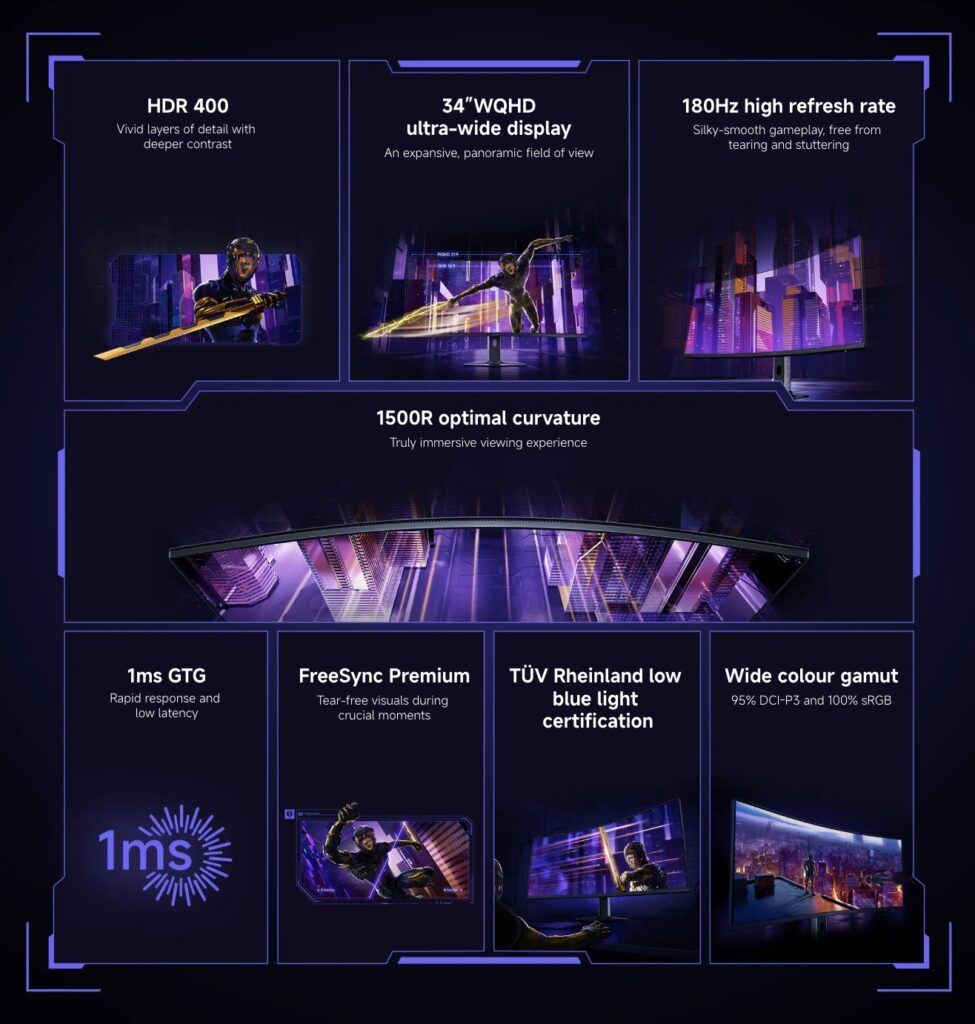
The monitor uses a 34-inch WQHD panel with a 3440 × 1440 resolution and a 21:9 aspect ratio. It features a 1500R curve that is designed to match natural eye movement and keep viewing distance consistent across the screen. Xiaomi states that the ultra-wide format offers around 30 percent more screen space than a standard 16:9 display, which can benefit both gaming and multitasking.

For gaming performance, the G34WQi 2026 supports a 180Hz refresh rate and a 1ms GTG response time. This setup aims to reduce motion blur and ghosting in fast-moving scenes. FreeSync Premium is also supported, allowing the refresh rate to stay in sync with the GPU to reduce tearing and stuttering.

The display meets HDR 400 standards and reaches up to 400 nits of peak brightness. It has a 3500:1 contrast ratio for stronger separation between dark and bright areas. Color coverage includes 95 percent DCI-P3 and 100 percent sRGB. The panel supports 10-bit color depth and can display up to 1.07 billion colors. Xiaomi lists color accuracy at Delta E below 2.

For long sessions, the panel is TÜV Rheinland certified for low blue light and uses DC dimming to reduce flicker. The stand supports height adjustment, tilt, swivel, and VESA wall mounting at 100 × 100 mm. The monitor weighs 6.5 kg with the stand and uses ultra-narrow bezels.

Connectivity includes two DisplayPort 1.4 ports, two HDMI 2.0 ports, one audio port, and one DC IN port. Power input is rated at 24V 2.71A, with a total power rating of 65W. Viewing angles are rated at 178 degrees horizontally and vertically. Physical dimensions with the stand are 811.3 mm by 277.3 mm by 521.5 mm.

Pricing & availability

In Australia, Xiaomi has priced the monitor at AUD 599 but is currently offering it at AUD 449, which converts to roughly $313. The monitor is expected to arrive in other markets soon.

For more daily updates, please visit our News Section.

Stay ahead in tech! Join our Telegram community and sign up for our daily newsletter of top stories.

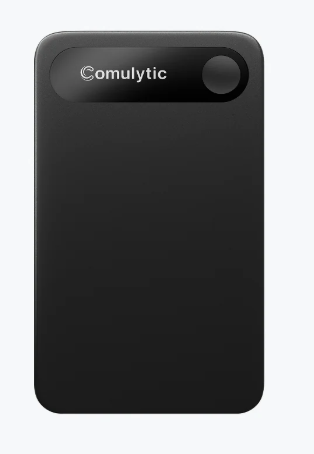
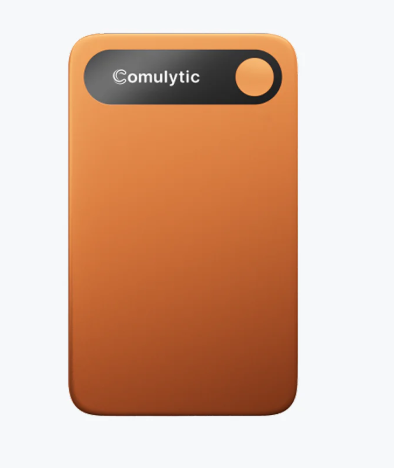
Comulytic Note Pro Offer: AI Note Taker Now Discounted for Valentine’s Day Sale

Comulytic Pro AI Note Taker is an AI-powered voice recorder designed to capture, transcribe, summarize, and analyze conversations with just one press. It removes the need for manual note-taking and replaying long recordings. The goal is simple: help users stay focused in the moment while AI turns conversations into clear, structured insights afterward.

Who Is It Made For?

Comulytic Pro is built for anyone who depends on conversations to make decisions or create value. This includes AI enthusiasts, content creators, sales teams, consultants, executives, doctors, lawyers, founders, and professionals who attend frequent meetings, calls, or interviews. It is also ideal for anyone who wants accurate records without distraction.

One-Press, Distraction-Free Recording

The device works with a single press, no complicated modes or settings. It can record phone calls, video meetings, and in-person conversations effortlessly. This allows users to stay present, listen better, and engage fully without worrying about missing important details.

Truly Unlimited and Free AI Usage

One of Comulytic Pro’s biggest advantages is truly unlimited transcription and AI summaries, completely free. There are no monthly limits, no time caps, and no hidden fees. Unlike many AI note tools that restrict usage, Comulytic Pro is designed for heavy, everyday use.

Powerful AI That Turns Talk Into Action

Powered by GPT-5 and Gemini, Comulytic Pro goes beyond basic transcripts. It creates structured summaries, highlights key points, identifies action items, and provides deep conversation analysis. Users can even ask questions about past recordings to uncover insights, client intent, or business opportunities.

Professional-Grade Performance

Comulytic Pro delivers up to 98% transcription accuracy and supports 113 languages, making it suitable for global use. With a 45-hour battery life, it handles long meetings, travel days, and back-to-back sessions without worry.

Ultra-Slim Design With a Smart App

At just 0.12 inches thin, the device is lightweight, discreet, and easy to carry in a pocket or wallet. The companion app offers a clean interface with access to full transcripts, AI summaries, action items, and searchable conversation history for quick review.

Offer and Availability

Comulytic Note Pro is currently available at a discounted price of $138.99, down from the regular $158.99, with an additional Valentine’s Day Sale discount code (Code:gizmochina) available on the product page. This limited-time offer is valid for purchases made between November 24, 2025, and February 23, 2026, making it a great time to access unlimited AI-powered note-taking at a lower price.

Xiaomi Pad 8 Pro Global Specs Leak via Geekbench With Flagship Performance

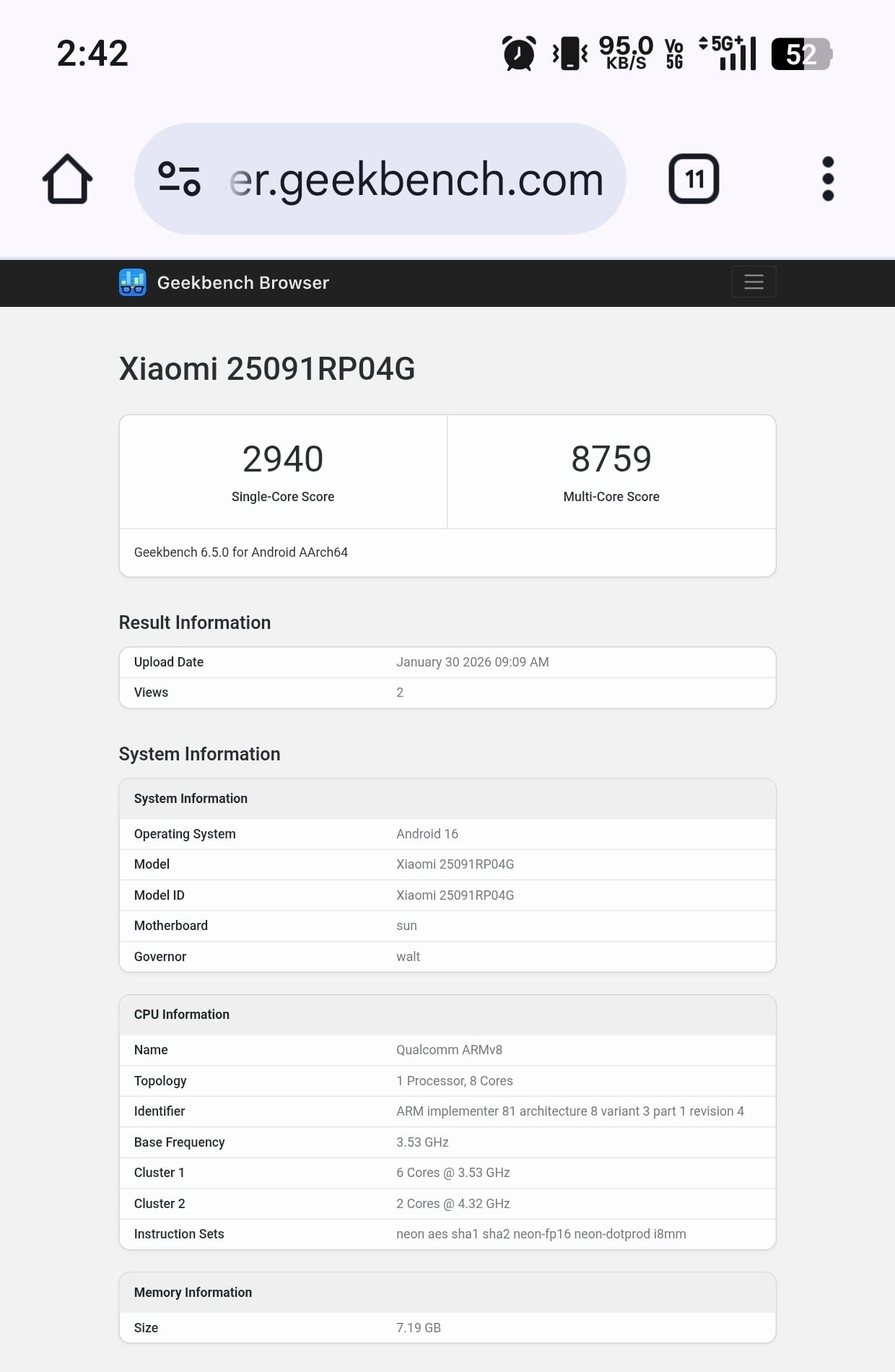
Earlier this month, the global variant of Xiaomi’s Pad 8 Pro tablet made an appearance on the UAE’s TDRA certification database with model number 25091RP04G. Now, this tablet has also emerged on Geekbench, giving us some initial insights into its hardware.

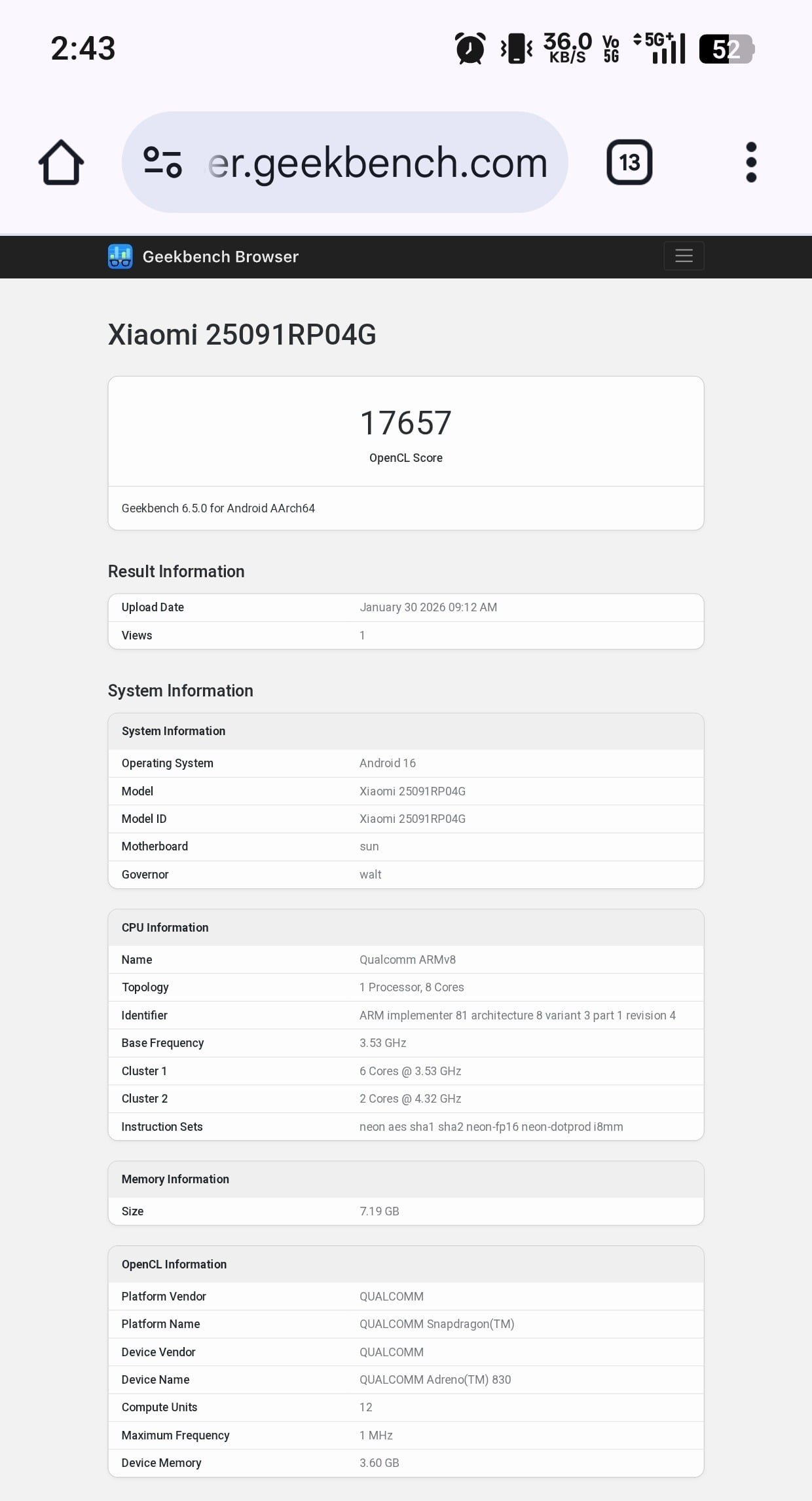
As per the Geekbench listing, the Xiaomi Pad 8 Pro will start with 8 GB of RAM, which could likely be paired with 256 GB of internal storage. Performance results from the benchmarks reveal a single-core score of 2940 and a multicore score of 8759. These scores closely match the Chinese version that was reviewed late last year. It also confirms that the tablet features a Snapdragon 8 Elite chip.

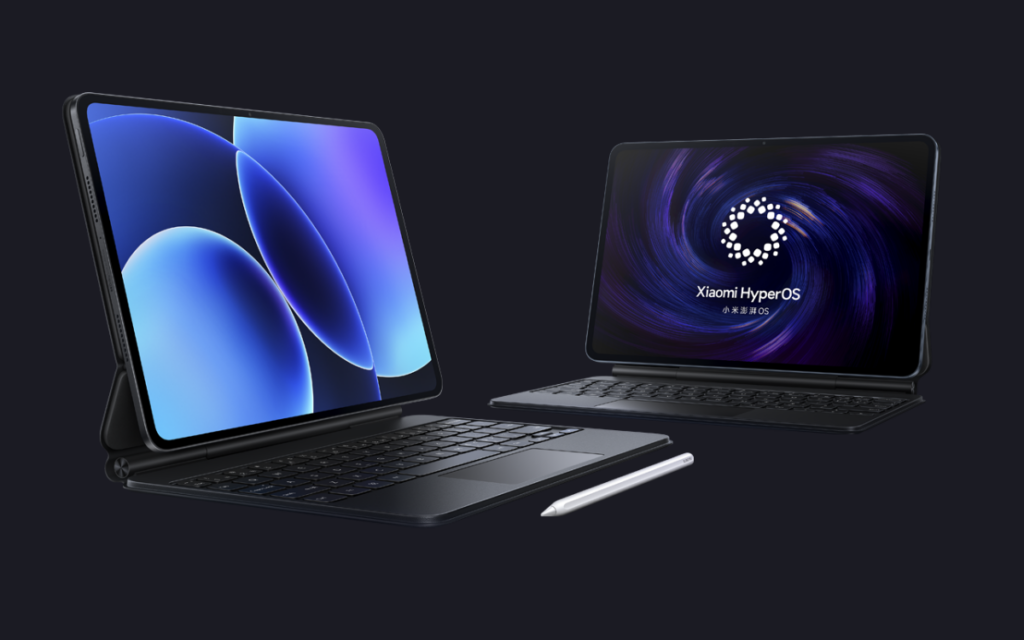
Xiaomi Pad 8 Pro

Xiaomi has not confirmed a global launch date for the Pad 8 Pro. The same applies to the Xiaomi 17 smartphone series. Still, a recent leak from a European retailer suggests that the Xiaomi 17 could launch internationally soon, which may also signal progress on the Pad 8 Pro’s global release.

Xiaomi Pad 8 Pro (Chinese version) features

The Xiaomi Pad 8 Pro features an 11.2-inch 3.2K LCD with a resolution of 3200 × 2136 and a 3:2 aspect ratio. The display supports up to a 144Hz refresh rate, 12-bit color depth, 345 PPI, and 800 nits of peak brightness. It supports HDR10, Dolby Vision, and HDR Vivid. TÜV eye protection and DC dimming are included for improved viewing comfort. The Matte Edition uses AG nano-texture etching and an AR coating, which cuts 99 percent of stray light and reduces reflectivity by 70 percent.

The tablet is powered by Qualcomm’s Snapdragon 8 Elite, a 3 nm chipset with an octa-core CPU clocked up to 4.32GHz and an Adreno GPU. Xiaomi claims AnTuTu scores exceeding 3 million, making it suitable for multitasking, 4K video editing, and native-resolution gaming.

For more daily updates, please visit our News Section.

Stay ahead in tech! Join our Telegram community and sign up for our daily newsletter of top stories!

(Source, via)

Xiaomi Mini LED G Pro 27Qi 2026 Gaming Monitor Launched with 180Hz, 2K Resolution & 2,000 Nits Brightness

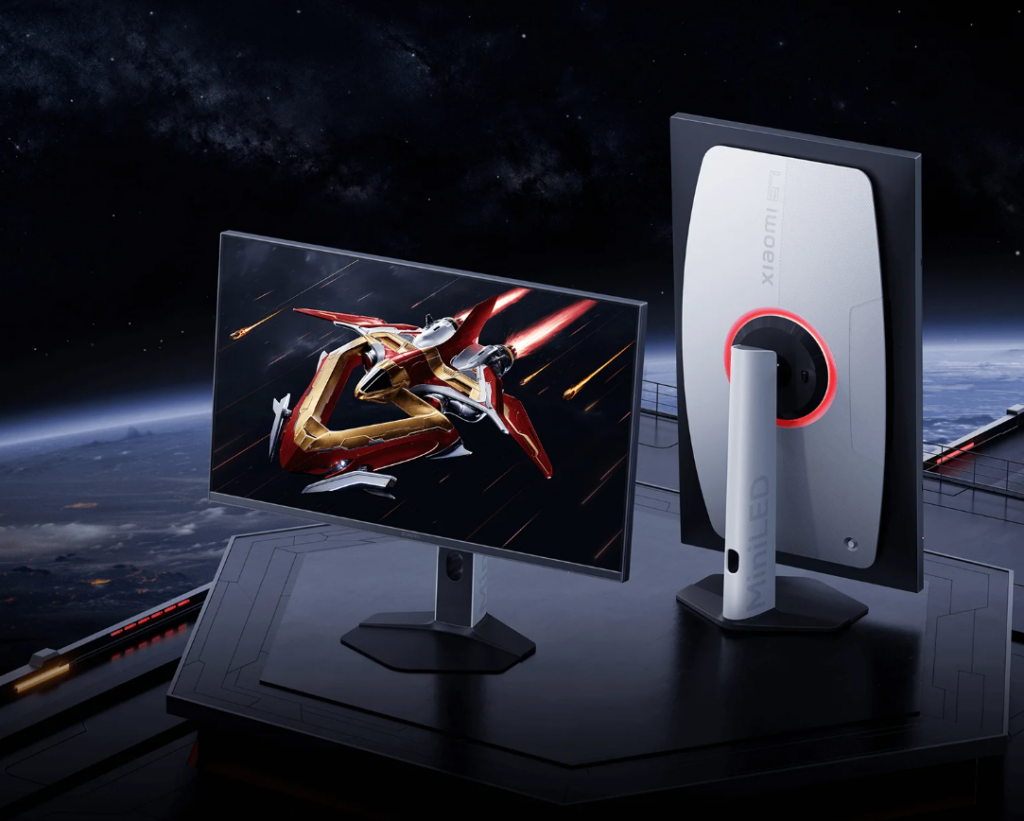
Xiaomi has quietly released its latest Mini LED gaming monitor, the Mini LED Gaming Monitor G Pro 27Qi 2026. The monitor first appeared on Xiaomi’s global website in early December and has now reached retail shelves in Australia, marking its first confirmed market launch.

Xiaomi Mini LED Gaming Monitor G Pro 27Qi 2026

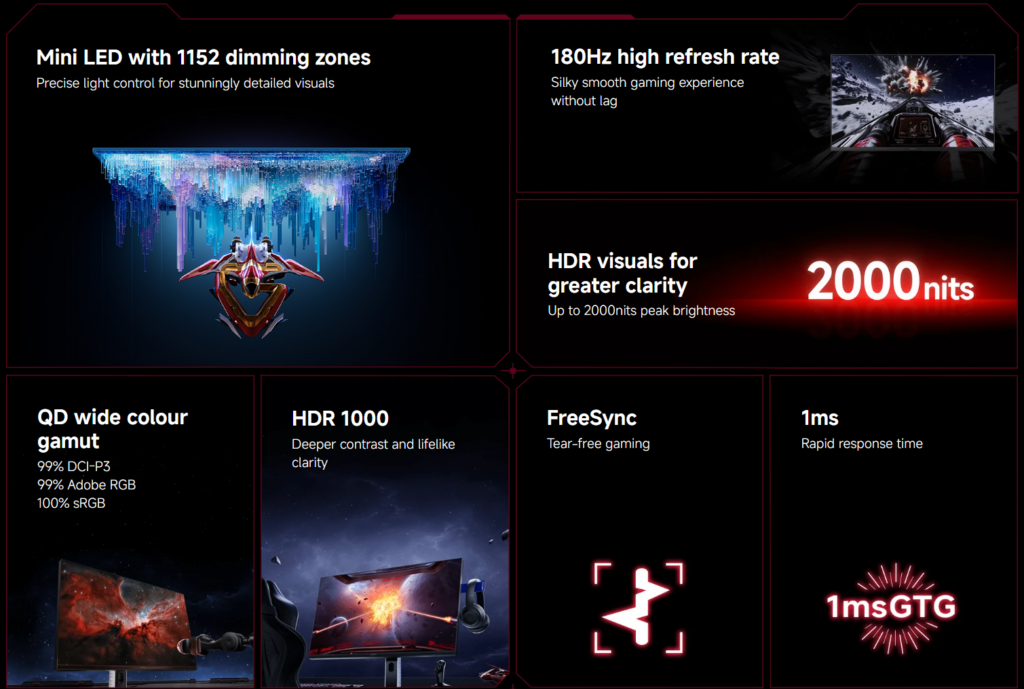
The G Pro 27Qi 2026 features a 27-inch Fast IPS panel with a 2560 × 1440 resolution and a 16:9 aspect ratio. It uses Mini LED backlighting with 1,152 local dimming zones, designed to deliver precise light control and improved contrast. Xiaomi combines this with a global dimming engine, a proprietary local dimming algorithm, and AI-based scene recognition to dynamically adjust brightness based on on-screen content.

The monitor supports a 180Hz refresh rate and a 1ms GTG response time, targeting smooth gameplay with reduced motion blur and ghosting. Variable refresh rate support and AMD FreeSync help keep the display in sync with the GPU to reduce screen tearing and stuttering in fast-moving scenes.

Xiaomi Mini LED Gaming Monitor G Pro 27Qi 2026

HDR performance is a major focus. The panel reaches up to 2,000 nits of peak brightness and supports HDR1000. Xiaomi claims dark detail reproduction down to 0.0001 nits, allowing brighter highlights and deeper blacks in supported games and content. The display also uses a QD wide colour gamut, covering 100 percent sRGB, 99 percent DCI-P3, and 99 percent Adobe RGB. It supports 1.07 billion colours with 10-bit colour depth and is factory calibrated to achieve a ∆E value below 1.

In terms of design, the monitor features slim bezels on three sides, rear backlight effects, and a retractable headphone holder. The hexagonal base supports height adjustment up to 120mm, tilt from 5 degrees forward to 21 degrees backward, swivel up to 35 degrees on either side, and full pivot for portrait use. VESA 75 × 75mm wall mounting is also supported. Connectivity includes two HDMI 2.0 ports, two DisplayPort 1.4 ports, a DC input, and an audio jack. Power consumption is rated at 65W.

Pricing & availability

The Mini LED Gaming Monitor G Pro 27Qi 2026 is priced at AUD 699 in Australia, but an initial sale has reduced the price to AUD 499. Xiaomi has not confirmed availability in other regions yet.

Don’t miss a thing! Join our Telegram community for instant updates and grab our free daily newsletter for the best tech stories!

For more daily updates, please visit our News Section.

JVC HA-A110T Wireless Earbuds Launch With Hybrid Noise Cancelling and 44 Hour Battery Life

Japan Victor Company (JVC) will release the HA-A110T wireless earbuds in early February for around ¥20,000 (US$129). The earbuds come in four colors: Charcoal Black, Teal Green, Ivory Gold, and Bronze Brown.

The HA-A110T uses hybrid active noise cancelling with two microphones per earbud to block background noise during commutes, work, and calls.

Each earbud has a 10mm dynamic driver with a liquid crystal polymer diaphragm that reduces vibration for better clarity. The earbuds support SBC, AAC, and LDAC codecs. LDAC handles high-resolution audio up to 96 kHz and 24-bit on compatible devices.

Battery life is a key feature. With noise cancelling off, the earbuds last 17 hours and the charging case adds 27 hours for 44 hours total. With noise cancelling on, you get 13 hours from the earbuds and 21 hours from the case for 34 hours total. A 10-minute quick charge gives you 125 minutes of playback. The case supports Qi wireless charging.

The HA-A110T offers five sound modes: Flat, Bass, Clear, Dynamic, and Vocal. You can adjust these through the Victor Headphones app, which also lets you customize the equalizer, remap buttons, and update firmware.

The earbuds use Bluetooth 6.0 with Power Class 1 output and can connect to two devices at once. Low-latency mode reduces delay for videos and games. Wind noise reduction improves outdoor listening. Ambient sound mode lets you hear your surroundings, and sidetone mode lets you hear your own voice during calls. You can mute the microphone for calls and online meetings. The earbuds are rated IPX4 for splash resistance. Each earbud weighs 5.7 grams, and the charging case weighs 38.8 grams.

For more daily updates, please visit our News Section.

Stay ahead in tech! Join our Telegram community and sign up for our daily newsletter of top stories.

(Source 1, 2)

Google Pixel Buds 2a Fog and Berry Color Options Leak Ahead of Launch

Google may soon expand the color lineup of its Pixel Buds 2a. Android Headlines has published official-looking renders showing the earbuds in two new color options, which are expected to be added alongside the existing Hazel and Iris variants. The Pixel Buds 2a have been available in those two colors since their launch in August last year.

While Google has not confirmed the official names, the new shades are expected to align with the rumored Pixel 9a color palette. These are likely to be called Fog and Berry. Visually, the Fog option appears as a light gray finish, while Berry is a soft pink tone. The pink version closely resembles the Peony color seen on recent Pixel devices and is clearly aimed at users who want a more eye-catching look.

Aside from color, nothing else has changed. The Pixel Buds 2a keep the same design and hardware. The charging case remains white on the outside for both new colors, while the interior matches the earbuds themselves, similar to the existing variants.

The Pixel Buds 2a are designed using data from over 45 million ear scans to improve comfort and fit. The earbuds carry an IP54 rating for sweat and water resistance, while the charging case is rated IPX4. Connectivity is handled via Bluetooth 5.4 with Super Wideband support, which improves call quality and connection stability.

Powering the earbuds is the Google Tensor A1 chip, paired with 11 mm dynamic drivers. Features include Active Noise Cancellation with Silent Seal 1.5, Transparency mode, active in-ear pressure relief, stereo spatial audio, and a 5-band equalizer. Voice calls benefit from a wind-blocking mesh and Google AI-powered noise reduction.

Battery life is rated at up to 7 hours with ANC on and up to 20 hours with the charging case. With ANC disabled, usage increases to 10 hours on the earbuds and 27 hours with the case. A 5-minute quick charge provides up to one hour of playback. Charging is done via USB-C, and the case includes a replaceable battery.

Additional features include hands-free Gemini access, tap controls, Pixel-Perfect Pairing, multipoint switching, and Find Hub support. Each earbud includes two microphones, infrared in-ear detection, and capacitive touch controls.

For more daily updates, please visit our News Section.

Stay ahead in tech! Join our Telegram community and sign up for our daily newsletter of top stories!

(Source)

OPPO Reno 15 Pro Mini Crystal Pink Variant Announced with Launch Offers in India

OPPO has introduced a new Crystal Pink color option for the Reno 15 Pro Mini in India. The phone was launched earlier this month in Cocoa Brown and Glacier White, and the new finish expands the lineup without changing the hardware or pricing.

OPPO Reno15 Pro Mini Crystal Pink

The OPPO Reno 15 Pro Mini will go on sale starting February 1, 2026. It will be available through Amazon, Flipkart, the OPPO E-store, and offline retail stores. The 12GB RAM with 256GB storage variant is priced at Rs. 59,999. The 12GB RAM with 512GB storage model costs Rs. 64,999.

OPPO is offering several launch deals. Buyers can get up to 10 percent instant cashback through select bank partners and UPI. Zero down payment options are available for up to 15 months. The company is also offering a Rs. 2,000 exchange bonus, 180 days of free screen damage protection, and a 50 percent discount on OPPO Enco Buds3 Pro+ with every purchase.

Oppo Reno 15 Pro Mini features

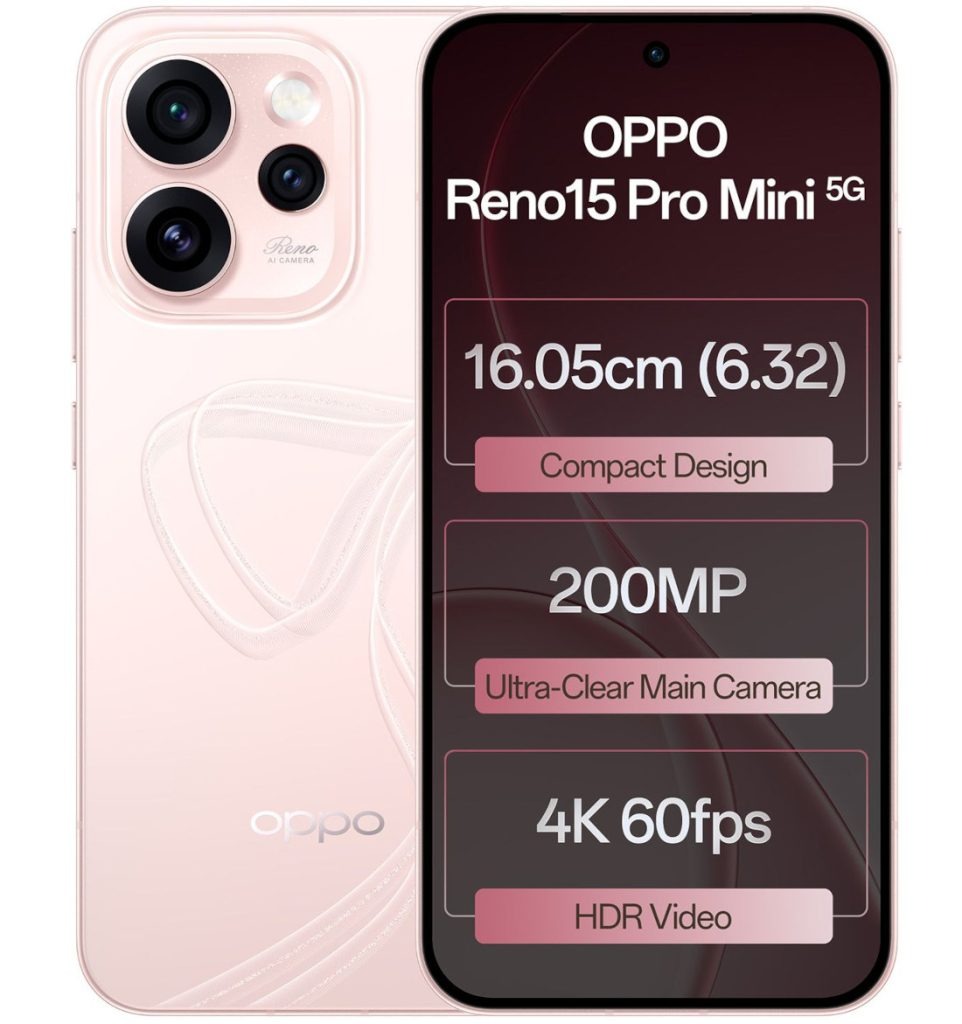
The Reno 15 Pro Mini features a 6.32-inch flat OLED display with a 1.5K resolution of 2640 x 1216 pixels. The panel supports a 120Hz refresh rate, 240Hz touch sampling rate, and up to 3600 nits of local peak brightness. It also includes 3840Hz high-frequency PWM dimming and OPPO Crystal Shield Glass protection.

OPPO Reno15 Pro Mini Crystal Pink

The phone is powered by the MediaTek Dimensity 8450 processor built on a 4nm process, with clock speeds of up to 3.25GHz and a Mali-G720 MC7 GPU running at 1300MHz. It runs Android 16 with ColorOS 16 and comes with 12GB of LPDDR5X RAM paired with either 256GB or 512GB of UFS 3.1 storage.

On the camera side, the device includes a 200MP main sensor with a 1.56-inch sensor size, f/1.8 aperture, and optical image stabilization. It also has a 50MP ultra-wide camera with a 112-degree field of view and f/2.2 aperture, along with a 50MP 3.5x periscope telephoto camera with OIS and an f/2.8 aperture. The rear cameras support 4K video recording at 60fps. On the front, there is a 50MP camera with an f/2.0 aperture that also supports 4K 60fps video recording.

OPPO Reno15 Pro Mini Crystal Pink

The Reno 15 Pro Mini includes an in-display fingerprint sensor, infrared sensor, stereo speakers, and USB Type-C audio. It carries IP66, IP68, and IP69 ratings for dust and water resistance. Connectivity options include 5G SA and NSA, dual 4G VoLTE, Wi-Fi 6, Bluetooth 5.4, Beidou, GPS, GLONASS, Galileo, QZSS, and USB Type-C 2.0.

The phone is backed by a 6200mAh battery with support for 80W SuperVOOC fast charging. It measures 151.21 x 72.42 x 7.99mm or 8.13mm, depending on the color variant, and weighs between 187g and 188g.

For more daily updates, please visit our News Section.

Stay ahead in tech! Join our Telegram community and sign up for our daily newsletter of top stories!

Xiaomi HyperOS 3.1 Update: New Features, Smarter UI, & Eligible Device List

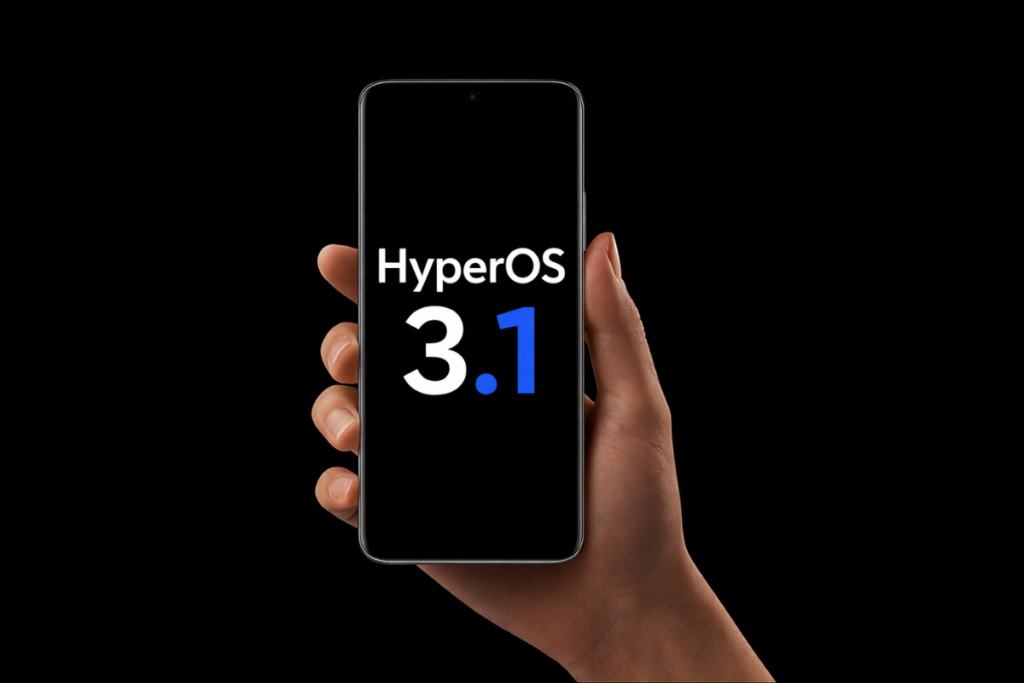
Xiaomi’s HyperOS 3.1 is the next major update of its custom Android skin. This builds on the Android 16 OS based HyperOS 3, bringing an enhanced UI, smarter intelligent features, and improved ecosystem integration. There are also various bug fixes and much more. So here’s everything new and all the devices eligible for the update.

Xiaomi HyperOS 3.1 beta update
Xiaomi HyperOS 3.1

1. Enhanced Super Island

One of the main features of the HyperOS 3.1 update is an upgraded Super Island, which is Xiaomi’s take on Apple’s Dynamic Island. It is more interactive and informative than before, bringing support for Live Updates from third party apps such as music, reminders, and timers. This makes the pill shaped widget a real dynamic hub that is more intuitive than static notification bubbles.

2. Redesigned System Animations & App Interfaces

The update rewrites core system apps such as Gallery and Weather with new animations for smoother interactions. Xiaomi has also introduced iOS-like motion and transition animations, paired with redesigned system elements like the recent apps view and animation curves to make the UI feel more polished and fluid.

3. Lock Screen & Depth Effects

HyperOS has always been a highly customizable Android skin, and the HyperOS 3.1 update builds on this further. The Chinese tech giant is expanding lock screen customization, allowing users to apply depth effects that let subjects verlap the clock, edit wallpapers on the lock screen, and more.

4. Native AirPods Support

Xiaomi is improving the cross platform integration with Apple’s ecosystem, adding native support for Apple AirPods on HyperOS 3.1. So now, supported Xiaomi branded devivicse will get a pop up for pairing Apple’s TWS earbuds along with access to spatial audio, which was initially exclusive to Apple products.

5. iPhone Call Interoperability

Another ecosystem highlight is the ability to answer phone calls on your Xiaomi phones directly from an iPhone when devices are linked.

6. New Accessibility Options

Accessibility settings have also been enhanced with a new primary menu dubbed Assistant. This offers more convenient access to accessibiliy features like Active Visual Perception.

7. Quick Gestures

On certain devices like the Redmi K90 Pro Max, HyperOS 3.1 unlocks quick gesture controls for navigation and shortcuts.

8. Performance & System Improvements

Xiaomi has also made a bunch of enhancements to the performance and stability with HyperOS 3.1:

  • A redesigned recent apps menu
  • Improved memory management and multitasking
  • Smoother animations and reduced frame stutter
  • Enhanced power and resource optimization
  • Faster app launch speeds

9. Motion Sickness Reduction

With the new Super Island, Xiaomi has also refined visual cues and added a Motion Sickness reduction feature to help minimize visual discomfort during scrolling and other fast visuals.

10. Eligible Devices List for HyperOS 3.1

Note: Only devices eligible for Android 16 are expected to receive HyperOS 3.1. Older hardware stuck on Android 15 won’t be able to support this update due to stricter system requirements. So here are all the models getting this major update:

  • Redmi Note 14 Pro+
  • Redmi Note 14 Pro
  • Redmi Note 14 Pro 4G
  • Redmi Note 14
  • Redmi Note 14 4G
  • Redmi Note 14S
  • Redmi Note 15
  • Redmi Note 15 Pro
  • Redmi Note 15 Pro+
  • Redmi K90
  • REDMI K90 Pro Max
  • Xiaomi 14 Ultra
  • Xiaomi 14
  • Xiaomi 14 Pro
  • Xiaomi 14T
  • Xiaomi 14T Pro
  • Xiaomi Mix Fold 3
  • Xiaomi Mix Fold 4
  • Xiaomi Mix Flip
  • Xiaomi Mix Flip 2
  • Redmi Note 13R
  • Redmi Note 13 Pro 4G
  • Redmi Note 13 Pro
  • Redmi Note 13 Pro+
  • Xiaomi Civi 4 Pro
  • Xiaomi 13 Ultra
  • Xiaomi 13T Pro
  • Xiaomi 13 Pro
  • Xiaomi 13
  • Redmi 15 4G
  • Xiaomi 15
  • Xiaomi 15 Pro
  • Xiaomi 15S Pro
  • Xiaomi 15T
  • Xiaomi 15T Pro
  • Xiaomi 15 Ultra
  • Redmi K80 Ultra
  • Redmi K80 Pro
  • Redmi K80
  • Redmi Turbo 5 Max
  • Redmi Turbo 5
  • Redmi K70E
  • Redmi K70 Pro
  • Redmi K70
  • Redmi Pad 2 Pro
  • Redmi Pad 2
  • Redmi Pad 2 4G
  • Redmi Pad SE 4G
  • Xiaomi Pad 7 Ultra
  • Xiaomi Pad 7 Pro
  • Xiaomi Pad 7
  • Xiaomi Pad 8
  • Xiaomi Pad 8 Pro
  • Redmi A3
  • Redmi A3 Pro
  • Xiaomi Civi 5 Pro
  • Redmi 13X
  • Xiaomi 17 Ultra Leica & Leitzphone
  • Xiaomi 17 Pro Max
  • Xiaomi 17 Pro
  • Xiaomi 17
  • Redmi Turbo 4 Pro
  • Redmi Turbo 4
  • Redmi Turbo 3
  • Xiaomi Pad 6S Pro 12.4
  • Xiaomi Pad 7S Pro 12.5
  • Xiaomi Pad Mini
  • Redmi K60 Pro

Keep in mind that HyperOS 3.1 will roll out in batches, starting with the ongoing beta testing in China.

For more daily updates, please visit our News Section.

Don’t miss a thing! Join our Telegram community for instant updates and grab our free daily newsletter for the best tech stories!

POCO X8 Pro Max leak reveals gigantic 8500mAh battery with 100W charging support

A new leak has revealed some key details of upcoming Xiaomi smartphones. This hints at the battery and charging details of the upcoming Xiaomi 17T, which we’ve already covered, along with the new POCO X8 Pro and POCO X8 Pro Max. These models are also expected to pack massive batteries as well, so let’s check it out.

POCO X8 Pro Max with a huge 8,500mAh battery surfaces online

According to recent findings from supply chain and code analysis (via PaperKing13), the POCO X8 Pro Max will be powered by a humongous 8,500mAh battery pack. This is one of the biggest battery capacities on any POCO phone. The large cell is paired with 100W wired fast charging for quick top ups. With such a massive battery, you can easily expect the device to offer two days of battery life on a single full charge.

Redmi Turbo 5 Max
Redmi Turbo 5 Max

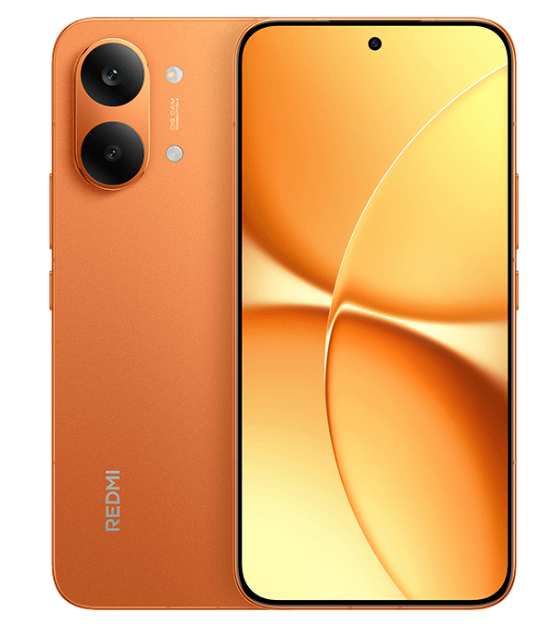
The combination would appeal to heavy users, gamers, and travellers alike. Based on what we know so far, the POCO X8 Pro Max is rumored to be a rebranded Redmi Turbo 5 Max for the global market. To recall, the Turbo 5 Max debuted in China yesterday, with an even larger 9,000mAh cell. Although, this slight downgrade is likely due to regional safety and certification requirements. But this phone is still ahead of the curve compared to most other devices.

On the other hand, the standard POCO X8 Pro gets a smaller, but still respectable, 6500mAh battery that also supports 100W wired fast charging. In related news, the POCO X8 Pro recently showed in multiple certification databases across the globe, with a special POCO X8 Pro Iron Man Edition also in the works.

For more daily updates, please visit our News Section.

Tech enthusiast? Get the latest news first! Follow our Telegram channel and subscribe to our free newsletter for your daily tech fix! ⚡

Xiaomi’s 6mm UltraThin Magnetic Power Bank Launches Globally

Xiaomi has quietly expanded the availability of its UltraThin Magnetic Power Bank beyond Asia. The wireless power bank with magnets initially debuted in Japan, and is now rolling out in more markets in Europe. So here are its specs, pricing, and availability details.

Xiaomi UltraThin Magnetic Power Bank: Specs & Pricing

True to its name, the UltraThin Magnetic Power Bank measures just 6mm thick. This makes it slimmer than nearly ever smartphone in the market, so it doesn’t feel like a bulky add on when wireless charging your device. It also weighs just 98 grams, making it lightweight and portable. The magnetic back uses a ring-style attachment to stay securely on compatible phones like the latest iPhones or the Pixel 10 series. The added convenience helps users avoid fumbling with cables.

Xiaomi UltraThin magnetic power bank
Xiaomi UltraThin Magnetic Power Bank

Xiaomi’s new UltraThin Magnetic Power Bank houses a 5,000mAh battery capacity. It delivers up to 15W wireless charging and up to 22.5W via its USB-C port when a cable is plugged in. Samsung, Xiaomi, Google and other Android flagships are supported at full wireless power, while iPhones are limited to 7.5W wireless output due to platform restrictions, meaning slower magnetic charging for Apple devices.

This makes it ideal for commuters, travellers and anyone who wants a minimalist backup battery that doesn’t add bulk to daily carry gear. In the UK, Xiaomi’s new magnetic power bank is listed at £49.99 on the official Xiaomi website, with similar availability already rolling out in Japan and parts of Europe. The company hasn’t yet announced specific dates for other regions, but this phased rollout suggests wider distribution could follow soon.

For more daily updates, please visit our News Section.

Don’t miss a thing! Join our Telegram community for instant updates and grab our free daily newsletter for the best tech stories!

Xiaomi 17T features a 6500mAh battery, confirms HyperOS codebase

Xiaomi has a lineup of Xiaomi 17 series smartphones set to launch globally. Among them are the Xiaomi 17T and 17T Pro, both of which appeared on the IMEI database back in October. Now, a new post on X has revealed the camera and battery specifications of the vanilla Xiaomi 17T.

The details were unearthed from HyperOS code changes, where the smartphone is listed under the codename “P12A.”

To begin with, the Xiaomi 17T flaunts a 6,500mAh battery. That’s a sizable jump from the 5,500mAh battery from last year’s Xiaomi 15T; however, charging speed remains the same at 67W.

Moving on, the Xiaomi 17T will feature a triple rear camera setup, led by an OmniVision OV50E sensor. It’s joined by an OmniVision OV13B sensor and a Samsung ISOCELL JN5 sensor, covering ultra-wide and telephoto duties. There’s also mention of a Samsung ISOCELL S5KKDS sensor for selfies. 

For comparison, the Xiaomi 15T used a 50MP Light Fusion 800 main camera, a 50MP telephoto lens, and a 12MP ultra-wide camera. It has a 32MP camera for selfies.

Under the hood, the Xiaomi 17T could be powered by MediaTek’s Dimensity 9500s chipset. The processor includes a MediaTek NPU designed for generative and agentic AI features and recently made its debut earlier this month. 

Interestingly, the same chip is already being used in the Redmi Turbo 5 Max, which gives some context about the performance level users can expect.

Xiaomi 17T series might launch in February

As for the Xiaomi 17T Pro, a listing spotted on the IMEI database back in October 2025 hints at a possible February 2026 launch. If that timeline holds, it would be a shift away from Xiaomi’s usual September release window for its T-series phones.

For more daily updates, please visit our News Section.

Stay ahead in tech! Join our Telegram community and sign up for our daily newsletter of top stories! 💡