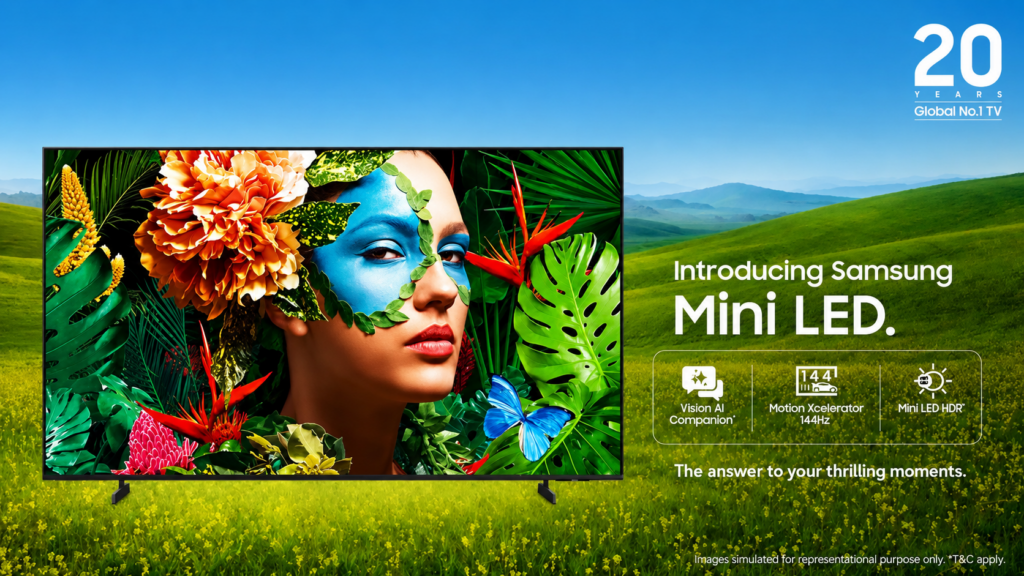
Samsung has introduced its 2026 Mini LED TV lineup in India, bringing new Vision AI-powered features, upgraded picture processing, and larger screen options to the premium television segment. The latest range starts at Rs 42,990 (~$450) and includes models ranging from 43-inch to 100-inch, targeting users looking for brighter visuals, improved contrast, and smarter entertainment features.
Vision AI features and display upgrades
2026 Samsung Mini LED TVs annnounced-
The new Mini LED TVs come with Samsung’s MetalStream Design that uses a slim metal body and narrow bezels for a more immersive viewing experience. Samsung says the Mini LED backlighting system uses much smaller LEDs compared to conventional LED TVs, allowing more precise light control for deeper blacks, better contrast, and improved HDR performance.
The lineup also supports Pure Spectrum Color technology for more accurate colour reproduction and a wider colour gamut. Additional enhancements such as Color Booster and Mini LED HDR are included to improve brightness, contrast, and overall image quality across movies, sports, and streaming content. For gamers, the TVs support Motion Xcelerator 144Hz, which is aimed at reducing blur and improving smoothness during fast-paced gameplay and sports viewing.
Powering the lineup is Samsung’s NQ4 AI Gen2 Processor with a 20-neural-network architecture designed for real-time picture optimization, AI upscaling, and audio tuning. Samsung has also added an AI Sound Controller that adjusts sound settings based on the type of content being watched and user preferences.
The TVs run One UI Tizen and Samsung is promising up to seven years of OS upgrades. Smart features include Samsung TV Plus with access to more than 150 free channels across 14 languages, along with SmartThings integration, Samsung Knox Security, Apple AirPlay, Alexa, and Google Assistant support.
Samsung’s latest Mini LED TVs are available through retail stores, Samsung’s official website, and Flipkart. The company is also offering up to 5 percent cashback and zero down payment EMI options for up to 30 months.
For more daily updates, please visit our News Section.
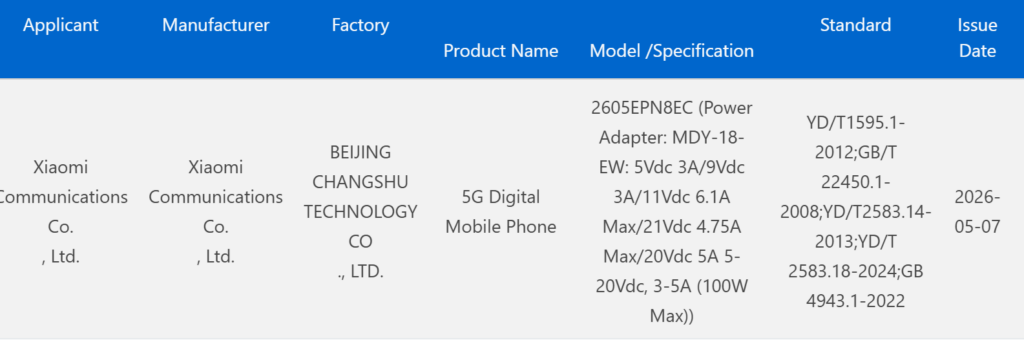
Last month, a Xiaomi device with model number 2605EPN8EC was spotted on China’s SRRC certification platform. The same device has now received approval from the country’s 3C certification authority. Rumours surrounding it suggest that it could be the upcoming Xiaomi 17 Max, which may launch later this month.
Xiaomi 17 Max 3C certified
The screenshot above shows that the Xiaomi 17 Max has been certified by China’s 3C authority. The listing reveals that the device may ship with support for 100W fast charging.
Xiaomi 17 Max specifications (rumored)
As per reports, the Xiaomi 17 Max will house a massive 8,000mAh battery and support 50W wireless charging in addition to 100W wired charging. On the front, it will feature a large 6.9-inch flat OLED panel offering a 1.5K resolution and possibly a 144Hz refresh rate. While the existing 17 Pro and 17 Pro Max feature rear displays, the upcoming Max variant is not expected to include one.
Under the hood, the 17 Max will reportedly feature the Snapdragon 8 Elite Gen 5 chip. It may ship with up to 16GB of LPDDR5x RAM and up to 1TB of UFS 4.1 storage.
For selfies, it may feature a 50-megapixel front camera. On the back, the device is expected to house a triple-camera setup comprising a 200-megapixel Samsung HPE primary camera with OIS support, a 50-megapixel ultra-wide lens, and a 50-megapixel periscope telephoto camera with 3x optical zoom.
The Xiaomi 17 Max is expected to come preloaded with Android 16 and HyperOS 3. Other expected features include an ultrasonic in-screen fingerprint sensor, symmetrical dual speakers, and an IP68/69-rated dust and water-resistant body. The device is expected to arrive in black and white color options. Speculations are rife that the phone may remain exclusive to the Chinese market.
For more daily updates, please visit our News Section.
The Vivo S series may soon make a comeback in India, according to a new leak shared by tech tipster Abhishek Yadav on X. The tipster claims that Vivo is preparing to launch new Vivo S2 series smartphones in the country, although details about the chipset and exact specifications are still unknown.
EXCLUSIVE: Vivo S2 series smartphones are launching soon in India.
As of now, I don't know which SoC they will use, but it seems they will be mid-price bracket smartphones. Let's see what they turn out to be.
Vivo S1 was launched in India back in 2019, and now after 7 years,…
As per the leak, the upcoming devices are expected to target the mid-range segment. The company has not launched an S series smartphone in India since 2019.
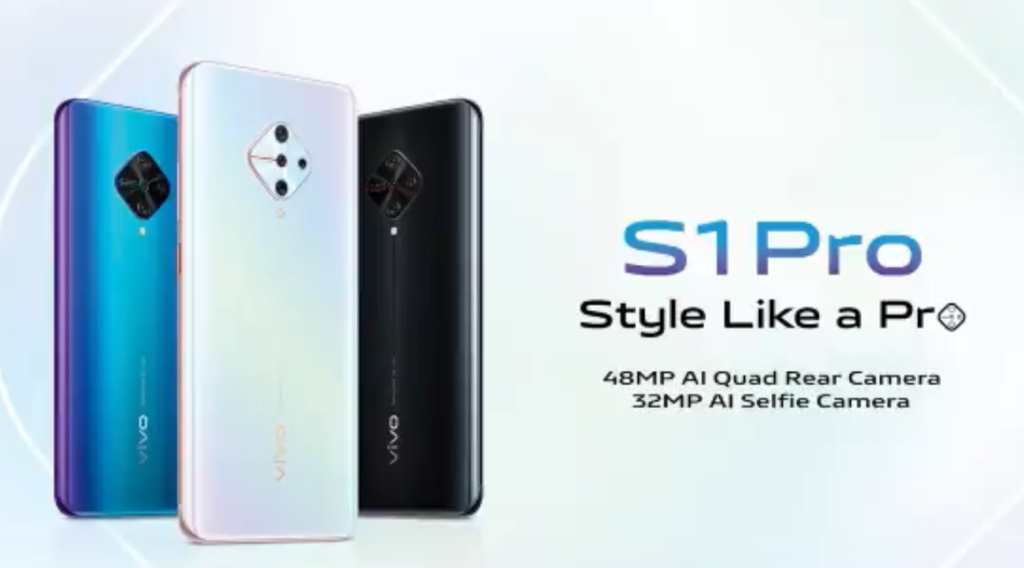
Back then, the brand introduced the Vivo S1 and later the Vivo S1 Pro as style-focused mid-range devices.
What did Vivo S1 and S1 Pro offer back then?
The Vivo S1 launched in India at a starting price of ₹17,990 and came with features that were considered premium for its segment at the time. It offered a 6.38-inch Super AMOLED display, an optical in-display fingerprint scanner, and MediaTek’s Helio P65 chipset. The phone also packed a 4,500mAh battery with 18W charging and featured a 32-megapixel selfie camera.
Later that year, Vivo followed it up with the Vivo S1 Pro, which arrived with Qualcomm’s Snapdragon 665 processor and a more premium design featuring a glass back and aluminum frame. The device included a 48-megapixel quad-camera setup while retaining the AMOLED display and in-display fingerprint scanner seen on the standard model.
At the moment, there is no official confirmation from Vivo regarding the new S series lineup. The leak only suggests the devices could carry S2 branding. As usual for any early leak, we suggest you take the details with a pinch of salt.
For more daily updates, please visit our News Section.
The upcoming iQOO 15T has surfaced in another round of leaks ahead of its expected launch in China later this month.
A new tip from known leaker Digital Chat Station reconfirms several key specifications of the device, including its display, battery, cameras, and charging support.
iQOO 15T Specifications (Rumored)
According to the latest leak, the iQOO 15T has cleared all the required certifications for release in the mainland.
The phone is tipped to feature a 6.83-inch 2K OLED flat display with a 144Hz refresh rate. On the front, the smartphone may include a 16-megapixel selfie camera, while the rear is expected to house a dual-camera setup with a 200-megapixel primary sensor and a 50-megapixel secondary camera.
Powering the phone will be the MediaTek Dimensity 9500 chipset, an 8000mAh battery, and 100W charging support.
iQOO 15T’s teaser
New is the detail that the phone will launch in five variants, including 12GB + 256GB, 12GB + 512GB, 16GB + 256GB, 16GB + 512GB, and a top-end 16GB + 1TB variant.
The leak also mentions three editions of iQOO 15T — Qingyun, Legend, and Track Edition. If we take cues from the iQOO 13, the Legend model likely features BMW W Motorsport branding on a white back panel. Whereas the Track Edition could be a sleek, dark, racing-inspired option.
Other tipped features include a 3D ultrasonic fingerprint scanner, full-level water resistance, and a metal middle frame.
Earlier leaks additionally suggested support for 8K video recording, Wi-Fi 7, Bluetooth 5.4, IP68 and IP69 ratings, and an X-axis linear motor. However, iQOO has not officially confirmed the full specifications yet.
iQOO 15T’s leaked image
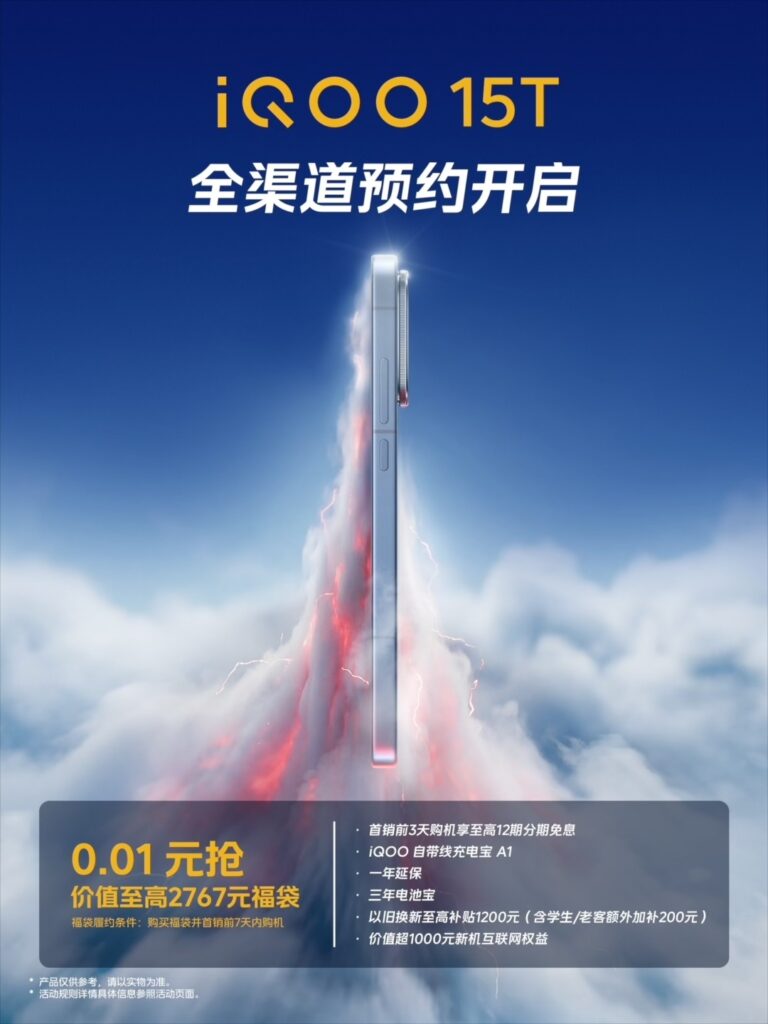
The company had already started pre-orders for the iQOO 15T in China from May 7, alongside the upcoming iQOO Pad 6 Pro tablet and iQOO TWS 5i earbuds. Official teasers have so far only hinted at the phone’s slim design and rear camera module.
For more daily updates, please visit our News Section.
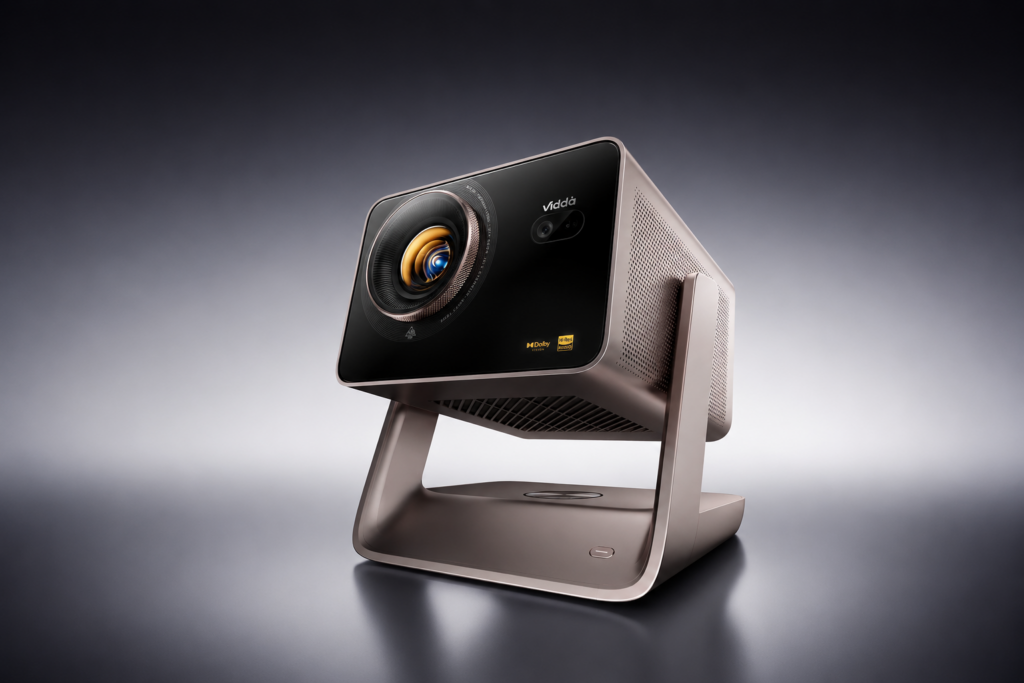
Hisense and Vidda have teamed up to launch the Vidda C5 series laser projectors in China. The new lineup focuses on premium home cinema experiences, gaming performance, and high-brightness projection, while also introducing several upgrades in audio and display technologies across different models.
Hisense Vidda C5 series specifications and features
Hisense Vidda C5 series
The Vidda C5 lineup includes four models called the C5 Pro Max, C5 Ultra, C5 Ultra Max, and C5 Master. All variants come equipped with cinema-focused hardware such as Hubble movie lenses, VRR support, 240Hz refresh rate support, and 1ms low latency aimed at gamers. The projectors also feature a 2.1-channel speaker system with dual 8W tweeters, dual 10W full-range units, and a 20W subwoofer.
The C5 Pro Max features dual QuaLas42 laser systems, 3200 CVIA brightness, a 0.47-inch DMD chip, 5000:1 native contrast ratio, Wi-Fi 6, and 3GB RAM with 64GB storage. The C5 Ultra steps things up with the new MCL3A laser system, 4400 CVIA brightness, 6000:1 contrast ratio, Wi-Fi 7 support, and 4GB RAM with 64GB storage.
For users looking at higher-end options, the C5 Ultra Max adds a new SST architecture DMD chip, 4700 CVIA brightness, and Harman JBL-tuned 2.1-channel audio. The top-end C5 Master combines the MCL3A and QuaLas42 laser systems, reaches 5800 CVIA brightness, and introduces liquid cooling alongside an 8000:1 native contrast ratio. It also offers 4GB RAM and 128GB storage.
Hisense Vidda C5 series price and availability
In terms of pricing, the Vidda C5 Pro Max starts at 7,999 yuan (~$1,175) in China, while the C5 Ultra is priced at 10,499 yuan (~$1,455). The C5 Ultra Max costs 12,999 yuan (~$1,800), whereas the flagship C5 Master carries a price tag of 14,999 yuan (~$2,080). Hisense has not yet confirmed global availability for the new projector lineup.
For more daily updates, please visit our News Section.
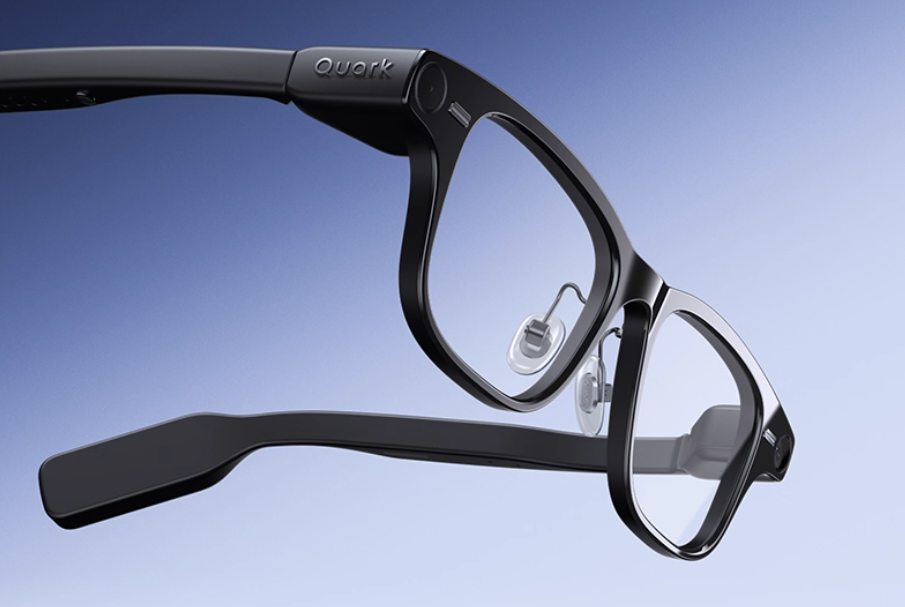
Alibaba has announced a major software upgrade for the Qwen AI Glasses S1, bringing a more proactive approach to AI interactions. Instead of waiting for voice commands, the smart glasses can now offer contextual suggestions and reminders based on a user’s schedule, surroundings, and daily habits. The update also introduces spatial 3D display technology and several lifestyle-focused AI services.
Qwen AI Glasses S1 now acts before you ask
The latest update allows the Qwen AI Glasses S1 to provide real-time prompts without requiring users to manually trigger commands. For example, the glasses can remind users to carry an umbrella before leaving home if rain is expected. During work hours, the device can also suggest taking a short break or stretching based on posture, wear duration, and activity patterns.
Alibaba says the AI system combines factors such as location, time, weather conditions, and usage behaviour to generate contextual recommendations. The company plans to further expand these abilities through stronger multimodal understanding and memory features. Future updates may include reminders to leave early for meetings due to traffic conditions or suggestions to switch from coffee to water after multiple caffeine orders during the day.
The update will also add ride-hailing, flash shopping, itinerary planning, and movie ticket booking features later this month. These additions are designed to reduce the need to frequently access smartphones during commuting, travel, or leisure activities.
Another major addition is what Alibaba describes as the world’s first spatial 3D display system for AI glasses. The Qwen AI Glasses S1 uses dual optical engines and binocular stereoscopic imaging technology to create layered visuals with depth perception instead of flat overlays.
This could make navigation prompts, notifications, subtitles, and digital content appear more naturally within the user’s field of view. Alibaba also announced partnerships related to tourism and cultural projects, including AI-assisted documentary creation and travel-focused experiences.
The update is rolling out to the Qwen AI Glasses S1, which is also marketed as the Quark AI Glasses S1 in China.
For more daily updates, please visit our News Section.
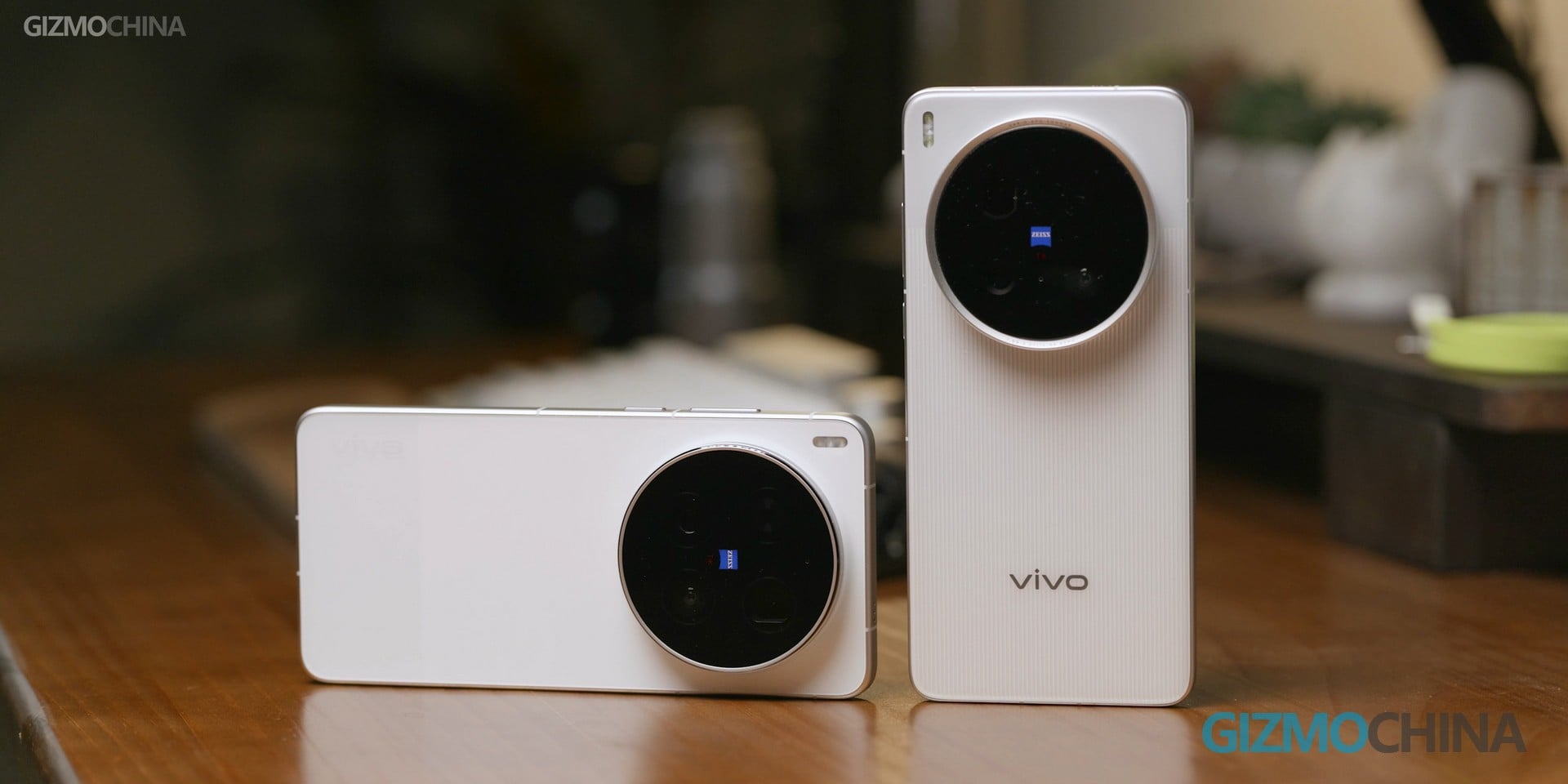
I’ve already switched my SIM card back to the iPhone, yet I still shoot with 35mm as my default focal length year-round. It’s not because I’m particularly into street photography—it’s simply that this focal length isn’t too wide or too narrow, making it just right for everyday shots. So when I heard that the vivo X300 Ultra‘s main camera remains at 35mm, I was genuinely pleased.
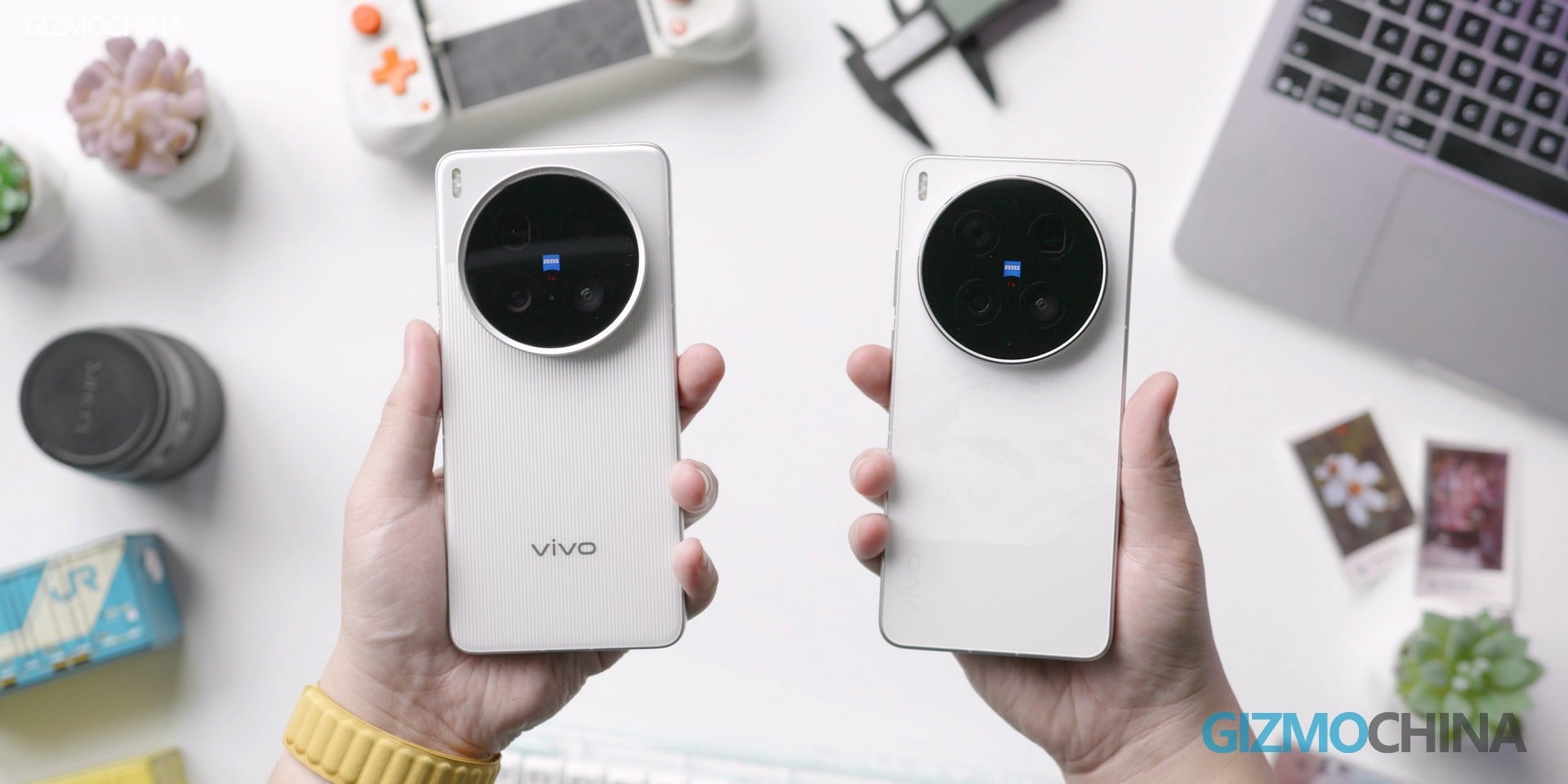
After using the phone for a while, I can tell it’s indeed better than the previous generation, even if some specs don’t look impressive on paper. But is this minor upgrade really worth an extra cost? Well, why not bring in the X200 Ultra and run a direct comparison to find out?
35mm
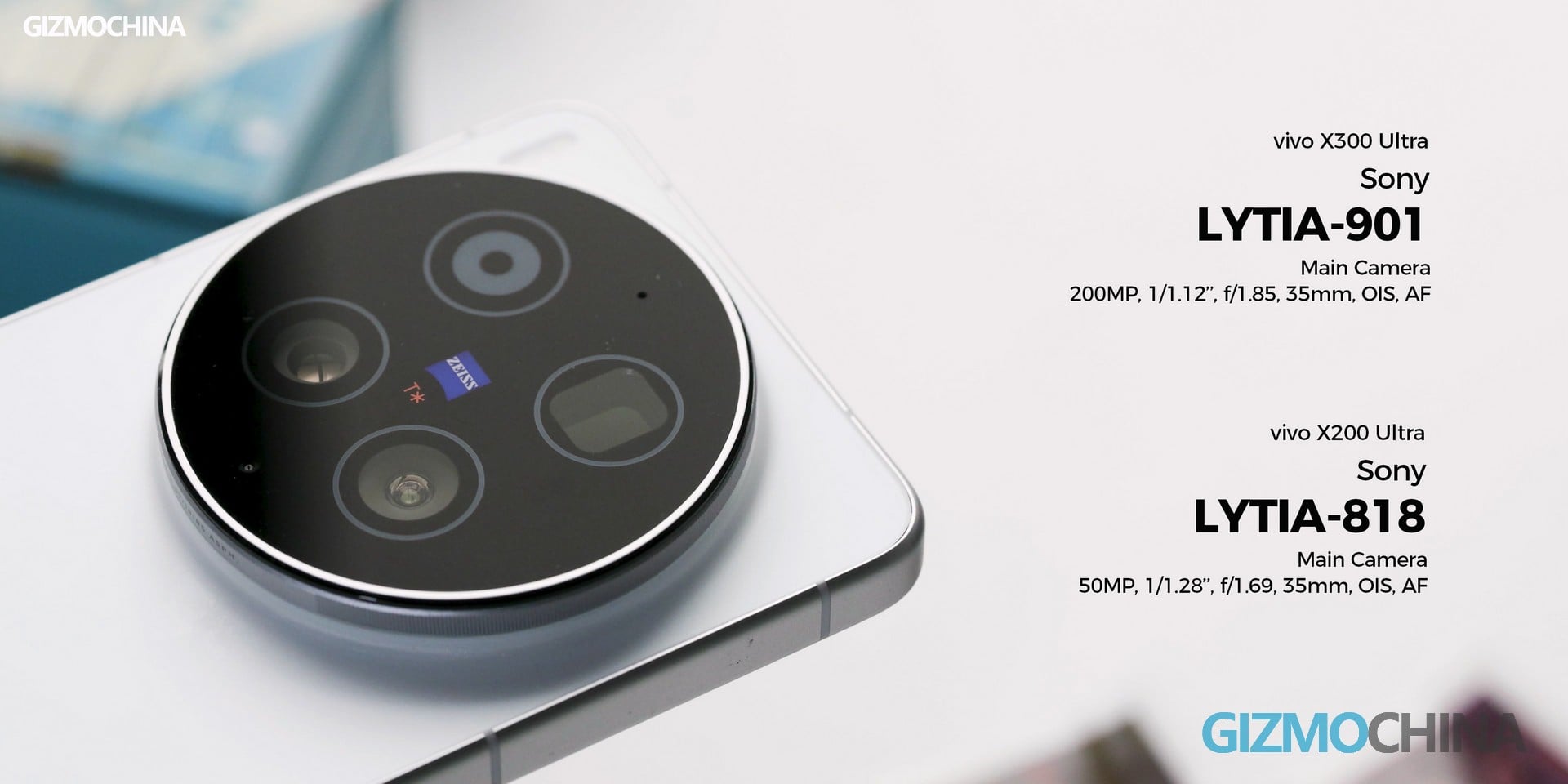
The X300 Ultra’s main camera uses Sony’s latest 200MP sensor. The aperture is smaller, but in exchange, you get stronger stabilization.
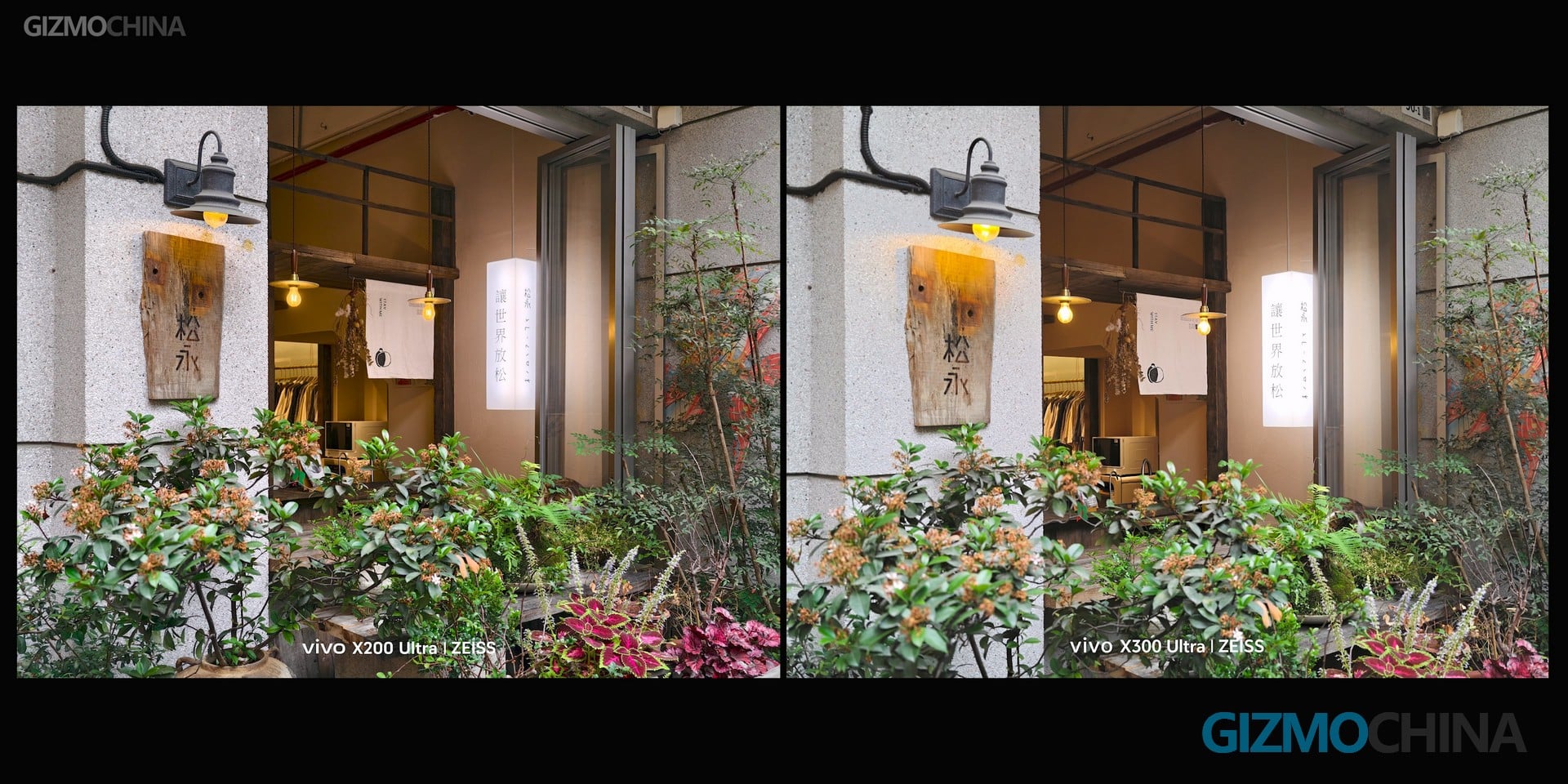
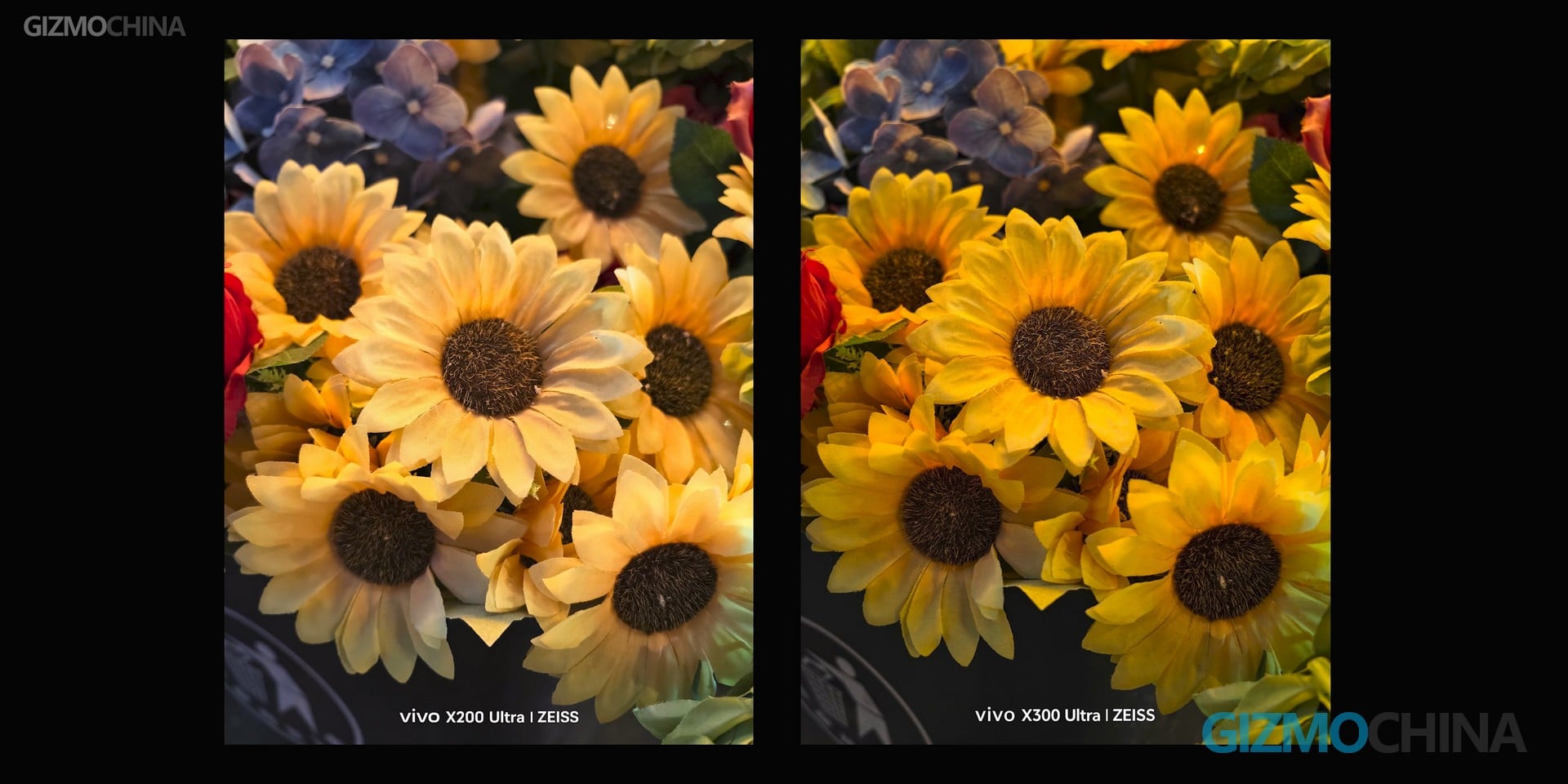
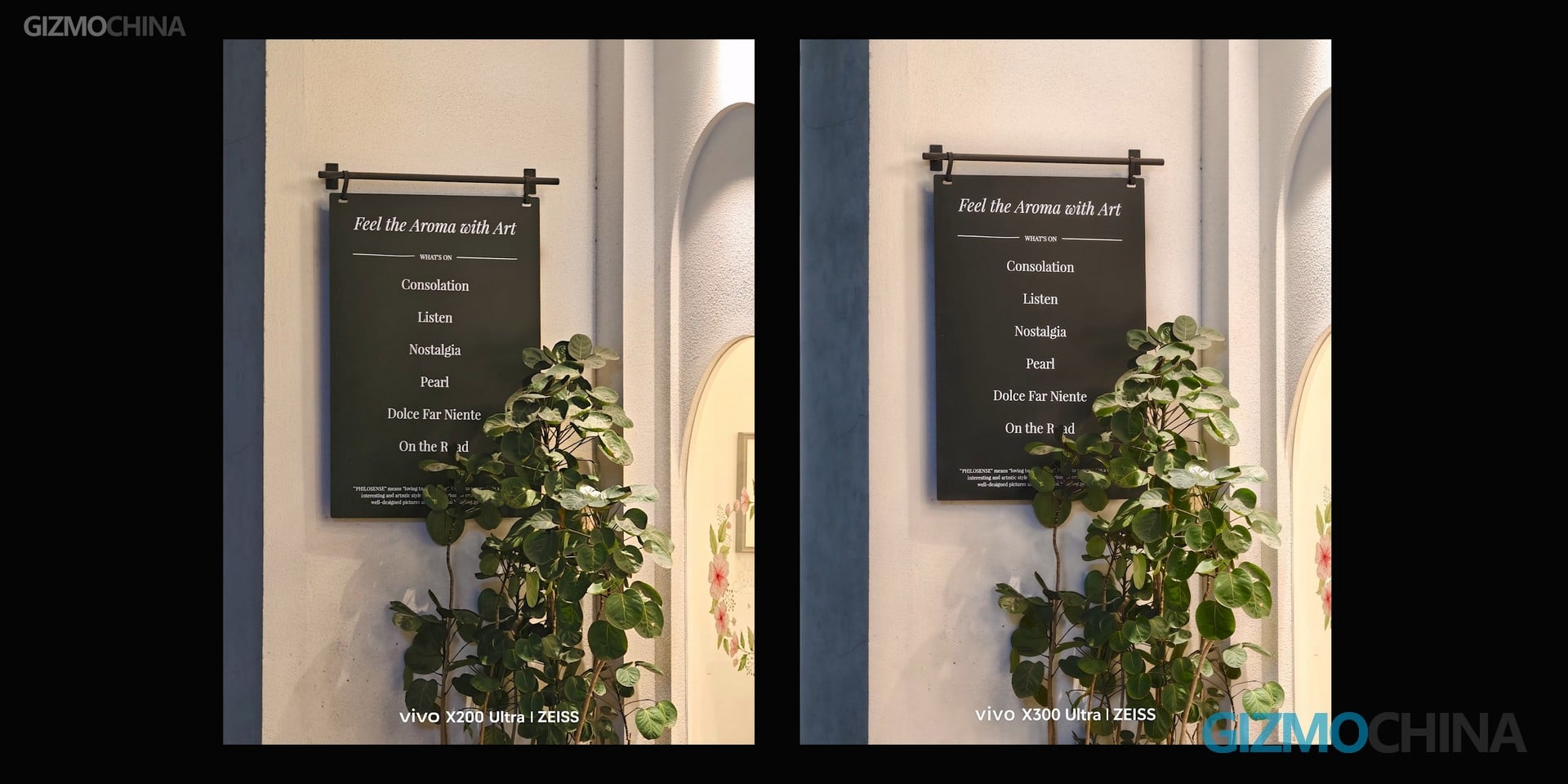
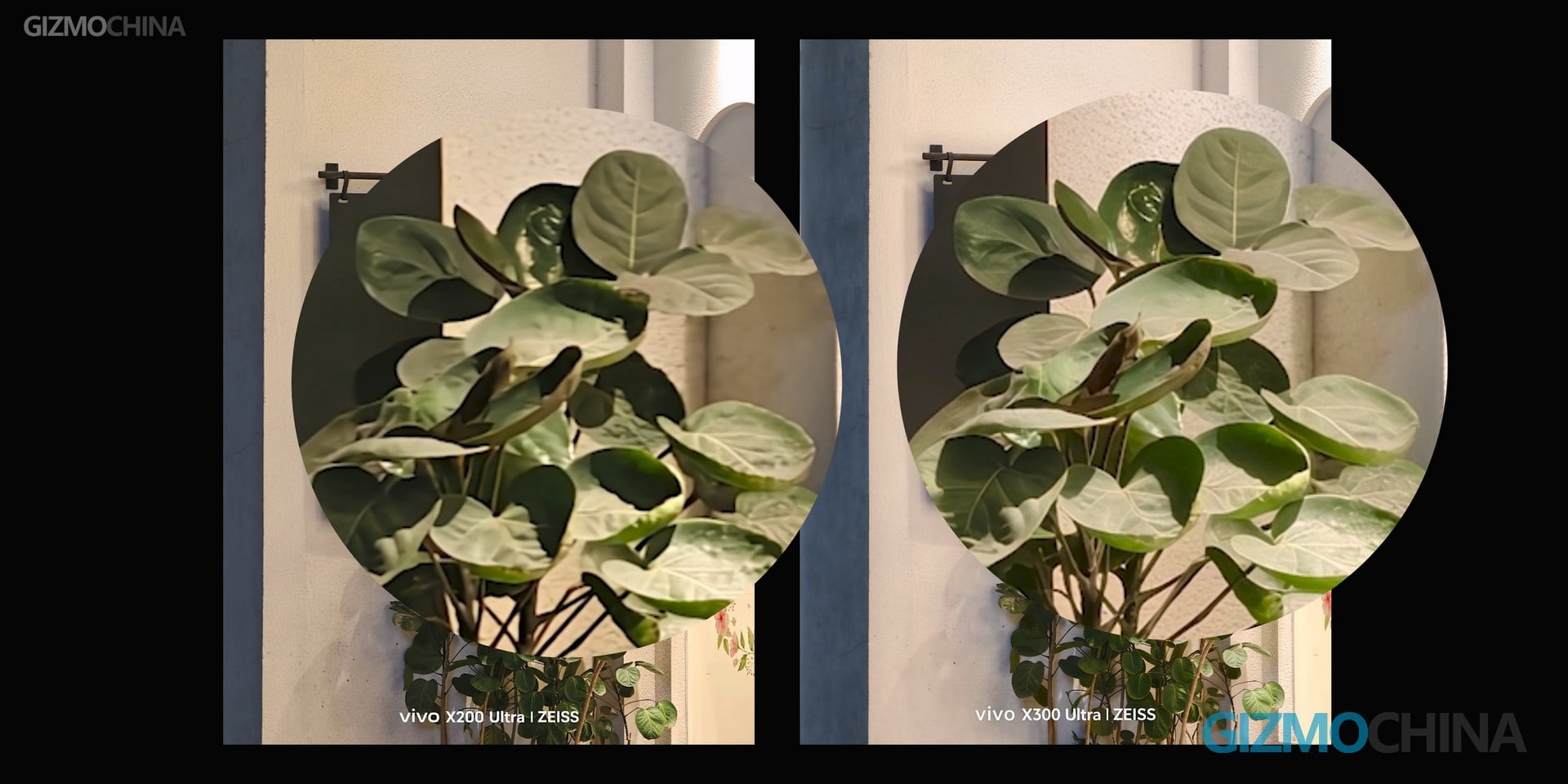
In well-lit conditions—basically daytime and indoor environments—the X300 Ultra performs slightly better overall than the X200 Ultra. Exposure is more accurate, clarity is higher, colors aren’t overly saturated, and the sharpening isn’t as aggressive as before. The new sensor and updated algorithms bring noticeable improvements to the X300 Ultra.
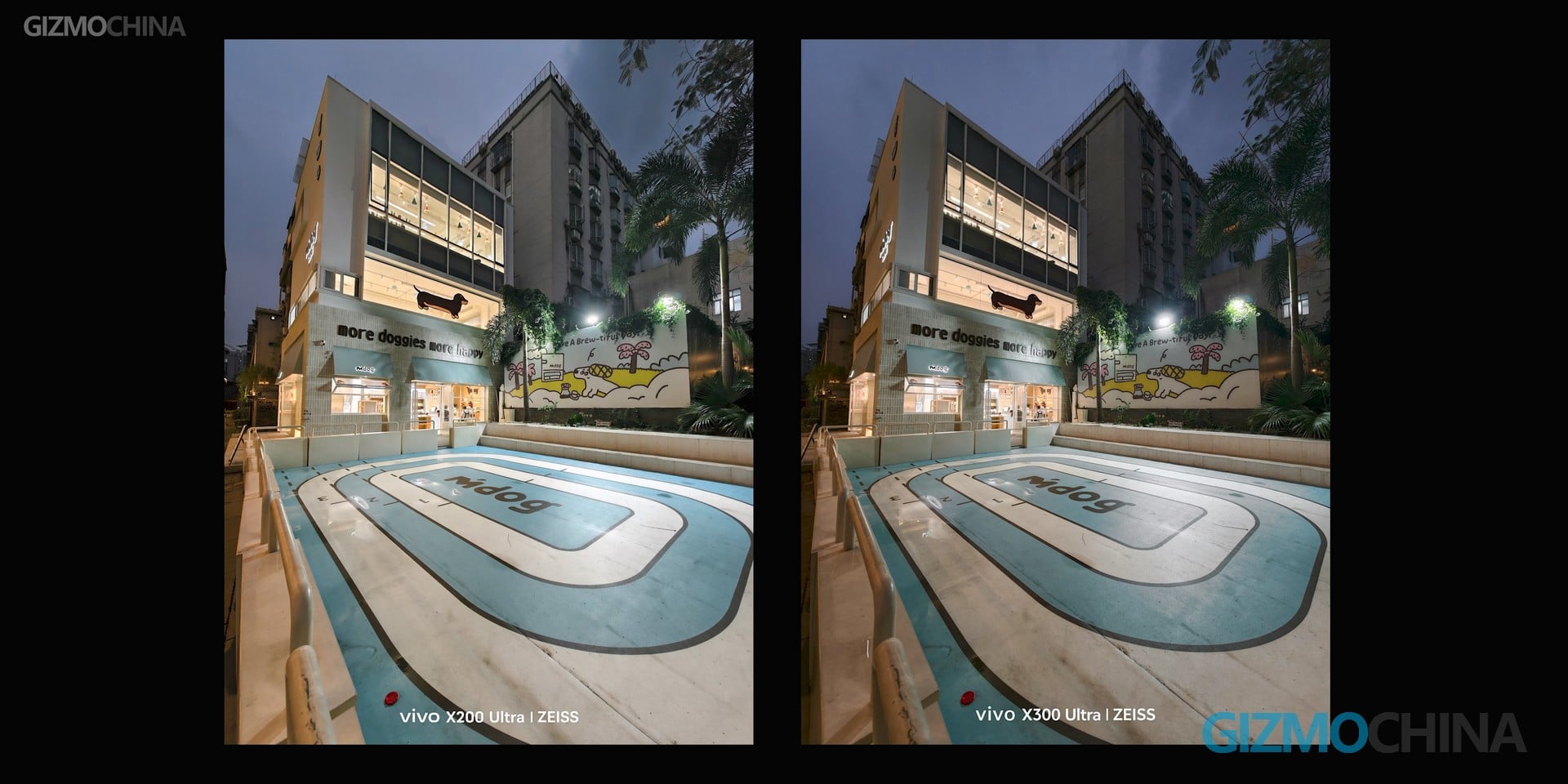
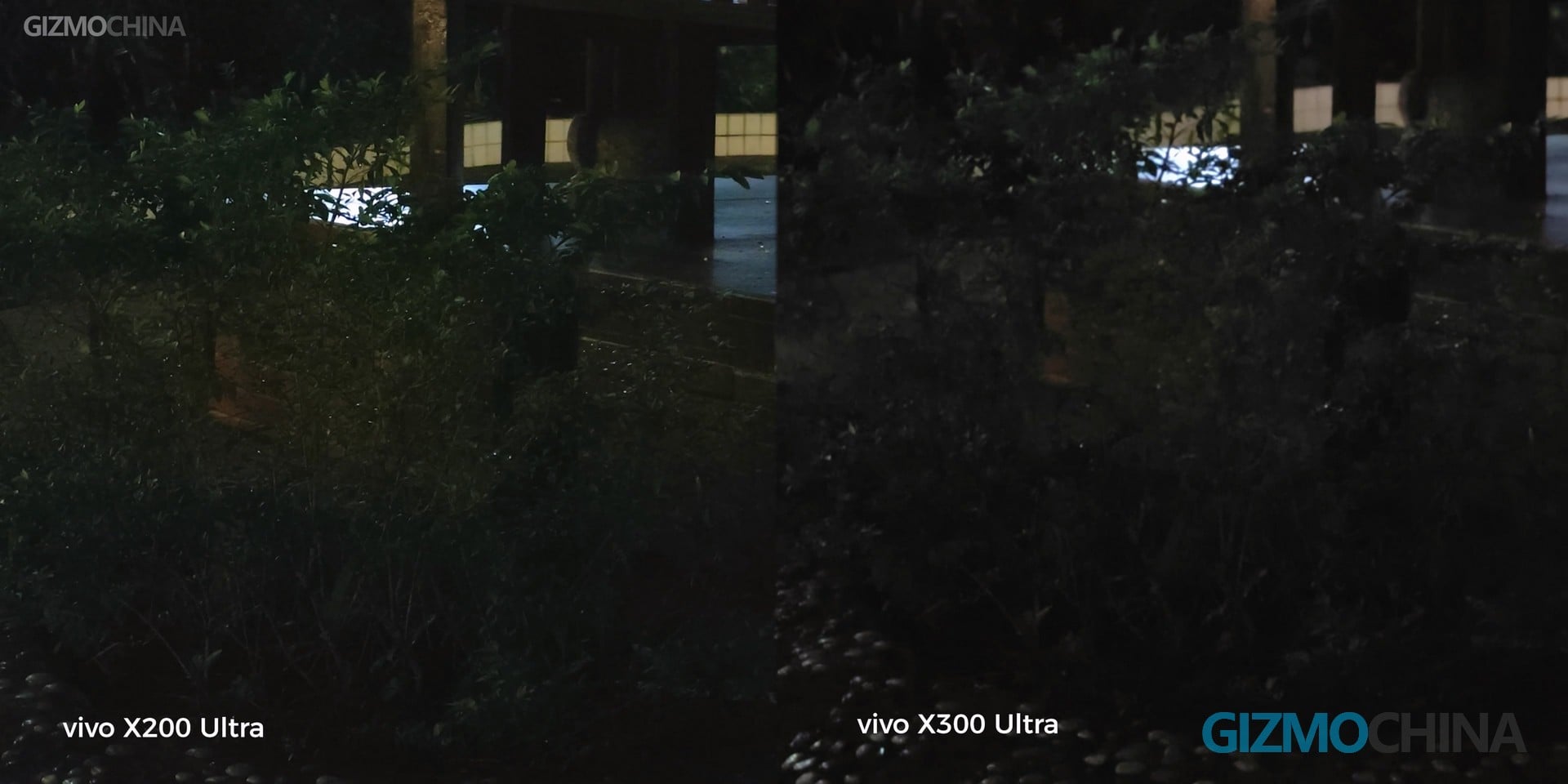
At night, the gap becomes even more obvious. I don’t even need to explain it—you can see how much it has improved just from the photos. Especially with the help of the multispectral sensor, the white balance accuracy is significantly better. There’s only one situation where the X300 Ultra loses to the previous generation: in near-total darkness.
If you’re shooting in an environment where people can barely see anything, the X200 Ultra will have slightly better clarity. The performance of the X300 Ultra’s main camera can be summed up with this curve. I still appreciate the effort vivo put into this main camera.
There’s a feature on the X300 Ultra that I really like, called “Raw Lighting”. “Restore the camera’s raw lighting for authentic results”—that’s how vivo describes it. Simply put, it reduces the impact of computational processing on the photo. The most obvious result is that the images look more like they were taken with a professional camera rather than a phone. Saturation is further reduced, sharpening is significantly toned down, and fine details look more natural. I think this feature is way more practical than those flashy new filters.
X200 Ultra users don’t need to be jealous—just update your system, and you’ll get it too. Well done, vivo.
85mm
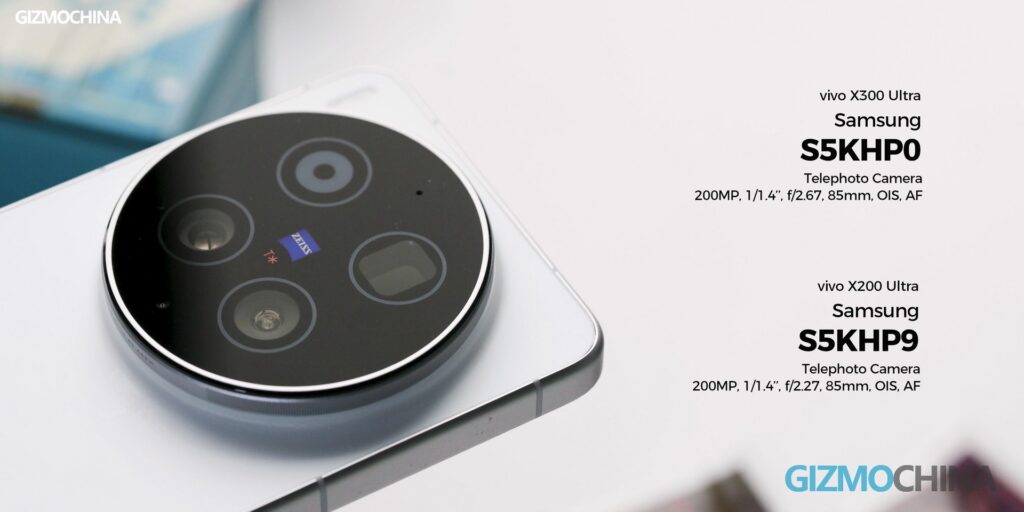
This 85mm telephoto camera is probably the most controversial one on the X300 Ultra. The sensor size hasn’t changed, and once again, a smaller aperture is traded for better stabilization. So which matters more—the downside of a smaller aperture, or the benefits of improved stabilization?
Honestly, the difference isn’t as obvious as with the main camera. You’ll only notice it when you zoom in 200% or 300%—then you’ll realize, okay, the X300 Ultra is indeed better. And this is mainly in low-light conditions; the stronger the lighting, the smaller the gap.
So the conclusion is: the X300 Ultra’s telephoto camera is a real upgrade, but only for photos. Video is a different story—I’ll explain that in a bit.
14mm
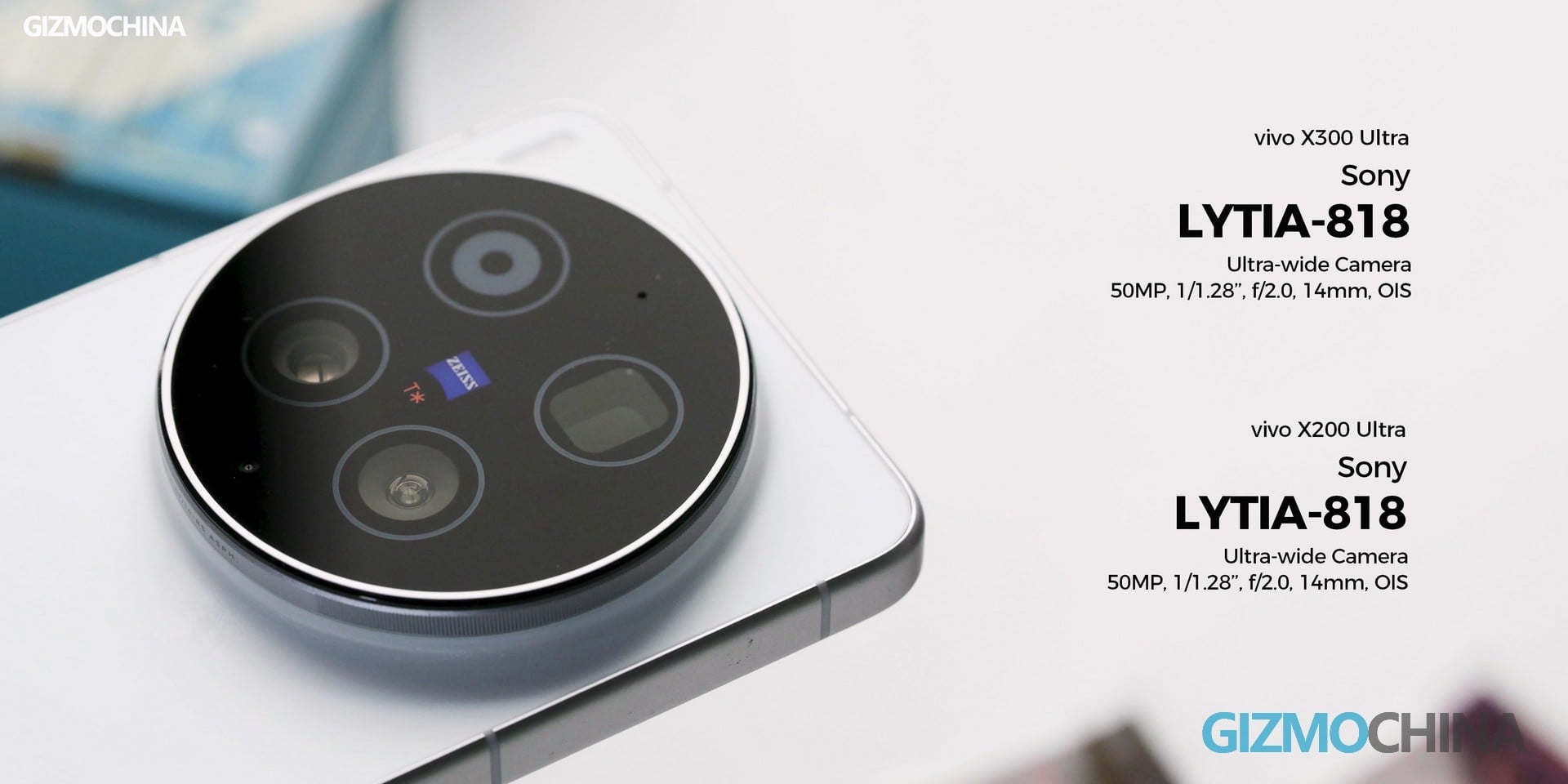
Since there’s no hardware change for the ultra-wide camera, its performance should theoretically be very similar—and it is.
In scenes without extreme contrast, the image quality is basically identical to that of the previous generation. However, the two phones take different approaches to HDR. The X200 Ultra tends to control highlights and leaves shadows untouched, while the X300 Ultra does the opposite. There’s no clear winner here—it just comes down to personal preference.
Anyway, the main purpose of the ultra-wide camera on the X300 Ultra is to compensate for the narrow field of view when recording video with the 35mm lenses. So next, let’s look at video performance.
Video & Selfie
If I didn’t label which footage came from which phone, you definitely wouldn’t be able to tell them apart. In fact, even during editing, I had to carefully check the file names to distinguish which clips were shot from the X300 Ultra. And it’s not just the ultra-wide camera—even the main camera footage looks the same. The improved stabilization doesn’t give you a wider field of view either. You can basically consider their video capabilities to be nearly identical.
04:26 – Video & Selfie
For photography, better stabilization allows for longer shutter speeds, improving image quality. But in a video, shutter speed cannot drop below the frame rate. That’s why you can see the X300 Ultra’s telephoto camera actually performs worse in low light. Especially compared to the previous generation, with a larger aperture.
The front camera’s the same story as the rear—you really have to pixel-peep to notice any difference. Thanks to reduced noise reduction in the new algorithm, more texture detail on clothing is preserved.
Overall, this entire camera system has more upgrades than downgrades. But without any new technology, the X300 Ultra lacks that one “hook” to really grab users. For those who chase novelty—like me—most probably won’t be willing to pay that extra $145.
Grip & Teleconverter
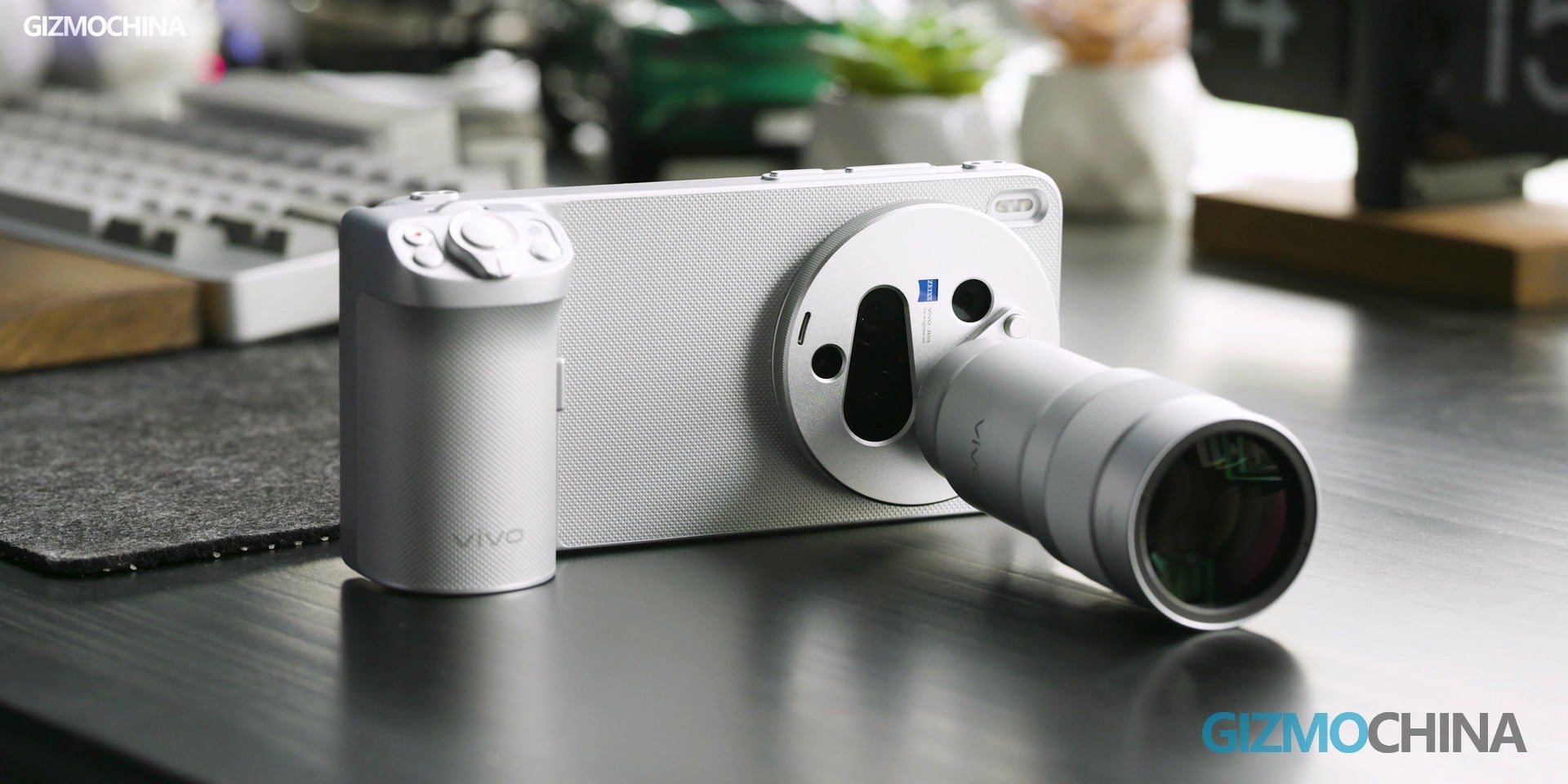
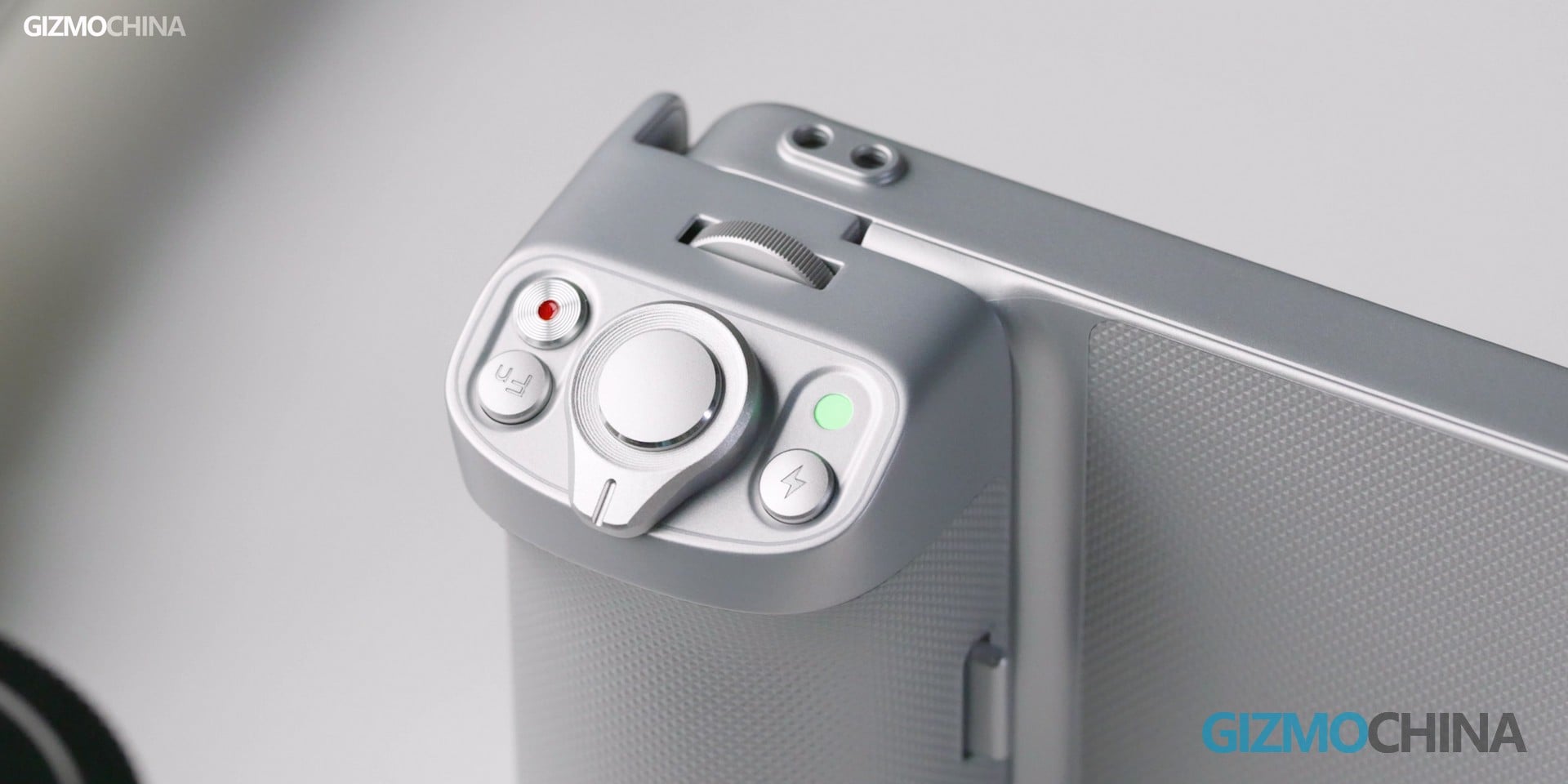
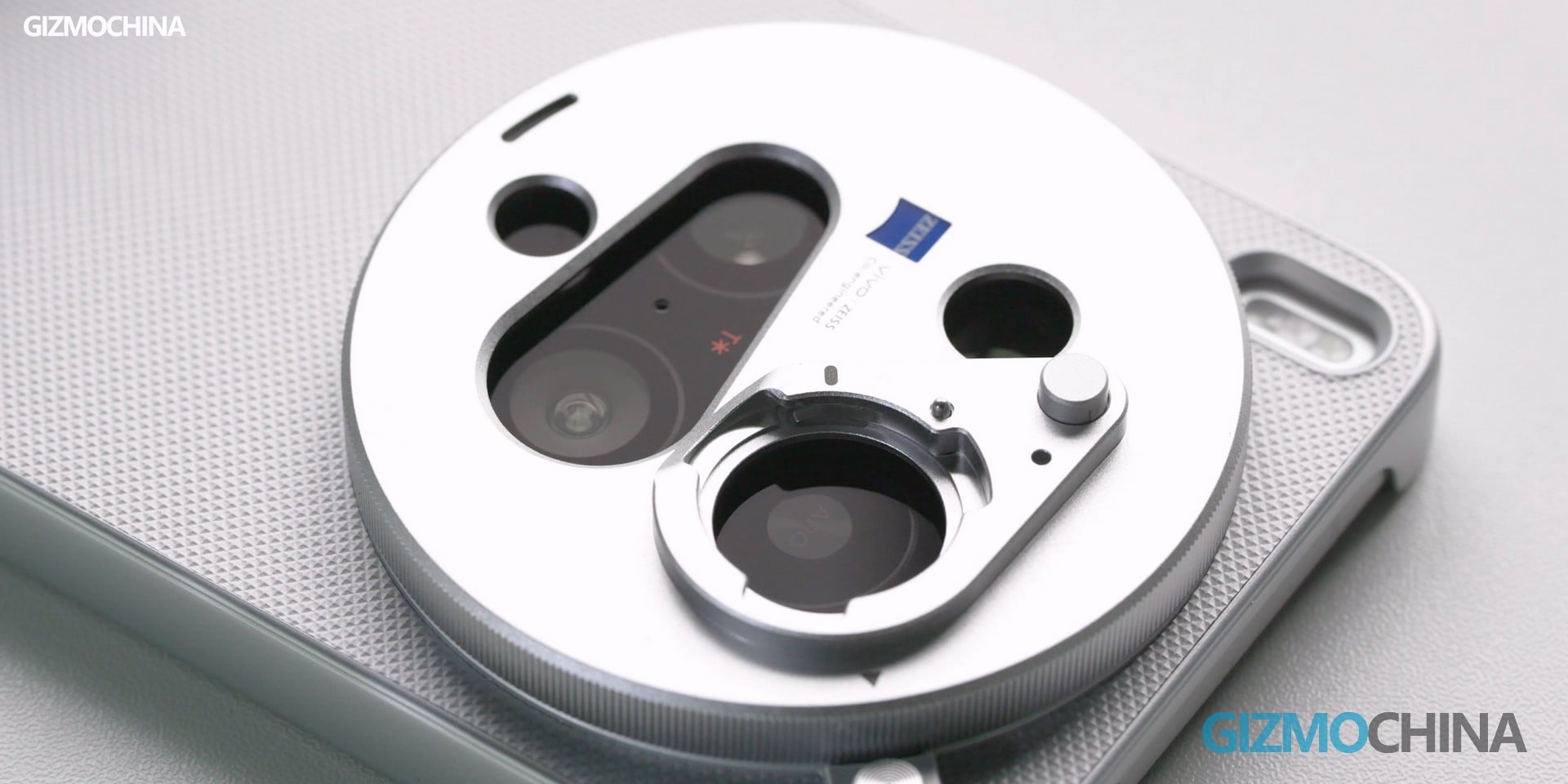
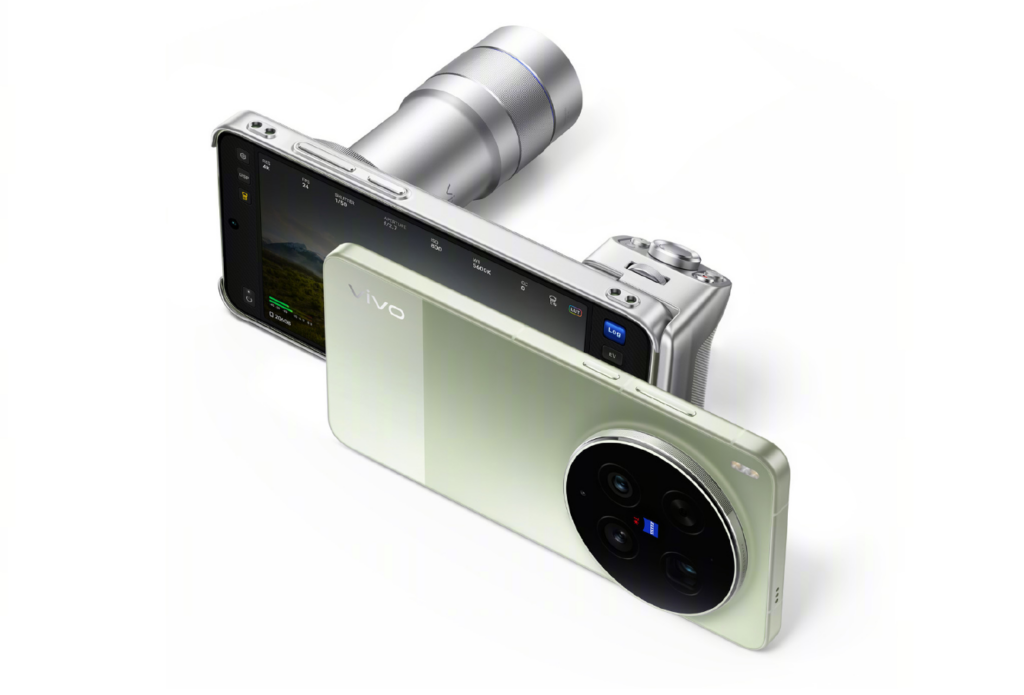
Luckily, we also got the photography kit and the G2 Ultra lens. Let’s start with the grip. It still connects via Type-C and has a screw mount at the bottom. The build quality is more refined—it both looks and feels more premium. There’s an extra customizable button, and whether the grip charges the phone can be toggled with another button.
But two issues remain. First, the unlock slider is still positioned near your fingers, which honestly makes me nervous about accidentally unlocking it. Second, when charging the phone through the grip, the power is only 7.5W. The only real downgrade might be the removal of the kickstand on the case.
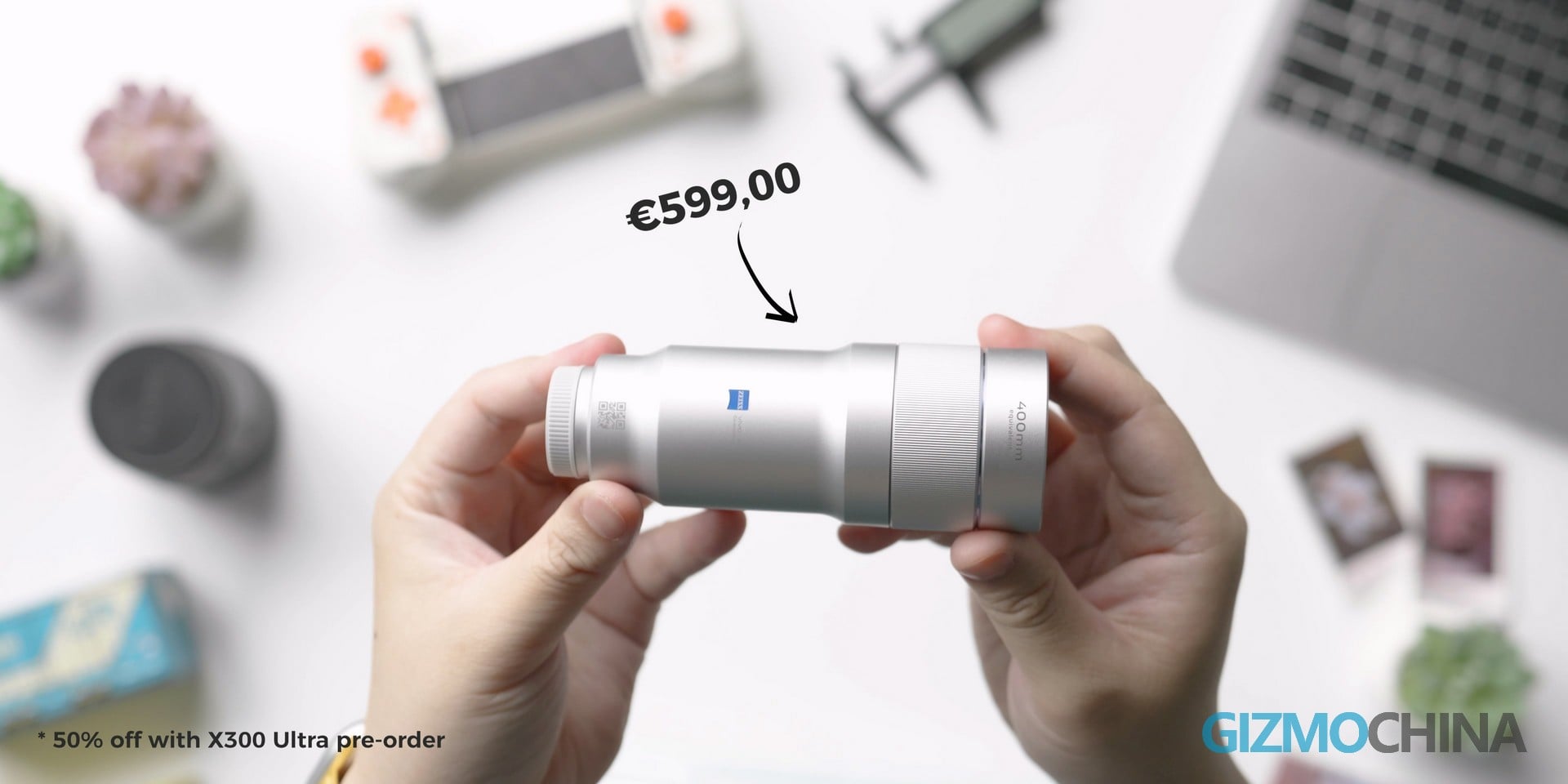
At the X300 Ultra launch event, two new teleconverters were introduced: a 200mm and a 400mm. The 200mm is more compact, but otherwise unchanged. We already covered it in detail in last year’s X200 Ultra Camera Test, so this time we’ll focus on the 400mm.
First, you can now enter teleconverter mode directly via the top button, which is much more convenient than before. Image quality is still excellent and looks more natural than AI-enhanced photos. And then… well, that’s about it. It’s big, heavy, expensive, and the stabilization isn’t as good as expected. So I’d recommend the 200mm version instead—unless you’re really planning to shoot wildlife with a phone.
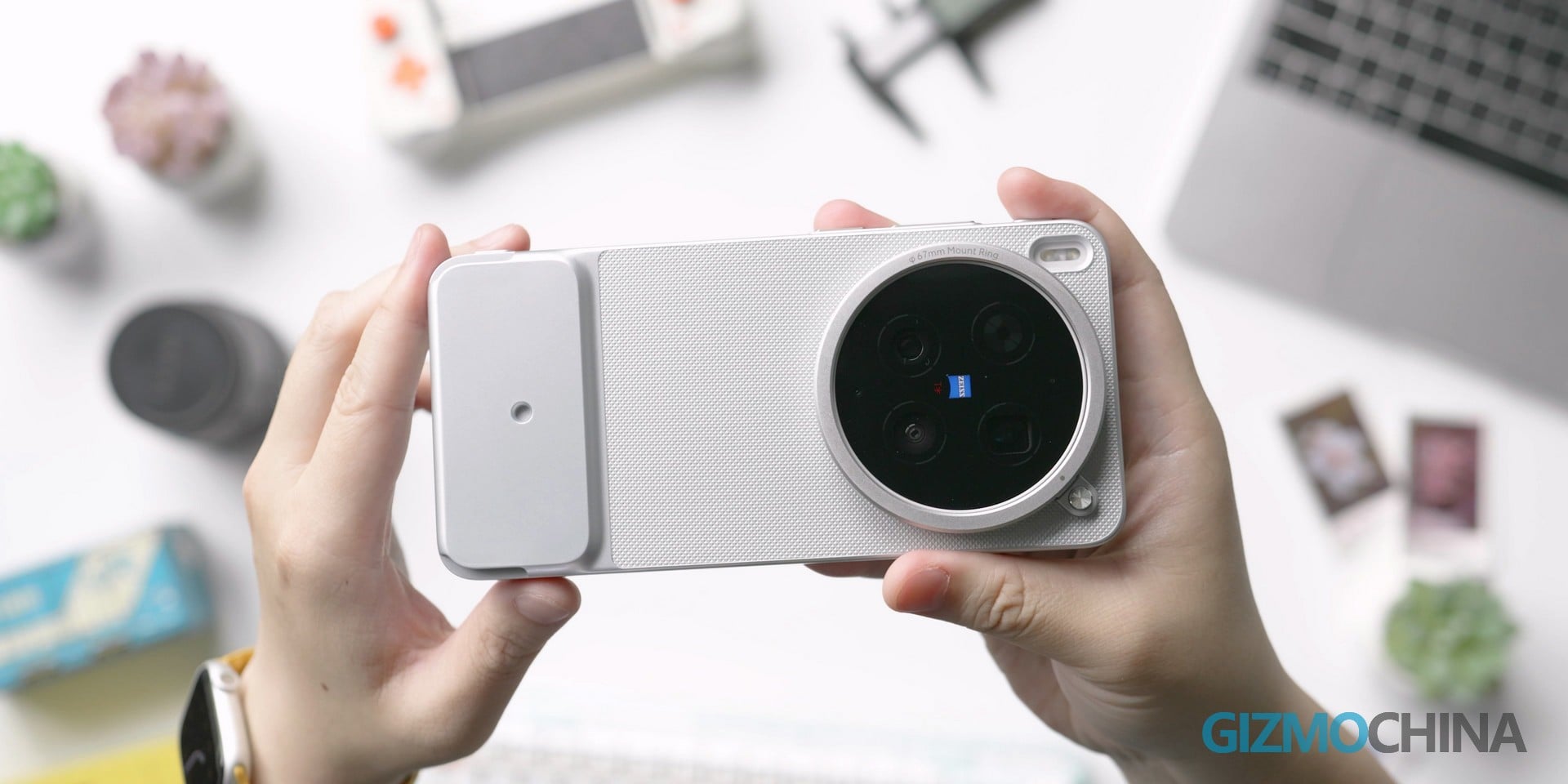
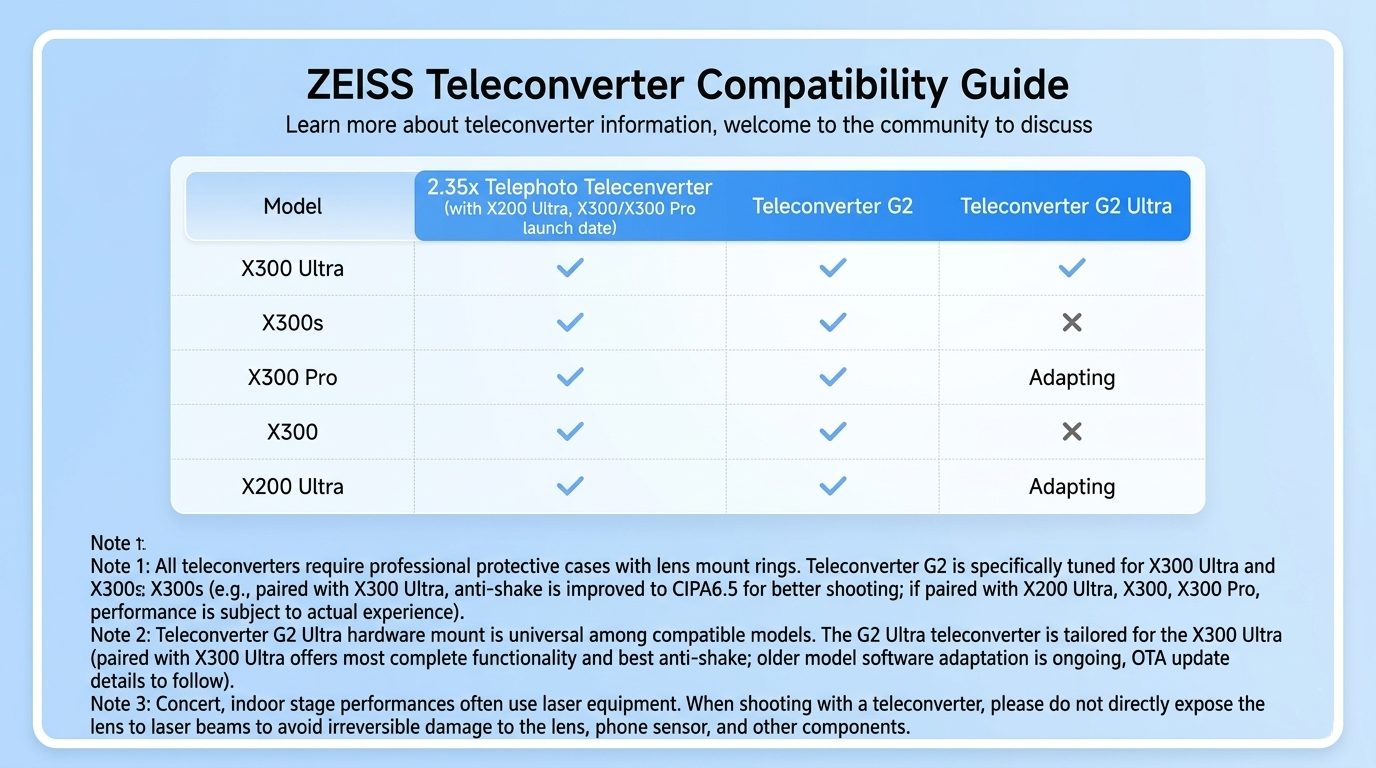
I’m glad vivo considered compatibility between old and new teleconverters. The X300 series photography kit can use the previous generation teleconverters. The G2 and G2 Ultra lenses also work on the X200 Ultra, but the adapter rings are not interchangeable due to changes in lens layout.
Also, the X300 Ultra’s grip does not work properly on the X200 Ultra, so you’ll need to buy the correct version for your phone. However, the lenses have no such limitation.
Design
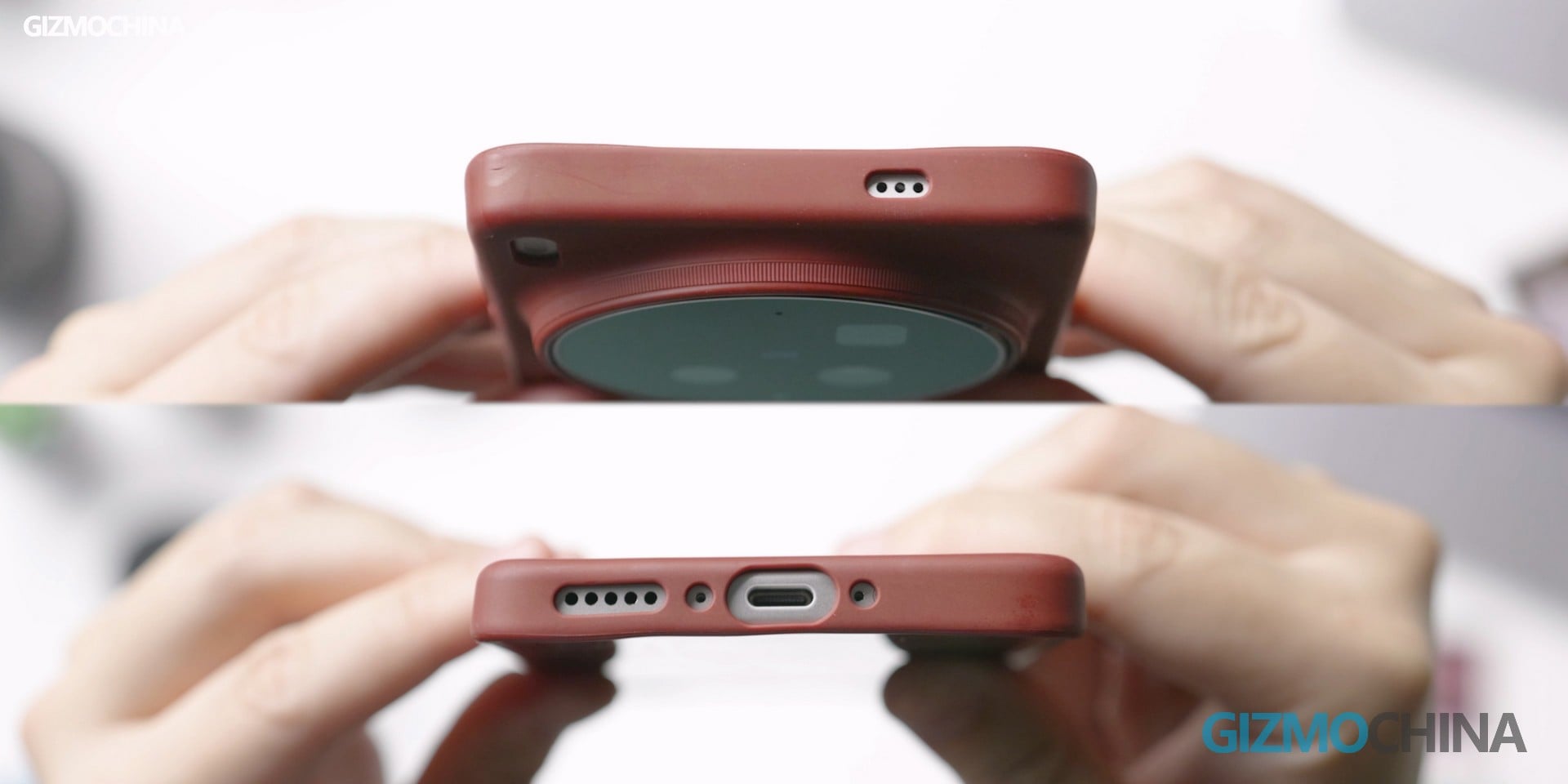
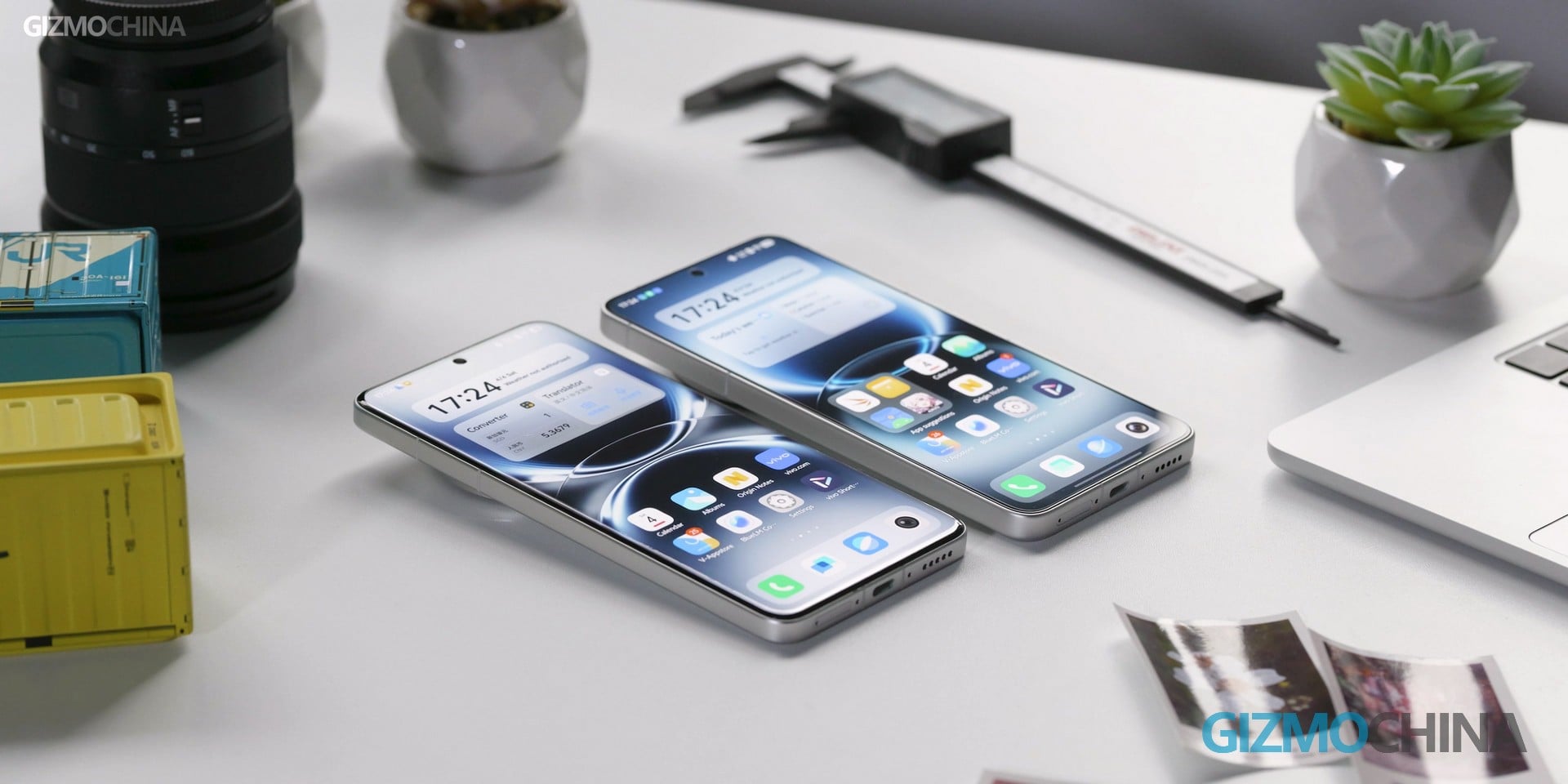
I think I already described the X300 Ultra’s design clearly enough in the hands-on video. In one sentence: you can hardly tell it apart from the X200 Ultra. You can even put an X200 Ultra case on the X300 Ultra, and all the cutouts will line up perfectly. If you’re being picky, yes, there are tiny differences.
What it looks like when you put an X200U phone case on an X300U
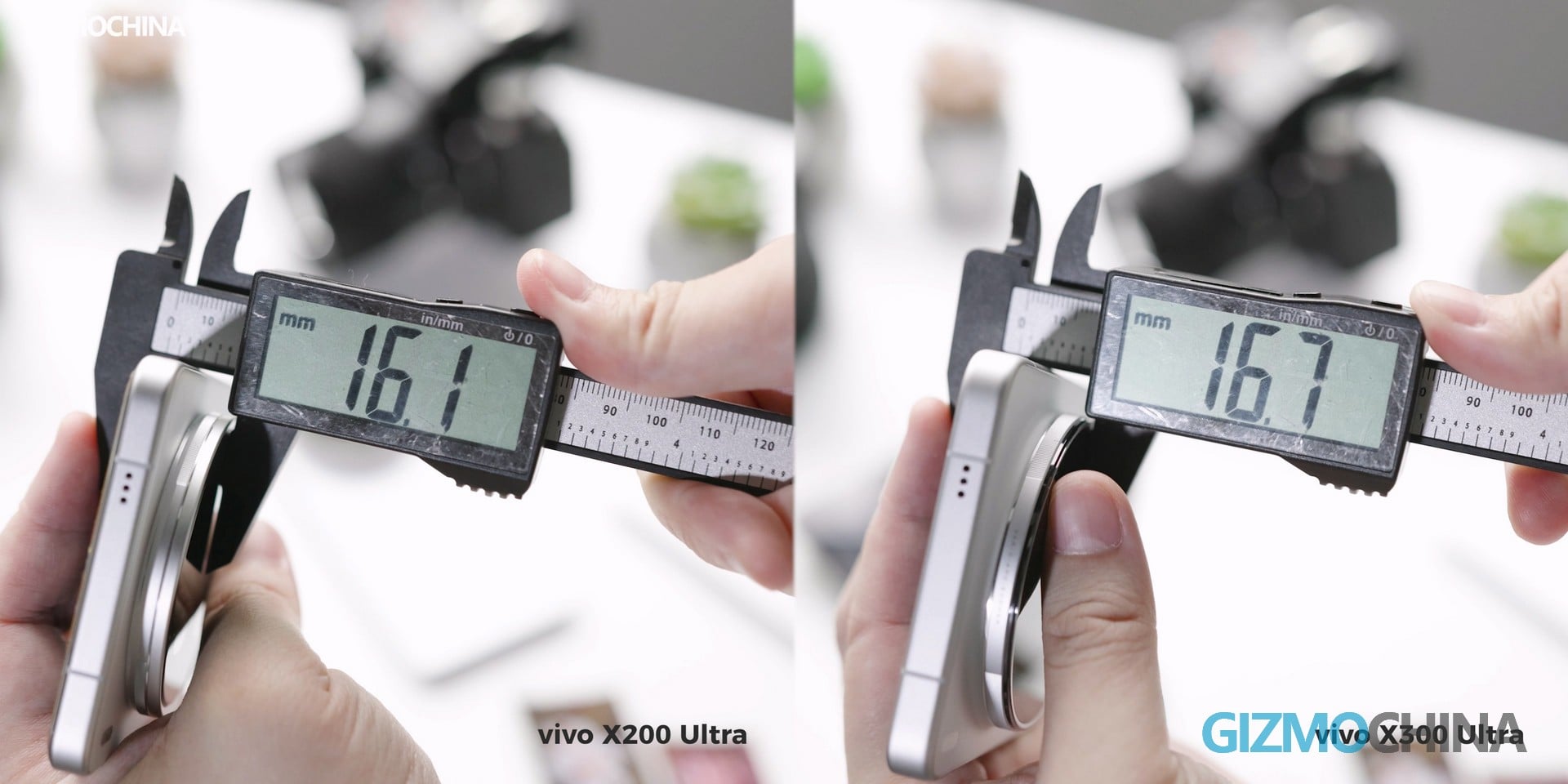
For example, the X300 Ultra is indeed thinner—but what they don’t tell you is that it’s actually thicker, including the camera module. Put the phone on a table; it feels more like a seesaw.
Also, the white version looks worse—especially compared to how good the X200 Ultra looked. But these are basically the only two design downgrades. The larger vibration motor and the removal of the camera control button are both good changes. Another positive is that the X300 Ultra is the first in the vivo lineup to support USB 3.2 Gen2 with video output.
Perhaps the best news is that the X300 Ultra finally has a global version, making it easier to buy and service. That said, the Chinese version also has excellent band support—except for slightly weaker signals in rural areas of the US, it works well almost anywhere in the world.
Performance
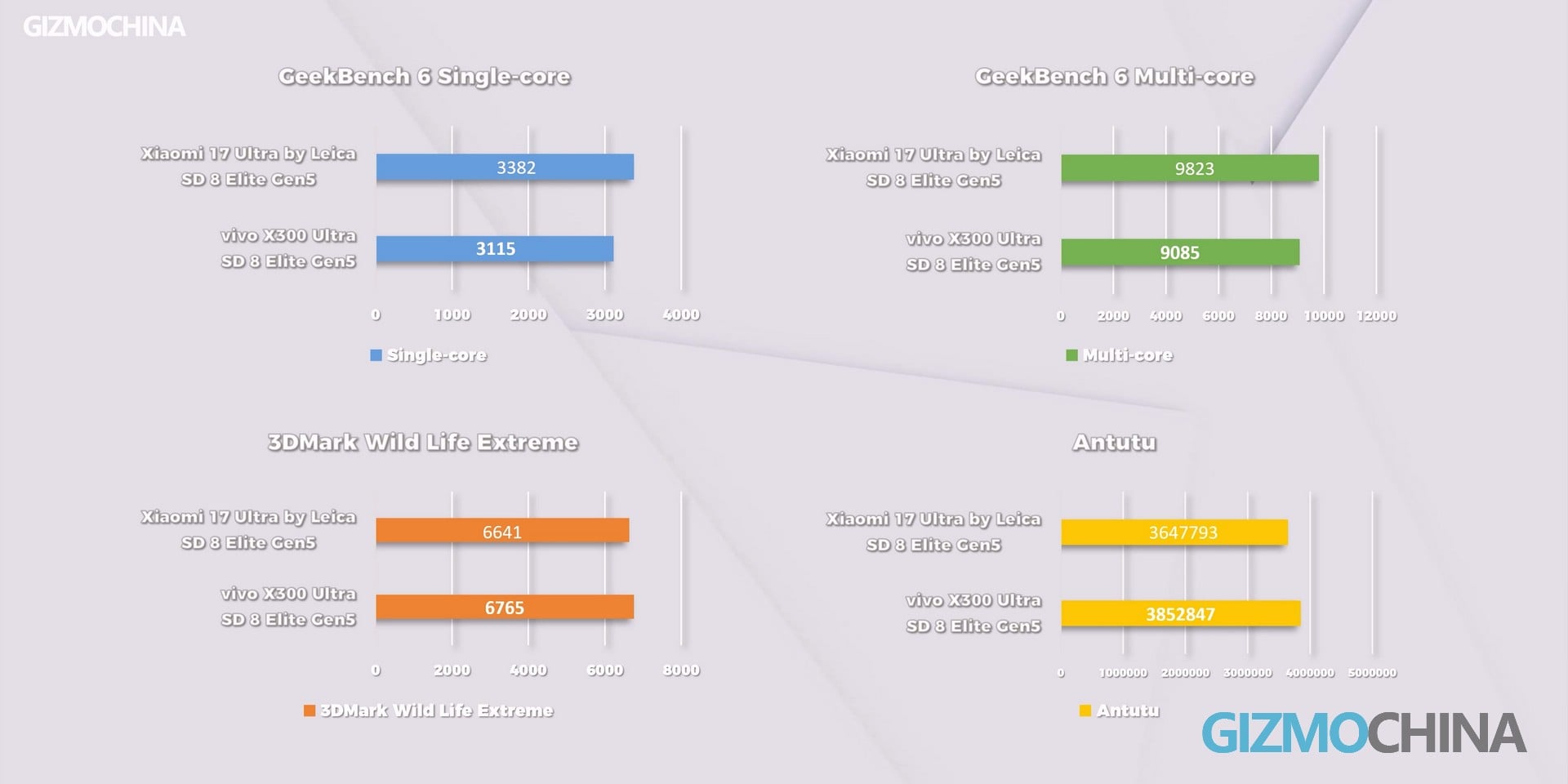
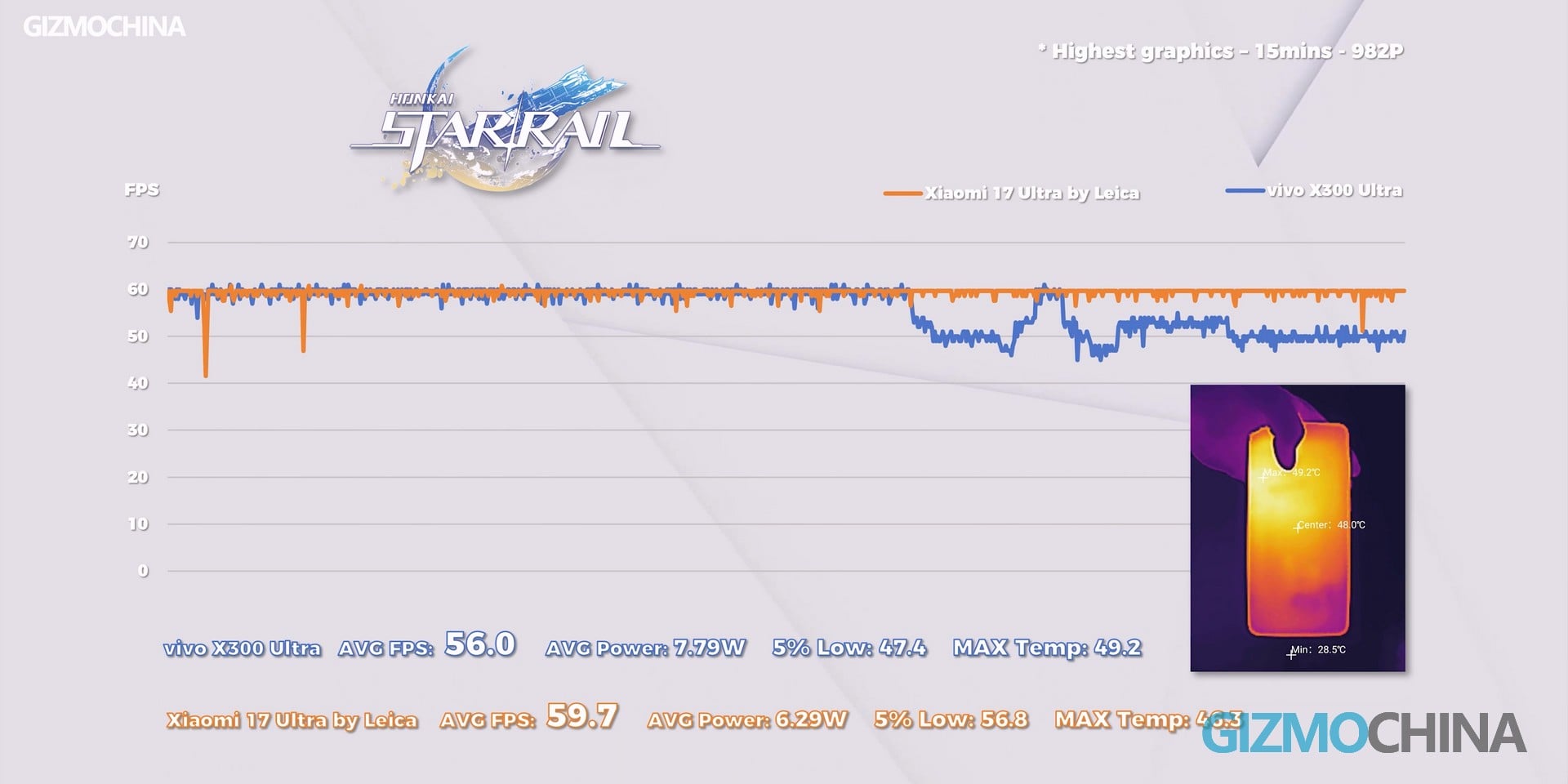
The X300 Ultra is powered by the Snapdragon 8 Elite Gen5, so peak performance is not a concern. However, since the ultra-wide camera is still stacked above the processor, its thermal performance is slightly worse than that of other Ultra phones.
In Honkai: Star Rail, its maximum in-game resolution exceeds 900P, which is slightly higher than that of other phones. To keep things fair, I lowered the X300 Ultra’s resolution to 1200P. Even so, the Xiaomi 17 Ultra still wins easily. Even though game optimization could be better, I don’t think it will affect the target audience of the X300 Ultra. If you care that much about gaming performance, you probably shouldn’t buy a phone with such a massive camera module in the first place.
Display
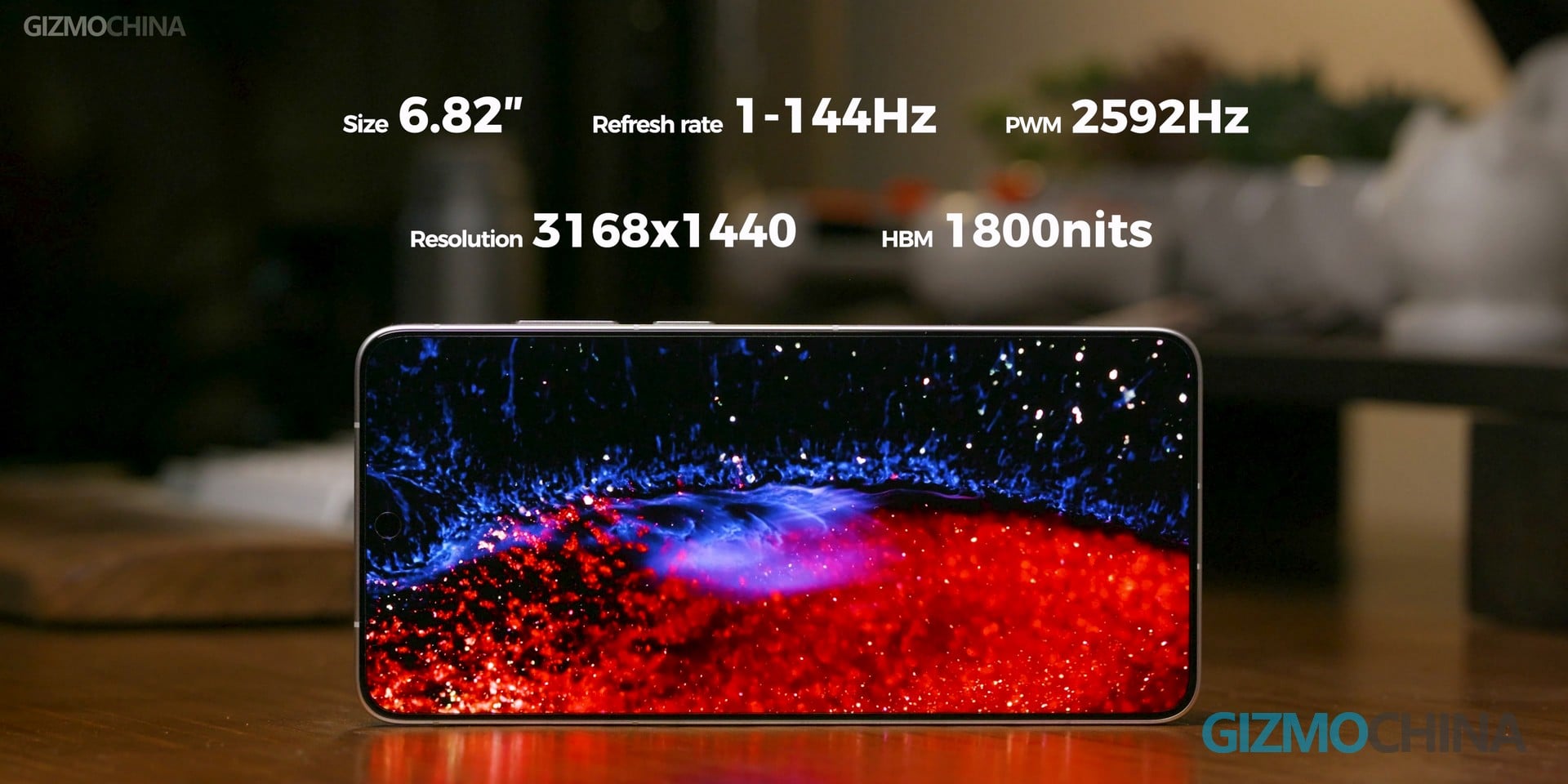
The display and battery life are not the focus of this upgrade. The X300 Ultra’s screen looks and feels very similar to the X200 Ultra. Most apps still top out at 120Hz, and the peak brightness increase is only 100 nits—these “upgrades” are basically unnoticeable.
What I can notice is that the old 2.5D glass is now completely flat—finally, it’s easy to apply a tempered glass screen protector. Thanks to the upgraded top speaker, the overall audio experience is better. I’ll include a speaker test at the top of the video—listen for yourself.
Battery Life
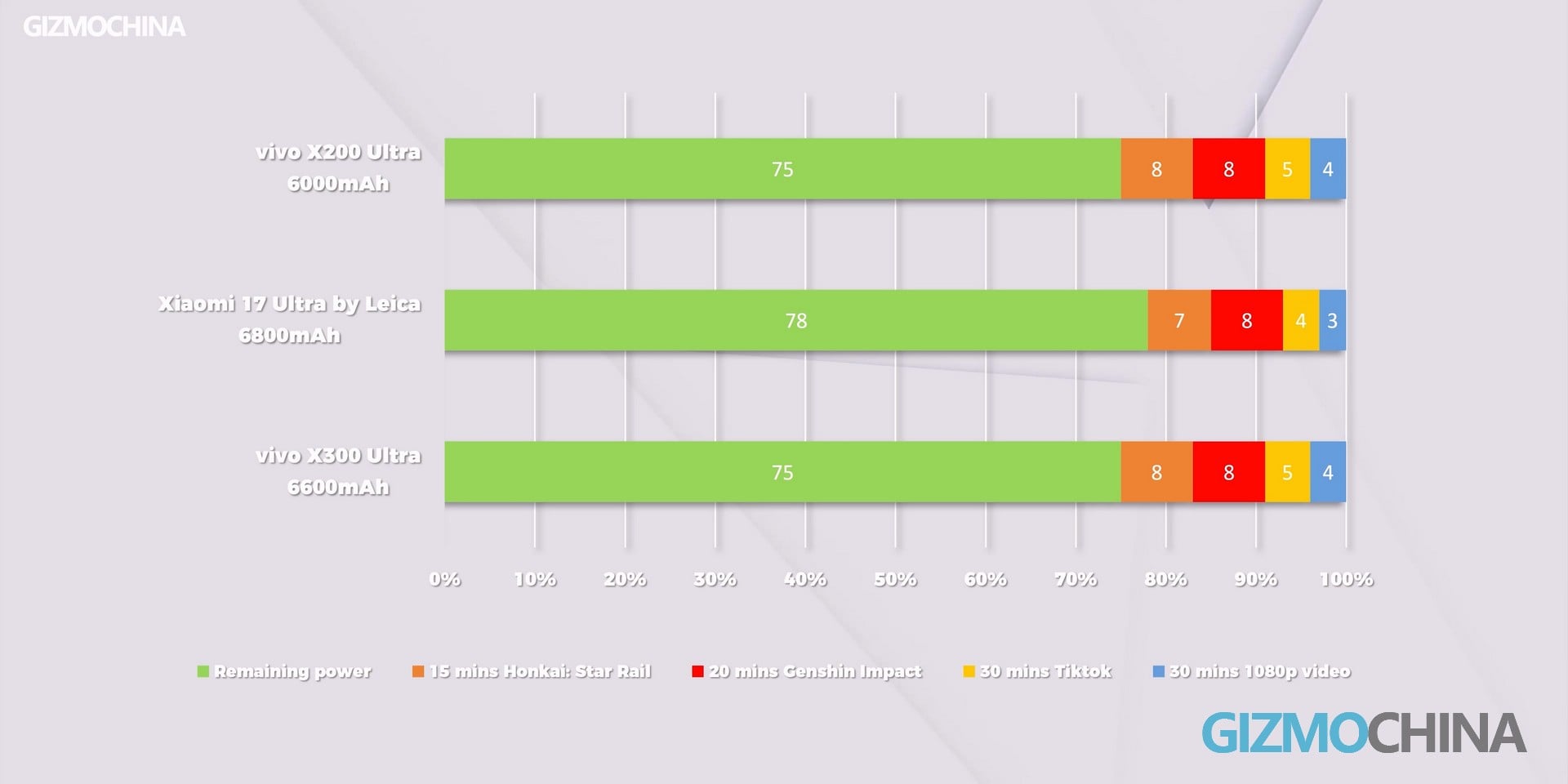
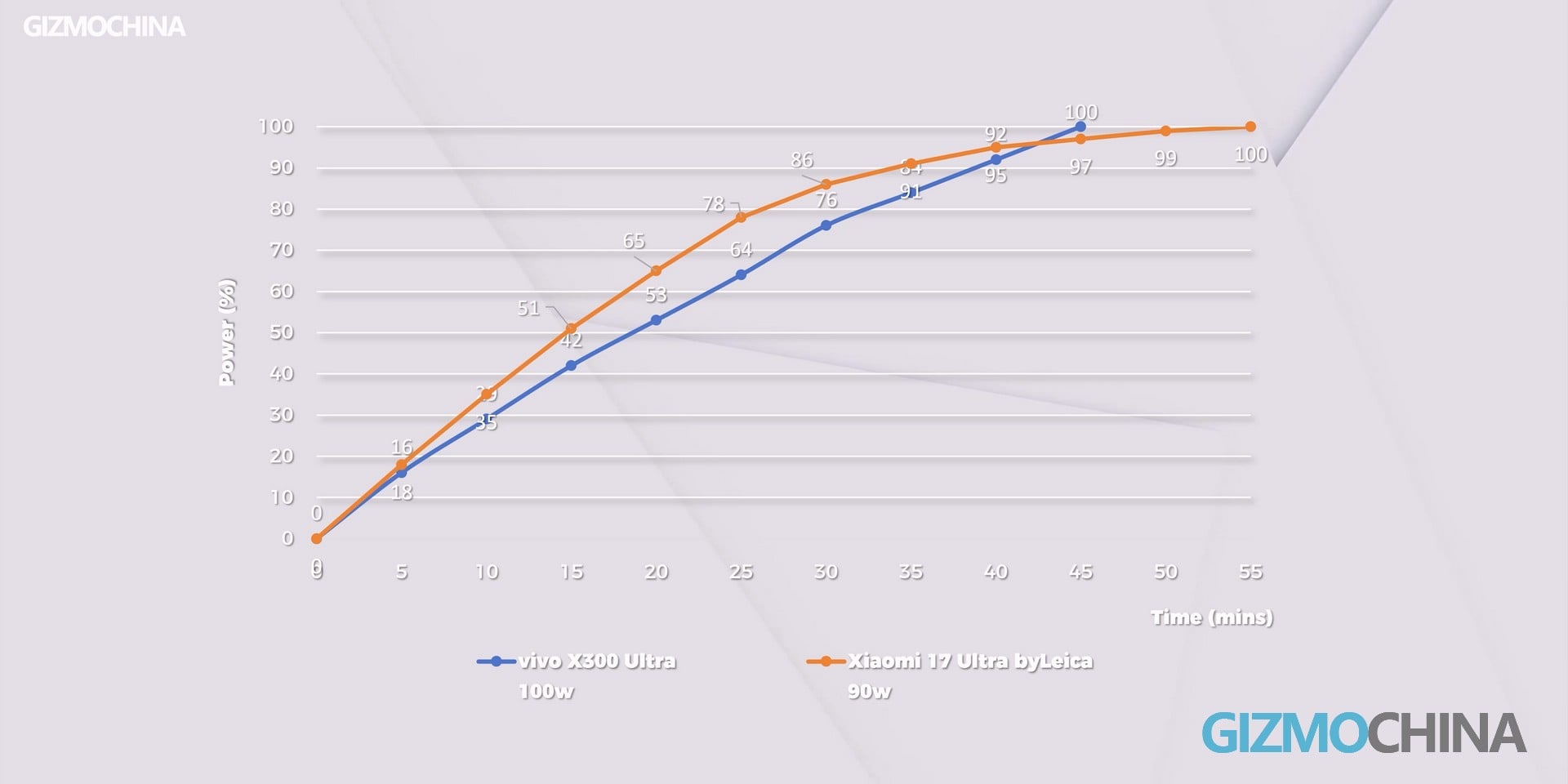
The X300 Ultra’s battery capacity increased by 600mAh compared to the X200 Ultra, but in our standard tests, the difference is negligible. After a full day of gaming and camera testing, 46% battery remained. It may not beat Xiaomi or OPPO’s Ultra models, but it comfortably outperforms Samsung’s. As for charging speed, there’s not much to say—you can tell its level just by looking at the curve.
I know—even if you agree that the X300 Ultra’s upgrades are minimal, you might still buy it. Why? Because on the global market, you simply can’t get the more cost-effective X200 Ultra. But after our comparison, you can’t deny that the upgrade is good, though not significant. I’m not a fanboy or a hater of any brand—being loyal to products is definitely smarter. Back when the Xiaomi 15 Ultra showed the smallest improvement, I voiced my dissatisfaction as well. However, since the vivo X300 Ultra is indeed an enhanced version of one of the most powerful camera phones on the market, we still consider it one of the best options—though you’ll have to pay a bit more for the new model. And if you’re already holding the X200 Ultra, considering the price increase, it’s probably not necessary to upgrade to the X300 Ultra in 2026.
Vivo’s next flagship lineup is starting to show up online. Fresh entries spotted in the GSMA IMEI database have now confirmed the existence of the Vivo X500, X500 Pro, and X500e. That also means Vivo appears to be skipping the X400 branding entirely.
The listings suggest the phones are moving closer to launch and international certification. Leaks surrounding the lineup point toward Vivo continuing its usual formula: strong cameras, premium displays, and a heavy focus on imaging features.
The standard X500 is rumored to feature a 6.37-inch display, while the X500 Pro could use a 6.83-inch 2K LTPO OLED panel with high refresh rates. That would make both devices slightly larger than last year’s X300 (6.31-inch) and X300 Pro (6.78-inch). The lineup is expected to retain the ultrasonic in-display fingerprint sensors.
On the chipset side, Vivo is reportedly sticking with MediaTek again. Early reports suggest the series could debut the Dimensity 9600 family, which is expected to use TSMC’s newer 2nm process. If that ends up being accurate, efficiency and sustained performance could see a pretty noticeable jump compared to current-generation chips.
Cameras, unsurprisingly, remain the bigger talking point. The Pro models are rumored to feature newer LOFIC sensor technology, which is designed to improve highlight handling and dynamic range in difficult lighting conditions. There’s also talk of a 200MP periscope telephoto camera, something Vivo has been gradually pushing toward over the last few generations.
Nothing here is official yet, but the IMEI listings are usually a good sign that development is moving along steadily. Vivo is expected to unveil the X500 lineup in China sometime around September or October before expanding availability to other regions later on. For now, though, the X500 series already looks like Vivo doubling down on the areas it’s become known for: cameras, battery life, and increasingly ambitious hardware.
Introduction In an era where smartphone innovation has become a game of microscopic refinements, a truly great device is no longer just about stacking specs—it’s about reimagining the user experience. Honor’s digital series has long been praised for its trendy design and balanced performance. Now, with the all-new Honor 600 Pro, the brand aims to push the boundaries of what a mid-range phone can achieve, leveraging a suite of “above-class” technologies to deliver a genuinely upgraded experience.
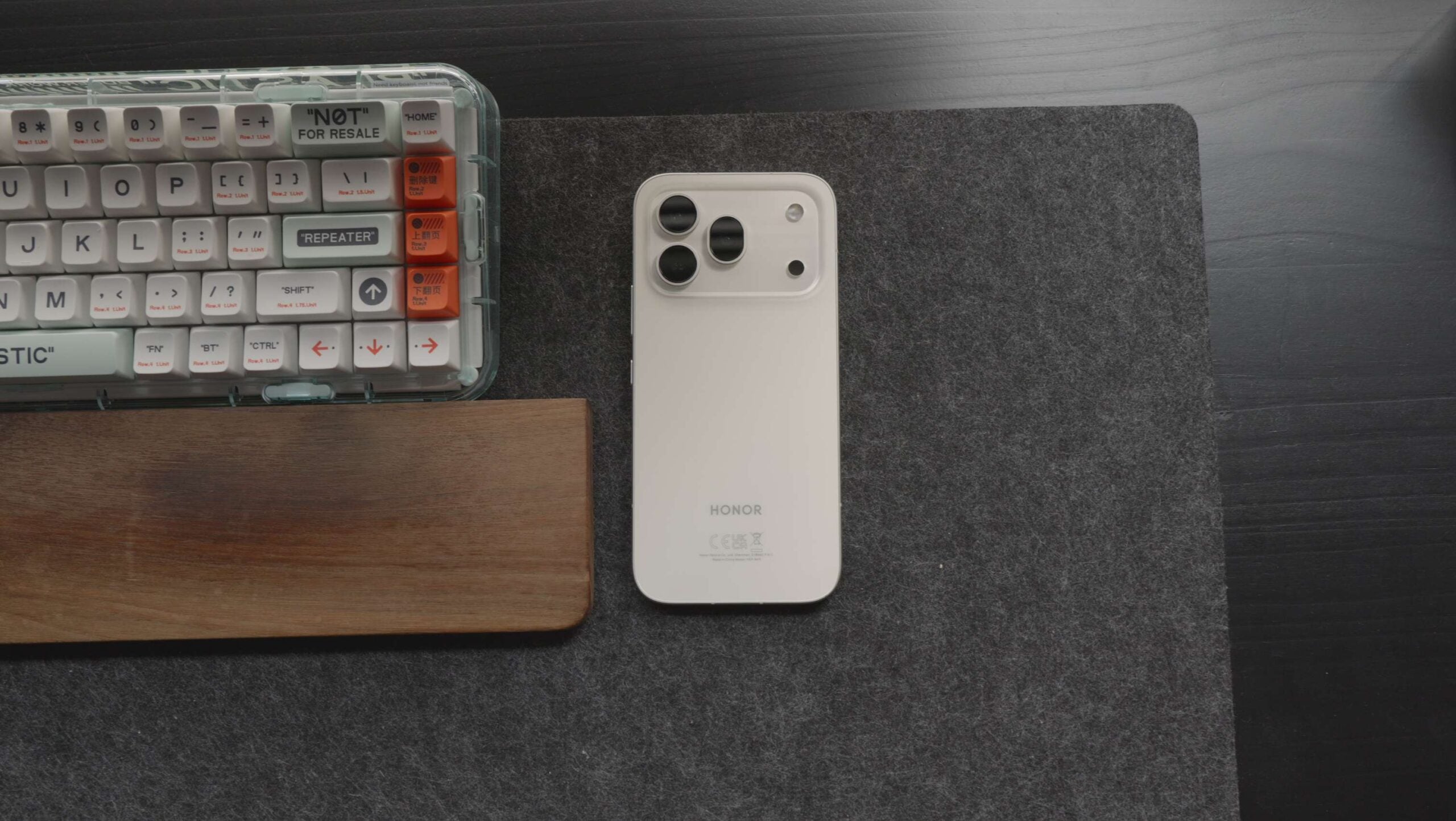
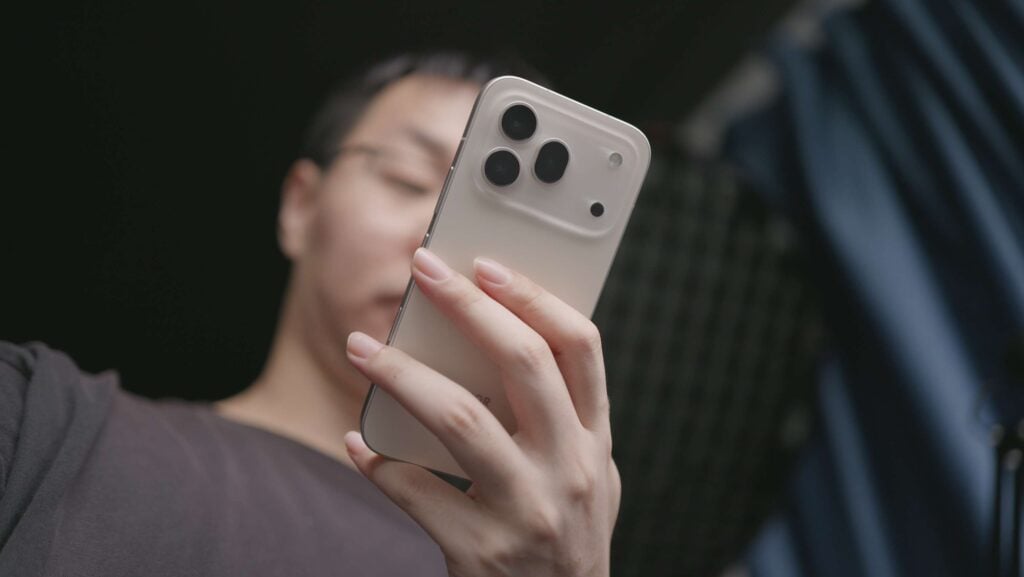
Design: Sleek, Solid, and Surprisingly Comfortable The Honor 600 Pro makes a strong first impression with its restrained elegance. At just 7.8mm thin and weighing 200g, it feels refreshingly light compared to many 250g+ flagship phones. What truly stands out, however, is the attention to detail. Honor claims the device features the “largest corner radius on any Android phone” and an “industry-leading 0.98mm bezel.”
In practice, the seamless curvature between the screen and the frame creates a harmonious, edge-free feel. The matte metal frame offers a fine, grippy texture that resists fingerprints and accidental slips. On the back, the “ultra-durable composite fiber” material mimics the glossy look of glass while delivering a warmer, softer touch—and it never smudges.
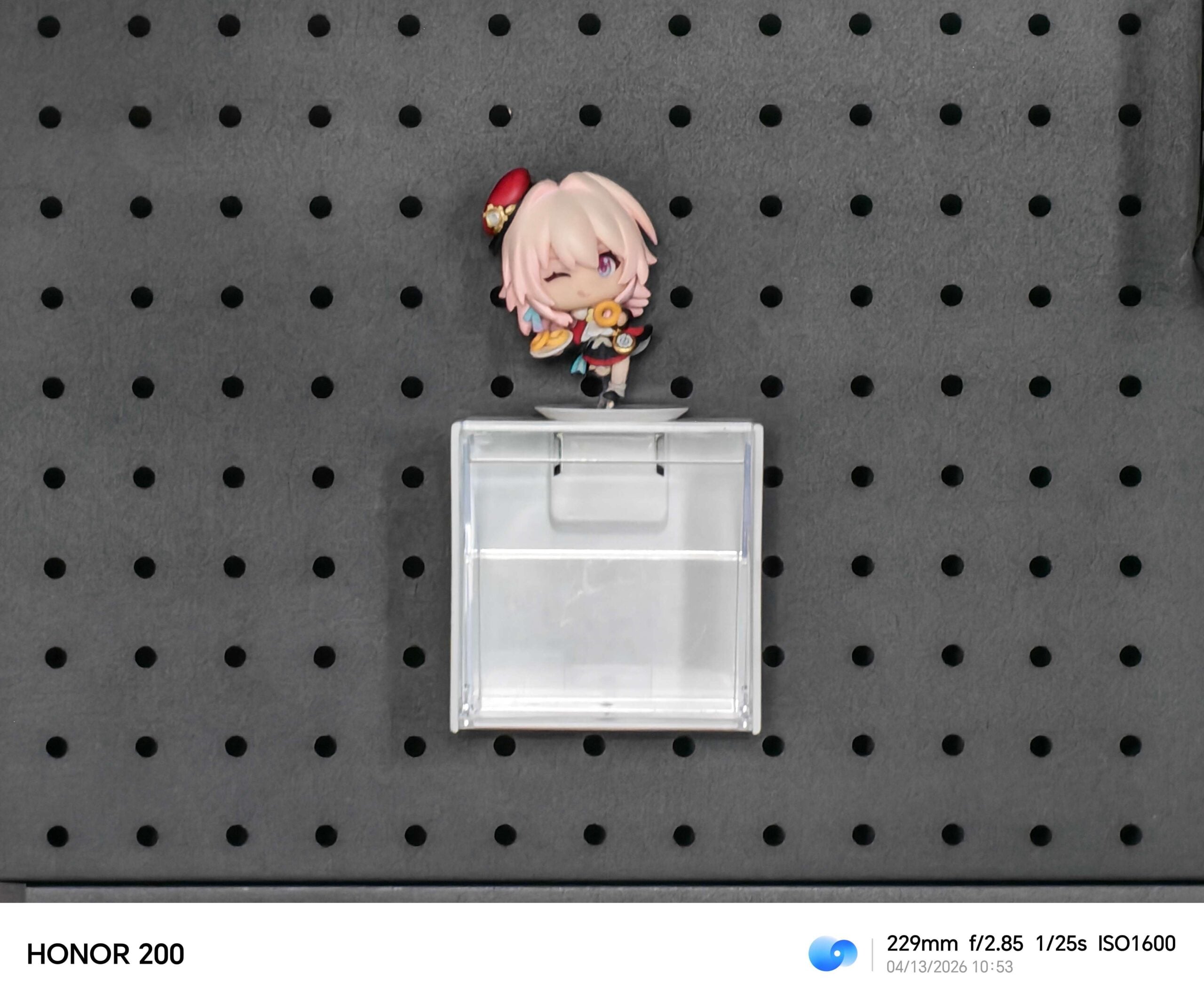
Display: Stunning Brightness and Eye Comfort The 6.57-inch display boasts an eye-popping peak brightness of 8,000 nits. Under direct noon sunlight, content remains perfectly readable—a feat that even many premium flagships struggle to match. In a side-by-side test with the Galaxy S25 Ultra, the Honor 600 Pro’s “Sunlight Mode” kept the screen noticeably brighter and easier to read. Additionally, the 3840Hz ultra-high frequency PWM dimming significantly reduces eye strain. After long sessions of browsing or watching videos, my eyes felt considerably less fatigued compared to using the S25 Ultra.
Camera: The “Unexpected” Battleground
The imaging capabilities of the Honor 600 Pro are its most compelling “flagship killer” feature. We put it head-to-head with the Samsung Galaxy S25 Ultra in multiple real-world shooting scenarios, and the results were surprising.
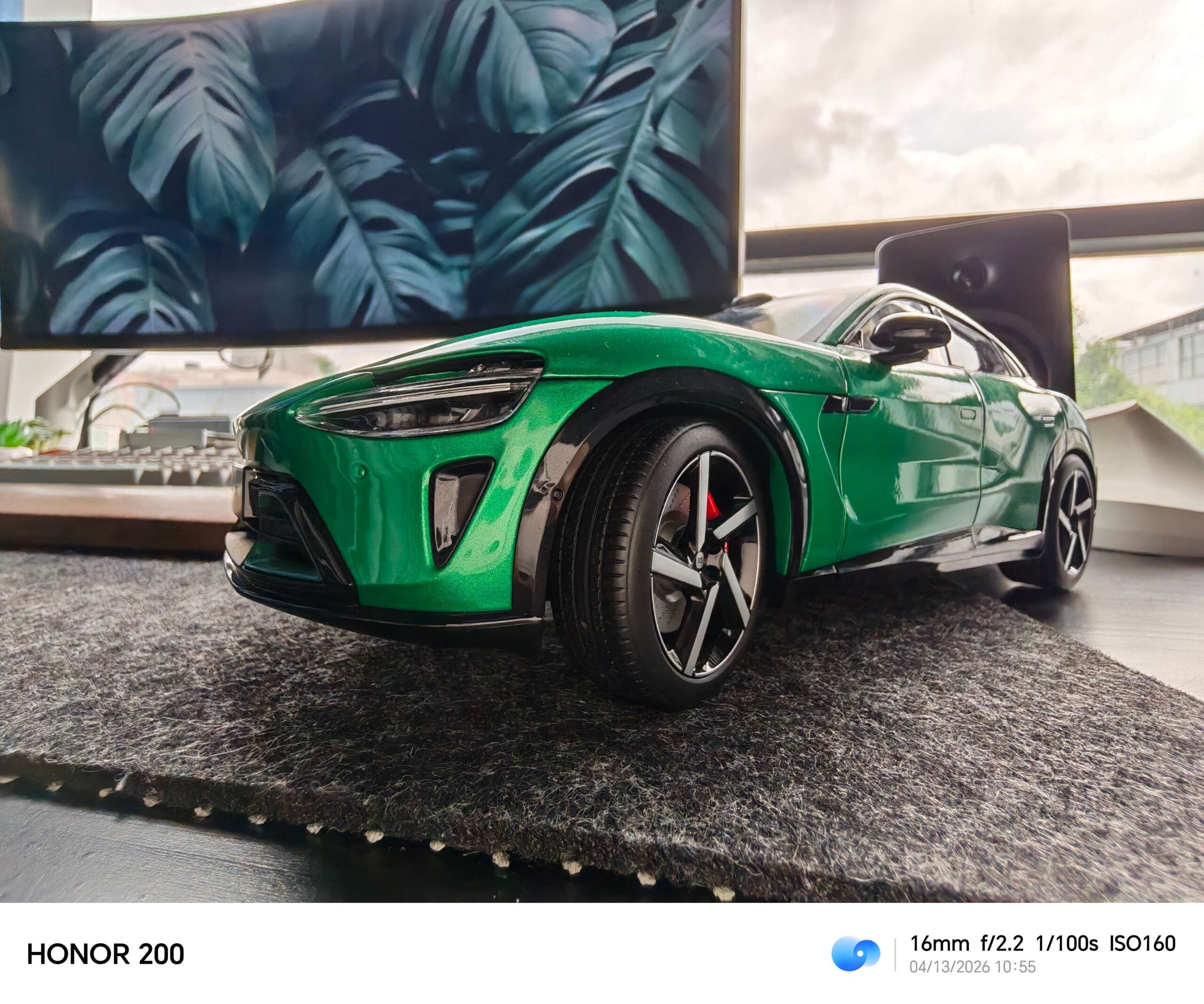
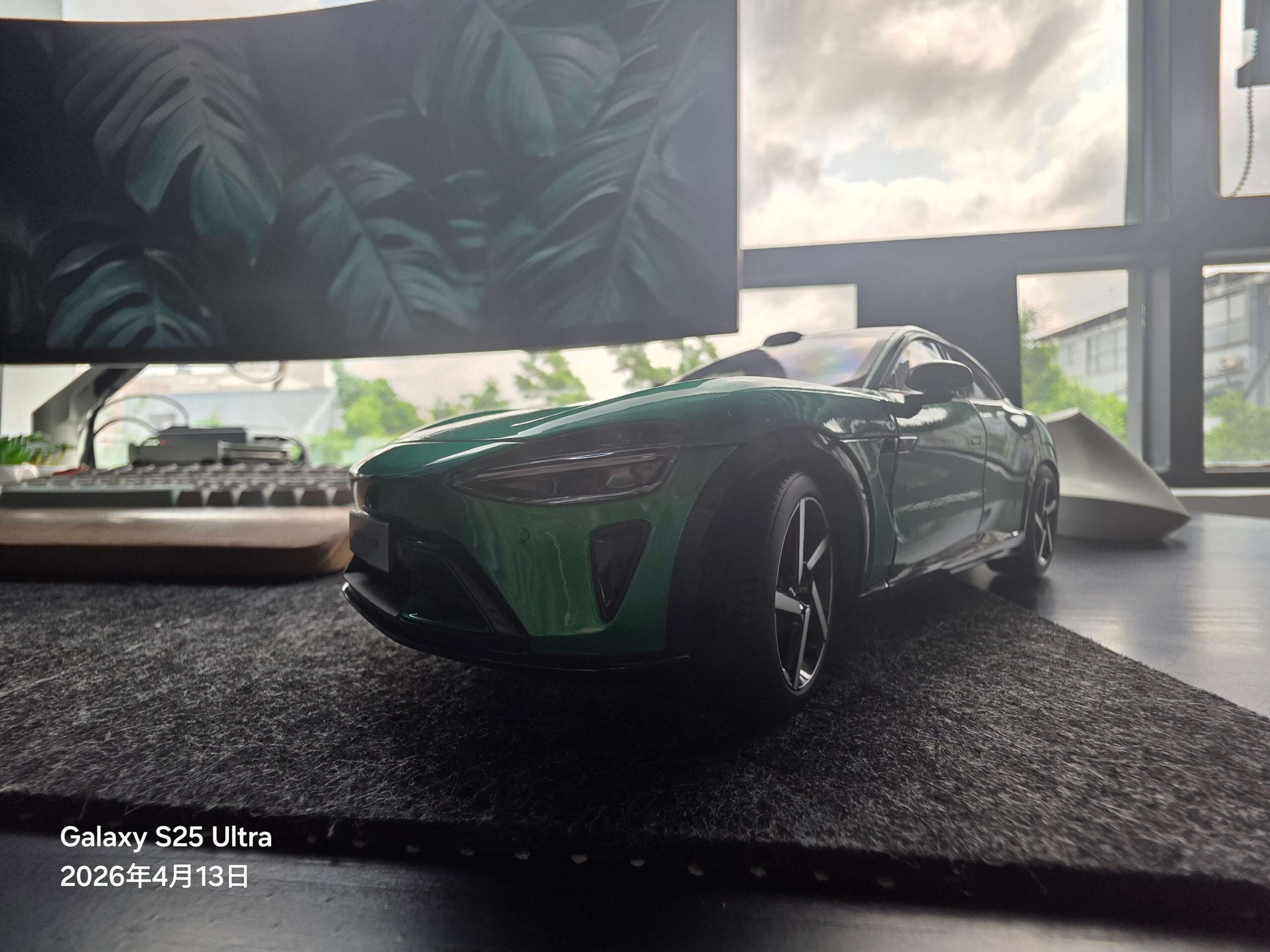
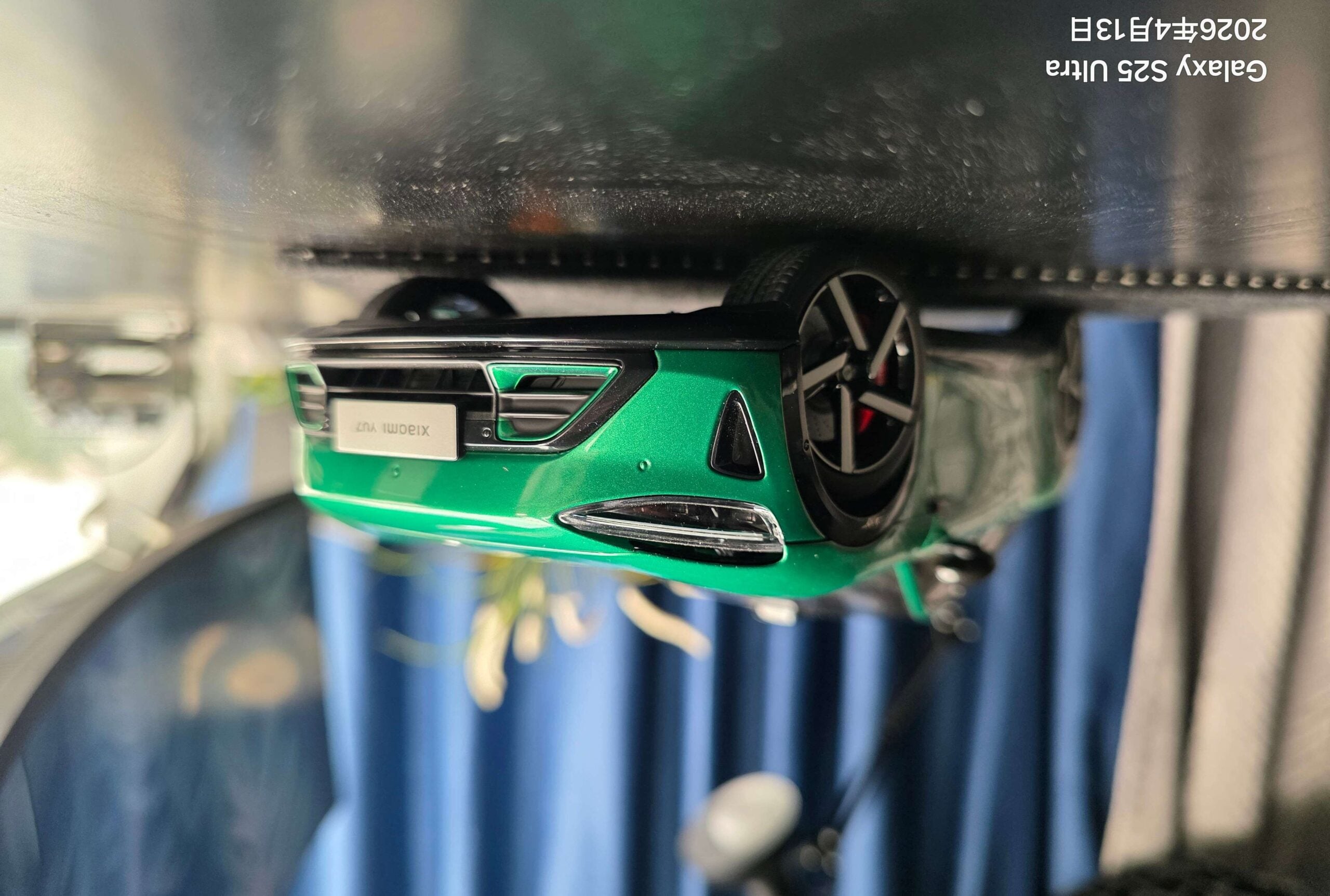
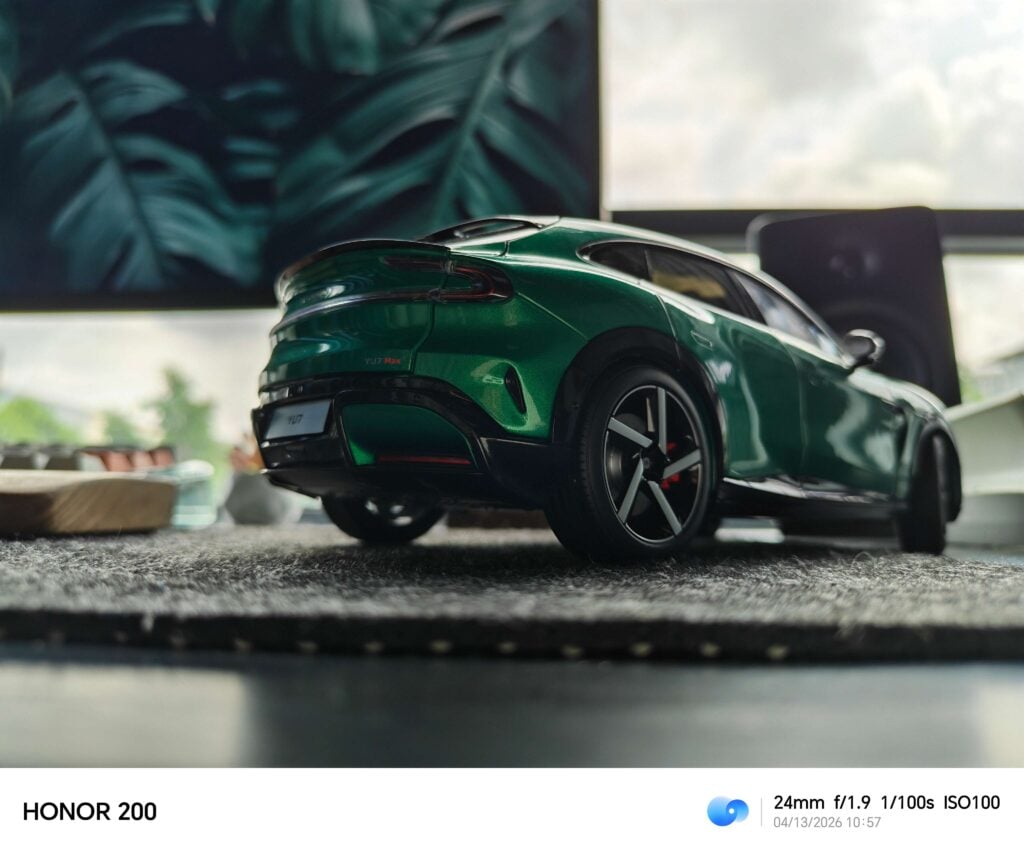
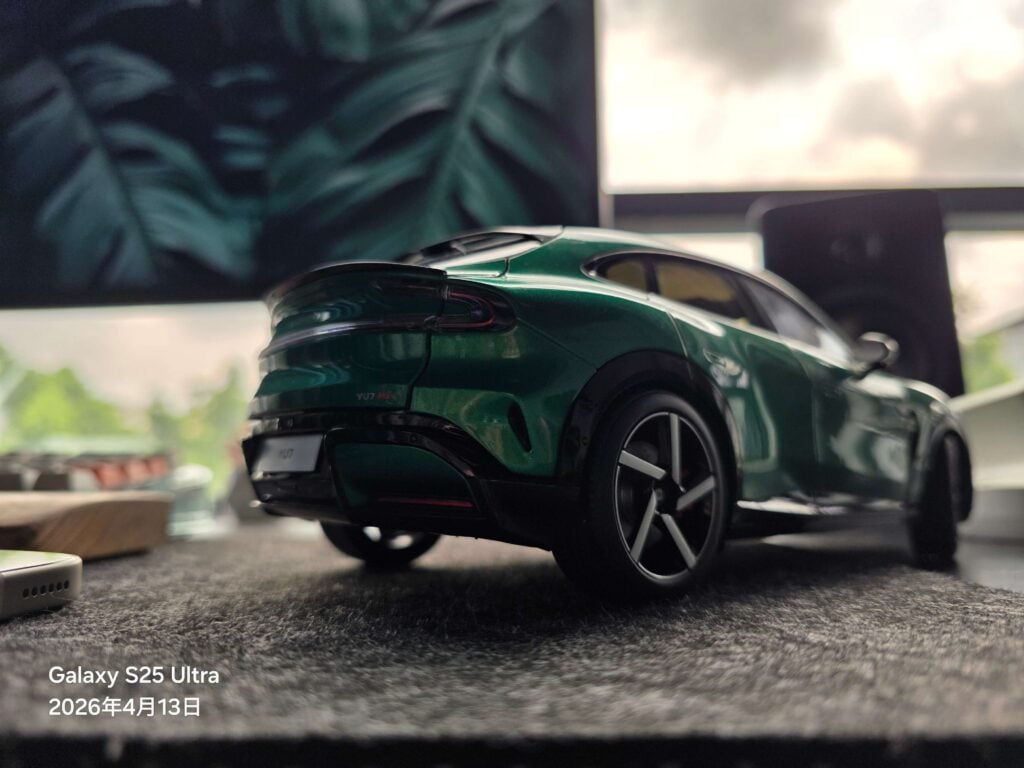
Ultra-Wide: Shining in Backlight In a backlit window scene featuring a car model, the S25 Ultra’s ultra-wide lens nearly failed—the front of the car was severely underexposed (almost pitch black), while the clouds outside were blown out to white. The dynamic range collapsed. In contrast, the Honor 600 Pro, despite using a 16mm ultra-wide lens, delivered impressive HDR performance: the car’s green paint and black details were preserved, highlights were well-controlled, and even carpet textures and keyboard details remained clear. In extreme lighting conditions, this “mid-range” device actually outperformed Samsung’s flagship main camera.
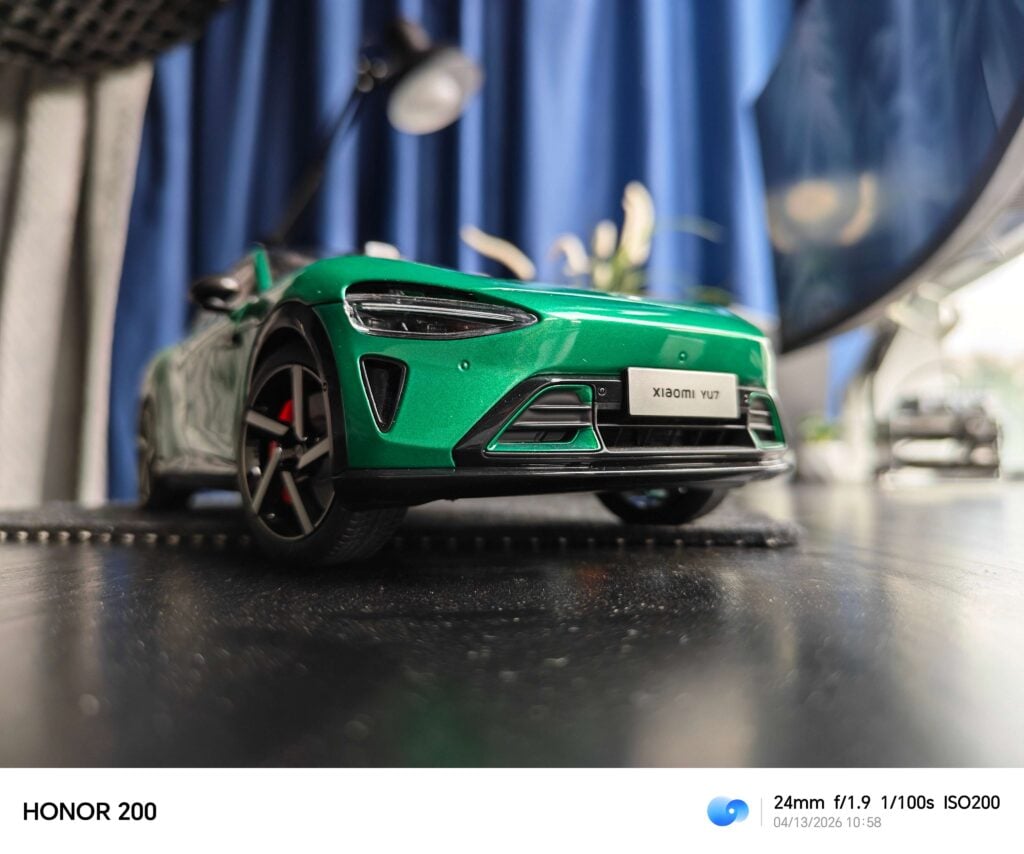
Main Camera: A Tale of Two Lighting Conditions In backlit scenes, the Honor 600 Pro continued to shine—wide dynamic range, rich shadow details, and natural metallic paint reflection on the car model. The S25 Ultra, by comparison, produced darker shadows and blown highlights, requiring post-processing fixes. However, in well-lit, front-lit scenes, the tables turned. The Samsung delivered controlled tonal balance, fine paint grain, and smooth background blur. The Honor, in contrast, showed signs of over-sharpening, algorithmic smudging on black plastic parts, and harsh background texture rendering. When it comes to the main camera, Samsung still holds the edge.
Telephoto: Hardware Gap Is Hard to Bridge At 10x zoom, the S25 Ultra is in its element. Its optical telephoto lens delivers solid image quality—building stains and fabric wrinkles are crisp and distinguishable. The Honor 600 Pro’s hybrid zoom suffers from heavy smudging, visible edge artifacts, and a loss of depth in distant subjects. However, in indoor still-life scenes, the Honor’s more pleasing color tuning—rosy skin tones, vibrant hair accessories, clean backgrounds—gives it a win in straight-out-of-camera (SOOC) appeal.
Battery Life & Charging: Ultra-Large Capacity in a Slim Body Packing a 6,400mAh battery into a 7.8mm chassis feels like a technological marvel. In real-world testing, 30 minutes of high-graphics Honkai: Star Rail consumed only 9% of the battery.
80W wired charging gets you from 0% to 50% in just 15 minutes.
50W wireless charging adds convenience for daily top-ups.
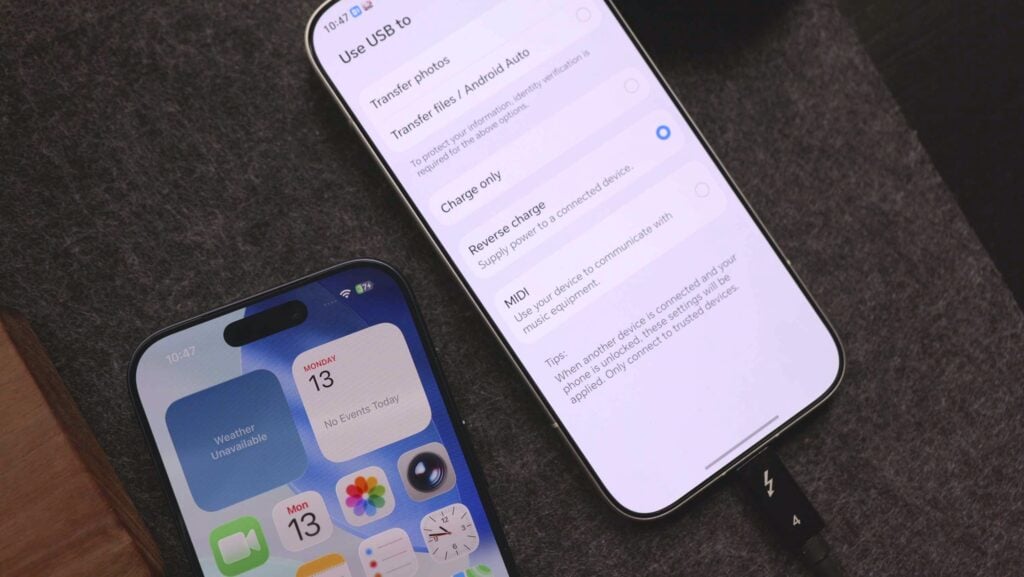
27W wired reverse charging is a standout feature. I tested it by charging an iPhone 17 Pro—it’s not as fast as the iPhone’s own charger, but as an emergency power bank, it’s remarkably useful, adding about 20% charge in half an hour.
Verdict The Honor 600 Pro is not your typical “all-rounder.” Instead, it’s a purpose-driven device with distinct strengths—design feel, AI-enhanced creativity
Final Verdict The Honor 600 Pro is not a simple “all-rounder.” It’s a “specialist” with distinct strengths and trade-offs. In terms of design feel, screen brightness, eye-care display performance, and backlit HDR algorithms, it demonstrates flagship-grade capabilities that exceed its price tier—even going toe-to-toe with and sometimes outperforming the Samsung Galaxy S25 Ultra. However, its camera performance is highly scene-dependent. The software algorithms work wonders in complex lighting, but fall short when hardware quality is put to the test in straightforward conditions.
For users who prioritize point-and-shoot convenience and frequently shoot in backlit or high-contrast environments, the Honor 600 Pro offers exceptional value. For imaging enthusiasts who demand consistent optical quality across all focal lengths, a true flagship remains the safer bet.
Motorola was quick to launch its Android 17 beta program, announcing it just days after Google released the first beta for Pixel devices in February 2026. And to everyone’s surprise, the brand kept expanding the beta program to more and more devices, now available for over a dozen smartphones. However, on the other hand, the company is struggling with the Android 16 rollout, as the update hasn’t reached all eligible devices.
Motorola is struggling to wrap up Android 16 rollout
The company began rolling out a stable Android 16 update to its devices in September 2025, ahead of many of its competitors, including OnePlus, Oppo, and Vivo. The Edge 60 Pro and Edge 50 Fusion were among the first phones to receive the Android 16 update. However, Motorola struggled to deliver timely releases to other eligible devices.
Premium devices like the Razr 2025 and Razr Ultra 2025 weren’t lucky either. They started receiving the Android 16 update towards the end of February 2026. The situation only worsens as you move towards cheaper phones. Making matter worse, there’s no official announcement regarding the eligibility of devices or the rollout schedule for Android 16.
Just as we’re getting close to the Android 17 release, Motorola has started rolling out last year’s update to its entry-level phones, including the Moto G35. Since the company is aggressively working on the Android 17 beta program, we hope it will look to complete the Android 16 rollout as soon as possible.
Motorola looks more promising this year
Motorola has been struggling with software releases over the past couple of years. However, if you’ve been tracking recent rollouts and announcements, it’s clear that the company is working to improve the software commitments and rollouts.
The recent major upgrades, though not timely, have shown signs of improvement. The software support period has also been upgraded significantly in recent months.
Motorola’s mid-range and high-end phones were typically limited to three OS upgrades, now promising up to five. It took a big leap forward earlier this year with the release of Motorola Signature, which promises seven generations of major OS upgrades. That’s the best you can get on an Android device.
In February, Motorola surprised with the Android 17 beta announcement just days after Google announced the Android 17 Beta 1, while other brands took over a month. Even more surprising is that the beta program now covers over a dozen Motorola devices, while other non-Google brands have offered it for very few of their phones.
Motorola seems to be taking its software game seriously, and I hope to see quicker update rollouts this year. Also, it would be very welcoming to hear an official rollout schedule for the upcoming OS releases, providing more clarity on when users can expect the updates to land on their phones.
Be sure to visit the Motorola section on Gizmochina to stay up-to-date with the latest news and developments. Or, if you prefer instant updates, don’t forget to join our Telegram channel.
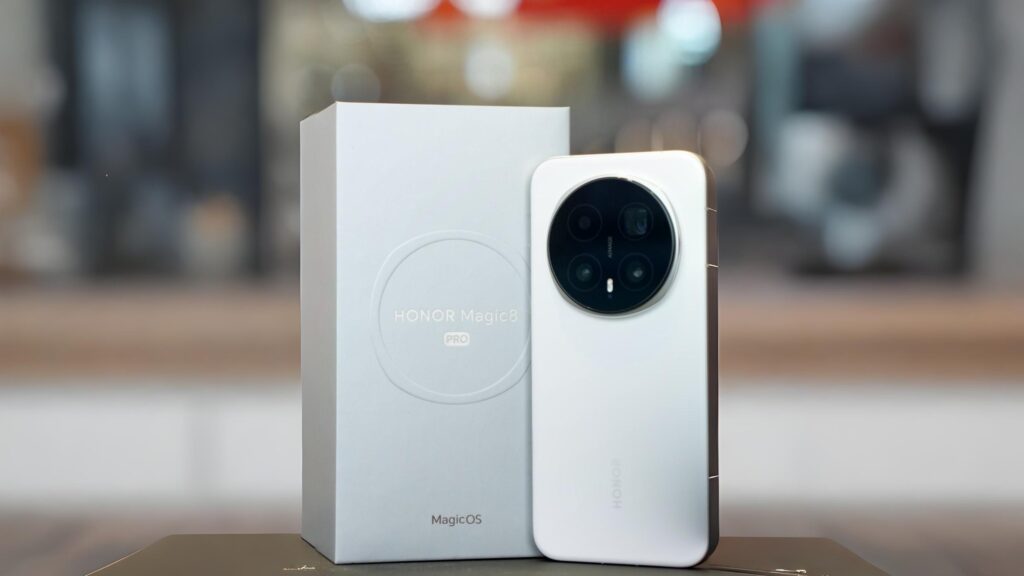
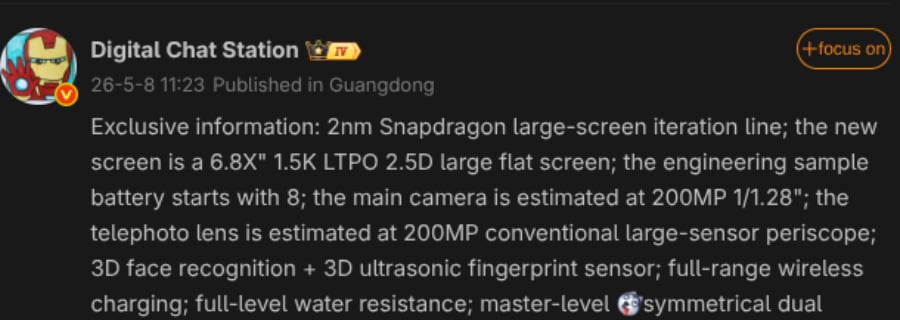
The Honor Magic 9 series is still months away from its official launch, but several details about the device have already surfaced online. The latest leak reveals new information about the Honor Magic 9 Pro Max, including the display, chipset, camera, and battery.
Honor Magic 9 Pro Max Specifications
From the leak, the upcoming Honor Magic 9 Pro Max is tipped to feature a 6.8-inch 1.5K LTPO flat display with slightly curved 2.5D glass. The panel is also expected to support adaptive refresh rate technology, as is usual for a 2026 flagship.
Under the hood, the phone is rumored to use the Snapdragon 8 Elite Gen 6 Pro chipset, which will reportedly be based on a 2nm process. While Qualcomm has not officially announced the processor yet, previous reports suggest the chip could deliver desktop-level 5GHz speed.
The camera specs for the Magic 9 Pro Max could include a 200-megapixel primary camera using a large 1/1.28-inch sensor. In addition, the device may feature a 200-megapixel periscope telephoto camera with a large sensor setup for long-range zoom photography.
Moreover, the engineering prototype of the Magic 9 Pro Max is said to have a battery capacity starting with “8,” suggesting that the final device will pack a battery no less than 8,000mAh.
The leak further mentions support for wireless charging, 3D face recognition, and a 3D ultrasonic in-display fingerprint scanner. The phone is also tipped to carry IP68 and IP69 ratings for dust and water resistance, and “master-level symmetrical dual speakers” for audio.
As with early smartphone leaks, these details should be treated with caution until Honor officially confirms the specifications. However, since the information comes from the reliable insider Digital Chat Station, there may be some credibility to the claims.
For more daily updates, please visit our News Section.
Huawei held a launch event yesterday in Bangkok, Thailand, to introduce a range of smartwatches, including the Watch Ultimate Design. The MatePad Pro Max also launched as the world’s thinnest flagship tablet.
The sole smartphone entry at the event is the Huawei nova 15 Max, which mirrors the Chinese Huawei Enjoy 90 Pro Max, but with software and storage tweaks for global markets.
Huawei launched the nova 15 Max globally in a single 256GB variant. Instead of shipping with its proprietary HarmonyOS 6, the nova 15 Max runs EMUI 14.2 out of the box. That’s not particularly surprising, since Huawei continues to keep HarmonyOS largely limited to China while relying on EMUI for international devices.
Huawei hasn’t officially confirmed the chipset on its global website yet, but the Chinese model uses the Kirin 8000 processor.
Huawei nova 15 Max Specifications
The Huawei nova 15 Max features a large 6.84-inch OLED display with a resolution of 2756 x 1272. It also supports a 120Hz refresh rate and 2160Hz PWM dimming for a flicker-free experience.
The phone packs an 8500mAh battery, which Huawei pairs with 40W fast charging.
On the camera side, Huawei is keeping things relatively simple. The phone includes a dual rear camera system consisting of a 50-megapixel RYYB main sensor alongside a secondary 2-megapixel camera.
One of the more distinctive additions is the customizable “X button” located on the side of the device. Huawei says the button can be used to quickly access commonly used functions and apps. It can also control smart devices like televisions and air conditioners, trigger emergency contact calls with one press, or instantly launch tools such as the flashlight, camera, calculator, or calendar.
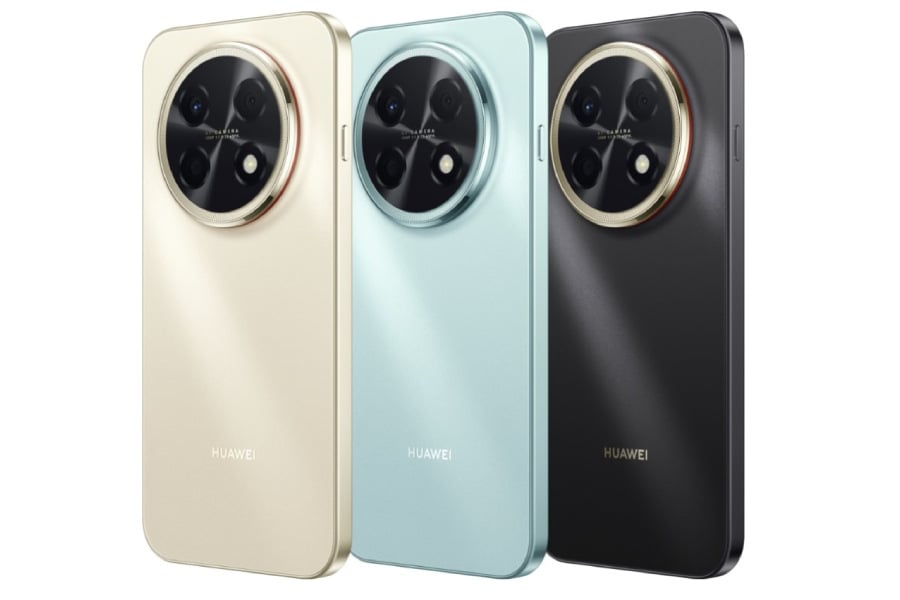
The Huawei nova 15 Max is available in Blush Gold, Golden Black, and Lake Cyan colors in select EU countries. It’s priced at €449.
For more daily updates, please visit our News Section.
The razr fold uses a book-style folding design, marking a shift from Motorola’s better-known clamshell foldables. When shut, the phone has a 6.56-inch external display for quick use without opening the device. Once unfolded, it offers an 8.1-inch 2K LTPO main display.
Motorola is also using Corning Gorilla Glass Ceramic 3 on the device. The company says this makes it the first smartphone to feature the new glass and claims it offers a 75% improvement in drop performance compared with earlier generations.
What are the key specs?
The phone runs on the Snapdragon 8 Gen 5 Mobile Platform and ships with Android 16. Motorola is also promising long-term software support, including up to seven Android OS upgrades and seven years of security updates.
Motorola Razr Fold
For cameras, the razr fold comes with a 50MP triple rear camera setup. It also includes two selfie cameras, with a 32MP camera on the external screen and a 20MP camera on the internal display.
The device packs a 6000mAh silicon-carbon battery, which is large for a foldable phone. Charging support includes 80W TurboPower wired charging and 50W TurboPower wireless charging.
Motorola will offer the razr fold in two Pantone color options: Blackened Blue and Lily White. Buyers will get two memory and storage variants, 12GB RAM with 256GB storage and 16GB RAM with 512GB storage.
The Motorola razr fold will be sold through Flipkart, motorola.in, and offline retail stores after its India launch. Pricing details are expected to be announced at the May 13 launch event.
For more daily updates, please visit our News Section.
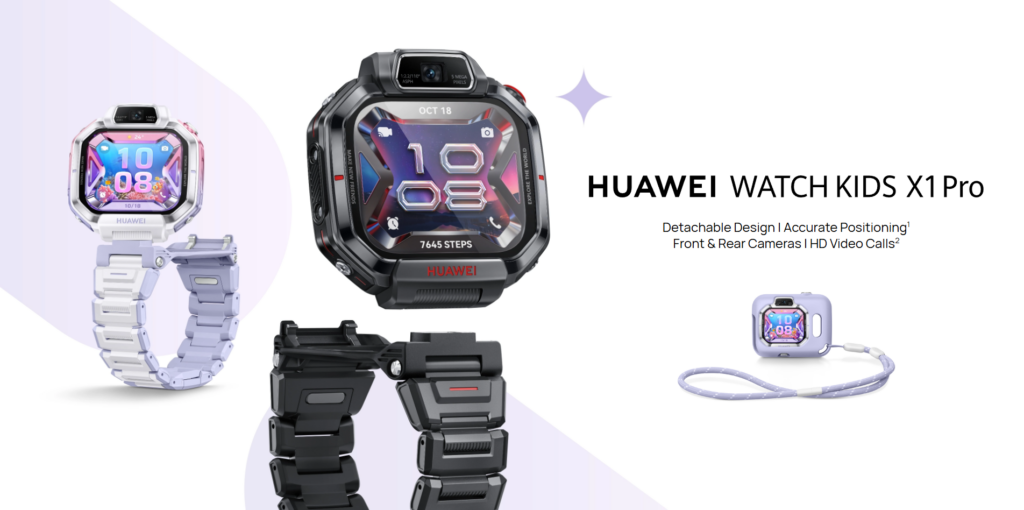
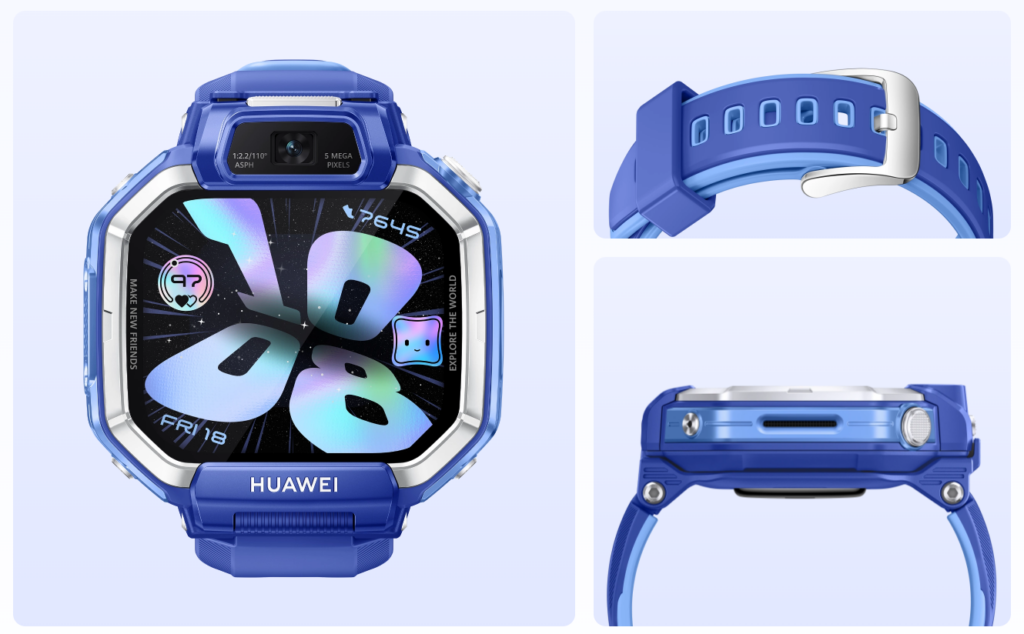
Huawei has launched two new smartwatches built for children. The Huawei Watch Kids X1 and Watch Kids X1 Pro were announced globally at the company’s Innovative Product Launch, alongside the Watch Fit 5 series, Watch Ultimate Design Spring Edition, and Watch GT Runner 2 Racing Legend Edition.
HUAWEI WATCH Kids X1 Pro
What makes the design different?
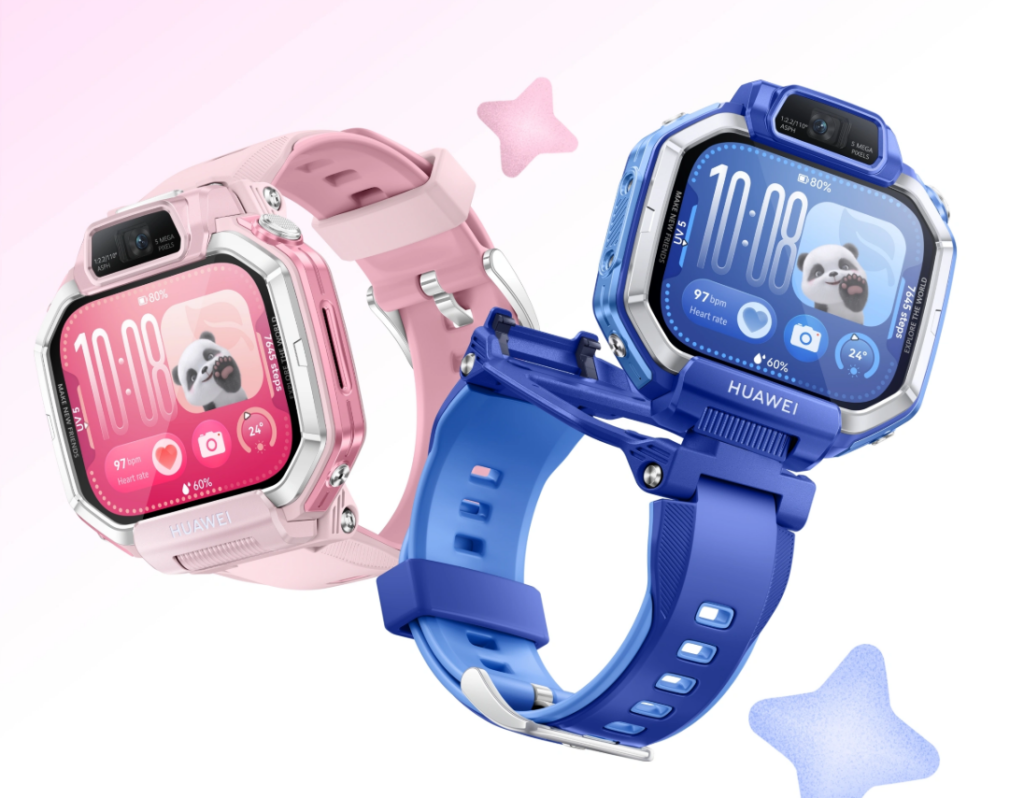
Both watches use a kid-focused design with a flippable and 360-degree rotatable body. The Watch Kids X1 comes with a soft silicone strap, while the Pro model adds a detachable design that lets the watch sit inside a camera case included in the box. Huawei says this lets children use it more like a camera for taking pictures.
HUAWEI WATCH KIDS X1
The watches feature a 1.82-inch AMOLED display with a 480 x 408 pixel resolution and a pre-applied anti-sunlight screen protective film. Both models also include a 5MP 110-degree wide front camera and a 13MP rear camera for photos and HD video calls through Huawei’s FamCare app.
How does Huawei track safety?
Huawei is also focusing heavily on child safety. The Watch Kids X1 series supports dual-band GNSS positioning, dual-band Wi-Fi for indoor assistance, cellular connectivity, WLAN, Bluetooth, and GNSS. Through the FamCare app, parents can check real-time activity status, set safe or dangerous zones, receive alerts when children enter or leave those areas, take video calls from the watch, set focus time, limit app use, and block calls.
There is also an Emergency SOS button on the side. Pressing it five times can send an SOS message or place a call using cellular connectivity. Health features include emotional well-being monitoring and heart rate tracking.
Both watches include 2GB of RAM. The Watch Kids X1 has 32GB of storage, while the X1 Pro gets 64GB. Sensors include a barometer, gyroscope, accelerometer, optical heart rate sensor, magnetometer, and Hall effect sensor. They also come with a speaker, microphone, 2 ATM, IP68, and IP69 water resistance, and up to one day of typical battery life.
Pricing & availability
The Huawei Watch Kids X1 comes in Blue and Pink for 249 euros, about $293. The Watch Kids X1 Pro comes in Black and Purple for 349 euros, about $410. Both models are expected to go on sale soon across several countries.
For more daily updates, please visit our News Section.
Google has introduced the Fitbit Air, a screenless wearable aimed at users who want health tracking without wearing a full smartwatch. The device uses a small “pebble” design and depends on a paired phone for viewing health data and notifications.
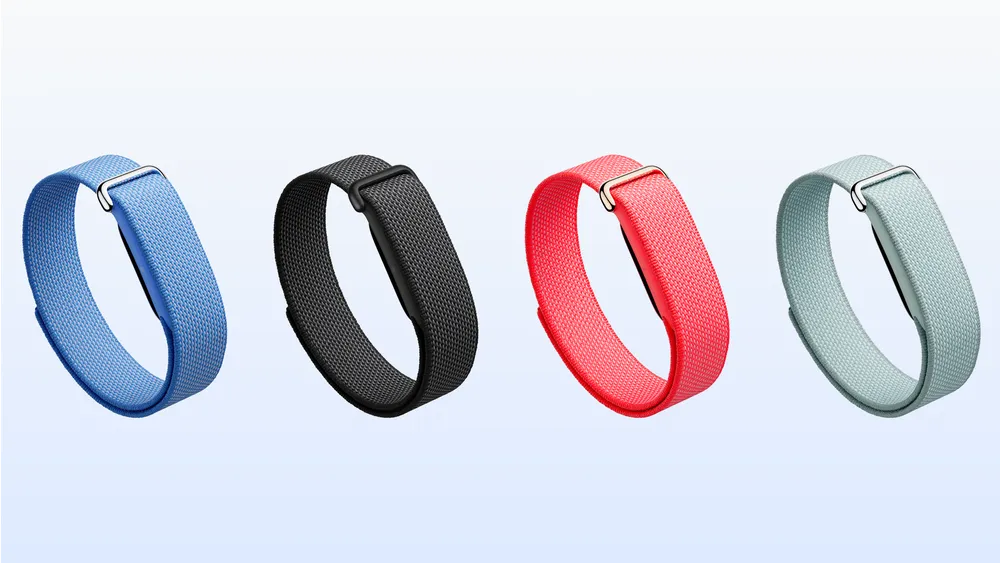
Google Fitbit Air Performance Loop Band
How small is the Fitbit Air?
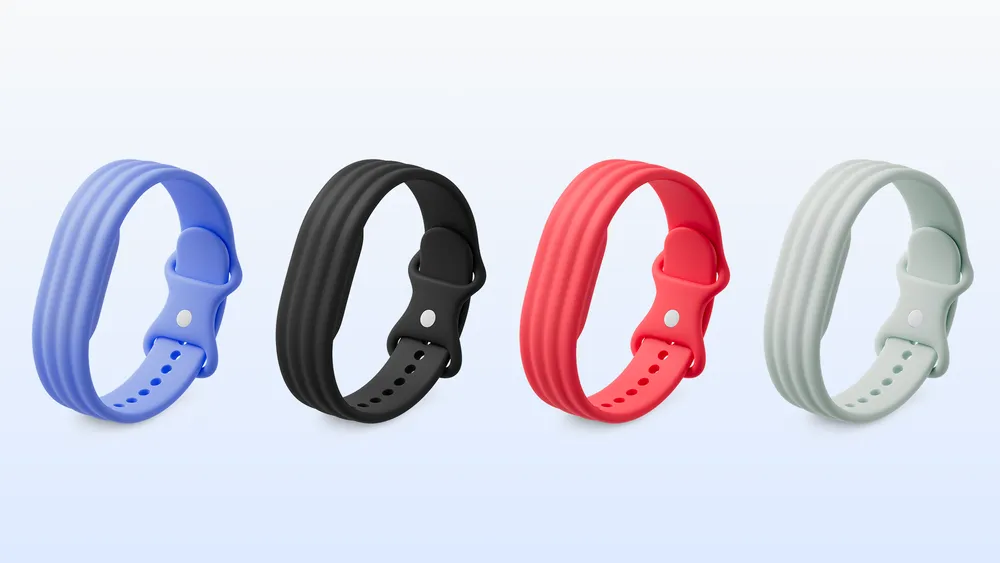
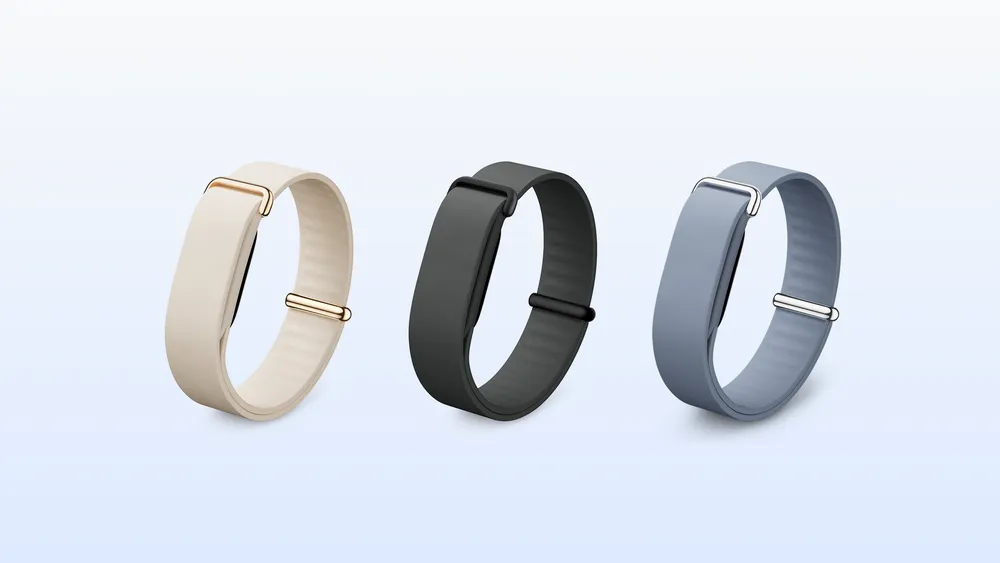
The Fitbit Air is the smallest tracker in Google’s current Fitbit lineup. It measures 34.9mm long, 17mm wide, and 8.3mm thick. The pebble alone weighs 5.2 grams, while the tracker with a band weighs 12 grams. Its housing is made from recycled polycarbonate and PBT plastics, and the standard bands use textile material with a stainless steel buckle. The device is water-resistant up to 50 meters.
Google Fitbit Air Active Band
Despite the compact build, the Fitbit Air includes an optical heart rate monitor, 3-axis accelerometer and gyroscope, red and infrared sensors for SpO2 monitoring, a device temperature sensor, and a vibration motor. It can track 24/7 heart rate, resting heart rate, heart rate variability, blood oxygen levels, sleep duration, sleep stages, and heart rhythm, including atrial fibrillation alerts.
Google Fitbit Air Elevated Modern Band
Battery life is rated at up to seven days. Google says a full charge takes 90 minutes, while a five-minute quick charge can provide one day of use. The device uses a lithium-polymer battery and Bluetooth 5.0.
What can it track without a screen?
The Fitbit Air works through the Google Health app and is compatible with Android and iOS. Workouts can be started manually, while automatic activity detection can recognize common activities and adapt to the user over time. It also connects with Google Health Coach for personalized guidance. The app supports image-based workout logging, including photos of cardio machines or whiteboard circuit routines.
Google is also positioning the device as a companion for Pixel Watch users. Someone can wear a Pixel Watch during the day and switch to the Fitbit Air at night while keeping health metrics continuous.
Pricing & availability
The standard Fitbit Air is available for preorder at $99.99 and includes a three-month Google Health Premium trial. Accessory bands start at $34.99. A Stephen Curry Special Edition Performance Loop band in rye brown with orange accents costs $129.99 and reaches U.S. stores on May 26.
For more daily updates, please visit our News Section.
Xiaomi has announced that its AI Lab’s new-generation Kaldi team has open-sourced a new text-to-speech (TTS) model called OmniVoice. According to the company, the model is designed to deliver high-quality speech synthesis across hundreds of languages while also supporting voice cloning and customizable speech generation.
The announcement was shared through Xiaomi’s official WeChat account, where the company claimed that OmniVoice performs strongly in both Chinese and English scenarios and competes with, and in some multilingual tasks surpasses, existing commercial systems.
1. Xiaomi OmniVoice focuses on multilingual speech synthesis
One of the biggest highlights of OmniVoice is its support for low-resource languages. Xiaomi says the model can generate speech in “almost any language imaginable,” including languages with very limited online training data. The company describes OmniVoice as the industry’s first voice cloning TTS model that covers hundreds of languages.
In multilingual testing, the OmniVoice outperformed several commercial systems across 24 languages in terms of speech similarity and intelligibility, even when trained only on open-source datasets. The company also claims that in testing across 102 languages, OmniVoice’s speech intelligibility was close to, or in some cases better than, real human speech.
The model is also designed to work with limited training data. According to the brand, even languages with less than 10 hours of training material can still achieve high-quality speech synthesis, which could help expand speech technology support for smaller regional and niche languages.
2. Simpler architecture with faster performance
Xiaomi also says OmniVoice uses a much simpler architecture compared to many current speech synthesis systems. Instead of relying on several different modules and prediction stages, the model uses a single bidirectional Transformer network to directly convert text into speech. This removes the need for separate text modeling, complex hybrid structures, and multi-level token prediction systems that are commonly found in modern TTS models.
The simplified design also improves speed as the OmniVoice is claimed to complete training on 100,000 hours of data in a single day. During inference, the model can run at up to 40 times real-time speed using PyTorch, which could make it easier to deploy in consumer applications and services.
According to Xiaomi, two major design choices helped improve the model’s performance. The first is a “full codebook random masking strategy,” which reportedly boosts training efficiency and overall model capability.
The second is the use of a large language model during pre-training. Xiaomi says this is the first time a large language model has been effectively integrated into a non-autoregressive TTS model to improve pronunciation accuracy and speech intelligibility.
3. Real-world use features
Alongside multilingual speech generation, OmniVoice includes several practical features. Users can create custom voices simply by describing characteristics such as age, gender, pitch, accent, dialect, or speaking style. The model can even generate whispering voices and other special speech styles without requiring a reference audio sample.
Another feature focuses on noisy audio environments. Xiaomi says OmniVoice can automatically remove background noise from reference recordings and extract clearer voice characteristics, allowing better-quality voice cloning even when the original audio is recorded in less-than-ideal conditions.
The model also supports expressive speech synthesis through intonation controls, including laughter and sighing effects, making generated voices sound more natural and conversational.
For pronunciation accuracy, OmniVoice includes tools that allow users to manually correct difficult pronunciations, including polyphonic Chinese characters and English proper nouns. Xiaomi says this can improve the reliability of synthesized speech in real-world applications.
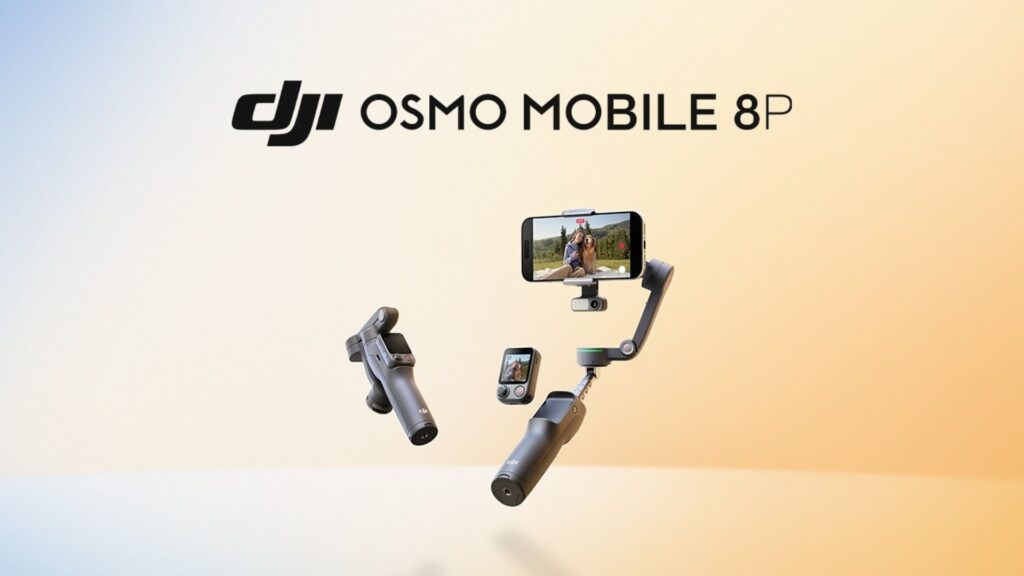
DJI has officially launched the Osmo Mobile 8P globally, and this time, the biggest upgrade is the new detachable remote. Announced on May 7, the Osmo Mobile 8P builds on the previous model with better tracking and a few smarter shooting tools, but the main focus is clearly giving solo creators more control when filming themselves.
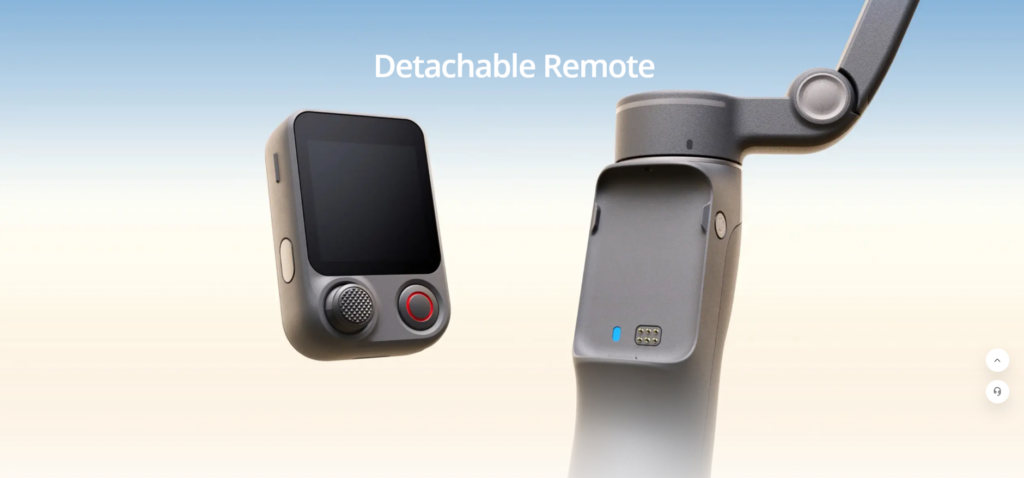
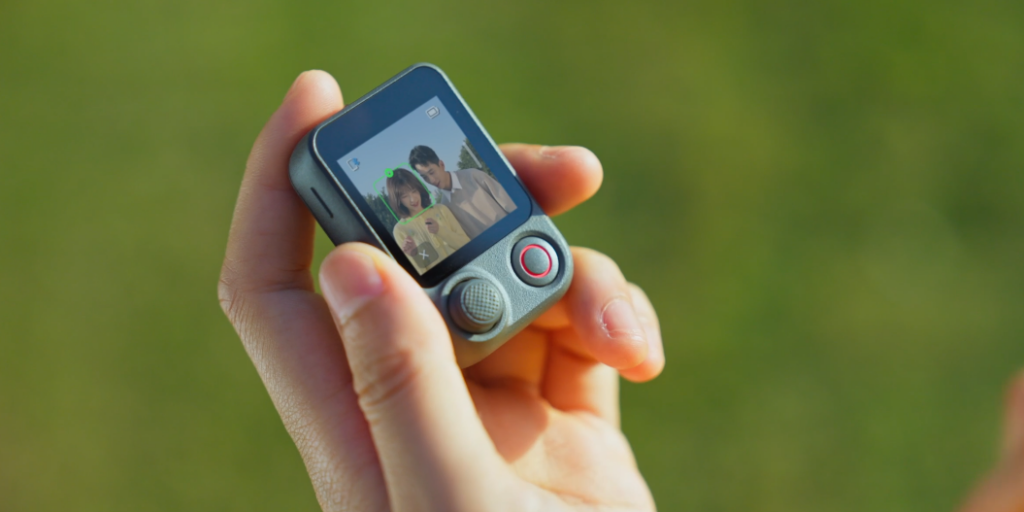
The new remote, called Osmo FrameTap, comes bundled with every version of the gimbal. It’s a small magnetic touchscreen controller weighing around 29g, and it connects over Bluetooth with a range of up to 10 meters.
What makes it interesting is that it can display a live preview from the connected phone, letting users adjust framing remotely instead of constantly walking back to check shots. You can switch tracking subjects, control zoom and gimbal movement through an on-screen joystick, and even tweak fill light settings directly from the remote.
For Android users, DJI is also supporting direct phone screen mirroring on the controller itself. In practical terms, it means creators can use the rear camera for selfies or position the phone farther away while still keeping control of the shot. That kind of setup usually requires much more expensive gear, so it’s a fairly useful addition for vloggers and solo shooting.
Tracking has also been upgraded. DJI says the new ActiveTrack 8.0 system handles crowded environments more reliably, even when subjects move quickly or get briefly blocked from view. The optional Multifunctional Module 2 takes things further by expanding tracking beyond humans and pets to objects like vehicles or landmarks.
For iPhone users, there’s also Apple DockKit support, which allows native tracking directly inside compatible apps including the stock Camera app, YouTube, and Blackmagic Camera.
Outside of the new remote features, the Osmo Mobile 8P keeps most of the things people already expect from DJI’s smartphone gimbals. You still get 3-axis stabilization, a built-in extension rod, foldable tripod, and up to 10 hours of battery life under certain conditions.
The DJI Mimo app also adds a few extra shooting modes like DynamicZoom, Slow Shutter, and Action Shot, alongside 360-degree spin support for more stylized clips.
Pricing and availability
Pricing starts at €159 for the standard bundle, while higher-end kits with the Multifunctional Module 2 and microphone accessories go up to €219. One thing worth noting is that, similar to the previous generation, the Osmo Mobile 8P isn’t launching in the US.
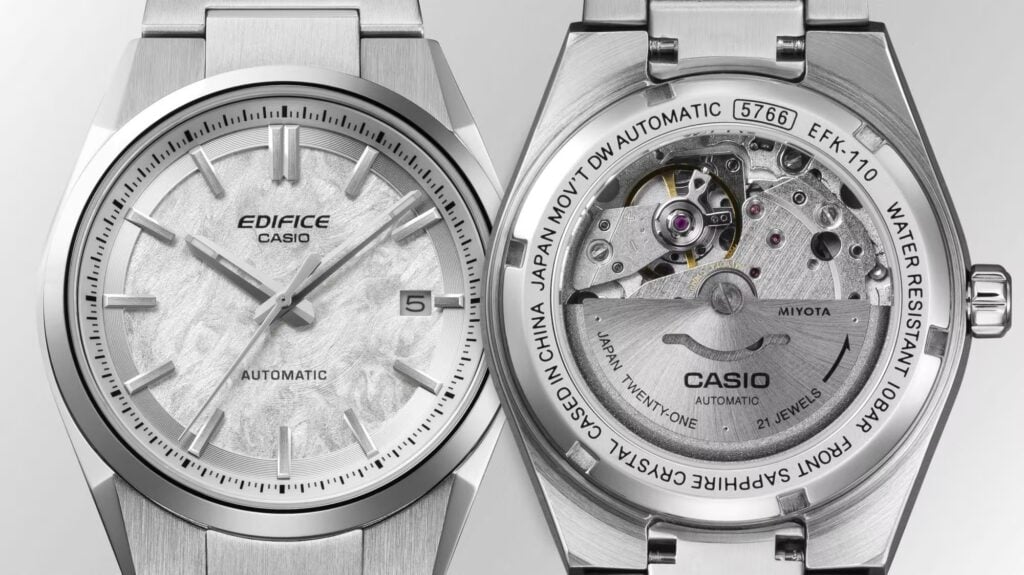
Casio is bringing a new set of mechanical watches to the US market under its motorsport-focused Edifice brand. The new EFK110D series, which initially launched in Japan earlier this month, is now listed on Casio’s US website with a retail price of $300.
Design Details
The EFK110D line includes three models differentiated by their dial colors: the EFK110D-1A in black, the EFK110D-2A in blue, and the EFK110D-7A in white. One of the primary hardware details is the case size. Casio built these watches with a 38mm stainless steel case, a relatively compact footprint compared to the larger designs often found in the sports watch category. The case measures 11.8mm thick, and the watch weighs 143 grams when paired with its included solid stainless steel bracelet.
For the dial, Casio used an electroforming process to add a physical texture to the surface. The layout is straightforward, featuring partially hollowed hour and minute hands, applied bar indexes with brushed finishes, and a standard date window. The dial is protected by a sapphire crystal, which provides standard scratch resistance for daily wear.
Inside the case, the watch is powered by a Japanese automatic movement. It is a 21-jewel mechanism operating at 21,600 vibrations per hour, providing a standard 42-hour power reserve. It features a hacking function, meaning the seconds hand stops when you pull the crown out to set the time accurately. The movement is visible through a screw-lock, see-through case back.
Casio rates the accuracy at -20 to +40 seconds per day. This is typical for entry-level mechanical movements and generally sufficient for everyday wear. The watch also includes a solid stainless steel bracelet with a one-touch three-fold clasp and 100-meter water resistance, making it suitable for swimming and daily use.
While Casio has not announced a specific date for when pre-orders/availability will open, the official US listings indicate the watches are scheduled to become available for purchase later in May.
Xiaomi has introduced a new home appliance to its lineup in China: the Mijia Constant Temperature Electric Kettle Titanium Steel Edition. It is priced at 139 yuan (roughly $20) and is now available on the Youpin platform.
Mijia Electric Kettle Titanium Steel Specifications
The primary update in this model is the interior construction. Instead of the standard 304 stainless steel found in most budget kettles, Xiaomi is using 316Ti food-contact-grade titanium steel.
The company says that this material provides better resistance to corrosion and acid-alkali wear over time. For everyday use, this means the kettle is less likely to degrade or impart a metallic taste to the water after months of regular boiling.
To make maintenance easier, the interior is a single, seamless piece of metal, which helps prevent hard water scale from building up in hard-to-reach crevices. The top opening is 13.5cm wide, providing enough room to comfortably fit a hand inside for cleaning.
In terms of capacity, the kettle holds 1.7 liters of water, which yields about eight standard cups per boil. It sits on a 1800W base designed for fast and even heating.
The most notable functional feature is the constant temperature mode. By pressing a button on the base, users can set the kettle to hold water at a steady 55°C (about 131°F). It uses a low-power PTC insulation system that can maintain this temperature for up to 24 hours. It is a practical addition for people who regularly drink tea or warm water throughout the day and want to avoid boiling a fresh pot every time.
Xiaomi has also included several standard safety features. The kettle has a dual-layer insulated exterior, so the outside remains safe to touch even when the water inside is boiling.
The lid uses a two-stage dampened opening mechanism, which opens slowly to prevent a sudden rush of hot steam. It also includes dry-boil prevention, automatic shut-off, and overheat protection, managed by a thermostat that has reportedly undergone 10,000 durability tests.
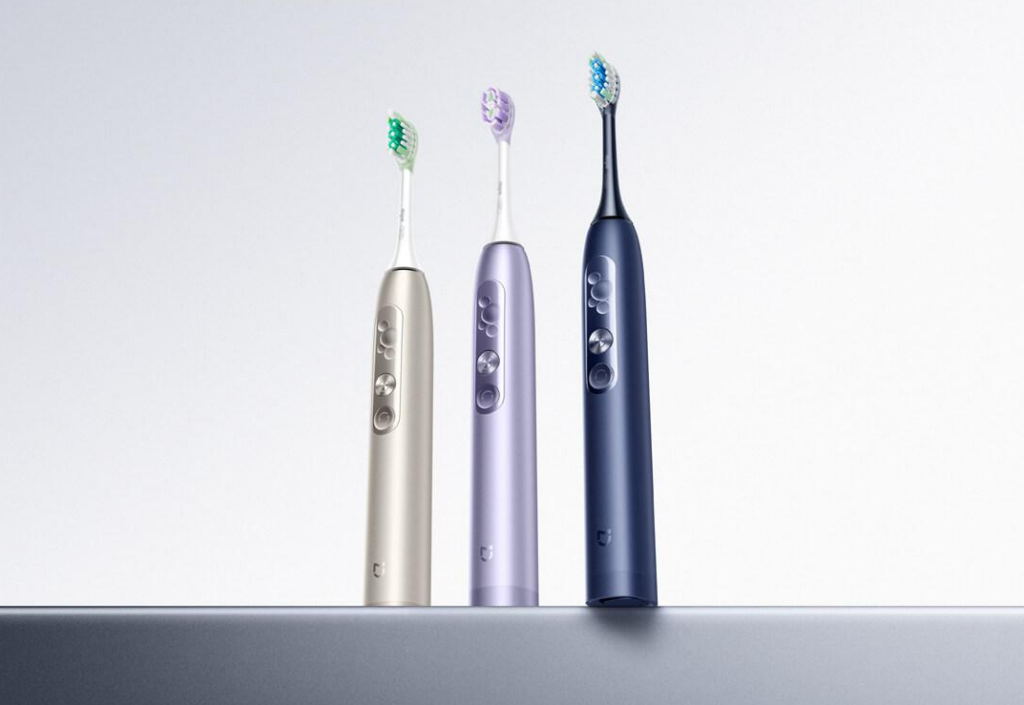
Xiaomi has released a new electric toothbrush in China, the Mijia Sonic Vibration Electric Toothbrush Pro. It has a suggested retail price of 549 yuan (roughly $80), with introductory pricing set at 505 yuan ($74). The toothbrush comes in dark blue, light gold, and light purple colors.
Mijia Sonic Vibration Electric Toothbrush Pro Specs
The toothbrush is built around what Xiaomi calls a dual-degree-of-freedom motor. The goal of this motor is to automatically replicate the Bass method, which is the brushing technique most dental professionals recommend for cleaning along the gumline.
To achieve this, the brush combines a 1mm horizontal vibration with a 30-degree vertical sweeping motion. The hardware is capable of 30,720 vertical sweeps and 600 horizontal vibrations per minute. It also features an automatic resistance adjustment system, meaning the toothbrush will dial back its power if you press too hard against your gums.
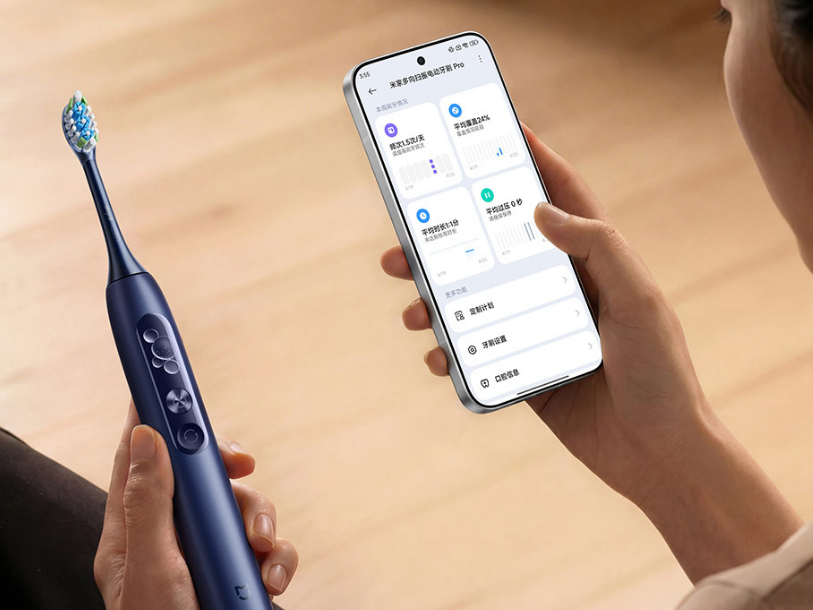
To track your brushing, the device relies on an internal six-axis sensor. The sensor identifies the position and angle of the brush head in your mouth, distinguishing between chewing surfaces, the inner arch, and the back molars. It then adjusts the vibration pattern based on where you are brushing.
All of this tracking data is sent to the color screen on the handle. While you brush, the display shows your duration, coverage area, and pressure warnings. When you turn it off, the screen generates a brief report that highlights any zones in your mouth that need more attention.
For deeper customization, the toothbrush connects to the Mijia app, where you can manually adjust the vibration intensity, sweeping range, and brushing time, or select specific routines for sensitive teeth.
Physically, the toothbrush has an anodized aluminum alloy body, which is a departure from the standard plastic used in most electric toothbrushes. It is IPX8 water-resistant and includes a soft rubber shock-absorbing structure to reduce the amount of vibration you feel in your hand. The brush head itself can flex up to 45 degrees to help reach the back of the mouth.
The device ships with three interchangeable brush heads: a standard cleaning head, a whitening head with polishing bristles, and a softer option for gum care. The bristles use fading technology to indicate when they need to be replaced, which is typically every three months.
In related news, Xiaomi has recently launched the Mijia Smart Dishwasher Pro, featuring a BLDC frequency conversion motor and a built-in detergent tank, alongside a new ultra-slim 10kg washer dryer with intelligent wash and drying modes.
For more daily updates, please visit our News Section.
We use cookies on our website to give you the most relevant experience by remembering your preferences and repeat visits. By clicking “Accept”, you consent to the use of ALL the cookies.
This website uses cookies to improve your experience while you navigate through the website. Out of these, the cookies that are categorized as necessary are stored on your browser as they are essential for the working of basic functionalities of the website. We also use third-party cookies that help us analyze and understand how you use this website. These cookies will be stored in your browser only with your consent. You also have the option to opt-out of these cookies. But opting out of some of these cookies may affect your browsing experience.
Necessary cookies are absolutely essential for the website to function properly. This category only includes cookies that ensures basic functionalities and security features of the website. These cookies do not store any personal information.
Any cookies that may not be particularly necessary for the website to function and is used specifically to collect user personal data via analytics, ads, other embedded contents are termed as non-necessary cookies. It is mandatory to procure user consent prior to running these cookies on your website.