Advertisement

Alienware Area-51 Gaming PC with AMD Ryzen 9850X3D and NVIDIA RTX 5090 Unveiled

Alienware has unveiled an updated version of its Area-51 gaming desktop at CES 2026, showcasing the latest hardware upgrades. The iconic system, originally introduced in the late 1990s and revived in 2025 with a full redesign, is set to receive further enhancements in Q1 2026, including AMD’s Ryzen 7 9850X3D processor with 3D V-Cache technology.

The 80.5-liter chassis uses a positive pressure airflow design where fans direct air inward and exhaust through passive rear vents. This configuration runs 13% cooler, 45% quieter, provides 25% more airflow, and delivers 50% more processing power than systems from five years ago.

The desktop supports AMD’s Ryzen 9000 series processors, including the 9800X3D and 9950X3D with 16 cores and 144MB cache. The AMD X870E chipset motherboard includes 10+2+2 phase voltage regulation, PCIe Gen5 support, and accepts up to 64GB DDR5-6400 memory. Graphics card compatibility extends to 450mm length and four-slot width configurations.

Graphics options include NVIDIA’s RTX 50-series from the RTX 5070 to the RTX 5090 with 32GB GDDR7. The system supports over 200W processor power and 600W graphics power.

Storage configurations range from 1TB to 12TB using three M.2 slots and three additional drive bays for 2.5-inch and 3.5-inch drives. Liquid cooling includes 240mm and 360mm radiators, with 420mm expansion available after purchase.

The system includes MediaTek Wi-Fi 7, Bluetooth 5.4, 2.5G ethernet, and multiple USB ports including USB4 Type-C. A tempered glass panel displays seven programmable AlienFX RGB lighting zones.

QR codes placed throughout the chassis link to video guides for system upgrades and maintenance. Power supply options include 850W Gold-rated and 1500W Platinum-rated ATX12VO units. The desktop runs Windows 11 Home or Professional with Alienware Command Center software.

Dimensions measure 610.5mm length, 231.6mm width, and 569mm height, with maximum weight of 34.5kg.

For more daily updates, please visit our News Section.

Tech enthusiast? Get the latest news first! Follow our Telegram channel and subscribe to our free newsletter for your daily tech fix! 

Sharge is launching a slim new magnetic power bank soon

Sharge appears to be preparing a fresh magnetic wireless power bank that could join its growing lineup of portable chargers. Earlier this week, the brand unveiled a semi transparent 10,000mAh power bank with a 45W fast charging support and built-in cable. So let’s check out this new model.

Is This a New MagSafe Sharge Power Bank?

While the popular accessories maker has yet to make any official announcement, a new Sharge power bank just surfaced on the WPC certification website (Wireless Power Consortium). This model surfaced under two different model IDs. Looking at the listing, the upcoming accessory will be Qi2 certified and capable of providing 15W of wireless charging to supported devices. You can even see the magnetic attachment on the surface, which showcases its MagSafe ready design.

Sharge Power Bank Slim
Sharge’s new slim power bank gets certified by WPC

Looking at the image in the database, this model could be a slim power bank. So we can also expect it to offer a lightweight build with magnetic charging. Apart from iPhones, the latest Google Pixel 10 series also benefit with the addition of the PixelSnap tech. Sharge hasn’t announced an official release date or pricing yet, and with only the certification entry and leaked images available, the exact specs remain under wraps.

In related news, Sharge recently launched the Loomos AI glasses with photography focused L1 and display driver S1. Back in December 2025, the brand also unveiled a massive 20,000mAh power bank with retractable cable, a display, and support for 165W wired fast charging. For those looking for portable storage, it had even released the Sharge Disk Pro, which is a credit card sized SSD sub with active cooling.

For more daily updates, please visit our News Section.

Tech enthusiast? Get the latest news first! Follow our Telegram channel and subscribe to our free newsletter for your daily tech fix! ⚡

Oppo Find X9 Pro ranks 5th in DxOMark camera rankings, Outclasses Honor Magic 8 Pro

The Oppo Find X9 Pro has made a strong showing in DxOMark’s latest smartphone camera ranking, earning a position near the top. Oppo’s latest flagship has managed to enter the top 5 rankings for DxOMark’s camera testings, falling just below the Huawei Pura 80 Ultra (1st), Vivo X300 Pro (2nd), Oppo Find X8 Ultra and iPhone 17 Pro (tied for 3rd), and Vivo X200 Ultra (4th).

Oppo Find X9 Pro 5th Best Camera Phone: DxOMark

Oppo Find X9 Pro

Oppo’s flagship camera setup on the Find X9 Pro blends a 50 MP primary sensor with optical image stabilization (OIS), a 50 MP ultra-wide camera, and a 200 MP telephoto lens with OIS, giving it a versatile setup. Oppo’s flagship camera setup on the Find X9 Pro blends a 50 MP primary sensor with optical image stabilization (OIS), a 50 MP ultra-wide camera, and a 200 MP telephoto lens with OIS, giving it a versatile range from wide landscapes to detailed long-range shots.

Video capture also impressed in areas like stabilization, offering smooth footage when recording on the move. It was also praised for its color consistency with natural tones and exposure. However, testers did note some challenges in low light, particularly with noise and autofocus tracking when conditions grew dim.

Find X9 Pro’s Camera System

Just recently, the Honor Magic 8 Pro achieved this spot in the DxOMark smartphone camera rankings, but it has now been displaced by the Find X9 Pro.While the Magic 8 Pro earned praise for its still photography, the Oppo’s blend of strong telephoto capability and stabilization helped give it an edge in the broader DxOMark scoring methodology.

For more daily updates, please visit our News Section.

Don’t miss a thing! Join our Telegram community for instant updates and grab our free daily newsletter for the best tech stories!

The Best Mini PCs at Budget in 2026: From Office Work to 4K Gaming

Mini PCs have become incredibly versatile in 2026. You can find ultra-compact desktops that handle everything from basic office work to high-resolution AAA gaming. This guide breaks down the best mini PC options by use case, keeping to a budget price range (around $400-$500 for most categories). For high-end 2K/4K gaming picks, we’ll go slightly above budget since these inevitably cost more.

1. Budget Mini PCs for Basic Office Tasks

GMKtec NucBox G10

For basic productivity (web browsing, Office apps, video calls, and light multitasking), you don’t need an expensive setup. Budget mini PCs in the $300-$500 range easily handle everyday office needs. Look for modern energy-efficient CPUs (like Intel’s N-series chips or entry-level AMD APUs), at least 8-16GB RAM, and an SSD for quick performance.

GMKtec NucBox G10 (AMD Ryzen 5 3500U) – A standout budget mini PC for office use. It packs a 4-core/8-thread Ryzen CPU with Radeon Vega graphics, 16GB RAM and up to 1TB SSD. TechRadar’s tests showed the G10 handled light duties like browsing, streaming, and office work very well for the price. It’s not powerful enough for heavy content creation, but for everyday productivity it’s a great little system that can be easily upgraded later.

AceMagic V1

AceMagic V1 (Intel Processor N100/N150) – A compact Intel-based PC that’s a solid pick for work tasks. With a quad-core Alder Lake-N CPU, 16GB DDR4 RAM, and a 512GB-1TB SSD, it’s powerful enough for everyday productivity apps and dozens of browser tabs. At roughly $280-$300 it delivers reliable performance for most users’ needs.

2. Best Mini PC for a Home Media Server / HTPC

GMKtec G3 Mini PC
GMKtec G3 Mini PC

Turning a mini PC into a home media server (for Plex, streaming, or as an HTPC) is popular. Key factors are energy efficiency (for 24/7 uptime), strong video decoding/encoding hardware, and good connectivity.

Intel N100/N200 Mini PCs (e.g. GMKtec G3) – In real-world Plex server tests, an N100-based mini PC handled five simultaneous 1080p video transcodes with only around 35% CPU usage, thanks to Quick Sync video acceleration. These units excel at hardware transcoding of H.264, H.265, and VP9, perfect for streaming your movie library to multiple devices. They’re also fanless or very quiet.

Beelink SER5 MAX
Beelink SER5 MAX

Beelink SER5 Max (AMD Ryzen 7 6800U) – A more powerful yet still compact choice. This 8-core Ryzen APU comes with Radeon 680M integrated graphics. With 24GB RAM and 500GB+ NVMe SSD, it has triple 4K display outputs and 2.5GbE LAN, so it can drive multiple high-res screens or stream to many clients without network bottlenecks. At around $400-$500, it’s a versatile media hub that can double as a daily desktop.

3. Mini PCs for Casual Gaming (1080p on a Budget)


MINISFORUM Venus UM790 Pro Mini PC

2025-2026 has seen a new breed of powerful integrated GPUs that allow solid 1080p gaming in budget mini PCs. You’ll want at least an AMD Ryzen 7 or 9 APU (with a strong integrated Radeon GPU, like the 680M or 780M), or an Intel chip paired with Iris Xe or Arc graphics. 16GB of dual-channel RAM is a must.

Minisforum Venus UM790 Pro (Ryzen 9 7940HS, Radeon 780M) – One of the best budget gaming mini PCs according to PC Gamer. It uses AMD’s latest 8-core laptop CPU and the Radeon 780M iGPU. In testing, the 780M can run many games at 1080p medium-high settings: A Plague Tale: Requiem hit around 76 fps on high, and Doom Eternal blasted past 170 fps at 1080p ultra. The UM790 Pro comes as a fully built system (often 16GB RAM, 512GB SSD) in the $600 range, or as a barebones for under $500.

AceMagician S3A
AceMagician S3A

AceMagician S3A / Kamrui AM21 (Ryzen 7 8745HS, Radeon 780M) – Both feature the Ryzen 7 7840HS-class processor with the Radeon 780M. The S3A gives 16GB/512GB for about $429, while the Kamrui AM21 doubles that to 32GB/1TB for around $520.

4. Mini PCs for 1440p (2K) Gaming (High-End Compacts)

ASUS ROG NUC
ASUS ROG NUC 970

Stepping up to 1440p gaming in a mini PC means spending closer to $800-$1200. At this tier, you’re looking at compact PCs that include discrete laptop GPUs.

ASUS ROG NUC 970 (Core Ultra 9 185H + RTX 4070 Laptop GPU) – The ROG NUC 970 pairs a 14-core Meteor Lake Intel CPU with an NVIDIA RTX 4070 Mobile (8GB) graphics card in a chassis only a few liters in volume. The RTX 4070 handles modern games at 1440p with high settings well above 60 fps. Even tough titles like Cyberpunk 2077 can hit around 75 fps at 1440p using Ray Tracing Ultra (with DLSS/FG on). Be prepared for a premium price (often around $1,999 fully configured).

MAGNUS EN474070W
Zotac ZBOX Magnus EN374070C

Zotac ZBOX Magnus EN374070C (Core i7-13700HX + RTX 4070 Laptop) – A compact, unobtrusive 5.2L mini PC that delivers great 1440p gaming performance. With the 16-core i7 CPU and laptop RTX 4070, it matches the ROG NUC in pushing high frame rates at 1440p. The catch? The Magnus can get quite loud under full GPU load. It is Priced around $1,500 (barebones around $1,200).

5. Mini PCs for 4K Gaming

Asus ROG NUC 2025
Asus ROG NUC 2025

Running the latest games at 4K resolution with high/ultra settings is extremely demanding, typically requiring a top-tier GPU. Achieving this in a mini PC is possible but firmly in high-end territory.

Asus ROG NUC 2025 (Core i7-14700 + RTX 4080) – The new ROG NUC crams a desktop-class RTX 4080 into a mere 3-liter chassis with advanced cooling. An RTX 4080-equipped mini can absolutely handle 4K gaming, rated for 60+ FPS at 4K in many games, especially with DLSS 3 upscaling. However, expect to pay a lot (likely $2,500+) for a fully configured system.

For most gamers, a mini PC that excels at 1440p is a better value. Pushing to 4K greatly reduces frame rates and raises costs significantly. At the $2000 price point you can build a system that will demolish games at 1440p and run them comfortably at 4K. You pay a hefty premium for squeezing this power into a tiny box.

Honor Watch GS 5 announced with new heart risk screening tools and up to 23-day battery life

Honor has announced the Watch GS 5, its next smartwatch, with pre-orders opening in China on January 19. The company is highlighting health tracking as the main focus this time, particularly features tied to heart health.

The Watch GS 5 keeps the familiar round dial seen on earlier GS models but comes in a slimmer body. According to Honor, the watch measures 9.9mm thick and weighs 26g. That should make it easier to wear throughout the day and overnight. Battery life is rated at up to 23 days in Bluetooth mode, which puts it among the longer-lasting smartwatches in its class.

Health features are where Honor is drawing the most attention. The company says the GS 5 includes a sudden cardiac arrest screening function, described as an industry-first. It works by analyzing heart rhythm data and related signals to flag potential risks. There’s also a cardiovascular risk assessment feature that looks at overall heart health trends and provides early alerts when needed. As usual with smartwatch health tools, these features are meant to support awareness rather than act as medical diagnostics.

In addition, the GS 5 supports standard health tracking features such as continuous heart rate monitoring, blood oxygen (SpO2) tracking, stress monitoring, and sleep analysis. Honor hasn’t fully detailed the sensor hardware yet, though it’s expected to build on the multi-channel sensor setup used in previous GS models.

The watch also includes practical daily features, including smart reminders for flights, high-speed trains, and taxis. Display details haven’t been officially confirmed, but the design suggests continuity with earlier GS watches, which used a 1.43-inch AMOLED screen.

For comparison, the Honor Watch GS4 launched in March 2024 at a starting price of 949 yuan. Pricing for the GS 5 hasn’t been announced yet, but it’s expected to land in a similar range. With longer battery life and added heart-focused tools, the GS 5 appears aimed at users looking beyond basic fitness tracking.

Don’t miss a thing! Join our Telegram community for instant updates and grab our free daily newsletter for the best tech stories!

For more daily updates, please visit our News Section.

Oppo Reno15 vs Reno15 Pro: Same Look, Very Different Phones

Choosing between the Oppo Reno15 and Reno15 Pro isn’t about picking the “better” phone; it’s about deciding what kind of premium experience actually fits your daily use. Both sit comfortably above the mid-range, promise flagship-level polish, and look nearly identical at first glance. Yet beneath that shared design language, Oppo has tuned them for very different priorities. One leans toward endurance and balance, the other pushes performance and camera ambition. This comparison breaks down where those differences genuinely matter, and which Reno model makes more sense depending on how you use your phone every day.

Major Upgrades:

Feature Reno15Reno15 ProUpgrades
Display Brightness600 nits typical, 1200 nits peak HBM600 nits typical, 1800 nits peak HBMBrighter outdoors — easier to see in direct sunlight on Pro
ProcessorSnapdragon 7 Gen 4MediaTek Dimensity 8450Faster performance — better for heavy multitasking & gaming
Main Camera50 MP main200 MP mainHigher detail & flexibility — more detail and cropping ability
Ultrawide Sensor8 MP50 MPMuch better wide shots — stronger low-light & detail
Telephoto Lens50 MP, 3.5× zoom50 MP, 3.5× zoomSame zoom performance
Battery Capacity6500 mAh6200 mAhBetter endurance on Reno15 — longer screen time
Charging Speed80W wired80W wiredSame fast charging experience
Selfie Camera50 MP50 MPSimilar selfie capture
Gaming & Heavy UseSolidSuperiorPro handles sustained performance better
Battery LongevityLeaderGoodReno15 lasts longer per charge
Outdoor DisplayGoodMuch betterPro wins under sunlight
Best for PhotographyCapableSuperiorPro has richer detail & versatility
Value for MoneyStrongerGood but pricierReno15 offers balanced value, but Pro justifies its price

Please Note: When you buy something using the links in our articles, we may earn a small commission at no cost to you.

Please Note: When you buy something using the links in our articles, we may earn a small commission at no cost to you.

1. Design and Display

Build and Feel

Both phones share a premium design language with glass panels, an aluminum frame, and top-tier IP68/IP69 water and dust resistance. The Reno15 leans toward a more conventional, solid-in-hand feel, appealing to users who prefer a slightly larger canvas and a sense of sturdiness. The Reno15 Pro feels more refined and balanced, with a compact, flagship-like presence that suits prolonged one-handed use. The Pro’s design comes across as more polished, while the standard Reno15 focuses on practicality and familiarity.

Display Quality

Each device uses a 120Hz AMOLED panel with 1B colors and HDR10+ support, delivering rich contrast and smooth scrolling. The Reno15 Pro pulls ahead with noticeably higher peak brightness, making outdoor visibility more reliable. Color tuning feels slightly more vivid on the Pro, while the Reno15 remains accurate and comfortable for long viewing sessions. Both displays are sharp and fluid, but the Pro’s panel feels more “flagship-grade” in challenging lighting.

Verdict

Reno15 Pro wins for display excellence and refined feel, while Reno15 satisfies users who want a premium design without chasing maximum brightness.

2. Specifications 

Performance

The Oppo Reno15 runs on the Snapdragon 7 Gen 4, delivering stable, efficient performance ideal for multitasking, gaming, and daily use without excessive heat. The Reno15 Pro steps up with the Dimensity 8450, offering higher peak performance and better sustained power for demanding games and heavy workloads. The Pro feels snappier in intensive tasks, while the Reno15 prioritizes consistency and efficiency over raw speed.

Battery and Charging

Battery capacity favors the Reno15, translating into longer screen time and better endurance for heavy users. Both phones support fast 80W wired charging, keeping downtime minimal. The Reno15’s slightly faster real-world charging curve and higher capacity make it more dependable for long days. The Pro still charges quickly, but its smaller battery leans more toward performance balance than endurance.

Verdict

Reno15 is better for battery-focused users, while Reno15 Pro suits those who value stronger performance even if endurance takes a small hit.

3. Camera

Main and Secondary Lenses

The Reno15 offers a capable triple-camera setup with a reliable 50MP main sensor and a solid 3.5x telephoto, producing consistent, natural-looking photos. The Reno15 Pro elevates the experience with a 200MP main camera, delivering greater detail, better dynamic range, and more flexibility for cropping. Its upgraded ultrawide sensor also performs better in low light, making the Pro more versatile across shooting scenarios.

Selfie Camera

Both phones feature a 50MP autofocus selfie camera capable of 4K video. The Reno15 delivers sharp, social-media-ready results, while the Reno15 Pro’s tuning produces slightly better skin tones and HDR balance. Video stabilization feels more reliable on the Pro, especially in motion-heavy shots.

Verdict

Reno15 Pro clearly wins for photography enthusiasts, while Reno15 remains a dependable choice for everyday shooting without pushing into flagship pricing.

4. Pricing

Oppo Reno15 is priced around $500, positioning it as a strong upper-midrange option with excellent battery life, solid cameras, and a premium build. It targets users who want longevity and balance without stretching budgets. The Reno15 Pro, at approximately $600, justifies its higher cost with superior performance, a significantly upgraded main camera, and a brighter, more refined display. 

The price gap reflects a shift from value-driven premium to near-flagship territory. For many buyers, the Reno15 feels like the smarter deal, while the Pro makes sense for those willing to pay extra for camera and performance advantages.

5. Conclusion

Both phones stand out with IP68/IP69 protection, fast charging, and high-quality AMOLED displays. The Reno15 distinguishes itself with impressive battery endurance and dependable all-around performance. The Reno15 Pro counters with a powerful chipset, a 200MP camera system, and a display that handles bright outdoor conditions more confidently. Each device stays true to Oppo’s focus on refinement rather than experimental features.

Verdict

Oppo Reno15 Pro makes more sense overall. Its stronger performance, superior camera system, and brighter display deliver a more complete, future-ready experience, making the higher price easier to justify for most buyers.

Read More:

Xiaomi launches Mijia Smart Audio Glasses with ultrasonic speakers

Xiaomi has expanded its wearable audio lineup with the Mijia Smart Audio Glasses in the European market, merging stylish eyewear with open-ear sound technology. This is a pair of glasses with a bunch of features aimed at everyday conveniences, so here are all the details.

Xiaomi Mijia Smart Audio Glasses Specifications

The Chinese tech giant’s new Xiaomi Mijia Smart Audio Glasses bring audio technology into traditional eyewear by integrating built-in ultrasonic speakers and four microphones directly into the frame. So unlike traditional earphones with tips that go inside the ear canals, the glasses use open ear audio. This lets users enjoy music and take calls while also remaining aware of their surroundings. The brand equips these glasses with an SLS0820 ultrasonic speaker and air-conducted sound transmission that aims to deliver crisp audio.

Xiaomi Mijia Smart Audio Glasses Launch
Xiaomi Mijia Smart Audio Glasses

The system supports wind-noise reduction and has a dedicated privacy mode that uses dual sound leakage protection to limit how much sound escapes to the people around you. There are three variants of these smart glasses, including Titanium, Pilot style, and Browline. The Titanium variant weighs just 27.6 grams, with select models also getting UV and Bluetooth light protection built into the lenses.

The Xiaomi Mijia Smart Audio Glasses also feature touch panel controls that allow for quick controls for audio playback, volume levels, and calling. It connects via the Xiaomi Glasses app that offers improved customization. This includes gesture controls, voice assistants, glasses tracking when they are misplaced, and uses LED privacy indicators when recording. You also get dual device connectivity as well.

On a single full charge, the glasses offer up to 13 hours of continuous audio playback, with just 10 minutes of charging offering 4 hours of listening. Other notable features include Bluetooth 5.2, IP54 water and dust resistance, and more. The Xiaomi Mijia Smart Audio Glasses are available for purchase for 199 Euros for the Titanium option, while the Browline and Pilot-Style are listed for 179 Euros.

For more daily updates, please visit our News Section.

Tech enthusiast? Get the latest news first! Follow our Telegram channel and subscribe to our free newsletter for your daily tech fix! ⚡

Snapdragon 7 Gen 4 vs Dimensity 8350: Which offers superior performance?

Snapdragon 7 Gen 4 vs Dimensity 8350

The Snapdragon 7 Gen 4, announced in May, has quietly become a popular choice among mid-range phones, powering many devices from top brands, including the Oppo Reno 15, Vivo T4 Pro, Realme 16 Pro+ 5G, and more.

On the other hand, we have the Dimensity 8350 from MediaTek, which was announced in late 2024. From the spec sheet, it appears the Snapdragon 7 Gen 4 has a powerful CPU, but the Dimensity 8350’s higher CPU clock speed makes a more significant difference. Let’s dive deeper into the benchmark scores and real-world differences to find out who has the edge.

Let’s begin with the spec sheet:

Snapdragon 7 Gen 4Dimensity 8350
AnnouncedMay 2025November 2024
Process node4nm (TSMC)4nm (TSMC)
CPU1 x 2.8GHz — Cortex-A720
4 x 2.4GHz — Cortex-A720
3 x 1.84GHz — Cortex-A520
1 x 3.35GHz — Cortex-A715
3 x 3.2GHz — Cortex-A715
4 x 2.2GHz — Cortex-A510
GPUAdreno 722 GPU
Snapdragon Elite Gaming
Mali-G615 MP6 GPU
MediaTek HyperEngine Adaptive Gaming Technology
NPUQualcomm Hexagon NPUMediaTek NPU 780
MemoryLPDDR5x, up to 4.2GHzLPDDR5x, up to 4.2GHz
StorageUFS 4.0UFS 4.0 + MCQ
CameraQualcomm Spectra triple ISP (12-bit)
up to 200MP single camera
4K/60fps video recording
MediaTek Imagiq 980 ISP (14-bit)
up to 320MP single camera
4K/60fps video recording
ConnectivitySnapdragon 5G modem (sub‑6 GHz)
up to 4.2Gbps download speed
Wi-Fi 7 (peak speed: 5.8 Gbps)
Bluetooth 6.0
MediaTek 5G modem (sub‑6 GHz)
up to 5.17Gbps download speed
Wi-Fi 6E
Bluetooth 5.4

Snapdragon 7 Gen 4 vs Dimensity 8350: Benchmark score

Note: The benchmark tests were performed on the Vivo T4 Pro (powered by the Snapdragon 7 Gen 4) and the Oppo Reno 14 (powered by the Dimensity 8350).

Geekbench score

Snapdragon 7 Gen 4 vs Dimensity 8350 - Geekbench score

Even though the Snapdragon 7 Gen 4 has newer CPU cores, the higher clock speeds in Dimensity 8350 achieve more on the Geekbench benchmark. The single-core speed is up by 5%, while the multi-core gap widens to about 10%.

While the differences aren’t significant, the Dimensity chip should perform better during higher workloads. For day-to-day tasks like browsing the internet, scrolling through social media apps, or watching videos, both should achieve a similar performance.

Snapdragon 7 Gen 4Dimensity 8350
Single core1,2521,324
Multi core3,6203,971

AnTuTu score

Snapdragon 7 Gen 4 vs Dimensity 8350 - AnTuTu score

AnTuTu shows a rather significant performance gap between the two chips, with the Dimensity 8350 delivering a total score that’s 39% higher than the Snapdragon 7 Gen 4. The biggest difference comes from the GPU performance. The Snapdragon 7 Gen 4 scores 323,797 points in the graphics test, while the Dimensity 8350 crosses the 500K mark, a massive 72% lead.

The Snapdragon chip does score slightly higher in CPU tests, but the margin is too small to consider. Meanwhile, the Dimensity 8350 also pulls ahead in memory and UX scores.

Snapdragon 7 Gen 4Dimensity 8350
AnTuTu score1,010,8641,407,213
CPU309,273305,110
GPU323,797557,443
Memory182,776262,546
UX195,019282,113

The benchmarks show a clear advantage for the Dimensity 8350 chipset, especially in terms of GPU performance. That said, there are still some important aspects that benchmarks don’t cover, such as connectivity and the camera, which we’ll discuss in the following section.

Snapdragon 7 Gen 4 vs Dimensity 8350: Here are the key differences

Both octa-core chips have been fabbed using TSMC’s 4nm process node, although their core configurations differ. The Snapdragon 7 Gen 4 has a 1+4+3 core configuration, featuring one Cortex-A720 big core, four Cortex-A720 mid cores, and three Cortex-A520 small cores.

In contrast, the Dimensity 8350 features a 1+3+4 CPU configuration, with one Cortex-A715 big core, three Cortex-A715 mid cores, and four Cortex-A510 small cores. While the Snapdragon chip features newer cores, the Dimensity 8350 cores benefit from higher clock speed.

For graphics rendering, the Snapdragon 7 Gen 4 features Adreno 722, while the Dimensity 8350 has a Mali-G615 MP6 GPU. The latter features higher frequency, more pipelines, and higher computational power (FLOPS). These are among the reasons why the Dimensity 8250 achieved a much higher GPU score on AnTuTu.

Furthermore, the Dimensity chip features a higher-bit camera and supports higher camera resolution. The output, however, largely depends on the camera sensor and OEM optimizations. The Snapdragon chip may have an edge in connectivity, thanks to newer standard Wi-Fi 7 and Bluetooth 6.0 technologies. The Dimensity chip benefits from a higher peak download speed over a 5G connection (5.17Gbps vs 4.2Gbps).

Snapdragon 7 Gen 4 vs Dimensity 8350: Which one should you choose?

The Dimensity 8350 is a well-rounded choice over the Snapdragon 7 Gen 4. It offers higher peak performance, an advanced camera ISP, and a higher peak download speed over a 5G connection.

If peak performance isn’t your concern, the Snapdragon 7 Gen 4 can be a more reliable choice, while ensuring future-proof connectivity with Wi-Fi 7 and Bluetooth v6.0.

Best Snapdragon 7 Gen 4 phones:

Best Dimensity 8350 phones:

Vivo X200T price leaks for India along with full specs

Vivo is getting ready to expand its flagship lineup in India. The company hasn’t officially announced a date yet, but according to well-known tipster Abhishek Yadav, the Vivo X200T will launch in the country very soon. 

Ahead of the launch, Yadav has now shared the full specifications and price of the smartphone. 

Vivo X200T Pricing for India

The Vivo X200T will arrive in two storage variants in India:

  • 12GB RAM + 256GB storage – ₹59,999
  • 12GB RAM + 512GB storage – ₹69,999

These prices place the phone directly in competition with high-end models from Samsung, OnePlus, and iQOO. 

Vivo X200T Specifications

For the price, you are getting a 6.67-inch AMOLED display with a 1.5K resolution of 2800 × 1260 pixels. Powering the device will be MediaTek’s latest Dimensity 9400+ processor, paired with LPDDR5X RAM and UFS 4.1 storage. 

The phone is also expected to ship with Android 16 out of the box, along with Vivo’s promise of five major Android updates and seven years of security patches. 

Like most premium Vivo phones, the X200T will have a heavy emphasis on photography. The rear camera system includes three 50-megapixel sensors:

  • 50MP Sony LYT-702 main camera with optical image stabilization and Zeiss tuning
  • 50MP Samsung JN1 ultra-wide camera
  • 50MP Sony LYT-600 periscope telephoto lens

Vivo is again partnering with Zeiss for color science and image processing, branding the setup with terms like “Zeiss Super Photo Sensitive” and “Zeiss Super Periscope.” For selfies, it has a 32MP front camera.

Keeping everything on is said to be a large 6,200mAh battery, paired with 90W wired fast charging and 40W wireless charging. 

Vivo X200T Purple

The rest of the spec sheet reads like a checklist of modern flagship features: Wi-Fi 7, Bluetooth 5.4, eSIM support, IP68 and IP69 water resistance, and a 3D ultrasonic in-display fingerprint scanner. There’s also a 4.5K nanofluid vapor chamber cooling system to keep temperatures in control during heavy gaming.

One slightly odd inclusion is the USB 2.0 Type-C port, which feels a bit outdated for a phone in this price range. Last but not least, color options include Blue and Purple shades.

For more daily updates, please visit our News Section.

Stay ahead in tech! Join our Telegram community and sign up for our daily newsletter of top stories.

(Source)

One AI Pocket Recorder for Calls, Meetings, and Notes: BOYA Notra Launches at Discount

BOYA Notra is an AI-powered portable note taker built to capture, transcribe, and organize real-world conversations with ease. Developed by BOYA, it targets professionals, students, journalists, and content creators who rely on accurate records from meetings, lectures, interviews, and calls. Its core focus is simplicity, instant recording combined with intelligent processing in a pocket-sized form.

Price, Discount & Availability

BOYA Notra is launching with a 26% Super Early Bird discount, bringing the price down to $111 USD for a limited period from January 16 to January 22, 2026. Users who subscribe early can also receive an additional $10 discount code and 45 days of complimentary Premium Plan access. The device is available exclusively through BOYA’s official online store. At launch, AI transcription supports English and Japanese, with more languages and the ASK AI smart search feature rolling out via app updates in early February 2026.

All-in-One Recording Capability

BOYA Notra is the first pocket-sized recorder to fully support three daily audio scenarios: ambient room recording, handset phone calls, and Bluetooth headset calls. This eliminates the need for external microphones or multiple recording apps. A simple slide-switch operation enables instant recording, making it reliable for fast-paced environments like interviews and briefings.

Professional-Grade Audio Capture

The device features dual premium MEMS microphones with 360° omnidirectional pickup. AI noise reduction suppresses background noise by up to 30 dB, ensuring clear voice capture across rooms, phone calls, and Bluetooth headsets. The dual-microphone array helps maintain voice accuracy, improving transcription results without manual adjustments.

AI Transcription and Smart Search

BOYA Notra converts recordings into structured summaries, actionable insights, and organized notes. It supports professional templates, mind maps, and to-do lists. Powered by leading AI models, the ASK AI feature allows users to search recordings by voice or text, helping locate key moments instantly.

Storage, Battery, and Portability

With 64 GB of built-in storage, BOYA Notra can store up to 8,000 hours of audio and includes free cloud sync. It offers up to 24 hours of continuous recording and up to 365 days of standby time. The compact magnetic design fits easily into a jeans coin pocket, making it ideal for everyday carry.

BOYA Notra’s headline feature isn’t hype—it’s the first pocket recorder that genuinely covers all three daily audio scenarios: room ambience, handset calls and Bluetooth-headset calls. One thumb-sized device replaces the usual “phone + app + mic” juggle, so you’re always one slide-switch away from evidence-grade audio.

Ambient mode is the one I leave on during briefings and lectures. Drop it on the table, no gain-staging, no missing the speaker at the far end of the room. The dual-mic array keeps voices in phase so the transcript engine doesn’t hallucinate half-sentences. For reporters or students who’ve lost a quote to a muffled phone memo, that “it-just-works” safety net is worth the price of admission alone.

BOYA Notra is driven by an advanced AI framework that integrates leading large language models, including ChatGPT, Gemini, Claude, and Grok. Its ASK AI feature allows users to search their personal recording library by voice or text, instantly surfacing key moments without the need to re-listen. All recordings and transcripts can be reviewed, edited, translated, and exported in a wide range of formats such as MP3, WAV, DOCX, PDF, TXT, Markdown, and JPEG.

Designed for Security and Simplicity

Built for effortless portability, Notra features a sleek, ultra-portable magnetic design. With 64 GB of built-in storage (capable of holding up to 8,000 hours of audio), plus free cloud sync. Its 24-hours continuous recording, and a 365-day standby batter keeps the information seamlessly accessible across devices and ready to capture any moment.

From January 16-22, 2026, customers get 26% off of Boya Notra at a Super Early Bird price of $111 USD, and receive 45 days of complimentary Premium Plan access. Additionally, users who subscribe from now until January 16 will receive an extra $10 discount code.

For more information, please visit the official website here.

Alleged Infinix GT 50 Pro’s chipsets get revealed via Geekbench listing

Infinix appears to be preparing its next gaming-focused smartphone, with the upcoming GT 50 Pro now making an early appearance online. A recent benchmark listing hints at what the device may offer, signalling that its official launch may not be too far away.

Infinix GT 50 Pro Geekbench listing

A smartphone believed to be the Infinix GT 50 Pro has been listed on the Geekbench database with the model number X6891. While the listing does not directly mention the device name, earlier IMEI database entries have already linked this model number to the GT 50 Pro.

The benchmark results suggest that the phone is powered by a MediaTek chipset, with the tested unit scoring 1,612 points in the single-core test and 6,686 points in the multi-core test.

The CPU configuration shown in the listing points to a single prime core clocked at 3.25GHz, three performance cores running at 3.00GHz, and four efficiency cores operating at 2.10GHz. Source code within the benchmark entry references the Mali-G720 MC7 GPU, indicating that the device is likely powered by the MediaTek Dimensity 8400 Ultimate SoC. The unit spotted on Geekbench was running Android 16 and was equipped with 12GB of RAM.

What to expect from the Infinix GT 50 Pro

The Infinix GT 50 Pro is expected to succeed the GT 30 Pro, which debuted in India in mid-2025. Interestingly, Infinix appears to have skipped the GT 40 Pro naming, moving directly to GT 50 Pro, a trend sometimes seen in Asian markets. While the Geekbench listing does not reveal details about the display, cameras, or battery, it confirms that the phone will launch with Android 16 out of the box.

With the device now appearing in benchmark databases, it usually signals that internal testing is well underway. More details regarding the Infinix GT 50 Pro’s full specifications, pricing in Rs, and India launch timeline are expected to surface in the coming weeks.

For more daily updates, please visit our News Section.

Stay ahead in tech! Join our Telegram community and sign up for our daily newsletter of top stories.

(via)

Here’s the first look at the Infinix Note Edge color variants

Infinix is expected to globally unveil the Infinix Note Edge later this month. Ahead of the official announcement, we bring you a first look at the Note Edge’s design and color variants.

Infinix Note Edge color options revealed

Infinix Note Edge
Infinix Note Edge

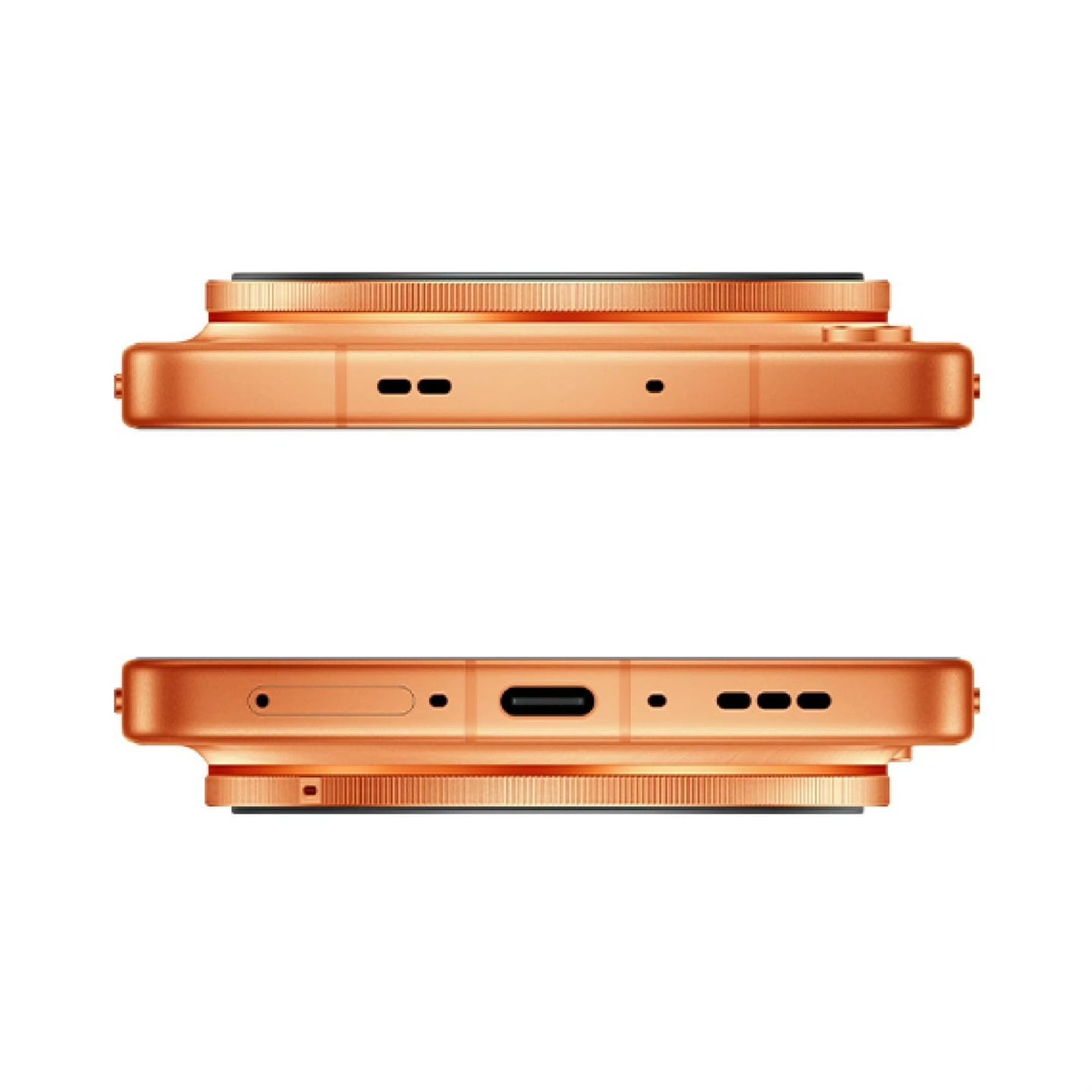
As shown in the images here, the Infinix Note Edge will come in orange, blue, white or silver, and black. Apart from these, it is also expected to arrive in a green edition. It goes without saying that the orange variant is particularly eye-catching, and it is expected to be a common colour across flagship phones this year.

Infinix Note Edge
Infinix Note Edge

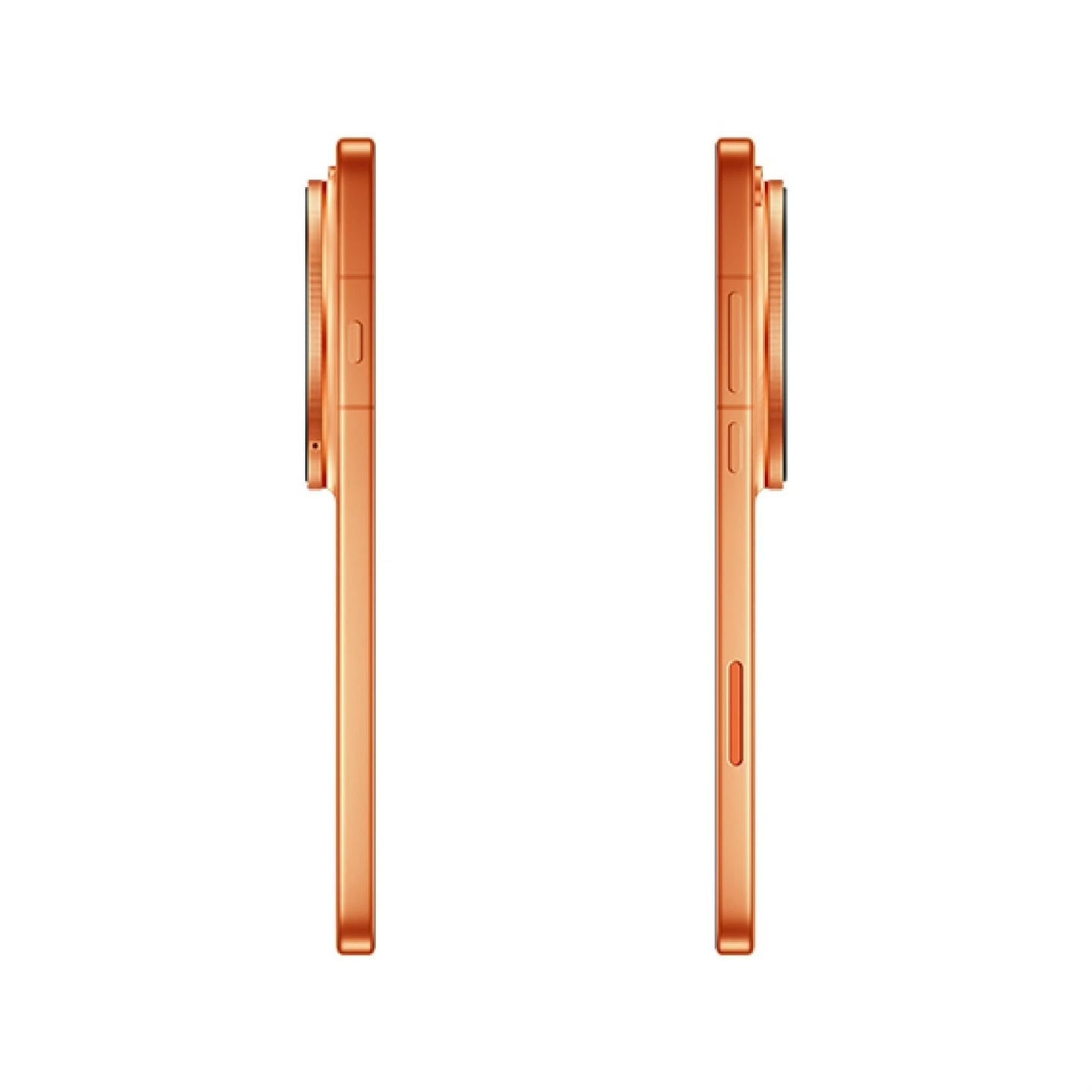
The front side features a curved-edge OLED display, and there is an additional green button on the right edge. The rectangular camera module on the back houses a 50-megapixel dual-camera setup along with an LED flash. For audiophiles, the device features JBL-powered dual speakers.

A side view of the phone shows a very slim profile. Its thickness is said to be just 7.2mm, despite housing a large 6,500mAh battery. The back panel uses a pearl-like gemstone finish inspired by a cat’s-eye gem, creating subtle light reflections and depth when viewed from different angles.

Infnix Note Edge
Infinix Note Edge’s green seems to have a fabric finish

Infinix is currently mum on the full specifications of the Note Edge. The device was reportedly spotted on Geekbench with the all-new Dimensity 7100 chipset, 8GB of RAM, and Android 16. Hopefully, upcoming reports will reveal more details about the smartphone.

For more daily updates, please visit our News Section.

Stay ahead in tech! Join our Telegram community and sign up for our daily newsletter of top stories.

Satellite connectivity is going mainstream in 2026: How Infinix and Galaxy flagships are contributing to make it a practical feature

It’s still kind of wild to think that a regular iPhone or Samsung phone can now make direct calls via satellite. I know it’s 2026, but just a few years ago, smartphones were expected to rely entirely on cell towers and Wi-Fi networks for communication.

If you were stuck in an area with no network access, the best option I can think of is to use some primitive techniques. Like maybe making smoke signals to call for help?

Satellite Connectivity Samsung Galaxy phones

Satellite connectivity gained traction in mainstream phones because of these emergencies. And in 2026, the technology has matured enough that satellite connectivity can support two-way communication, including voice calls, all without a traditional cellular signal.

Samsung and Infinix are among those brands that are working to make satellite connectivity more than a niche feature. 

1. Satellite connectivity is no longer just for emergencies

Until recently, satellite features on smartphones were extremely limited. Apple, Google, and Samsung all introduced versions of satellite emergency messaging over the past few years, but these were tightly controlled experiences.

You could send a short message, usually guided by on-screen prompts, and only in specific situations. It was useful, but clearly not meant for everyday communication.

That limitation shaped how people think about satellite features. It was framed as a safety tool and not something you’d rely on regularly. However, that narrative is changing in 2026. 

2. Infinix takes an unexpected lead

Infinix Note 60 global satellite connectivity for HD calls
Infinix Note 60 has global satellite connectivity for HD calls

One of the more interesting developments this year came from Infinix, a brand better known for value-focused smartphones. 

At CES 2026, Infinix showed off its upcoming Note 60 series, which includes built-in satellite calling and messaging designed to work in the background, without special modes or complicated setup.

Infinix’s idea is fairly simple here. When you’re within the radius of cellular coverage, the phone behaves like any other smartphone. But when it isn’t, the phone can automatically switch to satellite communication.

Honestly, the idea sounds seamless enough that users shouldn’t feel much difference in functionality, though there will likely be a hit to speed and quality.

That’s because this isn’t a high-bandwidth connectivity. You won’t be streaming videos or joining long video calls over satellite anytime soon. But for basic voice calls and text messaging, it may be enough. And that’s the point.

Infinix doesn’t want satellite calling to be a niche or exclusive feature. Instead, the brand wants to make it a practical solution for places where networks are unreliable or simply don’t exist.

The approach makes sense if you take Infinix demographics into consideration. The company sells most of its phones in regions where coverage gaps are common. 

3. Samsung is taking a more methodical approach

Samsung is one of the first Android brands to introduce satellite connectivity in the Galaxy S25 series. As we mentioned earlier, the feature is currently limited to text-based communication.

What’s important from Samsung is its preparation for the next step. The company is working on the Exynos Modem 5410, which is expected to support a wider range of satellite communication standards. And yes, this includes the technical capability for satellite voice calls, and maybe even low-quality video calls.

Whether those features actually reach users will depend on carriers, regulators, and partnerships with satellite operators. But if the rumors are true, the Galaxy S26 series will be the first device to feature this modem. 

4. From “no service” to limited service everywhere

One way to think about satellite calling is not as a replacement for cellular networks, but as a safety net underneath them. Cellular connections will always be faster, cheaper, and better for most use cases. Satellites step in when that system fails.

Satellite calling doesn’t mean your phone suddenly works the same way in the middle of the ocean as it does in a city. Latency will be higher. Call quality can be inconsistent. Weather and line-of-sight can make or break a connection. These systems come with real trade-offs.

But they also reduce the number of situations where your phone is completely useless. Instead of “no service,” the future may look more like “limited service,” and that’s a meaningful difference.

5. Why this matters

It’s easy to dismiss satellite calling as something only adventurers care about. But the real impact is much broader.

For travelers, it means fewer dead zones and less dependence on local infrastructure. For rural communities, it offers another path to connectivity where building towers isn’t practical. And during natural disasters, when ground networks are damaged, satellite calling could keep communication open without requiring special equipment.

6. The limits are still real

None of this means satellite calling is fully solved. Pricing models remain unclear. Some services may be limited by region, carrier agreements, or government regulations. Battery drain is also a concern, especially for always-on satellite systems.

And for most users in cities with strong coverage, satellite calling will remain invisible most of the time. That’s actually the goal. If the feature works best when you don’t notice it, it’s doing its job.

Don’t miss a thing! Join our Telegram community for instant updates and grab our free daily newsletter for the best tech stories!

For more daily updates, please visit our News Section.

Intel Ultra AI PCs vs Apple Silicon: Which Mini PC Should You Choose in 2026?

In 2026, the mini PC is no longer an underpowered alternative to full-sized towers. These machines have grown into serious AI workhorses, packing massive power into palm-sized enclosures.

But under the surface, there’s a deep divide in philosophy, one that boils down to Intel’s modular vision versus Apple’s vertically integrated approach. Picking the right mini desktop today is more about how you think than what you do.

ROG Mini PC

1. Intel Ultra AI PCs

Mini PCs built around Intel’s Core Ultra Series chips push the boundaries of what a compact Windows machine can be. Brands like Asus, Geekom, and Minisforum are leading this charge, combining powerful AI acceleration with user-serviceable internals and open standards.

The biggest draw? Modularity. Most Intel-based mini PCs support up to 96GB of DDR5 RAM and include dual M.2 slots. That means you can build local AI datasets, train models, or edit 8K footage without ever touching the cloud. If you’re experimenting with open-source LLMs, the ability to expand RAM and storage as demands grow is a serious hedge against obsolescence.

You also get access to GPU freedom. Thanks to Thunderbolt 5 and Oculink support, these machines can connect to external graphics cards, turning a quiet productivity cube into a full-blown gaming or rendering rig. Apple still can’t match this level of expandability.

On the AI front, Intel leans into openness. Whether you’re working in PyTorch, TensorFlow, or ONNX, the ecosystem supports everything from Windows-native tools like DirectML to frameworks like OpenVINO on Linux. And for enterprise users in engineering or finance who still rely on legacy Windows apps, this is the no-compromise route.

2. Apple Silicon Mac Mini

Apple takes the opposite route: control everything, optimize everything. The M5-series Mac Mini, built on Apple’s newest unified silicon, isn’t modular, but it doesn’t need to be.

Unified memory is the ace here. Instead of separating RAM between CPU, GPU, and neural engines, Apple’s architecture allows them to share one high-bandwidth pool. The result is shockingly efficient performance across AI tasks, 4K editing, and music production, even at lower spec tiers.

Mac Minis also run cool and whisper-quiet under heavy workloads. Where Intel mini PCs crank up fans during AI image generation, Apple Silicon hums along silently. If you’re working in a studio or shared workspace, that matters.

Developers and creatives already embedded in Apple’s world will find even more polish. Final Cut Pro, Logic, Xcode, and Adobe’s Mac-optimized suite fly on these machines. And if you’re building for iOS or visionOS, a Mac is not just preferred, it’s essential.

3. Which One Should You Choose?

Both platforms are more powerful than ever, but your choice should reflect how you work, not just how fast a benchmark runs.

Go with an Intel Ultra Mini PC if you need customization, frequent upgrades, or a platform that supports everything from gaming to enterprise software. It’s the more flexible path, especially for those running local AI models or experimenting with external GPUs.

Choose the Apple Mac mini if you want a system that just works. The unified experience, quiet operation, and creative tool optimizations make it the ideal choice for video editors, musicians, and app developers.

For more daily updates, please visit our News Section.

Stay ahead in tech! Join our Telegram community and sign up for our daily newsletter of top stories! 💡

Honor Magic 8 Pro Air compact phone pears with Dimensity 9500, 16GB RAM on Geekbench      

Honor Magic 8 Pro Air has surfaced online ahead of its official launch, offering an early glimpse into its performance credentials. A new benchmark listing suggests that Honor’s upcoming Air-series phone, despite being a compact offering, will pack powerful specs. Here’s a look at the details that have emerged through its Geekbench listing.

Honor Magic 8 Pro Air Geekbench listing

A device believed to be the Honor Magic 8 Pro Air has appeared on Geekbench with the model number LDY-AN00. The listing confirms that the phone is powered by the MediaTek Dimensity 9500 chipset running at full clock speeds. The chipset follows an octa-core layout with one prime core clocked at 4.21GHz, three performance cores running at 3.50GHz, and four efficiency cores at 2.70GHz. As per the metadata, it features the Mali-G1-Ultra-MC12 graphics processor.

The unit tested on Geekbench runs Android 16 with MagicOS 10 and is paired with 16GB of RAM, suggesting a focus on smooth multitasking and sustained performance. It scored 2,969 points in the single-core test and 9,892 points in the multi-core test, indicating strong CPU performance for a compact flagship.

Honor Magic 8 Pro Air specifications

Honor Magic 8 Pro Air

According to recent reports, the Honor Magic 8 Pro Air will feature a 6.31-inch AMOLED display with a 1.5K resolution, 120Hz refresh rate, LTPO technology, and ultra-slim symmetrical bezels. The screen is also said to support high-frequency PWM dimming for improved eye comfort.

In terms of photography, the Magic 8 Pro is expected to carry a 50-megapixel main camera with a 1/1.3-inch sensor, a 50-megapixel ultra-wide camera, and a 64-megapixel periscope telephoto lens offering over 3x optical zoom. A 50-megapixel front camera is tipped for selfies.

The device is rumored to pack a 5,500mAh battery with 80W wired and 50W wireless charging, along with a 3D ultrasonic fingerprint sensor, dual speakers, eSIM support, a dedicated AI button, and IP68 and IP69 ratings. Despite these features, the phone is said to measure just 6.1mm in thickness and weigh 155 grams, positioning it as one of the slimmest flagship Android phones in its class.

The Magic 8 Pro Air is scheduled to launch with the Magic 8 RSR on Jan. 19 in China. There’s no information about the global availability of these phones.

For more daily updates, please visit our News Section.

Stay ahead in tech! Join our Telegram community and sign up for our daily newsletter of top stories.

(via)

Realme Buds Clip open-ear earbuds launching soon

Realme is gearing up to introduce its Buds Clip TWS earbuds in India soon. These are a pair of new open-ear hearables that bring a fresh form factor that rests on the outside of the ear rather than entering the canal. So here’s what you need to know.

Realme Buds Clip Launching in India Soon

In a fresh teaser, the Chinese brand confirmed that the Realme Buds Clip is launching in the Indian market later this month. Looking at the earbuds, these feature a look design that goes around the ear. Unlike a tradition in-ear design with the silicone tips going inside the ear canal, these earbuds sit on the external part of the ear. So you get reduced ear fatigue and make them comfortable for extended listening sessions.

Realme Buds Clip
Realme Buds Clip

Another major advantage of these earbuds is that they offer a press free fit that lets users stay aware of their environment. Realme positions the Buds Clip as a practical choice for people who balance music consumption with daily activities. To recall, the Realme Buds Clip was previously launched globally and is now finally arriving in India. So far, Realme has only confirmed its light 5.3 gram weight, NextBass algorithm, and up to 36 hours of battery life.

But based on the earlier release, we can expect it to also offer 11mm drivers, built-in AI Translator with support for multiple languages, Bluetooth 5.4 with support for Swift Pair and dual device connection, 45ms low latency mode for gaming, and an IP55 rating for water and dust resistance. Looking at the teaser poster, the upcoming Realme Buds Clip can be seen in the Titanium Gold colorway, but it’s unclear if the Titanium Black variant will also debut in India.

For more daily updates, please visit our News Section.

Tech enthusiast? Get the latest news first! Follow our Telegram channel and subscribe to our free newsletter for your daily tech fix! ⚡

Tecno Spark Go 3 for ~$100 brings 120Hz screen, offline call up to 1.5km, IP64 rating

Tecno Mobile has launched the Tecno Spark Go 3 in India as its latest budget 4G smartphone, targeting users who need a phone that can handle daily wear and tear. Key highlights include IP64-rated durability, a 120Hz smooth display, regional-language AI support, and a large battery for all-day usage. Positioned for students, young professionals, and field workers, the Spark Go 3 focuses on real-world usability rather than cosmetic upgrades. Here’s a closer look at its specifications, features, and pricing.

Tecno Spark Go 3 specifications and features

Tecno Spark Go 3

The Tecno Spark Go 3 features a sturdy design with IP64 dust and splash resistance and drop-resistant construction. On the front, the phone sports a 6.745-inch HD+ display with a 120Hz refresh rate, 240Hz touch sampling rate, and a 90.3 percent screen-to-body ratio. The panel delivers up to 580 nits of brightness and a 20:9 aspect ratio for smoother scrolling and media viewing.

Powering the phone is the Unisoc T7250 processor built on a 4nm process. It comes with 4GB RAM and an additional 4GB virtual RAM through memory fusion, paired with 64GB internal storage. A 5,000mAh battery supports up to 15W fast charging, with a 10W charger provided in the box.

Running on HiOS 15 based on Android 15, the Tecno Spark Go 3 focuses on long-term usability, with Tecno claiming up to four years of lag-free performance. One of its standout features is Ella AI, the brand’s voice assistant that supports multiple Indian languages including Hindi, Tamil, Bengali, Gujarati, and Marathi.

The phone features a 13-megapixel rear camera capable of 2K video recording and an 8-megapixel front camera with AI Flash Snap and 1080p video support. Additional features include an in-built infrared remote sensor, DTS-tuned single speaker, Ella AI with Indian language support, AI noise reduction, and AI song identification. The device also supports Bluetooth, Wi-Fi, GPS, and dual SIM functionality.

Tecno Spark Go 3

One of the major features of this phone is the no-network communication support for up to 1.5km, which allows users to communicate via messages or calls, whether there is low or no network. This feature can come in handy in places like factories, construction sites, and basements, where network issues are quite common.

Tecno Spark Go 3 price and availability

The Tecno Spark Go 3 is available in a single 4GB RAM and 64GB storage variant priced at Rs 8,999 (~$100). It comes in Titanium Grey, Ink Black, Galaxy Blue, and Aurora Purple color options.  It will go on sale starting Jan. 23 via Amazon India and leading offline retail stores across the country.

For more daily updates, please visit our News Section.

Stay ahead in tech! Join our Telegram community and sign up for our daily newsletter of top stories.

FiiO EH11 Now Available at Geekwills for $49.99: Retro LDAC Bluetooth Headphones

FiiO EH11 is now officially available at Geekwills for $49.99, making its retro-futuristic design and high-quality wireless sound more accessible than ever. Combining a bold transparent look with modern features like LDAC Bluetooth audio, dual-device connectivity, and long battery life, the EH11 targets users who want standout style without paying a premium price.

Retro-Futuristic Design

The EH11 stands out with its transparent mechanical housing and classic wooden control knobs. This retro-futurism design mixes nostalgia with a modern edge, giving the headphones a bold, fashionable look that feels unique and expressive.

Powerful and Natural Sound

Equipped with 40mm dynamic drivers, the EH11 delivers deep bass, clear mids, and detailed highs. Bass extends down to 17Hz, making low-end sounds rich and impactful. Its semi-open acoustic design creates a more open, airy sound while keeping sound leakage under control.

High-Quality Wireless Audio

The EH11 supports LDAC Bluetooth audio, allowing high-resolution wireless playback with much better detail than standard codecs. Bluetooth 6.0 ensures stable performance and smooth dual-device switching.

Battery and Connectivity

A quick 2-hour charge provides up to 30 hours of playback. Dual connectivity lets you stay connected to both your phone and PC without reconnecting.


DJI RS 5 gimbal debuts with touchscreen subject tracking, 3kg payload support, and 50% higher peak torque

DJI has officially unveiled the DJI RS 5, its latest professional camera stabilizer, with a clear focus on smarter subject tracking and easier single-operator shooting. Launched in China with a starting price of 3,099 yuan, the new gimbal builds on the RS lineup with practical upgrades rather than a full redesign.

Enhanced intelligent tracking is the main upgrade

The biggest addition is the RS Enhanced Intelligent Tracking Module. The magnetically attached unit shows a live feed on the gimbal’s touchscreen, letting users tap directly on a subject to lock tracking. It supports people, vehicles, and pets, and can maintain recognition at distances of up to 10 meters. DJI says the system can quickly re-acquire a subject even if it briefly leaves the frame, which should help during fast or unpredictable shots. Screen-based tracking also reduces reliance on gesture controls or external triggers.

Motor performance has been improved as well, with DJI claiming up to a 50% increase in peak torque. This is paired with the company’s fifth-generation stabilization algorithm, designed to handle quick directional changes and vertical shooting more effectively.

On the usability side, DJI has added a native electronic handheld adapter for easier one-handed operation and low-angle shots. There’s also a real-time Z-axis stability indicator on the display, intended to help operators adjust their movement and reduce vertical shake. Switching between portrait and landscape modes is now quicker and doesn’t require additional accessories.

Despite weighing just 1.46 kg with the grip and quick-release plate, the RS 5 supports payloads of up to 3 kg. Adjustable leveling knobs on all arms and a folded locking design aim to speed up balancing and transport. Battery life is rated at around 14 hours, with fast charging taking about an hour. An optional high-capacity battery can extend usage to roughly 30 hours.

The DJI RS 5 starts at 3,099 yuan, while a higher-end bundle is priced at 3,899 yuan. Pre-orders are currently open in China.

Don’t miss a thing! Join our Telegram community for instant updates and grab our free daily newsletter for the best tech stories!

For more daily updates, please visit our News Section.

(Source: 1, 2)

Still waiting for the OriginOS 6 update? Here’s when your phone will get it

OriginOS 6 update rollout

The OriginOS 6 rollout began in early November, and so far, it has already reached almost two dozen eligible devices. Most importantly, the rollout has been smooth and mostly on time. However, given the company’s large smartphone portfolio, a bunch of Vivo and iQOO devices are still waiting for this major upgrade.

If you’re still in the queue for OriginOS 6 (Android 16) update, check the official rollout schedule below to know when it’s your turn to hit the install button.

Here’s when your Vivo, iQOO device will receive the OriginOS 6 update

Early November 2025

  • Vivo X Fold 5 – released
  • Vivo X200 Pro – released
  • Vivo X200 – released
  • Vivo X200 FE – released
  • Vivo V60 – released
  • iQOO 13 – released

Mid November 2025

  • Vivo X Fold 3 Pro – released
  • Vivo X100 Pro – released
  • Vivo X100 – released
  • iQOO 12 – released

Mid December 2025

  • Vivo V60e – released
  • Vivo V50 – released
  • Vivo V50e – released
  • Vivo T4 Ultra – released
  • Vivo T4 Pro – released
  • iQOO Neo 10 – released
  • iQOO Neo 10R – released
  • iQOO Neo 9 Pro – released

First half of 2026

  • Vivo X90 Pro – released
  • Vivo X90 – released
  • Vivo V60 Lite 5G – released
  • Vivo V60 Lite
  • Vivo V50 Lite 5G
  • Vivo V50 Lite
  • Vivo V40 Pro – released
  • Vivo V40 – released
  • Vivo V40e
  • Vivo V40 Lite 5G
  • Vivo V40 Lite
  • Vivo V40 SE 5G
  • Vivo V40 SE 80W
  • Vivo V40 SE
  • Vivo V30 Pro
  • Vivo V30
  • Vivo V30e
  • Vivo V30 Lite 5G
  • Vivo V30 Lite
  • Vivo V30 SE
  • Vivo T4 5G
  • Vivo T4R 5G
  • Vivo T4x 5G
  • Vivo T3 Ultra
  • Vivo T3 Pro 5G
  • Vivo T3
  • Vivo Y400 Pro 5G
  • Vivo Y400 5G
  • Vivo Y400
  • Vivo Y300 Plus 5G
  • Vivo Y300 5G
  • Vivo Y200 Pro 5G
  • Vivo Y200
  • Vivo Y200e 5G
  • Vivo Y100 5G
  • Vivo Y100
  • Vivo Y58 5G
  • Vivo Y39 5G
  • Vivo Y38 5G
  • Vivo Y31 Pro 5G
  • iQOO 11
  • iQOO Z10R
  • iQOO Z10x
  • iQOO Z9
  • iQOO Z9s Pro
  • iQOO Z9s

This is the global rollout plan for OriginOS 6. Many of the devices have already received the update, which we’ve marked as “released”. If your device hasn’t received it yet, it should arrive within the first quarter, which means by March 2026.

Note that the rollout usually happens in batches, so it may take a few days to a few weeks for the update to reach all the users. Even if your device is mentioned on the list with a “released” tag but no new update shows up, don’t worry. The update may arrive anytime soon. Go to Settings > About Phone > System updates to manually check for updates.

However, if your Vivo or iQOO device is not on the rollout schedule, it will not receive the OriginOS 6 update. In that case, you may want to upgrade to a newer model to ensure the device will continue to receive major upgrades. Here’s a list of devices that promise up to four major Android OS updates.

Remember to visit the Vivo section regularly for the latest information. If you prefer your news instant and on-the-go, hop into our Telegram channel for rapid-fire software updates and all the biggest tech headlines.