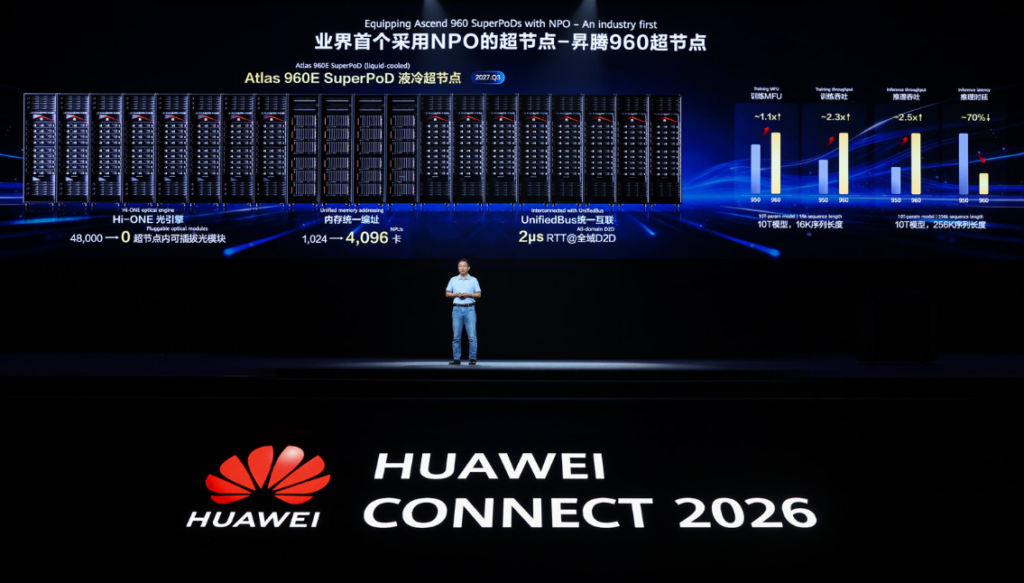
Huawei has unveiled the Atlas 960E SuperPoD, a new AI computing system designed to handle increasingly large artificial intelligence models. The company announced the system on September 17 at HUAWEI CONNECT 2026 in Shanghai.
Huawei says the Atlas 960E is the industry’s first SuperPoD based on Near-Packaged Optics (NPO). The system supports training and inference for AI models approaching 10 trillion parameters.
Built for Large-Scale AI
The Atlas 960E combines Huawei’s UnifiedBus technology, also known as Lingqu, with the company’s Hi-ONE optical system. The architecture uses unified memory addressing, allowing computing resources to work more like a single system rather than separate machines.
A single SuperPoD can support up to 4,096 Ascend AI processors and deliver up to 8 EFLOPS of FP8 performance and 16 EFLOPS of FP4 performance. Huawei says the system uses a fully liquid-cooled design and an orthogonal architecture.
Hi-ONE Cuts Optical Hardware
A key part of the system is Huawei’s Hi-ONE NPO optical engine. Huawei says it offers 7.2 terabits per second of transmission capacity and includes an integrated light source.
The Atlas 960E uses about 5,500 Hi-ONE units, replacing roughly 48,000 traditional 800G optical modules. Huawei claims the design can reduce power consumption by more than 550 kilowatts, double fault-free operating time and provide 99.8% system availability.
Scaling to 1 Million AI Processors
Huawei is also extending the SuperPoD approach to general-purpose computing. Its upgraded TaiShan 950 SuperPoD supports up to 4,096 nodes and a 256 TB unified memory pool, while the OceanStor M900 provides petabyte-scale key-value caching for AI workloads.
Huawei also plans to connect multiple Atlas 960E SuperPoDs into larger AI clusters using UnifiedBus and RoCE networking. The company says its architecture can connect up to 512,000 AI processors, while a multi-rail topology can scale an Ascend SuperCluster to 1 million processors.
The Atlas 960E is scheduled for Q3 2027. Huawei is also preparing the Ascend 960 DT for Q1 2027, the Ascend 960 PR for Q3 2027, followed by the Ascend 970 in 2028 and Ascend 980 in 2029.
Huawei Atlas 960E SuperPoD: Key Specifications
Feature
Huawei Atlas 960E SuperPoD
Launch
Q3 2027
AI model target
Up to 10 trillion parameters
NPO optical engine
Hi-ONE
Transmission capacity
7.2 Tbit/s
Maximum Ascend cards
4,096
FP8 performance
8 EFLOPS
FP4 performance
16 EFLOPS
Optical modules
5,500 Hi-ONE
Replaced 800G modules
Around 48,000
Claimed power reduction
Over 550 kW
System availability
99.8%
Interconnect
UnifiedBus / Lingqu
Cooling
Fully liquid-cooled
Maximum SuperCluster scale
Up to 1 million Ascend processors
Disclaimer: Specs are based on available data. Actual performance may vary. Verify details from official sources before buying.
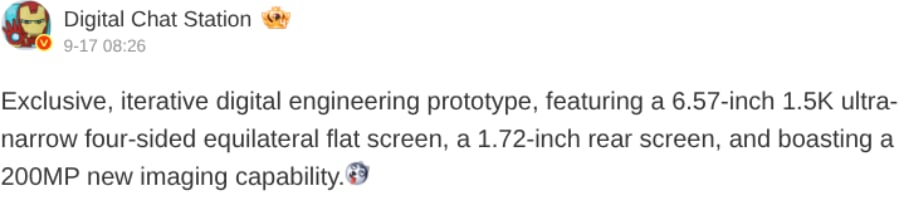
Honor is reportedly working on a phone with a built-in rear display for the Honor 700 series, and we now have a better idea of what it could offer. Tipster Digital Chat Station has shared new details on Weibo.
The device, which is likely the Honor 700 Pro, is said to feature a 6.57-inch flat display on the front with a 1.5K resolution. The screen will reportedly have very thin and symmetrical bezels on all four sides. The phone is also expected to use a 200MP main camera, matching earlier reports.
The biggest change, however, is on the back. The phone is rumored to have a 1.72-inch secondary display built into its rear panel.
The rear display’s placement is still unclear
The latest leak does not say where Honor plans to place the smaller screen. It could sit inside the camera island, similar to the rear Magic Back Screen that Xiaomi added to the 17 Pro. Another possibility is that Honor places it somewhere lower on the back of the phone.
Honor has already experimented with the idea of a second screen. The Honor 600 series launched with a magnetic mini display accessory that attaches to the back of the phone. It lets users use the main cameras for selfies while viewing a live preview on the small external screen.
A built-in rear display on the Honor 700 would take that idea a step further by putting the screen directly into the phone instead of requiring a separate accessory.
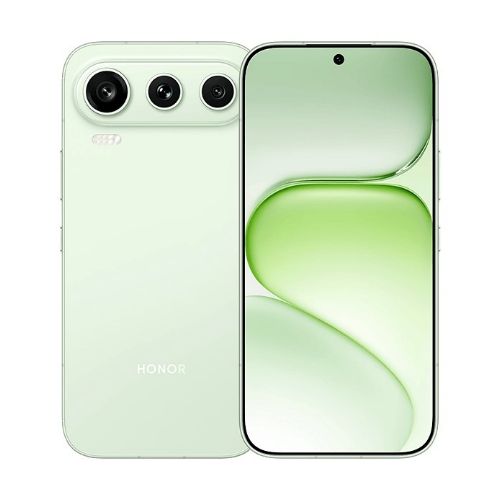
Honor 600 Pro (China)
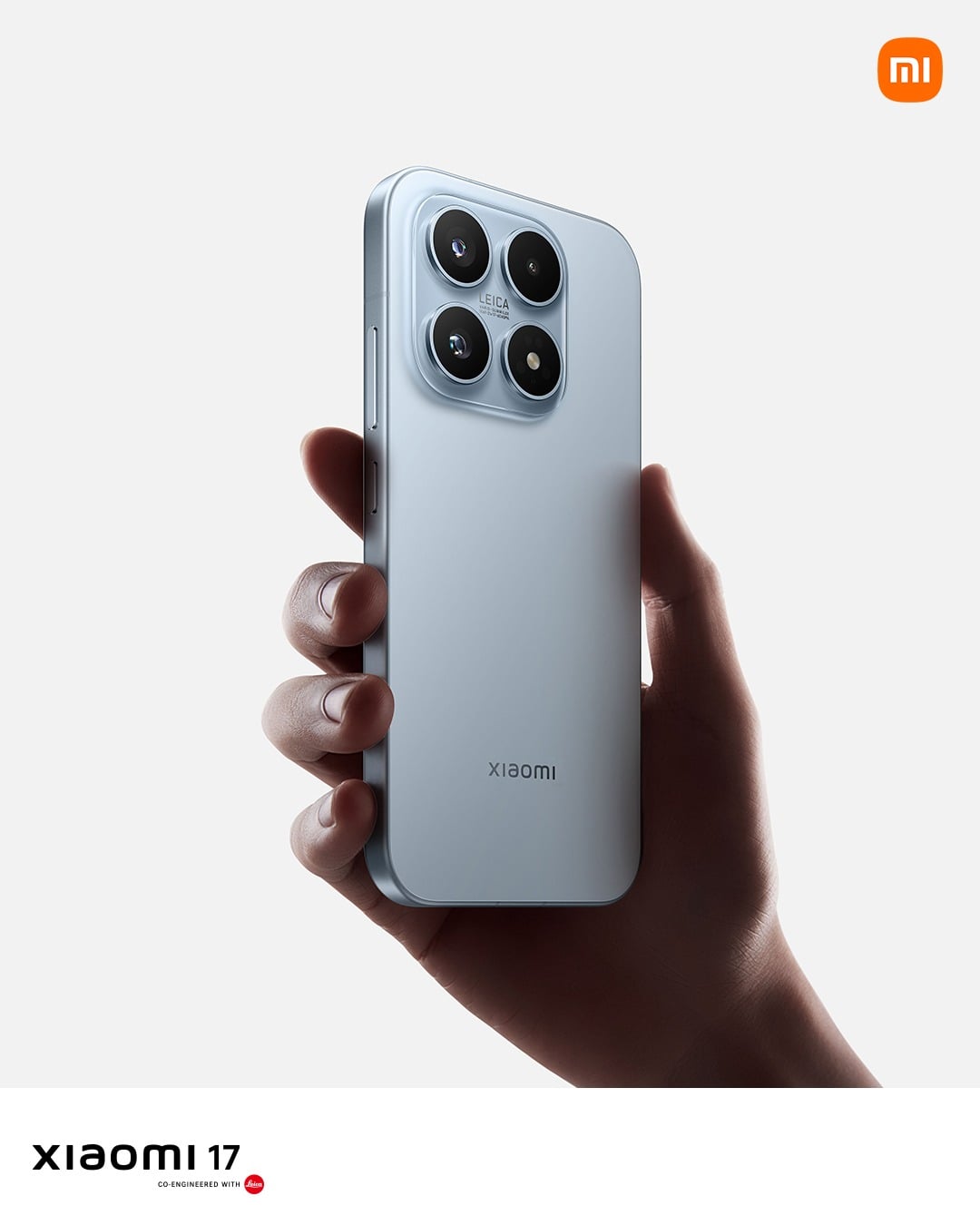
Rear displays have become more common on flagship phones this year. Xiaomi helped bring the idea into the spotlight with the 17 Pro and 17 Pro Max, and the company has already confirmed a rear display for the Xiaomi 18 Pro series, which is set to launch this month.
If Honor goes ahead with the feature, the Honor 700 series could offer a similar approach for users who want a secondary screen on the back of their phone.
Honor’s usual release schedule suggests the Honor 700 series could launch in China around November or December. That gives us plenty of time to learn more about the phone, including where Honor plans to place that rear display.
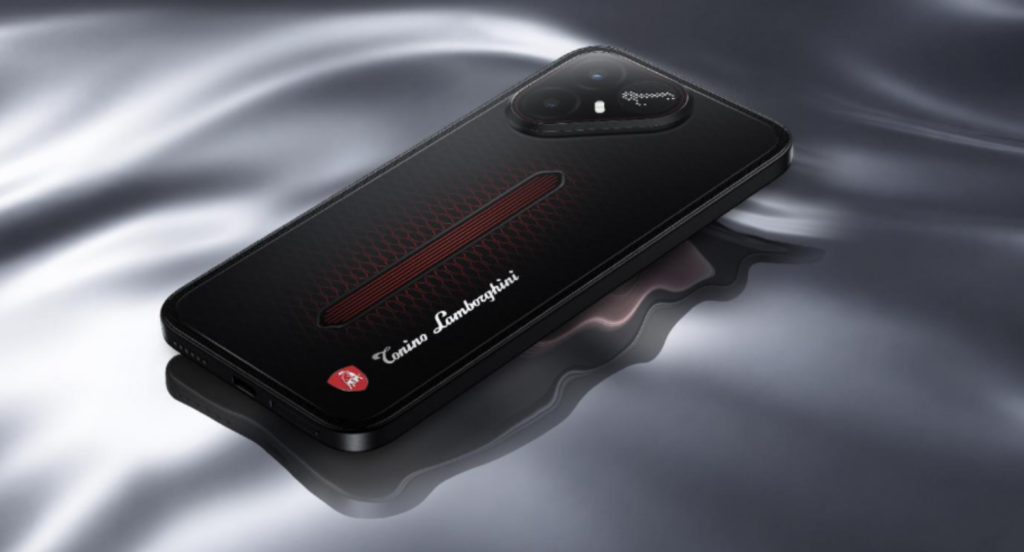
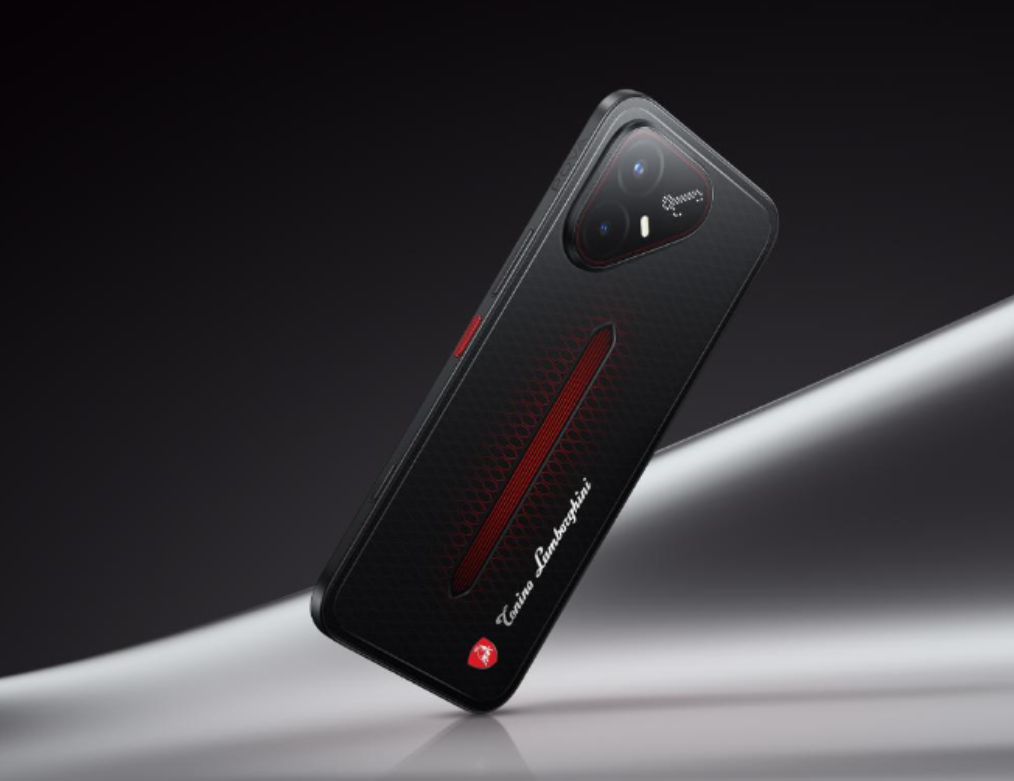
TECNO has partnered with Tonino Lamborghini for the POVA 8 Pro 5G Tonino Lamborghini Limited Edition, bringing Italian-inspired design and mechanical aesthetics to a smartphone. Founded in 1981 by Tonino Lamborghini, the lifestyle brand is known for distinctive design, engineering-inspired details, individuality, and luxury as a lifestyle.
The collaboration goes beyond adding a Lamborghini logo to the phone. Tonino Lamborghini contributes its Italian design language and mechanical-inspired styling, while TECNO brings its mobile technology and POVA’s performance-focused identity. The result is designed around four ideas: strength, precision, distinctiveness, and bold self-expression.
The phone uses a predominantly black-and-red design, combining a dark base with energetic red accents. Its rear panel features a central Pulse Line, inspired by energy flow, movement, and engineered design. Surrounding it is the Signature Shield pattern, which draws from the Tonino Lamborghini shield identity, mechanical geometry, and structured automotive design.
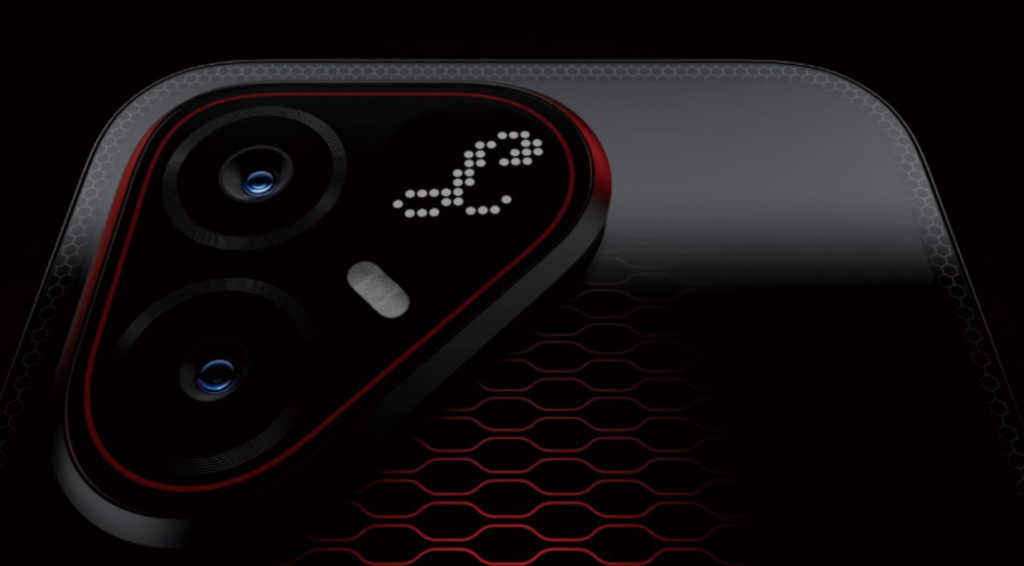
TECNO also took inspiration from automotive elements such as body lines, cooling grilles, honeycomb patterns, and exhaust-inspired details. A metallic Tonino Lamborghini logo is integrated into the overall rear design alongside layered textures and reflective surfaces.
TECNO has developed a more complex rear-cover process instead of relying on a flat printed design. The cover uses two material layers. The first receives a brightness-enhancing treatment to improve depth, clarity, and reflectivity. The second incorporates specially processed internal mirror structures that allow hidden red elements to appear as the phone is viewed from different angles.
A physical height difference between the layers adds further depth, creating an appearance inspired by mechanical components, cooling structures and honeycomb grilles. TECNO says the manufacturing process required months of refinement, including work on coatings, inks and processing techniques, along with continuous feedback between both brands.
Lamborghini-Themed Software and Accessories
The limited-edition experience continues into the software. TECNO spent nearly four months developing customized system visuals, including dynamic wallpapers, ringtones and icons. The icons use black and red with a glass-like effect, while sharper geometric shapes inspired by hexagons and shields replace softer rounded designs.
The Alive Matrix Display also receives a Tonino Lamborghini “L” effect for interactions such as powering on, unlocking, and navigating the phone.
The package includes a black-and-red braided cable, customized charger, and protective case. The case combines TPU and PC and uses precision carving inspired by Kevlar and carbon fiber, extending the mechanical design theme even when the phone is protected by the case.
Who Is It For?
For anyone who thinks a smartphone should have some personality. The POVA 8 Pro 5G Tonino Lamborghini Limited Edition is likely to catch the eye of automotive design fans, Tonino Lamborghini enthusiasts and users who prefer bold, unconventional gadgets. Its mechanical-inspired details, shifting red accents and matching accessories make it especially interesting for those who want their phone to stand out.
The TECNO POVA 8 Pro 5G Tonino Lamborghini Limited Edition is built as a complete design experience spanning hardware, software, interaction, and accessories. From its layered rear cover and mechanical details to its customized interface and matching accessories, the collaboration aims to bring Tonino Lamborghini’s design philosophy into the smartphone itself rather than treating the branding as a simple visual addition.
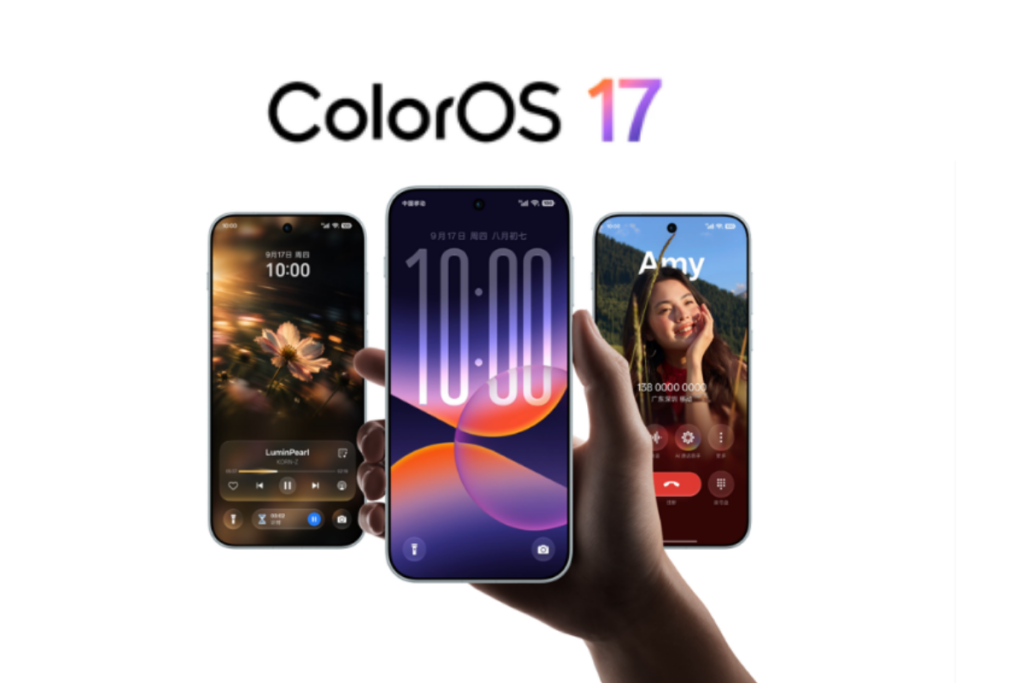
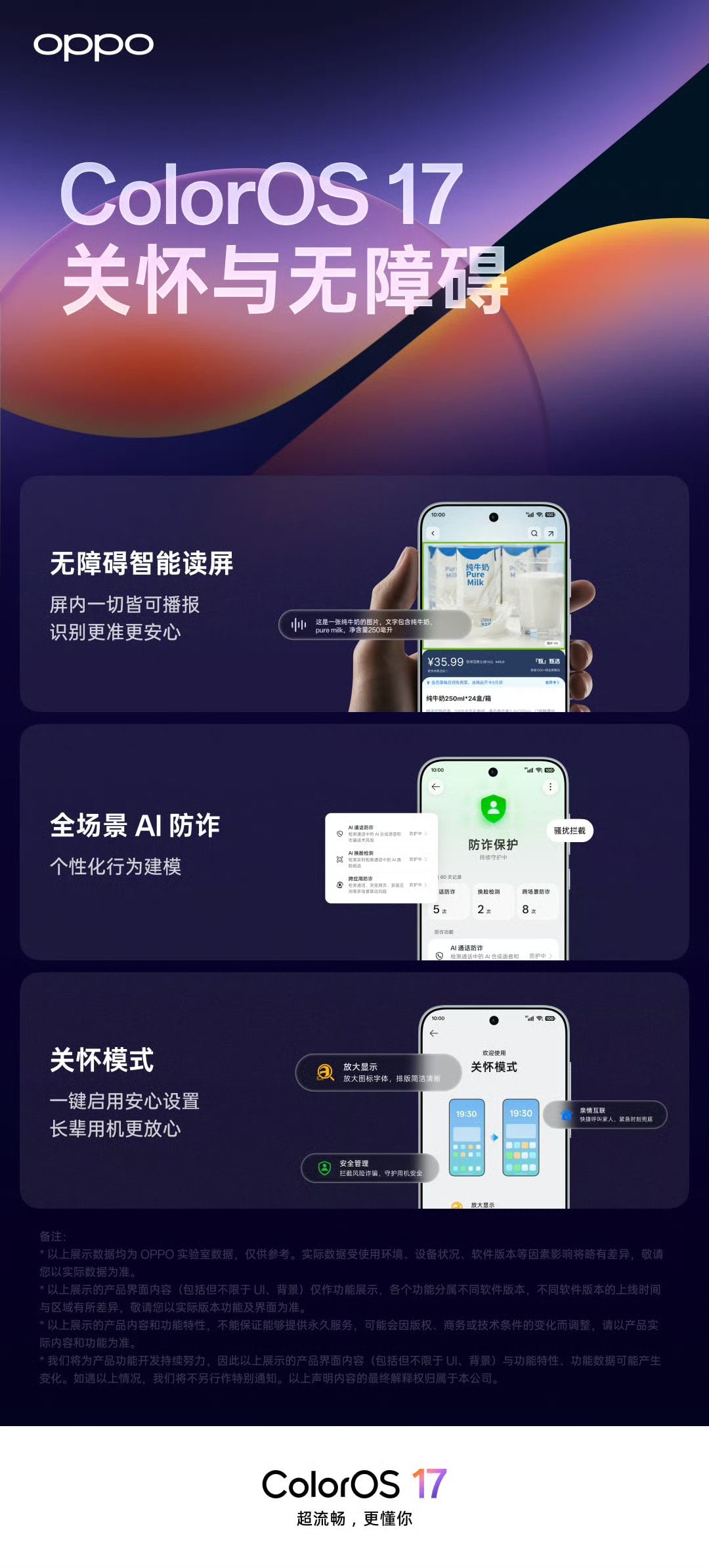
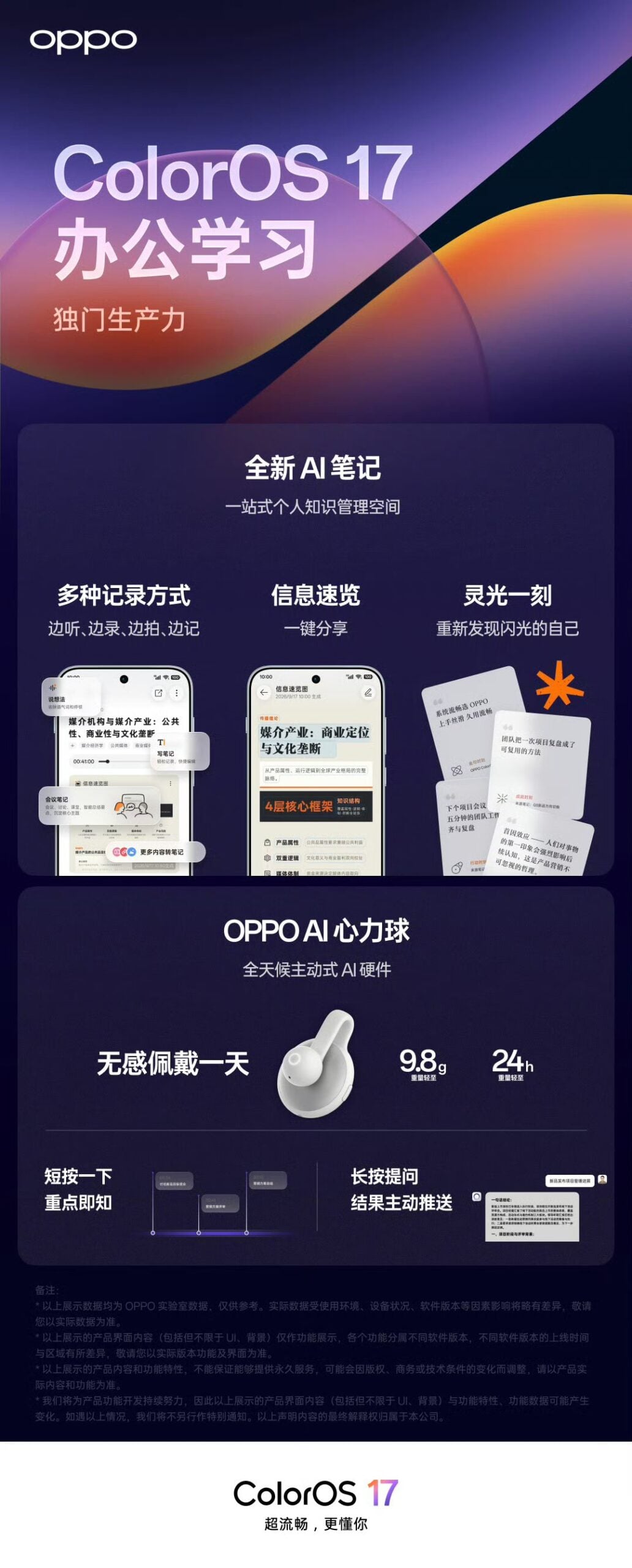
Oppo has unveiled the ColorOS 17 skin, based on Android 17. It brings essential upgrades throughout the system, with a major focus centered around the new Fluid Design and AI productivity.
The company is planning to upgrade around 90 devices to ColorOS 17. The list is pretty huge, and there’s a reason for it: OnePlus and Realme phones will also receive the same update across all regions, as confirmed earlier. Review the rollout schedule below to find out if and when the ColorOS 17 update will reach your device.
While this schedule only applies to China, the ColorOS 17 global rollout will likely follow a similar order. As for the rollout dates, global models typically start receiving the update a few weeks later than Chinese models.
We can expect Oppo to announce the global rollout plan soon, likely sometime later this month. We’ll let you know when that happens.
Stay tuned with us for more updates. You can join our Telegram channel to receive instant alerts when we post new stories.
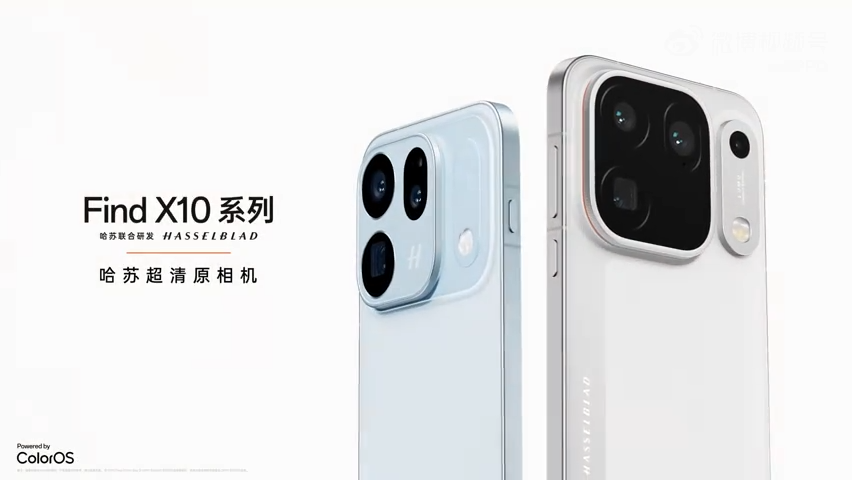
The Oppo Find X10 series is launching on September 22, and Oppo continues to tease both the standard and Pro Max models. Surprisingly, the lineup lacks a Pro model. Two of the recent teasers focus on camera samples: one for the standard Find X10 and another for the Find X10 Pro Max. You can check out the standard model’s samples here.
Unlike the standard Find X10, which is expected to use a 50MP Samsung JN5 as its ultra-wide, the Find X10 Pro Max comes with a triple 200MP setup. While official camera specifications are still limited, the image samples already show a clear difference in quality.
Many of the Pro Max samples appear to have been taken with the telephoto lens. A close-up comparison with the standard Find X10’s samples highlights a consistent gap in detail. The Pro Max images look noticeably more detailed. Oppo hasn’t specified the exact focal lengths used in the samples.
The results feel social-media ready and professional, neither oversaturated nor dull. Previous reports also mention a 3MP multispectral sensor for improved color accuracy.
None of the images seem to use portrait mode with artificial background blur. The subject separation remains clean, even around fine strands of hair, while the background still delivers a pleasing natural bokeh, suggesting larger optics. The phone also handles direct sunlight well, keeping highlights under control without overexposure or washout.
Under the hood, the Find X10 Pro Max is powered by the Dimensity 9600 Pro. A Geekbench listing shows a 16GB RAM version. Storage starts at 256GB and 512GB, with the 16GB model going up to 1TB.
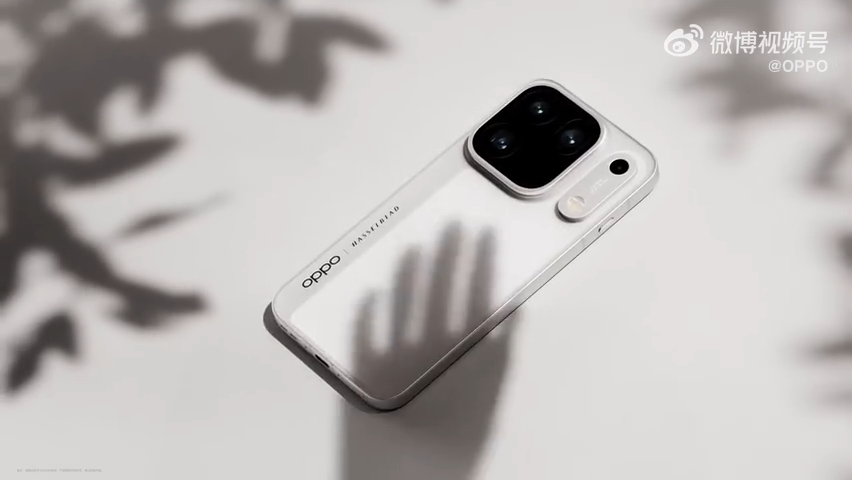
On the design side, the Find X10 Pro Max will reportedly come in Moon White, Light Titanium, and Warm Orange. A major change this year is the square camera housing, with the LED flash and the color correction sensor placed in a separate pill-shaped section on the right. It’s a distinctive look compared to last year’s design and other flagship phones launched in recent years.
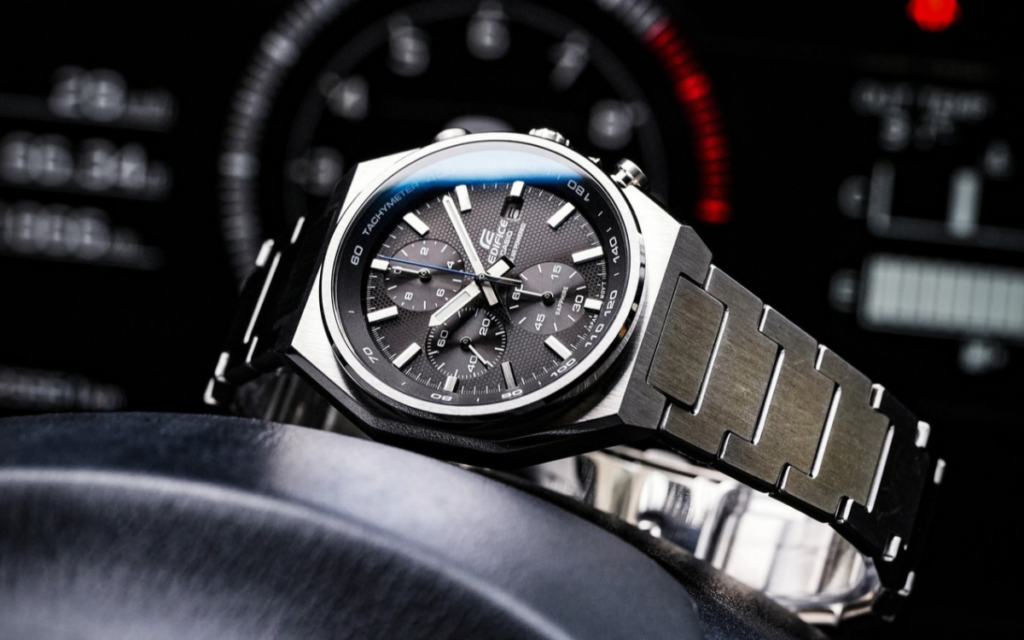
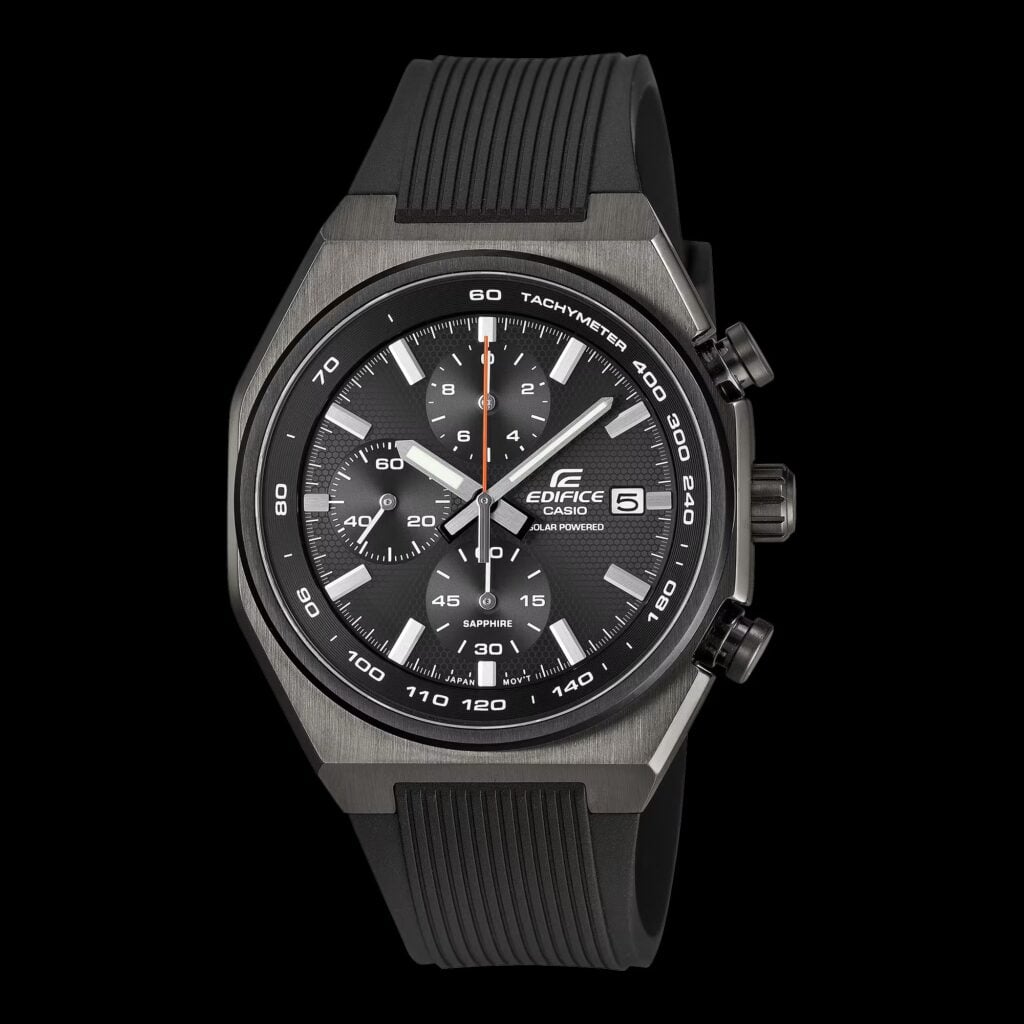
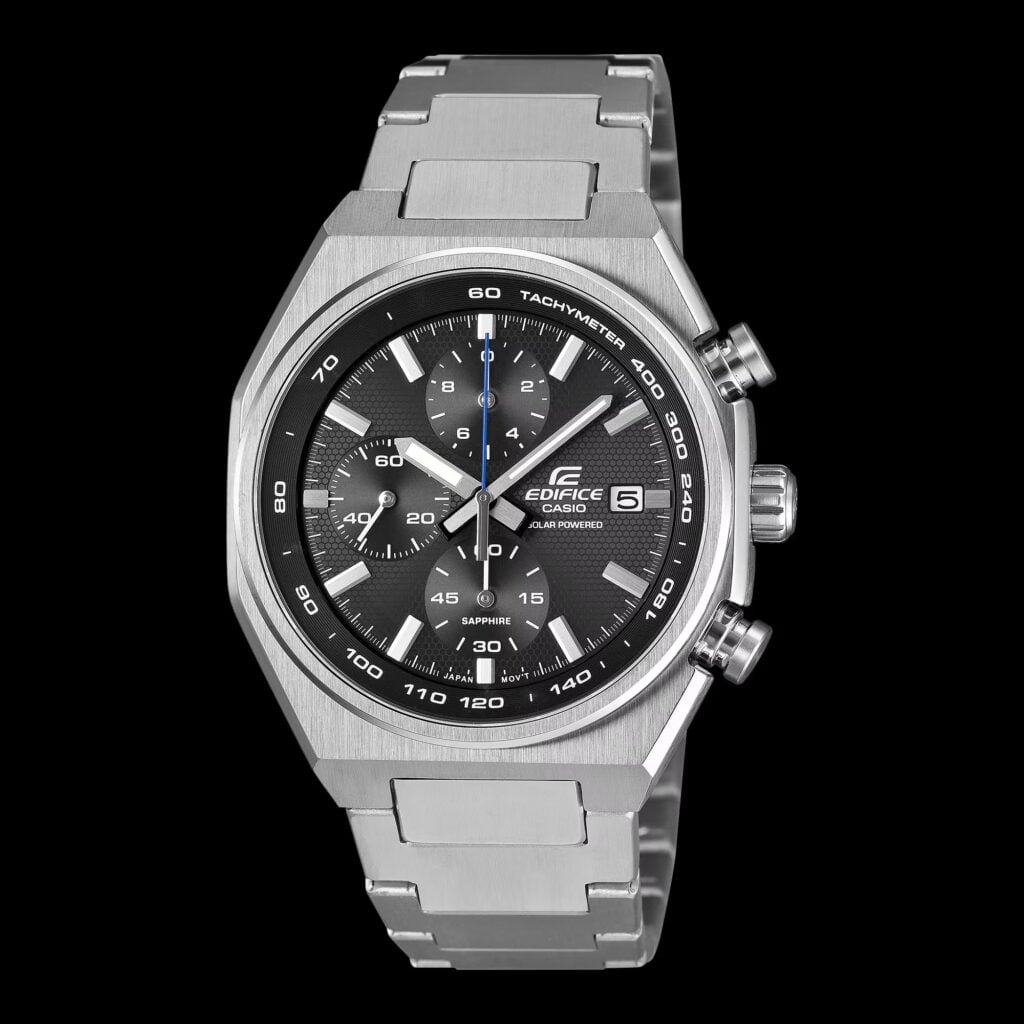
Casio has expanded its US watch lineup with the release of two new Edifice EFS-S660 models. Initially launched in Japan this past August, the EFS-S660D-1A and EFS-S660PB-1A are now available on the company’s US website for $200. The release adds a pair of straightforward, solar-powered analog chronographs to the market, focusing on standard materials and a smaller form factor rather than smart features or oversized designs.
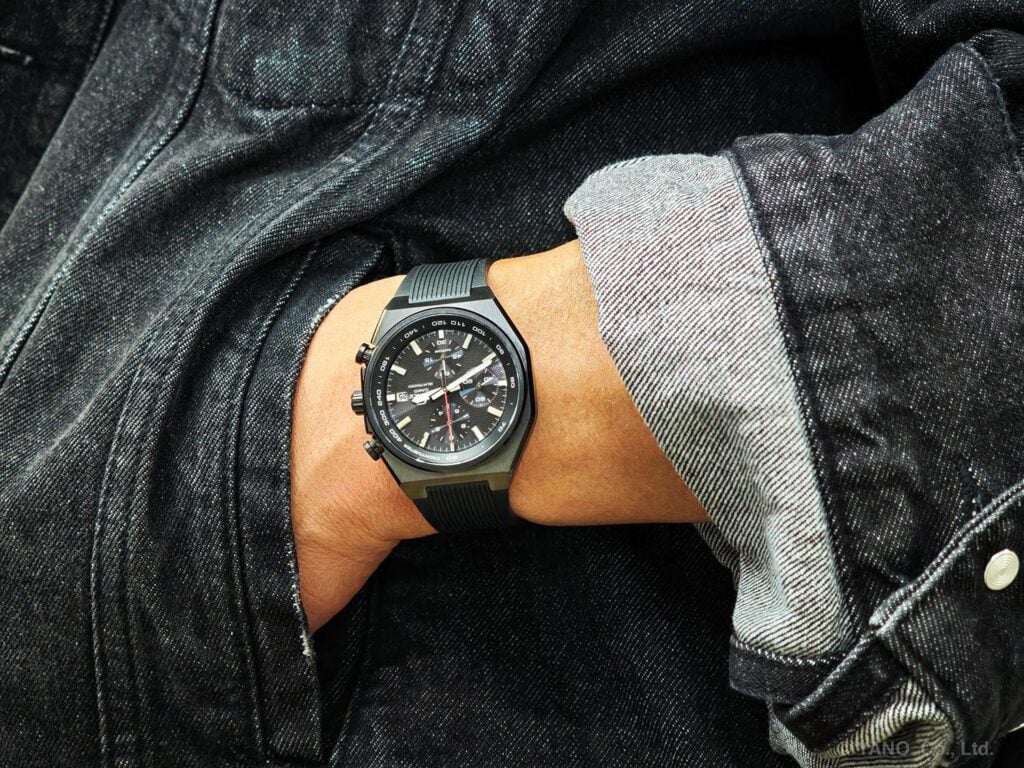
The primary differentiator for the EFS-S660 series is its size. The watches feature a compact case measuring 38.3mm in diameter, 45.3mm lug-to-lug, and 11.6mm thick. This is a smaller footprint compared to many contemporary chronographs, which often exceed 40mm or even 42mm.
Casio has equipped both models with a sapphire crystal that includes an anti-reflective coating, a material choice that provides better scratch resistance than the mineral glass typically found on watches in this price bracket. Both models also include a standard 100-meter water resistance rating.
Casio is offering the watch in two distinct configurations. The EFS-S660D-1A is the heavier of the two at 129 grams, featuring a standard stainless steel case and a matching stainless steel bracelet with a one-touch, three-fold clasp. It uses a blue center seconds hand for visual contrast against the dark dial.
The EFS-S660PB-1A is a lighter variant at 71 grams, swapping the steel band for a black resin strap. It features a gray ion-plated case, a black ion-plated bezel, and a red center seconds hand.
Internally, both watches use Casio’s solar charging system. The textured dial allows ambient light to reach the solar panel underneath, which then charges the internal battery. The watches can run for around five months on a full charge before the hands stop moving. They also feature a low battery alert that lets users know when the watch needs more light exposure. The quartz movement is rated for an accuracy of ±20 seconds per month.
For timing, the watches feature a 1/20-second stopwatch that can measure elapsed time, split times, and first- and second-place finishes for up to nearly an hour. The dial includes three standard hands, a date window, and three sub-dials for regular seconds, stopwatch minutes, and 1/20-second measurements. Casio has also added a tachymeter scale around the outer bezel, which can be used to calculate speed based on travel time.
In related news, Casio has recently launched three premium Oceanus OCW-P3000 watches featuring a clever world-time bezel, along with two new G-Shock 5600 models equipped with MIP displays, Bluetooth connectivity, and solar charging.
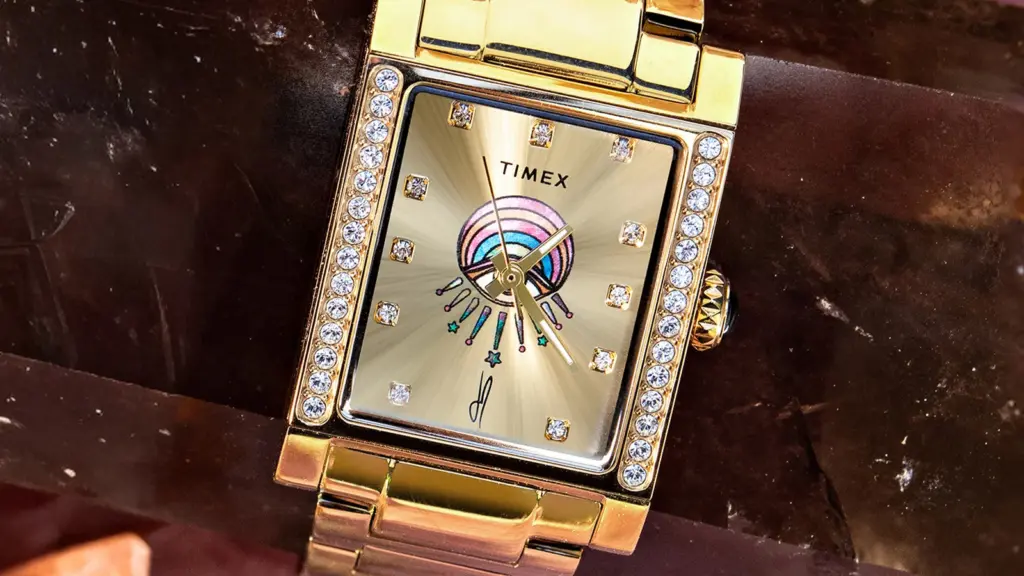
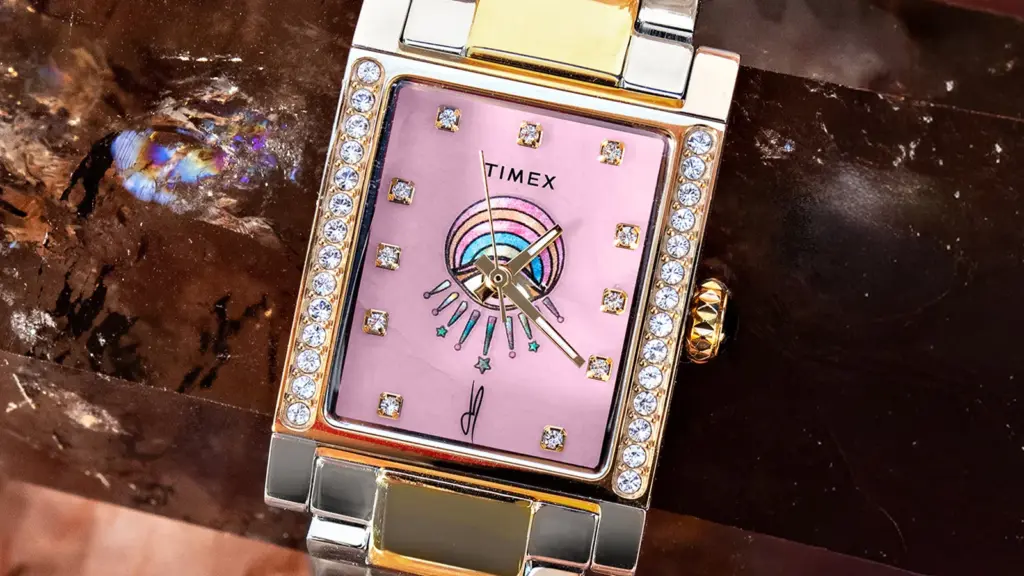
Timex has released two new watches in the US as part of its ongoing collaboration with Los Angeles-based jewelry designer Jacquie Aiche. The new models, which fall under the Éclat collection, are the first rectangular timepieces produced through this partnership. They are available now on the Timex website.
Design Details
The release includes two distinct variations built around the same 24mm stainless steel case. The base model (TW6A15200), priced at $400, features a polished gold-tone finish across the case and bracelet, paired with a matching gold-tone sunray dial.
The second model (TW6A15000) costs $500 and uses a two-tone stainless steel finish. Instead of a standard metal dial, the $500 version features a dial cut from natural rose quartz, meaning the exact pattern and texture of the stone will vary between individual units.
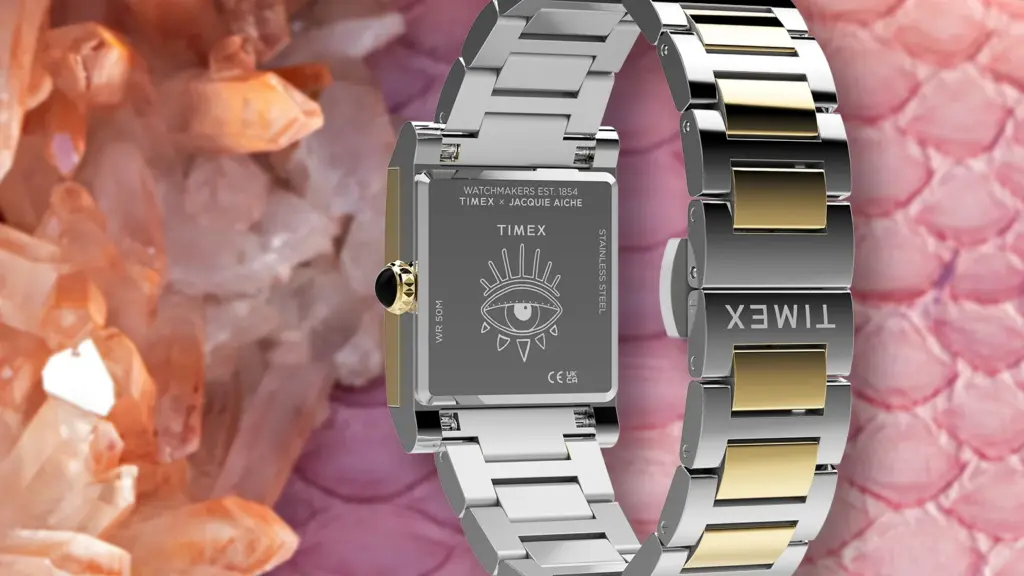
Both watches share the same core design elements, integrating Aiche’s jewelry background into the hardware. The center of the dial features the designer’s signature eye motif, which is also engraved on the rear caseback. Timex has placed crystal markers at the hour positions, and the rectangular bezel is lined with an additional 28 hand-set crystals.
In terms of dimensions, these are relatively compact watches. The case measures 24mm across, with a 34mm lug-to-lug distance and a thickness of 9mm. They weigh approximately 86 grams. The 18mm stainless steel bracelet secures with a butterfly deployant clasp and can be adjusted to fit wrist sizes ranging from 135mm to 190mm (5.3 to 7.5 inches).
Internally, the watches rely on a standard battery-powered quartz analog movement, running on an SR626SW battery. The hands include a luminescent fill so the time can be read in low light. For durability, Timex is using mineral crystal over the dial rather than the more scratch-resistant sapphire glass often found in higher-end watches.
The water resistance is rated at 30 meters, which means the hardware can survive hand-washing and light splashes, but it is not built for swimming, showering, or diving.
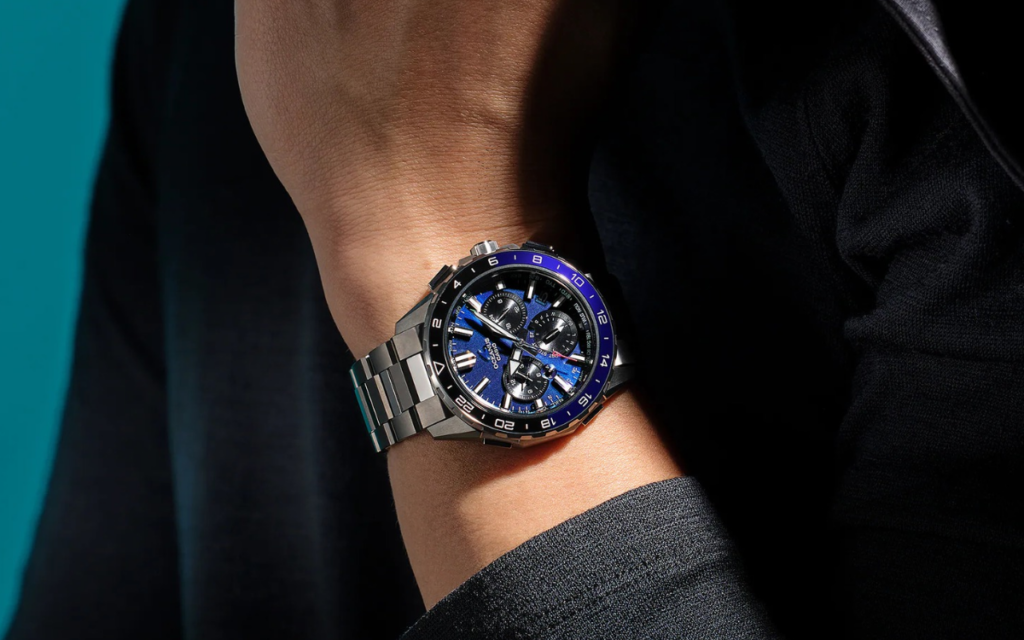
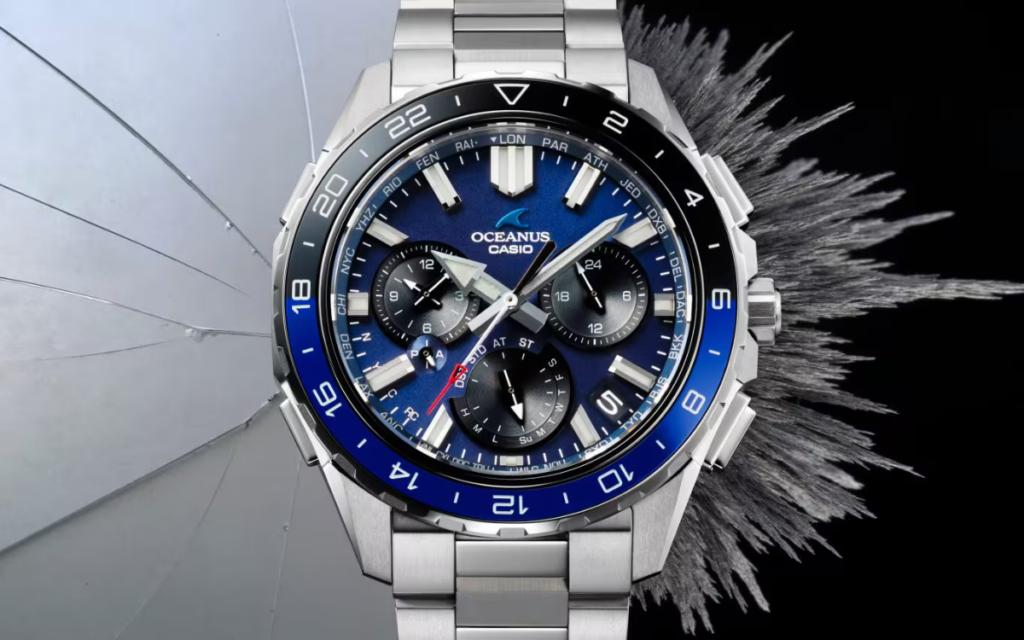
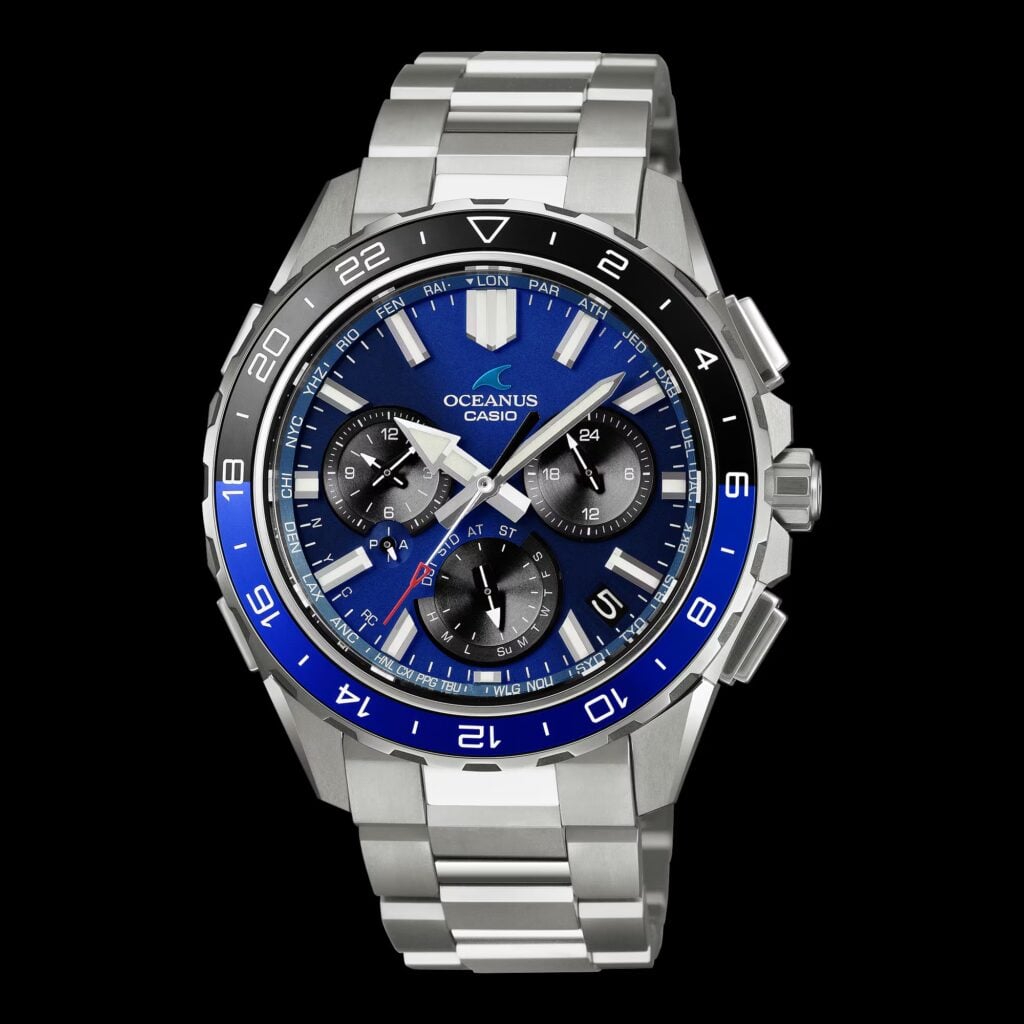
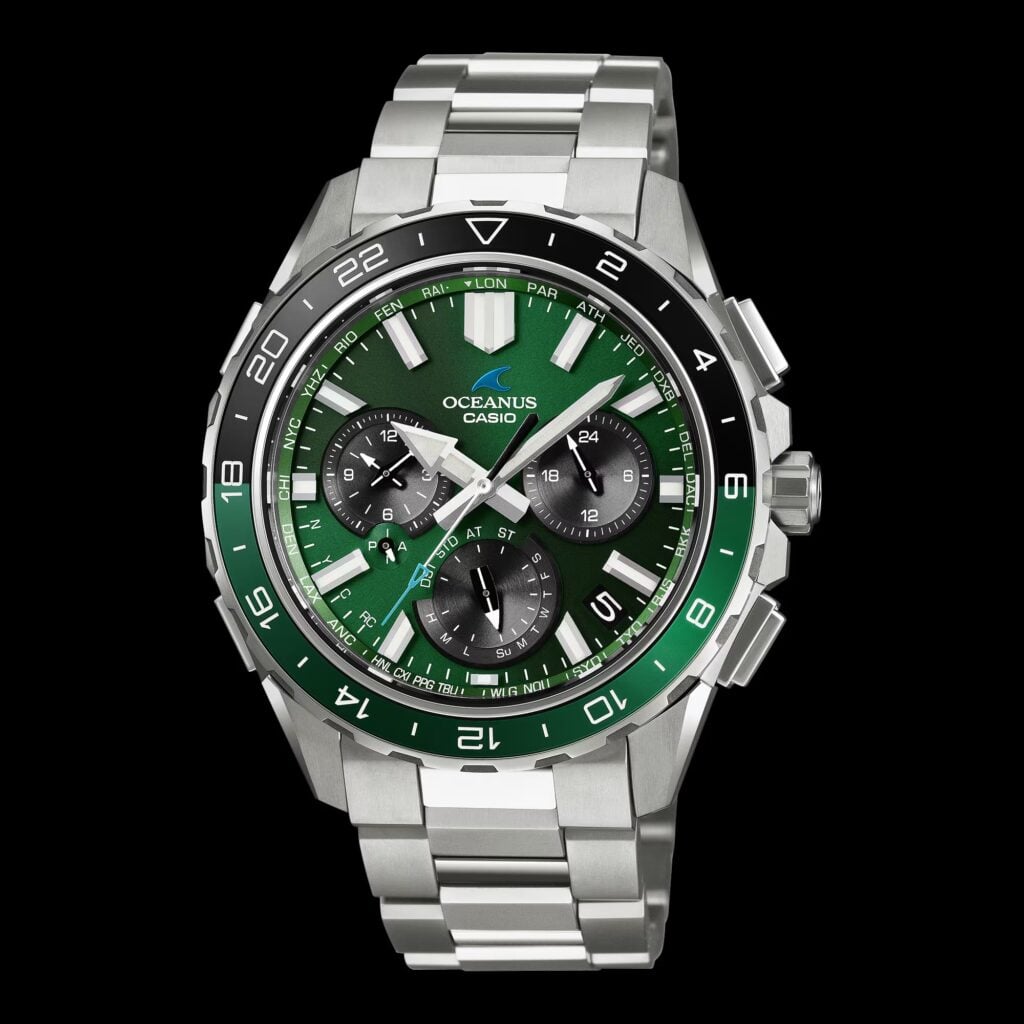
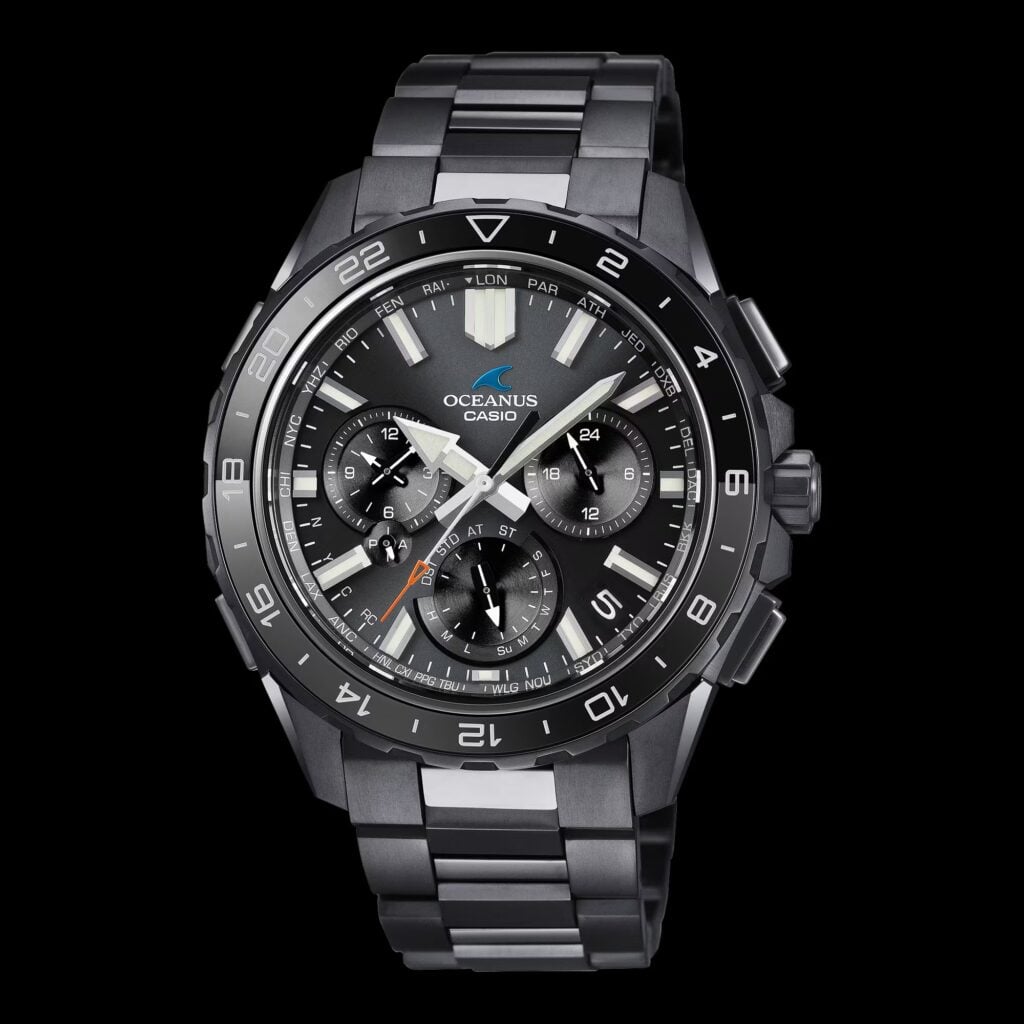
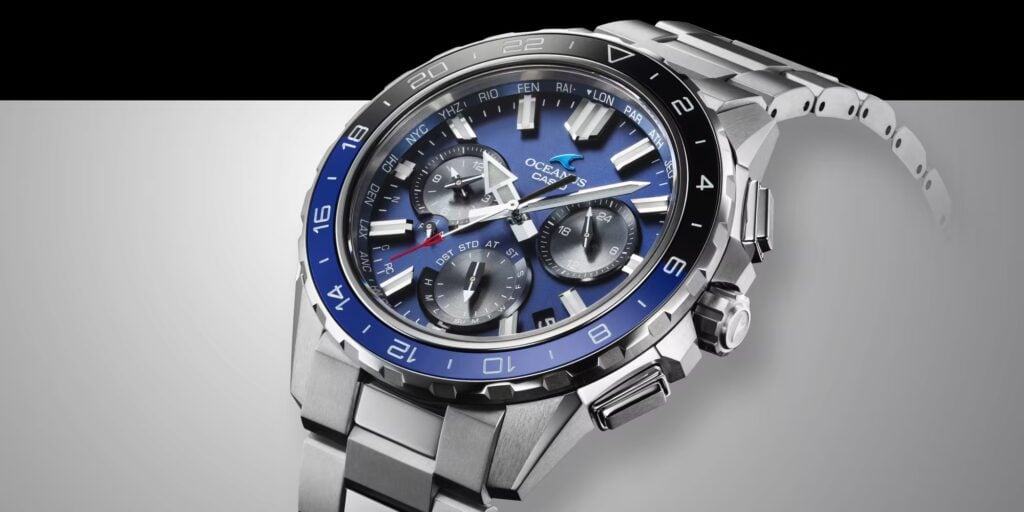
Casio has announced three new models in its Oceanus line, scheduled for release in Japan in October 2026. The new Cachalot OCW-P3000 series includes the OCW-P3000-2A, OCW-P3000-3A, and the OCW-P3000B-1A. Rather than relying on digital displays or complex sub-menus to manage multiple time zones, these watches use a physical system that Casio calls the Time Zone Navigator.
Design Details
The setup process is fairly straightforward. When you press a button on the side of the watch, the seconds hand moves to point at a city on the dial where the local time is currently midnight. You then manually rotate the bezel so its triangle marker aligns with the seconds hand.
Once that is set, the 24-hour scale on the bezel lines up with the 26 city codes around the dial, letting you read the time in those locations at a glance. The bezel itself uses a ceramic insert with a two-tone design to separate daytime and nighttime hours.
Because the case and bracelet are made entirely of titanium, the watches are relatively light at 99 grams, despite their 47.6 x 42.9 x 11.7 mm dimensions. The two standard models (2A and 3A) have a titanium carbide treatment, while the 1A model features a Diamond-Like Carbon (DLC) coating for better scratch resistance.
The dial is covered by a sapphire crystal with an anti-reflective coating on both sides. Casio also adjusted the solar panel layout so the sub-dial can use opaque materials for better color contrast, without blocking the light needed to charge the battery.
Internally, the watches run on Casio’s Tough Movement 2. It is a solar-powered analog movement that keeps time accurate by syncing with the Casio Watches app over Bluetooth. If you don’t have your phone connected, it defaults to receiving Multiband 6 radio signals.
The movement also has built-in protections against physical shocks and magnetic fields. If the watch takes a hard impact that knocks the hands out of alignment, a shock detection system automatically corrects them.
Similarly, a magnetic field sensor will temporarily freeze the hands if it detects strong interference to prevent the alignment from shifting, and it resumes normal operation once the magnetic field is gone. On a full charge, the battery lasts about five months under normal use, or up to 23 months with the power-saving mode turned on.
Pricing and Availability
The OCW-P3000-2A and 3A will cost ¥220,000 ($1,410), and the DLC-coated OCW-P3000B-1A will be priced at ¥253,000 ($1,622) when they go on sale next month.
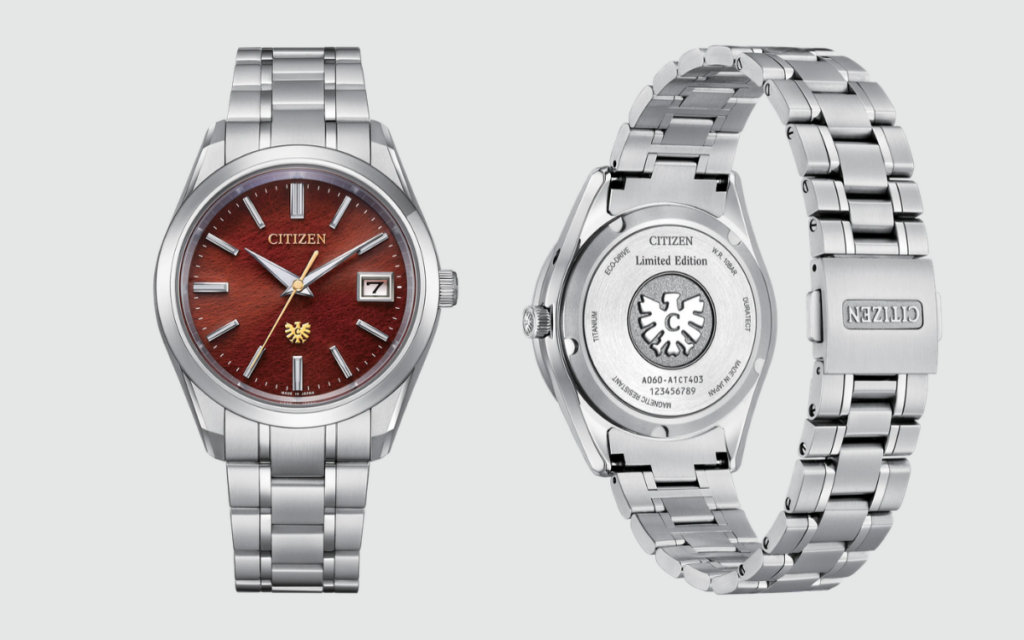
Citizen has launched the AQ4100-65X in the US as the latest addition to its premium The Citizen lineup. It is priced at $2,995 and combines a high-accuracy quartz movement with the brand’s specialized case materials. The watch is now available for purchase through Citizen’s US website.
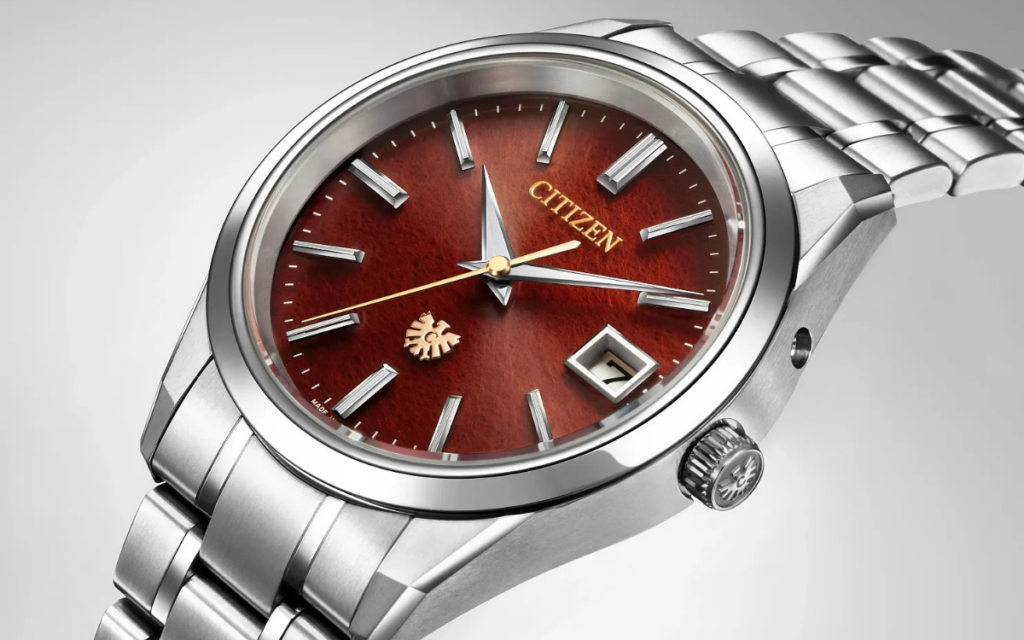
The watch features a 38.3mm case made from Citizen’s Super Titanium. To protect against standard wear and tear, the metal is treated with a Duratect Platinum coating.
This process gives the titanium a silver-tone finish that looks similar to stainless steel, while keeping the overall weight of the watch low. The case has a 22mm lug width and comes with a matching titanium bracelet that uses a standard fold-over clasp with push buttons.
For the dial, Citizen used Tosa Tengujoshi paper dyed in a deep red shade. This traditional Japanese washi paper is extremely thin and translucent, allowing ambient light to pass through the dial and reach the solar cells underneath.
At the same time, it gives the dial a textured, matte finish. Citizen has also added its eagle mark logo, which identifies the watch as part of this specific collection.
Inside, the AQ4100-65X runs on the Caliber A060 Eco-Drive movement. It is a solar-powered quartz mechanism, meaning it charges via natural or artificial light and does not require standard battery replacements.
The movement is rated for an accuracy of ±5 seconds per year. It also includes a perpetual calendar, so the date function automatically accounts for different month lengths and leap years.
The watch is fitted with a spherical sapphire crystal that sits slightly raised above the bezel. It has a water resistance rating of 100 meters, which is sufficient for swimming and showering. Citizen is producing 350 unnumbered pieces of the AQ4100-65X globally.
The Oppo Find X10 series is scheduled to launch on September 22, with a total of three models: the Find X10, Find X10 Pro Max, and Find X10 E. Oppo has been teasing the devices for some time, and a recent teaser includes image samples from the base model, the Find X10.
The phone includes two 200MP cameras this year, including a main camera and a telephoto. The Hasselblad-tuned imaging system also includes some refined lenses and reportedly a dedicated color sensor that collects light and color information across 24 sampling channels.
According to the company, this helps keep skin tones and lighting looking more natural, without making images look overly processed. Now, the company has shared a couple of high-resolution image samples of the phone with a human subject, and we can finally get a clearer idea of what’s coming when it comes to detail, skin tones, and overall color processing.
All the images were taken in bright outdoor light, and as expected, they have good detail, no major artifacts, and a nice bokeh effect, even without portrait mode. However, one image with direct sunlight on the subject shows some loss of detail in the brightly lit areas.
On the positive side, the relatively darker parts in the background do not show any visible noise or grainy texture, as we have seen on some Samsung devices with the 200MP ISOCELL HP2 sensor. The main camera here is expected to use the ISOCELL HPC, which is said to have the same sensor size as the ISOCELL HP2 (1/1.3″) found in Samsung’s recent S Ultra flagships.
Colors look natural, neither oversaturated nor dull, and the images overall appear social-media ready, as one would expect from a 2026 flagship developed in collaboration with Hasselblad.
Unfortunately, the camera samples do not include the focal length information. The 200MP telephoto is rumored to be slightly smaller at 1/1.56″. And the ultra-wide is expected to use the ISOCELL JN5, a well-proven sensor measuring 1/2.76″.
At least Oppo has given us an early look at the alleged ISOCELL HPC’s image quality. More details should follow as we get closer to the official announcement.
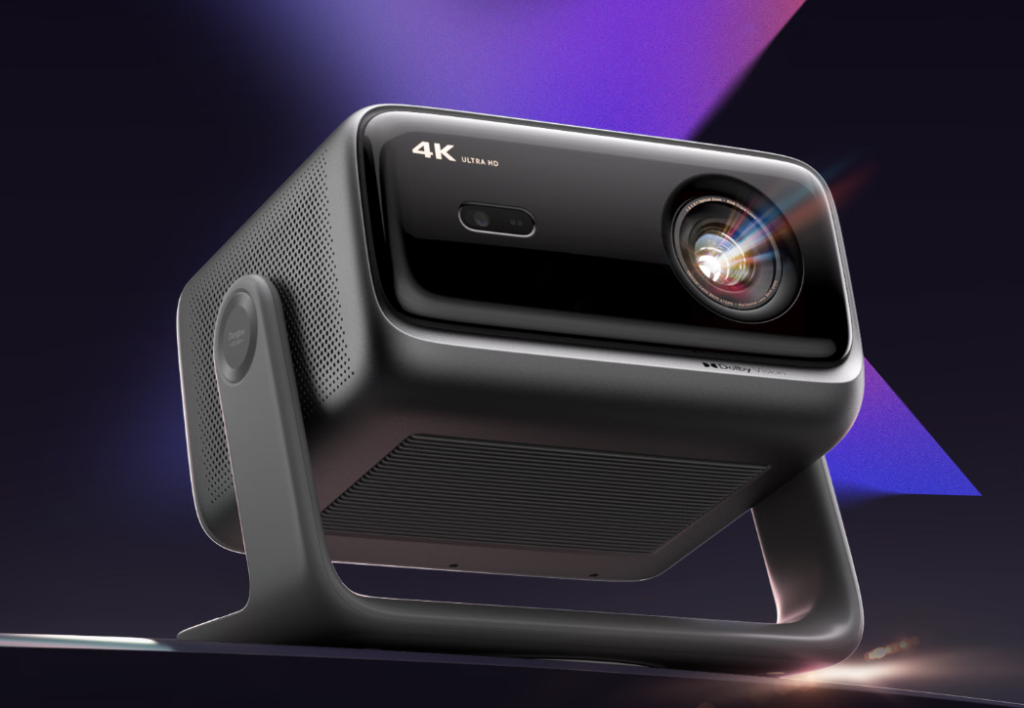
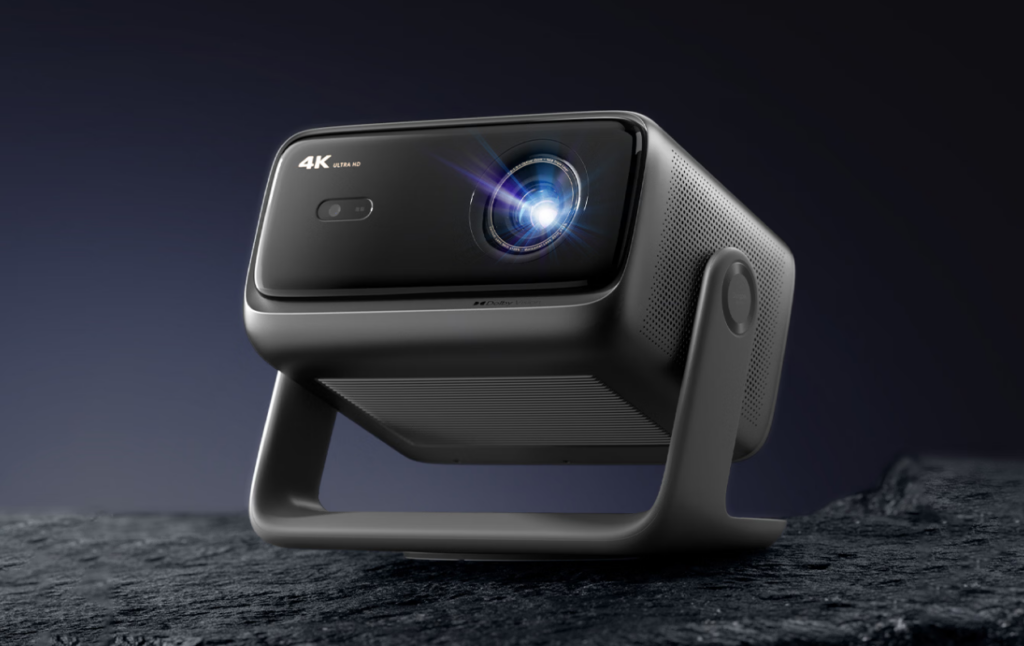
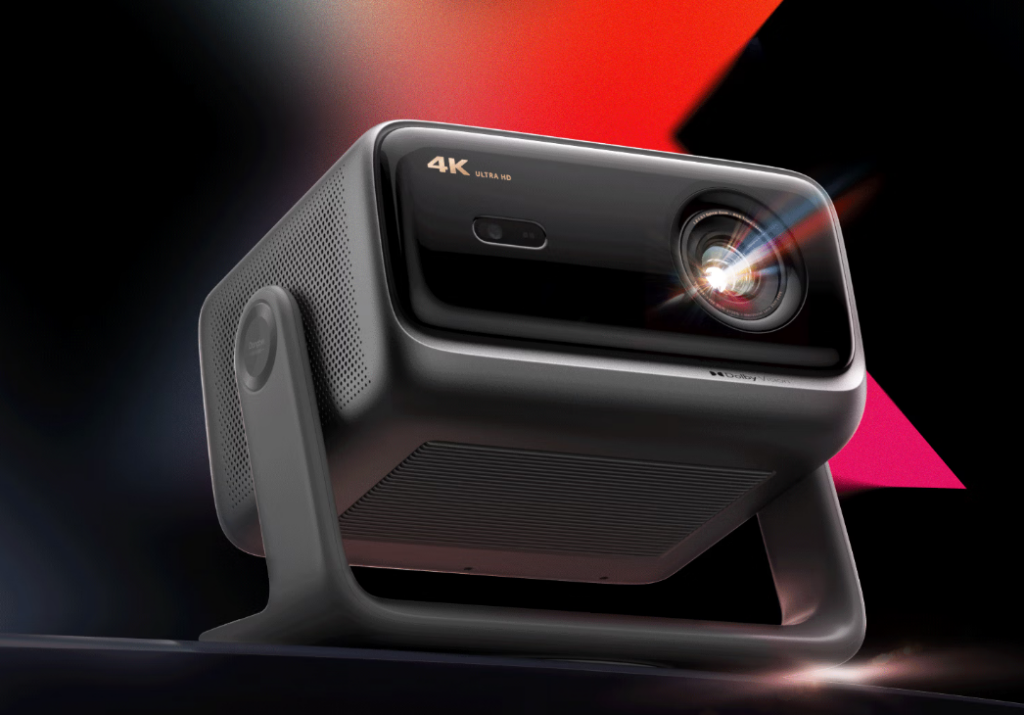
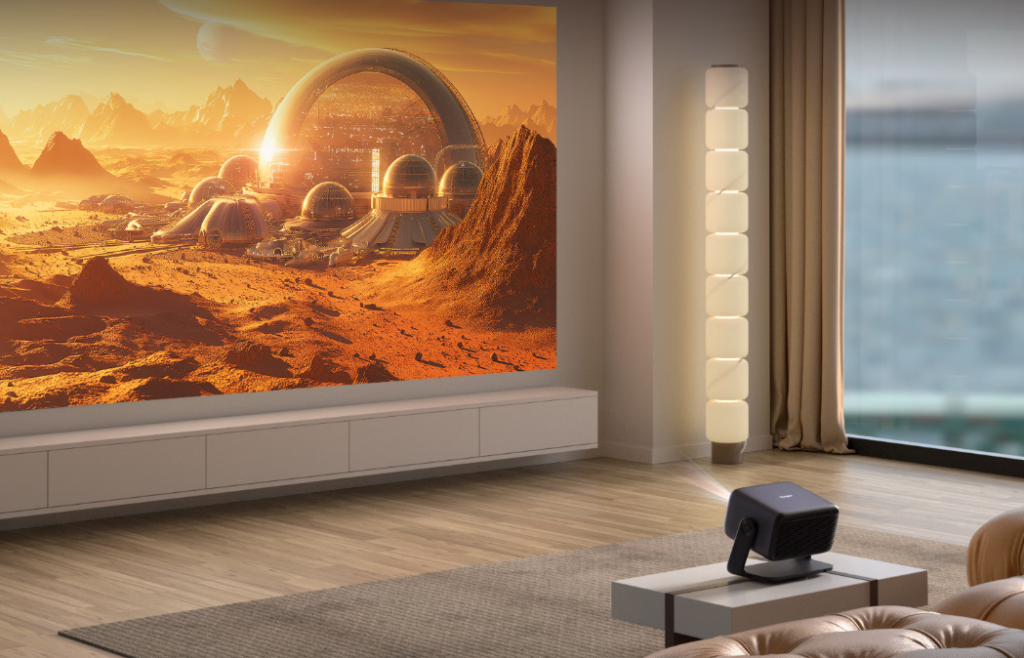
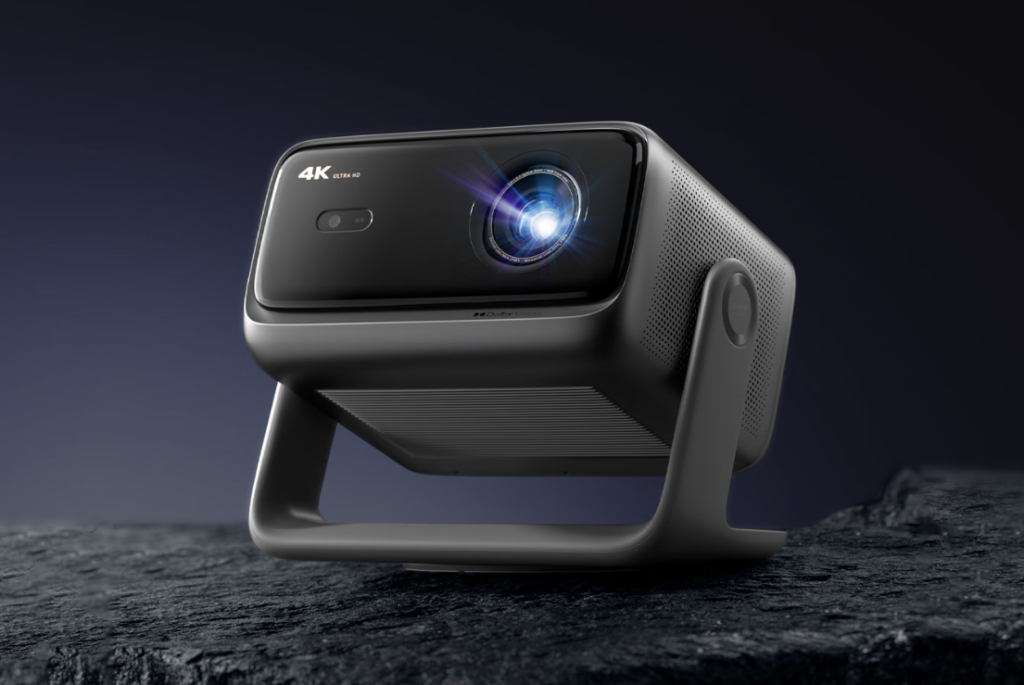
Dangbei has added a new model to its home theater lineup in China with the release of the X9 Ultra. Launched alongside the X9 Max, the X9 Ultra is a 4K laser projector that focuses on high brightness, optical flexibility, and a surprisingly robust set of gaming features. It is currently available on JD.com for 7,999 yuan ($1,192).
The projector is built around a 0.47-inch DMD chip and uses the new QuaLas 42 pure RGB triple-laser light source. According to Dangbei, this setup outputs 5,600 CVIA lumens, which translates to about 6,100 ISO lumens. To manage the heat from the brighter laser, the projector uses an updated thermal management system with larger cooling fins and optimized airflow. The company says this keeps operating noise at or below 28dB.
The projector features four-way optical lens shift, allowing the image to move by up to ±135% vertically and ±50% horizontally without relying on digital keystone correction. This helps preserve image quality while providing greater flexibility with projector placement. It also comes with a 1.2-1.5:1 optical zoom, allowing users to adjust the screen size without physically moving the projector. The lens system uses low-dispersion glass elements to reduce color fringing and glare for a cleaner image.
In terms of image quality, the X9 Ultra supports Dolby Vision and claims a dynamic contrast ratio of 80,000:1. It covers 100% of the DCI-P3 color gamut and comes factory-calibrated with a Delta E of around 0.7. Dangbei has also included a software algorithm designed to reduce the rainbow effect that is sometimes visible on DLP projectors.
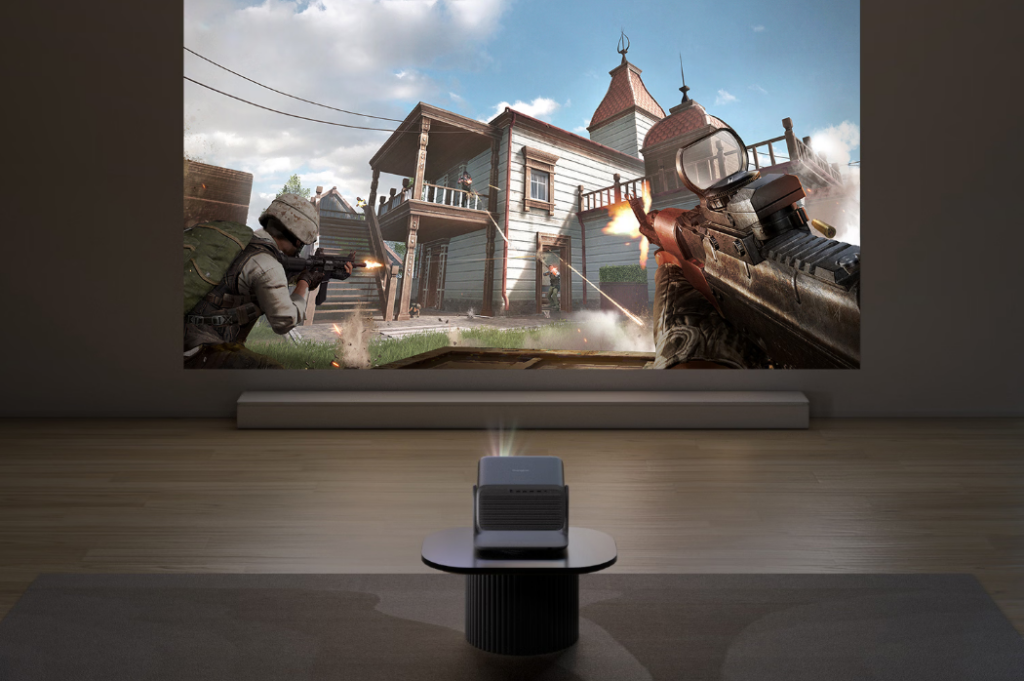
Internally, the X9 Ultra runs on a MediaTek MT9681 processor, 3GB of RAM, and 64GB of storage. It supports Wi-Fi 6 and includes several features typically found on gaming monitors, such as Variable Refresh Rate (VRR), Auto Low Latency Mode (ALLM), and a claimed input lag of 1ms. There is also a 21:9 ultrawide display mode for PC gaming.
The projector runs Dangbei AI OS 6.0 and supports Xiaomi’s smart home ecosystem through the Mijia app. Its built-in media player supports NFS, SMB, and FTP protocols for streaming content directly from a NAS. For connectivity, it comes with two HDMI 2.1 ports, including one with eARC, two USB ports, and an optical audio output. It also features dual 12W full-range speakers with Dolby Audio and DTS support.
Dangbei has launched the X9 Max, its latest home theater projector in China. It is priced at 6,999 yuan ($1,044) and is currently available on JD.com. The projector features a high-brightness triple-laser light source and offers physical lens adjustments for more flexible placement in living rooms and home theater setups.
The X9 Max is built around a 0.47-inch DMD chip and uses a QuaLas 42 pure RGB laser system. The company rates the projector’s brightness at 5,000 ISO lumens (or 4,800 CVIA lumens). In practical terms, this is a high brightness output for a home projector, meaning it should be able to handle rooms with a fair amount of ambient daylight without the image washing out completely. It supports Dolby Vision, covers the 100% DCI-P3 color gamut, and has a native contrast ratio of 1,600:1.
The projector features an optical lens shift and zoom system for more flexible placement. It supports ±135% vertical and ±50% horizontal lens shift, allowing you to reposition the image without physically moving the projector. It also comes with a 1.2-1.5:1 optical zoom for adjusting the screen size while maintaining 4K image quality. Dangbei says the X9 Max can produce screen sizes ranging from 80 to 200 inches, making it easier to set up in different rooms.
For connectivity and gaming, the projector is well-equipped. It features two HDMI 2.1 ports, one of which supports eARC for external audio setups. It can handle 4K gaming at 60Hz or drop the resolution to 1080p to hit a 240Hz refresh rate. With support for Variable Refresh Rate (VRR) and Auto Low Latency Mode (ALLM), plus a reported input lag as low as 1ms under specific settings, it is positioned as a viable display for current-generation consoles.
Internally, the X9 Max runs on a MediaTek MT9681 processor with 3GB of RAM and 64GB of storage. It uses Dangbei’s own Super AI OS 6.0 and integrates directly with Xiaomi’s smart home ecosystem via the Mijia app and HyperConnect. It also supports Wi-Fi 6, Bluetooth 5.2, and standard wireless casting protocols like Apple AirPlay. For audio, it features a pair of built-in 12W speakers.
The projector itself comes in a matte Space Gray finish, weighs just under 6kg, and uses an upgraded cooling system designed to keep fan noise below 28dB. It also ships with a shock-resistant EPP carrying bag, making it a bit easier to pack away or move to another room.
Xiaomi has launched and has started taking pre-orders for the Mijia Air Purifier 6C, a more compact model aimed at people living in smaller apartments. It’s currently listed at 1099 yuan (around €142) and puts a lot of emphasis on formaldehyde detection and multi-stage purification.
It’s designed for small to medium spaces, covering up to 68 m². Official numbers show a particulate CADR of 603 m³/h and a fresh air volume of 9,500 L/min. The unit itself only takes up about 0.063 m² of floor space, roughly the size of an A4 sheet, so it shouldn’t feel bulky in most homes while still moving a good amount of clean air.
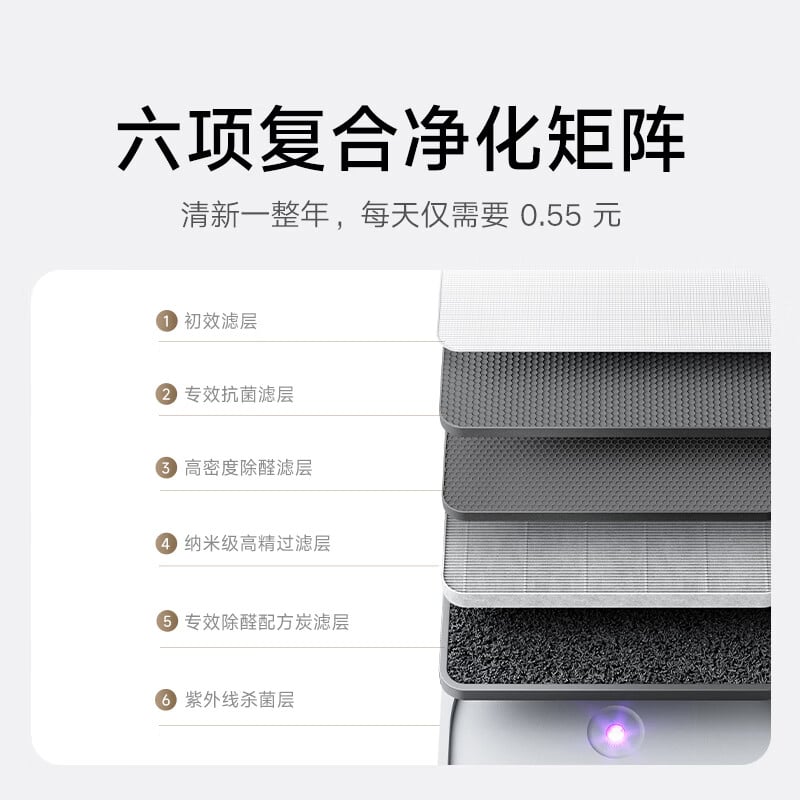
Purification is handled by a six-stage composite filter setup. There’s a pre-filter for bigger debris and hair, an antibacterial layer, a high-density formaldehyde-removing filter, a nano-level high-precision particle filter, a specialized carbon layer for odors and TVOCs, and an ultraviolet sterilization layer. Xiaomi says the filter typically lasts 6 to 12 months, costs about 0.55 yuan per day to run, and replacements are 199 yuan.
Formaldehyde removal performance is one of the main selling points. It has a measured CADR of 381 m³/h and claims a 99% removal rate within two hours. It uses ammonia-reaction technology to break down formaldehyde molecules and lock in odors so they don’t get released again, which makes it useful for newly renovated or rented places.
A standout feature is the real-time digital display of formaldehyde levels with 0.1% (per-thousandth) precision, shown as a curve on an LCD circular screen. It also tracks PM2.5, temperature, and humidity so you get a fuller picture of the air quality.
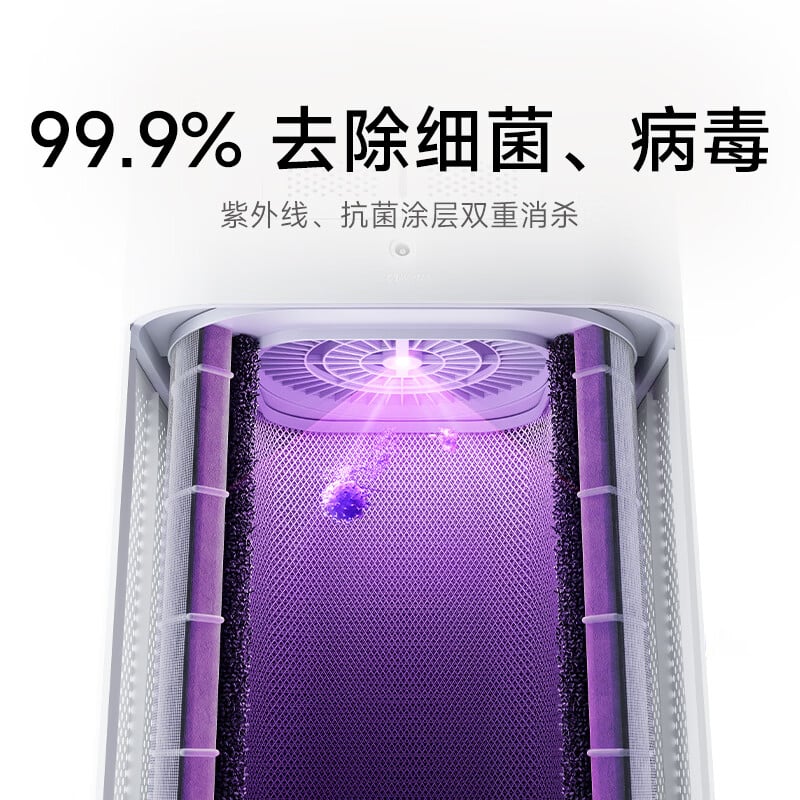
On the allergen side, it filters 98% of cedar pollen, 98% of dust mites, 99% of cat dander, 98% of dog dander, and 99.99% of PM2.5. Dual antibacterial coating plus UV disinfection is said to remove over 99.9% of eight common bacteria and viruses (including 99.99% for H1N1) within one hour. In sleep mode the noise drops as low as 30.4 dB(A).
You can control it through the Mi Home app via Xiaomi’s Surge Smart Connect, and it also works with Xiao Ai voice commands. The split design makes filter changes easier, some parts are washable, and the app shows real-time filter lifespan.
Xiaomi kicked off its fall flagship season on September 7 with the Xiaomi 18 Fold. The mid-fold phone uses Xiaomi’s own Xring O3 chip, a 3nm processor paired with LPDDR6 memory. That made it the first phone to ship with the newer memory standard.
The Fold also comes with a 200MP Leica main camera, a 50MP periscope telephoto camera, and a 6,000mAh battery. Despite the large battery, the phone is only 10.68mm thick when folded.
The launch marked the start of the Xiaomi 18 series, but the rest of the lineup will not feature the in-house chip. The Xiaomi 18 Pro, Xiaomi 18 Pro Max, and standard Xiaomi 18 are expected to use Qualcomm’s Snapdragon 8 Elite Gen 6 platform instead. The new phones will be introduced around Qualcomm’s Snapdragon Summit, which runs from September 22 to 24.
Here’s everything we know so far about the Xiaomi 18 series.
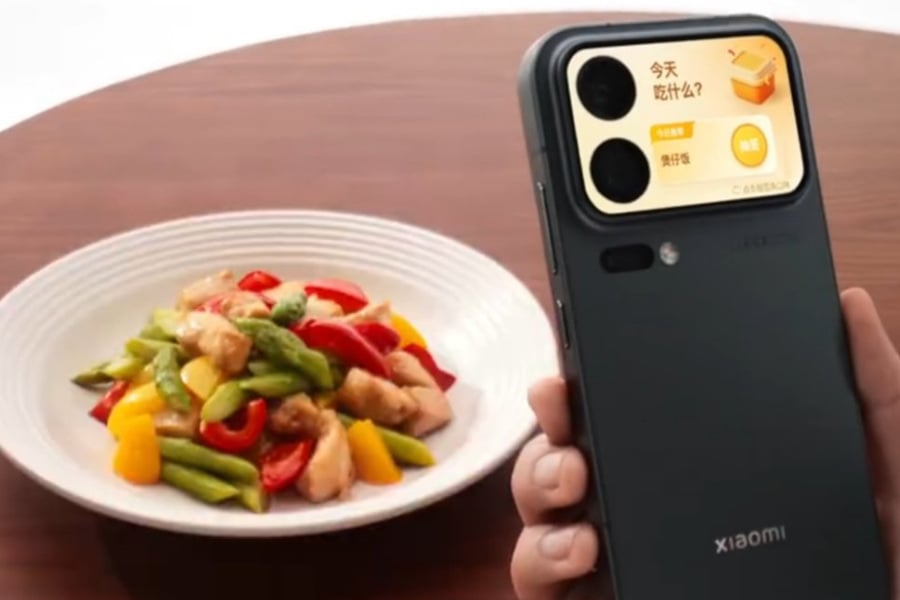
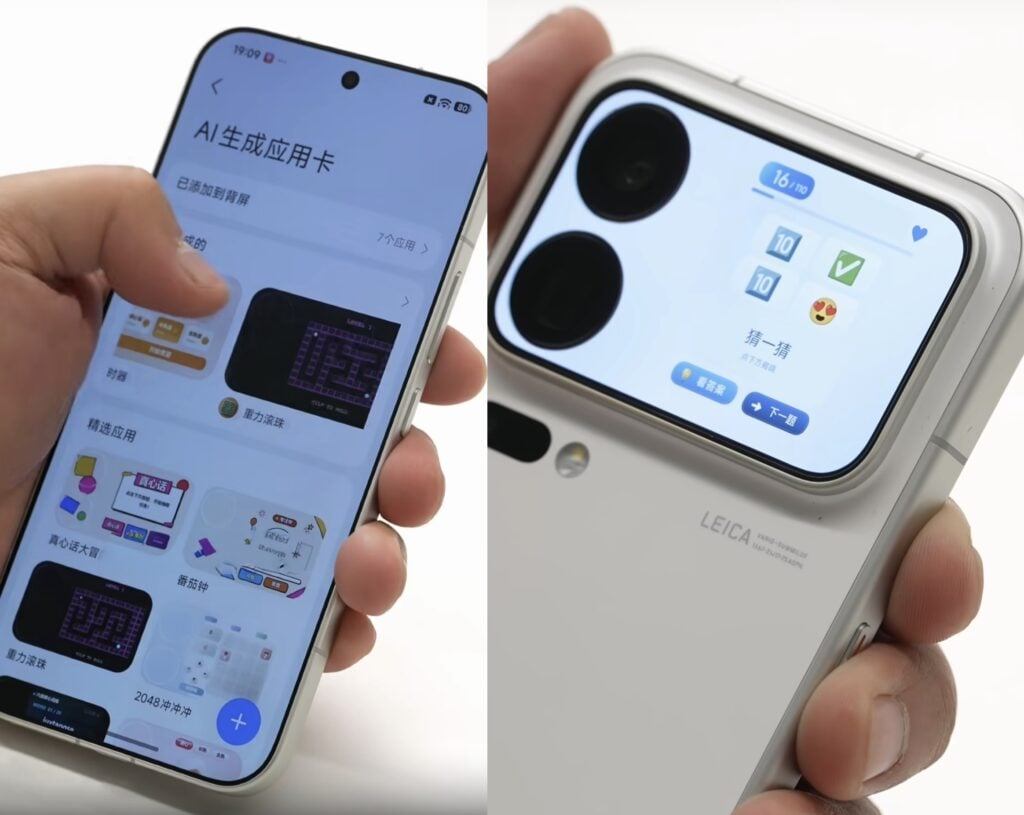
In its teaser, Xiaomi has now confirmed the rear screen will be able to generate its own apps with the help of AI. These aren’t full-fledged apps; rather that are useful for day-to-day activities like an egg-cooking timer, a water-drinking reminder, and a Pomodoro timer.
According to previous leaks, this rear screen could measure around 4 inches. Big upgrade from the 2.7-inch screen on the Xiaomi 17 Pro, if true. The company is also expected to bring a privacy mode, similar to the feature Samsung introduced with the Galaxy S26 Ultra.
The main display is expected to remain relatively compact and flat, with a resolution around 1.5K. The phone could also get a physical AI button on the frame for quick access to AI features and could be customized to work with Xiaomi’s smart home and EV ecosystem.
The camera setup could also see a major upgrade. The Xiaomi 18 Pro is expected to use two 200MP sensors for the main and telephoto cameras. Last year’s model has a single 200MP lens in comparison. It will still have a triple-camera setup with Leica tuning.
2. Xiaomi 18 Pro Max
The Xiaomi 18 Pro Max is expected to be the biggest phone in the lineup and could also bring the most advanced camera setup. Like the Pro model, it has a rear display with the same set of features.
The front screen could be 6.9 inches and use a flat panel. The camera system is also expected to get a major upgrade. According to a recent leak, the phone could use a 200MP SmartSens main camera alongside a 200MP telephoto camera with LOFIC support for improved dynamic range. A 50MP ultra-wide camera is also in the cards. If the leak is true, this would be the first time SmartSens provides a 200MP sensor for a Xiaomi flagship.
Moreover, the Xiaomi 18 Pro Max is tipped to have an 8,500mAh battery, up from the 7,500mAh battery used by last year’s Pro Max. It is also expected to support 100W wired charging and 50W wireless charging.
The phone should use a Snapdragon 8 Elite Extreme Gen 6 chip, and a Geekbench listing for the M1544F reportedly showed the chip running at up to 5.11GHz, while an AnTuTu listing reportedly recorded around 485,000 points.
Xiaomi Group partner Lu Weibing says that this generation is the biggest upgrade in the history of the company’s flagship digital series.
3. Xiaomi 18
The standard Xiaomi 18 could arrive much later than the Pro models. Instead of launching alongside the Pro and Pro Max, the base model is expected to arrive in December 2026 or January 2027.
One of the biggest upgrades could be the camera. According to leaks, it will feature a 200MP periscope telephoto camera, which would be a first for the non-Pro model in the series. The standard Xiaomi 18 is also expected to use the Snapdragon 8 Elite Gen 6, although its RAM and storage options have not been revealed yet.
For the Indian market, Xiaomi is reportedly planning to launch the Pro and Pro Max models, while the standard Xiaomi 18 may not be released there.
4. What’s still unclear
Xiaomi has not revealed pricing for the Xiaomi 18 Pro or Pro Max yet, neither their has been any rumors about it. The company has also only confirmed that the phones will launch later this month.
The global launch plans are also still unclear. The Pro and Pro Max are expected to reach markets outside China, including India, while the standard Xiaomi 18 could have a more limited release when it arrives later.
On the software side, the entire lineup is expected to run HyperOS 4 based on Android 17. Xiaomi has not yet shared many details about the new software, although AI features are likely to be a major part of the experience, especially on the phones with rear displays.
For more daily updates, please visit our News Section.
Smart rings have settled into a predictable routine: they track your sleep, monitor your heart rate, and sit quietly on your finger while you check your phone or smartwatch for actual notifications. Rogbid is trying to change that dynamic slightly with the ZenRing, a new wearable that attempts to squeeze a few active smart features, namely haptic feedback and touch controls, into a standard ring form factor.
Rogbid ZenRing Specifications
Physically, the ZenRing follows a familiar smart ring design. It features a microcrystal nano-ceramic exterior paired with a 316 stainless steel inner band. It measures 7.5mm wide and 2.5mm thick, while weighing about 5 grams. The ring also carries a 5ATM water resistance rating, making it suitable for showers, swimming, and everyday exposure to water.
For health tracking, the ZenRing comes with sensors that monitor heart rate, blood oxygen (SpO2), heart rate variability (HRV), and skin temperature. The collected data is used by Rogbid’s companion app to provide sleep insights, stress tracking, menstrual cycle monitoring, and daily activity records. It also supports data syncing with Apple Health and Google Health Connect, allowing users to keep their health and fitness information in one place.
The ring features a built-in low-power vibration motor that provides haptic alerts directly on the finger. It can vibrate for incoming calls, text messages, alarms, and notifications from apps such as WhatsApp and Instagram. It can also send vibration alerts when it detects unusual health readings, including sudden changes in heart rate or low blood oxygen levels.
In addition to the motor, the ZenRing includes touch and gesture controls. You can tap or swipe the ring to control music playback, scroll through short-form videos, navigate presentation slides, or trigger your phone’s camera shutter remotely. There is also an SOS function; shaking your hand up and down 10 times will prompt your connected smartphone to call a pre-set emergency contact.
Battery life is rated at four to six days of regular use from the internal 20mAh battery. It ships with a charging case (400mAh) to top it up on the go.
Pricing and Availability
The ZenRing is available now on Rogbid’s website for $129.99. It currently comes in one color, Obsidian Black, and is offered in standard sizes 8 through 13.
In related news, Rogbid has recently launched the Model R3T smartwatch with full Android, 4G LTE, a pop-up camera, and a 1,100mAh battery, alongside the VisionW smart glasses with open-ear audio, interchangeable frames, and AI support.
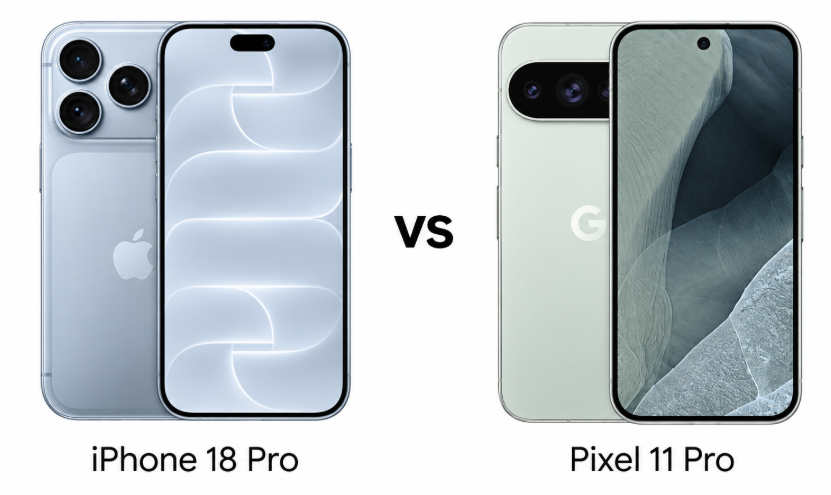
iPhone 18 Pro and Google Pixel 11 Pro take very different approaches to the premium smartphone experience. Apple focuses on its A20 Pro chip, advanced video tools and a refined display, while Google pushes computational photography, a high-resolution selfie camera and long-term Android support. With both phones targeting the same flagship audience, the choice comes down to performance, cameras, battery, and overall value.
The iPhone 18 Pro combines a Ceramic Shield 2 front with an aluminum frame and Ceramic Shield rear construction, plus IP68 protection rated for immersion up to 6 meters. Its design feels particularly focused on durability and premium materials, while Face ID provides secure biometric authentication. The overall hardware package remains distinctly Apple.
The Pixel 11 Pro uses Gorilla Glass Victus 2 on both sides with an aluminum frame and IP68 protection rated for immersion up to 1.5 meters. Its under-display ultrasonic fingerprint scanner adds flexibility that the iPhone lacks. The Pixel’s biometric approach is arguably more convenient for users who prefer fingerprint unlocking alongside face recognition.
Display Quality
Both phones use 6.3-inch LTPO OLED panels with 120Hz refresh rates, HDR support and adaptive refresh technology. The iPhone reaches 3,000 nits peak brightness and adds Dolby Vision, while Ceramic Shield 2 and an anti-reflective coating strengthen its outdoor usability and protection.
The Pixel 11 Pro counters with a sharper 1280 x 2856 resolution, 497ppi density and up to 3,600 nits peak brightness. Its 2,400-nit HBM rating is also higher than the iPhone’s 1,600 nits. For pure specifications, Google’s panel has the edge, although Apple’s display remains exceptionally polished.
Verdict
Apple feels better for premium build refinement and display protection, while Google offers higher brightness and sharper resolution. The Pixel wins on display specifications; the iPhone delivers the more balanced overall package.
2. Specifications Including Battery
Performance
The iPhone 18 Pro is powered by Apple’s A20 Pro, built on a 2nm process, paired with 12GB RAM and NVMe storage. Its six-core CPU and seven-core GPU are designed for demanding apps, gaming and Apple’s increasingly sophisticated on-device workloads. The combination should appeal strongly to performance-focused users seeking sustained flagship-class capability.
The Pixel 11 Pro runs Google’s Tensor G6 on a 3nm process, with 12GB RAM on the 256GB model and 16GB on higher storage configurations. Android 17 and Google’s promise of seven major OS updates add substantial long-term appeal. Tensor emphasizes Google’s AI ecosystem, making the Pixel particularly interesting for software-driven features.
Battery and Charging
The Pixel 11 Pro packs a larger 4,850mAh battery and supports 30W wired charging, reaching 55% in 30 minutes. It also offers 25W magnetic wireless charging, Qi2.2, reverse wired charging and bypass charging. That combination makes the Pixel more flexible for heavy users and gamers who value charging control.
The iPhone 18 Pro uses a market-dependent 4,056mAh or 4,288mAh battery and supports wired charging to 50% in 15 minutes. Its 25W MagSafe/Qi2 wireless charging is similarly competitive, while reverse wired charging adds another practical feature. Apple’s smaller battery capacity does not necessarily indicate weaker real-world endurance.
Verdict
Apple takes the performance-focused approach with the A20 Pro, while Google offers the larger battery and more flexible charging tools. For raw performance, Apple is the stronger choice; for battery capacity and charging versatility, Google stands out.
3. Camera
Main and Secondary Lenses
The iPhone 18 Pro features a 48MP main camera, 48MP 4x periscope telephoto and 48MP ultrawide, backed by sensor-shift stabilization and LiDAR. Its video capabilities are especially extensive, including 4K recording at up to 120fps, Dolby Vision, ProRes RAW and Apple Log 2. It remains exceptionally well-equipped for serious mobile video.
The Pixel 11 Pro combines a 50MP main sensor with a 48MP 5x periscope telephoto and 48MP ultrawide. Google adds Pixel Shift, Ultra HDR, Best Take and Zoom Enhance, while 8K video recording gives it a notable headline feature. Its computational photography approach makes the camera system particularly versatile for still photography.
Selfie Camera
Apple’s 18MP ultrawide selfie camera includes PDAF, Face ID’s SL 3D sensor and advanced video features such as Dolby Vision, ProRes RAW and Apple Log 2. The multi-aspect design also adds flexibility for framing selfies and video. For creators, Apple’s front-camera toolkit is unusually comprehensive.
The Pixel 11 Pro uses a substantially higher-resolution 42MP ultrawide selfie camera with PDAF and a 103-degree field of view. It supports 4K video at 60fps, giving Google a strong advantage for high-resolution front-facing video and group selfies. The Pixel is more specification-heavy, while Apple’s implementation is more creator-oriented.
Verdict
Apple is the stronger choice for professional-grade video and recording tools, while Google offers powerful computational photography and a higher-resolution selfie camera. For overall camera versatility, the iPhone’s video ecosystem gives it the advantage.
4. Pricing
The iPhone 18 Pro is priced around $1,200 / ₹164,900, placing it firmly in the ultra-premium segment. Its starting configuration includes 256GB storage and 12GB RAM, with options extending to 2TB. Apple’s higher Indian pricing reflects its premium positioning and substantial storage ceiling.
The Pixel 11 Pro is priced around $1,100 / ₹120,000, making it noticeably less expensive in both markets. Google also offers 12GB RAM with 256GB storage, while 16GB RAM becomes available with higher-capacity versions. That makes the Pixel particularly interesting for buyers comparing flagship specifications against upfront cost.
Is the price justified?
The iPhone’s premium can be justified by its A20 Pro platform, extensive professional video capabilities, Ceramic Shield 2, Face ID and mature ecosystem. However, buyers paying the premium are primarily choosing Apple’s platform and specialized features rather than simply getting more hardware for every dollar.
The Pixel 11 Pro delivers a larger battery, brighter display, higher-resolution cameras and seven major Android updates while costing substantially less. On specification-led value, Google’s approach is difficult to overlook. The Pixel therefore makes a more practical proposition for buyers who want flagship hardware without stretching toward Apple’s pricing.
Verdict
Google offers stronger value for money thanks to its lower pricing and competitive flagship specifications. Apple justifies its premium through performance, ecosystem integration and advanced video capabilities.
Disclaimer: Prices are approximate and may vary based on country, region, launch timing, and applicable taxes. Always check whether the listed price is for a China unit or a global/international variant when purchasing.
5. Conclusion
iPhone 18 Pro distinguishes itself with the A20 Pro 2nm chipset, Face ID, LiDAR, Ceramic Shield 2, MagSafe/Qi2 charging and an unusually advanced video recording suite. ProRes RAW, Apple Log 2, Dolby Vision and 4K 120fps recording make it especially compelling for creators. Its 2TB storage option also suits demanding professional workflows.
Pixel 11 Pro counters with Tensor G6, seven major Android updates, a 5x periscope camera, 8K video, a 42MP ultrawide selfie camera and Google’s computational photography features. Its 4,850mAh battery, 3,600-nit display and bypass charging add further practical advantages. The lower price also significantly changes the value equation between these flagships.
Verdict
iPhone 18 Pro is the overall winner for its superior performance, professional video capabilities and polished ecosystem. Google Pixel 11 Pro remains the better value choice, especially for photography, battery capacity and long-term Android support.
FAQs
1. Which phone has better gaming performance? The iPhone 18 Pro should deliver stronger gaming performance thanks to the A20 Pro chipset and Apple’s optimized gaming ecosystem.
2. Which phone takes better zoom photos? The Pixel 11 Pro offers a 5x optical telephoto lens, while the iPhone 18 Pro provides 4x optical zoom.
3. Which phone charges faster? The iPhone 18 Pro reaches 50% wired charge in 15 minutes, compared with 55% in 30 minutes for the Pixel 11 Pro.
4. Which phone is cheaper to buy? The Pixel 11 Pro is significantly cheaper, making it the more affordable entry into this flagship class.
5. Which phone should you buy overall? The iPhone 18 Pro suits performance and video-focused buyers, while the Pixel 11 Pro makes more sense for value-focused users.
Disclaimer: Prices, specifications, and availability may vary by region and retailer. Recommendations in this article are based on editorial opinion, feature-based value, and market positioning at the time of writing. Readers are advised to do their own research before making a purchase.
Oppo has officially unveiled its new skin for Android devices, ColorOS 17, at its developer conference in China, highlighting new AI capabilities, performance upgrades, and a host of other major changes. The brand has also announced the rollout schedule for Oppo, OnePlus, and Realme devices.
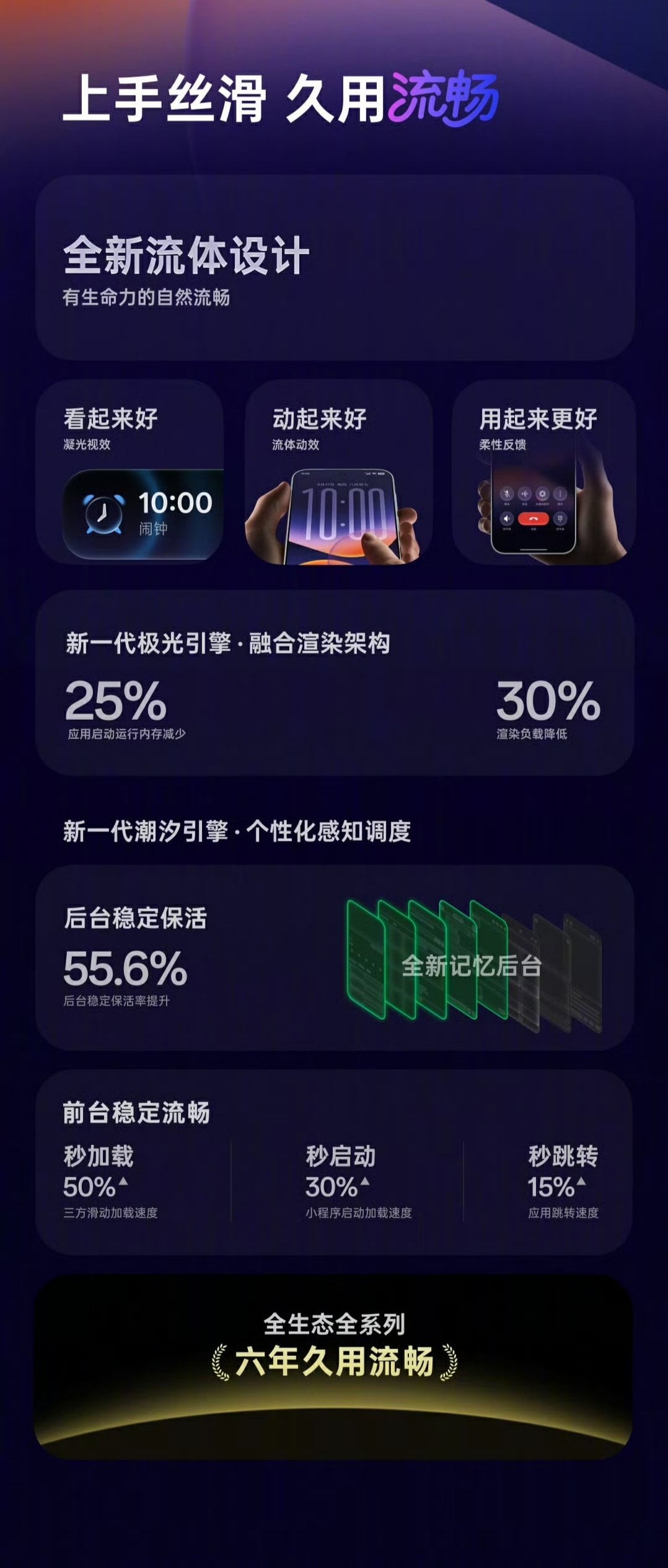
Oppo introduces Fluid Design with ColorOS 17, promising consistent visuals, animations, and touch feedback across the system. The Aurora Engine integrates with the rendering architecture, while Fluid Animation manages transitions across interfaces.
The new software introduces Polar Light Engine, promising a 25% reduction in app start-up and runtime memory. It can also reduce the rendering workload by up to 30%.
The Tidal Engine in ColorOS 17 further improves the software experience. It learns app usage frequency, preferences, duration, and intent to schedule system resources. It features memory-retention capabilities, which keep background apps available when users return to activities such as scrolling feeds or filling out forms.
The Tidal Engine is claimed to deliver:
55.6% improved background app retention
35% improved all launch stability
50% faster scrolling and loading in third-party photo gallery
30% jump in mini-program launch load
15% app jump speed
Oppo AI gets major upgrades
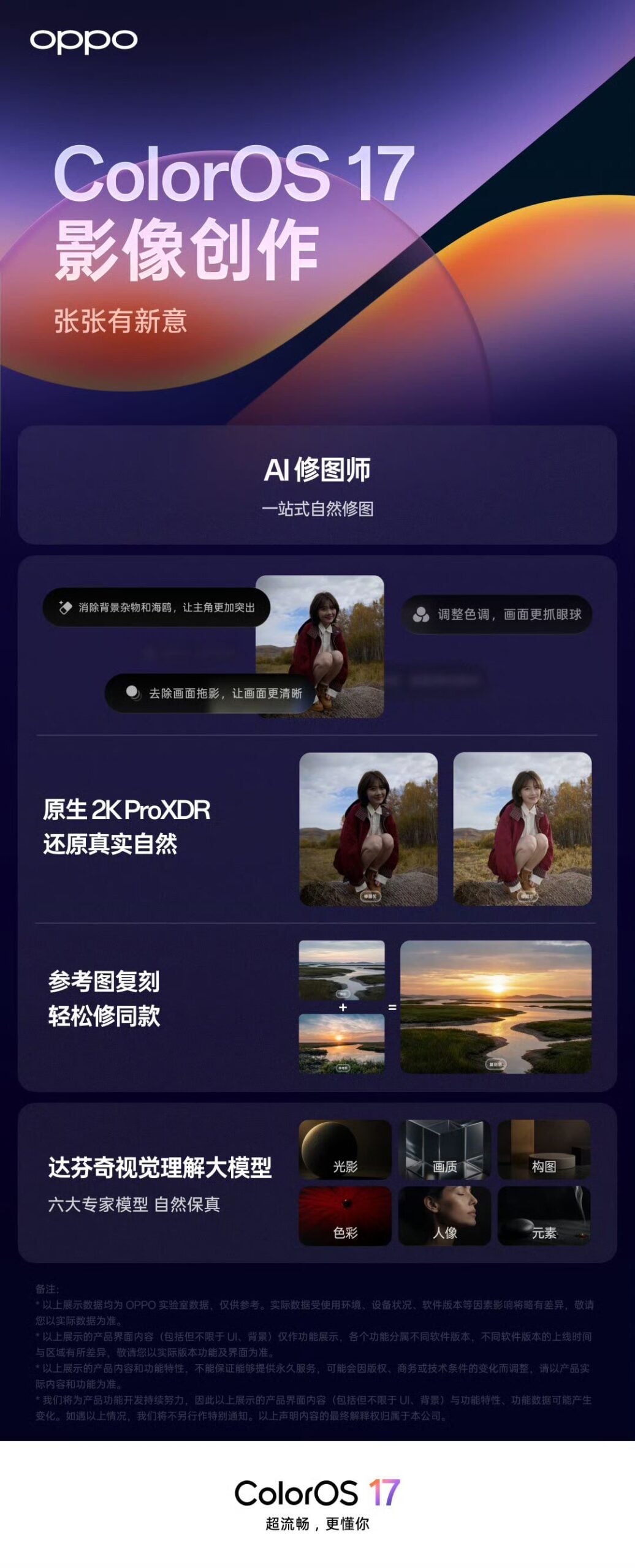
ColorOS 17 introduces AI Photo Editor, letting users remove unwanted objects, reduce motion blur, and adjust image colors and tones. It can also recommend photo editing commands and templates. The AI Photo Editor includes a Reference Image Replication feature to apply colors, lighting, or skin tone from a referenced image onto another.
The AI Memory Gallery uses smart photo compilation and AI copywriting to turn your random pictures into structured, storytelling photo blogs (Plogs). Oppo also highlighted seamless Album Direct Connection links third-party cameras and NAS devices, allowing users to view the latest footage without occupying the local phone storage.
The upgraded AI Notes allows users to listen and take notes simultaneously during meetings. Users can also import books, videos, and ideas with a single click and build structured knowledge notes. The AI Notes also supports creating an editable information overview diagram with sharing formats, identifying viewpoints, and helps users recognize their thoughts and blind spots.
Oppo AI now works with Oppo earphones to translate the other person’s language into the user’s ear in real time, while broadcasting the user’s expression through the phone speaker.
The Heytap assistant (also known as Breeno or Xiao Bu Assistant) manages personal affairs through Xiao Bu Space. It can identify urgent matters and provide access to relevant service portals. The AI can also track to-dos and priorities, such as overdue bill payments or forgotten reservations.
For travel, Xiao Bu can generate a detailed graphic itinerary with a single sentence and import it into the Xiao Bu Space. The AI breaks the plan into to-dos, transportation, accommodation information, and precautions, while also providing ticket, check-in, and car rental help.
AI Fluid Cloud combines navigation with active reminders for walking, buses, and subways, showing the nearest subway entrance, upcoming transfers ad the station where the user needs to get off. The AI One-Touch Flash Note supports saving courier pickup codes, contact information, and setting alarms to grab your tickets.
AI Snap-and-Shoot (or AI Pai-Yi-Pai) helps users understand objects instantly, make documents clearer, get calorie information, and connect to Wi-Fi.
Connectivity and health-related upgrades
ColorOS 17 adds Car+ connectivity to link your Oppo smartphone directly to your car. It includes Walking-Navigation Handover to seamlessly transfer the map from your phone to your car’s large display the moment you start driving. The latest update also includes support for third-party cameras and NAS devices.
Earphones now support AI conversation interpretation, and smartwatches can share exercise details with phones and tablets. ColorOS 17 also features FatMax fat-burning mode and customizable modular watch faces.
Sports Fluid Cloud synchronizes heart rate and calorie consumption across supported products, including phones, tablets, and watches. Oppo has also added gestures to allow users to control a connected phone using their watch. Double pinch for switching songs/videos, flip wrist or double-tap for skip backward, and remote shutter for controlling the phone’s camera shutter.
The security part has also been upgraded with new features, such as AI Cross-App Anti-Fraud, AI Face-Swapping Detection, and AI Call Anti-Fraud. The Accessibility uses AI to describe touched text, buttons, and images through voices for scenarios including hailing a ride, traveling, shopping, and entertainment. The AI also provides voice guidance for shooting angles and describes objects with more refined language.
ColorOS 17 rollout plan for Oppo, OnePlus, and Realme devices
Oppo has announced the ColorOS 17 rollout schedule for Oppo, OnePlus, and China devices in China. It hasn’t announced a global or India-specific rollout timeline.
Apple’s entry into the foldable smartphone market was expected to put some pressure on Samsung, but the early signs suggest the opposite may be happening. According to the latest sales data from South Korea, Galaxy Z Fold 8 sales increased by 10% week over week in the period following Apple’s unveiling of the iPhone Duo.
The increase is particularly interesting because the iPhone Duo is Samsung’s most direct new competitor in the foldable segment. Instead of immediately slowing Galaxy Z Fold 8 demand, Apple’s announcement may have encouraged some undecided buyers to take another look at Samsung’s offering.
Price Gives Samsung a Clear Advantage
One major reason could be the significant difference in pricing. The Galaxy Z Fold 8 starts at around 2.28 million won ($1,550) in South Korea, while the iPhone Duo starts at 3.29 million won ($2,390). That makes Apple’s device roughly 1.01 million won, or about $840, more expensive.
For buyers comparing two premium foldables, that is a substantial gap. The Galaxy Z Fold 8 also has an advantage in South Korea because it is already available, while the iPhone Duo is scheduled to launch there on October 16.
The Fold 8 is also reported to be thinner and lighter than the iPhone Duo, giving Samsung another talking point for consumers who care about portability.
Apple May Have Helped Samsung
The 10% increase does not prove that former iPhone Duo buyers switched to Samsung. However, the timing is certainly notable. Apple’s announcement gave consumers a detailed look at its foldable-style phone, including its price and launch schedule, and some buyers may have decided that Samsung offered a more practical deal.
Apple entering a category does not automatically mean Samsung loses customers. It can actually make the entire category more visible while pushing consumers to compare products more closely.
The South Korean figures are only one market, so they should not be treated as evidence of a global trend yet. Still, they suggest that the Galaxy Z Fold 8 has enough momentum to withstand Apple’s arrival, particularly while Samsung continues offering discounts.
If both devices perform strongly worldwide, Apple’s entry could ultimately expand the foldable market rather than simply taking sales away from Samsung
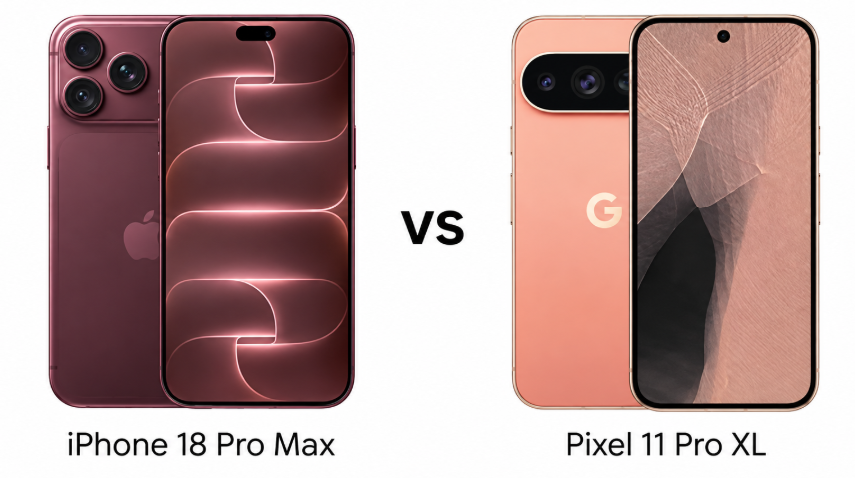
iPhone 18 Pro Max and Google Pixel 11 Pro XL represent two very different approaches to premium smartphones. Apple focuses on performance, video, ecosystem integration and pro-grade hardware, while Google pushes computational photography, AI features and a more flexible Android experience. With both priced around the $1,300 mark, the differences matter when choosing a long-term flagship.
Major Features:
Category
iPhone 18 Pro Max
Pixel 11 Pro XL
Winner
Build
Ceramic Shield 2, aluminum frame, IP68
Gorilla Glass Victus 2, aluminum frame, IP68
Apple – Stronger protection
Display
6.9-inch LTPO OLED, 120Hz, Dolby Vision
6.8-inch LTPO OLED, 120Hz, HDR10+
Apple – Dolby Vision support
Peak Brightness
Up to 3000 nits
Up to 3600 nits
Google – Higher peak brightness
Processor
A20 Pro, 2nm
Tensor G6, 3nm
Apple – Performance-focused chip
RAM
12GB
Up to 16GB
Google – More RAM available
Storage
Up to 2TB
Up to 1TB
Apple – Higher maximum capacity
Main Camera
48MP triple camera
50MP triple camera
Google – Larger main sensor
Telephoto
48MP, 4x optical zoom
48MP, 5x optical zoom
Google – Longer optical reach
Ultrawide
48MP, 120°
48MP, 123°
Google – Slightly wider field
Video
Up to 4K 120fps, ProRes RAW, Dolby Vision
Up to 8K 30fps
Apple – More professional video tools
Selfie Camera
18MP ultrawide, PDAF
42MP ultrawide, PDAF
Google – Higher resolution
Battery
Up to 5567mAh, market dependent
5115mAh
Apple – Larger stated capacity
Wired Charging
50% in 15 minutes
75% in 30 minutes
Apple – Faster initial charging
Wireless Charging
25W MagSafe/Qi2
25W magnetic Qi2.2
Tie – Similar rated speeds
Software
iOS 27
Android 17, 7 major OS updates
Google – Longer stated update commitment
Price
Approx. $1,300 / ₹180,000
Approx. $1,300 / ₹135,000
Google – Lower Indian price
Value
Premium performance and video
Strong cameras, AI and lower price
Google – More affordable package
Overall
Performance and creator-focused flagship
AI and photography-focused flagship
Apple – Stronger overall package
Disclaimer: Specs are based on available data. Actual performance may vary. Verify details from official sources before buying.
The iPhone 18 Pro Max combines a Ceramic Shield 2 front with an aluminum frame and Ceramic Shield rear construction, plus IP68 protection rated for deeper water immersion. Pixel 11 Pro XL uses Gorilla Glass Victus 2 on both sides with an aluminum frame and also carries IP68 protection. Apple’s construction feels more purpose-built for demanding everyday use, particularly with its upgraded front protection.
Both phones deliver a premium flagship feel, but their design philosophies differ. The iPhone emphasizes durability and a refined hardware ecosystem, while Pixel retains Google’s distinctive styling and familiar Android flagship identity. Ceramic Shield 2 and the stronger water-resistance specification give the iPhone a practical edge for users who prioritize physical protection and longevity.
Display Quality
The iPhone features a 6.9-inch LTPO Super Retina XDR OLED with 120Hz refresh rate, HDR10 and Dolby Vision. Pixel counters with a 6.8-inch LTPO OLED, 120Hz refresh rate and HDR10+, while reaching higher claimed peak brightness. Google’s panel therefore looks particularly compelling for outdoor visibility and HDR content.
Verdict
Apple delivers stronger protection and Dolby Vision support, while Google offers higher claimed peak brightness. The iPhone feels more refined overall, but Pixel remains highly competitive for users prioritizing display brightness.
2. Specifications Including Battery
Performance
The iPhone 18 Pro Max runs Apple’s A20 Pro built on a 2nm process, paired with 12GB RAM and NVMe storage. Pixel 11 Pro XL uses Google’s Tensor G6 on 3nm, with up to 16GB RAM and UFS 4.x storage. Apple’s silicon remains the more performance-focused approach, while Google emphasizes AI-driven workloads and software integration.
For demanding gaming, sustained performance and professional workloads, the A20 Pro specification suggests a stronger performance-oriented package. Pixel’s Tensor G6 instead makes more sense for users who value Google’s computational photography, AI processing and deeply integrated Android features. The higher RAM options are attractive, but RAM capacity alone does not determine real-world speed.
Battery and Charging
The iPhone offers market-dependent battery capacities, with wired charging reaching 50% in 15 minutes and 25W MagSafe/Qi2 wireless charging. Pixel packs a 5115mAh battery with 45W wired charging, reaching 75% in 30 minutes, alongside 25W magnetic wireless charging, reverse charging and bypass charging.
Verdict
The iPhone targets peak performance and fast charging, while Pixel provides more flexible charging features. For performance-heavy users, Apple has the stronger package; Pixel is more versatile for charging-focused use.
3. Camera
Main and Secondary Lenses
The iPhone uses a triple 48MP setup comprising wide, 4x periscope telephoto and ultrawide cameras. Pixel combines a 50MP main camera with 48MP 5x periscope and 48MP ultrawide lenses. Pixel offers longer native optical reach and a wider ultrawide field, while the iPhone adds LiDAR for depth sensing and advanced imaging workflows.
Video is a major iPhone strength, supporting 4K recording up to 120fps, Dolby Vision, ProRes, ProRes RAW and Apple Log 2. Pixel counters with 8K recording, Ultra-HDR, Pixel Shift, Best Take and Zoom Enhance. For creators prioritizing professional video controls, the iPhone’s toolset is notably more comprehensive and mature.
Selfie Camera
The iPhone uses an 18MP ultrawide selfie camera with PDAF and SL 3D depth sensing, while Pixel offers a 42MP ultrawide camera with PDAF. Both support 4K video, but Apple adds Dolby Vision, ProRes RAW and Apple Log 2 capabilities to its front-camera workflow.
Verdict
Pixel offers stronger native zoom and a higher-resolution selfie camera, but Apple’s video capabilities are significantly broader. The iPhone is the more creator-focused camera package, especially for professional video.
4. Pricing
The iPhone 18 Pro Max is priced around $1,300 or ₹180,000, while the Pixel 11 Pro XL is priced around $1,300 or ₹135,000. The similar US pricing creates a different value equation in India, where Google’s flagship carries a substantially lower listed price in the supplied figures.
The iPhone’s higher Indian pricing reflects the premium associated with Apple’s flagship positioning, ecosystem and professional-grade capabilities. Pixel’s lower Indian pricing makes its combination of 16GB RAM options, 5x optical zoom, bright display and charging flexibility considerably more accessible. For buyers comparing specifications against upfront cost, Google presents the less expensive proposition.
Is the price justified?
At roughly the same US price, both phones justify their positioning through different strengths. The iPhone targets users who value performance, video production and Apple’s ecosystem, while Pixel prioritizes AI, photography and Android flexibility.
Pixel offers stronger value at the supplied Indian pricing, while iPhone justifies its premium through performance and professional video capabilities. The better value depends heavily on ecosystem and usage priorities.
Disclaimer: Prices are approximate and may vary based on country, region, launch timing, and applicable taxes. Always check whether the listed price is for a China unit or a global/international variant when purchasing.
5. Conclusion
The iPhone 18 Pro Max stands out with the A20 Pro chip, LiDAR, ProRes RAW, Apple Log 2, Dolby Vision video and extensive professional recording options. Pixel 11 Pro XL counters with Tensor G6, up to 16GB RAM, 5x optical zoom, 8K video, Zoom Enhance, Best Take, bypass charging and a 42MP ultrawide selfie camera.
Apple therefore targets users who want maximum performance and a highly capable video-production tool, while Google offers a broader computational photography and AI-focused experience. Pixel also has an important pricing advantage in the supplied Indian figures, making the decision less straightforward than the specifications alone suggest.
Overall winner: iPhone 18 Pro Max. Its A20 Pro performance, professional video capabilities, LiDAR and polished flagship ecosystem give it the more complete premium package, despite Pixel’s stronger value proposition.
FAQs
1. Which phone has the better camera zoom? The Pixel 11 Pro XL offers 5x optical zoom, compared with 4x on the iPhone 18 Pro Max.
2. Which phone is better for gaming? The iPhone 18 Pro Max is better suited to demanding gaming thanks to its A20 Pro chipset.
3. Which phone charges faster? The Pixel 11 Pro XL reaches 75% in 30 minutes, while the iPhone reaches 50% in 15 minutes.
4. Which phone offers more RAM? The Pixel 11 Pro XL offers up to 16GB RAM, while the iPhone 18 Pro Max comes with 12GB.
5. Which phone is cheaper in India? The Pixel 11 Pro XL is priced around ₹135,000, making it considerably cheaper than the iPhone 18 Pro Max.
Disclaimer: Prices, specifications, and availability may vary by region and retailer. Recommendations in this article are based on editorial opinion, feature-based value, and market positioning at the time of writing. Readers are advised to do their own research before making a purchase.
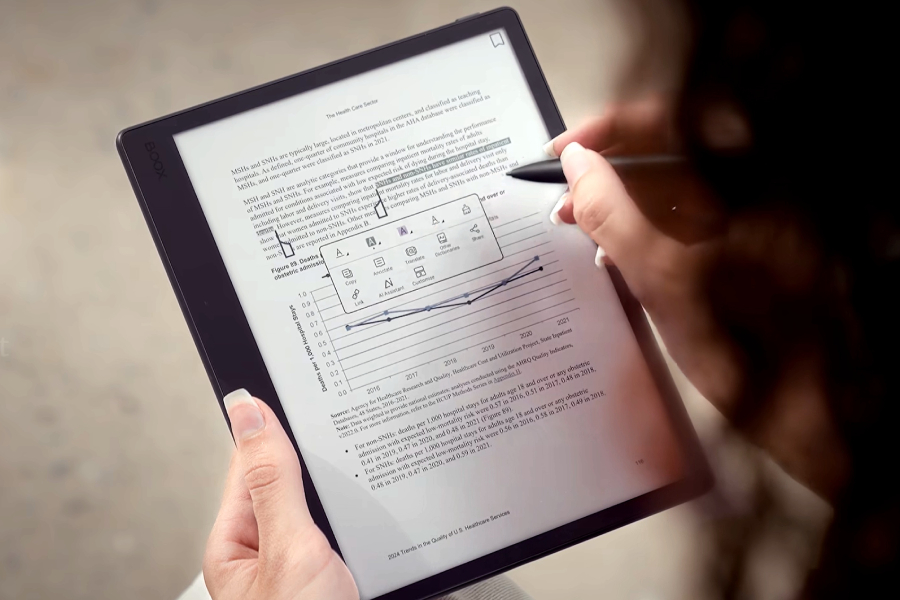
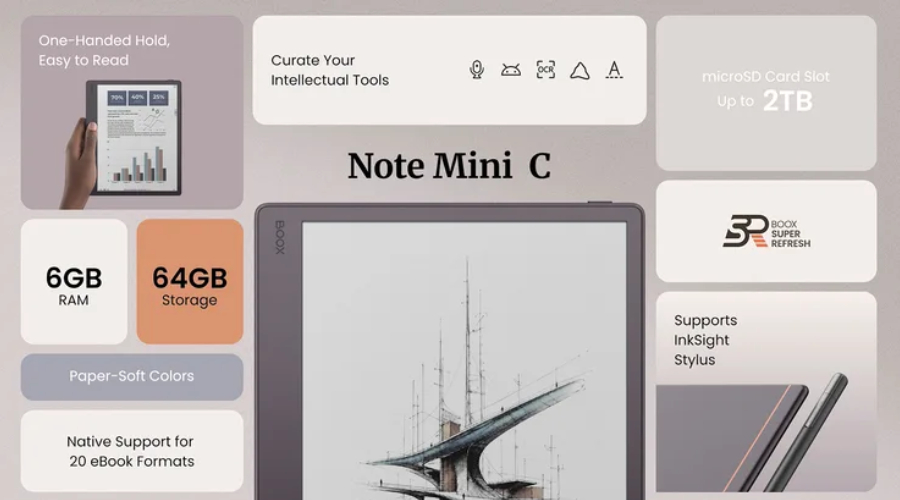
Boox has added a new compact device to its color E Ink lineup. The Boox Note Mini C features an 8.52-inch Kaleido 3 display and weighs around 300 grams, essentially placing it between a phone-sized reader and a larger 10.3-inch note-taking tablet.
The Note Mini C’s display can show up to 4,096 colors at 1,024 x 768 resolution and 150 ppi. For black-and-white content, the resolution increases to 2,048 x 1,536 at 300 ppi, giving text a much sharper look. The screen also has a flat glass cover and a dual-tone front light with adjustable warm and cool tones.
The Note Mini C supports Boox’s InkSight stylus, which offers 4,096 levels of pressure sensitivity. It also supports regular capacitive touch, so you can switch between writing, marking up documents, and navigating the interface.
The tablet has an octa-core processor with Boox Super Refresh technology, along with 6GB of RAM and 64GB of storage. The latter is expandable via a microSD card slot.
Connectivity includes Wi-Fi and Bluetooth 6.0. The device also has a 3,150mAh battery, a USB-C port with OTG and audio support, dual speakers, and a built-in microphone. A power button with fingerprint recognition handles biometric unlocking.
The Note Mini C measures 187.7 x 156 x 6mm and weighs approximately 300 grams.
On the software side, the Note Mini C runs Android 16 with support for tons of document formats, including PDF, EPUB, EPUB3, AZW3, MOBI, TXT, DOC, DOCX, CBR, CBZ, DJVU, PPT, and PPTX. It can also handle common image and audio formats.
The Boox Note Mini C is priced at $549.99 and is listed as available soon through Boox’s official store.
We use cookies on our website to give you the most relevant experience by remembering your preferences and repeat visits. By clicking “Accept”, you consent to the use of ALL the cookies.
This website uses cookies to improve your experience while you navigate through the website. Out of these, the cookies that are categorized as necessary are stored on your browser as they are essential for the working of basic functionalities of the website. We also use third-party cookies that help us analyze and understand how you use this website. These cookies will be stored in your browser only with your consent. You also have the option to opt-out of these cookies. But opting out of some of these cookies may affect your browsing experience.
Necessary cookies are absolutely essential for the website to function properly. This category only includes cookies that ensures basic functionalities and security features of the website. These cookies do not store any personal information.
Any cookies that may not be particularly necessary for the website to function and is used specifically to collect user personal data via analytics, ads, other embedded contents are termed as non-necessary cookies. It is mandatory to procure user consent prior to running these cookies on your website.