Advertisement

Xiaomi launches new 5L smart kettle with app control, 1°C tuning & water circulation tech

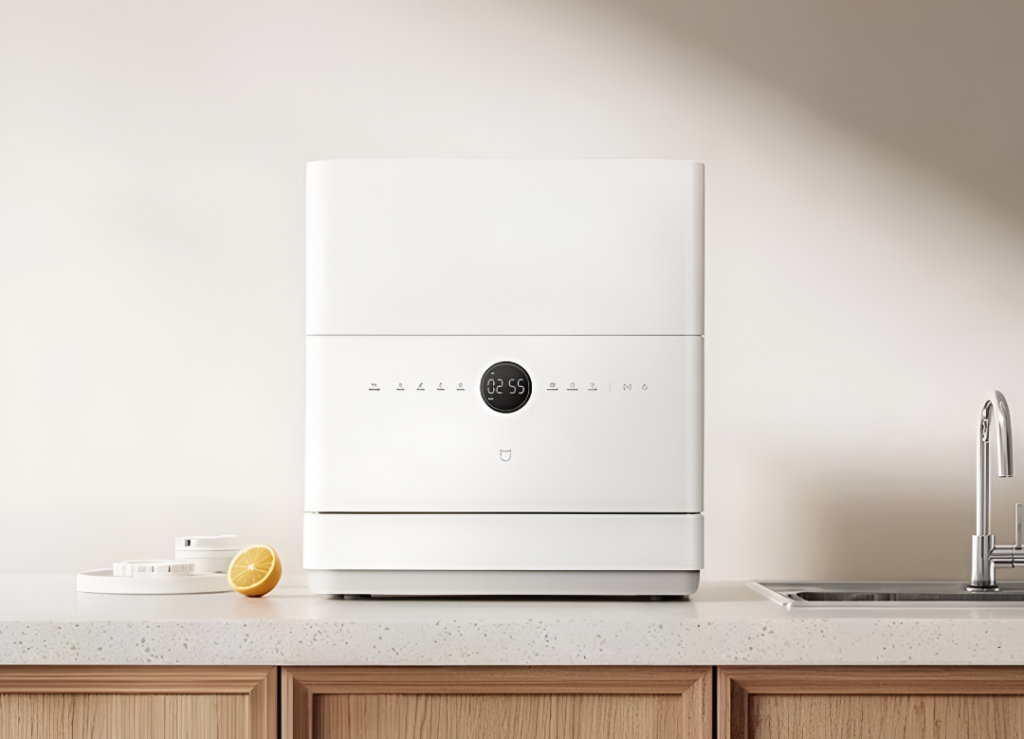
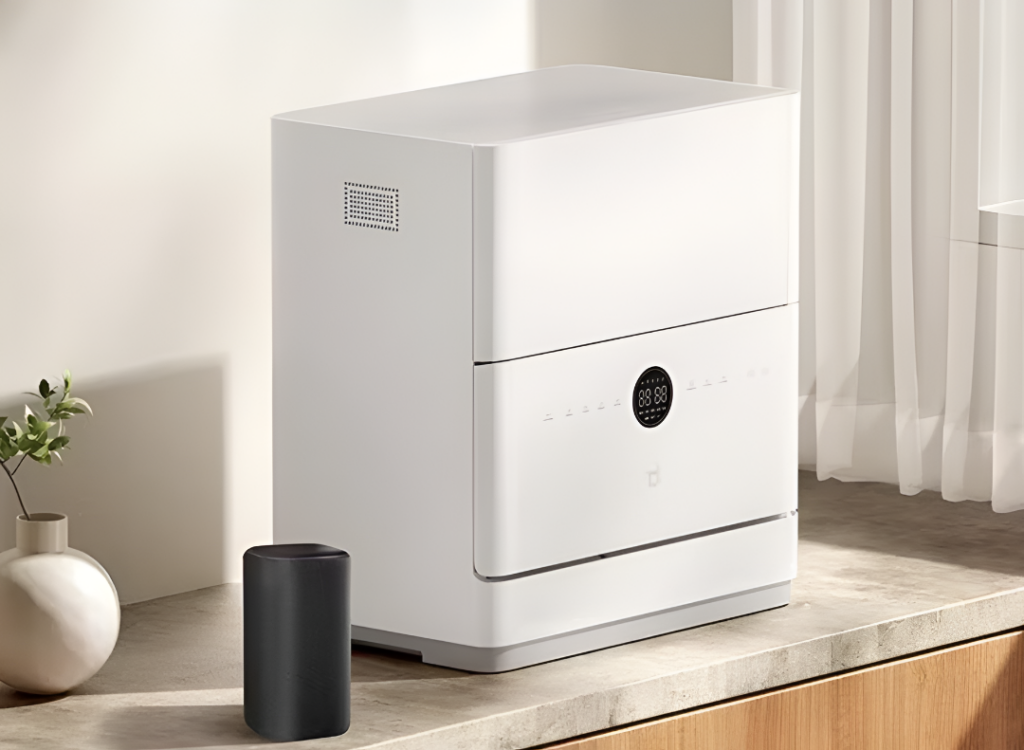
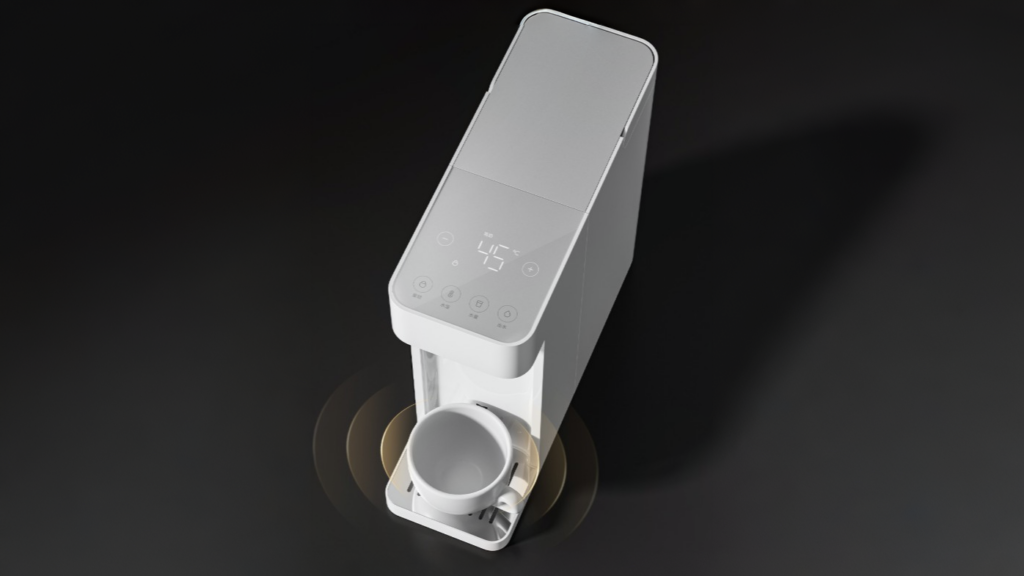
Xiaomi has opened pre-orders in China for the Mijia Smart Electric Kettle Pro 5L, a countertop water dispenser designed for households that need a constant supply of temperature-controlled hot water. The product is priced at 699 yuan ($102), while the current pre-order offer brings it down to 669 yuan ($98).

Xiaomi Mijia Smart Electric Kettle Pro 5L

Mijia Smart Electric Kettle Pro 5L Specifications

Unlike standard electric kettles, the Mijia Pro 5L operates as a stationary water boiler. It comes with an internal water circulation system. In standard large-capacity dispensers, water often settles into temperature layers, leaving the liquid at the top much hotter than the liquid at the bottom.

Xiaomi says its convection system keeps the water moving while in keep-warm mode. According to the company, this limits the temperature variance between the top and bottom of the tank to ±2°C after 30 minutes of heat retention.

Xiaomi Mijia Smart Electric Kettle Pro 5L

The device allows for specific temperature adjustments. Along with standard presets for coffee, tea, and baby formula, users can manually adjust the target temperature in 1°C increments. Dispensing volumes are also adjustable, with presets for standard cup sizes and manual adjustments available in 50mL or 100mL steps. All of these settings, along with a live water level readout from the electronic sensor, can be managed remotely through the Mijia companion app.

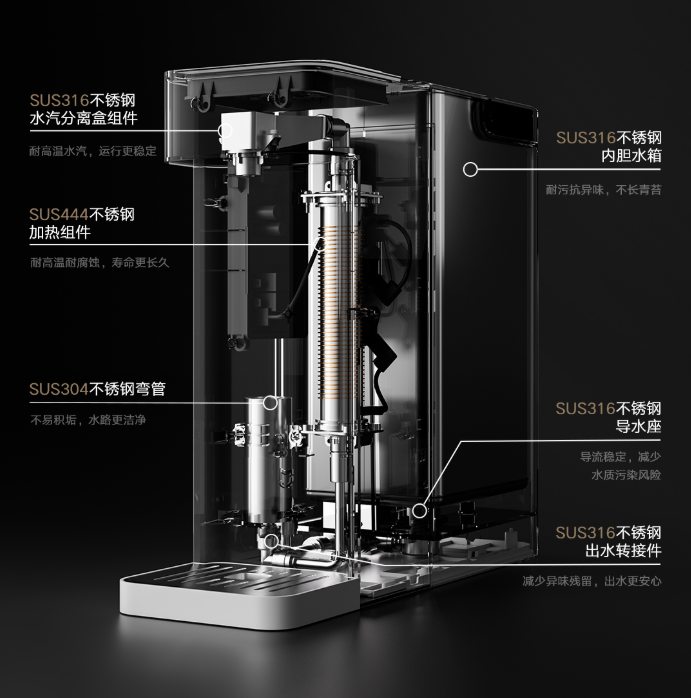
Inside, the kettle uses a seamless 316L stainless steel liner. Xiaomi says that all parts touching the water are made from food-grade materials to prevent odors. For regular maintenance, the 5-liter tank is fully detachable, which makes refilling and cleaning at a sink much easier than moving the entire electrical unit.

Xiaomi Mijia Smart Electric Kettle Pro 5L

Xiaomi also included a few practical hardware features. The kettle has a dual noise reduction system that uses sound insulation and software-controlled heating curves to keep the boiling process quiet. There is also a built-in cooling air circulation system designed to bring freshly boiled water down to a drinkable temperature faster.

The model includes an altitude detection feature that automatically adjusts the boiling point based on local elevation. It measures 234.9 by 367.4 by 352 mm, weighs 5.0kg, and comes in white.

In related news, Xiaomi has recently opened pre-orders for its Mijia Portable Coffee Machine, while the company recently launched a new smart pressure cooker featuring fluorine-free dual pots and 2200W IH heating.

For more daily updates, please visit our News Section.

Stay ahead in tech! Join our Telegram community and sign up for our daily newsletter of top stories!

(JD)
Oppo Reno 16 Pro, Reno 16, Reno 16F launched with Oppo Bubble accessory, topnotch cameras, Snap Key

Oppo has unveiled the Reno 16 series in multiple markets, such as Thailand and Malaysia, bringing three new smartphones to the market: the Reno 16 Pro 5G, Reno 16 5G, and Reno 16 F 5G. While the trio shares the same design language and software experience, each model targets a different price segment with its own combination of cameras, performance, battery capacity, and connectivity features.

The new lineup also introduces features such as Snap Key, Oppo Bubble support, and large-capacity batteries across the range.

Oppo Reno 16 series specifications and features

Oppo Reno 16 Pro 5G
Oppo Reno 16 Pro 5G

The Reno 16 Pro 5G sits at the top of the lineup with a 6.32-inch AMOLED display that delivers a 1.5K resolution of 2640 × 1216 pixels, refresh rates up to 144Hz in supported games, 10-bit colours, and up to 1,800 nits of high brightness mode. It is powered by the MediaTek Dimensity 8550 Super chipset with LPDDR5X RAM and UFS 3.1 storage.

The phone packs a 6,000mAh battery with 80W charging support. Its camera setup includes a 200-megapixel main camera with 2-axis OIS, a 50-megapixel ultra-wide camera, and a 50-megapixel periscope telephoto camera with 3.5x optical zoom and OIS. A 50-megapixel autofocus selfie camera is placed on the front.

Oppo Reno 16 5G
Oppo Reno 16 5G

The standard Reno 16 5G uses the Snapdragon 7 Gen 4 chipset and pairs it with LPDDR5X RAM and UFS 3.1 storage. It features the same 6.32-inch AMOLED panel with 1.5K resolution, 120Hz refresh rate, and 1,800 nits HBM brightness. It houses a 6,700mAh battery with 80W charging.

The rear camera system includes a 50-megapixel main camera with 2-axis OIS, a 50-megapixel ultra-wide camera, and a 50-megapixel periscope telephoto camera offering 3.5x optical zoom with OIS. A 50 megapixel autofocus front camera is also included.

Oppo Reno 16F 5G
Oppo Reno 16F 5G

The Reno 16 F 5G is powered by the MediaTek Dimensity 7300-Energy chipset with LPDDR4X RAM and UFS 3.1 storage. It features a larger 6.57-inch Crystal Guard AMOLED display with FHD+ resolution, a 120Hz refresh rate, and up to 1,400 nits HBM brightness.

It carries the biggest battery in the lineup at 7,000mAh while retaining 80W charging support. The camera setup consists of a 50-megapixel main camera with 2-axis OIS, an 8-megapixel ultra-wide camera, and a 50-megapixel telephoto camera with 3.5x optical zoom and OIS. Selfies are handled by a 50-megapixel autofocus camera.

The entire series comes with features, such as ColorOS 16-based Android 16, an in-display fingerprint scanner, stereo speakers, Wi-Fi 6, Bluetooth 5.4, NFC, an IR blaster, dual SIM 5G with eSIM support (only on standard and Pro), an aluminium frame, Crystal Guard protection, and IP68, IP69, and IP69K ratings.

With the Reno 16 series, Oppo has brought the AI-powered Snap Key to its Reno lineup for the first time, after previously limiting it to the Find X series. The customizable side button lets users access certain functions and AI features without navigating through menus.

Oppo Bubble

Alongside the Reno 16 series, Oppo has also introduced the Oppo Bubble Mag E-Badge, a compact magnetic smart display accessory designed to work with compatible ColorOS smartphones. It attaches magnetically to the back of the phone and shows a live preview from the rear camera, making it easier to frame selfies and group photos.

The accessory can also function as a remote camera shutter from up to 10 metres away, while its 1.73-inch AMOLED display supports custom images, animations, and short videos. Weighing just 27.5 grams and measuring 7mm thick, it packs a 550mAh battery, offers IP54 dust and water resistance, and is designed as both a photography companion and a fashion accessory.

Oppo Reno 16 series price and availability

In Thailand, the Reno 16 Pro 5G is offered in a single 12GB + 512GB variant priced at THB 26,999 (~$810). It is available in Starlight Black and Pop White colors.

The Reno 16 5G starts at THB 19,999 (~$600) for the 8GB + 256GB model, while the 12GB + 256GB variant costs THB 22,999 (~$690). Buyers can choose from Pop White, Twilight Violet, and Dream Purple finishes.

The Reno 16 F 5G is priced at THB 15,999 (~$480) for the 8GB+128GB version, while the 8GB + 256GB model costs THB 16,999 (~$510). It is also available in Pop White, Dream Purple, and Twilight Violet.

For more daily updates, please visit our News Section.

Stay ahead in tech! Join our Telegram community and sign up for our daily newsletter of top stories!

Xiaomi 17T Pro vs iQOO 15: Which 2026 Flagship Offers Better Value?

Xiaomi 17T Pro and iQOO 15 represent two different approaches to the 2026 flagship smartphone experience. While Xiaomi focuses on premium Leica-powered photography and multimedia, iQOO aims to dominate with top-tier Snapdragon performance, a stunning LTPO display, and long-term software support. With both phones offering flagship hardware and large 7,000mAh batteries, this comparison breaks down which one delivers the better overall value for your money.

Major Features:

CategoryXiaomi 17T ProiQOO 15Winner
Display6.83-inch AMOLED, 144Hz, 1280 × 2772, 3,500 nits peak6.85-inch LTPO AMOLED, 144Hz, 1440 × 3168, 6,000 nits peakiQOO – Sharper LTPO panel and brighter display
ProcessorMediaTek Dimensity 9500 (3nm)Snapdragon 8 Elite Gen 5 (3nm)iQOO – More powerful flagship chipset
GPUMali-G1 Ultra MC12Adreno 840iQOO – Better gaming performance
RAM & StorageUp to 16GB RAM, 1TB UFS 4.1Up to 16GB RAM, 1TB UFS 4.1Tie – Identical memory options
SoftwareAndroid 16, HyperOS 3Android 16, OriginOS 6, up to 5 Android upgradesiQOO – Longer software support
Main Camera50MP (1/1.31″) Leica, OIS50MP (1/1.56″), OISXiaomi – Larger sensor with Leica tuning
Telephoto Camera50MP periscope, 5x optical zoom50MP periscope, 3x optical zoomXiaomi – Longer optical zoom
Ultra-wide Camera12MP50MP with autofocusiQOO – Higher resolution and autofocus
Selfie Camera32MP, 4K@30fps32MP, 4K@60fpsiQOO – Better selfie video recording
Video RecordingUp to 8K, 4K@120fps, HDR10+, LogUp to 8K, 4K@60fpsXiaomi – More advanced video features
Battery7,000mAh7,000mAhTie – Equal battery capacity
Charging100W wired, 50W wireless, 22.5W reverse wired100W wired, 40W wireless, bypass chargingXiaomi – Faster wireless charging
AudioStereo speakers, Dolby Atmos, Hi-Res AudioStereo speakers, Hi-Res Audio, Snapdragon SoundiQOO – Better wireless audio support
ConnectivityWi-Fi 7, Bluetooth 6.0, USB 2.0Wi-Fi 7, Bluetooth 6.0, USB 3.2iQOO – Faster USB connectivity
Fingerprint SensorOptical in-displayUltrasonic in-displayiQOO – Faster and more reliable unlocking
DurabilityIP68, Gorilla Glass 7iIP68/IP69iQOO – Better water resistance
PricePriced around $900 / ₹75,000Priced around $800 / ₹74,000iQOO – Better overall value
OverallExcellent for photography and premium multimediaOutstanding all-round flagship with stronger performanceiQOO – Better balance of performance, display, and value
Disclaimer: Specs are based on available data. Actual performance may vary. Verify details from official sources before buying.

1. Design and Display

Build and Feel

The Xiaomi 17T Pro and iQOO 15 both deliver premium flagship construction with aluminum frames, excellent water resistance, and refined finishes. Xiaomi opts for Gorilla Glass 7i on both the front and rear, complemented by Leica branding that gives the phone a more photography-focused identity. The iQOO 15, meanwhile, offers either a glass or glass-fiber reinforced back along with IP68/IP69 certification, adding better protection against high-pressure water exposure. It also features a color-changing rear panel on select variants, giving it a more distinctive appearance. Xiaomi feels slightly more traditional and elegant, while iQOO leans toward a sportier flagship personality.

Display Quality

Both phones feature large 144Hz AMOLED panels with Dolby Vision support and exceptional brightness. Xiaomi reaches 3,500 nits peak brightness and uses 3,840Hz PWM dimming for improved eye comfort. However, the iQOO 15 counters with a sharper 2K LTPO AMOLED display, an incredible 6,000-nit peak brightness, and adaptive refresh technology that improves efficiency. The display appears more refined for gaming, HDR content, and everyday readability.

Verdict

The Xiaomi 17T Pro delivers an excellent flagship display with outstanding eye comfort and premium materials, but the iQOO 15 edges ahead thanks to its sharper LTPO panel, higher brightness, and stronger durability. It feels like the more complete multimedia flagship overall.

2. Specifications Including Battery

Performance

The Xiaomi 17T Pro runs on the MediaTek Dimensity 9500 built on a 3nm process, paired with fast UFS 4.1 storage and up to 1TB of internal memory. It is designed for demanding multitasking and delivers flagship-level efficiency. The iQOO 15 uses Qualcomm’s Snapdragon 8 Elite Gen 5 with the Adreno 840 GPU, offering exceptional gaming performance and sustained power under heavy workloads. It also promises up to five major Android upgrades, making it more appealing for users planning long-term ownership. Snapdragon’s ecosystem continues to provide an advantage in gaming optimization and app compatibility.

Battery and Charging

Both smartphones feature large 7,000mAh silicon-carbon batteries with 100W wired charging. Xiaomi adds faster 50W wireless charging and 22.5W reverse wired charging, while iQOO includes 40W wireless charging along with bypass charging that minimizes heat during gaming sessions.

Verdict

The iQOO 15 offers stronger processing power, longer software support, and gamer-friendly charging features. Xiaomi responds with better wireless charging flexibility, but the overall performance package slightly favors the iQOO flagship.

3. Camera

Main and Secondary Lenses

The Xiaomi 17T Pro focuses heavily on photography with its Leica-tuned triple camera setup. Its larger 50MP primary sensor captures more light, while the 50MP periscope telephoto offers an impressive 5x optical zoom for distant subjects. The ultrawide camera is only 12MP but remains useful for landscapes and group shots. The iQOO 15 adopts a more balanced approach by using three 50MP sensors, including autofocus on the ultrawide lens and a larger periscope sensor with 3x optical zoom. This setup provides greater consistency across all focal lengths, though the shorter zoom range limits long-distance photography.

Selfie Camera

Both devices feature 32MP front cameras capable of 4K video recording. Xiaomi supports HDR10+ recording, while iQOO adds 4K at 60fps, making it slightly more versatile for video creators.

Verdict

Photography enthusiasts are likely to appreciate the Xiaomi 17T Pro thanks to its Leica tuning, larger main sensor, and superior 5x periscope zoom. The iQOO 15 delivers a more balanced camera system, but Xiaomi feels more capable for flagship photography.

4. Pricing

The Xiaomi 17T Pro is priced around $900 (₹75,000), while the iQOO 15 is priced around $800 (₹74,000). With only a small price difference, both phones compete in the premium flagship segment. Xiaomi justifies its higher price with Leica cameras, a larger primary sensor, and faster 50W wireless charging. The iQOO 15 counters with a Snapdragon 8 Elite Gen 5 chipset, a sharper 2K LTPO display, longer software support, and gaming-focused features, making it an excellent value for flagship buyers.

Verdict

Both smartphones are competitively priced, but the iQOO 15 offers the better overall value thanks to its stronger performance, superior display, and longer software support. The Xiaomi 17T Pro remains the better choice for users who prioritize flagship photography.

Disclaimer:
Prices are approximate and may vary based on country, region, launch timing, and applicable taxes. Always check whether the listed price is for a China unit or a global/international variant when purchasing.

5. Conclusion

Xiaomi 17T Pro distinguishes itself with Leica-tuned cameras, a larger main sensor, a 5x periscope telephoto lens, faster 50W wireless charging, and excellent eye-friendly PWM dimming. It is clearly aimed at users who value photography and premium multimedia experiences.

iQOO 15 takes a more performance-oriented approach with the Snapdragon 8 Elite Gen 5, a sharper 2K LTPO AMOLED display, an ultrasonic fingerprint scanner, USB 3.2 connectivity, bypass charging, stronger IP68/IP69 protection, and five years of Android upgrades. These additions make it a well-rounded flagship that excels in gaming, productivity, and everyday use.

Verdict

Xiaomi 17T Pro is an excellent choice for users who want one of the best camera-focused flagship smartphones in its segment. iQOO 15, however, offers a more complete overall package with stronger performance, a superior display, longer software support, and competitive pricing that sits very close to Xiaomi’s.

For most buyers looking for the best all-round flagship experience, the iQOO 15 remains the better overall choice.

Disclaimer: This comparison is based on the specifications provided and is intended for general informational purposes. Actual performance, camera results, battery life, and overall experience may vary depending on real-world usage, software updates, and individual preferences.

Read More:

Samsung Galaxy S27 Pro spotted in GSMA database, confirming four-model S27 lineup

If it wasn’t for the Galaxy S26 series, the upcoming Samsung Galaxy S27 series is almost confirmed to get a new member. Three unreleased Samsung devices have shown up in the GSMA IMEI database, and one of them is listed as the Galaxy S27 Pro.

Samsung Galaxy S27 Pro IMEI Listing

The three model numbers are SM-S956U ( for Galaxy S27 Plus), SM-S957B/DS ( for Galaxy S27 Pro), and SM-S958U ( for Galaxy S27 Ultra). Meanwhile, the base Galaxy S27 has already appeared on the certification earlier this month. This confirms that Samsung will launch four phones under the Galaxy S27 series: the S27, S27 Plus, S27 Pro, and S27 Ultra. Samsung may also release a Galaxy S27 FE later in 2027.

The Pro model will sit between the S27 Plus and the S27 Ultra. Samsung has used the Pro name before on devices like the Galaxy Note Pro, XCover6 Pro, J7 Pro, and even a keyboard phone called the Galaxy Pro back in 2010. However, this will be the first time a Pro model will join the main Galaxy S flagship series.

Samsung Galaxy S27 Pro Expected Specs

The Galaxy S27 Pro is expected to come with a 6.47-inch Dynamic AMOLED 2x screen. It will not include an S Pen, though. For cameras, it could feature a 200MP main sensor, a 50MP ultra-wide with autofocus, and a 50MP telephoto with 3.5x optical zoom. The front camera is expected to be 12MP.

We covered earlier how the S27 Pro’s 50MP ALoP telephoto camera could produce better results than the Ultra in commonly used zoom ranges, more details in our earlier S27 Pro camera article.

On the inside, the phone is likely to run on a Snapdragon 8 Elite Gen 6 Pro for Galaxy chip, with at least 12GB RAM, 256GB UFS 5.0 storage, a 5000mAh battery, and 45W or faster charging.

The S27 Pro is also said to include a hardware-level privacy screen, a feature previously limited to the Galaxy S26 Ultra.

Don’t miss a thing! Join our Telegram community for instant updates and grab our free daily newsletter for the best tech stories!

For more daily updates, please visit our News Section.

(Source)

GTA 6 pre-orders finally open, pricing and editions confirmed

Rockstar Games has officially revealed the pricing for Grand Theft Auto VI, and yes, it’s carrying a premium tag. With pre-orders already live, fans now know exactly how much they’ll need to spend for both the standard game and the more loaded “Ultimate Edition”.

The standard edition will cost $79.99. For players who want all the extras, the Grand Theft Auto VI: Ultimate Edition is priced at $99.99. This version includes an exclusive collection of premium vehicles, weapons, clothing, and story-integrated items featuring the new protagonists Jason and Lucia, adding even more depth to the immersive open-world experience set in Vice City and beyond.

Pre-orders are now open across digital storefronts like the PlayStation Store and Microsoft Store, as well as select retailers. If you pre-order digitally, you’ll be able to start pre-loading the massive game on November 12, a full week before the official release on November 19, 2026, for PS5 and Xbox Series X/S. This should help reduce server congestion on launch day. Physical copies will also arrive in stores on November 12, but with a notable twist: the boxes will only contain download codes instead of actual game discs, reflecting the industry’s shift toward digital distribution for such large titles.

This pricing has been the subject of months of speculation, with many analysts predicting Rockstar would test the $80–$100 range given the game’s unprecedented scale and massive development costs. As a nice incentive, anyone who pre-orders the game will receive the Vintage Vice City Pack, while digital buyers also get one month of GTA+ subscription.

After more than a decade of waiting, Rockstar seems confident that GTA 6 is going to be something truly special. With pre-orders now officially open, fans can finally lock in their copy of what’s expected to be one of the biggest and most important game launches in history.

Don’t miss a thing! Join our Telegram community for instant updates and grab our free daily newsletter for the best tech stories!

For more daily updates, please visit our News Section.

(Rockstar Games)

G-Shock just made the ultimate Pokémon watch, and it’s packed with nostalgic surprises

Casio is celebrating Pokémon’s 30th anniversary with a special G-Shock collaboration based on the iconic GA-110 watch. Based on the popular GA-110, the limited-edition timepiece combines nostalgic design elements inspired by the original Pokémon games with several collector-focused details. Read on to find out what makes this collaboration unique.

G-Shock x Pokémon GA-110 highlights

G-Shock Pokemon watch

The watch is based on the G-Shock GA-110 and adopts the signature red, blue and green colour palette inspired by the original Pokémon Red, Green and Blue games released in 1996. The watch hands, buttons, dial and bezel all reflect these colours, while the inset dial at the 9 o’clock position is designed to resemble a Poké Ball.

G-Shock - Pokemon watch

It also features an indicator hand shaped like Pikachu, adding another playful touch to the design. Turning the watch over reveals a specially engraved case back featuring the official Pokémon 30th anniversary logo.

G-Shock - Pokemon watch

The translucent band continues the anniversary theme by featuring 30 Pokémon. It includes three starter Pokémon from every generation spanning Kanto to Paldea, along with Pikachu and Eevee on the strap itself.

The band loop features Mew, bringing the total number of featured Pokémon to 30. Casio has also designed a collector’s package shaped like a Poké Ball, while the outer box showcases artwork featuring all 30 Pokémon included in the collaboration.

Price and availability

The G-Shock x Pokémon GA-110PKM-7A is priced at 33,000 JPY (~$203) and is scheduled to launch in Japan on July 17. Casio will begin accepting lottery registrations through its official online store from July 1 to July 6, giving collectors an opportunity to purchase the limited-edition watch.

For more daily updates, please visit our News Section.

Stay ahead in tech! Join our Telegram community and sign up for our daily newsletter of top stories!

iPhone Ultra 2 confirmed with wider folding screen, but iPhone Air 3’s future is uncertain

Apple hasn’t even launched its first foldable iPhone yet, but leaks about its successor have started making rounds on the internet. Tipster Digital Chat Station (DCS) today shared fresh details about the iPhone Ultra 2, the iPhone Air 3, and what the future of Apple’s ultra-thin phone lineup might look like.

iPhone Ultra 2 is already in the works 

While the original iPhone Ultra is set to debut alongside the iPhone 18 Pro lineup later in 2026, Apple is already thinking ahead. According to Digital Chat Station, the iPhone Ultra 2 has been confirmed internally, and it is expected to come with a wider folding screen compared to the first generation.

iPhone Fold’s rumored design

That said, don’t expect a completely new display panel right away. The leak suggests that the Ultra 2 will most likely reuse the same screen technology from the original iPhone Ultra. 

Speaking of which, the latter is expected to feature a 7.8-inch inner display and a 5.5-inch cover screen, a titanium build, and the new A20 Pro chip. It is also rumored to be just 4.5mm thin when unfolded, which would make it the thinnest foldable in the market. 

iPhone Air 3 is in trouble before it even begins

The news around the iPhone Air line is far less encouraging. According to DCS, the iPhone Air 3 hasn’t started molding yet, and its entire future depends on how well the iPhone Air 2 performs commercially.

iPhone Air
iPhone Air

This matters because the original iPhone Air had a rough ride. Apple’s ultra-thin iPhone Air barely crossed 700,000 unit activations, even after multiple price cuts, according to earlier DCS claims. Supplier capacity was reportedly slashed by more than 80% after launch, and the phone is now widely believed to be out of production entirely.

Apple is pressing ahead with an iPhone Air 2 regardless and is targeting a Q1 2027 release with upgrades that include a second rear camera and a larger display. But if those improvements fail to move the needle on sales, the ultra-thin iPhone line could be scrapped altogether.

For more daily updates, please visit our News Section.

Stay ahead in tech! Join our Telegram community and sign up for our daily newsletter of top stories.

Japanese brand Fujitsu launches Arrows Alpha 2 smartphone rated for 23 military durability standards

Japanese brand Fujitsu, under the brand name Fujitsu Connected Technologies Limited (FCNT), has released the new Arrows Alpha 2 (F-51G) smartphone. The device is sold through NTT Docomo in two storage variants and is being touted for its world-class durability

Fujitsu Arrows Alpha 2 launch specs price

The phone passes 23 MIL-spec tests and carries IP66/68/69 water and dust resistance ratings. FCNT says it can survive a 1.8-metre drop onto concrete without the screen cracking. It also works underwater for photography in freshwater. The screen uses Corning Gorilla Glass Victus 2.

FCNT Arrows Alpha 2 Specifications

The Arrows Alpha 2 has a 5,370mAh silicon-carbon battery, the largest ever used in an Arrows phone. FCNT says it lasts two days on a single charge and is designed to hold that level of performance for around four years. With a 90W charger (not included), it charges from 0% to 100% in about 40 minutes. The phone body is 8.6mm thick.

The phone runs on a MediaTek Dimensity 8350 Extreme chip. It comes in two options: 256GB storage with 8GB RAM, or 512GB with 12GB RAM. RAM can be extended virtually up to 24GB. Storage can be expanded with a microSD card up to 2TB.

Fujitsu Arrows Alpha 2 Design

The main camera uses Sony’s LYTIA 710 sensor at 50 megapixels, with optical image stabilisation and 4K/60fps video recording. The ultra-wide and front cameras are also 50 megapixels in resolution.

The phone includes FCNT’s “arrows AI” for transcribing audio, summarising notifications, and generating images. It also supports Google Gemini for voice conversations, Circle to Search, and photo editing tools like Magic Eraser and Magic Editor. The device has a side action key that can be set to open any app or AI tool directly.

On the front, you get a 6.4-inch LTPO display with a resolution of 460ppi and brightness up to 3,000 nits. The refresh rate adjusts up to 144Hz depending on what is on screen. The phone supports Dolby Atmos audio and hi-res playback through wired or Bluetooth headphones.

Fujitsu Arrows Alpha 2 colors

FCNT will provide up to three major Android OS upgrades and five years of security updates. The phone uses recycled aluminium, and the box is made from FSC-certified paper, making it fully recyclable.

The Arrows Alpha 2 is available now via Docomo. The 512GB model is only sold through the Docomo Online Shop.

For more daily updates, please visit our News Section.

Stay ahead in tech! Join our Telegram community and sign up for our daily newsletter of top stories!

Oppo Reno 16 series launch date for India, camera specs, features officially confirmed

The Oppo Reno 16 series, which includes the Reno 16 and Reno 16c, is set to launch in India on July 2, bringing a strong focus on AI-powered photography and content creation. Alongside upgraded camera hardware, Oppo has also introduced a new smart accessory called Oppo Bubble and several AI editing tools aimed at making photo and video creation easier. Read on to know what the Reno 16 series has to offer.

Oppo Reno 16 series camera specs, features

The Oppo Reno 16 features a camera setup comprising a 50-megapixel main camera, a 50-megapixel ultra-wide selfie camera with a 100-degree field of view, a 50-megapixel ultra-wide camera, and a 50-megapixel 3.5x telephoto portrait camera that delivers an 85mm equivalent focal length for natural-looking portraits with improved subject separation.

Both the Reno 16 and Reno 16c support 4K 60fps HDR video recording across the ultra-wide, main and telephoto cameras. The phones also introduce Natural Tone Imaging, which aims to preserve accurate skin tones across different complexions and lighting conditions. Other additions include 4K Auto Straighten video recording and Zoom Free Video for smoother zoom transitions.

Oppo Reno 16 series AI cameras

The Reno 16 series also introduces AI Remix Collage, allowing users to combine photos, Live Photos and videos into a single collage without relying on third-party editing apps. Other software features include Pop Cam with nine camera styles, Popout 2.0 for enhanced cut-out animations supporting people, pets and objects, and Dual-View Video 2.0 for recording with both front and rear cameras simultaneously.

Oppo Bubble

Oppo Bubble
Oppo Bubble

Oppo also unveiled Oppo Bubble, its first smart camera companion. Weighing 27.5g, it magnetically attaches to the Reno 16 series and features a 1.73-inch AMOLED display that mirrors the rear camera preview. It also works as a Bluetooth remote with a range of up to 10 metres, packs a 550mAh battery, carries an IP54 rating, and supports custom pets, photos, live images and short videos for personalisation.

The Oppo Reno 16 series will make its India debut on July 2. More details, including pricing and availability, are expected to be announced at the launch event.

For more daily updates, please visit our News Section.

Stay ahead in tech! Join our Telegram community and sign up for our daily newsletter of top stories!

5 Best Wireless Chargers for iPhone 17 in the US

Plugging the smartphone into a wall adapter when the battery dips into the red is never a convenient option. That is one reason why wireless chargers have evolved into a big category of their own — and one brand that made wireless charging mainstream is Apple

Apple introduced wireless charging on iPhones with the iPhone X, but its true aha moment didn’t arrive until MagSafe launched in 2020. MagSafe, Apple’s magnetic wireless charging system, made everyday life considerably simpler for iPhone users, as chargers no longer meant an adapter-and-cable combo. A MagSafe charger can be anything from a magnetic battery pack, a wireless pad, or a bedside stand. Now in 2026, the iPhone 17 lineup pushes MagSafe charging up to 25W — as fast as a wired solution on iPhone 16 and iPhone 16 Plus — thanks to the updated Qi2.2 standard. 

Not every wireless charger can hit that ceiling, though. Qi2 is limited to 15W, while older Qi chargers deliver even less. As a result, choosing the right wireless charger is more consequential than it has ever been for iPhone users. The best wireless chargers for iPhone 17 include the Apple MagSafe Charger (25W), the Anker Prime 3-in-1 Wireless Charging Station, the Belkin UltraCharge Pro 10K, the ESR OmniLock Magnetic Car Charger, and the Mophie Roam 3-in-1 Travel Charger. 

1. Apple MagSafe Charger (25W)

Apple MagSafe Charger 25W - Best for iPhone 17

Simplest of all, the Apple MagSafe Charger (25W) is a wireless puck attached to a braided cable with a USB-C connector on the other end. It snaps perfectly onto any modern iPhone, supports Qi2 25W and Qi charging, and can top up an iPhone 16 or iPhone 17 up to 50% in around 30 minutes. The charger is compatible back to the iPhone 12,  but speeds are limited to 15W on older models.  

According to Apple, the 25W MagSafe Charger features a redesigned, stronger magnetic ring that ensures a secure snap into the perfect charging position. And unlike some of the third-party options we have listed here, the official charger also features a full aluminium body for superior heat dissipation, and triggers iOS StandBy mode as soon as you pair it with your iPhone, given the feature is enabled in settings. 

2. Anker Prime 3-in-1 Wireless Charging Station

Anker Prime 3-in-1 Wireless Charging Station Best for iPhone 17

The Anker Prime 3-in-1 Wireless Charging Station is for individuals who are constantly on the road. It is compact in size, measuring just 3.74 inches tall, 2.38 inches wide, and weighing just as much as the iPhone 17 Pro Max. For such a compact size, it brings a dedicated seat for earbuds, a watch, and an iPhone, of course. 

The top where the iPhone rests is a foldable module that can lock at angles anywhere from 0 to 60 degrees. This means you can use the charging station even as a stand while watching a movie. On top of that, the station has a TUV-certified AirCool system that Anker says reduces temperature by up to 9.4 degrees Fahrenheit while offering a 24% boost in speed. The fan runs extremely quietly at around 19dB. For everything it packs, the charger also won the Red Dot Design Award 2026. 

3. Belkin UltraCharge Pro 10K

Belkin UltraCharge Pro 10k

The Belkin UltraCharge Pro 10K is a battery pack that doubles as a wireless charger, suitable for people who are always on the go. It packs a 10,000mAh battery with support for Qi2.2 25W wireless charging, and 30W wired USB-C output simultaneously. That means the iPhone can charge wirelessly at full MagSafe speed while a second device refills over cable.

What sets this power bank apart from similar options is the secondary magnetic ring on the back, which allows accessories like a PopSocket or magnetic wallet to remain attached while the phone charges. 

It also has a built-in digital display that shows remaining battery percentage at a glance, and the soft-touch silicone exterior keeps it comfortable to hold during use. Belkin rates the UltraCharge Pro 10K at up to 34 hours of additional battery life, and the design is TSA carry-on compliant for air travel.

4. ESR OmniLock Magnetic Car Charger (25W, CryoBoost)

ESR OmniLock Magnetic Car Charger (25W, CryoBoost)

The ESR OmniLock is built for one specific problem: keeping an iPhone charged and mounted in the car without the usual heat throttling that slows wireless charging speeds down. It is Qi2.2 certified, delivers up to 25W of wireless charging, and features ESR’s CryoBoost active cooling system to manage temperature during fast charging sessions. 

The mount uses N52 magnets for a secure hold, features a 360° rotating arm, and offers 60° of up-and-down and side-to-side adjustability via a ball joint.

In the box, ESR offers a 58W car adapter with both a USB-C port for the charger and a USB-A port for charging a second device simultaneously. Compatibility covers the iPhone 12 through iPhone 17 lineup, excluding SE and mini models, and vent blade support runs from 10 to 32mm wide. 

5. Mophie Roam 3-in-1 Travel Charger

Mophie Roam 3-in-1 Travel Charger

The Mophie Roam 3-in-1 Travel Charger is the most complete solution on this list for anyone who travels with an iPhone, Apple Watch, and AirPods and wants to leave the cable tangle at home. Launched in June 2026, it charges all three Apple devices simultaneously using Mophie’s new StealthCharge Technology, which eliminates the fan noise common in other fast wireless chargers by moving heat-generating components away from the iPhone’s charging surface. 

The Roam is built around a compact foldable design that fits into an included carrying case, and Mophie says the travel pouch is roughly 15% smaller than the previous generation. Every unit ships with a USB-C cable, a 40W wall adapter, and four international plug adapters covering North America, the UK, the EU, and Australia.

The iPhone pad supports Qi2.2 at 25W, triggers iOS StandBy mode when the phone is placed in landscape orientation, and is available in black or white.

For more daily updates, please visit our News Section.

Stay ahead in tech! Join our Telegram community and sign up for our daily newsletter of top stories!

Vivo sweetens Y600 Pro purchase with free screen, battery replacement and water-damage repair

Vivo is making a nice move to build trust and highlight device longevity with a new limited-time service package for its Y600 Pro. The mid-range phone, already known for its massive battery and tough build, now comes with some generous free repair benefits that should appeal to budget-conscious buyers who worry about everyday accidents.

Vivo Y600 Pro

The promotion runs from June 26 to July 5, 2026, in the home country and includes three solid protections:

  • – One free screen replacement within two years if it cracks
  • – One free battery replacement within four years (when capacity drops below 80%)
  • – One free repair for accidental water damage within the first year

These perks show Vivo is confident in the phone’s real-world durability.

The Vivo Y600 Pro launched back on April 30, 2026, and stands out mainly because of its huge 10,200mAh battery with low-temperature resistance tech. It supports 90W fast charging. The phone also features a large 6.83-inch 1.5K AMOLED display with 120Hz refresh rate, HDR10+, and high-frequency 4320Hz PWM dimming for comfortable viewing.

Inside, it’s powered by the MediaTek Dimensity 7300e chipset, with up to 12GB of RAM and fast UFS 3.1 storage. On the camera side, you get a 50MP main rear camera with Aura light, plus a 32MP selfie camera. It also boasts strong IP68 + IP69 water and dust resistance, so it can even handle wet-hand operation.

It comes in four nice colors: Moonlight Black, Floating Gold, Starry Purple, and Vast Blue. The starting price is 1,999 yuan (~ €259), but it’s currently discounted to around 1,897 yuan on platforms like JD.com. It runs Android 16 with Vivo’s OriginOS 6 on top.

This kind of service package is a smart move by Vivo in the competitive mid-range segment. By directly addressing common pain points like cracked screens, battery wear, and water damage, they’re trying to give buyers more confidence and encourage longer ownership instead of frequent upgrades.

The offer is only available for a short time (June 26 to July 5), so anyone planning to buy the phone now has a great reason to act quickly.

Don’t miss a thing! Join our Telegram community for instant updates and grab our free daily newsletter for the best tech stories!

For more daily updates, please visit our News Section.

(Source)

Xiaomi has opened pre-orders for its Mijia Portable Coffee Machine

Xiaomi has opened pre-orders in China for the Mijia Portable Coffee Machine, a battery-powered espresso maker designed to fit in a backpack. It is currently listed at a promotional price of 594.15 yuan ($88), down from the 699 yuan ($102) ahead of its July 2nd shipping date. The premise is straightforward: it is a travel-sized coffee maker that doesn’t need to be plugged into a wall outlet to pull a shot.

Xiaomi portable coffee machine

Mijia Portable Coffee Machine Specifications

Physically, the device resembles a standard travel thermos, measuring 24.5cm tall and 7.15cm wide. Inside the cylindrical chassis, Xiaomi has fit a water pump capable of 20 bars of pressure.

It uses a 2-in-1 brewing system, meaning it accepts both standard coffee capsules and loose coffee grounds via an included stainless steel basket. This is a practical hardware choice, letting users switch between off-the-shelf convenience and custom roasts without needing to buy extra adapters.

For temperature management, the machine uses a ceramic heating system with PID control, which Xiaomi says maintains a steady 92°C during extraction. The brewing process takes about 45 seconds. You can pour in pre-heated water for a standard hot shot or use cold water. If you use cold water, you can either have the machine heat it up or bypass the heater entirely for a quick cold extraction.

Power is handled by three built-in 2,500mAh batteries. It charges via a 45W USB-C port. According to Xiaomi, a full charge takes about 80 minutes, while a 20 to 80% top-up takes roughly half an hour.

Battery life depends heavily on the brewing method: the machine can yield up to 400 cups if you are using the unheated quick extraction mode, but that drops to just over three continuous cups if the device is actively heating the water itself.

Because it is meant for camping and travel, the coffee maker has an IP55 rating for dust and water resistance, so it can survive basic splashes and dirt. The brewing chamber is fully detachable and twists apart so it can be rinsed directly under a tap.

Xiaomi is also including a few accessories in the box, such as an aluminum stand, a storage bag, and a double-walled stainless steel cup. Currently, the device is only slated for the Chinese market, with no word yet on international availability.

In related news, Xiaomi has recently launched a new smart pressure cooker with fluorine-free dual pots and 2200W IH heating, alongside a cordless vacuum with 230AW suction and a self-emptying dock.

For more daily updates, please visit our News Section.

Stay ahead in tech! Join our Telegram community and sign up for our daily newsletter of top stories!

(JD)

OnePlus Nord Buds 4 launched with 12mm drivers, ANC, 54hr battery life, Bluetooth 6.1

OnePlus has launched the Nord Buds 4 in India, a few months after unveiling the Nord Buds 4 Pro in March. The new earbuds retain several features from the Pro model, including active noise cancellation, AI-powered features and long battery life, while trimming a few premium extras to keep the price lower. Read on to know everything about the Nord Buds 4.

OnePlus Nord Buds 4 specifications and features

OnePlus Nord Buds 4
OnePlus Nord Buds 4

The OnePlus Nord Buds 4 feature 12mm dynamic drivers, support AAC and SBC codecs, and connect over Bluetooth 6.1. Unlike the Nord Buds 4 Pro (review), the standard model does not support the LHDC 5.0 codec or volume swipe controls, although OnePlus says the overall sound tuning remains similar.

The earbuds also support OnePlus 3D Spatial Audio, Game Sound Spatial Audio, Google Fast Pair, Microsoft Swift Pair, dual-device connectivity, AI Translation, AI Assistant integration and touch controls.

For calls, the earbuds feature six microphones with AI-powered noise reduction. They also carry an IP55 rating for dust and water resistance. Battery capacity stands at 62mAh for each earbud and 530mAh for the charging case. OnePlus claims up to 13 hours of playback on the earbuds alone and up to 54 hours with the charging case when ANC is turned off.

With ANC enabled, battery life is rated at 6.5 hours on the earbuds and 27 hours with the case. Charging takes about 55 minutes for the earbuds and around 90 minutes for the earbuds and charging case through a USB Type-C port.

OnePlus Nord Buds 4 price and availability

The OnePlus Nord Buds 4 carry an MRP of Rs 3,299 (~$35), but they are currently being offered at an introductory price of Rs 3,099 (~$32), thanks to a limited-time instant discount. Buyers can choose between Astral Teal and Stellar Black color options. The earbuds will go on sale in India starting July 1 through OnePlus’ official online store, retail partners and other authorised sales channels.

For more daily updates, please visit our News Section.

Stay ahead in tech! Join our Telegram community and sign up for our daily newsletter of top stories!

Over 50% of smartphones in 2027 will include advanced AI

The smartphone world is changing fast. Generative AI features are quickly moving from fancy extras on premium phones to something people expect on pretty much everything. According to Counterpoint Research, phones with GenAI capabilities are on track to make up nearly half of all global shipments next year, even while the overall market is heading for its biggest drop in years.

Counterpoint’s latest forecast shows GenAI-equipped smartphones jumping from 36% of shipments in 2025 to 45% in 2026, and then up to 52% in 2027. It’s becoming a standard feature faster than many expected. Apple has already unveiled several GenAI features that are expected to arrive with the iPhone 18 series this September. Android OEMs, meanwhile, are moving beyond basic AI tools and focusing on more advanced “Agentic AI” experiences for their flagship devices.

But here’s the twist: this AI boom is happening while the broader smartphone market is struggling. Global shipments are expected to fall 13.9% in 2026, down to just 1.08 billion units, reportedly the lowest level since 2013. The main reason? A serious memory chip shortage. Manufacturers are shifting production toward high-profit AI server memory (like DRAM and HBM), which has caused prices for the memory used in phones (LPDDR) to shoot up.

This is hitting cheaper phones the hardest. Some budget and entry-level models might even disappear from shelves. Higher-end GenAI phones can absorb the increased costs more easily, so we’re seeing even stronger premiumization, with people either buying flagship phones or looking for refurbished ones.

This situation clearly benefits big players like Samsung and Apple, who already dominate the high-end smartphone market. Samsung is in an especially strong position because it also produces a large share of the advanced memory chips powering AI servers and data centers. Meanwhile, brands that rely on selling lots of affordable phones, especially in emerging markets, are feeling the squeeze.

On the bright side, as GenAI features get smarter (on-device image generation, intelligent assistants, advanced photo editing, etc.), they’re giving people real reasons to spend more. Once the memory supply situation eases, probably late 2027, the industry could come out stronger with more capable phones overall.

Don’t miss a thing! Join our Telegram community for instant updates and grab our free daily newsletter for the best tech stories!

For more daily updates, please visit our News Section.

(Source: Counterpoint)

iQOO Neo 12 tipped with 2K 185Hz display testing, may pack 9,000mAh battery

iQOO’s flagship lineup for this year includes at least three models. While the brand is expected to announce the Dimensity 9500-powered iQOO Neo 11S (tentative name) next month in China, the home market is likely to receive the iQOO 16 and iQOO Neo 12 later this year. While the rumor mill has revealed several details about the iQOO 16, only the display and chipset details of the Neo 12 are known. A new leak, courtesy of tipster Digital Chat Station, has seemingly revealed more information about the phone.

iQOO Neo 12 key specifications tipped

According to the leak, the alleged iQOO Neo 12 is currently being tested with a 6.83-inch flat display offering 2K resolution and a minimum 165Hz refresh rate. The company is also said to be evaluating an even higher 185Hz refresh rate for the panel.

The handset is said to be powered by last year’s Snapdragon 8 Elite Gen 5 chipset and is also expected to feature a dedicated display chip for enhanced gaming and graphics performance. In terms of battery, the engineering prototype reportedly packs a battery with a capacity starting with the digit “9,” suggesting it could exceed 9,000mAh.

iQOO is also said to be testing an even larger battery option while retaining 100W fast charging support. Other expected features include an ultrasonic in-display fingerprint scanner and a top-tier water resistance rating, although the exact IP certification has not yet been revealed.

iQOO Neo 11
iQOO Neo 11

Details about its cameras are not known yet. Considering that it is a performance-focused offering, it may feature a 50-megapixel + 8-megapixel dual-camera setup and a 16-megapixel front camera, similar to last year’s Neo 11.

While the tipster did not mention the launch timeframe in this leak, the launch is likely to be announced in October this year.

For more daily updates, please visit our News Section.

Stay ahead in tech! Join our Telegram community and sign up for our daily newsletter of top stories!

Nothing Phone (4b) first look is here, packs transparent design with Glyph Bar

Nothing has officially revealed the design of the upcoming Nothing Phone (4b) ahead of its India launch. While the company had previously confirmed the launch date, it has now offered the first proper look at the smartphone, highlighting its signature transparent design language and giving fans an idea of what to expect before the official unveiling.

Nothing confirms Phone (4b)’s design

Nothing-Phone-4b-design
Nothing Phone (4b)

The newly shared images show that the Phone (4b) borrows design cues from both the Phone (4a) and Phone (4a) Pro while introducing its own identity. It retains Nothing’s transparent aesthetic, but only the upper camera island features the see-through treatment, similar to the Phone (4a) Pro.

The lower half of the rear panel has a cleaner finish, creating a simpler look than previous models. The phone also features the Glyph Bar, first introduced on the Phone (4a), replacing the larger Glyph Interface seen on older devices.

Nothing says the Phone (4b) is aimed at a younger audience and combines a refined unibody design with improved structural strength and a skin-friendly finish for a more comfortable in-hand feel. The official renders showcase the handset in a blue colour option, while leaks suggest it could also arrive in black and white variants. The front design, however, remains under wraps.

Nothing is yet to confirm the Phone (4b)’s specifications, but a recent Geekbench listing points towards Qualcomm’s Snapdragon 6 Gen 4 chipset paired with 8GB of RAM and Android 16. The benchmark listing recorded 1,088 points in the single-core test and 3,155 points in the multi-core test, indicating that the device could target the premium mid-range segment.

The Phone (4b) is likely to be priced lower than the Nothing Phone (4a), which starts at Rs 37,999 (~$400). This suggests a price tag of around Rs 30,000 (~$320). Nothing has already confirmed that the Phone (4b) will launch in India on July 7.

For more daily updates, please visit our News Section.

Stay ahead in tech! Join our Telegram community and sign up for our daily newsletter of top stories!

Honor’s version of Android 17 gets Apple’s Liquid Glass UI

Honor is giving a lucky few users an early peek at its next big software update, and from the looks of it, they’re going all-in on visuals. The MagicOS 11 brings a beautiful full-screen transparent design, headlined by something called “Liquid Glass”, which Honor claims is the first of its kind on Android.

Built on Android 17, this update is a big visual refresh. The Liquid Glass effect spreads translucent, glass-like visuals across the entire system: notification shade, settings, animations, navigation, you name it. It plays with light, depth, reflections, and fluid movements that react to how you touch the screen and even your environment’s lighting. Honor has shared some demo videos, and the effect looks impressively smooth and almost liquid-like, with tons of options to customize themes, icons, and layouts.

Right now, this is a limited beta. Honor is recruiting a small group of enthusiasts and developers to test it and give feedback. The eligible phones for this first wave are the Honor Magic 8, Magic 8 Pro, Magic 8 Pro Air, and Magic 8 RSR Porsche Design.

If you have one of those devices and want to try it, open the Honor app, go to Clubs > MagicOS section, and look for the “MagicOS 11 Liquid Glass Beta Version Pioneer Recruitment.” You’ll fill out a short questionnaire, and if selected, you’ll get the update.

Keep in mind this is early beta software, so expect possible bugs, performance hiccups, extra battery drain, or overheating, all the usual pre-release quirks. Honor says they’ll roll it out to more devices in later waves.

Beyond the flashy new look, the update also includes more AI-powered features. It’s clear Honor wants to push a more premium, intuitive, and visually rich experience.

In a world where phone makers are competing hard on software design, MagicOS 11’s system-wide transparent effects feel like a bold move. It’ll be interesting to see how it stacks up once it matures.

For now, only select users in China with the latest Magic 8 flagships can get their hands on it. Global rollout details and the full feature list are still to come, but this early look suggests Honor is aiming to make the interface feel fresh and modern again.

Don’t miss a thing! Join our Telegram community for instant updates and grab our free daily newsletter for the best tech stories!

For more daily updates, please visit our News Section.

(Source)

Oppo Find X10 Ultra, Find X10 Pro Max display details leaked, reveal biggest upgrade yet

Speculation is rife that Oppo could be planning to launch the Find X10 series in China this September. The rumor mill has consistently leaked details about the lineup’s specifications. The latest leak, courtesy of tipster Digital Chat Station, reveals key details about the displays of the Find X10 Ultra and Find X10 Pro Max.

Oppo Find X10 Ultra, Find X10 Pro Max display specs tipped

According to the tipster, Oppo’s next-generation flagship lineup is currently being tested with a 6.89-inch ±2K LTPO display. Recent reports have revealed that the Find X10 Pro Max, as well as the Find X10 Ultra, which is expected to debut in the first half of 2027, will feature the same display.

The tipster claims the panel features the brand’s signature large-radius corner design, a new ultra-narrow symmetrical bezel packaging technology that further reduces bezel size, support for the BT.2020 color gamut, and a new-generation display material.

DCS also adds that BOE remains the display supplier for the current engineering samples. As always, these details should be treated as unofficial until Oppo confirms them.

While the Find X10 Pro Max and Find X10 Ultra are expected to feature the same display, the two devices are likely to be powered by different chipsets. The Pro Max could pack a Dimensity 9600-series chip, while the Ultra edition may feature the Snapdragon 8 Elite Gen 6 Pro.

The Find X10 Pro Max’s rear is expected to feature a triple camera setup, which may include a 200-megapixel Samsung HPC primary camera featuring a massive 1/1.3-inch sensor, paired with a 50-mgeapixel ultra-wide lens, and a 200-megapixel periscope telephoto camera using a large 1/1.28-inch sensor.  The camera setup is also said to include a 3-megapixel multispectral lens.

The camera details of the X10 Ultra haven’t been revealed yet. However, it could be the only model in the lineup to feature dual periscope telephoto cameras. A recent leak revealed that it may include a new Samsung HPA 200-megapixel primary camera.

For more daily updates, please visit our News Section.

Stay ahead in tech! Join our Telegram community and sign up for our daily newsletter of top stories!

Redmi K90 Ultra confirmed to pack 165Hz display, 8,550mAh battery, 100W charging

The Redmi K90 Ultra has been teased extensively ahead of its June 30 launch, with Redmi gradually confirming several key specifications. While the smartphone is expected to deliver flagship gaming performance, the latest teasers also reveal important details about its display and battery, giving a better idea of what buyers can expect before the official announcement.

Redmi K90 Ultra display, battery charging details confirmed

Redmi has confirmed that the Redmi K90 Ultra will feature a 6.83-inch flat display with slim bezels and large rounded corners. The panel supports a 165Hz refresh rate, uses M10 display material, and reaches up to 3,500 nits peak brightness. It also includes Xiaomi’s Qingshan eye protection technology and gaming touch enhancements. According to the company, more than 40 games are optimised to run at a native 165fps, making the display one of the standout features of the upcoming gaming phone.

The Redmi K90 Ultra will pack an 8,550mAh Xiaomi Jinshajiang battery with 16 percent silicon content. Charging features include 100W wired fast charging, 22.5W wired reverse charging and motherboard bypass charging while gaming to help reduce heat generation during extended play sessions. Redmi has also confirmed landscape network optimisation and dedicated gaming audio features.

Powering the smartphone is Qualcomm’s Snapdragon 8 Elite chipset paired with the D2 dedicated gaming display chip. The Redmi K90 Ultra also carries over the active cooling system from the Redmi K90 Max, including an 18.1mm cooling fan with metal bearings. Redmi claims the cooling solution can reduce temperatures by up to 10 degrees Celsius within 100 seconds while maintaining fan noise at around 32dB. Despite the built-in fan, the handset retains IP68 and IP69 dust and water resistance.

The Space Silver variant features an aluminium CNC frame with an anodised finish, closely resembling the Redmi K90 Max. Other confirmed features include stereo speakers and an X-axis linear motor.

Instead of cutting back on hardware, Redmi appears to have kept almost all flagship gaming features intact while differentiating the Redmi K90 Ultra mainly through its Snapdragon platform and expected 3,000 Yuan segment positioning. This could make it an appealing choice for gamers looking for premium hardware without stepping into a higher price bracket.

For more daily updates, please visit our News Section.

Stay ahead in tech! Join our Telegram community and sign up for our daily newsletter of top stories!

Xiaomi launches new smart pressure cooker with fluorine-free dual pots and 2200W IH heating

Xiaomi has released a new smart kitchen appliance in China. The Mijia Smart Pressure Cooker 2 Pro is a 5-liter cooker priced at 899 yuan ($132). This appliance focuses on faster heating times, quicker depressurization, and separating meal types with a two-pot system.

Xiaomi Mijia Smart Pressure Cooker 2 Pro

Mijia Smart Pressure Cooker 2 Pro Specifications

The cooker features a 2200W induction heating (IH) system as its primary technical upgrade, designed to heat the pot more evenly and bring liquids to a boil significantly faster than standard 1000W hot-plate models. Operating at a high pressure of 112kPa, it drives internal temperatures up to 120°C.

According to Xiaomi, this enhanced pressure cuts the cooking time for tough meats, such as beef or ribs, down to just 15 minutes, an estimated 40% reduction compared to older 70kPa models. Additionally, it incorporates a stepless pressure adjustment system that automatically customizes the pressure curve to suit the specific ingredients being cooked.

Xiaomi Mijia Smart Pressure Cooker 2 Pro

The cooker ships with a 304 stainless steel pot intended for tasks like stewing meats, making soup, and open-lid cooking. It also includes a fluorine-free ceramic-coated pot specifically for rice, porridge, and desserts. The ceramic pot meets Class II non-stick standards, and the dual-pot approach is a practical way to prevent flavor transfer between meals. Given the 5-liter capacity, either pot can handle substantial portions, such as 20 bowls of rice or roughly 2.5 kilograms of beef in a single session.

Pressure cookers usually take a long time to depressurize before you can safely open them. To address this, the Mijia 2 Pro uses an automatic air-cooling exhaust system that can release pressure and let you open the lid in as little as 88 seconds. It also includes 18 safety mechanisms, such as overpressure protection, temperature limits, and lid-opening locks.

Xiaomi Mijia Smart Pressure Cooker 2 Pro

The cooker has a tempered glass control panel with a small display and supports 10 cooking modes. This includes an open-lid option, allowing you to use it like a hotpot or reduce sauces at the end of a cook.

It connects to the Mijia app and Xiaomi’s HyperOS, allowing users to schedule meals up to 24 hours in advance, adjust texture settings (chewy, balanced, or soft), and access a library of over 100 cloud recipes. It also supports XiaoAI voice commands for checking on the cooking progress. Xiaomi is backing the main unit with a three-year warranty.

In related news, Xiaomi has recently launched a new cordless vacuum with 230AW suction and a self-emptying dock, alongside a portable coffee machine capable of brewing up to 400 cups on a single charge.

For more daily updates, please visit our News Section.

Stay ahead in tech! Join our Telegram community and sign up for our daily newsletter of top stories!

(JD)