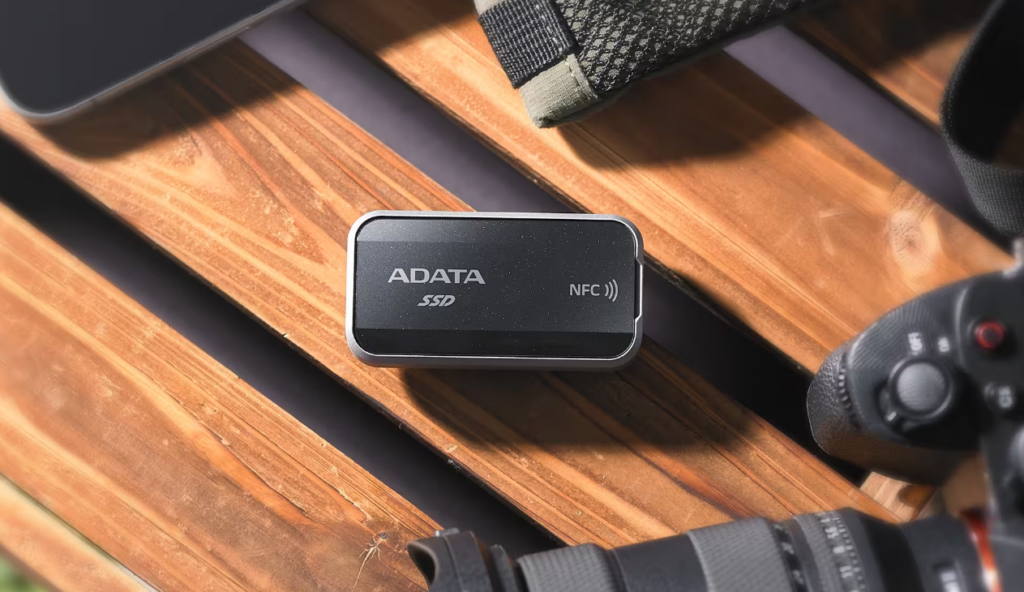
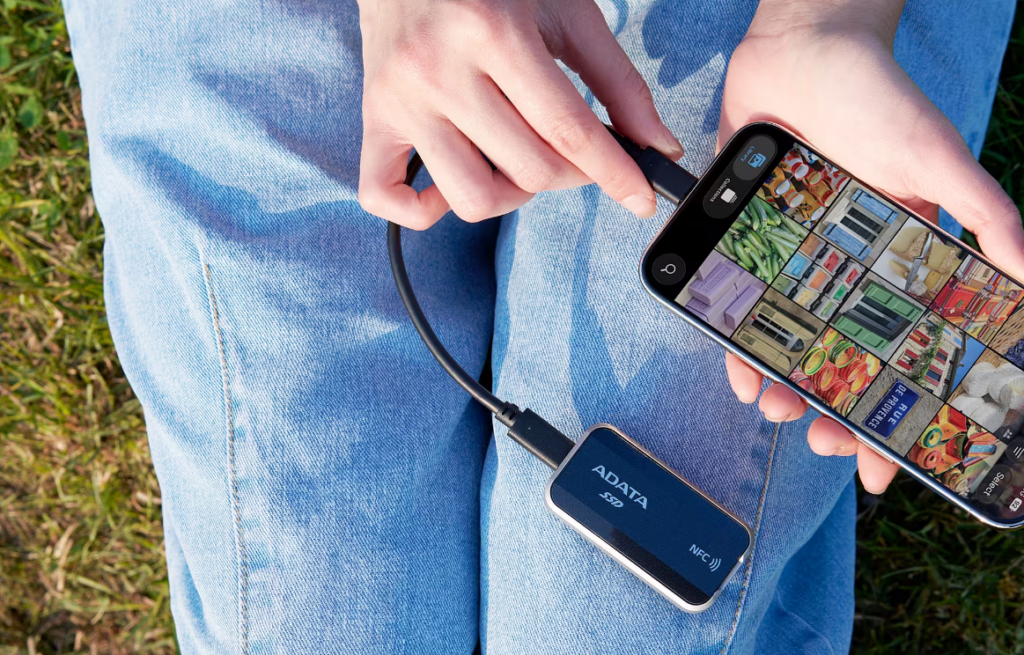
Adata has launched the Urban Tapsafe, a portable SSD designed with style, performance, and security in mind. This is the first product in Adata’s new Urban Series, which focuses on lightweight, minimalist designs paired with advanced functionality.
Adata Urban Tapsafe Specifications
The Urban Tapsafe uses a USB 3.2 Gen2 x2 interface, delivering sequential read and write speeds of up to 1900MB/s. Adata offers the device in two storage capacities, 1TB and 2TB, which are ideal for tasks like 4K video editing, large software development projects, or expanding storage for gaming consoles.
The SSD features NFC-supported security via a dedicated mobile app, allowing users to unlock the device by tapping their smartphone. The app supports multi-user access control for up to nine users, with customizable permissions such as read-only or writable. It also ensures data security by automatically locking when disconnected.
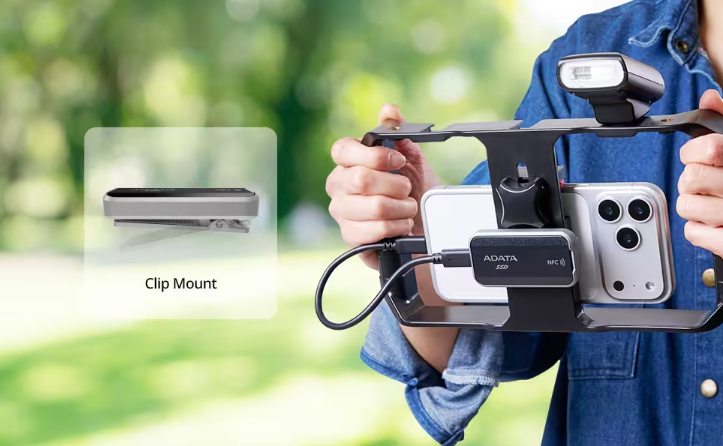
The Urban Tapsafe introduces a clip-on mounting system that attaches directly to camera rigs or smartphone cages. This removes the need for extra mounting adapters and makes it easier for creators to use the drive on the go. Adata includes swappable magnetic covers with the Urban Tapsafe. These covers allow users to customize the SSD’s look or organize their work by project.
The Urban Tapsafe offers compatibility with Windows, macOS, Android, iOS, and Linux. The drive also works with modern gaming consoles, providing off-console storage for additional games.
The device features a sleek, portable design measuring 68.68 x 36.18 x 19.18 mm and weighing 72.61g. The SSD is available in black and includes a five-year limited warranty.
Xiaomi has officially launched the Redmi G24Q monitor in the Chinese market. It is priced at 749 yuan ($110) and is available on JD.com.
Redmi G24Q Specifications
The Redmi G24Q features a Fast IPS display with a 2560 x 1440 resolution. It offers a 178-degree wide viewing angle for consistent colors from any perspective and a narrow three-sided bezel design, ideal for multi-monitor setups.
The monitor includes a 180Hz refresh rate and a 1ms GTG response time to reduce motion blur and ghosting. It also features AMD FreeSync technology to prevent screen tearing and stuttering, while Dynamic OD tuning enhances clarity during fast movements.
Xiaomi has added several gaming-focused features to the G24Q, including custom crosshair overlays for improved aiming, a dark scene enhancement mode to brighten shadows without overexposing brighter areas, and a night vision mode to enhance visibility in low-light gameplay.
The Redmi G24Q is VESA DisplayHDR 400 certified, with up to 400 nits peak brightness. It covers 94% of the DCI-P3 and 100% of the sRGB color gamuts for accurate colors, uses 8-bit + FRC technology for smooth color transitions, and offers a Delta E value of less than 2, making it ideal for creative work.
The monitor enhances eye comfort with TÜV Rheinland-certified low blue light technology and Xiaomi’s QingShan eye protection system, which reduces harmful blue light without a yellow tint. Additionally, it features DC dimming to eliminate flicker, minimizing eye strain during extended use.
For connectivity, the G24Q includes two HDMI 2.0 ports and two DisplayPort 1.4 ports. The stand supports height adjustment, tilting, and rotation, and the monitor is compatible with VESA 75 x 75 mm wall mounts.
In related news, Xiaomi has recently introduced the Redmi G Pro 32U 2026 monitor featuring 4K resolution, a 160Hz refresh rate, Mini LED technology, and HyperOS 3. The company has also unveiled the Redmi G27U 2026 monitor, which offers a dual-mode display with 4K at 160Hz and 1080p at 320Hz.
For more daily updates, please visit our News Section.
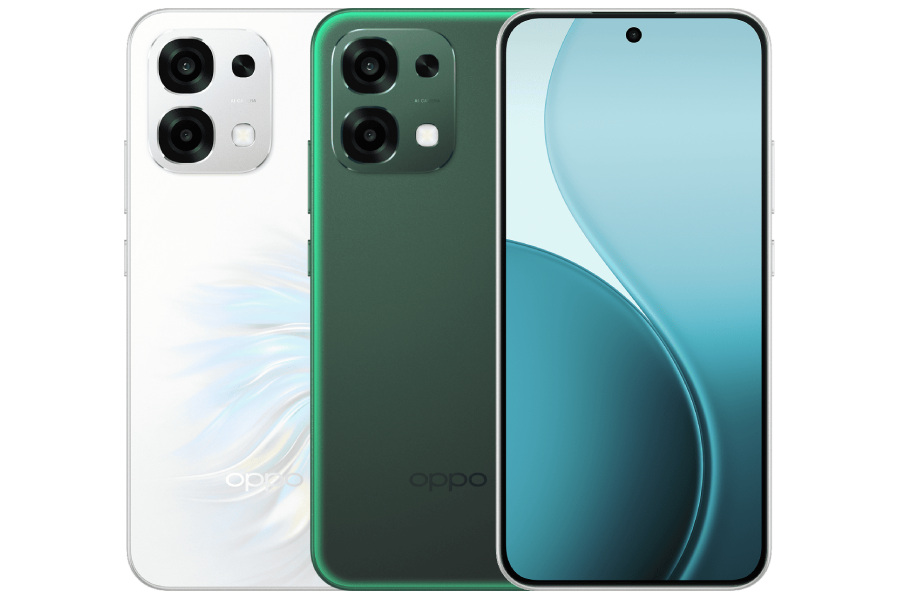
OPPO has scheduled a major launch event for April 21, where it will introduce the Find X9 Ultra and Find X9s Pro in China. At the same time, the company is preparing global markets for the Find X9 Ultra and the Find X9s, with the Ultra model confirmed to debut internationally as well.
The Find X9s is expected to launch globally on the same day as the Ultra. While OPPO has not officially confirmed the exact date for the global rollout, the event microsite and earlier announcements point to April 21. The company had already confirmed the India launch of the Find X9s back in February during a MediaTek event, where it revealed that the phone will be powered by the Dimensity 9500s chipset.
This also indicates a split strategy. The Find X9s Pro, which is expected to feature dual 200MP cameras, may remain limited to China. Global markets are likely to get the Find X9s instead, which comes with a different camera setup.
OPPO has shared a teaser showing the Find X9s in orange, light purple, and dark grey or black. The phone carries a square camera module similar to other models in the series, but without the extended camera design seen on the Pro variant.
On the front, the Find X9s is expected to use a flat display with 1.15mm bezels. Both the Find X9s and the Pro model are likely using LIPO packaging, which helps reduce bezel thickness and gives the screen a more edge-to-edge look.
The phone is confirmed to pack a 7,025mAh battery. This should comfortably last over a day with regular use. It is also expected to feature a triple rear camera setup with a 50MP main sensor, and there are chances of a telephoto lens being included. Pricing and full specifications will be announced at the launch.
For more daily updates, please visit our News Section.
A Galaxy S26 Ultra owner has run into a camera issue just days after buying the phone, and what followed sounds more confusing than it should be.
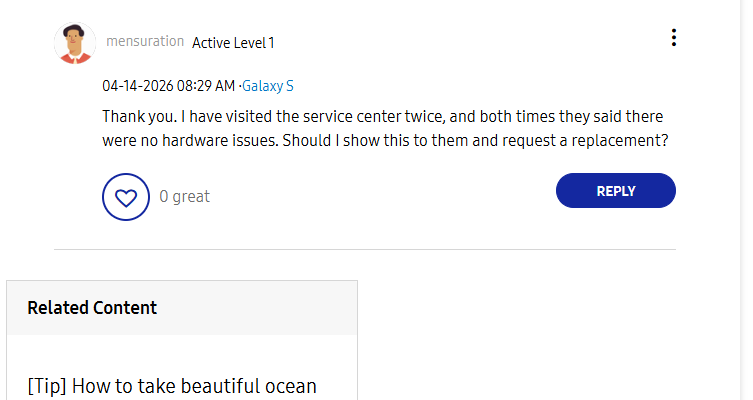
The problem showed up in a post on Samsung’s community forum. According to the user, the camera system doesn’t seem to work properly. Opening the camera app triggers a warning about some features not working, and when trying to switch lenses, it simply says the “lens cannot be used”. For a phone at this price, that’s obviously not a great start.
Naturally, the user took it to a service center. Twice. Both times, the response was the same. Diagnostics didn’t show any hardware fault, and the phone was said to be working as intended.
That might have been the end of it, but the user also shared logs through the Samsung Members app. And this is where things start to feel a bit off.
A moderator on the platform, said to be from the camera team, reviewed those logs and suggested something completely different. According to that response, the ultrawide module could actually be faulty and might need replacing. The advice was to head back to a service center. So now there are two answers. One says everything is fine, the other points to a hardware problem.
It’s not clear what’s causing the mismatch. Maybe the issue doesn’t show up during regular diagnostics. Maybe the logs are picking up something more specific. Hard to say from the outside.
Either way, it puts the user in a difficult spot. Going back to the same service center with a different diagnosis doesn’t always lead anywhere, especially if the earlier checks didn’t find anything.
There’s no official comment from Samsung on this particular case yet. It could just be one isolated incident, but it does raise questions about how consistent the support process is across different channels.
For now, it’s one of those cases where the issue itself is frustrating, but the lack of a clear answer makes it more so.
OnePlus OxygenOS has begun rolling out a new system update, version B60P01, as part of its regular upgrade cycle. The update is being released in batches and introduces minor interface improvements along with overall system stability enhancements.
The update carries version numbers B60P01 (BRB1EX01) for smartphones and B60P01 (BRB3EX01) for tablets. It focuses on refining everyday usability rather than adding major new features.
One of the key changes is in the Photos app. The speed control button for videos has been repositioned, allowing users to access it directly while playback is ongoing. This change aims to improve ease of use when adjusting playback speed.
Alongside this, the update brings general system stability improvements. These changes are designed to reduce bugs and improve performance across supported devices.
The rollout started on April 8, 2026, and is expected to reach all eligible devices by around April 30, 2026. Like previous updates, it is being pushed out in stages, meaning not all users will receive it at the same time. The update is available across a wide range of devices running different versions of OxygenOS:
OxygenOS 16
OnePlus Open
OnePlus 15 series
OnePlus 13 / OnePlus 13R
OnePlus 12 series
OnePlus 11 series
OnePlus 10 Pro
OnePlus Nord 5
OnePlus Nord CE5
OnePlus Nord 4
OnePlus Nord CE4 series
OnePlus Nord 3
OnePlus Pad 3 / OnePlus Pad 2 / OnePlus Pad
OnePlus Pad Go 2
OxygenOS 15 & 16
OnePlus Nord 3
OxygenOS 15
OnePlus 10R/OnePlus 10T
OnePlus Nord CE3 series
OxygenOS 14
OnePlus 9 Series
OnePlus 8T
OnePlus Nord 2T 5G
OnePlus Nord CE 2 Lite 5G
OnePlus Pad Go
OxygenOS 13.1.0
OnePlus 8 / OnePlus 8 Pro
OxygenOS 13.0.0
OnePlus Nord 2 5G
OnePlus Nord CE 2 5G
OnePlus Nord CE 5G
As with all incremental updates, availability depends on device model, region, and hardware compatibility. Some features may vary between devices.
Users can check for the update manually. Once downloaded, the installation prompt will appear, and the device will restart automatically after confirmation.
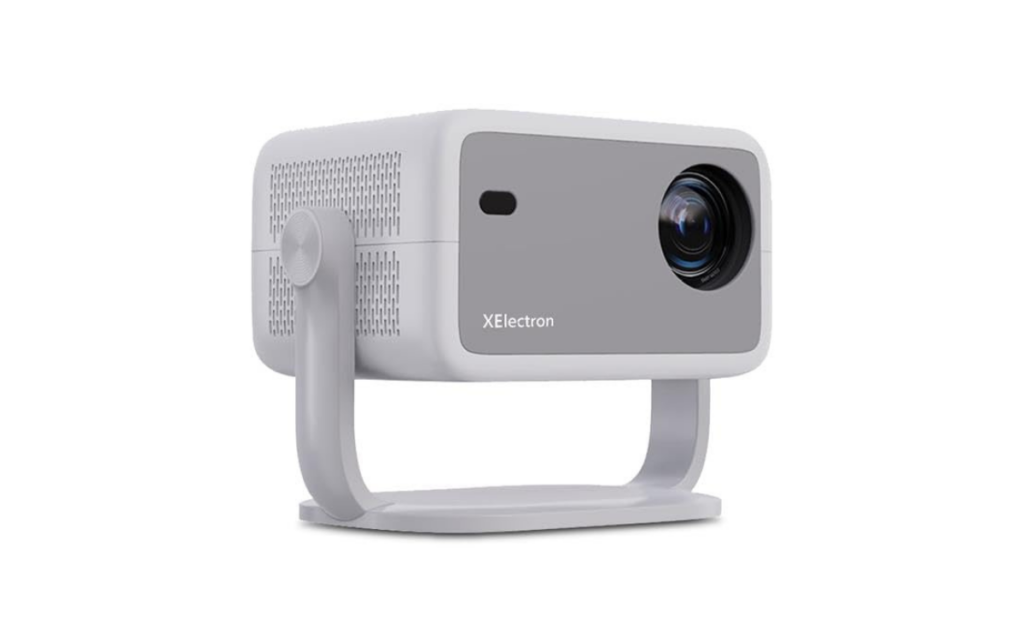
XElectron has launched the Luminex Smart Projector in India, offering a convenient home cinema experience. It is priced at ₹14,990 ($160) and available on Amazon India, Flipkart, and the official XElectron website.
XElectron Luminex Smart Projector Specs
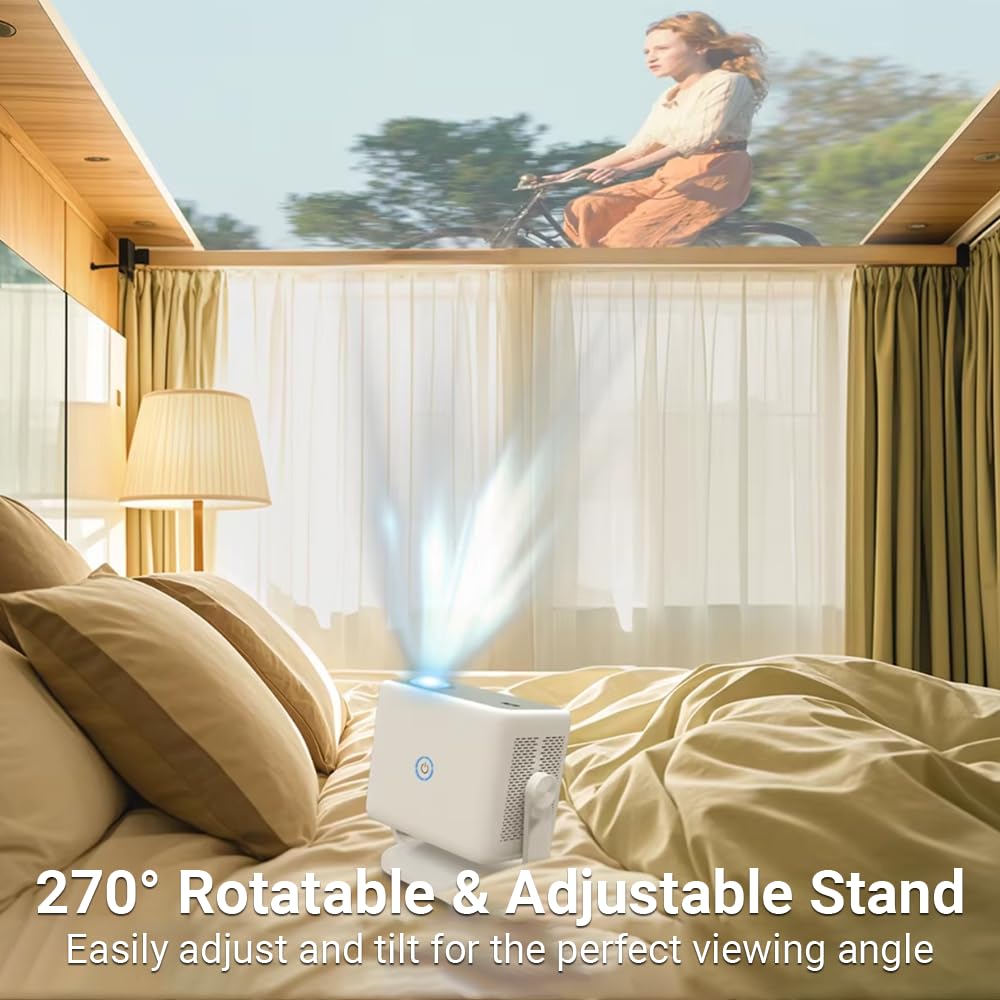
The Luminex Smart Projector features a 180° rotatable design for flexible projection on walls or ceilings. It supports screen sizes up to 250 inches, offers Native Full HD (1080p) resolution, and 4K decoding for sharp and vibrant visuals.
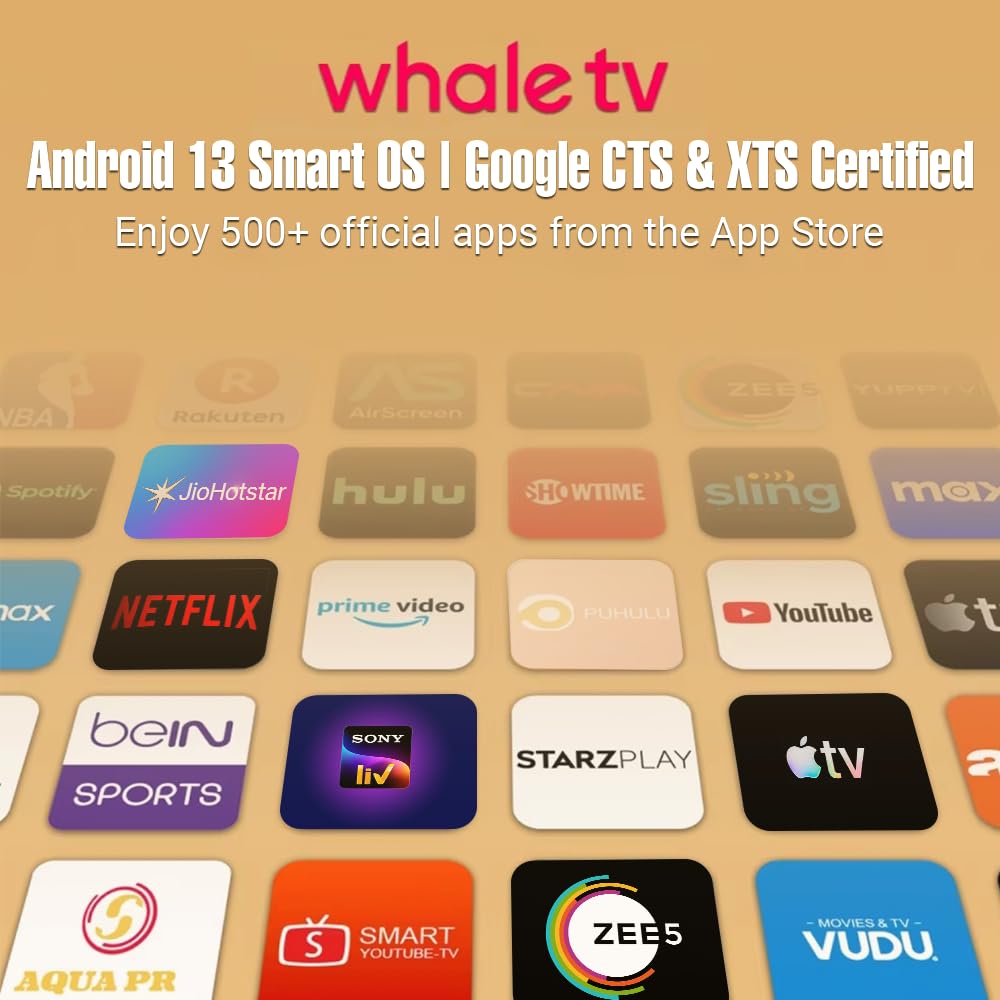
The projector operates on Android 12-based Whale OS, offering direct access to pre-installed streaming apps like Netflix, Prime Video, YouTube, Zee5, SonyLIV, and Jio Hotstar, removing the need for external devices.
XElectron has equipped the Luminex with Auto Focus, Auto Keystone Correction, and Auto Screen Alignment for quick setup and precise adjustments. The projector also offers 16,000 lumens brightness (1200 ANSI) and a 10,000:1 dynamic contrast ratio, making it suitable for both dark and moderately lit rooms.
For connectivity, the projector offers dual-band Wi-Fi for screen mirroring via AirPlay and Miracast, Bluetooth 5.2 for audio streaming, and multiple ports, including HDMI, USB, Ethernet, and a 3.5mm audio jack, supporting devices like laptops, gaming consoles, and set-top boxes.
The projector features 10W built-in stereo speakers for decent audio and supports external Bluetooth or wired audio devices. Its 60W LED light source offers a lifespan of up to 50,000 hours for long-term reliability.
In related news, boAt has recently introduced the CineHead M1 projector in India with Full HD resolution, 200 ANSI lumens brightness, and dual 3W speakers, while Portronics has unveiled the Beem 570 projector featuring a 50,000-hour lamp life, 10,000 lumens brightness, and auto keystone correction.
For more daily updates, please visit our News Section.
Sony Electronics Inc. has expanded its INZONE lineup with the new INZONE M10S II esports monitor. The 27-inch QHD OLED display focuses on high refresh rates and consistent image clarity for competitive FPS gameplay.
The monitor delivers a 540Hz refresh rate at 1440p, along with a 0.02ms response time. It also includes a Dual Mode setting that switches to HD resolution with up to a 720Hz refresh rate. This allows users to choose between higher resolution or faster performance depending on the game.
Sony has reworked Motion Blur Reduction to avoid the usual drop in brightness. Instead of dimming the display, the monitor boosts brightness during active frames. This keeps motion sharp while maintaining visibility. A Super Anti-glare Film further reduces reflections and helps maintain a clear view in different lighting conditions.
The stand has been updated with input from Fnatic. It offers a tilt range from -5° to 35° and uses a compact, centered design that leaves more desk space for peripherals. The panel is just 4mm thin, allowing for flexible setups, including placing angled keyboards closer to the screen.
A tournament mode is also included. Users can switch from the full 27-inch display to a 24.5-inch view at 1332p or 1080p, matching the screen sizes commonly used in esports events. The monitor features two preset modes for gameplay. FPS Pro mode replicates the look of standard LCD esports monitors, while FPS Pro+ mode uses OLED to deliver higher contrast and improved detail.
To support long-term performance, the monitor includes custom heat sinks and OLED protection features. It is backed by a three-year warranty.
Pricing & availability
The INZONE M10S II will be available later this year through Sony’s website. It is priced at $1,099.99 in the US and $1,499.99 in Canada.
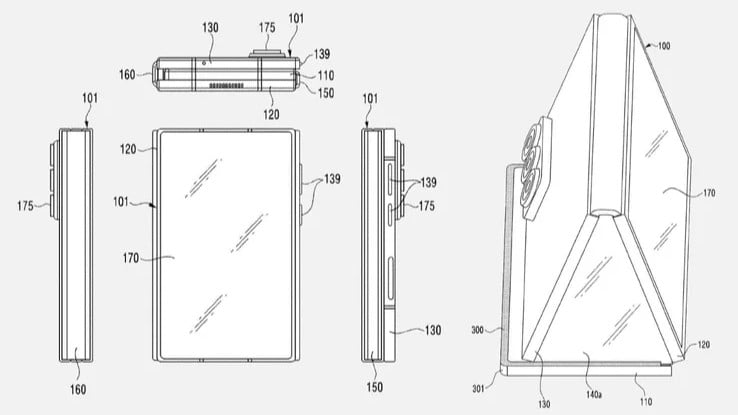
Samsung doesn’t seem done experimenting with tri-fold phones just yet. A new patent suggests the company could be working on a different take, something that looks a bit more usable day to day.
Samsung Galaxy Z TriFold
The concept, referred to as the Galaxy Z TriFold Wide, leans toward a wider form factor. Closed, it would behave more like a regular phone, just slightly wider than usual. Unfold it, and it turns into a larger, tablet-like screen that’s better suited for video and multitasking compared to the first-generation TriFold. That alone makes it feel like a response to one of the bigger complaints around early multi-fold devices, the awkward aspect ratio.
Samsung’s first tri-fold launched at a very high price, somewhere around $2,899, and didn’t stick around for long due to production challenges. Even so, demand didn’t exactly disappear. Limited restocks reportedly sold out quickly, and resale prices went much higher, which says something about the level of interest. So while the first version may not have been practical to produce at scale, it clearly got people’s attention.
The wider approach also lines up with other rumors around Samsung’s foldables. There’s been talk of a Galaxy Z Fold 8 moving in a similar direction, with a more balanced display. If that happens, a wider tri-fold doesn’t feel like a stretch.
Of course, this is still just a patent, and those don’t always turn into real products. But it does give a sense of where Samsung’s thinking is right now.
At the same time, competition in this space is starting to pick up. Huawei has been experimenting with wider-style foldable form factors for a while, and Apple is expected to enter the category by the end of this year.
For Samsung, the challenge is probably less about building something new and more about making it usable and scalable. The idea of a tri-fold phone is already there. The next step is making it feel less experimental and more like something people would actually carry every day. That’s where something like a “Wide” version could make a difference, if it ever makes it past the concept stage.
The Snapdragon 7 Gen 4 is a performance-friendly mid-range chipset, which is already powering a flurry of devices from top smartphone brands. It was announced in mid-2025, and three months later, Qualcomm announced the Snapdragon 7s Gen 4 with a similar spec sheet. However, there are still several key differences that set them apart.
In this detailed comparison, we’ll review the benchmark data and key differences to determine which Snapdragon chip delivers higher performance and, more importantly, better overall value.
Here’s the spec sheet to begin with:
Snapdragon 7 Gen 4
Snapdragon 7s Gen 4
Announced
May 2025
August 2025
Process node
4nm (TSMC)
4nm (TSMC)
CPU
1 x 2.8 GHz (Cortex-A720) 4 x 2.4 GHz (Cortex-A720) 3 x 1.84 GHz (Cortex-A520)
1 x 2.7 GHz (Cortex-A720) 3 x 2.4 GHz (Cortex-A720) 4 x 1.8 GHz (Cortex-A520)
GPU
Adreno 722 Snapdragon Elite Gaming features
Adreno 810 Snapdragon Elite Gaming features
NPU
Qualcomm Hexagon NPU
Qualcomm Hexagon NPU
Memory
LPDDR5x, up to 4.2GHz
LPDDR5, up to 3.2GHz
Storage
UFS 4.0
UFS 3.1
Camera
Qualcomm Spectra ISP (Triple AI-ISPs, 12-bit) up to 200MP single camera up to 64MP single camera with zero shutter lag up to 32+21MP dual cameras with zero shutter lag up to 21MP triple cameras with zero shutter lag up to 4K/60fps video recording
Qualcomm Spectra ISP (Triple ISPs, 12-bit) up to 200MP single camera up to 64MP single camera with zero shutter lag up to 32+21MP dual cameras with zero shutter lag up to 21MP triple cameras with zero shutter lag up to 4K/30fps video recording
Connectivity
Snapdragon 5G modem download speed: 4.2 Gbps (peak speed) Wi-Fi 7 (peak speed: 5.8 Gbps) Bluetooth 6.0, LE
Snapdragon 5G modem download speed: up to 2.9 Gbps Wi-Fi 6E (peak speed: 2.9 Gbps) Bluetooth 5.4, LE
Quick verdict:
Choose the Snapdragon 7 Gen 4 if you prioritize performance, gaming, advanced AI, and modern connectivity. Choose Snapdragon 7s Gen 4 if you’re a value-conscious buyer who prioritizes battery life and daily reliability over high-end performance.
Snapdragon 7 Gen 4 vs 7s Gen 4: Benchmark score
[Note: To obtain benchmark results, the tests were performed using the Vivo T4 Pro (powered by Snapdragon 7 Gen 4) and POCO M8 Pro (powered by Snapdragon 7s Gen 4).]
Geekbench score
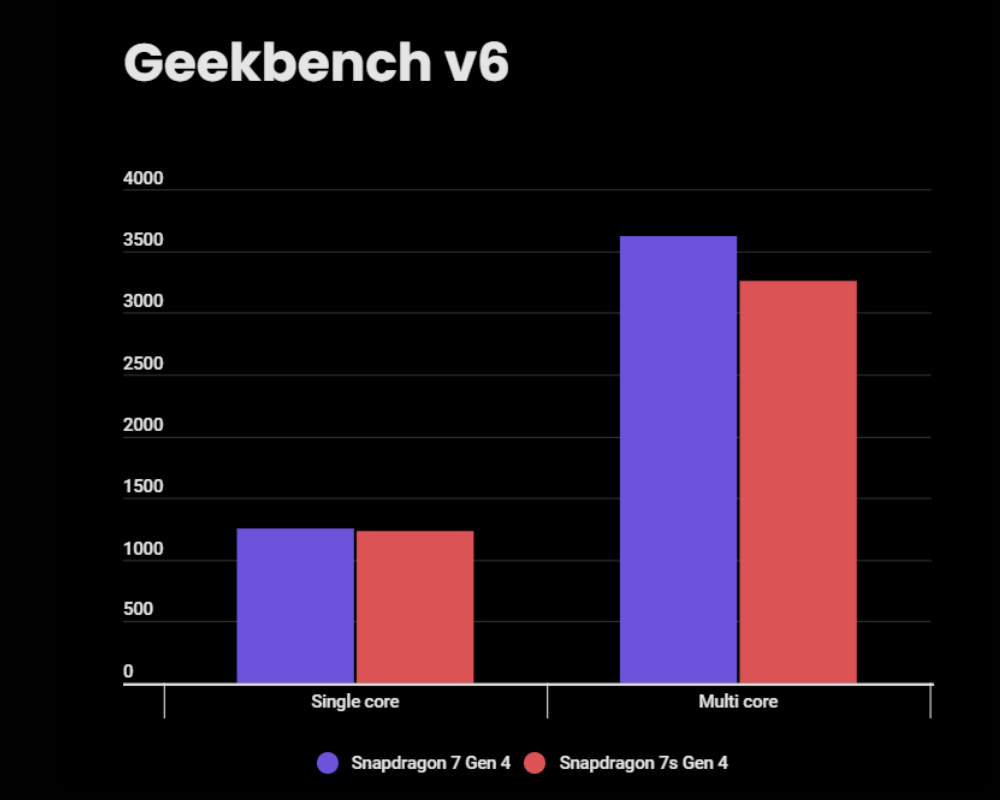
On Geekbench v10, the Snapdragon 7 Gen 4 pulls just ahead in single-core performance. However, the gap widens in multi-core performance, with the Snapdragon 7 Gen 4 posting a 10% higher score. So, demanding apps that require multiple cores to work together would perform better on a device powered by Snapdragon 7 Gen 4 than on one powered by Snapdragon 7s Gen 4.
Snapdragon 7 Gen 4
Snapdragon 7s Gen 4
Single core
1,252
1,231
Multi core
3,620
3,257
AnTuTu score
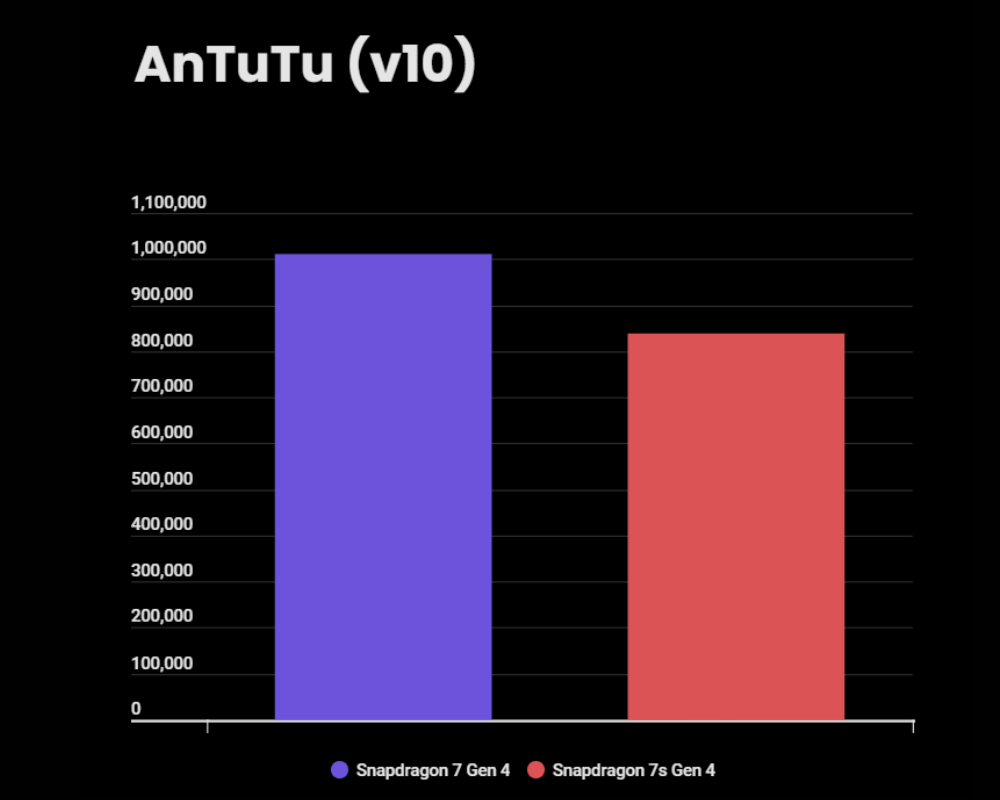
The Snapdragon 7 Gen 4 has achieved over 1 million AnTuTu points, while the Snapdragon 7s Gen 4 gets 838K points. That’s a 20% solid uplift for the 7 Gen 4, but the overall score doesn’t offer much clarity. So, we look at the breakdown of the AnTuTu score.
Snapdragon 7 Gen 4
Snapdragon 7s Gen 4
AnTuTu score
1,010,864
838,402
CPU
309,273
276,892
GPU
323,797
211,590
Memory
182,776
162,373
UX
195,019
187,547
The Snapdragon 7 Gen 4 outperforms the 7s Gen 4 in all aspects. The CPU score is up by 11%; the GPU score is up by 53%, and the memory score is up by 12%. The 7 Gen 4 also pulls ahead in the UX score, even though the difference is small.
Performance-wise, the Snapdragon 7 Gen 4 looks promising, but we must also review other key aspects, such as camera capabilities and connectivity features, to pick the right one. (more on that below)
Snapdragon 7 Gen 4 vs 7s Gen 4: Key differences that matter
Performance
CPU
The Snapdragon 7 Gen 4 prioritizes raw power by using five performance cores (1 prime + 4 performance), whereas the Snapdragon 7s Gen 4 uses a traditional four-performance core setup (1 prime + 3 performance), leaning more on its efficiency cores for battery savings.
The Snapdragon 7 Gen 4 also benefits from a higher peak clock speed of 2.8 GHz compared to the 2.7 GHz on the 7s Gen 4, offering additional performance advantage to the standard 7 Gen 4 SoC.
GPU
For graphics rendering, the 7 Gen 4 relies on the Adreno 722 GPU, which may seem weaker than the Adreno 810 GPU on the 7s Gen 4 at first sight, but it’s actually more powerful. It has a higher frequency, shading units, and FLOPS, resulting in consistent frame rates and reliable gaming performance. The 7 Gen 4 also features advanced Snapdragon Elite Gaming features to deliver smoother gaming with reduced stutter.
AI & NPU
Coming to the AI part, both Snapdragon chips have Hexagon NPUs, but the one on the Snapdragon 7 Gen 4 is significantly more powerful than the NPU on the Snapdragon 7s Gen 4. Qualcomm claims a 65% higher AI performance than the 7 Gen 3, but the 7s Gen 3 is only described generically as an updated Hexagon NPU with “better AI performance” than the 7s Gen 3.
The 7 Gen 4 supports on-device generative AI assistants and large language models (LLMs) for the first time in the Snapdragon 7-series. Also, the first-in-series to run models like Stable Diffusion 1.5 locally on-device. In short, the 7 Gen 4 features a significant upgrade to generative AI, while the 7s Gen 4 hasn’t received a major NPU upgrade.
Camera
While both Snapdragon SoCs use the same 12-bit Spectra ISPs, there are still crucial differences that can significantly affect output quality. This includes the hardware-enabled Electronic Image Stabilization (EIS) support on the Snapdragon 7 Gen 4 for the first time in the Snapdragon 7-series.
The Snapdragon 7 Gen 4 leverages AI-powered autofocus, auto white balance, and auto exposure, now baked into the ISP hardware. The Real-time Video Super Resolution is also AI-assisted, enhancing detail while also reducing noise. In contrast, the 7s Gen 4 features modest AI features such as Snapdragon Low Light Vision and AI Remosaic.
The 7 Gen 4 also excels in video recording, supporting 4K HDR videos at 60fps, while the 7s Gen 4 supports 4K HDR recording at 30fps.
Connectivity
The Snapdragon 7 Gen 4 features more modern, high-end connectivity, which includes Wi-Fi 7 and Bluetooth 6.0. In contrast, the 7s Gen 4 has Wi-Fi 6E and Bluetooth 5.4.
The 7 Gen 4 also excels in connectivity speeds, supporting up to 4.2 Gbps on a 5G connection and up to 5.8 Gbps on a Wi-Fi connection, while the 7s Gen 4 can reach just 2.9 Gbps on both cellular and Wi-Fi connections.
Snapdragon 7 Gen 4 vs 7s Gen 4: Conclusion
The Snapdragon 7 Gen 4 is a premium mid-range chipset, featuring a performance-focused CPU, a superior GPU, and robust connectivity. The Snapdragon 7s Gen 4 sits below it, prioritizing balanced performance and power efficiency.
If you prioritize gaming, AI features, and modern connectivity, the Snapdragon 7 Gen 4 is the better choice. For those looking for reliable daily performance at a lower cost, the Snapdragon 7s Gen 4 is a good fit.
Xiaomi India has launched its first Mini LED TV series in the country, called the Xiaomi TV S Mini LED Series. This launch marks Xiaomi’s entry into the premium television space, featuring advanced Mini LED technology that promises better picture quality with deeper blacks, vivid colors, and enhanced brightness.
Xiaomi TV S Mini LED Series Specifications
The Xiaomi TV S Mini LED Series is available in 55-inch, 65-inch, and 75-inch screen sizes. These TVs feature 4K Ultra HD resolution, a 120Hz Dynamic Local Gamut (DLG) refresh rate, and HDR10+ compatibility. Xiaomi has equipped the series with Quantum Mini LED technology, which incorporates up to 512 precision dimming zones, depending on the model. The TVs deliver peak brightness levels of up to 1200 nits.
The series features AI Local Dimming and the Vivid Picture Engine 2, which optimize brightness and contrast in real time. The TVs also include adaptive light sensors that adjust screen brightness and color temperature based on room lighting for optimal viewing comfort.
The sound setup for the Xiaomi TV S Mini LED Series features 34W quad-speakers and support for Dolby Audio, DTS:X, and Xiaomi Sound.
The TVs come with Google’s PatchWall interface, offering a smooth and intuitive user experience. The software combines Google TV integration with features like personalized recommendations, a kids mode, and universal search. Xiaomi has also included Google Voice Assistant, Miracast, AirPlay 2, and Chromecast compatibility for seamless connectivity and streaming.
Xiaomi has powered the TV series with a quad-core A55 processor, a Mali-G52 GPU, 2GB of RAM, and 32GB of storage. This hardware ensures smooth performance when navigating apps, streaming content, or gaming. Gamers also benefit from features like ALLM (auto low latency mode), MEMC, and high refresh rates for blur-free motion.
Pricing and Availability
The Xiaomi TV S Mini LED Series will be available from April 22, 2026, across Mi.com, online marketplaces, and retail stores, including Vijay Sales. Xiaomi has priced the 55-inch model at ₹51,999 ($557), the 65-inch model at ₹71,999 ($772), and the 75-inch model at ₹99,999 ($1,072).
With Vijay Sales, the 55-inch, 65-inch, and 75-inch variants will be available with instant cashback of Rs 3,000, Rs 5,000, and Rs 10,000, respectively, via Kotak, HDFC, SBI, and Axis bank cards. It is also providing a no-cost EMI offer on all three variants.
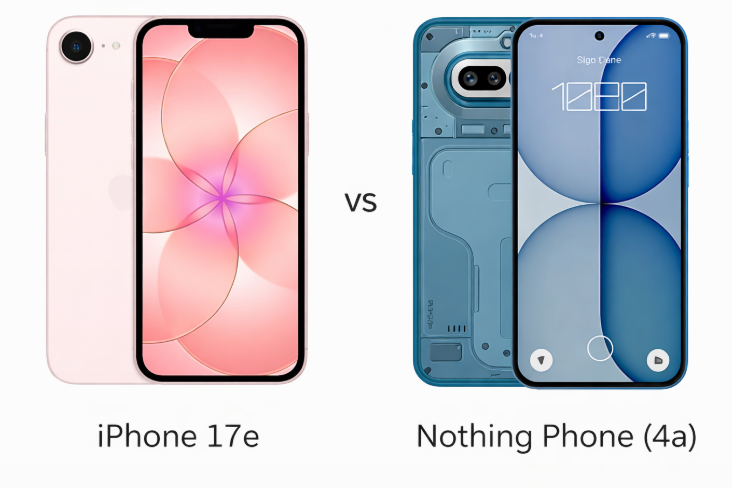
iPhone 17e and Nothing Phone (4a) sit in very different price segments, but both aim to deliver a strong everyday smartphone experience. One focuses on premium performance and a polished ecosystem, while the other offers more features and flexibility at a much lower cost. This comparison breaks down what really matters between the two and which one makes more sense for different types of users.
The iPhone 17e delivers a premium in-hand feel with its aluminum frame and refined glass finish, backed by Ceramic Shield protection. It feels clean, minimal, and unmistakably flagship. The Nothing Phone (4a), on the other hand, leans into a more expressive design with its transparent aesthetic and LED glyph interface. While its plastic frame slightly reduces the premium feel, it compensates with uniqueness and personality. The iPhone feels more durable and polished, while the Nothing phone feels more experimental and fun.
Display Quality
The iPhone 17e offers a sharp OLED panel with excellent color accuracy and reliable brightness, making it ideal for consistent everyday use. However, it sticks to a standard refresh rate. The Nothing Phone (4a) clearly pushes ahead with a larger AMOLED display, 120Hz refresh rate, and significantly higher peak brightness. It feels smoother and more immersive, especially for scrolling and media consumption. The difference is immediately noticeable in fluidity and visual punch.
Verdict
The iPhone 17e wins on build quality and refinement, but the Nothing Phone (4a) takes the lead with a more advanced and smoother display experience.
2. Specifications Including Battery
Performance
The iPhone 17e is powered by the Apple A19 chip, delivering top-tier performance that easily outclasses most mid-range Android processors. It handles gaming, multitasking, and long-term performance stability with ease. The Nothing Phone (4a), running on the Snapdragon 7s Gen 4, offers solid performance for its class, but it doesn’t match the raw power or efficiency of Apple’s silicon. For heavy users, the difference becomes quite clear over time.
Battery and Charging
Battery life is where the Nothing Phone (4a) gains a strong advantage. Its larger battery easily lasts longer under heavy use, and the faster 50W charging makes top-ups quick and convenient. The iPhone 17e provides reliable battery life with optimized efficiency, but its charging speeds feel conservative in comparison. Wireless charging support adds convenience, but overall speed still lags.
Verdict
The iPhone 17e dominates in performance, but the Nothing Phone (4a) offers better battery life and significantly faster charging, making it more practical for power users.
3. Camera
Main and Secondary Lenses
The iPhone 17e focuses on a single high-quality 48MP sensor, delivering consistent, natural-looking photos with excellent video capabilities. It prioritizes reliability over versatility. In contrast, the Nothing Phone (4a) offers a more flexible triple-camera setup, including a periscope telephoto lens and ultrawide sensor. This adds creative freedom with zoom and wider shots, something the iPhone lacks. While the Nothing phone provides more options, consistency still slightly favors Apple.
Selfie Camera
The iPhone 17e’s 12MP front camera stands out with advanced features like 3D depth sensing and better video recording, making it ideal for content creators and secure authentication. The Nothing Phone (4a) offers a higher-resolution 32MP sensor, producing sharper images, but lacks the same level of refinement in video and depth processing.
Verdict
The iPhone 17e wins in consistency and video quality, while the Nothing Phone (4a) stands out for versatility and zoom capabilities.
4. Pricing
Price Comparison
The iPhone 17e is priced at around ₹65,000 ($600), placing it firmly in the premium segment. In contrast, the Nothing Phone (4a) comes in at approximately ₹32,000 ($450), making it significantly more affordable. The price gap is substantial and immediately influences buying decisions.
Is the Price Justified?
The iPhone 17e justifies its price with flagship performance, long-term software support, and a polished ecosystem experience. It feels like a long-term investment. However, the Nothing Phone (4a) delivers exceptional value by offering features like a 120Hz display, versatile cameras, and fast charging at nearly half the price. It feels aggressively priced for what it offers, making it hard to ignore.
Verdict
The iPhone 17e is worth it for premium users, but the Nothing Phone (4a) is the clear winner in value for money.
Disclaimer: Prices are approximate and may vary based on country, region, and applicable taxes.
5. Conclusion
The iPhone 17e stands out with its powerful A19 chip, refined ecosystem, satellite features, and strong video capabilities. It’s built for users who prioritize performance, longevity, and seamless integration. The Nothing Phone (4a), however, brings a fresh approach with its glyph lighting system, bigger battery, faster charging, and versatile camera setup. It feels more innovative in everyday usability and visual identity.
Verdict
iPhone 17e is the better choice for those seeking flagship performance and long-term reliability. Nothing Phone (4a) is ideal for users who want maximum features, better battery life, and a standout design at a much lower price.
Disclaimer: This comparison is based on the specifications provided and is intended for general informational purposes. Actual performance, camera results, battery life, and overall experience may vary depending on real-world usage, software updates, and individual preferences.
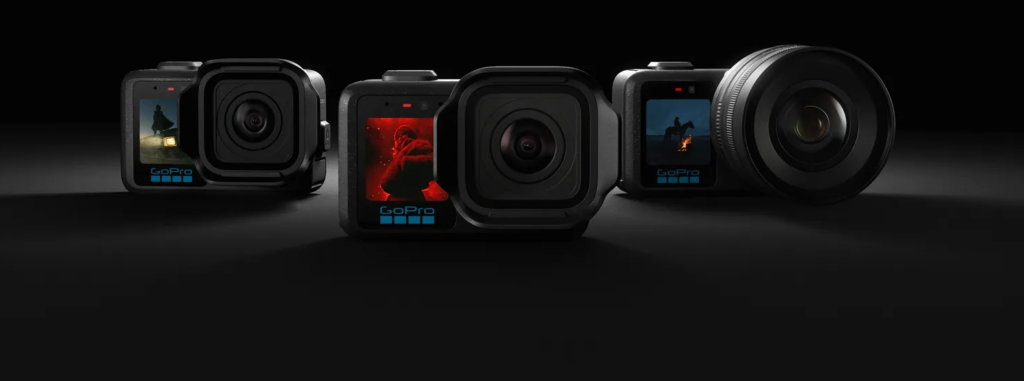
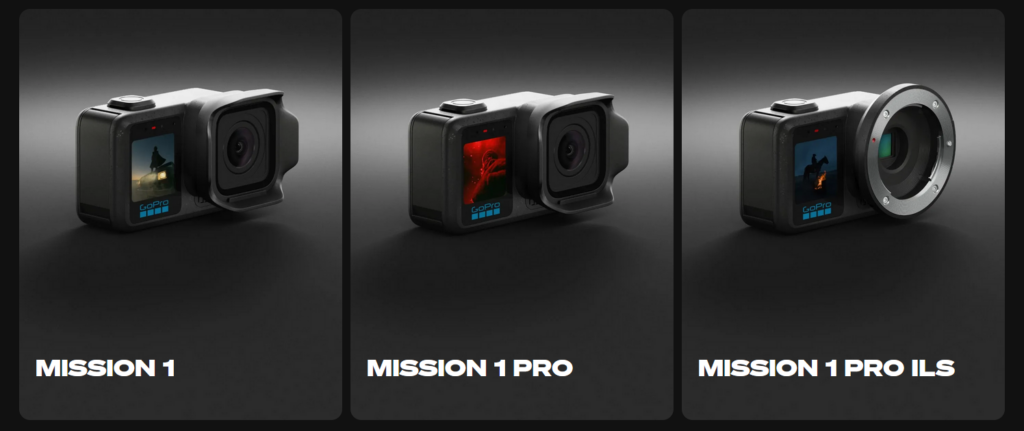
GoPro has introduced a new line of compact cinema cameras called the MISSION 1 Series. The lineup includes three main models: MISSION 1 PRO, MISSION 1, and MISSION 1 PRO ILS. All three are built around a new 50MP 1-inch sensor and the company’s GP3 processor, with a focus on high-resolution video, better low-light output, and longer recording times.
The new sensor uses 1.6µm native pixels and 3.2µm fused pixels in Quad Bayer mode. GoPro says this allows up to 14 stops of dynamic range. The GP3 processor, built on a 5nm design, is meant to improve efficiency and heat management while handling image processing. It also includes an AI-based neural unit that helps with low-light video and detail processing.
Video capabilities are one of the main highlights. The MISSION 1 PRO and PRO ILS can shoot 8K video at up to 60 frames per second, 4K at up to 240 frames per second, and 1080p at up to 960 frames per second in short bursts. They also support 1080p at 480 frames per second for longer slow-motion clips. The standard MISSION 1 is more limited, offering 8K30, 4K120, and 1080p240 recording.
Open Gate recording is supported across the lineup. The PRO models can shoot 8K30 and 4K120 using the full 4:3 sensor, while the base model supports 4K120 Open Gate. This gives more flexibility when cropping for different formats later.
Battery life has also been pushed. With the Enduro 2 battery, the cameras can record for over five hours at 1080p30 and more than three hours at 4K30. The same battery works with HERO13 Black cameras, though older batteries will not last as long.
The cameras include 13 preset capture modes that adjust settings automatically based on the scene. Manual control is still available for those who want it. Video recording supports up to 240Mbps bitrate, along with 10-bit color, HLG HDR, and GP-Log2. Timecode sync is included for multi-camera setups.
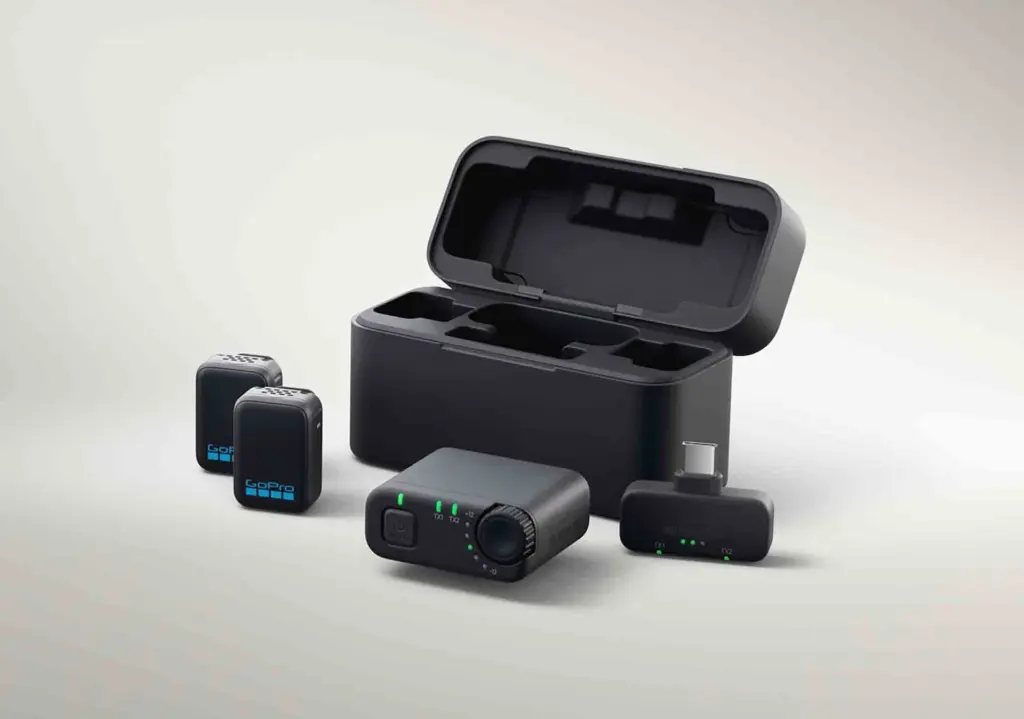
GoPro MISSION 1 Series Accessory Ecosystem
Audio is handled by a four-microphone setup with stereo recording and wind noise reduction. There is also 32-bit float recording to avoid clipping. Bluetooth 5.3 support allows wireless audio with compatible devices.
For photos, the cameras can shoot 50MP images, including RAW. Burst shooting goes up to 60 frames per second, and HDR processing is handled automatically.
On the design side, the MISSION 1 and PRO are waterproof up to 20 meters without extra housing. A separate case extends this to 60 meters. The cameras use a 159-degree field of view, a larger OLED rear display, and bigger buttons that are easier to use with gloves.
The MISSION 1 PRO ILS stands out with its interchangeable Micro Four Thirds lens mount, allowing the use of different lenses through adapters. The cameras also work with the GoPro Quik app, which handles cloud backup, automatic highlight videos, and editing tools.
Pre-orders start May 21, with global availability from May 28. The PRO and base models will ship first, while other versions will follow in Q3 2026. Pricing will be announced at the NAB Show later this month.
Xiaomi seems to have revealed its next budget phone a bit earlier than planned. The Poco C81 Pro briefly showed up on the company’s global website before being taken down, but not before its specs were noticed.
From what’s been spotted, this looks like a fairly straightforward entry-level device. The focus is on the basics, big screen, decent battery, and enough performance for everyday use.
Up front, there’s a 6.9-inch LCD display with a 120Hz refresh rate and HD+ resolution. Brightness is listed at up to 800 nits, so it should hold up reasonably well outdoors.
The phone runs on the Unisoc T7250, which is more suited for lighter tasks. Think browsing, messaging, online payments, and social media. Connectivity is limited to 4G, which might be a drawback for some users. RAM is listed at 4GB, with storage options going up to 256GB, plus microSD support.
Cameras are about what you’d expect here. A 13MP main sensor on the back and an 8MP front camera. No extra lenses or fancy tricks, just the basics.
Battery is where it stands out a bit. There’s a 6000mAh unit, which should comfortably last a full day, maybe longer depending on usage. Charging is limited to 15W, so it won’t be particularly quick to top up.
Other features include a side-mounted fingerprint sensor, dual SIM support, and likely a lightweight version of HyperOS, possibly based on Android Go. The overall idea is pretty clear. This is meant to be an affordable phone that handles everyday tasks without much trouble.
The listing has already been removed, so nothing is official just yet. That said, the specs suggest it could be a rebranded Redmi A7 Pro 4G, which launched globally earlier this month.
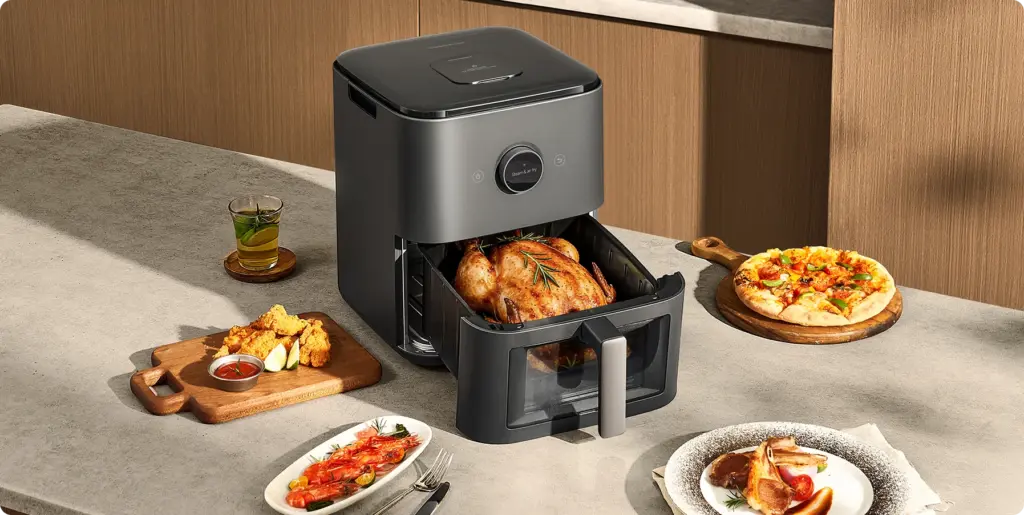
Xiaomi looks set to bring another smart kitchen gadget to global markets. The upcoming Mijia Smart Steam Air Fryer 7L combines air frying with steam cooking, and even adds support for sous vide-style cooking.
If it sounds familiar, that’s because Xiaomi already launched a similar model in China earlier. This version bumps the capacity up to 7 liters, making it more suitable for larger meals or batch cooking.
In terms of features, it covers quite a bit. Xiaomi lists 10 cooking modes, including steaming, fermenting, dehydrating, defrosting, and reheating. The sous vide part is interesting here. Traditionally, that requires a separate setup with a water bath, but Xiaomi seems to be using a built-in 1.5L water tank to replicate a similar effect. Exact details aren’t fully clear yet, but it’s likely tied to how the device handles steam and temperature control.
Speaking of temperature, the fryer supports a wide range from 40°C to 230°C, so it can handle both low-temp cooking and high-heat roasting. For steam, it can go up to around 130°C, which should help cook food faster compared to a standard steamer.
There’s also a hybrid mode that combines hot air and steam. That’s meant to keep food moist inside while still getting a crispy finish on the outside.
On the smart side, it supports HyperOS Connect, so you can control it through the Xiaomi Home app. That includes adjusting settings remotely, browsing recipes, and even linking it with Google Home for voice commands.
Compared to Xiaomi’s existing models like the 6.5L version already available in some markets, this one feels like a step up in terms of flexibility rather than just size.
There’s no confirmed global pricing or release date yet. But if it lands in markets like Europe, it could be a decent option for anyone looking to replace multiple kitchen appliances with a single device.
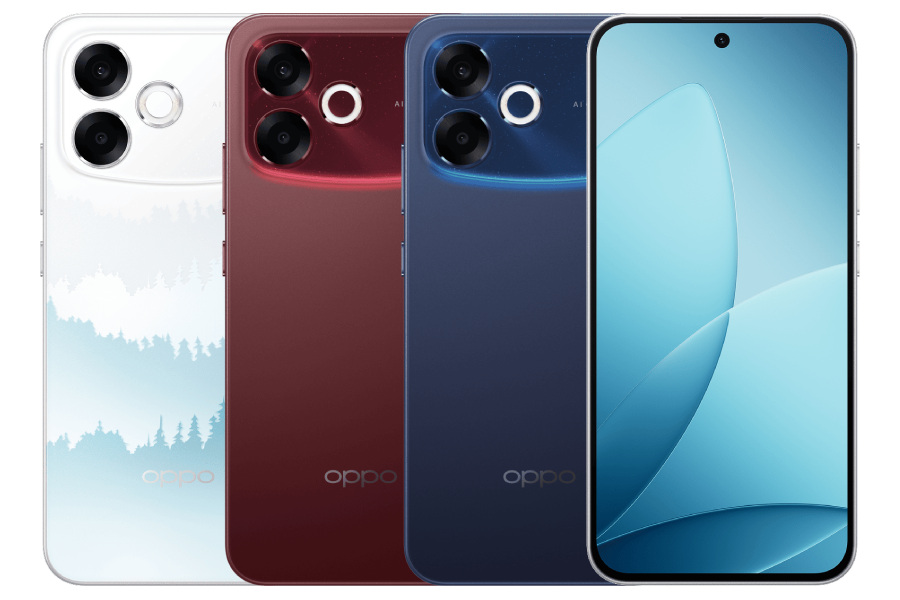
Oppo just refreshed its F-series in India with the new Oppo F33 and Oppo F33 Pro. The two phones share most of their specifications, with differences mainly in areas like the camera and design.
The standard F33 has a rectangular camera module on the back that doesn’t look much different from last year’s model.
The Pro model, however, introduces a larger camera plateau and a more noticeable visual identity, even if the influence from recent iPhone designs is hard to ignore.
Oppo F33Oppo F33 Pro
The standard model is available in Pearl White and Forest Green, while the Oppo F33 Pro comes in Starry Blue, Passion Red, and Misty Forest. The latter features a forest-like pattern on the back and a layered 3D depth effect that creates a subtle shifting look under light.
Both phones carry multiple protection ratings, including MIL-STD-810H certification and IP66, IP68, and IP69 dust and water resistance ratings. The Pro model also supports IP69K.
Oppo F33 Pro
Oppo F33 and F33 Pro Specifications
Both phones share the same core specifications. There’s a 6.57-inch AMOLED display with a 120Hz refresh rate and peak brightness of 1,400 nits. Powering them is a MediaTek Dimensity 6360 Max chip built on a 6nm process, paired with up to 8GB of RAM and 256GB of storage.
The Pro model adds a vapor chamber cooling system, which helps with sustained performance.
Oppo F33 Pro
Oppo is packing a 7,000mAh battery into both models, paired with 80W fast charging. Features like reverse wired charging and bypass charging are also included.
On the camera side, both devices use a 50MP primary sensor with a 2MP depth sensor. The difference appears on the front — the F33 has a 16MP selfie camera, while the Pro upgrades to a 50MP ultra-wide sensor that can automatically adjust framing when more people enter the shot.
The phones run Android 16 with ColorOS 16 on top.
Pricing and Availability
The Oppo F33 starts at Rs 31,999 for the base variant and goes up to Rs 40,999 for the F33 Pro. Both devices are now up for pre-order through Amazon, Flipkart, Oppo’s online store, and offline retail outlets, with typical launch offers like cashback, exchange bonuses, and EMI options included.
Model
Variant
Price (India)
Oppo F33
6GB + 128GB
Rs 31,999
8GB + 128GB
Rs 34,999
8GB + 256GB
Rs 37,999
Oppo F33 Pro
8GB + 128GB
Rs 37,999
8GB + 256GB
Rs 40,999
For more daily updates, please visit our News Section.
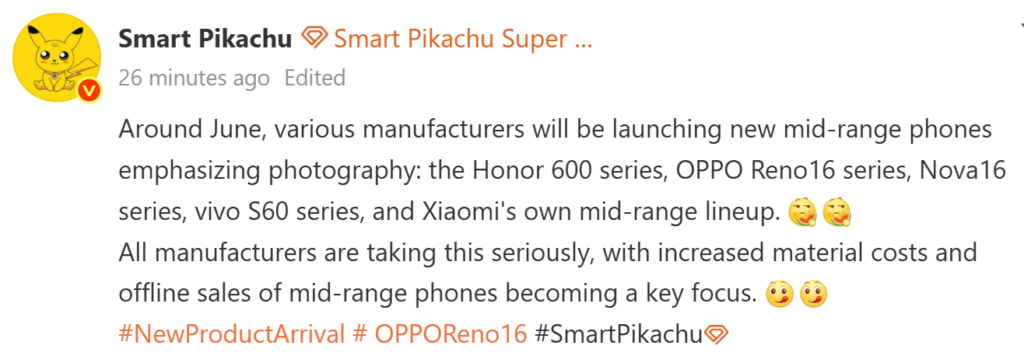
Different brands like Oppo Reno 16 series, Honor 600 series, Huawei Nova 16 lineup, and Vivo S60 lineup are in the works for the Chinese market. According to tipster Digital Chat Station, the Reno 16 series, along with other models, is expected to launch around June. Ahead of the expected launch, the tipster has shared key details about the Reno 16 Pro and Reno 16.
Oppo Reno 16 Pro key specifications, price (rumored)
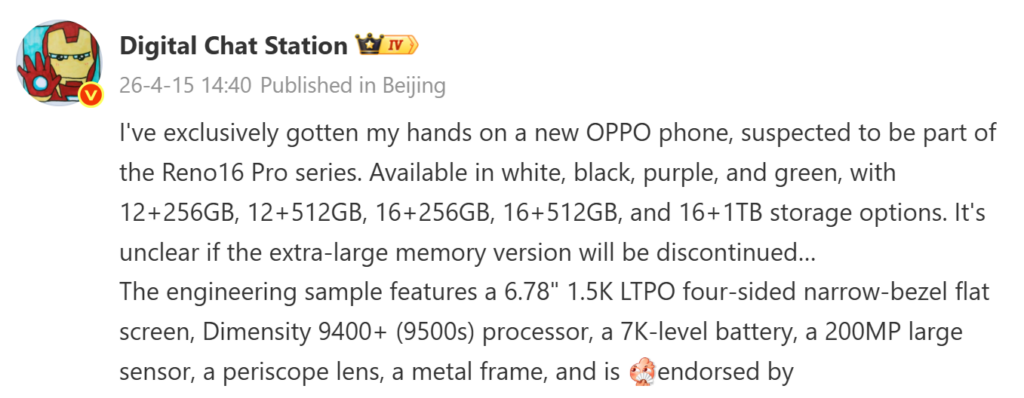
The Reno 16 Pro is said to feature a flat OLED LTPO display with narrow bezels, measuring around 6.78 inches and offering a 1.5K resolution. In terms of design, the device may come with a metal frame, indicating a more premium build compared to earlier models.
It is expected to be powered by the Dimensity 9500s chipset and could pack a battery in the 7000mAh range. While there is no confirmed information about charging capabilities, it may support around 80W wired and 50W wireless charging, similar to the previous generation.
For photography, the device may feature a 200-megapixel primary camera paired with a periscope telephoto lens. Compared to the Reno 15 Pro, which offered a 200-megapixel main, 50-megapixel ultra-wide, and 50-megapixel periscope setup, the Reno 16 Pro could retain a similar camera system.
The device is expected to be available in multiple variants, including 12GB+256GB, 12GB+512GB, 16GB+256GB, and 16GB+512GB, with a 16GB+1TB option possibly under consideration. However, the top variant may be dropped due to rising memory costs. It is likely to be priced between 4,000 Yuan (~$585) and 5,000 Yuan (~$735) and could arrive in white, black, purple, and green shades. It still remains to be seen whether it will be simply called Reno 16 Pro or Reno 16 Pro Max.
Oppo Reno 16 key specifications (rumored)
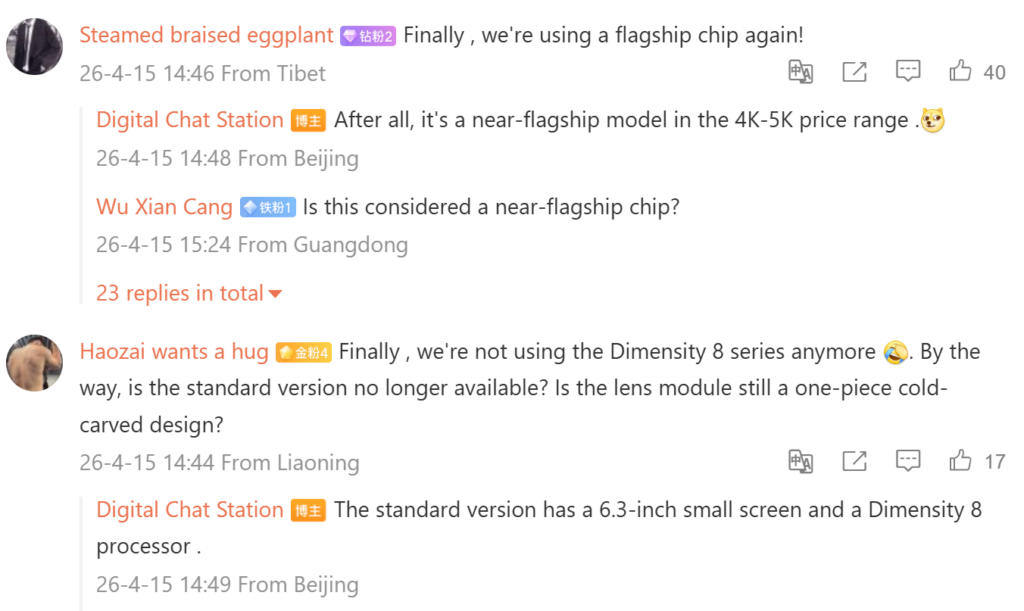
According to the tipster, the Reno 16 will be a compact model similar to the Reno 15. It is expected to feature a 6.3-inch display and could be powered by a Dimensity 8-series chipset, possibly the Dimensity 8500. The other specs of this phone are under wraps, but it is likely to feature a 200-megapixel + 50-megapixel + 50-megapixel triple camera setup like the previous generation.
For more daily updates, please visit our News Section.
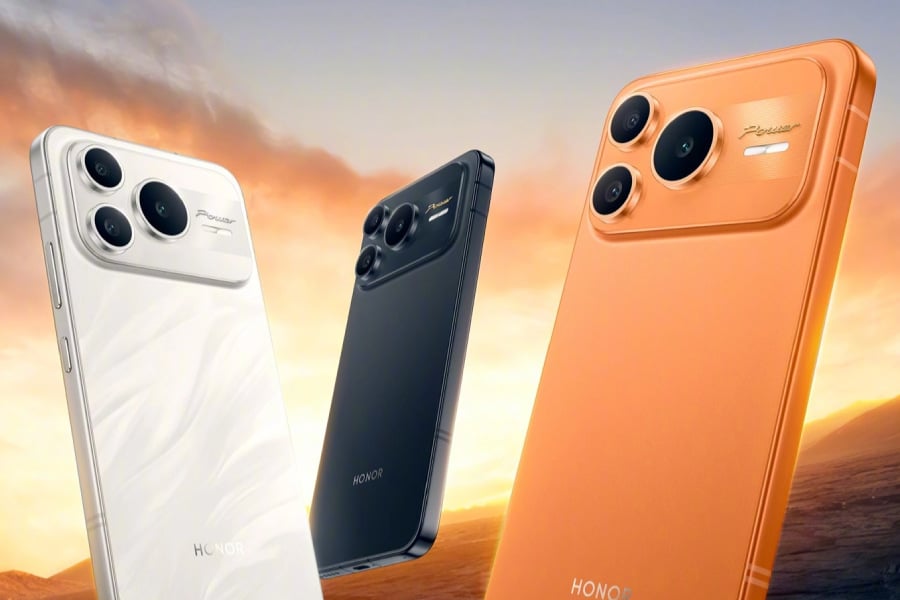
Honor is one of the few brands offering smartphones with 10,000mAh batteries. The company already offers both mid-range and flagship models with these oversized cells, including the Honor Power 2 and the Honor Win series (Win and Win RT), respectively.
Now, the next milestone for Honor seems to be 11,000mAh.
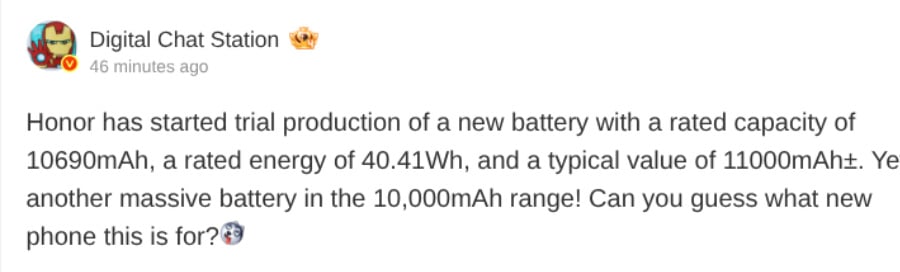
A new leak from tipster Digital Chat Station claims the company has started trial production of a new battery with a rated capacity of 10,690mAh and a typical capacity of 11,000mAh.
The report does not name the phone, but it points to yet another Honor device built around a very large battery.
That would put the phone beyond Honor’s current official battery leader, the Power 2. The latter ships with a 10,080mAh battery, 80W wired charging, and 27W reverse wired charging.
Before that, Honor launched the original Power with an 8,000mAh battery and 66W charging. The growth over just one generation is quite significant.
Honor Power 2 Specifications
While details about this rumored 11,000mAh Honor device remain unknown, the Honor Power 2 offers a useful reference point.
It packs a 10,080mAh battery into a surprisingly slim 7.98mm chassis. Charging caps at 80W wired and 27W for reverse.
Honor Power 2
On the front, there’s a 6.79-inch OLED LTPS flat display with a 1.5K resolution (2600 x 1200 pixels). The panel is rated for up to 8,000 nits peak brightness and includes 3,840Hz PWM dimming for reduced eye strain.
Powering the device is the MediaTek Dimensity 8500 Elite chipset, paired with LPDDR5X RAM and UFS 4.1 storage.
As for the cameras, it has a 50MP main sensor with OIS and a 5MP ultra-wide lens on the back, along with a 16MP front-facing camera. On the software side, it runs Android 16 with MagicOS 10 on top.
For more daily updates, please visit our News Section.
REDMI has started teasing a new tablet, the K Pad 2, and it’s clearly going after performance-focused users. The company is calling it a “performance flagship,” which sounds like typical marketing, but some of the early details suggest it’s at least trying to stand out a bit, especially on the gaming side.
At the center of it is the Dimensity 9500, paired with a 15300mm² vapor chamber cooling system. REDMI is also using a centered chip layout, which is meant to help with heat distribution during longer sessions. In theory, that should mean more stable performance without throttling too quickly.
The display is another key part. It’s an 8.8-inch panel with a 165Hz refresh rate and 1100 nits of peak brightness. REDMI says it’s tuned specifically for gaming, though we’ll have to see how much of that actually makes a difference in real use. Battery capacity sits at 9100mAh, which should be enough for extended use, especially given the size of the device.
The tablet itself sticks to a fairly premium look, with a metal unibody and a few color options, including purple, silver, and black. Nothing too surprising, but it looks clean.
On the gaming side, REDMI is claiming support for 165fps gameplay in select titles, along with a 540Hz touch sampling rate. There’s also a high-frequency gyroscope, which should help with responsiveness in fast-paced games.
For audio, the tablet includes dual full-range drivers housed in a 2.0cc “super-large” sound cavity, designed to deliver fuller bass, clearer treble, and richer detail. It’s marketed as the first tablet tuned by Sound by Bose.
The K Pad 2 is set to launch on April 21, 2026, alongside the Redmi K90 Max and the Redmi Book Pro 2026.
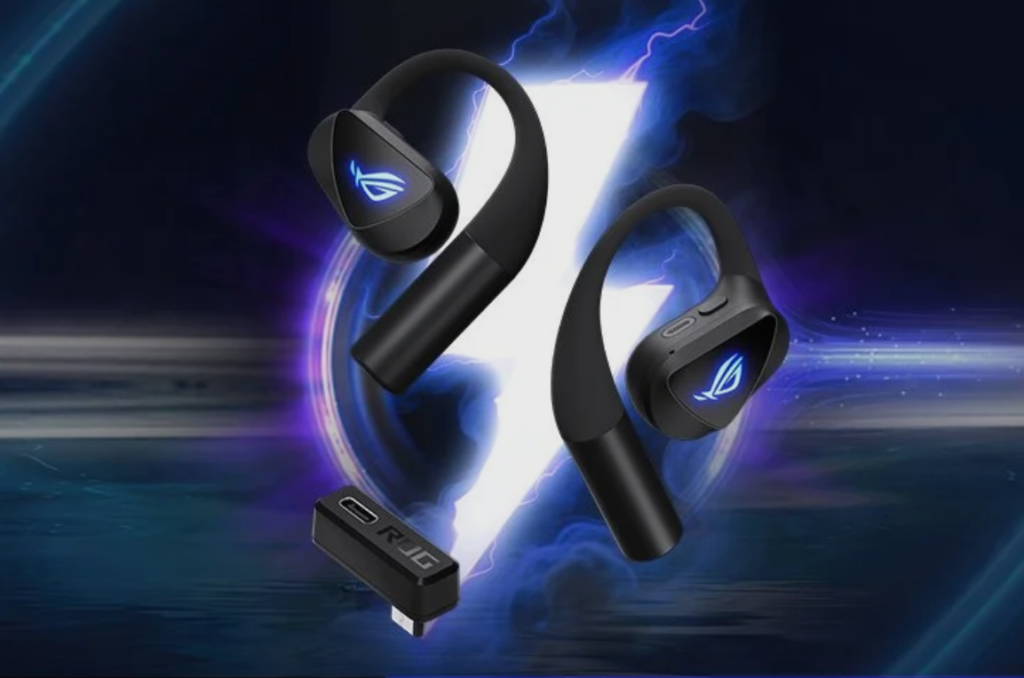
ASUS has introduced the ROG Open Wireless (OWS) gaming earbuds, designed to balance comfort, low-latency performance, and everyday usability. These earbuds feature an open-ear design, allowing users to stay aware of their surroundings while listening, making them suitable for both gaming and daily use. The ergonomic ear-hook structure ensures a secure fit without putting pressure on the ear canal, enabling longer usage sessions without fatigue.
Launch and Availability
The ROG Open Wireless (OWS) earbuds have been introduced in China and are currently available via JD.com. They are priced at 1399 yuan, with an introductory launch price of 1199 yuan. ASUS is expected to expand availability to more regions through its official retail channels in the coming months.
Connectivity and Gaming Performance
The earbuds support dual-mode connectivity, including Bluetooth and 2.4GHz wireless via a USB-C dongle. This allows seamless switching between devices and even simultaneous dual-device connections. ASUS has integrated its SpeedNova wireless technology, delivering ultra-low latency, up to six times lower than standard Bluetooth. This ensures faster audio transmission and better synchronization, helping users react quickly in competitive gaming scenarios with accurate positional sound.
Audio and Microphone System
Equipped with a 14.2mm diamond-like carbon-coated driver, the earbuds deliver clear highs, deep bass, and low distortion. Multiple sound modes, including bass enhancement and immersive modes, allow users to customize audio based on their preferences. The quad-microphone array with AI noise cancellation enhances voice clarity, improving both call quality and in-game communication.
Battery, Durability, and Additional Features
The earbuds offer up to 16 hours of usage on a single charge, with total battery life extending up to 48–64 hours with the charging case. Fast charging support provides around three hours of playback with just 15 minutes of charging. With an IPX5 rating, the earbuds are resistant to sweat and light splashes. Additional features such as USB-C pass-through charging and an extended connector design improve convenience, especially for users using devices with thicker protective cases.
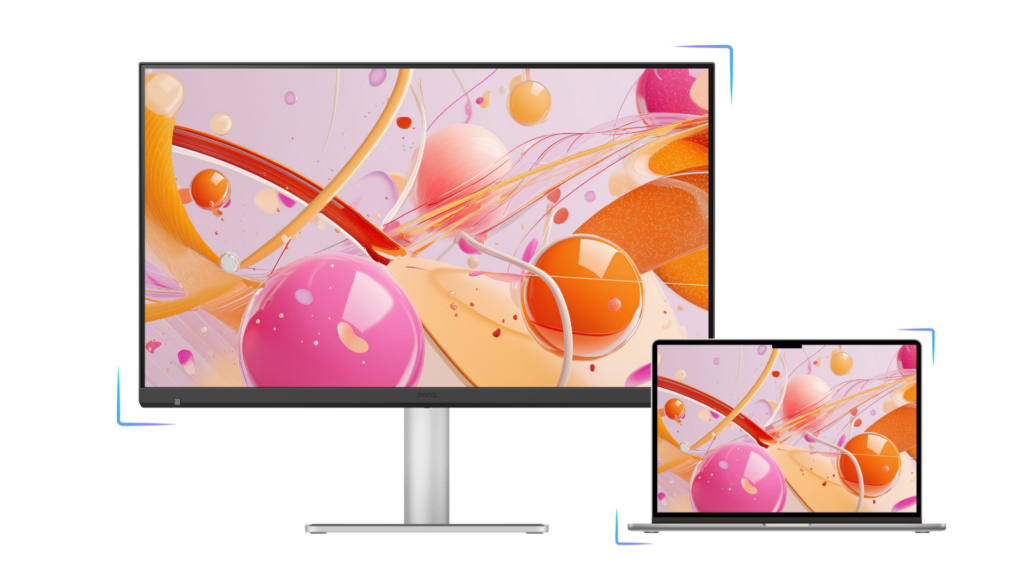
The BenQ MA270S monitor has just gone official in India. The new monitor, which has been primarily designed for Mac users, comes with a 27-inch 5K display, 99 percent P3 color coverage, and Thunderbolt 4 connectivity with 96W power delivery, targeting creators who need high precision and seamless integration. Here’s more information on the specs, features, and price of the BenQ MA270S.
BenQ MA270S specifications and features
BenQ MA270S monitor
The BenQ MA270S features a 27-inch panel with 5K resolution of 5120 x 2880 pixels and a pixel density of 218 ppi. This ensures sharp visuals that closely match the clarity seen on Mac displays. The monitor also covers 99 percent of the P3 color gamut, helping maintain colour consistency across devices, which is important for design and video work.
It includes a 2000:1 contrast ratio and a 70Hz refresh rate, offering smoother interactions compared to standard 60Hz panels. The display is tuned to align with macOS color and brightness behavior, aiming to deliver a consistent viewing experience when paired with Mac devices.
Connectivity is handled through Thunderbolt 4, supporting up to 96W power delivery. This allows users to connect and charge a MacBook with a single cable. The monitor also supports daisy chaining for dual 5K setups, which can be useful for multi-window workflows such as editing timelines or coding.
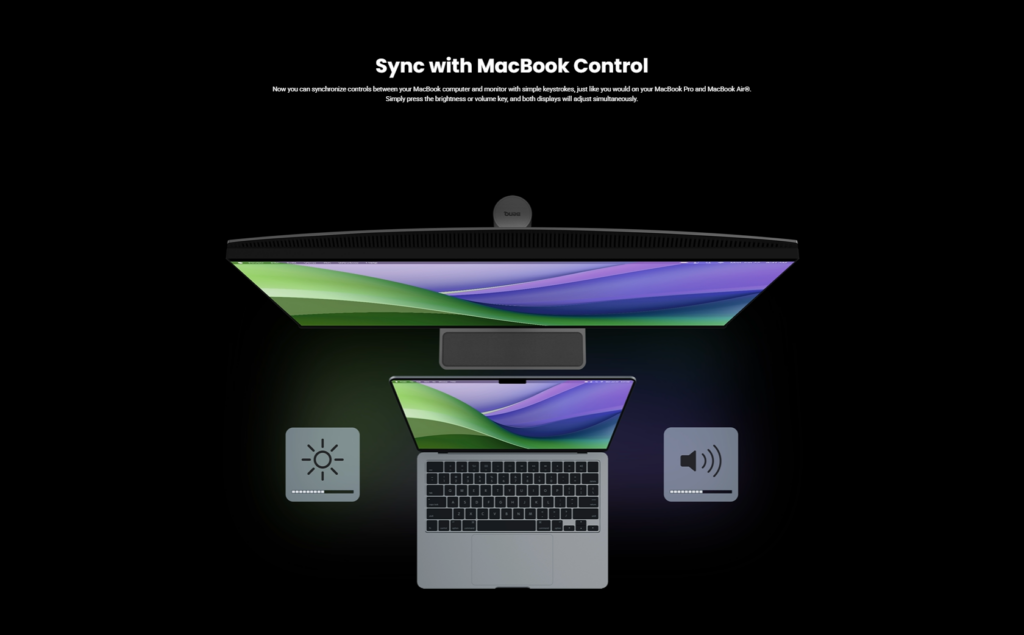
Additional features include support for BenQ Display Pilot 2 software, enabling control over brightness, colour profiles and screen layout directly from the Mac. The monitor also offers a Smart KVM feature for switching between systems, along with multiple ports for expanded connectivity. Ergonomic adjustments such as height, tilt, swivel and pivot are also included.
Rivals Apple Studio Display
The BenQ MA270S serves as a direct competitor to the Apple Studio Display by offering a matching 5K resolution and seamless Mac integration through its DisplayPilot 2 software. Unlike the Apple alternative, it includes a height-adjustable stand as standard, dual Thunderbolt 4 ports for daisy-chaining, and a built-in KVM switch to easily manage multiple devices.
Price and availability
The BenQ MA270S 5K monitor is available in India for Rs 94,998 (~$1,020). It can be purchased through leading retail stores as well as online platforms. It is already available in the US for $999.
A Conversation with the Visionaries: Rajeev Singh and Jeffrey Liang
Following the main showcase, I had the opportunity for an insightful tête-à-tête with Rajeev Singh, Managing Director of BenQ India, and Jeffrey Liang, President of BenQ Asia Pacific, to dive deeper into how this new hardware integrates into a professional creator’s daily grind. Here is the breakdown of our discussion:
Q1: For a filmmaker, the Apple Studio Display is often the “default.” Beyond the competitive ₹95k price point, why should a creator choose the BenQ MA270S? What is the “X-Factor”?
A1: Rajeev was quick to point out that value isn’t just about the sticker price; it’s about what’s included in the box. While competitors often charge a premium for basic ergonomics, the MA270S comes standard with a height-adjustable stand and versatile connectivity, including dual HDMI 2.0 ports and a DisplayPort 1.4, allowing it to serve as a hub for multiple devices. Furthermore, Jeffrey Liang highlighted that the real “X-Factor” is the proprietary Mac Color Tuning. Unlike generic monitors, BenQ has engineered this panel to match the MacBook’s liquid retina display out of the box, ensuring that the visual transition from laptop to 5K monitor is seamless and distraction-free.
Q2: As a professional, my studio cannot afford downtime. With BenQ’s “Make in India” initiative, what is the service promise for high-end monitors?
A2: Reliability is a cornerstone of the professional experience. Rajeev offered a very reassuring commitment: a 3-year onsite warranty that covers you no matter where you are located in India. This means that for a creator working out of a studio in Borivali or even a remote setup in Kashmir, BenQ provides the peace of mind that a technician will come directly to your workspace. This localized support structure is bolstered by their growing domestic presence, ensuring that professional workflows aren’t derailed by logistics.
Q3: My workflow is built on speed, so I prefer using Filmora over Final Cut Pro. Will the MA270S “Mac-specific” features, like keyboard brightness and volume control, still function perfectly?
A3: This was a vital point for my specific production style. Rajeev confirmed that the monitor is designed to specifically benefit the macOS ecosystem as a whole, rather than being tied to a single editing software. Through the Display Pilot 2 software, the monitor stays in perfect sync with the Mac version of applications like Filmora. You get the best of both worlds: the high-speed export and intuitive UI of Filmora combined with the hardware-level convenience of controlling monitor volume and brightness directly from your MacBook keyboard. The “M-Book” mode ensures color consistency across the board, regardless of which timeline you are scrubbing through.
For more daily updates, please visit our News Section.
We use cookies on our website to give you the most relevant experience by remembering your preferences and repeat visits. By clicking “Accept”, you consent to the use of ALL the cookies.
This website uses cookies to improve your experience while you navigate through the website. Out of these, the cookies that are categorized as necessary are stored on your browser as they are essential for the working of basic functionalities of the website. We also use third-party cookies that help us analyze and understand how you use this website. These cookies will be stored in your browser only with your consent. You also have the option to opt-out of these cookies. But opting out of some of these cookies may affect your browsing experience.
Necessary cookies are absolutely essential for the website to function properly. This category only includes cookies that ensures basic functionalities and security features of the website. These cookies do not store any personal information.
Any cookies that may not be particularly necessary for the website to function and is used specifically to collect user personal data via analytics, ads, other embedded contents are termed as non-necessary cookies. It is mandatory to procure user consent prior to running these cookies on your website.