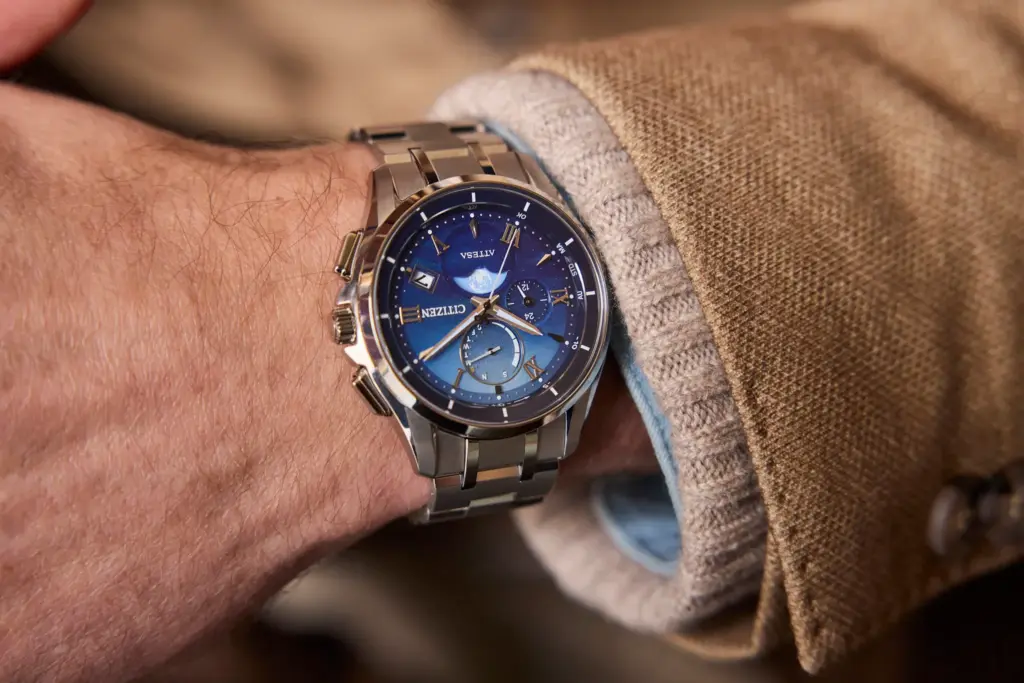
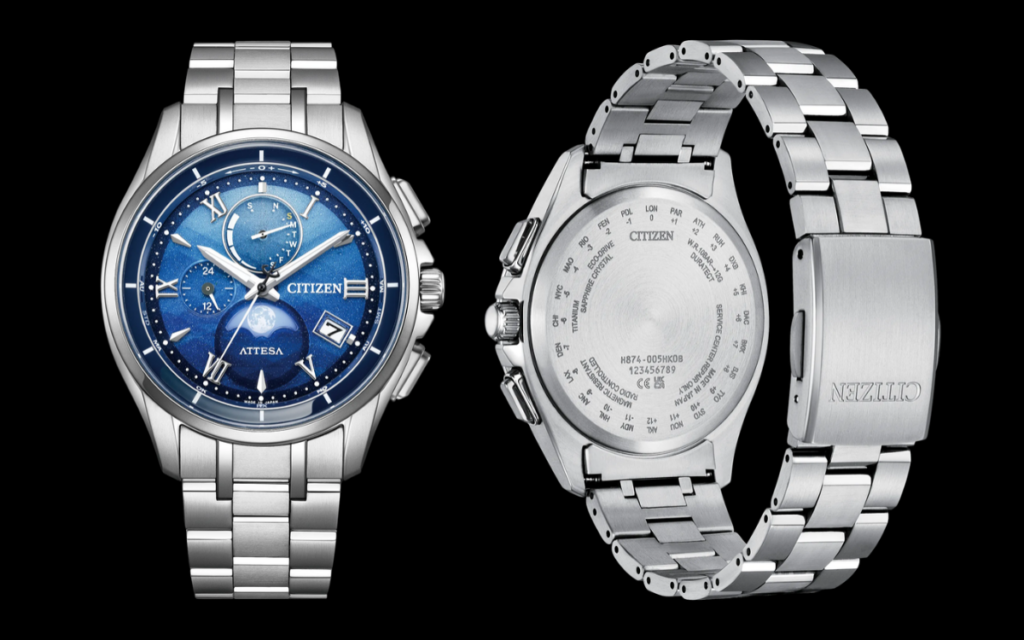
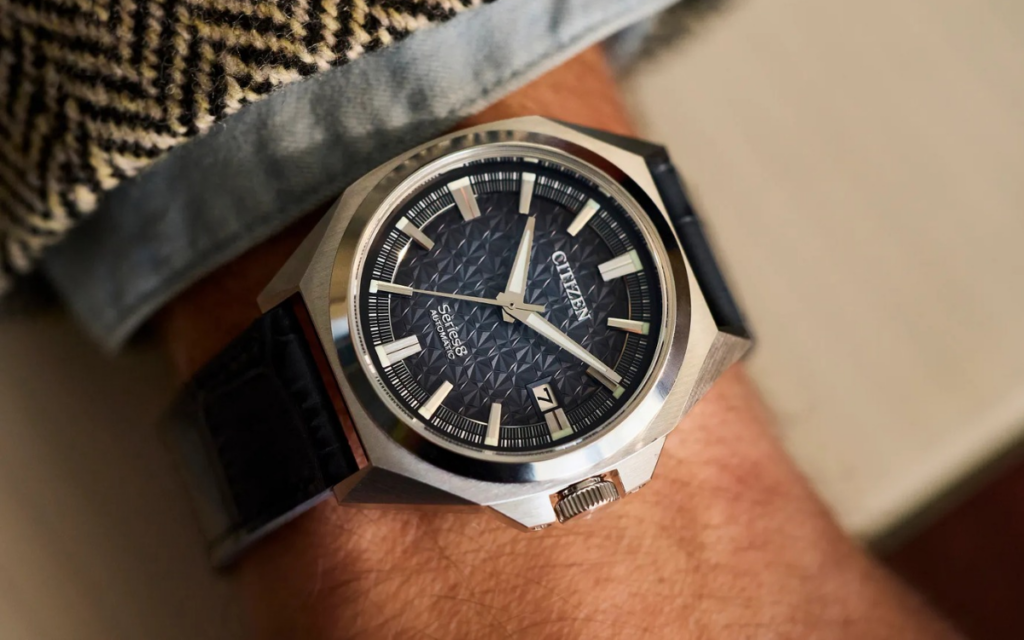
Citizen has released the Attesa Ever Since limited-edition watch in the US market. It is currently available on the company’s website for $1,195. The new model, designated as BY1000-69L, focuses on combining standard analog watch design with the company’s light-powered movement and radio-controlled time syncing.
Design Details
Inside the watch is Citizen’s caliber H874 Eco-Drive movement. This system uses ambient light, both natural and artificial, to charge the internal cell, which means you do not have to swap out batteries every few years. Alongside the solar charging, the watch includes radio-controlled atomic timekeeping.
It automatically receives radio signals to sync with atomic clocks, keeping the time accurate without requiring manual input from the user. It also tracks world time across 24 different time zones, which is a useful feature if you travel frequently.
For the exterior build, Citizen used its proprietary Super Titanium for the 41.5mm case and the matching fold-over clasp bracelet. Titanium is noticeably lighter than stainless steel, and Citizen applies a Duratect Platinum coating to the metal.
This coating is designed to make the watch more scratch-resistant while giving it a brighter, silver-like finish, avoiding the dull, matte gray look often associated with standard titanium hardware.
The watch face is covered by an anti-reflective sapphire crystal to prevent glare and resist impacts. Additionally, it has a water resistance rating of 100 meters (10 Bar), which is sufficient for everyday tasks, swimming, and showering.
The dial is dark blue with a textured pattern that the company says is inspired by a mountain landscape. It includes a moonphase indicator, a perpetual calendar, and a standard day-date display.
Because the watch syncs to atomic clocks and uses a perpetual calendar, it automatically accounts for leap years and months with fewer than 31 days. You generally will not have to adjust the date yourself.
Citizen is limiting the production of the Attesa Ever Since to 2,400 unnumbered units worldwide.
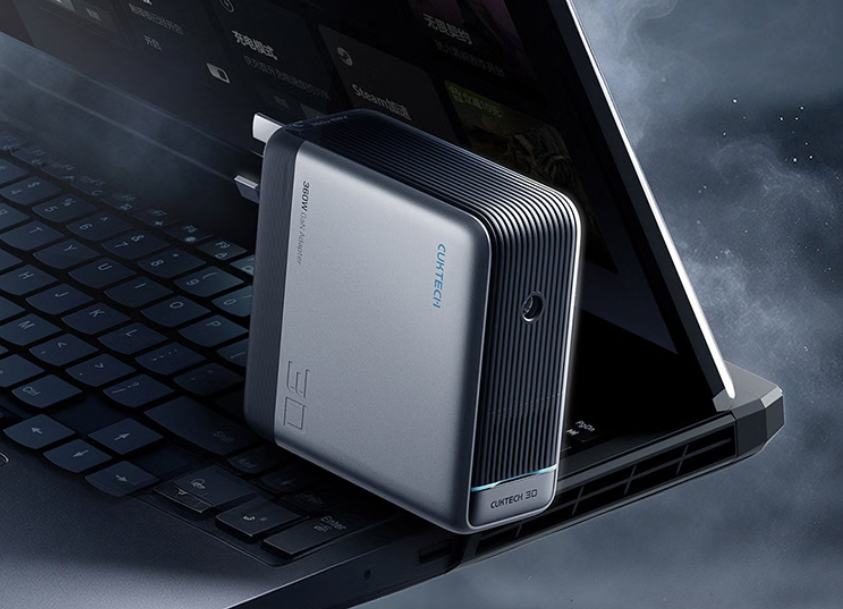
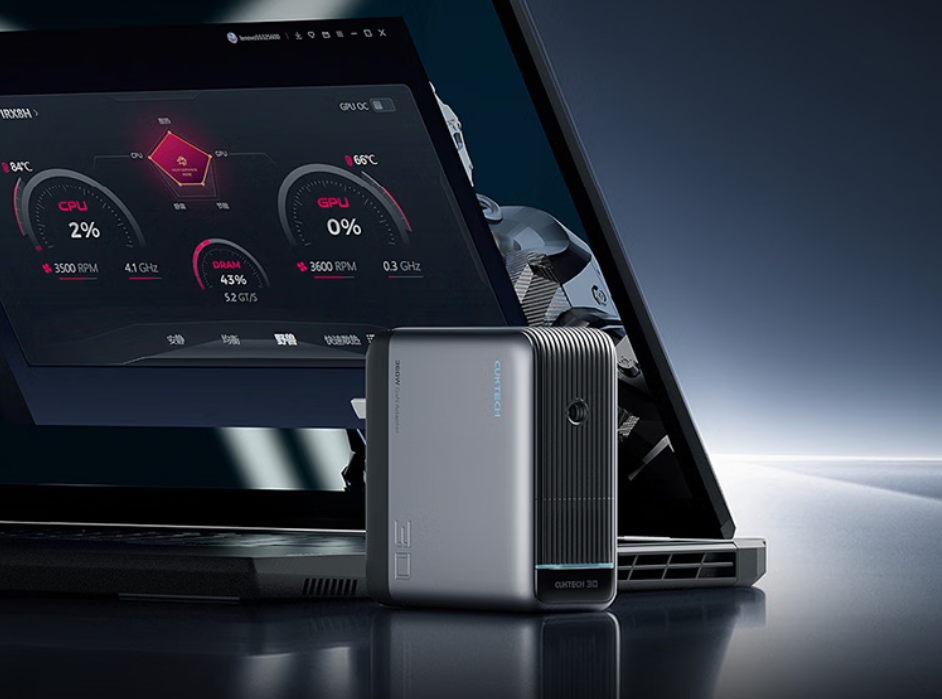
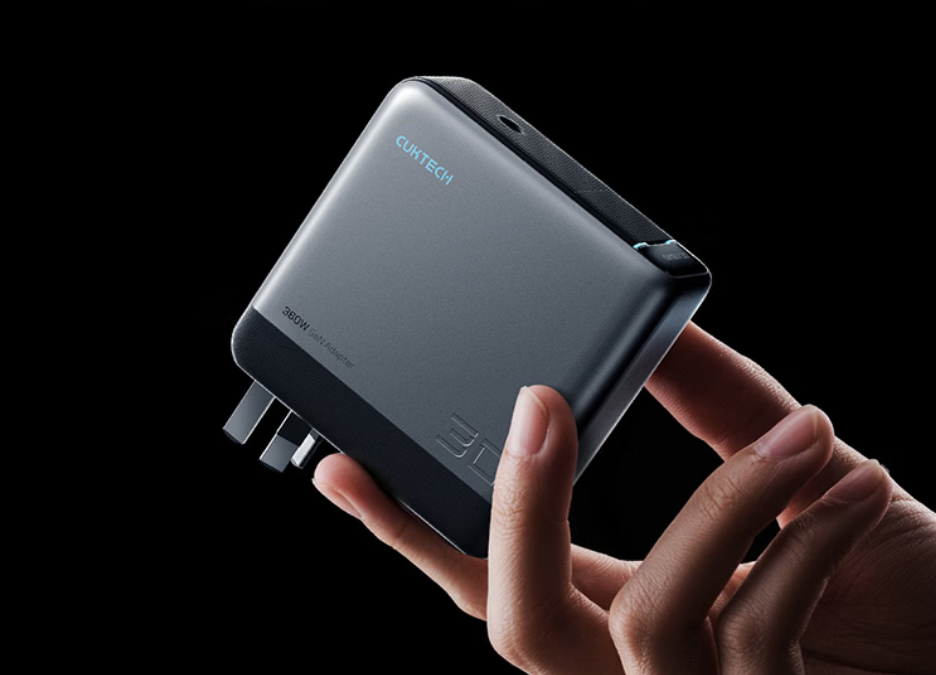
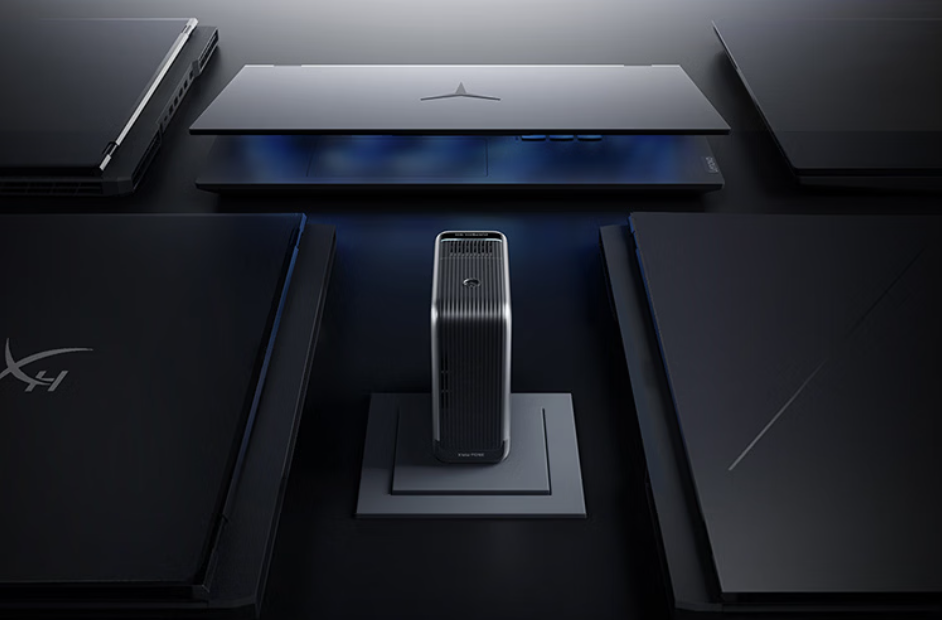
Cuktech has launched its highest-wattage laptop charger yet, the No. 30, in China. It is priced at 499 yuan (~$75) and delivers up to 360W of power, offering a compact alternative to the bulky power adapters typically bundled with gaming laptops.
To shrink the charger down to 84.5 x 85.5 x 36.6mm and a weight of 400 grams, Cuktech is using an internal layout called an MPS bridgeless totem-pole power factor correction (PFC) architecture.
In practical terms, this design removes the standard diode rectifier bridge found in older chargers, which cuts down on power loss. Cuktech says this setup allows the adapter to run at 96% efficiency under a full load. Compared to a standard 300W gaming laptop brick, the No. 30 is about half the weight and takes up significantly less volume.
Packing a 360W power supply into a chassis this small generates heat, so the charger uses a built-in fan to keep temperatures down. The internal fan scales its speed based on how much power is being drawn and the internal temperature of the device, maxing out at 13,300 RPM. Because a fan pulls in dust along with air, the adapter also includes a small, removable dust filter that users can take out and clean.
The maximum power output depends entirely on your local electrical grid. You only get the full 360W (20V/18A) if you are plugged into a 200-240V outlet. If you use it on a 100-130V grid, the maximum output is limited to 240W (20V/12A).
Since the current USB-C Power Delivery standard caps out at 240W, the No. 30 uses a traditional 5525 DC barrel plug to deliver its maximum wattage. To make it work with various hardware, it ships with over 20 interchangeable connector tips for laptop brands like Asus, Lenovo, and HP. In its own testing, Cuktech says the adapter successfully pushed over 350W to laptops running RTX 5080 and RTX 5090 graphics cards.
The charger comes with a storage pouch and two braided DC cables, measuring 0.5 meters and 1.5 meters in length. It also includes standard electrical safeguards, featuring a grounded three-pin plug alongside built-in protection against short circuits, overvoltage, and overheating.
There is no information on a global launch yet. However, Cuktech typically releases its chargers internationally, so the No. 30 could make its way to global markets later this year or sometime next year.
In related news, Cuktech has recently launched a slim 7.7mm magnetic power bank featuring a 19.6Wh battery, 25W wired charging, and 15W wireless charging.
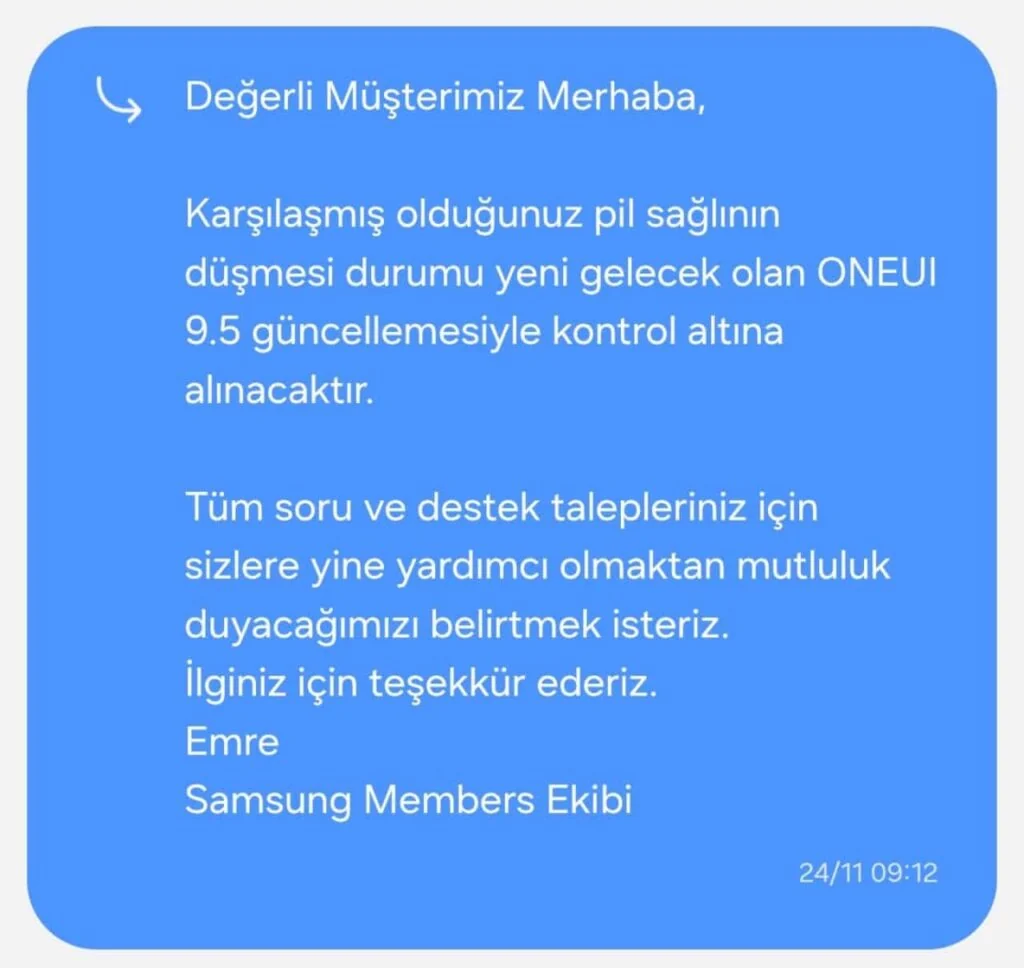
Samsung owners who noticed their phones needing more frequent charges after the One UI 9.0 update finally have some official reassurance. A support response from the Samsung Members team indicates the company plans to address the battery-related problems in the upcoming One UI 9.5 software.
The One UI 9.0 update, based on Android 17, was meant to bring refinements and new features. Instead, many users across several Galaxy models reported a noticeable drop in battery performance. Owners of the Galaxy S24 Ultra and Galaxy S25 Ultra in particular described having to charge their devices far more often than before. Incremental patches released since the update failed to resolve the complaints, leaving people frustrated on forums and social media.
A Turkish Samsung Members moderator named Emre recently replied to a user’s report, stating that the drop in battery health would be brought under control with the One UI 9.5 update. The message, dated 24 November, has circulated widely and matches reports shared by users tracking the issue. Samsung has not issued a broad public statement, but the support reply is being treated as confirmation that the company is aware of the problem.
One UI 9.5 is already in beta testing on the Galaxy S26 series. The stable version is expected to launch alongside the Galaxy S27 series next year, with older models likely joining beta programs in the early months of 2027. For current S24 and S25 owners, this means the fix is still some months away.
Some reports specifically highlight unusually rapid declines in the battery health reading itself, raising questions about whether the software is miscalculating capacity or contributing to faster real-world wear. Either way, the promise of a targeted fix in One UI 9.5 offers hope that Galaxy flagships can regain the strong battery performance they were known for.
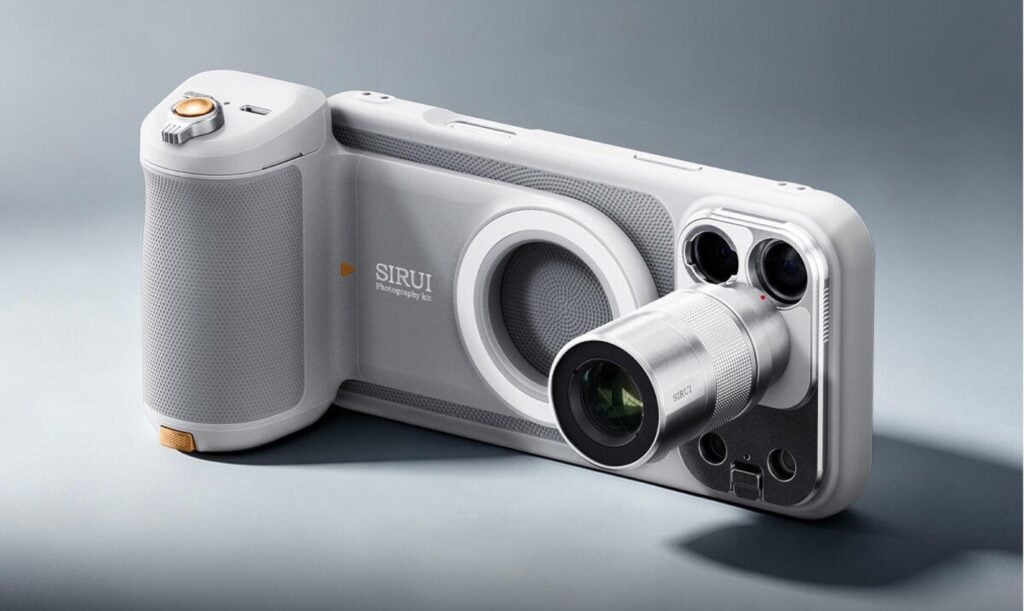
Apple still does not offer an official teleconverter for its iPhones, but accessory maker Sirui is stepping in with a practical solution that significantly extends the reach of recent Pro models. The new kit turns the phone’s built-in telephoto lens into a much longer optical zoom tool.
The Sirui PC03 ScopeGrip is designed for the iPhone 16 Pro, iPhone 17 Pro, iPhone 18 Pro, and their larger Pro Max counterparts. It consists of three main parts. First is a protective case featuring a quick-release system for the teleconverter. Instead of screwing the lens on and off repeatedly, users can unlock and remove the large attachment with the push of a button, an especially useful feature during fast-paced shoots.
The second component is the teleconverter itself, which triples the focal length of the phone’s telephoto camera. On the iPhone 16 Pro, this turns the 12MP telephoto into a 360 mm equivalent, delivering 15x optical zoom. On the iPhone 18 Pro, the 48MP telephoto reaches 300 mm, or 12x optical zoom. The difference stems from the varying native telephoto hardware across the two generations.
The third piece is a handgrip that attaches magnetically via MagSafe. It improves ergonomics for handheld shooting and includes a tripod mount. Cleverly, the teleconverter can be stored inside the grip when not in use. A dedicated shutter button on the grip can also be detached and used as a Bluetooth remote, reducing camera shake for longer exposures or distant subjects.
The full kit is launching in China for ¥999 (approximately $150). Sirui products typically reach international markets, though specific availability and pricing outside China have not yet been detailed. For photographers who want more optical reach from their iPhone without carrying a full camera system, this accessory offers a compact and thoughtfully designed option.
Sony‘s flagship over-ear headphones have long been the default recommendation for frequent travelers and commuters, and the WH-1000XM6 builds on that reputation with thoughtful refinements rather than a radical reinvention. Priced at $449.99 in the US and Rs 39,990 in India, it sits firmly in the premium tier alongside rivals from Bose and Apple.
Having spent time with the Platinum Silver variant since July, it is clear that Sony listened to feedback from the WH-1000XM5. The return of a folding design, a smarter carrying case, upgraded noise cancellation, and subtle usability tweaks make this a much more practical everyday headphone, even if a few comfort quirks remain.
2Snug comfort with a slight trade-off
Sony WH-1000XM6
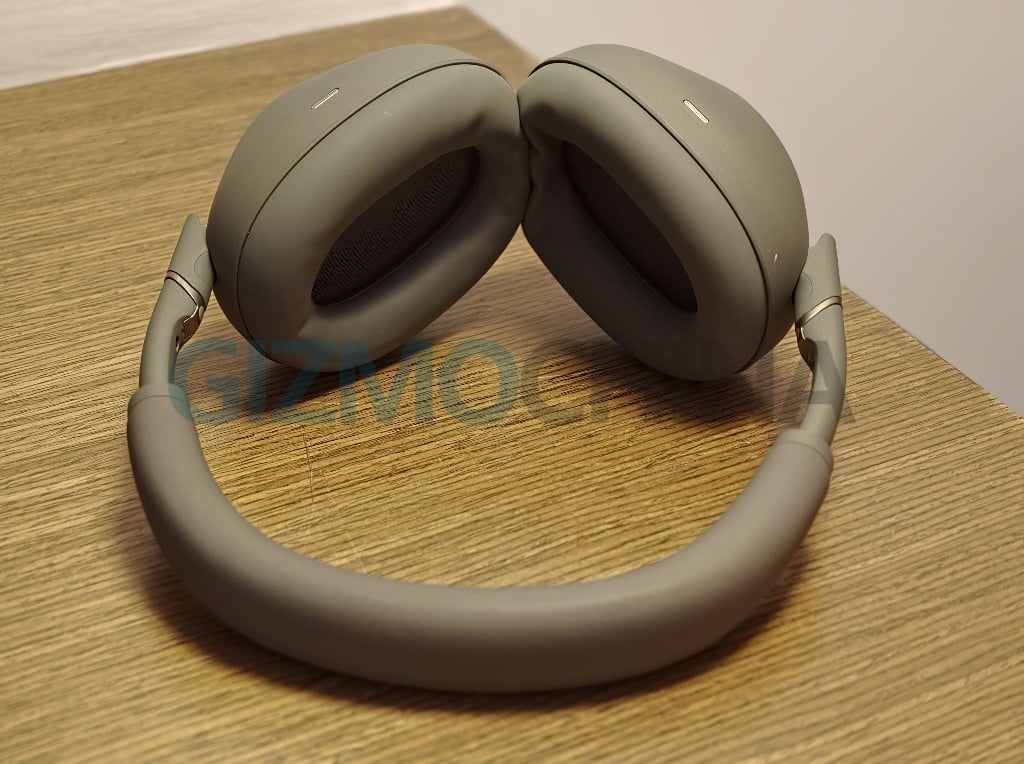
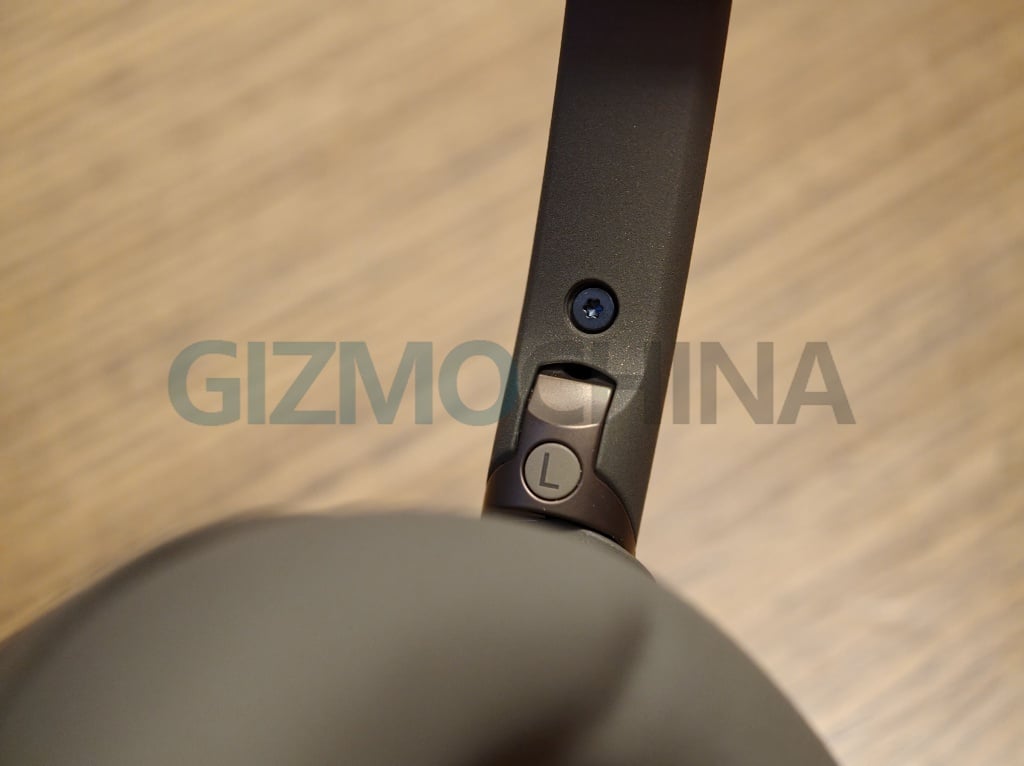
That wider headband distributes weight well across the top of the head, and the soft earpads create a tight acoustic seal. On shorter commutes or two-hour work blocks, the fit feels secure and stable, even when walking briskly.
Sony WH-1000XM6
However, the clamping force is noticeably firm out of the box, and the earcups feel slightly shallow. Over longer four- or five-hour sessions, especially while wearing glasses, your ears can warm up and brush against the inner lining. The grip loosens a bit over time, but buyers with larger ears may notice the snugness more than they did on older Sony models.
Citizen has added three new limited-edition mechanical watches to its Series8 831 line in the US. They are available to buy right now directly on the company’s website. If you are familiar with the Series8 family, these new models share the same underlying hardware but swap in some new dial colors, case finishes, and strap options.
Pricing and Design Details
Inside all three watches is Citizen’s caliber 9051 automatic movement, which offers an accuracy of -10 to +20 seconds per day and a 42-hour power reserve. It also features magnetic resistance of up to 16,000 A/m, helping protect the movement from magnetic interference caused by everyday electronic devices.
As for the physical dimensions, all three models use a 40mm stainless steel case. They also share an anti-reflective sapphire crystal over the dial and are water-resistant up to 100 meters, so you don’t have to worry about taking them off when you swim or shower.
The base model of the new trio is the NB6050-01L, which costs $1,125. It has a standard silver-tone stainless steel case and a textured blue gradient dial. It comes on a blue leather strap with a push-button deployment clasp. Citizen is only making 700 of these globally.
For a slightly different look, the NB6059-06W is priced at $1,150. It keeps the silver-tone case but adds a rose gold-tone bezel around the edge. The dial is a gradient brown, and it comes with a matching brown leather strap. Like the blue version, production is capped at 700 pieces worldwide.
NB6052-56W
There is the NB6052-56W, which is the most expensive of the group at $1,295. Instead of a leather strap, this one comes with an integrated stainless steel H-link bracelet. The entire case and bracelet have a two-tone finish that mixes yellow and rose gold tones. The dial is a deep amber-brown with rose gold-tone hands and markers. This specific model has a slightly smaller production run, as Citizen is limiting it to 650 pieces globally.
Redmi may have another flagship planned for its K100 lineup. The Redmi K100 Pro and K100 Pro Max launched in China in August, but a new leak suggests a more powerful model could arrive in the first half of next year.
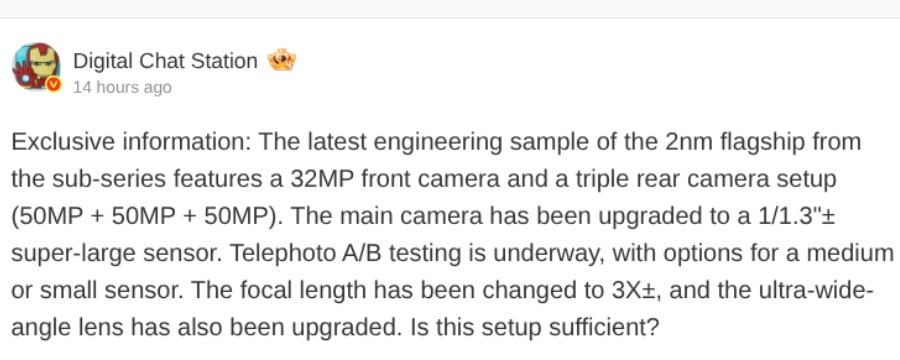
It’s reportedly in the works with a Snapdragon 8 Elite Gen 6 series processor and three 50MP rear cameras. The chip is 2nm made and delivers around 18% better performance at the same power consumption, or reduces power use by roughly 36% at the same performance level.
Logic density also increases by about 20%. N2P is reportedly around 5% faster than TSMC’s first-generation N2 process.
Triple 50MP cameras could replace the 200MP main sensor
The camera setup is another interesting part of the leak. The phone reportedly has a 32MP front camera and three 50MP sensors on the back. The main camera likely uses a larger 1/1.3-inch-class sensor, while the ultra-wide camera is also getting an upgrade.
The telephoto camera is less settled. Redmi is still testing different sensor sizes, with both medium and smaller options under consideration. Its focal length has reportedly shifted to around 3x zoom, although the final hardware has not been decided.
This would be a notable change from the Redmi K100 Pro, which features a 200MP main camera. Rather than relying on a higher megapixel count, the rumored flagship could prioritize larger sensors and a more balanced camera setup.
The telephoto camera could also give the phone more flexibility for portraits and distant subjects. That is useful hardware to have on a performance-focused flagship, where camera systems can sometimes take a back seat to the processor.
There is still plenty we don’t know. The camera configuration has not been finalized, particularly the telephoto sensor, and the information comes from an engineering sample rather than a retail-ready device. Redmi has yet to confirm the phone’s name, launch date or pricing.
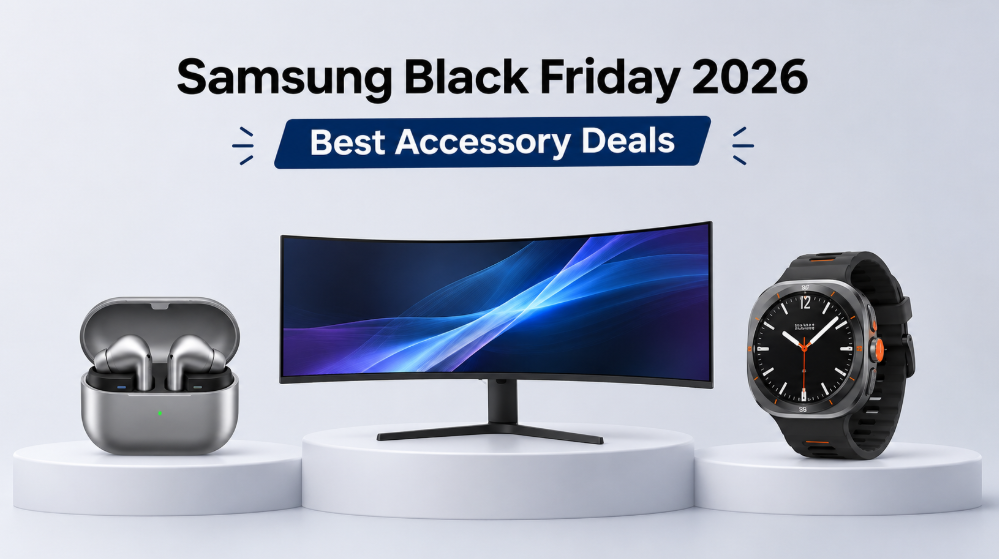
Samsung’s Black Friday 2026 deals bring some tempting price cuts across its audio and display lineup, but a few offers stand out more than others. The Galaxy Buds 3 Pro, Galaxy Buds 4 Pro, and Odyssey OLED G9 are among the highlights, while the Galaxy Watch Ultra2 comes with an additional gift card incentive. Here’s a closer look at the deals worth considering.
Note: Prices were checked on Amazon US on November 25, 2026. Prices, discounts and promotional offers can change. Check the final price and gift card eligibility at checkout before purchasing.
Galaxy Buds 3 Pro and Buds 4 Pro: Premium Earbuds at Lower Prices
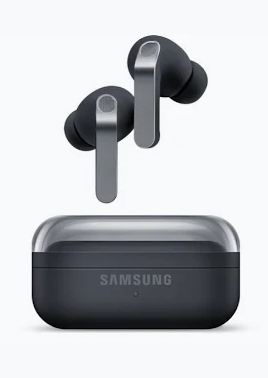
The Galaxy Buds 3 Pro are one of the strongest deals in this roundup. Amazon has them for $133.49 instead of $249.99, a $116.50 price cut. Stock is limited at this price. That’s an attractive price for Samsung’s premium wireless earbuds.
The newer Galaxy Buds 4 Pro are also worth considering. Amazon has them for $169.99, down from $249.99. The price difference between the two models is only $36.50, so buyers interested in the newer generation may find it worth spending a little extra.
However, your choice should depend on the features you need rather than generation alone.
Odyssey OLED G9: A Big Discount on a Premium Gaming Monitor
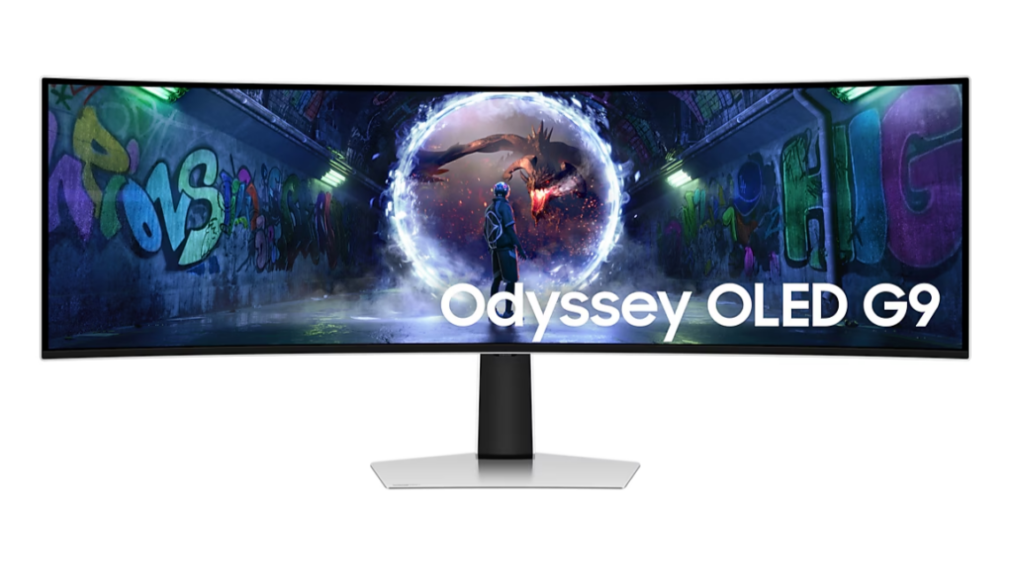
The Odyssey OLED G9 is another standout Black Friday offer. The 49-inch G93SC model with a 240Hz refresh rate is down to $854.98 on Amazon, from $1,279.99.
That is a $425.01 price cut. If 144Hz is enough for you, the newer Odyssey OLED G9 (G91SD) costs $795.99, down from $1,299.99. For gamers looking for an immersive ultrawide OLED display, this is an opportunity worth exploring, particularly if the monitor fits their desk setup and gaming requirements.
Galaxy Watch Ultra2: Save with an Extra Gift Card
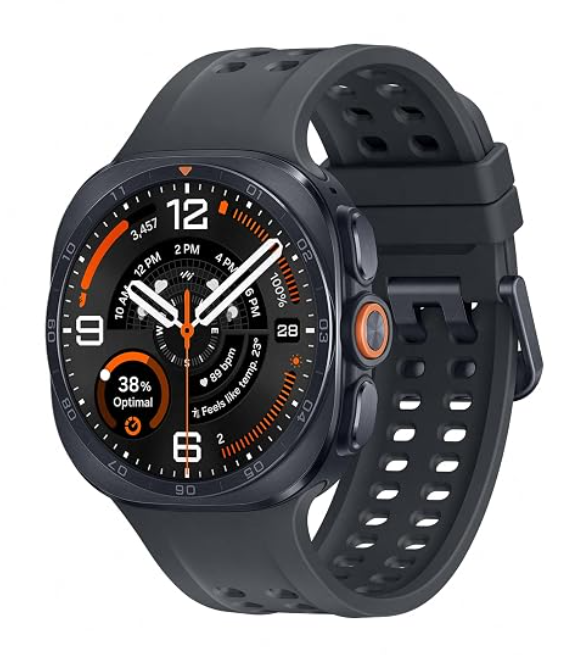
The Galaxy Watch Ultra2 is available on Amazon for $699.99, down from its $799.99 list price. What’s more, the offer includes a $100 gift card, adding extra value to the purchase.
Unlike a direct price reduction, the gift card provides additional spending value rather than lowering the checkout price. Nevertheless, it makes the offer more appealing for shoppers already considering Samsung’s premium smartwatch.
Which Samsung Black Friday Deal Should You Buy?
The Galaxy Buds 3 Pro offer the biggest appeal for budget-conscious buyers, while the Buds 4 Pro are worth considering if you prefer the newer model. The Odyssey OLED G9 is an attractive option for gamers upgrading to a premium monitor, and the Galaxy Watch Ultra2 deal makes sense for shoppers who can use the additional gift card. Ultimately, compare the prices and offers before checking out, as Black Friday promotions can change quickly.
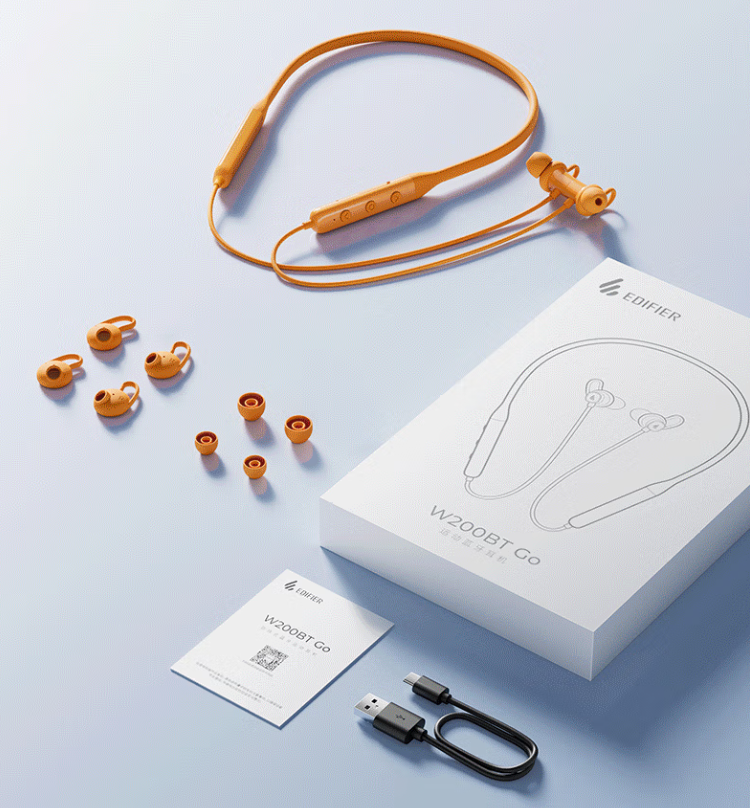
Edifier has released the W200BT Go, a new neckband-style Bluetooth earphone aimed at the sports and fitness market. The device is currently available on JD.com for 139 yuan ($21).
Enhanced
Edifier W200BT Go Earbuds Specifications
The W200BT Go uses a flexible neckband design. To keep the earbuds in place during physical activity, Edifier includes ergonomically shaped ear tips and stabilizing ear wings. These components are made from antibacterial silicone with a bacterial inhibition rate of 99.9%.
The earphones are rated IP55 for dust and water resistance, making them suitable for outdoor use and exposure to sweat. The internal hardware is further protected by a nano-coated circuit board, a water-resistant charging port, and a physical cover over the port.
For audio playback, the earphones feature Hi-Res Audio Wireless certification and support LDAC, AAC, and SBC codecs, with up to 96kHz/24-bit audio transmission at 990kbps. They cover a frequency response range of 20Hz to 40kHz and offer Music, Cinema, and Game modes, with latency as low as 68ms. They also feature AI-powered noise reduction for clearer voice calls.
In terms of connectivity, the earphones feature Bluetooth 6.0 with multipoint support for simultaneous connection to two devices. They come with a workout voice announcement feature that provides real-time distance and pace updates, alongside an AI-powered Q&A function for training advice. The Edifier companion app supports EQ customization, button mapping, codec management, and a Find My Earphones feature.
The earphones offer up to 30 hours of battery life and support fast charging, delivering 7 hours of playback with a 15-minute charge. They feature a three-button inline remote for volume, playback, calls, and voice assistant controls. The W200BT Go comes in Cosmic Orange, Midnight Black, and Nebula Gray.
A new Xiaomi 5G phone with the model number M077CE has passed China’s 3C mandatory certification, and according to reports, the device in question could be the Redmi Note 18.
The device just appeared in the certification database and is expected to launch toward the end of 2026 or early 2027.
The listing confirms support for 45W wired charging. It mentions two compatible power adapters, MDY-17-EE and MDY-20-EM, with a maximum output of 11V at 4.1A. That works out to roughly 45W, the same charging speed as the current standard model.
The phone is, however, expected to feature an 8,888mAh battery instead of the 8,000mAh unit in the Redmi Note 17 5G. The global version is tipped to have an 8,100mAh battery. Both versions are expected to retain 45W charging.
The leaked specifications suggest Xiaomi may not change much beyond the battery. The phone is tipped to use a 6.99-inch FHD+ AMOLED display with a 120Hz refresh rate, a Snapdragon 4 Gen 4 processor, and a 50MP main camera. These are the same core specifications reported for the current model.
Xiaomi has not confirmed the phone’s name or launch date. The Redmi Note 18 series is expected to arrive in China toward the end of 2026 or early 2027.
Spending around $30 on a Bluetooth tracker sounds simple enough, until you realize that the one you buy may not work with the phone you carry. Apple, Samsung, and Google now have competing item trackers at almost identical prices, but each relies on a different finding network.
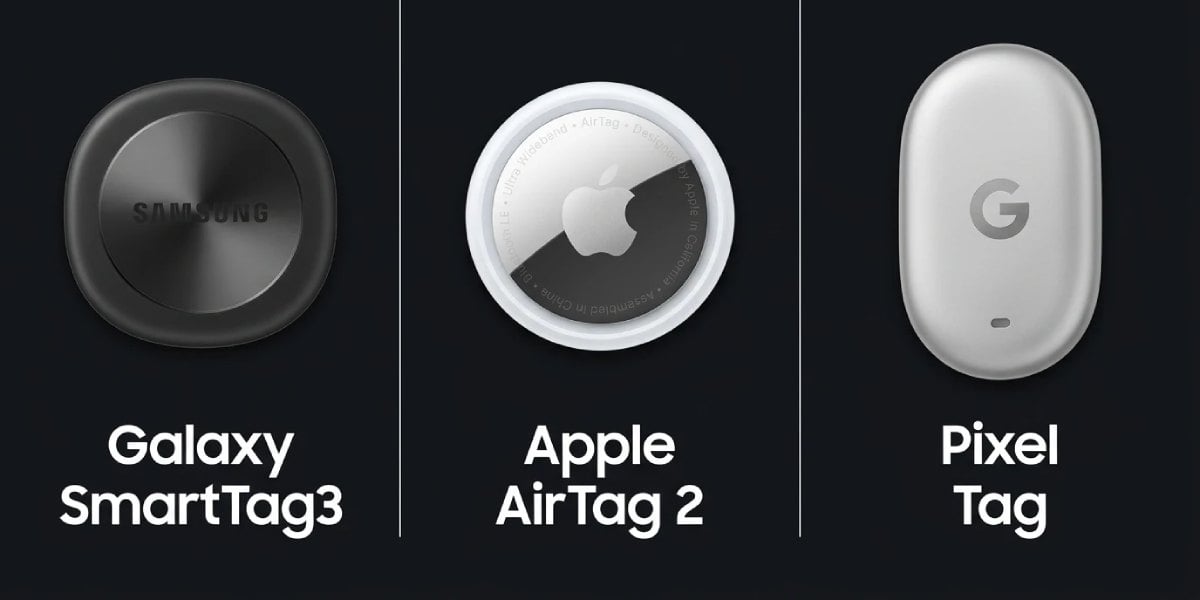
The Apple AirTag 2 arrived in January, followed by the Google Pixel Tag in August and the Samsung Galaxy SmartTag3 in September. All three now compete in roughly the same price range, with similar water resistance and replaceable batteries. Their differences become more noticeable when you look at network support, nearby finding features, and how well they work outside their respective ecosystems.
So which tracker should you buy? Here we are comparing Apple AirTag 2 versus Samsung Galaxy SmartTag3 versus Google Pixel Tag head-to-head.
If you already use an iPhone, there isn’t much reason to look elsewhere. The AirTag 2 connects to Apple’s Find My network, which uses nearby Apple devices to report a tracker’s location when it is outside your phone’s Bluetooth range. It requires an iPhone or iPad running iOS 26 or iPadOS 26 or later.
Apple has made some meaningful hardware changes over the original AirTag. Its second-generation Ultra Wideband chip extends Precision Finding range by up to 50%, while an upgraded Bluetooth chip helps nearby devices detect it from farther away. The speaker is also 50% louder, making it easier to hear when searching for something buried under a pile of clothes or tucked between sofa cushions.
There are a couple of other useful additions. Precision Finding now works from your wrist with an Apple Watch Series 9 or later, or an Apple Watch Ultra 2 or later. You can also share an AirTag with up to five other people, while the option to share an item’s location with participating airlines could be useful when a checked bag goes missing.
The hardware still has one familiar annoyance: no built-in keyring hole. You’ll need a separately purchased accessory if you want to attach it directly to your keys. Android compatibility is also limited. Android phones can detect unknown AirTags nearby and warn users about unwanted tracking, but they cannot register or track their own AirTag.
Pricing remains unchanged at $29 for one or $99 for a four-pack. There have already been discounts, with Android Authority reporting that Amazon dropped the price of a single AirTag 2 to $23 on October 30. If you own the original model, however, the improvements probably aren’t enough to justify replacing it.
Samsung’s Galaxy SmartTag3 has one advantage that the other two trackers don’t: it can be used with both Galaxy phones and iPhones. That makes it an interesting option for households with mixed devices, although Galaxy owners get considerably more features.
The SmartTag3 is 35% smaller by volume and 33% lighter than the SmartTag2. It measures 31 x 31 x 8.2mm and weighs 9.15g. It also has a built-in attachment loop, so you don’t need an additional case just to put it on your keys or bag. The IP67 rating is retained.
Battery life is another reason to consider it. Samsung rates the tracker for up to 550 days in normal mode, increasing to 790 days with Power Saving mode enabled. That’s considerably longer than Google’s over-one-year estimate for the Pixel Tag. Apple doesn’t provide a specific battery-life estimate for the AirTag 2.
There is a catch with Samsung’s longer battery estimate, though. Power Saving mode disables some features, including Compass View, leaving basic Bluetooth LE finding available.
Galaxy phones also unlock the more advanced finding features. Compass View uses Ultra Wideband or Bluetooth Channel Sounding to guide you toward the tracker. Samsung rates Channel Sounding for distances of up to 60 meters under clear line-of-sight conditions, while UWB works at up to 20 meters. Channel Sounding is currently limited to the Galaxy Z Fold 8 Ultra, Galaxy Z Fold 8, Galaxy S26 Ultra, and Galaxy S26+.
You also get Place Notifications, which can alert you when a tagged item enters or leaves a designated area. However, Samsung currently lists this as a trial feature. Other alerts include Movement Detection Alert and Left Behind Alert.
Things are more limited on an iPhone. Through the SmartThings Find app, users can check the tracker’s location, share it, and use Search Nearby. Compass View, Ring Phone, and Left Behind Alert remain exclusive to Galaxy devices.
There has also been some confusion over Android compatibility. Samsung’s official compatibility information confirms support for Galaxy devices running Android 12 or later and iPhones running iOS 17 or later. Despite using Android, Pixel and other non-Samsung phones are not supported.
The SmartTag3 costs $29.99 for one or $99.99 for four. It launched in South Korea on October 7, followed by the US, with additional markets expected in 2027.
3. Best for Pixel and other Android phones
Google’s Pixel Tag has a fairly straightforward advantage over Samsung’s offering: it doesn’t require a Pixel phone. Any device running Android 9 or later can pair with it through Fast Pair, while Google’s Find Hub network handles tracking over longer distances.
That network draws on more than one billion Android devices, giving the tracker a large pool of devices that can help report its location. A single Pixel Tag costs $29.99 through the Google Store, while a four-pack is priced at $99.99.
For nearby searches, Google supports both Ultra Wideband and Bluetooth Channel Sounding. There are hardware requirements, though. Ultra Wideband precision finding needs a compatible Android phone with UWB, while Channel Sounding requires Android 16 and Bluetooth 6.0. Buying the tracker alone doesn’t guarantee access to its most precise finding features.
Google has also included a few conveniences that make the Pixel Tag more useful around the house. Pressing its button can ring a connected phone, even when the phone is set to silent. You can also ring the tracker from a Pixel Watch or ask Gemini through Pixel Buds to find it. Sharing is another advantage, with support for up to 10 people compared with five on the AirTag 2.
The physical design is noticeably different from the other two. At 28 x 46.1 x 5.4mm and 11.8g, the Pixel Tag has a slim, elongated shape that should fit more easily into a wallet. It carries an IP67 rating and uses a replaceable CR2032 battery, which Google rates for over one year. There is no built-in keyring hole, so you’ll need a separate holder if you want to attach it to your keys. The tracker comes in a single Fog color.
The main limitation is network compatibility. Find Hub is an Android service, so iPhone owners cannot use a Pixel Tag to track their belongings. Google’s battery-life and range figures are also manufacturer estimates, making independent testing worth watching. If you like the idea but want a different design, Motorola’s Moto Tag 2 is another option that works with the same network.
4. What if your household uses both iPhone and Android?
This is where choosing a tracker gets a little more complicated. If one person uses a Galaxy phone and another carries an iPhone, the SmartTag3 is the only one of these three that both can access. The iPhone user will miss out on some of its advanced features, but basic location tracking and sharing still work.
An iPhone-and-Pixel household doesn’t have the same convenience. AirTag 2 requires Apple’s ecosystem, while Pixel Tag relies on Android’s Find Hub. There is no single tracker among these three that both phones can fully use, so you may end up buying separate trackers for different family members.
There is at least some cross-platform protection against unwanted tracking. iPhones can warn users about unfamiliar Google Pixel Tags moving with them, while Pixel phones can detect nearby unknown Apple AirTags.
One last thing worth checking before buying is your phone’s hardware. Features such as Compass View on the SmartTag3 and Bluetooth Channel Sounding on the Pixel Tag depend on specific chipsets and newer software versions. An older phone may still track the tag just fine, but you won’t necessarily get the more precise locating features that make these newer models interesting.
5. Price and specifications compared
Feature
Apple AirTag 2
Samsung Galaxy SmartTag3
Google Pixel Tag
Price
$29 (single), $99 (four-pack)
$29.99 (single), $99.99 (four-pack)
$29.99 (single), $99.99 (four-pack)
Finding network
Find My
Galaxy Find Network (SmartThings Find)
Find Hub
Compatibility
iPhone and iPad running iOS or iPadOS 26 or later
Galaxy phones and iPhones
Android 9 or later
Close-range finding
Second-gen Ultra Wideband
Ultra Wideband and Bluetooth Channel Sounding on supported Galaxy phones
Ultra Wideband and Bluetooth Channel Sounding
Battery
Replaceable CR2032 coin cell
Replaceable CR2032, up to 550 days (790 days in Power Saving mode)
Black Friday 2026 is bringing some attractive deals on headphones and wireless earbuds. From Sony’s premium noise-cancelling headphones to Apple’s popular AirPods Pro 3, several well-known audio products are available at considerably lower prices.
Whether you’re looking for immersive audio, effective noise cancellation, comfortable everyday earbuds or something designed for sleeping, this year’s deals cover several budgets and listening preferences. Here’s a look at the headphone and earbud deals worth considering this Black Friday.
Note: Prices were checked on Amazon US on November 25, 2026. Prices and availability may change without notice. Check the retailer’s product page for the latest offers.
Sony WH-1000XM5 Gets an Impressive Black Friday Price Drop
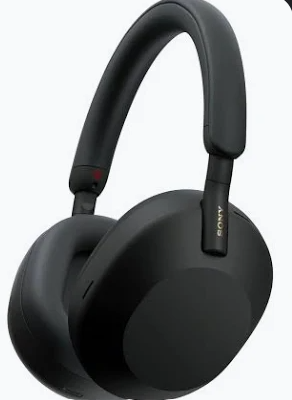
The Sony WH-1000XM5 is arguably the standout over-ear headphone deal this year. At $179 on Amazon, it is available at a particularly attractive price compared with its original $399.99 retail price.
The headphones combine effective active noise cancellation, comfortable over-ear construction and excellent audio performance, making them an appealing choice for frequent travelers, office workers and music enthusiasts.
For anyone considering premium Sony headphones without spending flagship-level money, this is one of the offers worth checking out.
AirPods Pro 3 and Beats Studio Pro Bring Attractive Savings
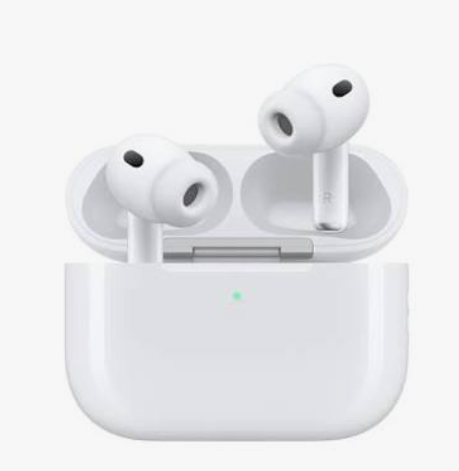
Apple’s AirPods Pro 3 is another highlight, dropping to $149 on Amazon from its original $249 price. It’s particularly appealing to iPhone users who want seamless Apple ecosystem integration, effective noise cancellation and convenient everyday listening.
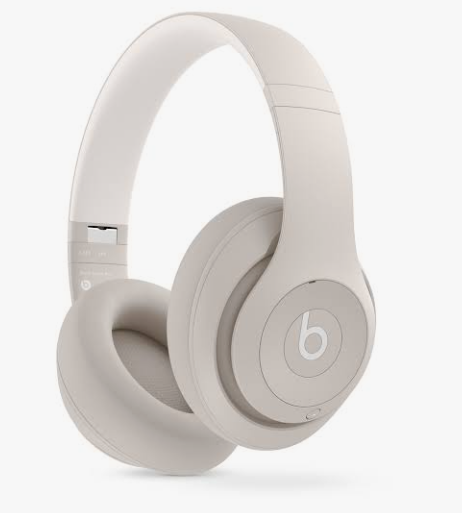
The Beats Studio Pro is another interesting option at $149. With its over-ear design and wireless noise-cancelling capabilities, it offers an alternative for shoppers who prefer headphones over compact earbuds.
Both products make compelling choices for anyone looking for premium audio without paying full retail prices.
Bose Black Friday Deals: QuietComfort vs QuietComfort Ultra
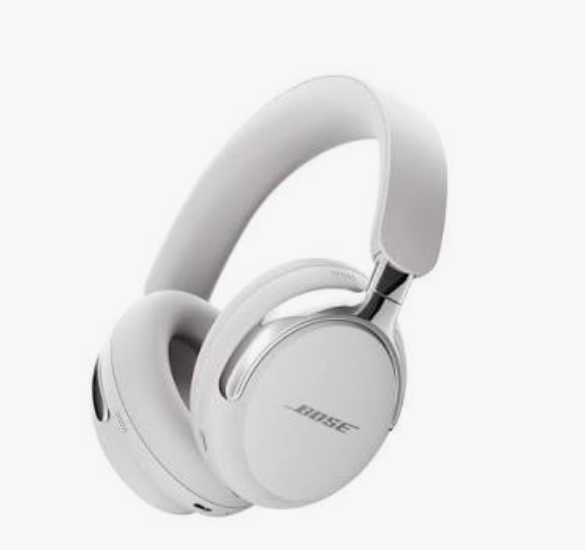
Bose has several options worth considering this Black Friday. The first-generation QuietComfort Headphones are available for $167, while the second-generation model drops to $219.
For shoppers looking for a more premium experience, the Bose QuietComfort Ultra (2nd Gen) is available for $369. It sits above the standard QuietComfort range and is worth considering for buyers who prioritize advanced noise cancellation and immersive listening.
The choice largely depends on your budget and how much you value the additional features of the Ultra range.
Budget Earbuds and Open-Ear Alternatives Worth Buying
Not every worthwhile Black Friday deal requires spending hundreds of dollars. The Soundcore P31i at $29.99 and CMF Buds 2 at $24.99 are affordable options for everyday wireless listening.
The Soundcore Space 2 at $99.99 is another option for shoppers looking for over-ear headphones at a more accessible price.
Those interested in open-ear audio can consider the Shokz OpenDots 2 at $139.95 or Sony LinkBuds Clip at $148. Meanwhile, the Ozlo Sleepbuds 2 at $237 cater to a more specialized audience, particularly people looking for sleep-focused audio solutions.
Best Christmas Gifts from These Black Friday Deals
If you’re planning to buy an audio product as a Christmas present, three options from this list stand out.
Sony WH-1000XM5: An excellent gift for frequent travelers, commuters and music lovers. Its comfortable over-ear design and noise cancellation make it suitable for long listening sessions and travel.
AirPods Pro 3: A great choice for someone who owns an iPhone and appreciates convenient wireless earbuds. Their compact design, noise cancellation and Apple ecosystem integration make them a practical everyday gift.
Bose QuietComfort Ultra (2nd Gen): The premium choice for someone who loves high-quality audio and immersive listening. It’s particularly suitable for music enthusiasts and people who frequently travel.
These three cover different budgets and listening preferences, making them strong Christmas gift options while their Black Friday prices last.
Final Verdict
The Sony WH-1000XM5 at $179 is arguably the strongest overall headphone deal in this collection, while the AirPods Pro 3 at $149 are particularly attractive for wireless earbud shoppers.
The Beats Studio Pro and Bose QuietComfort models also offer interesting alternatives across different price ranges. Ultimately, the best purchase depends on whether you prioritize noise cancellation, portability, comfort, or specialized listening features.
Note: Amazon US Black Friday and Cyber Monday deals run through November 30, 2026. Prices were checked on Amazon US on November 25, 2026. Deals can change, sell out or end early.
Not expected. Oppo hasn’t launched its foldables in the US
What changed recently
20 Oct: a separate Oppo wide-screen phone, possibly calledas the Reno X, is said to launch alongside the Find N7 in China in Q1 2027. It is not the Find N7. Story
12 Oct: a report repeated a Q1 2027 launch in China. Story
10 Oct: the latest spec leak: a 200MP quad camera, and Samsung screens in the cards. Story
Release date
Expected: Q1 2027, in China. Leaks since June 2026 agree on this. A January 2026 report had pointed to September 2026, so expect slips. Our 11 Jun story
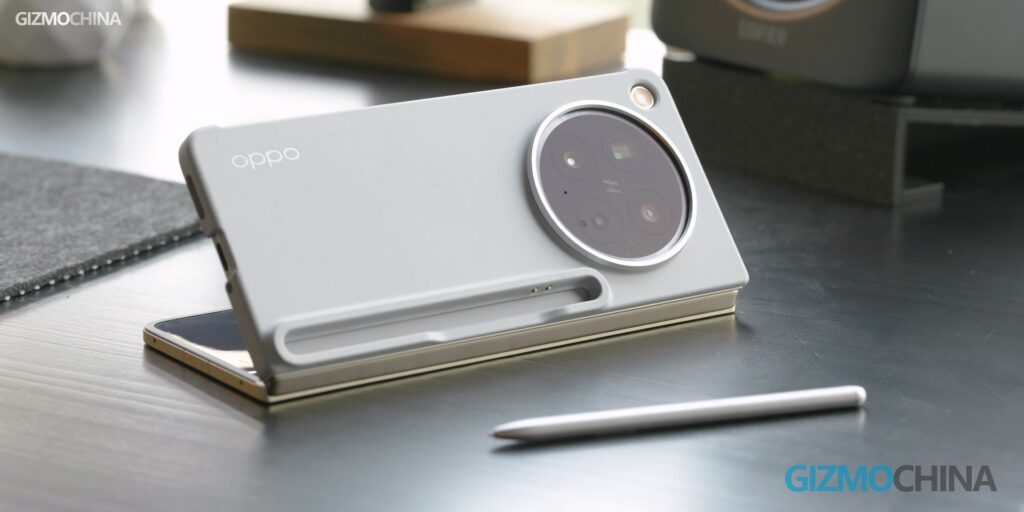
Pictured: the Oppo Find N6, the current model.
Price
No price leak yet.
For reference: the Find N6 launched on 17 Mar 2026, at CN¥9,999 in China. Our Find N6 sales story
What to expect: a wider, newer design and a 2nm chip suggest no price cut.
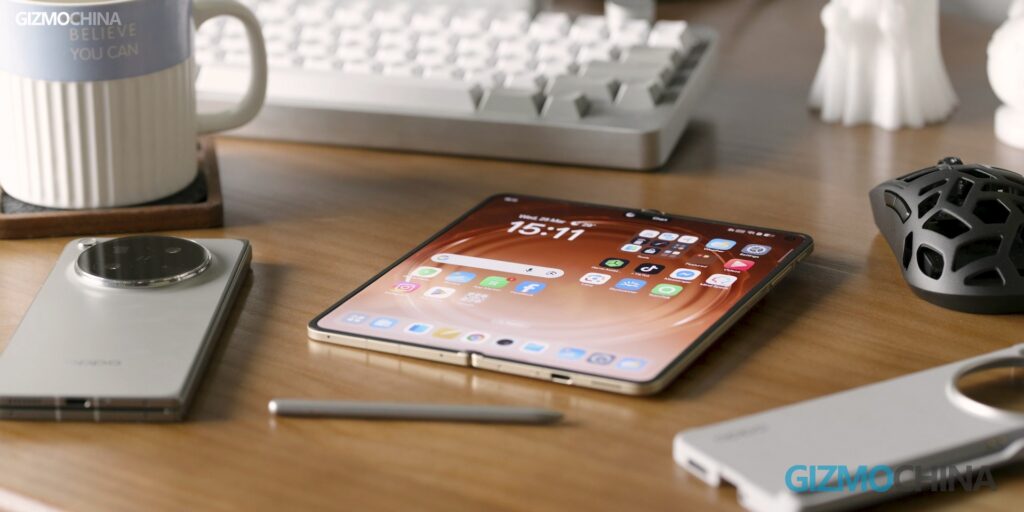
Pictured: the Oppo Find N6.
Design: why “wide”?
The shape: the Find N7 is tipped to be wider when folded . Its cover screen is about 5.5 inches with a wide ratio, and the inner screen is 7.6 inches. Oppo’s newest crease-reducing hinge is also tipped. Our 9 Jul story
A trend: wide foldables are coming from almost every major brand. Our 21 Aug story
Panels: Samsung Display and BOE are both tipped as suppliers.
Cameras
A quad-camera setup is tipped (Leak):
200MP main;
50MP ultrawide;
50MP telephoto;
3MP multispectral sensor for colour accuracy.
Performance and battery
Chip: Snapdragon 8 Elite Gen 6 (2nm).
Battery: 6,500mAh. Earlier leaks said 6,000mAh. The Find N6 has 6,000mAh.
Charging: 80W wired and 50W wireless, the same as the Find N6 (January leak).
Oppo Find N7 vs Find N6
Find N7 (expected)
Find N6
Launch
Q1 2027
17 Mar 2026
China price
—
CN¥9,999
Inner display
7.6-inch, wide
8.12-inch
Cover display
~5.5-inch, wide
6.62-inch
Chip
Snapdragon 8 Elite Gen 6
Snapdragon 8 Elite Gen 5
Battery
6,500mAh
6,000mAh
Charging
80W / 50W wireless
80W / 50W wireless
Main camera
200MP
200MP
Zoom
50MP telephoto
50MP 3x
Updates
—
5 years OS, 6 years security
Should you wait or buy the Find N6?
Wait if you want the new wide shape or the bigger battery. The Find N6 has bigger inner screen. Find N6 product page
Motorola’s new flagship is already available for pre-order across Europe, but the price tags differ sharply depending on which country’s official store you visit. The gap is large enough that many buyers are now weighing cross-border purchases inside the EU.
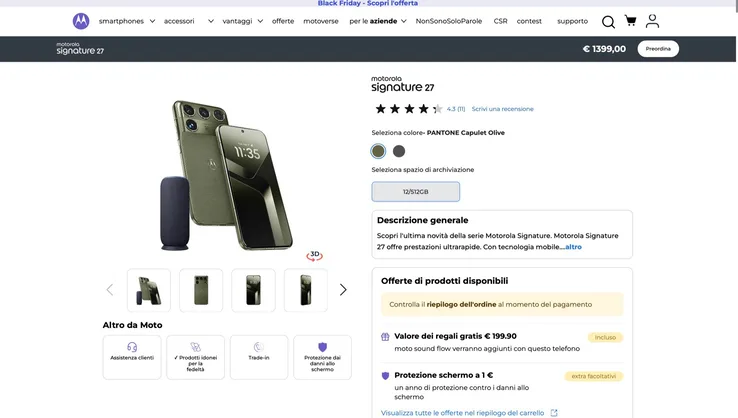
On Motorola Germany the Signature 27 (12 GB/512 GB) is listed at €1,899 with no pre-order bonus. Austria matches that price but at least includes a free Moto Sound Flow Bluetooth speaker. The speaker is officially valued at €199, though it already sells for around €70 on Amazon Germany.
Italy undercuts both markets significantly: the same storage configuration costs €1,399 and still comes with the free speaker. Belgium and Ireland also list the phone at €1,399. Italy’s 22 % VAT is actually three percentage points higher than Germany’s, so the difference cannot be explained by tax rates alone.
German online retailers have already dropped the phone to around €1,649, yet that is still €250 above the official price in several other EU countries. Adding to the calculation is the lingering question of battery capacity. While the Signature 27 is widely specified with a 7,000 mAh cell, reports have indicated that German units may ship with a smaller 5,500 mAh battery. Direct imports from Italy or Belgium remain straightforward within the single market, as no customs duties apply, though shipping costs can vary.
The launch strategy has left many observers puzzled. Motorola is asking customers in Germany and Austria to pay roughly 36 % more for the identical storage configuration of the same smartphone. Pre-orders are now open in most markets, with shipments expected to begin in early December. For buyers willing to order from a lower-priced EU store, the savings might be substantial enough to make the extra logistics worthwhile.
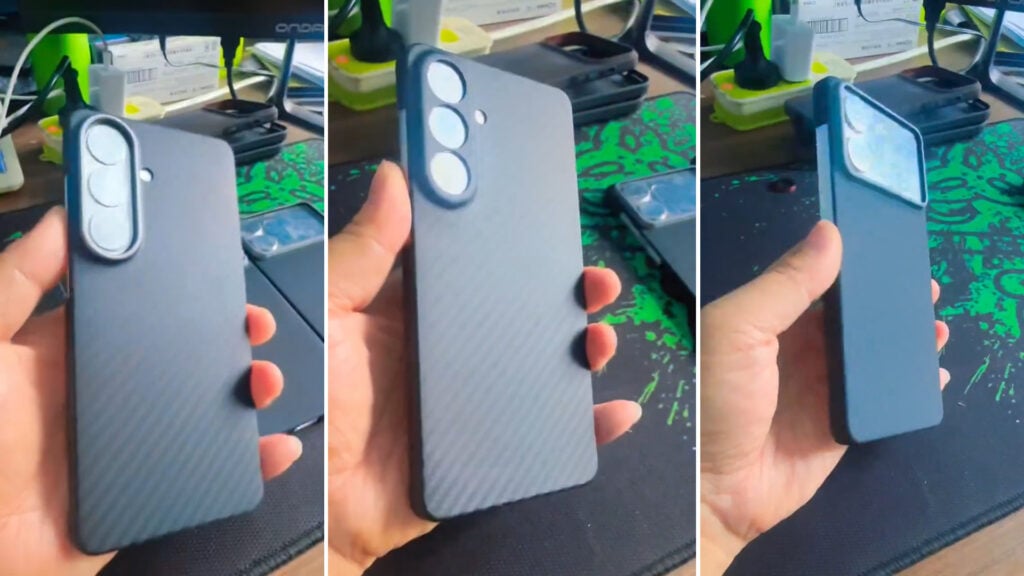
Samsung’s next flagship phones are still months from launch, yet accessory makers are already preparing cases based on early prototypes. Fresh video footage from case maker Thinborne offers one of the clearest looks yet at how the entire Galaxy S27 series may appear.
The clip shows dummy units of all four expected models, the Galaxy S27, S27+, S27 Pro, and S27 Ultra, while the company tests its protective cases. The standard S27 and S27+ largely retain the familiar design language of recent Galaxy phones.
In contrast, the higher-end S27 Pro and S27 Ultra feature a noticeably wider camera area on the rear. This broader island appears intended to give the premium models a more distinct visual identity from the base versions.
The Pro and Ultra share a broadly similar overall design, though differences in size and features are expected. One key distinction involves the S Pen. The Ultra is anticipated to retain a built-in stylus slot, and Thinborne’s corresponding case includes a dedicated cutout for it. The Pro model, by contrast, is not expected to support a built-in S Pen.
These dummy units and cases provide useful early signals about Samsung’s design direction, but they are not final production hardware. Case manufacturers often work from preliminary dimensions and camera layouts that can still change before official announcement. Samsung has not confirmed any of the details, and further refinements remain possible in the coming months.
The Galaxy S27 series is widely expected to arrive in early 2027, continuing Samsung’s usual January-to-February launch window for its flagship lineup. Additional leaks, regulatory filings, and official teaser material will likely refine the picture further as the release approaches.
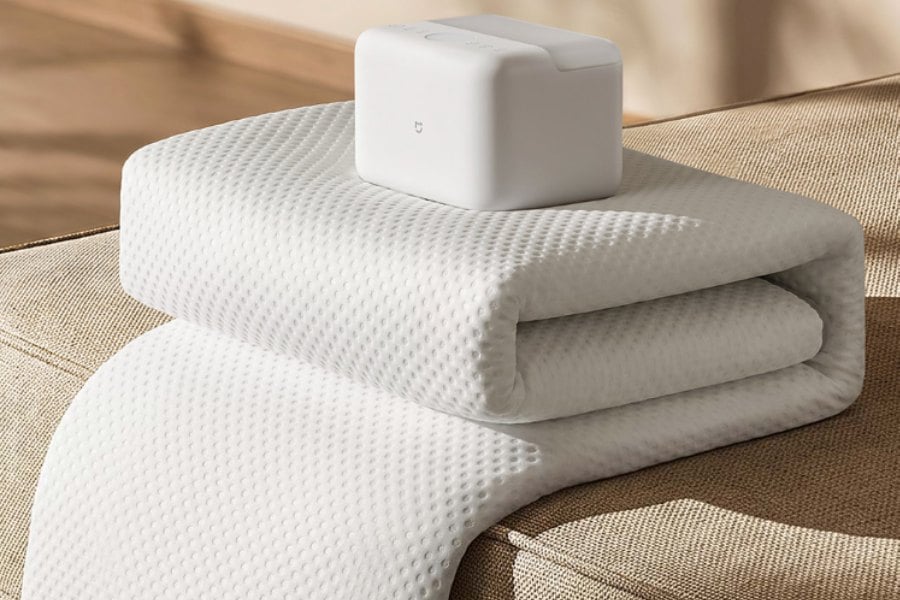
Xiaomi’s Mijia water-heated blankets are getting a more expensive upgrade. The new Mijia Smart Water-Heated Blanket Pro has opened for crowdfunding on Youpin at 799 yuan (~ $120), while its suggested retail price is 1,099 yuan (~ $165).
For comparison, the original Mijia Smart Plumbing Blanket launched in 2023 for 399 yuan (~ $60). The higher price brings more than a small heating upgrade.
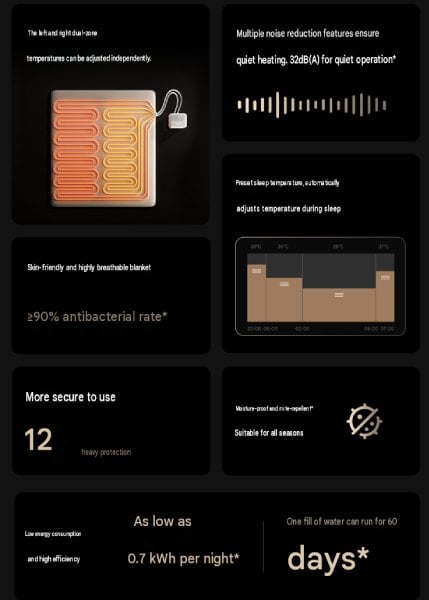
Xiaomi has added independent temperature control for both sides of the bed, along with separate water circulation systems, making the Pro a better option for couples who prefer different sleeping temperatures.
Dual-zone heating and smarter temperature control
The two sides of the blanket have their own water tanks and heating systems, with physically separated water paths. Xiaomi uses two water outlets, two return outlets, and four high-precision temperature sensors to manage the heating. Users can adjust the temperature between 25°C and 55°C on either side.
Xiaomi has tried this arrangement before with the Mijia Smart Temperature-Controlled Plumbing Blanket, which also featured separate A/B water tanks. The Pro uses a denser arrangement of pipes around the leg area, where temperatures are reportedly 3°C to 5°C higher than elsewhere on the blanket. The internal PVC hose measures about 43 meters in total.
Heating comes from a 450W PTC ceramic element with double-sided heating, compared with the 400W ceramic core in the older model. The blanket also supports Xiaomi’s Surge Smart Connect, allowing users to control it through the Mi Home app, set timers, and adjust the temperature remotely. There is a separate temperature preset for sleep mode, while operating noise is rated at 32dB(A).
Antibacterial fabric and 12 safety protections
The blanket uses micro-elastic combed fiber fabric treated with a silver-ion antibacterial agent. Xiaomi claims an antibacterial rate of at least 90%. It also has a five-layer construction, with a non-slip drip-molded fabric layer at the bottom to help keep it in place.
A one-button mite removal mode runs the blanket at a high temperature for two hours to help dry moisture trapped in the bedding. Xiaomi also says it can be used throughout the year, rather than being limited to colder months.
Inside, the water tank holds around 1,000mL. A single fill is rated to last approximately 60 days with eight hours of daily use. Xiaomi’s power consumption test recorded around 0.7kWh per night, with the room temperature at 20±5°C, water temperature at 15±5°C, and the blanket set to 37°C for eight hours.
Safety is another area Xiaomi has addressed, with 12 layers of protection. These include automatic shutdown after 15 hours of inactivity, separation of water and electricity, a child lock, and power-off protection if the blanket tips over. The circuit board uses flame-retardant materials, while additional safeguards cover overheating, dry burning, water leaks, freezing, and cracking at low temperatures.
The blanket also performs self-checks while running. If the water level gets too low, it sends an alert and automatically shuts down.
The new blanket joins a growing list of Mijia products appearing on Youpin this month. Xiaomi recently opened crowdfunding for its Mijia Floor Lamp, which comes with RGB and WRGB lighting and 18 lighting effects.
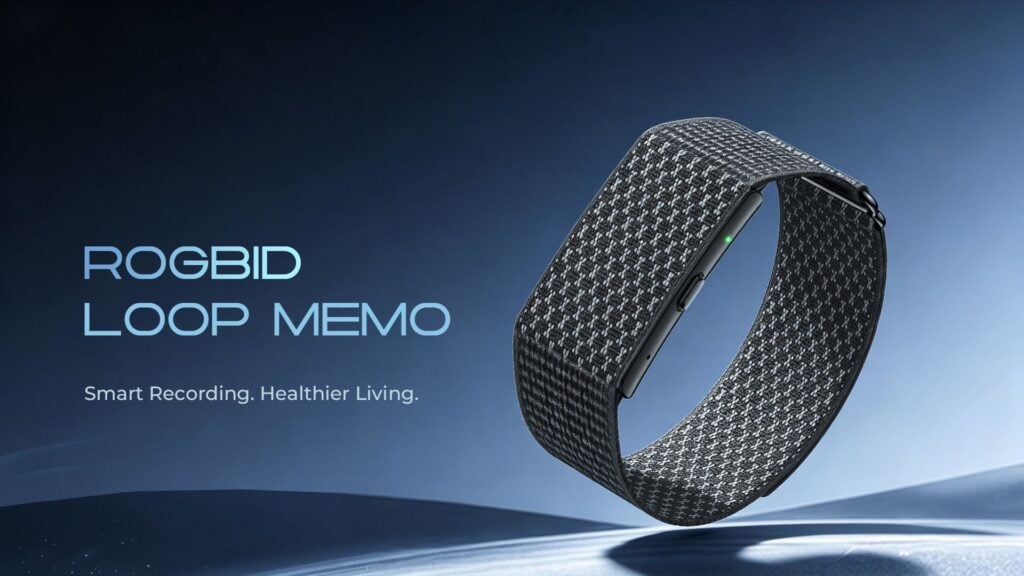
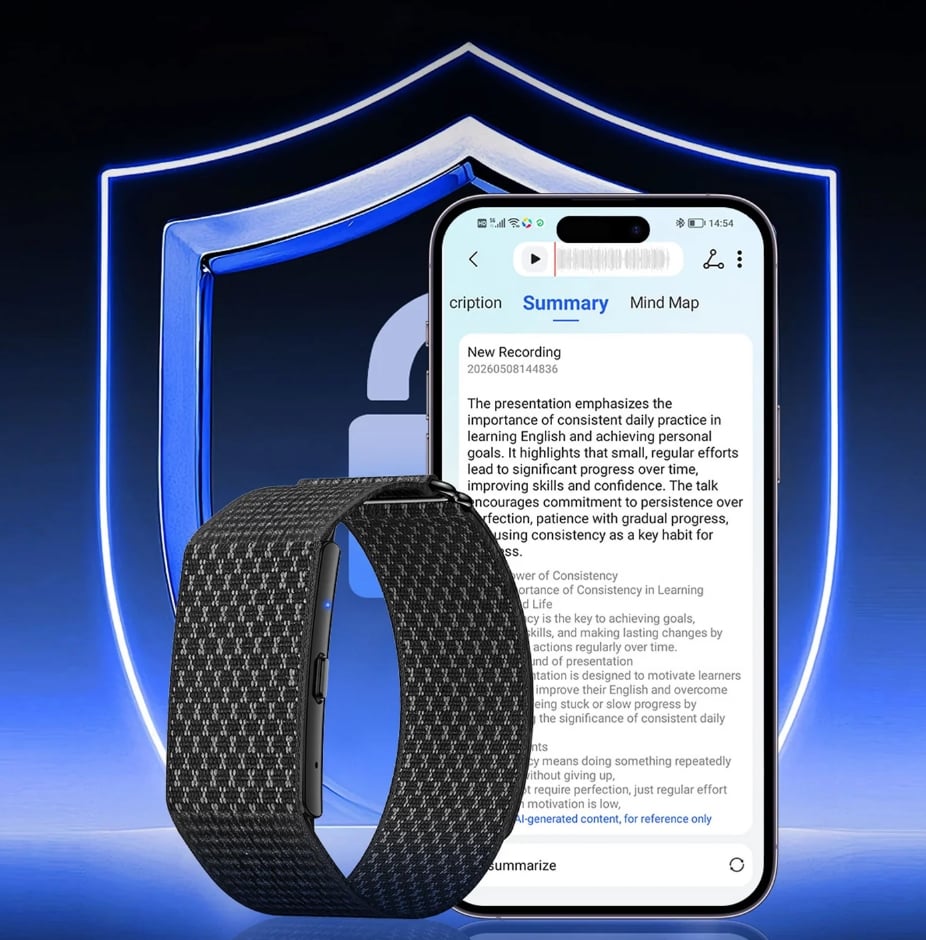
Most smart bands focus entirely on health metrics and mirroring your phone’s notifications. Rogbid is trying something a bit different with its new Loop Memo. It looks like a standard fitness tracker, but its main selling point is actually a built-in microphone designed for recording meetings and voice memos.
Rogbid Loop Memo Specifications
The idea is pretty straightforward. Instead of pulling out your phone or a dedicated dictaphone to record a lecture or a meeting, you just tap the band on your wrist. The device has 1GB of local storage, which Rogbid says holds about 10 hours of audio. Because the storage is built directly into the hardware, you don’t need to be connected to your phone or a Wi-Fi network to capture the audio.
Once you sync the band with its companion app, the software takes over. The app uses AI models to transcribe the recordings and generate text summaries, to-do lists, and visual mind maps. You can then export these notes as standard text, PDF, or Word files. Rogbid offers its AI transcription and summary tools for free, with no subscription required to access the companion software.
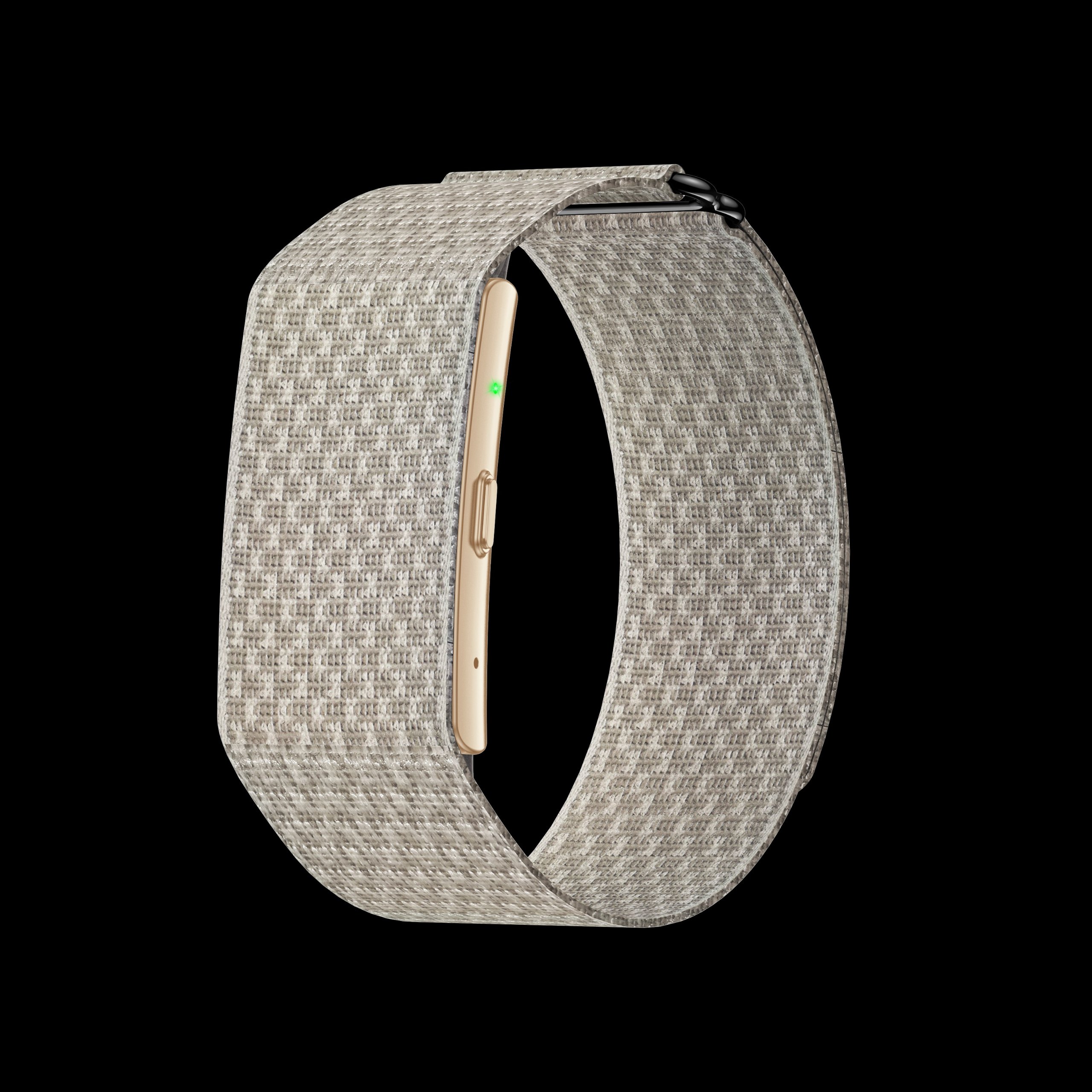
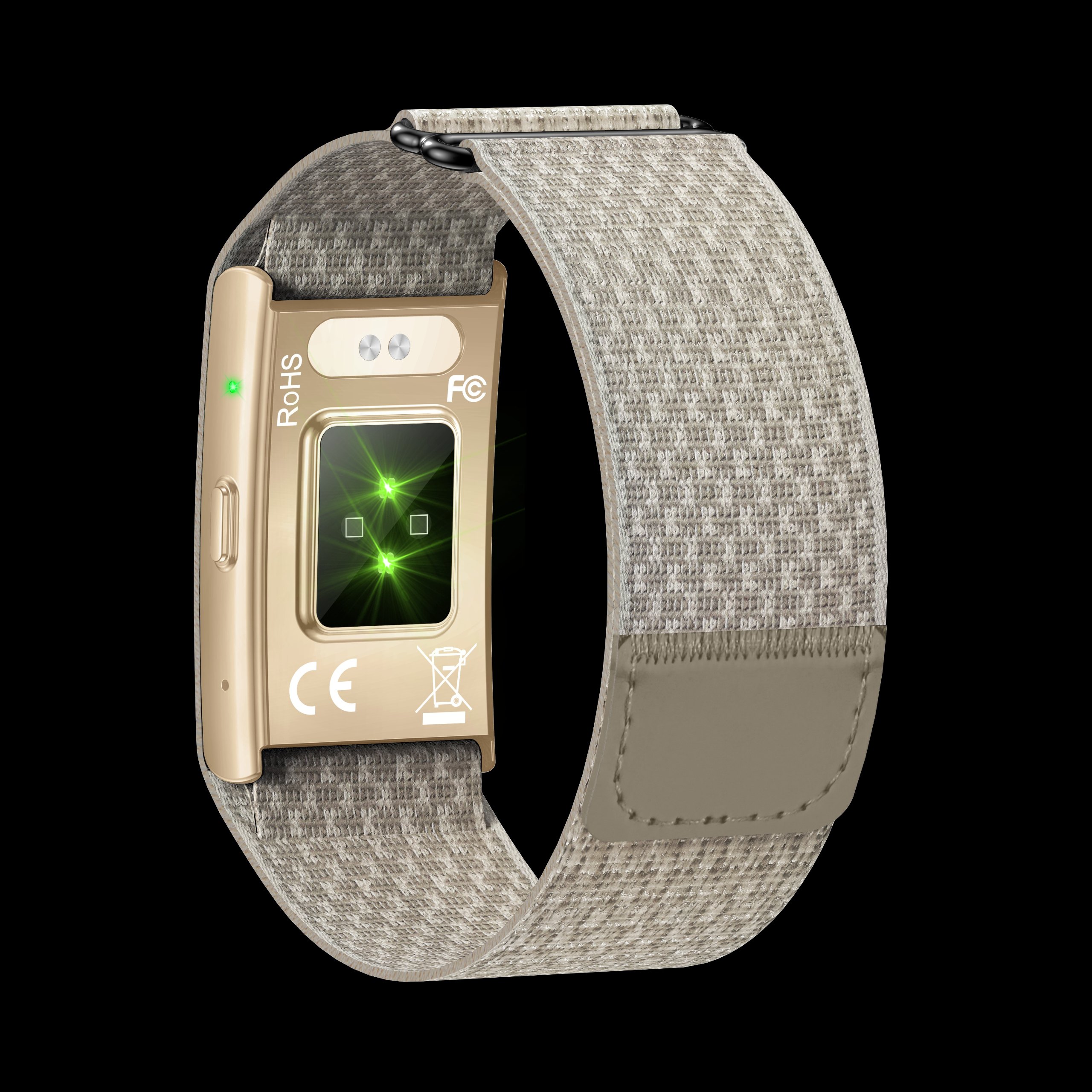
As a wearable, the Loop Memo is very light, weighing in at just 22 grams. Aside from the audio features, it functions exactly like a typical budget fitness tracker. It monitors heart rate, blood oxygen levels, stress, and sleep stages. It also includes the standard array of workout modes, over 100 of them, and carries an IP67 water resistance rating, meaning it can handle splashes and sweat.
Inside, the band runs on an ATS 3085L processor and a 220mAh battery. The company claims the device can last up to 50 days on standby, though actual battery life will obviously drop depending on how often you use the microphone and continuous health sensors. It charges via a magnetic cable in about an hour and twenty minutes, and it supports pass-through charging so you can keep recording audio while it’s plugged in.
The Rogbid Loop Memo is available now in black for $79.99. You can purchase this from the official Rogbid store.
In related news, Rogbid has recently launched its new VitalRing featuring ECG, SpO2 tracking, and a titanium alloy build, alongside the Model R5 Android smartwatch with a 2.4-inch display, 4G LTE connectivity, and a rotating camera.
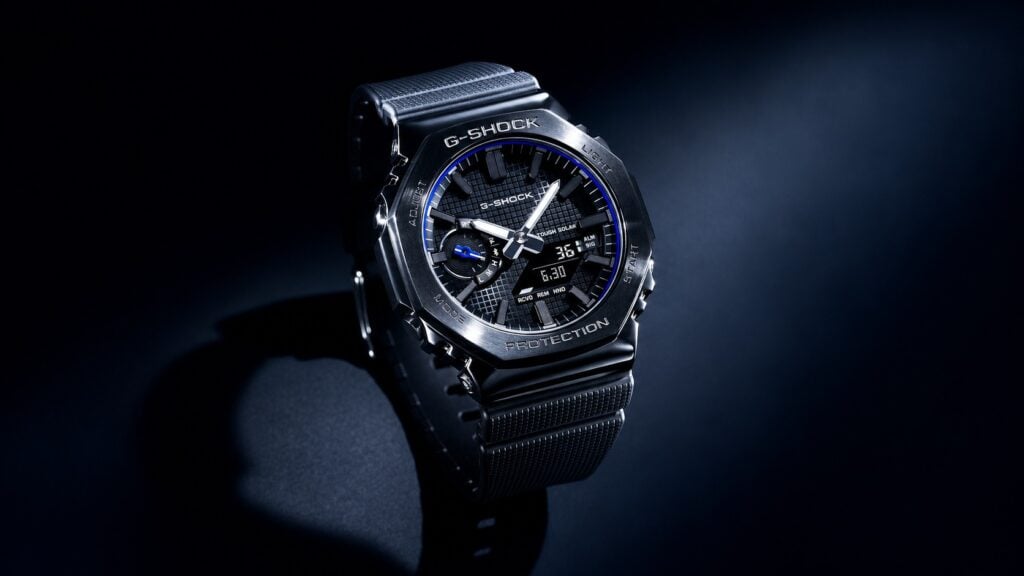
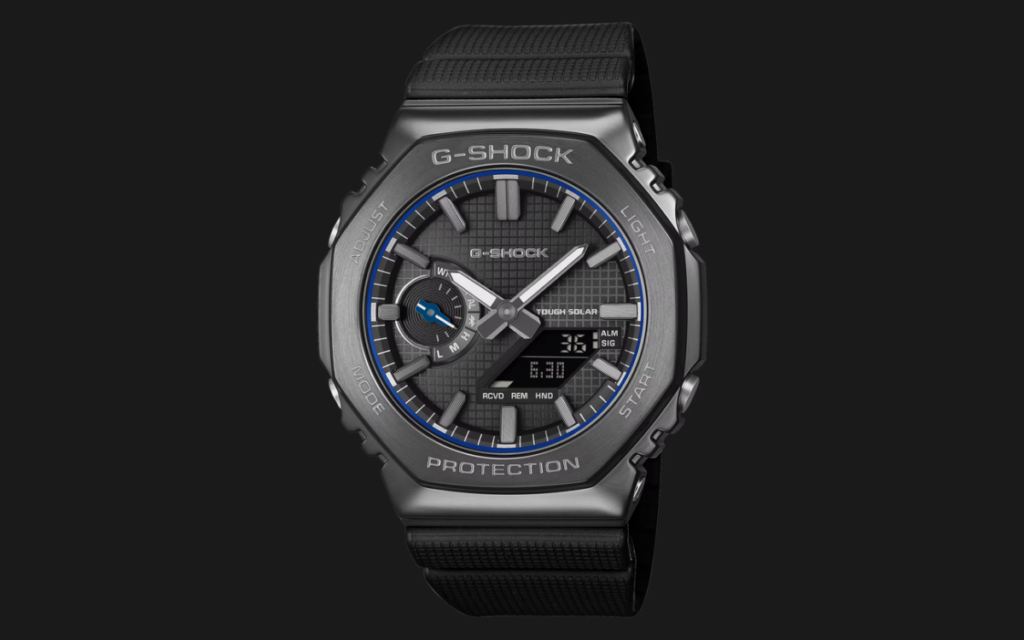
Casio has officially made the G-Shock GBM2100LXB-1A2 available in the US market. The watch, which initially launched in Japan earlier in November, is priced at $310. It is the latest addition to the G-Steel 2100 series, combining the familiar octagonal case design with a black stainless-steel bezel, solar charging, and Bluetooth connectivity.
Design Details
Comparison
The Apple Watch Ultra 3 keeps its titanium case, now in a black finish as well as natural titanium.
Marketed as a Luxe Black model, the design focuses heavily on a dark, monochromatic color palette. The stainless-steel bezel features a black ion-plated finish for a matte metallic look. To add some contrast to the black hardware, Casio applied a blue vapor deposition to the outer edge of the mineral glass and a gunmetal-gray finish to the dial indexes.
The dial itself has a grid pattern that matches the subtle square-dot texture of the urethane band. Both the band and parts of the case are constructed from bio-based resin.
In terms of size, the watch measures 49.3 x 44.4 x 11.9 mm and weighs 72 grams. It maintains standard G-Shock durability specifications, including shock resistance and water resistance up to 200 meters. The display uses a hybrid analog-digital layout, which is illuminated by a double LED light system to keep both the hands and the digital sub-display visible in low-light conditions.
The GBM2100LXB-1A2 includes two highly practical hardware features: Tough Solar and Smartphone Link. The Tough Solar system charges the internal battery using both natural and artificial light. On a full charge, the watch can run for about seven months under normal use, or up to 18 months if stored in the dark with the power-saving feature turned on.
The Smartphone Link functionality uses Bluetooth to connect the watch to the Casio Watches app on iOS and Android. This connection automatically syncs the time to keep the watch accurate without manual adjustments. The app also allows you to configure world time settings for over 300 cities, set alarms, log time and location data, and trigger a phone finder tool.
Aside from the connected features, it functions as a standard digital timepiece. Built-in tools include a 1/100-second stopwatch, a 60-minute countdown timer, five daily alarms, and a hand-shift feature that temporarily moves the analog hands out of the way so you can read the digital display.
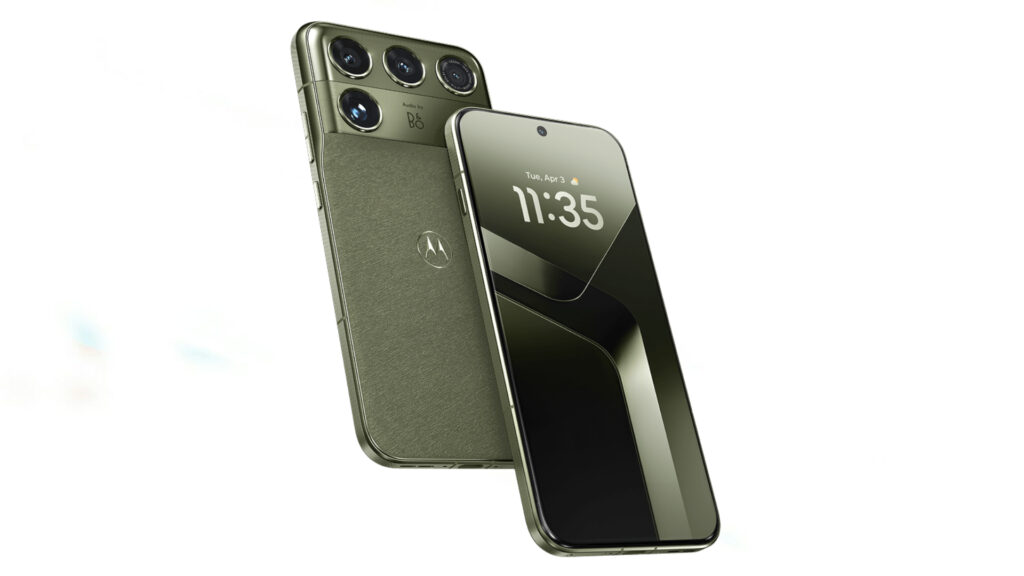
Motorola‘s US store now lists an expected delivery date of December 8, 2026, for the Signature 27, after pre-orders opened on November 19 ahead of a November 26 retail launch. Motorola says demand has exceeded its initial expectations, and that some orders may see updated shipping timelines. New buyers may have to wait past the launch date to get the $1,599.99 flagship.
In a statement, Motorola said it is excited by the strong consumer response, with demand exceeding its initial expectations. It added that its teams are working to meet that demand and get devices to customers as quickly as possible. The official US product page still lets shoppers pre-order, but it now shows a December 8 expected delivery date. Checks reported by 9to5Google and Android Authority found Best Buy listings that vary by location, with some showing a December 11 ship date and no in-store pickup, and others replacing the pre-order button with a notify option. Some early pre-orders may still arrive around the November 26 launch.
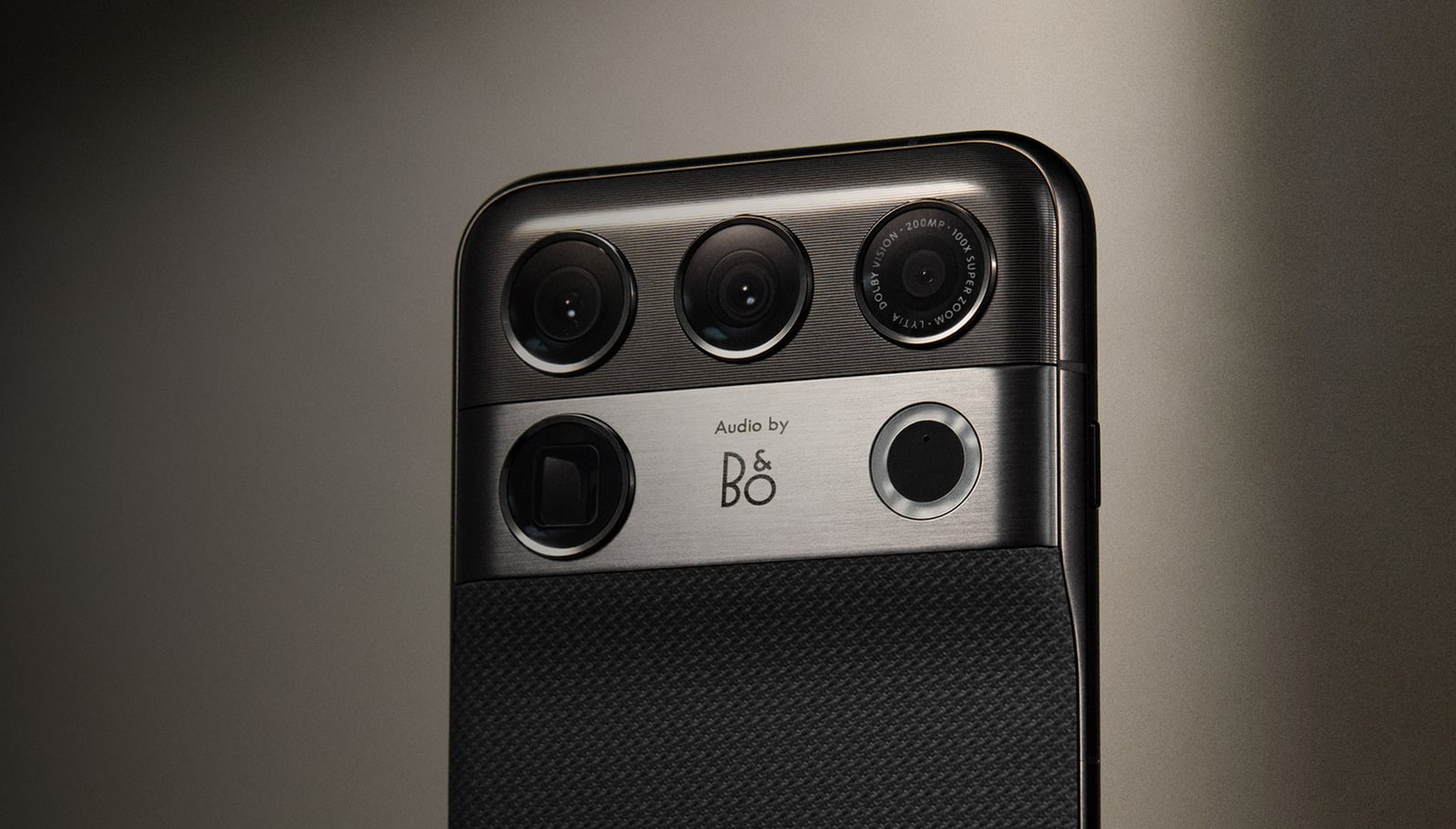
The US store lists one unlocked configuration at $1,599.99, with 12GB of RAM, 512GB of UFS 4.1 storage, and two finishes: Pantone Coal Smoke and Pantone Capulet Olive. That is the same price point as a high-end Galaxy or Pixel, not a value Motorola. The Signature 27 arrives with a Snapdragon 8 Elite Extreme Gen 6 chip, a 7,000mAh battery, 90W wired and 50W wireless charging, and a 200MP 3x periscope camera, plus a promise of seven major Android updates.
European sales began on November 16. Motorola has also set a December 9 launch in India, adding another market just as US fulfillment is slipping. For years, Motorola’s problem in the US flagship aisle was giving people a reason to skip Samsung, Google, or Apple. At $1,600, the Signature 27’s more immediate problem appears to be having enough phones to ship, even as it goes up against phones like the Galaxy S26 Ultra.
Update (November 25): Motorola has opened Signature 27 pre-orders across Europe. The single 12GB/512GB model is listed at €1,899 in Austria, Germany, Spain, Portugal and France, and at €1,399 in Italy, Belgium and Ireland, in Pantone Capulet Olive and Coal Smoke colors. Pre-orders run until December 2 and include a free Moto Sound Flow Bluetooth speaker everywhere except Germany, with shipments expected to start on December 3.
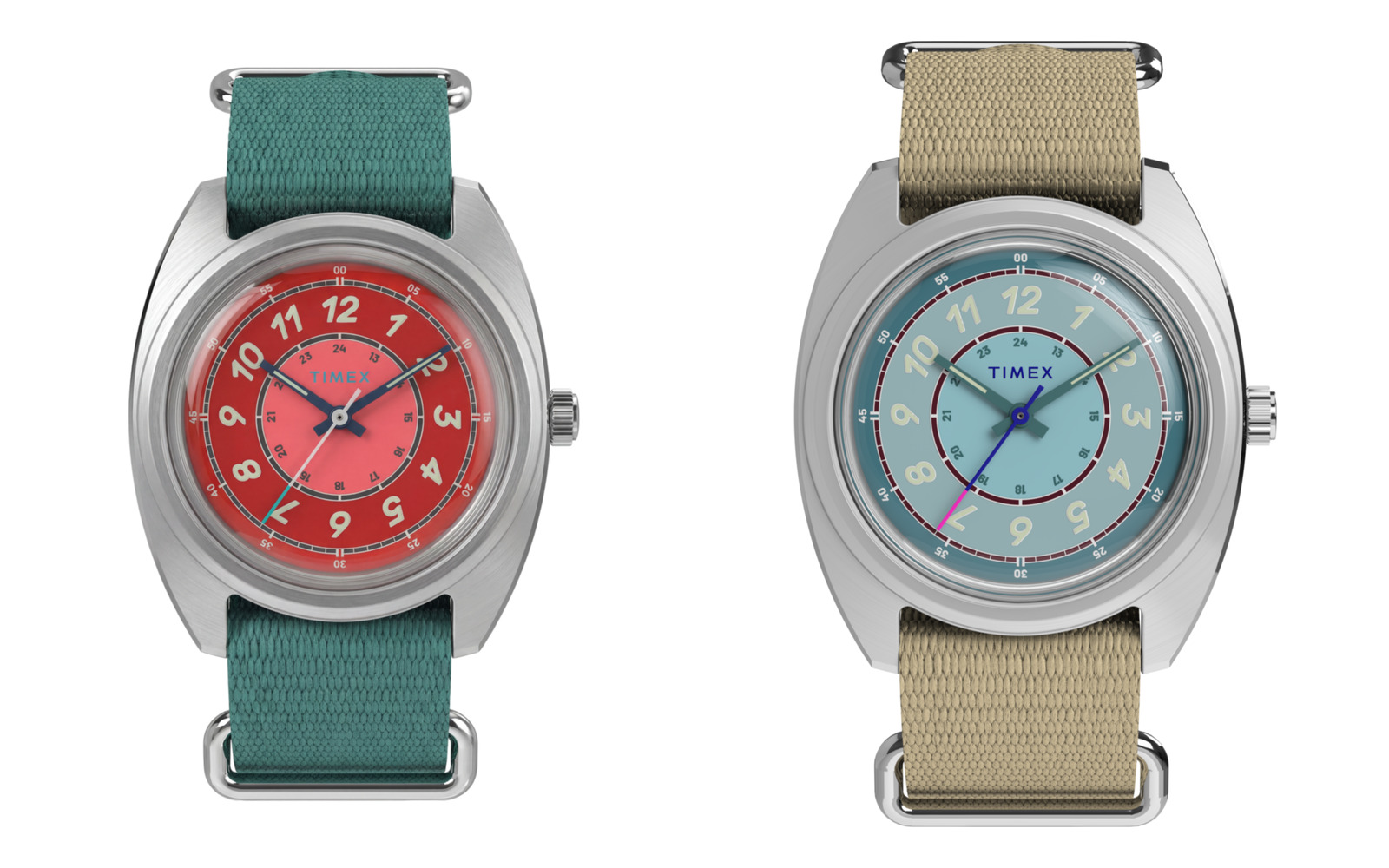
Timex has brought back its collaboration field watch with Worn & Wound in two new limited colorways, Sunburst and Mist. Both are on sale now on the Timex US site for $299, with 578 individually numbered pieces in each color. The hardware matches last year’s Field Watch with a Twist. Only the dial and strap colors are new.
Sunburst and Mist bring new color to a familiar 37mm field watch
Worn & Wound x Timex Field Watch in Sunburst (left) and Mist (right)
Sunburst pairs a warm, red-toned sector dial with a teal double-layered fabric strap. Mist uses a cooler blue-green dial and a tan strap. Both sit in the same 37mm stainless steel case with a brushed and polished finish, a 43mm lug-to-lug, a 12mm height, and a vintage-style barrel shape under a domed acrylic crystal. A 20mm slip-thru fabric strap fits wrists from 5.9 to 8.1 inches. Water resistance is 50 meters, enough for a shower or a light swim, but not snorkeling or diving.
The unorthodox part is still the dial. A 13-to-24 hour track sits at the center, italic 1-to-12 numerals occupy the middle ring, and a minute track runs around the edge, separated by railroad markings. Hands and numerals are filled with C3 lume. Inside is a hand-wound Sea-Gull TY6 movement, so the watch has to be wound at the crown each day instead of running on a battery or an automatic rotor. Acrylic can be buffed if it picks up scuffs, a vintage field-watch tradeoff versus the sapphire used on pricier Timex models.
At $299, it costs more than Timex’s $149 quartz Expedition Sierra field watches and sits close to the $309 MK1 Automatic, while undercutting the company’s $429 titanium automatic and Pioneer Automatic, which add sapphire crystals and 200 meters of water resistance. The 37mm case is also more compact than those 40mm and 41mm models, and the earlier MK1 Chronograph stays in a lower price band. A 578-piece cap per color means this is a short run, not an open catalog model, and it is also listed at Worn & Wound’s Windup Watch Shop.
We use cookies on our website to give you the most relevant experience by remembering your preferences and repeat visits. By clicking “Accept”, you consent to the use of ALL the cookies.
This website uses cookies to improve your experience while you navigate through the website. Out of these, the cookies that are categorized as necessary are stored on your browser as they are essential for the working of basic functionalities of the website. We also use third-party cookies that help us analyze and understand how you use this website. These cookies will be stored in your browser only with your consent. You also have the option to opt-out of these cookies. But opting out of some of these cookies may affect your browsing experience.
Necessary cookies are absolutely essential for the website to function properly. This category only includes cookies that ensures basic functionalities and security features of the website. These cookies do not store any personal information.
Any cookies that may not be particularly necessary for the website to function and is used specifically to collect user personal data via analytics, ads, other embedded contents are termed as non-necessary cookies. It is mandatory to procure user consent prior to running these cookies on your website.