Sony appears to be getting ready to add two new models to its affordable headphone lineup, and they could arrive pretty soon. A new leak has revealed a possible launch date for the Sony WH-CH730N and WH-CH530, along with their expected prices, colors, and some other details. According to well-known leaker Roland Quandt, both headphones could go on sale as early as September 7.
The WH-CH730N is expected to sit above the entry-level WH-CH530 and could serve as the successor to the WH-CH720N. What’s particularly interesting this time is the reported price. The latest leak puts the European price at just €69.99, which would be less than half the €149 launch price of the WH-CH720N in 2023. Despite the much lower price, the new model is still expected to offer active noise cancellation (ANC).
There is a bit of a trade-off in terms of weight, though. The WH-CH730N is reportedly 220 grams, compared with 192 grams for the WH-CH720N. That’s 28 grams heavier, or roughly a 14.6% increase. The headphones are also expected to come in four colors: black, pink, blue, and sand. Sony could, of course, give these colors different names when the headphones officially launch.
Previous retail leaks have also suggested that the WH-CH730N will feature Bluetooth connectivity, a 3.5mm headphone jack, and a USB Type-C port. None of these details have been confirmed by Sony yet.
The WH-CH530, meanwhile, is expected to be the cheaper option of the two. The latest leak suggests a €34.99 price tag, with five color options: black, blue, mint green, pink, and white. Unlike the WH-CH730N, the entry-level model is reportedly expected to skip ANC.
If the September 7 date turns out to be accurate, there’s a good chance we’ll see both headphones at IFA 2026 in Berlin.
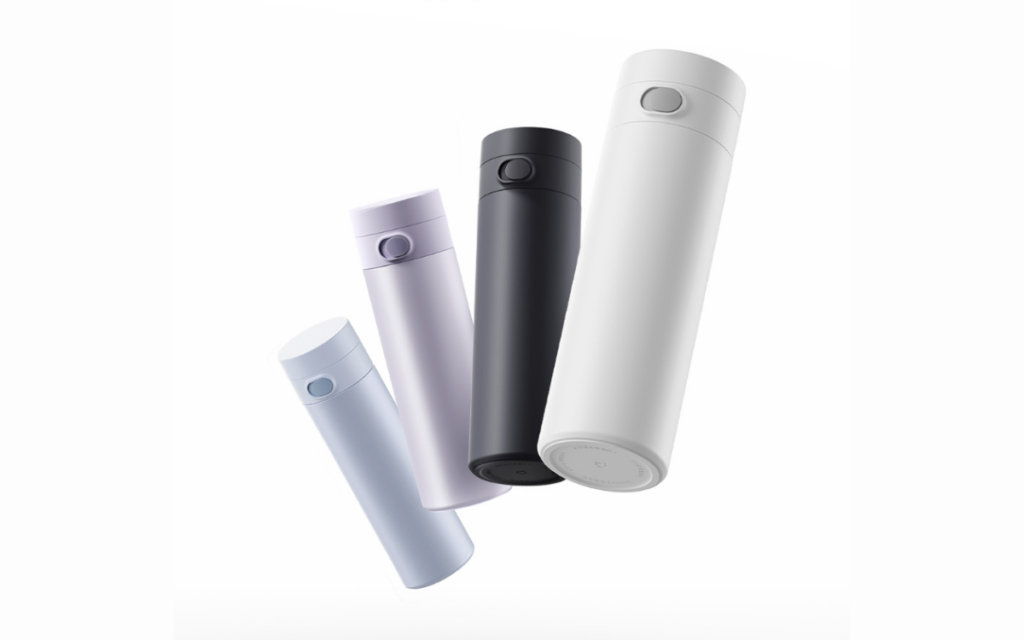
Xiaomi is currently running a crowdfunding campaign on its Youpin platform for a new travel mug, the Mijia Flip-Top Thermos Cup 2. The campaign runs from September 2nd through September 9th, pricing the 500mL thermos at 79 yuan ($12) before it moves to a standard retail price of 109 yuan ($16). It is a standard, non-smart thermos that focuses on basic utility and material choices rather than connected features.
The lid incorporates a mechanical auto-locking design meant for one-handed operation. To open it, you slide a small lock switch to the left and press the release button. When you close the lid, the lock automatically slides back into place. The goal of this mechanism is to keep the thermos from opening by accident and spilling inside a bag.
Inside the lid, the drinking spout and the internal filter are made of polyphenylsulfone, or PPSU. This is a plastic polymer often used in baby bottles because it handles high temperatures well and does not easily retain smells from drinks like coffee or tea. The spout can also be completely detached from the main lid, which makes it easier to clean out any trapped residue.
The main body of the thermos uses a 316L stainless steel liner. According to Xiaomi, the manufacturing process involves a thin-wall construction to reduce the overall weight of the cup, along with a mirror electrolytic treatment. This treatment gives the inside of the thermos a smooth finish, meaning a simple rinse with water is usually enough to clean it out.
For insulation, the cup uses a standard tailless vacuum process between the inner and outer walls, supplemented by a copper-plated inner layer. Xiaomi’s testing claims the thermos will maintain hot liquids at 68 degrees Celsius or higher for six hours. For cold drinks, it will hold temperatures at 10 degrees Celsius or lower for the same six-hour period. The vacuum layer also keeps the outside of the thermos at a normal temperature when carrying hot water.
The mug also includes a silicone pad on the bottom to prevent the metal from clanking on hard surfaces, a dual-thread design for taking the lid off, and a pull tab on the rubber sealing ring to make it easier to remove for washing. The thermos is available in matte white, navy blue, and mist purple, as well as a pearlescent glacier blue.
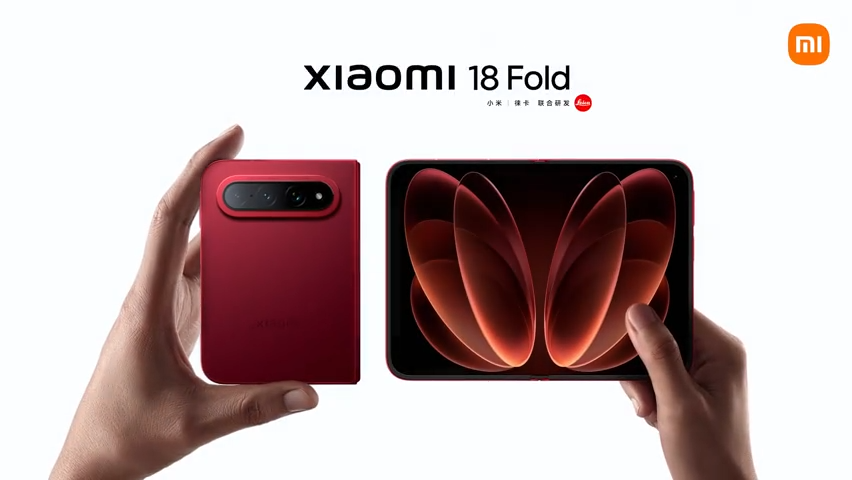
Xiaomi is continuing to reveal details about its upcoming 18 Fold ahead of its September 7 launch, and the latest announcement focuses on something that could make a noticeable difference in everyday use. The company is putting a surprisingly large battery inside its wide, book-style foldable while still emphasizing a slim and lightweight design.
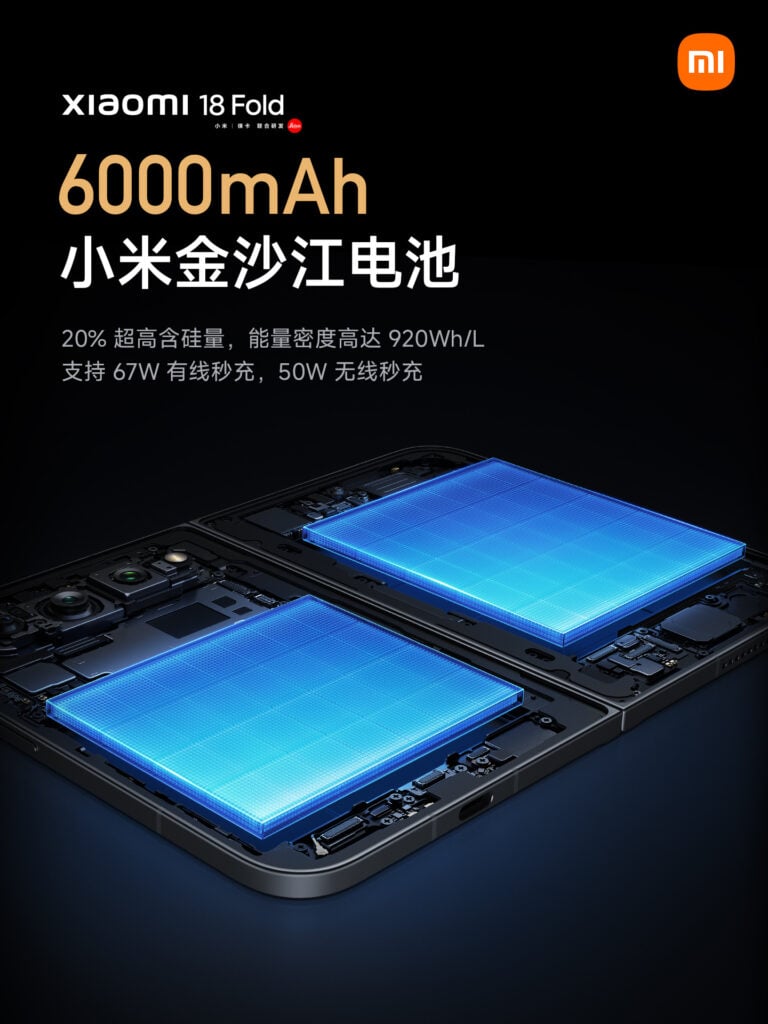
The brand has confirmed that the upcoming foldable will feature a 6000mAh Xiaomi Jinshajiang battery. The battery uses an innovative stacking process designed to fit its large capacity into the foldable’s relatively compact body. Xiaomi also says the battery has a 20% silicon content and reaches an energy density of up to 920Wh/L.
Charging should be reasonably quick as well. The Xiaomi 18 Fold supports 67W wired charging and 50W wireless charging, giving users both a fast wired option and the convenience of charging without a cable.
The battery announcement adds to a growing list of hardware details Xiaomi has confirmed for the device. The 18 Fold will launch alongside the Xiaomi Pad 9 Pro Max and will be powered by Xiaomi’s in-house Xring O3 chipset. It is also set to be the first smartphone to use LPDDR6 memory from ChangXin Memory Technologies.
On the camera side, Xiaomi has confirmed a triple-camera setup consisting of a 200MP main camera, a 50MP 3.5x periscope telephoto camera, and a 50MP ultra-wide camera. The rear cameras also use Leica’s Summilux lenses. Check out the official camera samples here to see how the Leica-tuned image processing performs.
The battery capacity is particularly notable because large batteries are difficult to accommodate in foldables, where manufacturers have to balance capacity against thickness and weight. Xiaomi’s use of high silicon content and a stacked battery design appears aimed at addressing that challenge without making the phone bulkier.
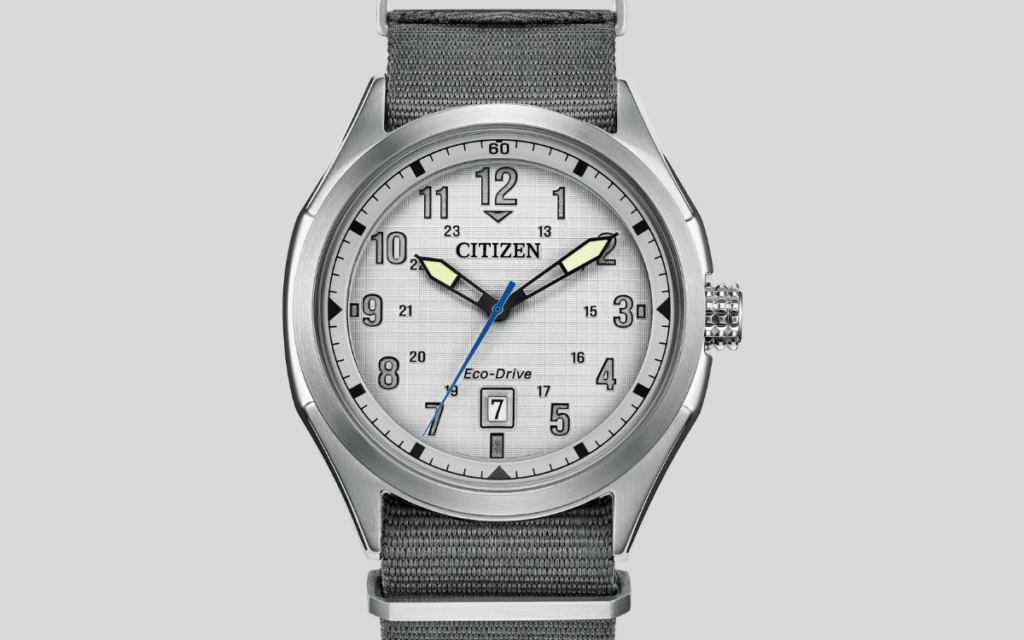
Citizen has added a new watch to its US lineup. The AW1890-01A, part of the company’s Terra Force series, is now available on Citizen’s website for $350. It is a straightforward, military-style field watch that runs on the company’s standard solar-powered movement.
The watch features a 41.2mm silver-tone stainless steel case. This is a fairly average size for a modern men’s watch, meaning it should fit most wrists without looking oversized. The case design is angular, and it includes a textured crown to make it easier to grip and turn.
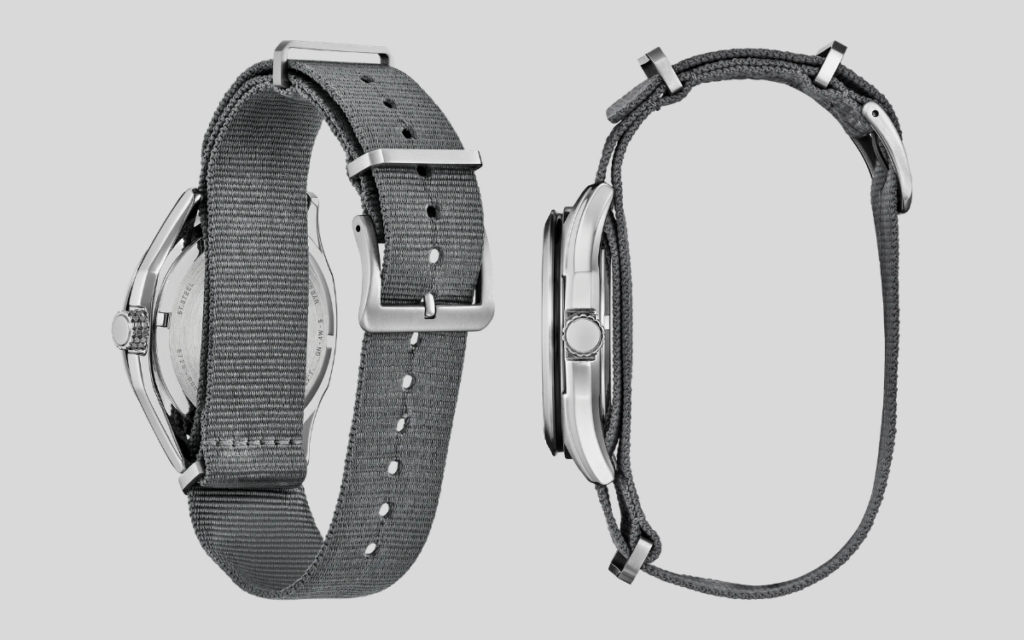
Instead of a metal bracelet or leather band, Citizen opted for a gray nylon Nato strap with a standard buckle. Nato straps are common for field watches because they are lightweight and easy to swap out, which fits the utilitarian design Citizen is going for here.
On the dial, the watch is mostly gray. It uses standard Arabic numerals for the hours and features a curved ring around the outer edge to mark the minutes. The hour and minute hands are partially skeletonized and have luminous material applied to them so you can read the time in the dark. The seconds hand is blue, which is the only real bit of color on the watch. There is also a date window positioned at the bottom of the dial at 6 o’clock.
To protect the dial, Citizen used mineral crystal. This provides decent impact resistance, but it is worth noting that mineral crystal is more prone to scratching than the sapphire crystal you sometimes see on other watches in this price range.
Inside, the AW1890-01A uses Citizen’s Caliber J810 movement. This is an Eco-Drive mechanism, which is Citizen’s proprietary solar technology. It charges the internal battery using any available light source, whether that is the sun or just the lamps in your office.
For water resistance, the watch is rated at 100 meters (10 Bar). This means it is perfectly fine to wear while swimming or in the shower, though it is not built for scuba diving.
In related news, Citizen has recently launched two striking limited-edition timepieces: a bullhead racing watch with Eco-Drive technology and 200-meter water resistance, and a bold Promaster Eco-Drive model featuring an oversized gold-tone design.
The Xiaomi 18 Fold is launching on September 7 with the new in-house-developed Xring O3 chipset, alongside the Pad 9 Pro Max. The company has already revealed quite a few details about the short-and-wide book-style foldable, including its camera specifications. And the latest leak includes several high-resolution image samples from the phone.
The camera system includes a 200MP 1/1.56″ main camera, a 50MP 3.5x periscope telephoto, and another 50MP sensor for the ultra-wide. And, of course, the entire imaging system is tuned in collaboration with Leica, as expected.
The very first image sample highlights the phone’s ability to handle white balance. It kept the warmer tone intact, the darker corners don’t look noisy, and there are no major artifacts anywhere in the photo. In terms of detail, we can see the individual bricks on the wall, and even the bright outdoor light coming through the open area isn’t entirely overexposed. So, the overall dynamic range isn’t too bad.
Of course, the imaging system could brighten up the darker parts of the photo, making it look flat. It seems Xiaomi‘s imaging system is focusing on the mood, or the aesthetic look, rather than just flexing the dynamic range, which is a good thing.
The watermark reveals that the photo was taken at a 23mm focal length (main camera) with an f/1.7 aperture, a shutter speed of 1/50 second, and ISO 80, which confirms it was a fairly low-light situation. And again, it’s impressive how the phone handled the overall mood of this image instead of ruining it.
The second shot is also similar. It kept most of the frame underexposed, prioritizing the mood rather than proper exposure. The third one is taken at 46mm, which means it’s a 2x digital crop on the main sensor. Upon closer inspection, we can see plenty of detail with no major noise or artifacts.
The 100mm portrait is also impressive. It has plenty of detail, seemingly accurate skin tones, and looks clean overall.
That said, these are image samples shared by the brand right before the release, so they are expected to be handpicked and showcase the phone at its best. It will still be worth checking the imaging performance ourselves once we get access to the device.
DailyObjects has taken its India-born design philosophy to an international audience with its debut at IFA Berlin 2026. The brand is showcasing several of its latest lifestyle-tech products and concepts at the event. Its presentation also offers a glimpse into the products it plans to bring to consumers in the coming year. IFA Berlin 2026 is taking place in Berlin from September 4 to 8.
DailyObjects brings NODE and Stack to IFA Berlin
Node Wire Charging Ecosystem
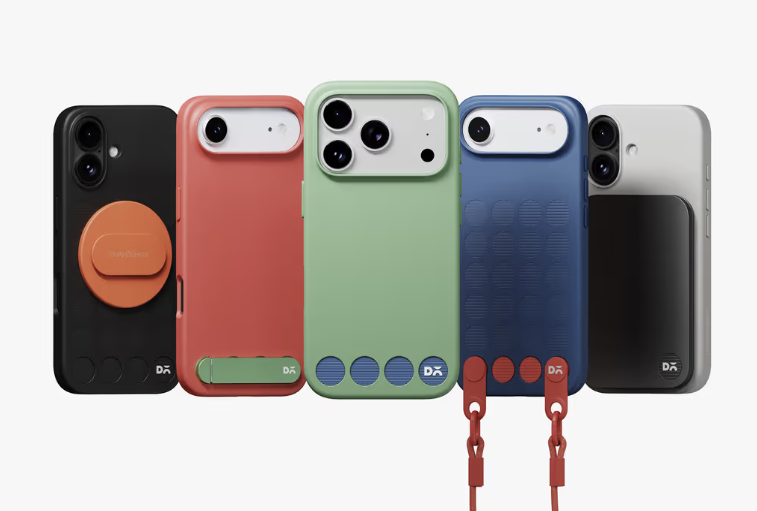
The centrepiece of DailyObjects’ showcase is NODE, described as a modular wireless charging ecosystem. It uses a single base with four interchangeable modules that can be rearranged for charging, holding and ambient lighting based on how the setup is used. The brand is also showcasing its Stack ecosystem, which uses a mechanical Stack-and-Lock system and magnetic alignment to combine stands, grips, wallets, lanyards and colour plates. At IFA, the company is presenting a new Stack lineup designed for the iPhone 18 series.
DailyObjects has also brought products spanning watchbands, charging accessories and the Loop power bank to Berlin. Charging products adapted for European and US markets are part of the showcase, alongside existing products such as the Loft Charging Station and Park Tech Kit. The brand is also giving visitors a first public look at upcoming concepts covering carry products, desk accessories and charging solutions.
The company’s booth follows the same design-focused approach, with a minimal, grid-based layout where products are kept accessible rather than placed behind glass. Visitors can pick up and interact with the products, allowing them to experience the materials, finishes and functionality directly.
Stack Ecosystem
The IFA appearance marks DailyObjects’ first presence at the major consumer technology event and comes after 14 years of building products around everyday use. The brand’s design work has received recognition from the Red Dot Design Award 2026, iF Design Award 2026 and European Product Design Award 2025.
DailyObjects currently operates 13 exclusive brand outlets in India and is also present across more than 300 Apple Authorised Retail stores. In Berlin, the company is using its IFA debut to explore retail and distribution partnerships as it works towards expanding into international markets.
Oppo is preparing its next flagship smartphone lineup, with the Find X10 series expected to make its debut soon. The upcoming phones have already started appearing across certification databases outside China. These listings are now offering a clearer picture of Oppo’s plans for the international market.
Oppo Find X10, Find X10 Pro Max clear global certifications
Global Oppo Find X10 NBTC listing
Oppo Find X10 BIS listing
he standard Oppo Find X10, carrying model number CPH2911, has received certification from India’s BIS platform. The same model has previously appeared on Thailand’s NBTC database, where its final marketing name was revealed as the Oppo Find X10. It has also cleared certification in Europe through the EEC and Indonesia through TKDN.
Global Oppo Find X10 Pro Max NBTC listing
The Find X10 Pro Max, meanwhile, carries model number CPH2913 and has also appeared on Thailand’s NBTC database. It has additionally been spotted on the EEC and TUV certification platforms. The TUV listing reveals support for 80W wired charging, although the certification does not provide further specifications.
Interestingly, the Find X10 Pro has not appeared in the same global certification activity so far. This has led to speculation that Oppo could launch the standard Find X10 and Find X10 Pro Max in all the markets, and there may not be at all. The reason behind the lineup for the Chinese market is expected to include an entry-level model called the Find X10E instead of X10 Pro.
The Find X10 series is already confirmed to debut in China in September, with the Find X10 and Find X10 Pro Max tipped to reach global markets by late October. India is also expected to receive the two models by the end of October, although Oppo has yet to announce an official launch date.
Vivo is reportedly working on the V80 and X500 series for the global market. While the X500 lineup will debut this month in China, it may hit the global market in October or November. The V80 is likely to launch soon, as the V80 Lite has already gone official in different markets. In a new development, the V80 and X500 Pro Max have bagged fresh certifications, suggesting that their global launch may not be too far away.
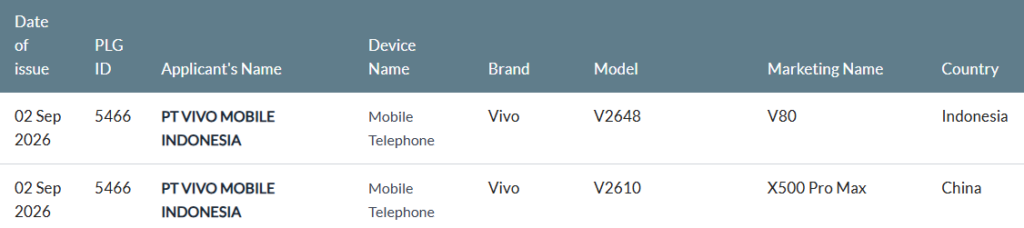
As can be seen, Indonesia’s SDPPI has approved two upcoming Vivo smartphones with model numbers V2648 and V2610. The listings have confirmed that these devices will be called the V80 and X500 Pro Max when they debut in the market.
Vivo V80 TUV listingVivo X500 Pro Max TUV listing
These devices have also recently appeared in the database of TÜV certification. The listings suggest that the V80 and X500 Pro Max will have support for 90W fast charging. While it is not mentioned in these listings, the X500 Pro Max, being a more premium model, may also carry wireless charging support, which will likely be absent on the V80.
These devices have also been spotted on Europe’s EEC certification platform and Indonesia’s TKDN certification database before, indicating a wider launch for both phones.
As mentioned above, the V80 Lite has just launched, and it is likely that the V80 may debut as early as this month. Apart from this, the brand may also unveil another model called the V80 FE alongside the V80. It remains to be seen whether both devices will debut later this month.
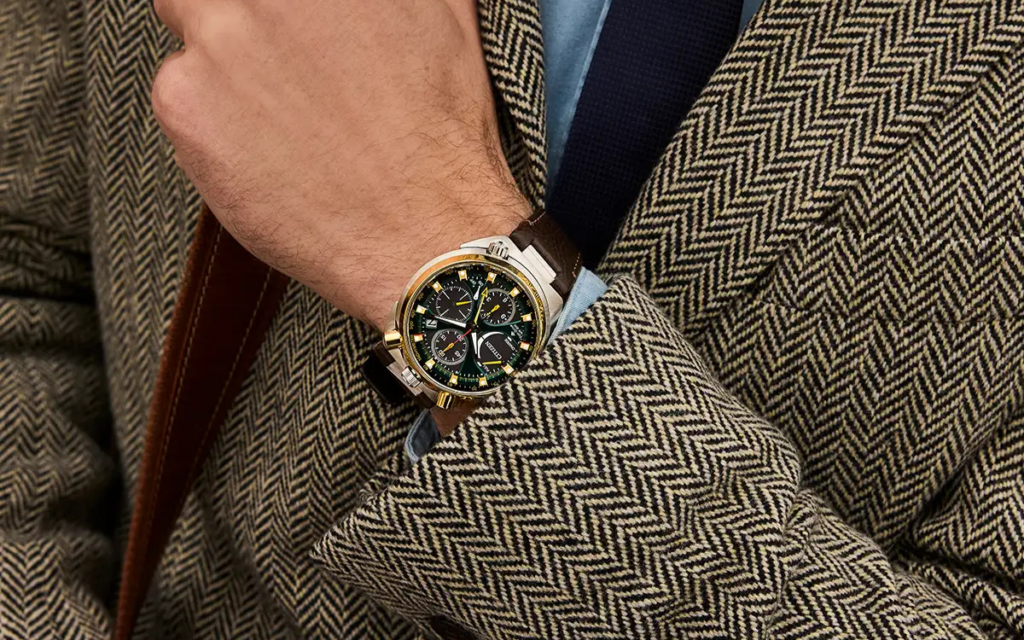
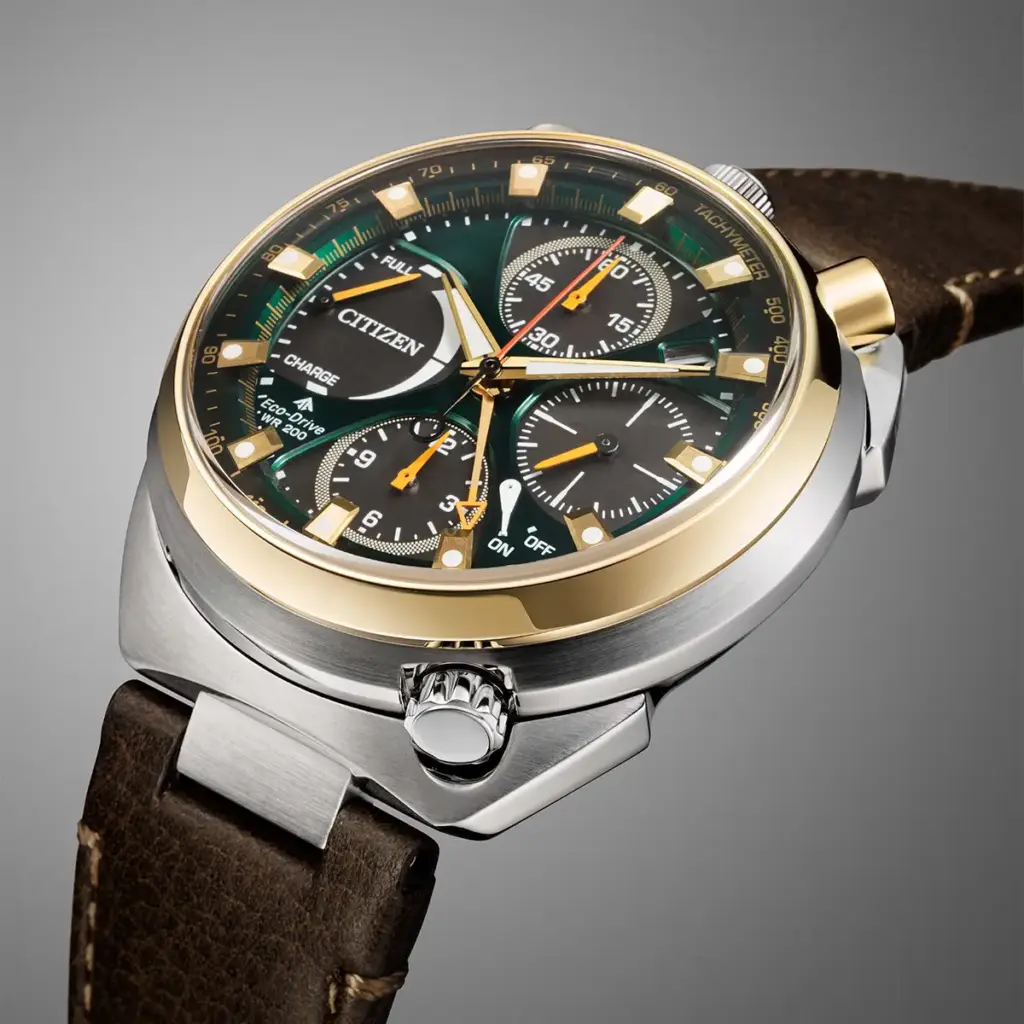
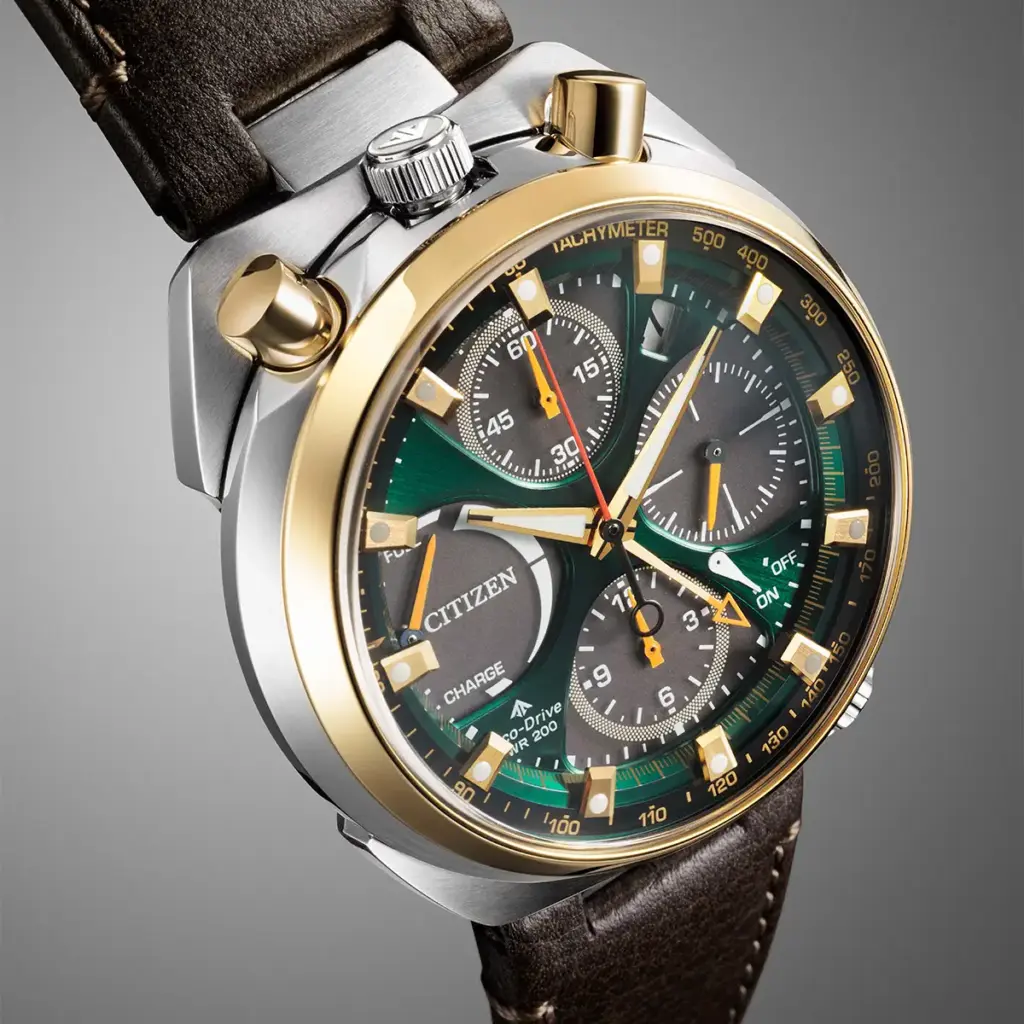
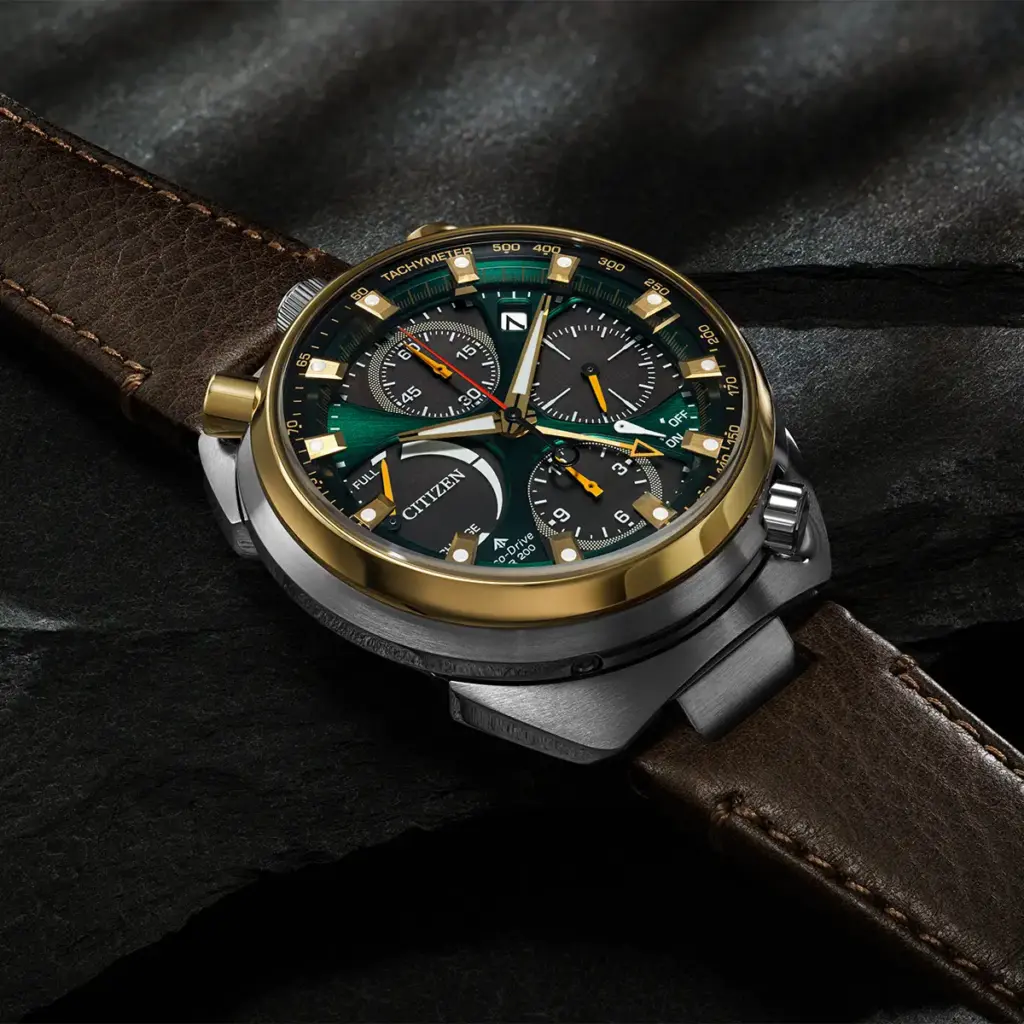
Citizen has released a new limited-edition watch, the Promaster Tsuno Chrono Racer. In the UK market, the same model is sold under the name Promaster Bullhead Racing Chronograph. The watch is available now on the company’s regional websites, priced at $1,350 in the US and £895 in the UK. It combines a 1970s automotive layout with Citizen’s current solar-powered movement technology.
The main physical characteristic of this model (AV0104-06W) is its bullhead case design. Instead of the standard placement on the right side of the watch, the main crown and the chronograph pushers are located at the top of the case. This configuration was originally used in older racing watches to make the stopwatch functions easier to operate while holding a steering wheel. The case measures 44.5mm in diameter and is constructed from two-tone stainless steel.
The dial incorporates several design elements based on car dashboards. The power reserve indicator is formatted to look like a vehicle’s fuel gauge, while the 60-minute chronograph subdial is styled after a speedometer. The dial itself is green with gold-tone accents. The watch comes with a brown leather strap secured by a push-button deployant clasp.
Internally, the watch is powered by Citizen’s hand-assembled Caliber E210 movement. It utilizes the Eco-Drive system, which charges the internal power cell using any available natural or artificial light, eliminating the need for standard battery replacements. The chronograph features a 1/5-second flyback timer that can measure intervals up to 12 hours. Additionally, it includes a daily alarm, a standard date window, and a tachymeter scale along the edge.
The watch is fitted with a flat sapphire crystal for scratch resistance. It carries a water resistance rating of 200 meters (20 Bar), making it suitable for swimming and snorkeling.
Citizen is limiting production to 5,000 unnumbered units worldwide, and each unit ships in a specific edition box that includes a metal plaque.
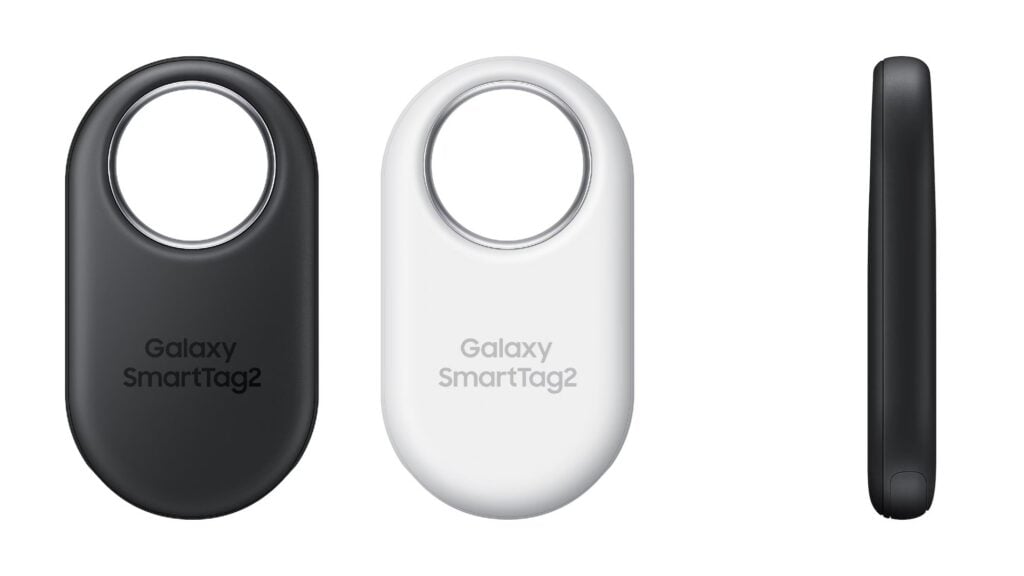
A device with the model number EI-T5900 recently got certified by South Korea’s National Radio Research Institute. The filing just calls it a small wireless device and doesn’t give an official product name. But the numbering lines up pretty closely with previous SmartTag models. The current Galaxy SmartTag 2 uses EI-T5600, and the original SmartTag was EI-T5300. That pattern makes it very likely this new one is the long-rumored Galaxy SmartTag 3.
There’s also been talk of a design change. The SmartTag 3 is expected to switch to a squircle shape, basically a square with heavily rounded corners. That would be different from the first SmartTag’s more rounded-square look and the longer, pill-shaped design of the SmartTag 2. It would also fit better with the rounded style Samsung has been using in One UI icons and recent Galaxy Watches.
Samsung hasn’t officially confirmed anything about the SmartTag 3 yet. There’s still no word on pricing, features, battery life, or when it might actually launch. Radio certification is usually one of the last steps needed before a wireless product can go on sale in South Korea, so this clearance suggests things are progressing. More details could start showing up in the coming weeks or months as Samsung gets ready for its next round of accessories.
For context, the current Galaxy SmartTag 2 (model EI-T5600) uses Bluetooth Low Energy 5.3 along with ultra-wideband for precise nearby finding. It has a Bluetooth range of up to 120 meters, an IP67 dust and water resistance rating, and runs on a replaceable CR2032 battery that lasts up to 500 days in normal use (or around 700 days in Power Saving Mode). The tag measures about 28.8 x 52.44 x 8 mm and weighs just 13.75 grams. It also includes a physical button, a buzzer for ringing, Compass View guidance on compatible phones, Lost Mode via NFC, and the ability to control SmartThings-compatible devices.
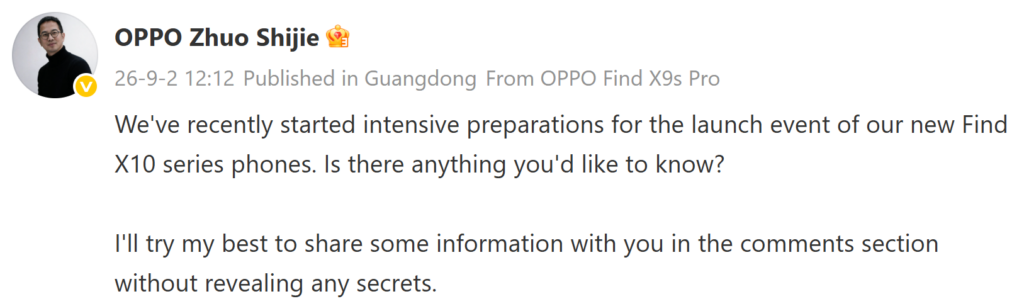
Oppo is all set to announce the Find X10 series of flagship phones in China this month. As the launch approaches, the company has started dropping hints about what it has planned for the new lineup. In a recent Weibo interaction, Oppo Find series product manager Zhuo Shijie revealed what users can expect from the standard Find X10.
Oppo Find X10 to be a major upgrade
Shijie said that Oppo had recently started intensive preparations for the launch event for its new X10 series phones. He also described the standard Find X10 as being “top-notch” and suggested that the improvements should make it a worthwhile upgrade. He also specifically mentioned that both the Find X8 and Find X8 Pro are worth replacing, hinting at a substantial generational jump with the upcoming model.
According to previous leaks, the Oppo Find X10 could feature a 6.59-inch 1.5K LTPO display and a Dimensity 9500-series chipset. The phone is also tipped to pack an 8,000mAh battery, which would be unusually large for a flagship of this size.
Its camera setup could include dual 200-megapixel sensors for the main and telephoto cameras, a 50-megapixel ultrawide camera, and a multispectral sensor and a possible. For selfies, it may feature an autofocus-enabled 50-megapixel front camera.
Other rumoured features include an ultrasonic fingerprint scanner, full-level water resistance and a customisable AI button. The phone has also appeared in 3C certification with an 80W charger and is expected to support 50W wireless charging.
The Find X10 lineup is expected to include three models, comprising the Find X10E, Find X10 and Find X10 Pro Maxv. The global launch is also getting closer, with the Find X10 and Find X10 Pro Max already approved in Thailand.
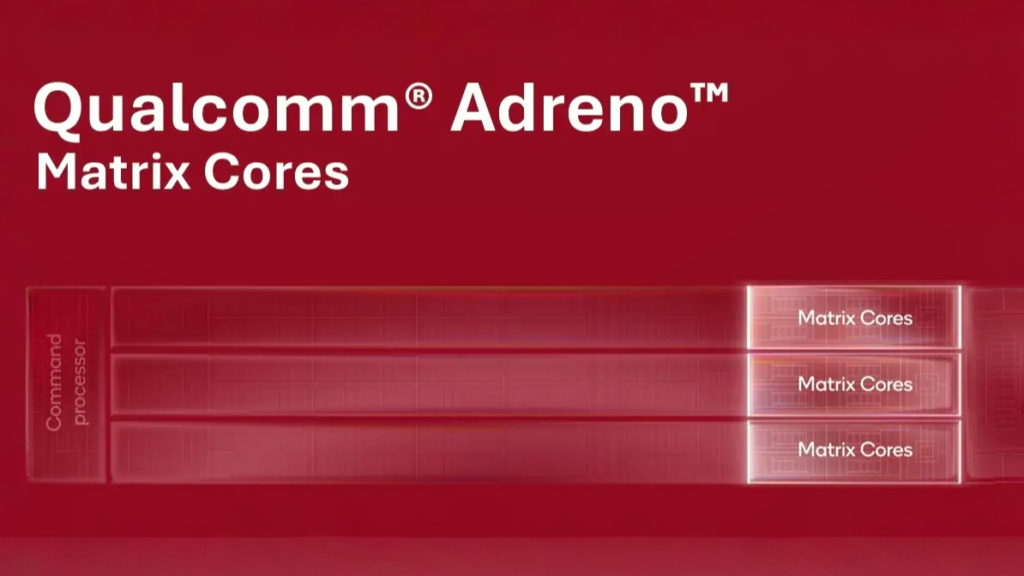
After earlier details about the CPU upgrades, Qualcomm has now shared more about the upcoming Adreno GPU. The biggest new addition is something called the Adreno Matrix Core. From the schematics, the GPU will include three of these cores, built specifically to handle local AI tasks with lower latency and better power efficiency. This continues the SME matrix approach Qualcomm first brought to its CPUs last year, and now it’s bringing a similar idea into the graphics side.
These Matrix Cores are what power the new Adreno Neural Fusion technology. Compared to previous solutions, Neural Fusion is said to reduce common image issues like flickering and ghosting, deliver more consistent performance, and produce clearer details, all while cutting power use by up to 40%.
For gamers, the practical benefits should show up in better frame generation and image upscaling. Qualcomm has already confirmed support in both Unreal Engine and Unity, which should make it easier for developers to adopt and hopefully bring more compatible games faster.
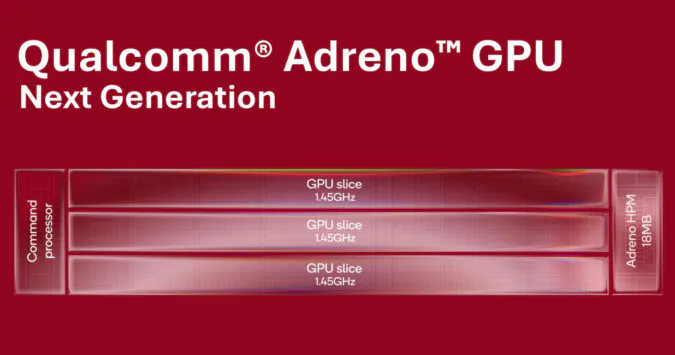
Architecturally, the next-generation chip uses a three-slice GPU design. This splits the shader cores and other hardware into separate sections so the system can allocate power and performance more precisely.
The new Adreno GPU hits a clock speed of 1.45 GHz, up from the 1.2 GHz on the Snapdragon 8 Elite Gen 5. It still has 18 MB of Adreno high-performance memory and is claimed to be about 12% more energy efficient. Other platform pieces include the Qualcomm X105 modem and FastConnect 8800 connectivity.
Earlier CPU details still matter here too. The next processor will use an Oryon CPU that can reach 5 GHz, the first time a smartphone chip has crossed that mark, along with a FlexCache architecture meant to handle instruction data more efficiently. Overall, the Snapdragon 8 Elite Gen 6 series looks like it’s shaping up to be a strong performer. The real test, as always, will be how well smartphone makers optimize their software to make the most of the chip’s capabilities.
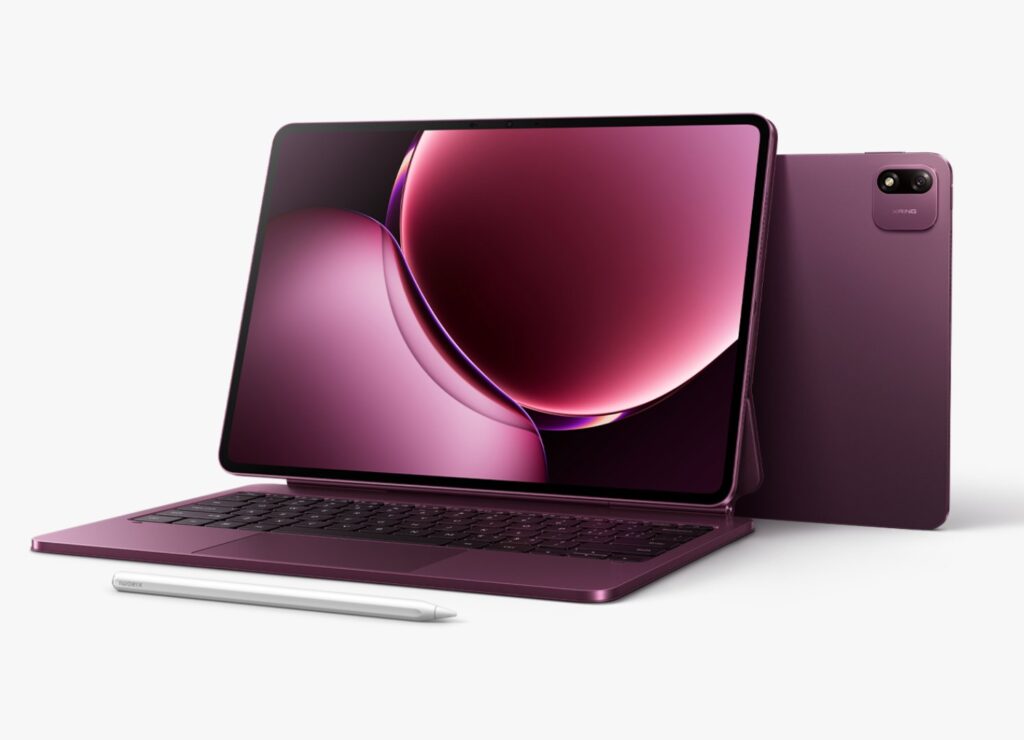
Last month, Xiaomi confirmed that it will unveil the Pad 9 Pro Max flagship tablet alongside the Xiaomi 18 Fold in September. The brand has now revealed the design and some key details ahead of its launch in China. The tablet is also set to introduce several hardware and software upgrades aimed at making it a more capable PC alternative.
Xiaomi Pad 9 Pro Max brings a bigger display and flagship chip
Xiaomi Pad 9 Pro Max
The Xiaomi Pad 9 Pro Max features a 13.3-inch LCD display and is designed to support PC-level applications, giving users a larger canvas for work, content creation and other productivity tasks. It will be the first Xiaomi tablet to feature the company’s in-house Xring O3 flagship processor, which is positioned to deliver desktop-class performance.
The Xring O3 uses a 10-core all-big-core CPU configuration with a maximum clock speed of 4.35GHz. It also introduces a 16-core G2-Ultra NX GPU, which Xiaomi claims delivers an 85% improvement in graphics performance while reducing power consumption by 64% compared with the previous generation. Some reported GPU benchmark results have even surpassed Apple’s A19 Pro, although real-world performance remains to be seen.
The tablet will also debut HyperOS 4, with Xiaomi optimizing the software for large-screen productivity scenarios. Combined with support for PC-level applications, the setup could make the Pad 9 Pro Max more suitable for office work and creative tasks. A soft-light display variant of the tablet is also expected to get unveiled.
The Xiaomi Pad 9 Pro Max is tipped to feature a battery exceeding 10,000mAh with support for 120W wired charging. The device may arrive in 512GB and 1TB storage choices and is expected to weigh around 650 grams. Xiaomi is scheduled to launch the Pad 9 Pro Max in China on September 7.
The software feature, called “Atomic Workbench”, was first introduced on Vivo’s foldable phones and is now coming to the upcoming X500 lineup. Product manager Han Boxiao shared the details yesterday, explaining that it lets you keep up to five apps open and visible on a single screen at the same time, then switch between them almost instantly.
On a normal bar-style phone, this could make everyday work feel a lot smoother. You could have a report, email, messages, and a research tab all appear on screen for quicker app switching. Han Boxiao pointed out that while the idea sounds simple, no other Android brand has actually done this yet. The reason is that it’s pretty demanding on the technical side, the software ecosystem, and ongoing support.
Vivo had to build a multi-level dependency scheduling system that can hand out processing power with very fine precision, instead of just following Android’s usual habit of prioritizing the app in front and freezing everything else.
They also reworked the memory management and worked closely with MediaTek’s Dimensity platform at a deeper level so more apps can stay alive instead of getting killed when things get busy. On the display side, the original system couldn’t handle multi-window rendering properly, so they had to rewrite the compositing logic to let the GPU handle multiple windows in parallel.
Han admitted this is just the beginning. Because they’ve gone so deep into the framework, every major Android update from Google means a lot of fresh adaptation work, which drives up the long-term costs. Still, Vivo says they’re committed to keeping the feature going so users can actually benefit from it.
The X500 series will also support something called interruptible first-frame interactions. That means you can swipe up, down, left, right, or tap without having to wait for the previous animation to finish. This comes from two main changes: a more accurate touch-response system that better reads your finger input, and a rebuilt app-switching scheduler that prioritizes touch commands so the phone reacts immediately.
By bringing Atomic Workbench from foldables to the regular X500 phones, Vivo is trying to give people with standard smartphones a much more practical and responsive multitasking experience than what its competitors currently offer.
The Vivo V80 Lite 5G is now official in Malaysia, giving the company’s V series a new model with a notably different approach. This isn’t the same V80 Lite that recently appeared in Pakistan and Bangladesh, where the phone is essentially a rebranded Vivo S2. The Malaysian version puts cameras, everyday performance and a massive battery at the centre of its package.
Vivo V80 Lite 5G specifications and features
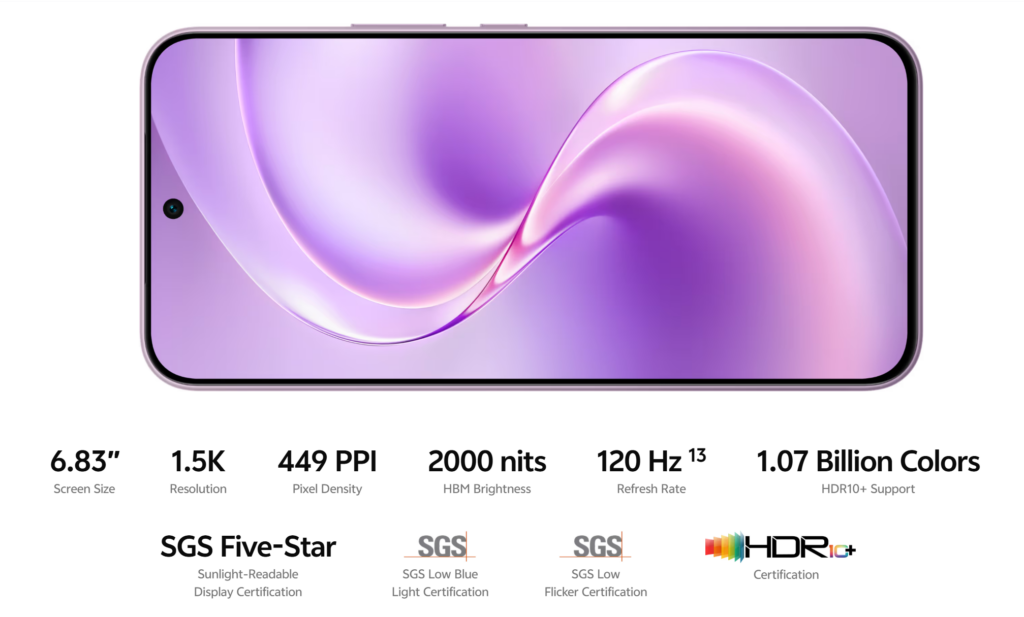
The Vivo V80 Lite 5G comes with a 6.83-inch AMOLED display offering a 1.5K resolution, 120Hz refresh rate, 449ppi pixel density, and up to 2,000 nits of HBM brightness. The panel supports P3 wide color gamut, HDR10+ and 1.07 billion colors. The phone is 8.59mm thick and weighs 224 grams.
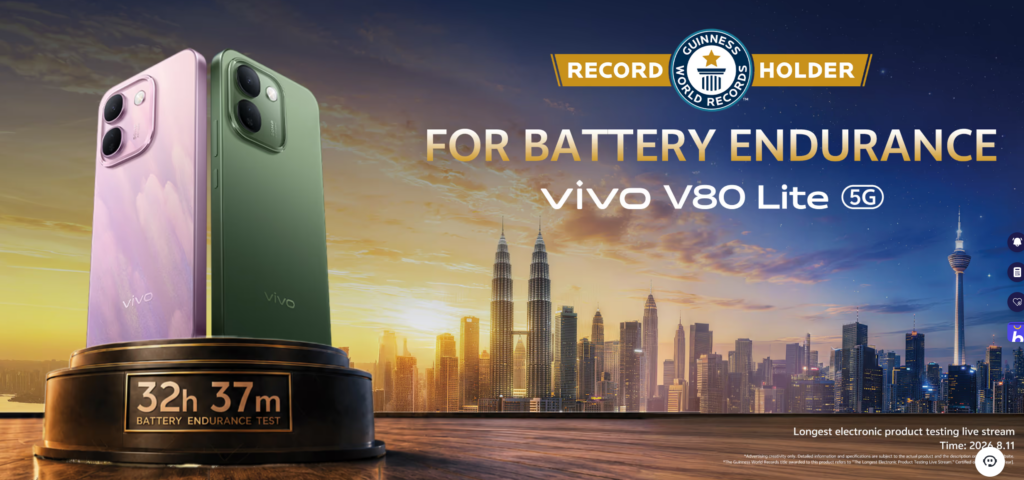
Its biggest talking point is a 10,000mAh BlueVolt battery based on fourth-generation silicon-anode technology, with support for 44W charging and reverse charging. Vivo says the battery can retain at least 80% of its capacity after 1,400 full charge cycles, which it equates to around seven years under simulated usage conditions. Vivo claims the V80 Lite 5G set a Guinness World Record for battery endurance with 32 hours and 37 minutes of continuous livestream testing.
It promises up to 68 hours of phone calls, 30 hours of binge-watching, 30 hours of TikTok playback and 14 hours of Mobile Legends: Bang Bang gaming. Vivo also says the battery can maintain stable power delivery at temperatures of up to 45°C. For heat dissipation, it features a 3800mm2 vapor chamber cooling unit.
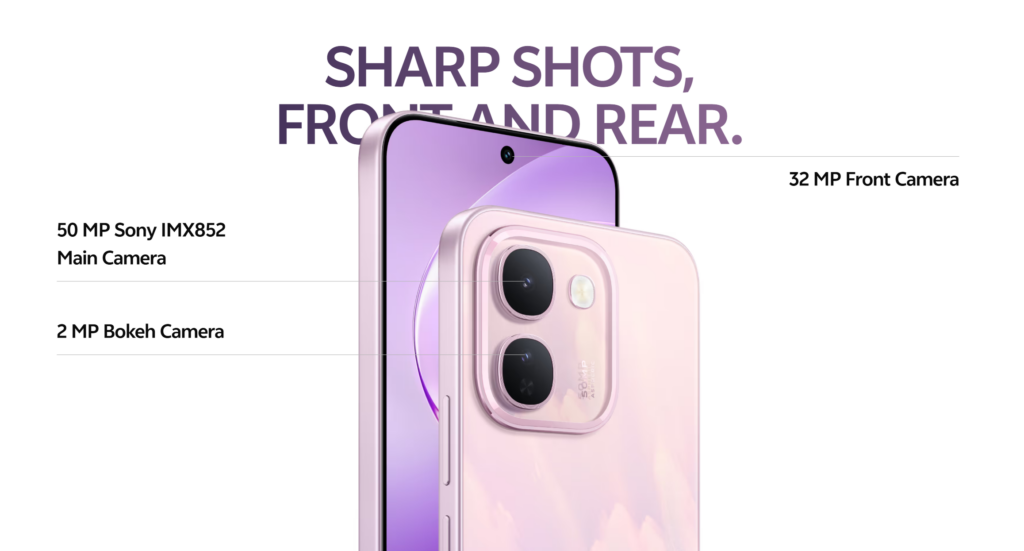
The camera setup includes a 50-megapixel Sony IMX852 main camera, a 2-megapixel bokeh sensor and a 32-megapixel front camera with a 90-degree field of view. Camera features include AI Erase and Check-In Watermark. On the software side, the phone runs Android 16 with OriginOS 6, bringing features such as Origin Island, Drag & Go, Office Kit, Google Gemini and AI Captions.
Under the hood, the phone uses the Dimensity 7300e chipset and comes with up to 8GB RAM and 256GB storage. Connectivity options include 5G, Wi-Fi, Bluetooth 5.4, USB Type-C, GPS, and NFC. The device also carries IP68 and IP69 ratings and has passed five MIL-STD environmental tests.
Vivo V80 Lite 5G variants and availability
The Vivo V80 Lite 5G is listed in 6GB+128GB, 6GB+256GB, and 8GB+256GB configurations, priced at MYR 1,499 (~$370), MYR 1,799 (~$445), and MYR 1,999 (~$500), respectively. Color options include Emerald Green, Afterglow Pink, and Dawn Black, and the phone is scheduled to go on sale from September 11. There’s also speculation that this model could arrive in some other markets as the Vivo S2 FE.
What do you think about the Vivo V80 Lite 5G, particularly its 10,000mAh battery?
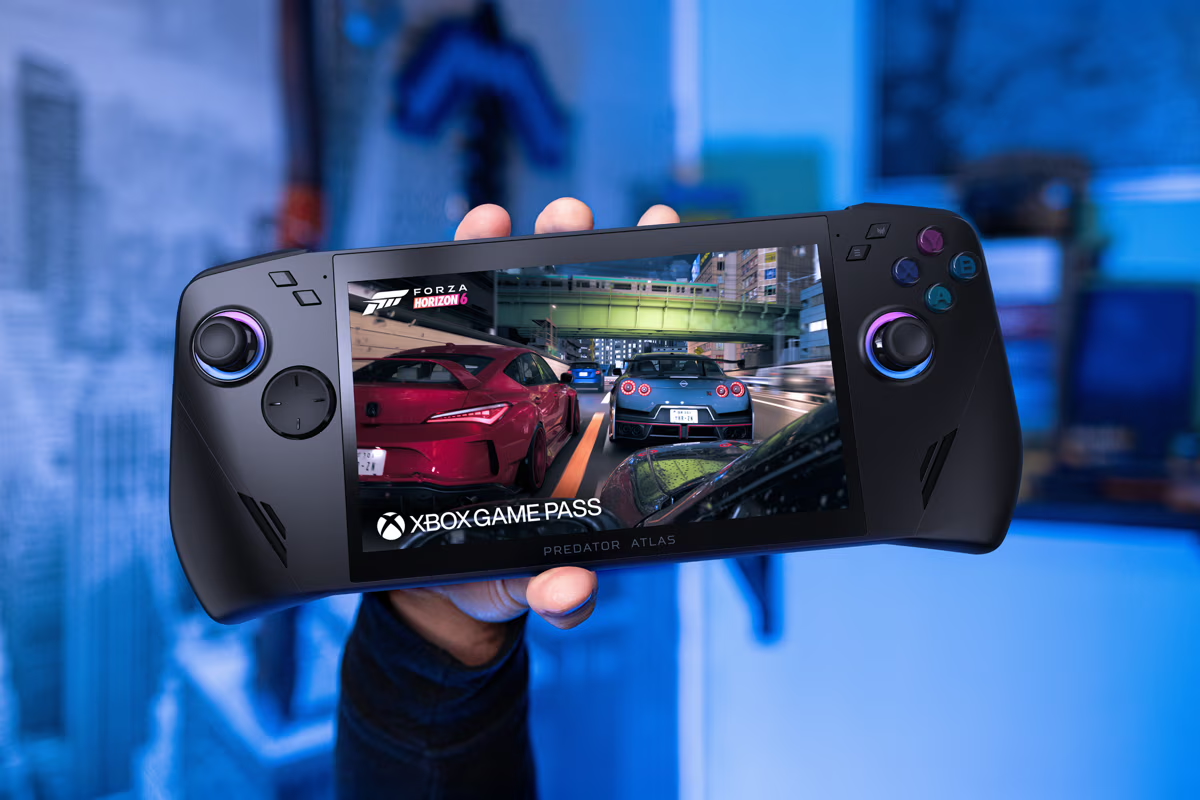
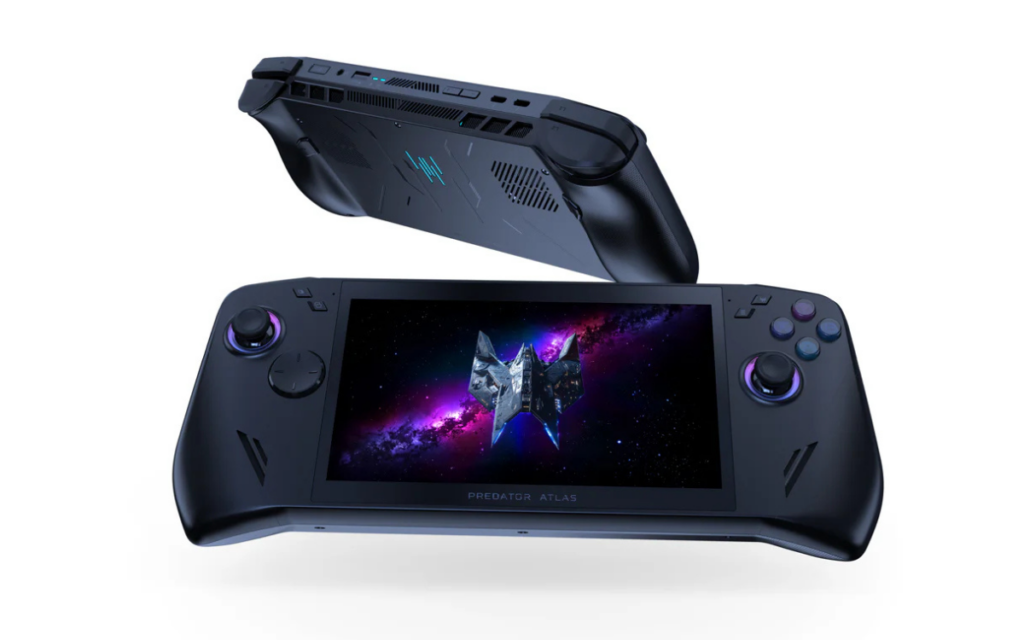
Acer is expanding its lineup of Windows gaming handhelds with the Predator Atlas 7. Announced today at the company’s IFA press conference in Berlin, the new device is a smaller 7-inch alternative to the 8-inch model Acer revealed earlier this year. Alongside it, the company also showed off a concept device called Project DualPlay Mini that tries to merge a handheld console with a tiny productivity laptop.
Acer managed to fit an 80Wh battery inside the chassis, which is unusually large for a 7-inch handheld. The trade-off for that capacity is the weight: the 80Wh model weighs 750 grams. Acer is also offering a smaller 60Wh configuration that brings the weight down to just under 700 grams.
Inside, the Atlas 7 is powered by Intel’s new mobile chips, maxing out with an Intel Arc G3 Extreme processor and Intel Arc B390 graphics. It supports up to 24GB of RAM and uses a standard M.2 2280 slot for up to 1TB of storage, which should make swapping in a larger drive relatively easy. To keep the Intel hardware cool, Acer is using a dual-fan system that pairs a thin metal fan with a standard plastic one.
The screen is a 7-inch 1080p IPS touchscreen with a 120Hz refresh rate, 500 nits of brightness, and support for variable refresh rate (VRR). Acer is also checking the right boxes for the controls, including Hall-effect analog triggers and an option for TMR (tunneling magnetoresistance) joysticks to prevent stick drift. For connectivity, it includes two Thunderbolt 4 ports, a UHS-II microSD slot, Wi-Fi 7, and a fingerprint reader built into the power button.
Acer also brought a concept device called Project DualPlay Mini. It’s an 8-inch handheld with a flip-and-swivel hinge that reveals a built-in backlit keyboard. The idea is that you can use it as a standard controller-based handheld, or swivel the screen to play first-person shooters with a keyboard or use it as a tiny mobile workstation. Since it’s just a concept, there are no release plans, though Acer did include a Morse code message on the back to mark its 50th anniversary.
Pricing and Availability
The Predator Atlas 7 will launch in North America in the fourth quarter of 2026, and in EMEA in November. The larger 8-inch Atlas 8 is still scheduled to arrive this September. Acer hasn’t announced pricing for the Atlas 7 yet.
For more daily updates, please visit our News Section.
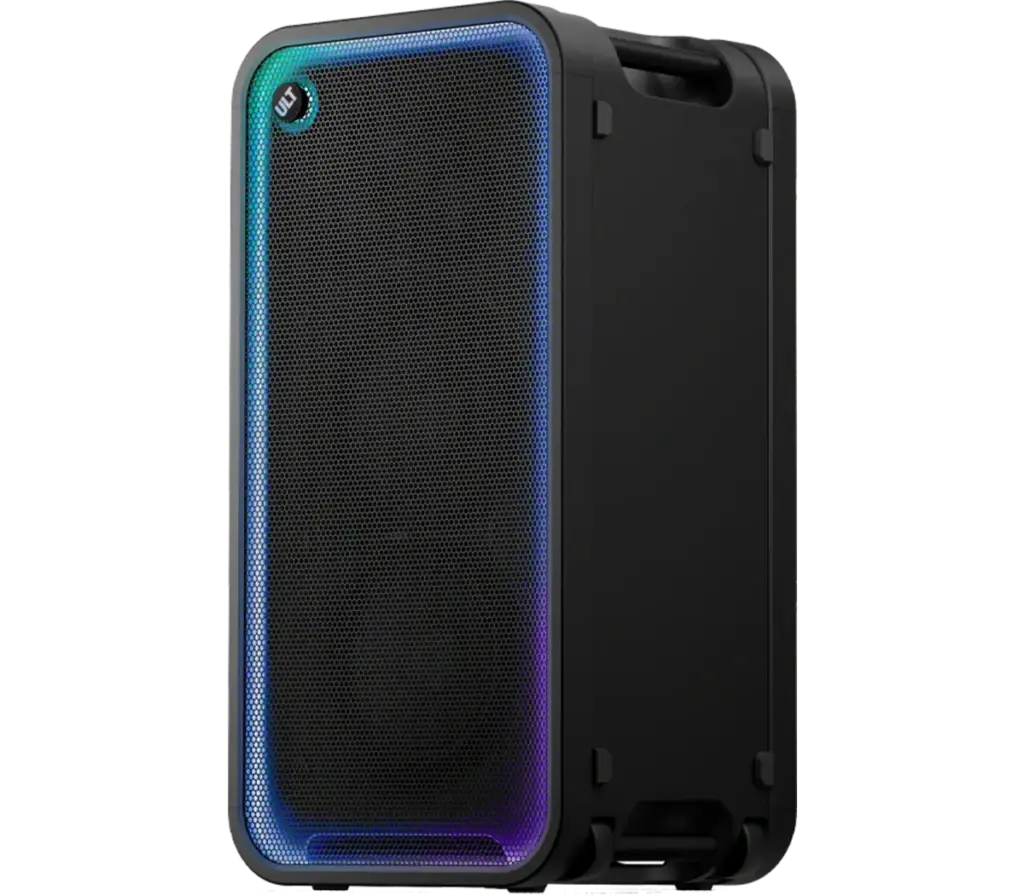
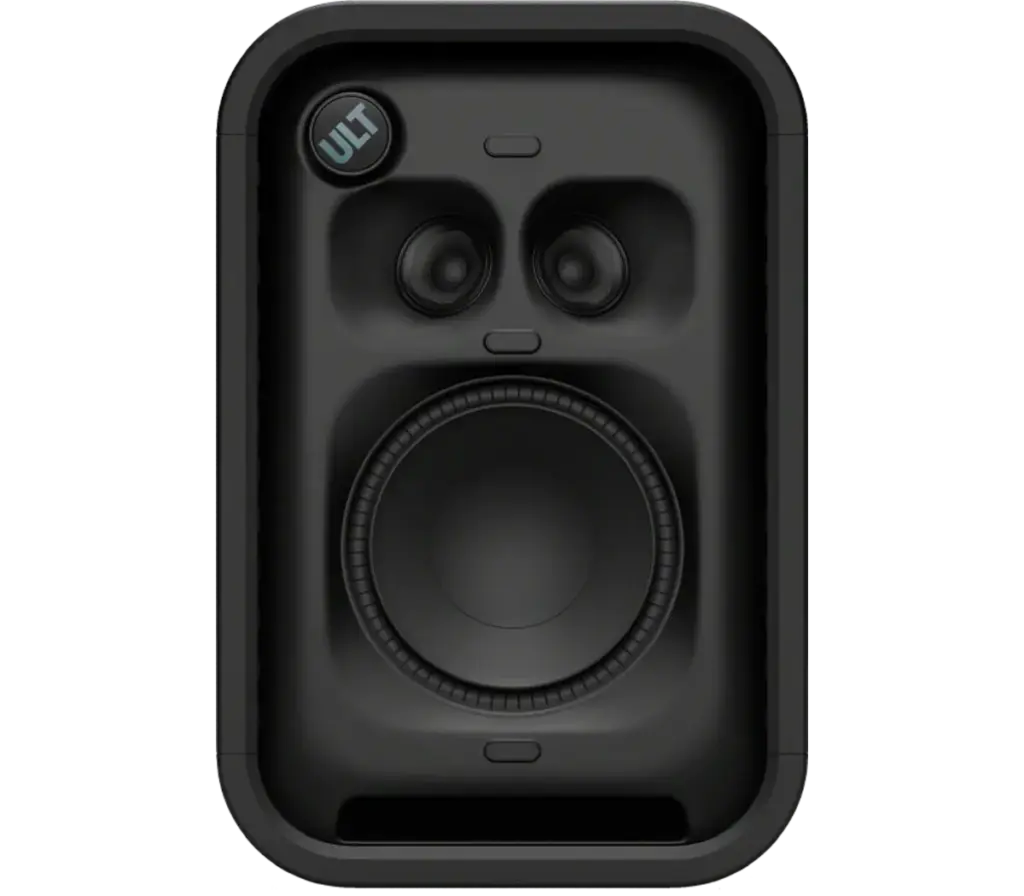
Sony announced the ULT TOWER MAX, ULT TOWER 7, and ULT TOWER 5 earlier this month as the latest additions to its ULT POWER SOUND series. These were developed with input from hip-hop artists and focus hard on deep bass while still offering useful features for DJs, karaoke, and moving the party around.
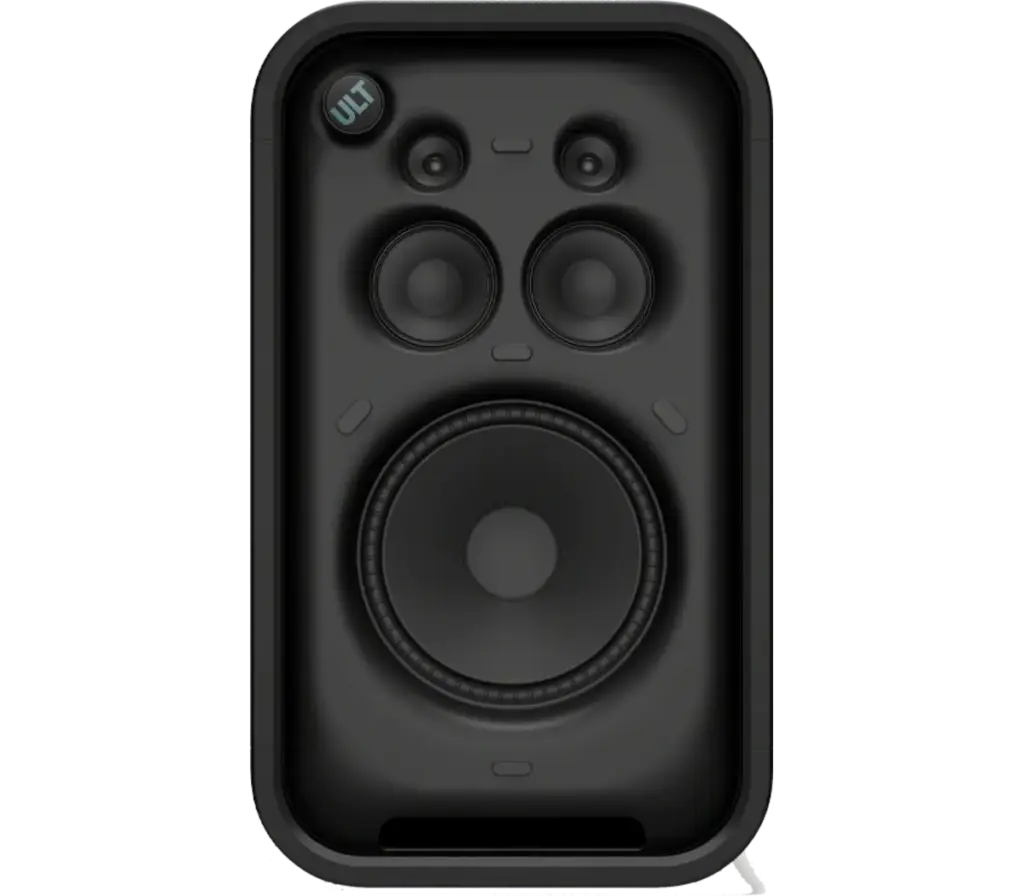
All three speakers use newly designed large circular woofers and bigger cabinets, along with Sony’s ULT DUCT tech, to push deeper low-end and higher volume. They’re clearly aimed at people who want serious bass without needing a full Public Address system.
The top model is the ULT TOWER MAX. It’s the most powerful bass-focused speaker in the range and comes with DJ connectivity, karaoke features, and built-in wheels so you can actually move it around. Inside you’ll find three low-frequency drivers (two in front, one in the back), four high-frequency drivers, and a midrange unit. Both the MAX and the TOWER 7 also deliver 360° surround sound and use wider casters for easier rolling.
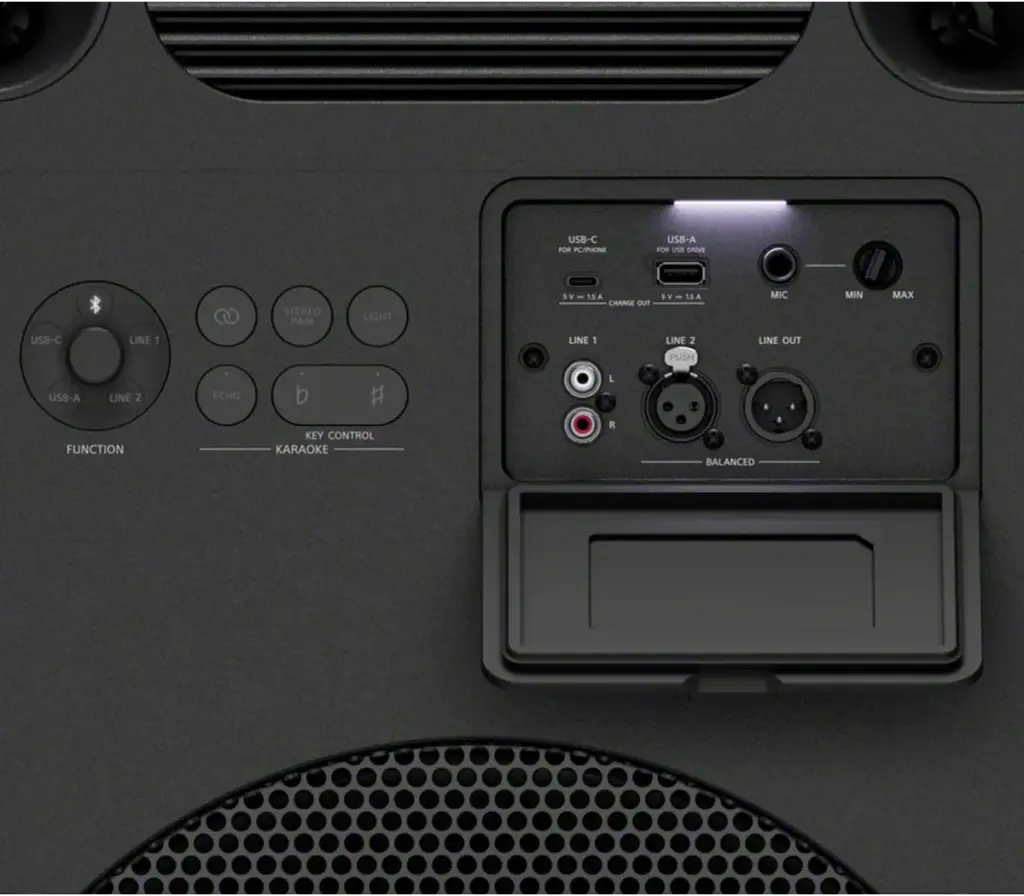
The ULT TOWER 7 is aimed at filling a room with strong, deep bass while still offering DJ inputs, karaoke, and wheels. The more compact ULT TOWER 5 packs similar bass performance, DJ connectivity, and karaoke into a smaller, more portable design that works better for smaller parties. When stood upright, both the TOWER 7 and TOWER 5 carry an IPX4 waterproof rating. Battery life is rated up to 30 hours on the TOWER 7 and 20 hours on the TOWER 5. Across the lineup you get XLR, RCA, and USB-C connections, three lighting modes, and four sound profiles you can switch between using the ULT button.
ULT TOWER 7ULT TOWER 5
Pricing and availability
The speakers start rolling out in September 2026 through Sony’s website, Best Buy, Amazon, and other authorized retailers. Pricing is $1,499.99 for the ULT TOWER MAX, $649.99 for the ULT TOWER 7, and $449.99 for the ULT TOWER 5.
Overall, Sony is giving people more flexible options that combine stronger bass with better connectivity and actual mobility, whether you’re just hosting a casual party or running something a bit more serious.
The anticipated OriginOS 7 software finally has an official launch date, and that is September 16. That’s when the company will announce its rollout plans and highlight major upgrades and new features. Vivo has also published a series of teasers recently, highlighting major design changes coming to OriginOS 7.
The Android 17-based skin will be unveiled at the Vivo Developer Conference in China on September 16. Alongside OriginOS 7, Vivo will also unveil BlueOS 4 at the upcoming event. It’s a new OS build for smart wearables, IoT devices, and smart home hardware.
Recently, Vivo has posted a series of OriginOS 7 teasers highlighting major design upgrades. The teasers heavily focus on translucent materials (also known as liquid glass UI), fluid animations, and lighting effects.
The new translucent material design system has been named “light and shadow aesthetics” for OriginOS. It uses see-through glass effects that blend with the background wallpaper, offering a unique experience while also providing more screen space for apps.
One of the teasers also focuses on Vivo’s pixel-level “see-through colour” technology. It adjusts specific areas in real time to make text easy to read, even when the background is challenging.
The OriginOS 7 also features a new liquid animation system. The Blue River rendering engine has been rebuilt around Virtual GPU 4.0, helping the new OS render 14% faster than OriginOS 6.
To make the UI feel more alive, OriginOS 7 now creates a ripple effect when a button is pressed, while dragging across the screen changes light and shadow along the path. The lock screen gets the Liquid Themes feature, which animates the lock screen wallpaper when you tilt or shake the device. There’s also a new Flash Card Theme that turns photos, characters, or places into lock screen cards.
The OriginOS 7 introduces a new system-wide sticker library. Furthermore, you will be able to put stickers on the desktop, albums, wallpapers, or the Always-on Display (AOD). You can also create your own stickers from photos.
We’ll continue to bring you the latest OriginOS information in our Vivo section. You can visit the page or join our Telegram channel to stay updated.
Bluetooth speakers have become an indispensable part of your tech pack, as they offer loud sound, a portable design, and are quite handy for times you want to take your music wherever you go.
Not to mention how many of them are available online, so many that choosing one for yourself isn’t an easy task. If you still don’t own a Bluetooth speaker in 2026, or want to upgrade to a new one, we’ve scouted through a bunch of options across price segments. These include affordable and portable alternatives, as well as premium, more room-filling options.
The first thing to consider is the size and portability. Small Bluetooth speakers are easier to carry, while larger speakers generally offer punchier sound and are better suited to parties or bigger rooms. If you mainly want something for travel, a compact speaker with a clip or strap can be more useful.
Next, consider the sound quality. Even the tiniest Bluetooth speakers can get surprisingly loud, but don’t judge a speaker by wattage alone. Some speakers also come with different modes, such as indoor and outdoor, letting you adjust the sound based on your surroundings.
Battery life is another important factor to consider. Look for at least 7 to 10 hours of playback for regular use, while bigger models can offer 20+ hours or more. An IP67 rating is also worth looking for if you plan to use the speaker near a pool, beach or outdoors, as it protects against dust and water.
Finally, look for extra features. Bluetooth multipoint is useful if you switch between two devices, while stereo pairing lets you connect two compatible speakers for a wider soundstage.
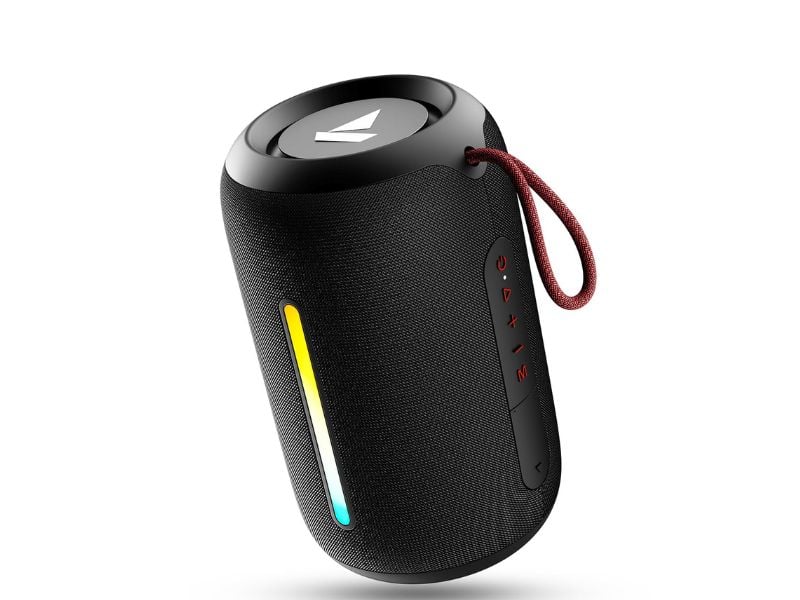
The boAt Stone 352 Pro is a good option if you want a loud Bluetooth speaker without spending too much. It packs 14W of output, up to 12 hours of battery life, and an IPX5 rating for water resistance. It also supports Bluetooth 5.3, AUX, and TF card playback, while the TWS feature lets you pair two speakers for a bigger sound. It’s not the most refined speaker on this list, but for casual listening and small gatherings, it offers plenty for the price.
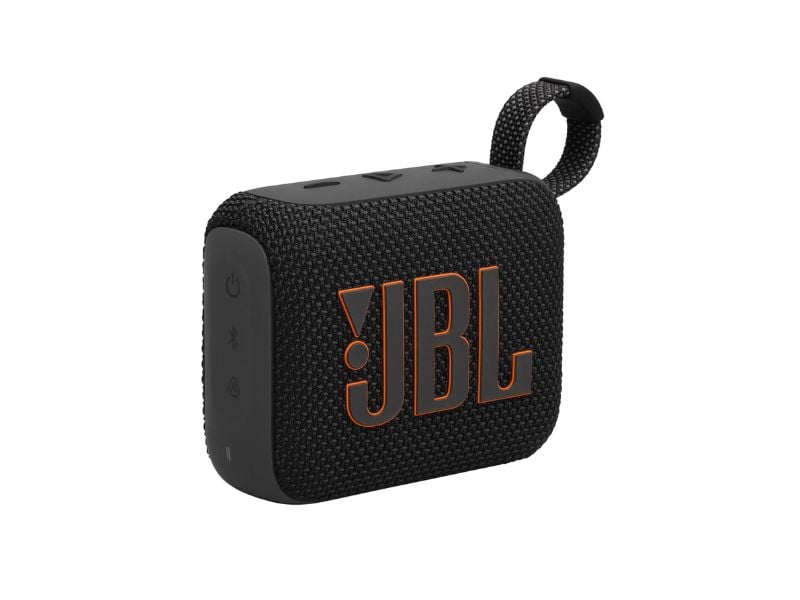
The JBL Go 4 is one of the smallest speakers on this list and is ideal if portability matters more than outright volume. It weighs just 190g, delivers 4.2W of output and offers up to seven hours of playback, with Playtime Boost extending this further. It also gets an IP67 rating, so it can handle dust and water, making it a great little speaker to throw into your tech backpack.
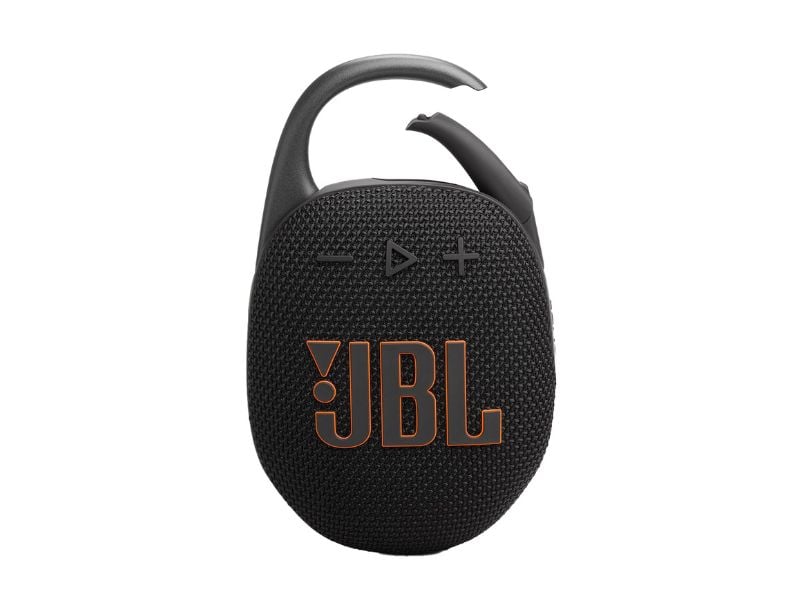
We have another speaker from JBL on this list, and this one’s for the hikers and fellow travellers. The JBL Clip 5 comes witth a built-in carabiner, allowing you to clip it directly onto a backpack or bag. It delivers 7W of output and up to 12 hours of battery life, while the IP67 rating makes it dustproof and waterproof. It is slightly bigger than the Go 4, but that extra size gives it more punch, making it the better choice for travel and outdoor activities.
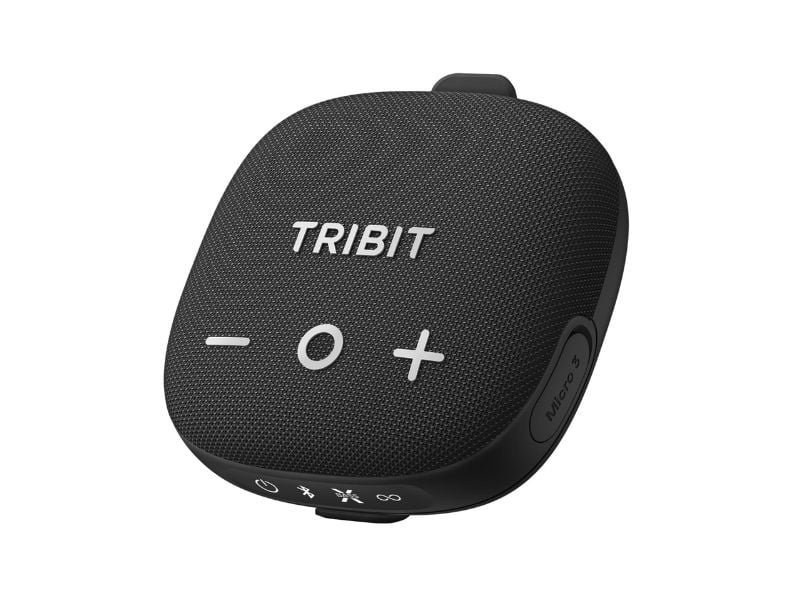
The Tribit StormBox Micro 3 is a popular choice on Amazon, thanks to the amount of thumping bass it offers. It comes with 13W of output, up to 24 hours of battery life, and an IP68 rating, along with the latest Bluetooth 6.0 support. It also doubles as a power bank for your phone and can be paired with another Micro 3 for stereo sound, making it particularly useful for outdoor trips.
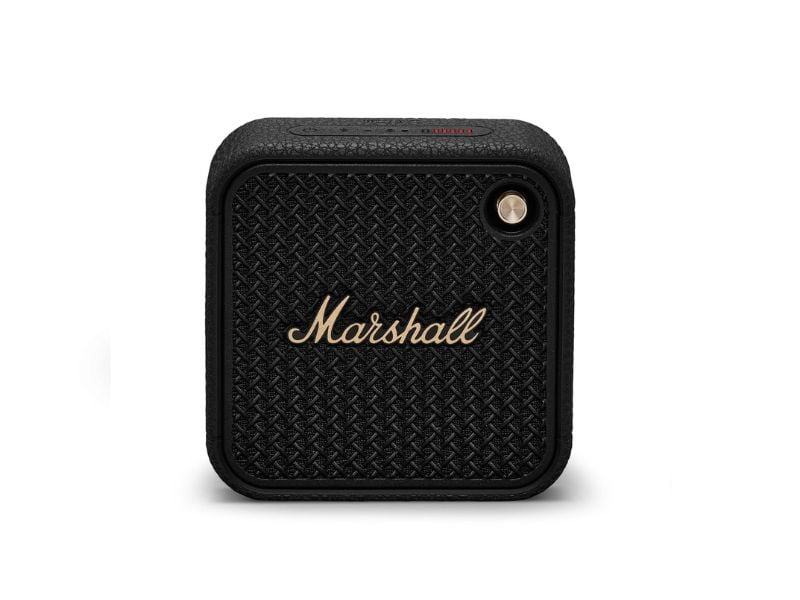
The Marshall Willen II comes with a 10W full-range driver, over 17 hours of battery life, and an IP67 rating, so it can handle outdoor use without much fuss. You also get Bluetooth multipoint, a built-in microphone, and a fastening strap. This one offers a mono output, and is more expensive than the smaller JBL options, but its distinctive design and Marshall’s rock tuned audio make it worth considering.
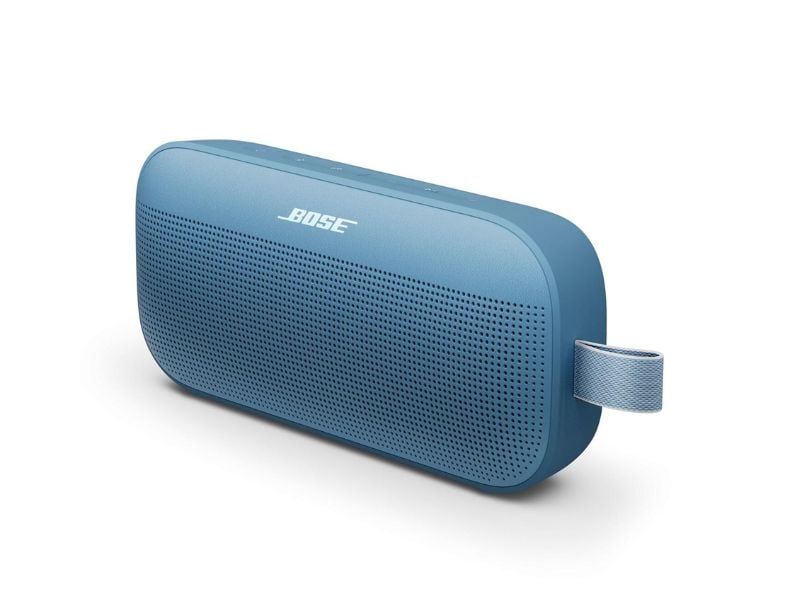
The Bose SoundLink Flex (2nd Gen) is one of the best-selling Bluetooth speakers on Amazon. It offers a bass-heavy output and a tone of features. It supports up to 12 hours of battery life, Bluetooth 5.3, multipoint connectivity, and an IP67 rating. Bose’s PositionIQ technology also adjusts the sound based on how the speaker is positioned. It is compact enough to carry around but powerful enough to work as your main portable speaker at home or outdoors.
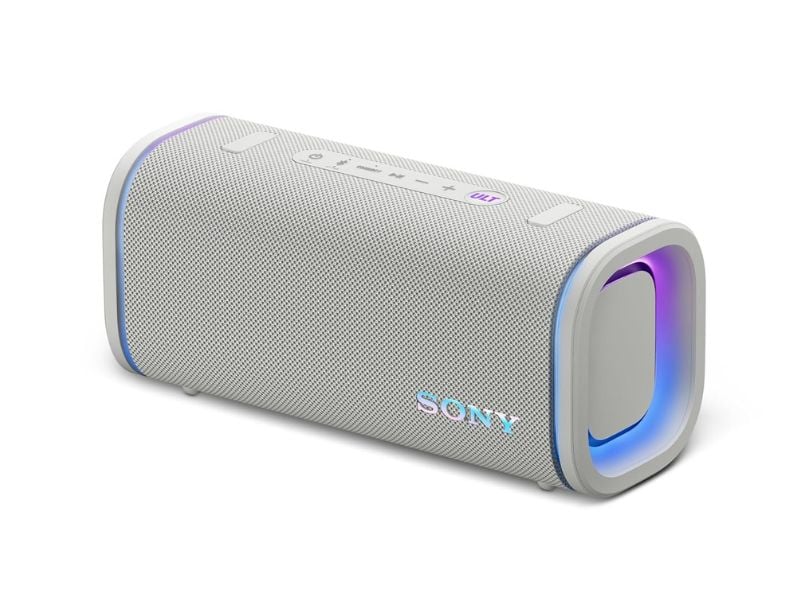
The Sony ULT Field 5 is for bass lovers, thanks to its ULT Power Sound mode that adds extra punch to low frequencies. It uses an X-Balanced woofer and dual tweeters, while offering up to 25 hours of battery life, Bluetooth 5.3, and IP66/IP67 water and dust resistance. Since it’s got all that power, it’s also heavier at 3.3kg, but the powerful bass and long battery life make it a solid pick for parties and outdoor listening.
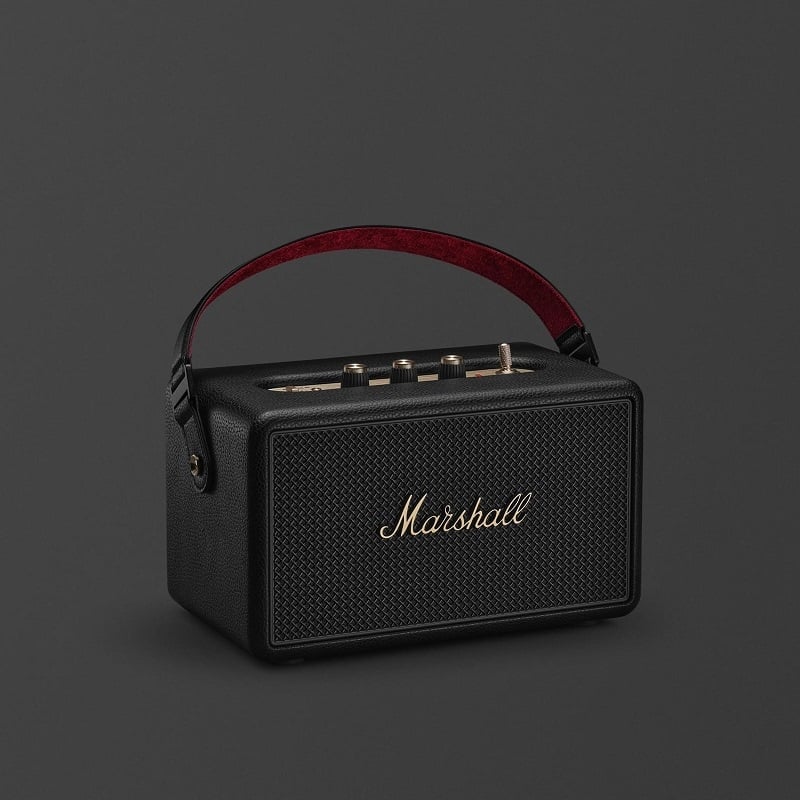
Want portability without giving up the sound output? The Marshall Kilburn III is a great pick. It packs 50W of output with a 30W woofer and two 10W full-range drivers, delivering what Marshall calls “360-degree True Stereophonic sound”. It also offers over 50 hours of battery life, Bluetooth 5.3, IP54 water and dust resistance, and a 3.5mm AUX input.
The boAt Stone 352 Pro is the best budget option, as it offers 14W output, 12-hour battery life, and water-resistant design, all under the Rs 2,000 price segment.
Which is the best Bluetooth speaker overall?
The Bose SoundLink Flex (2nd Gen) is the best overall Bluetooth speaker for its loud and bassy sound output, portability, durability, and useful features like multipoint connectivity.
The Marshall Kilburn III is the best premium pick if you want powerful sound, long battery life, and a rugged design in a portable package. However, for those who want a bass-heavy audio can check out the Sony Ult Field 5.
Which is the best Bluetooth speaker for travel?
The JBL Clip 5 is the best Bluetooth speaker for travel. Its compact design, built-in carabiner, IP67 rating, and 12-hour battery make it easy to take almost anywhere.
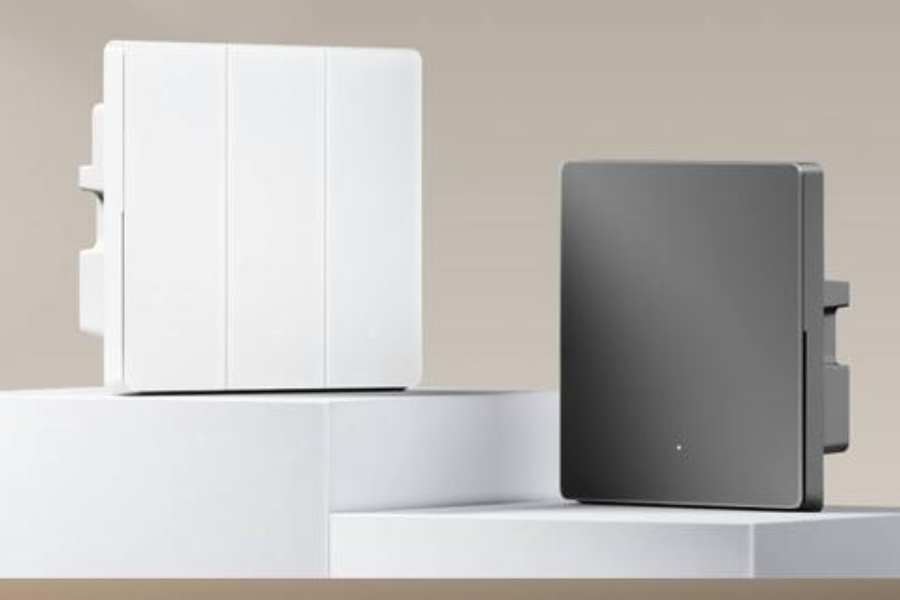
Xiaomi has released the Smart Switch 2, and you can already pre-order it on a crowdfunding platform in China starting at 69 yuan (~$10). The new switch builds on last year’s Xiaomi Smart Switch Pro, with a tougher shell and easier installation for older homes.
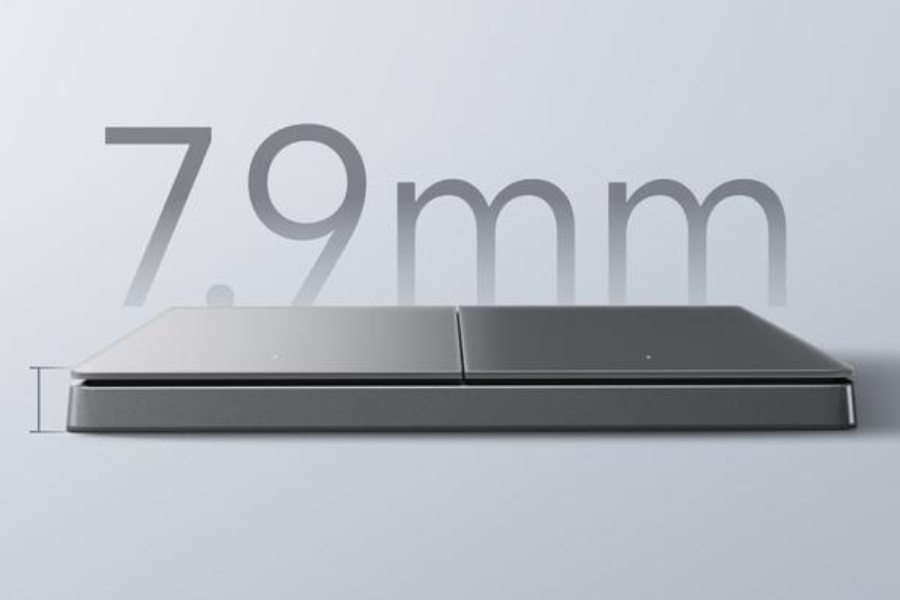
You get three button layouts to pick from — single, double, and triple button panels — in white or space gray. Each panel is made of acrylic glass and fits the standard 86-type wall-mounted junction box used in most homes in China. The panel measures 11mm thick, and the wall-mounting base sits at 21.2mm deep.
Built for older homes
Underneath that glass panel, the shell uses V-0 fire-retardant PC material that Xiaomi says can handle an 850°C flame-retardant test. The buttons themselves use a short-travel silicone buffer, so you get quieter clicks than on a standard switch, and a status light under each button shows you whether the circuit is on or off at a glance.
One of the more practical upgrades here is wiring flexibility. The Smart Switch 2 adapts to both single-live and neutral-wire setups, so you can install it in a newly built home or an older one that only has a live wire. It figures out which setup you have automatically when it powers on, so you don’t need to fiddle with any DIP switches.
Xiaomi also worked on the switch’s internals for longevity. The relay is rated for one million mechanical on/off cycles, and it uses zero-crossing detection to flip the switch at the lowest point in the AC voltage cycle, which reduces wear on the components. The switch is also tuned to cut down on the flickering that LED bulbs sometimes show from standby micro-currents, and there’s a temperature sensor built in that cuts the circuit automatically if things get too hot.
Xiaomi Mesh 2.0 and smart controls
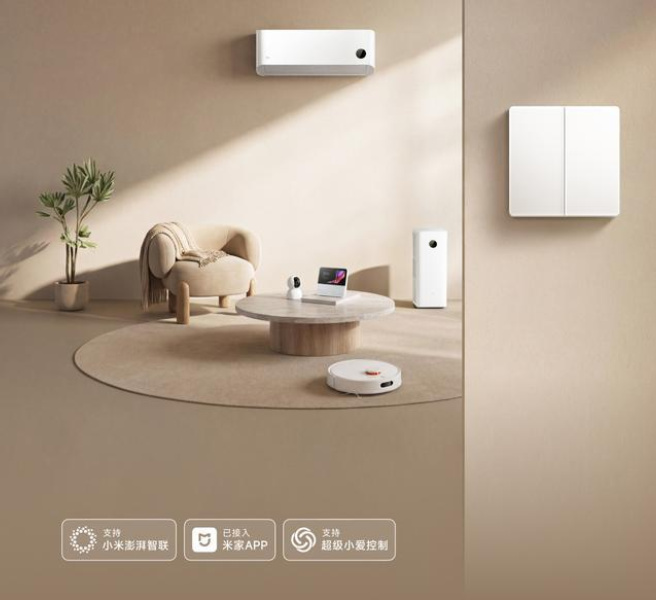
For connectivity, the Smart Switch 2 uses Xiaomi’s Mesh 2.0 system. Xiaomi says it improves switch response by 50% and reduces network setup time by 80% compared with the previous generation.
You can control it locally with the physical buttons, remotely through the Xiaomi Home app, or by voice through Xiao Ai, and each button supports single-click, double-click, and long-press actions you set yourself. There’s also a pure wireless mode, where the buttons stop controlling local power and instead send signals to trigger other Xiaomi Home devices, so you can set up two-way control without running new wires.
As for the price, the single-button version has a suggested price of 79 yuan (~$12) and a crowdfunding price of 69 yuan (~$10). The double-button version goes for 89 yuan (~$13) suggested and 79 yuan (~$12) during crowdfunding, while the triple-button version is priced at 109 yuan (~$16) suggested and 99 yuan (~$15) for crowdfunding backers.
For more daily updates, please visit our News Section.
We use cookies on our website to give you the most relevant experience by remembering your preferences and repeat visits. By clicking “Accept”, you consent to the use of ALL the cookies.
This website uses cookies to improve your experience while you navigate through the website. Out of these, the cookies that are categorized as necessary are stored on your browser as they are essential for the working of basic functionalities of the website. We also use third-party cookies that help us analyze and understand how you use this website. These cookies will be stored in your browser only with your consent. You also have the option to opt-out of these cookies. But opting out of some of these cookies may affect your browsing experience.
Necessary cookies are absolutely essential for the website to function properly. This category only includes cookies that ensures basic functionalities and security features of the website. These cookies do not store any personal information.
Any cookies that may not be particularly necessary for the website to function and is used specifically to collect user personal data via analytics, ads, other embedded contents are termed as non-necessary cookies. It is mandatory to procure user consent prior to running these cookies on your website.